
back to top
Tuesday, June 23, 2026
Home Blog Page 2

Elon Musk Becomes World’s First Trillionaire as SpaceX Debuts on Nasdaq

0

Elon Musk has become the world’s first trillionaire, marking a historic milestone in global finance after SpaceX’s long-awaited public debut sent his fortune soaring past the $1 trillion mark for the first time.

Rocketmaker SpaceX began trading on the Nasdaq Friday at $150 per share and closed at $160.95 per share, implying a market capitalization of nearly $2.2 trillion. At its peak during the session, shares reached $176.52, briefly lifting Musk’s estimated net worth to a record $1.2 trillion intraday before settling at about $1.1 trillion at the close, according to Forbes estimates.

The listing caps a dramatic surge in wealth following SpaceX’s IPO pricing at $135 per share on Thursday. That pricing alone lifted Musk’s net worth from an estimated $982 billion to roughly $1.1 trillion, a single-day gain of about $188 billion, according to Forbes calculations.

Musk, who serves as chairman, chief executive officer and chief technical officer of SpaceX, holds an estimated 4.8 billion shares in the company. At Friday’s close, that stake was valued at approximately $767 billion. He also holds roughly 350 million stock options with an exercise price of $8.40 per share, worth about $53 billion, giving him an estimated 38% stake in SpaceX valued at around $821 billion.

Before the IPO, Forbes had valued Musk’s stake in SpaceX at roughly $500 billion, based on a prior $1.25 trillion valuation tied to the company’s merger with Musk’s artificial intelligence and social media venture xAI earlier in 2026. xAI itself had previously merged with X (formerly Twitter) in March 2025.

Born in Pretoria, South Africa, Musk’s rise to global prominence began in the 1990s with Zip2, a software startup he co-founded that provided online business directories and mapping services for newspapers. The sale of Zip2 marked his entry into Silicon Valley and launched a career that would span some of the most influential companies of the modern era.

He went on to co-found X.com, which later became PayPal, helping to redefine online payments and establish his early fortune. Musk later became a central figure in Tesla, transforming the electric vehicle company into a global automotive leader and one of the most valuable companies in the world. Through SolarCity, he also played a key role in advancing residential solar energy and broader clean-energy infrastructure. SpaceX, founded in 2002, became his most ambitious venture, pushing the boundaries of reusable rockets and satellite internet through Starlink.

In the social media and AI space, Musk acquired Twitter in a landmark deal that reshaped the platform, later rebranding it as X, integrating it into a broader ecosystem alongside his artificial intelligence venture xAI, which he founded to accelerate advanced AI development.

Across Zip2, PayPal, Tesla, SolarCity, SpaceX, Twitter/X, and xAI, Musk has built a sprawling business empire spanning software, finance, energy, automotive, artificial intelligence, social media, and aerospace—each contributing to his ascent as one of the most influential and wealthiest individuals in history.

Musk first appeared on Forbes’ World’s Billionaires list in 2012 with an estimated net worth of $2 billion. He later overtook Jeff Bezos in 2021 to become the world’s richest person as Tesla’s valuation surged.

The SpaceX debut now marks the culmination of a decades-long ascent, placing Musk at the top of global wealth rankings and cementing one of the most dramatic wealth creations in modern financial history.

Neither SpaceX nor Musk immediately responded to requests for comment on the milestone.

Egypt Ride-Hailing Startup ARRW Raises $4 Million to Challenge Global Rivals

0

ARRW, an Egyptian ride-hailing startup positioning itself as a homegrown alternative to global mobility platforms, has secured $4 million in funding from Tasheed Egypt to expand its footprint in one of the region’s most competitive transport markets.

The Cairo-based company plans to deploy the capital to scale its driver—referred to as “captain”—network, upgrade its technology stack, and improve customer experience as demand for app-based transport accelerates across the country.

Founded by Ahmed Taalab, ARRW says it is Egypt’s first licensed ride-hailing platform, a distinction it is leveraging as regulators across the Middle East and North Africa tighten oversight of mobility operators. The startup currently serves more than 200,000 users, according to a company statement.

The funding comes amid a broader shift in Egypt’s urban mobility landscape, where rising congestion, population growth, and increasing smartphone penetration are fueling demand for digital transport solutions. While international players such as Uber and Careem dominate much of the market, local startups are seeking to differentiate themselves through regulatory alignment and services tailored to domestic conditions.

Tasheed Egypt’s investment signals growing confidence in locally built platforms capable of navigating Egypt’s regulatory and operational environment, particularly as policymakers push for more structured and technology-driven transport systems.

ARRW described the deal as more than just growth capital, framing it as validation of its strategy to build a “safer, smarter, and technology-driven” mobility platform designed specifically for Egyptian cities.

The company is also investing in operational scalability as it looks to expand beyond its current base and capture a larger share of Egypt’s mobility sector, which is undergoing rapid digital transformation.

ARRW said its expansion plans are “only getting started,” pointing to ambitions to play a larger role in the country’s emerging smart city ecosystem.

Kenya Harlequin FC, Zuri Health Deploy Mobile Health-Tech Stack in Rugby Season Partnership

0

Kenya Harlequin FC and Zuri Health are set to roll out an integrated, tech-enabled medical infrastructure across the 2026 rugby season, embedding digital diagnostics, mobile care delivery and real-time athlete monitoring into match-day operations.

Under the agreement, Zuri Health’s mobile unit, Zuri Express, will function as a field-deployable clinical system across Kenya Cup and Sevens fixtures, effectively extending a modular healthcare stack to stadium environments. The setup includes a mobile diagnostic suite capable of point-of-care imaging and testing, including portable X-ray, ultrasound, ECG, laboratory analysis, dental screening and sports rehabilitation services.

The system is designed as a distributed care workflow rather than a traditional sideline clinic, with athlete data captured and processed in near real time to support injury assessment and recovery decisions. Match-day operations will be supported by dedicated emergency response teams, dual ambulance coverage, and coordinated referral pathways into Zuri Health’s broader care network.

Beyond acute care, the partnership introduces a structured digital athlete health layer covering pre-season baseline screening, biometric tracking, and ongoing wellness monitoring. Medical data collected during training and fixtures will be integrated into Zuri Health’s digital platform, enabling longitudinal tracking of player load, injury risk indicators and recovery progress.

Fans on the other hand will access a “Zuri Wellness Hub” at match venues, offering free screenings and onboarding into Zuri Health’s digital ecosystem, including its WhatsApp-based telemedicine service and chronic care management tools.

The initiative effectively extends the platform’s user acquisition funnel from physical events into continuous digital care engagement.

Kenya Harlequin chairman Victor Sudi said the model strengthens the club’s operational medical capacity while modernising athlete welfare systems. Zuri Health vice president of partnerships Yvonne Kariuki said the deployment demonstrates how mobile-first health infrastructure can be integrated into high-intensity sporting environments.

The deal reflects a broader shift in East Africa toward software-driven healthcare delivery models, where mobile clinics, telemedicine platforms and data-enabled diagnostics are increasingly converging with live events to create hybrid physical-digital care systems.

Meet Zoho’s Nathu La In-house Server With Intel® Xeon® 6 Processor

0

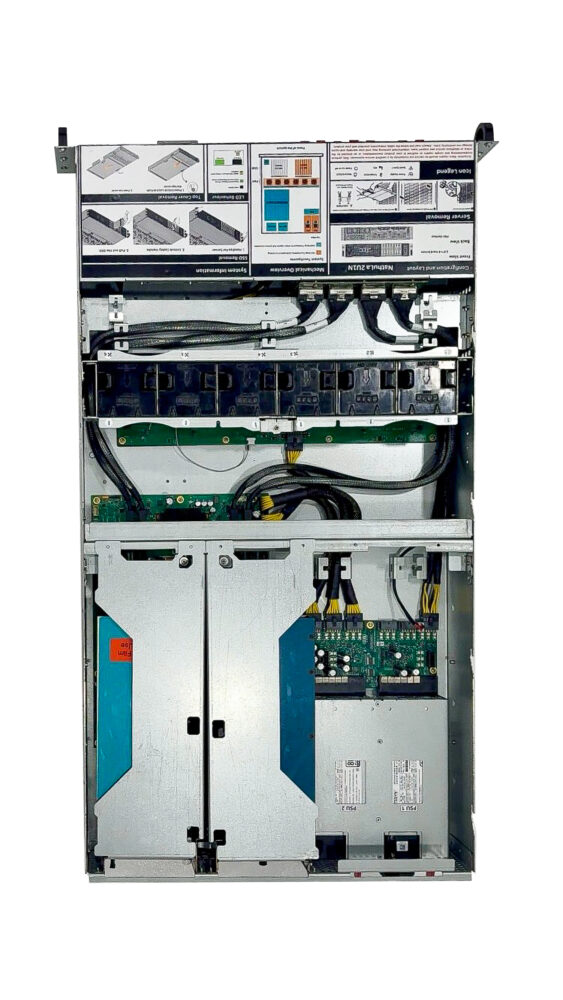
Zoho Corporation, the parent company of Zoho and ManageEngine, has launched Nathu La, a designed-in-house server, giving the firm performance with 12-18% lower power consumption and 20-30% lower total cost of ownership (TCO), thereby reducing inference costs.

The Nathu La server, comprising Intel® Xeon® 6 processors, was developed collaboratively with Intel, leveraging their enablement capabilities and technical expertise.

According to Veerakumar Natarajan, Country Head, Zoho Kenya. “With our strategy of using contextual, right-sized models, running on our own platform, on our own servers, in our own data centres, we are compounding the benefits accrued from owning and operating our entire technology stack. This ensures that our solutions are more sustainable and accessible for businesses. These long-term R&D investments we are making at every layer of the stack are aimed at delivering customer value.”

Screenshot

Building the Full Technology Stack

The design philosophy behind Nathu La is rooted in the Open Compute Project (OCP), emphasising modularity, thermal efficiency, and ease of maintenance. This enables Zoho’s data centres to significantly reduce total cost of ownership and power consumption.

Zoho plans to host its applications on the Nathu La server platform, enabling the company to optimise the full software-hardware stack for its specific workloads, reduce costs, improve performance, and strengthen data governance for its global customers. This will also help bring down inference costs for Zoho’s AI usage.

Developed Hardware Engineering Talent

In 2020, Zoho established a small R&D team in Nagpur, a Tier 2 town in India, focused on projects such as server design and systems engineering. Members of the Nathu La R&D team include hires from SETU – short for Student’s Engagement for Transformative Upskilling – an initiative designed to build a pipeline of industry-ready engineers, with a focus on advanced learning in Electronics System Design and Manufacturing (ESDM).

The initiative directly addresses the growing need for stronger foundational engineering skills in an era increasingly influenced by AI-assisted development. By prioritising hands-on innovation and first-principles problem-solving, SETU helps cultivate deeper research capabilities, creativity, and applied engineering expertise. To date, over 300 students have been trained through the programme, some of whom have joined Zoho.

What’s Inside

The Nathu La server motherboard and chassis platform is the result of five years of R&D across hardware, firmware, and systems management. Based on Intel® Xeon® 6 Processors, the server is designed to optimise performance for virtualisation (VM), High Performance Computing (HPC), AI inference, and storage applications. This results in improved performance of Zoho applications for end users.

The server features customised power delivery subsystems, an in-house DC-SCM (Data Centre Secure Control Module) design, and modular chassis options compatible with diverse end-user environments, offering flexibility across deployment types.

All modular components – including the DC-SCM and NIC (Network Interface Card) – were designed in-house by Zoho’s hardware engineering team and assembled through electronics manufacturing partners, enabling tighter integration and quality control across the platform. Over five patents have been filed covering advanced thermal management and cost-optimised server architecture designs.

Moving Towards Technological Sovereignty

Nathu La is engineered with hardware-rooted security at every layer of the stack. The platform’s indigenous IP-driven approach reduces dependency on external entities for security audits, firmware updates, and licensing continuity.

The solution aligns with open-source software principles and reflects Zoho’s broader commitment to building sustainable, secure, and scalable digital infrastructure. It also supports the growing global focus on digital sovereignty, local innovation ecosystems, and high-performance computing capabilities.

Amazon Targets Starlink With $10 Billion Kuiper Push, Picks Kenya for First African Gateway

0

Amazon Inc. has selected Kenya as the site of its first satellite ground gateway in Africa, advancing its $10 billion Project Kuiper and setting up a deeper challenge to SpaceX’s Starlink in one of the world’s fastest-growing internet markets.

The ground station—critical for linking low-Earth orbit satellites to terrestrial networks—will anchor Kuiper’s planned expansion across East Africa, according to people familiar with the matter. The move signals Amazon’s shift from early deployment to regional build-out as it races to meet regulatory deadlines and begin commercial service.

Kenya offers a mix of regulatory openness, fiber backhaul, and proximity to the equator that makes it attractive for satellite operations. The country has positioned itself as a technology hub, with Nairobi hosting a dense cluster of data centers, cloud regions, and fintech firms. A local gateway could reduce latency and improve reliability for users across the region, particularly in underserved rural areas.

Kuiper, which aims to deploy more than 3,200 satellites, is designed to deliver high-speed broadband to households, enterprises and governments. Amazon has already launched initial satellites and is working with telecom operators and distributors ahead of wider rollouts. Establishing ground infrastructure is a prerequisite for scaling service and managing network traffic.

The decision heightens competition with Starlink, which has moved quickly across Africa, launching in multiple countries including Kenya. SpaceX’s service has gained early adopters among businesses and remote users seeking alternatives to patchy terrestrial connectivity, though equipment costs and monthly pricing remain barriers for some consumers.

An Amazon entry could intensify price competition and broaden distribution partnerships, especially if Kuiper bundles connectivity with its cloud and enterprise offerings. Analysts say dual-operator dynamics may accelerate coverage while pushing both providers to differentiate on performance, pricing and local partnerships.

For Kenya, the investment underscores its role as a regional digital gateway and could support sectors from education and healthcare to agriculture and logistics. It may also spur further policy development around spectrum, licensing and infrastructure sharing as governments balance competition with market stability.

Amazon hasn’t disclosed a launch timeline for Kuiper services in Africa. But the establishment of its first gateway on the continent suggests commercial availability is moving closer, setting the stage for a head-to-head contest with Starlink over Africa’s next wave of internet users.

What Makes Trading Platforms Suitable For Modern Online Traders?

0

Digital trading has really changed how people deal with global markets. These days, traders want speed, flexibility and tech-driven tools. These can make spotting opportunities, managing trades and getting access to markets from almost anywhere a whole lot easier.

Online investing has flipped the relationship between individuals and financial markets. Not long ago, trading was all about phone calls, filling out forms and spending time in physical offices. Now, just about anyone with the internet can get into global markets through digital platforms built to make trading more accessible.

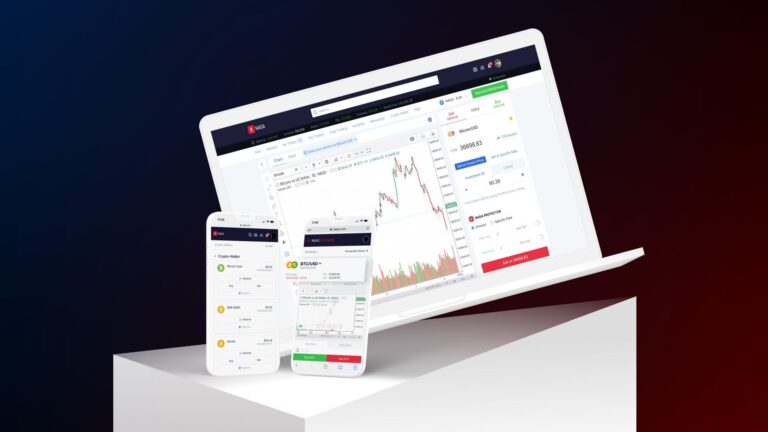
Online trading platforms connect users to financial markets through easy-to-use digital interfaces. Traders use them to buy and sell, track market movements and get support from various tools. Beginners use these platforms to try out investing, and seasoned traders rely on their advanced features for fast-moving markets.

As technology advances, traders’ expectations shift. Just having access to the market isn’t enough anymore. People want smooth experiences, strong security, solid reliability and features that match the speed of the digital world.

How Online trading Platforms Have Evolved

What Makes Trading Platforms Suitable For Modern Online Traders?

Convenience drives the modern trading experience. Now, instead of leaning on old-school ways, traders get into markets through desktops, smartphones and web-based platforms. That’s opened up global financial activity to way more folks.

A modern platform acts like a central hub, users pull up market data, analyze price moves and make trades. Plenty of platforms give access to different asset classes, letting traders spread out their strategies instead of focusing on just one market.

Tech has been a huge factor in all this. With faster internet, slicker software and better security, trading platforms are quicker and more reliable than ever. Today’s traders need to react fast. Markets shift in seconds because of news, announcements or global events. Platforms offering real-time info and speedy order processing give traders a big edge.

Access to Global Markets and Different Assets

Another must-have for online trading platforms is access to lots of markets. Modern traders want flexibility, plus the ability to explore different financial instruments all in one place.

For example, a platform offering brokerage across global markets, including commodities like gold and oil, lets users track several sectors with one account. That’s why traders seek reliable trading platforms combining easy access with broad market coverage.

Having all these options gives traders the freedom to build strategies based on their goals and interests. Some stick to currency markets, others eye commodities or different financial products.

Speed and Performance Are Key Factors

Speed is one thing modern traders care about most. Everything’s gone in an instant, so trading platforms need to handle orders without hesitation. Fast execution matters a lot to active traders chasing short-term moves. If prices shift quickly, even tiny delays can wreck a trade. That’s why traders go for platforms known for high-speed performance.

A solid platform rides out busy market times, too. When financial events hit, trading activity jumps. If the system stays stable through all that, users stick around.

Tech-savvy traders don’t just want the basics, they want platforms that feel intuitive, quick and built around the way people use digital tools now.

Security and Trust in the Digital Age

With more financial activity now online, security matters more than ever. Modern platforms need to protect users’ info, account details and transactions.

Solid security builds trust. Traders want to know their data’s safe and that the platform keeps their investments protected.

Reliability is part of that as well. Users expect systems that stay consistent, offer accurate info and are transparent. That’s crucial as finance goes more digital.

Convenience Through Modern Features

What Makes Trading Platforms Suitable For Modern Online Traders?

Besides speed and security, convenience drives where traders land. User-friendly navigation, customizable tools and easy account management make a big difference.

Many traders value quick access to their cash. Platforms with instant withdrawals give more flexibility to users who crave control.

Mobile access counts, too. Nobody wants to be tied to a desk. Monitoring markets and managing trades from a phone fits the digital lifestyle.

Why Innovation Matters For The Future of Trading

Tech will keep shaping online trading. AI, automation and better data tools are already changing how traders analyze and interact with markets.

With innovation, platforms will become more personalized. Traders get smarter tools to organize info, spot patterns and manage activities.

But core expectations won’t shift much. People will still demand speed, security, easy access and a smooth digital ride.

A Place To Trade

Modern traders expect more than just a place to trade. They want platforms blending advanced technology with reliability, convenience and security.

Online trading platforms are essential now for accessing global markets, spotting opportunities and managing activity in real time. Fast execution, instant withdrawals, wide market access and secure systems are shaping what traders want from digital finance.

As tech moves forward, the best platforms will keep improving, all while focusing on what matters most: Speed, simplicity and a trading experience users can trust.

TiE Dubai Opens Women-Focused Startup Program as MENA Funding Shows Signs of Recovery

0

TiE Dubai, the regional chapter of global entrepreneurship network The Indus Entrepreneurs, has opened applications for the 2026 edition of its TiE Women MENA Program, aiming to scale women-led startups as investment activity in the region begins to rebound.

The initiative, now in its seventh year, comes as startups across the Middle East and North Africa raised about $150 million in April across 27 deals, reflecting improving investor sentiment after a slower start to the year.

Applications will close on June 25 and are open to women founders or co-founders holding at least a 33% stake in ventures established from January 2019. The program targets early- to growth-stage startups and offers mentorship, investor access, pitch training, and networking opportunities, alongside equity-free prize funding.

TiE Dubai said it expects to shortlist about 45 to 50 startups, which will be divided into five tracks spanning the UAE, Saudi Arabia, Egypt, Emirati founders and the wider Middle East. Winners from each track will advance to a regional final later this year, with top founders gaining exposure at GITEX Global in Dubai.

The program is backed by Nokia as the official partner, alongside long-term collaborators including TECOM, Dubai Internet City and in5 Innovation Centers, reflecting growing corporate interest in supporting startup ecosystems and diversity-led innovation.

“Women founders continue to demonstrate resilience and the ability to adapt in uncertain environments,” said Carlina Marani and Shameema Parveen, co-chairs of TiE Women MENA. “We are seeing increasingly bold ideas emerging from across the region.”

Regional finals are scheduled to take place virtually in September, with MENA-level finals planned for December during GITEX 2026, positioning selected startups before global investors and industry leaders.

Nokia said its involvement is tied to the broader economic case for inclusion. Expanding women’s participation in entrepreneurship and the workforce could increase GDP per capita in the MENA region by more than 30% over time, according to economic research cited by the company.

Since its launch, TiE Women has received more than 11,000 applications globally and supported over 500 startups. In MENA, the program has worked with more than 1,000 women-led businesses, highlighting its role in a region where access to funding for female founders remains comparatively limited despite gradual progress.

Microsoft-Backed Project in Uganda Brings MRI Scans Closer to Patients

0

For many patients in Uganda, getting an MRI scan has never been just a medical appointment. It often means long, costly journeys to major cities trips that can delay diagnosis and, in some cases, treatment itself.

At Mbarara University of Science and Technology (MUST), a quieter, more hopeful story is taking shape.

Inside a small lab, researchers and students are working with an ultra-low-field MRI machine, less powerful than conventional hospital systems, but far more accessible. Until recently, however, producing clear, reliable images from the machine remained a challenge.

“We could capture signals, but turning them into images we could confidently interpret was difficult,” said Eng. Dr. Johnes Obungoloch, dean of the Faculty of Applied Sciences and Technology at MUST.

That changed when the team partnered with Spain’s Institute of Instrumentation for Molecular Imaging (I3M) and began using Tyger, a cloud-based imaging platform developed by Microsoft Research.

Instead of relying on local computing power, raw MRI data is now sent to the cloud, where advanced algorithms reconstruct and enhance the images before returning them to the lab. The improvement has been striking.

“Early on we could only image part of the head,” Obungoloch said. “Today, we can acquire full-head images.”

For students, the project is opening doors beyond the classroom. Engineering and medical trainees are working side by side, learning how to operate imaging systems, process signals and interpret results skills that are still scarce in many parts of the region.

In a country where access to advanced imaging is limited, the implications extend far beyond the lab. Patients with conditions such as stroke, head injuries or hydrocephalus often depend on timely scans to guide treatment. Yet for many, distance and cost remain major barriers.

“For some patients, traveling hundreds of kilometers for a scan is simply not possible,” Obungoloch said. “If we can bring this closer, it can change outcomes.”

Since 2025, the team has scanned dozens of volunteers while refining the system. Though still in the research phase, the work points to a different model for delivering healthcare one where lower-cost machines, combined with cloud computing, can expand access without requiring massive infrastructure.

What is unfolding in Mbarara is not just a technical breakthrough. It is a practical attempt to shrink the gap between patients and diagnosis using connectivity, collaboration and a rethinking of how medical technology is delivered.

MTN Rolls Out One TV to Tap Africa’s Growing Streaming Market

0

MTN Group Ltd. has begun a phased rollout of a new video entertainment platform, MTN One TV, as Africa’s largest mobile operator accelerates its expansion into digital services beyond traditional connectivity.

The offering, launched under its Ambition 2030 strategy, aggregates local storytelling, live television channels and international programming into a single platform tailored to Africa’s diverse markets, where affordability and access to payment systems continue to shape streaming adoption.

Viewing options will vary by country, ranging from free-to-view and advertising-supported content to pay-as-you-watch and subscription models. In a bid to lower barriers to entry, MTN will enable payments through airtime, mobile money and other locally supported methods in select markets, targeting millions of users outside the formal banking system.

The Johannesburg-based telecom operator is leveraging its scale across connectivity, fintech and digital infrastructure to compete with global streaming platforms such as Netflix Inc. and Amazon.com Inc., as well as regional broadcasters and pay-TV providers.

“Entertainment is increasingly becoming an important gateway to digital participation,” said Selorm Adadevoh, MTN Group’s Chief Commercial, Strategy and Transformation Officer. He said the platform is designed to expand access to relevant content while creating new opportunities for Africa’s creative and digital economy.

MTN One TV is also positioned as a distribution channel for creators, advertisers and broadcasters, helping improve content discovery and extend audience reach across the operator’s footprint.

The rollout will be gradual, with the company adapting its approach based on local market dynamics, regulatory environments and partnership opportunities. Over time, MTN plans to unify its video services and partnerships under the One TV brand to build a more scalable entertainment ecosystem.

The move underscores a broader shift among telecom operators toward bundling connectivity with digital services as traditional revenue streams mature. With rising smartphone penetration and expanding network coverage across Africa, MTN is betting that integrated entertainment offerings will help drive user engagement and unlock new growth avenues.

Binance Commits $250,000 to Support Ebola Response in Uganda and DRC

Binance has pledged $250,000 in emergency humanitarian funding to support frontline efforts responding to an ongoing Ebola outbreak in the Democratic Republic of Congo (DRC) and Uganda.

The funding will be split equally between the Uganda Red Cross Society and Médecins Sans Frontières (MSF), with a focus on strengthening medical care, outbreak containment, community awareness, and protection for frontline health workers operating in high-risk areas.

The outbreak, caused by the Bundibugyo virus, a strain of Ebola for which no approved vaccine or specific treatment exists has placed significant strain on already fragile health systems in eastern DRC and neighbouring regions. Health authorities and humanitarian organisations are working to contain transmission while expanding access to emergency care and preventive interventions.

Binance said the funding will support critical response activities including contact tracing, infection prevention and control measures, community education campaigns, and the provision of sanitation and protective equipment for medical teams.

A central focus will be improving rapid response capacity in underserved and hard-to-reach communities, where limited infrastructure and delayed access to public health information continue to heighten transmission risks.

“Communities across Africa continue to show extraordinary resilience in the face of complex challenges, but frontline responders should not have to face crises like this alone,” said Richard Teng, co-CEO of Binance. “The teams working to contain the Ebola outbreak are delivering vital, life-saving support under incredibly difficult conditions. We are proud to support both the Uganda Red Cross Society and MSF as they work to protect vulnerable populations and strengthen local response efforts.”

Robert Kwesiga, Secretary General of the Uganda Red Cross Society, said the support would enhance response capacity at a critical moment. “Strong partnerships are essential during public health emergencies. The support from Binance comes at a crucial time and will help us respond more rapidly, reach more at-risk communities, and reinforce frontline services needed to contain the outbreak and save lives.”

MSF Emergency Programme Manager Trish Newport said the spread of cases across multiple health zones and into cross-border areas underscored the urgency of the response. “The number of cases and deaths we are seeing in such a short timeframe, combined with insecurity and limited access to healthcare in some regions, makes rapid action critical to prevent further escalation.”

Binance said the initiative forms part of its broader engagement in Africa, which includes programmes in education, digital skills development, financial inclusion, and community empowerment.

The company also called for increased private-sector participation in humanitarian response efforts, arguing that corporations operating in Africa should play a greater role in supporting communities during public health emergencies.

Algebra AI Raises $7 Million to Target Gulf’s Mid-Market AI Gap

Algebra AI, a United Arab Emirates-based artificial intelligence startup, has raised $7 million from a group of regional and international investors to deliver managed AI services tailored to mid-sized businesses across the Gulf.

The company, backed by Infinity Constellation, BECO Capital, Silicon Badia and Waseel Investments, is launching with a focus on companies that are often underserved by both off-the-shelf software and costly enterprise-grade AI systems. Its clients already span sectors including financial services, manufacturing, food and beverage, and distribution.

Founded by former Deliveroo Middle East executive Anis Harb, Algebra AI is positioning itself as an operator rather than a traditional software vendor. Harb previously scaled Deliveroo’s regional business to more than $1 billion in gross transaction value, experience he says exposed a structural gap in how companies adopt technology as they grow.

“There are more than 30,000 mid-market businesses in the GCC, yet the tools available don’t reflect how they actually operate,” Harb said. “They’ve been told AI is for them, but the model hasn’t worked in practice.”

Algebra AI’s approach centers on building customized AI-driven workflows that integrate with a company’s existing systems, approval processes and operational constraints. Unlike software providers that sell licenses, the startup continues to run and refine these systems over time, effectively embedding itself in clients’ operations.

The pitch comes as companies across the Gulf accelerate AI adoption, but face challenges translating experimentation into measurable business outcomes. For mid-sized firms in particular, limited internal technical capacity and high implementation costs have slowed deployment.

Harb argues that AI can fundamentally alter the traditional link between growth and operational complexity — where increased scale typically requires more staff and overhead. “We build systems around how a business actually runs and stay accountable for outcomes,” he said. “That’s a different relationship than SaaS.”

Investors say the model reflects lessons learned from deploying AI inside large organizations. Francis Pedraza, co-founder of Infinity Constellation and founder of Invisible Technologies, said the opportunity lies in operationalizing AI beyond pilot projects.

“Making AI work inside real businesses requires getting into the messy, day-to-day processes,” Pedraza said. “This is about building systems that run continuously, not demos.”

Algebra AI plans to use the funding to expand its client base across the Gulf Cooperation Council and grow its engineering and managed services teams, as competition intensifies among firms seeking to capture the region’s rising demand for applied AI solutions.

The startup is betting that mid-market companies long considered too complex for plug-and-play tools and too small for bespoke enterprise systems could become the next major frontier in the AI services economy.

Zipline’s Impact Expands Beyond Healthcare

0

Zipline’s autonomous drone logistics network is delivering measurable gains across nutrition, agriculture and local economies in Africa, according to three new studies that extend the company’s impact well beyond its core healthcare operations.

The research finds a 22% reduction in child fatalities linked to severe acute malnutrition, a 68% return on investment for smallholder pig farmers, and between $850 and $1,200 in additional annual household income for communities located near Zipline distribution hubs.

“This research shows what communities and governments across Africa have seen firsthand: when essential supplies reliably reach the people who need them, outcomes change,” said Caitlin Burton, CEO for Africa and Emerging Markets at Zipline. “Zipline began by improving access to critical health supplies. Today, the same infrastructure is strengthening nutrition systems, agricultural productivity and local economies.”

A peer-reviewed study published in Frontiers in Veterinary Science examined Zipline’s role in Rwanda’s pig farming sector, where drone delivery of temperature-sensitive pig semen was paired with training for community animal health workers across eight rural districts. The initiative, run in partnership with the Rwanda Agriculture and Animal Resources Development Board and Feed the Future Rwanda, aimed to determine whether reliable logistics could make artificial insemination a viable and scalable income stream.

The results point to significant gains. About 17% of the increase in farmers’ income was directly attributed to Zipline’s logistics support, while the program generated nearly $129,000 more in farmer income than it cost to implement—equating to a 68% return on investment. Artificial insemination success rates also rose sharply, from 48.8% to 74.8% following the integration of drone delivery.

A second study focused on healthcare outcomes, specifically the delivery of ready-to-use therapeutic food (RUTF) for treating severe acute malnutrition in Rwanda. Comparing 299 facilities over five years, researchers found that Zipline-enabled supply chains reduced in-hospital child deaths from severe malnutrition by 22%.

The data also showed a broad decline in severe malnutrition cases across all age groups, including a 22% drop among children under two, 42% among those aged two to five, and 84% among children older than five. Severe anemia cases in children aged two to 59 months fell by 46%.

While malnutrition-related hospitalisations rose by 21%, mortality did not increase—an indication that more children were being identified earlier and receiving sustained treatment due to improved supply reliability.

“The protocol for treating malnutrition has not changed. What changed was whether supplies were there when clinicians needed them,” said Pedro Kremer, Head of Impact and Research at Zipline. “That is the variable these studies are measuring—and the results are unambiguous.”

A third study assessed the broader economic footprint of Zipline’s GH3 distribution hub in northern Ghana, combining household surveys with satellite analysis of nighttime light intensity—a widely used proxy for economic activity. The findings suggest that proximity to the hub correlates with tangible economic gains.

Households within a two-kilometre radius of the hub reported annual income increases of between $850 and $1,200. Asset accumulation declined with distance, dropping by roughly 27% for every additional 1.5 kilometres from the hub, with a gap exceeding 30 percentage points between the nearest and farthest communities. Access to drinking water also followed a similar pattern, improving more significantly in areas closer to the hub.

Satellite data reinforced these findings, showing higher nighttime light intensity around the GH3 site compared with 82 benchmarked locations across Ghana.

Together, the studies suggest that Zipline’s logistics infrastructure is not only improving access to critical health supplies but also acting as a catalyst for broader economic activity in surrounding communities.

Zipline, which operates across four continents, currently serves more than 5,000 hospitals and health facilities globally and completes a delivery approximately every 30 seconds. With over 130 million autonomous miles flown, the company has positioned itself as a key player in transforming supply chains for healthcare, agriculture and commerce, particularly in underserved regions.

Earlier this year, Zipline and the Government of Rwanda signed an expansion agreement under a $150 million pay-for-performance award granted to Zipline by the U.S. Department of State. While Rwanda was already a pioneer as the first country to launch Zipline’s service in 2016, this new phase was expected to introduce Africa’s first urban drone delivery network and a dedicated autonomous delivery testing centre.

The New Reality of Enterprise Security: Scaling Resilience Amid Complexity

0

Large enterprises face a cybersecurity mismatch: rising AI-powered attacks and Advanced Persistent Threats (APTs) outpace understaffed teams. Fragmented tools create visibility gaps and alert fatigue. To build resilience, organisations should consolidate platforms, automate responses and embed AI-driven detection, shifting from reactive firefighting to intelligence-led protection at scale.

In the space of a few short years, the cybersecurity environment at large enterprises has evolved dramatically. Hybrid workforces, multi-cloud architectures, AI-driven operations and complex third-party supply chains have expanded the attack surface beyond what traditional security models were designed to protect. Meanwhile, the threat actors targeting these environments have grown more capable, more organised and more persistent. The result is a structural mismatch: the scale and sophistication of threats is outpacing the capacity of many security teams to detect, investigate and respond effectively.

For security leaders the challenge is managing the intersection of accelerating threats, workforce constraints and fragmented security architectures, all while justifying investment to the board and maintaining operational resilience. Three interconnected challenges define this landscape today.

Challenge 1: Rising volume and speed of attacks

The pace of modern cyberattacks is straining enterprise security operations. Threat actors are moving faster, from initial compromise to lateral movement to data exfiltration and the window available to detect and contain an incident is shrinking.

APTs remain the most consequential risk for large organisations. These groups, well-funded, disciplined and operating with nation-state backing or organised criminal infrastructure, were detected in 21% of customers in 2025 and accounted for 23% of all high-severity incidents, according to a Global Report by Kaspersky Security Services.

What makes APTs particularly dangerous is their operational discipline. Rather than relying on a single exploit, these actors combine credential theft, living-off-the-land techniques, lateral movement and stealthy persistence to remain undetected for extended periods.

What security teams should focus on:

  • Establish real-time endpoint visibility to detect anomalous behaviour and early indicators of compromise
  • Correlate telemetry across endpoints, identity, email and cloud to uncover multi-stage and lateral attacks
  • Automate triage and containment to reduce dwell time
  • Embed proactive threat hunting to identify stealthy persistence and advanced adversary activity
  • Accelerate critical response times with pre-built response scenarios that can be launched in a single click

The goal is to shift security operations from reactive firefighting to sustained, intelligence-driven defence where threats are identified early, contained swiftly and investigated with sufficient context to prevent recurrence.

Challenge 2: Defending against AI-powered threats amid talent shortages

AI enables attackers to automate reconnaissance, generate convincing phishing content at scale and adapt techniques in real time, making campaigns faster to execute and harder to detect. Kaspersky research into the RevengeHotels campaign illustrates the trend: threat actors leveraged AI-generated code to enhance malware development and delivery, improving both the effectiveness of phishing lures and the evasiveness of payloads, reflecting a broader shift in how sophisticated adversaries operate.

At the same time, enterprises face a persistent shortage of qualified cybersecurity professionals. The global cybersecurity workforce gap runs into the millions and 41% of information security professionals report that their organisations are somewhat or significantly understaffed. Security operations centers are absorbing growing alert volumes with teams that are not growing at the same rate. Burnout and high turnover compound the problem. The strategic response is not simply to hire more analysts, hiring pipelines cannot keep pace with demand.

Instead, organisations need to embed AI-assisted automation directly into security workflows: automating alert triage, accelerating investigation through contextual summarisation, standardising response through pre-built playbooks and enabling smaller teams to operate with the effectiveness of larger ones. Consolidating tooling further reduces the cognitive load on analysts who currently switch between multiple dashboards to reconstruct a single incident timeline.

Challenge 3: Tool sprawl is causing drag and weakening visibility

Enterprise security stacks have grown organically over years, with solutions added in response to specific threats or compliance requirements. The result, in many organisations, is a fragmented architecture with dozens of standalone tools across endpoints, networks, cloud environments, identity and data protection, each generating alerts, each requiring management and each operating largely in isolation.

The operational consequences are significant. Security teams spend substantial time integrating tools, reconciling telemetry and switching between consoles to piece together the scope of an incident. Alert fatigue sets in. Investigation timelines lengthen. Skilled analysts, already scarce, are absorbed by manual correlation tasks rather than focused on proactive risk reduction. Over half of security experts globally report feeling overwhelmed by managing cybersecurity tools from multiple vendors.

The business consequences are equally problematic. Fragmented stacks create visibility gaps at the endpoint level, still the primary enterprise network entry point for cyberattacks and make it difficult to demonstrate measurable security ROI to the board. Total cost of ownership extends far beyond licence fees: integration complexity, infrastructure requirements and ongoing tuning can multiply initial investments by three to five times.

Addressing tool sprawl requires deliberate consolidation. Organisations should:

  • Consolidate overlapping tools into integrated EDR and XDR platforms
  • Centralise telemetry collection and incident management to close visibility gaps
  • Automate correlation and response workflows to reduce manual effort and context switching
  • Implement pre-defined investigation workflows and response playbooks to enforce consistent handling
  • Align tooling decisions to measurable operational outcomes and demonstrable ROI

The objectives are cost reduction and operational clarity. A unified security operations foundation turns tool reduction into stronger visibility, faster response and sustainable efficiency that scales without requiring proportional increases in headcount or infrastructure.

Building resilience at scale

The challenges of accelerating attack volume, AI-enabled adversary activity and the operational drag of fragmented security architectures do not exist in isolation. And addressing any one of these challenges in isolation is no longer sufficient. Solutions from the Kaspersky Next Expert product line are designed to address these challenges directly, providing continuous AI-driven protection, as well as detection and response across endpoints and beyond, real-time cross-domain correlation, and a unified management platform that reduces tool fragmentation and lowers total cost of ownership.

Enterprises can discover how to improve their security posture through Kaspersky’s expert guidance customised to fit their specific environment.

Ethio telecom Extends 4G Coverage to 52 More Towns in Nationwide Broadband Push

0

Ethio telecom has expanded its 4G LTE mobile broadband network to 52 additional towns across Ethiopia, extending high-speed connectivity deeper into both densely populated and historically underserved regions.

The rollout spans Oromia, Amhara, Southern Ethiopia, Gambella, Benishangul-Gumuz, Harari, Somali, Tigray and Afar, underscoring the operator’s continued push to move beyond major cities and regional capitals.

Oromia and Amhara account for the majority of the newly connected towns—together representing roughly two-thirds of the expansion—while smaller additions were recorded across Gambella, Benishangul-Gumuz, Somali and Afar. The geographic spread reflects a deliberate strategy to balance coverage between high-demand population centers and remote communities with limited prior access to broadband services.

The expansion forms part of Ethio telecom’s broader network modernization program, which has seen the state-owned operator ramp up investments in LTE infrastructure and service upgrades in recent years. The initiative is aimed at improving network quality while scaling access to high-speed connectivity nationwide.

Rising demand for mobile-driven services—including digital payments, e-commerce, online education and e-government platforms—is increasingly shaping Ethiopia’s telecom priorities. Extending LTE coverage to secondary towns is expected to play a critical role in enabling these services, particularly as digital adoption accelerates beyond urban areas.

The latest rollout adds momentum to Ethiopia’s wider digital transformation agenda, positioning improved mobile broadband access as a key enabler of economic participation and service delivery across the country.

Salesforce Expands its Capabilities in East Africa

0

Salesforce is expanding its services in East Africa to help businesses improve client engagement, data management, AI-enabled insights and revenue growth.

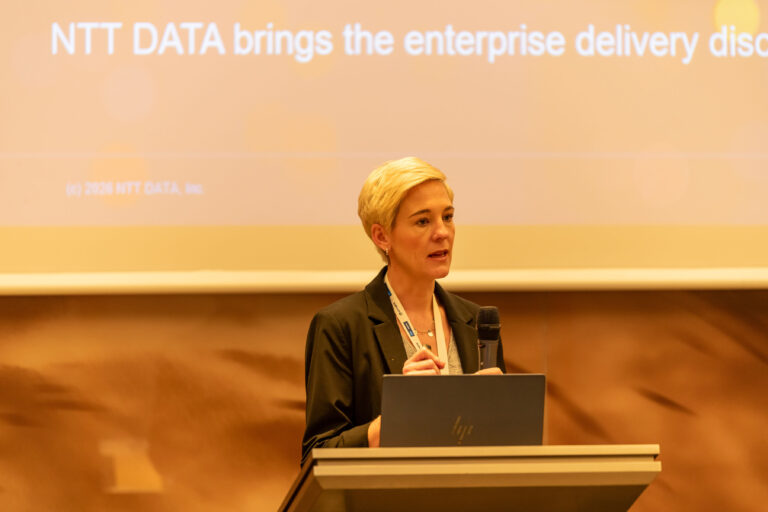
The new Salesforce capabilities include Agentforce Financial Services, Agentforce Marketing, MuleSoft and Data 360. The services include consulting, implementation, integration and ongoing support. Salesforce will be working with NTT DATA, a global leader in AI, digital business and technology services to help firms get a clear view of customer data, personalised customer service, better service delivery and AI-powered decision-making.

“Kenya is one of Africa’s most innovative digital markets, with a financial services sector that continues to raise the bar for customer experience and technology-led growth,” said Lauren Wortmann, NTT DATA Managing Director: Applications, Middle East and Africa. “By extending our Salesforce services in Kenya, we’re bringing together global capability, in-region expertise and deep industry knowledge to help clients turn customer data into meaningful engagement, improved service and measurable business value.”

In Kenya, NTT DATA sees significant opportunity to help organisations use Salesforce to better understand, serve and grow their customer relationships. The new offering builds on NTT DATA’s existing applications services in East Africa and last year’s acquisition of EXAH, a Salesforce Consulting Partner and AI implementation specialist in South Africa, which strengthened the company’s expertise in the region and ability to deliver locally relevant Salesforce solutions backed by global scale.

As organisations seek to leverage AI and automation, trusted data foundations and integrated client platforms are becoming increasingly important to improving loyalty, service quality and revenue growth.

“Salesforce is dedicated to helping businesses in Africa use trusted AI, data and CRM to provide better customer experiences and grow,” said Nick Christodoulou, Salesforce Area Vice President, Africa, “Our partnership with NTT DATA in East Africa brings Salesforce’s new platform ideas with NTT DATA’s experience and relationships with clients in the region. This helps companies move faster from planning to impact.”

NTT DATA has recently joined Salesforce’s Forward Deployed Engineering (FDE) Partner Network, deepening the strategic relationship between the two organizations and helping customers accelerate the successful deployment of Agentforce at scale.

NTT DATA has worked with Salesforce for more than 25 years, has delivered more than 3,500 Salesforce projects worldwide and was recognized with seven Salesforce Partner Innovation Awards. The company’s expertise was further recognized in 2026 when it was named MuleSoft Partner of the Year and Marketing Partner of the Year in South Africa.

The expansion also supports skills development and long-term technology enablement in Kenya. By growing its Salesforce services locally, NTT DATA aims to help create new opportunities for digital skills development while ensuring Kenyan organisations have access to the same enterprise platforms, capabilities and competitive advantage as leading organisations globally.

Absa Extends Salesforce Deal to Accelerate AI Push Across African Markets

0

Absa Group Ltd. has renewed its partnership with Salesforce Inc. in a three-year agreement aimed at scaling artificial intelligence and data-driven banking services across its African footprint, underscoring intensifying competition among lenders to digitize operations and personalize customer experiences.

The expanded collaboration—one of the largest Salesforce deployments in Africa’s financial sector—will introduce tools including Agentforce, Data Cloud and Loyalty Cloud across multiple business units. Absa said the rollout is expected to improve operational efficiency, speed up product development cycles and deepen customer engagement on its digital platforms.

The lender is betting on AI to sharpen its competitive edge in markets where mobile-first banking and fintech disruption are reshaping consumer expectations. As part of the agreement, Absa has already deployed Salesforce’s Agentforce capability, becoming the first bank on the continent to do so. The system powers “Abby,” an AI assistant integrated into the bank’s app and website, offering real-time support and navigation. On its business banking platform, the tool operates in all 11 of South Africa’s official languages.

“This renewed collaboration speaks to Absa’s continued focus on customer-centric, data-driven transformation,” said Thato Matolong, the bank’s chief information officer for personal and private banking.

Salesforce, which has been expanding its enterprise AI offerings globally, is positioning the partnership as a flagship example of localized AI adoption in emerging markets. “Absa exemplifies what it means to be a truly AI-driven enterprise,” said Linda Saunders, Salesforce’s country manager for Africa.

The platform is now used by about 15,000 Absa employees across frontline and back-office functions, highlighting its role as a core enterprise system rather than a niche tool. The bank has also ramped up internal capabilities, with nearly 500 active Salesforce certifications among staff as it builds out AI-related skills.

Absa’s investment comes as African banks face mounting pressure to modernize legacy systems while expanding financial inclusion. Institutions across the continent are increasingly turning to cloud-based platforms and automation to cut costs and scale services to underserved populations.

The lender has also sought to raise its global profile through regular appearances at Salesforce’s Dreamforce conference since 2023, where it has showcased its progress in AI integration and customer experience transformation. Its efforts have earned industry recognition, including AI and data innovation awards from Salesforce’s South African unit.

Financial terms of the renewed agreement were not disclosed.

Comfi Raises $65 Million to Expand SME Embedded Finance Platform

UAE-based embedded finance startup Comfi has raised $65 million in a Pre-Series A round combining equity and debt as it scales its B2B Buy Now Pay Later platform targeting small and medium-sized enterprises across the Middle East.

The equity portion of the round was led by Iliad Partners, with participation from Yango Ventures and Raw Ventures, both making their first regional investments. The financing also includes a credit facility from Partners for Growth and a mezzanine facility structured by Shorooq, alongside backing from a family office.

Founded in 2023, Comfi enables SME suppliers to offer customers up to 90-day payment terms while receiving settlement within 24 hours. The company says the model is designed to ease chronic cash-flow constraints caused by long B2B payment cycles across regional supply chains.

Co-founder and Chief Executive Officer Sanjar Samiev said the company was built to address delayed payments that restrict SME growth, adding that Comfi combines embedded finance infrastructure with AI-driven underwriting to provide faster access to working capital.

The startup has processed more than 15,000 invoices and serves over 1,000 clients, according to company data.

The new capital will be used to expand underwriting and risk systems, develop additional products, and scale across key markets in the MENA region.

Zee Dunia Breaks Into Kenya’s Top 10 TV Channels Within a Year as Audience Jumps 91%

0

Zee Dunia, Africa’s free-to-air channel, has entered Kenya’s top 10 most-watched television stations less than a year after launch, posting a 91% surge in daily audiences between December 2025 and March 2026, according to Ipsos Kenya data.

The Swahili drama channel, which went live in March 2025, grew its average daily viewership from 95,664 in December to 183,288 in March, cementing one of the fastest climbs in a market with more than 400 active stations.

The growth was sustained month-to-month rather than driven by a single spike, with audiences rising steadily across the first quarter of 2026.Viewer engagement also deepened over the period.

Average time spent per viewer increased to 152 minutes a day in March from 109 minutes in December, signaling stronger retention in a competitive free-to-air segment where loyalty is typically fragmented.

The performance has pushed Zee Dunia into the top tier of general entertainment channels nationally, while its parent network — which includes subscription-based sister channel Zee World — now ranks seventh by weekly reach, according to Ipsos Kenya Audience Tracker (IKAT) figures. Ipsos described the Zee portfolio as the fastest-growing TV network in the country.The gains highlight shifting consumption patterns in Kenya’s television market, where cost-free access combined with localized premium storytelling is drawing younger urban audiences.

Ipsos data shows Zee Dunia’s strongest growth among viewers aged 15 to 34, particularly in Nairobi, the Lake region, Central and Upper Eastern Kenya, with women aged 25 to 34 forming a core segment.

Digital platforms are amplifying that reach. Zee Dunia had accumulated about 183,000 YouTube subscribers by March, while its combined social media following surpassed 1.1 million, extending its footprint beyond traditional broadcast.

Zee Entertainment Africa, a unit of India’s Zee Entertainment Enterprises Ltd., operates across 52 countries on the continent, reaching about 176 million daily viewers.

The company holds leading TV positions in Nigeria and Zambia and ranks among the top three in South Africa, according to company figures.

“Kenya’s audiences have told us clearly what they want — premium storytelling, available to everyone,” said Seema Sarkar Manji, the company’s Kenya business head. “We are here to compete at the top of this market.”

Zee Dunia is distributed nationally on Kenya’s free-to-air platforms PANG and Signet, positioning it to compete directly with established broadcasters without a subscription barrier — a model that appears to be gaining traction as broadcasters seek scale in Africa’s price-sensitive media markets.

Kenya Begins Rollout of Digital Devices to 10,382 Schools

0

Kenya has begun distributing laptops and interactive smart boards to more than 10,000 junior secondary schools, as the government accelerates efforts to digitize education and align learning with workforce demands.

The rollout will cover 10,382 schools, each receiving one teacher laptop and one 65-inch interactive smart board, under the Kenya Digital Economy Acceleration Project (KDEAP), a government programme supported by the World Bank.

The scale of the initiative highlights the growing emphasis on digital skills in Africa’s education systems, where countries are racing to prepare young populations for participation in the global digital economy.

“Today, we are not merely flagging off devices; we are investing in human capital, digital skills and the future prosperity of our children,” said Stephen Isaboke, principal secretary in the State Department for Broadcasting and Telecommunications.

Kenya’s digital push is underpinned by parallel investments in infrastructure. The government says it has already deployed more than 30,000 kilometres of fibre optic cable toward a 100,000-kilometre national target, while over 8,000 public institutions have been connected to the internet.

Officials say these investments are critical to ensuring that the devices translate into real classroom impact, particularly in underserved and rural areas where connectivity gaps remain a challenge.

Jessy Maruti, chief executive officer of the ICT Authority, said the programme’s success will depend on outcomes rather than distribution figures. “The true value of this programme will not be measured by the number of devices delivered, but by the impact they create in classrooms,” he said.

The World Bank, which is backing the project, said the use of interactive technology could significantly improve student engagement and learning outcomes. “These devices will make lessons more visual, interactive and engaging,” said Aneliya Muller, KDEAP task leader.

Lawmakers have framed the rollout as a strategic investment in Kenya’s competitiveness. John Kiarie, chairperson of the National Assembly Committee on Communication, Information and Innovation, said integrating technology into classrooms will help equip learners with skills needed for the Fourth Industrial Revolution.

The government said the programme is part of a broader ecosystem that includes teacher training, digital content, connectivity, maintenance and monitoring systems aimed at ensuring sustainability.

The phased rollout marks one of Kenya’s largest recent investments in classroom technology, with officials positioning it as a key step toward building a digitally skilled workforce and a more inclusive, knowledge-driven economy.

Shuttlers Marks 10 Years in Operation, Surpasses 10 Million Journeys

0

Nigerian shared mobility platform Shuttlers has surpassed 10 million completed journeys, marking a major milestone in its decade-long effort to improve urban commuting across the country.

Founded in 2016, the company has built a structured transportation network serving professionals across Lagos, Abuja, and Port Harcourt. Today, Shuttlers supports more than 30,000 active users across over 1,000 routes, with more than 430 buses operating daily.

The milestone highlights the increasing demand for reliable and cost-effective alternatives to fragmented public transport systems in rapidly growing African cities. Shuttlers reports a 99% trip completion rate and a 99.94% incident-free record across its operations.

“We are incredibly proud of hitting 10 million journeys since launch,” said Damilola Olokesusi, CEO and Co-Founder of Shuttlers. “For millions of professionals, commuting is still unpredictable, exhausting and expensive. We have spent the last 10 years building technology and operational infrastructure that makes daily transportation more dependable – for commuters, businesses that employ them, and the fleet operators who power our network.”

Beyond scale, Shuttlers says its model delivers tangible benefits to users, including transport cost savings of up to 88% compared to ride-hailing services and time savings of up to 12 hours per month.

As urban populations continue to expand, the milestone positions Shuttlers as a key player in shaping more structured, efficient mobility systems across Africa’s cities.

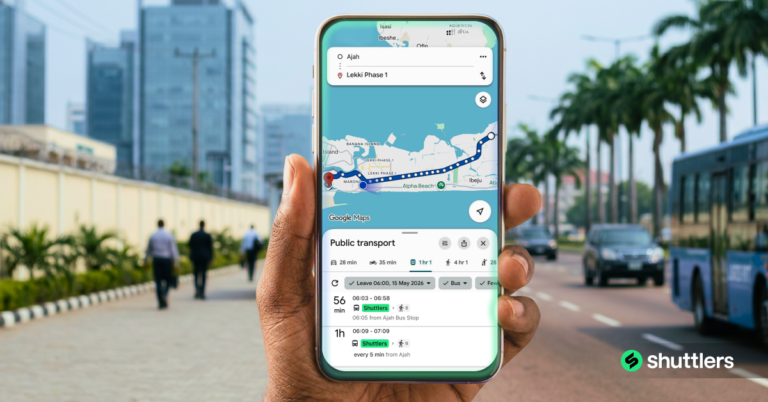
Since launching in 2016, the platform has maintained a 99% trip completion rate and a 99.94% incident-free rate across its entire journey history. The average Shuttlers commuter saves 60% to 88% on transport costs compared to ride-hailing services, and reclaims 8 to 12 hours from gridlock every month. Shuttlers today also announced it had joined the Google Transit ecosystem in Nigeria.

Olumide Balogun, Director for West Africa at Google, said: “We are pleased to welcome Shuttlers into the Google Transit ecosystem in Nigeria. Reliable transit information helps people navigate cities more confidently and efficiently. As more Nigerians adopt digital tools for everyday mobility, integrations like these help make trusted transportation easier to discover and access.”

Spiro Appoints Former Indofast Energy CEO Anant Badjatya as Group CEO to Drive Pan-African Expansion

0

Spiro, one of Africa’s leading electric mobility companies, has appointed Anant Badjatya as its new Group Chief Executive Officer, as the company accelerates its next phase of growth following a landmark $215 million equity raise.

The funding round, backed by major institutional investors including Impact Fund Denmark and Equitane, will support the expansion of Spiro’s electric vehicle and battery-swapping infrastructure across Africa. The capital will be deployed toward scaling its network, advancing local manufacturing, driving technology innovation, and enabling entry into new markets—further accelerating the continent’s transition to affordable, sustainable transportation and clean energy solutions.

Badjatya brings over two decades of experience across electric mobility, energy, and industrial sectors, with leadership roles spanning India, the Middle East, and Africa. He joins Spiro from Indofast Energy, a joint venture between Indian Oil and SUN Mobility, where he served as CEO. During his tenure, he built one of India’s largest battery-swapping networks, scaling it to more than 1,800 stations serving nearly 90,000 vehicles daily.

His appointment comes at a pivotal moment for Spiro as it ramps up its pan-African expansion strategy. The company is also strengthening its innovation capabilities, having recently acquired motorcycle engineering and design firm Coexlion and established its first African research and development center in Kenya. The move is aimed at enhancing product development, localization, and innovation for electric two-wheelers tailored to African markets.

Badjatya will oversee a broad mandate covering battery swapping infrastructure, vehicle leasing, logistics, energy solutions, and manufacturing operations. Meanwhile, Kaushik Burman will continue in his role as CEO Mobility, focusing on strengthening Spiro’s fleet and consolidating its leadership across its seven existing markets and beyond.

Spiro Founder and Chairman Gagan Gupta said the appointment signals the company’s intent to execute at scale.

“As Spiro accelerates its mission to transform mobility across Africa through clean, affordable, and accessible electric transportation solutions, Anant will consolidate the Group’s strategic initiatives and guide the company through its next chapter of growth and execution across mobility, energy, and technology,” Gupta said.

Badjatya described Africa as a key frontier for electric mobility, highlighting the continent’s potential for rapid adoption of sustainable transport solutions.

“Africa represents the most exciting frontier for electric mobility. Spiro has built a unique platform and is exceptionally well positioned to accelerate the transition to cleaner and more accessible mobility across the continent,” he said.

The leadership move, alongside fresh capital and expanded R&D investments, underscores growing investor confidence in Africa’s electric mobility sector, as companies like Spiro scale infrastructure and financing models to support mass adoption.

Apple Unveils ‘Siri AI’ in Major Leap Toward Personalized, Context-Aware Assistants

0

Apple Inc. has introduced a fully reengineered version of Siri, marking one of its most significant pushes into artificial intelligence with a system designed to be more conversational, context-aware, and deeply integrated across its ecosystem.

The new assistant, branded Siri AI, is powered by Apple Intelligence and is capable of understanding personal context, interpreting on-screen content, and delivering real-time information from across apps, messages, emails, and the web.

The launch signals Apple’s ambition to compete more aggressively in the generative AI race, emphasizing a blend of advanced capabilities and privacy safeguards.

“Siri AI is a dramatically more capable and conversational assistant designed to help users find information and get things done throughout the day,” said Craig Federighi, Apple’s senior vice president of software engineering.

A More Contextual and Action-Oriented Assistant

Unlike earlier versions, Siri AI can perform complex, multi-step actions across applications. Users can retrieve information buried in emails, locate recommendations shared in messages, or edit and share photos—all through natural conversation.

The assistant also introduces onscreen awareness, allowing it to respond to what users are actively viewing. For instance, it can suggest ideas based on a message thread and directly execute follow-up actions, such as saving notes or drafting replies.

Deep Ecosystem Integration

Siri AI is embedded across Apple devices, including iPhone, iPad, Mac, Apple Watch, and Vision Pro, enabling seamless interactions across hardware. On Macs and iPads, it integrates with Spotlight for system-wide queries, while Vision Pro introduces spatial interactions through a 3D interface.

Apple is also rolling out a dedicated Siri app that synchronizes conversations across devices via iCloud, enabling continuity between sessions.

Built on Privacy-Centric AI Architecture

A key differentiator is Apple’s hybrid AI architecture, combining on-device processing with its Private Cloud Compute system. The company says personal data processed in the cloud is neither stored nor accessible to Apple, reinforcing its long-standing privacy stance.

Visual Intelligence and Writing Tools

Siri AI expands into multimodal capabilities, allowing users to interact with visual content via the camera or screen. It can analyze images, provide contextual insights, and even perform actions such as splitting bills or identifying food nutrition.

In addition, Apple is embedding AI-powered writing tools across its platforms, enabling users to generate, edit, and refine text in apps like Mail and Messages, tailored to individual communication styles.

Availability

The new features are currently available to developers, with a public beta expected later this year across Apple’s latest operating systems.

MNT-Halan Hits $1.4 Billion Valuation in New Funding Round Led by Al Ahly Capital

0

Egypt’s fintech giant MNT-Halan has reached a valuation of $1.4 billion following the first closing of a new investment round led by Al Ahly Capital, the investment arm of the National Bank of Egypt.

The transaction was finalized after securing all required regulatory approvals, with a second closing expected as the broader funding round continues.

The deal signals rising investor confidence in Egypt’s fintech sector and underscores growing collaboration between traditional financial institutions and digital-first financial service providers. It further cements MNT-Halan’s position as one of the largest fintech platforms in the region.

The company plans to channel most of the new capital into expanding its operations in Egypt while advancing its regional growth strategy. MNT-Halan currently operates in Egypt and Türkiye, owns a specialised bank focused on micro and small enterprises in Pakistan, and has been extending its footprint across Gulf markets.

Founded by Mounir Nakhla, MNT-Halan has built an integrated digital financial ecosystem offering business and consumer lending, payments, e-wallets, savings, investments, and e-commerce services. The company became Egypt’s first fintech unicorn in 2023 and has since grown through a mix of organic expansion, strategic acquisitions, and entry into new markets.

For Al Ahly Capital, the investment aligns with its private equity strategy of backing businesses that drive financial inclusion and economic development, while supporting Egypt’s broader digital transformation agenda.

NTT DATA Deepens Google Cloud Alliance to Push Enterprise AI Into Production

0

NTT DATA Inc. is expanding its partnership with Alphabet Inc.’s Google Cloud, betting that tighter integration and a larger talent pool will help corporations move artificial intelligence projects from experimentation into full-scale deployment.

The Tokyo-based IT services giant said Tuesday it will build a dedicated practice around Google Cloud’s Gemini Enterprise platform, with plans to certify 5,000 specialists globally. The companies also aim to co-develop as many as 500 AI “agents” tailored to industries including banking, insurance, manufacturing and retail.

The push reflects a broader shift among large enterprises, many of which have tested generative AI tools but struggled to translate pilots into measurable business outcomes. By combining Google Cloud’s AI infrastructure with NTT DATA’s consulting, implementation and managed services, the partners are targeting what they describe as the biggest bottleneck: operationalizing AI at scale.

“Enterprises need a practical path from pilots to production,” said Abhijit Dubey, NTT DATA’s chief executive officer and chief AI officer. “This collaboration is about embedding AI into how organizations actually run.”

The companies plan to deploy joint engineering teams directly within client organizations, a model designed to accelerate development and reduce deployment timelines. They will also introduce a “factory-style” approach to building AI agents, using reusable components to speed rollout and lower costs.

Google Cloud, which has been competing aggressively with Microsoft Corp. and Amazon.com Inc. in the enterprise AI market, is leaning on partners like NTT DATA to expand its reach. “We’re seeing strong demand for AI agents that can transform core workflows,” said Matt Renner, Google Cloud’s president and chief revenue officer. “Scale requires both platform capability and delivery expertise.”

The expanded alliance will also focus on governance and compliance, including support for so-called sovereign AI deployments that meet local data residency requirements — an increasingly important factor for regulated industries and governments.

The timing underscores a widening gap between corporate AI ambitions and infrastructure readiness. In a recent NTT DATA survey, 99% of enterprises said AI is increasing demand for cloud investment, while 88% warned that current spending levels could undermine AI and modernization efforts.

By linking AI development more closely with cloud capacity and skilled talent, NTT DATA and Google Cloud are positioning the partnership as a way to turn early experimentation into enterprise-wide transformation — and, ultimately, sustained returns on AI investment.

RemotePass Raises $17.4 Million to Expand Payroll Platform Into US and Europe

0

RemotePass has raised $17.4 million in Series B funding to expand its global payroll and employment platform, as the UAE-founded startup moves into the US and Europe after reaching profitability last year.

The round was led by the European Bank for Reconstruction and Development’s venture arm, with participation from 500 Global and existing investors including Oraseya Capital, 212 VC, Access Bridge Ventures and Khwarizmi Ventures. Early backers BECO Capital, Endeavor Catalyst and Wamda Capital also support the company.

Founded in 2020 by Kamal Reggad and Karim Nadi, RemotePass enables businesses to onboard, manage and pay employees and contractors across borders without requiring a local legal presence.

The company has steadily raised capital to scale its operations. In 2024, it secured $5.5 million in a Series A round led by 212 VC, with participation from Endeavor Catalyst, Khwarizmi Ventures, Oraseya Capital, Flyer One Ventures, Access Bridge Ventures, A15 and Swiss Founders Fund. Earlier, in 2021, it raised a pre-Series A round led by BECO Capital, alongside Wamda, Khwarizmi VC, Flat6Labs, Wealth Well and a group of Saudi investors, to support its expansion into Saudi Arabia.

RemotePass provides tools for companies to hire, pay and manage workers across jurisdictions, focusing on markets where compliance and payments infrastructure remain fragmented. The platform combines payroll, contractor management and corporate spend into a single system, and has added AI-driven automation for onboarding and compliance workflows.

The company says it supports more than 35,000 workers across over 150 countries and has processed more than $800 million in cross-border payroll.

Chief Executive Officer Kamal Reggad said the funding will accelerate expansion beyond its core Middle East and North Africa markets, where the company built its base by offering localized support and navigating complex labour regulations.

“Building a globally competitive platform from the region, in a market that incumbents underestimated, is something we are incredibly proud of,” Reggad said. “Now, we are taking that depth global.”

RemotePass became profitable in early 2025, a milestone that enabled it to bring in new investors while continuing to invest in growth. The company has sought to differentiate itself by embedding financial services into its platform, including access to US dollar accounts, debit cards and health insurance for cross-border workers.

The offering is designed to address challenges in emerging markets, where currency volatility and payment delays can affect income stability and employee retention.

The startup also launched “SpendCards” in late 2025, integrating corporate expense management into its payroll system in a bid to streamline financial operations for distributed teams.

The new capital will be used to expand compliance coverage, grow its financial services offering and deepen its presence in Western markets, where competition among global payroll providers has intensified.

How the 2026 World Cup’s Expanded Format Changes Live Betting

0

The transition to a 48-team roster is shaking up how fans watch international football, but the biggest disruption is happening behind the scenes on digital betting slips. Moving to a massive 104-match schedule creates a completely different environment for anyone engaging with real-time markets. With 12 distinct groups and a brand-new Round of 32 knockout phase, the sheer density of simultaneous action is altering tactical motivations and shifting how odds fluctuate on the fly.

To navigate this relentless wave of matches, having a fast, uninterrupted connection to the pitch is everything. Exploring the 2026 World Cup soccer betting landscape reveals how in-play tracking has become the dominant way people engage with the sport. Because lines move in a matter of seconds based on sudden goal-differential changes, the margin for operational delay has entirely disappeared, forcing serious sports bet enthusiasts to rely on platforms that can refresh instantly. 

To capture these rapid shifts, Betway offers an extensive selection of outrights and individual match markets for the FIFA 2026 World Cup, making it seamless to place a sports bet on everything from group winners to real-time player statistics as the action unfolds across North America. 

The Logistics of Group Stage Expansion

The structural design of the opening round introduces an entirely new mathematical puzzle for live soccer betting markets. In past editions, a team with consecutive losses was effectively out by matchday three, often leading to open, unpredictable matches with little defensive structure.

Now, because the eight best third-placed teams also advance to the knockouts, every single goal matters until the final whistle. A smaller team that is 2-0 down with ten minutes left may not throw everyone forward just to chase a consolation goal. In a World Cup group, damage control can matter. Protecting goal difference might be the smarter move, especially if conceding another goal could make the next match much harder to survive. 

Live betting platforms must calculate these shifting human motivations instantly, updating point spreads and totals as teams adjust their defensive geometry in real time.

The Backend Tech Driving Real-Time Odds

Processing this intense volume of live data during multiple concurrent matches requires highly specialized engineering. When millions of fans dive into the action during a dramatic penalty kick or a sudden red card at the World Cup, keeping the momentum going without missing a beat is the ultimate goal. 

Modern sports betting platforms have had to get quicker behind the scenes. The old heavy setup is not enough when live odds, match updates and bet slips all need to move at once, so many platforms now rely on lighter network structures and low-latency data pipelines that keep the screen feeling current without making the experience feel overloaded. 

By processing incoming match telemetry through localized edge-computing nodes, platforms can update specific micro-markets independently. If an active event triggers a massive spike in transactions for a single game, that traffic is managed within an isolated code container. This tech setup prevents the rest of the network from slowing down, ensuring the interface stays completely fluid. 

This level of infrastructure is what powers the operational speed of Betway’s online betting platform, allowing users to lock in live wagers on next-event props without experiencing annoying lag or locked screens.

A Shift to Micro-Markets

The exciting mix of legendary football giants and spirited tournament debutants naturally changes how we look at standard match lines. Instead of sticking to basic match results, the real fun for online sports betting enthusiasts now lives within in-play micro-markets because it opens up fantastic new ways to engage with the game in real time, whether you’re predicting the total number of corner kicks, tracking booking points, or calling precise shot-on-target thresholds as the action unfolds on the pitch. 

Whether using Betway to hedge an existing position or jumping into a fast-moving live total line, the expansion of the tournament format ensures that the real action lives within the data. The classic pre-match prediction model is taking a back seat to real-time analysis, where the combination of sharp analytical instincts and high-speed platform tech determines the ultimate outcome.

Blnk Secures $37 Million to Expand AI-Driven Consumer Lending in Egypt

0

Blnk, an Egyptian financial technology company focused on point-of-sale lending, has raised $37 million in a mix of equity and debt to scale its consumer finance operations in one of the Middle East’s fastest-growing credit markets.

The funding includes a $12.5 million Series A equity round led by Algebra Ventures, with participation from SANAD Fund for MSME, Endeavor Catalyst and Emirates International Investment Company.

An additional $24.6 million in local currency debt was provided by a group of Egyptian banks and non-bank financial institutions, including National Bank of Egypt, Suez Canal Bank and Bank Albaraka.

The Cairo-based startup offers instant financing to consumers at checkout, allowing shoppers to split payments over periods ranging from six to 36 months. Loans are approved in as little as three minutes with minimal documentation, using proprietary algorithms that assess creditworthiness in real time.

The company said it will use the proceeds to enhance its technology, broaden its product suite and expand geographically. It also plans to introduce a credit card product that would allow customers to access financing beyond its existing merchant network of more than 3,000 outlets.

Blnk’s model is gaining traction in Egypt, where access to formal credit remains limited despite a rise in bank account ownership. Fewer than 5% of adults have access to formal borrowing tools, according to industry estimates, while just 3.9% of women use credit cards or digital lending platforms.

At the same time, the country’s consumer finance market grew 57% year-on-year in 2025 to reach 96.3 billion Egyptian pounds ($2 billion), data from the Financial Regulatory Authority show.

Founded in 2021, Blnk says it has onboarded more than one million customers and built a loan portfolio exceeding 1 billion Egyptian pounds. About 75% of its users were previously unbanked or underserved, and more than a third are women. The company became profitable in 2025 after revenue rose 173% from a year earlier.

Chief Executive Officer Amr Sultan said the latest funding would help the company deepen financial access while maintaining disciplined risk management.

“We’re focused on expanding our reach and continuing to build products that meet consumers where they are,” Sultan said.

Blnk differentiates itself through its use of artificial intelligence to evaluate credit risk. Its system analyzes localized data points to generate real-time probability-of-default predictions, replacing traditional scoring methods that rely heavily on formal financial histories.

Investors say the approach positions the company to address a structural gap in Egypt’s financial system.

“Blnk’s ability to serve underserved consumers while maintaining strong credit discipline makes it a standout in the market,” said Karim Hussein, managing partner at Algebra Ventures.

As digital lending gains ground across emerging markets, Blnk’s growth highlights a broader shift toward embedded finance models that integrate credit directly into retail transactions—an approach increasingly seen as key to expanding access in economies where traditional banking has fallen short.

Knife Capital Exits VoxCroft Analytics in Redpoint Advisors Acquisition

0

Knife Capital, a South African venture capital firm, has exited its investment in VoxCroft Analytics following the acquisition of the company’s U.S. entity by Redpoint Advisors, marking a successful exit for Knife Capital’s KNF II fund.

The transaction highlights growing international interest in African-built artificial intelligence and intelligence technologies, particularly those designed to operate in complex and underreported regions. Financial details of the acquisition were not disclosed.

Founded in South Africa, VoxCroft Analytics developed a population-centric intelligence platform that combines hyperlocal data collection, low-resource machine translation, AI-powered sentiment analysis, and human expertise to generate actionable intelligence from environments where conventional intelligence tools often struggle.

The acquisition strengthens Redpoint Advisors’ intelligence, geopolitical risk, insider risk, and security advisory capabilities for government, commercial, and private-sector clients operating in high-risk markets worldwide.

“We founded Redpoint Advisors to be a high-touch, bespoke advisory firm for global clients operating in the most complex environments,” said Michael LaFontaine. “The acquisition of VoxCroft enhances the capabilities we can bring to our clients and allows us to extend VoxCroft’s reach into additional sectors.”

Knife Capital said the exit validates its investment thesis of backing African technology companies capable of competing globally and attracting strategic international buyers.

“We saw a team building world-class AI capability at the intersection of language, artificial intelligence, and intelligence services,” said Eben van Heerden. “The exit to a U.S.-based intelligence company demonstrates that African innovation is globally competitive when paired with the right capital, networks, and support.”

In a sign of continued confidence in the business, Knife Capital is simultaneously making a follow-on investment in VoxCroft South Africa, with Redpoint Advisors joining as a strategic co-investor.

VoxCroft South Africa will continue operating independently, focusing on its data-as-a-service business and the development of specialized AI training datasets designed for applications across the Global South.

The deal adds another notable exit to Africa’s venture capital ecosystem and underscores increasing global demand for AI-driven solutions emerging from the continent. As international buyers look beyond traditional technology hubs, African startups with deep expertise in language technologies, artificial intelligence, and data intelligence are attracting growing strategic interest from global acquirers.

3IF Ventures Reaches $12 Million First Close to Back Africa’s Insurance Startups

0

3IF Ventures, the first venture capital fund dedicated exclusively to Africa’s insurance technology ecosystem, has secured a $12 million first close, drawing support from FSD Africa Investments and regional reinsurer ZEP-RE as cornerstone investors.

The fund aims to address Africa’s vast insurance protection gap by providing equity financing to early-stage startups developing technology-driven insurance solutions across the continent. The first close marks an important milestone toward the fund’s targeted final close of $30 million.

Africa remains one of the world’s least insured regions, with more than one billion people lacking access to insurance products, according to the fund. Limited awareness, affordability challenges and distribution barriers have historically constrained adoption despite growing demand for financial protection.

3IF Ventures plans to invest in approximately 15 to 20 companies from pre-seed through Series B stages, focusing on four sectors: climate and disaster resilience, agriculture and rural livelihoods, digital health and wellbeing, and small business and asset protection.

The fund will also establish a technical assistance facility equivalent to roughly 20% of total commitments to help portfolio companies strengthen operations, product development and market expansion.

The investment vehicle is structured as a blended finance fund incorporating a catalytic junior capital tranche designed to attract private investors into the sector. Fund managers say the approach will enable commercial investors to participate in a market often viewed as high-risk while supporting businesses with strong development impact.

“Africa’s protection gap is the most under-served commercial opportunity of the decade,” said Anthony Chaillet and Dr. Mario Wilhelm, General Partners at 3IF Ventures. “Closing it requires patient capital, local risk capacity and industry-grade portfolio support working together.”

The managers said the fund already has a pre-qualified pipeline of 15 insurance ventures operating across 10 African markets and is preparing to begin deploying capital.

The first close builds on years of ecosystem development efforts, particularly through BimaLab, an insurance innovation platform that has supported more than 135 early-stage businesses across Africa.

Anne-Marie Chidzero, Chief Investment Officer at FSD Africa Investments, said the investment reflects growing confidence that Africa’s insurtech sector is reaching a scale attractive to institutional investors.

“As the first investment vehicle dedicated to inclusive insurance in Africa, 3IF Ventures brings institutional rigor to a segment that has long lacked it,” Chidzero said.

For ZEP-RE, the investment extends its strategy of promoting insurance penetration and economic resilience across African markets. Beyond capital, the reinsurer plans to provide technical support, including product design expertise, underwriting guidance and access to relationships with insurers and regulators.

Hope Murera, Managing Director and Group Chief Executive Officer of ZEP-RE, said the fund will help bring together public, private and development-sector investors to support innovative insurance businesses capable of expanding coverage across the continent.

Over the life of the fund, 3IF Ventures targets the issuance of more than 5.9 million new insurance policies, improved financial resilience for over 3.5 million households and small businesses, and support for more than 1.7 million jobs through direct and indirect economic impact.

The launch comes as investors increasingly view insurance technology as a critical component of Africa’s financial inclusion agenda, particularly as climate risks, health challenges and small business vulnerabilities drive demand for affordable protection products.

CEO Weekends: Zoho Kenya’s Veerakumar Natarajan on Why Unification is the Final frontier of Kenya’s Digital Masterplan

By Veerakumar Natarajan, Country Head, Zoho Kenya

Advanced technology does not automatically create better businesses. More often, it introduces greater complexity.

Across Kenya’s private sector, organisations are managing growing layers of disconnected applications, duplicated workflows, and siloed data environments that quietly erode productivity and slow innovation. Finance operates on one system, sales on another, customer support on a third, while critical business information is manually transferred between teams, spreadsheets, and platforms. The issue is no longer digital adoption, it is digital coherence.

This is what can be described as the “fragmentation tax” which is the hidden operational cost businesses pay when systems cannot communicate effectively with each other. In high-growth environments, these inefficiencies compound quickly, manifesting as delayed decision-making, inconsistent reporting, and a diminished ability to respond to rapid market shifts. Over time, fragmentation slows l workflows, and also limits an organisation’s capacity for innovation.

For Kenya’s SME-driven economy, this challenge is particularly significant. SMEs account for the vast majority of businesses in the country and play a critical role in employment and economic participation. Yet, many are scaling operations on disconnected digital environments that make long-term growth harder to sustain. Businesses are digitising quickly, but not always integrating efficiently.

This is why the conversation following the Connected Africa Summit 2026 matters.

The summit reflected an important shift in Africa’s digital narrative, from ambition to implementation. For years, the focus across the continent has centred on expanding connectivity infrastructure, increasing internet access, and accelerating digital adoption. Kenya has led much of this progress, positioning itself as one of Africa’s most connected and digitally innovative economies.

But connectivity alone does not automatically create an integrated digital economy.

As Kenya strengthens its leadership role within the Digital Cooperation Organization, the next phase of growth will depend increasingly on interoperability — the ability of systems, platforms, and organisations to exchange information seamlessly, securely, and in real time. In practical terms, this means businesses must move beyond simply adopting digital tools toward building unified digital environments where operations function cohesively.

This challenge is becoming more urgent as African markets move toward deeper economic integration under frameworks such as the African Continental Free Trade Area. Cross-border trade increasingly depends on trusted data flows, operational visibility, and standardised reporting structures. Businesses operating on fragmented systems will struggle to meet the speed, compliance, and coordination demands of an interconnected digital economy.

This is also where the conversation around digital sovereignty is evolving.

Digital sovereignty should not be interpreted as technological isolation or restrictive localisation. Instead, it is increasingly about ensuring businesses maintain visibility and control over their own data while participating confidently within interconnected ecosystems.

In this context, Kenya’s Data Protection Act 2019 becomes more than a regulatory requirement. It serves as both a governance framework and a trust-building mechanism for businesses operating in the digital economy.

Customers, investors, and cross-border partners increasingly favour organisations that can demonstrate strong data governance, accountability, and transparency. In what is rapidly becoming a trust economy, businesses that manage data responsibly are better positioned to scale, collaborate, and compete internationally.

However, compliance becomes significantly harder in fragmented environments where information is spread across multiple disconnected platforms.

This is why architecture matters as much as policy.

The businesses best positioned for long-term growth will be those operating from unified data foundations rather than disconnected software stacks. A unified operating environment allows finance, HR, customer engagement, analytics, and operations to work from the same real-time information rather than separate versions of reality. This “single source of truth” is becoming essential not only for operational efficiency, but for resilience and scalability.

A business managing ten disconnected systems is not merely ten times more complex than one operating on a unified platform. Complexity increases exponentially through duplicated workflows, integration overheads, inconsistent reporting structures, and governance risks. As businesses scale, these inefficiencies become increasingly difficult and expensive to manage.

AI systems are only as effective as the quality and consistency of the data powering them. Fragmented systems produce fragmented intelligence, while unified systems create the conditions for meaningful automation, accurate insights, and real-time decision-making. For many organisations, the success of AI adoption will depend less on the sophistication of the technology itself and more on whether the underlying data environment is unified and trustworthy.

Kenya’s ambition to lead Africa’s digital economy will not be determined solely by connectivity infrastructure or platform adoption rates. It will depend on whether businesses can operate through interoperable, compliant, and trusted digital systems aligned with continental frameworks such as the AU Data Policy Framework. Connectivity built the foundation of Kenya’s digital economy. Unification will determine its competitiveness.

The writer is Zoho Kenya country head. Zoho aims to be on the forefront of Kenya digital economy with appropriate digital tools for SMEs and entreprises.