back to top
Tuesday, April 7, 2026
spot_imgspot_imgspot_imgspot_img
Home Blog Page 21

Verto Launches Nairobi Office to Serve East Africa

0

Verto, a cross-border payments and foreign exchange for businesses firm, has launched a new strategic hub in Nairobi, Kenya to serve the East African region.

Located at The Address, Muthangari Dr, Nairobi, Kenya, the Nairobi hub will serve as a central point for Verto’s operations in East Africa, supporting its growing base of customers in the region. From its new hub, Verto will focus on enhancing customer experience, driving regional partnerships, and delivering locally tailored payment solutions to businesses transacting across borders.

According to Ola Oyetayo, Chief Executive Officer (CEO) and Co-founder of Verto, the new hub represents more than just a physical expansion, but a firm commitment to one of Verto’s most important markets. Oyetayo goes on to note that Kenya’s digital infrastructure, entrepreneurial culture, and regional influence make it a strategic gateway for the continent.

“As we work to enable seamless trade for businesses in and out of Africa, having a stronger local presence allows us to deliver faster, smarter, and more inclusive solutions to our customers here,” he says.

Founded in 2018, Verto enables businesses in emerging markets to make seamless cross-border payments through its fast, secure, and scalable platform. Today, Verto’s network spans over 170 countries and 49 currencies. With Africa playing an increasingly crucial role in the global economy, Nairobi has emerged as a natural choice for the company’s expansion.

The decision to deepen operations in Kenya follows Verto’s launch of Verto Atlas which has a growing uptake in Kenya and growing demand from businesses looking to pay suppliers, contractors, and partners across borders without the traditional hurdles of high fees, delays, and lack of transparency.

James Njoroge, Operations Manager for Verto in Kenya, reveals that the company plans to invest in local talent development, contributing to Kenya’s fintech ecosystem by creating job opportunities and skills-building initiatives. Njoroge goes on to add that the hub will house teams across operations, compliance, customer support, and partner engagement, all vital to delivering Verto’s promise of frictionless cross-border financial services.


“We’re thrilled to officially open our new hub in Nairobi. This isn’t just a workplace; it’s a base for innovation, collaboration, and creating lasting impact. Kenyan businesses face unique challenges when trading internationally. With our expanded presence, we’ll be even better equipped to support them with accessible, reliable, and efficient financial tools tailored to their needs,” says Njoroge.

The Nairobi hub will serve not only Kenya but also neighbouring markets including Uganda and Tanzania. By anchoring its East African strategy in Nairobi, Verto aims to build a stronger foundation for its long-term vision: to unlock global trade for every business, everywhere.

Nigeria’s Paga Group Launches in the US

0

Paga Group, the Nigerian fintech firm now headquartered in the UK, has expanded into the US market with digital banking services for Africa’s diaspora in the US.

Paga’s new service helps Africans in the US to open and manage a fully regulated US bank account, and conduct banking transactions.

According to Tayo Oviosu, Founder and Group CEO of Paga, “Millions of Africans abroad face unnecessary barriers to basic financial services. Opening a bank account, saving in a stable currency, or sending money home is often expensive, complicated, or out of reach. In the United States alone, over 4.5 million African immigrants navigate a system that was never designed for them. We are breaking down those barriers.”

The rollout begins with Nigerians in the US, representing the first step in Paga’s wider international growth strategy. The initiative aims to remove barriers to cross-border finance and deliver inclusive, modern banking solutions to Africans around the world. 

The Nigerian population in the U.S. is estimated at around 760,000 people as of 2023, including approximately 476,000 Nigerian-born immigrants. This figure is widely considered understated, given the community’s rapid growth from about 25,000 in 1980 at an average annual growth rate of approximately 4.8%. In 2024, remittances to Nigeria reached approximately US$21 billion, up from about US$19.5 billion in 2023. These inflows demonstrate the critical role diaspora communities play in supporting families and driving economic growth at home.

The account offers both physical and virtual Visa debit cards, integrating seamlessly with Apple Pay, Google Pay, and Plaid, which allows Paga US account holders to link third-party apps, such as Robinhood and Venmo, among others. Customers can also send money to US or Nigerian bank accounts, with plans to expand to additional countries soon.

Unlike remittance products, Paga is built first and foremost for banking and payments – helping Africans participate freely in global commerce. The initial rollout focuses on people who live across two worlds – particularly the Nigerian diaspora who still have ties at home – enabling them to use one wallet. 

The launch is another milestone in Paga Group’s mission to make it simple for one billion people to access and use money, reinforcing its role as a leading force in building Africa’s financial infrastructure for the future. 

“Paga’s US dollar account gives users access to an FDIC-insured current account, connected to the financial tools they use every day. It is simple, inclusive, and built for real-life needs. We are putting control back in the hands of the diaspora and laying the foundation for borderless banking for Africans everywhere,” added Mr. Oviosu.

Bolt Launches ‘Bolt Send’ Parcel Delivery Service in Nairobi

0

Bolt has launched Bolt Send, a parcel delivery service, in Nairobi with plans to expand into other cities in the coming months to give bolster its driver revenues as offer fully trackable solution for individuals and businesses.

Bolt Send will allow customers to request a delivery through the existing Bolt app, just as they would book a ride, with parcels and any other deliveries picked up and dropped off by vetted driver-partners.

According to Dimmy Kanyankole, General Manager, Rides, Bolt said: “Kenya’s e-commerce and logistics sectors are expanding at an incredible pace, and our parcel delivery service is designed to meet that demand. We’re making last-mile delivery as seamless as booking a ride, significantly enhancing speed and efficiency for our valued customers, while simultaneously unlocking new earning opportunities for our dedicated driver-partners. As we diversify beyond rides, we see logistics as a natural extension of our platform. This launch underlines our vision to be a trusted partner in everyday life, whether it’s moving people, parcels, or powering businesses.”

Like the now defunct Sendy,  Bolt Send offers real-time tracking and secure handling of parcels with its highly practical and trustworthy solution for the rapidly expanding e-commerce sector.

Bolt Send will tap into Bolt’s established driver network, the service is expected to strengthen last-mile logistics, unlock fresh revenue streams for drivers, and help scale Kenya’s booming digital economy.

Just last week, Bolt’s competitor Uber launched Uber Safari to add to its portfolio of services bring tech into Kenya’s Safari bookings. Uber Safari is expected to allow local tour operators and fleet partners to add their services to the Uber app and earn from the platform. Similarly, Bolt Send will allow parcel delivery firms to list on the app and give users on-demand access to parcel delivery services around them.

The Kenyan parcel delivery industry is competitive but fragmented with Posta Kenya, DHL, FedEx, G4S, and dozens of smaller local couriers serving different segments.

Posta Kenya has been riddled with inefficiencies and being a government parastatal, no much innovation has gained inroads. Customers complain of delayed deliveries, lack of real-time tracking, and limited last-mile reach.

With the growth of e-commerce in Kenya and urbanisation, Bolt Send might strike a cord as it has already built itself a name in Kenya’s ride-hailing and food delivery market. it already has a network of Bolt drivers and boda boda riders who will double up as parcel couriers.

Bolt also already has an established customer base with millions of Kenyans already using the Bolt app for rides and food. Adding “Parcel Delivery” as a feature lowers the cost of customer acquisition.


PayPal to Invest $100 Million into Middle East & Africa Investments & Acquisitions

0

PayPal is set to invest $100 million throughout the Middle East and Africa, to fuel innovation, support entrepreneurs, and drive inclusive economic growth in the region.

The firm will do these through a mix of minority investments, acquisitions, PayPal Ventures funding, people, and technology deployments to help local businesses scale, unlock new opportunities for innovators, and bring millions more consumers and communities into the digital economy.

“The Middle East and Africa are home to some of the most dynamic and rapidly evolving businesses in the world,” said Alex Chriss, President and CEO, PayPal. “By dedicating a $100 million investment to this region over the coming years, we’re investing in the technologies, partnerships, and solutions that will help entrepreneurs scale faster, expand their reach beyond borders, and unlock new opportunities for growth in the digital economy.”

In April, PayPal launched it’s first regional hub in Dubai, a gateway designed to deliver global commerce capabilities to the region by providing businesses from large enterprises to small merchants with frictionless payments, robust security, and greater access to international markets.

This new $100 million commitment also builds on PayPal Ventures’ existing investments in some of the region’s most promising startups, including Tabby, Paymob, and Stitch, highlighting PayPal’s role as a long-term partner in shaping the future of digital commerce.

“This commitment underscores our dedication to expanding PayPal’s presence in the Middle East and Africa and our focus is to build stronger connections between local businesses and the global marketplace,” said Otto Williams, Senior Vice President, Regional Head and General Manager of PayPal Middle East and Africa. “We’re focused on expanding our footprint in the region and ensuring millions of consumers and businesses can access more of the digital services they need to thrive.”

Fortnite: How to Get Storm Beast’s Pom Poms

0


When it comes to attractive strategy bidding games, Fortnite is known for its fun and fast-paced battle royale action, combined with innovative items and unique and new mechanics added in every season. Chapter 6 has focused more on items that temporarily give players special powers and change their avatars called Hero items. Among them, one of the standout additions was Storm Beast’s Pom Poms. First introduced in June 2025, these weren’t just another harvesting tool or flashy cosmetic; they let players transform into a full Storm Beast, complete with new abilities and a separate health pool.

For many players, Storm Beast’s Pom Poms quickly became a must-try item. Collectors and casual fans rushed to grab any collectible items before they were vaulted. Some fans even wondered whether purchasing or selling Fortnite accounts with unlocked Pom Pom might save time. In this guide, we will explain the details about the item, its use when it was launched, and the possible features it might have if it returns in later seasons.

What Are Storm Beast’s Pom Poms?

Storm Beast’s Pom Poms aren’t cosmetics. They’re a Hero Item, similar to other powerful transformations Fortnite has introduced over the years. When picked up and used, the Pom Poms transform your character into a Storm Beast:

    • Separate health bar: The Storm Beast form gives you its own health pool, meaning you effectively get another chance at survival.
  • Attack types: melee combo strikes: The use of a weapon is disallowed.
  • Ability to slam the ground: A powerful slam that causes damage to structures and players.
  • Enhanced performance in the battle: Increased movement for better distance and velocity.

It allows Epic Games to continue to experiment with more mythic-style Fortnite. While the Storm Beast form was strong, it wasn’t invincible, and smart players could counter it with ranged damage or coordinated team fire.

Release and Availability

Storm Beast’s Pom Poms were officially added on June 18, 2025 (Chapter 6, Season 3). Players could get them in a few different ways:

  1. Loot sources – Hero caches, chests, and Academy Tech Lab stands occasionally drop the item.
  2. NPC purchase – The only guaranteed method was to visit Haylee Skye, an NPC found northeast at Pumped Power. She sold the Pom Poms for 400 Gold Bars.
  3. Random floor loot – Rarely, Pom Poms could spawn from standard loot, though this was less reliable.

This system meant players had more than one path to acquiring the item, but most serious players went straight to Haylee Skye to secure it every match.

Balance Changes and Vaulting

As with many Hero Items, Storm Beast’s Pom Poms weren’t without issues. Shortly after release, Epic had to temporarily disable them multiple times due to bugs. Some players reported animation glitches, while others found exploits that gave unfair advantages.

In early August 2025, with the release of v37.00 and the start of Chapter 6 Season 4, the Pom Poms were officially vaulted. That means they’re no longer available in the loot pool or from NPCs. Epic hasn’t said when (or if) they will return, but given Fortnite’s history, it’s likely they will make a comeback in a later season or special event.

How Storm Beast’s Pom Poms Worked in Matches

When you used the Pom Poms and transformed into the Storm Beast, your playstyle had to change. Here’s what made them stand out:

  • Close-range dominance: In small spaces like buildings or tight circles, the Storm Beast was incredibly strong.
  • Weak at long range: Players with rifles or snipers could melt through the Storm Beast’s health bar.
  • Team synergy: Squads often built strategies around one player becoming the Storm Beast while others supported from a distance.
  • Risk-reward mechanic: Using the Pom Poms replaced your regular loadout temporarily, so if you mistimed your attacks, you could find yourself exposed once the form ended.

This balance made the item exciting without feeling completely unfair, though the glitches were the main reason for its vaulting.

Why They Became So Popular

Storm Beast’s Pom Poms stood out for a few reasons:

  1. Novelty – Transformations always get attention, and this was one of the most dramatic in Chapter 6.
  2. Style – The electric storm visuals looked great, making it feel like more than just a temporary buff.
  3. Meta impact – For a few weeks, matches revolved around countering or controlling the Pom Poms.
  4. Collector hype – Players love owning items that later become rare, and with Pom Poms vaulted, those who experienced them feel they have a special memory to brag about.

Common Misunderstandings

Since their release, a lot of confusion has circulated about the Pom Poms. Here are a few things to clear up:

  • Not a harvesting tool: Despite the name “Pom Poms,” they’re not a pickaxe skin. They don’t traditionally harvest mats.
  • Not in Ranked: Ranked playlists didn’t include them when they were live.
  • Not bought with V-Bucks: They were tied to in-game gold (400 bars), not the Item Shop.

Getting these details right matters, especially for players who might return in future seasons and wonder why they can’t find them in the shop.

The Role of Fortnite Accounts

Here’s where Fortnite accounts come into the discussion. Because Pom Poms were vaulted so quickly, some players started looking for a Fortnite acc that had used or unlocked them. Besides, it doesn’t mean Pom Poms are gone forever, though. Epic has a history of unvaulting Hero Items during special events or rotations. If they return, every active player will get a chance to try them again.

What to Expect if They Return

If Storm Beast’s Pom Poms make a comeback in 2025 or 2026, here’s how to prepare:

  • Save Gold Bars – NPC purchases are the most reliable way to secure Hero Items.
  • Practice counters – Learn to fight melee-based enemies effectively so you’re not caught off guard.
  • Stay updated – Follow patch notes closely, since Epic tends to announce Hero Item rotations in seasonal updates.
  • Join community discussions – Forums, Discord servers, and social media often leak spawn locations and NPC updates faster than official notes.

Final Thoughts

Storm Beast’s Pom Poms were one of the most creative additions to Fortnite in 2025. They weren’t just cosmetic, but a transformation that changed how players approached the game. Although they are currently unavailable for purchase, history shows Epic loves to bring popular items back after ignoring them for some time, which means they may become purchasable again.

FAQs

  1. What exactly are Storm Beast’s Pom Poms?
    They’re a Hero Item that transforms you into the Storm Beast with new abilities and a separate health pool.
  2. How could players get them when they were live?
    From loot sources like Hero caches, or guaranteed from NPC Haylee Skye for 400 Gold Bars.
  3. Are they available right now?
    No, they were vaulted with the v37.00 patch in August 2025.
  4. Will they return?
    Epic hasn’t confirmed, but past Hero Items often come back in future rotations.
  5. Can I buy an account to get them?
    Buying or selling Fortnite accounts is against Epic’s rules and can result in permanent bans. It’s safer to wait until they’re unvaulted.


TLcom Capital Announces Departure of Partner Ido Sum

0

TLcom Capital, the Africa-focused venture capital firm, has confirmed that one of its Partners, Ido Sum, will be departing the firm.

Sum has been with the firm for 14-years where he contributed to early-stage investment activities and supported several portfolio companies, including uLesson, Littlefish and Zone.

Launched in 1999, TLcom has over two decades of experience in investing in technology entrepreneurs and has built one of the most experienced and diverse investment teams for the continent, with 15 professionals across its Nairobi and Lagos offices. During his tenure with the firm, Sum supported the closing TIDE Fund I and TIDE Fund II, the latter being one of the biggest early-stage funds for the continent.

Ido Sum, Partner at TLcom Capital, said: “I am proud of what we have built at TLcom over the last 14 years. It has been a privilege to work alongside such a talented team and to have supported and worked side-by-side with some of Africa’s most audacious entrepreneurs. I am confident that the firm will continue to lead the investment pack, and I look forward to my next chapter.”

Maurizio Caio, Managing Partner at TLcom Capital, commented: “We thank Ido for his commitment and dedication over the past 14 years and for his contribution to build TLcom as the preferred partner for Africa’s most ambitious entrepreneurs, and the wider African tech ecosystem. It has a been a pleasure working with him, and we wish him the very best for his next endeavors”.

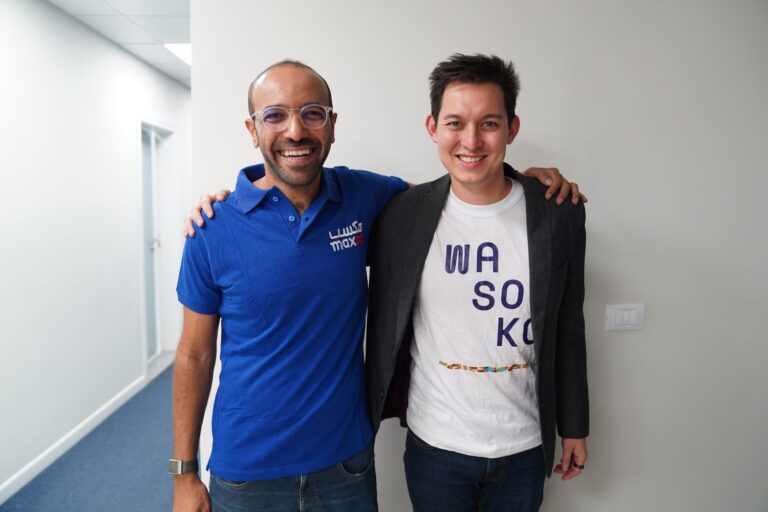
Wasoko Founder Daniel Yu Steps Back From Full-Time Role After MaxAB Merger

0

Daniel Yu, founder of African B2B e-commerce company Wasoko, has stepped away from a full-time role at the firm, more than a year after its merger with Egyptian peer MaxAB.

Yu launched Wasoko in 2014 with the goal of digitizing informal retail supply chains across Africa. Over 11 years, the company raised more than $140 million in funding from investors including Tiger Global, Avenir, 4DX Ventures, and IFC, reaching a valuation of about $625 million in 2022. At its peak before the merger, Wasoko was operating in six markets — Kenya, Tanzania, Rwanda, Uganda, Côte d’Ivoire and Senegal — serving tens of thousands of small shopkeepers.

The merger with MaxAB in 2023 created one of the largest tech-enabled retail distribution platforms in Africa, combining Wasoko’s East and Francophone African footprint with MaxAB’s strength in North Africa. Analysts said the tie-up was a significant consolidation move in Africa’s fragmented e-commerce sector, giving the combined group scale to compete against regional rivals and global platforms.

Yu said he will remain involved in the company’s growth under CEO Belal El-Megharbel, who co-founded MaxAB. “I’m deeply grateful to everyone who has been part of this journey — teammates, partners, and investors,” Yu said in his announcement via LinkedIn.

On a personal note, Yu is relocating to India to join his fiancée, Rachel Abbott, as they prepare for their wedding. He will also step more fully into his role as board chair of Malengo, a nonprofit focused on eliminating extreme poverty through international education pathways.

Tanzania’s MazaoHub Raises $2M Pre-Seed to Scale AI-powered Smart Farming across Africa

0

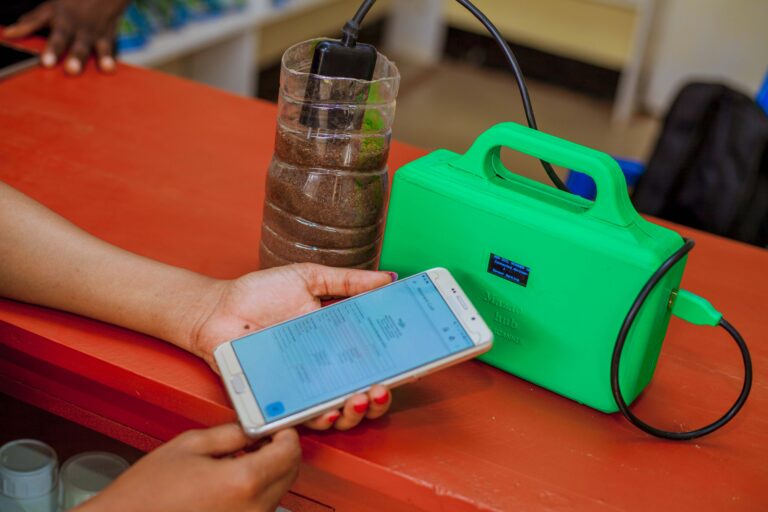
MazaoHub, Tanzania’agri-tech startup blending artificial intelligence with hands-on agronomy to drive climate-smart farming, has raised $2 million in an oversubscribed pre-seed round  to scale AI-powered Smart Farming across Africa.

The raise includes $1.5M in equity, led by Catalyst Fund with participation from Nordic Impact Fund, Mercy Corps Ventures, elea Foundation, Impacc, and DOB Equity. It also includes $500k in non-dilutive capital from the Livelihood Impact Fund, highlighting growing investor appetite for blended finance in climate adaptation.

According to Geophrey Tenganamba, CEO and Co-Founder of MazaoHub, “Farmers become data-driven decision-makers, buyers gain trusted traceability, and agribusinesses operate as climate-smart franchises. This is where sustainability meets scale.”

The new capital will accelerate production of MazaoHub’s low-cost soil kits and sensors, expand its network of Farmer Excellence Centers, and finance the rollout of CropSupply.com, which began piloting earlier this year. With food systems under increasing pressure from climate shocks, MazaoHub’s bet is clear: combine AI, hardware, and human expertise to make farming not just more productive, but fundamentally more efficient and climate-aligned—and for the first time, connect smallholder farmers to global markets with full farm-level traceability.

Investors see MazaoHub as an example of Africa leapfrogging into a data-driven agricultural future. “MazaoHub is showing that African agriculture can blend data insights with local agronomists to enable sustainable farming at scale,” said Maelis Carraro, Founder and Managing Partner at Catalyst Fund.

MazaoHub operates through a hybrid “Tech and Touch” model that combines soil sensors, portable soil kits, and AI-powered farm management software with on-the-ground support from agronomists and access to markets. Its offline-first platform equips farmers with crop dashboards, cost analysis tools, and daily checklists, built for environments with limited connectivity. At the same time, rural agribusinesses are upgraded into Farmer Excellence Centers—described as “agricultural clinics”—where professional agronomists provide in-person guidance informed by digital insights.

At the end of the cycle, MazaoHub connects farmers directly to buyers through CropSupply.com, a sourcing platform that ensures full traceability from soil data to shipment, tackling one of agribusiness’s toughest challenges: supply chain transparency.

The company’s model is designed to deliver both productivity gains and climate benefits. By reducing fertilizer use by up to 30%, boosting organic manure adoption fivefold, and optimizing irrigation, farmers grow more food with fewer inputs while lowering emissions, saving water, and cutting energy use.

“Our investment is driven by its profound climate impact. MazaoHub is cutting emissions, building resilience, and ensuring millions of smallholders are included in the digital transition,” said Lisbeth Stausholm Zacho, Managing Director at Nordic Impact Funds.

The round also brought in local banking partners. CRDB Bank Foundation has signed on to embed inclusive finance into the ecosystem, ensuring that productivity gains translate into improved livelihoods. “By linking financial products to MazaoHub’s soil intelligence and sourcing systems, we can ensure that the benefits farmers achieve with data actually reduce lending risks and drive systemic change,” said Tullyesther Mwambapa the Managing director of CRDB Foundation.


Four Finalists Unveiled for the 2025 Africa Prize for Engineering Innovation

0

Four entrepreneurs have been selected as finalists for the 2025 Africa Prize, the continent’s largest prize dedicated to fostering engineering innovation, with a mission to stimulate, celebrate, and reward innovation and entrepreneurship across sub-Saharan Africa.

This year’s finalist innovations include a life-saving neonatal device helping at-risk babies to reach health facilities safely from remote areas and a groundbreaking AI tool to support greater inclusivity for the deaf and hard-of-hearing people.

In addition, a smart device that is transforming fish farming by monitoring water quality in local fisheries in real-time to help smallholder farmers produce sustainably and profitably, and solar-powered electric vehicle (EV) charging and battery-swapping stations that enhance rural mobility and provide electricity to local communities, will also compete to win this year’s Africa Prize.

The Africa Prize for Engineering Innovation is run by the Royal Academy of Engineering and part funded by the UK’s Department for Science, Innovation and Technology.

The finalists were chosen from a shortlist of 16 who each received a comprehensive support package designed to help commercialise their innovations.

Meet the 2025 finalists: 

Vivian Arinaitwe, a Ugandan biomedical engineer, developed Neo Nest, a portable, low-cost, neonatal warming and monitoring device designed to prevent neonatal hypothermia during ambulance transfers from rural health facilities to referral hospitals.  Acting as a compact, makeshift incubator, Neo Nest generates and regulates heat through an electric circuit while continuously monitoring vital indicators. LEDs on the device display green for normal operation, orange for a warning, and red for danger, with alarms alerting caregivers to malfunctions or failures.

Built for both warmth and security, the device features an adjustable ring and Velcro straps to keep the baby securely in place. A smart temperature control system, integrated through a microcontroller, maintains optimum temperatures through a feedback loop that adjusts to environmental changes. Heat-conducting fluid evenly distributes warmth, ensuring that even the most vulnerable infants remain stable and comfortable during transfer

Since beginning the Africa Prize programme, Vivian has also been recognised at the African Women Innovation & Entrepreneurship Forum Awards 2025 in the Tech Entrepreneur Award category and secured agreements with health facilities in Uganda to deploy the Neo Nest device. 

Elly Savatia, a Kenyan entrepreneur, created Terp 360, a groundbreaking app designed to support people who are deaf or hard-of-hearing. Using AI and 3D avatars, it translates speech into sign language with lifelike fluidity, setting it apart from other tools on the market.

To enhance the experience, Elly’s team at Signvrse incorporated motion capture technologies and collaborated with deaf and hard-of-hearing Kenyans to record over 2,300 signs, including common phrases and words. This ensures the app’s avatar feels human-like, relatable and culturally relevant. By addressing the interpreter shortage and improving accessibility, Terp 360 has the potential to transform learning environments and create more inclusive spaces.

Since beginning the Africa Prize programme, Elly and his team have secured a Google.org grant to support sign language dataset expansion and scaling. Additionally, they have set up a presence in Rwanda at Carnegie Mellon University’s College of Engineering and further plan to pilot classroom and public-service deployments. 

Frank Owusu, a Ghanaian ‘aquapreneur’, developed Aquamet, a smart water quality monitoring device that is helping smallholder farmers to reduce fish mortality and boost yields, enabling them to farm both sustainably and profitably. Farmers using the device report yield increases of 10–15%, a significant improvement when they would usually expect to lose up to 45% of their fish.

The device features three critical sensors that track pH, dissolved oxygen, and water temperature, all of which are key factors for fish health. When water quality deteriorates, it sends real-time notifications and actionable recommendations directly to the farmer’s mobile phone. The platform also offers record-keeping tools, access to extension services, and a marketplace linking farmers with buyers.

Since being shortlisted for the 2025 Africa Prize, Frank has achieved two major business-to-business distribution partnerships across West Africa. In addition, the visibility and support provided by the Africa Prize have helped Frank secure partnerships with the British High Commission and the Centre for Environmental Fisheries, Aquaculture Science, to support an Animal Health System Strengthening Project as the implementing partner, and with the Fish for Development Project in Ghana, an initiative to build fish farmers’ capacity.

 Carol Ofafa, a Kenyan engineer, founded E-Safiri, a battery-swapping service, providing a convenient and accessible solution for EV users. Operating across four locations in Kisumu, Kenya, the service addresses a major barrier to EV adoption: the lack of home charging infrastructure, particularly in rural areas where many households lack electricity. By providing charging and swapping cabinets for electric bicycle and motorbike batteries, E-Safiri eliminates the need for personal charging setups.

Each hub runs on solar energy and uses IoT-enabled batteries that deliver real-time updates, allowing for proactive maintenance. A central dashboard tracks energy use across sites, optimising efficiency and cutting costs. Beyond mobility, E-Safiri ensures surplus energy supports local communities: charging hubs double as power centres for households without electricity.

Since being shortlisted for the 2025 Africa Prize, Carol has been named one of Business Daily’s Top 40 under 40 Women and been recognised by Sustainable Energy as one of Africa’s Energy Heroes 2025. She has also secured funding through the Carbon Trust and signed E-Safiri’s first contract with Renewable World.

The Africa Prize Live Final event, supported by the British Embassy in Dakar, will be hosted by TV presenter Merry Beye on 16 October at Noom Hotel Dakar Sea Plaza, Dakar, Senegal, and feature a keynote by Claudia Senghor, founder of Agrobabe. The 2025 finalists will pitch their innovations to a live, in-person and online audience and a panel of judges.

Launched in 2014 by the Royal Academy of Engineering, the Africa Prize has supported 165 businesses from 22 countries with invaluable training, mentoring, and communication resources. Collectively, these alumni have secured $34 million in grants and equity funding.

Applications for the 2026 Africa Prize opened in July and will close on 23 September 2025. Interested candidates must apply within this window to be considered for the 2026 shortlist. Visit the website to ‘Apply.


HALA Raises $157m to Expand its Presence Regionally

0

HALA, Saudi Arabia’s leading fintech and provider of embedded financial services to micro, small and medium enterprises, has raised $157 million in a Series B investment round, the largest fintech Series B funding rounds in the Middle East.

The funding round is led by The Rise Fund, TPG’s multi-sector global impact investing strategy, and Sanabil Investments, a wholly owned company by the Public Investment Fund (PIF), with participation from QED, Raed Ventures, Impact 46, Middle East Venture Partners (MEVP), Isometry Capital, Arzan VC, BNVT Capital, Kaltaire Investments, Endeavor Catalyst, Nour Nouf Ventures, Khwarizmi Ventures, and Wamda Capital.

According to Esam Alnahdi Co-founder and Chairman, HALA, “This landmark investment is a turning point for HALA, reflecting on our relentless pursuit of innovation and excellence in serving small businesses. We are honored that our new investors recognize the potential of our vision and the impact we aspire to make in the MSME landscape. Our journey is just beginning, and this support fuels our drive to create meaningful change.”

These funds will be utilized to strengthen HALA’s position in the Saudi market and offer more embedded financial services, lending products catered to support the growth of MSMES and Freelancers as well as to expand HALA’s presence regionally.

This investment follows on from HALA’s impressive year-on-year growth that validates the robustness and scalability of its operating model, which is geared toward sustainable growth as well as playing a key role in its home market in supporting the Saudi Vision 2030 goal to significantly enhance the contribution of SMEs to GDP.

HALA offers a comprehensive embedded financial services offering, ranging from business accounts, card issuance, payment and transfer services, and POS solutions to financing and corporate cards. The company currently serves over 142,000 businesses and processes more than $8 billion of annual transactions.

“As we look at the next phase of our growth, we believe that our diverse group of prominent investors bring valuable global expertise and perspective which will elevate our ambitions to execute with even greater scale and impact,” said Maher Loubieh, Co-founder and Group CEO, HALA.

The SME sector in Saudi Arabia presents a significant market opportunity for HALA, given the sector’s vital role in the economy. With approximately 614,000 to 1.8 million SMEs, which account for about 90–99% of private sector businesses, the growth potential for digital payment solutions is substantial.

These SMEs contribute an estimated 20–35% of the Kingdom’s GDP, roughly $310–375 billion USD annually, and employ around 4.7 million people across key sectors like retail, manufacturing, and construction. The sector has experienced a 45% increase in GDP contribution from 2016 to 2021, driven by government initiatives, digital transformation efforts, and increased financing support, creating a fertile environment for innovative payment services.

“HALA is uniquely positioned to empower micro and small businesses, a key pillar in the region’s economy, by delivering business owners and their customers a broad and growing set of payment solutions,” Yemi Lalude, Partner at TPG and Head of Europe, Middle East and Africa for The Rise Funds, commented.

Canal+ Takes Control of MultiChoice in Landmark African Media Takeover

0

French broadcaster Canal+ has taken control of MultiChoice Group Ltd., South Africa’s largest pay-TV provider, after its mandatory offer for remaining shares became unconditional on Sept. 19. The approval follows months of regulatory reviews and marks Canal+’s biggest acquisition to date.

The company now directly owns 46% of MultiChoice, plus another 2.2% acquired through tendered shares, cementing effective control. The enlarged group will serve over 40 million subscribers across nearly 70 countries in Africa, Europe and Asia, with a workforce of about 17,000 people.

Together, the companies will operate platforms including DStv, GOtv, Showmax, and myCanal, blending Canal+’s historic strength in Francophone Africa with MultiChoice’s dominance in Anglophone markets.

South Africa’s Competition Tribunal, ICASA, the JSE, and Takeover Regulation Panel approved the transaction, subject to commitments. Canal+ pledged to back locally owned businesses and small enterprises, increase investment in African content and sports programming, and support historically disadvantaged groups in the sector.

“The combination strengthens our ability to back creative talent and sports programming across Africa, Europe, and Asia,” said Maxime Saada, Canal+ CEO, who will also chair the MultiChoice board. David Mignot has been appointed CEO of Canal+’s African operations, while former MultiChoice chief Calvo Mawela will serve as chairman of the African business. Nicolas Dandoy takes over as CFO.

Governance adjustments include aligning MultiChoice’s year-end to Dec. 31 to match Canal+ reporting and removing foreign shareholder voting restrictions under South African law.

The deal also reshapes the competitive landscape. MultiChoice has been under pressure from global streaming rivals such as Netflix, Amazon Prime Video, and Disney+, which have been expanding aggressively in Africa. The acquisition gives Canal+ greater scale to defend market share, expand Showmax as a regional streaming challenger, and leverage sports rights and original programming to retain subscribers. Analysts say the combination positions the French group as a more formidable rival to international platforms seeking African growth.


Safaricom’s M-PESA to Handle 12,000 Transactions a Second in Biggest Overhaul Since 2015

0

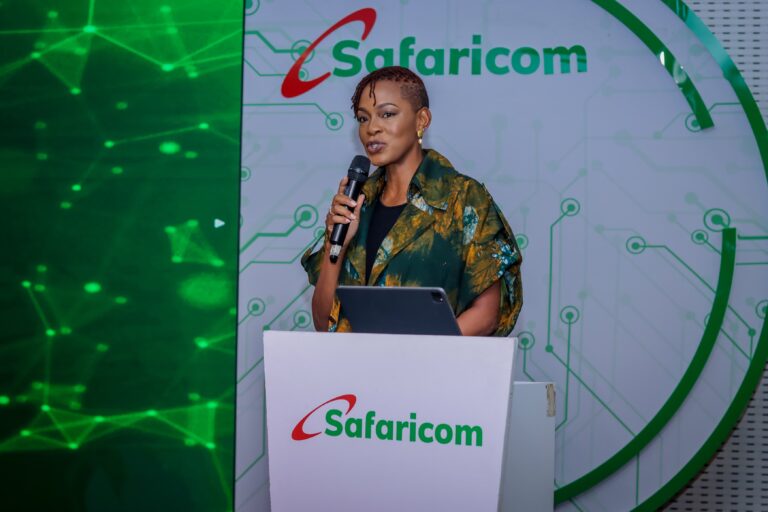
Safaricom Plc is overhauling its M-PESA platform to process up to 12,000 transactions per second, up from 4,500 today, in its largest upgrade in a decade.

The new Fintech 2.0 core, announced Friday, introduces a cloud-native, AI-powered system designed to cut downtime, expand capacity, and speed up product rollout. It also embeds real-time fraud detection and self-healing tools.

M-PESA, used by 34 million Kenyans, generated 161 billion shillings ($1.25 billion) in revenue in the year to March and has lifted financial inclusion to 83.7% of adults, from 26.7% in 2006. Safaricom, Kenya’s biggest company by market value, posted 388 billion shillings in revenue last fiscal year.

“This upgrade is a bold investment in the future of M-PESA,” CEO Peter Ndegwa said in a statement. “The platform not only scales to meet today’s demands but also anticipates tomorrow’s opportunities.”

The overhaul comes as Safaricom pushes deeper into digital finance across East Africa, including Ethiopia, where its unit is expanding mobile services.

 Samsung Unveils its 2025 NEO QLED 100-inch AI TV in Kenya

0

 Samsung has today unveiled the 2025 NEO QLED 100-inch AI TV (S-QA100QN80FUXKE), its most advanced flagship television yet, setting a new benchmark in large-screen home entertainment.

The launch event, held at the Glee Hotel in Nairobi, showcased Samsung’s latest innovation under the bold tagline: “Vision AI is here, The Next Big Thing in Television.” Crafted for ultimate immersion, the Samsung NEO QLED 100-inch AI TV combines cutting-edge display and audio technologies with the power of Samsung’s Vision AI platform.

“Kenya deserves nothing less than the very best in television technology,” said Rahul Kochhar, Business Head, Consumer Electronics Division, Samsung Electronics East Africa. “With Vision AI, we are not just making pictures more vivid or sound more immersive; we are rethinking how TV interacts with the home, how it learns, adapts, and becomes part of daily life. This 100-inch AI TV flagship is the strongest expression of that vision.”

Key Features and Specifications

  • 100-inch NEO QLED Display: Expansive screen engineered for cinematic viewing at home or in commercial spaces.
  • NQ AI Processor: Intelligent processor that dynamically adjusts picture and sound based on content type and room conditions.
  • Quantum Matrix Mini LED Technology: Provides precise backlight control for superior contrast, deep blacks, and peak brightness levels.
  • 4K UHD Resolution with AI Upscaling: Enhances lower-resolution content to near-4K quality.
  • HDR10+ and Auto HDR Remastering: Frame-by-frame optimisation for vibrant, lifelike colours.
  • Anti-Glare and Ultra-Viewing Angle Technology: Ensures clarity and colour accuracy even in bright rooms.
  • Dolby Atmos and OTS (Object Tracking Sound): Immersive, three-dimensional audio with dialogue clarity enhancements.
  • Smart Hub with Vision AI: Unified access to streaming apps, cloud gaming, live TV, and smart home controls.
  • Samsung Gaming Hub: Supports 4K 120Hz, FreeSync Premium Pro, and cloud gaming platforms.
  • Tizen OS with 7-Year Upgrade Programme: Guaranteed long-term support for software, security, and new features.
  • Design: Ultra-slim profile with a near bezel-less frame and clean cable management for premium aesthetics.


Designed for the Kenyan Market

The Samsung NEO QLED 100-inch AI TV is positioned for households, premium apartments, and high-end commercial venues across Kenya. With the rapid growth of streaming services, improved broadband access, and a rising middle and upper-income consumer base, demand for intelligent, large-screen televisions is at an all-time high. Kenyan consumers increasingly seek TVs that go beyond screen size, delivering intelligence, durability, and smart home integration.

Samsung is committed to providing premium customers with premium care. The new 100-inch NEO QLED AI TV comes with a two-year manufacturer’s warranty when purchased through authorised dealers. Customers also benefit from professional installation by certified technicians, priority servicing in major cities, and access to Samsung’s nationwide service network.

Support is available through Samsung’s 24/7 call centre, the Samsung Members app, and authorised service partners, ensuring peace of mind throughout the ownership journey.

“As Samsung, we believe innovation must serve the people,” said Sam Odhiambo, Head of Consumer Electronics Business Kenya. “We have designed this television for discerning Kenyan customers who seek something beyond the ordinary: premium craftsmanship, intelligent features, local support, and long-term value. We are excited to bring this next big thing in television to the Kenyan market.”

The Samsung NEO QLED 100-inch AI TV will be available through Samsung’s authorised dealers, flagship stores, and selected retail partners. The recommended retail Price (RPP) is KES 699,000.

Bloggers Association of Kenya Petition the Unconstitutional Computer Misuse and Cybercrimes Act

The Bloggers Association of Kenya (BAKE) has filed a petition against the Computer Misuse and Cybercrimes Act which it has deemed unconstitutional from the onset.

BAKE claims that various sections in the act are written in vague and open-ended language, making them easy to abuse. Terms such as “false information,” “cyber harassment,” “publication of misleading data”, and “investigation procedures” are unconstitutional and malicious and have been misused for long.

“This case has always been about more than one law,” said Mercy Mutemi, technology and digital rights lawyer at Nzili & Sumbi Advocates, who represents BAKE in the appeal. “It is about protecting the future of Kenya’s online freedoms and ensuring that the internet remains a space where creativity, accountability, and civic engagement can thrive.”

Instead of protecting Kenyans, they have been used to silence critical voices, intimidate ordinary citizens, and shrink our online space. Bloggers have been arrested for posts criticizing leaders, journalists have faced charges for their reporting, and in the most tragic case, Albert Ojwang lost his life after being arrested over “fake news” and tortured in police custody. Essentially, the Act turns normal speech into a crime, which discourages creativity, weakens public debate, and undermines the freedoms guaranteed to all of us under the Constitution.

BAKE first filed its constitutional petition in May 2018, the High Court issued conservatory orders suspending 26 sections of the law, a landmark decision that protected online voices from arbitrary prosecution for nearly two years. However, in February 2020, the High Court upheld all the challenged provisions and dismissed the petition, reinstating the laws in full. BAKE then filed an appeal, which has been pending since 2020.

In the years since, the chilling effect of these provisions has become evident. Bloggers, journalists, and ordinary citizens have faced charges under the Act, often for content that falls squarely within the bounds of free expression. The result has been fear, self-censorship, and a shrinking space for critical digital voices.

Therefore, the upcoming judgement will be a defining moment for Kenya’s digital future. Whichever way the court rules, the decision will have far-reaching implications for free expression, civic engagement, and the protection of rights in the online space.

As the nation awaits the Court of Appeal’s judgment, BAKE reaffirms its commitment to defending the rights of creators and pushing back against laws that undermine freedom of expression.

The long-awaited decision in the Bloggers Association of Kenya (BAKE) petition against the Computer Misuse and Cybercrimes Act will be delivered on February 27, 2026, at the Court of Appeal in Nairobi. The ruling will come from a three-judge bench comprising Justice Patrick O. Kiage, Justice Aggrey Muchelule, and Justice Weldon Kipyegon Korir.

Paxful CEO Roshan Dharia Resigns

0

Roshan Dharia, Paxful’s Chief Executive Officer, has resigned after completion of the firm’s successful turnaround amidst threats and their broader implications for personal safety.

Dharia was appointed CEO in May 2023 to lead the restructuring of Paxful which fell victim to shareholder litigation and a subsequent governance dead-lock that left the company in severe financial distress. During his tenure, Roshan Dharia, a seasoned turnaround professional, guided the company through a critical relaunch centered on platform security, regulatory compliance, and the exploration of strategic alternatives.

“Over the last two years, our team successfully led Paxful through a challenging restructuring that gave the company a new life. I’m pleased to leave Paxful well positioned for future leadership to take this historic product to the next phase of its development,” Dharia said.

Paxful has formed a transition committee to immediately begin the search for new executive leadership.

Paxful marketplace now connects over 14 million users across 140+ countries to move, earn, save, and store money – even without a bank account. Founded in 2015, Paxful had at one time closed shop due to a lawsuit by its co-founder Artur Schaback which led to the departure of several of its key staff and security concerns.  Apart from the regulation pains, litigation and the departure of senior level staff, the engineering and compliance teams were also caught in the crossfires. The feud between Paxful two co-founders Ray Youssef and Artur Schaback led to lapses in management and there were cases of illegal drug use at work. The Paxful co-founders went to court disputing over the company and a new administrator was reportedly found to help the company in its new phase of growth minus its co-founders.

The Paxful co-founders cited irreconcilable co-founder differences and this might be the case till now against anyone who takes their position. Dharia came in as the new CEO to drive change and bringing life to the exchange again leading to signing up over 400 payment methods for accessing Bitcoin, USDT, and other popular digital and local currencies. Dharia now wants all his Paxful history erased from the internet to avoid any threats to his personal life even though erasing online links won’t erase the fact that he drove the company’s revival.


Working with the Best: A Guide to the PariPesa App in Kenya

0


Smartphones make our lives a whole lot easier. This is especially true if you’re a fan of sports betting in Kenya. Both the PariPesa APK and the iOS app are here to fulfill your needs! Downloading and installing the application will let you play no matter where you are. In this article, it is our honor to show you how to go about doing this.

PariPesa Android App

Android is the most commonly used operating system in smartphones across the globe, so it’s no surprise that PariPesa has a dedicated app for all such devices. However, a word of warning. Google Play Store does not host anything related to gambling, so you won’t find the application there. Instead, you have to go to the official website to download it. Follow these steps to get started:

  1. Find the app download page on the PariPesa website.
  2. Change your settings to allow your phone to download files from unknown sources.
  3. Download the .APK file and install it on your device.

After you’re done with the installation, you can open it with a tap and log in with your credentials.

PariPesa Apple App

The process for getting the iOS app up and running is a lot more straightforward, and you don’t have to download it from the website. Follow the steps below:

  1. Make sure your Apple ID is set to Kenya.
  2. Open the App Store and search for the PariPesa app.
  3. Download and install it.

As long as you have enough memory and processing power, the app will run on your device.

What About the Mobile Site?

Not everyone will want to download the app. Many people think twice about downloading things from new sources, and some are against downloading executable files, period. For all those people, the mobile website is ready to serve. All you have to do is open your phone’s browser and navigate to the PariPesa homepage. You will be able to play all the games and bet on all the sports you would normally be able to access on the desktop version.

No graphics are lost. No options are withheld. The mobile site runs as long as you have an active internet connection. You log in by following exactly the same process you would on your desktop computer, and you can play whatever you want.

Why Is the PariPesa App So Successful?

The PariPesa app is quick and lightweight. It takes up about 100 MB of space on your phone and runs well even in areas with a slow internet connection. It is easy to download and install. Not only does it give you access to all the games, but it also provides great bonuses and high odds. It facilitates a comprehensive betting experience. So, if you’re looking to get some action on your commute, download it today!


Oncount Raises $1.5M to Launch AI Accounting Platform for SMBs in the UAE

0


Oncount, a Dubai-based accounting tech startup, has secured $1.5M in seed funding to accelerate the development and launch of Oncount’s proprietary AI-driven accounting platform.

The investment, led by tech entrepreneur Sergey Panov, will  help Oncount transform how SMBs manage their finances across the UAE and broader region.

According to Sergey Panov, founder and CEO of Oncount“Oncount’s platform is designed with a special focus on data integrity and operational speed, allowing the company to offer premium features that make SMBs feel valued. These include voice-activated document creation with accountant verification, same-day transaction processing, guaranteed 20-minute response time for accounting questions, and professional liability insurance included in all service plans.” 

SMBs form the backbone of the UAE and MENA economies, representing 90% of all businesses and contributing up to 50% of national GDP. In Dubai alone, SMEs account for 42% of the workforce and contribute approximately 40% of the city’s economic value. Businesses now face significant cost pressures, including a new 9% corporate tax on profits exceeding AED 375,000, a 15% increase in accountant salaries (now averaging AED 130,400 annually for mid-level professionals), and potential penalties of up to AED 50,000 for tax non-compliance. These challenges are precisely what Oncount aims to address with its AI-powered accounting platform, offering an accurate and efficient solution for businesses.

In response to the mounting financial pressures on SMBs, driven by new tax regulations and rising accountant salaries, Oncount is here to provide a much-needed relief. The platform aims to streamline accounting processes for Middle Eastern businesses facing increasing compliance costs. The founding team combines decades of expertise in IT, SaaS, and digital accounting. Sergey Panov, former CEO of Action, leads the team alongside Nicol Kuznetsova, a serial B2B entrepreneur, and Ivan Anohin, previously a product leader at OSOME, a global accounting startup based in Singapore and the UK. Their collective experience spans product development, automation, and business scaling.

The platform distinguishes itself by utilising artificial intelligence and automation to streamline bookkeeping and tax workflows, thereby reducing costs while enhancing accuracy and efficiency. Unique features include AI-powered document processing for invoices, receipts, and contracts; automated bank transaction reconciliation; client-specific task management with personalised tax calendars; and accountant-managed quality control. These features set Oncount apart from other accounting solutions, offering an accurate and efficient business solution.

Oncount’s subscription model offers plans ranging from 508 AED to 4,212 AED monthly, scaled to business size and complexity. Each subscription includes tax registration and filing (CT and VAT), full-service accounting, a dedicated team (senior accountant, bookkeeper, assistant accountant, and tax lawyer), comprehensive compliance support and financial reporting. The tiered pricing structure ensures that businesses of all sizes and needs can benefit from Oncount’s services, making it an attractive option for SMBs.

After its UAE launch, Oncount is set to embark on an exciting journey of expansion throughout the MENA region and Central Asia. The company will focus on markets with underserved SMB segments and increasing regulatory complexity. The company is exploring opportunities in Saudi Arabia, Egypt, Kazakhstan, and Uzbekistan.

“SMBs across MENA and Central Asia face mounting pressures: more taxes, higher wages, and growing compliance risks. We see a tremendous opportunity to bring our tech-first model to these markets and give business owners the peace of mind to focus on growth,” said Sergey Panov, Founder of Oncount.

Oncount’s launch coincides with the rapid transformation of the accounting sector in the UAE and beyond, driven by digitalisation, automation, and AI, which enables businesses to adapt to new regulatory and operational realities.


Uber Safari Kenya: How to Book a Nairobi National Park Safari with the Uber App

0

Uber Safari has officially launched in Kenya, giving residents and tourists a seamless way to explore Nairobi National Park — the only national park located inside a capital city anywhere in the world.

After a successful trial in South Africa, Uber Safari is now live in Nairobi as part of Uber’s 10-year anniversary in Kenya, offering both Day Safari and Night Safari options.

If you’re planning a trip to Nairobi or want a quick getaway from the city, here’s everything you need to know about booking and enjoying Uber Safari in Nairobi National Park.

How to Book Uber Safari in Nairobi

Step 1: Open or Download the Uber App

Make sure you have the latest version of the Uber app installed on your smartphone.

Step 2: Use Uber Reserve

Navigate to Uber Reserve in the app to pre-book your safari.

Step 3: Choose Your Safari Option

  • Day Safari Nairobi National Park – Perfect for seeing lions, giraffes, rhinos, and zebras in daylight.
  • Night Safari Nairobi National Park – A rare chance to experience nocturnal wildlife after sunset.

Step 4: Confirm Your Reservation

Your booking secures a fully licensed Land Cruiser operated by trusted tour partners.

Step 5: Enjoy a Guided Safari

Each booking includes:

  • Pickup in a safari-ready vehicle
  • A licensed safari guide
  • A three-hour game drive inside Nairobi National Park

Why Choose Uber Safari in Nairobi?

  1. Seamless Booking – No need to call a tour operator. Everything is managed in the Uber app.
  2. Trusted Partnerships – The service is delivered in collaboration with the Ministry of Tourism, Kenya Wildlife Service (KWS), Tourism Regulatory Authority, and local fleet partners.
  3. Safe & Reliable – Professional guides and licensed safari vehicles.
  4. Support for Local Tour Operators – Uber Safari allows local guides and fleets to earn directly through the platform.

Uber Safari and Kenya’s Tourism Economy

  • Uber contributed KSh 14.1 billion to Kenya’s economy in 2023.
  • Drivers on Uber earn an average of 37% more compared to their next best alternative.
  • The Uber app added KSh 2.7 billion in value to Kenya’s tourism industry in 2023.
  • Tourism contributes 10.4% of GDP and 5.5% of formal employment in Kenya.

By integrating safari bookings into its platform, Uber is not just offering convenience but also helping boost sustainable tourism in Kenya.

Frequently Asked Questions (FAQ)

1. Where is Uber Safari available in Kenya?
Currently, Uber Safari is available in Nairobi National Park.

2. How much does Uber Safari cost?
Pricing depends on the type of safari (day or night). Fares are visible in the Uber app before you confirm your booking.

3. What vehicles are used for Uber Safari?
Licensed Land Cruisers operated by approved local safari companies.

4. How long is each Uber Safari ride?
Each safari includes a three-hour guided wildlife experience.

5. Is Uber Safari safe?
Yes. The service is supported by the Ministry of Tourism, KWS, and licensed tour operators to ensure safety and sustainability.

Final Word: Book Your Uber Safari in Nairobi Today

Whether you’re a local looking for a quick escape or a visitor exploring Kenya, Uber Safari makes it easy to book a safari adventure directly from your phone.

From lions at sunrise to nocturnal wildlife under the stars, Nairobi National Park has it all — and now, you can experience it with the tap of a button.

Open your Uber app today and reserve your Day Safari or Night Safari in Nairobi National Park.


Uber Safari Launches in Kenya After Successful Trials in South Africa

0

Uber Safari, a new product category offering tailored safari experiences has been launched in Nairobi National Park after a successful trial run in South Africa by Uber, the US cab hailing and delivery firm.

Uber Safari will allow local tour operators and fleet partners to add their services to the Uber app and earn from the platform. The service was launched in Kenya as part of the celebration of Uber’s 10-year anniversary in Kenya promising seamless, on-demand access to Nairobi National Park, the world’s only national park located within a capital city.

How it Works

With Uber Safari, riders can choose between two unique offerings: a Day Safari or a Night Safari, both through Nairobi National Park. Using Uber Reserve, riders can pre-book their adventure directly in the app, then be picked up in a fully licensed, safari-ready Land Cruiser operated by licensed tour companies.

Each trip includes a licensed guide and a three-hour wildlife experience, seamlessly connecting the city to the wild. The service is delivered in partnership with the Ministry of Tourism, Kenya Wildlife Services, Tourism Regulatory Authority and trusted local fleet partners, ensuring that every journey is safe, reliable, and rooted in Kenya’s commitment to sustainable tourism.

Supporting Local Tour Operators

Since launching in Kenya, Uber has become a powerful economic enabler, contributing KSh 14.1 billion to the economy in 2023 alone and helping drivers earn 37 percent more than their next best alternative. The launch of Uber Safari comes at a time when tourism continues to be a key driver of Kenya’s economy, contributing 10.4 percent of GDP and 5.5 percent of formal employment. In 2023, the Uber app facilitated KSh 2.7 billion in additional value for Kenya’s tourism industry, supporting millions of tourist journeys.


Epson Advances Sustainability with 100% Renewable Electricity and Greener Logistics 

0

Epson has reinforced its commitment to environmental innovation and corporate responsibility with the second phase of its “Our Actions” campaign.

The campaign highlights real progress in Epson’s sustainability journey, including its global transition to 100% renewable electricity and efforts to reduce the environmental impact of logistics operations.

In 2023, Epson became the first company in Japan’s manufacturing sector to power all global Group sites with renewable electricity, a key milestone in its goal of becoming carbon negative and resource-free by 2050. This transition spans production facilities, offices, and research sites worldwide, underscoring Epson’s mission to cut emissions across its entire value chain.

Beyond energy, Epson is transforming its logistics operations to be more sustainable. Initiatives include:

  • Switching to high-cube containers, improving loading capacity by 14.3% and cutting shipment frequency.
  • Piloting alternative-fuel shipping, transporting 100 containers on vessels powered by biodiesel and green methanol, reducing emissions by approximately 220 tonnes.
  • Opening a new east-coast shipping routeto North America, lowering overland transit emissions by about 320 tonnes.
  • Launching a solar-powered warehouse in Türkiye, featuring sustainable packaging and freight innovations.

“At Epson, we do not believe in sustainability as a slogan. We see it as a daily responsibility. Our transition to renewable electricity and our decarbonisation efforts in logistics are just two examples of how we are acting on that responsibility. We are proud to share the progress we have made and reaffirm our vision for a more sustainable, equitable future.” Said Epson’s Regional Head for East and West Africa, Mukesh Bector.

Epson’s “Our Actions” campaign showcases the company’s philosophy of efficient, compact, and precise innovation. By embedding environmental responsibility into every aspect of its business, Epson continues to set benchmarks for positive impact—helping industries and communities transition to a low-carbon future.

Samsung Galaxy A17 Price & Specs in Kenya

0

Samsung has launched the Galaxy A17 and the Galaxy Buds Core in Kenya just days after it announce the availability of its Galaxy A07 in Kenya.

The Galaxy A17 comes in two memory options, 4GB RAM and 128 GB storage and 6GB RAM and 128 GB storage and a 5000 mAh non-removable battery for long battery life to last through a full day.

6.7″ display size with a resolution of 1080 x 2340 (FHD+) makes it comfortable to hold and use. On security, Samsung provides up to six generations of OS upgrades and six years of security updates for select budget-friendly devices, like the Galaxy A17.

On the other hand, the Galaxy Buds Core focuses on value and usability. They deliver balanced everyday audio with active noise cancellation, making them great for music, podcasts and calls and include multiple microphones for clearer voice capture.

The Buds Core offers a secure, comfortable fit for long listening sessions and carries an IP54 rating for protection against everyday dust and splashes. They also support Galaxy features such as Interpreter for on-the-spot translations and Auto Switch for seamless pairing across Galaxy devices.

The Samsung Galaxy A17 will be available at Samsung authorized dealers and will be offered in two memory variants, 4+128 GB and 6+128 GB, priced at KES 20,800 and KES 22,600 respectively. It will come in three stylish colours Black, Blue and Gray. The Galaxy Buds Core are available now at a recommended retail price of KES 5,100, offered in Bold Black and Fresh White.

Here are the Device Specifications for the 4GB variant.

Category Specification
Performance
CPU Speed 2.4GHz, 2GHz
CPU Type Octa-Core
Memory (GB) 4
Storage (GB) 128
Available Storage (GB) 107.1
External Storage Support MicroSD (Up to 2TB)
Display
Size (Main Display) 169.1mm (6.7″ full rectangle) / 164.5mm (6.5″ rounded corners)
Resolution (Main Display) 1080 x 2340 (FHD+)
Technology (Main Display) Super AMOLED
Colour Depth 16M
Max Refresh Rate 90 Hz
Rear Camera
Resolution 50.0 MP + 5.0 MP + 2.0 MP
F Number F1.8 , F2.2 , F2.4
Auto Focus Yes
OIS Yes
Zoom Digital Zoom up to 10x
Flash Yes
Front Camera
Resolution 13.0 MP
F Number F2.0
Auto Focus No
OIS No
Flash No
Video
Recording Resolution FHD (1920 x 1080) @30fps
Slow Motion 120fps @HD
Video Playing Format MP4, M4V, 3GP, 3G2, AVI, FLV, MKV, WEBM
Video Playing Resolution UHD 4K (3840 x 2160)@30fps
Audio
Audio Playing Format MP3, M4A, 3GA, AAC, OGG, OGA, WAV, AMR, AWB, FLAC, MID, MIDI, XMF, MXMF, IMY, RTTTL, RTX, OTA
Stereo Support No
Earjack USB Type-C
Network
Number of SIM Dual-SIM
SIM Size Nano-SIM (4FF)
SIM Slot Type SIM 1 + Hybrid (SIM or MicroSD)
Infra 2G GSM, 3G WCDMA, 4G LTE FDD, 4G LTE TDD, 5G Sub6 FDD, 5G Sub6 TDD
2G GSM GSM850, GSM900, DCS1800, PCS1900
3G UMTS B1(2100), B2(1900), B4(AWS), B5(850), B8(900)
4G FDD LTE B1, B2, B3, B4, B5, B7, B8, B12, B17, B20, B28, B66
4G TDD LTE B38, B40, B41
5G FDD Sub6 N1, N3, N5, N7, N8, N20, N28, N66
5G TDD Sub6 N38, N40, N41, N77, N78
Connectivity
USB Interface USB Type-C
USB Version USB 2.0
Location Technology GPS, Glonass, Beidou, Galileo, QZSS
Wi-Fi 802.11a/b/g/n/ac 2.4GHz+5GHz, VHT80
Wi-Fi Direct Yes
Bluetooth Version Bluetooth v5.3
PC Sync Smart Switch (PC version)
MHL No
Sensors Accelerometer, Fingerprint Sensor, Gyro Sensor, Geomagnetic Sensor, Light Sensor, Virtual Proximity Sensing
Body
Form Factor Touchscreen Bar
Dimension (HxWxD) 164.4 x 77.9 x 7.5 mm
Weight 192 g
Battery
Capacity 5000 mAh (Typical)
Removable No
Video Playback Time Up to 18 hours
Energy Efficiency Class B
Minimum Battery Endurance 1200 cycles
Sustainability
Recycled Content (%) 1.2
Recyclability (%) 12.2
Weight of Cobalt ≤ 10 g
Weight of Tantalum < 0.01 g
Weight of Neodymium ≤ 0.2 g
Weight of Gold < 0.02 g
Compatibility & Support
Gear Support Galaxy Ring, Galaxy Buds (all), Galaxy Fit (all), Galaxy Watch (all)
Samsung DeX Support No
Bluetooth Hearing Aid Support Android Audio Streaming for Hearing Aid (ASHA)
SmartThings Support Yes
Mobile TV No
Security Update Period Valid until 31 August 2031


The Cortex Hub Launches MCP Hackathon Africa 2025 to Embed African Languages & Culture into AI

0

The Cortex Hub has announced the launch of the MCP Hackathon Africa 2025, a continent-wide initiative designed to embed African languages, culture, and priorities into the next generation of Artificial Intelligence.

Running across more than 40 cities from September to November 2025, the eight-week program will unite developers, researchers, startups, and students to build practical solutions using the Model Context Protocol (MCP), an emerging open standard that enables applications to deliver structured, locally relevant information to large language models. The hackathon will culminate in a continental showcase in Cape Town on 11–12 November 2025, where finalists will present to investors, incubators, and technology leaders from across the globe.

According to Andile Ngcaba, Patron of The Cortex Hub, “The Model Context Protocol is Africa’s opportunity to move from being consumers of AI to creators of the standards that govern it. By coding MCP servers for our towns and cities, participants will be embedding African contexts, cultures, and priorities into the very fabric of AI’s evolution.”

The MCP Hackathon Africa 2025 is a strategic effort to ensure Africa plays a leading role in shaping the infrastructure of Artificial General Intelligence. By contributing African languages, legal systems, and development priorities to MCP servers, participants will help safeguard digital sovereignty and reduce dependence on closed technologies.

Participants can join local hubs in more than 40 cities spanning across  Southern Africa including South Africa, Namibia, Angola, Mozambique, Zambia, Zimbabwe, Botswana, Malawi and Mauritius; West Africa, including Nigeria, Ghana, Togo, Liberia, Côte d’Ivoire and Senegal; Central Africa, including Cameroon and the Democratic Republic of Congo (DRC); East Africa, including Kenya, Tanzania, Uganda, Rwanda and Ethiopia; and North Africa, including Morocco and Egypt.where they will access bootcamps, mentorship, peer collaboration, and technical resources including starter code repositories and MCP documentation to support their builds. Innovation tracks will focus on telecommunications, financial technology, agriculture, logistics, and public services, addressing practical challenges from empowering smallholder farmers with real-time information, to strengthening secure payment systems, to designing logistics platforms that support cross-border trade.

“The Model Context Protocol (MCP) is the glue that transforms abstract algorithms into situated intelligence. By coding MCP servers for your towns, you are not just writing software – you are inscribing African contexts into the very fabric of AI’s evolution,” said Group CEO of Datacentrix, Ahmed Mohamed. “At Datacentrix, we believe that responsible leadership in the digital age requires us to reimagine business and society through a technology lens. MCP is a practical step towards ethical, contextualized AI that is built with Africa’s realities in mind. By taking ownership at the protocol layer, we can shift from consumer to creator, embedding resilience, innovation, and our collective values into the very core of global AI.

Other sponsors include TESPOK, Seacom, Mauritius Telecom, Csquared, Solcon Capital.


PayU Shuts Kenya Unit, Names Liquidator After Six-Year Struggle

0

PayU Kenya Ltd., the local subsidiary of Dutch-owned global payments company PayU, has entered liquidation six years after its high-profile entry into East Africa.

The firm has appointed Sonal tejpal as a liquidator, under Kenya’s Insolvency Act, to formally initiate the wind-up of the company’s operations.

PayU launched in Nairobi in February 2019 after receiving Central Bank of Kenya approval, pitching the hub as a springboard into neighboring Tanzania, Uganda and Rwanda. The company sought to capitalize on the region’s mobile money dominance through a partnership with pan-African payments processor Cellulant, which integrated PayU into M-PESA and other local wallet systems.

At the time, PayU executives described Kenya as a “powerful and growing market” for high-velocity merchants. But the operation failed to gain traction as competition in digital payments intensified and Cellulant grappled with its own setbacks, including layoffs, a canceled $100 million funding round in 2022, and the exit of CEO Akshay Grover in 2024.

The retreat highlights the challenges even well-capitalized global fintech firms face in Africa, where fragmented regulations, entrenched incumbents, and reliance on volatile partnerships complicate expansion. PayU has not disclosed specific reasons for its withdrawal.

Kenya remains one of Africa’s most dynamic fintech markets, with mobile money transactions accounting for more than 80% of payments. Players such as Safaricom’s M-PESA, PesaPal, iPay, and Cellulant continue to dominate the fast-evolving sector.


Kredete Raises a $22M to expand Stablecoin Transfers to Africa

0

Kredete, a remittance firm helping African immigrants build credit and access financial services has raised a $22 million to finance its expansion into Canada, the United Kingdom, and key European markets.

The Series A funding round was led by AfricInvest via their Cathay AfricInvest Innovation Fund (CAIF) and Financial Inclusion Vehicle (FIVE), alongside Partech, and with participation from Polymorphic Capital.

Our vision is simple: if you support your family financially, that should count toward your creditworthiness,” says Adeola Adedewe, Founder and CEO of Kredete. “We’re building a system that rewards financial responsibility across borders. This raise is about scaling that infrastructure globally — and making sure that the millions of Africans abroad are finally seen, scored, and served.”

This latest round brings Kredete’s total funding to $24.75 million.

Founded in 2023 by Adeola Adedewe, Kredete aims to help African immigrants build credit and access better financial services through stablecoin payments and responsible remittance infrastructure.

The company combines international money transfers with a proprietary credit-building engine, enabling users to send money to over 30 African countries while improving their credit history in the U.S. and beyond. Kredete has also built API-based infrastructure to help businesses make secure and affordable cross-border payments into Africa, leveraging modern payment rails and stablecoin technology.

The company is introducing new features like rent reporting, credit-linked savings plans, and responsible goal-based loans. The firm also wants to roll out Africa’s first stablecoin-backed credit card across 41+ African countries, enabling users to spend seamlessly, build credit, and avoid costly foreign exchange fees.

To complement this, Kredete is launching interest-bearing USD and EUR accounts, empowering Africans globally to preserve value, earn yield, and hedge against local currency volatility. On the infrastructure side, Kredete is building an aggregation layer of banks and wallets — giving businesses a single API to enable secure, real-time, and affordable payouts into Africa.

“Kredete has been focusing on serving the African diaspora while addressing the key bottlenecks faced by payment operators when they move money in and out of Africa,” comments Khaled Ben Jilani, Senior Partner at AfricInvest. “It is one of those extremely rare start-ups that has managed to solve several problems at once — both for its African consumer clients, as well as for the large payments companies operating in Africa.”

“Adeola and his team are driving transformative innovation in remittance and cross-border payment infrastructure,” comments Lewam Kefela, Principal at Partech. “We’re excited about how their work is enabling better financial services for the African diaspora and unlocking broader opportunities across the ecosystem. We are thrilled to partner with Kredete on this journey.”

Kredete’s mission aligns with the United Nations Sustainable Development Goals (SDGs) related to Decent Work and Economic Growth (SDG 8) and Reduced Inequalities (SDG 10). Since its launch, Kredete has reached over 700,000 monthly users, facilitated $500 million in remittances, and helped raise users’ U.S. credit scores by an average of 58 points.

The White Label Path to Starting a Mobile Network

0

Africa’s mobile market is characterized by incredible growth and dynamism. With increasing smartphone penetration and a burgeoning digital economy, the demand for tailored and accessible mobile services has never been higher. While large Mobile Network Operators (MNOs) have built the foundational infrastructure, a new wave of innovation is emerging. This new opportunity lies within the agile and innovative framework of the Mobile Virtual Network Operator (MVNO) model.

Redefining mobile connectivity in Africa

For years, the telecommunications sector has been dominated by a few major players who own and operate the physical network infrastructure. This high-cost environment created significant barriers to entry for new companies. The MVNO model changes this dynamic entirely by allowing businesses to offer mobile services without owning the underlying network, presenting a significant opportunity for tech startups across the continent.

Understanding the MVNO business model

A Mobile Virtual Network Operator is a company that provides mobile services but does not have its own licensed radio frequency spectrum or the extensive infrastructure required to run a network. Rather than operating its own infrastructure, an MVNO establishes a commercial agreement with a traditional MNO to acquire bulk access to network services at wholesale prices. These services are subsequently resold to the MVNO’s customers under its proprietary brand.

The primary advantage of this approach is a substantial reduction in initial capital expenditure and operational overhead. This allows entrepreneurs to focus on what they do best: building a brand, understanding customer needs, and creating unique value propositions. Market entry can be achieved in a fraction of the time it would take to build a network from the ground up.

A Shortcut to Market Entry for New Players

The asset-light nature of the MVNO model makes it financially accessible for startups and smaller enterprises to enter the telecom space. This democratization of the market fosters competition and innovation. By partnering with a provider, entrepreneurs can bypass the complex and costly process of infrastructure development. This is often accomplished through comprehensive MVNO white label solutions that provide the necessary technology and support to get started quickly.

Targeting Niches the Big Networks Overlook

One of the most compelling aspects of the MVNO model is the ability to target niche audiences. Large MNOs often create broad, one-size-fits-all service packages. An MVNO, however, can build its entire brand and product offering around a specific community or use case. This could include specialized data plans for students, secure connectivity for fintech applications, or dedicated networks for Internet of Things (IoT) devices in agriculture and logistics.

Core components for launching your mobile brand

For entrepreneurs interested in this space, the path to launching a mobile brand involves several key steps. Success depends on a clear strategy and the right partnerships. Key considerations include:

  • Securing a reliable host network agreement with an established MNO.
  • Defining a clear value proposition and identifying a target market segment.
  • Navigating the local regulatory and licensing requirements.
  • Developing a strong brand identity and marketing strategy.
  • Establishing customer support and billing systems.

A critical part of the branding and service delivery process is the physical element that connects the customer to the network. Procuring a custom-branded white label SIM card is an essential step in establishing a professional and distinct market presence, reinforcing the brand with every customer interaction.

Charting the course for mobile innovation

The expansion of the MVNO ecosystem holds immense potential for Africa’s digital future. It empowers local entrepreneurs to create tailored connectivity solutions that address the unique needs of their communities. This increased competition can lead to more innovative services, improved customer care, and more competitive pricing across the board. For investors and founders, the MVNO sector represents a high-growth area ripe for disruption and value creation. The time to explore this new frontier in African telecommunications is now.


Odoo Launches Version 19 as it Marks Three Years in Kenya

0


Odoo, a provider of business management solutions, is preparing to unveil Version 19 of their all-in-one business application software, at the flagship Odoo Experience in Belgium later this year.

The release promises updates across core applications, with a focus on user experience, automation and accessibility. The update will mean faster, smarter tools that will enable users to stay ahead of the curve.

The update aligns with the company’s ongoing localization efforts that have seen them register with Kenya’s Office of the Data Protection Commissioner, to ensure its systems comply fully with the Data Protection Act.

With the usage of digital payment systems increasing rapidly over the last five years, Odoo has also partnered with DPO Pay by Network, to enable African businesses to seamlessly accept digital payments.

This integration, now available as a standard feature, allows businesses to receive and process payments without leaving the Odoo environment.

As the government has been pushing for adoption of the electronic Tax Invoice Management System to enhance tax collection and management, Odoo has also integrated the eTIMS feature, which can be found within the customer database for free starting from version 17.0.

Users can generate eTIMS compliant invoices and have them automatically sent to KRA. The firm has also integrated a Payroll application that has all the statutory updates ready to use for Kenya.

In order to boost coverage, Odoo has not only been focusing on building the software, but also on building a community, through the free Odoo Academy workshops, held every week at the Nairobi office to enlighten both new and existing users on how digitisation can empower their businesses.

So far, more than 1000 individuals have attended these full-day, hands-on training sessions, gaining practical skills in essential applications like Accounting, Inventory, HR and E-commerce.

“These workshops are about more than training; they’re about building a community of empowered users who can leverage Odoo to grow their businesses,” said Patrick Lukusa, Managing Director of Odoo.

The company, which has a workforce of more than 140 staff, has so far organized business shows in more than 30 African countries, to reveal Odoo’s new features to the firm’s community across Africa.

Recognizing the importance of a strong community, the company has also been prioritizing partnerships with key stakeholders, including independent companies that resell and implement its software in the region.

Previously, Odoo has conducted most of its partner recruitment activities in Belgium, but recently, the company launched a dedicated partner management department in Kenya.

 Top Crypto Betting Sites for 2025: Why Toshi.bet Leads the Way

0

Toshi.bet is 2025’s top crypto betting platform offering no-KYC sign-upsinstant withdrawalsCrash & Plinko games, and provably fair gaming with full crypto support (BTC, ETH, USDT). Ideal for privacy-focused players who want fast, rewarding gameplay.

 Why Toshi.bet Tops the List of Crypto Betting Sites

In the fast-paced world of crypto betting, Toshi.bet stands out as a no-KYC crypto casino that prioritizes speedsecurity, and seamless betting. With support for Bitcoin, Ethereum, and USDT, players enjoy instant deposits and withdrawals, full privacy, and thrilling games like CrashPlinko, and Dice as seen in “Bitcoin.com”

 Key Features That Make Toshi.bet #1 in 2025

Feature Why It Matters for Crypto Bettors
No KYC Required Instant sign-up & full anonymity — no documents needed
Instant Withdrawals Cash out in under 5 minutes with BTC, ETH, or USDT
Crypto-Only Platform Secure blockchain transactions with zero fiat integration
Provably Fair Games Transparent outcomes backed by blockchain math
Crash, Plinko, Dice, Slots Unique game types that crypto players love
Mobile-Optimized UX Fast, responsive design for iOS, Android, and desktop
Live Sports & Casino Global sports betting markets + real-time casino streaming
Bonuses + Rakeback New player offers + VIP cashback systems


🎰 What You Can Bet On at Toshi.bet

Toshi.bet isn’t just a crypto wallet—it’s a fully loaded betting destination.

  •  Sports Betting – Global leagues, live odds, and fast bet settlements
  •  Crash, Dice, Plinko – Popular crypto-native games with big win potential
  •  Live Casino Games – Streamed tables with blackjack, roulette, and more
  •  Slot Machines – High RTP slots from leading providers
  •  Provably Fair Games – Play with full transparency and blockchain verification


 Getting Started on Toshi.bet (No KYC Needed)

Just an email. No documents. No delays.

Step-by-step:

  1. Create an Account – Use your email. No KYC required.
  2. Deposit Crypto – BTC, ETH, or USDT instantly accepted.
  3. Explore Markets – Sports, casino, Plinko, dice — your call.
  4. Claim Your Bonus – 100% welcome bonus + rakeback offers.
  5. Withdraw Winnings – Instantly withdraw to your crypto wallet.


 Global-Friendly, Privacy-First

Toshi.bet is optimized for players from around the world:

  •  Supports multiple languages
  •  24/7 live chat support
  •  Regional promos for key geos (e.g., 🇮🇳 🇧🇷 🇨🇦 🇩🇪)
  •  No location-based KYC traps

Whether you’re in Asia, Europe, or the Americas, Toshi.bet lets you play freely, without borders.

 Crypto Bonuses & Promotions (Updated for 2025)

   Bonus Type                    What You Get
Welcome Bonus 100% match + free spins or credits
Rakeback Deals Get a % of your wagers back (VIP tiers)
Event Promos World Cup, Bitcoin Halving, special games
No Deposit Bonus Occasionally available for new players


📊 Why Toshi.bet Ranks in 2025’s Top Crypto Casinos

Site No-KYC Instant Withdrawal  Crash/Plinko Coins Supported  Bonus
Toshi.bet ✅ Yes ✅ Yes (minutes)  ✅ Yes BTC, ETH, USDT  100% +  Spins
Stake.com ✅ Yes ✅ Yes  ❌ No Major coins  Reload offers
BC.Game ⚠️ Optional ✅ Yes  ✅ Yes 140+ coins  Big max bonus
BitStarz ❌ No ✅ Yes  ❌ No 500+ coins 5 BTC + Spins


 Final Thoughts: Why Toshi.bet Deserves the Top Spot

If you’re looking for the best crypto betting site in 2025Toshi.bet should be your go-to:

  • ✔️ No KYC
  • ✔️ Instant withdrawals
  • ✔️ Crash, Plinko & Dice
  • ✔️ Secure blockchain-backed fairness
  • ✔️ Global access, 24/7 support

Join Toshi.bet today and bet smarter, faster, and anonymously.


Commvault’s Global SHIFT Roadshow Makes East African Debut

0

Commvault’s Global SHIFT Roadshow Makes East African Debut. 40-city global cyber resilience initiative arrives in Kenya to address region’s digital transformation challenges.

Commvault, a global leader in cyber resilience and data protection, today announced that its acclaimed SHIFT Roadshow will make its East African debut in Nairobi on 12 September 2025. The event will bring together cybersecurity professionals, global thought leaders, and regional decision-makers at JW Marriott to address the critical cyber resilience challenges facing Kenya’s rapidly digitalising economy.
Global Pedigree Meets Local Relevance
SHIFT takes place across 40+ cities worldwide, spanning countries including the USA, Romania, UAE, Turkey, and Egypt, establishing itself as the premier global roadshow for cyber resilience education. Nairobi’s selection marks a significant milestone as Commvault recognises East Africa’s strategic importance in the continent’s digital transformation journey.
Kenya is at the forefront of Africa’s digital revolution, with its mobile money innovations to cloud adoption across both public and private sectors. However, with this digital acceleration comes increased exposure to sophisticated cyber threats. SHIFT Nairobi is set to equip regional IT leaders with proven, global best practices tailored for the East African market.
While Kenya’s digital transformation is accelerating at an unprecedented pace, the nation is also experiencing a surge in exposure to ransomware attacks, AI-enhanced threats, and dynamic regulatory requirements. SHIFT Nairobi will directly address these challenges through comprehensive sessions, making a financial case for being cyber-resilient, and showcasing successful customer examples and boardroom conversations on how to justify investment.
Strategic Partnerships Made For Local Impact
The event features Commvault’s proven format of keynote presentations and technical deep dives, enhanced by strategic partnerships with regional technology leaders such as Computech, TFC, and Mitsumi. This collaboration ensures content is specifically contextualised for the East African market dynamics and regulatory environments.
SHIFT Nairobi will feature a distinguished lineup of global and regional experts, delivering insights on emerging threat landscapes specific to East Africa, with best practices from global SHIFT events adapted for context. It will amplify cyber resilience as Commvault’s leadership shines through.
Enterprises urged to build resilient systems to guard against cyber threats
Kenya enterprises are being urged to invest in early warning systems to guard their systems against wanton cyber attacks which have been on the rise.
According to cyber security firm Commvault, many firms who have migrated their services to cloud infrastructure continue to face challenges such as recovery of their data upon attacks a move which has lead companies incur losses.
“We are here to protect our customers and to tell them be aware and be prepared because if you are not prepared for that day, the financial losses, reputation losses and impact is massive and coming online takes amount of time if you are not well prepared,” said Fady Richmany, Commvault Regional Vice President Emerging Markets in Europe, Middle East and Africa.
According to estimates by the Communications Authority (CA) Kenyan firms are estimated to have lost Ksh 11 billion in 2023 alone.
As companies move most of their services online, Richmany said attacks will continue a factor which will force companies to invest in ensuring they operate resilient systems which rely in artificial intelligence for early warnings and detection of looming threats.
“We have seen a lot of customers in the region who take 2-3 months to come back online which is a lot. Imagine you are an airline and you get attacked and it takes you two months to come back online and to fly passengers. Who is going to fly with you?” he added.
Through the shift campaign the firm is running, Commvault is targeting to make its customers in Kenya more resilient through its unified, cloud-native resilience and Agentic Artificial Intelligence (AI) which helps in speedy recovery of data.
“The gap we see across the board is really lack of awareness especially in the case of a customers already boarded to the cloud without even knowing. The lack of awareness goes into multiple directions but the most important direction is in a lot of cases we have the shadow ID. Assumption is that if I’m in on the cloud the hyperscale will protect the data,” noted Richmany.
Latest data by CA indicates that the number of cyber threats detected in the third quarter of the year to March 2025, rose by 201.7pc to 2.5 billion from 840.9 million threats reported last quarter.
A total of 13.2 million advisories were issued in response to the cyber threats detected, representing a 14.2pc increase compared to 11.6 million advisories issued last quarter.

Digital Libraries and the Future of Academic Publishing

0

A Shifting Landscape for Knowledge

Academic publishing once followed a predictable path. Authors sent manuscripts to journals. Reviewers judged them. Libraries stocked the physical volumes. Today that cycle looks like something from a black and white film. Digital libraries now stand at the center of research and teaching. They store vast collections that reach every corner of the world and allow ideas to travel faster than ever before.

The shift did not happen overnight. It grew step by step with the spread of faster networks and smarter indexing systems. A telling detail is how Z lib stays popular among readers worldwide. The demand for instant access to texts—whether obscure monographs or mainstream works—reflects a hunger for learning that old paper-based models could never meet.

New Roles for Publishers

Publishers once acted as gatekeepers of credibility. They controlled printing costs distribution channels and the rhythm of knowledge flow. Now they face a question. Are they curators or service providers. Many journals are moving to open access models where the author pays upfront so that the work can be read without barriers. This flips the business model and forces publishers to rethink their place in the system.

Universities and research institutes are also stepping in. Some have started their own presses. Others build repositories where scholars deposit preprints. This trend reduces dependence on commercial houses while also raising debates about quality control and peer review. The traditional stamp of authority is not gone but it is no longer the only badge that matters.

Where Digital Libraries Stand Out

Digital libraries do more than collect PDFs. They create searchable ecosystems where links citations and datasets interconnect. They are not shelves but living maps of human thought. The best systems are built with user-friendly interfaces and smart metadata that make discovery natural instead of frustrating.

At the heart of their influence are three distinct strengths worth noting:

  • Broad Reach

A digital library reaches anyone with a connection. For a student in a small town this access can mean the difference between isolation and participation. The same article that sits in a campus archive in Boston can now be opened in Nairobi or Hanoi within seconds. This erases borders in a way print never could. The story of learning becomes shared across time zones.

  • Speed of Access

Research thrives on momentum. A historian looking up a forgotten treaty or a physicist chasing the latest results cannot wait for an interlibrary loan. Instant access means faster debates and quicker corrections of errors. The pace of knowledge sharpens because there is no lag in delivery. With that change the idea of scholarship itself becomes more dynamic and responsive.

  • Space for Innovation

Digital libraries are not only mirrors of the past. They hold datasets multimedia archives and interactive tools that paper could not carry. Imagine a linguistics archive that links sound files to written texts or a medical library that embeds 3D models alongside case studies. These features do more than support research. They reshape it by opening fresh ways of asking and answering questions.

These qualities show why digital libraries are not only replacements but upgrades. They are becoming engines of creativity that keep scholarship alive in forms never seen before.

The Road Ahead

The future of academic publishing will likely rest on a blend of openness collaboration and adaptability. Digital libraries will keep absorbing roles once held by print-based institutions. They will set standards for archiving while also pushing innovation in formats. Publishers who cling to older patterns may fade but those who adapt can still thrive as partners in this evolving world.

The story echoes something familiar from folklore. Just as oral traditions gave way to written chronicles and later to printed volumes a new medium now leads the way. The page remains but the stage has expanded. In this open theater of ideas digital libraries carry the script forward while academic publishing learns new lines.


Bolt Driver-Partners Threaten Strike For Favoring Hakki Cars

A section of Bolt’s driver-partners in Kenya is planning a strike, claiming the ride-hailing platform is showing favoritism toward Hakki Africa, a Japanese vehicle financing and fleet management firm which recently partnered with Bolt.

The drivers allege that Hakki financed cars are being prioritized in ride allocation and incentive programs, sidelining independent driver-partners who make up the majority of Bolt’s workforce. They argue the alleged bias has further eroded already thin earnings amid rising fuel costs, high maintenance expenses, and steep commission deductions.

Two-tier system that puts independent drivers at a disadvantage

“We feel Bolt has created a two-tier system that puts independent drivers at a disadvantage,” said one Nairobi-based driver-partner involved in the protest planning. “Hakki vehicles seem to get more rides and better treatment, while the rest of us are left to compete for scraps.”

Hakki Africa, once popular for its second hand auto financing solutions, is now under scrutiny. Critics argue that its partnership with Bolt distorts competition by favoring Hakki financed drivers. Some drivers warn that if the trend continues, Bolt risks alienating its core workforce, the very backbone of its service.

The strike threat underscores broader tensions in Kenya’s one billion dollar ride hailing market, where platforms including Uber, Little, and Bolt frequently clash with drivers over pay, commissions, and working conditions. Bolt, which operates one of the largest fleets in the country, has faced repeated disputes with regulators and driver groups on fare structures and platform policies.

Independent drivers say Bolt’s dispatch system appears skewed, with Hakki linked vehicles allegedly getting more bookings. “We also have car loans to pay and families to feed, but Bolt is favoring Hakki financed cars,” said driver partner Solomon Omoding (not his real name).

If the protest proceeds, services in Nairobi, Mombasa, and Kisumu could be disrupted, opening the door for competitors to capture market share.

Bolt Denies Allegations

Bolt denies any preferential treatment in its ride allocation system. “The system is designed for fairness and simplicity, connecting riders to the nearest available driver as quickly as possible,” said Dimmy Kanyankole, General Manager, Rides Kenya. “It considers proximity, availability, and reliability factors such as acceptance and completion rates, but not how a vehicle is financed.”

Kanyankole acknowledged perceptions of bias but attributed them to driver behavior, not system design. “Hakki drivers often stay online longer, position themselves in high demand areas, and maintain higher acceptance rates due to financing commitments. These behaviors naturally increase their likelihood of receiving more trips, including higher value ones,” he said.

The Hakki Partnership

Most gig workers lack access to traditional bank loans, forcing many to rent cars at high costs without ever gaining ownership. To address this, Bolt partnered with Hakki Africa last year to expand affordable vehicle financing. Through the deal, more than 1,500 vehicles have been deployed over 18 months to Bolt driver-partners, financed via performance based incentives and Hakki’s credit scoring system.

Bolt says the program is meant to empower drivers with ownership opportunities and reduce their long term costs. “While we recognize challenges such as repossessions and financial strain, our goal is to improve vehicle access for drivers who otherwise face steep barriers,” said Kanyankole.

The company reiterated that driver outcomes depend on location, consistency, and acceptance rates, not financing arrangements. “We remain committed to ensuring a fair and supportive environment for everyone on the platform,” Kanyankole added.