back to top
Thursday, April 2, 2026
spot_imgspot_imgspot_imgspot_img
Home Blog Page 35

The Journey to Homeownership: Insights from NCBA’s Phillip Omondi

For many Kenyans, homeownership is a lifelong dream and many work, save, invest and still fail to achieve this dream. But as Phillip Omondi, Head of Property Finance Sales at NCBA, shares on Family Matters | Financial Clinic, turning that dream into reality is not rocket science.

Omondu says homeownership requires more than just desire—it demands preparation, knowledge, and the right financial strategy. There is need for thorough preparation and understanding of the home-buying process before embarking on the journey. According to Omondi, one needs to evaluate their financial health, including income, expenses, and existing debts, to determine affordability of property and also check their creditworthines as it influences mortgage approval and interest rates.​

Buyers also need to budget and account for all costs, including down payments, legal fees, stamp duty, and maintenance expenses then go ahead to do a property evaluation i.e due diligence on the property such as it’s location, infrastructure, and ownership status and if there is any legal disputes or loans on its name.

One then needs to look at the various mortgage products available in the market, such as fixed-rate and variable-rate loans, and choose one that aligns with their financial situation.​ The best step is getting professional guidance from reputable real estate professionals and financial advisors.

    “NCBA Bank supports aspiring homeowners by offering tailored mortgage solutions and expert advice to facilitate informed decision-making,” said Phillip Omondi on Family Matters, Financial Clinic by NCBA and Family Media. “Homeownership is not just a dream—but a structured journey that requires clarity, planning, and discipline.”

    We have broken the steps down for those who didn’t catch the session on TV.

    1. Start With a Financial Self-Assessment

    • Evaluate your income, expenses, and current debts.
    • Understand how much house you can realistically afford.
    • Ensure you have a stable source of income—mortgage repayment is a long-term commitment.

    2. Budget Beyond the Purchase Price

    • Don’t just look at the house price—factor in:
      • Stamp duty (usually around 4% of the property price)
      • Legal fees (about 1-2%)
      • Valuation and processing fees
      • Maintenance and insurance costs

    3. Understand Mortgage Options

    • NCBA offers a range of mortgage products:
      • Fixed-rate mortgages – predictable payments
      • Variable-rate mortgages – fluctuate with market rates
      • Buy-to-let mortgages – for investment properties
    • Choose a mortgage plan aligned with your income flow and risk tolerance.

    4. Do Due Diligence on the Property

    • Ensure the land has clear legal titles.
    • Check zoning regulations, neighborhood amenities, infrastructure, and future developments.
    • Inspect the actual construction quality, not just the photos or promises.

    5. Seek Professional Guidance

    • Engage a licensed real estate agent, lawyer, and property valuer.
    • NCBA often works with verified developers and partners like Fanaka Real Estate to simplify the process.

    6. Plan for the Long-Term

    • Think of homeownership as a wealth-building journey.
    • Avoid emotional decisions; instead, take calculated financial steps.

    NCBA’s Role

    NCBA not only finances homes but also walks with clients through property selection, mortgage processing, legal documentation and financial literacy and planning. NCBA’s mortgage financing goes beyond financing to ensure a smooth and secure journey to owning a home. To begin your homeownership journey visit ncbagroup.com or check out their collaboration with Family Media on YouTube for more financial literacy content.

    Twiga Acquires Three Kenyan Food Distributors to Avoid Insolvency

    Twiga Holdings, the parent company of Kenya’s agritech platform, Twiga Foods has acquired three food distributors Jumra (serving Nairobi and Central regions), Sojpar (serving the Western region), and Raisons (serving the Coastal region) to accelerate its growth and focus on technology tools for distribution and avoid insolvency.

    Jumra, Sojpar, and Raisons will integrate with Twiga’s capabilities to better serve wholesalers, mini-marts, dukas, kiosks, and mama mbogas (green grocers).

    According to Twiga CEO Charles Ballard, “This transaction represents a pivotal moment in our journey. It not only concludes our transformation but also inaugurates a new period of sustainable growth, innovation, and unparalleled customer service. With our combined capabilities, we are uniquely positioned to be the partner of choice for suppliers and customers throughout Kenya.”

    This deal will see industry veterans Raju Shah and Bijal Shah from Jumra, and Sunil Shah from Sojpar lead operations, ensuring stability and sustained growth while Twiga refocuses its resources on accelerating the development and deployment of technology-driven solutions for the general trade ecosystem.

    This acquisition gives Twiga a second chance in Kenya’s food distribution landscape, brings deep market knowledge, operational excellence, and cost-efficient practices for the struggling firm.

    Twiga hasn’t made much strides on its own but the new ventures acquired will not only save the shell from collapsing but will also save Creadev and Juven, its investors money-in the long-run.

    Twiga will leverage the distributors’ strategically positioned warehouses and large delivery fleets to accelerate Twiga’s cost-efficient national scaling. This will see Twiga resume operations in Kenya’s Western Region, where it previously enjoyed considerable success. Further expansion to other regions is planned in the coming quarters.

    Twiga’s strategic focus also places technology-driven innovation at its core. The company continues to invest in its digital platform to provide seamless ordering, inventory management tools, and innovative financing options including buy-now-pay-later solutions.

    The distribution partners will also assume some of Twiga’s operational responsibilities in the new collaboration. This will further enhance efficiencies and long-term sustainability of the combined entities, while expanding their distribution lines to unlock new growth opportunities.

    Twiga is assembling a high-impact leadership team to deliver on its ambitions. Key members include Mr. Paul Bombo (Technology), Mr. Ankur Agarwal (Supply Chain), Mr. Felix Okumu (Internal Audit), and Ms. Ekua Nkyekyer (Joining Twiga to lead its Finance function). This team brings long-standing experience and a solid understanding of Kenya’s tech and distribution sectors, and is well positioned to support Twiga’s next phase of growth.

    The Chairman of Twiga Holdings, Hein Pretorius said, “We are confident in the combined expertise and dynamic leadership of Charles, Raju, and Sunil. We are particularly delighted to partner with Raju and Sunil, whose deep-rooted, generational knowledge of the Kenyan distribution ecosystem strengthens Twiga’s value proposition. Their complementary strengths will undoubtedly propel the group to become the food distribution champion in the region.”

    SureChill Africa’s Collapse Highlights Challenges for Climate-Tech Startups in Emerging Markets

    0

    SureChill Africa Limited, once a rising star in sustainable cooling solutions for off-grid and healthcare applications, has entered administration—despite raising a total of over $9 million in funding. The announcement underscores the difficult operating environment for climate-tech startups in emerging markets.

    A Promising Start with Breakthrough Innovation

    SureChill developed a unique cooling technology that leverages the thermal properties of water to maintain refrigeration without the need for constant electricity. This breakthrough was particularly impactful in remote healthcare settings, enabling reliable vaccine storage in areas with unstable power supply.

    In 2019, the company secured £4 million (approx. $5 million) in Series A funding from Africa-focused VC Novastar Ventures and UK-based The Garage Soho, fueling expansion efforts across the continent and laying the groundwork for mass deployment in both the healthcare and domestic sectors.

    By 2024, SureChill also received an additional $2 million investment from social impact investor Oikocredit, supporting the rollout of its cooling solutions to underserved off-grid communities.

    As part of its mission to improve global health outcomes, the company was also awarded $1.4 million from the Bill & Melinda Gates Foundation, contributing to efforts aimed at eliminating preventable diseases through reliable vaccine refrigeration in resource-constrained regions.

    Impact Across Africa

    With operations in over 70 countries, SureChill deployed 22,000 vaccine refrigerators, contributing to over 90 million safe vaccinations. It established regional distribution hubs in Kenya, Senegal, and Nigeria, expanding its logistical capabilities and improving service delivery.

    Beyond healthcare, the company moved into solar-powered home refrigeration, targeting families and small businesses in off-grid regions. These products were lauded for their energy efficiency and role in improving food preservation and microenterprise operations.

    Financial Downturn and Administration

    Despite strong early momentum, SureChill’s financial stability began to unravel. In March 2025, an official notice announced the appointment of an administrator, signaling the company’s inability to meet its financial obligations.

    While the exact cause of SureChill’s collapse remains unclear, the move into administration highlights the vulnerabilities even well-funded tech startups face when scaling operations in complex markets.

    Lessons for the Climate-Tech Sector

    SureChill’s experience is a stark reminder that technological innovation alone is not sufficient to guarantee success. Startups in the climate-tech space must navigate not only capital-intensive R&D but also logistical challenges, customer acquisition hurdles, and volatile regulatory environments.

    As Africa continues to seek sustainable solutions for its energy and healthcare gaps, SureChill’s journey offers critical insights for investors, entrepreneurs, and policymakers alike. Supporting such ventures with not just capital, but operational resilience, business model adaptation, and ecosystem support, may be key to their long-term success.

    Sun King to Launch Its Own Smartphone Brand on Financing Options, Targets Digital Inclusion in Africa

    0

    Sun King, the off-grid solar pay-as-you-go company is set to venture into the smartphone business, in a bold move to expand its portfolio beyond solar home systems.

    The company, known for revolutionizing energy access across Africa through its pay-as-you-go solar products, plans to launch its own line of smartphones—offered through the same financing model that helped it dominate the solar space.

    According to sources close to the company, the new smartphones will be tailored for African markets, especially rural and peri-urban areas where affordability and access remain major barriers to smartphone penetration. The phones will be available via Sun King’s vast last-mile distribution network and sold using flexible payment plans, enabling customers to pay in small daily or weekly installments using mobile money.

    “This move isn’t just about selling phones. It’s about digital inclusion,” a Sun King insider told TechMoran. “We’re bringing the power of the internet, apps, education, and financial tools right into people’s hands.”

    Optimized for the Realities of Off-Grid Living

    Sun King’s smartphones will reportedly be optimized for long battery life, with versions expected to ship with energy-efficient features and pre-installed offline content such as agricultural tutorials, healthcare information, and financial literacy guides. This approach reflects the company’s deep understanding of its core audience—customers who often live in areas with unstable power supply and limited access to mobile data.

    The devices are also expected to come with Sun King Pay, an embedded app that allows users to track their loan repayment schedules, earn loyalty rewards, and access other value-added services from Sun King’s ecosystem.

    Why This Matters

    Africa remains one of the fastest-growing mobile markets in the world, but smartphone penetration still lags behind, especially in rural communities where the upfront cost of a device is prohibitive. While smartphone adoption is rising, millions remain digitally disconnected—not because of lack of interest, but because of affordability.

    Sun King’s entry into the smartphone market could change that. With over 100 million people already benefiting from its solar solutions, including Sun King solar TV sets, the company has the infrastructure, trust, and reach to scale its smartphone project rapidly.

    A Natural Evolution for Sun King?

    Industry experts say the move makes strategic sense.

    “Sun King is already in people’s homes, providing light and energy,” said a Nairobi-based fintech analyst. “The next logical step is to provide digital tools that unlock access to education, banking, and commerce. A smartphone is the gateway to all that.”

    Sun King will join a growing number of African tech players offering asset-financed smartphones, such as Safaricom with Lipa Mdogo Mdogo and M-KOPA with its smartphone financing plans. However, Sun King’s edge lies in its deep rural footprint and experience in scaling hardware-as-a-service models.

    What’s Next?

    Though an official launch date has not been confirmed, insiders suggest a mid-2025 rollout, starting in Kenya and expanding to Nigeria, Uganda, and other key markets shortly after. The company is also rumored to be in talks with OEM partners in Asia for manufacturing, while software localization will be handled regionally.

    Sun King’s smartphone strategy aligns with the broader trend of energy-tech companies diversifying into fintech and consumer tech, leveraging their reach and trust to offer more than just power.

    As Sun King lights up homes, it may soon also light up screens—offering not just power to see, but power to connect.

    In May 2023, the firm secured a scalable loan instrument, arranged and structured by Citi with participation from leading development finance institutions and commercial lenders, helps expand Kenyans’ access to finance to purchase green, affordable solar systems.

    The Kenyan-Shilling-denominated $130 million sustainable securitisation transaction was to help Sun King expand locally and allow for more customers to buy solar products on credit as approximately three out of every ten Kenyans live without access to electricity. Many off-grid households devote 5 to 10% of their income to dim, smoky kerosene lanterns or smog-emitting gas generators for light and power. Solar energy offers clean and reliable energy as well as long-term cost savings for homes and businesses, but the upfront equipment cost blocks many Kenyan consumers from transitioning to solar energy.

    Sun King designs, distributes, installs and finances solar energy solutions for African and Asian households and businesses who cannot access, rely on or afford traditional electric grid connections. Sun King customers can purchase products using the company’s technology-enabled, pay-as-you-go “Easy Buy” financing service, which breaks payments down into regular, affordable instalments. These payments can be made via mobile money or cash for as little as $0.15 a day. Approximately half of Sun King’s registered pay-as-you-go customers in Kenya are women, the majority of whom access formal financing products for the first time.

    Under the securitisation structure, investors are financing the pooled expected future payments from over a million Sun King customers. The structure connects unbanked or underbanked customers to the finance they require to purchase solar assets and provides investors with access to a steady yet underserved market that offers risk-diversified returns.

    “Over one billion people live off the reliable electric grid. This number is projected to rise. This securitisation could be key to unlocking the extensive capital needed to fund solar energy initiatives at the scale the climate crisis requires. We applaud Citi for orchestrating this innovative transaction. These trailblazing financial mechanisms can convert the global challenges of energy access, social development and climate action into compelling investment opportunities.” Commented Sun King’s Co-Founder, Anish Thakkar.

    Sun King is raising the securitisation funds using its Sustainable Financing Framework, which has received a Second Party Opinion (SPO) from Moody’s Investor Relations. The SPO assesses the framework with a Very Good Sustainable Quality Score (SQS) and highlights its significant contribution to sustainability.

    The framework, facilitated by Citi, involved participations by both commercial and development finance institutions, including ABSA Kenya, British International Investment, Citi, FMO, Norfund, Standard Bank Kenya and the Trade and Development Bank.

    In October last year, Sun King launched PowerPlay Pro, a solar power station capable of powering everything from phones and televisions to laptops, freezers, and light business equipment promising users its cheaper than running a generator.

    In February this year, Sun King launched the HomePlus and HomePlus Pro, its third-generation solar home systems designed for off-grid and budget-conscious households and businesses, these systems offer multi-room lighting and phone charging. The new range delivers more power, brighter lighting, and faster phone charging than Sun King’s popular legacy models, the Home 40 Plus and Home 200X, while maintaining the same affordable price point.

    AXIAN Telecom Secures $100M from EIB Global for Network Expansion in Madagascar and Tanzania

    0

    AXIAN Telecom has received $100 million investment from EIB Global for mobile broadband network expansion in Madagascar and Tanzania through the European Union Global Gateway strategy which aims to double 4G coverage in both Madagascar and Tanzania; and will continue the roll-out of 5G sites.

    The $ 100 million from European Investment Bank (EIB Global) to AXIAN Telecom will support the expansion of its mobile broadband network infrastructure across Madagascar and Tanzania and expand 4G mobile broadband network infrastructure across the two countries as well as continuing the introduction of 5G coverage.

    According to AXIAN Telecom’s CEO, Mr Hassan Jaber, “The US$ 100 million EIB Global financing will help us expand mobile phone infrastructure in Madagascar and Tanzania and benefit millions of people. This new large-scale network investment will pave the way for socio-economic growth, digital inclusion, and better opportunities.”

    This investment will enhance access to high-speed communications, accelerate inclusive digitalisation, and drive sustainable development across the two countries. This investment will help reduce geographic inequality of telecom access in Africa and emerging markets.

    AXIAN Telecom currently serves over 44 million subscribers and is present in nine Sub-Saharan African countries with its key mobile and fixed operations being in Tanzania, Madagascar, Senegal, Togo and Comoros.

    US$ 60 million of the financing will benefit Tanzania and US$ 40 million will go to Madagascar. AXIAN Telecom operates under the Yas brand in both countries.

    “Digital connectivity opens doors for education, business, healthcare and social inclusion,” stated European Investment Bank Vice-President Ambroise Fayolle. “This new investment demonstrates the EIB’s commitment to empowering communities, fostering sustainable development, and driving positive change through enhanced access to affordable high-speed communications.”

    Improved connectivity plays a pivotal role in advancing socio-economic development, and this investment under the European Union Global Gateway Strategy aligns with the United Nations Sustainable Development Goals (SDGs). By expanding a resilient and energy efficient mobile broadband infrastructure, the new EIB Global investment will unlock numerous SDG benefits, including sustained, inclusive, and sustainable economic growth, leading to the creation of quality jobs. Fragile communities will gain access to the tools and resources necessary to connect with the wider world, fostering knowledge sharing, e-commerce, and innovation.

    Though AXIAN Telecom is operating in a highly competitive market, the burgeoning youth population across countries of operation is expected to accelerate growth of demand for mobile communications and digital services.

    Access Bank Acquires National Bank of Kenya from KCB Group

    0

    Access Bank has acquired 100 percent of National Bank of Kenya from KCB Group after approval by the Central Bank of Kenya (CBK) on April 4, 2025.

    The acquisition of 100 percent of the shareholding of National Bank of Kenya Limited (NBK) by Access Bank PLC (Access) from KCB Group PLC (KCB Group) follows CBK’s approval under Section 13 (4) of the Banking Act, and approval by the Cabinet Secretary for the National Treasury and Economic Planning on April 10, 2025, pursuant to Section 9 of the Banking Act.

    According to KCB Group CEO Paul Russo during the initial transaction last year, “This transaction represents what we believe is a great opportunity to maximize value for our shareholders while strengthening the competitive position for the Group. The past four years have been defining for NBK as a KCB Group subsidiary and this step  marks the opening of new opportunities.” 

    KCB — Kenya’s biggest bank — bought the National Bank of Kenya in 2019 and at 1.25 times book value though the deal was not disclosed.  

    Access Bank in 2020 acquired Kenya’s Transnational Bank as it was eyeing growth in the East African market. As part of the transaction, CBK, on April 4, 2025, further approved the transfer of certain assets and liabilities of National Bank of Kenya Limited to KCB Bank Kenya Limited pursuant to Section 9 of the Banking Act. Additionally, the Cabinet Secretary for The National Treasury and Economic Planning approved the transfer on April 10, 2025, pursuant to Section 9 of the Banking Act.

    The acquisition and transfer shall take effect upon completion of the transaction in accordance with the terms of the Agreement between the parties.

    How IoT and Automation Transforms Business Imaging

    0

    How IoT and Automation Transforms Business Imaging

    By Mohamed Sajeed

    The convergence of Internet of Things [IoT] and automation is reshaping industries, and Epson is at the forefront of this transformation in Business Imaging [BI]. By integrating advanced IoT solutions and intelligent automation, Epson is enhancing operational efficiency and redefining the way businesses manage their imaging and printing needs.

    Enhancing Operational Efficiency with IoT Technologies

    Epson has seamlessly incorporated Epson Remote Services [ERS] into its Business Imaging printing portfolio. This IoT-driven platform enables real-time monitoring of device status and consumable levels, allowing service providers and users to take a proactive approach to maintenance. By identifying potential issues before they lead to downtime, ERS helps businesses maintain productivity while reducing service disruptions. 

    Epson’s compatibility with leading fleet monitoring software also ensures seamless integration within existing IT ecosystems. This flexibility allows businesses to streamline operations, optimise resource allocation, and focus on strategic priorities 

    Streamlining Workflows Through Automation

    Automation plays a key role in simplifying device management and maintenance. With solutions like Epson Device Agent [EDA], IT teams can remotely monitor, troubleshoot, and configure multiple devices simultaneously. This not only reduces administrative workload, but also enhances overall efficiency by automating routine maintenance tasks. 

    Optimizing Business Efficiency and Security

    Epson’s intelligent print management solutions, such as Epson Print Admin [EPA], enable businesses to enhance security and efficiency. Features like secure pull printing and detailed usage analytics ensure optimal resource utilisation while maintaining robust document security. 

    With comprehensive reporting tools, businesses can gain data-driven insights to identify inefficiencies, optimise print policies and lower operational costs – all while maintaining high levels of productivity,

    Proactive Maintenance with Data Analytics

    Predictive analytics is a critical component of Epson’s IoT-enabled ecosystem. By leveraging real-time from ERS, businesses can anticipate maintenance needs, pre-empt supply shortages, and prevent unexpected technical issues. This data-driven approach not only enhances reliability but also improved customer satisfaction by ensuring consistent device performance and reliability.

    Tailored Solutions for Industry-Specific Challenges

    Epson understands that different industries have unique imaging and printing requirements. That is why its solutions are designed to address sector-specific challenges

    Healthcare: Recognizing the critical need for confidentiality and accuracy, Epson’s solutions offer secure authentication and data protection features. Touchless printing capabilities further enhance safety and hygiene, especially in sensitive environments like hospitals during pandemics.

    Finance: For the finance sector, Epson emphasizes security and compliance. Features such as secure print releases and detailed tracking ensure fraud prevention and audit readiness, integrating seamlessly with existing IT systems.

    Retail: In retail, Epson’s printing solutions enhance workflow efficiency and customer service. EPA’s ability to reduce printing costs while maintaining productivity helps retailers achieve their operational goals effectively.

    Epson’s compatibility with a wide range of print management solutions ensures that businesses across industries can integrate these devices into their existing ecosystems. This flexibility empowers users to customize their printing environments, optimizing performance to meet specific operational needs.

    Epson’s integration of IoT and automation technologies in its Business Imaging solutions reflect its commitment to continuous innovation and customer-centric technology. By enabling businesses to enhance efficiency, streamline operations and optimise resources, Epson is empowering organisations to meet today’s challenges and prepare for the future.

    The author is Epson’s Product Manager – Solutions at Epson Middle East FZCO

    Stitch Raises $55 Million to Expand Payment Solutions Across Africa

    0

    Stitch, Cape Town-based fintech startup has raised $55 million in a new funding round aimed at enhancing its unified payment infrastructure across Africa. This investment brings Stitch’s total funding to $101 million, underscoring growing investor confidence in the continent’s digital payments sector.

    The funding round saw participation from existing investors, including Raba Partnership, which contributed $4.2 million. Stitch plans to utilize the capital to expand its end-to-end payment solutions, enabling businesses to manage transactions seamlessly across various financial institutions.

    Forefront of developing API-based financial solutions

    Founded in 2019 by Kiaan Pillay, Natalie Cuthbert, and Priyen Pillay, Stitch has been at the forefront of developing API-based financial solutions. The company’s offerings include products like LinkPay, which allows tokenization of financial accounts for recurring payments, and WigWag, a no-code tool designed for small businesses.

    Earlier this year, Stitch expanded its services by acquiring Exipay, a company specializing in in-person payments. The acquisition, now rebranded as Stitch In-Person Payments, marks the company’s entry into offline payment solutions, catering to sectors like retail and hospitality.

    According to our earlier report at TechMoran, the acquisition aimed to simplify a number of issues in South Africa. In South Africa, in 2024, just 6% of retail transactions took place online, projected to reach 10% in 2025. An increasing number of shoppers prefer shopping from a brand that has both a physical and an online store. Consumers continue to demand more seamless, personalised and unified experiences no matter where they choose to shop. 

    Accept in-person payments via card present

    Stitch’s In-person payments enable enterprises to accept in-person payments via card present, and offer customers the option to pay with alternative online methods at point of sale. Merchants can switch to Stitch In-person payments using their existing fleet of terminals or leverage Stitch to certify new devices, including P2PE certification. The offering supports all major acquiring banks.

    With easy integration, Stitch aims to give the same flexibility, reliability and white glove support to ExiPay clients and PSPs in South Africa and other African markets, including omnichannel retail brand Bash / The Foschini Group (TFG). Stitch will serve Bash for both their online and in-person payments needs, and will continue serving other existing ExiPay clients.

    With this latest funding, the fintech aims to deepen its presence in South Africa and selectively expand into other high-potential African markets, striving to build the infrastructure that powers Africa’s digital economy.

    Ajua Appoints Telkom Kenya’s Director of Customer Experience to Drive Customer-Centric Innovation Across Africa


    Ajua, a customer experience (CX) intelligence platform, has appointed Claire Munene as its new Chief Experience Officer (CXO).

    Claire rejoins Ajua from Telkom Kenya, where she served as Director of Customer Experience, to lead the company’s mission of empowering African businesses to thrive through data-driven customer insights.

    “Claire’s return marks a defining moment both for Ajua and African businesses ready to unlock growth through customer-centric innovation,” said Nyasha Mutsekwa, CEO of Ajua. “Her unparalleled talent for translating customer insights into actionable, scalable strategies is perfectly aligned with our vision. Under her leadership, we’re poised to fast-track our mission: empowering African enterprises to thrive by deeply understanding—and delivering on—what their customers truly value.”

    Claire’s appointment marks a strategic homecoming. She previously held executive roles at Ajua from 2015 to 2020, including Vice President of Partnerships, Chief Operating Officer, and Head of Growth and Strategy. During this tenure, she spearheaded a 400% revenue surge across East Africa, West Africa, and the Caribbean, while forging landmark partnerships with industry giants like Safaricom through its SPARK Venture Fund.

    Claire brings over 18 years of experience shaping Africa’s telecom and customer experience landscape. At Telkom Kenya, where she served as Customer Experience Director from 2020 to 2025, she led transformative growth—reducing service resolution times by 40%, boosting customer satisfaction through automation and training, and driving internal innovations that contributed to 30% of the company’s commercial revenue.

    Earlier, at Safaricom, Claire pioneered products like Okoa Jahazi among other products(accounting for 30% of revenue during her leadership) and launched Africa’s first cash economy platform, Consumer Wallet. She also founded the Safaricom Academy, cultivating tech and entrepreneurial talent across the region.

    Her work has shaped partnerships with global brands (McKinsey, Harvard, Kenya Airways) and telecom leaders (Airtel, MTN, Digicel), positioning her as a trusted architect of customer-centric growth.

    Umba Secures $5M Debt Financing to Expand Digital Banking Operations

    0

    Umba, a pan-African digital bank, has secured a$5 million debt facility to expand its customer base and increase its lending capacity, a key step toward driving profitability and growth in one of Africa’s most dynamic fintech ecosystems.

    The debt financing from Star Strong Capital and Umba plans to leverage this capital to continue delivering superior financial services while exploring opportunities to expand its portfolio. Customers and partners alike can expect enhanced access to vehicle financing options, bolstered by Umba’s well-capitalized position and commitment to growth.

    “With the confidence of key financial backers like Star Strong Capital, Umba is poised to leverage this funding to broaden its market influence,” said Tiernan Kennedy, Co-Founder and CEO of Umba. “Our Kenyan launch has exceeded expectations, with excellent lending performance. As the only pure-play digital bank in the market, we’re delivering a better way to bank for Kenyans through speed, accessibility, and tailored financial solutions.”

    Umba Kenya says it’s on track to report a profit for 2025, just two years after launching operations. Kenya’s fintech sector has seen unprecedented growth. The country attracted $800 million in venture capital funding in 2023, making it the largest market in Africa, according to Africa: The Big Deal. The fintech market, currently valued at $7 billion, is projected to grow at a compound annual growth rate (CAGR) of 16.5% between 2023 and 2027. Umba is well-positioned to capitalize on this rapid expansion with its innovative digital banking solutions.

    Umba started operations in Nigeria in 2021 and launched in Kenya in 2023 after spending three years acquiring a banking license. Now, as one of only 14 licensed Microfinance Banks in Kenya, Umba has established itself in a market with a high barrier of entry due to strict regulatory requirements.

    With 19% month-over-month revenue growth in 2024, Umba has rapidly scaled its operations, achieving a sixfold increase in revenue last year. Strong performance in vehicle and SME financing has fueled this growth, with new product offerings further enhancing customer satisfaction.

    As part of Umba’s continued growth and strategic alignment, the company has hired in executives from banks and fintechs to broaden the management team depth after Umba co-founder Barry O’Mahony exited the company in 2023.

    Star Strong Capital LLC, known for its strategic investments in high-growth fintech companies, is the exclusive lender in this transaction. Their involvement underscores their confidence in Umba’s business model and future growth.

    Spring Hollis, Founder and CEO of Star Strong Capital, commented: “Our partnership with Umba represents more than just a financial transaction; it is an investment in the future of digital banking and financial inclusion in Africa. We believe Umba’s innovative approach and customer-centric model position them to become a key player in Kenya’s fintech revolution. This debt financing will support their continued growth and ensure they remain at the forefront of delivering accessible, affordable financial solutions to underserved markets.”

    Gahigiro Capital acted as the transaction advisor to Umba for this debt raise.

    Africa Tech Summit Returns to the London Stock Exchange to Drive Tech Investment

    0

    The 9th Africa Tech Summit London will convene at the London Stock Exchange on 6 June 2025, reinforcing the critical role of London as a gateway for capital and partnerships in Africa’s continuously evolving tech ecosystem. This year’s summit comes at a pivotal time for the African tech landscape, as tech ventures across the continent experienced a decrease in gross funding, with $3.2bn secured in 2024 – a 7% decline year-on-year, according to Partech’s 2024 Africa Tech Venture Capital Report.

    The summit, kindly supported by the London Stock Exchange, Amazon Web Services, Flutterwave, Tola Mobile, 4G Capital and more, will host 350+ leaders, including founders, investors, and policymakers and feature keynotes, sector-focused panels, and fireside chats, alongside networking opportunities to accelerate business partnerships. The summit will spotlight pathways to foster growth, with a focus on climate tech, scaling, and cross-border partnerships.

    A dedicated Africa Climate Tech and Investment Summit on 5 June will highlight the continent’s emergence as a climate innovation hub, with climate ventures securing $413.9m (33% of all African venture funding in 2024, per Dabafinance).

    Andrew Fassnidge, Founder of Africa Tech Summit, noted:

    “The African tech ecosystem has evolved from early-stage innovation to a maturing market primed for scale and exits. Returning to the London Stock Exchange for our ninth edition highlights its role in connecting African tech ventures with global capital. With climate tech surging, investor confidence rebuilding, and IPO pipelines strengthening, we’re excited to see another chapter of Africa’s tech story being written here.”

    The London Stock Exchange’s participation underscores its commitment to providing a premier platform for African companies seeking to scale. Currently, over 140 African businesses are listed on London markets, and the exchange actively facilitates access to international capital.

    Abi Ajayi, Head of Primary Markets, Middle East & Africa at the London Stock Exchange, commented:

    “We are delighted to welcome back the Africa Tech Summit. Our partnership reflects the London Stock Exchange’s important role as a financing destination for African companies and our purpose of convening companies with capital. From fintech to climate tech, we are committed to supporting growth companies and delivering opportunities that enable companies to connect with investors, advisors, and the wider community.”

    Early bird tickets for Africa Tech Summit London and Africa Climate Tech and Investment Summit are now on sale HERE

    Ramani Partners with Tanzania Commercial Bank to Drive SMB Financial Access

    Ramani, African Y Combinator-backed supply chain financing platform, has partnered with Tanzania Commercial Bank (TCB) to enhance financial access for small and medium-sized businesses (SMBs).

    Tanzania Commercial Bank joins Ramani’s Financial Marketplace as its second capital partner to provide scalable supply chain financing to micro-distribution centres (MDCs) of leading Fast-Moving Consumer Goods brands such as Coca-Cola, Diageo, and AbinBev.

    Launched in June 2023, Ramani’s Financial Marketplace is Tanzania’s first national-scale financing platform for SMBs. It leverages proprietary technology to digitise the entire lending process, simplifying origination, underwriting, monitoring, and collections. 

    Traditionally, African banks have struggled to support SMBs through financing due to their reliance on manual, paper-based operations, making underwriting and monitoring costly and inefficient. By eliminating these barriers, Ramani’s Marketplace makes this process more accessible, scalable, and cost-effective, unlocking new growth opportunities for businesses.

    Tanzania Commercial Bank joined the Marketplace, following Stanbic Bank’s partnership in 2024, providing SMBs with benefits, including a wider selection of loans, reduced fees, and improved repayment terms. This expansion further strengthens Ramani’s Marketplace, positioning it as a resilient and diverse financing platform that supports key industries, including Liquefied petroleum gas (LPG), cement, and fuel stations.

    To date, Ramani has facilitated over $210 million in cumulative loans, with an average loan size of $47,000, and has disbursed $5 million through the Marketplace within a few months, having achieved a remarkable 136% month-on-month growth. Ramani is rapidly transitioning from direct lending to a B2B e-commerce platform, aiming for a full transition by mid-2025.

    Speaking on the partnership with Tanzania Commercial Bank, Iain Usiri, CEO & Co-Founder of Ramani, said, “Supply chain financing has long been the Achilles’ heel of SMB growth, but Ramani is turning this challenge into an opportunity. Our Financial Marketplace is helping businesses access capital, expand operations, and remain competitive. Partnering with Tanzania Commercial Bank strengthens our existing relationship with Stanbic Bank. We’re the framework as a leading B2B Marketplace for SMBs across the continent and are committed to redefining financing while setting a new standard for financial accessibility in Africa.”

    This partnership is set to enhance e-commerce services in Tanzania and across the wider East African region by improving access to financing for digital transactions. With more businesses shifting to online platforms, reliable credit solutions are essential for scaling operations, managing inventory, and expanding distribution networks. By providing SMBs with streamlined financial access, Ramani’s marketplace supports the digital economy, fostering innovation and sustainable growth within the region.

    Jesse Jackson, Chief Digital and Innovation Officer at Tanzania Commercial Bank, stated, “Joining Ramani’s Financial Marketplace marks a significant step in strengthening small and medium businesses across Tanzania. By improving access to scalable and affordable financing, Ramani is addressing the critical challenges that Tanzanian businesses face. At TCB, we understand that financial inclusion and innovation are key to economic progress. As Ramani continues to expand, we hope to see an impactful shift in how businesses access and utilise financing.”

    Fredrick MaxStanbic Bank Tanzania Head of Business & Commercial Banking said, “At Stanbic Bank, we believe that Tanzania is our home, and we are committed to driving her growth. Since establishing our partnership with Ramani in 2024, we have scaled our support to SMBs, enabling them to access seamless financial solutions that enhance their growth and resilience. The remarkable growth of Ramani’s Financial Marketplace is a testament to its vision and innovative approach, and we are pleased to continue our support for an initiative that drives financial inclusion and empowers SMBs to thrive in the digital age. Looking ahead, we remain dedicated to expanding this impact, leveraging innovation to empower even more businesses and strengthen Tanzania’s digital economy.”

    SMBs drive Africa’s economy but often struggle to secure financing, with over 50% of small businesses in Tanzania citing limited access to credit as a major barrier to growth (World Bank, 2024). 

    Ramani’s Marketplace is bridging this gap by providing a scalable digital solution that helps banks efficiently underwrite and manage loans, ensuring SMBs can access the capital needed to grow.

    With Tanzania Commercial Bank as a capital partner, Ramani is advancing its mission to build an efficient financial ecosystem for SMBs, fostering job creation and economic growth across the continent.

    Sipay Secures $78 Million Investment at $877 Million Valuation

    0

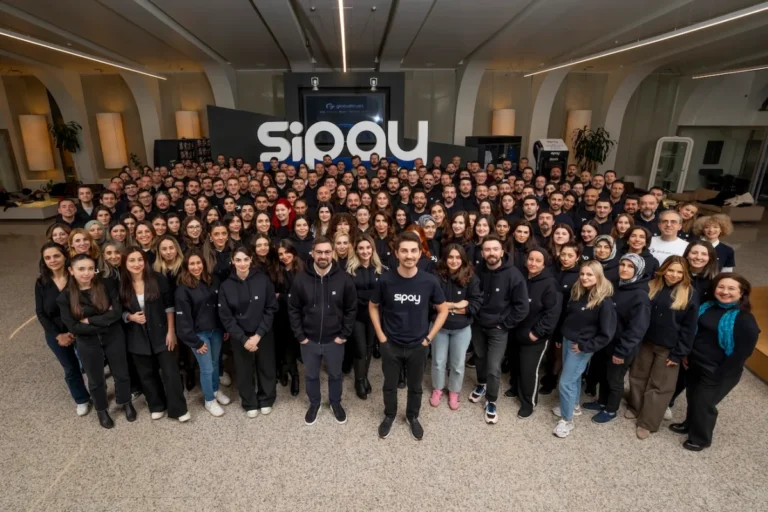
    Sipay, Türkiye-based fintech leader has raised $78 million in a Series B funding round, reaching a company valuation of $877 million—the highest ever for a Turkish fintech.

    The funding round was led by Boston-based venture capital firm Elephant VC, with participation from QuantumLight VC, founded by Revolut CEO Nik Storonsky and it marks a significant step in Sipay’s international expansion strategy, positioning the company to accelerate its growth across global markets with innovative and inclusive financial technologies.

    According to Sipay Founder and Global CEO Nezih Sipahioğlu, “At Sipay, we envision a world where financial solutions are accessible to everyone. With our pioneering approach to fintech innovation, we offer seamless access to a full suite of financial services—empowering individuals and businesses alike with true financial freedom. This vision is what fuels our remarkable growth. With this latest funding round, we have reached the highest valuation ever recorded in Türkiye’s fintech sector. The investment will help us carry our domestic success to global markets, enabling us to establish new partnerships and networks across emerging economies.”

    Founded in 2019, Sipay has rapidly emerged as one of the fastest-growing fintech companies in the region. The company offers a comprehensive suite of financial solutions to both individuals and enterprises, from traditional banks to tech and industrial firms. Over the past year, Sipay has increased its revenue fivefold and now projects annual revenues exceeding $600 million.

    There are currently over 900 fintech startups operating in Türkiye. In the past five years, these startups have raised more than $400 million through 174 investment rounds. Sipay’s latest achievement highlights the growing investor confidence in Türkiye and underscores the global competitiveness of our fintech ecosystem.

    President of the Investment and Finance Office of the Presidency of the Republic of Türkiye, A. Burak Dağlıoğlu said, “At the Investment and Finance Office, under the leadership of our President Recep Tayyip Erdoğan, we continue to work with all our strength to increase FDI inflows and improve the investment environment. Sipay’s latest investment boosts our determination to achieve our goals while also demonstrating the growing investor interest and confidence in Türkiye’s potential.”

    With multiple industry awards and recognition from Deloitte’s Technology Fast 50 Türkiye program, Sipay continues its journey to becoming a global fintech leader—fueled by innovation, inclusivity, and trust.

    Elephant VC Partner Peter Fallon commented, “Today’s rapidly evolving digital economy has made fast and secure payment solutions more critical than ever before. Sipay plays a vital role in reshaping the financial landscape with its inclusive, secure, and efficient solutions. As globalization accelerates across the fintech sector, Sipay’s focus on cross-border payment technologies will be instrumental in driving international growth and trade. We are proud to support Sipay as it brings its success story from Türkiye to new markets around the world.”

    LOXEA Launches BYD Electric Vehicles in Nigeria

    0

    LOXEA Nigeria, a subsidiary of CFAO Mobility, has officially launched BYD (Build Your Dreams) electric vehicles in the Nigerian market.

    The launch introduces two pioneering BYD models to Nigerian roads: the BYD Atto 3 and the BYD Dolphin, both renowned for their performance, safety, and environmental efficiency. With this development, LOXEA becomes the first to distribute BYD electric vehicles in Nigeria, positioning itself at the forefront of the country’s energy transition efforts.

    “We are proud to be the first to distribute BYD electric vehicles in Nigeria,” said Mehdi Slimani, Managing Director of LOXEA Nigeria. “This launch underscores our strong commitment to promoting sustainable mobility in Nigeria. We aim to provide an ecosystem that supports EV adoption—from vehicle supply to aftersales, maintenance, and infrastructure.”

    LOXEA is providing a comprehensive EV support package, including installation of electric vehicle charging stations, maintenance and repair services and availability of genuine spare parts.

    As part of its long-term vision, LOXEA will soon unveil a new showroom in Victoria Island, Lagos, which will house Nigeria’s first official BYD charging station. The facility is set to provide a modern and immersive customer experience, combining comfort, innovation, and economic efficiency.

    This strategic partnership with BYD comes at a pivotal moment in the global EV landscape. BYD recently celebrated the production of its 10 millionth new energy vehicle, reinforcing its position as a global leader in electric mobility.

    The introduction of BYD EVs in Nigeria is expected to revolutionize urban transportation, reduce carbon emissions, and enhance environmental consciousness. This move also aligns with broader trends across Africa, where countries are accelerating the shift to electric vehicles as part of their climate action and energy independence agendas.

    Sophos Appoints Chris Bell to Lead Global Channel Strategy

    0

    Sophos, a global cybersecurity solutions firm has named Chris Bell as senior vice president of global channel, alliances and corporate development.

    Bell will lead the evolution of Sophos’ global channel strategy to deliver a world-class partner experience.

    “Partners need adaptable strategies that prioritize flexibility to stay ahead of the increasingly complex threat landscape,” said Bell. “Unifying Sophos’ and Secureworks’ portfolios presents a unique opportunity to accelerate a future-ready channel program that arms partners with the technology, services, insights, and enablement needed to protect customers and fuel long-term growth.”

    Bell joined Sophos following its acquisition of Secureworks, where he served as chief strategy officer, responsible for long-term vision, strategic partnerships, corporate development and strategy. Building on his career of more than two decades working in the technology industry, including nearly a decade in cybersecurity and channel; Bell’s leadership will focus on developing and executing a channel strategy that prioritizes expanding reach, empowering partners and driving growth. Key priorities for Bell at Sophos will include:

    §  Enhancing Sophos Partner Experience to make it seamless for partners to do business with Sophos at high velocity, while streamlining operations.

    §  Continued Innovation for Managed Service Providers (MSPs) and Managed Security Service Providers (MSSPs) with Sophos’ industry-leading cybersecurity platform, enabling superior cybersecurity outcomes for customers, enhancing operational efficiency for security analysts, and boosting profitability for partners.

    §  Fueling Partner Growth with service delivery competencies,expanded partner enablement programs including persona-based training and fast-track training to expand partners cybersecurity expertise.

    §  Increasing Sophos’ Market Reach by leveraging the unified portfolio of Sophos and Secureworks to deliver best-in-class security technologies and services, empowering partners to enhance cybersecurity and strengthen the security posture of organizations, from commercial to enterprise.

    §  Expanding Routes to Market by bolstering Sophos’ presence across technology alliances, marketplaces and the cyber insurance ecosystem. Sophos will also continue to maintain its focus across resellers, service providers, and OEM channels.

    A core piece of Sophos’ channel strategy is to better equip partners in addressing the evolving security challenges faced by businesses of all sizes. By aligning more closely with partner needs and prioritizing an open ecosystem, Sophos aims to create a stronger partner network that supports customers from strategy to technology and deployment.

    “Evolving our channel business to consistently deliver excellent customer outcomes is at the core of our partner go-to-market approach,” said Torjus Gylstorff, chief revenue officer at Sophos. “We are thrilled to have Chris’ strategic vision and deep channel and cybersecurity expertise to shape Sophos’ channel strategy and build programs to empower partners to scale their security business.”

    Sophos consistently expands its service delivery capabilities and is recognized for its leadership in implementing partner feedback into its products and enablement offerings. Following the acquisition of Secureworks, Sophos is the leading pure-play cybersecurity vendor of managed detection and response services, protecting more than 28,000 global customers. Sophos also strives to streamline partner operations through initiatives like Sophos Partner Care, a 24×7 team dedicated to providing quoting, licensing and general partner account support, and Sophos Customer Success, a single point of contact for maximizing customer onboarding, retention and growth throughout the post-sales experience.

    Sophos Channel Recognition

    Sophos has been recognized as a Champion in the Canalys Global Cybersecurity Leadership Matrix 2025, underscoring its excellence in channel management and market performance. Additionally, Sophos received a 5-Star Award in the 2025 CRN Partner Program Guide and has been a recipient of the 5-Star Award for the past 12 years. The CRN Partner Program Guide is a key resource that helps solution providers identify vendor programs aligned with their business goals and committed to delivering high partner value.

    World Bank’s Index-Based Livestock Insurance Scheme Benefits Over 130,000 Somali Pastoralists

    World Bank’s DRIVE Project, an Index-Based Livestock Insurance (IBLI) scheme, launched last year in collaboration with financial institutions including Salaam Somali Bank (SSB) and ZEP-RE, has provided insurance and transaction/savings accounts to over 130,000 Somali pastoralists.

    Launched to help Somali pastoralists recover from droughts, protecting the livestock that their livelihoods depend on, the IBLI scheme offers payouts during severe droughts, giving herders a financial lifeline.

    According to Abdirahman Sharif, World Bank, Country Director, “We are proud to continue our partnership with SSB on the DRIVE Project. By working with a trusted local partner like SSB, we’re able to tap into their intimate knowledge of pastoralist communities, their needs, and how to reach them. Thanks to this local-first approach, we’re able to have a real impact on communities extremely vulnerable to the effects of climate change. This new phase 2 commitment underscores the World Bank/ZEP-RE’s commitment to climate resilience and economic stability in Somalia.”

    With Somalia facing continues drought in 40 years, this financial scheme is vital. According to the UN, over 80% of the country’s population is at risk, with livestock loss threatening the main source of income for millions. 

    The collaboration between the World Bank, ZEP-RE,insurance Companies, banks including SSB ensures these vulnerable communities are equipped with financial tools to withstand ongoing climate threats. The upcoming season will expand their reach, aiming to enroll further 20,000 pastoralists in 2025. The partnership highlights the need for climate-resilient financial solutions in the world’s most drought-prone regions.  

    “The success of Phase 1 demonstrated the power of collaboration to address Somalia’s unique challenges. By extending insurance coverage in the project, we’re building financial security for thousands more families,” said Salaam Somali Bank MD, Said Moallim Abukar. “This is just one of many investments needed for climate adaptation in Somalia and other Sub-Saharan nations on the frontline of the climate crisis. We’re proud to play our part in ensuring international funding reaches our nation’s most vulnerable.”

    NCBA Partners with Family Media to Amplify Financial Literacy in Kenya

    0

    NCBA Bank has partnered with Family Media to sponsor a weekly segment titled Family Matters | Financial Clinic on Family TV in a move to enhance financial literacy across Kenya.

    NCBA will use the series to provide Kenyans with the essential financial knowledge to make informed decisions and take control of their financial futures.

    Financial literacy in Kenya remains a critical area of focus. A recent survey by the Central Bank of Kenya (CBK) indicated that over 75% of Kenyans struggle with managing their finances effectively, with many lacking knowledge on basic financial concepts such as budgeting, saving, and investing. This gap in financial education has prompted a rising need for programs and initiatives that focus on improving financial awareness and practical money management skills.

    The Family Matters | Financial Clinic series, now airing every Wednesday on Family TV, addresses this need by delivering expert-led episodes on crucial financial topics such as money management, investments, smart saving strategies, budgeting, debt management and financial planning.

    Each episode features a panel of experts, entrepreneurs, and thought leaders who share actionable advice and real-world examples to empower viewers to make smarter financial decisions.

    NCBA believes that financial literacy is the foundation for long-term financial success and well-being and through this partnership, it aims equip Kenyans with the knowledge and tools they need to confidently manage their finances, make informed investment decisions, and work towards their financial goals. NCBA knows that by improving financial literacy, it’s contributing to the broader goal of financial inclusion and supporting the growth of the Kenyan economy.

    Research shows that financial inclusion in Kenya stands at about 83%, but financial literacy remains relatively low, particularly in rural areas. This partnership with Family Media seeks to bridge that gap by providing practical and relatable financial education to all Kenyans, regardless of their economic background or education level.

    Highlighting Financial Literacy Month

    This partnership is especially significant as it aligns with April’s Financial Literacy Month. Throughout the month, the series will feature special episodes focused on themes of financial inclusion, sustainability, and empowerment, helping viewers to better understand the importance of financial planning, saving, and investing.

    The Road Ahead

    The collaboration between NCBA and Family Media represents a long-term commitment to improving financial literacy in Kenya. With over 5 episodes already aired and more planned, this initiative is set to reach thousands of households across the country. NCBA and Family Media continue to believe that financial education is the key to unlocking financial freedom for all Kenyans.

    Why Safaricom 5G WiFi for Business is Great for Your Business

    0

    In December last year, Safaricom revamped its 5G WiFi for Business bundles to provide SMEs with faster, more reliable connectivity that supports their growing digital needs, such as real-time collaboration, seamless online transactions, and remote operations.

    Just three months later, consumers on Safaricom’s 5G WiFi for Business internet are reporting steady business growth due to the ultra-fast speeds, low latency, and increased network capacity compared to their 4G experiences.

    “As an AI-heavy data centre running various teams each with diverse applications over various integrations in need of high-speed data collection and quick responses, Safaricom 5G WiFi for Business has enabled us to optimize performance and make quick responses around the clock,” said Mark Kamau, the firm’s CEO. “Our process requires high data speeds and superior network reliability, which only Safaricom 5G WiFi for Business guarantees.”

    Kamau adds that Safaricom 5G WiFi for Business delivers lightning-fast internet speeds and, with just a router, is quick to deploy and steady for their business operations, heavy data application use, and real-time daily communications.

    Safaricom 5G WiFi for Business has enhanced his firm’s efficiency due to faster access to more information, a robust network capacity which promises low latency, reliability and increased operational productivity and mobility.

    “We didn’t need much to get connected. This simple router has delivered to us what other companies are paying several thousand shillings monthly to achieve,” Kamua added. “With a plug-and-play router, we had the freedom of setting up shop and getting to work quickly instead of waiting for technicians.”

     According to Dr. Peter Ndegwa, CEO, Safaricom PLC, “Safaricom remains committed in leading Kenya’s Digital transformation through provision of a worry free, always on ubiquitous network enabling access to information, critical services and communication therefore bridging the digital divide. We believe that the benefits of 5G will be a key catalyst in leapfrogging other innovations, industries as well as Kenya’s digital economy.”

    Dr. Ndegwa is right. Safaricom 5G WiFi for Business is transforming enterprise connectivity in Kenya, giving customers an efficient, reliable, and affordable network to serve their customers and stay ahead of the competition.

    Safaricom has deployed 5G network sites across various cities in Kenya. By August 2024, Safaricom had crossed the 1,000 network sites mark in all 47 counties in Kenya, growing the 5G footprint to 14% of the population in Kenya.

    With 1,114 5G sites covering 102 towns across the country, more individuals, businesses, and homes are now experiencing the benefits of high-speed internet without waiting for fibre internet.

    In addition to the growing network, Safaricom now has over 11,000 enterprise customers on 5G and has seen growth in the number of active 5G smartphones to over 780,000, demonstrating the increasing adoption of this transformative Wi-Fi technology.

    Some of the customers include estate mini-marts, wholesalers, coffee shops, law firms Norda Industries, Pathcare, Optiven Group, Naivas, Bidco, KCB Group among others.

    SafaricomBusiness 5G fixed wireless internet services has Bronze, Silver and Gold internet packages at KES 4,000, 5,000 and 10,000 respectively. The ultra-high-speed internet solution tailored for businesses seeking enhanced connectivity, reliability, and mobility. It’s designed for micro, small, medium, and large enterprises to meet their growing data demands between 50Mbps to 250Mbps.

                           OLD  SPEEDS            NEW SPEEDS          PRICE (KES)       Data Cap

    BRONZE        10 Mbps                       50 Mbps                      4,000          1.5 TB

    SILVER         20 Mbps                        100 Mbps                     5,000          2.0 TB

    GOLD            50 Mbps                        250 Mbps                    10,000       4.0 TB

    Apart from these Bronze to Gold packages, Safaricom 5G for Business has two dedicated packages namely Dedicated Internet (DIA) and DIA Uptime Plus. DIA or Guaranteed Uptime is a premium, high-speed dedicated internet service with built-in back-up for a guaranteed uptime, ensuring always-on connectivity. It’s ideal for businesses requiring uninterrupted, reliable, and scalable internet for critical operations, including SMEs and large enterprises.

    Dedicated Internet offers customized plans ranging from 50 Mbps to over 1 Gbps, tailored to meet specific business needs plus dedicated capacity to ensure enhanced performance, reduced latency, minimized packet loss, and congestion-free connectivity. The package comes with temporary bandwidth boosts to allow businesses to exceed their base bandwidth during peak demands at no additional cost. The Data Cap of 1.5TB, 2.0 TB and 4.0TB for 5G 50 Mbps, 5G 100 Mbps, 5G 250 Mbps respectively have the capability of supporting multiple business premises use cases.

    DIA includes failover options via 5G, wireless, or alternative fiber, ensuring uninterrupted operations during primary connection interruptions and backup assurance during outages.

    On the other hand, Uptime PLUS is a high-speed dedicated internet service with built-in back-up for a guaranteed uptime, combined with add-ons of advanced networking that includes LAN (Local Area Network) for secure office networking and/or WAN (Wide Area Network) for seamless inter-branch communication.

    Uptime Plus is perfect for medium-sized and large enterprises that need uninterrupted internet connectivity and reliable internal and external network infrastructure. These high-speed dedicated Internet delivers reliable, high-speed internet tailored to your business needs, with built-in backup options via 5G, wireless, or alternative fiber to ensure consistent connectivity and minimize downtime during primary connection outages.

    Apart from LAN connection, it allows WAN for Seamless Inter-Branch communication between multiple branches with seamless data transfer and centralised operations like CRM, ERP, and cloud-based systems for a unified business network with scalable speeds from 50 Mbps to over 1 Gbps, tailored to meet business needs.

    Available via USSD *485#, website: https://business.safaricom.co.ke/products/businessfibre or Safaricom Shops and dealer outlets enterprises can manage their 5G for Business link via *485#, which allows them to check link balance, monitor connection status and update link details.

    Businesses can upgrade or downgrade their package by submitting a request through a sales agent or in writing. Once processed, they will receive confirmation of the service change. Safaricom plans to introduce self-service capabilities for package adjustments in the future but Static IP is available to support your business needs in major towns across all 47 Counties. Safaricom has also discounted the price of its router to KSHS.2,999(75% Discount).

    The average consumption of the internet is becoming explosive each year with growth in video consumption especially on mobile devices. Unlike 4G which was popularly used for video streaming, ride sharing, food delivery and online education, 5G is set to expand the online experience further due to IoT, Virtual Reality, Enterprise Apps as well as AI and robotics.

    A recent QUALCOMM 5G Economy study found that 5G’s full economic effect will likely be realized across the globe by 2035—enabling up to $13.1 trillion worth of goods and services.  The 5G value chain (including OEMs, operators, content creators, app developers, and consumers) could support up to 22.8 million jobs with emerging and new applications coming up.

    With its rapid deployment across Kenya, the 5G WiFi network offers enterprises the ability to operate more efficiently in a digitally connected environment and participate in the global digital economy. Good for areas without fiber to the premise, Safaricom’s 5G for Businesses will enhance productivity, streamline operations, and integrate new technologies with ease as the network has a massive capacity and provides a more uniform user experience to more users.

    How Businesses in Kenya are Leveraging Safaricom 5G

    Some of the industries set to benefit from Safaricom’s 5G for Business include banks and fintechs for faster transactions, real-time data processing, and enhanced cybersecurity measures and the healthcare industry for telemedicine, remote diagnostics, and AI-powered health solutions. Safaricom 5G for Business is also good for smart factories and industrial automation to reduce downtime and operational costs especially with use of Internet of Things (IoT) to optimize processes, track assets, and enhance productivity.

    Safaricom’s 5G for Business is also shaping real-time shopping and personalized marketing strategies and is great for remote work and remote learning via video conferencing, cloud computing, and collaboration for distributed teams. Safaricom’s 5G for Business penetration is fuelling the much needed growth of AI, blockchain, and IoT adoption representing a revolutionary shift in enterprise connectivity hence innovation, automation, and digital transformation.

    Mart Networks to distribute Infopercept cybersecurity solutions

    0

    Mart Networks Group, a leading value-added distributor with a strong presence across the Middle East and Africa, has announced a strategic distribution partnership with Infopercept, a platform-led managed security services company known for its cutting-edge cybersecurity solutions.

    Under this partnership, Mart Networks will distribute Infopercept’s flagship platforms – Invinsense Offensive Extended Detection and Response (OXDR) and Invinsense Govern Secure Optimize and Strengthen (GSOS) – across East and West Africa. These platforms provide end-to-end solutions for threat exposure management and security compliance, respectively.

    Invinsense OXDR is a robust threat exposure management suite that combines several critical cybersecurity functions including Attack Surface Management (ASM), Vulnerability Management (VM), Breach and Attack Simulation (BAS), Continuous Automated Red Teaming (CART), and RedOps. It enables organizations to identify, prioritize, validate, and remediate security exposures – not limited to vulnerabilities but extending to misconfigurations, counterfeit assets, control weaknesses, and phishing response failures.

    Invinsense GSOS, on the other hand, is a comprehensive compliance management platform. With seven integrated modules, it empowers organizations to develop resilient cybersecurity strategies, manage compliance efficiently, mitigate risks, and enhance overall cybersecurity awareness and regulatory readiness.

    “The increasing sophistication and volume of cyberattacks in Africa demand a more comprehensive approach to cybersecurity,” said Moiz Maloo, CEO of Mart Networks Group. “Organizations must now move beyond traditional security and incorporate proactive strategies like Threat Exposure Management. Moreover, compliance is a growing challenge that requires a structured, platform-driven solution.”

    Mr. Maloo added, “At Mart Networks, our focus is on cybersecurity and future-ready technologies. We’ve long delivered value in preventive security, detection, and response. But Africa is now a prime target for complex cyber threats, and compliance requirements are getting tougher. Infopercept’s Invinsense platform perfectly complements our portfolio by adding much-needed capabilities in threat exposure management and security compliance. We’re proud to bring this powerful offering to our partners and customers.”

    Jaydeep Ruparelia, CEO of Infopercept, also expressed optimism about the collaboration:

    “Cybersecurity has been our core since day one. As we expand into Africa, we wanted a partner that shares our passion – and we found that in Mart Networks. Africa’s cybersecurity landscape is diverse, with cloud-native companies, on-premise setups, and hybrid models. Invinsense is built to cater to them all. Our platform-led managed security services also help bridge the global cybersecurity skills gap. Together with Mart Networks, we are committed to helping African organizations both defend against advanced threats and ensure compliance.”

    How Sportsbooks Handle Risk During Major Tournaments

    0

    Major tournaments like the World Cup are a multi-million-dollar business that attracts millions of punters worldwide, exposing bookmakers to significant risk. As such, sports betting operators need effective risk management strategies to maximize their profits and sustain their business. After all, the main goal for sportsbooks is to maximize their long-term profits while complying with the set regulations. 

    So, how do sportsbooks minimize their risks during major tournaments? Here are effective strategies that sports betting platforms use to maintain the crucial balance between profits, security, and user experience. 

    Understanding risk management for sportsbooks

    In sports betting, risk management entails developing and implementing contingency plans to ensure the sustainability and profitability of a sportsbook. Sportsbooks also need to balance risk management with delivering an optimal betting experience to stay ahead of the competition. However, hitting the sweet spot is more challenging than it sounds.

    For example, sports betting platforms can impose restrictions to filter unprofitable players. However, that can impose unnecessary restrictions to profitable bettors and turn them to their competitors. More importantly, setting betting limits might prevent operators from gaining valuable data and insights required to optimize their operations.

    Furthermore, sportsbooks like Betway face the challenge of protecting their profits against skilled players. Leading operators offer strong odds to encourage players to place bets on different lines, but being too generous naturally reduces their profits and increases their risk exposure. However, the availability of sports betting online allows players to compare odds on different platforms to increase their possible wins. 

    Sportsbooks’ strategies to mitigate risks

    Effective risk management strategies for sportsbooks in major tournaments span across multiple operational disciplines. Here are common strategies that sports betting professionals at Betway apply to reduce their risk exposure in major events:

    Financial risk management

    Smart financial management strategies form the basis of the long-term profitability of a sportsbook. The operators meticulously study the betting trends when setting the odds and continuously balance their books in real time to reflect market changes. That’s why sportsbooks use advanced data analytics algorithms to collect and process information from different sources. The processed information helps sportsbooks understand the true probability of an outcome and maintain a favorable house edge when setting betting lines. 

    Many online sportsbooks hedge their betting lines to minimize their risk exposure and maintain their profits. This risk-management strategy encourages additional bets on the opposite results when most bets are placed on the most likely outcome. For instance, most sports bettors tend to bet on the favorite team in the outright market, and that can result in huge losses when the team wins. In such a case, sportsbooks can adjust the odds to encourage players to place bets on the opposite outcomes to balance their books. 

    Managing operational risks

    From bad faith actors to cyber security attacks, sportsbook operators face various threats that threaten their internal operations during major tournaments. To mitigate these risks, sportsbooks use in-house and outsourced risk management systems to maintain the balance between security and user experience. 

    Third-party risk management systems are developed by industry experts using advanced technology that analyzes player behavior and betting patterns. These real-time monitoring systems anticipate, identify, and address potential threats to boost security. They also help operators adjust the odds on different lines to reflect the true probability of different outcomes. In-house systems, on the other hand, help operators to personalize the user experience and customize their promotions to suit their bettors’ needs. 

    Jiji Launches Classified Ads Marketplace in Bangladesh

    0

    Jiji, the general classifieds ads marketplace operating in Africa, has launched its online classified ads-based marketplace in Bangladesh, in a move to expand its operations across Asia and outside of Africa.

    With over 12 million monthly active users in Africa, and around 200,000 business sellers on the site, Jiji aims to replicate its African success in Asia, after years operating in Africa where its a dominant player after acquiring Tonaton, OLX and Cars45.

    According to Jiji Cofounder and CEO Anton Volianskyi, “With its dynamic economy, a significantly untapped e-commerce market amid rapidly growing digital adoption, and an expanding middle class, Bangladesh represents a tremendous long-term growth opportunity. We have a plan to explore further and potentially expand into two or three additional Asian markets over the next 1-2 years.”

    Volianskyi said Jiji has thoroughly analysed the Bangladesh market and sees a significant growth opportunity even amidst competition.

    Headquartered in Warsaw, Jiji employs over 1,000 people and has offices in Lagos, Nairobi, Accra, Warsaw, Dubai, and Kyiv. The company aims to replicate its African success in Bangladesh, a rapidly growing market with a dynamic economy, increasing digital adoption, and a burgeoning middle class.

    Jiji does not own inventory or manage logistics but instead connects sellers with price-sensitive buyers through its classified ads platform. The company is poised to invest millions of dollars into Bangladesh’s e-commerce market, aiming to capture significant market share and establish leadership in the classified ads segment.

    “We see Bangladesh as a tremendous long-term growth opportunity with similarities to the markets we’ve successfully entered in Africa,” said Jiji Co-founder and CEO Anton Volianskyi. “We aim to offer a safe, convenient, and reliable marketplace for buying and selling goods and services.”

    Jiji’s international expansion strategy includes further penetration into two or three additional Asian markets over the next 1-2 years. Despite existing competition in Bangladesh, including platforms like Bikroy, Bproperty, and ekhanei, Volianskyi believes Jiji’s unique classified marketplace model presents significant untapped potential.

    In Africa, Jiji leads the market with over 7 million active ads across various categories such as vehicles and property. With 70% of Bangladesh’s population still untapped, the local e-commerce market is expected to grow to over $12 billion by 2029, driven by a young, tech-savvy population and rapid digital adoption.

    Egypt’s InfiniLink Raises $10M Led by MediaTek For AI-driven Data Centers

    0

    InfiniLink, a semiconductor startup specializing in advanced optical data connectivity chips for AI-driven data centers, has raised $10M funding round to provide ultra-high-speed, energy-efficient data connectivity essential for the next generation of AI-driven data centers.

    This seed-stage investment was joined by MediaTek and Sukna Ventures, based in Riyadh, Saudi Arabia, with participation from the Egyptian VC firm Egypt Ventures and angel investor M Empire Angels.

    “Collaborating with MediaTek will be instrumental in advancing our vision for cutting-edge optical connectivity solutions,” said Ahmed Aboul-Ella, Co-founder and CEO of InfiniLink. “With this strategic partnership, we look forward to accelerating the commercialization of our innovative technologies. We believe it will make a significant impact on data center optical connectivity.” added Aboul-Ella.

    Launched in 2022, InfiniLink developed groundbreaking Silicon Photonics integrated optical transceiver chiplets (iOTC) technology which enables low-power pluggable transceiver modules and high-bandwidth-density co-packaged optical engines (CPO).

    The funding will enable the company to advance its mission of transforming data center connectivity leveraging its deep expertise in Analog Mixed-Signal and Photonics. As AI workloads and data-intensive applications drive an exponential rise in bandwidth demands, traditional electrical and optical interconnects are hitting power and scalability limits.

    “We are thrilled to be part of InfiniLink’s journey. Over the past three years, our partnership has been very successful, culminating in the establishment of MediaTek Egypt. We look forward to further scaling our collaboration in the region with this investment.” said George Chien, Senior General Manager, MediaTek.

    InfiniLink’s iOTC technology addresses these challenges hese solutions provide ultra-high-speed, energy-efficient data connectivity essential for the next generation of AI-driven data centers. InfiniLink’s groundbreaking optical connectivity technology, engineered by an exceptionally skilled team, addresses AI’s relentless energy demands in data centers.

    “This innovation perfectly aligns with our mandate to empower high-potential startups from the MENA region, and we are committed to supporting their international scaling efforts.” said Waleed Alballaa, General Partner at Sukna Ventures.

     Alitheia Capital and Goodwell Investments exit Baobab Nigeria

    0

    Alitheia Capital and Goodwell Investments have exited Baobab Nigeria, a financial institution providing inclusive banking services to individuals and MSMEs in underserved areas.

    Alitheia and Goodwell via their joint fund which was known as GWAMDC fund and later uMunthu, have exited the investment after more than 12 years of investing in Baobab Nigeria which was operating only in Kaduna state to 16 states in Nigeria. This exit marks a new phase for Baobab Nigeria, which will now be fully owned by the international Baobab Group.

    Baobab Nigeria has grown from serving 19,000 customers through a regional network of five branches to serving 230,000 customers through a national network of 38 branches. Significantly, this was achieved by continuing to serve Baobab’s original, inclusive customer base, with average loan and deposit sizes remaining consistently small throughout the period of impressive growth.  

    “This was a bank that was operating out of a single room in northern Nigeria when we invested, and today it is top-three nationally licensed microfinance bank. We’ve walked a journey of leadership, governance, and financial and impactful growth, scaling from small beginnings through to the top-tier national microfinance bank that it is today. We’re proud of what’s been achieved together, and look forward to seeing where the future will take Baobab Nigeria,” shared Alitheia Managing Partner Tokunboh Ishmael.

    Then trading as MicroCred in 2012, Alitheia and Goodwell’s investment invested into Baobab and led a further investment through the uMunthu Fund in 2015.

    Alitheia and Goodwell were the first local, on-the-ground investors in Baobab. Since that first investment, Alitheia and Goodwell have poured hands-on, proactive expertise into Baobab. uMunthu supported the bank’s professionalisation, enabling improved governance at board and management level, driving its growth from a unit microfinance institution (MFI) to a top national MFI. It also advised on financial structuring, and provided access to local networks and a deep understanding of the local business environment leading to its expansion in Nigeria.

    Since the initial investment in 2012, Baobab has reached 12 times more customers through 7.6 times more bank branches, with the support of 3.2 times more staff.

    The Alitheia and Goodwell teams are continuing this pragmatic, locally led, hands-on approach with the rest of the uMunthu portfolio, and are optimistic about the potential for additional exits in 2025. uMunthu II Fund is entering its final fundraising phase; it is actively seeking investors who want to be involved in the kind of success and impact Baobab Nigeria has demonstrated.

    Peach Payments acquires West-African payments gateway PayDunya

    0

    Peach Payments, a pan-African digital payments gateway has acquired West-African payment platform PayDunya in a move that will see it enter mainland Francophone Africa for the first time, following its expansion to Eswatini (2024), Mauritius (2021) and Kenya (2018).

    Peach Payments, a South African-based enterprise-grade payments gateway enables online payments in Africa for businesses of all sizes. The acquisition of Dakar-based fintech PayDunya, which started operations in 2015, gives it access into six West African Francophone countries: Senegal, Côte d’Ivoire, Benin, Burkina Faso, Togo, and Mali where PayDunya operates.

    “We are thrilled to join forces with Peach Payments, a company that shares our vision of accelerating Africa’s digital transformation through innovative financial solutions,” says PayDunya CEO Aziz Yérima. “This acquisition marks a significant milestone for PayDunya as it enables us to make our expansion dreams to reach and enhance the value we bring to businesses across Francophone and Anglophone Africa come true. Together, we are poised to create a seamless, inclusive, and robust payment ecosystem that empowers African businesses to thrive in the digital economy.

    In 2013, Aziz Yérima realised that there were no options to integrate online payment solutions for a women’s community group he was helping to expand online. 

    Yérima worked on a prototype in 2014 and co-founded PayDunya with the aim to build payment infrastructure for Francophone Africa in 2015 with fellow ESMT-Dakar students Youma Fall, Christian Palouki and Honoré Hounwanou (from Senegal, Togo and Côte d’Ivoire respectively).

    The firm facilitates sending and receiving payments on websites and mobile applications, as well as collection and disbursement of bulk payments. PayDunya processes payments for enterprises like Jeune Afrique, VFS Global, SUNU Assurances, Dubai Port Dakar, Sky Mali, Free business (now Yas) and other fintechs that use PayDunya’s rails.

    PayDunya turned €20k of bootstrap financing into a profitable net income company that employs over 40 people, serves more than 4,000 B2B customers, and processes 70,000 transactions per day. With strong unit economics, PayDunya was profitable in its third year and has increased its revenues every year since inception.

    Growth opportunities

    The West African CFA franc is used by the eight member states of the West African Economic and Monetary Union (UEMOA): Benin, Burkina Faso, Côte d’Ivoire, Guinea-Bissau, Mali, Niger, Senegal and Togo, explains Yérima, who is also the president of SEN FINTECH, the Senegalese fintech association. 

    “The UEMOA region and neighbouring Central African Economic and Monetary Community (CEMAC) region represent a tremendous opportunity for growth, with digital payments adoption increasing rapidly due to rising smartphone penetration and mobile money services. It is early days for e-commerce and digital payments in these markets and by combining our expertise with Peach Payments’ capabilities, we are positioned to drive this growth and enable businesses to realise their full potential in the digital economy,” Yérima adds.

    According to Statista, revenue in the West African ecommerce market is projected to reach US$15.33bn, with 47.7m users by 2029. User penetration is expected to hit 12.5% by 2029, and the average revenue per user is expected to be US$330.96.

    Pan-African payments

    “Aziz, Youma and Christian have built a market-leading business and this acquisition represents an exciting chapter in our journey to build a truly pan-African payment ecosystem. By integrating PayDunya, we are expanding our footprint into the UEMOA and CEMAC regions, unlocking new opportunities for merchants who can now partner with us and access over 450m people across the markets we operate in. Together, we can now offer seamless payment solutions across 12 countries and we will continue to expand this coverage rapidly. This makes the acquisition of PayDunya an obvious step for us, as we expand following our Series A funding round,” says Peach Payments CEO and co-founder Rahul Jain.

    This is the third deal Peach Payments has been involved with since late 2023, when it closed a €29m/US$30m funding round, led by the Apis Growth Fund II. In February 2024 the company acquired technology for in-store payments from Exipay and in June 2024, Peach Payments acquired customer software development firm Operativa to boost its engineering operations.

    “Peach Payments’ growth strategy is founded on three pillars: organically growing its existing market share, launching new products and services for merchants and shoppers, and using mergers and acquisitions (M&As) to facilitate growth. The PayDunya acquisition supports our expansion into West Africa, and bolsters what we are doing for cross border and international merchants.” said Jain.

    Djamo Raises $17M to Address Financial Inclusion in Francophone Africa

    0

    Djamo, a rising digital banking platform that has quickly become a key player in Francophone West Africa, has raised $17 million in a significant round of funding aimed at expanding its offerings and reaching more underserved populations. This round, which was led by Janngo Capital, is the largest venture capital investment ever secured by an Ivorian startup, surpassing Djamo’s previous $14 million Series A round in 2022. The funding marks a milestone for the company, underscoring its rapid growth and ambitions to revolutionize banking in the region.

    Founded in 2020 by Hassan Bourgi and Régis Bamba, Djamo’s mission is to address the significant financial inclusion gap in French-speaking African countries. Traditional banking services have long been scarce or difficult to access in these regions, leaving millions without proper banking infrastructure. Djamo aims to bridge this gap by offering accessible digital banking solutions that combine the ease of mobile money with the sophistication of traditional banking features.

    The company currently serves over 1 million active users across Côte d’Ivoire and Senegal, two of the largest markets in the Francophone West African region. With this new capital injection, Djamo plans to expand its footprint, increase its user base, and broaden the scope of services available to its customers. As part of its growth strategy, Djamo will focus on increasing its customer base and offering new features such as lending services and interest-bearing savings accounts, as it works to secure the necessary regulatory licenses in the region.

    Focus on Financial Inclusion

    One of Djamo’s key differentiators is its commitment to serving the unbanked population. In fact, over 55% of Djamo’s users had no prior access to traditional banking services. The platform has rapidly gained traction, with a remarkable 90% of its users reporting that Djamo is now their primary financial service provider. This shift represents a significant transformation in how people in West Africa engage with their finances.

    The company’s offerings include a range of innovative financial tools, such as savings features, investment products, and salary-linked accounts designed to serve both individual users and small businesses. Djamo’s seamless integration with mobile phones makes it particularly well-suited for the region’s tech-savvy, yet underbanked population. The platform’s simple and intuitive user interface has allowed it to gain trust among people who previously lacked access to banking services, making it a critical tool for financial inclusion.

    Djamo has also made strides in empowering women financially. Approximately one-third of the platform’s users are women, reflecting its efforts to close the gender gap in financial access. This aligns with broader regional initiatives to empower women economically and ensure they have the resources to build financial security for themselves and their families.

    Ambitious Plans for the Future

    The new $17 million funding will allow Djamo to accelerate its expansion plans, not only by scaling its platform but also by enhancing the customer experience. The company is set to roll out new products and services to better meet the needs of its rapidly growing user base. This includes launching products such as micro-lending facilities for individuals and small businesses, as well as offering more competitive and diversified savings options.

    “We are incredibly excited to lead this investment round in Djamo,” said Fatoumata Bâ, founder and executive chair of Janngo Capital. “Djamo is truly leading the charge in transforming financial access in Francophone Africa, particularly in terms of its inclusive approach and its focus on gender equality. The company has the potential to not only drive financial inclusion but also contribute to broader economic development across the region.”

    The impact of Djamo’s work extends beyond just providing banking services. As one of the few platforms in the region offering comprehensive digital banking solutions, Djamo plays a key role in the digital transformation of financial services in West Africa. By providing a secure, accessible, and affordable alternative to traditional banking, Djamo is helping drive economic growth and provide much-needed financial empowerment for millions of people who have historically been excluded from the financial system.

    A New Era for Digital Banking in West Africa

    Djamo’s growth is part of a broader trend of increasing investment in fintech companies across Africa. With more than 60% of the population in Sub-Saharan Africa lacking access to formal banking services, digital banking platforms like Djamo are playing a critical role in shaping the future of finance on the continent. As the region becomes more interconnected through mobile technology, companies like Djamo are well-positioned to lead the way in providing inclusive, scalable, and innovative financial solutions.

    The success of Djamo reflects a significant shift in how banks and financial services operate in Francophone Africa. It also highlights the tremendous opportunities that exist in markets where traditional banking infrastructure is limited or nonexistent. By leveraging technology, Djamo is not only making banking services accessible to millions but also providing an essential lifeline for businesses and entrepreneurs in the region, many of whom have previously struggled to access financial services.

    Conclusion

    With its new $17 million funding round and a clear vision for expansion, Djamo is poised to continue its rapid growth across Francophone West Africa. The company’s dedication to financial inclusion, its focus on gender equality, and its innovative approach to digital banking are helping to transform the financial landscape in one of the world’s most dynamic and underserved regions. As Djamo expands its product suite and strengthens its platform, it will undoubtedly play a key role in shaping the future of banking in West Africa, improving the financial prospects of millions, and contributing to the economic development of the region.

    By making banking services more accessible, Djamo is not just changing the way people manage their finances but also creating a more equitable and inclusive financial ecosystem for all. The future looks bright for Djamo, and with the backing of key investors, it is on track to become a leader in the African fintech space.

    NCBA & AGF Bolster SME Financing with KES 3 Billion Guarantee Extension

    0

    NCBA Bank and African Guarantee Fund (AGF), a specialized guarantee provider, have signed a deal that will the Group bolster its lending capabilities to SMEs.

    Through an enhanced guarantee agreement of KES 3 billion for 10 years, NCBA will be able to increase its commitment to Kenya’s SME segment and continue to fund development of projects in renewable energy and sustainable agriculture as well as support women led/owned businesses.

    During the ceremony, the Group Managing Director at NCBA, Mr John Gachora, said, “This strategic partnership with AGF is proof of our devotion to SMEs, particularly those spearheading sustainable practices led by women. I believe that by increasing our guaranteed limit, our capacity to offer more flexible and long-term financial solutions that support SME growth will contribute to economic growth.”

    Through the support of AGF’s risk-sharing mechanism, NCBA cumulatively disbursed KES 16.4 billion in loans. Out of these credit facilities, AGF has supported 696 SMEs [over 3,500 transactions] amounting to KES 8.0 billion. The outstanding portfolio is worth KES 1.7 billion.  The partnership has so far generated 7,200 jobs, of which 2,200 target women, while youth account for 4,100 jobs. 

    Signed by Mr. John Gachora, Group Managing Director of NCBA and Mr. Jules Ngankam, Group Chief Executive Officer of AGF, this enhancement will allow

    NCBA reaffirmed its commitment to advancing financial inclusion for women entrepreneurs during a recent International Women’s Day dinner in Kapsabet, where the Group hosted its clients. Recognizing the resilience and ambition of women-led businesses, NCBA emphasized its dedication to providing tailored financial solutions, fostering strategic partnerships, and offering business education programs. By equipping women entrepreneurs with the necessary resources, knowledge, and networks, the Group aims to support their growth and long-term success.

    In addition to the extension of the credit guarantee facility, AGF will provide a Capacity Development grant to NCBA that will be utilized in enhancing the Group’s capacity to lend to more SMEs and particularly to women-led SMEs through creation of a pipeline of credit ready WSMEs.

    “Our partnership with NCBA represents a significant step in our mission to support SMEs, who constitute almost 98% of all business in Kenya, and create over 30% of the jobs annually. NCBA has been a valued partner for over 12 years, and this renewal marks a new milestone in our shared mission to unlock financing for SMEs. Our collaboration has already achieved remarkable impact, and by increasing this facility, we can reach even more businesses that are shaping the future of Kenya’s economy,” said AGF Group CEO, Jules Ngankam. 

    Furthermore, this partnership corresponds with AGF’s goals of promoting women’s empowerment through the Affirmative Finance Action for Women in Africa (AFAWA) program and endorsing green initiatives to stimulate a more sustainable economy, through its Green Guarantee Facility.

    NCBA actively promotes sustainability through targeted mentorship and skill-building programs for women and youth, fostering diversity and diligence. The Group directs at least 30% of its procurement to women and youth, advancing inclusion. Through a KES6.5 billion partnership with Proparco, NCBA supports green financing and women’s economic empowerment, aligning with its “Change the Story” agenda. 

    Moreover, the institution invests KES150 million yearly in community development, education and sports. Its environmental efforts, such as tree planting and plastic reduction, further contribute to sustainable livelihoods. 

    NCBA encourages SMEs seeking flexible financial solutions to partner with the Group to unlock credit facilities and other services to grow their businesses. The partnership will benefit these businesses as they will have access to a range of solutions, including finance, currency exchange, cash management systems, online banking, and other services.

    About African Guarantee Fund

    African Guarantee Fund is whose mission is to facilitate economic development and poverty reduction in Africa. To achieve this, AGF increases access to finance for Small and Medium-sized Enterprises (SMEs) across key economic sectors through an array of guarantee products and capacity development assistance. Since inception, AGF has unlocked more than USD 5 billion in SME financing, through partnerships with 250 partner financial institutions across 44 African countries.  

    AGF is backed by the following shareholders and sponsors: The Government of Denmark through the Danish International Development Agency (DANIDA), the Government of Spain through the Spanish Agency for International Cooperation (AECID), the African Development Bank (AfDB), French Development Agency (AFD), Nordic Development Fund (NDF), Investment Fund for Developing Countries (IFU), German Development Bank (KfW), French Agency for Private Sector (PROPARCO), West African Development Bank (BOAD), Global Affairs Canada (GAC), USAID’s West Africa Trade & Investment Hub (WATIH), TechnoServe and NORAD. 

    Raxio Secures $100 Million from IFC for Data Centers

    0

     
    Raxio Group, a Sub-Saharan African data center platform, has received $100 million in financing in debt from the International Finance Corporation (IFC) to accelerate it’s expansion of facilities powering key technologies like AI, cloud computing and digital financial services. 

    Raxio will use the financing to double its deployment of high-quality colocation data centers within three years in markets its operating including Ethiopia, Mozambique, the Democratic Republic of Congo, Côte d’Ivoire, Tanzania, and Angola.  

    Raxio introduces Tier III-certified, carrier-neutral, and secure data services to markets that have been overlooked by other providers. With a focus on high-growth areas, the company is tapping into regions with significant economic potential to unlock new opportunities across the continent.  

    “Raxio’s business model shows how digital infrastructure can empower businesses, governments and communities to thrive in the digital economy,” said Sarvesh Suri, IFC Regional Industry Director, Infrastructure and Natural Resources in Africa. “This partnership between Raxio and IFC is set to strengthen Africa’s digital ecosystem and catalyze further investments and regional integration, building a more inclusive and sustainable future.” 

    IFC’s commitment builds on earlier debt funding from Proparco and the Emerging Africa Asia Infrastructure Fund (EAAIF), and equity investments from Roha Group and Meridiam. IFC’s financing includes concessional funding from the GROW Facility, which seeks to advance gender equity and inclusive economic growth through blended finance, and the IDA Private Sector Window, which supports private investment in the world’s poorest and most fragile markets. With IFC’s endorsement, Raxio is poised to accelerate its growth across its markets, while upholding the highest standards of reliability, scalability, and sustainability. 

    “This funding from IFC is a powerful endorsement of Raxio’s vision and operational excellence,” said Robert Skjødt, CEO of Raxio Group. “It will allow us to bring critical infrastructure to the regions that need it most and attract further investment as we continue to grow. Together with our other partners, we’re building the foundation for Africa’s digital future and setting new benchmarks for sustainability.” 

    Raxio’s facilities are designed for 24/7 reliability, ensuring uninterrupted service even during maintenance or unforeseen disruptions. The company integrates renewable energy solutions to minimize its environmental footprint and uses innovative energy-efficient equipment to reduce electricity and water consumption for cooling in several of its countries of operation.  

    In the Democratic Republic of Congo, Raxio’s Kinshasa facility is poised to meet growing demand for data services in one of Africa’s largest and fastest-growing urban centers. In Côte d’Ivoire, Raxio is establishing a digital hub to serve Francophone West Africa, connecting regional markets and facilitating cross-border trade. These efforts are empowering local businesses and integrating them into the global digital economy. 

    Founded in 2018 by Roha Group, Raxio is addressing the continent’s critical need for reliable, scalable digital infrastructure and delivers high-quality services that enable businesses and institutions to thrive in the digital age. With IFC’s support, Raxio is set to expand its role as a leading data center provider in Sub-Saharan Africa. 

    Raxio Group is Africa’s premier provider of Tier III carrier-neutral colocation data centers, offering reliable and scalable infrastructure to support the continent’s digital transformation. With facilities in Uganda, Ethiopia, Mozambique, the Democratic Republic of Congo, Côte d’Ivoire, Tanzania, and Angola.

    How NCBA’s Digital Platforms Are Disrupting East Africa’s Banking Industry

    • NCBA Group is a full-service banking group serving corporate, institutional, SME and consumer banking customers.
    • NCBA Group operates in five countries including Kenya, Uganda, Tanzania, Rwanda, and Ivory Coast.
    • NCBA Group is the largest banking group in Africa by customer numbers serving over 60 million customers.

    For many years, Martha Ouma, a 42-year-old vegetable vendor (Mama Mboga) from Nyalenda in Kisumu, Kenya, struggled with cash flow.

    Ms Ouma, like many small-scale traders in Kenya’s informal economy, lacked access to formal banking services. Cash flow was her biggest day-to-day struggle as she served many customers in her home area who knew her and most times wanted goods on credit. 

    In 2015, everything changed when she discovered M-Shwari through her M-Pesa account. The service, which allows users to get instant loans with no paperwork required but just their mobile phones, was Martha’s first ‘bank’.  Martha secured her first loan of KES 2,000 to restock her inventory and diversify her product offerings.

    Today, Martha manages a mini-market, credits her business growth to M-Shwari, and employs four assistants. Her story mirrors that of millions of East Africans whose lives have been transformed by NCBA’s digital products.

    Martha is not the only one benefiting from digital platforms run by NCBA Group.

    LOOP, another all-in-one-digital financial platform from NCBA is catering for the needs of thousands of users across the region. Allowing users to borrow, save, invest, and purchase whatever they need over its digital marketplace – LOOP Discover.

    Kintu Kainerubaga, a smartphone vendor in Kigali running Kitante Communications says he uses LOOP as his digital bank and mobile money platform for his business and personal banking needs.

    “LOOP is not just a bank for me,” he told TechMoran. “With LOOP I have access to digital payment services, loans both on short term and long term, buy now and pay later services and personalized financial insights and smart money management tools to help me run my business and invest in other opportunities.”

    Kainerubabaga adds that Rwanda had no platforms like LOOP and the banking platforms available could only allow one to withdraw or deposit money on their accounts.

    “Savings, investments and financial insights and smart money management tools are not offered by any of the traditional banks and if they are offered, one has to pay for them as separate consultancy services, and it’s expensive,” he told TechMoran.

    By the end of 2024, in Kenya alone, LOOP had disbursed US Dollars more than 48 million worth of total loans since inception, processed transactions more than US Dollars 876 million for the year with over 400,000 Consumers and 160,000 Merchants registered in Kenya.

    As a group, NCBA has continued to benefit from digital transformation. In its FY 2024 financial results,  NCBA Group PLC has posted a profit after tax of KES 21.9 billion which is a 2.0 per cent increase compared to KES 21.5 billion reported during a similar period in 2023. 

    The Group also crossed the KES 1 trillion mark on digital loan disbursements due to digital transformation. The KES 1.0 trillion in digital loans is a 23 per cent increase year on year. 

    “We are pleased to announce our Full Year 2024 financial results which reflect the resilience of our diversified business model. The underlying trends of our P&L remained solid while our cost increase of 10 per cent was driven by targeted investments in digital transformation, network expansion and operational efficiency which have positioned us for long-term growth. Amidst ongoing external headwinds, NCBA’s strategic imperatives have enabled us to deliver shareholder value,” remarked Mr. John Gachora, NCBA Group Managing Director. 

    The Breakthrough that Redefined NCBA

    Martha and Kintu exemplify millions of customers benefiting from NCBA’s digital transformation journey.

    Launched in 2012 through a partnership between the then CBA and Safaricom, M-Shwari brings mobile banking with micro-lending to the masses over a simple, non-data enabled phone. The platform gives millions of Kenyans access to formal financial services, many of them, for the first time. To date, M-Shwari serves over 32 million users and has reportedly disbursed over $6 billion in loans, and mobilized over $400 million in deposits.

    M-Shwari grew out of M-PESA which was launched 18 years ago by Safaricom, East Africa’s latest telco. M-pesa was officially launched on March 6, 2007 and in April, it had signed up over 19,671 active users and by November of the same year, it had reached 1,041,522 active M-pesa users. Today, M-PESA records over 100 million transactions daily and 4,000 transactions per second.

    M-PESA empowers over 34 million customers to transact, save or borrow money through their mobile phones, M-PESA has driven financial inclusion in Kenya to 83.7% in 2021 of the adult population from a low of 26.7% in 2006 and generated over KES 139.9 billion ($1.08 billion) in revenue as at FY24.

    Safaricom’s M-PESA is not the only inspiring innovation. NCBA Group is redefining Africa’s financial landscape through ground-breaking fintech innovations, empowering over 68 million customers with seamless access to credit, savings, and payments. NCBANOW, a NCBA Mobile banking solution for NCBA customers is the bank’s next leap in fintech innovation.

    NCBANow

    The mobile banking platform, set for launch across multiple African markets where NCBA operates or has partners, unifies NCBA’s retail and corporate banking services into a single digital experience, becoming a true bank of the future.

    The NCBA Now App offers real-time account monitoring and card management, service requests and customizable alerts, fund transfer options, bill payments, and instant mobile wallet transactions, providing a seamless banking experience on both mobile and web.

    NCBA Now is available in Kenya, Uganda, Rwanda, Tanzania and Ivory Coast, and is being expanded beyond these markets.

    NCBA has expanded its fintech partnerships, targeting sectors such as merchant services (via LOOP), mobile lending, and SME financing and micro-insurance solutions integrated into digital platforms. Its recent acquisition and integration of AIG Insurance into NCBA Insurance Group is set to bring unprecedented digital disruption in the insurance sector in Kenya then across the region and Africa at large.

     NCBA’s planned pan-African expansion will help it scale digital services into Southern and Western Africa and enhance product offerings with AI, blockchain, and embedded finance technologies. The firm is also strong on sustainable finance and ESG initiatives to support climate-friendly projects and socially responsible lending across the region.

    From its beginnings as CBA Bank and NIC Bank, NCBA has presented itself not just as a bank but a fintech innovator shaping the digital economy and promoting financial inclusion across Africa.

     NCBA Group is not just breaking down barriers within Africa—it is positioning itself to influence global fintech trends and unlock new opportunities for millions of people and businesses in the years ahead.  

    Building a Fintech Ecosystem Beyond Kenya

    Martha’s story is one of millions across Africa, showing how M-Shwari positioned NCBA at the heart of East Africa’s fintech revolution. Beyond M-Shwari, NCBA’s mobile-first solutions that are unlocking financial access across underserved regions include one with MTN Mobile Money and Vodacom to launch MoKash, MoMoKash, and M-PAWA in Uganda, Rwanda, Ivory Coast, and Tanzania.

    These platforms have impacted 29.8 million customers, disbursing over $1.19 billion in loans to date. Crucially, they address the needs of historically underserved segments—rural women, youth, and micro-entrepreneurs—empowering them to access credit, build savings, and strengthen their economic resilience.

    Back home we have Fuliza and Loop driving financial inclusion even further.

    LOOP and Fuliza

    NCBA’s digital bank targeted at the youthful generation, LOOP serves over 400,000 consumers and 160,000 merchants, with its all-in-one digital financial services, including payments, credit, and wealth management tools.

    LOOP, a lifestyle-centric digital financial platform designed to cater to tech-savvy consumers and SMEs integrates a suite of services, including Omnichannel payments (card, mobile money, QR, NFC), savings and investment tools and flexible credit offerings (overdrafts, term loans, and Buy Now, Pay Later) 

    Since its rollout, LOOP has disbursed over $48 million in loans and processed more than $876 million in transactions.

    At Inclusive Fintech Forum 2025, LOOP CEO Eric Muriuki Eric stressed that payments should empower, not exclude people.

     “For too long, financial systems have favored the few—those with the right paperwork, collateral, or proximity to a bank branch.” Muriuki said on a panel on “DPI and the Future of Payments: Building an Inclusive and Efficient Financial Ecosystem.” 

    But the world is changing – With solutions like LOOP, a market vendor can secure a loan in seconds, not weeks.”

    Apart from LOOP, NCBA Bank also partnered Safaricom to launch Fuliza, a mobile overdraft facility, which now processes 3.5 million daily transactions and has disbursed over $22.4 billion. Fuliza plays a critical role in the day-to-day financial continuity of individuals and businesses by offering instant short-term credit. The platform is becoming an indispensable service that allows SMEs and consumers to manage cash flow gaps, emergencies, and operating expenses.

    Banking experiences woven into everyday life

    NCBA Bank is powering a future where banking isn’t about queues or paperwork, but an experience woven into everyday life. The bank’s vision for the future of payments is not just about new technologies but about creating systems that work, not just for the few, but for everyone. The fintech revolution isn’t in the technology and infrastructure—it’s the empowerment that comes with it. 

    NCBA Group’s journey began over six decades ago. It’s a result of a merger of NIC Bank, founded in 1959 and Commercial Bank of Africa (CBA), established in 1962. In 2019, the two banks merged and gave birth to NCBA Group, bringing together expertise in corporate banking experience and a trailblazing approach to digital innovation. The merger gave birth to NCBA’s new era beyond conventional banking and into Africa’s leading fintech ecosystems now serving millions of customers.


    Compromised Login Credentials Are The Root Cause of Cyber Attacks-Sophos Report

    Compromised login credentials are the root cause of cyber attacks according to a new report by Sophos, a global leader of innovative security solutions for defeating cyberattacks.

    The report, dubbed the 2025 Sophos Active Adversary Report, found that the primary way attackers gained initial access to networks [56% of all cases across MDR and IR] was by exploiting external remote services, which includes edge devices such as firewalls and VPNs, by leveraging valid accounts.

    The combination of external remote services and valid accounts aligns with the top root causes of attacks. For the second year in row, compromised credentials were the number one root cause of attacks [41% of cases]. This was followed by exploited vulnerabilities [21.79%] and brute force attacks [21.07%].

    Understanding The Speed of Attacks

    When analyzing MDR and IR investigations, the Sophos X-Ops team looked specifically at ransomware, data exfiltration, and data extortion cases to identify how fast attackers progressed through the stages of an attack within an organization. In those three types of cases, the median time between the start of an attack and exfiltration was only 72.98 hours [3.04 days]. Furthermore, there was only a median of 2.7 hours from exfiltration to attack detection.

    “Passive security is no longer enough. While prevention is essential, rapid response is critical. Organizations must actively monitor networks and act swiftly against observed telemetry. Coordinated attacks by motivated adversaries require a coordinated defense. For many organizations, that means combining business-specific knowledge with expert-led detection and response. Our report confirms that organizations with proactive monitoring detect attacks faster and experience better outcomes,” said John Shier, field CISO.

    Other Key Findings from the 2025 Sophos Active Adversary Report:

    • Attackers Can Take Control of a System in Just 11 Hours: The median time between attackers’ initial action and their first [often successful] attempt to breach Active Directory [AD] – arguably one of the most important assets in any Windows network – was just 11 hours. If successful, attackers can more easily take control of the organization.
    • Top Ransomware Groups in Sophos Cases: Akira was the most frequently encountered ransomware group in 2024, followed by Fog and LockBit [despite a multi-government takedown of LockBit earlier in the year].
    • Dwell Time is Down to Just 2 Days: Overall, dwell time – the time from the start of an attack to when it is detected – decreased from 4 days to just 2 in 2024, largely due to the addition of MDR cases to the dataset.
    • Dwell Time in IR Cases: Dwell time remained stable at 4 days for ransomware attacks and 11.5 days for non-ransomware cases.
    • Dwell Time in MDR Cases: In MDR investigations, dwell time was only 3 days for ransomware cases and just 1 day for non-ransomware cases, suggesting MDR teams are able to more quickly detect and respond to attacks.
    • Ransomware Groups Work Overnight: In 2024, 83% of ransomware binaries were dropped outside of the targets’ local business hours.
    • Remote Desktop Protocol Continues to Dominate: RDP was involved in 84% of MDR/IR cases, making it the most frequently abused Microsoft tool.

    To shore up their defenses, Sophos recommends that companies do the following:

    • Close exposed RDP ports
    • Use phishing-resistant multifactor authentication [MFA] wherever possible
    • Patch vulnerable systems in a timely manner, with a particular focus on internet-facing devices and services
    • Deploy EDR or MDR and ensure it is proactively monitored 24/7
    • Establish a comprehensive incident response plan and test it regularly through simulations or tabletop exercises

    Read the full It Takes Two: The 2025 Sophos Active Adversary Report on Sophos.com.

    The Amazon Web Services (AWS) Skills Center is empowering the next generation of technology talent in Africa with hands-on cloud computing knowledge and industry-recognized skills.

    AWS Skills Center Training Africa’s Next Generation of Cloud Builders in Kenya

    The Amazon Web Services (AWS) Skills Center is empowering the next generation of technology talent in Africa with hands-on cloud computing knowledge and industry-recognized skills.

    This AWS Skills Center has successfully concluded a three-day in-person cloud computing skills initiative at the University of Nairobi (UoN), providing hands-on training to 125 first-and second-year students.

    “We are thrilled to have collaborated with the University of Nairobi to bring in person AWS instructor-led training to Kenyan students,” said Nondumiso Zibi, AWS Director for Support Engineering, EMEA. “Cloud computing is at the core of digital transformation, and we believe access to high-quality training is essential to unlocking career opportunities. This initiative is aligned with our long-term commitment to equipping young people with the necessary technical skills to thrive in the current global job market.”

    Launched in 2023 in South Africa, the AWS Skills Center, the first skills center outside the U.S., to remove the barriers of access to cloud skills training, helping non-technical learners build new cloud skills and unlock career opportunities.

    The AWS Skills Center in Cape Town, also offers virtual AWS instructor led training, enabling students across Africa to participate remotely. Kenyan students who missed the Nairobi event were able to register for these sessions and receive the same virtual AWS instructor-led training experience. As cloud computing and AI adoption grows, AWS remains committed to providing free, accessible training to foundational learners, ensuring Africa’s active participation in the digital future of work.

    Building a skilled workforce for the future

    The AWS-UoN community classroom is part of a broader strategy for AWS Skills Center to address the growing demand for technical expertise in cloud computing, artificial intelligence (AI), and big data. During the training, students participated in six AWS instructor-led classes covering foundational cloud concepts and the Becoming a Cloud Practitioner series, designed for individuals with no prior IT or cloud experience switching to a cloud career or for line-of-business employees looking for foundational cloud literacy.

    The University of Nairobi hailed the collaboration as a crucial step in ensuring students are industry-ready upon graduation. “The future of work is digital, and our work with AWS ensures that our students gain practical, industry-relevant skills,” said Professor Andrew Kahonge, Chair of the Department of Computing and Informatics at UoN. “We recognize the increasing demand for cloud expertise and are committed to equipping our students with the knowledge and certifications that will give them a competitive edge in the job market. This training has been an invaluable opportunity, and we look forward to future collaborations that will benefit our students and Kenya’s tech ecosystem.”

    Professor Leonidah Kerubo, Dean of the Department of Computing and Informatics at UoN noted that imparting practical skills to students is crucial as they prepare for the future of work. “We want our students to be market ready. That’s why we are working very closely with industry players like AWS so they can fit with the current tech industry requirements,” she said. “The mandate of AWS is aligned with our mandate in that we are inculcating a culture of innovation to our students. AWS coming to show us how to close the skill gap is very important and that’s why we appreciate them.”

    Students seized the opportunity

    The training drew a diverse group of students eager to jumpstart their careers in technology. Many participants noted that the hands-on learning and real-world applications discussed during the sessions gave them a new perspective on cloud computing and its potential.

    Cecilia K’Owiti, a second-year computer science student, described the training as a transformative experience. “Before this program, I had a rough understanding of how cloud computing works, but now I see its actual areas of application and the career paths it can open for me. The instructor was knowledgeable, and I appreciate his interactive approach,” she said.

    Neville Mwangangi, a fourth-year computer science student, found the sessions eye-opening. “Our instructor Nigel Solomons was great. He broke down complex core elements of cloud infrastructure into simple explanations. My idea of the cloud was more on storage, but I got to understand it as a service. I now have access to AWS Labs for more learning. What stood out for me was learning about different job roles in the cloud and how accessible AWS certifications are. I now know how to become a cloud solutions architect.”

    For Terry Mukundi, a fourth-year computing student, the training she received during the three days was invaluable. “I knew about cloud computing but only in theory. I got practical skills on cloud networking, cloud security and machine learning. This training helped me understand how to optimize the cloud for D-planning workflows and I’m now more confident in plugging into the AWS cloud services especially when deploying my fourth-year course project.”  

    AWS encouraged students who completed the training to pursue earning their AWS Certified Cloud Practitioner certification and continue their journey with free, self-paced training from AWS Educate, which offers an extensive digital library of courses and hands-on labs.