back to top
Friday, April 3, 2026
spot_imgspot_imgspot_imgspot_img
Home Blog Page 75

Riyad Capital launches 1957 Ventures fund to drive Saudi Arabia’s fintech innovation

Riyad Capital, backed by Riyad Bank, has launched the “1957 Ventures”, to drive transformative growth in Saudi Arabia’s fintech sector and create opportunities for innovative fintech business models within Saudi Arabia.

Nadir Al-Koraya, CEO of Riyad Bank, stated, “The launch of the 1957 Ventures fund demonstrates Riyad Bank’s unwavering commitment to driving fintech innovation and digital transformation; this fund builds upon our track record of supporting cutting-edge initiatives in this pivotal sector. By empowering startups and entrepreneurs, we fuel Saudi Arabia’s economic growth and diversification, aligning with the bold ambitions of Vision 2030.”

Riyad Capital recorded assets under management of $24.3 billion in 2021. In June 2022, it launched two closed-end REITs with the Arabian Centers Company, with a value of $1.7 billion, for the purpose of developing two projects—Jawharat Al-Riyadh and Jawharat Jeddah—which are considered among the largest projects in Saudi Arabia. Riyad Capital also has a dedicated venture capital fund, the Riyad TAQNIA Fund, which has invested in companies including Foodics, Beehive and Trukker.

1957 Ventures Fund embodies a forward-thinking financial vision aligned with the Kingdom’s ambitious digital transformation goals; it ignifies a strategic investment in the future of Saudi fintech. Dr. Abdullah Alshwer, CEO of Riyad Capital, added that the institutional approach will unlock new levels of innovation, driving both sector growth and sustainable economic impact.

Electric Vehicle Company Spiro raises $50 million to boost sustainable transportation in Africa

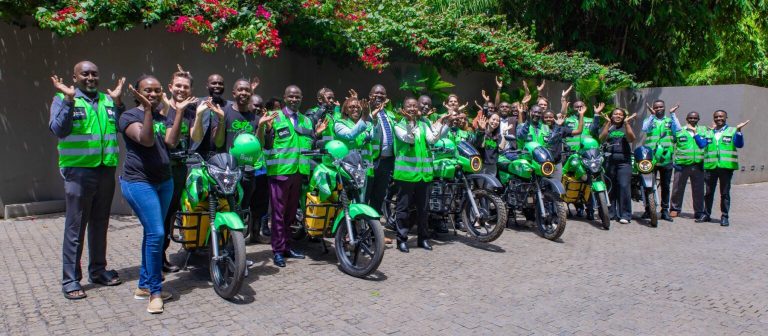
Spiro, an electric vehicle company in Africa, has signed a US$50 million debt facility with the African Export-Import Bank (Afreximbank) aimed at enhancing sustainable transportation in Africa.

Spiro, with over 14,000 bikes, over 9 million swaps in five countries in Africa, aims to reduce environmental impact and enhance urban mobility, build an integrated EV ecosystem in Africa with multitude of partners and establish a wide range of charging infrastructure which include battery swapping and direct charging. 

 In a statement, Kaushik Burman, CEO of Spiro stated “This partnership with Afreximbank is a pivotal development for Spiro,the $50 million USD debt facility will significantly enhance our operational capabilities and help us expand our footprint to more African countries. It’s a testament to the confidence in our business model and our contribution to sustainable development in Africa.” 

The deal was signed in Kigali, Rwanda during the Africa CEO Forum,  featured Spiro’s CEO, Kaushik Burman, and Madame Kanayo Awani, Intra-African Trade and Export Development Bank, Afreximbank. 

The funds will be utilized to further expand Spiro’s network of automated swap stations and introduce new electric bike models, enhancing the accessibility and convenience of green mobility solutions. Afreximbank, known for its role in stimulating a consistent expansion and diversification of African trade, has been instrumental in fostering economic development across the continent.

“This partnership affirms our commitment to fostering sustainable innovation and green technologies in Africa. We are happy to support Spiro through this facility which will in turn accelerate the adoption of electric vehicles and enhance transportation across Africa. This collaboration reaffirms our belief in the power of innovation to create a better world for future generations,” said Kanayo Awani, Executive Vice President, Intra-African Trade and Export Development Bank, Afreximbank.

Recently, the firm partnered with the Government of Kenya to deploy over a million electric vehicles (EVs) throughout Kenya to help Kenya transition from traditional internal combustion engine bikes to electric variants offers myriad benefits, especially pertinent for the “last mile” of travel. This change is poised to curtail greenhouse gas emissions and provide a sustainable solution for Kenya’s transportation challenges.

It also has partnerships with the Ugandan government to substitute fuel-based boda-bodas, with electric motorbikes.

Spiro has rapidly penetrated the African e-mobility market and is present in Benin, Togo, Rwanda, and Uganda, the company has successfully introduced nearly 10,000 electric bikes. These EVs have cumulatively provided over 90 million km of eco-friendly travel, preventing over 5,000 tons of CO2 emissions.

Last August, Spiro announced a $63 million debt funding round with Societe Generale, in a deal designed to expand the company’s footprint in Benin and Togo. 

OpenseedVC Launches With $10M for Startups Across Africa & Europe

OpenseedVC, a new operator-led fund seeking to invest in tech startups across Africa and Europe, has officially launched after closing its $10M.

OpenseedVC will also invest mainly in the Future of Commerce i.e., B2B Software, AI and Fintech, Future of Health & Work with a goal to align the inherent impact of the portfolio with the UN Sustainable Development Goals.

Founded by Maria Rotilu, OpenseedVC will invest in at least six early stage founders in Africa and Europe over the next five years on an open application process so founders can apply without an introduction. The fund has made its first two investments in the Future of Commerce and Health themes, first is an AI-enabled supplier dispute resolution software in the United Kingdom and the second is a foundational speech to text transcription model for underserved accents, starting with Africa.

According to OpenseedVC Fund, Maria Rotilu, “The current difficult fundraising climate is especially harsh for early-stage founders, but we believe incredible companies are born in the most difficult macroeconomic climates. We want to be first believers in these experienced operators to give a great head start, with capital and an extensive operator network that support from start to launch of their technology companies”

Maria is a former Uber and Branch Country Manager, and General Manager respectively, and former Principal & Fund Manager of the Octopus Ventures First Cheque Fund, former Managing Director at the Oxford Seed Fund of Oxford University, one of the leading producers of unicorns in Europe.

Global ecosystem data reveals that up to 9 out of 10 start-ups fail, with the lack of necessary expertise and business acumen of founders identified as a major contributing factor. This has in part led to a 45% failure rate for VC investments. OpenseedVC operates at a sweet spot where start-ups with strong potential for success, partly based on the founder’s relevant execution ability, receive support.  

Visa Picks Over 20 Fintech African Startups for its Second Accelerator Program

0

Visa has announced the startups shortlisted from across Africa to participate in the second cohort of its Africa Fintech Accelerator program, the biannual program that offers 12 weeks of 1:1 mentorship and personalized training, providing seed to series A startups with exclusive opportunities to access funding, development, and resources.

Selected from across 28 African countries, 65% of them feature female leadership, rising from 43% in the inaugural edition. The selected startups are in neo-banking, merchant payments, credit scoring, risk and identity management, embedded finance, social commerce, escrow services, and more.

Aida Diarra, Vice President, and Head of Sub-Saharan Africa at Visa remarked: “Today, we are proud to say that our second cohort of Accelerator participants represents more than 50% of countries across Africa, up from a third during our first cohort. Not only that–but women are in leadership roles across the majority of these cutting-edge startups.”

The Accelerator program, launched in June 2023, is reflective of Visa’s ongoing efforts to help uplift the digital economy in Africa, including a pledge to invest $1 billion in the continent by 2027 to help revolutionize the payments ecosystem.

The 12-week virtual Accelerator program will conclude with an in-person Demo Day, where startups will have the opportunity to pitch their innovations to key ecosystem players, funding partners, angel investors, and venture capitalists, enabling them to take small steps towards unlocking their full potential.

The first cohort graduated in February 2024 with an investor week in Nairobi that saw the participation of more than 250 attendees including banking and fintech partners, investors and venture capital firms. The first cohort startups have since reported positive outcomes from the program, such as increased user growth, product enhancements, funding opportunities, and strategic partnerships with Visa and other industry players.

The Sub-Saharan Africa startups shortlisted for the second cohort of the Visa Fintech Accelerator program for Africa are:

  • Chapa – Ethiopia – Merchant Solutions
  • CheckUps Medical Hub – Kenya – Embedded Finance (Health)
  • AzamPay – Tanzania – B2B Marketplace
  • Beem – Tanzania – Social Commerce
  • Bizao – Ivory Coast – Merchant Payments Solution
  • Hub2 – Ivory Coast – Enabler Infrastructure
  • Iwomi Technologies – Cameroon – Money Movement
  • Proboutik – Cameroon – Merchant Payments Solution
  • Vaultpay – Democratic Republic of Congo – Merchant Payments Solution
  • Aku – Nigeria – Neo-banking
  • Cleva – Nigeria – Money Movement
  • Curacel – Nigeria – Insurance Management
  • E-doc Online – Nigeria – Open Banking
  • Raenest – Nigeria – Money Movement
  • Bridgecard – Nigeria – Enabler Infrastructure
  • Truzo – South Africa – Escrow Services

CEO Weekends: Sieka Gatabaki on designing digital tools for smallholder farmers in Africa

Agriculture in developed markets is a different ball game with as farmers are well-funded and mechanised, have access to knowledge, financing and tools and markets for their produce unlike their counterparts in Africa.

Mercy Corps AgriFin has embarked on a journey of scaling agriculture in Africa and says there is hope for the African farmer as Agrifin is seeking to remove handcuffs and through its initiatives change the ballgame for small scale producers (SSPs).

TechMoran met up with Sieka Gatabaki, Mercy Corps AgriFin Program Director on what the program is doing for smallholder farmers in Africa and other low income countries.

Who is Sieka Gatabaki?

Sieka: I am the Program Director for Mercy Corps AgriFin directing all programming and strategic partnerships. I have worked for over 16 years as a digital innovations practitioner and a business strategy leader with a passion for helping institutions and individuals benefit from new technologies for deepening access to financial and information services. Currently, I lead work in strategy, product usage and development, channel development and go-to-market execution, providing digital financial and information services to small holder farmers in the Global South.

Previously, I served as the Group Digital Alliances Manager at Airtel Africa, Airtel Money Director at Airtel Kenya and Technical Advisor with IFC, supporting digital financial inclusion across Africa. I have consulted for various organizations, including Vital Wave, Ernest & Young, and Grameen Foundation and I serve on the board of a number of organizations in various sectors. I hold a Bachelor of Commerce from the Catholic University of Eastern Africa and I am completing a Masters in Sociology and Entrepreneurship at the University of Nairobi.

Tell us more about Mercy Corps AgriFin program?

Launched in 2012, AgriFin’s primary target group is un-banked SSPs living below the poverty line. Mercy Corps AgriFin model has been able to scale and iterate with the support of integral funding, private sector, and government partners who value innovation, learning and impact.

Mercy Corps AgriFin programming works with public and private sector partners to design, test and scale digitally enabled products and services for small scale producers (SSPs) to increase their productivity, incomes and resilience by 50% while reaching at least 40% women. AgriFin helps its partners to de-risk innovation, support inclusive service delivery and business models for a sustainable scale.

We believe that in a digitally enabled system, smallholders can gain direct access to a range of inclusive and empowering financial, information and market access services.

We are committed to increasing the visibility of smallholders to the institutions currently serving them, and to deepen the quality of digital solutions that are tailored to their needs. Our innovations empower farmers with access to Climate-smart Tools & Insights, Quality Inputs, Financing + Insurance, Last Mile Logistics and Markets. 

We approach bundling in a phased approach which sequentially adds products linked to farmer trust, demand and capabilities, layering in more complex products as farmers become more familiar with accessing the services via mobile or other digital channels.

We also employ farmer-centric research and design methodologies to address farmer needs and preferences, working to promote active adoption of services for smallholders in each country, with a strong and consistent focus on the needs of women and youth.

What digital products and services does Mercy Corps AgriFin provide to smallholders farmers?

We focus in creating inclusive and efficiency food systems by focusing on:

  • Digital financial Services
  • Digital information
  • Advisory
  • Market access
  • Logistics
  • Climate Smart Activities
  • Gender, inclusivity

How many small scale producers have you reached so far?

With plans to reach 5 million more small scale producers by 2025, Mercy Corps AgriFin’s the current iteration of the program (AgriFin Digital Farmer II) has reached over 4.6 million SSPs with critical digital services since inception in 2021 and a total of more than 21.5 million since its launch and even being part of the team that provided crucial information to farmers during the COVID 19 pandemic and locust invasion in 2019-2020 in East Africa.

Why digital innovations or tools and not other agricultural services?

We believe that digital innovation can revolutionize the way SSPs feed the world, that’s why, based on years of learning

With access to the right tools, SSPs can build the resilience they need against climate and emergency shocks and continue to feed their communities. We know that government and private sector partners are best suited to deliver those tools, and that technology is a critical accelerator. Our aim is to connect smallholder farmers to digital products and services that increase their productivity and income by 50%, with a 40% target population of Women and Youth.

What are the challenges so far and how did you address them?

Our shared global context is challenging – climate variability and population growth present unprecedented challenges. Yet, our experience tells us that SSPs are determined to beat the odds.

Our private sector and government partners remain committed to smallholder farmers and contribute to a thriving and just food production ecosystem through the development of sustainable services for SSPs. And our funding partners have provided the flexible capital needed for AgriFin to evolve our areas of innovation focus, enabling us to pivot with our partners and stay relevant and responsive to emerging farmer needs.

How unique are your smallholder farmer innovations and what’s the motivation towards SSPs?

AgriFin mobilizes a vast network of partners ensuring that the needs of SSPs inform the design of partner products and services. Equipped with eight years of learning and a vibrant network of partners, the AgriFin model is proven and primed for further expansion. AgriFin is expanding its focus to digital climate-smart agriculture and creating meaningful employment for youth in agriculture and rural economies, working toward a resilient future of farming for SSPs across Africa and beyond.

What specific digital tools and platforms are you using to improve farmer productivity?

Mobile Apps, Interactive voice, SMS, chatbox, peer-to-peer education, climate insights, online markets.

What role do partnerships play to help you develop, scale and deliver viable solutions for smallholder farmers?

AgriFin employs a market facilitation model to drive scalable, commercial product innovation for smallholder              farmers. We act as a trusted broker to promote innovation and collaboration amongst partners. Our partners are    agricultural ecosystem actors, including mobile network operators, financial institutions, farmer networks,                    technology innovators, agriculture value chain players, government, and other key market stakeholders. To date, AgriFin has partnered with more than 150 organisations to deliver digitally enabled solutions.

60% of Africa’s population is under the age of 25. How is Mercy Corps AgriFin attracting more youth into agriculture and rural economies?

Digital Systems attract the Youth, in addition to building transparency, to enable access to needed information and financial services. Digital services can capitalize on the growing market of youth in agriculture, AgriFin outlined various segments of youth, that considers their varying needs, priorities, and potentials. Through the segments, stakeholders can deliver persona-based Pathways for Driving Growth and Success for Youth in Agriculture. 

AgriFin developed a case, Rural Jobs Landscape Study – Exploring Rural Job Opportunities for Youth  in Agriculture as a result. In addition, AgiFin was a partner of the Don’t Lose the Plot program, that sought engage Youth through Edutainment.

What key geographical features make East Africa (Kenya), West Africa (Nigeria) & Horn of Africa (Ethiopia) suitable for these AgriFin model?

Each region poses a challenge in introducing digital solutions. Kenya, digital ecosystem is more mature, is a more       digitally savvy market, mainly because of MPESA. In Nigeria, the ecosystem is driven by banks, necessitating a modified approach than that used in Kenya. In Ethiopia, which also shares the federal system like that of Nigeria, the level of digital literacy being low and need to involve the public sector leads to a different approach all together. AgriFin, implements projects in these countries, develops learnings that can be used in other regions that face similar circumstances.

How sustainable is the Mercy Corps AgriFin?

We are determined to scale our impact – deeper in the countries where we work, and wider to new countries             where digital ecosystems could readily benefit from our market and partner facilitation model. An independent     evaluation of the program asserts that AgriFin was essential in brokering critical business partnerships,                         generating actionable knowledge, and ultimately laying the foundation for a series of commercial DFS (Digital Financial Services) and DIS (Digital information services) that are being increasingly adopted by SSPs.

Fundamental to this success was AgriFin’s active, ground-level engagement with partners that resulted in new and emerging business relationships, and effective bundled services, very much as the project intended

Apart from digital products and services, how is AgriFin engaging policy makers and government agencies to protect smallholder farmers and improve their productivity?

AgriFIn, does not engage with policy. However, the program deliberately works with organizations, provides needed information, to enable them to develop the policy briefs needed to enable the digital ecosystem.

What’s the future of Mercy Corps AgriFin in Africa?

To determine our pathway to greater scale, we undertook extensive analysis to identify geographies where the model would thrive. We assessed 48 low-middle income countries along five key criteria: (1) Demand, (2) Customer Readiness, (3) Supply, (4) Provider Readiness, and (5) Enabling Environment.

This analysis unearthed incredible insight and enabled us to assess and rate contexts against criteria needed to effectively implement the AgriFin model. Needless to say, there is an ample opportunity to engage and strengthen digital ecosystems across the globe. We do not seek to journey alone. We seek innovation and funding partners who share our bold vision of farmers prospering in an interconnected digital world, empowered by digital solutions and inclusive ecosystems. Together, we will take millions more farmers from subsistence to sustainable.


Airtel Money donates Kes 25 million to Kenya Red Cross Society to assist flood victims

Airtel Money Kenya has donated Kes 25 million to the Kenya Red Cross Society (KRCS) to assist victims of flooding caused by the heavy March-April-May (MAM) rains in the country. The all-cash donation aims to boost KRCS’s relief efforts in the restoration of livelihoods in some of the counties most affected by the floods.

The funds shall be utilized in the recovery of communities in the western and lake basin regions of Kenya through the restoration of the fishing industry and entrepreneurial skill building for the fisherfolk. Adversely affected farming community members from Eastern Kenya will also benefit through receiving livestock to enable them to restore their sources of livelihood. The interventions are aimed to impact over 20,000 households in the affected areas.

Speaking during the cheque handover ceremony, Mr. Ashish Malhotra, Managing Director of Airtel Kenya, emphasised the importance of unity among stakeholders in supporting fellow citizens affected by the floods.

“This is a humble donation towards alleviating the suffering caused by the floods. We believe the contribution will offer much-needed relief and aid in the recovery and rebuilding of communities impacted by the severe consequences of heavy rains. Our thoughts are with all those affected, and we remain steadfast in collaborating during times of need to help,” stated Mr. Ashish Malhotra.

He emphasised that it is essential for people to come together during such moments of need and chip in in whatever small way to offer aid.

Mrs. Anne Kinuthia-Otieno, Managing Director of Airtel Money echoed this sentiment, stating, “We are grateful for the opportunity to contribute to such a worthy cause. I hope this donation can help make a positive impact in the lives of affected Kenyans. We believe in the power of collective action and unity among stakeholders to make a positive impact on society. Together, we can rebuild and restore hope for affected families.”

According to KRCS, an estimated 244 citizens have lost their lives since the onset of the March-April-May (MAM) rains, with close to 280,000 people displaced from their homes. Regions affected include the Coastal area, Central, Nairobi, the Western Highlands, Rift Valley, Lake Victoria Basin, South-eastern lowlands, and North-eastern. 

Receiving the donation, Dr. Ahmed Idris, Secretary General of the Kenya Red Cross Society, expressed gratitude, stating, “We thank Airtel Kenya for this donation as it will go a long way in providing relief to the affected Kenyans. Additionally, we would also like to thank them for their continuous support during previous disasters.”

Airtel Kenya’s collaboration with the Kenya Red Cross Society amidst the floods fosters the company’s commitment to humanitarian aid and community support in crises.

Flutterwave Earns Spot on CNBC’s 2024 Disruptor 50 List

Africa’s payment technology company Flutterwave, has earned a spot on the prestigious 12th annual CNBC Disruptor 50 list alongside companies like OpenAI, Stripe, and Monzo.

The CNBC Disruptor 50 list is renowned for spotlighting private enterprises that shake up traditional industries and chase substantial opportunities. Criteria such as scalability, user growth and use of breakthrough technologies are key factors in the selection process, making Flutterwave’s inclusion a testament to its groundbreaking advancements in the fintech sector.

Olugbenga ‘GB’ Agboola, Founder and CEO of Flutterwave, commented “We are deeply honored to be acknowledged among the esteemed companies on CNBC’s Disruptor 50 list for 2024. Our mission has always been to empower businesses of all scales, and to berecognizedd as a disruptor in our field is a testament to the unwavering dedication of our team. Looking ahead, our aim is to continue excelling in every aspect, from product innovation to enhancing customer experiences, ensuring that we pave the way for endless possibilities for both our clients and their customers.

“Remaining steadfast in our commitment to innovation and expanding our product portfolio, our overarching mission is to become the preferred payments partner for international and multinational enterprises seeking to extend their footprint in Africa and beyond. We are confident in our strategic positioning to assist them in realising this ambition.”

This recognition underscores its innovation and expansion, achieved amidst challenging market conditions and economic downturns.

In the pursuit of innovation, Flutterwave has launched a series of innovative products, among them the flagship Flutterwave for Business solution to equip enterprise businesses with all the necessary resources to manage and expand their operations seamlessly in Africa. Additionally, Flutterwave has unveiled Send App which helps the African diaspora to send money to the continent and a currency exchange solution, Swap built in partnership with Kadavra BTC and Wema Bank. These offerings have not only empowered businesses, startups, and individuals but also facilitated seamless payment experiences and fostered growth across diverse sectors.

Further solidifying its position as a leader in the industry, Flutterwave has expanded its collaboration with Air Peace, Nigeria’s leading airline, serving as the trusted payment partner of choice, cementing its role as the preferred partner for Air Peace’s flagship Lagos to London routes. This alliance not only strengthens Flutterwave’s commitment to excellence and innovation in the aviation sector but also underscores its dedication to delivering seamless payment experiences for travellers and businesses alike.

Earlier in 2023, Flutterwave collaborated with IATA, the global airlines alliance as a payments provider for Africa. Moreover, Flutterwave has maintained a longstanding partnership with Uber, helping the ride-hailing giant scale across Africa via one payment integration. This shows its commitment to supporting businesses of all sizes and other startups to bring their fintech solutions to market in record time.

Flutterwave’s influence extends beyond its innovative products and partnerships. The company has played a pivotal role in driving financial inclusion across Africa, empowering businesses of all sizes to participate in the global economy. With a steadfast commitment to providing secure, seamless, and accessible payment solutions, Flutterwave continues to pave the way for digital transformation in emerging markets, solidifying its position as a disruptor in the global fintech landscape.

How AgriFin’s digital financial services are improving farmer livelihoods across Africa

Mercy Corps AgriFin believes that digital financial services can improve farmer livelihoods by helping them gain direct access to a range of inclusive and empowering financial, information and market access services.

Though digital financial services, digital information, advisory services, market access, logistics, climate smart activities and gender inclusivity, AgriFin brings together innovative organizations to design and deliver quality products and services tailored for smallholder farmers.

“Our aim is to connect smallholder farmers to products and services that increase their productivity and income by 50%, with a 40% target population of Women and Youth,” said Collins Marita, Technical Director Strategic Learning, Mercy Corps AgriFin. “We believe that digital innovation can revolutionize the way small scale producers (SSPs) feed the world, that’s why, based on years of learning and iterating, we built the AgriFin model to facilitate that process.”

With over 13 years of experience in research and project management, with a specialty in financial and agricultural sector-related research projects, Marita believes that access to the right tools will help smallholder farmers build the resilience they need against climate and emergency shocks and continue to feed their communities.

His experience in the health and ICT sectors, spanning over ten countries in Africa and Asia designing and implementing studies, has led to the adoption of digital tools such as such as Mobile Apps, Interactive voice, SMS, chatbox, peer-to-peer education, climate insights, online markets to aid small scale producers improve their trade.

With plans to reach 5 million more small scale producers by 2025, Mercy Corps AgriFin’s the current iteration of the program (AgriFin Digital Farmer II) has reached over 4.6 million SSPs with critical digital services since inception in 2021 and a total of more than 21.5million since its launch and even being part of the team that provided crucial information to farmers during the COVID 19 pandemic and locust invasion in 2019-2020 in East Africa.

Equipped with eight years of learning and a vibrant network of partners, AgriFin is expanding its focus to digital climate-smart agriculture and creating meaningful employment for youth in agriculture and rural economies, working toward a resilient future of farming for SSPs across Africa and beyond.

Agriculture in developed markets is a different ballgame and AgriFin is seeking to change the ballgame for SSPs and remove handcuffs, through its initiatives. The program has assessed 48 low-middle income countries and sees there is an ample opportunity to engage and strengthen digital ecosystems across the globe to take millions more farmers from subsistence to sustainable. His stint at the Financial Inclusion Insights (FII) research program for Kenya, with an additional focus on the agricultural value chain in eight countries, saw him coordinate research on smallholder farmer households’ use of digital financial services supported by the Consultative Group to Assist the Poor (CGAP). At CGAP and IFDC, Collins learned the possibilities of improving farmer livelihoods through the formation of agribusiness clusters.

“AgriFin employs a market facilitation model to drive scalable, commercial product innovation for smallholder              farmers,” said Marita. “We act as a trusted broker to promote innovation and collaboration amongst partners.”

AgriFin partners agricultural ecosystem actors and to date it works with 150 organisations to deliver digitally enabled solutions. Partners include mobile network operators, financial institutions, farmer networks, technology innovators, agriculture value chain players, government, and other key market stakeholders.

TiE Dubai launches fifth edition of TiE Women MENA programme

The Dubai chapter of The Indus Entrepreneurs (TiE) has launched the fifth annual TiE Women MENA Programme 2024 to support and elevate women entrepreneurs across the MENA region.

The program seeks to create equal opportunities for women entrepreneurs to excel and contribute significantly to their economies. This year’s theme continues to highlight the role of women in business, with a focus on nurturing their skills through a structured framework. Participating startups undergo several stages of development, from initial application through intensive 1:1 mentorship to pitching their ideas in front of a seasoned panel of judges at the MENA and global finals.

Rohit Dev, President at TiE Dubai stated: “Through time, entrepreneurs have been the biggest changemakers and have contributed tirelessly to the world economy, progress, and human sustenance. Despite this, women-led businesses in the region make up less than 5% of all businesses and 2023 saw a significant drop in fund-raising for these companies. For over 21 years, TiE has promoted entrepreneurship in the UAE, and since 2020, its TiE Women MENA initiative has been empowering female entrepreneurs. Supporting regional governments’ mission to increase female business owners, we aim to equip women founders with the tools, knowledge, and networks necessary to thrive in today’s competitive business environment.”

This year, the programme will expand its reach to include 5 categories UAE, Emirati, KSA, Egypt, and the rest of the Middle East, to foster gender parity in entrepreneurship in line with government efforts. The programme will include mentorship sessions, financial advisory services, strategy coaching, workshops and tips to nail the perfect investor pitch.

The competition kicks off with an application phase open until June 1st, 2024. Through several rounds of screening, an unbiased jury of TiE Dubai Charter members will select the top innovative ideas from each of the five categories.

The selected finalists will showcase their ventures in five rigorous pitch competitions. The winners of these competitions prepare for the MENA finals, previously hosted at the North Star Expand at GITEX.

At every stage, the programmeme will include mentorship sessions with renowned and experienced industry leaders, financial advisory services, strategy coaching, workshops on practical business planning, an online global accelerator programmeme, and tips to nail the perfect investor pitch. The competition will conclude with the Global Finals in December 2024.

World Bank stated that women entrepreneurs had equal access to finance, and the growth of the companies could generate a $5-6 trillion expansion in global GDP. Additionally, nearly half of the women in the UAE alone face significant barriers in accessing capital, with 8 out of 10 women tapping into their personal savings. This highlights the essential role of initiatives like the TiE Women MENA Programme, which offers funding, mentorship, and community support for entrepreneurs of all industries.

Being a mission-driven organization, TiE Women MENA Programme 2024 works with over 15 accelerators, incubators, VC funds, and members of the angel investor community in the startup ecosystem to harness each other’s strengths and specialties to uplift women entrepreneurs.

Some partners include in5, DBWC, Flat6labs (MENA), Plug and Play, StartAD, Wamda, Female Angels 2022, AngelSpark, Astrolabs (Saudi), LIVINC (Jordan), and Women Spark (Saudi).

TiE charter members like Ashish Panjabi, CEO, of Jacky’s Electronics; Mahesh Jaishankar, Head of Strategic Negotiations MENA, Google; and Sanjay Babur, Founder of Bestinsurance.ae; Veena Munganahalli, serial entrepreneur and investor; Shabana Karim, Founder/CEO of House of Enspa; and Shameema Parveen, CEO of Edutech, are some of the judges for the programme.

Global and regional winners will receive prizes and recognition for their accomplishments. In the past, winners have received equity-free cash prizes of up to $50,000 at the global finals and up to $25,000 at the MENA finals in Dubai, and they have gone on to achieve much more.

Last year’s UAE winner was Lara Hussein, Co-founder & CEO of The Waste Lab, dedicated to transforming food scraps and waste into compost for the regeneration of soil. After her win and mentoring journey with TiE Women MENA, she has gone on to garner more accolades and wins, including at COP28, SEF by Sheraa, etc.

The TiE Women 2023 Emirati winner was IZI Health from Abu Dhabi, an integrative preventive care company that offers high end technological solutions to doctor’s consultations, healthy meal planning, fitness training and holistic medicine. Besides TiE Women’s support and her Emirati win, she has been selected for other programmes by ADIO and STARTAD in her entrepreneurial journey.

The other region’s winners were Playbook from Saudi Arabia, who also won runner up position at the TiE Women Global Finals in Singapore, Warrd from Egypt; and Khateera from Rest of ME.

Women founders or co-founders from any industry who hold at least 33% equity, either individually or jointly, in businesses up to seven years old that operate from or for the MENA region are encouraged to apply.

Application details and submission can be accessed through the official TiE Dubai website, https://dubai.tie.org/, with an easy-to-use QR code also available for direct access.

A Guide through Instagram Growth Hacks

Instagram is a shining star among the many social media networks, offering great opportunities for both people and companies. With over one billion users on a monthly basis, it’s no surprise that a lot of people are interested in learning how to develop their Instagram following and become more influential there. You can speed up your Instagram growth and achieve new levels of success with the abundance of growth hacks and tactics available. If you want to know how to maximize your potential on Instagram, this article will show you some of the best development tips.

Make Your Profile Stand Out

Making a good impression on potential followers begins with your Instagram profile, which serves as your online shopfront. Make your profile stand out by selecting a memorable profile photo, crafting an engaging bio that conveys your brand’s identity, and using pertinent hashtags and keywords, including one word caption. Also, ensure everyone can see your profile and interact with your material by making it public.

Be Regular in Your Posting

To increase your Instagram following, you must be consistent. Create a publishing schedule and adhere to it, whether that’s blogging daily, many times weekly, or at your preferred regularity. Regular posting keeps your followers interested and shows the Instagram algorithm that you’re using the app often and for the right reasons, which might boost your profile’s exposure.

Be Strategic With Hashtags

Instagram hashtags are a great way to get more people to see your work. To increase the number of people who see your content, look for relevant hashtags in your field and use them. To increase your reach and interaction, try using a mix of common, niche-specific, and branded hashtags in your campaign. You may also think about developing a custom hashtag to promote community involvement and user-generated content.

Fourth, Interact with Your Viewers

In order to encourage Instagram engagement and commitment from your Instagram followers, it is crucial to establish real relationships with them. Make an effort to interact with your followers by replying to comments, like and commenting on other users’ posts, and chatting in Instagram Direct Messages and Stories. You may build stronger connections and inspire long-term commitment from your audience by regularly engaging with them and demonstrating that you respect their feedback.

Team Up with Key Opinion Leaders

If you want to grow your Instagram following and reach more people, influencer marketing is a must-try. Reach out to their audience and use their authority and trust by collaborating with influencers in your specialty or business. You should seek for influencers whose audience reflects your target demographic and whose beliefs are congruent with your brand’s. One strategy to increase your own following is to work with influencers on sponsored posts, freebies, and takeovers.

Develop Captivating Content

Instagram is all about content, so if you want to attract followers and keep them engaged, you need to provide great, interesting stuff. Try including more than just photographs and videos into your feed; try using carousels and Instagram Stories as well. To engage your audience and start discussions, use captivating images, interesting descriptions, and interactive elements like polls and quizzes.

Evaluate and Repeat

Last but not least, review your Instagram performance analytics on a regular basis to find out what’s and isn’t working. Keep tabs on important data like follower growth, engagement rate, reach, and impressions using Instagram Insights or any third-party analytics Instagram tool. To maximize your Instagram growth efforts, use this data to guide your approach and make improvements as necessary.

In summary

Finally, if you want to become an Instagram growth master, you need to be prepared to plan strategically, execute consistently, and be open to experimentation and adaptation. Use these Instagram growth hacks and tactics to reach more people, increase your reach, and build a dedicated fan base that will help you achieve new heights.

Mergers, Acquisitions and IPOs would follow African ScaleUPs

Eric Osiakwan

I concluded my last oped on the prognosis that exits would follow African scaleups and by that I meant some of the deals would be mergers, others would be acquisitions, whilst a third category may go public. The drafting and publication of this paper was delayed by the massive internet outage in West Africa, caused by the severance and disruption of four sub sea cables. The incident drew my attention to the need for a resilient internet infrastructure in Africa, a subject on which I am currently writing a paper to compliment this interview I granted as part of a panel discussion on Africa’s internet resources. Without a resilient internet infrastructure, we risk a faulty foundation on which we build startups, scaleups, mergers, acquisition and initial public offerings (IPOs).

On the 8th of May 2024, Lesaka Technologies, a NASDAQ listed fintech with market capitalisation of $242M announced their acquisition of payment platform Adumo for $85m in a combination of cash and equity. On the 11th of April 2024, WeBuyCars, a South African online car +auction platform went public on the Johannesburg Stock Exchange (JSE) raising $444M instead of their anticipated $420M – signalling a return to both the international and local public markets for African tech ventures. At the end of April, BuuPass, a Kenyan travel booking platform acquired QuickBus with operations in Nigeria and South Africa. This followed Rivia – a Ghanaian healthtech service provider acquiring Waffle a SaaS sofware company to expand it’s offering to primary healthcare privders in early April.

Source: Transaction Capital

These are going to be the main exit options with mergers and acquisitons taking the lion’s share whiles IPOs would be in the minority. However last year, the JSE announced a pipeline of ten listings in 2024, indicating that the leading Africa public market player is going to turbo charge IPOs across the continent – WeBuyCars was the first coming online at the beginning of the second quarter, signaling that there may be more in store for the year. The Cape Town Stock Exchange (CTSE), the second largest stock exchange in South Africa,  focused on small and medium sized business with growth potential focused on the South African and larger Africa market – it is the only exchange that lists both equity and debt – this makes for more liquidity. Last year, Barloworld, ABSA, Shoprite and PPC completed their secondary listings on the A2X, a Cape Town-based which does secondary listings, The Victoria Falls Stock Exchange which is based in Victoria Falls, Zimbabwe also does secondary lists. These are generating liquidity that is getting them investor attention to the African market.   

Nigeria’s leading payment company, Flutterwave has announced going public next year on the NASDAQ and so has Airtel Mobile Money without disclosing details. These would herald a return to the international public markets for African tech ventures which would bring back the much needed investor attention. This would create a counter current to the funding winter for the flow of investment into the risky venture capital asset class. The compounded imapct of African tech ventures going public on both the local and international markets would have a cascading effect that would drive more early stage investments in the angel investment market. The private equity market would eventually feel the ripples – making for liquidity all around.

Flutterwave has scaled into multiple African markets haven raised $509M and is valued at $3B from it’s last $250M raise from the likes of Avenir, Visa Ventures and Mastercard. It powers one million businesses across the continet and has processed over 400M transactions worth $25B for clients like Uber, Wise and Microsoft. Four other African scaleups that could go public, get merged or acquired are Onafriq from South Africa, Cellulant from Kenya, Hubtel from Ghana and Djamo from Ivory Coast – these are from the KINGS countries of Kenya, Ivory Coast, Nigeria, Ghana and South Africa and are all fintechs. 

Flutterwave, Onafriq and Cellulant are head on in the same category of payment infrastructure with frontprints in multiple countries and they are followed by Hubtel and Djamo who are also in the same category but are considered embeded fintechs because their payment infrastructure is not obvious. They are both scaling up now with Djamo going into Senegal whiles Hubtel going into Kenya, Nigeria and Cameroon soon. These are just a sample of the leading African tech ventures that are scaling up to merge, get acquired or go public – setting the tone for what is yet to come.

D!NK and Gebeya partner to revolutionize talent management in Ethiopia and across Africa

Ethiopian companies D! NK Multimedia and Gebeya Inc have announced a partnership aimed at reshaping talent management and multimedia services in Ethiopia and across Africa.

D!NK is a fully equipped multimedia agency with a focus on creativity, innovation, and consumer experiences. It offers  unique expertise in the arts & entertainment, leisure, travel, retail, and tourism sectors with multiple programming platforms to promote both new and established brands and personalities.D!NK Multimedia is known for its iconic D!NK TV platform and diverse range of multimedia services, while Gebeya is a pan-African talent provider that connects skilled professionals with opportunities in the rapidly evolving tech industry.

Amadou Daffe, CEO of Gebeya. “This partnership marks an exciting new chapter for Gebeya. By joining forces with D!NK, we are able to expand our technology and expertise from our comfortable usual “tech talent” ecosystem and branch out to a whole new category of talent in the multimedia and entertainment industry. D!NK with broad expertise in multimedia content creation and youth engagement, is a perfect partner to start this journey with.”

Talent management is  a very instrumental element in sustainable economic growth.A recent statistic shows that over 40% of African graduates in Africa seek to be their own bosses leading to a more demand , this calls for executive managers and human resources officers in different sectors of the economy to urgently enhance talent management by creating and retaining African talent to bridge this gap.

The collaboration between the two companies will enable D!NK Multimedia integrate Gebeya’s Talent Cloud (G-TC) technology into its talent management infrastructure, enhancing its capacity to efficiently manage and connect with a diverse pool of media and entertainment professionals.

In return, Gebeya will gain preferential access to D!NK’s suite of multimedia services as well as access to D!NK’s extensive youth network and D!NK TV platform.

.

d.light receives $3.4M grant to provide 10,000 solar home systems to refugees in Uganda

0

d.light, the solar products and affordable finance for low-income households, has received a USD$3.4M grant from Private Sector Foundation Uganda (PSFU) and Energising Development (EnDev), to provide 10,000 subsidized solar home systems to refugees living in refugee camps in Northern and Western Uganda.

The 10,000 units are part of a wider initiative to supply 23,000 solar home systems to Ugandan refugee communities who have fled conflict in South Sudan and the Democratic Republic of Congo.

In a statement, d.light’s Managing Director for Uganda Douglas Gavala said, “With this grant, we can expand the important work we’re doing to improve living conditions for underserved refugee communities from South Sudan, the DRC and elsewhere who are living in refugee camps in Uganda.”

675 million people worldwide live without electricity and about 2.3 billion people lack access to clean cooking. This has a dramatic impact on livelihoods and the environment. d.light’s solar solutions change that by making clean energy products universally accessible and affordable. d.light envisions a brighter future where everyone can enjoy the benefits of affordable energy while uplifting their communities.

The project, which began in April and is scheduled to run for 12 months. Funds from the grant are subject to results based financing (RBF) and d.light will only receive funding for solar home systems that have been installed. Each solar home system from d.light features three high-efficiency LED lights, an FM radio with MP3 playback, mobile phone charging capability, and a portable solar flashlight.

The solar home systems are expected to significantly improve the quality of life and wellbeing of households – by providing entertainment, local and global news on the radio or enabling children to continue reading and studying after dark. d.light products also bolster household income in Uganda’s refugee settlements by extending working hours for tradespeople and small businesses, and providing an income for residents who work as d.light salespeople in the settlements.

Founded in 2007 at Stanford in California, d.light has sold nearly 30 million products, including solar lanterns, solar home systems, TVs, radios, and smartphones, impacting the lives of over 150 million people.

Jack Dorsey’s TBD Partners With Chipper Cash to Launch in Africa

Jack Dorsey’s TBD, which is part of Block, has expanded into Africa after a partnership with pan-African cross border payments firm Chipper Cash.

Chipper Cash has been integrated into the tbDEX protocol to power cross border payments and decentralized identity use cases for individuals and businesses on the African continent. 

According to Mike Brock, CEO of TBD, “Across Africa, the challenges of currency liquidity and access to global financial systems are palpable. For these reasons, we are laser focused on building out the tbDEX ecosystem in Africa. Adding Chipper Cash to our growing network will help to accelerate our work on global cross border payments and decentralized identity.”

Chipper Cash becomes the second platform to be integrated into the tbDEX ecosystem after TBD announced a payments partnership with Yellow Card last year. Yellow Card is the largest and only licensed stablecoin on/off ramp on the African continent.

Chipper Cash already allows 5 million consumers to move money efficiently to over 21 African countries.  And with over 1.2 million cards issued, Chipper’s integration represents the onboarding of one of the largest virtual card issuers in Africa. TBD, an initiative of Block, was co-founded by Jack Dorsey, the former CEO and co-founder of Twitter, now X. TBD aims to drive financial access to individuals, businesses and payment platforms globally and Africa is a key market to Jack Dorsey and the team.

“At Chipper Cash, we’re excited about the potential of tbDEX to revolutionize remittance flows into Africa,” said Maijid Moujaled, President and Co-Founder of Chipper Cash. “Remittances are a lifeline for many African families, but the costs of sending money to the continent remain among the highest globally. By plugging into an open protocol like tbDEX with numerous network participants, we believe we can, collectively as an industry, drive down these high costs and facilitate remittances in a more efficient, transparent, and compliant manner.”

The two firms will focus on enabling faster and less expensive consumer remittances and then explore ways to empower small businesses.  Chipper’s offerings for businesses already enable local and cross-border digital payments for underbanked SMEs across 40 different African countries, powering disbursements and collections from bank accounts, mobile money wallets and Chipper wallets.  

Chipper Cash will leverage tbDEX to accelerate the onboarding and identity verification of consumers and small businesses as well as unlock trusted, compliant transactions with verifiable credentials (VCs) and decentralized identifiers (DIDs).

Following the successful launch of tbDEX 1.0 at Web Summit Rio, TBD has also launched a series of hands-on tbDEX Developer Workshops in Africa in partnership with Circle and Yellow Card to teach developers how to use tbDEX, an open source liquidity and trust protocol, to unlock frictionless, compliant cross-border payments that are settled in seconds, not days.

Axmed raises $2 million to transform access to critical medicines in Africa

0

Axmed, a two-sided B2B marketplace platform has raised $2 million in a seed funding round to accelerate its expansion, enhance its engineering and commercial teams and advance its technology infrastructure in Africa and the Caribbean.

The investment was led by Founderful Ventures and complements an earlier $5 million in grant funding from the Bill and Melinda Gates Foundation, bringing total funds raised to $7 million.

According to Emmanuel Akpakwu, CEO of Axmed: “We are not merely developing a medicines platform; we are creating a bold new vision for the future of medicine accessibility. This vision not only empowers buyers but also unlocks the full potential of growth markets, allowing suppliers to compete effectively.”

Axmed’s founding team brings together a wealth of expertise and dedication, with over 30 years of collective experience in healthcare, finance, and public-private partnerships. CEO Emmanuel Akpakwu, previously Chief Commercial Officer for Novartis AG’s Sub-Saharan Africa operations while Felix Ohnmacht and Sofia Radley-Searle, have held key positions at Novartis and GSK, respectively.

Apart from bolstering its next phase of strategic expansion, Axmed will use the funds to build out its engineering and business development teams, whilst preparing the platform for launch. It will also enhance its marketplace technology and forge alliances with key healthcare stakeholders to ensure a reliable supply of critical medicines.

“We’re delighted to back this outstanding team,” added Lukas Weder, Founding Partner at Founderful. “The team’s commitment and enthusiasm for addressing this important challenge is inspiring. We have every confidence in their ability to reshape the $140 billion LMIC pharma market, improving access to medicines for over 6 billion individuals. “

Axmed aims to forge critical partnerships and ensuring a steady flow of crucial medicines to those in need in Africa, a $43 billion pharmaceutical market compared to the $140 billion global pharmaceutical market. The urgency for accessible and affordable healthcare solutions has never been more evident, especially in the wake of the COVID-19 pandemic, which highlighted the need for a coordinated and sustainable medicines marketplace tailored to LMICs.

Accion Launches $152.5M Fund for Financial Institutions Globally

0

Global nonprofit Accion has launched the Accion Digital Transformation Fund (ADTx), $152.5 million fund seeks to enable financial institutions to better meet the needs of small businesses that are currently excluded from the financial system by providing growth capital and strategic support for digital transformation.

The fund will build on Accion’s experience supporting banks and finance companies around the world to connect millions of small businesses and individuals to the digital economy and is managed by Accion Impact Management and will invest in companies serving micro, small, and medium enterprises across South and Southeast Asia, Latin America, and Africa in equity and quasi-equity investments, plus hands-on strategic support and networks.

Michael Schlein, President and CEO of Accion, said: “With global poverty on the rise for the first time in decades, Accion is on a mission to bring cheaper, customer-friendly financial solutions to the nearly two billion people who are failed by the financial system. Leveraging third-party capital is a critical part of our strategy. With the Accion Digital Transformation Fund, we expect to connect millions more small businesses to the digital economy, providing high-quality, affordable financial services that help reduce poverty and create opportunity.”

Since 1961, Accion has helped build more than 230 financial service providers serving low-income clients in 75 countries, reaching more than 350 million people.

Initial investments by the fund include Annapurna Finance and IKF Finance in India, with up to 12 total expected. Limited partners in the fund include British International Investment (BII), the UK’s development finance institution and impact investor; the Dutch entrepreneurial development bank FMO; IDB Invest; International Finance Corporation (IFC); Mastercard; OeEB the Development Bank of Austria; and Swedfund, Sweden’s development finance institution.

Njord Andrewes, Managing Partner, Accion Digital Transformation Fund, said: “We believe finance companies have an enormous opportunity to scale efficiently using digital technologies and better client engagement. Through capital, active board participation, shareholder engagement, and strategic support we seek to drive the digital transformation agenda of these companies, enabling them to better serve small businesses.”

Abhishek Agrawal, Managing Partner, Accion Digital Transformation Fund, added: “We believe the level of commitment from our high-caliber limited partners speaks to the urgency of our work. We look forward to working with more financial institutions to bring affordable, high-quality financial services to small businesses globally.”

How this digital innovations practitioner wants to on-board more youth into agriculture and rural economies

Though Agriculture is the biggest sector in Africa, findings by the European Union show the sector remains unattractive to the youth who prefer to move to urban areas and cities instead of taking up agriculture leaving mostly smallholder farmers practicing subsistence farming.

Mercy Corps AgriFin, led by digital innovations practitioner Sieka Gatabaki is working towards on-boarding more youth into agriculture and rural economies using digital systems attract the youth, in addition to building transparency, to enable access to needed information and financial services.

Agriculture is the biggest sector in Africa

“Digital services can capitalize on the growing market of youth in agriculture, AgriFin outlined various segments of youth, that considers their varying needs, priorities, and potentials,” said Mercy Corps AgriFin Program Director Sieka Gatabaki. “Through the segments, stakeholders can deliver persona-based Pathways for Driving Growth and Success for Youth in Agriculture. AgriFin developed a case, Rural Jobs Landscape Study – Exploring Rural Job Opportunities for Youth  in Agriculture as a result. In addition, AgiFin was a partner of the Don’t Lose the Plot program, that sought engage Youth through Edutainment.”

However, these might change with new technologies used by farmers across the world and Africa such as IoT, artificial intelligence, remote sensing, geographic information softwares, virtual reality, drones, application programming interface technology and precision technology for remote sensing, pest and disease control, soil and rainfall information, seed development among others.

Efficiency in the food systems and encourage the youth

To create inclusive and efficiency in the food systems and encourage the youth, the digital innovations practitioner focuses on digital financial services, digital information, advisory services, market access, logistics, climate smart activities, gender and inclusivity.

Present in East Africa, West Africa and Horn of Africa, there is no one region exclusively suitable for the AgriFin model as each region poses a challenge in introducing digital solutions. Kenya, digital ecosystem is more mature, is a more       digitally savvy market, mainly because of MPESA. In Nigeria, the ecosystem is driven by banks, necessitating a modified approach than that used in Kenya. In Ethiopia, which also shares the federal system like  that of Nigeria, the level of digital literacy being low and need to involve the public sector leads to a different approach all together. AgriFin, implements projects in these countries, develops learnings that can be used in  other regions that face similar circumstances.

On sustainability, Mercy Corps AgriFin is determined to scale its impact – deeper in the countries where it works, and wider to new countries where digital ecosystems could readily benefit from its market and partner facilitation model. AgriFin was essential in brokering critical business partnerships, generating actionable knowledge, and ultimately laying the foundation for a series of commercial DFS (Digital Financial Services) and DIS (Digital information services) that are being increasingly adopted by SSPs.

Critical business partnerships

“Fundamental to this success was AgriFins active, ground-level engagement with partners that resulted in new  and emerging business relationships, and effective bundled services, very much as the project intended,” said Gatabaki. “AgriFIn, does not engage with policy. However, the program deliberately works with organizations, provides needed information, to enable them to develop the policy briefs needed to enable the digital ecosystem.”

Previously, Sieka served as the Group Digital Alliances Manager at Airtel Africa, Airtel Money Director at Airtel Kenya and Technical Advisor with IFC, supporting digital financial inclusion across Africa and consulted for various organizations, including Vital Wave, Ernest & Young, and Grameen Foundation, Sieka sees AgriFin’s model as the best to encourage the youth into farming.

AgriFin’s model to encourage the youth into farming

With over 16 years as a digital innovations practitioner and a business strategy leader with a passion for helping institutions and individuals benefit from new technologies for deepening access to financial and information services, Sieka currently leads work in strategy, product usage and development, channel development and go-to-market execution, providing digital financial and information services to small holder farmers in the Global South.

He also serves on the board of a number of organizations in various sectors giving him first-hand insights on the future of the AgriFin model in its markets.

“To determine our pathway to greater scale, we undertook extensive analysis to identify geographies where the model would thrive,” the digital innovations practitioner said, adding that Mercy Corps AgriFin assessed 48 low-middle income countries to see their customer readiness, demand, supply, provider readiness, and an enabling environment.

Radical realignment of food systems

According to the Consortium of International Agricultural Research Centers (CGIAR) 2030 Research and Innovation Strategy, food unites the world, and powers us forward and therefore a powerful and unified global effort is needed to equip food systems to advance human and planetary health to their full potential. A radical realignment of food systems could not only end hunger and malnutrition in all its forms, but also gender equality, job creation, prosperous livelihoods, opportunities for youth, climate solutions, and environmental health.

Science and innovation are a critical part of the mix, providing new evidence, insights, and solutions that feed into strategic alliances for change. Science and innovation are a critical part of the mix, providing new evidence, insights, and solutions that feed into strategic alliances for change, therefore agricultural, science, innovation and development agencies must now step up their roles in global food systems transformation the continent’s food systems and encourage value chain influencers such as students, researchers, policy-makers, and climate activists into the sector.

Science and innovation are a critical part of the mix

The need for knowledge-driven production will lead to an influx young researchers and innovators to solve the various challenges faced by African agri-food systems. There are proposals to inspire more young people, especially in the rural sector, to engage in agriculture and the agricultural value chains by infrastructural investments in rural areas, grants and investments into youth agribusiness projects, youth-run agribusiness and enhancing skills development through learning and information sharing.

Working with various partners, AgriFin has has reached over 16 million SSPs with critical digital services and plans to reach 5 million small scale producers by 2025 to design and deliver quality products and services to increase their productivity, incomes and resilience by 50% while reaching at least 40% women.

“There is an ample opportunity to engage and strengthen digital ecosystems across the globe. We do not seek to journey alone. We seek innovation and funding partners who share our bold vision of farmers prospering in an interconnected digital world, empowered by digital solutions and inclusive ecosystems. Together, we will take millions more farmers from subsistence to sustainable,” Sieka concluded.

Bolt Business Coupons allows businesses to share or fully cover the cost of employee rides

0

Bolt, the on-demand mobility firm, has announced new Bolt Business Coupons to allow businesses to share or fully cover the cost of a one-off ride with their employees and customers.

Coupons, a part of Bolt Business platform, aim to support customers with business travel needs like travel to company events, employee travel benefits packages, and improving client satisfaction. 

Peris Wandeto, Bolt Business Country Manager in Kenya said, “Our Bolt Business customers tell us they want an easier way to fully cover or share costs of one-off rides for employees, and current or potential clients, without needing to add them to the Bolt Business Account. That’s why we’re launching Bolt Business Coupons to support customers in Kenya with easier ways to use our services for the cost efficiency, control, flexibility, scalability, customer experience, employee satisfaction they’re looking for. 

When a Bolt Business customer issues a Coupon, the person taking the trip will receive a code by email, which they can simply copy and paste into their Bolt app. Customers can choose from three types of coupons. With Unlimited Coupons, the person receiving the coupon can take any number of rides within a set spending limit. Percentage Coupons give a set percentage off a ride up to a certain amount whilst Fixed Amount Coupons cover a set amount.

Coupons can be used for any mode of business travel with Bolt Business. To support travel needs, customers can control the discount level and when travelers can redeem coupons. Business customers can see how many Coupons have been redeemed or used and the data from Business Account can be exported to streamline reporting and billing.

Sieka Gatabaki on how digital innovation can revolutionize the way smallholder farmers feed the world

Launched in 2012, Mercy Corps’ AgriFin program which designs, tests and scales digitally enabled products and services for small scale producers (SSPs), says digital innovation can revolutionize the way smallholder farmers feed the world.

“With access to the right tools, small scale producers (SSPs) can build the resilience they need against climate and emergency shocks and continue to feed their communities,” says Sieka Gatabaki, Mercy Corps’ AgriFin Program Director.

Though the government and private sector partners are best suited to deliver those tools, and that technology is a critical accelerator. Mercy Corps’ AgriFin, whose primary target group is un-banked SSPs living below the poverty line, aims to connect smallholder farmers to products and services that increase their productivity and income by 50%, with a 40% target population of Women and Youth.

Technology is a critical accelerator

Speaking to TechMoran, Mercy Corps’ AgriFin Program Director Sieka Gatabaki said, “We believe that digital innovation can revolutionize the way SSPs feed the world, that’s why, based on years of learning and iterating, we built the AgriFin model to facilitate that process. We bring together innovative organizations to design and deliver quality products and services tailored for SSPs, reaching more than 16 million farmers since inception in 2012.”

According to Gatabaki, the current iteration of the program, started in 2021, has reached over 21.5 million SSPs with critical digital services with a target of reaching 5 million more small scale producers in 2025. With over 60 percent of Africa’s population under the age of 25, Mercy Corps’ AgriFin model working towards on boarding more youth into agriculture and rural economies because digital Systems attract the youth, in addition to building transparency, to enable access to needed information and financial services.

“Digital services can capitalize on the growing market of youth in agriculture, AgriFin outlined various segments of youth, that considers their varying needs, priorities, and potentials.” Sieka Gatabaki told TechMoran. “Through the segments, stakeholders can deliver persona-based Pathways for Driving Growth and Success for Youth in Agriculture. AgriFin developed a case, Rural Jobs Landscape Study – Exploring Rural Job Opportunities for Youth  in Agriculture as a result.”

Efficiency in the food systems

AgiFin was a partner of the Don’t Lose the Plot program, that sought engage Youth through Edutainment. Mercy Corps’ AgriFin creates inclusive and efficiency in the food systems by focusing on digital financial services, digital information, advisory services, market access, logistics, climate smart activities and gender inclusivity.

Gatabaki adds that though Mercy Corps’ AgriFin operates in East Africa, West Africa and Horn of Africa, each region poses a challenge in introducing digital solutions. Kenya’s digital ecosystem is more mature, is a more digitally savvy market, mainly because of MPESA. In Nigeria, the ecosystem is driven by banks, necessitating a modified approach than that used in Kenya. In Ethiopia, which also shares the federal system like that of Nigeria, the level of digital literacy being low and need to involve the public sector leads to a different approach all together.

Policy briefs needed

Though it doesn’t engage in policy, AgriFIn deliberately works with organizations, provides needed information, to enable them to develop the policy briefs needed to enable the digital ecosystem. The program’s operations in these countries, develops learnings that can be used in other regions that face similar circumstances.

“We are determined to scale our impact – deeper in the countries where we work, and wider to new countries             where digital ecosystems could readily benefit from our market and partner facilitation model,” Gatabaki said. “Fundamental to this success was AgriFin’s active, ground-level engagement with partners that resulted in new and emerging business relationships, and effective bundled services, very much as the project intended.”

AgriFin was essential in brokering critical business partnerships, generating actionable knowledge, and ultimately laying the foundation for a series of commercial DFS (Digital Financial Services) and DIS (Digital information services) that are being increasingly adopted by SSPs.

Led by Sieka Gatabaki, who has worked for over 16 years as a digital innovations practitioner and a business strategy leader with a passion for helping institutions and individuals benefit from new technologies for deepening access to financial and information services, AgriFin sees growth beyond its reach today.

New technologies for deepening financial access

The program undertook extensive analysis to identify geographies where the model would thrive and determine its pathway to greater scale. Sieka, the Program Director for Mercy Corps AgriFin directing all programming and strategic partnerships, currently leads work in strategy, product usage and development, channel development and go-to-market execution, providing digital financial and information services to small holder farmers in the Global South.

Previously, Sieka served as the Group Digital Alliances Manager at Airtel Africa, Airtel Money Director at Airtel Kenya and Technical Advisor with IFC, supporting digital financial inclusion across Africa. He has consulted for various organizations, including Vital Wave, Ernest & Young, and Grameen Foundation and serves on the board of a number of organizations in various sectors. He holds a Bachelor of Commerce from the Catholic University of Eastern Africa and is completing a Masters in Sociology and Entrepreneurship at the University of Nairobi.

Strengthen digital ecosystems

“We assessed 48 low-middle income countries along five key criteria: (1) Demand, (2) Customer Readiness, (3) Supply, (4) Provider Readiness, and (5) Enabling Environment,” Sieka told TechMoran. “This analysis unearthed incredible insight and enabled us to assess and rate contexts against criteria needed to effectively implement the AgriFin model. Needless to say, there is an ample opportunity to engage and strengthen digital ecosystems across the globe.”

AgriFin does not seek to journey alone. It seeks innovation and funding partners who share its bold vision of farmers prospering in an interconnected digital world, empowered by digital solutions and inclusive ecosystems to take millions more farmers from subsistence to sustainable.

M-KOPA feted for affordable asset financing, digital loans & health insurance

0

M-KOPA, a Kenyan-based African fintech company, has been named on the Financial Times (FT) “Africa’s Fastest Growing Companies 2024” list, for its affordable digital financial services.

Now on the FT’s rankings three years in a row, M-KOPA was vetted for its role in providing affordable financing for smartphones, electric motorbikes and digital financial services, such as digital loans and health insurance. The list is a survey made by FT in partnership with Statista, a global statistical and market data.

In a statement on the recognition, Faraimose Kutadzaushe , M-KOPA CFO  said, “We are proud to be one of the largest and most consistent companies on the FT “Africa’s Fastest Growing Companies” list for three successive years. As M-KOPA continues to scale, we remain deeply committed to building long-term relationships with our customers. The foundation of these relationships starts with a smartphone, which is crucial for empowering our customers to overcome financial challenges and achieve progress. By doing so, we are paving the way for financial inclusivity across Africa.”

M-KOPA has provided more than $1Bn in credit to individuals who would not ordinarily qualify for formal financing products. Through its innovative micropayments model, which does not require collateral or a guarantor, the company has unlocked access to previously inaccessible products and digital financial services for over 4 million people. By making smartphones affordable, its offering has enabled customers to connect to the internet, many for the first time, and to improve their livelihoods as active participants in the digital economy.

The firm directly employs over 2,000 people across Africa with a network of over 20,000 sales agents expanding its reach.

Present in Kenya, Uganda, Nigeria, Ghana and most recently South Africa, and the firm is supporting individuals without access to traditional financial services and is also establishing Kenya’s first local smartphone assembly factory, adding 300 recent graduates to its workforce, 70% of whom were first-time job holders. 

Recently, M-KOPA partnred with Bolt to launch an electric bike fleet in Kenya to allow new and existing drivers an opportunity to lease ROAM and Ampersand electric motorbikes at a discounted price. The 5,000 electric motorcycle rollout aligns with the recent launch of Kenya’s National E-mobility Policy, aimed at promoting local production and assembly of EVs.

In Ghana, the company established its market entry by focusing on smartphone financing and key partnerships with Samsung and Nokia to finance over 100,000 people and unlock more than $10m in digital credit for customers in Ghana.

Mercy Corps AgriFin reaches over 21.5 million small scale farmers in Africa with critical digital tools & services

Mercy Corps AgriFin program which works with public and private sector partners to design, test and scale digitally enabled products and services for small scale producers (SSPs) to increase their productivity, incomes and resilience, has announced it has reached over 21.5 million SSPs with critical digital services.

With plans to reach 5 million more small scale producers by 2025, Mercy Corps AgriFin’s the current iteration of the program (AgriFin Digital Farmer II) has reached over 4.6 million SSPs with critical digital services since inception in 2021 and a total of more than 21.5 million since its launch and even being part of the team that provided crucial information to farmers during the COVID 19 pandemic and locust invasion in 2019-2020 in East Africa.

Reaching more than 21.5 million farmers

Since 2012, Agrifin has reached over 21.5 million smallholder farmers, even being part of the team that provided crucial information during the pandemic and locust invasion in Kenya and brings together innovative organizations to design and deliver quality products and services to increase their productivity, incomes and resilience by 50% while reaching at least 40% women.

According to Mercy Corps AgriFin Program Director Sieka Gatabaki, “We believe that in a digitally enabled system, smallholders can gain direct access to a range of inclusive and empowering financial, information and market access services. We are committed to increasing the visibility of smallholders to the institutions currently serving them, and to deepen the quality of digital solutions that are tailored to their needs. Our innovations empower farmers with access to Climate-smart Tools & Insights, Quality Inputs, Financing + Insurance, Last Mile Logistics and Markets. 

Business models for a sustainable scale

AgriFin helps its partners to de-risk innovation, support inclusive service delivery and business models for a sustainable scale. It employs farmer-centric research and design methodologies to address farmer needs and preferences, working to promote active adoption of services for smallholders in each country, with a strong and consistent focus on the needs of women and youth.

“We approach bundling in a phased approach which sequentially adds products linked to farmer trust, demand and capabilities, layering in more complex products as farmers become more familiar with accessing the services via mobile or other digital channels,” added Gatabaki.

Mercy Corps’ AgriFin focus in creating inclusive and efficiency food systems by focusing on digital financial services, digital information, advisory services, market access, logistics, climate smart activities and gender inclusivity.

Resilience they need against climate and emergency shocks

Launched in 2012, AgriFin’s primary target group is un-banked SSPs living below the poverty line. Mercy Corps AgriFin believes that with access to the right tools, SSPs can build the resilience they need against climate and emergency shocks and continue to feed their communities.

Mercy Corps AgriFin model has been able to scale and iterate with the support of integral funding, private sector, and government partners who value innovation, learning and impact.

“We believe that digital innovation can revolutionize the way SSPs feed the world, that’s why, based on years of learning and iterating, we built the AgriFin model to facilitate that process,” said Gatabaki. “We know that government and private sector partners are best suited to deliver those tools, and that technology is a critical accelerator. Our aim is to connect smallholder farmers to products and services that increase their productivity and income by 50%, with a 40% target population of Women and Youth.”

Digital innovation can revolutionize agriculture

However, not everything is smooth due to climate variability and population growth globally. Yet, AgriFin’s private sector and government partners remain committed to smallholder farmers and contribute to a thriving and just food production ecosystem through the development of sustainable services for them. AgriFin’s funding partners have provided the flexible capital needed for AgriFin to evolve its areas of innovation focus, enabling it to pivot and stay relevant and responsive to emerging farmer needs.

AgriFin mobilizes a vast network of partners ensuring that the needs of SSPs inform the design of partner products and services. With over eight years of learning and a vibrant network of partners, the AgriFin model is proven and primed         for further expansion and is expanding its focus to digital climate-smart agriculture and creating meaningful          employment for youth in agriculture and rural economies.

Peer-to-peer education

Mercy Corps AgriFin uses mobile apps, Interactive voice, SMS, chatbox, peer-to-peer education, climate insights, online markets and employs a market facilitation model to drive scalable, commercial product innovation for smallholder        farmers.

Mercy Corps AgriFin acts as a trusted broker to promote innovation and collaboration amongst partners. Some of its partners are agricultural ecosystem actors, including mobile network operators, financial institutions, farmer networks, technology innovators, agriculture value chain players, government, and other key market stakeholders. To date, AgriFin has partnered with more than 150 organisations to deliver digitally enabled solutions.

Egypt and Italy partner to establish AI centre in Cairo

0


The governments of Egypt and Italy have joined forces to establish an artificial intelligence (AI) center in Cairo, with the aim of positioning Egypt as a leading technology hub in Africa.

Italy’s Minister of Economic Development, Adolfo Urso, revealed during a recent meeting in Cairo that plans for the AI center are underway, with hopes for it to be operational later this year.

“The initiative seeks to enable Egypt to spearhead AI development and applications across the continent while providing training and support to other African nations. Both countries have committed to fostering collaboration between research institutions and private enterprises within their borders,” Africa Business reported.

Mr Urso emphasized the strategic importance of Egypt and Italy’s partnership, highlighting their geographic position at the intersection of Europe, Africa, and Asia.

He expressed confidence that the AI center would establish Egypt as a global hub for this transformative technology.

Italy, under the leadership of Prime Minister Georgia Meloni, has intensified its diplomatic and economic engagements in Africa.

The reports say that the country aims to bolster its relationships in the region through initiatives like the “Mattei Plan,” which focuses on importing natural gas and hydrogen from North Africa while supporting the economies of African countries to reduce migration flows to Europe.

Italy’s investment in Africa’s technological advancement aligns with its efforts to improve infrastructure and skills development on the continent, aiming to enhance access to computing power for AI models and establish strategic partnerships in Africa’s development journey.

President Ruto Pushes for $25 Billion Refill of African Development Fund

0

President William Ruto is advocating for a significant replenishment of the African Development Fund (ADF), highlighting the transformative impact of Fund-backed projects within Kenya.

The Fund, operating as the concessional window of the African Development Bank Group, has been instrumental in various developmental endeavors.

President Ruto reiterated his support during a high-level meeting with Dr Akinwumi Adesina, President of the African Development Bank Group, held at State House, Nairobi.

This meeting coincided with Mr Adesina’s visit to Kenya to evaluate preparations for the Bank Group’s 59th Annual Meetings, scheduled for May 27th to 31st.

Additionally, Mr Adesina engaged with media leaders at the AllAfrica Media Leaders’ summit Nairobi.

In a recent address at the World Bank’s International Development Association meeting in Nairobi, President Ruto advocated for a substantial $25-billion 17th replenishment of the African Development Fund, which aids 37 low-income countries across Africa.

Notably, the ongoing 16th replenishment raised a historic $8.9 billion in December 2022 and is slated to conclude next year.

President Ruto emphasized Kenya’s direct benefits from Fund-supported initiatives, such as the Last Mile Connectivity project, which has significantly expanded electricity access to over 10 million households.

Stressing the project’s positive impact on people’s lives, Ruto underscored the importance of continued investment to sustain momentum in developmental efforts.

“Kenyans know it is a government project, but they need to know it was financed by the African Development Fund,” President Ruto pointed out. “It is making a difference in people’s lives, and we want to invest more to add momentum.”

Moreover, discussions between the two leaders encompassed increased investments in critical sectors like agriculture, clean water provision, and climate change adaptation.

Mr Adesina reiterated the Bank’s commitment to collaborate with the Kenyan government, highlighting successful implementations of de-risking lending to agriculture in various countries.

He also shared insights on the African Development Fund’s Climate Action Window, dedicated to climate financing, aimed at mobilizing between $7 billion to $13 billion to support countries in emergency situations, climate adaptation, and reducing the risk of debt distress due to climate investments.

“We have used partial credit guarantees to support the issuance of $500 million Panda bond by Egypt. We also used this tool to de-risk a EUR 350 million sustainable development loan for Benin. We did the same for Côte d’Ivoire to support the mobilisation of EUR 533 million in financing for strategic environmental, social and governance projects,” said the Bank Group president.

The meeting concluded with Mr Adesina expressing gratitude to President Ruto and the Kenyan government for their commitment to hosting the Bank Group’s 59th Annual Meetings.

Accompanying Mr Adesina were various officials from the African Development Bank Group, including the Chief Economist and Vice President for Economic Governance and Knowledge Management, the Secretary General, Executive Director for Ethiopia, Eritrea, Kenya, Rwanda, Seychelles, South Sudan, Somalia, Tanzania, and Uganda, and the East Africa Regional Director General, among others.

Fintech eTranzact Ventures into Uganda

0

eTranzact Global Limited, a Nigerian-based provider of payment technology solutions, has announced its expansion into Uganda following the acquisition of operational licenses from the Central Bank of Uganda.

The Bank of Uganda issued two licenses to the company under the National Payment Systems Operator Act, 2020, in April 2024.

These licenses allow eTranzact Global Limited to operate in Uganda as eTranzact Platform Limited, Uganda, offering various payment solutions and services to businesses and consumers, including digital payment platforms, mobile banking solutions, and electronic fund transfers.

The Group CEO and Founder of eTranzact, Valentine Obi emphasized that this expansion reflects the company’s dedication to broadening its global presence and enhancing financial inclusion across the continent.

With eTranzact’s industry-leading payment solutions based on cutting-edge technology, Mr Obi believes that businesses in Uganda will benefit from the convenience and security required in today’s digital era.

“We are confident that our industry-leading payment solutions that are based on cutting-edge technology will empower businesses with the convenience and security they need in today’s digital era,” he added.

Board Member of eTranzact Platform Limited, Uganda, and CEO of eTranzact Ghana Limited, John Apea affirmed the commitment of eTranzact Platform Limited to support Uganda’s ‘Digital Uganda Vision.’

This vision aims to promote sustainable development and poverty eradication through digital innovation, aligning with eTranzact’s mission to empower communities through advanced payment technologies.

The ‘Digital Uganda Vision’ (DUV) is a national strategy that consolidates and enhances existing ICT strategies, policies, and plans. It aims to establish a unified approach to ICT development and project implementation in Uganda while aligning ICT investments across sectors to improve the country’s global ICT rankings and attract investors.

Uganda currently ranks 114th globally on the Global Innovation Index and is among the top 10 least developed countries in this category.

The influx of eTranzact’s advanced payment solutions into Uganda aligns with efforts to enhance digital infrastructure and drive economic growth through innovation and technology.

Airtel’s Mobile Money Set for IPO in 2025

0

Airtel Africa has announced its plans to launch its mobile money unit on the stock market in 2025, concurrently with its expansion strategy across more African countries.

Currently operational in 14 nations, Airtel Money is slated to become a publicly traded entity next year, as confirmed by Chief Executive Officer (CEO) Olusegun Ogunsanya, who refrained from specifying the chosen stock exchange for the listing.

“Airtel Money represents the fastest-growing segment within Airtel Africa, potentially valuing over $4 billion. This promising performance contrasts sharply with the company’s recent financial results, which were significantly affected by challenging macroeconomic conditions, resulting in a substantial $89 million after-tax loss compared to last year’s $750 million profit,” TechCabal reported.

Despite broader financial setbacks, Airtel’s mobile money division demonstrated resilience and growth, alongside its data revenues.

Mobile money transactions surged by 38.2% in constant currency, reaching a reported annual transaction value exceeding $112 billion. The customer base expanded by 20% year-on-year to 38 million, fueled by robust performances in East Africa and Francophone Africa.

The telco’s decision to take its mobile money unit public follows a trend of increased investment in African mobile money providers. Notably, Mastercard acquired a minority stake in MTN’s mobile money arm two years after injecting $100 million into Airtel Money.

Airtel Mobile Money dominates in six primary markets, with a significant presence in East Africa, including Zambia, Uganda, Tanzania, and Malawi, as well as Francophone markets like Gabon and the DR Congo.

CEO Ogunsanya attributed their success to first-mover advantages, robust infrastructure, and extensive distribution networks.

With a network encompassing 29,000 exclusive mobile money branches, Airtel has leveraged its infrastructure effectively to maintain a competitive edge.

Fintech Association of Kenya Shortlisted for Small Grant Fund

0

The Fintech Association of Kenya has been nominated for the 2024 Small Grant Fund by the Alliance of Digital Finance and Fintech Associations. This recognition positions the Association among a distinguished group of contenders striving to make meaningful contributions to the digital finance ecosystem.

The Alliance of Digital Finance Associations forms a global network that brings together professionals in the digital finance community to promote financial inclusion, resilience, and well-being.

Its primary objective is to advance inclusivity, diversity, and sustainability within the digital finance sector, aligning its endeavors with the Sustainable Development Goals for 2030.

Among the other notable organizations shortlisted are:

These associations act as centers of local expertise, offering a valuable resource for organizations and institutions seeking comprehensive knowledge of the local digital finance landscape.

Samsung Electronics Named No.1 in Global OLED Monitor Market with a 34.7% Market share

0

Samsung Electronics, a global leader in the display industry, has secured the top position in global sales of OLED monitors just one year after launching its first OLED model — the 34″ Odyssey OLED G8 (G85SB model), a gaming monitor.

According to the International Data Corporation (IDC), Samsung Electronics has taken the top position in the global OLED monitor market by capturing 34.7% of market share based on total revenue and the top position in market share based on sales volume with 28.3% of OLED monitors sold in 2023.1

“The OLED monitor market is highly competitive, so reaching the top spot requires unparalleled innovation and product quality,” said Hoon Chung, Executive Vice President of Visual Display Business at Samsung Electronics. “This achievement speaks to our drive for excellence and understanding of consumer needs, the key factors in producing outstanding OLED monitors for performance-demanding gamers around the globe.”

Samsung has also maintained its leadership in the overall global gaming monitor market for the fifth consecutive year, recording a market share of 20.8% in terms of total revenue.2

Since entering the OLED market, Samsung has continued to innovate and receive praise for new monitors, including the Odyssey OLED G9 (G95SC model), which received widespread acclaim from experts and reviewers worldwide.

At CES 2024, Samsung announced an expansion of its OLED monitor lineup, unveiling three new products that include:

  • The Odyssey OLED G8 (G80SD model), with a 32” 4K UHD resolution, a 16:9 aspect ratio, 240Hz refresh rate and 0.03ms response time (GtG)3
  • The Odyssey OLED G6 (G60SD model), with a 27” QHD resolution, a 16:9 aspect ratio, 360Hz refresh rate and 0.03ms response time (GtG)
  • An updated Odyssey OLED G9 (G95SD model), with 49” dual QHD resolution in a 32:9 aspect ratio, a 240Hz refresh rate, 0.03ms response time (GtG) and new features

The new OLED offerings have impressed early reviewers and have already won awards. At CES — the most powerful tech event in the world — the Odyssey OLED G9 was named a CES® 2024 Innovation Awards Honoree.4

Samsung will continue to diversify its gaming monitor lineup by introducing new Odyssey OLED models, each of which will leverage Samsung’s proprietary OLED technology. This innovation follows the success of the Odyssey Neo series with Quantum Mini LED technology, as well as the Odyssey Ark, which showcased a groundbreaking interface and form factor.

Green Glamour: The Revolution of Eco-Chic Glass Vessels in the Beauty Realm

0

In the time of sustainability and style, the cosmetic packaging manufacturers are the ones who are leading the beauty industry through transformations. These pioneers are the ones who are promoting the use of eco-chic glass vessels, and thus a new era of eco-glamour is ushered in, which fuses together beauty and environmental responsibility. This article will be looking at how this change is redefining the beauty packaging, and how cosmetic packaging manufacturers and wholesale cosmetic jars are the new trend.

The Allure of Glass

Glass, which is renowned for its timeless beauty and superior environmental profile, is becoming the material of choice for brands that are looking to decrease their carbon footprint without having to sacrifice on luxury. The cosmetic packaging manufacturers have observed this change in consumer values and have now come up with a wide range of options for the brands who want to make a positive environmental impact. Glass packaging not only provides purity and recyclability which are unparalleled but also boosts the product’s perceived value making it a win-win situation for both brands and consumers.

Sustainability

Cosmetic packaging manufacturers are the front-runners of the sustainability movement, and they innovate with glass to create containers that are both eco-friendly and eye-catching. These manufacturers are using the latest technologies to make their production processes more environmentally friendly, such as energy-saving melting and the use of recycled materials. This leads to a product that shows the brand’s care about the environment, which is a critical factor for eco-friendly customers.

Customization

One of the main benefits of working with a top cosmetic packaging manufacturer is that you can personalize glass containers to reflect a brand’s individuality. From embossing and frosting through color tinting and specially designed shapes, the opportunities are boundless. This level of customization allows brands to stand out on the shelf, but still stay true to their sustainability ethos, thus showing that eco-friendly packaging can also be striking and trendy.

Economic Advantage

The shift to glass for beauty brands can be done without breaking the bank. Through wholesale cosmetic jars, brands can gain the advantages of high-quality glass packaging at a lower cost. This technique not only helps brands to grow sustainably but also to pass on the savings to their customers, which makes eco-friendly beauty affordable to all.

Future Trends

With more and more consumers demanding sustainable products, cosmetic packaging manufacturers will come up with even more innovations. The future of beauty packaging is going to be as green as it is innovative with biodegradable sealing methods, zero-waste refill systems, and so on. The revolution of the eco-chic glass vessels in the beauty realm is just in the beginning, and the cosmetic packaging manufacturers are the leading forces towards a more sustainable and fashionable future.

Finally, the trend of green glamor in the beauty world is gaining speed, and it is powered by the innovative actions of cosmetic packaging manufacturers. Going into the future, the use of eco-chic glass vessels seems to be the new standard, and it will influence the way we think about beauty packaging and its effect on the environment.

 Moniepoint ranked Africa’s fastest-growing  fintech by the Financial Times

0

Moniepoint ,a global technology company with a focus on financial services in Africa and other emerging markets has been ranked by the Financial Times as Africa’s fastest-growing fintech.the fastest-growing fintech milestone and

According to Africa’s Fastest Growing Companies survey, this is the second consecutive year Moniepoint has achieved both the fastest-growing fintech milestone, and, ranked in Africa’s top four fastest-growing companies overall.

Tosin Eniolorunda, Group CEO of Moniepoint Inc., said: “We are thrilled to be recognized by the Financial Times as Africa’s fastest growing fintech for the second consecutive year. Achieving rapid growth and scale is a fantastic achievement; maintaining that year-on-year is even better. The ranking is a testament to the dedication and hard work of the entire Moniepoint team, and the trust of millions of customers across Africa in the Company.

The survey was compiled by Statista, a leading research company renowned for its insight into African companies’ actual performance, in a rigorous screening process. In this survey, companies are ranked based on 2019-2022 data by (i) their absolute growth rate of revenues and (ii) their compound annual growth rate (CAGR). 

Moniepoint’s growth rates of 7,979% (absolute) and 332% (CAGR) ranked it ahead of hundreds of leading companies from diverse industries such as technology, telecoms, financial services, and healthcare.

Moniepoint has long been one of Africa’s largest business payments platforms, processing over $182 billion for customers in 2023.

Last year, the Company entered the personal banking market via its subsidiary Moniepoint Microfinance Bank – offering reliable banking services to millions of individuals across Nigeria. It also doubled its global headcount, growing to over 1,800 employees by the end of 2023.

This recognition highlights Moniepoint’s success as Africa’s leading fintech, driving financial inclusion by empowering underserved businesses and individuals to access the formal financial system, contributing to a key goal of the Nigerian government.

Capria Ventures Appoints Mobola da-Silva as Partner to drive investment strategy in Africa

Capria Ventures, a Global South specialist venture capital firm has appointed Mobola da-Silva as Partner .

Mobola who joined as Venture Partner in February 2023, will now be instrumental in driving Capria’s investment strategy in Africa and contributing towards the firm’s vision and growth ambition across the Global South.

Susana Garcia-Robles, Managing Partner, Capria Ventures said, “Over the last year, Mobola has brought a wealth of experience in early-stage investing to the Capria team. Her expertise in the African market has proven invaluable to our portfolio companies across emerging markets. We are thrilled to name her as Partner. At Capria Ventures, diversity is more than just a concept, it is a core principle. We are proud to break the trend of underrepresentation of women leaders in the venture capital industry.”

Prior to joining Capria as a Venture Partner, Mobola was a partner at the uMunthu Fund where she invested in technology-enabled businesses, providing access to essential goods and services for low to middle-income households in Africa. During her time at Alitheia Capital, she channeled smart capital into key growth sectors and wore multiple hats in the entrepreneurial environment of an emerging fund manager.

Mobola holds an undergraduate degree from the University of Houston and an MBA from the University of Texas at Austin. She is also a London Business School Sloan Fellow with an MSc in Leadership and Strategy. She lives in Nairobi, Kenya with her two teenage children.

On her appointment, Mobola da-Silva said, “I am deeply honored to become a partner at Capria and proud to bring my unique perspective as one of a minority of female partners in venture capital in Africa.  Over the last two decades, I have seen first-hand the incredible potential and innovation emerging from the continent and I am glad to continue driving meaningful change by supporting the diverse and talented entrepreneurs transforming businesses and communities.  This is an exciting time for Capria and our portfolio companies, and I am thrilled to take on this new role at such a dynamic and forward-thinking firm.”

Capria Ventures’ Africa portfolio includes startups like Moniepoint, Paymob, SeamlessHR, BFREE, Helium Health, MAX, and Faradai. Capria invests in early and early-growth stage startups in the Global South (India, Latin America, Africa, and Southeast Asia) across a range of sectors, including Fintech, Jobtech, Edtech, Agtech, Climate, and SaaS.