In a move poised to revolutionize Liberia’s technological landscape, the government of Liberia is considering the introduction of Starlink satellite Internet service, developed by SpaceX.
This follows a recent virtual discussion between President Joseph Nyuma Boakai, Sr. and Elon Musk, the visionary CEO of SpaceX.
During their conversation, both leaders underscored the transformative potential of advanced technology, particularly in enhancing access to critical sectors such as education, healthcare, and economic development in rural areas of Liberia.
Recognizing the potential impact, President Boakai extended an invitation for Musk and his team to visit Liberia, signifying a commitment to ongoing dialogue and potential collaboration.
Concurrently, Liberia is undergoing significant reforms in its telecommunications sector.
“New regulations are being introduced to support fintech companies, aiming to foster innovation and competition in a market historically dominated by a few major players. These reforms are designed to level the playing field, enabling smaller startups to enter and thrive in the mobile and Internet services arena,” reports indicates.
The regulatory shift is expected to empower Liberian entrepreneurs, particularly those developing mobile financial solutions, by providing fair access to essential telecom resources. This marks a pivotal moment in Liberia’s tech evolution, coinciding with Musk’s interest in expanding Starlink across Africa.
Together, these developments promise a dynamic transformation in Liberia’s tech and telecom landscape, paving the way for broader connectivity and innovative services. The potential introduction of Starlink, alongside progressive regulatory changes, heralds a new era of technological advancement and economic opportunity for Liberia.
As of mid-2024, Starlink, SpaceX’s satellite internet service, has actively been expanding its presence across Africa. The service is already live in several African countries, including Nigeria, Kenya, Mozambique, Rwanda, Malawi, Zambia, Benin, and Eswatini. Starlink aims to further extend its reach to additional countries by the end of 2024. Upcoming launches are planned for Gambia, Lesotho, Senegal, Tanzania, Angola, Botswana, Madagascar, and Zimbabwe, among others.
This expansion aligns with Starlink’s goal to provide high-speed, low-latency internet access to underserved regions, particularly in rural areas where traditional broadband services are lacking.
The culture of an organization, the way that things are done, will develop whether there’s intention or not. By defining what it should be, you can influence the behavior. If you don’t define it, it’ll develop organically and you might not like the results.
Culture is “the way we do things around here.” When you join a new team, you will quickly be humbled. Everybody knows everybody, everyone has a circle – or not. They know the bosses’ good and bad times -read, when to ask for favors and when not to. There’s clearly a formula on how business runs, and everybody knows it, except you. The newbie. Always saying hi to those that prefer quiet mornings, inviting to lunch the project manager that eats sandwiches at his desk, or running every step of your project by your supervisor who really prefers to just oversee and give feedback. Or, the opposite- when you meet the micromanager. Most times, teams have held on to their beliefs, rituals and behaviors for far too long, and will immediately sideline anyone who dares question “the way of doing things.”
All these things, added together, really define how teams work. And, ultimately, decide whether a team will build something great, or will jeopardize the productivity of an organization. In this article, we’ll explore the profound impact of startup culture on team dynamics and why getting it right can be the difference between success and failure.
So what then, is Culture, and Why is it so Important?
Culture isn’t just about Ping-Pong tables, free snacks and beer Fridays; it’s the underlying DNA that shapes how a team works together, innovates, and ultimately thrives. A strong culture provides a shared sense of purpose and identity, aligns team members around common goals, and fosters trust, collaboration, and resilience.
With the right culture within an organization, team members feel aligned, valued and empowered to put their best foot forward. This ultimately manifests into productivity, as there is a common and shared sense of purpose. No one is sidelined, there is no deadweight on the team, or walking on eggshells when it’s time to put a point across. And, it’s not just about productivity.
When you think of startups, the thought of challenges and tough days surely must cross your mind. The beauty of a strong and positive culture is that it carries a startup –and really any organization, through the dark days. When the product launch is a flop, or the expected funding didn’t pan out. Delayed salaries and the dreaded PR disasters that are a daily dose for most startups. A trusting, aligned, resilient and optimistic team- all *aspects* cultivated by a positive organizational culture will more often than not be willing and able to endure the tough times without backing out, cutting corners or sabotaging the organization.
Conversely, a toxic or dysfunctional culture can erode morale, hinder productivity, and drive talented team members away, ultimately spelling doom for the startup.
Cultivating a Positive Startup Culture:
Building a positive startup culture requires intentional effort and a commitment from leadership to prioritize values, behaviors, and norms that support the company’s mission and vision. Elements that define a positive culture are many. Today we discuss 3 key elements of a positive startup culture, and how Core values are the foundation on which a culture is built.
1. Aligning with the core values of your organization.
Core values are the foundation on which a culture is built. By definition, core values are “ideals you believe that determine your behavior and decisions.” They do not change with every turn or dynamics of the economy, society or organizational disruption. The point of values and mission in an organization is to define a pathway and create a guide for the team to follow in the process of executing the set goals.
When hiring, it is important to look out for people who align with your core values. If, for instance, your core value as a startup is boldness, it is crucial to be on the lookout for hires that share this core value. This means people who are not afraid of leaping on new ideas, even without full knowledge. People who don’t wait for conditions to align to act. People that are ready to try, fail and then try again.
When your core value is perseverance, team members that don’t back out when the going gets tough, that stay objective as opposed to emotional or panicked in less than favorable circumstances, are your best bet. As a startup, it is crucial to realize that a hire can have the right skills and be the best on the job, but when their core values are misaligned with yours, any attempt to “be on the same page” or “share a culture” will be futile.
Every organization explicitly outlines their mission, vision and values on their websites and walls, but it is just that- words. They do not integrate their values into their daily operations- hiring, crisis management, milestone conversations.
Deciding what values will help you achieve your goals, then integrating them in your day to day running will set a good foundation for a positive culture, even for people that join in later on, or through the dynamics that are bound to happen.
2. Empowerment and Ownership.
An empowered team isn’t just an asset; they’re the heart and soul of a productive workforce. When individuals feel empowered to take ownership of their work, supported to innovate, and encouraged to voice their ideas, they not only thrive personally, they also become catalysts for positive change and contribute to a vibrant and collaborative environment where creativity, productivity and success becomes a collective journey. And that is exactly what the goal of a positive culture should be – To be on a collective journey.
Autonomy is one of the guaranteed ways to empower a team. The degree to which a team or individual has freedom to make their own decisions and take actions independently, without excessive external control or micromanagement is consistent with the level of responsibility and ownership they have towards their work. Autonomy can manifest in various forms, such as setting their own schedules, choosing how to approach tasks, making decisions about resource allocation, and having input into strategic planning and goal-setting –as long as the goal is met. When individuals have a sense of control over their work and are trusted to make decisions, they tend to feel more invested in their jobs and more motivated to perform at their best.
Empowering employees, however, goes beyond simply granting them autonomy; it is about unleashing their full potential to drive innovation, creativity, and productivity.
Implementing your team’s good ideas and giving them credit for it, ensuring employee satisfaction and engagement in brainstorming sessions, promoting and supporting their personal growth and development can create a culture where individuals thrive and contribute to the collective success of the company.
3. Diversity and Inclusion.
If you are a startup founder, I hate to break it to you, diversity and inclusion are not just buzzwords that corporates use to sound fancy. They are fundamental principles that drive innovation, creativity, and ultimately, the success of the company. When you talk of a positive organizational culture, diversity and inclusion must be among your to-do.
Diversity by definition is “the presence of a variety of different demographic and cultural characteristics within a group.” Most startup founders will be tempted to include their sister, a cousin, someone that looks like them, or with similar characters in the team. When it’s one or two, that might be okay. But at the very beginning stages of a startup, pulling all or most of your team members from your closest circle is as close to sabotage as you can get. Not only are boundaries shaky and blurred, but whenever a new team member from outside your circle or different from the team joins, they immediately are the outsider.
Diversity includes both visible differences, such as physical appearance, as well as invisible differences, such as cognitive styles, personality traits, and life experiences.
Embracing diversity means recognizing and valuing the unique perspectives, experiences, and contributions that individuals from diverse backgrounds bring to the table. It involves creating an environment where people feel respected, included, and empowered to be their authentic selves, regardless of their differences.
Inclusion on the other hand, means appreciating and empowering all team members to achieve the set goals, regardless of their differences in identity and background. This means actively having inclusive practices like training and education, implementation of ideas from different team members and equity in terms of pay.
Basically, diversity and inclusion are about creating environments where individuals from all backgrounds feel welcomed, respected, and valued, and where their unique perspectives and contributions are recognized and celebrated.
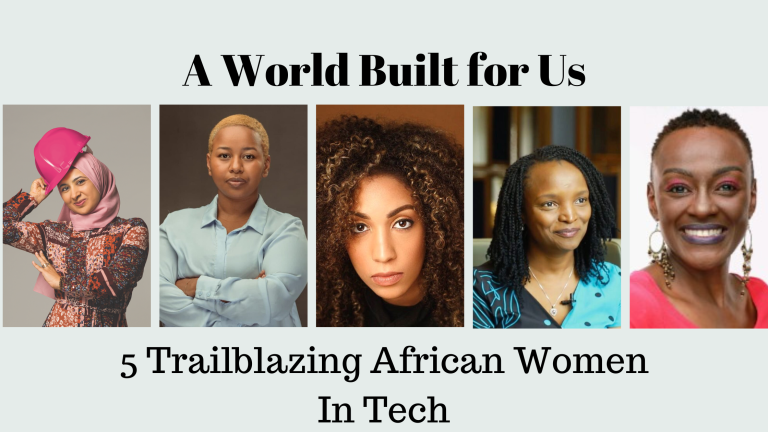
In the pulsating heart of the Fourth Industrial Revolution, where innovation meets opportunity, Africa stands at the forefront of technological advancement. And in the midst of all the exciting changes happening, although not talked about as much, women have fast risen to the call of technology and become bold trailblazers who have broken through barriers, challenged norms, and transformed the tech scene in Africa.
From coding geniuses to visionary entrepreneurs, these pioneers have not only harnessed the power of technology to change lives but have also become beacons of inspiration and hope for generations of women and young girls to come.
In this article, we honor the stories of 5 remarkable African women whose indomitable spirit, ingenuity, and vision have not only transformed the tech industry but have also left an indelible mark on the very essence of African innovation.
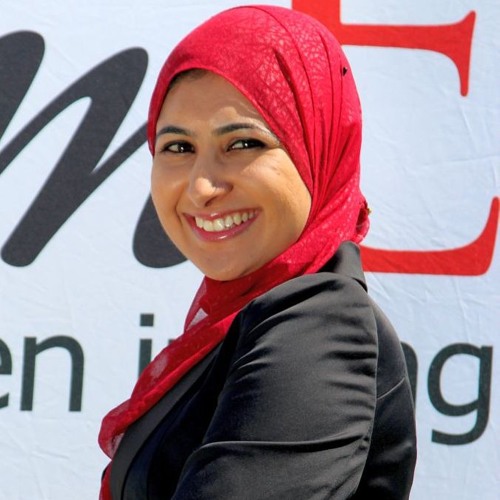
Naadiya Moosajee
Founder of Women in Engineering (WomEng), an organization dedicated to nurturing the talents of girls and women in engineering and technology, Moosajee is best known for her commitment to gender parity, spearheading a transformative movement to bridge the gender gap.
In 2014, Forbes recognized her as one of Africa’s Top 20 Young Power Women in Africa, while the Government of China honored her at the BRICS Summit for her outstanding contributions to STEM education for African girls. Passionate about fostering STEM education and gender equality, Moosajee is committed to shaping prosperous and equitable societies in emerging economies.
Alongside Hema Vallabh, she co-founded WomHub, further expanding their impact on the industry.
According to Moosajee, “Engineers design our world and our society, and if we don’t have women at the design table, we exclude 50% of the population.”
Betelhem Dessie
“As a young woman, coding made me feel independent and free, and that’s something I want to give other people.”
At the age of 7, Dessie fell in love with computers. And by the tender age of 20, this visionary Ethiopian technologist had six software programs patented in her name, and was involved in the development of the world-famous Sophia the robot. Dessie founded iCog-Anyone Can Code at the age of 24, an Ethiopian-based social enterprise that offers kids and youth an opportunity at a future through coding.
Through iCog, the futures of over 30,000 youths have been positively impacted, making them more employable and skilled for entrepreneurship.
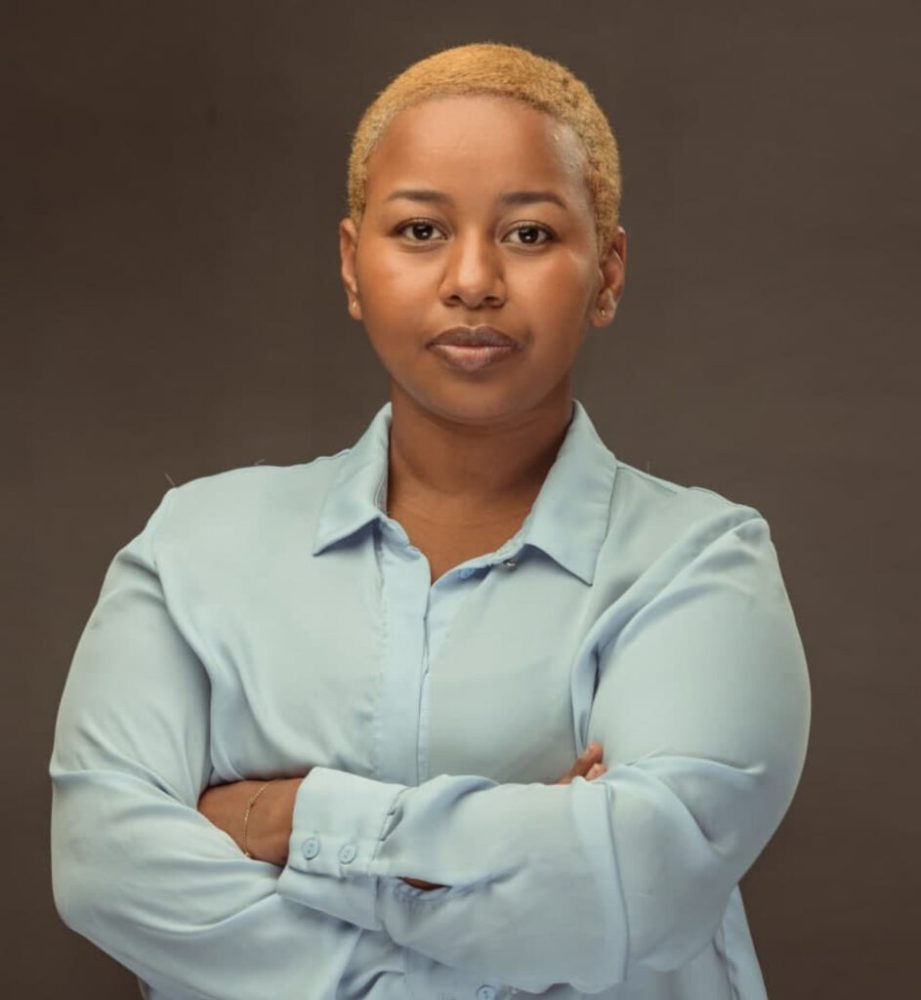
Maya Horgan Famodu
Maya believes that if you want to support women, you put them in positions to do it themselves. And she lives by her words, having founded Ingressive capital and Ingressive for Good, one a venture capital thatsupports early-stage African tech startups, and the other a nonprofit providing micro-scholarships, technical skills training and talent placement to African tech talents in need, respectively.
Being the youngest Black woman to launch a tech fund, Maya Horgan has been honored by Forbes before in their “Under 30 Technology” list, in 2018.
Mary Mwangi
Mary Mwangi knows too well that being a pioneer, and especially in the tech space, is no bed of roses.
Founder and CEO of Data Integrated, this Kenyan powerhouse is a pioneer in the fintech logistics space in Africa, with her company leveraging on tech to offer financial solutions to African SMEs, with a greater focus on Kenya’s public transport system.
Being a pioneer, the challenges are there, she admits, but insists that “You can do it. You have to get up.”
Charity Wanjiku
Charity Wanjiku describes herself as a shining star and a work-in-progress all at the same time. And a shining star she is indeed, having made patented solar panels and powered the most rural parts of Kenya before solar tiles were a thing. Recognized by both Forbes and the World Economic Forum as a top woman in tech globally, Charity is the founder Strauss Energy Ltd, an off-grid solar energy startup based in Nairobi, Kenya. She lights up the lives of Kenyans in rural areas – Literally.
The uniqueness of Strauss’ solar systems lies in their special meters that can feed unused electricity back to the national grid, generating income for households.
She is passionate about breaking STEM barriers for women and girls, as in her words, “It’s important that girls are at the forefront of this digital age, because nobody will hire you if you do not have tech skills.”
African startup funding has seen a significant fall from the highs of 2021 and 2022, with investments in the startup scene in Africa dropping by around 27% in 2023
Would you start a startup if there was no funding for it? African startup funding has seen a significant fall from the highs of 2021 and 2022, with investments in the startup scene in Africa in terms of funding dropping by around 27% in 2023, according to Disrupt Africa’s African Tech Startups Funding Report. The number of investors during this time, according to the same report fell by half.
Does this inform the direction that startups might take in the future, or is it an indicator that starting a startup might not be a worthy cause in 2024? In the recent live podcast hosted by Founders Factory Africa on the good and bad of funding, experts in the startup ecosystem in Nairobi came together to discuss the importance of choosing the right capital in 2024, and how to navigate the tight belt fastened by investors.
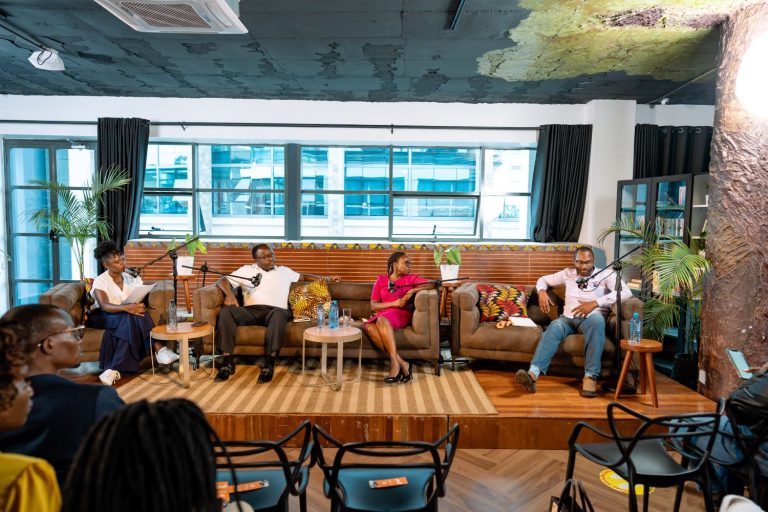
In the panel for the live podcast episode were Rology CFO Jason Musyoka; Bruce Nsereko-Lule, co-founder and general partner at Seedstars; and June Odongo, founder and CEO of Senga Technologies.
One thing from the conversation was clear; in the fight for a win, and with the current lack of sufficient funding, startup founders might feel the need to scramble for every funding opportunity that presents itself, in the process hurting their business and perhaps themselves. Therefore despite these funding challenges, the panelists unanimously agreed that it’s still critical for startups to be reasonable and careful in choosing the investors they approach for funding.
So, what are these critical play points to be addressed in the race for funding, and how to understand good and bad funding?
Shifting investor expectations
In the best way to approach investors in these tight times, the panelists highlighted that times have changed in the ecosystem, and investors are now prioritizing fundamentals and sustainability over pure potential, advising that founders should be aware of investors’ shifting priorities and adapt their fundraising strategies accordingly. This requires founders to have a clear roadmap with achievable milestones (pilot, funding rounds) and contingency plans.
“As investors, we’re looking for a plan but you also need to model in variation,” says Nsero- Luke. “Aim to go with the plan but let’s model it if we need to spend a little bit more, for example.”
Additionally, investors are emphasizing due diligence and seeking ventures with strong fundamentals and realistic growth plans, moving away from solely chasing high-growth potential. That makes it important that they do everything they can to impress in the due diligence process.
“From an investor perspective, it’s important that you do your due diligence very well whilst you’re investing in a company so that, when you’re putting in the money, you don’t get unexpected surprises,” he adds.
Choosing the right investor
Even within this shifting environment, the panelists agree that it’s still important for startup founders to be discerning in the investors they approach for funding. More particularly, they say, founders must consider whether choosing local investors makes more sense than international ones. While international investors might have deeper pockets, local investors often have a greater contextual understanding of local environments and may therefore be better positioned to guide founders to success.
“The beauty about local investors is that we understand context,” says Musyoka. “And not just context but we also have networks. There are doors that the senior-level executives and CEOs that they introduce you to can open for you or businesses that they can enable for you that they can enable for that you wouldn’t be able to open for yourself.”
Another strategic considerations when choosing which investors to approach is your business goals. Founders should define their business goals (lifestyle vs. scaling) and align their investment strategy accordingly, potentially utilizing local angel investors and then seeking international capital for further growth.
Even with these considerations in mind, it’s still important that founders pay attention to the investment offers in front of them. “If you’ve got two competing term sheets in front of you, always go for the one that offers the least dilution,” says Musyoka, who has a unique perspective as an investor turned operator. “It gives you flexibility and allows you to operate in your known business framework.” That may mean accepting a smaller investment but, Musyoka believes that this isn’t always a bad thing.
“A small amount is not necessarily bad for you,” he says. “You just have to recalibrate and work with what you have.”
According to Odongo, getting to the right investor also means knowing when to pause, when to move and when to stop, as Senga has had to do a couple of times over the past few years.
“At one point, we were going to raise money when we had validated our idea and it was growing well. Then we got a lot of competition that was emulating some of what we were doing and they were raising tones of money, so I decided not to raise because it was clear to me that things were not going to turn out well. So we retreated and pivoted to a new niche.”
Planning for an exit (or not)
In the long run, more and more startups taking this approach may also change how we think about exits on the continent.
“Exit opportunities exist in Africa,” says Nsereko-Lule. “We have local exchanges, we have big corporations, etc. The effective exit opportunities exist here, but the types of companies that local players want to buy are very different to the ones internationals want to buy.”
“As we contextualize venture capital to the local market, it will help,” he adds. “Then we can build businesses where founders have the necessary skill sets and build businesses capable of achieving exits on the continent.”
In conclusion, depending on how a founder goes about it, funding can be one of two; a blessing or a bad thing for a startup. Even with the funding drought that the African startup system is facing, it is important for a startup to be wisely selective with choosing the right investor, lest they risk losing their soul and business in the fight.
Kenya’s communications regulator said newly introduced requirements for mobile devices will not ban low-cost phones or force consumers to discard those already in use, seeking to reassure the public amid growing concern.
However, in a new notice, the authority has clarified that devices already approved and either shipped or awaiting shipment into the country will not be affected by the updated rules. It added that all mobile phones must receive type approval before importation, a standard requirement that remains unchanged.
The regulator emphasized that the updated framework is based on technical specifications used to assess new applications for type approval, and therefore does not require a transitional period.
“For avoidance of doubt, the notice does not ban the use, importation or sale of affordable mobile phones,” it said. “It also does not require consumers to discard devices currently in use, nor does it target any specific category of users or income group.”
The authority said it remains committed to protecting consumer interests, including access to high-quality information and communications technology products and services, while aligning with global technological developments and best practices.
NCBA Group Plc reported a 7% rise in full-year profit on Thursday, boosted by strong digital lending growth and higher operating income, while raising its dividend payout by 30%.
The Kenyan lender posted a net profit of 23.4 billion shillings for the year ended December 2025, up from 21.9 billion shillings a year earlier. Profit before tax rose 10.9% to 27.9 billion shillings.
Total dividend payout increased to 11.7 billion shillings from 9.1 billion previously, with shareholders set to receive 7.10 shillings per share.
Operating income climbed 17% to 73.3 billion shillings, while operating expenses rose at the same rate to 37.5 billion shillings. Provisions for credit losses jumped 46.3% to 8.0 billion shillings.
Digital lending remained a key growth driver, with disbursements rising 33% to 1.4 trillion shillings over the year. Customer deposits increased 6% to 532 billion shillings, while total assets grew 8% to 716 billion shillings.
“The 2025 outcomes are a great milestone to close out our 2020–2025 strategy,” Group Managing Director John Gachora said, citing improved diversification and resilience.
NCBA said its Kenyan banking unit remained the main profit engine, contributing 82% of profit before tax, while regional subsidiaries and non-banking units posted steady gains.
The group also unveiled its 2026–2030 “Ubuntu” strategy, which will focus on strengthening core operations, scaling high-growth segments such as retail, SME and insurance, and expanding into new markets.
It added that a proposed acquisition by South Africa’s Nedbank of a 66% stake in the lender could accelerate growth by improving access to capital, diversifying risk and expanding international reach.
NCBA said the combination of its new strategy and the potential deal positions it for sustained long-term growth.
Africa-focused entrepreneurship platform Cascador has appointed Oyin Solebo as chief operating officer, the company said on Thursday, as it moves to strengthen its operational capacity and scale high-growth ventures across the continent.
Solebo, an investor and ecosystem builder, previously held leadership roles with ARM Labs and Techstars, where she worked with startups across multiple sectors, supporting their growth and investment readiness.
Her appointment marks a shift for Cascador toward building the systems and infrastructure needed to help companies move from early traction to sustainable scale.
“Oyin is a force multiplier,” said Trish Thomas, chief executive of Cascador. “As we expand our focus from developing founders to scaling companies, her operational expertise will be instrumental in helping us deliver on that vision.”
Cascador’s model centres on backing founders capable of translating training and capital into long-term economic and social impact, particularly through its ScaleUp Programme, which targets growth-stage businesses.
“In Africa, we don’t have a shortage of founders; we have a shortage of companies that successfully scale,” Solebo said. “The difference lies in systems, discipline and the ability to deploy capital effectively.”
In her new role, Solebo will focus on strengthening Cascador’s operational infrastructure, including programme delivery, alumni support and platform development, aimed at helping founders transition from learning to execution and from execution to scale.
A key priority will be advancing Cascador’s ScaleUp Programme and its Catalytic Fund, which deploys between $2 million and $5 million annually into selected high-performing ventures.
Dave DeLucia, founder of Cascador, said the appointment would strengthen the organisation’s ability to convert support and capital into “scaled, enduring businesses.”
Cascador said it has supported more than 70 entrepreneurs since 2019, whose companies have collectively raised over $125 million and created nearly 40,000 jobs in 2025 alone.
Solebo said the organisation aims to position itself as a long-term scaling partner for entrepreneurs. “We are building more than a programme. We are building a platform,” she said.
Cascador’s move comes as investors increasingly focus on Africa’s startup ecosystem, where improving execution and access to capital remain key to unlocking growth at scale.
Mobile money transactions topped $2 trillion globally in 2025, doubling in value in just four years as adoption and usage accelerated, according to a new industry report released on Tuesday.
The milestone, highlighted in the GSMA’s State of the Industry Report on Mobile Money 2026, underscores the rapid expansion of a service that has become a cornerstone of financial access for underserved populations.
It took two decades for mobile money to reach $1 trillion in annual transaction value, but only four years to double that figure, reflecting what the report described as “exponential growth” in the sector.
Mobile money accounts rose to 2.3 billion in 2025, an increase of 268 million from the previous year, while active users — defined as those transacting within 30 days — climbed 15% to 593 million, the fastest growth since 2021.
“What began as a simple way to move money has evolved into a global financial ecosystem,” GSMA Director General Vivek Badrinath said, adding that the industry is reaching “new heights and greater maturity.”
Africa leads growth
Sub-Saharan Africa remained the primary driver of new accounts and activity, though most regions offering mobile money recorded gains. Monthly account usage rose to 25.7%, its highest level in four years.
Despite the growth, nearly three-quarters of registered accounts remain inactive on a monthly basis. The report cited fraud risks and transaction taxes in some markets as key factors discouraging regular use and pushing some users back to cash.
Expanding financial services
The report noted that increased usage is helping improve users’ financial resilience by enabling access to services such as credit, savings and insurance.
Mobile-enabled credit remains the most widely offered service, closely followed by savings products, while the number of providers offering insurance grew by about one-third in 2025.
Regulation both helps and hinders
Regulatory frameworks have played a significant role in expanding mobile money, with more than 60% of providers saying rules around interoperability, customer verification and consumer protection have supported their operations.
However, challenges remain. Nearly a quarter of providers reported that restrictions on cross-border data transfers have hindered growth, highlighting the need for greater regulatory harmonisation.
Inclusion gaps persist
While mobile money has improved financial inclusion overall, gender disparities remain widespread. In seven out of ten countries surveyed, women are less likely than men to own or actively use mobile money accounts, with a few exceptions including Kenya, Ghana and Nigeria.
Broader impact
Beyond financial services, mobile money is increasingly used to deliver humanitarian aid and emergency payments, particularly in remote areas.
The report emphasised that continued growth will depend on improving digital financial literacy, strengthening fraud protections and fostering cross-border interoperability.
“As the industry scales, it must also take on greater responsibility,” Badrinath said.
Kenya has issued an immediate ban on the import and sale of mobile phones and tablets that lack USB Type‑C charging ports, a sweeping regulatory move that could disrupt supply chains and push up costs for low‑income consumers.
The Communications Authority of Kenya (CA) said on Friday that devices without the standardized USB‑C interface will be barred from entry into the country with no transition period for compliance, forcing importers and retailers to sell only compliant models from now on.
The regulator said the measure aims to align Kenya with global technology standards, reduce electronic waste and improve device interoperability, noting that USB‑C ports have become the norm for modern mobile devices. Non‑compliant devices will be blocked at the border, including many cheaper and older models that still use legacy charging ports.
Kenya has one of the highest mobile penetration rates in Africa, with about 75 million mobile phones connected to networks, a figure that exceeds the population due to widespread multiple SIM ownership. Around 60% of those connected devices are smartphones, according to the latest data from the Communications Authority.
Industry analysts and consumer advocates say the sudden enforcement will hit budget‑conscious buyers hardest, particularly those who rely on second‑hand or low‑cost imports. Such devices often lack the latest hardware standards but have been a lifeline for many Kenyans who depend on mobile connectivity for online banking, social services, and communication.
“Low‑end devices without USB‑C are widely sold at low margins, and eliminating them overnight risks pushing up prices for the most affordable phones,” said a local mobile retailer who declined to be named.
For many households, particularly in poorer and rural areas, the cost of upgrading to a newer, compliant smartphone could be substantial. Mobile phones are not only communication tools but gateways to mobile money services such as M‑Pesa, healthcare information, job opportunities and education resources.
Consumer groups warned that without measures to cushion the shift, the policy could widen digital inequality. “There needs to be a thoughtful phase‑in or subsidy if the aim is inclusive connectivity,” said an ICT sector analyst.
Regulatory rationale and market impact
CA officials said standardizing charging ports will improve safety, reduce electronic waste from obsolete cables and chargers, and align Kenya with regional and international norms. Devices that meet Kenya’s type‑approval requirements will continue to be imported and sold.
Market watchers said enforcement logistics and how swiftly customs and regulators will act remain key uncertainties. In the short term, prices for compliant devices could rise as supply adjusts, but over time the standardization could simplify charging ecosystems and reduce waste.
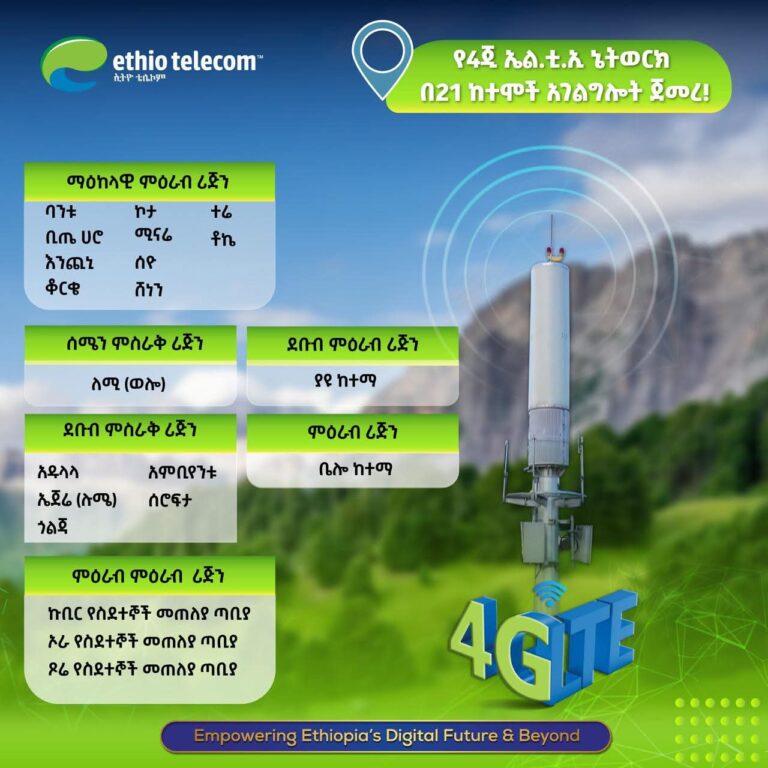
Ethio Telecom has expanded its 4G LTE mobile network to 21 additional cities across Ethiopia, significantly extending high-speed mobile broadband access to a broader range of urban populations and economic zones.
The rollout introduces enhanced mobile data capabilities in a mix of regional capitals and fast-growing secondary cities, reflecting the operator’s continued push to bridge connectivity gaps beyond the country’s primary metropolitan areas such as Addis Ababa. By targeting emerging urban centers, Ethio Telecom is positioning itself to support Ethiopia’s decentralizing economy, where growth is increasingly driven by regional trade, manufacturing hubs, and digital entrepreneurship.
This expansion is expected to improve access to faster, more reliable internet services for both consumers and businesses. For individuals, it enhances everyday digital experiences such as streaming, mobile banking, e-learning, and social connectivity. For enterprises—particularly small and medium-sized businesses—it unlocks opportunities for e-commerce, cloud-based operations, and digital payments, all of which are becoming critical to competitiveness in a rapidly digitizing economy.
The deployment builds on Ethio Telecom’s broader network modernization strategy, which includes continuous upgrades to infrastructure, increased investment in fiber backhaul, and optimization of existing mobile sites. By strengthening its 4G LTE footprint, the operator is enhancing network capacity and reducing congestion, ultimately improving service quality and user experience as mobile data consumption continues to surge nationwide.
The expansion also comes at a time when Ethiopia’s telecommunications sector is undergoing gradual liberalization and increased competition, prompting incumbents like Ethio Telecom to accelerate innovation and service delivery. Strengthening 4G coverage not only helps retain and grow its subscriber base but also lays the groundwork for future technologies, including 5G, which will rely on a strong and widespread 4G foundation.
While Ethio Telecom retains a dominant position with a significantly larger subscriber base and nationwide footprint, Safaricom has been steadily building out its network with a strong focus on modern infrastructure and high-quality urban coverage.
Backed by the Vodafone Group and global partners, Safaricom Ethiopia has positioned itself as a digital-first operator, emphasizing data performance, customer experience, and innovation in mobile financial services. Its rollout strategy has largely prioritized major cities and high-traffic economic corridors, creating pockets of strong competition in areas where both operators are active.
In contrast, Ethio Telecom’s strength lies in its scale and legacy infrastructure, enabling faster expansion into secondary and regional cities. The extension of 4G LTE to 21 additional locations reinforces this advantage, particularly in areas where competitor presence remains limited. However, ensuring consistent service quality across such a broad footprint remains a key operational focus.
Across East Africa, similar dynamics are shaping telecom strategies. In Kenya, Safaricom PLC continues to deepen 4G coverage while accelerating 5G deployment in urban centers, leveraging its mature mobile money ecosystem to drive data consumption. Meanwhile, operators such as MTN and Airtel in Uganda and Rwanda are aggressively expanding 4G networks, often focusing on affordability and rural inclusion to capture the next wave of users.
Compared to its regional peers, Ethio Telecom is operating at a unique inflection point—transitioning from a state monopoly to a competitive market player. Its current expansion strategy reflects a dual approach: defending market share in high-density urban areas while rapidly scaling coverage in underserved regions to secure early adoption.
As competition deepens, differentiation is likely to extend beyond coverage to pricing, network quality, and digital ecosystems—particularly in mobile money and enterprise solutions. In this evolving landscape, Ethio Telecom’s ability to combine scale with service innovation will be critical in sustaining its market leadership.
Beyond competition, the broader impact of expanded 4G access is expected to contribute to Ethiopia’s national development agenda. Increased connectivity in regional cities can accelerate digital inclusion, support e-government services, and expand access to online education and healthcare. It also creates a foundation for local innovation ecosystems to emerge outside traditional urban centers.
As demand for data continues to rise across East Africa, Ethio Telecom’s latest expansion signals a sustained commitment to strengthening digital infrastructure and supporting Ethiopia’s transition into a more connected, digitally enabled economy.
Moroccan electric mobility startup GoSwap has secured its first round of funding from Azur Innovation Fund to expand its battery-swapping infrastructure for electric scooters, the company said on Tuesday.
The investment will support the rollout of additional swap stations across major cities, including Casablanca and Marrakech, as GoSwap seeks to scale its network and accelerate adoption of electric two-wheelers in urban transport.
Founded by Hamza Slimani, GoSwap operates a model that allows users to exchange depleted scooter batteries for fully charged units in under 10 seconds at connected stations located at fuel retailers and partner outlets. The company said about 20 swap cabinets are already operational in Casablanca.
GoSwap sells scooters without batteries, offering battery access through a pay-as-you-go system, a structure it says lowers upfront acquisition costs and reduces total cost of ownership for users, including delivery riders and fleet operators.
The company estimates its system can reduce operating costs by up to 60% compared with petrol-powered motorcycles, while also cutting carbon emissions by around the same margin due to the use of electric power.
The funding comes as African cities grapple with rising urbanization and growing demand for affordable mobility solutions, with electric two-wheelers increasingly viewed as a practical alternative for last-mile transport and delivery services.
GoSwap said the new capital will also support the integration of additional electric motorcycle models compatible with its swapping system and the continued expansion of its station network nationwide.
Azur Innovation Fund said it backed GoSwap for its integrated approach to mobility, combining infrastructure, hardware and a usage-based business model aimed at addressing both economic and environmental challenges in urban transport.
GoSwap did not disclose the size of the funding round but said it is targeting to raise more than 20 million dirhams as part of its broader financing strategy.
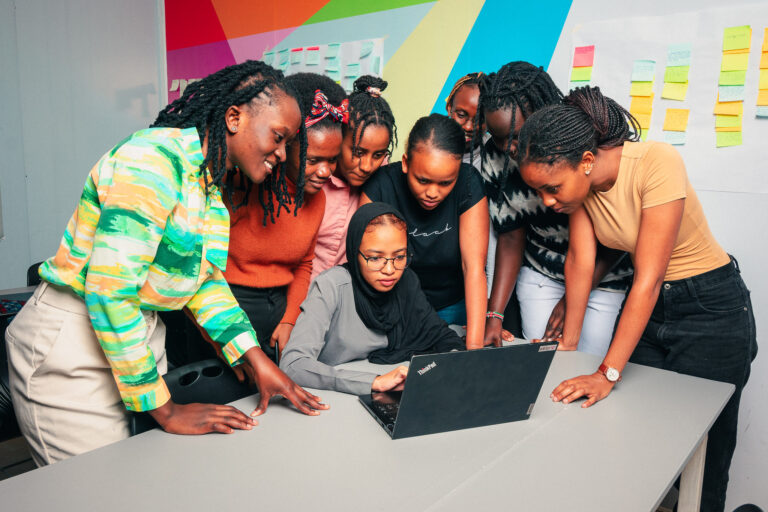
Kenyan technology training and talent development organization AkiraChix has expanded its footprint into three additional Southern African markets, establishing presence in Zambia, Zimbabwe, and Eswatini as part of its regional growth strategy aimed at widening access to digital skills and career opportunities.
The expansion marks a significant milestone for the organization, which has been working to bridge the gender gap in technology by equipping young women with practical skills in software development, product design, and entrepreneurship.
AkiraChix said the move is driven by increasing demand for tech talent across Africa and a commitment to identifying and nurturing skilled individuals regardless of geography. The new markets will enable the organization to reach a broader pool of learners while strengthening cross-border collaboration within the continent’s growing digital ecosystem.
With $1 million it raised from the Steele Foundation for Hope into its codeHive program to build the best female tech talent in Africa, Akirachix aims to see more young women in underserved communities across East Africa, unravel years of the odds stacked against them, through education.
According to the organization, the expansion will also support partnerships with local institutions, industry players, and community stakeholders to deliver training programs tailored to each country’s evolving technology landscape.
Industry observers note that Africa’s digital economy continues to grow rapidly, creating opportunities for training institutions to scale regionally as demand for software engineers, designers, and digital professionals outpaces supply. Initiatives like AkiraChix’s expansion are seen as critical in addressing the continent’s skills gap while promoting inclusive participation in the tech sector.
The organization has previously focused on building strong talent pipelines through intensive training programs, mentorship, and community-driven learning models. Its regional expansion is expected to further strengthen these efforts while contributing to workforce development across multiple markets.
As AkiraChix deepens its presence in Southern Africa, it joins a growing number of organizations looking beyond national borders to tap into Africa’s interconnected talent base and support the continent’s broader digital transformation agenda.
Nigeria-founded fintech Moniepoint Inc. has completed the purchase of a 78% stake in Sumac Microfinance Bank Kenya Limited, entering Kenya in a deal that underscores rising cross-border expansion by African digital lenders.
Founded in 2015 by Tosin Eniolorunda and Felix Ike, Moniepoint processes more than $22 billion in monthly transactions and serves over 10 million users, largely small businesses.
The move signals a strategic shift as fintech firms scale beyond domestic markets to tap East Africa’s high digital finance adoption and large underserved SME base.
Sumac, established in 2002, provides loans, deposits, insurance and foreign exchange services, with operations across Nairobi, Kiambu and Nakuru. Its banking licence and branch network offer Moniepoint an immediate route to market.
Sumac Chairman Kibatha Njoroge said the deal would combine local market knowledge with advanced technology to expand access to financial services.
Moniepoint CEO Tosin Eniolorunda, said Kenya’s digital ecosystem made it a priority market, positioning the acquisition as a step toward building a broader pan-African financial platform.
The companies said operations would continue unchanged, with customer accounts and services unaffected.
Analysts say the deal could intensify competition in Kenya’s crowded fintech sector, where banks and mobile money providers are racing to capture small business customers.
National Bank of Kenya (NBK) posted a sharp rise in full-year pretax profit for 2025, signalling a strong turnaround in its first year under Access Bank Plc ownership, as the lender cut costs and improved asset quality.
Pretax profit rose 178% to 2.91 billion Kenyan shillings from 1.05 billion shillings a year earlier, while net profit climbed 125% to 2.39 billion shillings, the bank said.
The results mark NBK’s first full financial year since Access Bank completed its acquisition in May 2025 as part of its expansion into East Africa.
Managing Director George Odhiambo said the performance reflected “disciplined execution” of the bank’s turnaround strategy, including strengthening the balance sheet, improving asset quality and enhancing efficiency.
Net interest income rose to about 10.3 billion shillings, supported by a sharp decline in funding costs, while operating expenses fell to 8.49 billion shillings from 9.18 billion. Loan-loss provisions dropped 37% to around 1.5 billion shillings, pointing to improved credit quality.
The lender also reduced its loan book to 51 billion shillings from 75 billion shillings, reflecting asset transfers following the acquisition and a shift toward more risk-adjusted lending.
Customer deposits rose to about 106 billion shillings, while shareholders’ funds increased to 17 billion shillings, strengthening the bank’s capital position and bringing it into full compliance with regulatory requirements.
NBK said the improved performance underscores early gains from its integration into Access Bank, as it focuses on rebuilding its balance sheet and positioning for sustainable growth.
Looking ahead, the bank expects momentum to continue in 2026, supported by efforts to grow a higher-quality loan portfolio, expand digital services and deepen its presence in Kenya’s banking sector.
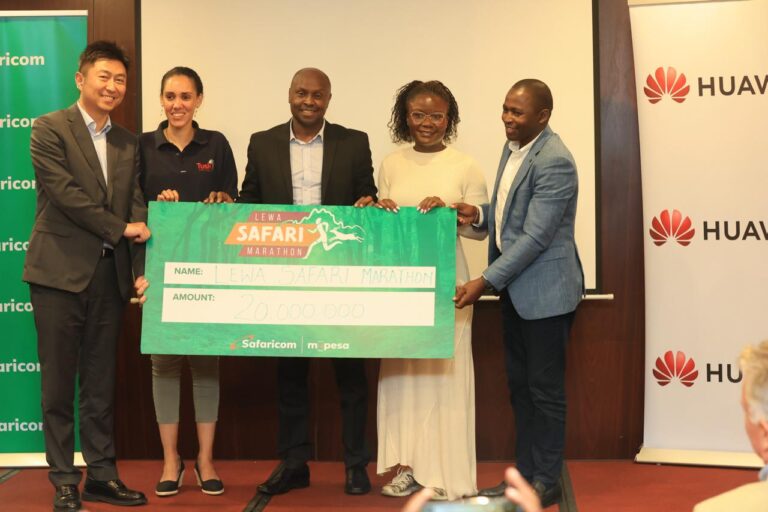
Kenya’s flagship conservation race, the Lewa Safari Marathon, is targeting more than KSh15 million ($100,000) this year as organisers deepen the use of technology and corporate backing to protect endangered wildlife and support rural communities.
The marathon, held annually at Lewa Wildlife Conservancy, has raised KSh1.3 billion since its launch in 2000, funding conservation programmes that have helped double populations of hawksbill turtles and significantly grow numbers of Grevy’s zebras and rhinos.
Organisers Tusk and Lewa Wildlife Conservancy said this year’s edition, scheduled for June 27, is expected to draw hundreds of participants from dozens of countries, with international entries already open and regional registrations beginning March 27.
Beyond conservation, funds raised have supported over 40,000 clinic visits, education programmes and rural enterprises, including pastoralist and women-led businesses, underscoring the event’s role as a hybrid model for conservation financing and community development.
Corporate sponsors are increasingly embedding technology into conservation efforts tied to the marathon. Safaricom said it will contribute KSh10 million this year while enabling digital connectivity across the conservancy to support wildlife monitoring and protection.
“As a purpose-led technology company, we are enabling conservation through connectivity,” said Peter Ndegwa, adding that digital tools are helping improve surveillance and response to wildlife threats.
Huawei said its long-term involvement reflects a broader push to apply digital infrastructure and innovation to environmental protection.
“Huawei is delighted to have been a long-standing supporter of the Lewa Safari Marathon… an initiative that closely aligns with our #Tech4All commitment to applying technology to solve some of the world’s most pressing challenges,” said Jason Feng Shen. “We are proud to continue supporting this remarkable event with innovative solutions that help advance conservation efforts for future generations.”
The race, which includes full and half marathons, a 10K and a children’s run, has attracted more than 25,000 runners from over 40 countries, including elite athletes such as Eliud Kipchoge, Paul Tergat and Catherine Ndereba.
Recognised among the world’s top amateur races by Runner’s World, the event is staged across savannah, riverbanks and woodland terrain, with runners often sharing the course with wildlife.
Lewa, a UNESCO World Heritage Site, hosts more than 70 mammal species and over 500 bird species, and remains one of Kenya’s most important conservation areas, particularly for black rhinos and the endangered Grevy’s zebra.
Funds from the marathon are distributed to a network of conservation organisations including Grevy’s Zebra Trust, Big Life Foundation and Mount Kenya Trust, among others.
Amazon has acquired New York-based Fauna Robotics, maker of a small humanoid robot designed for homes and classrooms, as the e-commerce giant deepens its push into artificial intelligence-powered robotics.
Financial terms of the deal were not disclosed.
Fauna’s flagship robot, Sprout, unveiled in January, is a 1.5-foot-tall humanoid built for social interaction rather than industrial work. The device can pick up light objects, move independently and perform simple gestures, and is primarily marketed as a developer platform for research institutions and companies exploring robotics in domestic settings.
Fauna Chief Executive Rob Cochran said the company would “operate as Fauna Robotics, an Amazon company,” with staff joining Amazon’s teams in New York.
Amazon said the acquisition would help it explore “new ways to make customers’ lives better and easier.”
The move marks Amazon’s latest step in a long-running strategy to build capabilities across robotics, logistics and artificial intelligence, spanning warehouses, delivery networks and, increasingly, the home.
Amazon’s robotics push began with its 2012 acquisition of Kiva Systems for $775 million, a deal that transformed its fulfillment operations by automating the movement of goods inside warehouses and laid the foundation for what is now Amazon Robotics. (Wikipedia)
Since then, the company has expanded into adjacent areas. It acquired self-driving startup Zoox in 2020 for more than $1 billion to develop autonomous delivery vehicles, and purchased robotics firms such as Canvas Technology to strengthen navigation and automation capabilities. (TechTarget)
Amazon has also pursued consumer robotics, though with mixed success. Its planned $1.7 billion acquisition of iRobot was scrapped in 2024 following regulatory pressure in the United States and Europe. (Amazon News)
More recently, the company has moved to bolster its AI-driven robotics expertise by hiring key personnel from startup Covariant and securing access to its robotic foundation models, underscoring its focus on combining machine learning with physical automation. (TechCrunch)
Industry analysts say these moves point to a broader ambition: building an end-to-end automation stack that spans warehouses, transportation and consumer environments.
Sprout, priced at about $50,000, has been adopted by early customers including Disney and research laboratories, positioning it as a platform for experimentation rather than a mass-market product.
The acquisition comes amid intensifying competition in AI-driven robotics, as advances in machine learning enable robots to perform more human-like tasks. Companies such as Nvidia and Tesla are investing heavily in autonomous systems for industrial and consumer use.
Separately, UK-based Humanoid has unveiled a robot designed for industrial environments, highlighting a growing divide between factory-focused machines and socially interactive robots.
Amazon’s acquisition of Fauna suggests it is positioning for the next phase of automation, where advances in AI extend beyond software into physical systems capable of interacting with everyday environments.
Kenya Airways reported a full-year loss on Tuesday, hit by global aviation supply chain disruptions that grounded aircraft and reduced capacity, even as travel demand remained strong.
The airline posted a loss after tax of 17.2 billion Kenyan shillings ($133 million) for the year ended December 31, 2025, compared to improved performance in the previous year, as operational constraints weighed heavily on revenue.
Chairman Kiprono Kittony said the results reflected an industry grappling with supply shortages rather than weak demand.
“Demand for travel remains robust, but global supply chain disruptions, particularly in aircraft maintenance and engine availability, significantly constrained our operations,” he said.
The carrier was forced to ground three Boeing 787-8 Dreamliner aircraft due to engine shortages, cutting capacity and limiting its ability to meet rising passenger demand.
Available seat kilometres (ASKs), a key measure of airline capacity, fell 18% to 13.3 billion, while passenger numbers dropped 13% in line with reduced fleet availability. Total revenue declined 14% to 161 billion shillings.
Operating costs fell marginally by 3% to 167 billion shillings, reflecting reduced activity, but were offset by costs linked to idle aircraft and persistent high input expenses.
Acting Chief Executive George Kamal said the airline operated in a “complex macroeconomic environment” marked by high fuel and labour costs, geopolitical tensions, and structural challenges across African aviation markets.
Globally, the aviation sector continued its post-pandemic recovery in 2025, but faced ongoing bottlenecks including aircraft delivery delays and constrained maintenance capacity.
Industry body International Air Transport Association projects passenger traffic to grow 4.9% and cargo volumes by 3.1% in the near term, signalling steady but moderating recovery.
Kenya Airways said it is prioritising restoring grounded aircraft, tightening cost controls and advancing a capital raise to improve liquidity and support future expansion.
Despite the financial hit, executives emphasised the airline’s strategic role in enabling trade, tourism and regional connectivity across Africa.
“Kenya Airways is more than an airline; it is a critical enabler of economic integration,” Kamal said, adding the company is focused on long-term resilience and operational recovery.
Kenya’s Lewa Safari Marathon is increasingly relying on telecommunications networks and data-driven tools to expand its conservation impact, organisers said on Tuesday, as entries opened for the 2026 race.
The event, held at Lewa Wildlife Conservancy, has raised about KSh1.3 billion since 2000. This year’s edition, scheduled for June 27, is expected to generate more than KSh15 million to support wildlife protection and community programmes.
Organisers and sponsors say technology is playing a growing role in how those funds translate into on-the-ground results.
Safaricom, the event’s long-time lead sponsor, provides connectivity infrastructure that supports ranger communications, mobile data collection and coordination across the conservancy. The network enables real-time sharing of field information, improving response times to threats such as poaching.
“Every step taken at the Lewa Safari Marathon powers real, measurable conservation impact,” Lewa Wildlife Conservancy CEO Mike Watson said in a statement, pointing to the role of digital systems in securing habitats and supporting communities.
Chinese technology firm Huawei, which has backed the event for nearly two decades, said it is deploying solutions aligned with its “Tech4All” initiative, including tools that support data transmission and analytics for conservation teams.
Such systems include GPS-enabled wildlife tracking, mobile-based reporting platforms for rangers, and digital monitoring tools that help identify unusual animal movements or human activity in protected areas.
The conservancy, part of a UNESCO World Heritage Site, hosts endangered species such as black rhinos and Grevy’s zebras. Data collected through connected devices allows conservationists to monitor population trends and intervene more quickly when risks emerge.
Beyond wildlife protection, organisers say the same digital infrastructure is supporting rural communities around Lewa by enabling mobile health services, digital education programmes and access to financial tools for small businesses.
Funds raised through the marathon have supported more than 40,000 clinic visits and multiple school initiatives, with some programmes now integrating digital record-keeping and remote support.
The race, which attracts participants from over 40 countries, features a full marathon, half marathon, 10 km race and children’s run across savannah terrain.
Organisers said the combination of sport, funding and technology is helping shift conservation towards more data-driven, scalable models.
Entries for international runners are open, with East African registrations set to begin on March 27.
Spotify has launched a new beta feature called SongDNA, offering users a deeper look into the creative networks behind their favorite tracks, as the music streaming giant expands its discovery tools for listeners and artists.
The feature, now rolling out globally to Premium users on mobile devices, allows listeners to explore songwriters, producers, collaborators, and musical influences tied to a track directly from the app’s Now Playing view.
SongDNA enables users to view samples, interpolations and cover versions linked to a song, and navigate through connections between artists and collaborators across genres and eras, creating an interactive map of musical relationships.
“SongDNA is designed to make a song’s creative lineage more transparent so fans can easily explore the people and influences behind the music they love,” said Jacqueline Ankner, Head of Songwriter & Publisher Partnerships at Spotify.
The feature builds on Spotify’s existing “About the Song” tool by shifting from static storytelling to a more dynamic, exploratory experience, allowing users to follow creative links across the industry.
Spotify said the data powering SongDNA combines information provided by artists and their teams with community-sourced contributions. Eligible artists and labels can also manage how their work is represented through the Spotify for Artists platform.
The company said the feature aims to improve visibility and recognition for songwriters, producers and other contributors, while enhancing music discovery for listeners.
SongDNA is expected to become widely available to all Premium users by April.
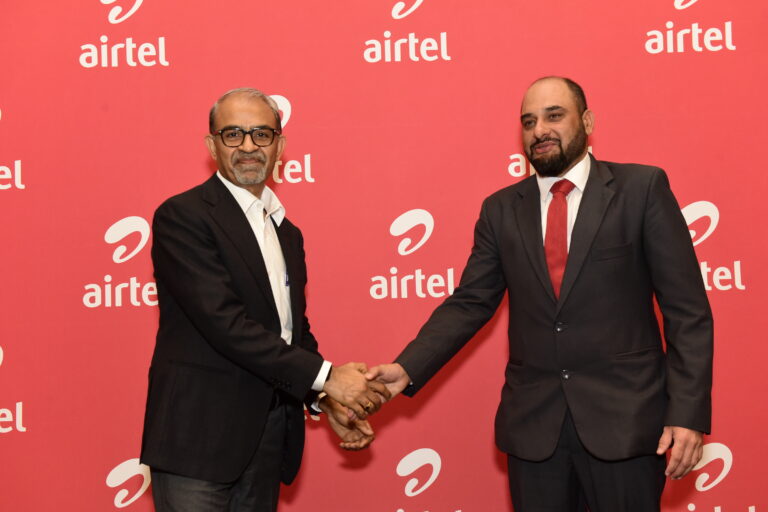
Airtel Africa said on Tuesday it had successfully tested satellite-to-mobile data and messaging services in Kenya using technology from SpaceX’s Starlink, marking a step toward expanding connectivity in remote areas.
The tests, conducted in locations without terrestrial mobile coverage, enabled 4G-compatible smartphones to connect directly to Starlink’s satellite network, allowing users to access basic data services.
During the trial, users were able to use applications such as WhatsApp, Facebook Messenger and mapping services, as well as complete financial transactions through Airtel’s mobile app, the company said.
The service relies on Starlink’s low-Earth orbit satellite constellation, which Airtel said currently includes hundreds of deployed satellites capable of providing coverage in underserved areas.
Chief Executive Sunil Taldar said the tests demonstrated the company’s efforts to extend connectivity beyond the reach of traditional mobile networks.
Airtel Africa and SpaceX plan to use insights from the Kenya trials to expand the service across Airtel’s 14 African markets, subject to regulatory approvals.
The companies also aim to introduce voice calling and enhanced data capabilities using next-generation Starlink technology designed to deliver broadband directly to mobile devices.
Airtel Africa operates in 14 countries across sub-Saharan Africa, providing mobile and financial services to more than 170 million customers.
Generative AI is not just another wave of innovation, it marks a turning point in how knowledge, creativity, and decision-making are shaped. It is fundamentally reinventing how businesses operate at breathtaking speed. What took farming mechanization decades, reducing agricultural workers from one-third of the U.S. workforce to 1 percent, AI is accomplishing in months.
Yet despite billions in investment, most organizations still struggle to move from pilot to production to adoption. In fact, according to Gartner research, in 2024, “60 percent of Generative AI proof of concepts were abandoned upon completion.”
The difference between AI experimentation and success is not about choosing the right large language model. It is about much more.
Through our work with partners and customers at various stages of their AI journey, we have observed consistent patterns that separate successful implementations from those that stall.
Organizations that successfully move from pilot to production focus on four interconnected pillars. Critically, they recognize that technology is only one of them.
Here is what we at Amazon Web Services see winners doing right.
Build your data foundation strategically
Simply having data is not enough. How you organize, govern, and activate it makes all the difference. Leading organizations implement three specific practices: connect all your data together, label and organize it so it is easy to find and set controls to ensure only the right people or agents have access to sensitive data sets.
Heavily regulated industries like financial services and healthcare often have an advantage here. Their existing governance frameworks can accelerate AI initiatives. However, for organizations starting from scratch, rather than attempting to unify your entire data warehouse, start by working backwards from a specific use case.
For instance, a telco operator might begin by connecting network performance data with customer service tickets and billing records for a single purpose: predicting service degradation before customers experience issues. Once that use case delivers value, you can determine which additional data connections matter most and scale from there.
Build trust through security and verification In enterprise AI, trust is not just a nice to have. It is the foundation that determines whether your investment moves from pilot to production. Organizations face a dual challenge. They need AI systems secure enough to protect sensitive data, yet accurate enough to make consequential decisions.
Consider a healthcare provider with 700,000 members. Their customers call at their most vulnerable moments, needing either medical advice or information about their coverage. The opportunity AI could provide is enormous. It could support customers faster, 24/7, in any language. But a single hallucination in this context could cause real harm and erode trust that takes years to build.
Leading organizations are moving beyond “trust but verify” to “verify, then trust.” They are implementing multiple layers of validation: checking inputs for malicious content, verifying outputs against known facts and policies, and continuously monitoring for drift or unexpected behavior.
Emerging techniques like automated reasoning, a mathematical approach used for decades in chip design and security verification, can now check AI outputs against defined rules. In some cases, this reduces hallucinations by 99 percent. This verification-first approach accelerates innovation rather than slowing it down. It empowers teams to experiment more boldly when they know guardrails will catch errors before they reach customers.
Transform the culture, not just the technology The biggest inhibitor to AI adoption is not technology. It is change management. Organizations are structured around complex processes, with employees who manage those processes. Getting individuals to step back and reimagine those processes so they can be automated end-to-end or handled by agents requires intentional cultural transformation.
Success requires both top-down commitment and bottom-up enablement. Leaders must demonstrate visible commitment beyond words, while employees need the space and support to reimagine their own workflows. BT Group exemplifies this approach. When they embarked on their AI journey in 2024 to accelerate productivity and elevate customer experiences, they did not just deploy technology.
They built an enablement strategy that matched the technology’s capabilities. Today, nearly 4,000 employees use an AI coding assistant to write and maintain 4 million lines of code per year. That achievement required investing in training, creating champions within teams, and giving people permission to experiment.
The reality is nuanced. AI will automate many tasks while simultaneously creating new opportunities and elevating human potential in others. The most successful organizations are transparent about this transformation and invest in reskilling their workforce to thrive in an AI-augmented environment.
Work with the right experts While some organizations have the resources and expertise to build generative AI capabilities entirely in-house, most find that strategic partnerships accelerate their journey from pilot to production. The question is not whether you can go alone. It is whether that is the fastest path to realizing value.
The right partners bring three critical advantages: technical expertise to navigate the rapidly evolving AI landscape, domain knowledge to apply AI to specific industry and regulatory environments and change management experience to drive adoption at scale.
The data supports this. Organizations working with partners that have deep AI expertise and proven customer success moved their AI projects into production on average 25 percent faster than those working without specialized partners. In a landscape where speed to value often determines competitive advantage, that acceleration can be decisive.
Looking forward
Successful organizations approach generative AI as a business transformation, not just a technology deployment. The organizations that will thrive are not those with the most advanced models, but those that recognize successful AI adaptation requires equal investment in technology, people, and processes.
Jyoti Ball is the General Manager, Sub-Saharan Africa at Amazon Web Services.
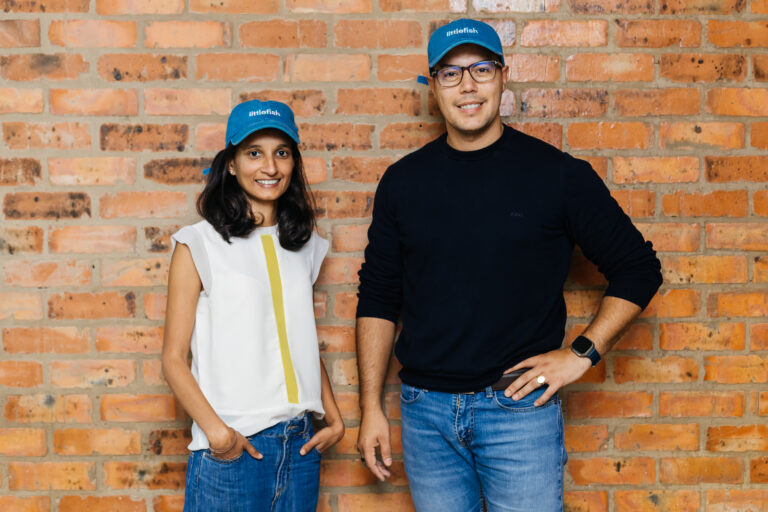
South Africa-based fintech infrastructure firm littlefish has raised $9.5 million in a Series A funding round led by Partech, as it seeks to expand its bank-integrated merchant services platform across Africa.
Investors including TLCOM Capital, Flourish Ventures and Proparco also participated in the round, the company said on Tuesday.
littlefish provides software infrastructure that enables banks to offer digital tools to small and medium-sized businesses, integrating point-of-sale systems, payments, customer management tools and application programming interfaces into a single platform.
Its clients include major lenders such as Standard Bank, First National Bank and Absa. The company also partners with Visa to support small business onboarding.
Chief Executive Brandon Roberts said the company’s model focuses on working with banks rather than competing against them, allowing financial institutions to retain control of merchant relationships while upgrading their service offerings.
The company said its monthly recurring revenue has grown 30 times since its seed round, driven by demand from banks serving Africa’s fragmented SME sector.
littlefish plans to use the funds to grow its team, accelerate product development and expand into more than 10 African markets, including Kenya, Tanzania, Uganda, Botswana, Zimbabwe and Zambia.
Kenya’s small and medium enterprise (SME) sector is evolving rapidly. Businesses that combine resilience, financial discipline, and digital adoption are increasingly better positioned to grow. At the heart of many of these success stories is NCBA Bank, which offers more than just financial services as it provides a full ecosystem of support tailored to SMEs.
Through real experiences from businesses across the country, it is clear that NCBA’s solutions are helping SMEs unlock growth, stability, and long-term opportunity.
Expanding Beyond Limits Through Access to Credit
For many SMEs, growth is constrained not by demand but by access to financing. Traditional lending barriers, particularly the need for formal collateral, have historically limited expansion. NCBA is changing this by using alternative credit assessment models that consider transaction history and overall business performance.
Peter Mwangi, a logistics entrepreneur in Nairobi, explains, “Access to financing used to feel out of reach for us. With NCBA reviewing our transaction history instead of just traditional collateral, we were able to secure funding and expand our operations.”
This approach allows businesses to invest in assets, expand capacity, and respond to market opportunities more quickly.
Driving Growth Through Asset Finance
NCBA’s support isn’t limited to working capital. Asset finance is helping businesses scale in critical ways, including fleet expansion for transport operators.
At Ruaka, NCBA flagged off five Isuzu NQR buses to Crown Premium Limited, operating under City Shuttle Sacco, a move designed to meet growing commuter demand across key routes. NCBA Asset Finance strengthened this vital part of Nairobi’s transport network.
This initiative demonstrates how targeted financial solutions help SMEs expand capacity, serve more customers, and strengthen essential services.
Digital Banking Driving Efficiency
Digital transformation is no longer optional, it is essential for competitiveness. Many SMEs are now leveraging NCBA’s digital banking platforms to streamline operations and enhance customer experience.
Mary Wanjiku, a wholesale distributor in Nakuru, shares, “The biggest change for us has been digital banking. We can now pay suppliers, receive payments, and track everything in real time. It has saved us time and reduced errors in our business.”
With real-time financial data, businesses can make faster, more informed decisions and reduce operational inefficiencies.
Stabilizing Businesses Through Better Cashflow Management
Cashflow challenges remain one of the leading causes of business instability. NCBA is helping SMEs overcome this through tailored working capital solutions and advisory support.
David Kiptoo, an agribusiness owner in Eldoret, says, “Cashflow used to be unpredictable, especially during low seasons. With guidance from NCBA and access to working capital, we’ve been able to plan better and operate without interruptions.”
By aligning financing with business cycles, SMEs can maintain continuity and focus on growth rather than survival.
Protecting Progress with Insurance Solutions
Risk is an unavoidable part of running a business. SMEs that proactively manage risk are more resilient to unexpected disruptions.
Joseph Otieno, a small-scale manufacturer in Kisumu, recounts, “Insurance was something we overlooked before. After experiencing a loss, having cover through NCBA made all the difference. We were able to recover and keep the business running.”
NCBA’s insurance offerings help businesses safeguard assets and maintain operational continuity, giving entrepreneurs confidence to invest and expand.
Building Long-Term Partnerships, Not Just Transactions
Beyond products and services, NCBA’s relationship-driven approach consistently stands out for SMEs.
Grace Njeri, a retail business owner in Nairobi, notes, “What stands out with NCBA is the relationship. It’s not just about banking; it’s about having a partner who understands our business and supports our growth.”
This approach enables NCBA to offer tailored solutions, proactive advice, and ongoing support that evolves alongside each business.
Inspiring Financial Growth
NCBA encourages businesses and individuals to think proactively about growth. As the bank shares that, “Every big dream starts small. So here’s a question worth asking early: How can your money grow with you? At NCBA, we’re here to help you ignite belief in your financial future; and take action on it.”
This mindset reinforces the bank’s commitment to helping SMEs not only grow their operations but also build long-term financial resilience.
A Holistic Approach to SME Growth
The experiences of these businesses highlight a common pattern: SMEs thrive when they have access to:
Flexible and inclusive credit solutions
Efficient and secure digital banking tools
Structured cashflow and financial management support
Risk mitigation through insurance
Strong, advisory-driven banking relationships
NCBA brings these elements together, creating an ecosystem where businesses can move from survival to sustainable growth.
As Kenya’s SME landscape continues to shift, adaptability and innovation will remain crucial. NCBA is committed to staying at the forefront of this transformation, continuously enhancing its offerings to meet evolving business needs.
For SMEs across Kenya, the message is clear: with the right financial partner, growth is not just possible but achievable, scalable, and sustainable.
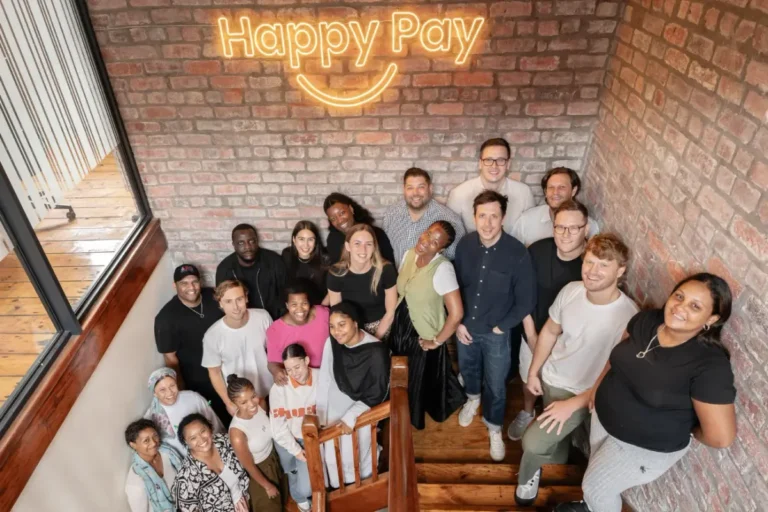
Happy Pay has raised $5 million in a seed funding round led by global venture capital firm Partech, as it looks to expand its ad-subsidised buy now, pay later (BNPL) payments network across Africa.
The round also included participation from Futuregrowth Asset Management, 4Di Capital, E4E Africa, Equitable Ventures and Felix Strategic Investments, the company said.
Happy Pay, which has more than 600,000 registered users, is building a payments model that removes interest and fees for consumers by shifting costs to merchants and brands that benefit from increased sales and customer acquisition.
The company generates revenue from merchants rather than consumers, positioning itself as a commerce infrastructure platform that integrates advertising, payments and financing into a single system.
Its AI-driven engine matches shoppers with relevant products in real time using behavioural and transactional data, surfacing offers across its app and partner channels. The platform optimises for completed purchases, with merchants paying only when a transaction occurs.
The startup said its approach creates a closed-loop system that links product discovery directly to checkout, enabling merchants to drive conversions while giving consumers access to interest-free instalment payments.
BNPL services have gained traction in South Africa, where access to affordable credit remains constrained and interest rates are relatively high. Consumers increasingly rely on instalment-based payment options to manage cash flow without taking on revolving debt.
Happy Pay said the new funding will be used to expand merchant partnerships, scale distribution across digital and physical channels, and strengthen its AI, fraud and risk infrastructure as it grows its user base.
Partech said it views the model as one that aligns incentives across consumers and merchants while reducing reliance on traditional interest-based lending.
“We’ve looked at BNPL companies across multiple markets, and the strongest models are those that deliver value to both merchants and consumers,” a Partech representative said.
Ajim Capital is raising a $20 million second fund to invest in early-stage startups across Africa, as venture firms look to fill a persistent funding gap at the pre-seed and seed stages.
The fund, which will target about 40 to 50 companies, is expected to write initial cheques ranging between $250,000 and $500,000, focusing on founders building scalable businesses tailored to African markets.
Ajim Capital plans to prioritise startups that have demonstrated early traction, including paying customers, as investors shift away from growth-at-all-costs strategies toward more sustainable, revenue-driven models.
Africa has 17% of the world’s population but attracts <1% of global venture capital.
Global capital keeps misjudging Africa.
Which is precisely why Ajim Capital is raising a $20M fund to invest in African startups.
The fundraise comes at a time when Africa’s startup ecosystem is showing signs of recovery following a slowdown in global venture capital flows, with investors increasingly favouring disciplined capital deployment and clearer paths to profitability.
Founded by Eunice Ajim, the firm has positioned itself as an early backer of African startups, aiming to bridge what industry players describe as a “first-cheque gap” that continues to limit the pipeline of fundable companies on the continent.
Early-stage funding remains one of the most underserved segments in Africa’s venture landscape, despite growing interest from global investors in later-stage deals. Smaller, specialised funds have emerged to address this imbalance, betting on local insight and proximity to founders.
Ajim Capital’s new fund underscores a broader trend of Africa-focused venture firms raising modest-sized vehicles to capture opportunities in sectors tied to essential services, including financial technology, logistics, and digital infrastructure.
The firm did not disclose the timeline for the fund’s close or its limited partners.
Portfolio Highlights
Ajim Capital’s growing portfolio reflects a strong bias toward fintech, SaaS, and infrastructure startups across key African markets:
Eazipay — payroll and HR infrastructure platform based in Nigeria
Tappi — SMB growth and digital storefront platform operating across Pan-African markets
Revwit — AI-powered B2B sales assistant based in Nigeria
Tyms — AI-native accounting software company in Nigeria
Moneco — cross-border finance app for Africans globally (Pan-Africa)
Mira — modern POS and payments platform (Pan-Africa)
Chpter — WhatsApp-based commerce platform in Kenya
TemboPlus — embedded finance infrastructure in Kenya
Dojah — identity verification and fraud prevention platform in Nigeria
PipeOps — no-code DevOps infrastructure platform in Nigeria
eBanqo — AI-driven customer experience tools in Nigeria
AutoSpend — business spend automation platform (Pan-Africa)
Daba Finance — investment operating system (Pan-Africa)
BuuPass — transport booking platform in Kenya
Clafiya — digital healthcare access platform in Nigeria
Flex Finance — corporate spend management solution in Nigeria
EdenLife — tech-enabled home services platform in Nigeria
truQ — intracity logistics marketplace in Nigeria
Raenest — payroll and cross-border payments platform in Nigeria
Spleet — rental and housing finance platform in Nigeria
Early Angel Investments
Before launching its institutional funds, Ajim Capital also backed several startups at the angel stage:
Nigerian fintech firm Moniepoint Inc. has acquired restaurant management platform Orda Africa in a move aimed at strengthening its position in Africa’s fast-growing food services and small business technology market.
The companies said on Monday that Orda will be integrated into Moniepoint’s Moniebook platform, which combines point-of-sale (POS) systems with business management tools such as bookkeeping, payments, and credit access for merchants.
Moniepoint, founded by Tosin Eniolorunda and Felix Ike in 2015, has evolved into one of Nigeria’s largest financial services distributors, serving millions of individuals and businesses across payments, banking, and lending.
The company said the acquisition will enhance its ability to serve restaurants by offering an integrated system that allows operators to manage orders, inventory, supplier payments and access working capital from a single platform.
Africa’s food service industry, valued at about $50 billion, represents a significant growth opportunity for digital platforms, with Nigeria’s segment projected to reach $19.31 billion by 2030, expanding at an estimated 11.73% annually, according to industry estimates cited by the companies.
Moniepoint said its broader ecosystem processes more than $250 billion in annual transaction value and serves over 20 million active customers, positioning it to scale Orda’s restaurant-focused solutions across its network.
Orda, founded in 2020, provides cloud-based tools tailored to small and independent restaurants, helping them digitize operations that have traditionally relied on manual processes.
Guy Futi, chief executive of Orda, said the acquisition would enable customers to access broader financial infrastructure while maintaining continuity of service.
The companies did not disclose financial terms of the transaction.
The deal reflects a broader trend of consolidation among African fintech and software platforms seeking to bundle payments, operations, and financing tools for small and medium-sized enterprises, particularly in sectors such as retail and food services.
For restaurant operators, the combined platform is expected to reduce reliance on fragmented tools while improving efficiency and access to financial services, the companies said.
Drivers working with ride-hailing platforms Uber and Bolt in Nigeria’s Edo State will begin a seven-day strike on March 26, protesting what they describe as unsustainable income amid rising operating costs, a union statement said.
The action, organized by the Amalgamated Union of App-Based Transporters of Nigeria (AUATON), will see drivers suspend services across Benin City and surrounding areas until April 1.
According to the union, drivers have engaged repeatedly with the platforms seeking fare adjustments to reflect higher fuel prices, vehicle maintenance costs and broader inflationary pressures, but said those efforts have not resulted in meaningful changes.
“As responsible individuals with families and obligations, e-hailing drivers cannot continue to operate under conditions that are no longer sustainable,” the statement said.
Fuel costs account for a significant share of operating expenses for drivers, and recent increases have further strained earnings in a sector where pricing is largely determined by platform algorithms rather than individual drivers.
The union said the strike aims to push Uber, Bolt and other platforms to enter negotiations over fare structures and compensation models, adding that monitoring teams would be deployed to ensure compliance among drivers.
Ride-hailing services have expanded rapidly across Nigeria’s urban centres in recent years, but disputes over commissions, pricing transparency and driver earnings have periodically triggered protests and work stoppages.
Just last week, their Lagos counterparts were on a 3-day strike impacting operations in Africa’s most populous city.
The Tony Elumelu Foundation has announced its 2026 cohort of entrepreneurs, selecting 3,200 young business owners from 54 African countries under its $16 million seed funding programme, marking another major milestone in its decade-long effort to drive entrepreneurship-led development across the continent.
The latest cohort reflects evolving dynamics within Africa’s startup ecosystem, with a strong emphasis on inclusion, innovation, and sector diversity. According to the foundation, 51% of the selected entrepreneurs are women, reinforcing its commitment to supporting gender-balanced participation in business leadership. Additionally, 30% of the beneficiaries are drawn from rural communities, highlighting the programme’s expanding reach beyond major urban hubs.
Sector-wise, the 2026 cohort shows growing interest in transformative industries, particularly artificial intelligence, agribusiness, and the green economy, areas seen as critical to Africa’s long-term economic resilience and sustainability.
Each selected entrepreneur will receive a $5,000 seed grant, alongside 12 weeks of structured training, mentorship, and business development support delivered through the foundation’s digital platform, TEFConnect. The programme is designed not only to provide capital but also to equip entrepreneurs with the skills, networks, and guidance needed to build and scale viable businesses.
The selection was made from a highly competitive pool of over 265,000 applicants, underscoring the rising demand for structured entrepreneurship support across Africa and the increasing interest in formalised business development opportunities among young people.
Founded by Tony O. Elumelu, the foundation’s entrepreneurship programme has become one of the continent’s most prominent private-sector-led initiatives focused on job creation and economic empowerment. Its philosophy centers on identifying promising entrepreneurs, providing them with early-stage capital, and supporting them through a comprehensive ecosystem of training and mentorship.
With each successive cohort, the programme continues to evolve in response to Africa’s changing economic landscape, placing greater emphasis on digital innovation, sustainability, and inclusivity. The 2026 cohort, in particular, signals a continued shift toward supporting women-led enterprises and businesses emerging from underserved and rural regions.
As Africa’s entrepreneurial ecosystem grows increasingly competitive and interconnected, initiatives like the Tony Elumelu Foundation’s programme remain central in shaping the next generation of business leaders and fostering sustainable economic transformation across the continent.
Samsung Electronics on Monday unveiled its latest artificial intelligence (AI) semiconductor technologies, including its next-generation high-bandwidth memory (HBM), at NVIDIA GTC 2026, as it seeks to strengthen its position in the rapidly growing AI infrastructure market.
The company introduced its sixth-generation HBM4 chips, now in mass production, alongside a more advanced successor, HBM4E, marking a push to meet surging demand for high-performance AI computing.
Samsung said its HBM4 delivers processing speeds of up to 11.7 gigabits per second (Gbps), exceeding the current industry benchmark of 8Gbps, with potential to scale to 13Gbps. The upcoming HBM4E is expected to reach 16Gbps per pin and bandwidth of 4.0 terabytes per second (TB/s), targeting next-generation data centres.
The chips are designed for integration with NVIDIA’s forthcoming Vera Rubin AI platform, underscoring deepening ties between the two firms in building advanced AI systems.
Samsung, the only semiconductor player offering a full-stack AI solution spanning memory, logic, foundry and advanced packaging, also showcased hybrid copper bonding technology, which enables stacking of 16 or more memory layers while reducing heat resistance.
Expanding AI infrastructure ecosystem
At the event, Samsung highlighted a range of AI infrastructure products tailored for NVIDIA systems, including SOCAMM2 server memory modules and its latest solid-state drives such as the PM1763 and PM1753.
The company said SOCAMM2, built on low-power DRAM, is already in mass production and offers improved bandwidth and flexible integration for AI servers.
Meanwhile, its PM1763 SSD, based on the PCIe 6.0 interface, is designed to deliver faster data transfer speeds and higher capacities for AI workloads, while the PM1753 SSD is optimized for energy-efficient inference systems under NVIDIA’s BlueField-4 architecture.
AI factory ambitions
Samsung also outlined its collaboration with NVIDIA on “AI Factory” initiatives, leveraging accelerated computing and NVIDIA Omniverse to build digital twin models of semiconductor manufacturing.
The initiative aims to optimise chip production processes across design, engineering and manufacturing, using AI-driven automation and simulation technologies.
A keynote session by Samsung executive Yong Ho Song at the conference detailed how agentic AI and digital twins are transforming semiconductor production, including applications in electronic design automation and computational lithography.
Pushing AI to the edge
Beyond data centres, Samsung presented memory solutions for on-device AI, including LPDDR5X and LPDDR6 DRAM designed for smartphones, tablets and wearables.
LPDDR5X offers speeds of up to 25Gbps per pin while reducing power consumption by up to 15%, while LPDDR6 is expected to deliver 30–35Gbps with advanced power management features for next-generation edge AI applications.
The company also showcased storage solutions such as PM9E3 and PM9E1 NAND for personal AI supercomputing systems like NVIDIA’s DGX platforms.
Strategic positioning
The announcements come as global demand for AI chips intensifies, with semiconductor companies racing to supply memory and compute solutions for large-scale AI models and infrastructure.
Samsung’s expanded collaboration with NVIDIA signals its ambition to compete more aggressively in the AI hardware stack, where high-bandwidth memory has become a critical component for training and deploying advanced AI systems.
UAE-based blockchain infrastructure startup Utexo has raised $7.5 million in a seed funding round led by Tether, with participation from Big Brain Holdings, Portal Ventures, Franklin Templeton, Maven11 Capital, and Fulgur Ventures.
The funding will support Utexo’s mission to enable direct stablecoin payment processing on the Bitcoin network, with a particular focus on facilitating transactions using USDT.
Founded in the UAE, Utexo is building enterprise-grade APIs and infrastructure designed to bridge stablecoins with existing cryptocurrency and financial systems. Its platform allows digital wallets, exchanges, and global payment providers to process stablecoin transactions without requiring major changes to internal systems, compliance workflows, or custody frameworks.
At the core of Utexo’s technology is its integration of Bitcoin layer-2 solutions such as Lightning and RGB. These protocols significantly reduce transaction friction by enabling near-instant settlement, lower fees, and improved privacy. According to the company, transactions can be processed in under one second.
Utexo also emphasizes secure data handling and identity protection, ensuring that institutional clients can maintain privacy while executing cross-border payments and high-value transactions.
The platform operates on a flat-fee pricing model payable in USDT, helping institutions avoid the unpredictability of network fees and better manage transaction costs.
With the fresh capital, Utexo plans to scale its infrastructure and expand beyond the UAE, positioning itself to support the growing role of stablecoins in global finance.
As stablecoin adoption accelerates, Utexo aims to become a key infrastructure provider enabling fast, secure, and scalable crypto payments for financial institutions worldwide.
The High Court of Kenya has issued a judgment in a constitutional petition challenging the reassignment of inactive mobile phone numbers, in a case that framed such numbers as a core element of individuals’ digital identity.
The petition, filed by Erastus Ngura Odhiambo, argued that mobile numbers are more than communication tools, describing them as persistent identifiers linked to banking, messaging platforms, government services and other forms of sensitive personal data. As a result, the petitioner contended, reassigning deactivated numbers after extended periods of inactivity exposes previous users to the risk of unauthorized access to private information.
According to court filings, the petition challenged the practice of recycling numbers that have been disconnected due to non-use, warning that new subscribers who inherit such numbers may receive confidential messages, account recovery codes or other data intended for former holders. This, the petitioner said, creates a significant risk of privacy breaches and amounts to a violation of the right to privacy under Article 31 of the Constitution.
The case also highlighted the impact on vulnerable groups, particularly prisoners, who may be unable to maintain active mobile subscriptions during incarceration. The petition argued that upon release, such individuals could find their former numbers reassigned without notice, potentially exposing their personal data to third parties.
In the ruling delivered at the Milimani High Court in Nairobi, Justice Lawrence N. Mugambi considered whether the reassignment of mobile numbers, without safeguards or notification mechanisms, constitutes an unconstitutional intrusion into personal privacy.
The court acknowledged the broader public interest implications of the case, noting the growing role of mobile numbers in identity verification and digital ecosystems. However, in its final orders, the court stated that the matter qualified as public interest litigation and made no order as to costs.
The judgment, issued under the Judiciary of Kenya, comes amid increasing scrutiny of how telecommunications practices intersect with data protection laws, as Kenya continues to expand its digital economy and reliance on mobile-based services.
Co-operative Bank of Kenya and the United Nations Capital Development Fund have launched a KES 233.1 million ($1.8 million) risk-sharing facility to expand lending to youth-led digital businesses, the partners said.
The scheme, under the Digital Platforms Kenya Programme (DigiKen), will enable the bank to extend credit to small enterprises in Kenya’s digital economy that often struggle to access formal financing.
UNCDF will absorb part of the credit risk, allowing the lender to increase its exposure without loosening its underwriting standards or ceding control over lending decisions.
The two-year programme will target digitally enabled micro, small and medium-sized enterprises (MSMEs), with a focus on commercially viable ventures led by young entrepreneurs.
The partnership also includes support for solar-powered cold storage financing for agri-businesses under Kenya’s post-harvest cooling initiative, aimed at reducing losses in the agricultural value chain.
Combined, the digital and agricultural programmes are expected to support a lending portfolio of KES 756 million ($5.84 million).
UNCDF said the facility is intended to unlock capital for underserved enterprises, supporting business expansion, job creation and financial sector development in East Africa’s largest economy.
Cassava Technologies has launched its first AI Factory in South Africa, powered by NVIDIA’s AI platform, marking a significant step in building sovereign artificial intelligence infrastructure across Africa.
The company plans to expand the AI Factory footprint to Nigeria, Kenya, Egypt, and Morocco as part of a broader strategy to localise high-performance computing and accelerate AI adoption on the continent.
“For Cassava, building Africa’s AI ecosystem is an act of empowerment, not just a technological milestone,” said Ahmed El Beheiry, Group COO and Group Chief Technology & AI Officer. “We are ensuring that African businesses aren’t just consumers of global tech—they are the architects of it.”
The AI Factory will provide services including GPU-as-a-Service (GPUaaS), AI-as-a-Service (AIaaS), and APIs, enabling businesses, governments, and developers to access advanced computing power locally rather than relying on overseas infrastructure.
Cassava said the initiative will support the development of AI models tailored to African languages and markets, starting with Swahili and expanding to languages such as Zulu and Afrikaans.
The deployment builds on the company’s AI Multi-Model Exchange (CAIMEx), launched in 2025, which allows developers to access, fine-tune, and deploy global large language models using integrated tools powered by NVIDIA technologies.
Cassava has also introduced an Autonomous Network blueprint on the CAIMEx platform, aimed at improving telecom network performance across Africa for mobile network operators.
Industry partners say the initiative could accelerate Africa’s digital transformation while addressing data sovereignty concerns.
“Africa is poised to leapfrog traditional infrastructure, and with this sovereign AI cloud, Cassava is delivering the ultimate engine for digital transformation,” said Haseeb Budhani, CEO of Rafay Systems.
Researchers also highlighted the importance of keeping data within the continent to develop locally relevant AI applications.
“The launch is a major milestone toward Africa’s digital sovereignty,” said Dr H. Sithole of the Council for Scientific and Industrial Research.
Zindi CEO Celina Lee said the partnership would help developers build solutions to local challenges while fostering AI talent and job creation.
By localising compute infrastructure, Cassava aims to position Africa not only as a participant in the global AI race, but as a creator of AI technologies, supporting economic growth, innovation, and digital inclusion across multiple sectors.
Sistema.bio has raised $53 million in an initial close of a new carbon finance facility, FarmCarbon, aimed at expanding climate funding for smallholder farmers and accelerating methane reduction.
The funding round was led by BNP Paribas Asset Management’s alternatives platform, alongside British International Investment and Shell Foundation.
FarmCarbon will finance the deployment of more than 90,000 biodigesters globally, which convert livestock waste into biogas and organic fertiliser. The initiative is expected to cut over 9 million tonnes of carbon dioxide equivalent emissions, while boosting farm incomes through lower energy costs and improved productivity.
The vehicle targets methane emissions, a potent greenhouse gas responsible for about 30% of global warming and roughly 10% of emissions from livestock, according to industry estimates. Despite its impact, methane mitigation receives only about 2% of global climate finance.
FarmCarbon uses a pre-financing model that allows farmers to access the value of future carbon credits upfront. The facility secures emissions reductions in advance and delivers them to buyers through long-term carbon credit agreements.
Chief Executive Alexander Eaton said the model builds on Sistema.bio’s 15-year track record of deploying biodigesters across Africa, Asia and Latin America, adding that the facility would help scale both climate and income benefits for farmers.
The project has received an ex-ante AAe rating from BeZero Carbon and a Core Carbon Principles label, signalling high-quality emissions standards. It also incorporates digital measurement, reporting and verification systems to track impact.
Investors said the structure demonstrates how carbon markets can attract institutional capital while supporting climate resilience in underserved agricultural communities.
FarmCarbon aims to mobilise more than $1 billion over the next decade to expand methane and carbon reduction efforts in agriculture.