Sunday, January 25, 2026
Home Blog Page 3

How the 52-Week Challenge Can Boost Your New Year’s Savings Goals

0

Whenever we welcome a new year, it is a common tradition for people to set annual financial goals, specifically aiming to save a certain amount of money so as to achieve certain objectives, by the time the year ends.

However, given the prevailing economic conditions, characterized by diminishing disposable incomes and an escalating cost of living, achieving these financial objectives has become a challenge for many.

In addition, the high initial deposit requirements and complex financial jargon that most saving and investing platforms come with, do not make it any easier for people to save for their financial objectives.

Samuel Njuguna, the founder of Chumz, a mobile app that allows people to invest with as low as five shillings, observes that gamifying the investment process through challenges such as the 52-week challenge, can help to enhance the saving culture in Kenya.

“The 52-week money challenge is a fun way to push people to save money,” explains Njuguna.

“It works by setting aside a small amount of money one week at a time, increasing the amount saved every week, until the year comes to a close,” he adds.

People could start the challenge at the beginning of the year as one of their New Year money resolutions. By starting small and gradually increasing what they save, they can end up with a significant amount of money for their needs, at the end of the year.

The Chumz app has a 52-Week Challenge, which allows users to either save an incremental amount of money every week for one year, or start with a large amount and reduce it every week.

For example, someone could start with Sh50 in week one, Sh100 week two, Sh150 week three, by the time they get to week 52, they will be saving Sh2600, bringing the total amount of money saved in a year to Sh68,900, excluding interest.

Alternatively, if they have a lump sum at the beginning of the year, they could start with Sh2600 and reduce it every week, until they reach their objective.

The base amount could be any amount starting from five shillings. This solves the “I’ll start next month” problem by making the first deposit very tiny.

The app tracks which week you are on and exactly how much is due, sending timely reminders to deposit funds.

“Completing the 52-week money challenge can help you build confidence in your ability to save consistently,” said Njuguna.

“At the end of the challenge, use your momentum to start another challenge or automatically save a portion of each paycheck,” he added.

One can do the 52-week challenge alone, but challenging a friend or joining a group can make the challenge more fun. Plus, you’ll be less tempted to bail if you’ve committed to saving with a team.

Chumz also has other gamified saving options including Mia Kwa Mia, which allows users to save any amount between Sh100 and Sh900 for 100 days, as well as the Vault Challenge which encourages users to lock their funds for a longer period.

The platform is regulated by the Capital Markets Authority (CMA) in Kenya, meaning funds are held by a licensed custodian and managed by professional fund managers.


Nigerian Defence Tech Startup Terra Industries Raises $11.75 Million Funding

0

Nigerian defence technology startup Terra Industries has raised $11.75 million in a funding round led by U.S. venture capital firm 8VC, as it seeks to expand manufacturing and deploy autonomous security systems across Africa, the company announced.

The round included participation from Valor Equity Partners, Lux Capital, SV Angel, Leblon Capital, Silent Ventures and Nova Global, as well as angel investors including Micky Malka. Alex Moore, a defence partner at 8VC and board director at Palantir, has joined Terra Industries’ board, the company said.

Founded in 2024 by Nathan Nwachuku, 22, and Maxwell Maduka, 24, Terra Industries designs and manufactures autonomous defence systems used to secure critical infrastructure such as power plants, mines and industrial facilities.

The company said the new funding will be used to expand its manufacturing capacity, grow its engineering and software teams, and accelerate deployments across allied African countries.

“Africa is industrialising rapidly, but insecurity and terrorism continue to undermine that progress,” Nwachuku, Terra’s co-founder and chief executive, said in a statement. “Our mission is to give the continent the technological edge to protect its industrial future.”

Terra Industries said its technology is already deployed across multiple African countries, securing infrastructure assets valued at roughly $11 billion. Current deployments include power plants in southern and northern Nigeria, as well as gold and lithium mining operations in Nigeria and Ghana. In June, it won a $1.2 million contract to secure two hydropower plants, edging out a consortium led by an Israeli defense technology firm.

Africa holds about 30% of the world’s critical mineral reserves and invests close to $100 billion annually in infrastructure, but many projects are located in remote or unstable regions, particularly in Sub-Saharan Africa and the Sahel, where security challenges remain acute.

To address these challenges, Terra Industries is developing a vertically integrated platform of autonomous defence systems, including drones, unmanned ground vehicles, autonomous sentry towers and maritime surveillance systems. These systems are coordinated through ArtemisOS, the company’s proprietary software platform, which enables real-time threat detection and autonomous mission planning.

While its current contracts focus on infrastructure security, Terra said it is expanding into border security and counterterrorism as regional instability increases.

The company operates a 15,000-square-foot manufacturing facility in Abuja and said it plans to expand its engineering and business development presence in San Francisco and London.

Maduka, Terra’s co-founder and chief technology officer, said the company designs and manufactures its systems on the continent using predominantly African engineering talent, aiming to reduce reliance on foreign defence suppliers and retain intellectual property locally.

“Nathan and Maxwell have assembled a strong team to tackle a critical problem,” said Alex Moore of 8VC. “We are excited to support their mission.”


Web Summit Qatar to Attract More than 30,000 Attendees

0

Web Summit Qatar is expected to draw more than 30,000 attendees from over 120 countries to its 2026 edition in Doha, organisers said on Sunday.

The event will bring together entrepreneurs, investors, policymakers, and technology leaders, including more than 1,600 startups from around the world. Organisers also anticipate the presence of over 700 investors and 600 members of the international media.

The conference will showcase Qatar’s growing role as a regional technology hub, driven by smart-city initiatives, digital transformation, and economic diversification beyond oil. The event floor is at full capacity, with leading global companies including IBM, TikTok, Microsoft, Huawei, Qatar Airways, and Snapchat confirmed as partners.

Discussions at the summit will focus on how technology can address global challenges such as financial inequality, healthcare gaps, and climate change. Artificial intelligence is expected to feature prominently, with sessions examining its impact across industries including healthcare, energy, finance, media, and sports, alongside debates on regulation, funding, and governance.

Other areas of focus include quantum computing, fintech innovation, clean energy, government technology, health, and advanced manufacturing. Organisers said Web Summit Qatar aims to connect attendees through a mix of keynotes, panels, and personalised meetups powered by its Summit Engine platform.

Confirmed speakers include Canva co-founder and COO Cliff Obrecht, Omnicom Group CEO John Wren, Invest Qatar CEO Sheikh Ali Alwaleed Al-Thani, Pentagram partner Natasha Jen, and Morocco’s Minister of Digital Transition Amal El Fallah Seghrouchni, among others.

“Web Summit Qatar 2026 will bring together the people shaping the next decade of technology and innovation,” a spokesperson said. “The high level of participation reflects the event’s growing influence and Qatar’s strategic role in the regional tech ecosystem.”

Web Summit, which originated in Dublin and later expanded to Lisbon, Vancouver, and Rio de Janeiro, describes itself as the world’s largest technology and innovation event series.


xAI Raises $20 Billion in Series E to Accelerate AI Expansion

0

xAI, the artificial intelligence company founded by Elon Musk, has raised $20 billion in an upsized Series E funding round, exceeding its initial $15 billion target.

The round included investors such as Valor Equity Partners, Stepstone Group, Fidelity Management & Research Company, Qatar Investment Authority, MGX, and Baron Capital Group, with strategic contributions from NVIDIA and Cisco Investments to support xAI’s growing compute infrastructure.

The company said the funding will accelerate the buildout of its GPU clusters, among the world’s largest, and speed the development of advanced AI products. xAI operates the Colossus I and II data centers, hosting over one million H100 GPU equivalents, which power its frontier AI models and high-performance computing capabilities.

In 2025, xAI advanced several key initiatives, including its Grok 4 Series language models, the Grok Voice conversational agent supporting dozens of languages, and Grok Imagine, its image and video generation platform. The company now reaches approximately 600 million monthly active users across the 𝕏 and Grok apps, leveraging real-time data to power insights and interactive experiences.

Looking ahead, xAI is training its next-generation Grok 5 model and plans to launch innovative consumer and enterprise products. The Series E financing is expected to accelerate global AI deployment, expand access to cutting-edge tools, and support research aligned with the company’s mission of advancing understanding of the universe.

Egyptian SaaS Firm FitXpert Secures Seven-Figure Investment for Expansion

0

Egyptian software-as-a-service (SaaS) company FitXpert has secured a seven-figure strategic investment from Foras Investment, marking a new phase of growth as the firm prepares to scale its platform across regional markets.

The investment was made under the 0107 Invest initiative, reflecting rising investor interest in vertical SaaS businesses with proven market traction, particularly in healthcare, wellness, and lifestyle sectors.

Founded by Salah Selim and Mostafa Mahmoud, FitXpert provides an end-to-end software platform for fitness trainers, nutrition centres, and clinics. The platform replaces fragmented, manual workflows with a unified system that enables client management, program design, progress tracking, and follow-ups through a single interface. The company positions itself as infrastructure rather than a point solution, aiming to professionalise service delivery across a traditionally informal sector.

The fresh capital will be used to enhance FitXpert’s technology stack and strengthen operational capabilities, supporting its ambition to become a foundational platform for fitness and nutrition businesses across the Arab world.

“This investment represents more than capital; it is a strategic endorsement of our vision to set new operational standards for the industry,” said Selim. Co-founder Mahmoud added that the partnership brings strategic depth through expertise, networks, and faster decision-making, with priorities now focused on product expansion, institutional partnerships, and regional growth.

Mohamed Abouelnaga Negaty, owner of Foras Investment, said the deal aligns with his interest in sports and technology-enabled businesses. He highlighted FitXpert’s performance, team quality, and scalability potential as key factors in the investment, which is expected to support the company’s planned expansion into Gulf markets.

With consistent growth and a product built around operational needs, FitXpert is positioning itself for a broader phase of development and regional expansion through 2026.


NCBA’s Emerging Playbook on Youth Financial Inclusion in Kenya

0

Kenya’s financial inclusion journey is often measured in numbers such as accounts opened, mobile wallets activated, users onboarded and so forth and by those measures, Kenya is at its best.

According to the FinAccess Household Survey 2024, nearly 85 percent of adults in Kenya have access to formal financial services, making Kenya a global leader in inclusion. Yet, as the country approaches 2026, it is clear that the next chapter will be defined not by access, but by outcomes.

With over three-quarters of the Kenyan population under the age of 35, and 20 percent of them unemployed and underemployed, access alone won’t fix much. NCBA Bank sees this reality not as a social problem to be solved, but as an economic imperative. The bank’s youth inclusion agenda, framed under its “Change the Story” platform, is quietly reshaping what financial inclusion looks like in practice building products to serve enterprises and SMEs creating jobs.

As such, the bank has embarked on various initiatives to reach the youth.

NCBA Bank recently partnered with the Nairobi Securities Exchange to host Teen Financial Literacy and Early Investor Empowerment Workshops, teaching aspiring young investors the principles of market participation.

It has also had other initiatives like Elev8 LIVE to support creative youth with training, exposure, and access to financial tools, connecting talent to economic opportunity in a way that acknowledges the diversity of youth enterprise. Scholarships and mentorship programmes further embed opportunity, equipping young people not just to participate but to thrive in the economy.

NCBA Bank also partnered with HEVA Fund to roll out a suite of financing products aimed at improving access to credit for artists and creative-sector enterprises. NCBA and HEVA Fund signed during the NCBA Creative Economy Summit and introduced five lending products — event financing, invoice discounting, LPO financing, working-capital support and start-up incubator financing — tailored to the needs of creative businesses, including music, digital content, fashion, production and live events.

“Kenya’s creative economy is vibrant, but most artists and enterprises operate independently and remain unseen by financial institutions,” said NCBA Group Managing Director John Gachora.

NCBA and HEVA are jointly evaluating and supporting borrowers through a 50:50 risk-sharing structure designed to accommodate project-based and seasonal revenue patterns. HEVA has invested in over 300 creative ventures over the past decade and is pushing for more through such partnerships.

What emerges is a deliberate strategy that links youth inclusion to broader economic growth. NCBA’s partnerships with entities like the African Guarantee Fund support SMEs with financing that sustains businesses and creates jobs, many held by young Kenyans. This integrated approach recognizes that youth engagement and SME growth are two sides of the same coin; one cannot succeed sustainably without the other.

This works well with government programmes like the National Youth Opportunities Towards Advancement (NYOTA) which aims to play a crucial role in giving young people a foothold in the economy. NYOTA provides skills, work readiness, financial literacy, and even start-up capital for micro-businesses but is time-bound and designed for activation rather than sustained engagement. Private corporations like NCBA are stepping in to work with the young entrepreneurs to build their next big thing.

NCBA Bank and the Dentsu School of Influence (DSOI) have an initiative to equip emerging content creators with essential financial literacy, business acumen, and personal branding skills. This partnership is part of NCBA’s ongoing #TwendeMbele campaign aimed at fostering a financially empowered and economically active generation of Kenyan digital creators.

NCBA’s investment arm, NCBA Investment Bank, the Nairobi Securities Exchange (NSE) and Abojani Investment also hosted a high-impact Teen Financial Literacy and Early Investor Empowerment Workshop foster a culture of early investment and addressing the critical need for youth financial literacy. The workshop gave youth and teens insights to help them manage and grow their wealth, ensuring they transition from working for money to creating an investment portfolio where money works for.

As part of NCBA’s overall SME banking strategy, the bank also partnered with Strathmore Business School (SBS) to certify 38 SMEs in manufacturing, retail, agribusiness, logistics, and professional services to equip entrepreneurs with the necessary business skills, leadership skills, and strategic mindset to succeed even in challenging market conditions. This capacity-building programme also seeks to develop the base of SMEs and position them for long-term sustainability.

The firm also holds “Meet, Mingle & Money talks’ forums to drive uptake of savings and investments among the youth.

At the heart of the bank’s approach is digital onboarding, an innovation that has changed the economics of access for young Kenyans. NCBA’s Loop account allows youth to open an account instantly, online, without visiting a branch. It is a platform that delivers budgeting tools, personal loans, overdraft facilities, and goal-oriented savings all within the reach of a smartphone.

NCBA’s financial services meet young people where they are in their lives. Digital credit offerings such as M-Shwari and Fuliza, integrated within M-PESA, provide flexible loans and overdraft solutions to students, gig workers, and micro-entrepreneurs. Savings products encourage disciplined goal-setting, while digital personal loans and salary advances cater to young people’s evolving financial needs. This combination of digital access, flexible credit, and savings discipline reflects a philosophy that youth financial inclusion is a journey, not a moment.

As seen above, NCBA’s commitment goes beyond products.

In 2026, the bank is demonstrating that true inclusion is more than an account opening. It is a journey that sustains livelihoods, supports businesses, and allows young Kenyans to navigate the complexities of economic life with resilience and opportunity.

In the end, financial inclusion will be measured not by the number of accounts created, but by the lives transformed, enterprises strengthened, and opportunities realized. NCBA’s emerging playbook suggests that this is not only possible but already underway. For Kenya’s youth, the story is just beginning and, in this case, the bank is helping to write it.

NCBA’s youth agenda, combining Artificial Intelligence, digital onboarding, financial products tailored to young people, and ecosystem engagement through skills, mentorship, and partnerships, provides a model of what this could look like.


UAE’s MilkStraw AI Raises $2 Million to Scale Cloud Optimisation Platform

0

MilkStraw AI, a UAE startup using artificial intelligence to optimise cloud infrastructure costs, has raised $2 million in seed funding in a round led by VentureSouq, with participation from Ibtikar Fund and M Capital, the company said on Wednesday.

Founded in 2023, MilkStraw AI aims to simplify cloud optimisation for startups by automating cost management and performance efficiency. Since its launch, the platform has been adopted by more than 100 startups, reflecting growing demand as cloud expenses rise across technology-driven businesses.

MilkStraw AI’s customers include Thndr, Maqsam, Ziina, Beyond Limits, and Zero, spanning sectors such as fintech, SaaS, and enterprise technology.

The company said the funding round was completed in around 45 days, which it described as an intense but validating process, underscoring strong investor confidence in its product and execution.

The newly raised capital will be used to accelerate product development and scale operations. MilkStraw AI is currently working on new features including The Feed, Right Sizing, and an AI-powered conversational interface that will allow users to interact with their cloud infrastructure using natural language.

With backing from VentureSouq and strategic support from Ibtikar Fund and M Capital, MilkStraw AI plans to expand further across the Middle East and North Africa and enter additional markets.

As cloud complexity and costs continue to increase, the company is positioning itself as a core infrastructure layer that enables startups to focus on product development while reducing inefficient cloud spending.

Egyptian Edtech Startup Business For Teens Raises Six-Figure Pre-Seed Round

Business For Teens, an Egypt-based education startup focused on entrepreneurship and financial literacy for teenagers, has raised a six-figure pre-seed funding round to support its expansion across Egypt and the Gulf region.

The round was led by training and sales expert Salah Abou Elmagd, alongside a group of angel investors. The company said the funds will be used to expand operations, develop new programmes, and strengthen partnerships with schools and educational institutions.

Founded by Nadeem Barakat, Business For Teens offers hands-on entrepreneurship programmes for students aged 10 to 16. Since launch, the startup has partnered with more than 10 schools across Egypt and Saudi Arabia and has trained over 600 students through project-based learning initiatives.

The company has also organised student bazaars and exhibitions, where participants present real business projects to the public, providing practical exposure to entrepreneurship and financial decision-making.

“Our programmes provide a structured pathway from basic business concepts to launching real projects,” Barakat said. “This funding allows us to scale our impact across the region.”

Business For Teens said its curriculum is built on more than 12 years of business development experience, translated into interactive learning, startup simulations, and educational games aligned with global education standards.

“This is my first investment in a series of upcoming investments,” Abou Elmagd said in a statement, adding that he believes in the company’s mission and execution.

The startup plans to launch three new programme levels in the first quarter of 2026, expand to more than 30 school partnerships, and train over 6,000 students by the end of the year.

Samsung Champions Open Ecosystems as Key to Home AI at CES 2026

0

Samsung Electronics on Monday said open, interoperable ecosystems are critical to unlocking the full potential of artificial intelligence in the connected home, as it kicked off its CES 2026 Tech Forums in Las Vegas.

At a panel titled “When Everything Clicks: How Open Ecosystems Deliver Impactful AI,” Samsung convened industry leaders to discuss how cross-industry collaboration can transform smart homes from collections of devices into intelligent, integrated environments.

Samsung executives argued that as consumers increasingly rely on devices and services from multiple brands, closed systems limit the real-world value of home AI. Open connectivity, they said, allows appliances, energy systems and safety services to work together seamlessly, improving convenience, safety and efficiency.

“Home is the most personal place in our lives, so home AI must earn trust — quietly, respectfully and with value users can feel,” said Yoonho Choi, president and chair of the Home Connectivity Alliance and head of strategic alliances at Samsung Electronics. “Interoperability across brands is essential so the home works as one system, not as disconnected features.”

Samsung highlighted the scale of its SmartThings platform, which it said now serves more than 500 million users globally. The company said its long-standing presence in connected living gives it insight into how AI in the home is shifting from standalone smart devices to system-wide intelligence that coordinates across services.

Michael Wolf, founder and editor-in-chief of technology publication The Spoon, said broadly connected environments, particularly kitchens, could deliver some of the most tangible benefits of home AI by linking appliances with energy, water and heating systems to enable preventative actions.

The discussion also focused on how open ecosystems can translate into measurable consumer benefits. Samsung pointed to its partnership with Hartford Steam Boiler (HSB), which uses smart home data — with user consent — to help insurers assess risk and offer potential savings to homeowners.

“We’re at a point where connected homes can deliver seamless integration into lifestyles, which builds trust and results in direct consumer benefits,” said Jed Usich, senior vice president of strategic growth solutions at HSB.

Panelists agreed that for home AI to gain widespread adoption, it must feel intuitive rather than intrusive, fitting naturally into daily routines such as cooking, relaxing and caring for families.

Samsung said it remains focused on open collaboration, responsible data use and interoperability as AI becomes more ambient and embedded across the home, positioning openness as the foundation for meaningful and trusted connected living.


Tech-driven Solutions for Safer Car Buying

0

In recent years, technology has revolutionized nearly every aspect of the car buying process. From initial searches to final purchase, buyers can now rely on a range of digital tools to make informed, secure decisions. Tools such as a tax vehicle check offer invaluable insights before any money changes hands. These innovations have changed the landscape of acquiring a used or new car, placing more control in the hands of consumers and helping to prevent fraud, unexpected expenses, or legal complications.

Leveraging online vehicle history checks

One of the most significant advancements in safe car buying is the availability of comprehensive vehicle history reports, accessible online. By entering a vehicle registration number into reputable platforms, buyers can verify critical details about a car’s past, such as previous accidents, outstanding finance, or mileage discrepancies. These checks also help identify if a car has been stolen or written off. The accessibility and reliability of these online tools mean that buyers no longer have to rely solely on trust. Instead, they can validate the claims of the seller efficiently before proceeding with any purchase.


Ensuring data security during these checks is essential. Modern online platforms implement encryption and privacy safeguards to protect users’ information. These services are continually updated, providing results from multiple databases, which increases the likelihood of catching any red flags on the vehicle’s record. By integrating advanced search technologies and artificial intelligence, these platforms can process vehicle data rapidly and deliver clear, understandable reports. This simplifies decision-making and helps create a safer environment for both buyers and sellers.

AI-powered marketplaces and fraud prevention

The rise of artificial intelligence in automotive marketplaces has brought about smarter ways to spot and prevent fraudulent listing activity. AI algorithms are now employed by popular car sale websites to detect suspicious patterns, such as manipulated images, fake profiles, or unusual pricing. This proactive approach protects consumers from common scams and questionable sellers. Moreover, many platforms have introduced secure messaging systems and payment options to further diminish the risk of falling victim to fraud.


Beyond fraud prevention, AI also personalizes the car buying experience. Advanced recommendation engines suggest vehicles best matched to a user’s preferences and budget while continuously filtering out suspicious or low-quality listings. These systems analyze millions of data points from previous transactions, pricing trends, and user reviews. This not only saves buyers valuable time but also directs them towards more trustworthy and reliable options. The result is a digital marketplace that is safer, smarter, and more transparent than ever before.

Remote inspections and secure digital transactions

Tech-driven solutions now enable buyers to inspect vehicles remotely before committing to a purchase. High-resolution video tours, virtual reality experiences, and real-time video calls with sellers allow buyers to assess a car’s condition from home. Many professional inspection services also use digital tools to share detailed reports on everything from engine performance to bodywork integrity. This remote approach not only saves time but drastically reduces the uncertainty involved in buying a car from a distance.


When it comes to payment, secure digital banking options have become the norm in car transactions. Licensed escrow services, traceable deposits, and digital contracts mean that funds change hands only when both sides are satisfied. This transactional transparency helps prevent common issues like hidden charges or disappearing sellers, instilling greater confidence in online purchases. With these solutions, technology continues to make the car buying process safer, more convenient, and increasingly accessible to everyone.


Samsung Pitches AI as Everyday Companion at CES 2026

0

Samsung Electronics on Saturday outlined a strategy to embed artificial intelligence across its consumer electronics lineup, presenting AI as a daily companion rather than a standalone feature, as the South Korean company seeks to deepen user engagement and sustain growth beyond traditional hardware cycles.

At its annual First Look event ahead of CES 2026 in Las Vegas, Samsung executives said the company’s advantage lies in its vast connected ecosystem spanning smartphones, televisions, home appliances and wearables, allowing AI to operate seamlessly across devices.

“Samsung is building a more unified, more personal experience across mobile, displays, home appliances and services,” said TM Roh, chief executive of Samsung’s Device eXperience (DX) division. “By embedding AI across categories, we can deliver more meaningful everyday experiences.”

AI-powered displays and entertainment

Samsung used the event to showcase its most advanced television lineup to date, led by a 130-inch Micro RGB TV that uses microscopic red, green and blue light sources to deliver enhanced colour accuracy and brightness. The display is powered by a new AI engine designed to optimise picture quality scene by scene.

Central to the company’s TV strategy is what it calls Vision AI Companion, an AI system that offers content recommendations, adjusts picture and sound automatically, and integrates with other connected devices in the home. Samsung said the technology will be available across its 2026 TV range, including OLED, Neo QLED and Micro LED models.

The company also said its 2026 TVs will be the first to support HDR10+ ADVANCED, an upgraded version of the high dynamic range format, and will ship with Samsung’s Tizen operating system, backed by seven years of software updates.

Samsung additionally unveiled new Odyssey gaming monitors, including a 6K 3D model, as it targets high-end gamers and content creators.

Smart home and appliances

Samsung executives said AI will play an increasing role in household management, with appliances designed to anticipate user needs rather than respond to commands.

The company said its SmartThings platform now has more than 430 million users globally, providing data that supports personalised services across devices.

Samsung highlighted upgrades to its Family Hub refrigerator, including enhanced food recognition powered by AI and partnerships with Google’s Gemini models. New features include automatic meal suggestions, weekly food usage reports and personalised displays for different family members.

In home care, Samsung introduced updates to its AI-powered laundry systems, garment care devices and robot vacuums, which can detect liquids, navigate more accurately and be controlled using conversational voice commands.

Health and security

Samsung also outlined longer-term plans to expand AI-driven health monitoring through smartphones and wearables, aiming to shift healthcare from reactive treatment to preventive care. The company said connected devices could help detect early signs of chronic illness or cognitive decline and share data with healthcare providers, subject to user consent.

Security remains a core focus, Samsung said, with its Knox and Knox Matrix platforms designed to protect user data across devices and AI training processes.

The Samsung exhibition at CES runs through Jan. 7, as competition intensifies among global technology firms racing to position AI as the next major driver of consumer electronics demand.


The Ultimate Xbox Game Pass Guide for New Xbox Users

0

You are starting out with a new Xbox? Chances are you already feel all the fun you are about to have… But you also feel a little bit overwhelmed given there are so many titles and different ways to play?

A popular method to play games on this console is via Xbox Game Pass. However, many beginners do not understand how the gaming subscription works in the first place.

In this guide, we will walk you through what is Xbox Game Pass & how it works. Next, we will show you how to download and play games on the Xbox Game Pass like a pro!


Xbox Game Pass Subscription Explained

Game Pass is a monthly subscription service that offers access to a big gaming library + useful features. So instead of buying titles one by one, you just pay a fixed monthly fee and get access to the entire library. As long as your subscription remains active, you can play all the games you have downloaded via the subscription.

Microsoft offers the following types of Game Pass subscriptions:

  • Console (you can play games on Xbox console).
  • PC (use the Xbox app to play games on Windows).
  • Ultimate (Console + PC).

The Ultimate tier offers all the things you get in the other tiers. On top of that, it also includes cloud gaming and Xbox Live multiplayer.

To get started, you need to subscribe to one of these tiers of the game pass subscription. Right now, U7BUY is the best choice to get Xbox accounts with game pass already activated.

The best part is that the library includes games from all genres. This includes sports, RPG, action, open world, and so on. Microsoft also adds new game titles regularly, and even the older titles are rotated over time.


How to Download Games on Xbox Game Pass

Are you new and not sure how to get started with Game Pass? Then just follow these simple steps to enjoy games:


1) Open the Library

Power up the Xbox game console and then launch the game pass app from the home screen. You can browse the featured games or explore by genre. And if you already have some game ideas, try the search.


2) Choose a Game

Now, here’s the important part — Select the game you want to play from the app. Each game’s page will show the size, description, and user ratings.

As you don’t have to pay for each title, as everything is part of the membership, do not overthink this step and pick any game you like. When ready, click on “Install” to download the game on your console.


3) Monitor the Download

You can now check how much % is downloaded via the My Games & Apps. How long you have to wait depends on the game’s size and internet speed.


4) Launch and Play

As soon as the download is complete, the play button will show up in front of the game. Now, you can click on it to start the first game you have got from the Game Pass.

The saved progress will be automatically synced to the Xbox account which means you can resume anytime.


5) Cloud Gaming (optional)

If you have chosen the Game Pass Ultimate, then you also get cloud gaming. This feature lets you play games on a tablet/phone or even a low-end PC via the internet!

The only requirement is that you need a minimum internet speed of 20 Mbps or higher to try this feature from the game pass. The best part about this option is that you don’t have to download anything!


Best Categories on Xbox Game Pass

Not sure what type of game will interest you? Here’s a quick list of categories to pick the best game:


Action & Adventure

Are you someone who enjoys fast paced gameplay, exploration and good storylines? Then you should try games from this category as they are a fun way to experience the console graphics and controls.


Story Driven Games

These games are for those who like single player experiences and immersive stories. In such games, you get to explore rich worlds and deep storylines without the multiplayer skills.


Multiplayer

For some folks, the real fun lies in the multiplayer and the co-op based games. So, if you like to play against a human instead of computer, then you should try some multiplayer games from the Game Pass library.


Casual Games

This category is ideal for new gamers or for those seeking a light experience. Such games are designed to be enjoyed by all ages and are very easy to pick up.


Tips for Choosing Games

Here’s a quick list of tips to choose the games from the library:

  • You can always browse the games library by genre or categories.
  • Since you are not paying for each game you try, you can also try games outside of your usual preference.
  • Keep an eye on the “popular with game pass members” lists to find trending titles.

Flutterwave Acquires Open Banking firm Mono to Expand Payments in Africa

0

Flutterwave, an African payments technology company, has acquired Mono, an open banking infrastructure provider, as it moves to strengthen bank-based and account-to-account payments across the continent.

The deal deepens Flutterwave’s push beyond card payments toward open banking, a model that allows regulated access to financial data and enables direct bank transfers. Mono will continue to operate independently, retaining its leadership, team and day-to-day operations, according to the companies.

Mono provides API-driven services for financial data access, identity verification and direct bank payments. Flutterwave said the acquisition would allow closer integration of those capabilities into its payments platform, improving onboarding, verification and fraud prevention while supporting faster, locally relevant payment flows.

Financial terms of the transaction were not disclosed.

African fintech growth has increasingly shifted toward authenticated, bank-based payment methods as regulators and businesses seek more secure and interoperable systems. By incorporating Mono’s open banking infrastructure, Flutterwave aims to expand alternative payment methods and develop new use cases, including open banking-enabled digital asset and stablecoin payments over time.

“This acquisition reflects how we think about the future of financial infrastructure in Africa,” Flutterwave founder and chief executive Olugbenga ‘GB’ Agboola said. “Payments, data and trust cannot exist in silos.”

Mono founder and chief executive Abdulhamid Hassan said the deal builds on a partnership between the two companies that began in 2021. “Combining Mono’s open banking capabilities with Flutterwave’s scale creates more comprehensive infrastructure for the next generation of African fintech,” he said.

Flutterwave said the integration would also simplify compliance processes such as identity checks and bank verification for businesses, while offering developers a unified environment that combines payments and financial data. The company added that the move supports regulatory goals around standardisation and data protection, citing adherence to global security frameworks including PCI-DSS and ISO 27001.

The transaction was advised by The Chrysalis Advisors Africa.

How Real-Time Games Like Aviator Handle Speed, Sync, and Server Load

0

At first glance, Aviator looks almost minimal. A simple line, a rising multiplier, a short round that ends in seconds. That simplicity is exactly why the technical demands behind Aviator are so high. When everything happens live and outcomes cannot be paused or replayed, the system has to be fast, aligned, and stable at all times. Aviator is a good example of how real-time games are engineered around pressure rather than presentation.

Why speed matters so much in Aviator

In Aviator, speed is not just about responsiveness. It directly affects confidence. Each round unfolds continuously, and players make decisions while it is still running. If the game hesitates, even briefly, the experience feels wrong.

To prevent that, Aviator relies on lightweight communication between device and server. Updates are small and frequent. There is no heavy data being pushed during a round. The system focuses on keeping the multiplier, timing, and player actions moving in lockstep. This design allows Aviator to stay responsive even on mobile connections that fluctuate. The game does not try to compensate with visuals. It keeps the pipeline clear so timing stays accurate.

How Aviator keeps everyone in sync

Synchronization is one of the hardest parts of real-time design, and Aviator handles it by keeping control firmly on the server side. The server decides when a round begins, how it unfolds, and when it ends. Devices do not calculate outcomes locally, which removes discrepancies between users placing an Aviator bet from different locations or on different hardware.

Every player sees the same Aviator round progress along a single timeline. If one device lags or briefly disconnects, the round does not pause. When the connection recovers, the device simply reconnects to the current state. This is especially important on large platforms such as Betway, where thousands of players may be interacting with the same round at the same time.

This server-first approach keeps the experience consistent. No Aviator bet settles earlier or later because of device speed or network quality. Everyone follows the same sequence, which preserves fairness and trust across the platform.

Handling load during peak Aviator traffic

Aviator traffic does not arrive evenly. Activity spikes at the start of rounds, when many users act at the same time. This creates sudden pressure on the system. To manage this, Aviator runs on distributed infrastructure. Requests are spread across multiple servers, and load is balanced dynamically. No single server is responsible for an entire audience. If one part of the system slows down, others pick up the work. This keeps rounds running smoothly even during high participation periods.

Event-driven design behind Aviator rounds

Aviator is built around events rather than constant polling. A round begins. The multiplier increases. A round ends. Each of these moments triggers a specific system response. Because the system reacts only when something happens, it avoids unnecessary processing. This keeps resource usage predictable and helps the platform scale under load. This event-driven structure is common in other real-time systems, but Aviator makes it visible because every event is part of the user experience.

Built for unstable mobile networks

Aviator assumes imperfect conditions as the default. Mobile networks drop packets. Connections switch towers. Latency varies from moment to moment. The game is designed to tolerate that. If a connection drops briefly, Aviator does not pause or reset. The server continues the round. When the device reconnects, it displays the current state instantly. This resilience is one reason Aviator performs well in mobile-first markets, where network quality can change without warning.

Why Aviator keeps visuals simple

Aviator’s restrained visuals are not an aesthetic accident. They are a technical choice. Every extra animation or graphic adds load, both on the device and the network. By keeping visuals minimal, Aviator frees up resources for what matters most: timing, synchronization, and reliability. The game does less, so the system can do its core job better.

What Aviator shows about real-time systems

Aviator demonstrates that real-time games succeed when infrastructure takes priority over decoration. Speed, sync, and load handling are not background concerns. They define the experience. What appears to be a simple game is actually a system designed to stay stable under constant pressure. Aviator works because it respects the limits of networks, devices, and attention, and builds around them instead of fighting them. That lesson applies far beyond gaming. Wherever outcomes happen live, the same principles quietly decide whether a platform feels trustworthy or fragile.


CANAL+, Warner Bros. Discovery Sign Content Distribution Deal Across Africa & Europe

0

CANAL+ and Warner Bros. Discovery have signed a new multi-year and multi-territory agreement on an international scale across Africa and Europe.

 This expanded agreement covers both the distribution of HBO Max and the renewal of several Warner Bros. Discovery thematic channels across numerous regions in Africa and Europe.

It builds on the landmark agreements concluded in France in 2024 – including the renewal of the exclusive pay-TV window for Warner Bros. Pictures films just six months after their theatrical release in France, and the integration of HBO Max within select CANAL+ group offers – as well as in Poland in 2025 – with the renewal of the distribution agreement for 22 thematic channels (including TVN 24 and Eurosport) and 4 free-to-air channels (including TVN). 

A Strengthened Partnership Across MultiChoice Group Territories 

The agreement includes the renewal of the distribution of 12 Warner Bros. Discovery thematic channels across MultiChoice Group territories, with some offered exclusively. The channels concerned are:

  • CNN International and Cartoon Network – exclusively in South Africa, and non-exclusively in other territories.
  • Cartoon Network Porto – exclusively in Angola and Mozambique, and non-exclusively in other territories.
  • Cartoonito, Cartoonito Porto, Discovery Channel, Discovery Family, Real Time, ID, TLC, HGTV, Travel, TNT Africa, Food Network – non-exclusive.

This agreement enables CANAL+ group to strengthen its entertainment, kids, news, and documentary channel offering in African markets.

A Consolidated and Expanded Partnership in Europe

The partnership between CANAL+ and Warner Bros. Discovery is also being extended and strengthened in Europe through several strategic renewals and expansions:

  • Renewal of Cartoon Network, Cartoonito, and CNN International in Romania, Hungary, the Czech Republic, and Slovakia.
  • Renewal of Warner TV in the Czech Republic.
  • Renewal of HBO Max, HBO, and Cinemax in Poland, the Czech Republic, Slovakia, Hungary, and Romania.
  • Expansion of HBO Max distribution via Canal+ to two new key territories: Belgium, and Austria.

This agreement enhances access for CANAL+ group subscribers to Warner Bros. Discovery’s iconic content, via HBO Max and select channels, including premium series and films that contribute to the studio’s international reach.

CMA Approves Safaricom, Airtel Money, Capital.com as Forex Brokers

0

Kenya’s Capital Markets Authority (CMA) has licensed Safaricom Plc and Airtel Money Kenya Limited as Intermediary Service Platform Providers (ISPPs), while Capital.com’s local unit, CC Kenya Securities Ltd, received approval as a Dealing Online Foreign Exchange Broker, marking a push to digitize the country’s trading ecosystem.

The approvals position Kenya’s mobile money giants to expand their reach into regulated capital markets, potentially giving millions of mobile subscribers easier access to online investments. As ISPPs, Safaricom and Airtel Money will facilitate account onboarding, trading, and market access for retail investors.

Capital.com, meanwhile, is authorized to operate as a principal and market maker in online forex, providing trading platforms, market information, account management, and daily reporting in line with the Capital Markets (Online Foreign Exchange Trading) Regulations, 2017.

CMA has now licensed 13 non-dealing online forex brokers, two dealing brokers, and three money managers, reflecting growing institutional interest in Kenya’s regulated online forex market. The regulator says the move is part of a broader strategy to modernize and digitize the financial sector, improve transparency, and strengthen investor protection.

 

Egypt Plans to Produce 15 Million Mobile Phones in 2026, Eyes Exports

0

Egypt aims to produce 15 million mobile phones next year and start exporting devices to international markets, building on the 10 million units manufactured in 2025, the country’s Minister of Communications and Information Technology, Amr Talaat, said on Monday.

Speaking at the Institute for Intelligence and Security Science Studies, Talaat said the 10 million devices produced this year included 40% local added value. He added that 15 international mobile brands are now manufacturing locally as part of Egypt’s strategy to transform the communications and information technology (ICT) sector into a production-led strategic hub.

Egypt’s digital exports reached $7.4 billion in 2025, with the government targeting $9 billion next year, Talaat said. He highlighted Egypt’s pivotal role in global data infrastructure, noting that 21 international subsea cables currently pass through the country, carrying 90% of the data traffic between Asia and Europe and serving more than 60 countries.

“The ICT sector globally has become an arena for competition between countries, particularly with rapid developments in artificial intelligence and semiconductors,” Talaat said, adding that cyberattacks now directly impact national security.

The minister outlined Egypt’s human capital goals, saying the government aims to train 1 million people in technology specialties by 2030, up from 800,000 this year. To support this, Egypt has established 27 “WE” applied technology schools, one in each governorate, and the Egypt University of Informatics, which recently graduated its first class.

Talaat also highlighted digital governance achievements, noting that the “Digital Egypt” platform now offers 210 services to more than 10 million registered users, including digitised traffic fine payments and the first phase of services for Egyptians living abroad.

The minister added that Egypt is growing its presence in the international outsourcing market, with over 270 centres providing digital services globally, creating 60,000 jobs in the past three years. Agreements signed with 55 companies are expected to provide an additional 75,000 opportunities.

Looking ahead, Talaat said the ministry will focus on completing the rollout of fibre-optic cables across all governorates and enhancing mobile coverage following the launch of 5G services.

The meeting was attended by Major General Mohammed Salah el-Din Qatat, head of the Military Attaches Service.


How AI & Messaging Could Transform Safaricom’s M-PESA into Africa’s Super-App in 2026

M-PESA, Kenya’s mobile money service run by Safaricom, already touches the daily lives of millions across East Africa. But the next frontier for M-PESA couldn’t just be payments but AI-powered conversational commerce. By combining AI messaging or conversational AI with integrated services, M-PESA could evolve into Africa’s first true super-app: a 24/7 conversational commerce ecosystem where users can chat, pay, book, and play, all without leaving the interface.

For nearly two decades, M-PESA has quietly reshaped life in Kenya. From paying school fees and utility bills to supporting small businesses, remitting money to relatives, and facilitating freelance work, the app has become essential infrastructure. Its ubiquity and trust are why British firm Vodacom recently increased its stake in Safaricom, signaling confidence in M-PESA’s enduring dominance.

Yet the app’s full potential remains untapped especially in these age of AI. Today, users navigate a fragmented landscape of mini-apps for airline bookings, retail gift cards, ride-hailing, and more. While functional, this “super-mall” approach is clunky and disconnected. Embedding AI-driven messaging could collapse friction, letting users request a ride, order groceries, or book tickets conversationally, while the app handles the logistics behind the scenes.

Globally, super-apps combine communication, payments, and services into a seamless ecosystem. WeChat blends messaging, payments, e-commerce, ride-hailing, food delivery, games, and utility payments. Alipay extends to banking, insurance, travel, and mini-programs. Southeast Asia’s Grab and Gojek evolved from ride-hailing into platforms for logistics, food delivery, finance, and entertainment. Other examples include India’s Paytm, Latin America’s Rappi, Vietnam’s Zalo, and Africa’s OPay and Gozem.

M-PESA, by contrast, acts more like a “super-mall” of vendor mini-apps than a fully integrated platform. A true African super-app would let users hail rides, order food, book tickets, complete gigs, and invest in one interface. No hopping between mini-apps, no unnecessary friction but just one seamless AI-powered service.

Like in India and Brazil, daily life in Africa is transactional and conversational. Buyers want trust, sellers negotiate, and dialogue is essential. In Kenya, WhatsApp handles messaging while M-PESA handles payments but switching apps creates friction. Embedded AI messaging could turn conversations into transactions, making money movement as effortless as texting a friend.

Under Vodafone’s control, Safaricom needs to envision a single interface where users pay bills, buy groceries, book rides, play games, complete micro-tasks, and invest without ever leaving the app. Just as users deposit or withdraw money without knowing which bank handles it, AI-powered M-PESA could orchestrate services behind the scenes, providing a seamless user experience.

By 2026, the M-PESA super-app could manage nearly every daily need in one place. Vendor-agnostic integration means users request services conversationally while AI selects the best provider. Safaricom’s Daraja API already supports merchants, enabling M-PESA to function both as a super-app and as trusted financial infrastructure.

Messaging and AI would transform M-PESA into the hub of conversational commerce. Combined with embedded services, games, gigs, tasks, transport, and event bookings, the app could become the digital space where millions live, work, play, and secure their financial future.

Safaricom’s tech co roadmap supports this vision. Plans include micro-insurance, expanding Masoko, M-Shwari, Fuliza, M-PESA Global, RATIBA, and partnerships for services like Faraja (Buy-Now-Pay-Later). Even Songa, Safaricom’s Spotify-like service, could be integrated as a feature rather than a separate app.

M-PESA already dominates payments across Kenya, Tanzania, Mozambique, Lesotho, Ghana, Egypt, and Uganda, serving tens of millions of users and hundreds of thousands of businesses. Its regulatory trust and deep market penetration give it a unique advantage. Launching a fully integrated super-app in these markets would face minimal adoption barriers. Vodacom’s partnership with Alipay also opens doors for cross-border payments and global commerce.

Upcoming updates, like bill-splitting and premium caller ID features, show the company’s focus on engagement. But the true leap comes with AI and messaging, the interface that connects financial services, embedded services, games, gigs, tasks, transport, event bookings, and investments seamlessly and intelligently.

With this approach, M-PESA could become Africa’s WeChat: a single app where users live, work, transact, and play to power the continent’s next digital economy.

Sanlam Maroc Invests $2.2 Million in Retail Tech Firm Woliz

0

Sanlam Maroc, a unit of South Africa’s Sanlam insurance and financial services group, said on Tuesday it had taken an equity stake in Woliz, a Moroccan retail technology startup, marking its first venture capital investment.

The insurer invested $2.2 million in the transaction, which it described as a long-term, institutional private equity move aimed at supporting the modernization of neighborhood retail businesses and expanding financial inclusion in Morocco.

Woliz said the funding would help accelerate the development of its technology and fintech platform, designed to digitize small retail shops and place shop owners at the center of a unified ecosystem linking commerce, finance, telecommunications, institutions and consumers.

Sanlam Maroc said the investment would allow it to deepen its understanding of a segment that plays a central role in daily life and the local economy but can be difficult to reach, potentially enabling the development of insurance and financial products tailored to small retailers.

The transaction aligns with Morocco’s “Digital Morocco 2030” strategy, which seeks to modernize the economy and promote financial inclusion as part of efforts to position the country as a leading digital economy player in Africa.

The investment comes as funding for Africa’s digital sector remains resilient despite global uncertainty. Foreign direct investment flows to the continent rose to $97 billion in 2024 from $55 billion in 2023, according to the United Nations Conference on Trade and Development’s 2025 World Investment Report.


Xiaomi Launches Xiaomi 17 Ultra Alongside the Xiaomi Watch 5 Series & Xiaomi Buds 6

Xiaomi has officially wrapped up 2025 with a major flagship launch in Beijing, unveiling the Xiaomi 17 Ultra alongside two key ecosystem products: the Xiaomi Watch 5 Series and Xiaomi Buds 6.

These three launches reinforce the firm’s ambition to deliver a tightly integrated premium ecosystem spanning smartphones, wearables, and personal audio.

Xiaomi 17 Ultra: A Flagship Built Around Imaging Excellence

The Xiaomi 17 Ultra is the star of the launch and the first device developed under Xiaomi and Leica’s new Strategic Co-creation Model. This deeper collaboration brings Leica’s optical philosophy into the product from day one, rather than as a post-design tuning effort.

Design and Display

These devices come with a Ultra formula with a slimmer and more ergonomic build:

  • Flat display for the first time in the Ultra lineup
  • Ultra-thin bezels with a clean, linear design
  • Just 8.29mm thick, making it the thinnest Xiaomi Ultra to date
  • Micro-curved aluminum alloy frame for better grip

The phone features a 120Hz LTPO display with up to 3500 nits peak brightness, protected by Xiaomi Shield Glass 3.0, offering significantly improved drop resistance.

Leica-Powered Triple Camera System

Photography is where the Xiaomi 17 Ultra truly stands out:

  • 14mm ultra-wide camera for landscapes
  • 23mm Leica 1-inch main camera with Light Fusion sensor and LOFIC HDR
  • 200MP Leica APO telephoto camera with 75–100mm optical zoom

The telephoto system uses a large 1/1.4″ sensor and advanced lens movement to deliver true optical zoom without digital cropping. Leica APO optics dramatically reduce chromatic aberration, earning the device Leica APO certification—a first for the firm.

Low-light performance, highlight control, and color accuracy are all noticeably improved, especially in night and high-contrast scenes.

Performance, Battery, and Connectivity

Under the hood, the 17 Ultra checks every flagship box:

  • Snapdragon 8 Elite Gen 5 processor
  • Advanced IceLoop cooling with improved thermal efficiency
  • Massive 6800mAh battery
  • 90W wired, 50W wireless, and universal PD fast charging

Connectivity is equally impressive, with support for 51 global 4G/5G bands, UWB digital car key functionality, and IP66 / IP68 / IP69 dust and water resistance.

Watch 5 Series: Smarter Health Tracking in a Refined Package

The Xiaomi Watch 5 Series continues to focus on practical, reliable wearables that integrate seamlessly with its smartphones.

Key highlights include:

  • Enhanced heart-rate and sleep tracking
  • Multiple sports and fitness modes
  • Improved battery efficiency for multi-day usage
  • Tight integration with HyperOS

The Watch 5 Series is designed to be both a fitness companion and an everyday smartwatch, offering a balanced mix of health insights, comfort, and long battery life.

Buds 6: Everyday Audio Made Better

Completing the trio, the Xiaomi Buds 6 focus on delivering refined sound quality and convenience for daily use.

Notable features include:

  • Improved audio tuning for balanced sound
  • AI-powered noise reduction for clearer calls
  • Comfortable, lightweight design
  • Seamless pairing and low-latency performance

When paired with the Xiaomi 17 Ultra, the Buds 6 benefit from deeper ecosystem optimization, making them ideal for calls, media, and gaming.

Final Thoughts

With the launch of the Xiaomi 17 Ultra, Xiaomi Watch 5 Series, and Xiaomi Buds 6, the Chinese firm is clearly positioning itself as a premium ecosystem brand rather than just a smartphone manufacturer. The 17 Ultra stands out as one of the most camera-focused flagship phones of the year, while the Watch 5 Series and Buds 6 round out a well-integrated lineup for everyday users.


Top Online Trading Platforms for 2026: Which One is Right for You?

0

Online trading continues to evolve quickly, providing more tools and features than ever before. The year 2026 brings platforms that make investing easier to use, more affordable, and better suited for a wide range of goals. Choosing the right online trading platform helps investors manage their money more effectively and reach long-term financial goals with confidence.

Each platform provides different strengths, from low fees to advanced research tools. To find the right fit, it helps to compare features that match personal strategies and comfort levels. This article explores the top platforms that stand out in 2026 and explains what sets each apart in a direct and practical way.

Taurex

Taurex provides access to major global markets such as forex, commodities, shares, indices, and cryptocurrencies. It serves traders through MetaTrader 4, MetaTrader 5, and its proprietary mobile and web platform. The company operates under multiple licenses and presents itself as a trusted online trading platform for professional traders, providing a secure and trustworthy environment for executing trades. The platform provides more than 1,500 tradable assets and several account types. Each account type caters to a different trading style, from standard spreads to raw pricing for experienced users. This flexibility allows traders to select cost structures that match their trading approach.

Taurex also includes copy trading and market signal tools. These features help users learn from or follow skilled traders without building strategies alone. Its mobile-first design supports trading and portfolio management from nearly any location.

Traders benefit from varied payment options and multilingual support. However, they should understand that leveraged products can increase both potential gains and losses.

Charles Schwab

Charles Schwab remains a popular choice for both beginners and experienced investors in 2026. It provides a range of trading tools that help users research, plan, and manage their portfolios with greater control. The platform’s layout feels modern yet simple, which helps new traders learn without feeling overwhelmed.

Its flagship Thinkorswim platform provides advanced charting, screeners, and testing features suited for more active traders. Users can also switch between web, desktop, and mobile platforms with ease, keeping their accounts consistent across devices.

Pricing stays competitive, with commission-free trading for stocks and ETFs. However, certain mutual funds and other specialized products may include fees. The educational materials and virtual trading options help users practice different strategies safely before using real money.

Customer support remains a strong part of the experience. Traders can access the service online or visit physical branches for help, which adds flexibility that many digital-only brokers do not provide.

Interactive Brokers

Interactive Brokers has built a strong reputation as a platform for experienced traders who need advanced tools and low costs. Founded in 1977, it continues to expand its services with new features that help users trade across global markets. It supports stocks, ETFs, options, futures, and foreign exchange with transparent pricing.

The platform provides a detailed interface that appeals to those who want control and customization. It includes multiple chart types, technical indicators, and real-time data feeds. These tools help users analyze trends and make faster decisions without paying extra platform fees.

Although the system may feel complex to new traders, its learning curve rewards users with flexibility and powerful research options. It also provides multiple desktop and mobile versions, so traders can access their accounts from anywhere.

Interactive Brokers suits users who value efficiency and depth in market access. It continues to focus on practical features that support active trading strategies in 2026.

Moomoo

Moomoo has grown in popularity for investors who want advanced data tools with a low-cost structure. It provides commission-free trading on stocks, ETFs, and options, which appeals to both beginners and active traders. The platform also provides access to market data, charts, and customizable order types that help users make informed decisions.

Its app and desktop versions feature research functions and technical analysis tools that are easy to use once learned. Many investors appreciate the clear interface and the ability to review real-time quotes without extra fees. However, the absence of a web browser version may disappoint users who prefer trading without downloading software.

Founded in 2018, Moomoo has gained millions of users worldwide. It continues to attract attention for balancing advanced features and affordability. For anyone who values data access, speed, and analytics, it remains a platform worth considering in 2026.

Robinhood

Robinhood attracts many traders because of its zero-commission stock and ETF trades. Its simple layout helps users place orders and track performance without confusion. The app works especially well for those who want a clean interface and quick access to basic trading tools.

It also provides real-time market data and instant deposit features that help users act fast. However, some advanced investors may find its research tools and charting features limited compared to more complex platforms.

Over time, Robinhood has introduced more assets such as crypto and options trading, giving users broader market exposure. It also provides educational content that helps beginners understand core investing ideas.

Security features like two-factor authentication and account protection add confidence for users managing money through the app. As technology evolves, Robinhood continues to focus on mobile convenience and easy trade execution that appeals to self-directed investors.

Conclusion

Each platform provides  different strengths, from lower fees to stronger research tools and mobile access. Investors should identify what features match their goals before opening an account.

New traders may value simple layouts and educational support. Experienced investors may prefer more data, chart options, and fast trade execution.

Technology in 2026 continues to improve trading speed and security, helping investors manage portfolios more easily. As markets evolve, choosing a platform that fits personal strategy and comfort level can make investing more consistent and less stressful.


Equity Bank Secures $60 Million from AfDB to Boost SMEs & Regional Trade

0

Equity Bank has secured $60 million African Development Bank (AfDB) Trade Finance Transaction Guarantee facility to support small- and medium-sized enterprises (SMEs) and driving intra-Africa trade.

The facility allows Equity Bank to provide guarantees of up to 100% to confirming banks for non-payment risks linked to Letters of Credit and similar trade finance instruments issued in Kenya. It is expected to meet the import trade finance needs of local businesses and support regional commerce under the African Continental Free Trade Area (AfCFTA) framework.

“Supporting trade in Africa is a key priority at the African Development Bank,” said Lamin Drammeh, AfDB Trade Finance Division Manager. “Trade finance facilitates domestic and international trade, drives economic growth, and promotes regional integration. We are delighted to work with Equity Bank, a strong partner with deep local knowledge and network, to advance this shared objective.”

Moses Nyabanda, Managing Director of Equity Bank (Kenya), said the facility comes at a critical time for Kenyan businesses, particularly SMEs that often face challenges accessing affordable trade finance. “The AfDB’s support strengthens Equity Bank’s capacity to unlock growth opportunities for local enterprises by enhancing their ability to trade confidently, manage risk, and sustain operations,” Nyabanda added.

With the guarantee in place, the bank will expand access to essential trade finance instruments, enabling importers to transact smoothly and securely.


Capitec Acquires Walletdoc for $23.5 Million to Expand Digital Payments in South Africa

Capitec Bank has signed a binding agreement to acquire 100% of Walletdoc Holdings, pending regulatory approvals.

The acquisition is part of its strategy to offer more accessible and affordable digital payment solutions to its clients.

Walletdoc, a South African fintech founded in 2015, provides scalable payment gateway solutions including online and in-app payments, digital wallets, Instant EFT, payment links, and real-time payouts. The company has earned a reputation for innovation, efficiency, and a client-centric approach, aligning closely with Capitec’s values.

Leonard Shenker, CEO of Walletdoc, said the acquisition would allow the fintech to scale its offerings across a wider market. “With Capitec’s scale, digital leadership, and commitment to innovation, we’re excited to bring our solutions to a broader market and deliver the next generation of payment experiences to consumers and businesses across South Africa,” Shenker said.
Capitec CEO Graham Lee said the acquisition reinforces the bank’s commitment to financial inclusion. “We believe in the power of innovative technology to deliver smart, seamless payment solutions that benefit both merchants and clients. This is an important step in building a more inclusive and competitive payments ecosystem,” Lee said.

Capitec will pay R300 million (~USD 17.6 million) in upfront cash and a deferred earn‑out of R100 million (~USD 5.9 million) payable in cash over three years, linked to performance milestones, valuing the transaction at approximately R400 million (~USD 23.5 million) in total consideration.

Lee added, “Our purpose remains to make a meaningful difference in the financial lives of our clients, and to help South Africa grow. We are excited to develop a world-class payments ecosystem along with our 25 million personal and business banking clients.”


Betika Ends Rolling Jackpots With Eight-Week KSh 50 Million Rule

0
  • Betika Introduces a Jackpot With a Deadline
  • Ending the All-or-Nothing Model
  • Turning Loyalty Into Probability
  • Why Guaranteed Outcomes Matter in Kenya’s Betting Market

For years, sports betting jackpots in Kenya have followed a familiar script. The firms announce huge figures, often in millions of shillings to attract attention, but there is no real winner each week.

So these amounts are rolled over week after week, and often remain unclaimed. The prize grows, players keep staking, but no real winner is announced.

Betika, one of Kenya’s top bookmarkers is now breaking that cycle with a structural change that puts an expiry date on uncertainty. The firm’s new Must Be Won Jackpot introduces a rule that fundamentally alters how jackpots work in the country by making sure that within eight weeks, KSh 50 million must be paid out and no rollovers are allowed.

Must Be Won Jackpot

The 8-week deadline is not the only innovation Betika has come up with.

If no player correctly predicts all selected matches during the cycle, the jackpot does not roll over. Instead, in week eight, the player or players with the highest number of correct predictions win the KSh 50 million prize.

This closest-winner mechanism removes the all-or-nothing barrier that has historically locked players out of major jackpots. A bettor doesn’t have to predict everything to win the top prize but get a good number of games right.

These two new innovations will make betting great again as players know the money is not theoretical but it will go to someone.

Other Kenyan bookmarkers have no fixed timeline and closest-winner rule and thrive on accumulation and unpredictably, often getting hundreds of millions of shillings, but without any obligation to pay out within a defined period.

Closest-winner Mechanism

Betika is ending this endless game by fixing its jackpot at KSh 50 million and structured around predictability. The value does not balloon, but the likelihood of an actual payout increases dramatically. This shift reflects a growing recognition that Kenyan bettors are not just chasing big numbers but wins.

Beyond guaranteeing a winner, Betika’s Must Be Won Jackpot also rewards loyalty.

Players who play week after week gradually face fewer prediction requirements and therefore have an edge over late entrants who might do one bet and get lucky.

Loyalty Matters

Many Kenyan bettors already participate weekly, now Betika is making sure that consistency now counts for something. The firm has introduced Smart Play Tokens which allow qualifying players to cover all possible outcomes of selected matches without increasing their stake. In unpredictable fixtures, the token removes guesswork entirely, acting as a built-in safety net. Rather than simplifying the jackpot, the mechanic adds strategy. Players must decide when and where to deploy their tokens for maximum impact.

Kenya’s betting market now hosts 99 licensed operators, many advertising massive jackpots. Yet surveys show that while participation is high, trust is fragile.

According to a 2021 GeoPoll study, 37% of Kenyan bettors wager weekly, with 18% betting daily. However, high engagement without consistent resolution risks pushing players away. By enforcing a payout deadline and introducing a closest-winner rule, Betika positions itself differently not as the loudest jackpot in the room, but as one designed to actually pay.

Permanent Weekly Feature, Not a Christmas Promotion

The Must Be Won Jackpot is a permanent weekly feature, not a Christmas promotion. Each cycle runs for eight weeks, ends decisively, and restarts under the same rules. With entry priced at just KSh 49, the barrier remains low and the outcome is known and that someone will win KSh 50 million every eight weeks.

Rwanda’s Kayko Raises $1.2 Million to Digitise Informal Merchants, Expand SME Lending Data

0

Rwandan fintech startup Kayko has raised $1.2 million in seed funding to expand its platform aimed at digitising informal merchants and improving access to formal credit for small businesses, the company said.

The funding round attracted backing from Burrow Capital, LuxDev, Hanga Ignite and develoPPP Ventures. Kayko plans to use the capital to scale operations, strengthen its credit-scoring technology and deepen partnerships with banks and other financial institutions.

Founded in 2021 by brothers Crepin and Kevin Kayisire, Kayko began as a university capstone project and has since grown into a micro-enterprise resource planning (ERP) platform serving more than 8,500 small and medium-sized businesses across Rwanda.

The platform provides tools for bookkeeping, inventory management and tax visibility, generating real-time financial data that can be used to assess business performance. Kayko says the data helps lenders evaluate creditworthiness beyond traditional collateral requirements, addressing a persistent financing gap for informal and small enterprises.

Small businesses form the backbone of Rwanda’s economy but often struggle to access formal financing due to limited financial records. Kayko is positioning itself as a data infrastructure layer connecting informal merchants with banks seeking alternative ways to assess risk.

The company said it aims to advance its credit analytics and support wider adoption of digital financial tools among SMEs as Rwanda continues to push financial inclusion and private sector growth.


Qualcomm Names Kenya’s Farmer Lifeline as 2025 Social Impact Winner in Africa Startup Program

0

Qualcomm Technologies Inc. said it has completed the third edition of its Make in Africa startup mentorship program, naming Kenyan agritech firm Farmer Lifeline as the winner of its 2025 Wireless Reach Social Impact Fund.

The equity-free initiative supported 10 early-stage startups from Kenya, Tunisia, Nigeria, Benin and Senegal, selected from more than 400 applications spanning 19 African countries, the US chipmaker said at a virtual finale event.

The startups are developing technology-driven solutions across healthcare, agriculture, climate resilience and urban mobility, using tools such as artificial intelligence, 4G and 5G connectivity, robotics and internet-of-things platforms.

Farmer Lifeline was selected for its solar-powered field devices that scan crops for pests and diseases and relay alerts directly to farmers’ mobile phones. Qualcomm said the solution has the potential to boost yields, reduce losses and improve food security for smallholder farmers. As the Wireless Reach winner, the startup will receive funding and tailored technical support to scale its technology.

“This year’s cohort has demonstrated how African founders are turning complex challenges into scalable, market-ready solutions,” said Elizabeth Migwalla, Qualcomm’s vice president for international government affairs.

John Omo, secretary general of the African Telecommunications Union, said innovation-led programs such as Make in Africa are essential to complement policy efforts on spectrum management, standards harmonization and open data across the continent.

The 2025 cohort includes startups working on AI-assisted drug discovery from African medicinal plants, virtual rehabilitation platforms, solar-powered aquaculture systems, localized flood-forecasting tools, smart beehive monitoring, portable ultrasound diagnostics, solar cold storage and electric two-wheelers.

Qualcomm said all participating startups will receive stipends to support business development and intellectual property protection, including access to its L2Pro Africa training resources.

The company added that applications for the 2026 Make in Africa Startup Mentorship Program are now open on its website.

IFC Eyes $13 Million Stake in Egyptian Online Grocery Leader Breadfast

0

The International Finance Corporation (IFC) is considering an equity investment of up to $13 million in Breadfast, Egypt’s largest online grocery and quick-commerce platform, as part of a pre-Series C funding round aimed at scaling the company’s infrastructure.

The potential investment follows a $10 million commitment from the European Bank for Reconstruction and Development (EBRD) earlier this year, highlighting growing institutional interest in tech-enabled logistics in North Africa despite constrained venture capital flows.

Founded in 2017 by Mostafa Amin, Muhammad Habib, and Abdallah Nofal, Breadfast operates a vertically integrated model, controlling much of its supply chain including bakeries, production facilities, and private-label products. The company runs 49 “dark stores” across Cairo, Giza, Alexandria, and Mansoura, helping it maintain tighter control over margins and inventory in a high-inflation market.
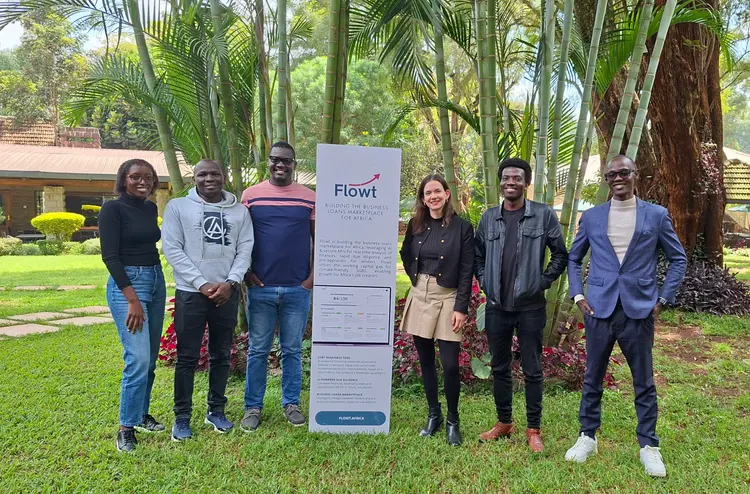
According to Swedish investor VNV Global, Breadfast’s fair value increased 31% in the first nine months of 2025. The platform now processes over one million orders per month and serves around 400,000 active users. Its operations include seven production facilities, a central warehouse, and 7,000 stock-keeping units (SKUs) managed via an AI-powered app, with last-mile deliveries handled through third-party vehicles and motorcycles, typically within 60 minutes.

The IFC conducted environmental and social assessments at Breadfast’s offices and production sites in November 2025. The funds are expected to support expansion into secondary Egyptian cities and strengthen the company’s proprietary technology.

Breadfast is also pursuing a “super-app” strategy through its fintech arm, Breadfast Pay, which has partnered with Visa and Abu Dhabi Islamic Bank to launch a branded payment card. The initiative aims to provide savings, deposits, and payments services to Egypt’s largely underbanked population.

VNV Global praised Breadfast’s “ability to execute in a complex market,” citing strong customer retention and unit economics as key differentiators. The IFC and EBRD backing positions Breadfast as a notable gateway for institutional investors into Egypt’s domestic consumption growth.


BII Invests $37 Million in Egypt’s Abydos II Solar Project

0

British International Investment (BII), the UK’s development finance institution, said on Friday it had committed $37 million to the Abydos II Solar PV and Battery Energy Storage System (BESS) project in Egypt.

The $737 million project, developed by AMEA Power in Aswan Governorate, will have a capacity of 1 GWac and a 600 MWh battery system, generating an estimated 2,910 GWh of electricity annually and avoiding 1.6 million tonnes of CO₂ emissions per year. Operations are expected to start in 2026.
BII is co-financing the project with a consortium including the International Finance Corporation (IFC), CDP of Italy, DEG, FMO, OFID, and the Europe Arab Bank. A 25-year power purchase agreement (PPA) with the Egyptian Electricity Transmission Company (EETC) will ensure stable electricity supply.

The project supports Egypt’s aim to reach 42% renewable energy in its electricity mix by 2030, while advancing the country’s green industrialisation and regional renewable energy trade ambitions.


500 Global to Support Morocco’s Startup VB Initiative Under Digital Morocco 2030

0

500 Global, one of the world’s most active venture capital firms, has been selected to support the Ministry-led Startup VB initiative, a flagship program under Morocco’s Digital Morocco 2030 strategy.

The partnership marks a major milestone in 500 Global’s expansion across Africa and underscores its commitment to strengthening national innovation ecosystems through collaboration with governments.

Launched by the Ministry of Digital Transition and Administrative Reform and deployed by TAMWILCOM, Startup VB aims to accelerate high-potential founders, provide access to financing and training, and boost Morocco’s global digital competitiveness. The initiative seeks to foster innovative technology solutions, mobilize founder-led financing, and advance the country’s ongoing digital transformation.

As a selected implementation partner, 500 Global will support the program by providing founder mentorship, network access, and early-stage capability development while strengthening Morocco’s national innovation systems.

Demola Adegbite, Partner at 500 Global leading the firm’s venture investments across Africa, highlighted how the partnership builds on over a decade of 500 Global’s work on the continent. With more than 20 years of experience in private equity, investment banking, and venture capital, Adegbite emphasized the importance of strengthening early-stage ecosystems and ensuring founders can access both capital and expertise as they scale.

“Our work across emerging markets shows that ecosystems accelerate fastest when public-sector leadership and private-sector expertise move in lockstep,” he said. “By supporting the Digital Morocco 2030 strategy, we look forward to connecting Moroccan founders to our global growth networks across the Middle East, Africa, and Europe, where Morocco is uniquely positioned to serve as a bridge for global expansion.”

With Africa’s demographic boom and rapidly growing urban workforce, 500 Global believes private capital must do more than fund companies—it must also strengthen talent, infrastructure, and policy foundations that enable scalable, technology-driven growth. Through initiatives like Startup VB and its expanding footprint across Africa, 500 Global aims to transform emerging ecosystems into investable innovation hubs, supporting the continent’s long-term development ambitions.


How a Life-Changing Call from Safaricom Turned a Mombasa Tuk-Tuk Driver into a Millionaire

0

A routine M-PESA transaction has transformed the life of a 27-year-old tuk-tuk driver from Kisauni, Mombasa, after Safaricom notified him that he had won KES 1 million in its ongoing Shangwe @25 promotion.

Joseph Ndung’u, who has worked in the transport sector for seven years, is the 14th Kenyan to win the top cash prize since the promotion launched. In addition to the KES 1 million payout, he also received an extra KES 250,000 to support a community project of his choice.

The life-changing moment came shortly after Joseph completed a routine trip. He initially dismissed the unexpected call from Safaricom, suspecting it was related to a fare reversal, and borrowed a friend’s phone to confirm the caller’s identity before realising the news was genuine.

“I had just completed a trip when I received the call. I was sceptical at first and borrowed a friend’s phone to verify that it was indeed Safaricom,” he said.

The win came during a difficult period for his family, which was mourning the recent loss of his grandfather. Joseph said the news brought renewed hope and reassurance at a time of emotional strain.

A frequent M-PESA user, Joseph relies on the platform for daily business transactions, including fuel purchases, airtime and data, and loan repayments. He also supports his family through the service, including servicing instalments for an M-KOPA phone purchased for his younger brother.

With the winnings, Joseph plans to buy an additional tuk-tuk and open a spare-parts shop to diversify his income. He also intends to fund a surgical procedure for his mother and invest in his brother’s education.

As part of the community support component of the prize, Joseph selected the Bidallah Self Help Group, a youth-led organisation based in the Mishomoroni–Kisauni area. The group runs several income-generating activities, including fresh water supply, a fruit parlour, and boda boda operations.

The KES 250,000 community grant will be used to purchase a freezer, expand water storage capacity with larger tanks, and strengthen the group’s fruit business.

“This money gives me an opportunity to plan for the future,” Joseph said. “I want to grow my business, take care of my family, and also ensure the community benefits by supporting a youth self-help group so they can sustain themselves and continue supporting others.”

Safaricom said the Shangwe @25 promotion, launched to mark its 25th anniversary, rewards customers daily and weekly with cash prizes, data bundles, devices, and business support tools. Each week, more than 50,000 customers win between KES 10,000 and KES 100,000.

By the end of the campaign, more than five million customers are expected to receive prizes worth a total of KES 250 million, with 25 customers set to become millionaires.

The promotion also targets businesses, with micro and small enterprises receiving tuk-tuk pickups or stock support, while medium and large enterprises are awarded funds to support corporate social responsibility projects.

The Shangwe @25 campaign is part of Safaricom’s nationwide celebrations marking 25 years of operations, aimed at rewarding customers, uplifting communities, and highlighting the impact of its services.

To access M-PESA services, customers dial *334#.