back to top
Friday, March 27, 2026
spot_imgspot_imgspot_imgspot_img
Home Blog Page 5

Six Planets to Align Over Kenya in Rare ‘Planetary Parade’, KSA Says

0

Stargazers across Kenya are preparing for a rare celestial treat tonight as six planets align in the night sky.

According to the Kenya Space Agency (KSA), Mercury, Venus, Jupiter, Saturn, Uranus, and Neptune will appear to form a straight line shortly after sunset.

The phenomenon, often described by astronomers as a “planetary parade”, is expected to be one of the most significant astronomical displays visible to the naked eye in recent years.

The agency has issued a public notice today , advising enthusiasts to look towards the western horizon to catch the best view.

“Tonight, Saturday, February 28 2026, six planets will align in the western sky after sunset, creating a rare and spectacular celestial display,” the KSA stated.

While the planets appear to be close together from our perspective on Earth, they remain millions of miles apart in space. Their “parade” formation is simply an optical alignment caused by their respective orbits.

To make the most of the event, the KSA suggests that observers use basic equipment.

“This is one of the best evenings to observe them. Simply look toward the western horizon just after sunset to witness this remarkable alignment,” the agency revealed.

Furthermore, officials encouraged the use of tools to help distinguish the planets from distant stars.

“To enhance your viewing experience, use a telescope or astronomy apps such as Stellarium to help identify the planets and navigate the night sky with ease,” the KSA added.

Although planetary alignments occur periodically, it is relatively unusual to see six planets gathered within the same stretch of sky simultaneously.

Consequently, the event offers a unique opportunity for Kenyans to engage with the “beauty of the skies” and witness a scale of cosmic synchronicity that rarely unfolds in such a visible manner.

The Power of Mindset: Writing Your Own History While Living in the Present

0

History will be kind to me for I intend to write it. It does not do to dwell on dreams and forget to live. The mind is its own place, and in itself can make a heaven of hell, a hell of heaven.

Introduction

These lines capture three powerful truths about life. First, your actions today shape the story people remember tomorrow. Second, dreams are important, but you must live and act in the present. Third, your mindset can change the meaning of everything you face. When you combine purpose, presence, and perspective, you gain control over your direction, even when life feels uncertain.

Write Your Own History With Clear Intent

“Writing your own history” is not about controlling what others say. It is about taking responsibility for your choices. Your habits, work ethic, and daily decisions become your personal legacy. People often wait for the perfect moment, but history is built in ordinary days. If you want to be remembered for growth, leadership, or resilience, you need a plan that supports it.

Start with simple steps:

  • Set one clear goal for the next 30 days
  • Track progress weekly
  • Learn from mistakes without quitting
  • Keep improving, even when results are slow

Small actions repeated over time create results that stand out. That is how your “history” becomes something you are proud of.

Don’t Dwell on Dreams and Forget to Live

Dreaming without action becomes a trap. You can spend years thinking about a better life while staying stuck in the same routine. This quote is a reminder to enjoy the present and move forward at the same time. Real progress comes from doing, not only planning.

To stay balanced:

  • Turn big dreams into weekly tasks
  • Limit overthinking and start sooner
  • Celebrate small wins to stay motivated
  • Spend time with people and experiences that matter

When you live fully, your goals feel more real. You also build confidence because you see yourself moving forward.

The Mind Creates Heaven or Hell

Your mind can make the same situation feel hopeful or hopeless. Two people can face the same problem and experience it in completely different ways. This is why mindset matters. If you train your thoughts, you can reduce stress, improve focus, and handle challenges with more control.

Here are practical ways to build a healthier mindset:

  • Replace negative self-talk with realistic thoughts
  • Focus on what you can control today
  • Practice gratitude for small things
  • Take breaks to protect mental energy

This does not mean you ignore problems. It means you choose a perspective that helps you respond better.

Conclusion

These quotes connect like a complete life lesson. You shape your future by acting with intent. You protect your life by living in the present. You protect your peace by managing your mindset. When you apply these ideas together, you stop waiting for life to change and start leading it.


Britam Launches AI Service to Settle Motor Claims Within Two Hours

0

Britam General Insurance has unveiled a drive-through claims facility powered by artificial intelligence that processes and pays motor insurance claims within two hours, cutting sharply from the industry standard of five working days.

The Britam AI Motor Assessment Service, based at Britam Centre in Nairobi, targets comprehensive motor insurance policyholders whose vehicles have sustained minor damage. Vehicles are photographed and assessed by AI in about 15 minutes, after which a digital claim form is sent to the customer’s phone. Claims are reviewed internally within 30 minutes, with settlement via bank transfer, M-Pesa, or a repair order from Britam’s panel of garages completing the process within an hour.

James Mbithi, CEO of Britam General Insurance, said the service represents a fundamental shift in how the company delivers its insurance promise.

“Five working days is no longer acceptable. Our AI platform assesses vehicles and settles claims within two hours. We aim to enable customers to complete the process at the scene of an accident in the future,” he said.

The AI system uses three integrated models: a vehicle object detection model to validate images, a damage detection model using computer vision to classify type and severity of damage, and a price discovery engine that aggregates real-time data from suppliers and repairers to generate cost estimates.

Fraud has long challenged the Kenyan motor insurance sector. Data from the Insurance Regulatory Authority (IRA) shows insurers rejected 22,364 claims worth Ksh 658.9 million in the first quarter of 2025, some due to suspected fraud or improper documentation.

Britam said the platform reduces the risk of manipulated photos, inflated repair quotes, and inconsistent assessments, building on a five-year data-driven framework tracking parts prices. Currently, the service is limited to driveable vehicles with minor damage and is available only to holders of comprehensive motor policies.


iHUB & Mastercard Foundation Open EdTech Fellowship for Underserved Learners

0

iHUB, in partnership with the Mastercard Foundation, on Thursday opened applications for the fourth cohort of the Mastercard Foundation EdTech Fellowship in Kenya, targeting startups developing education solutions for underserved learners.

The 12-month acceleration programme will select 12 early-stage Kenyan EdTech startups and provide mentorship, technical support, access to ecosystem partners and $100,000 in equity-free funding to support product development and long-term growth.

Applications are open from Feb. 27 to March 26, 2026, with eligible startups invited to apply through iHUB’s Future of Learning platform.

Organisers said much of Africa’s EdTech innovation has focused on stable learning environments with reliable connectivity and paying users, leaving inclusion-driven segments such as disability, disrupted schooling and gender participation under-served.

Cohort 4 will focus on solutions for learners with disabilities, displaced and conflict-affected communities, gender-inclusive EdTech, and education data systems built for real-world decision-making.

Since its launch, the fellowship has supported 72 companies across Africa, reaching more than 600,000 learners, with a near-equal gender split, programme data showed.

Founded in Nairobi more than a decade ago, iHUB supports startups and works with corporates and governments on innovation programmes. It is part of the Co-creation Hub network following its acquisition by the pan-African innovation group.

What Player Behavior Tells Us About Casino Bonuses Today

0


What CasinoBonusesFinder Reveals About What Players Actually Want

If you look at how players behave, rather than what casinos advertise, a clear pattern starts to appear. Most people are not chasing the biggest bonus on the page. They are trying to avoid bad surprises. That shift in priorities is exactly what platforms like Casinobonus Finder make visible. When you step back and observe which sections players return to and how they use filters, it becomes obvious that expectations have changed.

Bigger bonuses are no longer the main attraction

For a long time, the assumption was simple. Bigger bonus equals better offer. In practice, players have learned that large numbers often hide uncomfortable conditions. High wagering, restricted games, capped withdrawals, or short time limits quickly turn a generous headline into a poor experience.

What players seem to want instead is clarity. They want to know what a bonus actually does, how long it takes to use, and whether it fits their playing habits. This is why raw bonus size has started to matter less than usability.

Transparency beats promotion

One of the strongest signals from player behavior is how often they stop reading once something feels unclear. If terms are vague or overly simplified, trust drops immediately. Players would rather skip an offer than risk misunderstanding it.

Most players are not looking for the best bonus. They are looking for the least confusing one.

Structure matters more than variety

Another insight that stands out is how players interact with categories. Endless lists do not help once everything starts to look the same. What helps is structure. Being able to narrow down offers by type, conditions, or entry requirements makes decision-making easier.

Instead of scrolling through dozens of similar deals, players prefer to reduce the field quickly. This behavior shows that convenience and control matter more than having unlimited choice.

Common preferences that show up repeatedly include:

  • Clear separation between bonus types

  • Filters that remove irrelevant offers

  • The ability to exclude bonuses already tried

These are not flashy features, but they reflect how people actually browse.

How player behavior has changed over time

Player behavior What it used to be driven by What drives it today
Choosing a bonus Biggest percentage or headline amount Clear terms and realistic conditions
Browsing bonuses Long generic rankings Structured categories and filters
Using bonus codes Trial and error Clear explanation of what the code unlocks
First deposit decision Maximum possible value Low risk and flexibility
Trust in platforms Visual polish and claims Consistency and up-to-date information
Repeat visits Rare and accidental Intentional and purpose-driven

Bonus codes still matter, but only when explained properly

Bonus codes are a good example of how player expectations have matured. Most players no longer assume a code will work automatically. They want to know what it unlocks and under which conditions.

By organizing and verifying Casino Bonus Codes, the platform highlights a simple truth. Codes are useful only when context is provided. A code without explanation is just another potential point of frustration.

Players tend to spend more time on codes that clearly state:

  • Which games the bonus applies to

  • Whether wagering applies and how much

  • If certain payment methods are excluded

That extra clarity reduces failed attempts and wasted registrations.

Low risk entry is more important than free money

Another strong signal comes from how often players explore low commitment offers. Many are less interested in maximizing bonus value and more interested in testing a casino safely.

This explains the consistent interest in No Deposit Bonuses and other low entry options. These offers are not attractive because they are generous, but because they reduce uncertainty. Players use them to evaluate software quality, support responsiveness, and withdrawal processes before committing their own funds.

That behavior says a lot about trust. People would rather start small and stay in control than jump into a large bonus with unclear conditions.

Personal relevance beats generic rankings

Another pattern becomes obvious when you watch repeat users. They do not treat all bonuses equally. What matters is whether an offer fits their specific situation. Country, payment method, preferred games, and experience level all play a role.

Generic rankings ignore these differences. Personal relevance does not. Players return to tools that let them narrow down results until only realistic options remain. This reduces decision fatigue and increases confidence.

Over time, this behavior turns bonus browsing into a process rather than a gamble.

Community feedback shapes expectations

Players also pay close attention to recurring feedback. A single review rarely changes behavior, but patterns do. Repeated comments about delayed withdrawals or changing conditions influence where players spend their time.

An active community acts as an early warning system. When feedback aligns with how offers are presented, players feel that the platform reflects reality rather than marketing claims. That alignment builds credibility without needing persuasion.

What all this says about player priorities

Taken together, these behaviors paint a clear picture. Players want fewer surprises, clearer rules, and more control. They are willing to accept smaller bonuses if the experience feels fair and predictable.

They also value platforms that evolve as they do. As players gain experience, their priorities shift from bonuses to payments, limits, and reliability. Tools that adapt to those shifts stay relevant.

Why this insight matters going forward

Casino bonuses are not disappearing, but the way players choose them is changing. The most successful platforms are not the ones shouting the loudest. They are the ones listening most closely.

What CasinoBonusesFinder reveals is simple but important. Players are not chasing hype anymore. They are chasing understanding. Platforms that recognize that difference will continue to earn trust, while those stuck on outdated assumptions will slowly be ignored.

In the end, what players actually want is not more offers. It is better information, presented in a way that respects their time and experience.


PayPal Denies Takeover Talks as Stripe Interest Looms

0

PayPal is not currently engaged in sale negotiations with Stripe or any other potential suitors, despite recent market speculation.

According to sources familiar with the matter, the payments giant has spent several months working alongside investment bankers to “prepare for a potential activist campaign or unwanted takeover bid,” as first reported by Semafor.

“This strategic pivot towards a defensive posture follows a significant slump in PayPal’s share price,” the report stated.

Executives reportedly feared the decline would leave the firm “vulnerable” to hostile approaches or predatory acquisitions.

Consequently, the company has been shoring up its internal structures to resist outside pressure.

The preparation process originally began under the leadership of former CEO Alex Chriss, who was ousted earlier this year.

However, the urgency of these manoeuvres has been highlighted this week following a Bloomberg report suggesting that Stripe—a major private competitor—is weighing an acquisition of “all or parts of” the company.

While PayPal has declined to comment on the rumours, the timing is particularly sensitive as the company sits in a period of corporate “interregnum.”

Incoming CEO Enrique Lores is scheduled to officially start his tenure next week, inheriting a firm that is currently bracing for potential instability.

Mawingu and Microsoft Tap Starlink to Bridge Rural Digital Divide

0

A long-standing partnership between Kenyan internet provider Mawingu and tech giant Microsoft is set for a major upgrade, following a new collaboration with Elon Musk’s satellite firm, Starlink.

The deal aims to accelerate high-speed internet access in Kenya’s most remote regions by combining Starlink’s low-earth orbit (LEO) satellite technology with Mawingu’s existing ground infrastructure.

Under the new arrangement, Mawingu will spearhead the technical deployment, utilizing its “community-first” strategy to reach areas where traditional fiber cables are often impractical.

Consequently, the ISP expects to transform hundreds of local institutions into high-speed connection points.

“Mawingu will deploy, integrate, and operationalise connectivity across 450 community hubs in rural and peri-urban regions nationwide. These hubs, including schools, farmer cooperatives, aggregation centres, and digital resource facilities, will function as digitally enabled access points,” the ISP confirmed in a statement.

Furthermore, Farouk Ramji, Chief Executive Officer of Mawingu Networks, emphasized that this infrastructure is about more than just hardware.

He noted, “With that foundation in place, communities can fully participate in education, enterprise, and the digital economy.”

While the Kenyan project is a local priority, it forms part of a much larger global initiative.

Microsoft’s journey to improve international connectivity began in 2022, with an initial, ambitious goal to reach 250 million people by the end of 2025.

However, thanks to strategic partnerships like the one in Kenya, the company revealed it has already moved past those figures.

In a recent blog post, Microsoft stated: “We are proud to share that we have met and exceeded that goal, extending connectivity coverage to over 299 million people worldwide, including more than 124 million across Africa.”

In addition to its work in Kenya, Microsoft is currently scaling similar connectivity programs across South Africa, Malawi, Ghana, Nigeria, and Zambia.

Meanwhile, for Starlink, the move solidifies its aggressive expansion into the African market.

Despite facing regulatory hurdles in some regions, the satellite provider recorded 19,470 subscribers in Kenya as of September 2025.

This latest tie-up follows previous agreements with major telecommunications players, including Airtel Africa and Vodacom.

Pesalink and PAPSS Strike Deal to Slash Cross-Border Payment Costs

0

Kenya’s de facto instant payment network, Pesalink, has officially partnered with the Pan-African Payment and Settlement System (PAPSS) in a strategic move to simplify cross-border transactions and accelerate regional financial integration.

The partnership enables instant, 24/7 cross-border payments from PAPSS participants directly into banks and mobile money operators within the Pesalink network in Kenya.

Crucially, all transactions will be settled in local currencies. Consequently, this shift reduces the need for complex correspondent banking structures and diminishes the long-standing reliance on foreign reserve currencies, which often complicates trade within the continent.

As a result of this agreement, Pesalink now serves as a Technical Connectivity Provider.

This means that more than 80 Kenyan banks, fintechs, SACCOs, and telco participants on the Pesalink network will be seamlessly connected to over 160 commercial banks and fintechs already on the PAPSS platform.

PAPSS itself is an initiative of the African Export-Import Bank (Afreximbank), developed in collaboration with the African Union and the AfCFTA Secretariat to facilitate smoother financial flows between African nations.

The urgency of this integration is highlighted by the high cost of moving money within Africa.

According to the 2023 World Bank Remittance Prices report, sending money across African borders incurs an average cost of 7-8% of the total value, a figure that sits above the global average of 6–7%.

Furthermore, traditional settlements can currently take anywhere from three to seven business days.

By streamlining these processes, the Pesalink–PAPSS partnership aims to reduce costs and significantly speed up settlements for individuals and SMEs.

Speaking during the partnership signing at Pesalink’s offices in Nairobi, PAPSS CEO Mike Ogbalu III emphasized the importance of local cooperation.

“For PAPSS to deliver true impact, collaboration with national and private switches like Pesalink is essential,” he stated.

“Pesalink is the first switch we’ve piloted for transaction termination in Kenya, and we are already seeing greater adoption by opening more channels for seamless, local-currency cross-border payments across Africa.”

In conclusion, Pesalink CEO Gituku Kirika noted that the deal would empower the local banking sector.

“Kenyan banks will now be able to offer faster, cheaper cross-border payments,” Mr. Kirika said. “They will be helping their customers grow more regional trading relationships and thrive in a more integrated digital economy.”

Abu Dhabi AI Firm Origen Raises $50 Million from Bluefive Capital

0

Abu Dhabi-based artificial intelligence firm Origen said on Thursday it had raised $50 million in a strategic investment from Bluefive Capital, as demand accelerates for AI systems designed for real-world commercial and government use.

The funding will support Origen’s expansion across sectors including government services, smart homes and advanced manufacturing, the company said, as it seeks to scale artificial intelligence solutions that address complex operational challenges.

Founded by a group of senior technology executives, Origen focuses on embedding AI into practical workflows rather than experimental applications, aiming to deliver measurable efficiency and productivity gains. Its leadership team brings experience across enterprise technology, digital transformation and large-scale systems deployment.

Origen operates at the intersection of applied research and operational execution, partnering with public and private sector organisations to translate emerging AI technologies into production-ready systems designed for long-term reliability and resilience.

The investment comes as Abu Dhabi accelerates efforts to diversify its economy beyond hydrocarbons, with technology and artificial intelligence identified as key pillars of growth. The emirate has been investing heavily in building a globally competitive innovation ecosystem capable of developing and deploying advanced technologies at scale.

Origen said the new capital would be used to speed up product development, deepen strategic partnerships and attract global talent, strengthening its position as an AI implementation partner for mission-critical environments.

Morocco’s WafR Raises $4 Million in Oversubscribed Seed Round Co-led by LoftyInc Capital

0

Morocco’s WafR has raised $4 million in an oversubscribed seed round, co-led by pan-African venture capital firm LoftyInc Capital, as the fintech scales efforts to expand access to financial services through neighbourhood corner stores.

The round was also co-led by Attijariwafa Ventures and Almada Ventures, with participation from existing investors UM6P Ventures and First Circle Capital, the companies said.

Founded to digitise airtime sales and bill payments, WafR operates through a network of nearly 20,000 active corner stores, or “hanouts,” converting them into last-mile distribution points for financial services. The company plans to expand into peer-to-peer transfers and nationwide remittances.

“We are proud to co-lead this round and champion WafR’s bold mission,” said Mariam Kamel, a partner at LoftyInc Capital, adding that the investment aligns with the firm’s focus on founders addressing core financial inclusion gaps.

The deal marks one of the first investments from LoftyInc’s newly launched Alpha Fund, which targets late-seed and Series A startups to bridge what the firm describes as a “graduation gap” that limits access to growth capital for promising African companies.

“The entry of these investors is a pivotal milestone,” said Ismail Bargach, chief executive and co-founder of WafR, citing their fintech experience and regional networks as key to scaling the business.

LoftyInc has backed several high-profile African fintechs, including Flutterwave and Moove in Nigeria and Wave in Senegal, and is expanding its focus in North and Francophone Africa.

FarmBizAfrica Launches HarvestMAX, an AI Tool to Help Kenyan Farmers Cut Climate Risk

0

African agricultural information service FarmBizAfrica has launched an artificial intelligence-based crop planning tool in Kenya aimed at helping farmers reduce climate-related losses and improve incomes as erratic rainfall threatens food supplies.

Kenya’s agriculture sector, which is largely rain-fed, has been increasingly affected by unpredictable weather patterns, with floods and droughts hitting different regions in the same season. Last year, farmers along the Coast who planted maize failed to harvest after poor short rains, while growers in higher rainfall areas lost tomatoes, beans and avocados to waterlogging.

“With nearly all our crops still rain-fed, planting the same crops regardless of the weather is destroying farmers’ incomes and driving up food prices,” said Antynet Ford, agronomy lead at FarmBizAfrica.

The new tool, known as HarvestMAX, uses AI to recommend crops based on a farmer’s location, soil type and long-season weather outlook. The platform provides free crop recommendations and, for a one-off fee of 500 Kenyan shillings ($3.90), offers a full-season plan detailing input requirements, expected yields, projected earnings and step-by-step agronomy guidance.

FarmBizAfrica said HarvestMAX also calculates likely profits for each recommended crop, allowing farmers to compare traditional staples with higher-value alternatives better suited to local conditions and climate risks.

“Many farmers earn as little as 50,000 shillings per acre in a season, yet there are options that can generate 250,000 shillings or even 500,000 with the right crop choices and support,” Ford said.

Image

The company said it reaches more than three million farmers a month across Africa and chose Kenya as the first market for the launch because of the country’s large smallholder base and growing exposure to climate shocks.

“About 55% of our readers, subscribers and followers are in Kenya, which made it the obvious place to start,” said FarmBizAfrica Chief Executive Jethro Tieman.

HarvestMAX does not require an app download and allows farmers to create permanent accounts that can be consulted repeatedly or printed as field guides. The service is available nationwide through web and mobile browsers.

FarmBizAfrica’s CEO Jethro Tieman.


Kenya has faced rising food prices following recent crop losses linked to extreme weather, heightening concerns over food security and household costs. FarmBizAfrica said wider adoption of data-driven crop planning could help stabilise farm output and incomes as climate volatility increases across East Africa.

Why Website Bugs Discovered Through Automation Testing Are Secretly Destroying Your SEO Traffic

0

Organic traffic is the lifeblood of many digital businesses. Companies invest heavily in content marketing, backlink strategies, and keyword optimization to climb search engine rankings. Yet despite these efforts, traffic sometimes declines without a clear explanation.

In this blog, we explore how website bugs uncovered through automation testing may be quietly damaging your SEO performance. Technical issues that seem minor from a user perspective can significantly affect how search engines crawl, index, and rank your site.

The Connection Between Website Bugs and SEO

Search engines rely on technical signals to evaluate and rank websites. When bugs interfere with these signals, visibility suffers.

Common SEO damaging issues include:

  • Broken internal links and 404 errors
  • Slow page load times
  • JavaScript rendering problems
  • Mobile usability issues
  • Crawlability and indexing errors

Even if your content is strong, these technical flaws can limit search engine access to your pages. A single deployment that introduces redirect loops or broken navigation can impact rankings across multiple pages.

Many of these problems are not immediately obvious to content teams or marketers, which is why they often go unresolved.

Why Manual Checks Miss Critical SEO Bugs

Manual testing typically focuses on visible functionality. Testers confirm that forms submit correctly, navigation works, and pages display as expected. However, SEO related bugs often exist beneath the surface.

For example, a page might load correctly for a human user but fail to render properly for search engine crawlers due to JavaScript execution issues. Similarly, intermittent server errors may not appear during spot checks but can still affect indexing. Manual testing lacks the scale and consistency needed to catch these hidden technical issues across hundreds or thousands of pages.

How Automation Testing Reveals SEO Damaging Issues

Automation testing provides continuous and repeatable validation of website behavior. It identifies patterns and errors that would be difficult to detect manually.

1. Detecting Broken Links and Redirect Loops

Automated scripts can crawl your site regularly and flag broken links or misconfigured redirects. This prevents search engines from encountering dead ends or endless redirect chains.

2. Monitoring Page Speed and Performance

Performance testing tools measure load times and identify bottlenecks. Slow pages negatively impact search rankings and user experience. Continuous monitoring ensures performance does not degrade after updates.

3. Validating Structured Data

Structured data helps search engines understand your content. Automation can verify that schema markup is correctly implemented and free from syntax errors.

4. Ensuring Mobile Responsiveness

Search engines prioritize mobile-friendly sites. Automated tests simulate different screen sizes and validate responsive layouts to protect mobile rankings.

5. Identifying Rendering and Script Errors

JavaScript-heavy websites may display correctly in browsers but fail during crawler rendering. Automation can simulate various rendering scenarios to detect these discrepancies early.

Many teams integrate testing automation tools into their deployment pipelines to continuously validate both functional behavior and technical performance. This proactive approach reduces the risk of SEO damage after each release.

The Hidden Cost of Ignoring These Bugs

Ignoring technical bugs can gradually erode your search performance.

The consequences often include:

  • Declining search rankings
  • Reduced organic traffic
  • Higher bounce rates due to slow pages
  • Lost conversions and revenue
  • Lower domain authority over time

SEO traffic rarely collapses overnight. Instead, it declines slowly as technical issues accumulate. By the time the drop becomes noticeable, recovery can require significant effort and time.

Technical health is just as important as keyword strategy.

Why Automation Should Be Part of Your SEO Strategy

SEO is often viewed as a marketing initiative, but its success depends heavily on technical stability. Automation ensures that key SEO signals such as site structure, performance metrics, and rendering behavior are continuously validated after every deployment. This reduces the risk of unnoticed issues that could harm search visibility.

By integrating automated checks into development pipelines, teams can detect and resolve problems before they affect rankings. Continuous monitoring provides consistent oversight, unlike periodic audits that only capture issues at specific moments in time. Automation transforms SEO protection from a reactive task into a proactive strategy.

Best Practices for Protecting SEO with Automation

To safeguard your organic traffic, consider these practical steps.

1. Automate Technical SEO Checks

Implement automated crawls that monitor broken links, metadata accuracy, and indexing status.

2. Test After Every Deployment

Integrate automated tests into your CI pipeline to validate site health before changes go live.

3. Monitor Core Web Vitals

Track performance metrics such as loading speed and interactivity. These directly influence search rankings.

4. Combine SEO Tools with Functional Testing

Pair traditional SEO monitoring tools with functional automation to ensure both user experience and technical structure remain intact.

A comprehensive approach ensures that updates enhance rather than harm your search presence.

Conclusion

Website bugs can quietly erode your SEO performance, even when your content and keyword strategy are strong. Technical issues such as broken links, slow load times, and rendering errors often go unnoticed until rankings drop and organic traffic declines. By combining automation testing with continuous technical monitoring, businesses can detect problems early, protect search visibility, and maintain consistent performance after every update, ensuring sustainable long-term growth in a competitive digital landscape.

Eveready East Africa pivots to green energy and EV financing

0

The iconic “Shika Paka Pawa” brand is undergoing a major strategic overhaul, moving away from its traditional battery roots to embrace Kenya’s booming renewable energy sector.

Eveready East Africa has unveiled a transformation plan that targets solar power, electric vehicle (EV) financing, and carbon markets.
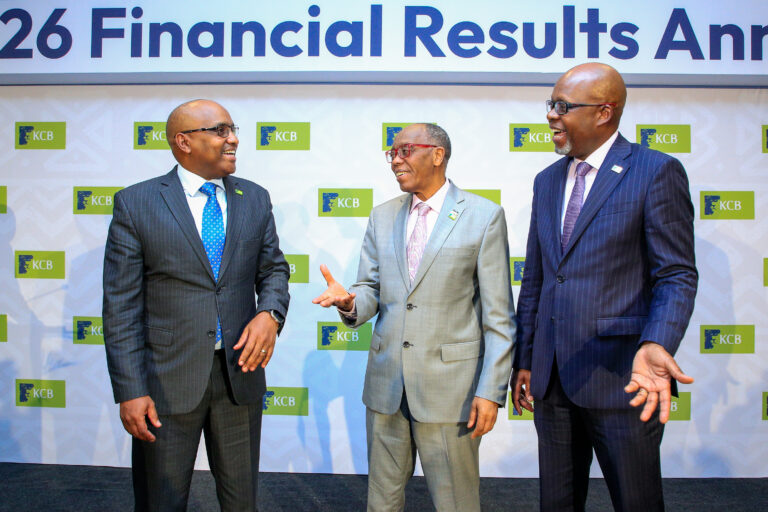
The move signals the company’s intent to transition from a legacy manufacturer into a modern player within the green energy ecosystem.

At the heart of this evolution is the Integrated Clean Energy Platform (ICEP).

This initiative aims to provide end-to-end support, including technology, installation, and financing,for a wide range of clients, from SMEs and schools to healthcare facilities and private households.

Furthermore, the company has secured high-level partnerships with Huawei Technologies and Jinko Solar.

These collaborations will allow Eveready to offer commercial solar inverters, grid-connected systems, and smart energy management tools designed to lower costs for consumers.

Reflecting on the change, CEO Sonia Karuma stated: “Eveready is reimagining its role in Kenya’s energy future. This transformation reflects our commitment to making clean, affordable, and reliable energy accessible, while building a resilient business positioned for long-term growth.”

Beyond solar energy, Eveready is making a significant entry into the e-mobility market.

By partnering with EV Jumla, the firm has launched asset-backed financing solutions specifically designed to lower the high upfront costs of electric transport.

Key features of the EV financing model include:

  • Financing for both electric bikes and cars.

  • Flexible repayment structures tailored for taxi drivers and delivery services.

  • Integration with renewable-linked charging solutions.

Consequently, this move positions the Nairobi Securities Exchange-listed firm as a facilitator for wider EV adoption at a time when clean transport demand is accelerating across the region.

Building on a foundation laid in June 2023, Eveready is also expanding its partnership with the Regional Voluntary Carbon Market Company (RVCMC).

This collaboration stems from the historic voluntary carbon credit auction held in Nairobi—the largest of its kind globally.

By developing high-quality carbon projects, the company intends to generate verified emissions reductions, thereby unlocking new revenue streams through climate finance.

While the technology is new, Eveready is leaning heavily on its seven decades of brand trust.

Management noted that the company’s deep national reach and distribution networks provide a unique advantage in capturing the growing demand for reliable power.

“Eveready’s transformation positions the company to capture this opportunity while advancing environmental stewardship, financial inclusion and green job creation,” the company’s management added.

Ultimately, the shift represents a calculated bet that the future of the Kenyan economy lies in a low-carbon, inclusive model, moving far beyond the simple batteries that first made the brand a household name.

NCBA Holds Financial Literacy Forum for Nairobi SME Traders

0

NCBA Group on Thursday brought together more than 100 small and medium-sized enterprise (SME) traders in Nairobi for a financial literacy and advisory forum aimed at strengthening business resilience and expanding access to tailored financial solutions.

The forum drew traders from major commercial hubs including Gikomba, Nyamakima, Kamukunji, Kirinyaga Road and Sheikh Karume markets—sectors that are highly cash-driven and central to the capital’s economy. Participants engaged NCBA specialists on business financing, asset finance, leasing, insurance, cash management, trade finance and transactional banking.

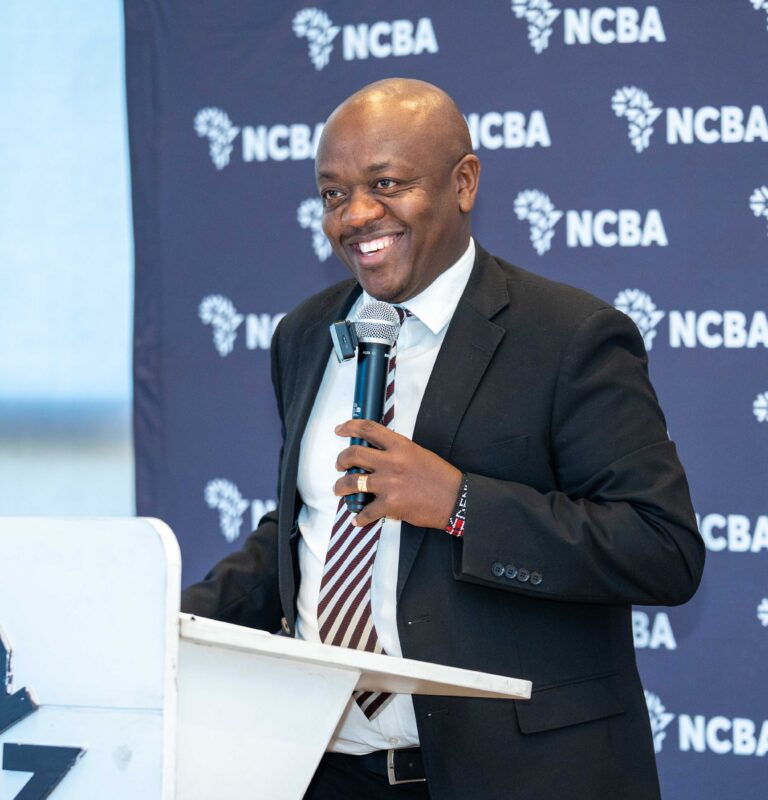
Speaking at the event, Robert Kiboti, NCBA Group Director for CSME Banking, said SMEs continue to face constraints in access to capital, financial planning and risk management.

“Driven by our purpose to bank on belief and empower ambition, we are going beyond financing to provide advisory, knowledge and ecosystem-based solutions that help traders make informed decisions and scale sustainably,” Kiboti said.

The engagement supports NCBA’s 2025 strategy to become the primary financial partner for retail and SME customers through personalised, sector-specific outreach. The bank said convening traders within their business clusters enables practical learning, networking and long-term partnerships.

Traders were introduced to a range of products including working capital loans, commercial mortgages, construction and equity release financing, vehicle and equipment finance, leasing, and business banking solutions such as current and savings accounts, fixed and call deposits. Digital offerings highlighted included mobile and online banking, merchant services such as Lipa na M-Pesa, the NCBA Connect Plus cash management platform and NCBA Boosta, a digital lending solution of up to 35 million Kenyan shillings.

NCBA also outlined its SME capacity-building initiatives, including a 10-week Enterprise Development Programme run in partnership with Strathmore Business School and the African Guarantee Fund’s AFAWA Acceleration Programme, which supports women-led enterprises with financing and technical assistance.

NCBA Group operates more than 100 branches across Kenya, Uganda, Tanzania, Rwanda and Côte d’Ivoire, serving over 60 million customers, making it Africa’s largest banking group by customer numbers.

Emirates Introduces Split-payment Option in Kenya through Cellulant

0

Emirates has introduced a split-payment option for customers in Kenya, allowing travellers to pay for air tickets using multiple payment methods or staggered instalments, as the airline seeks to tap into Africa’s mobile-money-driven economy.

The service, enabled through Tingg, a payment gateway operated by African payments firm Cellulant, is available on the Emirates website in Kenya and is expected to be extended to other African markets in the coming months.

Under the new option, customers can combine mobile money, mobile banking and local debit or credit cards, or make an initial payment followed by up to four additional instalments within 24 hours. The structure allows travellers to complete bookings while remaining within daily and per-transaction limits imposed by mobile money providers.

“With hundreds of millions of Africans relying on mobile money as their preferred way to pay, extending this convenience to international travel payments is essential,” said Michael Muriuki, Cellulant’s chief product and technology officer.

Mobile money is the dominant form of payment across Africa, with more than one billion registered wallets and tens of billions of transactions annually, but transaction limits often prevent customers from completing high-value purchases such as international flights.

Christophe Leloup, Emirates’ country manager for Kenya, said the airline was adapting its booking experience to local market realities. “By introducing split payments through Tingg by Cellulant, we unlock greater flexibility and convenience, while enabling more customers to access our products and services,” he said.

In Kenya, Emirates already accepts payments via mobile money platforms such as M-Pesa, mobile banking transfers and local cards through its partnership with Cellulant. Across Africa, the two companies support local payment and financing options in more than 14 markets, including South Africa, Ghana and Zimbabwe.

The launch comes as Emirates plans to add a third daily flight on the Dubai–Nairobi route from March 1, 2026, increasing capacity on a corridor that has seen strong demand. The airline said recent flights on the route have recorded consistently high seat occupancy rates.

Customers can access the split-payment option when booking tickets on the Emirates website.

AA Tackles Forgery with New International Permit Accepted in 150 Countries

0

The Automobile Association of Kenya (AA Kenya) has officially rolled out a new digital International Driving Permit (IDP), designed to allow Kenyan motorists to navigate roads in over 150 countries without the need for additional local testing.

This strategic move comes as a direct response to a “troubling surge” in international legal incidents where Kenyan drivers have faced severe reprimands and legal action from foreign authorities after unknowingly or intentionally presenting counterfeit permits.

Addressing the security concerns surrounding travel documents, Francis Theuri, CEO of AA Kenya, highlighted the gravity of the current situation by noting that several Kenyans have been arrested abroad for possessing fake IDPs, which international police treat as forgery.

Consequently, the new permit has been engineered with sophisticated digital safeguards to prevent such occurrences.

“The IDP we are issuing is tamper-proof; it has very good security features and is digital, meaning the Interpol can verify online, without having to call us directly,” Mr. Theuri explained.

Developed with the high-level support of the International Automobile Federation (FIA), AA Dubai, and the United Kingdom, the document serves as an official translation of a valid Kenyan driving license into multiple international languages.

Beyond merely satisfying legal requirements, the permit offers several practical advantages for Kenyans abroad, such as simplifying the process of hiring vehicles for those traveling for business, studies, or leisure.

Furthermore, foreign insurance providers can now use the IDP to verify and validate coverage for Kenyan drivers, ensuring they are fully protected while on the road.

In light of the government’s push for Kenyans to seek work abroad, the permit is also expected to open doors for the youth in sectors that require extensive driving.

Ultimately, the initiative reflects a broader shift toward digital integration and driver protection on a global scale.

As Mr. Theuri noted, “This product underscores AA Kenya’s commitment to supporting drivers as they transition from local mobility to global access.”

With the digital verification system now live, Kenyan motorists can expect a significantly smoother and more secure experience when operating vehicles across international borders.

Samsung Galaxy S26 Ultra: Why It’s Samsung’s Best Phone Yet

0

Samsung today released its flagship smartphones at the 2026 Galaxy Unpacked event to a lot of fanfare and anticipation among tech enthusiasts globally, but the Samsung Galaxy S26 Ultra stands out from the pack.

From a world-first hardware privacy display to deeply integrated, on-device AI, the S26 Ultra is not just the best Galaxy phone of 2026 but one of the most forward-looking smartphones on the market today.

Image

Galaxy AI Grows Up: Less Noise, More Intelligence

Instead of flashy AI demos, the S26 Ultra introduces agentic AI that quietly assists in the background, understanding intent, context, and habits.

Tasks like drafting replies, summarising messages, organising photos, or suggesting actions now happen naturally, without constant user prompts. More importantly, much of this intelligence runs on-device, reducing latency while keeping personal data private.

This marks a turning point where AI becomes infrastructure, not a gimmick.

Image

Camera: Built for Light, Powered by Intelligence

Samsung has refined what already worked. The Galaxy S26 Ultra’s main camera now features a wider f/1.4 aperture, allowing more light to hit the sensor which dramatically improves low-light photography, night shots, and indoor images.

Beyond hardware, AI processing now plays a larger role in:

  • Cleaner night photos with reduced noise
  • More accurate skin tones in portraits
  • Smarter depth mapping even on the selfie camera

While the S26 and S26+ are capable shooters, the Ultra clearly leads in consistency and image intelligence.

Image


A World-First Hardware Privacy Display

The most distinctive feature of the Galaxy S26 Ultra is its hardware-based privacy display, a first in the mainstream smartphone industry. Similar feature has been in some phone protectors.

Unlike software privacy filters, this technology physically limits viewing angles at the display level. In public spaces like matatus, airports, or coffee shops, sensitive content stays visible only to you.

This feature is exclusive to the Ultra and reflects Samsung’s growing focus on everyday digital privacy.

Performance Designed for the Long Run

Samsung equips the S26 Ultra with its most advanced processing and neural hardware yet, delivering:

  • Faster multitasking
  • Smoother gaming and graphics
  • Accelerated AI workloads
  • Improved thermal management

Combined with faster charging and better heat control, the Ultra is designed to remain powerful not just this year.

Galaxy S26 Series Comparison

Feature Galaxy S26 Galaxy S26+ Galaxy S26 Ultra
Display 6.2″ Dynamic AMOLED 2X 6.7″ Dynamic AMOLED 2X 6.8″ Dynamic AMOLED 2X
Refresh Rate 120 Hz 120 Hz 120 Hz
Main Camera 50 MP 50 MP 200 MP (f/1.4)
Telephoto Zoom 3× Optical 3× Optical 5× Optical
Ultra‑Wide 12 MP 12 MP 12 MP
Selfie Camera 10 MP 10 MP 12 MP
AI Image Processing Standard Enhanced Most Advanced
Privacy Display Hardware Privacy Display
On‑Device AI Features Basic Expanded Full Agentic AI Suite
Chipset Latest Flagship Latest Flagship Enhanced Neural Engine
Battery ~4,000 mAh ~4,700 mAh ~5,000 mAh
Charging Fast Charging Fast Charging Fast + Advanced Thermal Tech
Build Materials Armor Aluminium Armor Aluminium Armor Aluminium + Premium Finish
Notable Upside Compact flagship Balanced size/power Top performance + privacy + camera

Feature Focus Comparison

Category Galaxy S26 Galaxy S26+ Galaxy S26 Ultra
AI Features ✔ Helpful ✔ Expanded ✔ Most Context‑Aware
Camera System ✔ Great ✔ Very Good ✔ Best Overall
Low‑Light Photography Moderate Improved Best in Series
Zoom Capability 5× + Enhanced Detail
Privacy & Security Standard Standard Hardware Privacy Screen
Power User Ready Everyday Use Everyday + Power Use Multitasking + Future‑proof
Value Proposition Sweet spot Mid‑tier choice Flagship Experience

Kenya Price Comparison

Model Starting Price RRP (KES)
Galaxy S26 KES 120,000
Galaxy S26+ KES 144,400
Galaxy S26 Ultra KES 171,400

(Prices may vary by retailer and configuration.)

Verdict: The Galaxy Phone to Buy in 2026

The Galaxy S26 Ultra isn’t for everyone and that’s the point. It’s for users who want:

  • AI that actually helps
  • Cameras that perform in real-world conditions
  • Privacy built into the hardware
  • Performance that won’t age quickly

Among the S26 lineup, the Samsung Galaxy S26 Ultra clearly stands alone. If you’re upgrading this year and want the most complete Android flagship Samsung has ever made, this is the one to beat.


Samsung Unveils the Galaxy Buds4 Pro & Galaxy Buds4

0

Samsung Electronics has unveiled its latest wireless earbuds lineup the Galaxy Buds4 Pro and Galaxy Buds4 raising the bar for premium audio with richer hi-fi sound, smarter adaptive controls, and a refined, comfort-first design.

The Galaxy Buds4 series combines Samsung’s most advanced audio hardware with AI-powered software features designed to adapt sound and noise control to real-world environments. The company says the new earbuds are built to “sound as good as they feel,” delivering both immersive audio and all-day wearability.

A New Blade Design for Comfort and Stability

Samsung introduces a new iconic blade design across the Buds4 series, developed using computational modeling based on hundreds of millions of global ear data points and more than 10,000 simulations. The result is a smaller, more secure earbud head designed for long-term comfort.

Key design updates include:

  • A stabilized blade with a premium metal finish
  • An engraved pinch-control area for easier adjustments
  • A transparent clamshell charging case that improves usability while highlighting the new design

The Buds4 Pro features a canal-fit design aimed at maximum sound isolation and performance, while the standard Buds4 adopts an open-fit design for comfort and everyday listening. Both models are available in Black and White, with an online-exclusive Pink Gold option for Buds4 Pro.

Bigger Drivers, Truer Sound

At the core of the audio upgrade is new hardware. The Galaxy Buds4 Pro introduces a wider woofer, increasing the effective speaker area by nearly 20% compared to the previous generation without increasing size.

Paired with a dedicated tweeter, the two-way speaker system delivers:

  • Deeper, cleaner bass
  • More detailed treble
  • Support for 24-bit/96kHz hi-fi audio on compatible Galaxy devices

Samsung says the tuning is designed to reproduce music “true to the original recording,” from delicate violin notes to deep double-bass resonance.

Smarter ANC and Adaptive Sound

The Galaxy Buds4 series builds on Samsung’s adaptive sound technology with enhanced Active Noise Cancellation (ANC) and Adaptive EQ.

The earbuds analyze:

  • Ear shape
  • Wearing conditions
  • Ambient noise levels

They then adjust both sound and noise cancellation in real time. Whether on a bus, train, or airplane, low-frequency engine and road noise is reduced while audio clarity is preserved.

For calls, Super Clear Call technology uses super-wideband audio and machine-learning noise reduction to keep voices sharp and natural — even in crowded or noisy environments.

Deeper Galaxy Ecosystem Integration

The Buds4 series is tightly integrated into the Galaxy ecosystem. Users can activate AI assistants — including Bixby, Google Gemini, and Perplexity — using hands-free voice commands.

Other ecosystem features include:

  • Instant pairing by simply opening the charging case
  • Quick access to volume and EQ controls via the Quick Panel
  • Head Gesture controls on Buds4 Pro for calls and assistant interactions

Samsung says these features are designed to reduce phone dependency and enable seamless, distraction-free use throughout the day.

Availability

The Galaxy Buds4 series launches alongside the Galaxy S26 series.

  • Pre-orders: Open today in select markets
  • General availability: March 11, 2026


Samsung Launches Galaxy S26 Series with Deeper AI, Privacy-first Display

0

Samsung Electronics on Wednesday launched its much anticipated Galaxy S26 smartphone lineup in Kenya, with a deeper artificial intelligence integration, upgraded cameras and a new privacy-focused display to drive demand in the premium segment.

The Galaxy S26 range comprising the S26, S26+ and S26 Ultra is Samsung’s third generation of AI-centric smartphones, designed to automate everyday tasks such as planning, searching and content editing while operating largely in the background.

Samsung said the devices combine customised chipsets, improved thermal systems and AI-optimised software to deliver consistent all-day performance without compromising security or battery life.

Performance and hardware

The flagship Galaxy S26 Ultra is powered by a customised Snapdragon 8 Elite Gen 5 Mobile Platform for Galaxy, delivering gains of up to 19% in CPU performance, 39% in AI processing and 24% in graphics performance, according to the company.

A redesigned vapour chamber improves heat dissipation during gaming, video capture and multitasking, while Super Fast Charging 3.0 allows the device to reach up to 75% battery charge in about 30 minutes.

Cameras and AI features

Samsung said the Galaxy S26 series continues its focus on mobile photography, led by the S26 Ultra’s 200-megapixel main camera, improved low-light performance and support for APV, a professional-grade video codec.

AI-driven tools such as Now Nudge, Now Brief and an upgraded Circle to Search aim to reduce friction between intent and action, while an enhanced Bixby assistant and third-party AI agents enable users to complete multi-step tasks using natural language.

Privacy and security

The Galaxy S26 Ultra introduces what Samsung calls the mobile industry’s first built-in Privacy Display, designed to limit side-angle visibility at the pixel level while maintaining normal viewing quality for the user.

Image

Image

Image


Additional safeguards include AI-powered call screening, real-time privacy alerts, post-quantum cryptography protections and seven years of security updates via Samsung’s Knox platform.

Kenyan market pricing

Samsung said pricing in Kenya is as follows:

  • Galaxy S26 Ultra
    512GB – KSh 197,300
    256GB – KSh 171,400
  • Galaxy S26+
    512GB – KSh 170,300
    256GB – KSh 144,400
  • Galaxy S26
    512GB – KSh 147,700
    256GB – KSh 120,000

Availability

Samsung said pre-orders for the Galaxy S26 series opened on Wednesday, with devices available in colours including Cobalt Violet, White, Black and Sky Blue, alongside online-exclusive finishes. Samsung Care+ coverage will be offered with the devices, providing extended warranty and accidental damage protection.

The launch comes as smartphone makers increasingly turn to AI-driven features and stronger privacy assurances to differentiate high-end devices in a maturing global market.

NCBA Pledges KES 13 Million to Kenyan Youth in Major Scholarship Drive

0

NCBA Group has reaffirmed its commitment to education by allocating over KES 13 million to support 177 students across Kenya.

The funding, which was announced in Nairobi on earlier this week, is part of a broader sustainability agenda aimed at fostering youth empowerment and inclusive innovation.

The bank has pledged to deploy KES 100 million annually to support regional communities, specifically targeting education, mentorship, and skills development for women and young people.

During the handover ceremony, held at the Museum of Illusions Nairobi, the group also unveiled a strategic partnership with the Crystal Asige Foundation.

Founded by Senator Crystal Asige, the foundation focuses on learners facing “compounded challenges,” including chronic medical conditions, disabilities, and financial vulnerability.

The bank noted that the choice of venue was deliberate, aiming to highlight critical thinking and social impact.

Consequently, the collaboration will deliver structured support directly to institutions to ensure accountability and reach those often left behind by traditional systems.

Speaking at the event, NCBA Group Chairman Mr. James Ndegwa emphasized that education is the “cornerstone” of the bank’s citizenship agenda.

“Scaling belief by investing in our youth is not simply a call to action; it is a necessity for our nation’s continued growth and prosperity. Our world is calling out for leaders—leaders with intelligence, yes, but also with compassion, vision, and a fierce dedication to making a difference,” noted Mr. James Ndegwa, NCBA Group Chairman

Furthermore, NCBA Group Managing Director Mr. John Gachora highlighted the philosophy of Ubuntu: a people-centered approach to collective progress, as the driving force behind the initiative.

“When we invest in education, we are not just paying fees; we are building resilience and nurturing innovation. We are creating communities that are equipped to solve problems and imagine new possibilities. We are not just a Banking Group; we are an Ubuntu,” added Mr. John Gachora, NCBA Group Managing Director.

The scholarships have already begun to change lives. One student beneficiary remarked that the financial aid “lifted a huge burden” off their family.

“Knowing that an institution like NCBA believes in my future has given me the confidence to keep going and aim higher,” the student added.

As a market leader in asset finance and digital banking, NCBA Group operates a network of over 100 branches across five countries: Kenya, Uganda, Tanzania, Rwanda, and the Ivory Coast.

With over 60 million customers, it currently stands as the largest banking group in Africa by customer numbers.

Samsung Unpacked 2026: How to Watch & What Samsung Might Launch

0

Samsung Electronics is today February 25, hosting the Galaxy Unpacked event in San Francisco to unveil Samsung’s newest Galaxy innovations marking a new phase in the era of AI as intelligence becomes truly personal and adaptive.

There are other launch parties across the world but the event will also be streamed live on Samsung.comSamsung Newsroom and Samsung’s YouTube channel beginning at 10 a.m. PT, 1 p.m. EST, 6 p.m. GMT and 7 p.m. CET.

Fans around the world will see Samsung unveil its latest flagship devices, AI features, accessories, partnerships, and more and of course the new Galaxy S series is coming.

How to Watch Live

You can tune in for free on multiple official platforms:

  • Samsung’s official YouTube channel – live video feed
  • Samsung.com or Samsung Newsroom – embedded livestream
  • Set a reminder on YouTube so you don’t miss the start

The livestream generally starts a few minutes before the official time. Samsung usually posts the full replay later if you can’t watch live.

Live Start Times Around the World

City / Region Local Time (Feb 25, 2026)
San Francisco, USA 10:00 AM PT
New York, USA 1:00 PM ET
London, UK 6:00 PM GMT
Paris / Berlin, EU 7:00 PM CET
Nairobi, Kenya 9:00 PM EAT
Lagos, Nigeria 7:00 PM WAT
Johannesburg, South Africa 8:00 PM SAST
Dubai, UAE 10:00 PM GST
Mumbai, India 11:30 PM IST
Beijing, China 1:00 AM CST (Feb 26)
Tokyo, Japan 2:00 AM JST (Feb 26)
Sydney, Australia 4:00 AM AEDT (Feb 26)

These times are based on the confirmed 10 AM PT start and worldwide time‑zone conversions.

Expected Launches & Highlights

Galaxy S26 Series Phones

Samsung is expected to unveil three main phones:

  • Galaxy S26 – flagship base model
  • Galaxy S26+ – larger display and battery
  • Galaxy S26 Ultra – the top‑tier flagship with the most advanced camera and AI features

The lineup will focus on performance, AI‑powered photography, battery enhancements, and software upgrades powered by One UI with Galaxy AI.

Galaxy Buds 4 Series (Wireless Earbuds)

Samsung is likely to launch:

  • Galaxy Buds 4
  • Galaxy Buds 4 Pro

These true wireless earbuds are expected to offer improved audio quality, better active noise cancellation, longer battery life, and tighter integration with Samsung’s Galaxy ecosystem — especially AI features that work with voice assistants and real‑time translation tools.

AI Enhancements & Partnerships

A big theme this year is AI technology:

  • Galaxy AI integrations inside the camera, Gallery, Notes, and productivity apps
  • Reports indicate Samsung may be working with third‑party AI platforms like Perplexity alongside Bixby and Gemini to boost smart assistant functionality and contextual help.

These collaborations could expand Samsung’s software ecosystem and bring advanced AI tools to everyday workflows — from image editing to voice transcription and smart suggestions.

Other Potential Launches

According to some leaks, Samsung may also use this event to tease or introduce other devices such as:

  • Galaxy Book6 laptops – highlighting Samsung’s push toward a connected ecosystem
  • Smart accessories beyond earbuds (e.g., wearables or AI‑focused devices)

Official confirmation will come on stage or soon after.

Expected Prices Around the World

Official prices will be revealed at the event, but leaks and industry estimates give us early projections for the Galaxy S26 series. These vary by region because of taxes, import fees, storage configurations, and local markets.

United States (USD, Estimated)

  • Galaxy S26: ~$799 – $849
  • Galaxy S26+: ~$999 – $1,049
  • Galaxy S26 Ultra: ~$1,299 – $1,349

Samsung may stick with prices close to the previous S25 series to stay competitive, though some leaks suggest slight adjustments due to rising memory costs.

Europe (EUR, Estimated)

  • Galaxy S26: ~€999
  • Galaxy S26+: ~€1,269
  • Galaxy S26 Ultra: ~€1,469

Because European pricing typically includes VAT and import costs, prices are higher than in the US. Some reports also suggest slight increases compared to last year’s series.

India (INR, Estimated)

  • Galaxy S26: ~₹79,999 – ₹82,999
  • Galaxy S26+: ~₹99,999
  • Galaxy S26 Ultra: ~₹1,29,999 – ₹1,38,999

Indian pricing reflects local market trends and tax structures. Trade‑in offers and pre‑order deals may reduce effective prices for buyers.

Kenya (KES, Estimated)

Based on early regional leaks and pre‑launch listings:

  • Galaxy S26 (base): ~Ksh 115,000 – Ksh 125,000
  • Galaxy S26+: ~Ksh 140,000 – Ksh 150,000
  • Galaxy S26 Ultra: ~Ksh 185,000 – Ksh 200,000

These are approximations based on local retailer data and currency conversions ahead of launch.

Nigeria & South Africa 

Actual prices in Nigeria and South Africa will depend on local taxes, import duties, and retailer pricing, but using regional conversions and global price ranges:

  • Galaxy S26: ~$799 – $849 equivalent
  • Galaxy S26+: ~$999 – $1,049 equivalent
  • Galaxy S26 Ultra: ~$1,299 – $1,349 equivalent

Expect prices to convert into Nigerian naira (NGN) and South African rand (ZAR) with some mark‑up due to import taxes.

Feature Details
Event Samsung Galaxy Unpacked 2026
Date February 25, 2026
Global Times Nairobi 9:30 PM
Flagship Phones Galaxy S26, S26+, S26 Ultra
Accessories Galaxy Buds 4 & Buds 4 Pro
AI Highlights Galaxy AI features & possible Perplexity integration
Expected Prices US ~$799–$1,349

Samsung Unpacked 2026 promises to be one of the biggest Android flagship launches of the year — bringing cutting‑edge AI technology, powerful hardware, and global rollout plans that will shape Samsung’s mobile strategy for 2026.


NTSA Launches Automated Traffic Fines with 1,000 High-tech Cameras

0

Motorists in Kenya will soon face instant electronic fines as the National Transport and Safety Authority (NTSA) prepares to deploy a network of 1,000 high-tech traffic cameras across the country.

The ambitious rollout is designed to track traffic offences in real time and link them directly to “smart” driving licences.

By automating enforcement, the NTSA stated it aims to modernise the country’s road safety systems and eliminate the human interference that has long been associated with roadside corruption.

The new surveillance network will consist of 700 fixed cameras stationed along major highways and high-risk corridors.

Furthermore, these will be supported by 300 mobile units deployed to known accident hotspots and speeding zones.

Each device is engineered to capture violations, such as speeding, failing to wear seat belts, or using a mobile phone, and relay the data instantly to the NTSA.

Consequently, the offence is automatically attached to the driver’s digital profile, triggering an immediate penalty.

This modernisation programme is being delivered through a 21-year public-private partnership (PPP) involving KCB Bank Kenya and Pesa Print.

Approved by the Cabinet in December, the consortium is expected to invest Sh42 billion over the first two to three years to finance and maintain the infrastructure.

Under the new system, motorists will be able to settle their fines seamlessly via: Mobile money services (such as M-Pesa), USSD codes and Direct banking channels.

The NTSA has defended the move as a necessary response to a deteriorating safety record.

On Tuesday, the authority released a statement noting that Kenya’s roads are currently defined by “high levels of road fatalities, road indiscipline, poor driver licensing systems and weak enforcement.”

The statistics provided by the NTSA highlight the scale of the crisis: where 5,100 lives were lost in road accidents in 2024.

Comsequently, Sh450 billion is the estimated annual economic burden of these crashes, including medical costs and lost productivity.

NTSA noted that 1.3 million drivers currently hold smart licences, out of an estimated 5 million motorists nationwide.

In addition to the cameras, the project aims to accelerate the adoption of polycarbonate smart licences, which have seen a sluggish uptake since their introduction in March 2017.

Despite a target of five million cards, the government-managed programme saw a 14.38 per cent shortfall in the financial year ending June 2025, printing only 342,492 licences.

To rectify this, the new partnership will establish 102 enrolment centres and deploy 392 kits to ensure a processing time of 24–48 hours.

Drivers seeking new or replacement licences will be required to pay Sh3,000.

Ultimately, the NTSA believes this shift from reactive policing to proactive digital monitoring, complete with a merit and demerit point system, will fundamentally alter driver behaviour.

As the system goes live, the era of officer-led enforcement and manual paper licences appears to be drawing to a close.

Pesalink, PAPSS Link 80+ Kenyan Lenders to 160+ African Banks in Cross-border Payments

Kenya’s instant payment network Pesalink has partnered with the Pan-African Payment and Settlement System (PAPSS) to enable round-the-clock cross-border bank transfers settled in local currencies, the firms said on Tuesday.

The deal allows PAPSS participants to send funds instantly into banks and mobile money operators on the Pesalink network in Kenya, reducing reliance on correspondent banking and foreign reserve currencies.

PAPSS, an initiative of the African Export-Import Bank (Afreximbank) in collaboration with the African Union and the AfCFTA Secretariat, facilitates payments between African countries. Under the agreement, Pesalink becomes a technical connectivity provider, linking more than 80 Kenyan banks, SACCOs, fintechs and telcos to over 160 commercial banks and fintechs on the PAPSS platform.

Cross-border payments in Africa remain costly and slow. The World Bank says remittance costs within Africa average 7–8%, above the global average, with settlement often taking several business days.

“For PAPSS to deliver true impact, collaboration with national and private switches like Pesalink is essential,” said Mike Ogbalu III, PAPSS chief executive.

Pesalink CEO Gituku Kirika said the partnership would allow Kenyan banks to offer faster and cheaper cross-border payments, supporting regional trade and integration.

Canva Buys UK’s Cavalry and US-based MangoAI to Bolster AI creative Suite

0

The Australian design powerhouse, Canva is doubling down on artificial intelligence to fuel its next phase of growth.

The Sydney-based firm confirmed on Tuesday the acquisition of two more AI startups: British animation software provider Cavalry and US-based marketing algorithm firm MangoAI.

According to reports, these deals mark the company’s fourth and fifth acquisitions in just two years, joining a stable that already includes LeonardoAI, MagicBrief, and Affinity.

Canva’s leadership is betting that deep integration of AI will maintain the platform’s momentum.

The company also announced the appointment of its first chief algorithms officer, Nirmal Govind, a co-founder of MangoAI, who will spearhead the company’s targeted content efforts.

According to co-founder Cliff Obrecht, the strategy is designed to dominate the entire “content lifecycle.”

“Once you’ve created something, whether it’s a campaign asset, social post, or a video ad, it needs to be distributed, measured, refined, and constantly improved,” Mr Obrecht said. “The brands that succeed are the ones that can test, learn and iterate faster than everyone else.”

He added that the latest acquisitions are intended to “close that feedback loop” for the platform’s 265 million monthly active users.

Africar Group Expands Auto Data Footprint With New Pricing Platforms

0

Africar Group, the Stellantis-backed digital auto sales platform, has launched three new new-car price comparison platforms across Africa as it moves to build the continent’s most comprehensive automotive data network.

The company said it has rolled out Koto.sn in Senegal, Koto.rw in Rwanda, and BuyNewCar.co.za in South Africa, expanding on its acquisition of Côte d’Ivoire-based pricing platform Koto.ci in 2025.

Africar Group, which also operates the certified used-car marketplace AUTO24.africa, is targeting opaque pricing and fragmented information that continue to characterize many African car markets.

“New-car pricing across Africa remains largely unstructured and difficult to compare,” Africar Group said in a statement. “These platforms are designed to introduce transparency, improve trust, and support more informed purchasing decisions.”

At launch, Koto.sn lists 24 vehicle brands and more than 114 new-car models, making it Senegal’s largest pricing reference for new vehicles. Koto.rw, Rwanda’s first such platform, features 10 brands and over 40 models. BuyNewCar.co.za debuts with listings for more than 50 brands and over 180 models in South Africa, the continent’s largest auto market.

South Africa sells more than 500,000 new vehicles annually, according to industry data, and recorded its strongest year for new-car sales in a decade in 2025. The country is followed by Morocco, where nearly 200,000 new vehicles are sold each year.

The new pricing platforms add to Africar Group’s growing automotive ecosystem, which includes classifieds sites, automotive news brands, and used-car marketplaces across West, East, and Southern Africa. In Senegal and Rwanda, the group operates both AUTO24 and automotive media platforms, while South Africa hosts a combination of classifieds, news outlets, and marketplaces under the group’s portfolio.

Africar Group said the expansion supports its broader strategy of becoming a leading mobility and automotive data player in Africa, leveraging pricing intelligence alongside vehicle listings and transaction platforms.

The company is registered in Australia and operates across more than a dozen African markets through AUTO24.africa and related brands.

Spiro Raises $50 Million as Demand Surges Across Africa

0

Spiro, an electric motorcycle and battery swapping platform has today raised $50 million in debt funding to support its battery swapping network across existing and new markets.

The firm will also use the funds to further advance it’s tech platform to bolster its automated battery swaps, fast charging, and renewable energy integration.‍

The debt financing was led by Afreximbank with participation of two new investors Nithio and Africa Go Green Fund managed by Cygnum Capital. The new funding follows Spiro’s landmark $100 million investment in October 2025, which became Africa’s largest-ever electric mobility investment and $7 million senior debt from Nithio in February.

According to Kaushik Burman, CEO of Spiro, “With strong financial backing and cutting-edge technology, Spiro is leading Africa’s transition to sustainable mobility. This new funding reinforces our vision of building a robust, scalable energy network tailored for Africa by Africans.”

‍By combining local insights with global best practices, Spiro is creating a resilient, green energy ecosystem that supports economic development and climate goals. The funding empowers  the firm to bring affordable clean energy and mobility to millions of Africans while deploying an industry leading energy infrastructure that will contribute meaningfully to a greener future in Africa.”

‍Spiro is operational in six countries—Kenya, Uganda, Rwanda, Nigeria, Benin and Togo— with pilots underway in Cameroon and Tanzania. To date, Spiro has deployed more than 80,000 electric bikes, circulated over 300,000 batteries, completed more than 30 million battery swaps, established over 2,500 swap stations, and enabled more than one billion CO₂free kilometres travelled.

“Spiro has built a strong platform that is delivering tangible impact across multiple African markets; we are pleased to support the next phase of its growth as it scales critical clean mobility infrastructure,’’ said Laurène Aigrain, Managing Director of Africa Go Green Fund. “This transaction reflects our commitment to backing commercially robust businesses that combine innovation with measurable environmental and social impact.”‍

The company remains committed to advancing the UN Sustainable Development Goals related to clean energy, sustainable cities, and climate action.‍

Raghav Sachdeva, CIO of Nithio added that Spiro has “demonstrated that electric mobility can scale rapidly while delivering real economic value to riders and meaningful emissions reductions.”

“Driving Africa’s transition to electric mobility is central to how we view sustainable economic development across the continent,” said Oluranti Doherty, MD, Export Development at Afreximbank. “By supporting Spiro, Afreximbank is committed to financing the future of sustainable African trade; we are promoting a green industrial value chain that keeps innovation at the forefront of a just energy transition.”

Infrastructure Becomes the New Battleground in Kenya’s Digital Payments Ecosystem

0

Kenya’s digital payments ecosystem, long regarded as one of Africa’s most advanced, is entering a new phase as industry leaders shift their focus from consumer innovation to the underlying infrastructure that powers transactions at scale.

At a media roundtable held in Nairobi this week by payments infrastructure firm Verto, executives and fintech players said growing trade volumes and cross-border business activity are placing new demands on Kenya’s payments rails—demands that existing systems are increasingly struggling to meet.

Kenya built its reputation on rapid mobile money adoption, enabling millions of consumers to transact digitally. But as businesses expand beyond national borders, participants said the priority is moving toward real-time settlement, interoperability between systems, and clearer pricing for foreign exchange and cross-border transfers.

“Kenya has demonstrated what is possible when innovation meets demand, but the conversation now has to move to infrastructure,” said Mark Mwaniki, Director of Sales – Kenya at Verto. “Businesses want payments that move as fast as their operations. That means fewer intermediaries and systems that can handle both local and cross-border flows efficiently.”

Industry participants said that while consumers have benefited from fast and convenient digital payments, many small and medium-sized enterprises continue to face delays, higher costs, and limited transparency when moving money across borders. These frictions, they said, are particularly pronounced for companies trading within Africa.

According to Mwaniki, infrastructure providers are increasingly focused on connecting domestic payment systems with global networks rather than replacing existing platforms. “The future is about linking what already works in a way that allows money to move securely and transparently across markets,” he said.

The discussions also highlighted the role of regulators, banks, fintechs, and infrastructure firms in shaping the next phase of the ecosystem. Participants said clearer regulatory frameworks and closer collaboration would be necessary to support innovation while preserving financial stability.

As Kenya positions itself as a regional commercial hub, the reliability and efficiency of its payments infrastructure is becoming a competitive issue, rather than just a technical one. Industry leaders said sustained investment in back-end systems—rather than only consumer-facing products—would be critical to maintaining growth.

“Payments are no longer just a support function,” Mwaniki said. “They are a strategic enabler for trade, investment and economic inclusion.”

The consensus emerging from the roundtable was that Kenya’s digital payments journey is far from over, but the emphasis is shifting away from innovation at the edges toward strengthening the core systems that move money every day.

How Modern Teams Can Use AI to Organize Equipment, Devices, and Field Assets Without Expensive Software

0

Many teams in different industries today rely on a ton of physical equipment to do their jobs:  from IT support to video production brands, field service and maintenance to construction teams, and event teams, to name a few. For decades, the only way to keep track of this equipment and gear was specialized, legacy software. 

The problem? These traditional systems are too expensive. Most of them charge per user, meaning hundreds to thousands of dollars annually to manage your inventory. What’s more? They’re packed with ‘enterprise features’ you may never use, they take time to learn, and for each item you’re tracking, you’ll still need to enter the details manually.

For most smaller teams, it’s been an impossible choice between paying for bloated software they can barely afford and don’t fully need, wasting countless hours maintaining ‘free spreadsheets’ that cost you time, or simply not tracking equipment at all and dealing with the consequences of lost gear and duplicate purchases.

Recently, a new wave of AI-powered inventory systems has started to change this. In this guide, we’ll discuss how AI image recognition eliminates manual data entry and, especially when paired with QR code tracking, creates an agile equipment management system that actually fits how modern teams work.

Why traditional asset management fails modern teams

When you need to pay for each team member to use them, these traditional asset management systems get pricey very quickly, especially for teams with more members.

These platforms typically try to justify the high price tags with the number of features they have, but in reality, many modern teams don’t need most of them. What you’re left with is an overstuffed interface and unnecessary steps to find the features you actually need: an inventory list that’s easy on the eyes, a way to update specific item details conveniently, and quickly know where items are.

Then there’s the issue of manual entry. With many of these systems, you still need to create and fill in your inventory manually (descriptions, quantities, brand, etc). This becomes a bottleneck for team managers who’re already juggling different tasks.

Many legacy inventory systems also come with desktop-first designs and only work with specialized scanning devices, meaning extra costs and delayed setup. 

The issue is that many legacy asset management systems were designed for static workflows of warehouses and just no longer work for smaller modern teams who move quickly. Enter…

The Smartphone + AI + QR Code Solution

Modern AI-powered inventory systems are a practical option for teams that need flexibility without high costs. Here’s how they work:

AI recognizes items and creates inventory entries

At the heart of modern smart inventory systems is AI image recognition. Some tools come with a built-in AI that is able to build a full inventory of equipment by analyzing photos or videos of items.

QR codes help with tracking

Some of these systems also feature QR-code-based tracking, where physical QR stickers are placed on the equipment and, when scanned, open up a URL that points to the digital record of the item hosted on the app itself.

Smartphones become scanners

Most smartphones today come with cameras that can scan QR codes. Since the equipment labels are QR-based, these smart inventory systems leverage this by allowing team members to scan items using their phones.

Combined, these core features allow modern teams to build and manage an inventory as quickly and cheaply as possible. 

How budget-friendly AI-based systems speed up asset management 

AI-powered inventory systems automate the bulk of the manual work when creating an inventory and pulling up information on your items. And many of them go for price tags that are a fraction of what you’ll pay for legacy systems. Here’s why AI-enabled inventory tools are the best approach to inventory for modern teams:

Team bundles save costs

First, some modern AI-enabled inventory systems come with bundle or ‘team’ pricing. So instead of paying per user, you pay a single bulk sum per month. Now the best part is, this bulk sum will typically be much lower than the amount you’d have paid for your whole team on a per-user model (typically in the tens of dollars).

Some newer tools, such as Scanlily, offer pricing models that are significantly more affordable than traditional per-user systems.

AI makes cataloging instant

The AI recognition capability that some of these tools offer is the biggest revolution in inventory creation. Instead of manually filling in the details of each item, you simply take a photo or video of the items you want to add to your inventory, and the AI will analyze the frames and create an entry for each item: brand and item names, descriptions, category, color, photos, etc.

Adding or updating dozens of inventory items that used to take team managers hours or days can now be done in minutes. 

No specialized devices needed… just their own phones

These AI-enabled inventory systems are even more affordable because, unlike legacy systems, teams don’t need to spend extra money on desktops or specialized scanners to use them. Since some of these tools come with QR-code-based tracking, any smartphone suddenly becomes a powerful scanner. Team members only need to use their phone cameras to scan the QR label and can immediately edit or update relevant fields for each item.

What’s more? AI-enabled inventory systems are mobile-first and are built as apps that live on team members’ phones… no need for expensive desktop systems. These make them extremely agile since the inventory is accessible to every team member wherever they are.

And a few platforms actually offer appless scanning, where anyone with a phone can have pre-configured access to item fields. This makes the most sense for contractors and temporary workers who don’t need long-term access like your permanent employees.

Finding items using natural language search

Legacy systems use keyword matching to show items in your inventory. The challenge with this is that if you have several items with similar names, you spend more time finding the exact one(s) you’re looking for.

Some modern phone-based inventory apps that feature AI allow you to ask questions and phrases to find particular items. If you typed ‘where’s the camera kit we used in San Diego last week?’, the AI actually understands your question semantically and in context, and then scans your item list, finds all the cameras, and then checks the location tags to find the one used in the location and within the time frame you specified.

With AI built in, these systems become intelligent assistants, and you find items much faster. Which brings us to the next point…

Items show up on actual maps

When you’re trying to find equipment or gear quickly, not knowing which warehouse or venue has the items you’re looking for can be very frustrating. 

Some modern inventory apps also feature ‘GPS tagging’ where the exact GPS locations of your team members’ devices are captured whenever they scan the physical QR stickers placed on equipment, and these are shown on the map software the scanning phone uses.

This location data is saved automatically and added to the main inventory you manage. That way, you can quickly find equipment based on the last saved coordinates or see a location trail that shows you how your items moved and where they were used.

Some of these apps also come with real-time GPS alerts that notify you whenever equipment is scanned in a new location, meaning you always know exactly where to find gear when you need it.

Visual organization means instant recall

Traditional inventory systems present equipment as text-based lists, and you’re scanning through rows of serial numbers, model names, and typed descriptions that all blur together to find a specific item. You are also reading through entries, cross-referencing codes, and hoping the person who entered the data described it accurately.

This text-first approach works against how human brains actually process information. We recognize images far faster than we decode written descriptions.

Some of these AI-powered systems flip this entirely. Every item in your inventory includes photos automatically extracted during the cataloging process, creating a visual catalog that works like your phone’s photo library. Scroll through the equipment and instantly spot the camera with the scratched body or the projector with the blue case.

Rounding up

Modern teams run workflows that legacy systems just can’t keep up with, and when you consider how expensive they are, they’re increasingly difficult to justify for fast-moving teams. Modern inventory tools that come with built-in AI recognition make adding items incredibly fast and simple.

The AI system analyzes images and videos of equipment and creates a separate entry for each item in minutes… the age of manual entry is now history! Better yet, these tools organize your inventory visually, so managers can find what they need through natural language searches and images instead of scrolling through text lists.

Finally, when combined with QR-based tracking in tools like Scanlily, AI-powered inventory becomes a more affordable, convenient, and faster way for modern teams to build and maintain organized equipment records.


Konza Technopolis to Host Landmark Summit for Women in Tech

0

Nairobi is set to become a hub for digital pioneers next month as Konza Technopolis prepares to host the TEC Summit 2026, a high-level forum aimed at bridging the gender gap in Africa’s “Silicon Savannah.”

The two-day event, scheduled to run from March 25 to 26, 2026, serves as a strategic platform to celebrate and advance women who are currently shaping the future of Science, Technology, Engineering, and Mathematics (STEM), as well as the Creative Economy.

This year’s summit is being organised through a broad partnership that includes the Ministry of Information, Communications & the Digital Economy, the National Gender and Equality Commission (NGEC), and global tech giant Microsoft.

Furthermore, the initiative is supported by a coalition of specialist partners such as Silicon Savannah Woman, EdSource Kenya, InnovateHER, and SME Support Centre.

The core objective of the 2026 gathering is to highlight the “power of mentorship, collaboration, leadership, and shared opportunity” as vital drivers for inclusive innovation and sustainable economic growth.

In addition to the main summit discussions, the event will feature the ‘Women in the Digital Future – Inspiration Awards’.

These accolades are designed to spotlight outstanding female leaders whose work is directly accelerating Kenya’s digital and creative landscape.

Consequently, Konza Technopolis has issued a call to the public and institutions to nominate inspiring individuals across several diverse categories:

  • ICT and Education: Outstanding Woman Leader in ICT and Excellence in Digital Learning & Skills Development.

  • Business and Innovation: Innovation & SME Impact and the Female-led Business Excellence Award.

  • Sustainability and Future Talent: Women in Green Tech & Smart Cities and the Emerging Woman Leader of the Digital Future (Youth).

  • Culture and Support: Creative Economy & Digital Content Leadership alongside the HeForShe Champion Award.

Beyond the immediate celebrations, the summit reflects Konza Technopolis’s long-term commitment to building “inclusive innovation ecosystems.”

By strengthening research, commercialisation, and access to digital platforms, the organisers aim to solidify Kenya’s position as a regional leader in digital transformation.

Ultimately, this initiative seeks to move beyond mere conversation, focusing instead on fostering high-impact partnerships across both public and private sectors to ensure women remain at the forefront of the technological revolution.

Kenya Set to Overhaul Internet Telephony Rules as ICT Regulator, CA Opens Public Consultation

0

Kenya’s ICT regulator has invited the public to weigh in on a new set of rules governing internet-based calling, marking the first major update to the sector’s framework in over two decades..

The Communications Authority of Kenya (CA) has launched a sweeping review of the nation’s internet telephony regulations, marking the first major policy update for the sector in over two decades.

In a move aimed at fostering innovation and competition, the regulator has released the draft of the Technical and Operational Guidelines for Deployment and Roll Out of Commercial Internet Telephony Services, 2026.

These new rules are designed to replace the now-obsolete 2005 framework, which was established back when Voice over Internet Protocol (VoIP) was a niche technology rather than a global standard.

A Strategic Digital Upgrade

The transition reflects the massive evolution of Kenyan telecommunications, which has moved from copper-wire landlines (PSTN) to the dominance of mobile networks (PLMN) and now to advanced internet-based voice signals.

According to the CA, the current technological landscape has created “gaps and inconsistencies” that the new 2026 guidelines seek to resolve.

The objectives of this overhaul include:

Firstly, establishing a level playing field between internet calling startups and established traditional telcos.

Secondly, setting strict quality standards to ensure that calls over the internet are as reliable as traditional mobile services.

Lastly, providing a legal framework for “Hybrid” models, where calls may start on a mobile network and end on the internet.

Rigorous New Technical Standards

To protect the “interests of consumers,” the CA has outlined precise performance requirements for service providers.

Under the new rules, commercial VoIP services must maintain: One-way delayof less than 150 milliseconds, Packet loss of less than 1% and Jitter (audio variations) of less than 20 milliseconds.

Furthermore, the guidelines mandate the use of IPv6, the latest internet protocol, and require sophisticated “Priority Queuing” to ensure voice data is processed faster than standard internet traffic to prevent audio glitches.

Licensing and Consumer Protection

The draft also clarifies the legal hurdles for companies.

Businesses wishing to offer domestic internet calling will require an Application Service Provider (ASP) licence, while those handling international calls will need an International Gateway Systems and Services (IGSS) licence.

Crucially, the regulator is taking a hard line on security.

All internet calls must display valid Caller Line Identifiers (CLI). Traditional networks (PSTN/PLMN) will be obligated to block any internet calls that lack this identification and must report calls suspected of being manipulated or fraudulent.

Deadline for Public Feedback

In a statement, the new Director General Jessy Maruti invited the public, tech firms, and industry stakeholders to weigh in on the proposals.

This consultation period is a vital step in “safeguarding the interests of consumers” in a rapidly shifting environment.

The public has until March 30th, 2026, to submit their comments via email to voip@ca.go.ke.

Once finalised, these rules will officially repeal the August 12th, 2005 guidelines, signaling a new era for Kenya’s digital economy.