back to top
Wednesday, May 13, 2026
spot_imgspot_imgspot_imgspot_img
Home Blog Page 6

Tony Elumelu Foundation Announces 2026 Cohort of 3,200 Entrepreneurs Across Africa

0


The Tony Elumelu Foundation has announced its 2026 cohort of entrepreneurs, selecting 3,200 young business owners from 54 African countries under its $16 million seed funding programme, marking another major milestone in its decade-long effort to drive entrepreneurship-led development across the continent.

The latest cohort reflects evolving dynamics within Africa’s startup ecosystem, with a strong emphasis on inclusion, innovation, and sector diversity. According to the foundation, 51% of the selected entrepreneurs are women, reinforcing its commitment to supporting gender-balanced participation in business leadership. Additionally, 30% of the beneficiaries are drawn from rural communities, highlighting the programme’s expanding reach beyond major urban hubs.

Sector-wise, the 2026 cohort shows growing interest in transformative industries, particularly artificial intelligence, agribusiness, and the green economy, areas seen as critical to Africa’s long-term economic resilience and sustainability.

Each selected entrepreneur will receive a $5,000 seed grant, alongside 12 weeks of structured training, mentorship, and business development support delivered through the foundation’s digital platform, TEFConnect. The programme is designed not only to provide capital but also to equip entrepreneurs with the skills, networks, and guidance needed to build and scale viable businesses.

The selection was made from a highly competitive pool of over 265,000 applicants, underscoring the rising demand for structured entrepreneurship support across Africa and the increasing interest in formalised business development opportunities among young people.

Founded by Tony O. Elumelu, the foundation’s entrepreneurship programme has become one of the continent’s most prominent private-sector-led initiatives focused on job creation and economic empowerment. Its philosophy centers on identifying promising entrepreneurs, providing them with early-stage capital, and supporting them through a comprehensive ecosystem of training and mentorship.

With each successive cohort, the programme continues to evolve in response to Africa’s changing economic landscape, placing greater emphasis on digital innovation, sustainability, and inclusivity. The 2026 cohort, in particular, signals a continued shift toward supporting women-led enterprises and businesses emerging from underserved and rural regions.

As Africa’s entrepreneurial ecosystem grows increasingly competitive and interconnected, initiatives like the Tony Elumelu Foundation’s programme remain central in shaping the next generation of business leaders and fostering sustainable economic transformation across the continent.

Samsung Unveils Next-gen AI Chips, Deepens NVIDIA Partnership at GTC 2026

0

Samsung Electronics on Monday unveiled its latest artificial intelligence (AI) semiconductor technologies, including its next-generation high-bandwidth memory (HBM), at NVIDIA GTC 2026, as it seeks to strengthen its position in the rapidly growing AI infrastructure market.

The company introduced its sixth-generation HBM4 chips, now in mass production, alongside a more advanced successor, HBM4E, marking a push to meet surging demand for high-performance AI computing.

Samsung said its HBM4 delivers processing speeds of up to 11.7 gigabits per second (Gbps), exceeding the current industry benchmark of 8Gbps, with potential to scale to 13Gbps. The upcoming HBM4E is expected to reach 16Gbps per pin and bandwidth of 4.0 terabytes per second (TB/s), targeting next-generation data centres.

The chips are designed for integration with NVIDIA’s forthcoming Vera Rubin AI platform, underscoring deepening ties between the two firms in building advanced AI systems.

Samsung, the only semiconductor player offering a full-stack AI solution spanning memory, logic, foundry and advanced packaging, also showcased hybrid copper bonding technology, which enables stacking of 16 or more memory layers while reducing heat resistance.

Expanding AI infrastructure ecosystem

At the event, Samsung highlighted a range of AI infrastructure products tailored for NVIDIA systems, including SOCAMM2 server memory modules and its latest solid-state drives such as the PM1763 and PM1753.

The company said SOCAMM2, built on low-power DRAM, is already in mass production and offers improved bandwidth and flexible integration for AI servers.

Meanwhile, its PM1763 SSD, based on the PCIe 6.0 interface, is designed to deliver faster data transfer speeds and higher capacities for AI workloads, while the PM1753 SSD is optimized for energy-efficient inference systems under NVIDIA’s BlueField-4 architecture.

AI factory ambitions

Samsung also outlined its collaboration with NVIDIA on “AI Factory” initiatives, leveraging accelerated computing and NVIDIA Omniverse to build digital twin models of semiconductor manufacturing.

The initiative aims to optimise chip production processes across design, engineering and manufacturing, using AI-driven automation and simulation technologies.

A keynote session by Samsung executive Yong Ho Song at the conference detailed how agentic AI and digital twins are transforming semiconductor production, including applications in electronic design automation and computational lithography.

Pushing AI to the edge

Beyond data centres, Samsung presented memory solutions for on-device AI, including LPDDR5X and LPDDR6 DRAM designed for smartphones, tablets and wearables.

LPDDR5X offers speeds of up to 25Gbps per pin while reducing power consumption by up to 15%, while LPDDR6 is expected to deliver 30–35Gbps with advanced power management features for next-generation edge AI applications.

The company also showcased storage solutions such as PM9E3 and PM9E1 NAND for personal AI supercomputing systems like NVIDIA’s DGX platforms.

Strategic positioning

The announcements come as global demand for AI chips intensifies, with semiconductor companies racing to supply memory and compute solutions for large-scale AI models and infrastructure.

Samsung’s expanded collaboration with NVIDIA signals its ambition to compete more aggressively in the AI hardware stack, where high-bandwidth memory has become a critical component for training and deploying advanced AI systems.


UAE-Based Blockchain Startup Utexo Raises $7.5M Seed Round Led by Tether

0

UAE-based blockchain infrastructure startup Utexo has raised $7.5 million in a seed funding round led by Tether, with participation from Big Brain Holdings, Portal Ventures, Franklin Templeton, Maven11 Capital, and Fulgur Ventures.

The funding will support Utexo’s mission to enable direct stablecoin payment processing on the Bitcoin network, with a particular focus on facilitating transactions using USDT.

Founded in the UAE, Utexo is building enterprise-grade APIs and infrastructure designed to bridge stablecoins with existing cryptocurrency and financial systems. Its platform allows digital wallets, exchanges, and global payment providers to process stablecoin transactions without requiring major changes to internal systems, compliance workflows, or custody frameworks.

At the core of Utexo’s technology is its integration of Bitcoin layer-2 solutions such as Lightning and RGB. These protocols significantly reduce transaction friction by enabling near-instant settlement, lower fees, and improved privacy. According to the company, transactions can be processed in under one second.

Utexo also emphasizes secure data handling and identity protection, ensuring that institutional clients can maintain privacy while executing cross-border payments and high-value transactions.

The platform operates on a flat-fee pricing model payable in USDT, helping institutions avoid the unpredictability of network fees and better manage transaction costs.

With the fresh capital, Utexo plans to scale its infrastructure and expand beyond the UAE, positioning itself to support the growing role of stablecoins in global finance.

As stablecoin adoption accelerates, Utexo aims to become a key infrastructure provider enabling fast, secure, and scalable crypto payments for financial institutions worldwide.


Mobile Numbers Function as Digital Identity, Kenya’s High Court Rules

0

The High Court of Kenya has issued a judgment in a constitutional petition challenging the reassignment of inactive mobile phone numbers, in a case that framed such numbers as a core element of individuals’ digital identity.

The petition, filed by Erastus Ngura Odhiambo, argued that mobile numbers are more than communication tools, describing them as persistent identifiers linked to banking, messaging platforms, government services and other forms of sensitive personal data. As a result, the petitioner contended, reassigning deactivated numbers after extended periods of inactivity exposes previous users to the risk of unauthorized access to private information.

According to court filings, the petition challenged the practice of recycling numbers that have been disconnected due to non-use, warning that new subscribers who inherit such numbers may receive confidential messages, account recovery codes or other data intended for former holders. This, the petitioner said, creates a significant risk of privacy breaches and amounts to a violation of the right to privacy under Article 31 of the Constitution.

The case also highlighted the impact on vulnerable groups, particularly prisoners, who may be unable to maintain active mobile subscriptions during incarceration. The petition argued that upon release, such individuals could find their former numbers reassigned without notice, potentially exposing their personal data to third parties.

In the ruling delivered at the Milimani High Court in Nairobi, Justice Lawrence N. Mugambi considered whether the reassignment of mobile numbers, without safeguards or notification mechanisms, constitutes an unconstitutional intrusion into personal privacy.

The court acknowledged the broader public interest implications of the case, noting the growing role of mobile numbers in identity verification and digital ecosystems. However, in its final orders, the court stated that the matter qualified as public interest litigation and made no order as to costs.

The judgment, issued under the Judiciary of Kenya, comes amid increasing scrutiny of how telecommunications practices intersect with data protection laws, as Kenya continues to expand its digital economy and reliance on mobile-based services.

Co-operative Bank, UNCDF Launch $900,000 Deal to Boost Digital Lending in Kenya

0

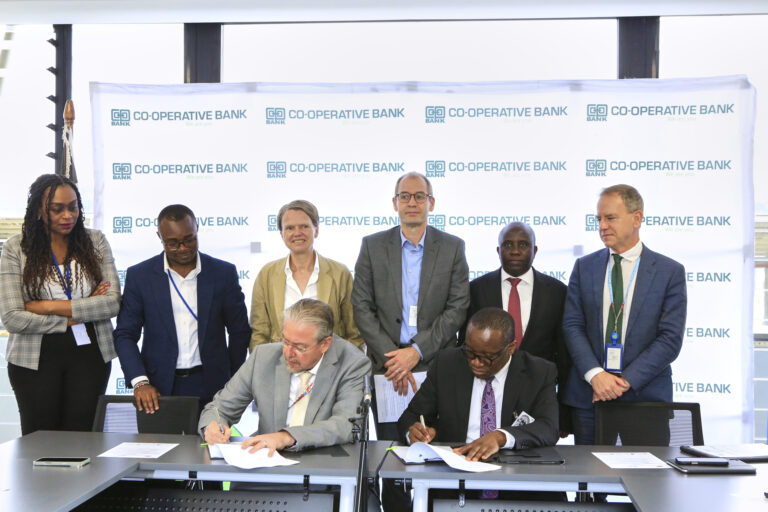
The United Nations Capital Development Fund (UNCDF) and Co-operative Bank of Kenya have signed a $900,000 loan portfolio guarantee agreement to unlock financing for micro, small and medium enterprises (MSMEs) operating in Kenya’s fast-growing digital platform economy.

The agreement, signed under the Digital Platforms Kenya (DigiKen) Programme, is designed to reduce lending risks for financial institutions and expand credit access to underserved digital businesses. DigiKen is a joint United Nations initiative funded by the European Union through the UN Joint SDG Fund and implemented by UNCDF alongside UNESCO, UNEP and UN Women.

The guarantee facility will act as a risk-sharing mechanism, enabling Co-operative Bank to scale lending to MSMEs that typically struggle to secure financing, particularly those operating within digital platforms. Lending decisions and risk management will remain under the bank’s established frameworks.

“Kenya’s digital economy holds enormous promise, but entrepreneurs need access to finance that is timely, inclusive and responsive,” said United Nations Resident Coordinator Stephen Jackson, noting the partnership aims to unlock blended finance and support job creation.

UNCDF expects the facility to catalyse additional private sector investment into innovative MSMEs, strengthening Kenya’s broader entrepreneurial ecosystem.

Co-operative Bank said the partnership would allow it to extend credit to more businesses without compromising lending discipline. “Our goal is to widen the circle of opportunity for enterprises that are ready to grow,” said Vincent Marangu, Director of Co-operatives Banking.

European Union Deputy Ambassador Ondřej Šimek said the initiative would help address a key constraint facing SMEs—limited access to growth capital—while supporting job creation and digital transformation.

The programme aligns with Kenya’s digital economy agenda under the Bottom-Up Economic Transformation Agenda (BETA), with the Ministry of Information, Communications and the Digital Economy playing a central role.

Principal Secretary John Tanui said Kenya has laid over 40,000 km of fibre optic cable and grown its eCitizen platform to more than 16 million users, underscoring progress in digital infrastructure. He added that digital platforms could significantly boost economic output, with some countries deriving up to 30% of GDP from the digital economy.

“Digital platforms provide a powerful opportunity, especially for young people, to participate in and benefit from the economy,” Tanui said.

Co-operative Bank will serve as the primary channel for disbursing financing to eligible businesses under the scheme.

Note: An earlier version of these article quoted $1.8M instead of $900,000 loan portfolio guarantee. We have since corrected to reflect the right amount as $900,000.

Cassava Technologies Deploys NVIDIA-powered AI Factory in South Africa, Plans Kenya, Nigeria & Egypt Launch

0

Cassava Technologies has launched its first AI Factory in South Africa, powered by NVIDIA’s AI platform, marking a significant step in building sovereign artificial intelligence infrastructure across Africa.

The company plans to expand the AI Factory footprint to Nigeria, Kenya, Egypt, and Morocco as part of a broader strategy to localise high-performance computing and accelerate AI adoption on the continent.

“For Cassava, building Africa’s AI ecosystem is an act of empowerment, not just a technological milestone,” said Ahmed El Beheiry, Group COO and Group Chief Technology & AI Officer. “We are ensuring that African businesses aren’t just consumers of global tech—they are the architects of it.”

The AI Factory will provide services including GPU-as-a-Service (GPUaaS), AI-as-a-Service (AIaaS), and APIs, enabling businesses, governments, and developers to access advanced computing power locally rather than relying on overseas infrastructure.

Cassava said the initiative will support the development of AI models tailored to African languages and markets, starting with Swahili and expanding to languages such as Zulu and Afrikaans.

The deployment builds on the company’s AI Multi-Model Exchange (CAIMEx), launched in 2025, which allows developers to access, fine-tune, and deploy global large language models using integrated tools powered by NVIDIA technologies.

Cassava has also introduced an Autonomous Network blueprint on the CAIMEx platform, aimed at improving telecom network performance across Africa for mobile network operators.

Industry partners say the initiative could accelerate Africa’s digital transformation while addressing data sovereignty concerns.

“Africa is poised to leapfrog traditional infrastructure, and with this sovereign AI cloud, Cassava is delivering the ultimate engine for digital transformation,” said Haseeb Budhani, CEO of Rafay Systems.

Researchers also highlighted the importance of keeping data within the continent to develop locally relevant AI applications.

“The launch is a major milestone toward Africa’s digital sovereignty,” said Dr H. Sithole of the Council for Scientific and Industrial Research.

Zindi CEO Celina Lee said the partnership would help developers build solutions to local challenges while fostering AI talent and job creation.

By localising compute infrastructure, Cassava aims to position Africa not only as a participant in the global AI race, but as a creator of AI technologies, supporting economic growth, innovation, and digital inclusion across multiple sectors.

Sistema.bio Raises $53 Million to Launch FarmCarbon Climate Finance for Smallholder Farmers

0

Sistema.bio has raised $53 million in an initial close of a new carbon finance facility, FarmCarbon, aimed at expanding climate funding for smallholder farmers and accelerating methane reduction.

The funding round was led by BNP Paribas Asset Management’s alternatives platform, alongside British International Investment and Shell Foundation.

FarmCarbon will finance the deployment of more than 90,000 biodigesters globally, which convert livestock waste into biogas and organic fertiliser. The initiative is expected to cut over 9 million tonnes of carbon dioxide equivalent emissions, while boosting farm incomes through lower energy costs and improved productivity.

The vehicle targets methane emissions, a potent greenhouse gas responsible for about 30% of global warming and roughly 10% of emissions from livestock, according to industry estimates. Despite its impact, methane mitigation receives only about 2% of global climate finance.

FarmCarbon uses a pre-financing model that allows farmers to access the value of future carbon credits upfront. The facility secures emissions reductions in advance and delivers them to buyers through long-term carbon credit agreements.

Chief Executive Alexander Eaton said the model builds on Sistema.bio’s 15-year track record of deploying biodigesters across Africa, Asia and Latin America, adding that the facility would help scale both climate and income benefits for farmers.

The project has received an ex-ante AAe rating from BeZero Carbon and a Core Carbon Principles label, signalling high-quality emissions standards. It also incorporates digital measurement, reporting and verification systems to track impact.

Investors said the structure demonstrates how carbon markets can attract institutional capital while supporting climate resilience in underserved agricultural communities.

FarmCarbon aims to mobilise more than $1 billion over the next decade to expand methane and carbon reduction efforts in agriculture.


AVEVA Appoints Khaled Salah as Africa Vice President to Drive Industrial Digital Growth

0

AVEVA has appointed Khaled Salah as Vice President for Africa, tasking him with leading the company’s regional growth strategy and overseeing a team of about 30 employees, the company said on Thursday.

Salah, 37, will report to Jesus Hernandez, Senior Vice President for the Europe, Middle East and Africa (EMEA) region.

The appointment comes as AVEVA seeks to expand its footprint across Africa’s industrial sectors, where demand for digital transformation and sustainability solutions is rising.

Salah brings more than 15 years of experience across industrial and technology domains. He holds an MBA from Warwick Business School and a master’s degree in engineering from Ain Shams University.

He began his career at Schneider Electric in 2013, working in global supply chain operations before taking on roles including Europe procurement and supply chain strategy manager and global commercial strategy director for industrial automation.

After 12 years at Schneider Electric, Salah joined AVEVA in 2022 to lead the global strategic partnership between the two companies, managing a team of 30 and driving the rollout of new industrial software solutions across multiple sectors.

In his expanded role, Salah will also continue overseeing the AVEVA–Schneider Electric partnership while leading operations across Africa, including markets such as Algeria, Morocco, Egypt, Kenya, Nigeria and South Africa.

“Africa is a strategic region for AVEVA,” Hernandez said, noting that industries including energy, mining, chemicals and water are increasingly seeking digital tools to support sustainability and energy transition goals.

Salah said he aims to strengthen the company’s regional presence while supporting industrial clients through AVEVA’s CONNECT platform and partner ecosystem.

“We will work together to accelerate the digital transformation of industries in Africa,” he said.

Bolt Faces Backlash in Kenya Over $3,000 Earnings Claims & Driver Welfare Concerns

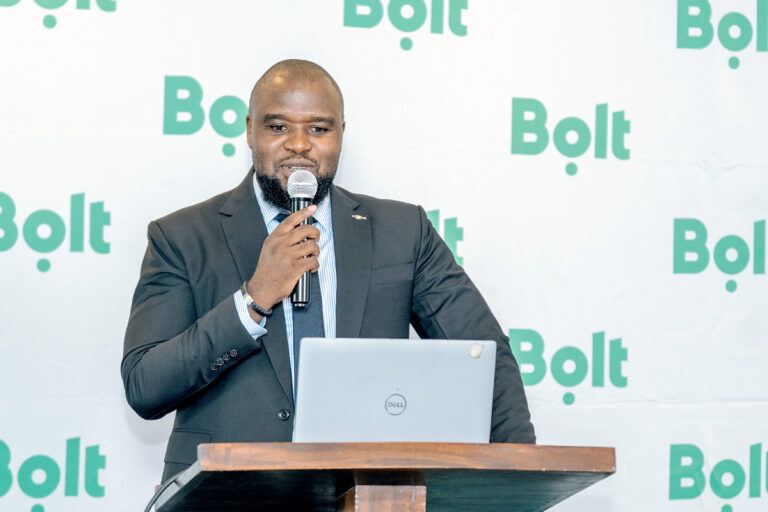
Ride-hailing firm Bolt is facing backlash in Kenya following a promotional survey by research firm Ipsos suggesting that some drivers can earn up to KSh 400,000 per month (approximately $3,077).

Bolt, critics argue on X, is not the best to work for or ride with and they claim the figures are misleading and not reflective of typical driver earnings.

The controversy has been amplified on social media platform X, where users and drivers have questioned the sustainability of income on the platform. Much of the debate centers on Bolt’s commission structure, with allegations that relatively high commissions significantly reduce drivers’ net earnings after operational costs such as fuel, maintenance, and insurance are accounted for.

Some argue this can never be possible even if a driver were to work around the clock with zero expenditure.


Critics have also pointed to Bolt’s pricing strategy, particularly the use of frequent passenger discounts, arguing that these incentives attract riders but compress driver margins. Some users further describe the service as increasingly perceived as “low-cost” or “low-class,” citing concerns over inconsistent service quality and passenger experience.


Additional concerns raised in online discussions include the condition of vehicles operating on the platform, with allegations that many are older or poorly maintained, raising safety and reliability questions.

There have also been anecdotal claims shared by users alleging misconduct by some drivers, including disputes over fares after trips, with isolated reports of drivers locking passengers in vehicles while demanding additional or exaggerated payments. These claims remain unverified but have contributed to broader concerns about accountability and enforcement within the platform.

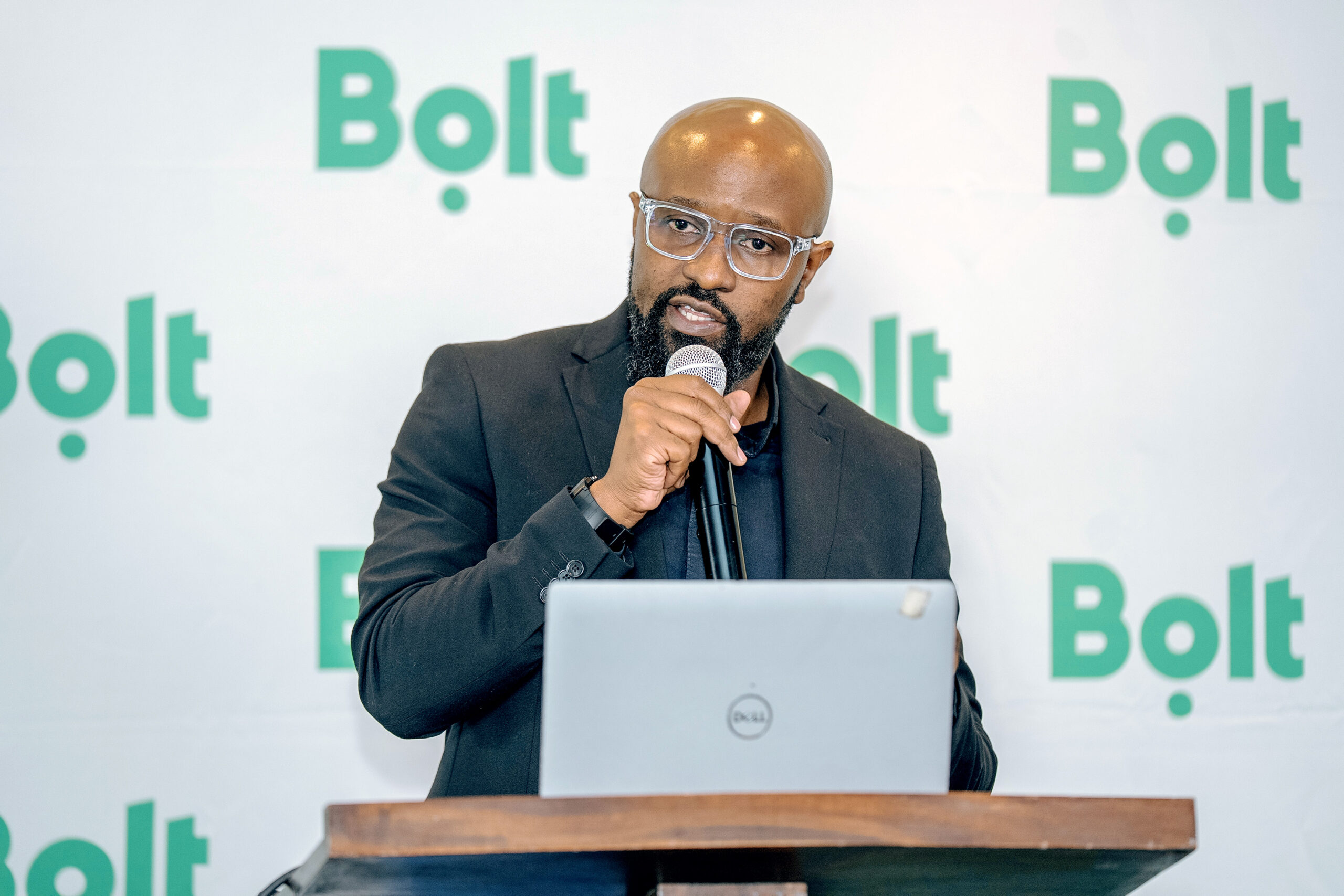
Soyinka Witness, Strategy Director, Ipsos

However, Bolt has stated that its earnings figures reflect top-performing drivers whose income is driven by high trip volumes, incentives, and bonuses. The company maintains that earnings vary based on activity levels, acceptance rates, and overall driver performance, and that its incentive systems are designed to reward consistent, highly rated drivers.

“By investing in technology, safety, and driver-focused initiatives, we aim to strengthen the gig economy while helping drivers maintain the flexibility and independence that make platform work so valuable,” said Dimmy Kanyankole, Senior General Manager, East Africa.

The debate underscores ongoing tensions in Kenya’s ride-hailing sector, where questions around commissions, pricing models, service quality, and driver welfare continue to draw scrutiny from drivers, passengers, and policymakers alike.

Orca Fraud Raises $2.35 Million to Expand Real-time Fraud Intelligence in Emerging Markets

0

Orca Fraud has raised $2.35 million in seed funding to expand its real-time transaction monitoring and fraud intelligence capabilities across Africa and other emerging markets, the company said on Wednesday.

The funding round was led by returning investor Norrsken22, with participation from OneDayYes, Enza Capital and CV VC Africa.

Founded by Thalia Pillay and Carla Wilby, Orca Fraud processes more than $5 billion in monthly transaction volume across over 70 countries, serving banks, telecommunications firms and payment providers, primarily in Africa.

The company said the funding follows an oversubscribed seed round completed after 16 months, driven by growing demand from enterprise clients as digital payments accelerate.

“Enterprises increasingly require fraud intelligence embedded directly into transaction flows to manage risks without slowing payments,” said Nivesh Pather, principal at Norrsken22.

Fraud remains a growing challenge in emerging markets, where rapid digitisation, mobile-first financial systems and fragmented regulation create complex risks. In Africa, widespread use of mobile wallets and agent banking means fraudulent activity can span multiple payment channels, often evading traditional monitoring systems.

Many global fraud prevention tools, designed for more predictable markets, struggle to adapt to these conditions, forcing institutions to balance between limiting fraud exposure and maintaining transaction volumes.

Orca Fraud said its platform integrates machine learning models trained on transaction data from emerging markets, allowing it to detect fraud patterns across different countries and payment systems in real time.

The company operates in more than 75 countries, using cross-market data to identify evolving fraud typologies, with insights from one market informing detection in others.

“Combatting fraud in Africa is becoming fundamental as financial systems grow more interconnected,” said Sir John Lazar, general partner at Enza Capital.

Orca Fraud said it will use the new funding to strengthen its enterprise-grade infrastructure and scale operations, while maintaining a lean, technically focused team.

“As we expand across markets and payment systems, our focus remains on ensuring safety keeps pace with scale,” co-founder Thalia Pillay said.

Samsung, AMD Expand AI Memory Partnership with HBM4 Deal

0

Samsung Electronics and Advanced Micro Devices have signed a memorandum of understanding to deepen their collaboration on next-generation artificial intelligence (AI) memory and computing technologies, the companies said on Wednesday.

The agreement will see Samsung supply its latest high-bandwidth memory (HBM4) chips for use in AMD’s upcoming AI accelerators, including the Instinct MI455X graphics processing units, while also working jointly on advanced DDR5 memory solutions for AMD’s next-generation EPYC server processors.

The signing ceremony took place at Samsung’s semiconductor complex in Pyeongtaek, attended by AMD Chief Executive Lisa Su and Samsung Vice Chairman Young Hyun Jun.

Samsung said the partnership reflects a growing need for tighter integration across the AI computing stack, as demand rises for faster memory and improved power efficiency in data center workloads.

Under the deal, Samsung will align as a primary supplier of HBM4 for AMD’s next-generation AI chips, while also supporting the development of DRAM solutions for sixth-generation EPYC processors, codenamed “Venice.” These components are expected to power large-scale AI systems built on AMD’s Helios rack architecture.

HBM4, Samsung’s latest memory technology, is designed using a sixth-generation 10-nanometer-class DRAM process and a 4nm logic base die. The company said the chips can reach speeds of up to 13 gigabits per second and bandwidth of up to 3.3 terabytes per second, aimed at accelerating AI model training and inference.

AMD said its MI455X GPUs, paired with EPYC CPUs and high-performance memory, will form the backbone of next-generation AI infrastructure, where performance gains increasingly depend on system-level integration.

The companies also said they would explore potential foundry collaborations, with Samsung potentially manufacturing future AMD semiconductor products.

The partnership builds on nearly two decades of collaboration between the two firms, including Samsung’s role as a key supplier of HBM3E memory for AMD’s current Instinct AI accelerators.

The move underscores intensifying competition among chipmakers to secure critical components for AI systems, as demand for advanced computing infrastructure continues to surge globally.

Cellulant Appoints Darren Makarem Former Agoda & Binance CFO to Drive Pan-African Payments Growth

Kenyan fintech Cellulant has appointed Darren Makarem as its new chief financial officer, bringing onboard a seasoned payments executive as it accelerates expansion across Africa.

Makarem joins from Agoda, where he served as global CFO and oversaw a payments network processing more than $12 billion annually. His experience in managing multi-currency systems and high-volume payment operations is expected to play a key role in strengthening Cellulant’s financial infrastructure.

The appointment completes a broader leadership restructuring at the fintech firm, which has been rebuilding its executive team following several high-level exits. It comes shortly after Michael Muriuki was named chief product and technology officer, filling another critical leadership gap.

Cellulant currently processes over 4.5 million transactions daily and operates in more than 20 African markets. The company returned to profitability in 2024 and is now positioning itself for further growth as digital payments adoption continues to surge across the continent.

Chief executive Peter O’Toole said Makarem’s appointment goes beyond financial oversight, highlighting his customer-centric approach to building financial systems.

“Darren Makarem doesn’t just understand the numbers; he understands the customer. He will help build a finance centre of excellence that matches the innovation and agility of our products,” O’Toole said.

Before Agoda, Makarem served as regional CFO at Binance for Asia-Pacific and Latin America, and later as CEO of OnRamp, gaining exposure to digital assets and emerging payment ecosystems.

At Cellulant, he is expected to focus on strengthening financial discipline while supporting the company’s push into cross-border payments — a segment seeing increasing demand as African businesses expand regionally.

“What excites me about Cellulant is the strong foundation already in place,” Makarem said. “My priority is to ensure the business has the financial discipline, insight, and operational support to scale quickly while staying bold.”

Cellulant is targeting a larger share of Africa’s fast-growing digital payments market, projected to reach $1.5 trillion by 2030, amid rising competition from fintech startups and traditional banks building enterprise-focused payment solutions.

Mastercard to Acquire BVNK in $1.8 Billion Deal to Bridge Crypto and Fiat Payments

Mastercard said on Tuesday it had agreed to acquire digital asset infrastructure firm BVNK for up to $1.8 billion, as the payments giant expands deeper into blockchain-based financial services.

The deal includes up to $300 million in contingent payments and is expected to close before the end of the year, subject to regulatory approvals and customary conditions.

Mastercard said the acquisition would strengthen its ability to connect traditional fiat payment systems with blockchain-based networks, enabling financial institutions and businesses to move money across both rails more efficiently.

The company is seeking to tap into growing demand for stablecoin-powered payments, which are increasingly being used for cross-border transfers, business payments and peer-to-peer transactions.

Digital currency payment volumes reached at least $350 billion in 2025, highlighting the rapid growth of blockchain-based financial activity, according to industry estimates.

“The addition of on-chain rails will support speed and programmability for virtually every type of transaction,” said Jorn Lambert.

Founded in 2021, BVNK provides infrastructure that allows businesses to send and receive payments in both fiat and stablecoins across multiple blockchain networks in more than 130 countries.

The acquisition builds on Mastercard’s broader push into digital assets, including partnerships with crypto firms and its Crypto Partner Program aimed at expanding use cases for digital currencies within its global network.

“For all of the advancements made, we have only scratched the surface,” said Jesse Hemson-Struthers, adding that the deal would help deliver new financial services built on digital currencies.

Mastercard said the combined platform would take a chain-agnostic approach, allowing customers to access different blockchain networks and digital currencies without being locked into a single ecosystem.

The move underscores how traditional payment companies are increasingly integrating blockchain technology into their systems as competition intensifies in the race to shape the future of global payments.

7 Best AI Add-ons for Google Slides 2026: Native Extensions vs. Standalone Tools

0

Staring at a blank title slide feels like the clock’s already against you. Fortunately, 2026 is the year Google Slides finally gets practical AI help. Over the past twelve months we’ve tested every slide-building assistant we could find—from Google’s Gemini to scrappy start-ups—and ranked the seven that genuinely cut prep time.

In this guide you’ll see a quick comparison grid, candid pros and cons, and rapid-fire FAQs so you can pick the right tool today and get back to presenting.

How we tested (and why you can trust this list)


We built 42 complete decks with every AI slide tool we could track down. Each test mirrored real work: a sales pitch on Monday, a lesson plan on Tuesday, an investor update on Friday. Every product faced live stakes, not a staged demo.

For consistency we scored five areas on a 10-point scale. First was output quality—would you show these slides to your boss or a client without blushing? Next came speed and ease: how many clicks from prompt to finished deck? We then weighed integration with Google Slides, depth of unique AI features, and privacy posture. Price only settled a tie.

Numbers alone never tell the whole story, so we checked sentiment too. We scraped Google Workspace Marketplace reviews, read Reddit threads, and interviewed power users in marketing, education, and consulting. When feedback repeated, such as “great draft but bland visuals,” we ran another round to confirm or reject it.

Anything stagnant was cut. If a tool had not shipped a meaningful update after February 2025 we moved on; AI evolves too quickly for stale roadmaps.

The process leaves you with a ranked list you can act on today, confident each pick performed under pressure and keeps improving.

Quick comparison: seven AI slide tools at a glance

A ranked list is useful, but viewing each contender side by side makes the patterns obvious. We condensed dozens of data points into one compact grid. Scan for the feature you care about—design polish, branding control, or privacy posture—and the best-fit tool will stand out.
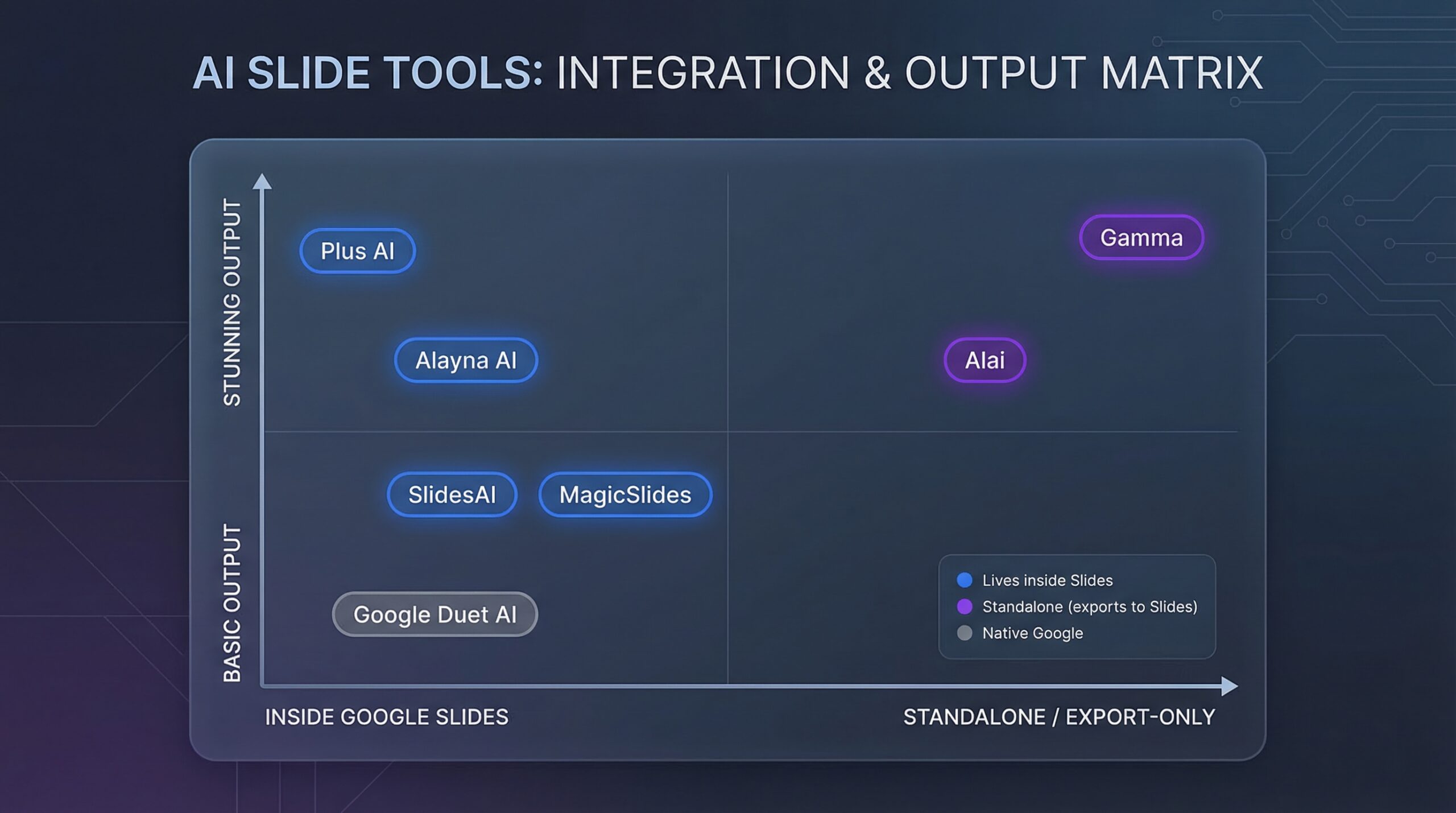
Tool Quality (5 = stellar) Lives inside Slides? Branding control Stand-out AI trick Free tier?
Plus AI 4.5 Yes High (custom themes) AI rewrite + live data Trial (7 days)
SlidesAI 3.5 Yes Low 60-sec text-to-deck Yes
MagicSlides 3.5 Yes + Web Medium URL/PDF/YouTube-to-slides Yes (watermark)
Alayna AI 3.8 Yes Low (edu themes) Grade-level lesson builder Yes (teachers)
Google Duet AI 3.0 Native Uses corp template Built-in image generator Workspace add-on
Gamma 4.7 No (export only) Low Interactive scroll deck Generous credits
Alai 4.6 No Medium Multiple layouts per slide Beta free

Remember, numbers tell only part of the story. The next sections unpack real-world strengths, deal-breakers, and pricing details so you can choose with confidence.

1. Plus AI: best overall add-on for Google Slides

Numbers on PlusAI.com back that up: over one million installs and an average 4.6-star rating from 900-plus reviews show the add-on reliably turns a plain prompt (or even a 20-page Google Doc) into a board-ready deck in minutes.

Plus AI for Google Slides homepage screenshot

Why Plus AI sits at the top.

Launch Plus AI inside Google Slides and the sidebar feels like a seasoned designer just pulled up a chair. In minutes it turns a plain prompt—or even a 20-page Google Doc—into a polished deck ready for the boardroom. Reviewers sum it up simply: “Plus AI is the best AI extension for Google Slides thanks to its advanced functionality, polished output slides, general ease of use, and an attractive price point.”

We watched the tool nail slide structure on the first try again and again. Titles land where they should, images match the story, and text never spills outside its boxes. You tweak, you don’t triage, which saves hours before every deadline.

Everything happens inside Google Slides. Real-time collaboration, version history, and your corporate template stay intact. No exports, no format fixes—just click Extensions → Plus AI → New presentation and edit the draft like any other slide.

Simple integration and workflow.

Plus AI keeps you in one tab. The add-on opens from the Extensions menu, appears in a right-hand panel, and every action—prompt, generate, edit—runs on the canvas you know.

That tight link matters. Your theme loads automatically, speaker notes stay editable, and version history tracks each AI change. Share the deck while Plus AI is open and teammates watch slides appear live instead of waiting for an export.

Because the tool talks directly to Google’s API, commands feel quick. We asked it to “rewrite slide 4 in a friendlier tone” and the bullets updated before the coffee cooled. Need a different look? Click Remix and Plus AI swaps layouts without breaking branding.

The workflow shines when you import raw content. Drop in a white paper, approve the auto-generated outline, and a full deck lands in under three minutes—charts, images, everything. Quick AI touch-ups then replace the usual hour of nudging text boxes.

In short, Plus AI feels like a native feature, not a bolt-on. That smooth experience keeps it at the top of our list.

Stand-out features that save real time.

Document-to-deck wizardry. Upload a strategy memo, earnings report, or a 2,500-word research PDF. Plus AI scans headings, finds the story arc, then maps each section to a slide with matching visuals. No copy-paste marathon required.

AI rewrite and Remix. Highlight stale bullets, click Rewrite, and the language tightens instantly. Tap Remix to cycle through alternative layouts—two-column, pro-con, timeline—without rebuilding the slide by hand.

Snapshot live data. Monthly metrics keep moving. Snapshot lets you embed a chart from your CRM that refreshes on open. Finance teams say this single feature cuts their “deck chasing” time in half.

Custom brand kits. Upload your font, palette, and logo once. Every new deck adopts those choices so rogue colors never sneak in.

Security that satisfies IT. Content processes on Google Cloud, and Plus AI is working toward SOC 2 compliance—enough reassurance for most corporate admins to approve a domain-wide install.

Together, these tricks turn Plus AI from a draft generator into a full production assistant that keeps decks accurate and on brand long after the first click.

Pricing, drawbacks, and ideal fit.

Plus AI offers a seven-day free trial, then plans start at ten dollars per month for unlimited slide generation. Twenty dollars adds document-to-deck import and AI image creation, while thirty per user locks brand kits and grants priority support. One hour of freelance design usually costs more.

No tool is perfect. The biggest gripe is the lack of a forever-free tier; students may lean toward SlidesAI instead. Some users call the default theme “too safe”—mostly blues and grays—but that disappears once you apply your own template.

If you work in Google Workspace and care about speed, polish, and brand consistency, Plus AI should be your first stop. It delivers enterprise-grade slides in minutes without a new platform to learn.

2. SlidesAI: best for fast first drafts

SlidesAI Google Slides add-on official site screenshot

Instant outline-to-deck in under a minute.

SlidesAI’s key edge is raw speed. Paste a paragraph, pick a tone, click Generate, and a full deck appears in less than sixty seconds. The add-on lives in a neat sidebar inside Google Slides, so there is no exporting, syncing, or new interface to learn. One prompt and the blank canvas vanishes.

That immediacy changes the mindset. Instead of staring at ten empty slides, you start with a structured outline: clear headlines, bullet points, and royalty-free visuals. From there you refine, reorder, or replace images with familiar Google tools. It feels like jumping straight to a second draft, which is why teachers and busy founders keep this add-on pinned.

Speed does not sacrifice clarity. SlidesAI condenses long input into concise talking points while preserving each key idea. The result is a framework that keeps presenters on message without drowning the audience in text.

In short, SlidesAI is the espresso shot of deck creation, perfect when you need a workable draft right now and can polish later.

Workflow, editing, and where speed shows cracks.

SlidesAI keeps the interface simple. Paste text, choose slide count, and a progress bar races across the sidebar. Seconds later your deck appears, already styled with your active Google theme. Because everything happens inside Slides, adding speaker notes, re-ordering slides, or swapping images follows the clicks you already know.

The editing tools stay lightweight. A Regenerate button rewrites a slide, a Theme picker swaps color schemes, and that is about it. The philosophy: finish the heavy lift quickly, then let you fine-tune manually.

That trade-off shows in design depth. Tech & Learning called SlidesAI “fast but flat,” noting that output “looks plain and often needs a style upgrade before presenting.” We saw the same. Text aligns neatly, yet visuals feel generic and layouts seldom surprise.

Cost is where SlidesAI wins hearts. A free basic tier lets you create three small decks each month, while the Pro plan sits around six to ten dollars—cheaper than most Midtown lattes. One comparison summed it up: “SlidesAI is cheaper and faster, but the slides often look generic.”

Who should use it? Anyone who values a near-instant draft over perfect polish—students racing toward a deadline, founders sketching an investor pitch, or teachers who prefer to add their own images. If you can spare a few minutes on aesthetics, SlidesAI’s speed dividend is worth the modest price.

3. MagicSlides: best for turning existing content into slides
MagicSlides AI presentation converter homepage screenshot

From blog post, PDF, or YouTube to deck in one click.

MagicSlides feels less like a Slides add-on and more like a Swiss Army knife for content conversion. Drop in a URL, paste a block of text, or add a YouTube link. Seconds later your screen fills with slides that mirror the source: titles align with headings, bullet points echo key takeaways, and screenshots land where visuals should sit.

This flexibility matters when deadlines press and source material already exists. Instead of retyping a white paper or capturing video frames, you feed MagicSlides the raw file and let the AI handle the draft. Teachers import a chapter PDF, marketers feed a long-form blog post, and analysts paste a data-rich Google Doc. Each group ends up with a neatly structured deck ready for final polish.

MagicSlides plays two roles. Inside Google Slides the sidebar handles quick tasks like “create five slides from this paragraph.” For deeper work the standalone web app excels. There you upload whole documents, adjust slide length, and preview layouts before exporting back to Slides. Having both modes means you never feel locked into one workflow.

Design breadth sits in the middle of the pack. A library of more than 500 templates keeps decks from looking cookie-cutter, yet you still fine-tune fonts and images for high-stakes presentations. Think of MagicSlides as a reliable draft producer, not a complete design stylist. It carries you 80 percent of the way, leaving the last aesthetic touches to your taste.

Integrations, limitations, and best use cases.

MagicSlides earns extra credit for its growing list of integrations: Figma for design assets, Visme for infographics, and Airtable for content ops. Power users stitch these connectors together in zaps and reclaim hours once spent copying charts or screenshots between apps.

That convenience comes with a privacy note. Because MagicSlides processes content on its own servers and relies on third-party APIs, security-minded teams should clear it with IT before sending sensitive data. Unlike Plus AI’s published SOC roadmap, MagicSlides shares only basic encryption details on its site.

Design quality sits in the “good but not wow” bracket. The AI nails hierarchy but sometimes misplaces images or stretches icons, so you’ll likely adjust spacing and swap a stock photo or two. The free tier also stamps a small watermark on every slide, a gentle push toward the nine-dollar monthly plan that removes branding and lifts slide limits.

So, when does MagicSlides shine? Use it any time you already have rich source material and need a deck fast: content marketers repurposing blog posts, lecturers turning research articles into teaching slides, or sales teams converting a case-study PDF into a client-ready overview. It converts raw information into a structured starting point you can refine instead of designing from a blank canvas.

4. Alayna AI: best for teachers and lesson planning

Grade-appropriate slides in a single prompt.

Alayna AI tackles a problem every educator knows: turning dense curriculum notes into slides students will actually read. Type “photosynthesis for 5th grade, eight slides” and watch the add-on build a deck that defines terms, shows a labeled diagram, and ends with a two-question quiz. The language matches the reading level, visuals feel playful, and speaker notes suggest class discussion prompts.

Because it lives inside Google Slides, Alayna fits the workflow teachers already use with Classroom. Click Extensions → Alayna AI → Generate and the deck appears, with sharing settings unchanged. Need advanced placement detail? Re-prompt with “11th grade, add Calvin cycle detail” and the slides update in place.

Content sources teachers care about.

Alayna accepts more than plain text. Paste a YouTube link, drop in a PDF worksheet, or point it to a trusted site. The AI reads transcripts and headings, then maps key points to a slide sequence. Prep time shrinks to review time; you spend minutes approving order, not hours copying and pasting.

Strengths, gaps, and the right classroom fit.

Strengths 

  • Grade-level awareness. Choose any K-12 band and tone adjusts automatically. 
  • Education-centric themes. Colorful templates, large fonts, and friendly icons keep younger learners engaged. 
  • Teacher pricing. A permanent free tier (with deck limits) lets most instructors adopt it without a budget request.

Gaps 

  • Style is school-centric; for a board-room look you’ll swap templates. 
  • Complex topics such as multivariable calculus need a content pass; Alayna can oversimplify. 
  • Long textbook sentences sometimes overflow a placeholder, so a quick trim is still needed.

Lean on Alayna when lesson planning threatens to steal your evening. It drafts the slides—quiz included—so you can focus on labs, group work, or grading, not formatting text boxes.

5. Google Slides Duet AI: best native option for security-first teams

AI help, no add-on required.

If your IT department blocks every third-party plug-in, Google’s own Duet AI is a lifeline. The features sit directly in Slides: a Help me write box for quick bullet points, a Help me visualize button that generates images, and a limited alpha of full-deck creation for selected Workspace customers.

Because the AI runs inside the same Google Cloud that stores your files, content never leaves the corporate walled garden. That single fact is why many enterprises approve Duet while rejecting external tools.

Tech & Learning’s March 2026 review called the current build “convenient but still basic; designs look plain and full-deck generation remains in early testing.” We found the same. The assistant outlines topics well, yet layouts stick to simple title-and-bullet formats and often need a design pass.

Pricing is simple: Duet AI comes bundled with the Gemini add-on for Workspace at thirty dollars per user each month. If your org already pays, the feature feels free. If not, it is the priciest tool on this list.

Where Duet AI excels and falls short.

Strengths 

  • Zero installation. Open Slides, click the star icon, start prompting. 
  • Honors your existing theme, so every generated slide matches the brand kit. 
  • Enterprise privacy and GDPR compliance included.

Limitations 

  • Full deck generation is still gated; many users only get text and image helpers. 
  • Design suggestions feel utilitarian, not presentation-ready. 
  • No free tier for personal Gmail accounts.

Choose Duet AI when data governance rules the day or when your team already pays for Gemini. For everyone else, third-party add-ons still offer richer layouts and faster updates.

6. Gamma: best for stunning visual narratives

Gamma AI presentation tool homepage screenshot showing design-first decks

Designer-level slides without opening a design tool.

Gamma is not an add-on; it is an AI-native presentation studio that runs in your browser. Type a short brief, such as “launch roadmap for Series B investors, bold, modern style,” and Gamma delivers a scrollable deck that looks like a creative agency crafted it over the weekend. Full-bleed images, balanced white space, and smart typography appear automatically; you fine-tune copy, not kerning.

The secret is Gamma’s template engine. Instead of pushing text into static layouts, the AI assembles each slide from modular blocks, then applies a cohesive theme that feels hand built. In our side-by-side tests it was the only tool that needed almost no design edits before a live pitch. Tech & Learning reached the same verdict, calling Gamma “presentation-ready with only light refinements.”

Interactive elements take the experience further. Click any bullet and it can expand into sub-slides, letting you hide detail until the audience asks. Export to Google Slides or PowerPoint when you need a traditional file, or share the native Gamma link when you want analytics on who viewed each section.

Strengths, trade-offs, and the perfect use case.

Strengths 

  • Instant wow factor. Gamma selects striking images and balanced layouts that look client-ready on the first render. 
  • Interactive storytelling. Nested slides and accordions let you hide backup data until needed, keeping the main flow crisp. 
  • Shareable analytics. Send a web link and see which investor lingered on the financials; follow-ups gain data, not guesses. 
  • Generous free credits. New accounts receive hundreds of creation credits, enough for several full decks before paying.

Trade-offs 

  • No Google Slides sidebar, so you add an export step and may see minor font shifts. 
  • Brand control is limited to preset fonts and color palettes; strict style guides require manual tweaks after export. 
  • Data lives on Gamma’s servers, which may not pass strict confidentiality rules.

Choose Gamma when you need to impress: pitch decks, conference keynotes, or marketing one-pagers where visual quality must stand out. Draft inside Gamma, then export to Slides only if collaboration demands it. For routine internal updates, a lighter add-on may be faster and cheaper.

7. Alai: best newcomer for design control

Multiple layout options per slide, context-aware edits.

Alai is the fresh face shaking up AI slide design. Instead of handing you one static draft, it offers several fully designed variations for every slide. You flip through the options—image left or right, icon grid or bold quote—pick your favorite, and move on. That micro-choice flow feels closer to art direction than automation.

Early adopters rave about coherence. When you add a “market size” slide, Alai notices the data and proposes a chart style that matches the palette it introduced two slides earlier. If you shorten a headline, surrounding elements reflow automatically, so alignment stays tidy. One power user on Reddit put it simply: “Best overall if you care about design and speed without compromising on either.”

Behind the scenes Alai tracks your narrative arc. Ask it to insert “competitive landscape” after slide four and it not only builds the slide but trims overlap on slide five to keep the story tight. Few AI tools show that level of across-deck awareness.

Alai runs as a standalone web app for now. You craft in its quick editor, then export to PowerPoint or Google Slides. The export held up well in our tests, though custom fonts sometimes switch to safe defaults. A promised Slides sidebar is on the roadmap; if delivered, it could push Alai even higher next year.

How to choose the right AI slide partner

Tool lists are handy, but a quick decision path is better.
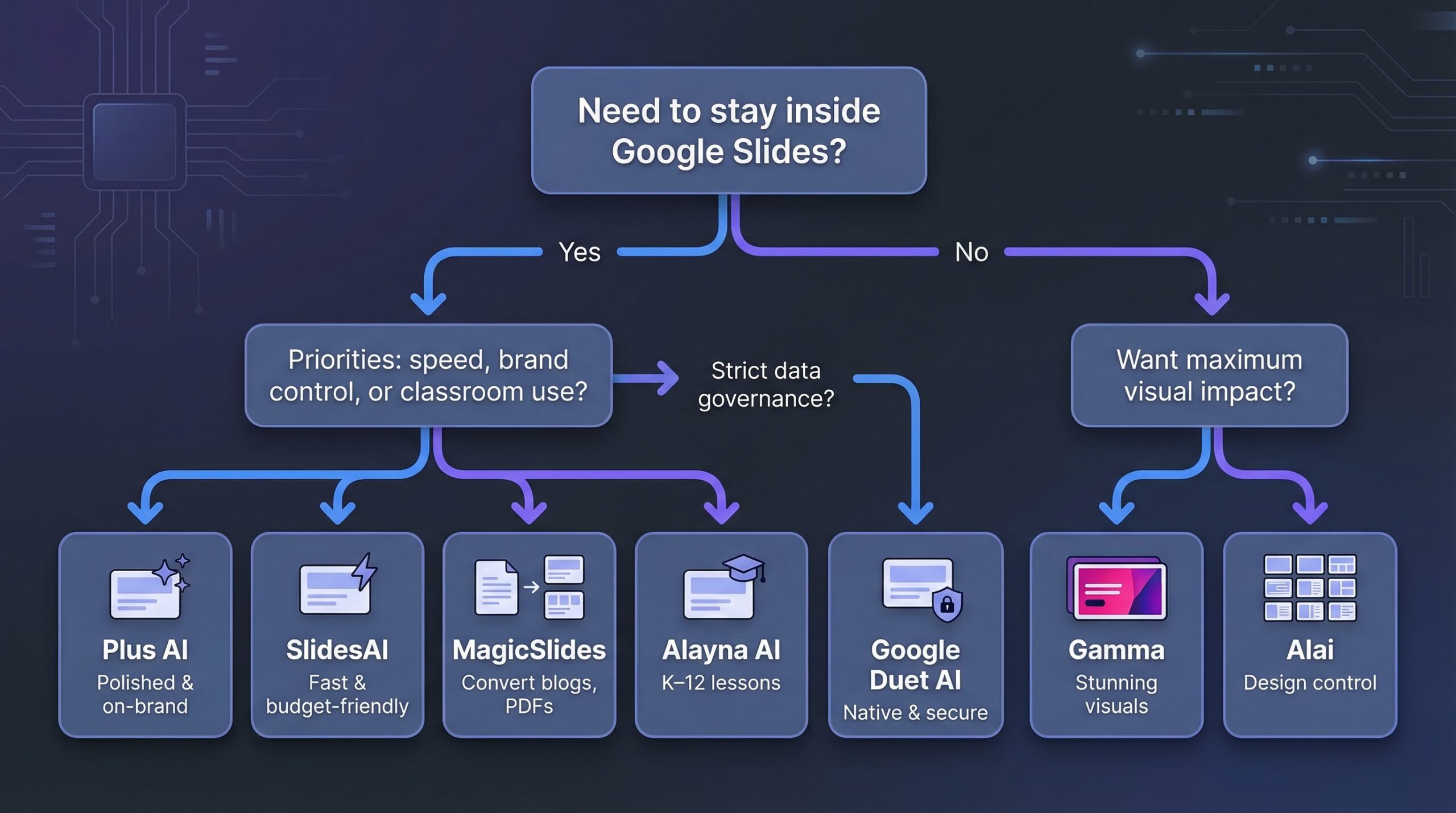
Begin with one question: Do you need to stay inside Google Slides for real-time collaboration or security?

If the answer is yes, focus on Plus AI, SlidesAI, MagicSlides, or Alayna AI. Plus AI excels in polish and brand control, SlidesAI wins on cost and speed, MagicSlides converts rich source files, and Alayna targets K-12 lessons.

If you can work in a separate app and import later, consider design ambition. Gamma and Alai create the most striking visuals. Tech & Learning’s 2026 teardown called Gamma “presentation-ready with only light refinements,” while Reddit power users praised Alai for “design and speed without compromise.”

Next, weigh data sensitivity. Enterprise IT teams often choose Google’s Duet AI because content never leaves Workspace, even though its layouts look plain. Others balance privacy with features; Plus AI publicly shares its SOC-2 timeline, while MagicSlides lists only basic encryption details.

Finally, check price. SlidesAI and Gamma offer the largest free allowances, Plus AI and MagicSlides sit near ten dollars per month, Alai is free during beta, and Duet AI adds about thirty dollars per user to a Workspace plan.

Follow these checkpoints and you will land on a tool that fits both your workflow and your budget in less than five minutes.


Safaricom’s M-PESA to Roll Out Masked Phone Numbers in P2P Transactions in Privacy Boost

0

Safaricom’s mobile money platform, M-PESA, is set to introduce masked phone numbers in its Send Money (P2P) transactions, marking a significant shift in how customer data is shared across its network.

The update, scheduled to go live on March 24, 2026, is part of a broader data minimization strategy by Safaricom aimed at strengthening user privacy while maintaining the simplicity that has made the platform ubiquitous in everyday transactions.

A Shift Toward Data Minimization

As digital payments scale rapidly, M-PESA is increasingly focusing on limiting the exposure of personally identifiable information. Under the new update, transaction notifications will no longer display full phone numbers. Instead, users will see partially masked numbers—for example, 0722*000—reducing the risk of misuse.

The move reflects a growing emphasis on data minimization, a principle that ensures only essential information is shared during transactions. By restricting access to sensitive details, Safaricom aims to curb fraud, social engineering attempts, and unwanted contact between transacting parties.

What Will Change

Once implemented, several elements of M-PESA transaction alerts will be adjusted:

  • Phone numbers will be partially hidden instead of fully visible
  • Customer names will be reduced from three names to two
  • Transaction details such as amount, date, and transaction ID will remain unchanged

This ensures that while privacy is enhanced, transparency and usability are not compromised.

Optional Identity Sharing

In cases where users need to verify the identity of a sender, M-PESA will introduce an opt-in verification feature via a dedicated shortcode.

Recipients will be able to request full details by forwarding the transaction message to 334. The sender will then receive a prompt asking whether to share their full name and phone number. If approved, the recipient receives the complete details; if declined, they are notified accordingly.

The verification request will be limited to one attempt per transaction and will remain valid for 24 hours.

Addressing Spam and Fraud Risks

The masking of phone numbers is expected to significantly reduce the prevalence of spam calls, unsolicited marketing messages, and post-transaction harassment—issues that have quietly grown alongside Kenya’s digital payments boom.

Fraudsters often rely on harvested phone numbers from transaction messages to execute scams. By limiting access to these numbers, M-PESA is effectively cutting off a key entry point for such activities.

Building Trust in Digital Payments

With over 14 million daily P2P users and billions of shillings transacted daily, M-PESA remains central to Kenya’s financial ecosystem. As usage grows, so do concerns around data privacy and security.

This latest update signals Safaricom’s intent to embed privacy deeper into the platform’s architecture, aligning with global data protection trends while reinforcing customer trust.

Ultimately, the change reflects a simple but powerful shift: less data shared, more privacy for every transaction.

Samsung Tops Global Soundbar Market for 12th Straight Year

0

Samsung Electronics said on Monday it remained the world’s top soundbar brand for a 12th consecutive year, underscoring its dominance in home entertainment alongside two decades of leadership in global television sales.

Citing data from Futuresource Consulting, Samsung said it captured 21.5% of global soundbar revenue and 19.7% of unit shipments in 2025, extending a streak that began in 2014.

The company attributed its performance to demand for premium audio products that integrate closely with televisions, offering features such as immersive surround sound and synchronized audio output.

Samsung said it plans to expand its audio portfolio in 2026 with new models, including a flagship HW-Q990H soundbar, an all-in-one HW-QS90H model, and new Wi-Fi speakers developed with the Bouroullec brothers.

“At Samsung, we take special pride in our soundbar brand as a way to bring premium sound experiences to homes everywhere,” said Hun Lee, executive vice president of the company’s visual display business.

The announcement comes as global electronics makers compete to capture rising consumer spending on home entertainment systems, driven in part by demand for cinema-like experiences at home.

Samsung did not disclose revenue from its soundbar business or provide a forecast for 2026.

M-Pesa Launches Contactless ‘Tap-to-Pay’ for Tanzanian Smartphone Users

Tanzanian shoppers can now pay for goods by simply tapping their smartphones against payment terminals, following a major digital upgrade to the M-Pesa mobile money platform.

In a significant shift toward a cashless economy, M-Pesa Africa and Vodacom Tanzania Plc have partnered with global giants Visa and Paymentology to rollout the new “Tap-to-Pay” feature.

The service, which is now live via the M-Pesa SuperApp on Android devices, allows users to conduct contactless transactions at millions of Visa-enabled terminals worldwide.

The technology functions by integrating a “Visa Virtual Card” within the existing M-Pesa ecosystem.

This effectively bridges the gap between traditional mobile money and global banking networks, enabling M-Pesa’s utility to extend far beyond its original peer-to-peer and bill payment roots.

By leveraging Paymentology’s cloud-based issuing and processing infrastructure, the system uses “tokenised” transactions.

This ensures that sensitive data is replaced with unique digital identifiers, making the process more secure than traditional card swipes.

Industry experts suggest that this move will drastically accelerate financial inclusion across the region.

Anna Porra, Chief Revenue Officer at Paymentology, noted that such innovations “accelerate financial inclusion by making everyday transactions simpler and safer for everyone.”

The sentiment was echoed by Epimack Mbeteni, M-Pesa Director at Vodacom Tanzania, who highlighted the transition from concept to reality.

“What began as a simple idea, giving M-Pesa customers the freedom to tap and pay anywhere using just their phones, is now a live reality. This launch reflects our shared commitment to making payments simpler, safer and more accessible for millions of people.”

Furthermore, the collaboration signifies a growing trend of fintech-bank partnerships in Sub-Saharan Africa.

Meagan Rabe, Visa’s Vice President of Merchant Services for the region, attributed the milestone to “effective collaboration within the payments ecosystem.”

While the feature is currently limited to Android users, its introduction marks a pivotal moment for M-Pesa.

By allowing users to transact anywhere Visa is accepted, both locally and internationally, the mobile money giant is positioning itself as a direct competitor to traditional physical debit cards.

New WaveX and LINX Partnership to Slash Latency for East African Internet Users

The London Internet Exchange (LINX) has announced a significant expansion of its African operations by appointing WaveX as its first official reseller partner to cover both Nairobi and Mombasa simultaneously.

This strategic move marks a turning point for Kenya’s digital landscape, as the partnership aims to lower the barrier for regional networks seeking high-speed interconnection.

By acting as a bridge, WaveX will now enable smaller Internet Service Providers (ISPs) to “peer”—the process of exchanging data traffic directly—without requiring a physical presence at the exchange sites.

Consequently, this collaboration is expected to bolster regional connectivity, slash latency for end-users, and improve the overall resilience of the East African web.

The partnership comes at a time of explosive growth for LINX in the region, which has seen its influence scale rapidly since arriving in Nairobi in November 2023.

The exchange has since transformed into a neutral platform spanning four major data centres in the capital.

The numbers reflect a burgeoning digital economy; for instance, peak traffic at LINX Nairobi nearly quadrupled compared to 2024, reaching 64.5Gbps in 2025—a growth rate of 289%.

Meanwhile, LINX Mombasa, which only launched in February 2025, has already hit over 1Tb of connected capacity in its inaugural year of operation.

As a result of this momentum, industry experts suggest Kenya is increasingly overtaking Nigeria as the primary digital hub on the African continent.

Patrick Mbogo, Interconnection Specialist for Africa at LINX, noted that WaveX’s reputation for reliability made them an “ideal partner” for the exchange’s expansion.

“Together, we’ll help even more networks benefit from the performance and economic advantages of local peering,” Mr. Mbogo said, highlighting the shift toward keeping African data traffic within the continent rather than routing it through overseas hubs.

Echoing this sentiment, Cyrus Mbitao, CTO at WaveX, described the partnership as a major milestone for the firm’s mission to deliver high-quality internet experiences.

“Through this partnership, we aim to extend world-class peering opportunities to networks across Kenya while contributing to the continued growth and resilience of the region’s digital ecosystem,” Mr. Mbitao stated.

Ultimately, the deal ensures that as digital transformation accelerates, Kenyan ISPs can access global content with lower latency, providing a smoother experience for the millions of people browsing, gaming, and streaming across the country.

Ndovu Wealth Launches Kibaba Multi-Asset Special Fund in Kenya

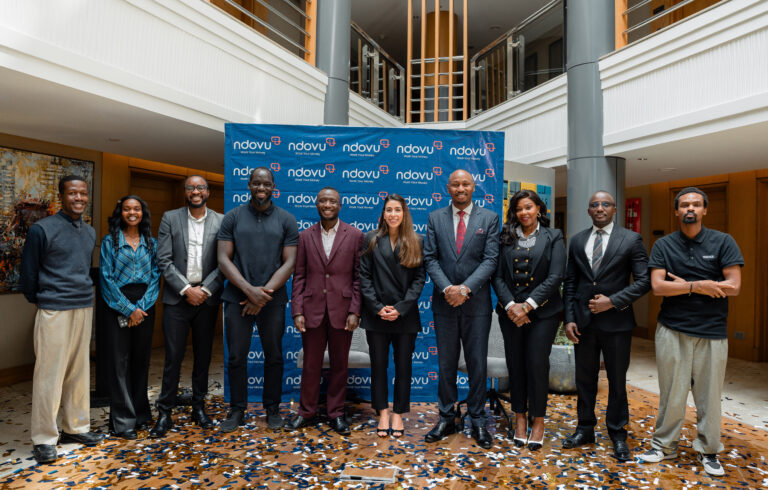
Ndovu Wealth Limited, a fund manager licensed by Kenya’s Capital Markets Authority (CMA), on Tuesday launched the Kibaba Multi-Asset Special Fund, a collective investment scheme providing diversified exposure across global asset classes.

The fund, available in Kenya Shillings (KES) and U.S. Dollars (USD), targets medium- to long-term investors with a moderate risk profile. Minimum investments are KES 250,000 and $2,500 respectively.

According to Ndovu Wealth CEO and Co-Founder Radhika Bhachu, the fund was created in response to growing investor demand for access to international markets. “Five years of listening to investors, studying markets and refining our approach has led us to build this fund,” she said.

The Kibaba Fund’s portfolio spans equities, fixed income, REITs, ETFs, and commodities. It is actively managed using economic trends and data-driven insights to adjust allocations and mitigate volatility.

The fund is managed by a team with over 90 years of combined market experience. DTB Kenya Limited serves as custodian, and Kingsland Court acts as trustee, ensuring regulatory compliance.

Ndovu Wealth’s platform allows clients to monitor portfolios digitally. The company is an alumnus of the Google for Startups Accelerator Africa program and won the Social Impact Award in the 2023 Kenya edition of the Visa Everywhere Initiative.

For further information: https://www.ndovu.co/kibaba-special-fund

Swedfund Invests $600,000 in Jacaranda Health to Expand Maternity Services in Kenya

Swedfund has committed $600,000 to Jacaranda Health to support the expansion of its affordable maternity hospital network in Kenya, the organisations said on Tuesday.

The investment will fund the opening of new facilities, upgrades to neonatal intensive care services and improvements to existing hospitals, as the provider seeks to scale access to maternal healthcare for low- and middle-income communities.

Maternal and newborn health outcomes in Kenya remain uneven, with high maternal mortality rates persisting despite increased access to skilled birth attendance. Public health facilities dominate the sector but face capacity constraints, while quality and access vary significantly across regions.

Private operators such as Jacaranda Health have increasingly positioned themselves as complementary providers, offering essential maternity services at lower price points than traditional private hospitals.

“This investment will help Jacaranda Maternity provide life-saving care to more women and families while furthering Swedfund’s mission to promote inclusive and sustainable healthcare,” said Audrey Obara, a senior investment manager at Swedfund.

Based in Nairobi, Jacaranda Health plans to expand its network to six hospitals as it works toward financial sustainability. The company said 71% of its workforce is made up of women and highlighted its focus on environmental and social standards.

The deal reflects growing investor interest in scalable healthcare models in Africa that combine affordability with quality, particularly in maternal and neonatal care.

EIB Injects €40 Million into Speedinvest to Invest in Africa’s Tech Startups

0

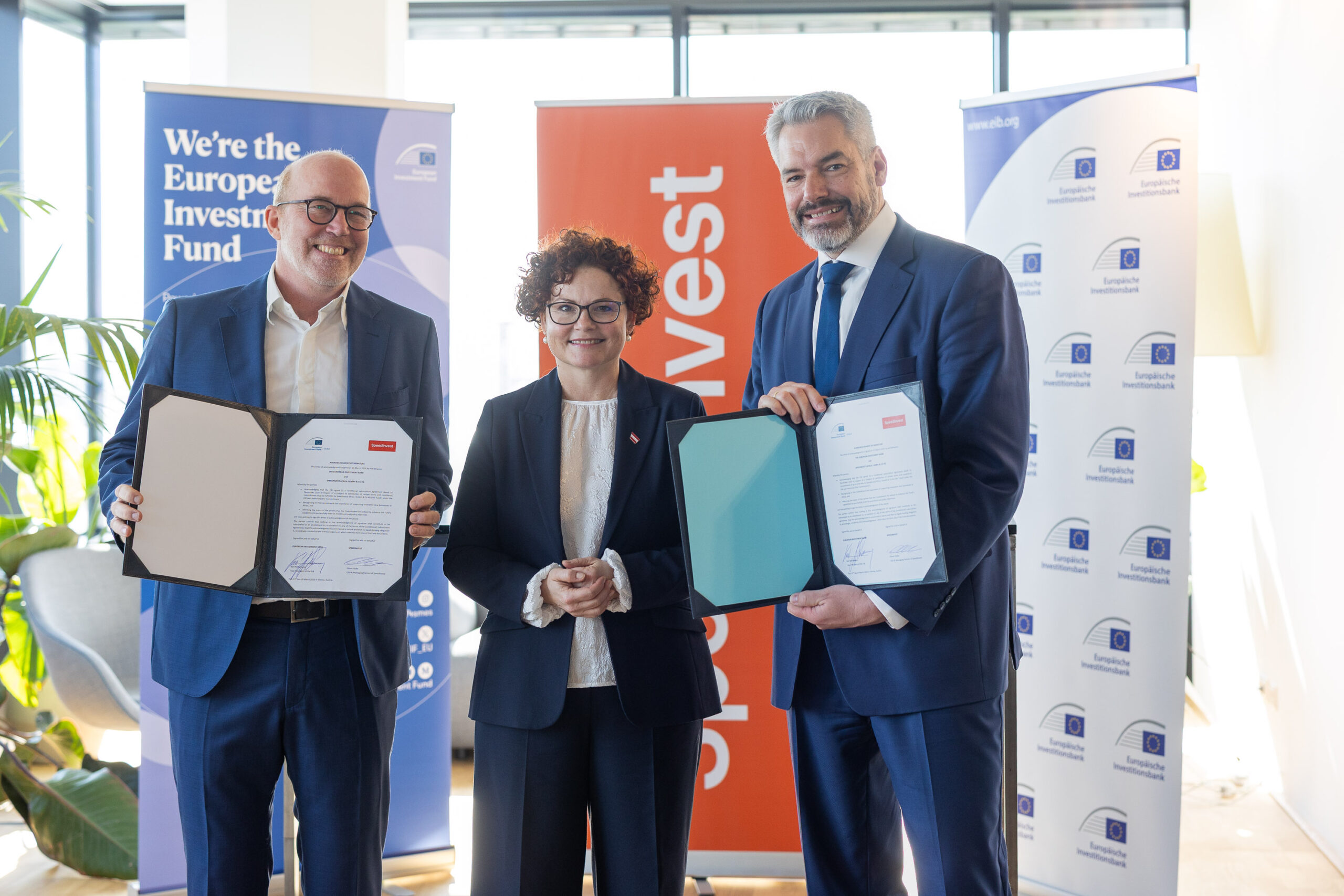
EIB Global, the development arm of the European Investment Bank (EIB), has injected €40 Million into Africa-focused investment vehicle Speedinvest, in a move to strengthen EU–Africa ties, support digital transformation, and promote inclusive economic growth across the continent.

Speedinvest will invest in tech startups in Egypt, Morocco, Nigeria, Kenya, and South Africa, as well Ghana, Côte d’Ivoire, Cameroon, the Democratic Republic of Congo, Tunisia, Tanzania, and Uganda. A planned office in Africa is expected to further strengthen local presence and hands-on support for founders.

The fund is designed to improve digital and financial inclusion and strengthen commercial and capital linkages between African and European ecosystems, enabling startups to scale across borders.

According to EIB Vice-President Karl Nehammer, “Technology has the power to turn good ideas into real impact. By backing this vehicle, we are enabling African innovators to scale, access new markets, and build sustainable businesses — creating shared opportunities for both Africa and Europe. In a world of fragmentation, we are building bridges.”

Speedinvest has already invested in African growth-stage companies such as Moove (Nigeria), FairMoney (Nigeria), Khazna (Egypt), Mophones (Kenya), Anda (Angola), Julaya (Côte d’Ivoire), Oze (Ghana), Precium (South Africa), and Leta (Kenya).

The firm will use the new fund to deepen its investments in these markets and connect these ventures to European capital and expertise with high-growth innovation ecosystems.

Speedinvest will target startups in technology-enabled and mobile-based services across payments, healthcare, mobility, and education.

“With EIB Global support, we are deepening our long-term commitment to backing exceptional founders across Africa while strengthening enduring bridges between Africa and Europe,” said Speedinvest CEO and Managing Partner Oliver Holle.“ By combining local presence with our European network of operators, sector expertise, and follow-on capital, we aim to help founders scale regionally and internationally.”


Lagos Uber, Bolt Driver Strike to Pressure Africa’s Ride-Hailing Model

Across the bustling streets of Lagos, the digital maps of ride-hailing apps briefly went quiet this week as thousands of drivers logged off platforms operated by Uber, Bolt and inDrive.

The coordinated three-day warning strike, organized by the Amalgamated Union of App-Based Transporters of Nigeria (AUATON), is the latest sign that Africa’s once-celebrated gig mobility model is entering a period of growing tension between drivers, platforms and regulators.

While the protest centers on low fares and high commissions, the broader issue is the widening gap between global platform economics and Africa’s fast-changing cost realities.

The Economics No Longer Work

For years, ride-hailing platforms promoted a powerful narrative across African cities: flexible income, independence, and digital empowerment for drivers.

But in Nigeria, many drivers say that promise has faded.

Operating costs have surged dramatically in recent years. Fuel prices have jumped following subsidy reforms, vehicle maintenance costs have climbed due to inflation and currency pressures, and spare parts—often imported—have become significantly more expensive.

At the same time, drivers say fares on platforms like Uber, Bolt and inDrive have remained largely unchanged.

When platforms deduct commissions that often range between 20% and 25%, drivers argue that the remaining income barely covers fuel costs, let alone vehicle maintenance or household expenses.

For many drivers in Lagos and neighboring Ogun State, the economics of ride-hailing have become increasingly unsustainable.

Drivers Demand Safety and Fairer Platforms

Beyond fare adjustments, drivers involved in the strike are also pushing for stronger safety protections.

AUATON has presented a list of demands that includes improved rider identity verification, functional in-app panic buttons, and faster emergency response mechanisms.

Drivers say incidents of robbery and carjacking have increased in recent years, and many believe the safety tools advertised by ride-hailing platforms remain inconsistent or ineffective.

Strike monitoring teams were deployed at key locations across Lagos, including major commercial districts and Murtala Muhammed International Airport, where ride-hailing activity is typically highest.

The action is expected to last three days, though union officials say further measures could follow if negotiations fail to produce meaningful changes.

A Regional Pattern Emerging

While the current strike is centered in Nigeria, similar tensions have been building across Africa’s ride-hailing markets.

In Nairobi, drivers working with Uber and Bolt have repeatedly protested declining fares and high commissions over the past several years. Comparable disputes have also surfaced in Kampala and Dar es Salaam as ride-hailing services expand across East Africa.

As the sector grows, regulators are beginning to take a closer look at how the platforms operate.

Kenya Moves Toward Fare Regulation

Kenya is now considering one of the most direct interventions in the region’s ride-hailing market.

Authorities are reviewing plans to introduce a national taxi pricing framework that would set standardized fare structures across ride-hailing platforms and conventional taxis.

The proposed system would evaluate driver costs and establish base fares, distance charges and pricing guidelines intended to stabilize driver earnings.

Kenya’s ride-hailing ecosystem has grown rapidly over the past decade, with tens of thousands of drivers operating on digital platforms and completing hundreds of thousands of trips each day.

The move toward fare regulation reflects mounting pressure from drivers who argue that aggressive price competition between platforms has pushed fares too low.

If implemented, the policy could significantly reshape how ride-hailing services operate in the country.

Airports Are Entering the Ride-Hailing Business

At the same time, Kenya is also exploring another shift in the mobility landscape.

The operator of Jomo Kenyatta International Airport is planning to launch its own taxi-hailing platform, allowing passengers to book licensed airport taxis through a mobile app, website, or self-service kiosks within the airport.

The system is expected to offer features such as GPS vehicle tracking, digital dispatch, and real-time fare estimates.

By launching its own platform, the airport authority could capture a share of revenues generated from airport rides—one of the most lucrative segments of the ride-hailing market.

The move also signals growing competition between global mobility platforms and local infrastructure operators.

A Turning Point for Africa’s Gig Mobility Economy

Taken together, the developments in Lagos and Nairobi point to a broader shift underway in Africa’s mobility sector.

For more than a decade, ride-hailing companies expanded rapidly across the continent with limited regulatory oversight.

But as the sector matures, governments are increasingly stepping in—either by introducing pricing rules, supporting local transport platforms, or reviewing commission structures.

What began as a disruptive technology experiment is now a critical part of urban transportation across African cities.

Millions of riders depend on ride-hailing services daily, while thousands of drivers rely on them as a primary source of income.

Yet the Lagos strike highlights a central question for the future of the industry:

Can global ride-hailing platforms adapt their models to Africa’s economic realities, or will regulators increasingly reshape the rules of the market?

For now, the apps remain online.

But as drivers in Lagos have demonstrated, the real power behind the ride-hailing economy may ultimately lie not in the algorithm—but in the person behind the wheel.

State Plans Major Intervention in Ride-Hailing Pricing

0

The Kenyan government is preparing to implement a national pricing model for ride-hailing services, a move set to fundamentally alter the operations of major platforms such as Uber and Bolt within the country.

According to reports by Business Daily, this proposed regulatory shift seeks to replace the current, often volatile, market-driven pricing with state-sanctioned fares.

Authorities intend to stabilise the digital taxi sector, which has been characterised by intense price competition and frequent fluctuations that have left both passengers and drivers in a state of uncertainty.

The primary driver behind this policy is the desire to curb what officials term a “race to the bottom” in fare pricing.

For some time, drivers have contended that the aggressive discount strategies employed by ride-hailing apps have made it increasingly difficult to meet essential expenses, including fuel costs, vehicle maintenance, and outstanding loan repayments.

Consequently, if the government’s plan is fully implemented, it will mandate a shift in how ride-hailing firms structure their algorithms.

Rather than relying solely on demand-based surge pricing, these platforms would be required to align their charges with government-approved rates.

For the millions of urban commuters who rely on services like Uber and Bolt, this change will likely translate to higher fares.

Conversely, the government anticipates that the new framework will provide drivers with a more predictable and sustainable income structure, effectively insulating them from the volatility of current platform-driven pricing.

The digital taxi industry in Kenya has experienced rapid expansion, yet it has historically operated without a unified regulatory framework.

This lack of oversight has frequently resulted in friction, with drivers staging various protests to voice their grievances over earnings being squeezed by platforms while operational costs continue to rise.

By introducing this policy, authorities are attempting to bring greater order to the sector and mitigate the ongoing conflicts between drivers and the multinational companies that manage the applications.

As one of Africa’s most significant ride-hailing markets, the outcome of this intervention is expected to have far-reaching implications for how digital transport services are managed and consumed across the region.

Airtel Kenya Expands Coastal Footprint with New Mombasa Service Centres

0

Airtel Kenya has officially inaugurated two new customer care outlets at Likoni Mall and Cannon Towers in Mombasa, marking a significant step in the firm’s strategy to bring its services closer to its coastal subscriber base.

Managing Director Ashish Malhotra presided over the launch, noting that the new shops are designed to enhance convenience by significantly reducing service turnaround times and providing robust in-person support.

These new facilities are expected to serve a diverse range of clients, from individual households to Small and Medium Enterprises (SMEs) and large enterprise customers across the Coast region.

By expanding access to mobile, internet, and financial services, Airtel aims to provide a more integrated experience.

During the opening ceremony, Mr. Malhotra reaffirmed the company’s commitment to investment, stating that the primary goal is “ensuring Airtel products and services remain easily accessible to customers wherever they are.”

Beyond the immediate benefits to Mombasa residents, this expansion signals a broader national ambition.

As demand for connectivity continues to surge, Airtel Kenya has set a target to double its customer service footprint across the country before the end of the year.

This aggressive growth is intended to accelerate digital and financial inclusion, supporting the national need for reliable mobile money solutions and high-speed connectivity.

The launch was also attended by Airtel Kenya Customer Experience Director, Goldermier Opiyo, who highlighted the operational strategy behind the new shops.

Ms. Opiyo emphasised that the company is focused on delivering “seamless, responsive, and efficient” customer support.

She added that the new outlets are a vital component of a wider strategy to enhance service excellence nationwide, ensuring that the company’s rapid growth is matched by high-quality consumer interactions.

Since the acquisition of Zain by Bharti Airtel in June 2010, the provider has grown into one of the most prominent telecommunications brands in the region.

Today, it operates as part of a 14-nation network across Africa, offering a comprehensive suite of services including voice, data, and enterprise solutions.

Through this latest expansion in Mombasa, the company noted it continues to bolster its infrastructure to ensure customers remain connected to their loved ones and essential digital services.

JKIA: Kenya’s Main Airport Prepares to Take on Tech Giants in Taxi App War

0

Kenya’s primary aviation hub is set to challenge the dominance of global ride-hailing giants Uber and Bolt by launching its own dedicated digital taxi platform.

The Kenya Airports Authority (KAA) has officially initiated a search for technology partners to develop a bespoke mobile and web-based dispatch system for Jomo Kenyatta International Airport (JKIA).

According to tender documents released by the authority, the project will be structured as a public-private partnership, aimed at modernising airport logistics while clawing back market share from established tech firms.

For years, international platforms have quietly dominated the airport transport sector, often at the expense of traditional airport-licensed operators.

However, KAA’s move signals a strategic shift toward direct competition.

Under the proposed arrangement, the winning tech firm will be responsible for designing and running the system, but there is a financial catch: the operator must hand over a monthly percentage of passenger fares to the KAA.

The authority confirms that the exact revenue split will be a decisive factor in the bidding process.

To ensure a competitive edge, the app will integrate features designed to rival the seamless experience of its global competitors.

These include real-time fare estimates, surge pricing capabilities, and live vehicle tracking with trip notifications for passengers.

Furthermore, an automated dispatch engine will be used to manage driver queues across various terminals, ensuring that the “yellow taxi” cabs, which are already licensed and vetted to operate within the airport’s high-security perimeter, can respond as efficiently as their silicon-valley rivals.

The strategy also includes a technical “moat” around the airport’s lucrative transport hub.

The KAA plans to use GPS-based geofencing to restrict these taxis to approved zones, a move intended to “prevent unauthorized pickups and keep operations orderly.”

This digital barrier is a clear attempt to consolidate the market and prioritize the airport’s own ecosystem over external independent drivers.

This pivot is as much about the bottom line as it is about passenger convenience.

Currently, the KAA relies heavily on traditional income sources such as aircraft landing charges and passenger ticket fees.

By entering the digital marketplace, the authority is looking to tap into a massive, captive audience.

In 2024, JKIA handled a total of 8.9 million passengers, comprising 6.8 million international and 2.1 million domestic travellers, representing a significant pool of potential revenue that has previously flowed toward external apps.

Looking ahead, the KAA has ambitious plans to scale the platform into an all-encompassing “super-app” for the airport.

Eventually, the system is expected to include duty-free shopping, lounge bookings, parking payments, and in-airport navigation tools, alongside digital advertising and sponsored listings.

The clock is now ticking for prospective tech partners; once the contract is signed, the selected vendor will have just three months to get the system live and begin the fight for the “first mile” of the passenger’s journey.

KRA Deploys Bodycams at JKIA to Curb Bribery and ‘Word Against Word’ Disputes

0

Customs officials at Kenya’s main international gateway are to be fitted with body-worn cameras as the country’s tax authority moves to digitise its fight against corruption.

The Kenya Revenue Authority (KRA) confirmed the rollout at Jomo Kenyatta International Airport (JKIA) following a live demonstration of the technology during passenger clearance.

This move marks a significant shift in oversight for the Customs and Border Control department, a division the authority admits is one of its most “exposed and contested frontlines.”

By introducing the devices, the KRA aims to transform the daily interactions between officers and the thousands of travellers, importers, and traders who pass through Kenya’s ports of entry.

For years, the KRA has acknowledged that disputes at border points have been hampered by a lack of objective evidence, often devolving into a stalemate of an officer’s word against a traveller’s.

In a statement released ahead of the launch, the authority noted that these unresolved complaints have historically eroded public trust.

However, they believe the new technology will fundamentally “change that equation entirely,” as every interaction will now be a verifiable record.

Consequently, disputes that previously took weeks to investigate could potentially be resolved in a matter of hours.

Beyond acting as a deterrent for misconduct, the initiative is a core component of the KRA’s 9th Corporate Plan.

The authority intends to use the footage as a broader management tool to identify process gaps and refine officer training.

Furthermore, the cameras are being positioned as a protective measure for the officers themselves.

By providing a documented record of their work, the technology offers a shield for staff who conduct themselves professionally against unfounded accusations.

The urgency of this rollout is underscored by recent reports of revenue leakage and internal misconduct.

During the 2023/2024 financial year, the Auditor General flagged the loss of 9.6 million excise stamps, a gap that suggests a market increasingly vulnerable to counterfeit goods.

Meanwhile, the KRA’s internal crackdown on graft has intensified; between July and September 2024, the authority dismissed 25 members of staff for corruption—a sharp increase compared to previous reporting periods.

Kenya is joining a growing list of nations using wearable technology to secure their borders.

Kenya’s adoption of body-worn cameras (BWCs) at JKIA follows an established global trend where major economies use wearable technology to secure borders and verify official conduct.

The following details outline how other nations have implemented similar technology, citing relevant policies and reports:

The UK Border Force has been a pioneer in deploying body-worn video (BWV) to enhance transparency.

According to the UK Home Office and the Metropolitan Police’s 2024 BWV Policy, cameras are utilized to provide a “verifiable record” of events, specifically to protect both officers and the public during high-pressure encounters.

Most UK agencies follow a 31-day auto-deletion protocol for non-evidential footage to balance accountability with the UK GDPR and Data Protection Act (2018).

Also, U.S. Customs and Border Protection (CBP), the largest federal law enforcement agency in the U.S., launched a massive BWC program to address “use of force” complaints.

By 2024/2025, the agency had integrated thousands of cameras across land and air ports of entry.

The CBP’s Incident-Driven Video Recording System (IDVRS)directive mandates that footage be used to investigate misconduct and “vindicate the majority of agents” who perform their duties professionally.

On it’s part, Singapore Customs has integrated bodycams as part of its “Customs Modernization” strategy. Beyond simple recording, Singapore has moved toward using AI and data analytics to review footage.

Research published in 2024/2026 indicates that Singapore and Hong Kong utilize algorithmic auditing to identify “unusual patterns” in officer verbalizations, helping to proactively improve professionalism.

In the Netherlands and Belgium, the introduction of bodycams has been a direct response to organized crime attempting to infiltrate ports like Antwerp and Rotterdam.

A 2026 report by the European Public Prosecutor’s Office (EPPO) highlighted that while customs fraud damage remains high (estimated at €45 billion across the EU), the use of “objective digital witnesses” (BWCs) has been critical in prosecuting corrupt officials involved in excise and VAT fraud schemes.

Nevertheless, some questions remain regarding the long-term implementation of the programme.

The KRA has not yet publicly detailed the specific mechanisms for footage storage, the duration for which data will be kept, or the protocols for accessing recordings during a dispute.

As the rollout matures, these administrative details will likely determine whether the initiative leads to genuine institutional transparency or remains a well-publicised gesture.

MPs Greenlight KES 204bn Safaricom Stake Sale to Vodacom

0

The Parliament has formally approved the divestiture of a 15 per cent government stake in Safaricom to Vodacom, in a deal valued at KES 204 billion.

The decision follows the tabling of a comprehensive report by a joint parliamentary committee comprising the Finance and National Planning and the Public Debt and Privatisation teams.

While the move marks a significant shift in the ownership of the country’s largest telecommunications firm, the approval was granted on the strict condition that the transaction results in no job losses.

Consequently, the committee has recommended that the positions of Safaricom’s 855,000 direct employees be strictly safeguarded.

The proposal sparked a fierce divide on the floor of the House on Wednesday, March 11, 2026, as lawmakers sparred over the valuation of the telco.

Kiharu MP Ndindi Nyoro emerged as a vocal critic of the transaction, claiming that the deal significantly undervalued the state’s assets.

“The deal was undervalued… Kenyans have been given a raw deal…The joint committee is incompetent,” Mr. Nyoro told the House.

However, these claims were swiftly met with pushback from committee members, such as Molo MP Kuria Kimani, who challenged the critic to provide evidence, asking, “Ndindi, why can’t you give us an alternative model for valuation?”

The exchange grew increasingly personal as National Assembly Majority Leader Kimani Ichung’wah accused Mr. Nyoro of “misleading Kenyans” during public engagements.

This sentiment was countered by Suba South MP Caroli Omondi, who insisted that Mr. Nyoro was right to raise the alarm, while Kitui Central MP Makali Mulu questioned the government’s transparency and its focus on political rivals.

Despite this political friction, the joint committee maintained that the valuation process was robust and designed to protect the public interest, noting that the negotiated price of KES 34 per share aligns with current market movements.

Furthermore, the committee argued that negotiating directly with Vodacom, an existing major shareholder, minimises execution risks and helps preserve investor confidence.

To address privacy concerns, the committee assured the public that personal data would remain protected under the Computer Misuse and Cybercrimes Act.

In terms of the financial rollout, it is proposed that Vodacom pays an upfront dividend of KES 40.2 billion to the government.

Ultimately, all proceeds from the KES 204 billion sale are to be ring-fenced specifically to bolster the newly established National Infrastructure Fund.

Insurance Has Become a Critical Component of Financial Planning-NCBA Insurance

0

NCBA Insurance, a subsidiary of NCBA Group formed after the acquisition of AIG Kenya, covers individuals, families, properties and businesses against a wide range of risks. After the acquisition and integration into NCBA Insurance, the arm has strengthened underwriting, expanded products, and made policies easy to access digitally.

In its first full year, NCBA Insurance recorded an 82 percent rise in profit before tax, demonstrating strong customer adoption and confidence in its services.

Navigating a World of Uncertainty
In today’s unpredictable world, individuals and businesses face a wide range of risks from floods and fires to terrorism, political tensions, and uncertainties surrounding upcoming general elections. Experts agree that the question is no longer if the unexpected will happen, but when. In this context, insurance has emerged as a crucial tool for protecting assets, livelihoods, and peace of mind.

Strategic Growth and Tailored Solutions
NCBA Bank has positioned itself as a leader in providing solutions that help clients navigate these uncertainties. The bank emphasizes insurance not as an expense, but as a strategic investment in security and resilience. Its approach ensures that individuals, families, and businesses can recover quickly from unforeseen events without disrupting long term plans.

A major milestone in NCBA’s insurance strategy was the acquisition of AIG Kenya Insurance Company. This allowed the formation of NCBA Insurance as a fully integrated subsidiary, strengthening underwriting capabilities, expanding the product suite, and offering solutions designed for the local market. The results have been impressive. NCBA Insurance recorded an 82 percent increase in profit before tax in its first full year post integration, while the bank’s non banking subsidiaries including Investment Banking, Bancassurance, and Leasing posted a combined profit before tax of KES 1.9 billion, contributing five percent of the Group’s total profit before tax. The Investment Bank alone now manages assets exceeding KES 100 billion.

Customer Focus and Economic Impact
NCBA Insurance also prioritizes customer awareness and advisory. By helping clients understand coverage options and how they align with their personal or business needs, the bank ensures policies balance affordability with comprehensive protection. Digital platforms improve accessibility, enabling clients to manage policies and file claims efficiently.

Trust is central to NCBA Group’s approach. The bank maintains transparency in claims handling and delivers reliable service, fostering long term confidence among its clients. Beyond individual protection, insurance contributes to broader economic stability. By mitigating risks, it allows businesses to invest, expand, and innovate even amid uncertainty, reinforcing resilience across the economy. NCBA’s insurance initiatives demonstrate how integrated financial services, robust underwriting, and digital accessibility can empower clients while supporting sustainable growth.


Persistent Launches $70 Million Africa Climate Venture Fund

0

Climate venture builder Persistent said on Tuesday it had launched a $70 million early-stage investment fund to support climate-focused startups across Africa, along with a $5 million venture building facility to provide operational support to emerging companies.

The Persistent Africa Climate Venture Fund (ACV Fund), domiciled in Mauritius, reached a first close of $52 million and will focus on early-stage companies in energy, agriculture, and resource transitions. The fund will invest primarily from pre-seed through Series A, with flexibility for follow-on capital in high-performing ventures.

The fund combines traditional equity investment with Persistent’s venture building platform, which provides tailored support in areas such as strategy, finance, technology, legal, and marketing to accelerate growth.

“Achieving the first close of the Persistent ACV Fund is a strong show of confidence in Persistent and the fund’s strategy,” the company said, noting early-stage climate innovation in Africa is “investable at scale.”

The fund uses a blended finance model, offering private investors first-loss and priority return protection to reduce risk and attract commercial capital. The accompanying $5 million Venture Building Facility (VBF) is funded by the Nordic Development Fund and the Dutch entrepreneurial development bank FMO.

The fund’s anchor investors include FSD Africa Investments, which committed $10 million, along with the Nordic Development Fund and the African Development Bank’s Sustainable Energy Fund for Africa. Additional investors include the Japan International Cooperation Agency, Soros Economic Development Fund, Impact Fund Denmark, and philanthropic foundations.

Persistent said the fund aims to mitigate over 17 million tons of CO₂, benefit more than 7 million people—half of them women—create 60,000 direct jobs, provide 420,000 households with electricity, and catalyze $450 million in additional investment across Africa.

“Closing Africa’s climate financing gap requires more than capital,” said Anne-Marie Chidzero, chief investment officer of FSD Africa Investments. “It requires the right fund managers, supported at the right moment, through structures that give other investors confidence to follow.”

Persistent, founded nearly 14 years ago, has previously invested in solar energy, e-mobility, and energy efficiency ventures that have improved over 10 million lives, created more than 20,000 jobs, and avoided over 2 million tons of CO₂ emissions.

Gig Economy App Launches to Tackle Youth Unemployment in Kenya

0

A new mobile marketplace has launched in Kenya, aiming to bridge the gap between urban youth and the informal labor market.

The platform, known as Tich App, has officially entered the market with a mobile-first strategy designed to streamline how young people access gig work and short-term employment.

By providing a digital hub for on-demand jobs, the startup seeks to formalize a sector often defined by its lack of transparency.

Beyond simply listing vacancies, the app introduces critical structural safeguards, including basic worker protections, referral systems to build professional credibility, and guidance on simple contract terms.

In addition to providing immediate work, the developers believe that centralizing these opportunities will help Kenyan youth diversify their skill sets and expand their professional networks.

Consequently, the platform is expected to increase long-term earning potential for its users.

To ensure a controlled and effective rollout, Tich will move into a pilot phase in Nairobi and Mombasa over the next 30–60 days.

This initial launch is being bolstered by FasterCapital’s EquityPilot program, an initiative that provides the startup with essential execution coaching, market guidance, and vital ecosystem connections.

The app’s performance during this period will be closely monitored through specific metrics, including job placement rates, user retention, and employer satisfaction, all of which will inform future scaling efforts.

Regarding the partnership, Hesham Zreik, Founder and CEO of FasterCapital, stated: “We’re excited to support Tich through EquityPilot. Our team will focus on execution milestones and connecting the startup with the right ecosystem stakeholders.”

The leadership behind the app brings a strategic blend of local expertise, consisting of a team from Sunami Marketing Services and a local tech hub.

As a result, the venture combines digital product knowledge with a deep understanding of community engagement within Kenya’s specific urban markets.

By leveraging this combined experience in marketing and technology, Tich App hopes to create a sustainable pipeline for youth employment across the country’s major cities.