
back to top
Friday, April 3, 2026
spot_imgspot_imgspot_imgspot_img
Home Blog Page 66

One Acre Fund raises $1.4m from Impact Bridge to finance agricultural products

0

One Acre Fund has raised $1.4 million (£1million) from Impact Bridge Asset Management, a Spanish fund manager founded in 2018 and specialized in social impact investing, via its IB Impact Direct Debt, a €50m fund aimed at financing social and environmental impact companies in developing countries.

Based in Kenya, One Acre Fund supplies smallholder farmers with simple interventions like providing access to naturally-produced hybrid seed, quality fertilizer, and training on farming best practices to get them out of poverty and feed their families and communities, improve their nutrition and increase their incomes. 

Working with family farms in rural areas, One Acre Fund ensures that smallholder farmers build resilience for their communities and for the environment through climate-smart farming and programs like tree-planting initiative, a farmer-led movement with the goal of planting 1 billion trees over the next 15 years. One Acre Fund offers a comprehensive tree package that supplements seasonal harvests, providing stability for farmers and at the same time empowering them to help protect the environment. Its farmers can use mobile phones to make loan repayments, sign up for products and services, view trainings, and more and has rolled out the use of USSD text messaging-based service for farmers to access services and market information straight from their phones.

IB Impact Direct Debt fund has already raised €15m from a range of international investors, including pension funds, family offices and foundations and around 80% of the fund would be invested into developing countries focusing primarily on sub-Saharan Africa and Latin America to improve access to basic services, climate change mitigation and adaptation, women’s empowerment, decent job creation and financial inclusion.

Apart from One Acre Fund, the fund has invested €3m into a blue bond issued by the International Bank of Ecuador and backed by the International Finance Corporation. The fund plans to make between 15 and 20 investments at an annual return of 4% to 6%.

Speaking about the fund’s investment into One Acre Fund, Impact Bridge’s CEO Arturo Benito said, “At the beginning of the season they provide farmers with an in-kind loan of seeds, fertiliser and other farming tools as well as micro crop insurance. Once the crops have been harvested they also help them introduce their products to market. They then collect the value of the in-kind loan plus the interest.”

One Acre Fund, launched in 2006 in Kenya has trained farmers in sustainable farming techniques, including planting a diversity of crops and microdosing of fertiliser, provides farmers with naturally-produced hybrid seed and training, including advice on planting techniques and soil and crop health and also provides services such as credit and crop insurance to protect farmers against drought and flood as a result of climate change.

One Acre Fund now employs around 8290 staff globally and in 2023 served 4.8 million farmers, the social enterprise aims to serve 10 million farmers by 2030, which it says is 10 percent of the families in the world living on less than $1 per person, per day.

“One Acre Fund help farmers plant a variety of plants to reduce reliance on monocrops and use research to try to understand which plants and which combination of plants are better for each region. They also encourage the use of techniques such as microdosing that are better for the farmers’ pockets as well as the environment,” concluded Benito.

Last year, One Acre Fund received $2.5 million in unrestricted funding as the 2023 recipient of the Conrad N. Hilton Humanitarian Prize and launched One Acre Fund Re, designed with the support and partnership of the International Finance Corporation (IFC), U.S. International Development Finance Corporation (DFC) and African Risk Capacity (ARC) to provide a critical financial safety net for millions of smallholder farmers. One Acre Fund Re aims to improve the insurance offering for farmers in the face of devastating impacts on crop yields and aims to cover at least 4 million farmers by 2030, with a range of insurance products.

In May 2024, One Acre Fund received $10 million in funding from Proparco to enhance food security in Africa by offering agricultural resources, financing, and training for increased food production and prosperity. The organization presently aids over one million farmers across nine African countries including Kenya, Uganda, Tanzania, Rwanda, Burundi, Ethiopia, Malawi, Nigeria and Zambia.

In July 2024, One Acre Fund partnered Global Parametrics, a CelsiusPro Group company to provide financial protection for smallholder farmers in Zambia and Malawi against the financial loss incurred due to crop loss in drought. The two firms developed a water-balance index to calculate payouts.

Xiaomi launches the Redmi 13 series in Kenya

Xiaomi Kenya has launched the Redmi 13 with 108MP super-clear camera, setting a new standard for smartphone photography and boasts a sleek glass back design that enhances its appearance and provides an elevated in-hand feel.

At just 8.3mm thick, the Redmi 13 offers a stylish and easy-to-hold profile, for its 6.79″ immersive 90Hz Adaptive Sync display. Users can watch movies, scroll through social media, or browse the web without worrying about its battery life due to its extended battery life.

The Redmi 13 is built to last with a Corning® Gorilla® Glass display and IP53 dust and splash resistance, ensuring durability and reliability in various conditions and features a powerful octa-core Helio G91-Ultra processor for enhanced performance for media consumption, gaming or day-to-day tasks.

The phone is powered by he all-new Xiami HyperOS with a great UI design, customizable lock screens and dynamic notifications plus it comes with memory extension capabilities of up to 16GB RAM and up to 1TB expandable storage. The phone also has a side fingerprint scanner, a 3.5mm Headphone Jack and Infrared Remote Control that turns your phone into a remote.

The Redmi 13 will be available in the following variants:

  • 6+128GB: Kshs 18,199
  • 8+128GB: Kshs 19499
  • 8+256GB: Kshs 20899

Kotani Pay obtains a CASP Licence in South Africa

0

Kotani Pay has become the first on-ramp and off-ramp blockchain fintech to receive a Crypto Asset Service Provider (CASP) license from South Africa’s Financial Sector Conduct Authority (FSCA). 

This achievement, coupled with Kotani Pay’s existing SOC II compliance and registration with the Financial Intelligence Centre, solidifies its position as a trusted and secure partner for businesses and individuals in Africa’s growing crypto market.

“This is an exciting time for the Kotani Pay team. Receiving the CASP license is a pivotal milestone for us, underscoring our commitment to compliance, transparency, and innovation in the crypto industry. We believe that regulation is essential in building trust and confidence in digital finance, and we are proud to lead the way by setting a high standard for our clients,” said Felix Macharia, CEO of Kotani Pay.

The African continent has witnessed a surge in crypto adoption in recent years. This surge is due to factors like limited access to financial services, a growing tech-savvy population, and the potential of crypto to revolutionize cross-border payments. However, regulations surrounding crypto have remained somewhat ambiguous across the continent, leaving room for fraudulent activities and breaking trust. The FSCA’s introduction of the CASP licensing framework marks a significant step towards establishing clear regulations and fostering a compliant crypto ecosystem in South Africa.

Kotani Pay’s Services

Kotani Pay is a seamless cash-in and cash-out platform empowering Web3 businesses and their users to convert their digital assets into local currencies with ease and efficiency. The platform offers a comprehensive suite of solutions designed to cater to business and individual needs. With a robust network of liquidity partners and a vast array of currency access within the continent, the fintech enables seamless cash-in and cash-out for clients in their preferred local currencies via mobile money, card, or bank account. 

Kotani Pay offers:

● API: For businesses who would like to leverage its robust system, Kotani Pay’s API empowers these businesses to integrate on-ramp and off-ramp services directly into their applications and websites, simplifying local currency payments across Africa.

● Stablecoin Settlement: For businesses needing USD settlements, Kotani Pay provides access to dollar-pegged stablecoins through an Over-the-Counter (OTC) service. This allows them to settle payments quickly, streamlining operations and mitigating foreignexchange volatility.

● SMS Wallet: With this, users can access a fully-functional blockchain wallet without the

internet. Users can connect to the blockchain and access their funds by leveraging

Kotani Pay’s middleware technology and cash out through their mobile money accounts in their local currency.

Kotani Pay seeks to bridge the gap between crypto and the real world. By doing this, it

empowers businesses with innovative solutions and contributes to Africa’s web3 future. 

Their solutions address practical challenges faced by African companies, such as streamlining cross-border payments and mitigating foreign exchange risks. 

Dutch’s FMO injects $295m into Nigeria’s Access Bank to support women and youth-led SMEs

0

Dutch development bank FMO has announced a $295m (€270m) syndicated loan facility, to Access Bank, Nigeria’s largest lender by assets, to support women-led and youth-led SMEs with working capital at a time when most of them are struggling to stay afloat.

British International Investment (BII), Belgian DFI BIO, BlueOrchard, FinDev Canada, Finnfund, Norfund, Swedfund and social investor Oikocredit backed the facility. BI is committing $50m to the facility while Sweden’s DFI Swedfund is committing $30m.

Michael Jongeneel, FMO’s CEO, said the loan would provide significant support to the sector, notably  in underserved segments such as women and young entrepreneurs, improving  financial inclusion and empowering local entrepreneurs in the agri-business and other SME sectors. 

Access Bank has more than 60 million customers and over 700 branches and service outlets in Nigeria, sub-Saharan Africa and elsewhere. It is part of Access Holdings, which has been listed in the Nigerian stock exchange since 1998. The bank recently acquired Kenya’s National Bank as well TransNational Bank, African Banking Corporation of Tanzania (ABCT) Limited and Standard Chartered branches subsidiaries in Angola, Cameroon, The Gambia, and Sierra Leone in a consolidation move.

Roosevelt Ogbonna, Access Bank’s chief executive officer, said the Tier II Facility agreement underscored “deep-rooted trust” between the bank and the Dutch lender.

“For us at Access, this facility not only enhances our capital reserves but also strengthens Africa’s trade capabilities and export potential. Putting these funds to use, we aim to catalyse growth across various sectors, stimulate business development, create jobs, and deepen financial inclusion,” he said.

After CEO Herbert Wigwe, died alongside five others in a helicopter crash, Access Bank appointed Bolaji Agbede, Access Bank’s most senior founding executive director as acting CEO. Ms Agbede joined Access Bank in 2003 and has nearly 30 years of experience in banking and business consultancy.

Nigeria was home to almost 40 million micro, small and medium-sized enterprises, providing 86% of employment and contributing 50% of  GDP, according to 2022 figures from the World Bank.  

One-third of Nigeria’s fast-growing population of 230 million is unemployed. The country has in recent years had to deal with a number of crises, including food shortages and rising prices for energy and staple foods such as rice. Inflation was 34.2% in June, according to the National Bureau of Statistics of Nigeria, which was a jump of 11.4% compared with the same month a year ago.

Patoranking appointed by UNDP to advocate for timbuktoo hubs

0

Patrick Nnaemeka Okorie, better known by his stage name as Patoranking, has been appointed by the United Nations Development Programme (UNDP) in Africa as a Regional Goodwill Ambassador for two years.

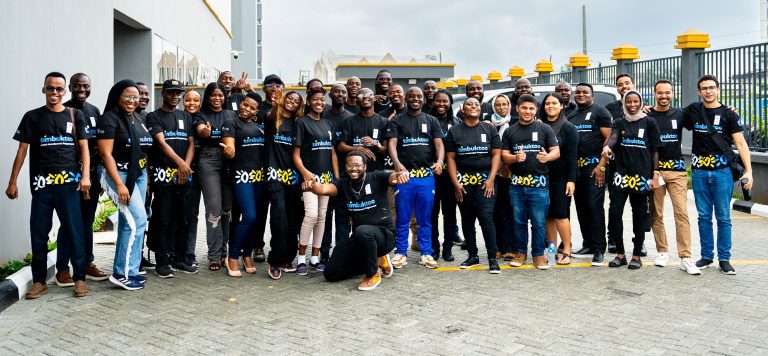
Patoranking will primarily champion youth innovation and enterprise development, the timbuktoo initiative to build the innovation ecosystem in Africa, and the Sustainable Development Goals (SDGs). He will also play a crucial role in advocacy for the timbuktoo initiative, which runs hubs in Accra, Cairo, Cape Town, Casablanca, Dakar, Addis Ababa, Kigali, Lagos, Nairobi, Lusaka, and timbuktoo University Innovation Pods (UniPods) based across the African continent.

“Empowering African youth by providing them with the tools, resources, and opportunities they need to thrive is a cause close to my heart. I step into this role to lend my voice to important initiatives that hold immense potential to change development for many of our people through innovation and technology driven by the ingenuity and ambition of the continent’s majority – the young people,” said Patoranking.

His advocacy, UNDP believes, will be critical in investing, reinforcing, nurturing, and building an African youth innovation ecosystem. Patoranking is not new to Africa’s innovation ecosystem having created the African Leadership University (ALU) Patoranking Scholarship in 2020. The scholarship has offered ten fully paid scholarships for promising students from across Africa to attend the prestigious African Leadership University in Rwanda and Mauritius. He is finalizing scholarship offers for the next batch of students offering three-year degrees.

In May 2024, he launched the Patoranking Foundation Tech Scholarships through a ground-breaking partnership with ALX Africa to empower 40 exceptional young minds with access to cutting-edge technology education and career-ready training.

“Creatives are incredibly important to the evolving story of Africa. They bring something more than money—they bring authenticity, dignity, confidence, and influence. We look forward to working with Patoranking as the UNDP Regional Goodwill Ambassador for Africa as a champion for youth innovation and timbuktoo, where he will use his talent to advocate and create opportunities for others”, said Ms. Ahunna Eziakonwa, UN Assistant Secretary-General and Director of UNDP Regional Bureau for Africa.

Patoranking’s unique craft and voice, which resonates with a diverse audience across Africa and beyond, will be instrumental in rallying young people to create African solutions. As the Regional Goodwill Ambassador, Patoranking will use his creative voice to advocate for SDGs attainment in Africa. He will mobilize a critical mass towards sustainable investment, bring the majority of African youth into the room, and inspire innovative action that helps in closing the gap between opportunity and investment. 

The Evolution of Clear Protection for Cars: Enhancing Vehicle Protection and Value

0

The automobile industry has seen great strides in maintaining vehicles and appearance with the most profound one being the development of Paint Protection Film (PPF). Also known as clear bra car film, this technology has evolved from a basic protective measure to a sophisticated product that significantly enhances vehicle protection and value. This piece explores the journey of PPF, the advantages of selecting top PPF brands, as well as tips on choosing the right PPF for your vehicle.

Paint Protection Film

Paint Protection Film (PPF) is a thin layer made of polyurethane or polymer material that is applied on vehicles’ exteriors to protect them from paint scratches, chips, stains and other possible damages. The said film is almost invisible and acts like a tough barrier against typical road hazards thereby preserving an automobile’s aesthetic appeal.

Historical Development

Originally developed during the Vietnam War to protect helicopter blades from flying debris, PPF technology has been adapted for automotive use over the decades. From an ordinary protective film it has become a highly sophisticated product having improved durability, enhanced clarity and additional attributes like self-healing ability and UV resistance. Such evolution represents continuous advances in materials science along with unwavering commitment by automobile industry players towards preservation of cars.

Advantages

There are numerous benefits in going for a top brand name when it comes to ppf. Leading ppf brands provide their products with features such as self-healing properties allowing minor scratches to disappear under temperature exposure hydrophobic properties making water roll off easily. It should be noted that premium quality ppf is also highly resistant to sun damage and chemicals thus prolonging life span and maintaining a beautiful look for paintwork.

Impact

Putting on clear bra car film manufactured by a reputable ppf brand can have tremendous effects on the motor vehicle. It serves as an invisible shield that protects the paint from environmental and road damages without altering the car’s appearance. Investing in a high-quality PPF is like ensuring your vehicle against potential hazards that can affect its value. Regular wear and tear, minor accidents, and exposure to harsh elements can degrade the vehicle’s exterior, but PPF maintains its pristine condition, crucial for preserving its resale value.

Right PPF Brand

When selecting the right ppf brand there are factors like material quality, warranty and reputation of manufacturer that need to be considered. A good PPF brand will offer guarantees against yellowing, cracking, and peeling. Furthermore, it is important to select an experienced installer who knows how to apply the film properly so as to derive maximum results while keeping car aesthetics undamaged. So a wise thing would be to contact professionals who could propose you with an optimal PPF product tailored specially for your car needs in a particular environment.

In conclusion, the evolution of paint protection films marks a significant advancement in automotive care. High-quality ppf purchased from reputable brands enable car owners not only safeguard their vehicles against environmental and road damage but also enhance their overall worth. The significance of ppf concerning vehicular handling and artistic look increases with advancements in technology thus making it necessary for anyone who loves his or her car above others should have one.

CrowdStrike Outage Hits Amazon, Microsoft & Several Airlines Grounding Over 5,000 Flights

CrowdSrike, an $83 billion cybersecurity firm with more than 20,000 subscribers globally including Amazon.com, Microsoft among others saw a global outage that triggered systems lapses at various global firms and grounded over 5,000 flights.

The outage, caused by a software update also shut down systems of various of its customers in the banking, broadcast, airlines, shipping, healthcare and finance causing delays in processes and transactions, dropped medical appointments and customer orders among others.

According to CrowdStrike CEO George Kurtz, posting on X, the defect was found “in a single content update for Windows hosts” that affected over 8 million Microsoft customers among others.

President Joe Biden was briefed on the outage and the U.S. Cybersecurity and Infrastructure Security Agency were monitoring the outage. U.S. Customs and Border Protection experienced processing delays and digital billboards at Times Square blacked-out. The Dutch and United Arab Emirates’ foreign missions also reported disruptions.

CrowdStrike’s outage has made many industry analysts to questions the preparedness of firms to implement emergency plans during outages on such a big scale and how the market should be controlled. The analysts argue that as the world goes heavily into IT, they need to put in place systems to implement contingency plans when systems go down because such outages will happen again.

“This incident demonstrates the interconnected nature of our broad ecosystem — global cloud providers, software platforms, security vendors and other software vendors, and customers. It’s also a reminder of how important it is for all of us across the tech ecosystem to prioritize operating with safe deployment and disaster recovery using the mechanisms that exist,” said said David Weston – Vice President, Enterprise and OS Security. “As we’ve seen over the last two days, we learn, recover and move forward most effectively when we collaborate and work together. We appreciate the cooperation and collaboration of our entire sector, and we will continue to update with learnings and next steps.” 

According to reports, out of more than 110,000 scheduled commercial flights on Friday, 5,000 were canceled globally and some airports had delays as they were checking in passengers with handwritten boarding passes. Banks, hospitals and call centers were also affected.

The CrowdStrike affected nearly 8.5 million Microsoft devices, which is less than one percent of all Windows machines and it was working with CrowdStrike to resolve the issue.

While software updates may occasionally cause disturbances, significant incidents like the CrowdStrike event are infrequent. We currently estimate that CrowdStrike’s update affected 8.5 million Windows devices, or less than one percent of all Windows machines. While the percentage was small, the broad economic and societal impacts reflect the use of CrowdStrike by enterprises that run many critical services,” said Microsoft in a blogpost adding that it has maintained ongoing communication with its customers, CrowdStrike and external developers to collect information and expedite solutions.

“We recognize the disruption this problem has caused for businesses and in the daily routines of many individuals. Our focus is providing customers with technical guidance and support to safely bring disrupted systems back online,” added Microsoft.

Facebook’s parent firm Meta fined $220M by Nigeria govt for violating data safety

Facebook and Whatsapp’s parent firm Meta Inc has been fined $200 million by the Nigerian government over what it says “multiple and repeated” violations of the country’s data protection and consumer rights laws.

In a statement(PDF), the Federal Competition and Consumer Protection Commission (FCCPC) said Meta violated data laws in Nigeria in five years including sharing the data of Nigerians without authorization, denying consumers the right to self-determine the use of their data, discriminatory practices and abuse of market dominance. Nigeria is Africa’s mos populous nation with over 200 million people with over 154 million active internet subscribers and a big market for Meta.

FCCPC chief executive Adamu Abdullahi said in a statement that Meta Parties have been provided every opportunity to articulate their position and the Commission has now entered a Final Order, and issued a penalty against Meta.”

The commission adds that Meta has failed to comply with the Nigeria Data Protection Regulation, has not engaged the Data Protection Compliance Organization and hasn’t filed its data protection regulation audit report for two years and should pay the fine, comply with the local laws and cease the “exploitation” of its consumers in Nigeria.

The commission says its investigation commenced in May 2021 after WhatsApp’s updated privacy policy. Its findings show that there were blatant user violations and instead of Meta fixing them, it proposed a “remedy package” instead of fixing the initial concerns.

 UNDP unveils 6 finalists for its Meet the Tôshikas investment programme

0

Meet the Tôshikas, the UNDP’s first venture capital investment promotion programme has unveiled the Top 6 finalists’ startups.

Supported by catalytic funding from the Ministry of Economy, Trade, and Industry of Japan (METI). This project seeks to delve deeply into the African startup ecosystems, identifying and addressing fundamental elements hindering their growth and investment.

“We are extremely honored to be able to provide, through our benefactor METI, a unique opportunity for African startups to travel and meet Japanese investors and, on the other hand, Japanese investors to discover exciting startup venture opportunities from Africa sourced from a well-informed and deliberate ecosystem development approach that takes into account both the local potential growth and risk awareness through our network of field partners”, says Tomas Sales, Private Sector Special Advisor at the UNDP Africa Sustainable Finance Hub which oversees the UNDP Meet the Tôshikas project. “By combining a mature market such as South Africa with other nascent markets such as Angola and Zambia, we offer a fuller picture of the breadth and depth of early-stage opportunities to investors contemplating entry points for capital deployment in Africa”

Through “Meet the Tôshikas,” UNDP aims to bring about transformation of how investors find, capacitate and invest in African startups. This year 2024, the project is implemented in Angola, South Africa, and Zambia.

The UNDP “Meet the Tôshikas” programme started with an original selection process with the applications of 256 startups. It included desk research, direct interviews, field visits, ecosystem events, and a 3-week Bootcamp, leading to the selection of the Top 30 startups in total (10 startups per country). The three Japanese venture capital investors participated in the selection process, including site visits and direct interactions to improve and increase business matching opportunities.

Out of 30 startups that joined the Bootcamps, 6 finalists in total (2 startups per country) earned the opportunity to undergo a highly tailored practical 3-month Investment Readiness Support Program (IRSP). Additionally, the Top 6 startups will also receive a $20,000 catalytic grant and take part in a 1-week activity-packed investors roadshow in Tokyo, punctuated by an exclusive pitching opportunity in front of the Tôshikas.

 6 finalist startups from Angola, South Africa, and Zambia made it through the selection process, respectively:

Angola

Anda (mobility): A startup that formalizes the 2-wheeler moto-taxi market in Angola, providing financing, training, and insurance to drivers, better and safer service for its customers.

Mamboo , is an e-commerce/delivery app that Provides quick and seamless food/FMCG deliveries via its design award-winning platform.

South Africa

Zoie Health,a female-focused platform empowering communities and small businesses to get pro-active about their health.

Jobox,an HR Tech platform that helps university graduates get their first gigs, and universities learn more about their graduates.

Zambia

Bosso, an e-commerce platform that makes building houses simpler and cheaper.

AfriOnline Group, is an integrated platform that allows customers to order from restaurants, supermarkets, and Wholesale.

Kenya’s Association Of Fintechs and Africa Fintech Summit partner to advance fintech innovation

0

The Association of Fintechs in Kenya (AFIK) has partnered with the Africa Fintech Summit (AFTS) 2024 in a bid to advance fintech innovation, foster growth, and create new opportunities for key players across Africa’s financial technology landscape.

AFTS 2024, a premier event bringing together issues, entrepreneurs, and opportunities revolutionising finance in Africa to the world’s stage, will be held on the 4th-6th of September 2024 at the JW Marriot, Nairobi. As a partner, AFIK will play a pivotal role in shaping the summit’s agenda, ensuring that key topics and challenges faced by the fintech community in Kenya and Africa are addressed.

“We are excited to partner with the Africa Fintech Summit 2024. This collaboration aligns with our mission to drive fintech innovation and create a thriving ecosystem in Kenya. By joining forces with AFTS, we can amplify our efforts to make financial services more accessible and inclusive.” Said Ali Hussein Kassim, AFN VP-EA and Chairman of the AFIK board.

“It’s such a warming opportunity to collaborate with one of the premier financial technology associations in East Africa. We are confident that this partnership affords Fintechs, Banks, Regulators, Stakeholders, and Financial Institutions on the continent a great platform to extend their reach, explore expansion and growth opportunities in the sub-region, connect with other African and global players, and access detailed knowledge sharing that has been critical to the growth of the industry over the last 11 summits. We are keen to welcome members of AFIK to the 12th Africa Fintech Summit, and even more importantly, spotlight the towering progress and growth that Kenya’s Fintech ecosystem has offered to the collective African technology Landscape. To this we say, Karibu.”

This partnership is aimed to highlight the innovative work being done within Kenya’s fintech sector, provide a unique opportunity for fintechs to connect with industry leaders, regulators and potential investors, gain exclusive access to the latest insights, trends, and technological advancements in the fintech industry, and also access to the accelerator pitch competition. All these is intended to create a conducive environment for fintech innovation while ensuring sustainable development within the sector.

In line with our theme for the year, Fintech in Every Industry, we will be focusing on Fintech’s role in Climate Solutions, cross-border trade, e-commerce, mobile money & digital banking, Fintech powering digital health, agricultural technology, mining and economic prosperity as well as investments under AfCFTA.” Said Zekarias Amsalu, CEO Africa Fintech Summit.

Founded in 2021 by a team of experienced fintech professionals, AFIK is dedicated to spearheading digital innovation within Kenya’s financial sector. Recognising the transformative potential of financial technology, AFIK brings together a diverse group of fintech enthusiasts, entrepreneurs, companies, investors, and policymakers to create a unified platform for collaboration and progress.

Its mission is to empower members and the broader fintech community to harness the power of digital technology, making financial services more accessible, convenient, and inclusive for all Kenyan citizens.

Through strategic partnerships, advocacy efforts, and community-driven initiatives, AFIK actively engages with regulatory authorities to shape policies that foster innovation and create an enabling environment for fintech growth.

After a bad rap in Kenya, Sama partners UoN to hire its faculty and students

0

Sama, data annotation and model evaluation firm working on artificial intelligence (AI) models for global players has entered into a strategic partnership with The University of Nairobi (UoN) designed to provide employment opportunities to students and faculty and as well increase the Generative AI (GenAI) skills in Kenya.

Sama says the partnership will allow UoN students and faculty to work on various Sama AI projects and gain exposure to the rapidly evolving GenAI environment. Sama will train the staff and students and provide equipment, materials and work areas needed for the part-time employment opportunities.

According to Prof Stephen Kiama, the Vice-Chancellor of the University of Nairobi, “Our partnership with Sama presents a significant step forward for students and faculty, providing a unique platform for students to apply their academic knowledge in a real-world setting, enhancing their learning and experience and better preparing them for the demands of the AI industry.”

This partnership has come at an opportune time as the UoN gears up to establish an Artificial Intelligence School as part of its plans to create skilled manpower for the future.

For a little history, In 2019, Facebook announced it was opening its first sub-Saharan Africa content review centre in Nairobi to provide jobs to a diverse group who speak several languages, including Somali, Oromo, Swahili and Hausa. Sama, then known as Samasource was the local partner hosting the review center.

Carolyn Komen, then Samasource Program Director, said giving work is the most powerful solution to ending global poverty. “We use technology and private sector methods to measurably improve access to work and job training,” she said. “Our team will receive extensive training and support, benefit from industry-leading facilities, and have the opportunity to advance their careers in tech through this partnership.”

The firm in the same month went ahead and raised $14.8M million Series A funding round to scale its engineering, sales and marketing efforts. With the cash, the firm had opened an AI Development Center in Montreal, Canada and a delivery center in Kampala, Uganda adding to it’s operations in San Francisco, New York City, the Hague, Gulu, and Nairobi.

Samasource, at the time, which employed more than 2,900 people, said it would use the funding to further establish itself as a pioneer in the field of AI and training data and continue to deliver secure, high-quality training data to its Fortune 50 companies such as Facebook, Microsoft, Walmart, Continental.

Daniel Motaung, the South African who was working for Meta/ Facebook as content moderator in Kenya claimed that he was paid about $2.20 per hour to review posts including beheadings and child abuse sued his then Kenyan-based employer Sama. Sama had been contracted by Meta for content moderation. His case follows 2020’s suit in the US that saw Meta pay $52m to content moderators who claimed mental health issues caused by their job at Meta.

Motaung said he was exposed to among other things “a live video of someone being beheaded” and suffered flashbacks of the gory images and videos. He was diagnosed with post-traumatic stress disorder and believed that many of his co-workers also struggled with the same. Foxglove, a UK registered non-profit community interest company, helped the South African whistleblower in the case against Sama, his ex-Kenyan employer and US-based Meta/Facebook.

But in July 2023, Sama confirmed plans to enhance its Business Process Outsourcing (BPO) investments locally after engagements with the national government players including the Ministry of Investment, Trade and Industry (MITI) and the BPO Association of Kenya (BPOAK) and Sama Vice President of Global Delivery, Annepeace Alwala added that the firm expanded its service offering to include data annotation solutions. 

“In Kenya, thanks to quality talent, Sama, is today a key player in the data annotation market providing best in class computer vision data labelling services. These services are delivered under the Sama data curation, annotation and validation business lines which we deliver for more than 25% of Fortune 50 companies who trust Sama to help them deliver industry-leading Machine Learning models,” Alwala said. 

She added: “The local BPO Industry is growing at a steady rate with the BPO Association of Kenya estimating that we will jointly create more than one million jobs against more than  $400 million USD in revenue. This makes the industry an important economic player with contemporary global solutions provision capacity.” 

Sama, which started its operations in Kenya in 2011, expanded its labour force to over 3,000 employees, primarily drawn from Kenya but with over 20 nationalities from several African countries. Sama focuses on annotating data for artificial intelligence algorithms by providing computer vision solutions that power AI and machine learning models.

In Kenya, Sama offers a range of BPO services, including data validation, data curation, image and video annotation, content moderation, customer service support, data entry, software development, and 3D Point Cloud annotation forvariety of industries, including autonomous transportation, MedTech, agriculture, and retail solutions.

“Kenya has the potential to become a major player in the global BPO market, and we are excited to be a part of this growth. For over a decade, we have provided individuals who are most likely to be excluded from formal sector jobs. Through our purposeful impact hiring process, we connect individuals from low-income backgrounds, those who didn’t have the opportunity to pursue education beyond secondary school, and those who, prior to joining Sama, lived in extreme poverty with fair paying entry-level jobs,” Ms. Wendy Gonzalez, Sama Chief Executive Officer said. 

Over 25% of Fortune 50 companies including Google, NVIDIA, General Motors, Walmart, Ford, Microsoft, eBay, Ford, and Glassdoor, trust Sama to help them deliver industry-leading machine learning models. 

“Kenya’s skilled workforce, multilingual capabilities, and cultural compatibility are some of the key factors contributing to its competitive advantage in the global outsourcing landscape. As the sector continues to grow, we will work with the government and other stakeholders to help make Kenya an international BPO destination,” Ms. Gonzalez added. 

Over the last decade, Kenya’s BPO industry has continued to attract a surge of global businesses seeking to outsource their operations, creating numerous employment opportunities and driving economic growth. In 2020, Sama became the first AI data labelling company to receive B Corp Certification, formally committing to create positive impact for employees, communities, customers, and the planet. Its training and employment program were recently validated by an MIT-led Randomized Controlled Trial. 

Annepeace Alwala, Sama Vice President Global Service Delivery, stated, “We are thrilled to collaborate with the University of Nairobi to foster the next generation of AI talent in Kenya. This partnership underscores our commitment to driving innovation and creating opportunities for the youth to excel in the rapidly growing field of artificial intelligence. By providing students with practical experience, we are investing in the future of AI and contributing to the growth of the technology sector in Kenya.”

This partnership underscores Sama’s commitment to the national economic development agenda espoused by the Bottom-Up Economic Transformation Agenda (BeTA). This initiative is a significant step towards bridging the digital divide, promising to uplift communities, nurture talent and position Kenya within the global AI value chain.

Hackers Demand $3M in Ransom for Firms in Energy & Water Sectors-Sophos

0

Hackers are demanding an upward of $3 million in ransom in two critical infrastructure sectors, Energy and Water, according to a new report by Sophos, a global leader of innovative security solutions for defeating cyberattacks.

The sector survey report, “The State of Ransomware in Critical Infrastructure 2024,” show that ransomware demands quadrupled to $3 million over the past year, four times higher than the global cross-sector median. The reports adds that 49% of ransomware attacks against these two critical infrastructure sectors started with an exploited vulnerability.

According to Chester Wisniewski, global Field CTO, “Criminals focus where they can cause the most pain and disruption so the public will demand quick resolutions, and they hope, ransom payments to restore services more quickly. This makes utilities prime targets for ransomware attacks. Because of the essential functions they provide, modern society demands they recover quickly and with minimal disruption.”

Data for the State of Ransomware in Critical Infrastructure 2024 report comes from 275 respondents at energy, oil and gas, and utilities organizations, which fall under the Energy and Water sectors of CISA’s 16 defined critical infrastructure sectors. The results for this sector survey report are part of a broader, vendor-agnostic survey of 5,000 cybersecurity/IT leaders conducted between January and February 2024 across 14 countries and 15 industry sectors

On top of growing recovery costs, the median ransom payment for organizations in these two sectors jumped to more than $2.5 million in 2024 $500,0000 higher than the global cross-sector median. The Energy and Water sectors also reported the second highest rate of ransomware attacks. Overall, 67% of the organizations in these sectors reported being hit by ransomware in 2024, in comparison to the global, cross-sector average of 59%.

“Unfortunately, public utilities are not only attractive targets but vulnerable to attacks on many fronts, including the requirement for high availability and safety, as well as an engineering mindset focused on physical security. There’s a preponderance of older technologies configured to enable remote management without modern security controls like encryption and multifactor authentication,” said Wisniewski. “Like hospitals and schools these utilities are frequently operating with minimal staffing and without the IT staffing required to stay on top of patching, the latest security vulnerabilities and the monitoring required for early detection and response.”

The energy and water sectors reported increasingly longer recovery times. Only 20% of organizations hit by ransomware were able to recover within a week or less in 2024, compared to 41% in 2023 and 50% in 2022. Fifty-five percent took more than a month to recover, up from 36% in 2023. In comparison, across all sectors, only 35% of companies took more than a month to recover.

Energy and Water sectors also reported the highest rate of backup compromise (79%) and the third highest rate of successful encryption (80%) when compared to the other industries surveyed.

“This once again shows that paying ransom payments almost always works against our best interests. An increasing number (61%) paid the ransom as part of their recovery, yet the amount time it took to recover was extended. Not only do these high rates and amounts of ransoms encourage more attacks on the sector, but they are not achieving the claimed goal of shorter recovery times,” said Wisniewski.

IXAfrica Launches Kenya’s First Hyperscale Data Centre

0

Schneider Electric has partnered with Nairobi-based IXAfrica Data Centres to launch East Africa’s first and largest hypercloud data centre, the power train for the new Tier 3+ facility.

Nicknamed ‘NBOX1’, a carrier-neutral, AI-ready data centre – the largest and most technologically advanced digital habitat for cloud, colocation and connectivity in East Africa. It is designed to attract hyperscale and internet customers to the region’s largest data hub, delivering a customer and user experience comparable to facilities in North America and Western Europe.

Underpinning the launch of NBOX1 is Schneider Electric’s proven EcoStruxure for Data Centers architecture and solutions, providing the new data centre with maximum resilience, uptime and cost efficiency, enhanced security, and the ability to meet IXAfrica’s sustainability goals.

A Natural Digital Habitat for Innovation

Backed by a $50m capital investment from leading investment firm Helios, IXAfrica’s new data centre is positioned amid Africa’s growing technology epicentre, the so-called ‘Digital Savannah’ – serves a population of over 300 million and supports an ecosystem for innovation which includes a skilled workforce, cloud and content providers, and colocation and connectivity services.

“Kenya,” says Snehar Shah, CEO IXAfrica, “is a hypercloud-ready region with advanced cloud adoption propensities, a digitally savvy ecosystem, access to diverse internet fibre connectivity, high-availability and low-carbon sources of power. This all sits within a country offering a stable regulatory and political environment, and a strong economy forecast to grow 5.2% in 2024.”

Schneider Solutions Guarantee 99.999% Uptime

A key customer requirement for this major new campus data centre development is to ensure ongoing and dependable IT operations. To ensure power quality and reliability, IXAfrica turned to Schneider Electric to provide the power train solution including power protection and distribution equipment, together with transformers, MV and LV switchgear, and a basic BMS for monitoring the solution.

Schneider Electric worked with local consultants Prisma Techniques to ensure that the power train solution met the objectives of the design provided by FutureTech on behalf of IXAfrica. The equipment is engineered to meet IEC standards as well as local requirements imposed by the nature of Kenya’s national grid, and environmental considerations such as weather conditions and Nairobi’s high altitude.

The new data centre is ‘EcoStruxure-ready’, with components of the installed EcoStruxure for Data Centers platform solution including:

  • Galaxy VX modular 3-phase UPS with Li-ion
  • PDUs
  • LV and MV Switchgear

According to Ifeanyi Odoh, Schneider Electric Country President in East Africa, “The solutions provided by Schneider Electric are engineered to support N+1 redundancy with four independent power trains, meeting IXAfrica’s immediate and long-term objectives, including design 1.25 PUE across the campus, as well as a 99.999% uptime guarantee”.

With the power grid creating stability challenges as it introduces more power from renewable sources, the use of back-up lithium-ion batteries in conjunction with the Galaxy VX UPS provides a formidable solution to some of the challenges associated with intermittency or variability of supply.

Sustainability by Design

With NBOX1 designed and built as a ‘Data Centre of the Future’, Schneider Electric EcoStruxure for Data Centers and its supporting solutions not only enable the highest levels of data centre performance, resilience and resource efficiency, but also support IXAfrica’s sustainability ambitions through energy savings and lowered CO2 emissions.

Mouna Essa Egh, Secure Power Vice President for Middle East & Africa also highlighted Schneider Electric’s commitment to pioneering sustainable solutions for data centres: “We believe that sustainable practices are essential for the future of data centres, and we are proud to partner with organizations like IXAfrica to create environmentally conscious and innovative digital habitats for the evolving technological landscape.”

Snehar Shah added: “We have a very strategic relationship with Schneider Electric – in fact, our new Nairobi campus site is built on land formerly part of Schneider’s complex, and the power engineering for the site was designed by Schneider’s local partners. NBOX1 is sustainable by design, and our goal is to ‘Keep it Africa’ – our switchgear and panelware were all manufactured by Schneider Electric on our own doorstep.”

Ride-hailing service Yango sponsors  West African Internet Governance Forum

0

 International ride-hailing service Yango, part of the global tech company Yango sponsored the West African Internet Governance Forum, which took place from July 10th to 12th, 2024 in Dakar Senegal .

Under the theme “Disruptive Technologies: How Far Thus Far,” the event was a key regional platform for dialogue on Internet Governance, supported by the United Nations, the ECOWAS Commission convened and hosted by the Senegalese Government under the Ministry of Communication, Telecommunications and Digital.

 The event brought together key national and international industry players and partners to promote the development of Internet Governance in Senegal and West Africa.

One of such impactful sessions was the inauguration speech by PH.E Mr. Alioune SALL, Minister of Communication, Telecommunications and Digital, Senegal, followed by a panel discussion on the main topic with Senior Advisor for Government at Tony Blair institute. Mrs Ndeye Maimouna Diop, Hon. Senator Shuaib Afolabi Salisu, Chairman of the Senate Committee on ICT & Cybersecurity, Nigeria, Mr. Pierre Dandjinou, Vice President of Stakeholder Engagement, Africa, ICANN , Mrs Marie Ahouantchede, Digital Transformation Coordination, ECOWAS Commission and

Kadotien Alassane Soro, Yango West Africa Regional Manager presented Yango’s vision for the future of African cities. He highlighted that the company continues to innovate and bring to various African markets a host of convenient services working on a one-app basis. This has already set flight in markets like Abidjan where Yango operates many services like ride-hailing, foodtech, package delivery technologies and image cloud hosting. Over the span of three years, Yango has invested heavily in the African region and keeps on expanding to many markets, impacting many lives. By providing access to its digital platforms and other technologies, the company has created income generating opportunities for drivers and couriers while enabling small and medium scale businesses to grow. Consumers also enjoy safety, convenience and affordability with rides and deliveries. Over the past few years, Yango has engaged in several CSR initiatives with the offering of Free ICT and Data Science courses to Ivorians as well as the support to football academies in West Africa standing out as contributions to education and youth development.

In an interview with journalists, he said  “We are pleased to actively contribute to discussions on the economic development of Tech services in the region and share our vision and achievements in the field of online technology. Support WAIGF 2024 presents a strategic opportunity to foster collaborations among West African countries on internet governance issues, facilitating the sharing of best practices and experiences to enhance our engagement in policy discussions and to promote Inclusive policy development: We have engaged various stakeholders in the policy-making process to ensure that internet governance policies are inclusive and impactful to all in the region”

 The event brought together key national and international industry players and partners to promote the development of Internet Governance in Senegal and West Africa.

One of such impactful sessions was the inauguration speech by PH.E Mr. Alioune SALL, Minister of Communication, Telecommunications and Digital, Senegal, followed by a panel discussion on the main topic with Senior Advisor for Government at Tony Blair institute. Mrs Ndeye Maimouna Diop, Hon. Senator Shuaib Afolabi Salisu, Chairman of the Senate Committee on ICT & Cybersecurity, Nigeria, Mr. Pierre Dandjinou, Vice President of Stakeholder Engagement, Africa, ICANN , Mrs Marie Ahouantchede, Digital Transformation Coordination, ECOWAS Commission and Kadotien Alassane Soro

The Yango team also shared a few best practices and examples of successful cooperation and shared insights about the technologies that Yango uses for safety development which are AI-based, Yango’s customer experience, which is characterized by differentiating elements such as technology, price, map, security devices and many other features.

Mr. Soro added, “Our mission is to provide convenient, affordable, and secure tech and transportation solutions that align with the needs of the African market. Yango will continue to strengthen the awareness and capacity of stakeholders in the region about internet governance issues and the importance of a multistakeholder approach in addressing these challenges. through training and workshops on internet governance.”

Yango’s participation in this event clearly demonstrates its commitment to Africa, and Senegal in particular, as well as its active role in discussions on technology, innovation, and economic development across the Region.

 Recognized for its technological expertise, Yango is committed to enhancing its positive impact in the digital economy and urban mobility worldwide through its innovative solution.

Currentl, Yango operates across 20+ countries in Europe, the Middle East, Africa and Latin America.                                                   

TECNO Partners with UNICEF to Support Digital Learning for Children in Nigeria

0

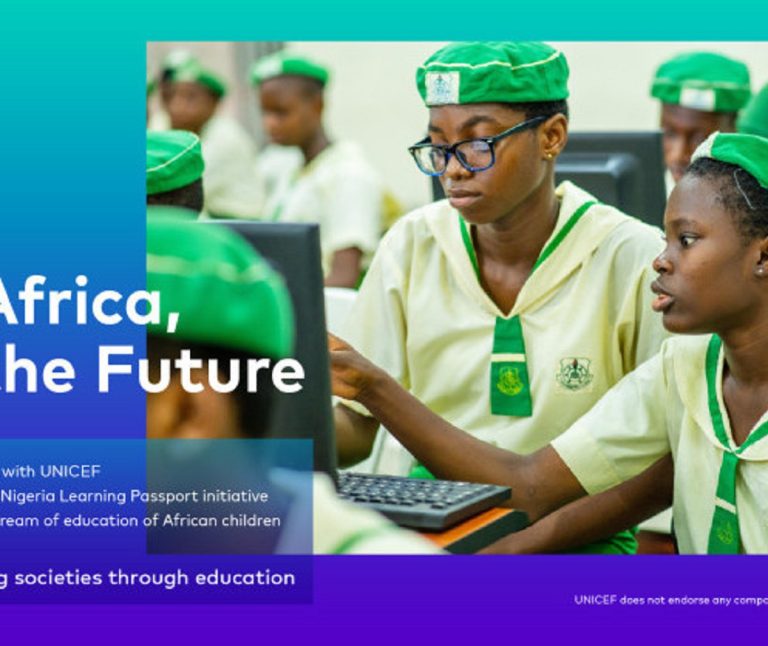
TECNO has partnered with the United Nations Children’s Fund (UNICEF) to support the implementation of the Nigeria Learning Passport, a digital learning platform.

The platform provides curriculum-aligned materials in local languages through a combination of online and offline delivery, allowing children to access digital learning resources at any time, wherever they are. This ensures that quality education is available and accessible to all. The platform covers a full range of educational content, from foundational learning to skills development, and also provides professional training for educators.

“We are pleased to partner with TECNO to enhance the reach and impact of the Nigeria Learning Passport,” said Cristian Munduate, UNICEF Country Representative in Nigeria. “This collaboration will allow us to provide more children, especially those in remote and underserved areas, with the quality education they deserve. Digital learning is a powerful tool in bridging educational gaps and ensuring that every child has the opportunity to learn and thrive. With TECNO’s support, we are one step closer to our goal of making education accessible to all children in Nigeria, empowering them to build a brighter future.”

This collaboration will enable more children, especially those in remote and underserved areas, with the quality education they deserve. The programme has expanded to 19 states across the country, ranking second among all participating countries with approximately 888,000 registered users.

 The partnership will further strengthen content development, purchase and maintenance of technical equipment, and professional training for educators. This year, UNICEF plans to expand the Nigeria Learning Passport to include offline content for 50,000 children in remote and low-income areas, further reducing the education gap and improving the quality of education.

Jack Guo, General Manager of TECNO, added, “As part of its Corporate Social Responsibility endeavours, TECNO keeps giving back to the communities where our business is present. Investing in education is an effective strategy for breaking the inter-generational transmission of poverty and contributing to social and economic development. Africa has the world’s youngest population structure, and the progress for African children is the progress of the world. Through the Learning Passport programme, we hope to help young people in Nigeria access sufficient education and development opportunities, becoming a strong engine for economic growth and social progress in Africa and even the world.”

By the end of 2023, the Learning Passport programme had expanded to 38 countries worldwide, with a total of 6.02 million registered users and more than 13,000 courses on offer.

In 2020, the Learning Passport was recognised as one of the 50 Most Influential Projects by The Project Management Institute, and in 2021 TIME named the programme one of the best 100 inventions of the year.

Agriculture in Africa Leads in AI Deployments; New Report

0

New report indicate that Agriculture sector in Africa takes the helm in utilizing Artificial intelligence (AI) to drive growth and development.

A new GSMA report released on Tuesday, July 16, 2024, highlights the immense potential of Artificial Intelligence (AI) to propel Africa’s socio-economic growth across key sectors such as agriculture, energy, and climate.

The report, titled “AI for Africa: Use cases delivering impact,” identifies over 90 AI applications with the potential to create a $2.9 trillion economic boost for the continent by 2030.

While Africa currently accounts for only 2.5% of the global AI market, the report emphasizes the region’s capacity to leverage AI to address pressing challenges. However, the report also underscores the need to overcome obstacles like limited data centers and high technology costs.

Agriculture: A Major Focus for AI Applications

The agriculture sector, which employs 52% of Africa’s workforce and contributes 17% to GDP on average, is a primary target for AI-driven solutions. Up to 80% of food production in Sub-Saharan Africa relies on smallholder farmers who often lack access to modern farming techniques.

The GSMA report found that the majority of AI applications in agriculture focus on machine learning (ML)-enabled digital advisory services, providing farmers with data-driven recommendations to improve yields and adopt climate-smart practices.

Energy and Climate Action: Key Areas for AI Impact

The energy sector in Africa faces significant challenges, with half of the population lacking access to electricity. AI-powered solutions are being deployed to enhance both on-grid and off-grid infrastructure, with applications ranging from predictive maintenance to energy access assessment. The report emphasizes the importance of improving energy access and efficiency to create a virtuous cycle that supports broader digital development.

Climate change poses a substantial threat to Africa, with the continent disproportionately affected despite contributing less than 3% of global CO2 emissions. AI is being leveraged to develop early warning systems, monitor biodiversity, and support natural resource management.

Overcoming Challenges to Unlock AI’s Potential

To fully realize the benefits of AI, Africa must address several challenges. These include the scarcity of high-quality local data, the limited availability of data centers and computing power, and the high cost of AI technologies. The report suggests that mobile-based edge computing can help overcome infrastructure limitations by enabling AI applications to run on smartphones.

Max Cuvellier Giacomelli, Head of Mobile for Development at the GSMA, emphasized the importance of skills development, partnerships, and ethical AI frameworks to ensure that Africa benefits fully from the AI revolution.

” To harness the transformative potential of AI across Africa, there needs to be a strong focus on increasing skills for both AI builders and users, especially among underserved populations. Better training programmes are essential, particularly in the face of a global brain drain on AI talent. To ensure Africa doesn’t get left behind, strong partnerships are required across a broad ecosystem of partners including ‘big tech’, NGOs, governments, and mobile operators. Policies must also evolve to address inequality, ethics, and human rights concerns in AI deployment. As African countries shape their own unique AI strategies, active engagement in global forums will be pivotal in defining regulatory frameworks that promote ethical AI development and safeguard societal interests, moving toward sustainable solutions that benefit all African communities.” 

The GSMA report calls for increased investment in AI research, development, and deployment, as well as supportive policies to create an enabling environment for AI innovation. By addressing these challenges and leveraging AI’s potential, Africa can accelerate its socio-economic development and build a more sustainable future.

Cameroon Secures $38 Million for Digital Transformation Initiatives

0

Cameroon has secured a financial partnership with South Korea, obtaining XAF 23.21 billion (approximately $38 million) to fund five developmental projects, focusing on digital transformation.

According to reports, the Minister of Economy, Planning, and Regional Development, Alamine Ousmane Mey confirmed that part of these funds will go towards advancing Cameroon’s civil status registration system.

“A significant portion of the grant, $4.8 million, is designated for creating a robust and secure foundational identity system throughout Cameroon to establish a reliable and accessible civil identification infrastructure.”

The “e-Procurement System Development Project” in Cameroon will also benefit from this funding, receiving $5.6 million to transition the public contracts procurement system to a digital platform; to streamline the processes and enhance both transparency and efficiency.

Minister Mey highlighted the “Smart Campus” initiative, which will receive $8 million from the grant to advance digital governance within public administration and modernize public service delivery, in line with the country’s broader digital government strategies.

Cameroon has been working on a master plan for the digitalization of the civil registration system since 2018, part of the Strategic Plan for the Rehabilitation of Civil Registration in Cameroon from 2018 to 2022 where an interface has been established to link the civil status system with other critical sectors, such as the national identity agency and the ministries of justice, transport, and health.

“A pilot project using the OpenCRVS platform for birth registration has been successfully completed in 20 municipal councils across Cameroon, marking a significant milestone in the country’s digitalization efforts,” the report stated.

The “Support Program for the Modernization of the Civil Registration System” (PAMEC) in Cameroon has received international support, notably from the Korea International Cooperation Agency (KOICA) and the German Agency for International Cooperation (GIZ).

It is worth noting that these agencies have provided financial backing and expertise to assist Cameroon in modernizing its civil registration system.

In August 2022, Cameroon secured a grant agreement amounting to 1.683 billion FCFA (approximately $2.8 million) to enhance the National Civil Status System, demonstrating that the international community’s is commitment to helping the country address systemic challenges.

The reports further noted that Cameroon’s civil registration system has historically struggled to accurately record vital events such as births and deaths.

“Statistics show that only about half of all births are documented, and death registration is even less common. This inadequate documentation has far-reaching consequences, often leading to exclusion from critical services and civic participation. Without birth certificates, many are denied access to formal education, healthcare services, legal travel, voting, and opportunities to open bank accounts or own property.”

The PAMEC project is essential for resolving these issues by creating a more inclusive and effective civil registration system that reliably documents vital life events. This will protect citizens’ rights and enhance the quality of life for people in Cameroon.

Egyptian Fintech Dopay Secures $13.5 Million in Series A Extension

0

Egyptian fintech company Dopay, specializing in digital payroll solutions for the unbanked and underbanked workforce in emerging markets, has successfully secured a $13.5 million Series A extension funding round.

Led by Argentem Creek Partners, the round also saw participation from existing investors.

“The fresh capital will be channeled into accelerating Dopay’s growth within its primary market, Egypt,” the firm noted.

Furthermore, the startup plans to introduce a range of new financial services and expand its platform’s capabilities to operate across multiple banks and countries.

Founded in 2014 by Frans van Eerse (CEO) and Roel Van Eersel, the company was established to address the challenges faced by the unbanked and underbanked populations in emerging economies.

The platform empowers employers to disburse digital payments directly to employees and other recipients, promoting financial inclusion and reducing cash dependency.

Egypt, where over 60% of the workforce predominantly relies on cash transactions, aligns with Dopay’s mission.

The company’s objectives resonate with the Egyptian Central Bank’s push for digital payments and enhanced financial inclusion.

In a significant milestone, the firm obtained a banking agent license from the Arab Banking Corporation Egypt (Bank ABC Egypt) in August 2021. This enabled the fintech to launch a cutting-edge virtual banking platform, allowing businesses to instantly create accounts for employees and beneficiaries, facilitating real-time payments in compliance with the Central Bank of Egypt’s regulations.

Building on this momentum, Dopay secured an $18 million Series A funding round in September 2021. These funds were utilized to optimize operations in Egypt and advance the development of its next-generation virtual banking platform.

Dopay’s CEO highlighted the importance of the recent funding, stating, “This investment comes at a crucial time of rapid growth in the fintech sector. It will enable us to enhance our platform through partnerships with banks and to establish a lending model using the funds deposited on the platform.”

He further expressed optimism about the potential of this lending model to foster a sustainable and mutually beneficial financial ecosystem, promising customers the introduction of new financing products seamlessly integrated into the platform for an enhanced user experience.

Co-Chief Investment Officer at Argentem Creek Partners, Maarten Terlouw emphasized Dopay’s strategic focus on payroll services as a key driver for bringing unbanked and underbanked workers into the formal financial system.

Terlouw believes this payroll-centric approach facilitates long-term customer relationships and provides a strong foundation for cross-selling financial products.

Kaj-Erik Relander, existing investor and board member at Dopay, stated: “The unparalleled capabilities of Dopay’s platform and the significant underbanked population present a remarkable growth opportunity. Our continued support underscores our confidence in Dopay’s mission to revolutionize financial services in emerging markets.”

Celebrating Bangbet’s Euro 2024 Jackpot Winners!

0

The thrilling UEFA Euro Super Prediction Jackpot has concluded, and Bangbet has made dreams come true for eight outstanding predictors. These exceptional individuals shared an impressive 33 million Kenyan shillings prize pool, making this event a standout betting phenomenon.

The Journey Through the Stages

The UEFA Euro Super Prediction Jackpot was a true test of prediction skills, challenging bettors through multiple stages: the Group Stage, the Round of 16, and the quarter-finals, each with its unique challenges.

Group Stage: The Crucial First Step

The journey began with the Group Stage, where 24 teams were divided into six groups. Predicting the winners was a significant challenge, but the top eight predictors demonstrated their deep understanding of the game. They skillfully navigated the matches, showcasing their ability to anticipate the unexpected.

Round of 16: The Pressure Intensifies

As the tournament advanced to the Round of 16, the stakes increased. The knockout format meant one wrong prediction could end the journey for many. However, the top eight predictors showed remarkable resilience and analytical skills, accurately forecasting the outcomes of these critical matches and cementing their lead.

Quarter-Finals: The Final Test

The quarter-finals brought even more intensity and drama. The matches were fiercely contested, and the margin for error was slim. Every play had the potential to make or break a prediction. Yet, the top eight predictors remained focused, making accurate predictions and navigating through high stakes.

The Winners’ Circle: Celebrating the Champions

After enduring the grueling stages of the UEFA Euro Super Prediction Jackpot, the eight top predictors emerged victorious. Their exceptional predictive abilities earned them a substantial share of the 33 million Kenyan shillings prize pool. This incredible achievement is a testament to their dedication, knowledge of the game, and ability to remain calm under pressure.

Meet the Winners

The champions are:

  • Hezron Mutua a 32-year -old Electrician from Kajiado
  • Paul Mange-Bodaboda rider 29-year-old from Nairobi
  • Duncan Osinde -Mechanic 36-year-old from Nairobi
  • Patrick Levis 21 Year old student from Thika,
  • Roney Otieno 33 year old Businessman
  • Gibson Wafula 38-year-old security Personnel from Nairobi
  • Korir Jumba 45-year-old travel consultant from Nairobi
  • Justus Gitau 27-year-old driver from Nairobi]

These winners used keen odds analysis, prior match performance analysis, and player profiling to make their winning predictions.

What the Winners Say About Bangbet

The winners had high praise for Bangbet:

  • “The 15M Sports Jackpot stands out from other competitors.”
  • “Fast withdrawals, instant deposits, and partial cash-out make Bangbet the platform to go for.”
  • “Good content on social media that is engaging and informative.”
  • “Focus on client satisfaction.”


Bangbet: The Ultimate Betting Platform

Bangbet’s UEFA Euro Super Prediction Jackpot highlighted the platform’s excellence. Bangbet has established itself as a leading betting platform in Kenya, known for its fantastic odds, wide range of matches, and user-friendly experience. The Super Prediction Jackpot showcased Bangbet’s commitment to providing unparalleled betting opportunities and enhancing sports excitement.

With various betting options, Bangbet caters to both seasoned bettors and newcomers. The platform’s competitive odds ensure every bet has the potential for substantial returns. Beyond the odds, Bangbet offers bonuses, promotions, and dedicated customer support.

Stay Informed with Bangbet News

For the latest sports news, Bangbet News is the go-to source. Offering comprehensive coverage of major sports events, insightful analyses, and expert opinions, Bangbet News keeps readers informed. Whether you’re looking for match previews, post-game analysis, or exclusive interviews, Bangbet News has it all.

As the UEFA Euro Super Prediction Jackpot concludes, the excitement at Bangbet continues. With more matches, jackpots, and chances to win big, Bangbet is the place to be. If you’re a football fan with a knack for predictions or someone looking to add excitement to your sports experience, join the Bangbet community today. Place your bets, and who knows? The next big winner could be you. Stay tuned to Bangbet News for the latest updates and immerse yourself in the thrilling world of sports and betting.

KenGen to Add 42.5MW of solar energy in the Seven Forks

0

In a move towards clean energy, Kenya Electricity Generating Company (KenGen) is to add 42.5MW of solar energy in the Seven Forks area to scale up Kenya’s green energy deployment in 2024.

The project, expected to last for twenty-eight (28) months, aims to install a 42.5MW solar power plant in the home of the Seven Forks dams where KenGen generates most of its hydroelectricity.

The additional capacity will enhance renewable energy output and cushion Kenyans against the rising cost of power. It will complement hydroelectricity generation during the day and conserve water for electricity generation at night, especially during drought.

Implemented in partnership with the French Development Agency (AFD), this project is the first of its kind for the NSE-listed company, aiming to deliver more renewable energy to the national grid in response to climate change.

The signing ceremony was attended by Principal Secretary (PS) of the State Department for Energy, Alex Wachira, KenGen Managing Director and CEO, Eng. Peter Njenga, French Ambassador to Kenya, HE Arnaud SUQUET, and AFD Country Director, Bertrand Willocquet.

“France is keen on partnering with Kenya in the deployment of renewable energy to stem climate change, for which Kenya has shown its prowess, as demonstrated in the Olkaria Geothermal Field and the Seven Forks area,” Willocquet said.

During the signing, PS Wachira welcomed the move, describing it as a big win for Kenya. “The project will provide affordable, reliable, clean energy, create employment opportunities, and engage the community through Corporate Social Responsibility (CSR). Indeed, Kenya and France have enjoyed longstanding cordial relations, especially in the energy sector, and this cooperation continues to advance our energy infrastructure for the benefit of the great people of Kenya,” he added.

KenGen Managing Director and CEO, Eng. Peter Njenga, described the partnership as timely, emphasizing the company’s commitment to scaling up its renewable energy capacity by adding additional electricity from clean sources, moving Kenya towards a 100% green energy transition.

“As you are aware, KenGen is committed to achieving Kenya’s goal of increasing its renewable energy capacity to 100% by 2030. We have made significant progress towards this goal, and our partnership with AFD has been instrumental in achieving this great milestone. We are now ready to develop our 42.5MW solar power project, adding more renewable energy to the national grid within 28 months,” said Eng. Njenga.

“This project is going to complement hydro during the day when the sun’s intensity will be high, especially during the dry season. That way, we can conserve water for power generation, mostly at night,” he added.

Lula, a ride-sharing service for office workers acquires Zeelo in South Africa

0

Lula, a ride-sharing service provider for office workers has acquired the South African branch of Zeelo, an American staff bus-sharing startup in a cash-only deal.

Lula will integrate Zeelo’s existing user base of more than 18,000 riders in South Africa to its fleet, grow its presence and consolidate across South Africa in a move to grow its market share, boost its market penetration and up its operations. Zeelo is exiting the South African market to focus on US and Europe markets.

Headquartered in London and Boston with an R&D team in Spain and live operations in the UK, US and South Africa, Zeelo was founded in 2016 by Sam Ryan, Barney Williams and Dani Ruiz after selling their ride-sharing app JumpIn to Addison Lee in 2014. Launched in South Africa in 2019, Zeelo raised $33 million for the southern Africa nation but only facilitated under 2 million rides in South Africa and chose to exit the market.

According to Sam Ryan, Zeelo’s founder and CEO, “We are excited to support the move of our customers and suppliers to the LULA platform.” This deal will also make LULA cashflow positive and give it a solid financial foundation for future growth.

Lula, on the other hand, was founded in 2018 by Velani Mboweni and Xabiso Nodada and operates in five major South African cities with over 380 companies as partners and over 1,000 registered drivers and shuttle fleet operators. LULA does not own any vehicles but works with individual drivers and fleet operators on commission.

The deal will also LULA’s mission to boost office worker transportation in South Africa and bring enhanced services and broader market reach for LULA.  “It’s better to scale smart than to scale fast.” said Velani Mboweni, LULA’s co-founder, adding that this seamless transition is expected to benefit both Zeelo’s existing customers and LULA’s expanding user base.

In March last year, Zeelo secured $14 million in equity funding to further its growth in the United States and on the other side of the Atlantic and reinvest profits in the UK and double its business there in the next 18 months. Zeelo aims to run a fully zero-emissions fleet by 2030 and has bee funding several electric coach trials for partner operators.

“Developed markets are underserved for daily mass transportation needs and we have seen increased demand for our transit-tech solution in the United States over the past 12 months,” says Mr Ryan, who is Chief Executive Officer. “Due to this demand, we’ve had a growing number of requests from shuttle operators to leverage our technology to improve their client relationships and streamline operations. This new capital will accelerate Zeelo’s expansion across the US for an accelerated rollout of large-scale, multi-site transportation contracts, with some of North America’s biggest household brands, as well as further investment in our software offering.”

In 2022, SWVL announced intention to acquire Zeelo, the UK’s largest smart bus platform and technology scale-up, measured by bookings. The firm said joining forces with Zeelo builds upon it’s recent successful acquisitions of Viapool and Shotl, and announced acquisitions of Volt Lines and door2door, and provides a launchpad to rapidly land and expand business operations in three strategic developed markets including the UK, South Africa and the US. Zeelo’s seasoned team of over 160 staff across the globe, including 29 software engineers based out of Zeelo’s R&D hub in Barcelona were to join Swvl but the acquisition which was expected to be completed in May 2022 didn’t go through due to market conditions.

Media Council Condemns Violence Against Journalists Covering Gen Z Protests

0

The Media Council of Kenya (MCK) has strongly condemned the recent violence against journalists who were covering the anti-government protests and riots in various Kenyan cities and towns.

These journalists have reported being shot at, teargassed, and arrested by police while performing their duties.

The latest incident occurred on Tuesday when police officers in Nakuru City shot and injured Catherine Wanjeri, a journalist from Kameme TV, along Kenyatta Avenue as she was covering the Generation Z protests, which enters it’s fourth week.

This event is part of a series of aggressions against media personnel during a day of nationwide unrest.

The MCK, an independent national body responsible for developing and regulating the media in Kenya to promote media freedom, professionalism, and independence, has denounced the violence against journalists.

David Omwoyo, the Chief Executive Officer (CEO) of MCK, stated, “The shooting of Catherine Wanjeri Kariuki, a journalist with Kameme TV, while she was with other journalists and the police is both shameful and terrifying. We commend her colleagues for their quick action to save her life. We wish her a speedy recovery and affirm our support.”

Journalists at the scene reported that the police fired three shots at Catherine, who is now receiving treatment and is in stable condition. She was trying to escape when the police used teargas canisters to disperse peaceful protestors.

The MCK CEO emphasized that this incident clearly shows the police’s lack of respect for press freedom and called on oversight agencies to investigate and hold those responsible accountable.

“To end this impunity, we urge the Independent Policing Oversight Authority (IPOA) to complete investigations and ensure that the police officers terrorizing journalists are brought to justice,” said Mr. Omwoyo.

He further noted that journalists play a crucial role in upholding democracy by reporting on civil unrest and holding powerful institutions accountable.

Mr. Omwoyo also urged law enforcement agencies to respect the media and ensure journalists’ safety at all times. He advised journalists to prioritize their safety, maintain professionalism, and take necessary precautions while working in hostile environments.

Mercy Corps Ventures to give $100K in equity-free grants to AI for Climate Resilience startups

0

Mercy Corps Ventures has launched a call for proposals focused on startups deploying innovative AI-based solutions for climate resilience in emerging markets.

This is the second call for proposals from its Climate Venture Lab, following the Climate Tech Facility launched in November 2023, which received 412 proposals from over 50 countries. Dubbed Artificial Intelligence (AI) for Climate Resilience, the initiative is committing up to $1,000,000 to test solutions increasing the resilience of climate vulnerable people in Africa, Asia and Latin America.

Mercy Corps Ventures is investing in the next frontier of climate resilience solutions for those most vulnerable to the effects of a changing climate.

“We believe advanced climate analytics and AI can be leveraged to improve weather forecasting, early warning systems, flood and wildfire prediction, and farming advice for better climate adaptation. In addition, AI’s capabilities in measuring, predicting and optimizing complex systems hold tremendous potential for strengthening climate resilience, and accelerating the development of sustainable and scalable solutions for those most in need.

Mercy Corps will select applications that intersect AI with the following themes:

Adaptive Agriculture: How can we feed the world without harming the environment? Can AI improve soil diagnostics, help scale regenerative agriculture, or make supply chains more efficient and less wasteful? We seek AI-based solutions that help smallholder farmers in emerging countries improve yields, protect the environment, transition to sustainable practices, and reduce waste, among others.

  • Inclusive Fintech. How can we facilitate financing for climate resilience? What role can AI play in increasing access to finance for smallholder farmers? We seek innovative financial solutions in the food and agriculture space that can unlock finance for climate resilience.
  • Climate smart technologies: How can AI help address other challenges related to strengthening climate resilience? For example, how can we protect forests, land, oceans and glaciers? How might AI enhance the use of renewable energy for productive use? We welcome ideas that leverage AI to strengthen the climate resilience of smallholder farmers, indigenous communities, and low-income communities.

Mercy Corps Ventures (MCV) will select pilots based on the following criteria:

  1. Impact. Who is the pilot serving and what impact will be achieved? We expect proposals to include actionable plans to demonstrate impact on MCV’s target populations, including smallholder farmers, refugees and migrants, underserved women, marginalized communities, and those living in climate-vulnerable contexts.
  2. Innovation. How transformative is the solution? How likely is this product / service to scale / replicate broadly? Is it first-of-a-kind?
  3. Traction & team. How likely is this team to execute as designed? Does the team have the capacity to successfully deliver the pilot? This can be evidenced through current track record, team credentials, technological maturity of the product / service, etc.
  4. Geographic scope. Will the pilot be implemented in one or more MCV’s target regions: Africa, South and Southeast Asia, and Latin America?
  5. Scalability. For for-profit solutions, how do the economics work? For for-profit and nonprofit solutions, who will carry the work forward if the pilot succeeds?

The selected pilot partners will receive equity-free grants of up to $100,000 each. Alongside capital, MCV will also provide mentorship, impact measurement advisory, access to partnership opportunities, knowledge exchange, and brand exposure.

Apply Now

Applications will be reviewed on a rolling basis. Deadline for submission Jul 21, 2024. To apply, fill in this form.

You Can Now Choose Your ‘Favourites’ on WhatsApp

0

WhatsApp, the popular messaging app has introduced a new feature to help users quickly access their favorite contacts and groups.

From yesterday, users can easily find the people and groups that matter most at the top of your calls tab and as a filter for your chats.

“Whether it’s your family group chat or your best friend, your ‘favorites’ will now be the same across your chats and calls, allowing you to speed dial them directly from your calls tab, WhatsApp noted.

To add contacts or groups to your ‘favorites’:

  • From your chats screen, select the ‘favorites’ filter and choose your contacts or groups there.
  • From the calls tab, tap ‘Add favorite’ and select your contacts or groups.

Alternatively, manage your ‘favorites’ in your settings by going to Settings > Favorites > Add to Favorites, where you can also reorder them at any time.

This feature has been rolled out to beta users and will be available to everyone in the coming weeks.

UNDP’s timbuktoo launches Pan-African Fintech Hub in Lagos

0

The United Nations Development Programme (UNDP) and the timbuktoo Africa Innovation Foundation have launched the Fintech timbuktoo Hub in Lagos, Nigeria, located at the UNDP Innovation Center.

The Fintech Hub will serve as a nexus for fintech entrepreneurs, investors, and industry experts and will provide a collaborative workspace for startups and established fintech companies, offering mentorship programs and expert guidance to emerging innovators.

Speaking during the launch, H.E. Babajide Sanwo-Olu, Governor of Lagos State, “The launch of the timbuktoo Fintech Hub today embodies our shared commitment to fostering and driving solutions to Africa’s challenges. The hub will catalyze efforts to propel the Continent towards a more globalized way of doing business.”

timbuktoo is a brainchild of UNDP in partnership with African governments, and the private sector, aims to support Africa’s innovation ecosystem though public-private collaboration. By nurturing local talents and fostering cross-border collaborations, the timbuktoo Fintech Hub will play a pivotal role in shaping the future of financial technology in Africa. This portrays UNDP’s commitment to harnessing technology for sustainable development. 

“Africa is the place where ideas comes from to unite the world. Our innovators are finding solutions to the most pressing global problems. timbuktoo is about changing the way development works and investing in young talents. I invite you all to join and begin to see Africa from the lens of opportunity,” mentioned Ms Ahunna Eziakonwa, UN Assistant Secretary-General and UNDP Regional Director for Africa, during the launch event.

The launch of the hub was followed by the onboarding of the first Pan-African Cohort of Fintech Startups and a Fintech for Development Marketplace. The marketplace showcased innovative financial technologies with the potential to drive economic growth and transformation. This also featured networking sessions, policy dialogues, and fireside chats with key ecosystem stakeholders, creating a platform for collaboration and knowledge exchange in the African fintech sector.

The timbuktoo initiative was launched in January 2024 at the World Economic Forum in Davos and is run by the timbuktoo Africa Innovation Foundation which is registered and headquartered in Kigali, Rwanda. Incorporated in March, the timbuktoo Africa Innovation Foundation is already building  university innovation pods (UniPods) in 13 African cities as centres for Reseach and Development offering young innovators space to transform their ideas into minimum viable products and profitable ventures like the one at the University of Rwanda.

timbuktoo is also establishing thematic hubs across Africa to offer venture building support in areas like FinTech, EdTech, MineTech, AgriTech, Creatives, SmartCities, TradeTech, and GreenTech. This year, timmbukoo aims to launch various hubs starting with FinTech in Lagos, HealthTech in Kigali and AgriTech in Accra.  timbuktoo will also offer early-stage risk capital to the ventures of Africa’s youth.  This will be done through the Kigali – based Fund domiciled in the Kigali International Financial Centre, the third best international financial centre in Africa.

UAE-based Tokinvest raises $500,000 pre-Seed to accelerate market penetration

Tokinvest, a UAE-based tokenisation platform  has raised $500,000 in pre-Seed funding from several investors, including Michael Ourabah, CEO of BSO to enhance the platform’s technological infrastructure, expand the team, and accelerate market penetration.

Founded in 2024 by Scott Thiel and Matthew Blom, Tokinvest is a marketplace that connects real-world asset issuers with investors globally. The advanced platform simplifies the investment process by creating virtual tokens representing rights to assets and providing comprehensive lifecycle services from ideation to trading to asset servicing.

“We believe in Tokinvest’s vision of setting standards in the real-world tokenisation industry. Their approach not only meets the highest legal and compliance levels but also aligns with current demand by providing accessibility to the most desirable assets for all investors. We are thrilled to be part of this exciting growth period for the company,” said Michael Ourabah, CEO at BSO and one of Tokinvest’s strategic investors.

Scott Thiel, CEO of Tokinvest, adds, “We are immensely grateful for the trust and support from our early investors. This funding fuels our technological and operational development and solidifies our strategy to lead in the real-world asset tokenisation space. We are excited about the opportunities that lie ahead and are keenly focused on launching our marketplace later this year.”

According to the company, tokenisation of real-world assets (RWA) delivers blockchains’ promise to democratise finance. Previous barriers to entry for RWA investing include cost, time and friction, which meant only the most wealthy and sophisticated players could partake. Tokinvest provides a gateway to asset liquidity, reduced transaction costs, new products, and broader investment opportunities. 

Tokinvest utilises Dubai’s VARA framework, setting a new precedent for the issuance, distribution, and trading of virtual assets, irrespective of traditional asset classification. This ensures a secure and compliant environment, which is leading the way in the legal virtualisation of assets.

According to the World Economic Forum, tokenization can add US$230b annually to the MENA GDP.

Building on the momentum of this initial fundraising success, Tokinvest has now opened its next funding round. This upcoming round aims to attract further investment to scale operations, expand its global reach, and continue innovating within the real-world asset tokenisation market.

This news follows an announcement from Tokinvest securing initial approval for licensing from the Government of Dubai Virtual Assets Regulatory Authority (VARA). Licensing remains subject to fulfilment of pre-operating conditions and qualifying for operational approval.

Bio-Logical Raises $1.3M to Build the Climate Resilience of Kenyan Smallholder Farmers

0

Climate Tech company Bio-Logical, a leading biochar carbon removal company based in Kenya, secured $1.3 million in funding. This investment will expand their Mt. Kenya biochar facility to meet the increasing demand for carbon removal and support climate resilience for Kenyan smallholder farmers.

This funding will enable Bio-Logical to increase its carbon removal and fertiliser production capacity to become one of the largest biochar producers in the world, boosting crop yields and climate resilience for thousands of smallholder farmers.

“Smallholder farmers, who are some of the worst affected people on earth when it comes to climate change, are currently suffering at the hands of a climate crisis they have played no part in. At Bio-Logical, we use carbon removals to not only sequester carbon but also develop affordable soil regenerating fertiliser which boosts yields and improves the climate resilience of smallholder farmers throughout Kenya.” Philip Hunter, Co-CEO.

The funding round was led by a group of high net worths and other investors including CrossBoundary, Redshaw Advisors and existing investors the Steyn Group. This investment supports Bio-Logical’s goal of increasing its carbon removal capacity to 100,000 tonnes of CO2 annually over the next 18 months, with plans to establish three additional sites across Kenya.

“Redshaw Advisors is delighted to participate in Bio-logical’s latest fundraising, that will help them to create high integrity carbon removal credits while simultaneously having a positive impact on farmers in need of support with climate resilience. This naturally compliments our work supporting corporates that want to do something positive about climate change, with high quality projects and in countries most in need of support with decarbonisation.” Louis Redshaw, CEO Redshaw Advisors.

Having announced its deal with Microsoft in 2023, which is the largest single purchase of biochar carbon removal from an African Biochar project, Bio-Logical plans to scale up its annual removal capacity to 100,000 tonnes of CO2 over the next 18 months.

“This funding round will play a pivotal role in scaling up our Mt.Kenya facility and building a tonnes blueprint for scale as we roll out three new sites throughout Kenya over the next 18 months” Rory Buckworth, Co-CEO.

d.light secures USD$176 million for affordable off-grid solar in East Africa

d.light, an Off-grid solar  provider has secured a new securitization facility from African Frontier Capital  to purchase USD$176 million of receivables in Kenya, Tanzania and Uganda. 

The facility is aimed to scale up its PayGo consumer finance offering to make solarpowered products available to more low-income households and communities without access to electricity. The facility which is multi-currency, will enable access to reliable, renewable energy for an estimated six million people across the three countries over the next three years.

Commenting on the news, d.light CEO Nedjip Tozun said, “This new facility is another landmark step in d.light’s mission to provide people with affordable energy that is also clean, safe and sustainable. It lets us expand our reach so that millions of off-grid families across Kenya,Tanzania and Uganda can experience the benefits of solar energy.

“Facilities like this make possible our pioneering PayGo consumer financing model with which we are able to offer solar home systems and high efficiency appliances to the people that need them most in a way that is affordable and sustainable.”

According to Tozun these facilities allow d.light to remain consistently cash flow positive and remove the requirement for further external equity fundraising to fund the company’s growth.

Founded in 2007 at Stanford in California, d.light is a global leader in making transformative products available and affordable to low-income families. d.light has sold nearly 30 million products, including solar lanterns, solar home systems, TVs, radios, and smartphones, impacting the lives of over 150 million people with a mission to transform the lives of one billion people with sustainable products by 2030.

d.light has a proven track record in the use of securitized finance to support its solar-powered household products in sub-Saharan Africa. It has previously set up four facilities, beginning in 2020 and including two in Kenya and one each in Nigeria and Tanzania. The combined purchasing value of these existing facilities plus the new facility is USD$718 million.

Earlier this year, in February, d.light announced that its USD$110 million securitization facility, Brighter Life Kenya 1 Limited (BLK1) successfully repaid its entire senior debt in full and ahead of schedule from internally generated cash flows – the first facility in the off-grid solar sector to do so.

d.light has been working with distribution partners in Kenya, Uganda and Tanzania since 2010,and has had its own operations in Kenya since 2011, in Uganda since 2015 and in Tanzania since 2016.

Eric De Moudt, AFC’s founder and CEO, said, “This milestone is a testament to how data-driven financial innovation can play an important role in bringing financial inclusion to the world’s most vulnerable communities, helping them to gain access to clean and modern energy and the ensuing social and economic benefits that come about as a result. We are grateful to d.light for its ongoing leadership in the off-grid solar sector and proud to partner with such a visionary company.”

African Frontier Capital is an impact investment group focused on bringing financial inclusion to people living at the bottom of the pyramid in a socially and environmentally sustainable way. As an impact investing company, African Frontier Capital has to date purchased $200 million of distributed renewable energy assets in Kenya, Tanzania and Nigeria.

Young Scientists Kenya launches the National Science and Technology Annual Exhibition 2024

0

Young Scientists Kenya [YSK], yesterday announced it had received 1,780 project abstracts during its launch of the 7th edition of the National Science and Technology Annual Exhibition 2024, a 138 percent increase in submissions compared to last year.

This year’s exhibition is scheduled to take place between 19th to 23rd of August 2024 themed – ‘Using STEM to Champion Climate Change Solutions.”

Speaking at this year’s exhibition launch event, National Director, Dr. Eng. Victor Mwongera, said, “The exhibition will have 200 students and 100 teachers showcasing their projects, with an additional 1,300 students attending virtually. The students and teachers will be drawn from 390 schools across all 47 counties, including 5 special needs schools and 3 refugee schools.”

The 7th Edition of the YSK exhibition aims to inspire students to pursue STEM pathways, showcase their scientific research and innovations, create linkages, and build their skills for further research and commercialization.

Young Scientists Kenya Board Chairperson, Mr. Ben Roberts, noted that the STEM approach to education fosters creativity and non-traditional thinking alongside conventional subjects, motivating and inspiring young people to generate new technologies and ideas that solve problems in their communities.

“Since its inception, YSK has reached over 250,000 students, involved more than 750 schools, including over 20 special needs schools, engaged more than 750 teachers, created over 600 STEM networks, and received over 1,000 student projects,” said Mr. Roberts.

Speaking at the event, visiting Irish Deputy Prime Minister and Minister for Foreign Affairs and Defence, Micheál Martin, lauded the National Science and Technology Exhibition which is modelled around the Irish BT Young Scientist and Technology Exhibition [BT YSTE].

“The BT YSTE has profoundly influenced Ireland’s economy by fostering innovation, nurturing young talent, and encouraging STEM education. This exhibition has not only produced future leaders and innovators but has also significantly contributed to our nation’s economic growth by promoting a culture of scientific inquiry and entrepreneurship over the last 60 years,” noted Mr. Martin.

Mr. Martin appreciated the potential of the Young Scientist Kenya initiative, stating, it embodies a vision that resonates with global aspirations for educational excellence and innovation.

“Ireland fully supports YSK’s mission to inspire and empower young minds in Kenya and beyond. By investing in the youth and their scientific pursuits, we can collectively address global challenges and drive sustainable development,” stated Mr. Martin.

Reflecting on Ireland’s support through the last six years, Martin noted that Ireland has always believed in the power of education and innovation, reiterating Irelands support for initiatives like Young Scientist Kenya aligns with the country’s commitment to global cooperation and development.

“We are proud to stand with Kenya in this transformative journey, just as we have seen the remarkable impact of BT YSTE in our own country” he noted.

Additionally, YSK has awarded 210 student winners, thirteen with tertiary education scholarships, supported two students in receiving trademarks for their winning projects, and delivered six national exhibitions and five STEM bootcamps.

Isaac Muendo, who won second place in the Technology Category at the 2019 exhibition, has since co-founded Arifa Labs, a technology company that develops homegrown cybersecurity solutions to tackle the rising incidents of social engineering attacks.

1,780 Climate Change Projects to Pitch at the Young Scientists Kenya Exhibition

0

Climate change risks pose serious threats to Kenya’s sustainable development goals and development gains according to a report by the United States Agency for International Development (USAID).

The largest economy in East Africa with a population of 54 million, largely dependents on rainfed agriculture, tourism, and natural resources, “sectors that are susceptible to climate variability and change and extreme weather events,” added USAID. USAID therefore works with the Government of Kenya to address climate adaptation and resilience building, renewable energy, and natural climate solutions among others.

Today, Young Scientists Kenya [YSK], an initiative of both the Ministry of Education and the Government of Ireland through its Embassy in Kenya, announced it has received 1,780 project abstracts for its 7th edition of the National Science and Technology Annual Exhibition 2024 which is keen on sustainability under its theme -Developing Sustainable Solutions for Climate Change.

By giving young people from across Kenya an opportunity to demonstrate climate change innovations and showcase their scientific talents through a National Science and Technology competition, YSK is helping the Kenyan government fight both unemployment and climate change and as well help raise future leaders.

According to Young Scientists Kenya National Director, Dr. Eng. Victor Mwongera, “Since its inception, YSK has reached over 250,000 students, involved more than 750 schools, including over 20 special needs schools, engaged more than 750 teachers, created over 600 STEM networks, and received over 1,000 student projects.”

These STEM innovations, stated Mwongera, motivate and inspire young people to generate new technologies and ideas that solve problems in their communities. YSK’s annual exhibition is also a platform for them to compete and showcase their scientific research and innovations, create linkages, and build their skills for further research and commercialization.

The 1,780 project abstracts were announced today at this year’s YSK exhibition launch event. This year’s exhibition is scheduled to take place between 19th to 23rd of August 2024. This is YSK’s 7th edition of the National Science and Technology Annual Exhibition.

Founded in 2017, YSK has awarded 210 student winners, 13 with tertiary education scholarships, supported 2 students in receiving trademarks for their winning projects, and delivered 6 national exhibitions and 5 STEM bootcamps. YSK’s National Science and Technology Exhibition, now in its 7th year, provides a platform for secondary school students across all 47 counties to exhibit projects, with independent judging and an award ceremony. It also holds outreach and mentoring sessions targeting students across all the 47 counties to expose students to live STEM demos, and encourage them to take up STEM careers. Winners are invited to a business bootcamp and given mentorship and training on commercialization, enterprise development, Intellectual Property and trademarking, while providing them linkages to the public and private sectors.

Isaac Muendo, who won second place in the Technology Category at the 2019 exhibition, has since co-founded Arifa Labs, a technology company that develops homegrown cybersecurity solutions to tackle the rising incidents of social engineering attacks. The National Science and Technology Exhibition is modelled on the Irish BT Young Scientist and Technology Exhibition [YSTE] and is supported by the Irish government.

“Ireland fully supports YSK’s mission to inspire and empower young minds in Kenya and beyond. By investing in the youth and their scientific pursuits, we can collectively address global challenges and drive sustainable development,” stated Irish Deputy Prime Minister and Minister for Foreign Affairs and Defence, Micheál Martin, who was present at the exhibition launch.

“We are proud to stand with Kenya in this transformative journey, just as we have seen the remarkable impact of BT YSTE in our own country” he added.