The African technology and startup ecosystem is evolving at a breathtaking pace. From Nairobi to Lagos, Cape Town to Kampala, a new generation of entrepreneurs, investors, and innovators is reshaping the continent’s economic landscape. Platforms like TechMoran have played a pivotal role in this transformation, serving as the go-to independent media for Africa’s startup founders, tech geeks, and investors. With over one million monthly visitors and more than three million monthly page views, TechMoran has established itself as the definitive voice covering Africa’s technology innovations from AI and blockchain to SaaS, fintech, and e-commerce.
But as Africa’s digital ecosystem grows, so does the demand for engaging, high-quality content. Text-based reporting remains essential, yet video content is rapidly becoming the most powerful medium for storytelling, brand building, and audience engagement. For tech entrepreneurs, startup founders, and content creators who follow platforms like TechMoran, mastering video production is no longer optional , it is a competitive necessity. The challenge, however, is that professional video editing software can be expensive, complex, and inaccessible, especially for lean startups and solo creators. To explore a simpler solution, creators can Visit Clideo and discover an online platform that makes video editing fast, accessible, and beginner-friendly.
That is precisely where modern browser-based tools are changing the game.Many startups are now turning to browser-based video tools such as Clideo and similar online editors that allow creators to produce professional content without installing complex software.
Why Video Content Matters for Africa’s Tech Community
The rise of mobile internet across Sub-Saharan Africa has fundamentally changed how people consume information. Social media platforms including YouTube, Instagram, TikTok, and Facebook are now primary channels through which startup stories are told, products are launched, and thought leadership is established. For the entrepreneurs and innovators that TechMoran covers daily, video content offers an unmatched opportunity to connect with audiences on a personal and emotional level.
Consider the numbers: video content generates significantly higher engagement than static text or images across virtually every social media platform. A well-crafted product demo, a compelling founder interview, or a concise explainer video can do more to attract investors and customers than an entire portfolio of blog posts. Yet many African startups still struggle to produce consistent, high-quality video content , not because of a lack of creativity, but because of perceived barriers around technical skill and equipment.
This is where cloud-based tools like Clideo become transformative. By democratising access to professional-grade video editing capabilities, they level the playing field and allow Africa’s next generation of entrepreneurs to compete on a global content stage.
What Is Clideo and Why Should Tech Creators Use It?
Several modern online video editors provide features for editing, converting, compressing, and managing multimedia content directly from a web browser, making video creation easier for startups and small teams. There is no software to install, no powerful machine required, and no steep learning curve to navigate. Whether you are working on a Mac, Windows PC, Android phone, or iPhone, Clideo works seamlessly across every device and operating system.
Founded with the mission of making video editing accessible to everyone, Clideo has grown into one of the most comprehensive online video tools available today. It supports a wide range of formats including MP4, MOV, AVI, WMV, WebM, GIF, and more, and it allows creators to export videos in resolutions ranging from 480p all the way up to crystal-clear 4K quality.
For African tech entrepreneurs, startup marketers, and content creators who want to produce compelling digital media without a large budget or technical team, Clideo offers a practical and powerful solution.
Key Features That Make Clideo Stand Out
A Full-Featured Multi-Track Video Editor
At the core of the Clideo platform is its fully-featured online video editor, which includes a multi-track timeline that allows users to combine video clips, images, audio tracks, and text elements into a single, cohesive production. Creators can add text overlays with customisable fonts, sizes, and colours; insert stickers, GIFs, emojis, and shapes; apply filters and visual effects; and adjust brightness, contrast, and saturation , all within the same intuitive interface.
The editor also supports advanced compositions such as picture-in-picture layouts, split-screen videos, and collage-style arrangements, giving creators the flexibility to produce visually dynamic content suited for platforms like YouTube, Instagram Reels, and TikTok.
Specialised Tools for Every Editing Need
One of Clideo’s greatest strengths is the breadth of its individual tools, each designed to accomplish a specific task quickly and efficiently. Key tools include:
Video Compressor Reduce file sizes for easier sharing via email, messaging apps like WhatsApp, or cloud storage platforms without sacrificing visible quality.
- Video Cutter and Trimmer Precisely cut or trim any segment from a video in seconds.
- Merge Video Combine multiple clips and images into one seamless video with a single click.
- Add Subtitles Automatically generate or manually add subtitles to videos in any format, an invaluable feature for reaching multilingual African audiences.
- Resize and Crop Video Instantly reformat videos for specific social platforms using built-in presets for YouTube, Instagram, TikTok, Facebook, and more.
- Speed Control Slow down or speed up footage with precision, ideal for creating dramatic effects or quick-paced promotional clips.
- Meme Maker A dedicated tool for creating shareable meme videos with text overlays and emojis, perfect for social media engagement.
- GIF Maker and Editor Create animated GIFs from any video or image, customize speed and size, and add text directly in the browser.
- Screen and Presentation Recorder Record your screen, webcam, or a combination of both, then edit the recording immediately in the same tool.
AI-Powered Capabilities
In 2025 and 2026, Clideo has significantly expanded its artificial intelligence capabilities, introducing tools including an AI Video Enhancer, an AI Script-to-Video generator, an Auto Subtitle Generator, and a Video Translator that can automatically translate video subtitles and add AI voiceovers in multiple languages. For Africa’s diverse multilingual tech community, the video translation feature alone is a game-changer , enabling creators to reach audiences across different linguistic regions with minimal extra effort.
Format Conversion at Scale
Beyond video editing, Clideo functions as a comprehensive media conversion hub. The platform supports video-to-video conversion, audio format conversion (MP3, WAV, OGG, M4A, FLAC, and more), and image format conversion (JPG, PNG, GIF, WEBP, HEIC, TIFF, SVG). This means creators can handle virtually all their multimedia processing needs without ever leaving the platform.
How African Startups and Content Creators Can Use Clideo
Startup Pitches and Investor Presentations
For founders looking to attract funding, a compelling video pitch can be far more persuasive than a traditional deck alone. Clideo’s video editor makes it easy to record a presentation, clean up the footage, add professional-looking text overlays and branding, and export it in a high-resolution format ready for sharing with potential investors.
Product Launches and Demos
When launching a new product or feature, video demonstrations are among the most effective marketing assets a startup can deploy. Clideo’s screen recorder and video editor combination allows founders and product teams to record product walkthroughs, annotate them with text and callouts, and publish polished demos with minimal effort.
Social Media Content at Scale
Africa’s tech community is highly active on social platforms. Consistently producing video content optimised for different platforms , square for Instagram, vertical for TikTok, widescreen for YouTube , is a significant operational challenge. Clideo’s built-in aspect ratio presets and one-click resize tool eliminate this friction, enabling teams to repurpose a single piece of content across multiple channels in minutes.
Event Coverage and Highlight Reels
TechMoran and similar media platforms regularly cover major events such as startup festivals, investor summits, and tech conferences. With Clideo’s merge and editing tools, event organisers and media teams can quickly assemble highlight reels from raw footage, add music, titles, and transitions, and publish polished event recaps that drive ongoing engagement long after the event ends.
Pricing: Accessible for Startups of Every Size
Clideo offers a free version that provides access to most of its core tools, though videos exported on the free plan will carry a Clideo watermark. For professional use, the Clideo Pro plan is available at approximately $9 per month, or around $6 per month when billed annually , a saving of $36 per year. The Pro plan removes watermarks entirely, unlocks premium AI features, allows larger file uploads, and provides extended cloud storage for projects.
For cash-conscious startups operating across Africa’s emerging markets, this pricing model is a compelling alternative to expensive desktop software subscriptions that can run into hundreds of dollars annually.
Security and Privacy
A common concern among users of cloud-based tools is the safety of uploaded content. Clideo addresses this directly: all uploaded files are stored securely, and only the account owner can access and manage their projects. Files are processed over secure connections, and the platform’s privacy practices are designed to ensure that sensitive content , such as investor presentations or unreleased product demos , remains protected.
Getting Started with Clideo
One of Clideo’s defining advantages is how effortlessly a new user can get started. There is no account required for basic use simply open your browser, navigate to the platform, upload a file, and begin editing. For those who want to save projects and access premium features, account creation is straightforward and takes only a few minutes.
The mobile app, available for both iOS and Android, synchronises seamlessly with the web platform, allowing creators to start a project on their laptop and continue editing on their smartphone, an important feature in a mobile-first continent like Africa where much digital work happens on smartphones.
Entrepreneurs and creators can explore different browser-based video editing platforms to find tools that fit their workflow and help them produce engaging video content more efficiently.



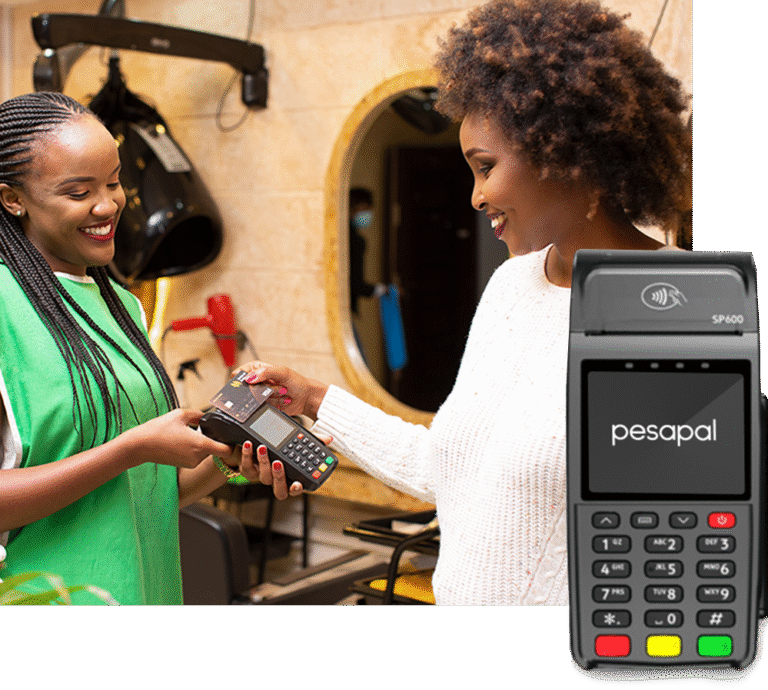
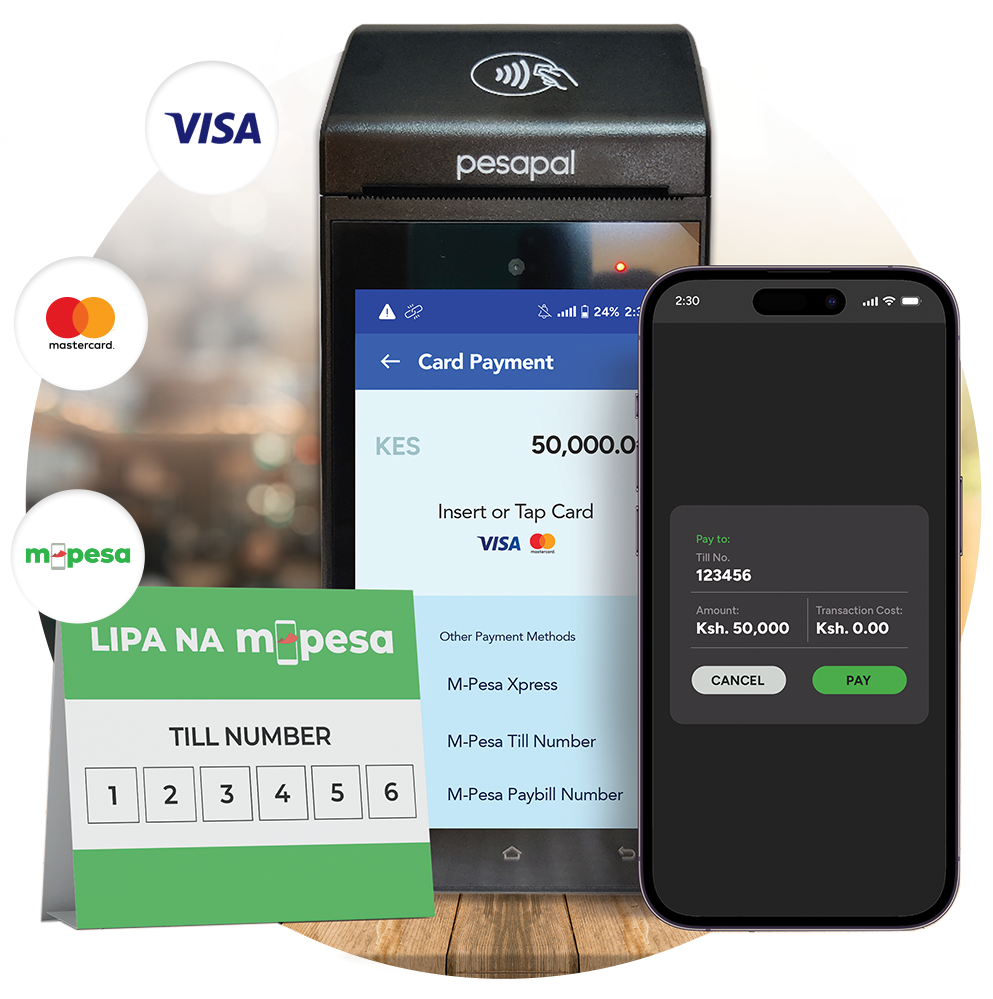 The company’s integrated platform combines payment processing, reporting dashboards, and operational tools into a single system. This allows SMEs to track sales in real time, manage inventory, reconcile payments efficiently, and monitor business performance with actionable insights. Every transaction tells a story from when customers buy, how much they spend, and which products or services are most popular. By understanding these patterns, business owners can make informed decisions, from staffing and inventory management to pricing and promotions.


 Source: