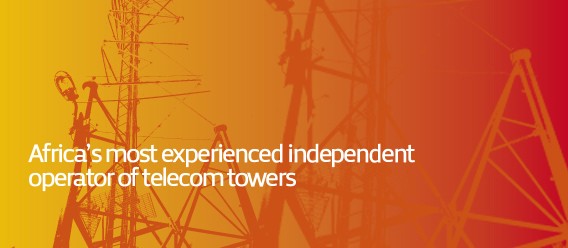
 Helios Towers Africa (HTA), a telecoms towers company in Africa has acquired Vodacom Tanzania through its Helios Towers Tanzania subsidiary.
The firm has acquired 100% of Vodacom Tanzania’s tower network in stock and cash, Vodacom Group’s first ever towers transaction.
The deal will see Helios Towers acquire 1,149 existing telecoms towers from Vodacom increasing HTT’s existing presence in Tanzania.
Below are the transaction details.
· HTT acquires all of Vodacom’s existing passive infrastructure and supplies Vodacom with a significant increase in points of service in Tanzania;
· Vodacom to lease back the infrastructure subject to a long term contract; and
· Pro forma for the acquisition, HTA will be providing close to 2,700 points of service to Vodacom and affiliates across Africa
The deal will expand HTA’s tower coverage in Africa to 4,700 owned towers and is another example of HTA partnering with an industry-leading mobile network operator in Africa. This partnership model is core to HTA’s offering.
By collaborating with its customers and being solely focused on providing a telecoms infrastructure solution, HTA helps its customers to achieve their goals of reducing operating cost, preserving capital, focusing on their core business, and mitigating the proliferation of towers through infrastructure sharing, as they expand network coverage and capacity to meet demand and improve quality of service.
The structure of the cash and shares transaction, which involves Vodacom acquiring a 24.5% share in HTT, also demonstrates the belief and confidence of a leading African telecoms operator in the business model of tower sharing and in the business model and operational capabilities of HTA.
The transaction is subject to customary closing conditions and regulatory approvals.
Chuck Green, Chief Executive Officer of HTA, added: “HTA is proud to be chosen by Vodacom as its partner for the ownership and management of its existing infrastructure and as the solution provider for its future roll out. This is a ground-breaking move for Vodacom and their equity investment is a significant endorsement of HTA’s reputation, management team and operating track record.”