When conducting business and submitting returns, your KRA pin is a crucial business document. To prevent further hassles, you must retrieve the PIN as soon as you can if you forget it or lose the PIN certificate. You have a variety of options at your disposal. So, here’s how to use your ID number to check your KRA PIN.
If you wish to conduct business with governmental organizations, limited liability corporations, or suppliers, a government PIN can assist identify you or your business. KRA PIN retrieval can be done in a number of different methods. Here is how to retrieve your KRA PIN as long as you know your ID number:
Visit the nearby Huduma Center or KRA office
If a KRA office or a Huduma center is nearby, stop by and inquire about KRA PIN recovery services at the customer care counter. You will need to present your real identification before getting a printed copy of the record. It is best to store it securely to prevent frequent misplacing.
Contact KRA via social media
What if there isn’t a KRA location nearby? In this situation, sending your PIN retrieval request over social media is a quick and practical choice. However, you must first send a message requesting the service to the official KRA social media channels after scanning a colored copy of your original ID card.
Twitter is a great choice for people who like the digital option. In less than an hour, the media team will respond to your tweet or direct message.
You can choose to speak with the team or send them a direct message on Facebook as another option. In case of any questions regarding the Personal Identification Number, the staff is also accessible.
Send KRA an email.
If you don’t like social media and live far from a KRA office, you can submit a scanned copy of your ID to callcenter@kra.go.ke, the organization’s official email address. Experience has shown that social networking sites are the most efficient way to request help because a quick response is virtually guaranteed.
Email is the least effective method to utilize when requesting help with KRA PIN recovery because there may be a wait in their response, which can be annoying. If you decide to write to them, make sure to follow up by using another form of communication.
iTax portal Assume you have the email login information for the account you used to register for iTax. In that case, simply use your ID number or email address to go into your iTax portal, choose to “Reprint PIN certificate,” and then download the file. This approach is trustworthy, and it is advised to use a password that is simple for you to remember.
M-Service
The KRA recently launched the M-Service application, which allows taxpayers to electronically submit and pay turnover tax and rental income. Users can also access their own or personal PINs. The Google PlayStore has the application.
iTax pin checker KRA
Is it possible to obtain my PIN using the KRA pin checker? is among the most frequently asked search queries. You can use the checker to verify that the document you have is authentic. To access this service, users must have their ID number. It’s vital to remember that the PIN checker can only produce information about the taxpayer’s fundamental characteristics.
You now know how to check for your KRA pin using your ID number if you’ve ever wondered, “What are the steps on how to check my KRA PIN using ID number?” You can select the retrieval method that best fits you. Make multiple copies of the KRA pin certificate once you’ve downloaded it to avoid getting stranded again in the future.
A logbook is a crucial document that serves as ownership documentation for vehicles. When selling your car, you must present this paperwork, or you can use it as security when requesting a loan from a financial institution. Your only alternative would be to replace your logbook if it were to become misplaced or lost. What then should you do to replace a lost logbook?
In the past, replacing a lost logbook in Kenya required human labor at the National Transport and Safety Authority (NTSA) or Kenya Revenue Authority (KRA) offices. To replace it, one had to stand in line at the nearby KRA or NTSA office with the required paperwork. The NTSA TIMS portal is used to conduct the process in the present digital era. Simply create a TIMS account, log in, scan and attach the necessary paperwork, pay the fee, and wait to pick up your logbook.
Documents needed to apply for a logbook misplacement
You require scanned copies of the following records if your logbook is lost:
You should begin by visiting the nearest Huduma Centre or police station to request a police abstract.
The abstract form should contain the name of the person whose name appears on the logbook.
You also need the tape lift report for the engine of your vehicle from the CID department an affidavit statement of the current owner.
Copy of ID/ Certificate of Incorporation/Business Registration Certificate
Creating the TIMS account
The TIMS Kenya account is used to replace lost logbooks. If you don’t already have one, you should create a TIMS account once you’ve gathered the required paperwork.
You will be asked for information while setting up a TIMS account for a specific person, including the ID serial number, mother’s name, profession, KRA PIN, phone number, county, sub-county, and postal address. In the case of a company, you must present both the Certificate of Incorporation and the company KRA pin.
You will receive the password you will use to access your TIMS account after establishing it. In case you have forgotten your password or you want to change it, you should reset your password on the portal.
How to get a Kenyan logbook replacement
Once the TIMS account has been successfully set up, follow these steps to replace the lost logbook:
Use the username, ID number, certificate of incorporation, alien ID, or diplomatic ID number to access your TIMS account. After submitting the password, select “Get Code”. You will receive a six-digit code at the phone number you provided during account registration.
Go to “Create New” and select the “Apply for Duplicate Logbook” option. The ‘Apply’ button should be clicked when the registration number of the car whose logbook is missing is displayed. The information about the vehicle will be displayed on a new page. Select either SMS or email as your notification method. selecting the counter collection office Choose ‘Lost’ under “Reason of Duplicate Logbook” in the section.
Enter the ID number or Alien ID of the authorized person to collect and click on ‘Inquire’. Enter the mobile number of the person authorized to collect the logbook, if it does not appear automatically. Upload the police abstract, tape lift, and sworn affidavit by clicking the “file upload” button Once the files have been uploaded completely, proceed to the payment section To pay for this service, choose the payment method which suits you best from the options available. Click on the “complete” button after making the payment.
An invoice will be generated by the system as proof of the payment. Print and keep it. If the application is successful, you will be notified via phone or email that the vehicle has passed the application for a duplicate logbook. A message will be sent to the phone number or email of the authorized person to collect the logbook when it is ready for collection.
The processing charge for duplicate logbooks is Kshs. 2500. It is important to note that the service carries a Kshs. 50 convenience fee. Sending money to the NTSA pay bill number will also result in additional mobile money transfer fees.
The processing period varies depending on a variety of criteria, including the center of collection and the number of due duplicate logbook applications, but it typically takes seven days.
If you want to know if your application has been accepted by NTSA, you can check its status. You can only verify the status of the logbook by logging into your TIMS account, which is your sole available tool. Until it is handled by NTSA officials, the status will say “Waiting for NTSA approval”. Until it says “Waiting to dispatch logbook” or “Waiting to print logbook,” keep monitoring the status. You can now pick up your logbook by going to the collecting center.
If you chose the Nairobi counter collecting office and are unsure of where to pick up your logbook, you must go to the NTSA headquarters in Upper Hill. In the city, there isn’t a single other logbook collection. When visiting the NTSA office, the authorized individual to pick up the logbook should bring their original ID and the prior logbook.
If you have lost your logbook, there is no need to panic. All you have to do to replace a lost logbook in Kenya is scan the aforementioned documents and follow the steps above. The process is simple, and depending on the center of collection you selected, you may just have to wait a few days or weeks to pick up the logbook.
Over-confidence is leaving consumers in Kenya at risk of becoming victims of fraud, according to Visa’s latest Stay Secure study.
Research across 17 countries in Central and Eastern Europe, the Middle East and Africa (CEMEA) revealed a disconnect between consumers’ confidence in recognizing fraud and their online behavior, highlighting the importance of staying alert and mindful of fraud attempts.
The study forms Visa’s Stay Secure Campaign, focused on raising consumer awareness, strengthening education, and building confidence to combat social engineering threats. The campaign aims to pave the way for a secure and seamless digital payments experience. Through this initiative.
Nearly three-quarters of Kenyans (74%) surveyed have been a victim of a scam at least once in their life and are most concerned that their family or friends will fall victim to a fake recruiter on career networking or job sites (75%) or investment scams promising financial gain (67%). Despite most consumers being savvy enough to sidestep online and phone scams, 90 per cent are likely to disregard the warning signs that suggest online criminal activity. On average millennials and Gen Zer’s are least likely to respond to a requested action by a scammer in a text message or email, 38% and 42% respectively, whilst boomers respond to 2 in 3 such requests (67%).
“In today’s digital-first world, scams are evolving in sophistication, with criminals using new approaches to trick unsuspecting consumers. Whether it’s a parcel held up at customs, a streaming subscription claiming to have expired, or a free voucher for a favorite brand, scammers are adopting persuasive tactics to deceive. Understanding the language of fraud is increasingly essential, and our Visa Stay Secure educational platform provides the knowledge and skills to help stay ahead of fraudulent activity online,” explains Eva Ngigi-Sarwari, Acting General Manager for East Africa and Country Manager for Kenya at Visa.
The report also identified some of the key contributors of the fraud Some of them Considering themselves knowledgeable might make people even more vulnerable, as false confidence can propel someone to click on a fake link or respond to a scam offer. Those who consider themselves more knowledgeable are more likely to respond to a requested action from scammers compared to those who say they are less knowledgeable, including positive news (72% to 70% for Kenya vs. global 74% to 67%) or urgent action (78% to 64% for Kenya vs. global 74% to 67%). While respondents feel confident in their own vigilance, over half (63% vs 52% globally) are concerned that their friends or families will fall for a scam email offering a free gift card or product from an online shopping site. Around 27% (compared to 36% globally) of respondents are concerned about children or minors, as well as retired people (29%) falling prey to online scams. Kenyans in a relationship are very or extremely concerned about their partner falling for a scam (83%).
The study indicates that confidence in the ability to spot a scam, and the vulnerability it may bring, is highest in countries like Qatar (69%), Kenya (65%), South Africa (65%), Saudi Arabia (64%), and Nigeria (63%).
Scammers try different approaches to craft messages that appear genuine and compel recipients to take immediate action.
The Visa Stay Secure Study identified prevalent patterns in the language most associated with scams – and how vulnerable respondents in the surveyed countries are.
Orchestrating Urgency: Cybercriminals often feign urgency to spur people into action, such as clicking a link or responding to a sender. Over half (58% vs 40% globally) of respondents will fall for messages about a security risk, such as a stolen password or a data breach, while a notice from a government entity or law enforcement can trick 47% (compared to 36% globally). Sharing Positive News: 72% (compared to 71% globally) of respondents would take action if a message had a positive hook, like “free gift,” “you’ve been selected,” or “you’re a winner.” Gen Zers are more likely to act on a financial opportunity (65% vs 45% globally) than a notice from the government (45% vs 31% globally), while 35% (compared to 26% globally) of respondents would click on a link or reply to a message that referenced a KYC (Know Your Customer) verification update. Action Required: 78% (compared to 60% globally) would respond to action-required phrases, though respondents are most suspicious of requests to reset their password. Spot The Signs: Education and Awareness to Catch Scams in Action Consumers can better protect themselves by taking a few extra moments before clicking, including understanding the language scammers use. Simple but effective best practices: Keep personal account information to yourself. Don’t click on links before verifying that they’ll take you where they say they will. Regularly check purchase alerts, which provide near real-time notification by text message or email of purchases made with your account. Call the number on corporate websites or the back of your credit and debit cards if you are unsure if a communication is valid.
While cybercrime persists in an increasingly digital world, Visa is tirelessly working behind the scenes to stay one step ahead. Worldwide, we have invested over $10 billion over the past five years in technology, including to reduce fraud and enhance network security. This has included $500 million on Artificial Intelligence (AI) and data infrastructure, enabling us to power 100 different capabilities that use AI to protect our clients and customers. More than a thousand dedicated specialists protect Visa’s network from malware, zero-day attacks and insider threats 24x7x365. In fact, over the last year alone, Visa proactively prevented $27.1 billion in potential fraud.
Mastercard and Equity Bank Uganda have partnered to improve financial inclusion for digitally excluded individuals, communities, and businesses in Uganda.
Equity Bank intends to leverage Mastercard’s Community Pass solution to issue financial inclusion cards that will serve as an online and offline store of value, enabling individuals to securely and digitally save and spend.
“We are honored to partner with Equity Bank to expand access of financial services to excluded communities in Uganda,” said Daniel Huba, Vice President of SSA Market Development, Community Pass, at Mastercard. “This partnership holds significant promise to drive digital visibility, financial inclusion, and enable credit building opportunities and access to digital services for marginalized and underserved populations. At Mastercard, we believe in the power of technology to drive financial inclusion and empower individuals. Community Pass is designed to bridge the gap between the unbanked and formal financial services, providing secure and convenient solutions. These products will better enable consumers and small businesses to participate and thrive in the digital economy.”
As part of the agreement, Equity bank will issue Community Pass credentials as a functional form of identity that simplifies and enables access to multiple services in a secure, privacy-first and cost-effective way and enable access to credit for individuals and businesses ,as well as build a Community Pass digital acceptance footprint in partnership with technology companies in Uganda
Mastercard Community Pass is a set of platform services that enables digital inclusion and provides a commercially sustainable approach to scaling delivery of agriculture, micro-commerce, aid, and healthcare services. Through Community Pass, Mastercard is working to connect individuals in underserved, remote and frequently offline communities to digital solutions for life transactions.
“We are pleased to scale up our strategic partnership with Mastercard through this agreement,” said Elizabeth Mwerinde, Executive Director of Public Sector and Social Investments at Equity Bank. “The opportunity to collaborate on futuristic payment solutions for excluded communities is part of our strategy. Our partnership with Mastercard is timely and aligned to our customer-centric commitment.”
Equity Bank will also undertake a partnership with Innovation Village to facilitate implementation of the financial inclusion agenda through the Digital Economy Program.
“This partnership underscores our unwavering commitment to fostering growth and promoting financial inclusion through the Digital Economy Program,” said Saul Weikama, Digital Economy Practice Lead at Innovation Village. “By leveraging digital infrastructure and a shared platform, we are dedicated to aligning solution providers with financial institutions and industry leaders, with a clear focus on transforming the communities that serve as Africa’s engine for innovative solutions.”
In today’s fast-paced digital landscape, effective stakeholder management relies heavily on leveraging advanced tools and technologies. With the advent of Customer Relationship Management (CRM) systems, social listening platforms, and sophisticated data analytics, businesses can now engage with stakeholders in ways that were once considered unimaginable. This article delves into the world of digital tools and technologies, exploring how CRM systems, social listening tools, and data analytics enhance stakeholder management strategies.
Cultivating Meaningful Relationships
CRM systems have revolutionized stakeholder management by centralizing essential stakeholder information. These systems allow businesses to track interactions, manage communication histories, and store vital data in one accessible location. By understanding stakeholders’ past interactions and preferences, businesses can personalize their communication, fostering trust and building long-lasting relationships. CRM systems also streamline administrative tasks, enabling stakeholders to receive timely responses and efficient services, leading to increased satisfaction and engagement.
Capturing Real-time Sentiment
Social media has become a powerful platform for stakeholder engagement. Social listening tools sift through vast amounts of social media data, identifying mentions, comments, and sentiment related to a brand or a topic. By understanding real-time sentiment, businesses can proactively address concerns, respond to feedback, and capitalize on positive mentions. These tools provide valuable insights into stakeholders’ perceptions, enabling organizations to adapt their strategies swiftly and align their efforts with stakeholder expectations. Social listening also allows businesses to identify trends and emerging issues, helping them stay ahead of the curve in their stakeholder engagement efforts.
Uncovering Actionable Insights
Data analytics tools play a pivotal role in transforming raw data into actionable insights. By analyzing stakeholder data, businesses can identify patterns, preferences, and trends. These insights enable targeted marketing efforts, personalized communication strategies, and tailored engagement initiatives. Data analytics also help in measuring the effectiveness of engagement campaigns, allowing businesses to refine their approaches for maximum impact. Predictive analytics, powered by machine learning algorithms, can forecast stakeholder behavior, allowing businesses to anticipate needs and preferences, ultimately enhancing stakeholder satisfaction and engagement.
Integrating CRM, Social Listening, and Data Analytics
The synergy between CRM systems, social listening tools, and data analytics creates a holistic approach to stakeholder management. By integrating these technologies, businesses can gather comprehensive data about their stakeholders, ranging from their historical interactions to their real-time sentiments. This integrated approach allows for personalized communication based on past interactions, real-time feedback, and predictive insights. Businesses can identify high-value stakeholders, tailor their engagement strategies, and measure the impact of their efforts accurately. Moreover, this integrated approach using stakeholder management software facilitates seamless collaboration between different departments within an organization, ensuring a consistent and coordinated stakeholder engagement strategy across the board.
Artificial Intelligence (AI) in Stakeholder Management
Artificial Intelligence (AI) has emerged as a transformative force in stakeholder management. AI-powered tools analyze vast datasets, predict stakeholder behavior, and enable hyper-personalized engagement. Chatbots, powered by AI, offer instant responses to stakeholder queries, enhancing communication efficiency. Moreover, AI algorithms analyze historical data and stakeholder interactions, predicting future behavior patterns. By understanding these patterns, businesses can proactively tailor their engagement strategies. For instance, AI can identify when specific stakeholders are most active online or likely to respond to communication, ensuring timely and relevant interactions. AI-driven insights empower businesses to anticipate stakeholder needs, delivering a proactive and personalized engagement experience that strengthens relationships and fosters loyalty. The integration of AI in stakeholder management not only enhances efficiency but also elevates stakeholder satisfaction through intelligent, data-driven interactions.
In the digital age, stakeholder management software has transformed from a one-size-fits-all approach to a tailored, data-driven, and proactive strategy. CRM systems, social listening tools, and data analytics have become indispensable assets, empowering businesses to build meaningful relationships, capture real-time sentiment, and uncover actionable insights. By harnessing the power of these digital tools and technologies, businesses can not only meet stakeholder expectations but also exceed them, creating a positive impact on brand reputation, customer satisfaction, and overall stakeholder engagement. Embracing these technologies is not just a choice; it’s a necessity for businesses aiming to thrive in the complex and ever-evolving landscape of stakeholder management.
Elon Musk’s satellite internet firm Starlink has announced an agreement with Jumia to distribute satellite terminals and connectivity kits in Africa.
As part of the agreement, Jumia will offer Starlink terminals and satellite kits becoming the first company to distribute Starlink satellite terminals and connectivity kits in the continent.
According to Hisham ElGabry, Group Chief Commercial Office, Jumia said: “We are thrilled to be the first company on the continent to join forces with Starlink to expand this groundbreaking technology in Africa.”
The agreement will allow Jumia to sell the kits on its platform and through agents, starting with Nigeria and Kenya. The products will be in the Nigerian market before the end of October while Kenya will take some time as there is currently no supply within the country .The products will then be rolled out to other African markets where Jumia operates.
ElGabry stated that the agreement aligns perfectly with Jumia’s mission of using technology to improve lives across Africa.
According to Bloomberg, The partnership with Jumia will help Starlink sell terminals in areas that lack formal addresses and city mapping.
These portable terminals, capable of connecting to low-earth orbit satellites, hold the potential to deliver broadband services in areas with the lowest internet penetration.
By expanding access to Starlink’s internet service through the Jumia platform, individuals and communities can be empowered with high-speed, low-latency internet access thus boosting economic growth and paving way for new opportunities.
According to Jumia global head of communications Abdesslam Benzitoun the partnership will not introduce a new pricing model however ,it will sell the hardware kits, which comes with the Starlink dish, a mounting stand, cables and a power source, at the Sh89,000 price indicated on Starlink’s website.
Loop, a South African tech-mobility company founded to digitize and formalise the minibus taxi industry has partnered with VISA to introduce a Tap-to-Phone instant payment solution for minibus-taxi commuters and operators.
The new smart payment solution lets users make instant, contactless and hassle-free purchases supported by VISA’s Transforming Urban Mobility program.
According to Imtiyaaz Riley, Loop Founder, and CEO, “The minibus taxi industry is the backbone of public transport in South Africa. For generations, owners and associations couldn’t accurately track their taxi income. With our solutions, owners and associations can now transact digitally and seamlessly with Loop’s tech-based solutions.”
This partnership is a significant step toward ensuring that the safety and convenience of digital payments become a reality for millions of commuters and drivers across South Africa.
Chairman of the Mitchell’s Plain to Bellville route, Melton Oppelt commented, “We are very excited about this digital platform, and we have seen firsthand how Loop’s system increases safety. Taxi drivers can now solely focus on the road without worrying about collecting fares from their passengers.”
The Tap-to-Phone solution complements Loop’s existing Chat-to-Pay feature on WhatsApp. To use the solution ,commuters will be expected to scan the taxi driver’s QR code on WhatsApp, view details, and securely pay using Chat-to-Pay—a seamless process.
Currently, this service has over 3000 active commuters, with many topping up their secure Loop transport wallets for a week or month at a time.
Jamie Wyngaard, Head of UX at Loop, stated, “When I used minibus taxis, I would spend up to 20 minutes a day waiting in line at an ATM and then deal with the anxiety of asking the driver for change. Using Design Thinking, we conducted research interviews with commuters, drivers, and operators.
We’ve come up with various payment solutions, so partnering with VISA and using their Tap-To-Phone was a natural fit. People have enough to worry about in this country – paying in a taxi shouldn’t be one of those worries.”
Loop is also engaging with other taxi associations and the Gauteng government.
Imtiyaaz Riley added, “The minibus taxi industry is undeniably the backbone of South African public transport, touching the lives of millions daily. Our vision at Loop is to steer the industry into the digital future, but we recognize that this cannot be a solo journey.”
Imtiyaaz stated that Collaboration with taxi associations is essential, as owners and drivers stand as the true driving force behind our solution. Together, we can reimagine and reshape the minibus taxi landscape for a brighter, more efficient tomorrow.”
Microsoft is partnering with M-PESA Africa to support its Capability Development Academy. The collaboration is aimed to provide access to the Microsoft Community Platform and SME Skilling Programs to drive capacity building and digitisation for Micro, Small and Medium SMEs (MSMEs) across several African markets.
Through the Microsoft Community and Training platform, M-PESA Africa will digitise skilling and leverage the community platform to equip MSMEs with the necessary skills to develop stronger business models, manage their finances and offer exceptional customer service.
“In line with our purpose of transforming lives, we continue to pursue innovations and partnerships that connect customers and businesses across the continent to more opportunities while uplifting their livelihoods. We are excited to partner with Microsoft to upskill entrepreneurs and provide them with business tools that will enable them to run their businesses better and to grow their businesses. Micro, Small and Medium businesses are the backbone of African economies and therefore empowering them to succeed creates an even larger impact for their communities due to their outsized economic contribution,” said Sitoyo Lopokoiyit, Managing Director, M-PESA Africa.
M-PESA is Africa’s leading fintech and payments service, connecting over 60 million customers and more than 900,000 businesses through M-PESA business solutions across eight countries, processing over 91 million transactions and over $1 billion in daily value.
With the youngest working populationin the world, Africa could supply the next generation of the workforce. However, the widening skills gap must be addressed to take advantage of this opportunity. Small and Medium Enterprises are a crucial part of contributing to Africa’s inclusive socio-economic growth. These businesses anchor countries’ economies and can contribute to inclusive socio-economic growth.
In emerging economies, SMEs account for 40% of GDP, and generate at least 90% of new jobs. However, research indicates that up to 80% of African SMEs fail within the first five years, despite having the highest entrepreneurship rate in the world. Access to business enablement tools, access to finance, and digital skills, are some of the key potential stumbling blocks for SMEs.
Through its Africa Transformation Office, Microsoft believes in giving MSMEs tools to grow their market access to add to the overall growth of economies greatly. The company works to digitally enable 10 million African SMEs through relevant business apps and ready-to-useskilling content.
Microsoft skilling programs available through M-PESA business solutions will empower MSMEs to develop the knowledge they need to manage their finances more effectively, including building skills such as basic accounting, financial planning and cash flow management. These skills improve their chances of accessing formal financial services such as bank accounts, financial loans and business insurance. In turn, adopting digital tools helps provide access to digital payment systems, which can help MSMEs save time and reduce the costs associated with manual transactions. Microsoft’s skilling programs will also help MSMEs develop the entrepreneurial skills they need to start and grow a successful business.
The program aims to improve livelihoods for MSME entrepreneurs and their communities and, hopefully, open opportunities for these small businesses to compete in the global market. At the heart of the MSME upskilling program is the goal of reducing inequalities and empowering vulnerable groups, in line with the United Nations’ Sustainable Development Goal 10. The program will be enabled in several M-PESA Africa markets, including Kenya, Lesotho, Mozambique, the Democratic Republic of Congo, and Tanzania.
Digitisation can significantly enhance financial inclusion, most particularly for unserved and underserved enterprises such as MSMEs. Creating an enabling environment for these important economically active businesses that helps them thrive and participate actively in the continent’s economies is essential for sustainable and inclusive economic growth. We are proud to be at the forefront of driving MSME development and financial inclusion in Africa and we look forward to seeing the positive impact of our partnership with M-PESA Africa across the continent,” says Gerald Maithya, Managing Director, Africa Transformation Office, Microsoft.
In a world where sustainability is becoming increasingly important, even our choices for our little ones matter. One such choice that’s gaining traction among eco-conscious parents is European baby formula. In this article, we will delve into the world of European baby formula, exploring why it’s considered a sustainable choice and how it aligns with the values of environmentally aware parents.
Why Choose European Baby Formula?
When it comes to nurturing your baby, nothing but the best will do. European baby formula has garnered a reputation for being a top choice among parents prioritizing quality. But what sets it apart?
European countries have some of the strictest quality standards in the world, especially regarding baby products. This commitment to excellence extends to baby formula as well. From sourcing ingredients to manufacturing, European baby formula adheres to rigorous quality control measures, giving parents peace of mind.
The Sustainability Factor
Sustainability is a buzzword today, and European baby formula is no stranger. Many European brands like Kendamil and HiPP formulas have embraced eco-friendly practices, making them a natural choice for environmentally conscious parents.
One key aspect of sustainability is sourcing. European baby formula often utilizes organic and natural ingredients, minimizing the environmental impact. Moreover, the production process tends to be more energy-efficient, reducing carbon emissions.
Nutritional Excellence
Beyond sustainability, European baby formula is renowned for its nutritional excellence. These formulas are crafted to give infants the best possible start in life. Many brands use high-quality ingredients, ensuring your baby receives all the nutrients necessary for healthy growth and development.
Safety and Regulations
Safety is paramount when it comes to infant nutrition. European baby formula benefits from stringent safety regulations that are among the most rigorous globally. This commitment to safety ensures that every product meets the highest standards, giving parents confidence in their choice.
Eco-conscious Packaging
It’s not just about what’s inside the formula but also its packaging. European brands often prioritize sustainable packaging options. This can mean less plastic waste, recyclable materials, and eco-conscious design choices.
Variety and Options
Parents appreciate having choices that cater to their baby’s specific needs. European baby formula offers many options, from standard formulas to those designed for special dietary requirements. This variety ensures that every baby’s unique needs can be met sustainably.
Cost Considerations
While the quality and sustainability of European baby formula are undeniable, cost can be a factor for some parents. It’s essential to compare prices and consider your budget when making this choice. Keep in mind that the long-term health benefits may outweigh the initial cost.
Consumer Reviews and Satisfaction
What do parents who have chosen European baby formula have to say? The consensus is often overwhelmingly positive. Many parents report satisfaction with the product’s quality and their baby’s health and development.
Eco-conscious Parenting Tips
Choosing organic baby formulas from Europe is one way to embrace eco-conscious parenting. To further reduce your family’s environmental footprint, consider practices such as cloth diapering, using eco-friendly baby products, and reducing waste through recycling and composting.
Conclusion
European baby formula is more than just a choice for infant nutrition; it’s sustainable for eco-conscious parents. With its commitment to quality, safety, and sustainability, it’s no wonder that more parents are opting for European formulas. By choosing European baby formula, you’re not only providing your baby with the best nutrition but also taking a step towards a more sustainable future
It’s time to invest in better display technology for learners and workers.
By Mukesh Bector
Imagine going to the cinema to watch a long-anticipated film. You’ve read the reviews. You’ve queued up. You’ve bought snacks and turned off your phone. You enter the auditorium ready to be blown away. And the screen is tiny and fuzzy. All you can see are other people’s heads.
You’d be disappointed. You’d probably ask for your money back. Yet this is the exact experience workers and learners across the world have every day. They walk into countless meeting rooms and classrooms to gain knowledge, present or connect with colleagues, and they’re confronted with a digital screen that’s inadequate.
The result? In business, it leads to inefficient meetings and reduced collaboration. But in education, it’s even more concerning. Epson research among teachers shows poor display technology can reduce academic outcomes.
Teachers say there’s a link between children being unable to clearly view a screen or display, and lower exam and test scores.[i] It’s been characterised as kids at the back of the class getting the ‘cheap seats,’ akin to sitting in the upper balconies at a traditional theatre, where the view is poor.
It’s odd that what would never be acceptable in an entertainment context isn’t always addressed in workplaces and educational settings. Especially considering people are crying out for change. In fact, employees cite inefficient meetings as the single biggest cause of wasted time.[ii]
The Power of Lasers
Perhaps this is why the tide is turning in favour of projectors. Specifically, laser projectors. Last year, in one of the biggest pieces of research of its kind, Epson surveyed over 5,000 IT decision makers, users and influencers across 33 countries in Europe, the Middle East and Africa. The data showed that over half [55 per cent] expected to see an increase in the use of projectors.
Why? Because compared to whiteboards and flat panel displays, interviewees said there are many benefits. These include quality of image [67 per cent], ability for a wider audience to see things clearly [57 per cent] and they remove the concern that some people may not be able to see content fully [51 per cent]. Perhaps as a result, 85 per cent expected to invest in the same number or more projectors in the 12 months following the survey, compared to the year prior.
Meeting the Hybrid Challenge
Projectors also address a uniquely new challenge that’s appeared in the age of hybrid working. Meetings that combine a mix of in-person and remote attendees often lead to those dialling in feeling side-lined. They regularly sit patiently on virtual meeting platforms such as Teams with their digital hands raised while those in the physical room remain unaware.
This is because the display where remote attendees appear is often too small. A meeting room with perhaps five people may have a screen that’s 55 inches. Displayed on this, a further five people might be crammed in with diminished presence. As a result, nearly one in three workers struggle to feel heard when joining hybrid meetings from a remote location and nearly twice as many remote participants feel that meeting leaders cater too much to those in a physical meeting space.[iii]
A bigger screen – perhaps where each remote attendee can appear almost in real size alongside their in-office colleagues – would support equality. This can be achieved easily with a projector.
Embracing Change
Of course, change can be hard, which is perhaps why some IT managers have continued to stick with small, inflexible screens. Workers and learners are all used to TV-like devices and know how to use them, often because they have something similar at home.
There’s also a lingering misconception that projectors are clunky, need new lamps after a while and are only suitable in darkened rooms. This might have had some truth 20 years ago, hence the rise of flat screens.
But newer laser projectors are virtually maintenance-free and no longer requiring expensive replacement parts. In fact, many models are guaranteed to run issue-free for 30,000 hours. That’s the equivalent of being on eight hours a day, every day for over 10 years. They’re also incredibly bright and far more energy efficient than older models. This is a huge benefit considering spiralling electricity costs.
Reassuringly, respondents to the survey said they were increasingly keen to allay their own misconceptions about projectors. Nearly two thirds [64 per cent] agreed there is a desire in their organisation to understand how to use them better.
Which is good news. Because with a projector, workers and learners will have the power to make connections, share information and get involved in meetings and lessons quickly and easily, unlimited by display size or configuration.
To make it a reality, IT leaders need to consider what issues workers and learners face in terms of visibility of content or ability to collaborate and connect through screens. And they need to act and train users on how to get the most from them.
How can Epson help?
For Epson’s part, we’re constantly innovating and have just launched a series of enhancements to our affordable and easy-to-use range of projectors that are ideal for the office or classroom. For example, the EBL-260F model is an entry-level, full HD wireless laser projector, yet packs a punch a flat screen display could only dream of.
It has a 4,600-lumen display and delivers crisp images and bright colours, even in well-lit rooms. Not only that, unlike a flat panel, the display is scalable. It can go from 31 inches up to 310. At its biggest, it’s not that much smaller than some cinema screens.
It also comes with everything you’d expect from a professional projector. Users can stream content easily with wireless, HDMI and smart stick connections. It also has an incredible contrast ratio, delivering vivid, lifelike content and defined shadow detail with deep blacks.
With all this in mind, no one at work, school, college or university must settle for a poor view. It’s unnecessary and unfair. There’s never been a better time to get a laser projector – wherever you work, your colleagues or students will thank you.
The author is Epson Regional Head, East and West Africa.
Today, X [Formerly Twitter] has announced they plan to shut down their “Circles” feature as of Oct 31st, 2023. This offering was intended to let users restrict the visibility of tweets so they could be seen only by explicitly selected accounts. Platform users would put accounts in a “Circle” and could assign specific tweets to that Circle, meaning only accounts within the Circle had viewing rights to those Tweets. The shut-down raises concern regarding the privacy of personal communications that took place under the protection of Circles before November 1st 2023.
“Although X has not disclosed what will happen with Tweets that are currently ‘Circle-protected’, we should assume and prepare for the worst. Disabling this privacy feature could expose Tweets previously ‘Circle protected’, either by design or accident, resulting in sensitive information public,” says Christopher Budd, Director Threat Research at Sophos. For example, if someone previously disclosed sensitive health information like pregnancy or a diagnosis and protected it with Circles, that information could end up being publicly viewable.
After Oct 31st, 2023, there will be no “per Tweet” privacy options, the only privacy options will be to “Lock” the entire account so that only approved accounts can read Tweets. This will protect the account’s Tweets from being publicly viewable. But accounts approved to see the locked account will be able to see all Tweets in that account. If users do not choose to lock their account after Oct 31st, 2023, all new Tweets will be public at all times.
“Unfortunately, X has not indicated by now what will happen to Circle-protected Tweets posted prior to that date,” says Budd. “Anyone who has used Circles to protect Tweets needs to assume that all Circle-protected Tweets will become public. Anyone who has Circle protected Tweets and does not want those Tweets to potentially be public should proceed with caution and review their account.”
Here is what X-users should bear in mind if they are using Circles:
Download a copy of your data if you want to retain a copy of those Circle-protected Tweets and manually delete the Circle-protected Tweets.
Within settings, download a copy of your data to ensure you retain a copy of those Circle-protected Tweets
This data can also act as a check list of “circle” Tweets you could manually delete to ensure they are not potentially made public
Be vigilant, should you wish to close your account, your handle can be taken by someone else. If you are concerned about account impersonation, you should not close the account but instead retain it and leave it empty by deleting all Tweets as above and not closing your account, but locking it using a strong password and MFA with an authenticator app.
OPPO, is set to announce its latest addition to the popular A-series the OPPO A98, A78 and A58 featuring its FHD+ AMOLED Display delivering immersive entertainment, Dual Stereo Speakers, lightning-fast 67W SUPERVOOCTM flash charge and long-lasting 5000mAh large battery.
OPPO A78: The Epitome of Performance and Style
The A78 is built to deliver seamlessly smooth performance for up to four years. Enhancing this exceptional performance is a visually stunning Ultra-Slim Retro Design with an industry-first Diamond Matrix Design on the back cover, making the phone an absolute standout in style and functionality.
Under the hood, the OPPO A78 is powered by the Snapdragon 680 Mobile Platform and comes in configurations of 8GB RAM + 256 ROM. A78 shall come in two stunning colors Aqua Green and Mist Black.
OPPO A98: Flagship-level Performance and Stylish Durability
The OPPO A98 5G raises the bar for battery performance, offering a large 5,000mAh battery with 67W SUPERVOOCTM charging. This powerhouse charges to 100% in just 44 minutes, and even a 5-minute charge provides 6 hours of talk time or 2.5 hours of YouTube video playback.
The A98 5G boasts a 120Hz Silky Smooth Large Screen, 8GB+ 256 ROM with OPPO’s RAM Expansion technology, and ColorOS 13.1 for a fast and smooth experience. It shall come in Dreamy Blue and Cool Black colors, crafted with the iconic OPPO Glow process, exude elegance and durability.
OPPO A58: Stellar Entertainment and Performance
With a remarkable 6.72-inch FHD+ Sunlight Display and upgraded Dual Stereo Speakers, the OPPO A58 elevates the entertainment experience to meet the needs of a variety of scenarios. Featuring the powerful 33W SUPERVOOCTM charging, a long-lasting 5000mAh Large Battery, enhanced hardware, and the MediaTek Helio G85 platform guarantees seamless performance.
With the intuitive ColorOS 13.1, the stylishly designed OPPO A58 boasts an excellent battery life and powerful performance, delivering incredibly reliable and smooth performance to match its users’ dynamic lifestyle
Mombasa Governor AbdulSwammad Nassir today announced that the county is poised to launch Fursa app, a groundbreaking initiative aimed at fostering economic growth and empowerment in Mombasa County.
The newly unveiled project, known as the “Fursa App,” promises to revolutionize access to job opportunities and resources for the county’s residents.
Speaking at the Swahilipot Hub in Mombasa during the fourth edition of Pwani Innovation Week, Governor Nassir expressed his enthusiasm for this innovative venture, emphasizing its potential to transform the lives of the people in Mombasa County.
He stated, “The Fursa App represents a significant milestone in our efforts to bridge the gap between opportunities and those seeking them in our vibrant county. We aim to empower our residents by providing them with a user-friendly platform that connects them to various resources, job opportunities, and business prospects.”
Swahilipot Hub, a renowned tech and innovation centre based in Mombasa, played a pivotal role in the development and implementation of the Fursa App.
The organization has a history of supporting local startups and initiatives that aim to harness technology for community development.
Also, Aspen Institution is a partner in the initiative.
The Fursa App, which means “opportunity” in Swahili, offers a wide range of features designed to benefit both job seekers and employers.
It provides a comprehensive database of job listings, business development resources, and training opportunities, all tailored to the specific needs of Mombasa County’s residents.
For job seekers, the app offers a user-friendly interface where they can upload their resumes, browse through job listings, and apply for positions.
Additionally, the app provides access to a variety of training programs to enhance their skills and employability.
On the other hand, businesses and employers can utilize the Fursa App to post job openings, access a pool of qualified candidates, and even receive recommendations for potential hires based on their specific requirements.
The app also offers resources for business development, including information on funding opportunities, mentorship programs, and networking events.
The Fursa App is set to be available for download on both Android and iOS devices, ensuring accessibility for a wide range of users.
The app was launched, following a period of testing and refinement.
As Mombasa County continues to strive for economic growth and development, the Fursa App stands as a testament to the power of innovation and collaboration in creating opportunities for all its residents.
Governor Nassir, Aspen Institute and Swahilipot Hub’s partnership promises to usher in a new era of economic empowerment in this coastal region of Kenya, reaffirming Mombasa’s position as a hub of progress and opportunity.
“The app is for Mombasa people and we will make sure the residents benefit from it,” Mr Nassir said as he affirmed that he also received mentorship from the hub.
Intella, a Mena-based deeptech company, has successfully closed a $3.4 million pre-Series A funding round led by HALA Ventures and Wa’ed Ventures, the Kingdom-focused venture capital fund wholly owned by Aramco, with participation from Sanabil 500 and INSEAD’s alumni angel network, along with other investors.
The new funding will fuel Intella’s expansion into the Saudi market and support the development of end-to-end AI models localised for the Mena region. This comes especially as they’ve made their strategic decision to relocate their headquarters, tapping into the kingdom’s growing tech and AI scene.
“Saudi Arabia is quickly becoming a hub for technological advances. This move fits perfectly with our plans for expansion,” said Nour Taher, CEO and Co-founder of Intella.
Founded in 2021 by Nour Altaher and Omar Mansour, Intella offers real-time, on-demand market research for its business clients across diverse sectors.
Omar Mansour, Co-founder and CTO of Intella, added, “Our voice technology tailored for Arabic dialects has set new industry benchmarks. And now, we’re moving beyond mere transcription, and focusing on audio analytics—including summarization, sentiment analysis, topic extraction, and call scoring. We’re really pushing the boundaries of what AI can do for voice in our region.”
Ali Abussaud, Founding Managing Partner of HALA Ventures commented, “We’re excited to back Intella’s vision. They’re making significant strides in connecting global AI progress with the needs of the Arab-speaking community, and it’s exactly the kind of initiative the region needs right now.”
Intella’s mission is to bridge the gap between the Arab-speaking world and AI advancements, ensuring the region’s relevance in global technological trends.
With the infusion of new funds, Intella is primed to broaden its footprint in the region, enhance its product suite, and solidify its leadership in voice technology innovation.
As the demand for specialised Arabic voice technology increases, Intella is well-positioned to address the needs of the Middle East.
US-headquartered Egyptian fintech MoneyHash, has secured new funding from Tom Preston-Werner, co-founder of GitHub, as part of an undisclosed seed financing round.
Founded in late 2020 by Nader Abdelrazik, Mustafa Eid and Anisha Sekar, MoneyHash allows companies to build a payment stack that fits their needs.
“When we met with Tom, Mustafa and I were just big fans who wanted to get some feedback and guidance from an entrepreneur we admire. It was very surprising and exciting to know his interest in investing in us and being an active partner in our journey. His positive feedback on the quality of our tech and the product-driven approach is a great testament to the team and their efforts over the last couple of years.”
The investment marks Preston-Werner’s first investment in the Middle East and his second in the African market.
MoneyHash addresses a pressing need in the region, over 30% of digital payments fail. The region’s fragmented and complex payment ecosystem is quite costly to merchants across the region. The potential for improvement is immense, considering the projected growth of the digital payments market in the region, which is projected to hit $150B+ end of this year.
Their full suite of fully integrated products enables businesses to integrate multiple payment processors and methods, optimize payment flows and recurring revenue, reduce fraud and payment failures, streamline reconciliation processes, and handle various payment needs efficiently.
Their mission is to empower medium to large businesses in emerging markets by simplifying the complexity of payment infrastructure, flows, and operations, giving them an unfair advantage to grow and expand their customer base.
In February 2022, MoneyHash raised $3 million pre-Seed funding, led by UAE venture capital firm COTU Ventures among others.
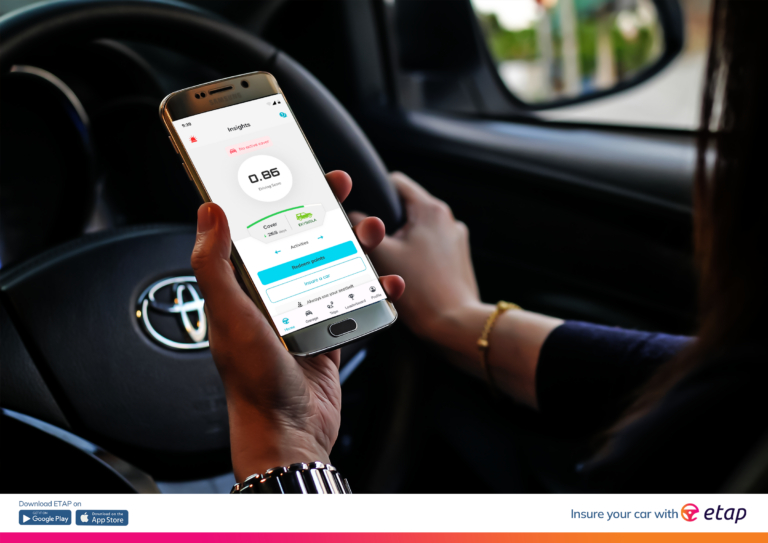
Nigerian insurtech startup ETAP has partnered with AIICO Insurance to increase access for car insurance in Nigeria.
As part of the deal, AIICO will combine its car insurance product with ETAP’s tech-enabled distribution and customer acquisition model to increase the adoption of car insurance in Nigeria.
“We are proud to collaborate with AIICO Insurance on this transformative collaboration. The app’s ability to reward safe driving habits while providing rewards for doing so as well as quick access to insurance purchase and claims payment will undoubtedly empower car owners and encourage responsible behaviour on the roads. We invite everyone to download the app from Apple App Store or Google Play Store and experience a new dimension of driving,” said Ibraheem Babalola, CEO of ETAP.
Launched in November 2021, ETAP simplifies buying and claiming of car insurance , providing drivers with access to a range of daily, weekly, monthly and quarterly plans to choose from.
The insurtech uses machine learning to design intelligent risk profiles that determine appropriate premiums for each driver, allowing them to achieve lower premiums by driving safely.
Using advanced telematics, the driving experience is gamified to improve driving behaviour and drivers can earn Safe Driving Points that can be exchanged for shopping vouchers for the most in-demand retail outlets, fuel, cinema and concert tickets, and other exciting experiences.
On the other hand ,AIICO Insurance offers life and health insurance, general insurance and investment management services to create and protect wealth for individuals, families and corporate customers.
Gbenga Ilori, head of retail business of AIICO Insurance said, “We are elated to unveil our collaboration with ETAP, marking the inception of a transformative era in car insurance. By harnessing the power of gamification, we are poised to shift perceptions around car ownership and driving in Nigeria. This initiative will not only elevate the driving journey but also significantly enhance safety on our roads.”
South Africa-based payments infrastructure company Stitch has secured a $25 million Series A extension round aimed to expand its services into additional global markets.
The funding which was led by Ribbit Capital withsupport from existing investors such as PayPal Ventures, The Raba Partnership, and CRE Venture Capital and 9 Yards Capital, brings Stitch’s total funding to $52 million.
“We’ve known the Ribbit team for a few years and have consistently been impressed with their knowledge of the space. In particular, they have a strong view of the global landscape, and their exceptional understanding of emerging markets has already proven to be immensely valuable,” stated Stitch co-founder and CEO Kiaan Pillay.
Founded in South Africa, Stitch is an API fintech company that provides tailored payment solutions to enterprise clients worldwide.The company’s services include accepting payments via various methods, managing payments across multiple providers and geographies through its PayOS dashboard, and facilitating effortless fund disbursement.
The company stands out from its competitors because of its hands-on client support, providing localised insights into the payments landscape, co-created solutions, and access to cutting-edge open banking innovations.
These innovations, including solutions like Pay by bank and real-time payments rails, empower businesses to effortlessly navigate the financial system, simplifying the complexities associated with sending, receiving, and managing funds.
The company’s robust infrastructure is the backbone for several leading global and African businesses, including industry giants like MTN, Multichoice, The Foschini Group (TFG), Standard Bank’s SnapScan, Yoco, and various global payment service provider partners.
This funding round follows Stitch’s earlier successes, including a $21 million Series A round in February 2022 and a $6 million Seed round in 2021.
This latest funding round positions the company strongly to expand its reach, innovate its offerings, and reinforce its commitment to simplifying payment processes for businesses worldwide.
With Ribbit Capital’s strategic guidance and the ongoing support of its dedicated investors, Stitch is poised for an exciting chapter of growth, innovation, and global impact.
Njeri Rionge, the co-founder of Wananchi Online, a once popular Internet Service Provider (ISP)which grew to become East Africa’s leading pay-TV, broadband Internet, and VoIP services firm has passed on.
TechMoran is yet to establish the details of her death but the once successful and revered serial entrepreneur reportedly fell victim of suspicious cultic teachings that emphasized intensive religious fastings, prayer and repentance above her health and work.
In 1999, Rionge, together with former ICT Cabinet Secretary Joseph Mucheru co-founded multi-million dollar firm Wananchi Online which grew to become today’s Wananchi Group, Zuku’s parent firm. Rionge and her team saw the company from idea to conceptualization, to their final exit. Rionge and her team saw Wananchi Online raise several rounds of both equity and debt financing from Private Equity firms such as Liberty Global, Emerging Capital Partners, Export Development Canada, Altice, and Prudence Holdings, among others. Wananchi Online grew to form what is now known as Wananchi Group Holdings with operations in Kenya, Uganda, Tanzania, Burundi, Rwanda, Somalia, South Sudan, Ethiopia, Zambia, Malawi, and Mauritius among others.
Early days at Inter-Connect ISP
Rionge, ventured out into business early at just 20. She was selling yogurt to the International School Of Kenya and Loretto Convent Musongari High School students from her car trunk during their breaks and also moonlighted as a hairdresser. She could later start going to London to bring in re-sale luxury merchandise for her growing clientele. Rionge would later join Inter-Connect, a local ISP. After three years and working faithfully, Njeri grew up the ranks to become its marketing manager before venturing out. In February 1999, Rionge, then the marketing manager and Mucheru, the ISP’s technical manager stepped out in faith to serve Wananchi, Swahili for common man or common folks who were not being reached as internet and computers were the preserve of a privileged few.
In February 1999, Rionge and Mucheru decided that it was time to fulfill their ambitions. Unlike Inter-Connect, their employer, Rionge and Mucheru’s dream was to make internet affordable and available to every Kenyan whether in an urban or rural area. In December that year they incorporated Wananchi Online Limited (WOL) and in March 2002 the company began operations with a radical price war of up to 85 – 90% discounts. By December 2005, WOL was a darling of both corporate, SME and individual customers making it the leading ISP services provider in the Kenya. As WOL was acquiring customers, others saw the firm as their best acquisition target in the then nascent local internet and tech ecosystem. 2008 was the beginning of WOL’s end but a happy ending to that effect for the firm’s founders and shareholders.
Joseph Mucheru and Jimana Ltd
WOL was run simply by Rionge, its founder and CEO and Joseph Mucheru, its CTO and later Director of Strategy and Business Development and a board of six. James Mungai Gachui of Jimana Ltd was the Chairman and the majority shareholder of the company with 51% ownership while Rionge and Mucheru had 20% each. Another board member, Joseph Kamau had the remaining 9% ownership. James Mungai Gachui and Joseph Kamau have interests in Transcentury Holdings.
Though the internet became available in Kenya in 1993, it was expensive, slow and unavailable to most Kenyans. Wananchi Online came on the scene to provide high quality, high speed internet services at affordable prices. WOL also provided domain registration, e-commerce, email, web hosting and collocation solution for individuals, businesses, developers and resellers under three product categories namely X-Plore, NetLife and Tunda. X-Plore was tailored for corporate business entities including commercial and non-commercial institutions. NetLife targeted individuals, small and medium firms, and small Office Home Offices while Tunda was targeted at the common man, home users and students.
Change of guard
In 2008 things began changing. Rionge’s Wananchi Online would partner with a cable television service to form Wananchi Group Holdings which launched triple-play service and brand Zuku in Kenya, Tanzania, Uganda, Malawi and Zambia. Fast forward October 2014, Helios announced $40 million investment into Wananchi Group Holdings with participation from existing shareholders, Altice S.A. and Liberty Global Inc and existing financial investors, ATMT and Emerging Capital Partners. The total raised was $130 million to fund its growth and expansion in East and Southern Africa.
“The new capital investment will be used to consolidate the group’s market leadership in East Africa and to extend our services across East and Southern Africa. We will continue the deployment of fiber to the home networks in more cities in East Africa and extend our business services networks and product offerings across a wide variety of geographies and market segments. With our stronger balance sheet we will also invest in exciting new technologies and service platforms to improve the quality of our products and deliver a superior experience for our customers,” said Richard Bell, Vice Chairman of Wananchi Group.
Foreign ownership
With Wananchi Online diluted and 75% of Wananchi Group Holdings sold to foreign firms, Ms. Rionge put all her energies behind Ignite Consulting, working with startups and entrepreneurs from across the world from her office in Nairobi and Toronto. The entrepreneur became a director and board secretary of the Corktown Residents and Business Association, a Northern Secondary School Council member and Co-Secretary. She was also Co-Chair for Elevate Tech 2018 Toronto, and was a well known events speaker globally, including attending the 2015 Oscars for Cadillac.
In Kenya, she held board positions at Unilever Tea (Brooke Bond Kenya), the Institute of Directors (Kenya), the Internet Corporation of Assigned Names and Numbers (ICANN), the East African Tea Trade Association (EATTA), and Ambulance Air Rescue (AAR) Holdings, and at Wananchi Group. She was also an advisory committee member of Sport at the Service of Humanity at the Vatican. She was instrumental in the restructuring of Telkom Kenya and its merger with France Telecom to launch the Orange brand in the country.
New found zeal
Before her demise, Ms. Rionge 54, was one of the few female pioneers in the technology sector in Africa and she was raising capital for an African private-equity firm based in the Cayman Islands. These plans were likely thwarted when Ms. Rionge went neck deep into new found zeal into the alleged cult. Ms. Rionge has always been a staunch born-again Christian throughout her entrepreneurial life but was later consumed by the alleged extreme religious beliefs. And her social media profiles attest to that. Her baby, Wananchi Online was gone. No cases of severe depression were ever reported or made public.
In August last year, Triple Hold Co Limited, Liberty Global Europe 2 Limited (Liberty), and Altice Africa S.A.R.L (Altice) were granted equity shares and controlling rights of Wananchi Group by the Competition Authority of Kenya(CAK). CAK approved the conversion of their loans to Wananchi Group into equity shares and certain controlling rights.
Wananchi group Holdings’ Zuku has not been the best in the market and has continued to lose market share to Safaricom’s Home Fibre. However, Safaricom Fibre is only available in a number of counties and in just over 200,000 homes across the country in Nairobi, Nakuru, Mombasa, Kisumu, Eldoret, Thika, Bungoma, Kitale, Nyeri and Nanyuki towns. Wananchi Group Holdings has therefore continued to consolidate its market leadership in other East Africa countries and aims to extend her services across East and Southern Africa. It’s likely to continue the deployment of fiber to the home networks in more cities where no serious competition exists. Safaricom’s trial at triple play services also failed terribly before launch, giving Zuku more confidence to survive in the market.
Wananchi Group Holding’s only advantage might be its geographical spread in more markets, more business services and product offerings across a wide variety of geographies and market segments. But the firm is expected to invest in new technologies and service platforms to improve the quality of its products and deliver a superior experience for her customers.
In an era dominated by technological advancements, the healthcare industry has been undergoing continual transformations, begging the question, Are we on the brink of a tech-driven health revolution? Has technology already taken the reins in healthcare, and what does this mean for the future? Let’s explore the healthtech landscape, with a specific focus on Kenya.
The Current State:
Tech’s Takeover in Health:
It is undeniably evident that technology is reshaping the very fabric of healthcare as we know it. From wearables that monitor vital signs to virtual hospital consultations and online medicine dispensers, tech is already a prominent player in our health journeys.
Globally and locally in Kenya, several key technologies are making waves. Mobile health apps, remote patient monitoring systems and electronic records are becoming increasingly prevalent. In Kenya specifically, initiatives like M-Tiba, a mobile health wallet, or Zuri Health, a fully-fledged virtual hospital providing healthcare to patients via mobile app, are revolutionizing how healthcare is accessed and paid for. We rarely waste half a day in a hospital queues anymore, for instance, do we?
The healthtech startups have amassed huge success, no doubt. To achieve the amount of success seen in the healthtech industry in a country like Kenya is, indeed,no mean feat. No offense. And a testament to the fact that revolution is inevitable, ready or not. We are talking about a country where the very remote areas barely have stable internet. And, they are majorly making it happen, with Zuri Health, for instance, offering medical services even via SMS.
Looking Forward:
Emerging Health Technologies:
Healthtech, or simply Digital health, is a highly promising eventuality with advances in healthcare technologies such as artificial intelligence, VR/AR, 3D-printing, robotics and nanotechnology.
The rise of artificial intelligence (AI) in healthcare is particularly noteworthy. AI algorithms are being developed to analyze medical images, assist in diagnostics, and even predict outbreaks. In Kenya, initiatives like Ilara Health, which focuses on affordable diagnostic tools powered by AI like Butterfly IQ, exemplify the potential for more effective and economical healthcare solutions.
Startup Scene in Kenya:
As of 2023, there are over 180 health-Tech startups in Kenya, addressing various aspects of healthcare, from telemedicine platforms like MyDawa to health information systems like Afya Rekod.
Funding Dynamics:
All things considered, it is no surprise that health startups seem to have an upper hand in securing funding. All investors, Angel Investors and VCs alike, have one thing in common when making an investment decision; relevance and scalability of a startup. The urgency and relevance of health-related solutions have garnered investor attention. Moreover, the potential for scalable and impactful solutions positions health tech startups favorably in the funding landscapes.
The Role of AI:
Tech giants like Microsoft, Google and Amazon have been battling for their expanding corners of health care universe for years, and AI is a linchpin in this tech-wise health evolution.
Cancer is one of the major areas where the big tech companies have set their sights. From startup funding to R&D investments, companies are leaning into AI for cancer care.
And it is not just the tech giants that want a share of the healthcare market, Pharmaceutical, brands like Moderna also are positive about developing an AI-based cancer cure.
Implications for Traditional Health:
The rise and fast success of Health Tech has put traditional health systems at a crossroads. While technology enhances accessibility and affordability, it also challenges existing paradigms.
Gearing Up for a Revolution:
The signs are clear—healthcare is undergoing a revolution. Ready or not, digital health is inevitable. Embracing this shift, especially in Kenya, entails not just technological adoption but also addressing infrastructural gaps and ensuring equitable access.
The future of health lies in a harmonious blend of tradition and technology, steering us toward a healthier and more connected society.
The world of outbound sales and lead generation has been transformed by the evolution of auto-dialing technologies. Power dialing, in particular, has emerged as an invaluable tool for modern contact centers looking to enhance agent productivity and streamline outbound initiatives. Let’s explore the history, modes, benefits, and real-world impact of power dialing solutions.
The Evolution of Auto Dialing in Modern Contact Centers
Dialing technologies have revolutionized contact center operations by eliminating the need for agents to manually dial every number on their call lists, significantly increasing workflow automation. As we delve into the history of auto-dialing, it’s evident that technology has played a pivotal role in enhancing agent productivity.
The shift from manual dialing to automated solutions has been a game-changer for contact centers. Back in the day, agents had to repeatedly dial numbers one by one to progress through their lead lists. This was a tedious and time-consuming process. The introduction of auto-dialers that could programmatically dial contacts without agent intervention boosted efficiency tremendously.
Today, sophisticated power dialing solutions integrate seamlessly with CRM and contact center infrastructure to deliver optimized outbound call pacing. Agents are presented with a continuous flow of dialed leads without wasting time between calls. This automation allows them to focus more on conversations and relationship-building.
The Different Modes of Auto Dialing
While the evolution of auto dialing has set the stage for modern contact centers, it’s the specific modes of dialing that truly define their efficiency. Let’s explore these modes to understand their unique characteristics and benefits.
Power dialing also enables increased compliance and risk mitigation. With the right telemarketing auto dialer contact centers can ensure they abide by critical regulations. Features like automatic recording, DNC list scrubbing, and customizable opt-out messaging help keep dialing above board.
Power Dialing automatically dials the next contact on the list as soon as an agent completes a call, ensuring that agents don’t waste time deciding which number to dial next.
Predictive Dialing takes automation a step further by using statistical algorithms to dial multiple contacts simultaneously. It predicts when a call is likely to be answered and ensures an available agent is ready for the connection. This mode optimizes live call connections.
Preview Dialing is ideal for sales teams as it allows agents to review lead information before initiating a call. This ensures they are prepared with relevant context instead of going in cold.
Progressive Dialing is configured to only present live, answered calls to agents when they are free rather than dialing blindly. This prevents agents from experiencing downtime.
Key Benefits of Power Dialing Solutions
While understanding the modes of auto-dialing is crucial, it’s equally important to recognize the tangible benefits these systems bring to the table. Let’s dive deeper into how power dialing, in particular, can be a game-changer for contact centers.
Power dialing enhances agent efficiency by automating the dialing process, ensuring that agents don’t have to manually dial numbers. This automation allows agents to focus more on the conversation and less on the technicalities of dialing.
Studies show that manual dialing results in only 2-3 hours of talk time for agents per day. However, leveraging power dialing can increase talk time to 5-6 hours due to accelerated pacing through call lists.
Moreover, power dialers provide better lead management, and personalized customer service, and have been linked to higher sales conversions. The accelerated pacing leads to more conversations and opportunities to land sales.
Power dialing also enables calling local numbers from anywhere to present callers with a familiar area code. This increases pick-up rates when agents call locally but operate remotely.
The Impact of Power Dialing on Outbound Sales Initiatives
Now that we’ve established the undeniable advantages of power dialing, it’s essential to see its real-world impact, especially on outbound sales initiatives. How does this technology align with campaign goals, and how does it play a role in converting leads faster? Let’s find out.
Sales campaigns aim for maximum reach and efficiency in working through lead lists to identify promising prospects. Power dialing is invaluable for outbound calls targeted toward list-building, lead nurturing, data verification, customer surveys, upselling, cross-selling, renewals, and more.
The main goal of power dialing aligns perfectly with sales objectives – enhanced connection rates. With manual dialing, 60-80% of calls go unanswered and 10-20% are bad numbers. Power dialers can boost live call connection rates to over 50-60% by automatically scrubbing out wrong numbers and focusing on targeting engaged leads.
Higher connection rates mean more conversations and a greater likelihood of surfacing prospects who convert to sales. Power dialing also provides detailed analytics on call outcomes to refine strategies. Overall, it delivers results fast at scale – catalyzing conversions by reaching more leads sooner.
Real-World Success Stories
The effectiveness of power dialing is evident from success stories and testimonials from leading businesses across industries:
CloudTech, a B2B startup offering SaaS solutions, leveraged power dialing to qualify 6000 new prospects in just 3 weeks – reducing sales cycle time by 5X.
RealtyNow, a real estate firm, integrated its CRM with an auto-dialer to assign callbacks automatically. This decreased follow-up time from 4 hours to just 15 minutes per lead.
GreenEnergy, a solar solutions provider, utilized local presence dialing to boost call pick-up rates by 40%. This expanded their sales reach nationwide despite having only California-based agents.
The following pie chart highlights the difference in response time between Manual follow-up and Power dialing
Manual follow-up: 4 hours
Power dialing: 15 minutes
Integrating Power Dialing With CRM Systems
To fully optimize outbound sales efforts, it’s crucial to ensure power dialing integrates smoothly with CRM platforms. An integrated system makes lead management seamless.
Popular CRMs like Salesforce, Zoho, and Dynamics already offer embedded dialing or third-party integrations with leading dialing solutions. These deep integrations allow easy contact syncing, call logging, and click-to-dial features within the CRM interface.
Market-leading dialers like RingCentral and Five9 offer open APIs that allow custom integration. This means teams can build CRM-dialer integrations tailored to their unique requirements.
The right integration empowers sales teams with enhanced visibility into call metrics, campaign performance, and agent productivity. It also ensures optimal lead targeting and routing for conversion.
The Future of Power Dialing
Power dialing has cemented its place as an invaluable sales acceleration tool. As per projections, the global predictive dialer market will grow to $4.78 billion by 2025.
Moving forward, we can expect more advanced integrations, detailed analytics, and AI-powered optimizations in power dialing systems. Vendors are also focusing on improving predictive algorithms to boost engagements.
Compliance will continue to be an emphasis area with stringent measures to adhere to telemarketing regulations across regions. Overall, innovations in power dialing technology will empower contact centers with optimized efficiency at scale for sales growth.
Key Takeaways
Power dialing delivers accelerated lead engagement by ensuring agents never manually dial or wait between calls.
Integration with CRM platforms offers sales teams enhanced visibility and efficiency in executing campaigns.
Higher connection rates achieved by power dialing translate directly to more conversions and sales growth.
Adopting power dialing solutions is a proven approach for modern contact centers to maximize agent productivity and unlock the full potential of outbound sales.
Frequently Asked Questions
1. How does power dialing differ from other auto-dialing modes?
Power dialing automatically dials leads as soon as the agent completes a call to maximize talk time. Other modes like predictive focus more on forecasting when a live call will be answered. Power dialing offers simplicity and consistent pacing.
2. Can power dialing be integrated with existing CRM systems?
Yes, leading dialing solutions offer seamless integration with popular CRM platforms like Salesforce, Zoho, and Dynamics. There are also open APIs to build custom integrations matching unique workflows.
3. What measures are in place to ensure compliance with telemarketing regulations?
Reputable power dialing vendors have measures like call masking, opt-out features, and dialer thresholds to adhere to DNC list restrictions and TCPA regulations. Teams should ensure compliance based on geographic norms.
The inaugural Pwani Innovation Week 2023 has kicked off today at Swahilipot Hub, Mombasa County, marking the beginning of a five-day celebration of innovation, technology and entrepreneurship.
The event, organized by the Swahilipot Hub Foundation, aims to create a widespread culture of innovation and stimulate the innovation ecosystem in the coastal region and Kenya at large.
Around 100 local innovators from the six coastal counties namely: Kwale, Mombasa, Kilifi, Tana River, Lamu and Taita-Taveta are anticipated to present their creative endeavours during the fourth edition of the Pwani Innovative Week, scheduled to take place today (October 2) to 6.
Day one of the tech extravaganza under the hashtag #PwaniInnovationWeek2023 or #PIW2023 has witnessed the arrival and registration of guests, setting the stage for a week of engaging sessions, workshops, and hackathons.
The event is being held under the theme ‘Sailing Beyond Borders: Empowering Youth in the Digital Economy for a Sustainable Future.’ This theme underscores the commitment to empowering young individuals in the region and fostering a vibrant culture of innovation.
A stellar lineup of speakers, including Charlene Ruto, Youth Champion; Mahmoud Noor, Chief Mentor, Swahilipot Hub; Ben Roberts, Group CTO, Liquid Intelligent Technologies; Alice Gugelev, Chief Executive Officer (CEO), Global Development Incubator Africa; Nadia Ahmed Abdalla, Former CAS ICT, Innovation, and Youth Affairs, Founder of Africa ni Mimi; and Dr. Ehud Gachugu, Project Director, Ajira Digital Program, Kenya Private Sector Alliance among others are set to share their insights during the event.
The first session of the day delved into the critical topic of Intellectual Property and Innovation Protection, with Wendy Kuyo, a lawyer specializing in data protection, providing key insights into data processing, identifiable data subjects, personal data vs. sensitive data, data controllers, and data processors.
Felicia Solomon Tunje, Partner at MMS Advocates LLP and Director of Sanaa Kama Biashara, emphasized the importance of protecting trade secrets, outlining the three criteria for trade secret protection.
She said, “Invention is the act of devising new products, processes and services. While innovation is taking a step further by making sure your product or service is marketable. For a trade secret to be protected it must satisfy three criteria. One, it must be a secret. Two, it must have a commercial value and lastly, It should have an obligation to keep the information confidential.”
Also, an ongoing Blockchain Hackathon is a highlight of the tech week, providing participants with the opportunity to learn about Blockchain technology, build skills, and network.
The hackathon offers cash prizes of $1000 for the most innovative solutions.
The Pwani Innovation Week is a collaborative effort by the Swahilipot Hub Foundation and its partners, aiming to showcase the creativity of about 100 local innovators during the fourth edition.
Mahmood Noor, the founder of Swahilipot Hub, emphasized the focus on young innovators, providing them with a platform to showcase their work and contribute to the transformation of the community.
During the tech week, the Kenya WhatsApp Impact Recognition Awards will celebrate unsung heroes in the digital and innovative space.
Swahilipot Hub and Kayana Creatives, a community of female entrepreneurs partnered to recognize and empower the youth.
The awards’ main sponsor is 4gotten Bottom Millions (4BM), Kenya’s largest digital disruptor, empowering the youth since 2016.
The event has garnered support from various partners, including the National Museums of Kenya, Huawei, Cisco, Close the Gap Hub, Communication Authority of Kenya (CAK), Konza Technopolis; the French, Belgian and UK embassies among other renowned entities in the tech industries.
This collaboration aims to explore and recognize innovations outside Nairobi, contributing to the government’s goal of opening up digital spaces for youth across the country.
The Pwani Innovation Week is a testament to the commitment to fostering innovation, supporting youth, and building a sustainable future through the power of technology.
Hopefully, this week-long tech event will inspire young minds, create lasting connections and contribute to the growth of the innovation ecosystem in the coastal region and Kenya as whole.
X, led by Chief Executive Officer (CEO), Linda Yaccarino, has revealed that the company disbursed nearly $20 million to content creators.
The announcement was made on the formerly known as Twitter platform, where Ms Yaccarino shared insights into the success of the Creator Ads Revenue Sharing program launched in July of this year.
“Under this initiative, creators are entitled to a portion of the advertising revenue generated from ads displayed in the responses to their posts by other verified users.”
To qualify for participation in the program, individuals must subscribe to X Blue (formerly known as Twitter Blue) or be recognized as a Verified Organization.
Additionally, eligibility criteria include accumulating a minimum of 15 million impressions on posts over the preceding three months and having a follower count of at least 500.
In August 2023, reports started emerging confirming that creators received payments.
Elon Musk, the owner of X announced that the inaugural round of payouts for creators would reach an impressive sum of nearly $5 million.
It’s worth noting that the Creator Ads Revenue Sharing program is accessible in countries where Stripe facilitates payouts.
Unfortunately, this excludes all African nations, as Stripe currently lacks support. It is pertinent to mention that Stripe operates in only 46 countries globally.
Check Point® Software Technologies Ltd , a provider of cybersecurity solutions globally, has partnered with Africa based Non-Governmental Organization , Cybersafe Foundation to combat cybersecurity skills shortage.
The collaboration with Check Point’s SecureAcademy program, which provides free cutting-edge cyber educational content through partnerships with higher learning institutions and non-profit organizations, will see its courses being used as part of Cybersafe’s program CyberGirls , a one-year free initiative designed to equip women between the ages of 18 and 28 with globally sought-after technical skills.
“We are extremely proud of the impact our programs have had on the lives of many of our fellows, helping young women gain access to life changing opportunities,” says Confidence Staveley, the Founder and Executive Director Cybersafe Foundation. “Our partnership with Check Point will contribute immensely to our disruptive educational model by providing free quality cybersecurity training to the CyberGirls community.”
Cybersafe Foundation strives to raise awareness about cybersecurity and empowers communities to navigate the digital landscape securely through the power of education.
The CyberGirls program is one of its programs that specifically focuses on closing the gender gap in the industry and uplifting those living in underserved communities across Africa, helping them improve their socio-economic position while also combatting the increasing threat posed by cybercrime.
The fellowship achieves this by offering its fellows hands on training, mentorship to become certification ready, and the chance to partake in a number of internships and shadowing placements.
The partnership with Check Point’s education program SecureAcademy will see the NGO’s fellows gain access to free training, training of Cybersafe teachers, as well as industry-recognized certifications that will accelerate their career.
Through the program, Check Point is already working with over 160 academic partners who serve over 45 thousand students, across more than 60 countries to combat the 3.5 million cybersecurity job vacancies that currently exist globally.
Pankaj Bhula, Regional Director, Africa at Check Point added: “Education is fundamental to combating the increasing volume of cybercrime both at home and abroad. Partnerships such as this one is key in closing the skills gap and helping to create a future employee pipeline in the cybersecurity sector. We are thrilled to be partnering with an organization that has had so much success in not only this aspect, but also one which has made a real impact on the lives of their fellows through upskilling and education.”
Snapplify , a South African digital education solutions provider has been awarded the UNESCO King Sejong Literacy Prize for 2023, which recognises contributions to mother-tongue-based literacy development.
With over 50,000 free eBooks, Snapplify’s e-library offers around-the-clock access to engaging educational and leisure reading materials. Teachers can easily share curriculum-aligned educational content and grow reading communities in their schools while receiving insightful analytical data on student activity and performance. Various language settings are accommodated, and teachers receive language-specific training and support. Currently, the platform hosts content in all 11 South African languages, and several other African languages.
Snapplify South Africa Government Partnership Manager, Stephen Bestbier, expressed his pride in the company’s achievements, stating, “We were very warmly welcomed by the entire community, and our contribution to their children’s education has been deeply appreciated. Seeing little children in some of the remotest parts of our country proudly reading aloud from books they only have access to because of our work, is extremely humbling.”
This prestigious award is a testament to Snapplify’s groundbreaking e-library programme, which is dedicated to providing accessible digital educational resources to learners from diverse linguistic backgrounds.
The impact of Snapplify’s Africa e-library project extends far beyond the classroom. Through partnerships with local governments and over 1,000 local and international publishing and content partners, over three million learners have been reached.
The inspiration for this online resource was a realisation of the profound language diversity that exists worldwide. Accessing sufficient digital educational resources is often a significant challenge, especially for learners from different linguistic backgrounds. The COVID-19 pandemic further underscored the importance of remote learning and accessible digital resources.
This initiative has brought educators, parents, and the wider community together to inspire a love for reading and life-long learning.
Collaborations with education departments in various provinces, particularly KwaZulu-Natal, Gauteng, and the Western Cape, have played a significant role in equipping thousands of students and teachers with the digital tools and resources they need to learn and teach effectively.
Snapplify believes that literacy skills should be intertwined with broader issues such as environmental consciousness, social justice, and cultural understanding. The e-library features multicultural literature with diverse characters, settings, and perspectives to encourage empathy, tolerance, and cultural awareness while advancing literacy skills. By continuously adapting to the rapidly evolving technological landscape, accessibility is ensured across various devices such as smartphones, tablets, and laptops.
“Snapplify relies on the support of key stakeholders who share our mission to increase access to education and transform the future through literacy. We invite governments, NGOs, and ministries of education throughout Africa to collaborate with us and expand the range of available content by adding more resources and books in local languages. Together, we can enable all African learners to access the best digital education tools and empower them for a brighter future,” says Bestbier.
According to the company,while the UNESCO King Sejong Literacy Prize is a tremendous honour, Snapplify sees it not as an endpoint, but a steppingstone toward their greater goal. The company aims to extend their technology solutions across the entire African continent, collaborating with governments, teachers, learners, and other education stakeholders to establish robust and sustainable digital learning ecosystems.
Africa has often been a canvas of innovation and resilience. At the epicenter of this energy, Africa’s technological landscape has experienced significant advancements in recent years and this digital transformation has paved the way for the rise of smart home technology, empowering individuals to create intelligent, automated, and secure living environments.
Kenya stands tall, emerging as a powerhouse in technological adoption. As the winds of change sweep across its vast landscapes, the concept of smart homes is gradually gaining momentum. Kenya’s rapid digital transformation has set a robust foundation for technological advancements. With over 80% of its population accessing the internet and mobile penetration reaching new heights, Kenya’s readiness for the digital age is evident. This connectivity forms the bedrock upon which smart homes are built.
Developers are increasingly acknowledging the demand for homes that offer more than just a roof and walls, but more of convenience, security, and a touch of luxury. For example, one of the leading real estate companies in Kenya, Cytonn has developed upscale residential projects in Nairobi. Their developments often come with modern amenities, integrated smart home systems, and heightened security features.
As a pioneer in the world of electronics, Samsung is actively shaping the blueprint for the smart homes of tomorrow. Samsung’s smart home journey was seeded in their commitment to enriching lives through technology. At its core, Samsung views the smart home not as a luxury but as an evolution in how humans live, work, and interact with their surroundings. Their vision is not just about connecting devices, it is about connecting lives.
One of the primary pillars of Samsung’s smart home vision is seamless interaction. With the integration of Artificial Intelligence (AI) and the Internet of Things (IoT), Samsung envisions a home where devices do not just operate but communicate. From refrigerators suggesting recipes based on their contents, to washing machines choosing the perfect cycle for your clothes, it is about creating an ecosystem where devices understand and anticipate user needs. They have introduced a Smartthings app, which is used for controlling Samsung smart devices ranging from TVs and projectors to ovens and washing machines, it is a familiar app in many homes and plays a vital role in a smart home.
At its core, Samsung views the smart home not as a luxury but as an evolution in how humans live, work, and interact with their surroundings. Their vision is not just about connecting devices, it is about connecting lives.
Furthermore, the ability to harness and manage energy efficiently is a cornerstone of smart living. As energy costs rise, the allure of homes that can intelligently manage and even produce energy becomes undeniable. While the trajectory seems promising, challenges persist. High costs of smart devices, coupled with irregular internet downtimes, can hinder seamless smart home experiences. Moreover, there’s a pressing need for localized solutions tailored to Kenya’s unique needs and cultural nuances. For example, as a segment of the overall population, GSMA places the mobile internet penetration rate in Kenya at 27% of the people, representing one of the highest five-year growth rates in Africa.
There needs to be initiatives to foster tech education, combined with investments in infrastructure, which will lay the groundwork for a brighter future. Collaborations between local startups and global tech giants like Samsung can usher in innovations tailored for Kenya’s demographic.
In conclusion, the fusion of tradition and technology paints a hopeful picture for smart homes in Kenya. As the country strides forward, the dream of homes that resonate with intelligence, efficiency, and convenience is slowly, but surely, turning into a palpable realitity.
Africa has often been a canvas of innovation and resilience. At the epicenter of this energy, Africa’s technological landscape has experienced significant advancements in recent years and this digital transformation has paved the way for the rise of smart home technology, empowering individuals to create intelligent, automated, and secure living environments.
Kenya stands tall, emerging as a powerhouse in technological adoption. As the winds of change sweep across its vast landscapes, the concept of smart homes is gradually gaining momentum. Kenya’s rapid digital transformation has set a robust foundation for technological advancements. With over 80% of its population accessing the internet and mobile penetration reaching new heights, Kenya’s readiness for the digital age is evident. This connectivity forms the bedrock upon which smart homes are built.
Developers are increasingly acknowledging the demand for homes that offer more than just a roof and walls, but more of convenience, security, and a touch of luxury. For example, one of the leading real estate companies in Kenya, Cytonn has developed upscale residential projects in Nairobi. Their developments often come with modern amenities, integrated smart home systems, and heightened security features.
As a pioneer in the world of electronics, Samsung is actively shaping the blueprint for the smart homes of tomorrow. Samsung’s smart home journey was seeded in their commitment to enriching lives through technology. At its core, Samsung views the smart home not as a luxury but as an evolution in how humans live, work, and interact with their surroundings. Their vision is not just about connecting devices, it is about connecting lives.
One of the primary pillars of Samsung’s smart home vision is seamless interaction. With the integration of Artificial Intelligence (AI) and the Internet of Things (IoT), Samsung envisions a home where devices do not just operate but communicate. From refrigerators suggesting recipes based on their contents, to washing machines choosing the perfect cycle for your clothes, it is about creating an ecosystem where devices understand and anticipate user needs. They have introduced a Smartthings app, which is used for controlling Samsung smart devices ranging from TVs and projectors to ovens and washing machines, it is a familiar app in many homes and plays a vital role in a smart home.
At its core, Samsung views the smart home not as a luxury but as an evolution in how humans live, work, and interact with their surroundings. Their vision is not just about connecting devices, it is about connecting lives.
Furthermore, the ability to harness and manage energy efficiently is a cornerstone of smart living. As energy costs rise, the allure of homes that can intelligently manage and even produce energy becomes undeniable. While the trajectory seems promising, challenges persist. High costs of smart devices, coupled with irregular internet downtimes, can hinder seamless smart home experiences. Moreover, there’s a pressing need for localized solutions tailored to Kenya’s unique needs and cultural nuances. For example, as a segment of the overall population, GSMA places the mobile internet penetration rate in Kenya at 27% of the people, representing one of the highest five-year growth rates in Africa.
There needs to be initiatives to foster tech education, combined with investments in infrastructure, which will lay the groundwork for a brighter future. Collaborations between local startups and global tech giants like Samsung can usher in innovations tailored for Kenya’s demographic.
In conclusion, the fusion of tradition and technology paints a hopeful picture for smart homes in Kenya. As the country strides forward, the dream of homes that resonate with intelligence, efficiency, and convenience is slowly, but surely, turning into a palpable reality.
Motorists using vehicles bearing foreign registration number plates are subjected to tough conditions.
Using such cars requires proof of employment in the country of origin, including work permits or residency documents, according to the NTSA and KRA.
Foreigners from the Common Market of East and Southern Africa (Comesa) and the East African Community (EAC) are not exempt from this requirement and must present proof of ownership or, if acting as the owner’s representative, a power of attorney from the owner.
Along with demonstrating their employment in a diplomatic role, diplomats must also demonstrate their diplomatic status.
The foreign operator from EAC and Comesa nations must possess a valid temporary importation of road vehicles form (Form C32), which is issued at a border station, before receiving entry approval.
Foreigners from outside the two regional blocs must present valid passports or international circulation permits from their countries of origin.
A foreign-registered motor vehicle cannot be accessed by anybody without these documents, and any such vehicle that is operated without them will be seized.
Despite having all the required paperwork, the car owners will still need to apply online through the eCitizen site for a foreign motor vehicle permit.
The Form C32 or an endorsed international circulation permit from the country of origin, along with Comesa insurance, are requirements for applicants.
Kenyans frequently use vehicles with foreign registration since they are less expensive, particularly those from Tanzania, Uganda, and South Sudan. Some countries even let older vehicles in their marketplaces.
While Tanzania permits the importation of vehicles up to ten years old, Kenya now only permits the importation of vehicles up to eight years old, and Uganda recently passed a law restricting the entry of vehicles made more than fifteen years ago. On the other hand, there are no official restrictions on the age of used cars in Burundi, Rwanda, or South Sudan.
By 2021, member nations of the EAC must conclude negotiations on plans to reduce the importation threshold for used cars.
Kenya has already made plans to reduce the current eight-year limit on the age of secondhand automobiles with engines larger than 1500cc to five.
The decision to purchase a car might be emotionally charged, so it’s critical to uphold logic to avoid making bad financial decisions.
Since 80 percent of our vehicle market consists of grey imports, which are second-hand vehicles brought in from other countries, chances are your first car will have high mileage, with about 100,000 kilometers on the clock. These vehicles are already at half of their life cycles, and major components are due for replacement. Take the time to study the crucial procedures to take when buying your first car before going online or to a dealership because confidence is all about preparation.
Here’s how to maximize this circumstance.
Determine your financial capacity.
Finding out how much you can spend is the first step in making a good purchase. This choice should take into account your credit rating, monthly income, and desired car type. The secret is to choose an automobile that meets your wants while remaining within your budget.
Consider the actual cost rather than just the sticker price when creating your budget. The total cost you will be required to pay, including taxes and dealer fees, is the true out-the-door price. Once you have that amount or an appropriate approximation, add your normal wage into the equation and use a car loan calculator to calculate the monthly payment for the automobile.
Save for a down payment
The initial lump sum payment you make for your upcoming car is known as the down payment. At least 20% of the purchase price should be paid for, though this may take some time.
If you can wait to buy a car until you have the money, it may be worth your while to be patient and save money for a sizable down payment. It will save you money overall and lower your monthly costs.
If you can’t wait, you can make a lower down payment. However, you may not get a good rate with your lender. In this situation, choose a less-priced vehicle instead. The less you pay altogether, the less you will need to save for a down payment.
Examine your credit history.
If this vehicle is your first large financial investment, it is possible that you don’t have a lengthy credit history. Check your credit history to see what loan possibilities are available if this is the case.
The main aspect that lenders take into account when deciding what interest rates to give you is your credit score. Your interest rate will be more advantageous the better your credit is.
Before speaking with a possible dealer, check your credit score.
Select the ideal vehicle for you.
There are a lot more factors to take into account when deciding which car is perfect for you than just color or style. Take into account additional elements including the vehicle’s longevity, appropriate size for your demands, technology, safety features, gas mileage, and the surrounding environment.
Determine your financial eligibility
Apply with lenders that offer prequalification after gathering information on the kind of vehicle you want to buy and your financial background. This action will help you save money and give you more control over selecting the best financing option.
Even once the prequalification procedure is complete, it is not finalized since prequalification, or preapproval, differs from full approval. Preapproval will instead provide you with a general indication of possible prices and conditions. Even though you still need to submit a formal application, you will know in advance if you can pay for it.
To apply for prequalification, you will require the following:
Average income and finances.
Details about an individual.
Employment information.
Any current debt.
Get online or in person to the dealership.
It’s time to start the car-buying process after prequalifying for a loan and deciding on your ideal vehicle. The best way to find out what vehicles are offered in your area is to browse online. You can schedule appointments because the majority of vendors have their inventory listed on their websites.
Before making a purchase, it’s crucial to get in the driver’s seat of a potential car and test-drive it. Make sure the seat is adjusted, that it will fit in your garage, and that it can withstand your daily activities.
However, you are not restricted to the nearby dealers. You can browse a nationwide inventory of used automobiles thanks to online retailers like Carvana, TrueCar, and Vroom. Without leaving your home, you may browse and apply for financing. After choosing a car, you have up to a week to test drive it and have a mechanic look it over.
Negotiate
Although it can be intimidating, you must advocate for yourself to receive the greatest offer. Bring any necessary papers, a solid grasp of your credit history, and the correct questions to ask. But the ultimate truth is that if you can’t get the bargain you deserve, be ready to walk away.
When it’s time to seal the sale, stick to the figure you agreed upon. The dealer will likely push for extra charges and add-ons. When an addition like gap insurance may be more helpful, decline choices like fabric or paint protection.
The Windows keyboard shortcuts save time by allowing you to skip using your mouse or opening a menu only to complete a simple task. A cheat sheet for all the crucial Windows keyboard shortcuts you should know.
Keyboard Shortcuts for Windows’ Best Features
You’ll use this initial set of keyboard shortcuts a lot, thus they’re considered the greatest ones. These could be regarded as the more common shortcuts since they can be used in the majority of software programs in addition to the Windows operating system.
Ctrl+A: Select all available content in focus.
Ctrl+Z: Undo the previous action.
Ctrl+Y: Redo the previous action.
Ctrl+S: Save what you’re working on.
Ctrl+O: Open a new file.
Ctrl+C: Copy selected content. (Ctrl+C can also abort commands)
Ctrl+V: Paste copied content.
Ctrl+Shift + V: Paste unformatted content.
Ctrl+X: Delete and copy selected content. (good for moving text, files, etc.)
F11: Enter full-screen mode.
Esc: Stop or close a prompt or process.
Ctrl+P: Open the print dialog box.
Ctrl+F: Open the search tool to find something on the page.
Ctrl+R: Refresh the contents on the screen. (only F5 works in some cases)
Alt+F4: Close the active program.
Screenshot Shortcuts on the Keyboard
Alt+PrtScn: Screenshot just the active window.
Win+PrtScn: Auto-save full-screen screenshot to Pictures > Screenshots.
Win+Shift+S: Choose a part of the screen to make a screenshot.
Even though Epic Games does not support Linux or Chrome OS, this post outlines two hacks for installing Fortnite on a Chromebook. We’ll go over how to sideload the Fortnite Android app and how to use Chrome Remote Desktop to play the game remotely on Windows or Mac.
You must use an Android phone to download the Epic Games launcher and enable developer mode, Android apps, and apps from unknown sources. After all that, if your Chromebook doesn’t make the grade, you won’t be able to install or play Fortnite.
To sideload Fortnite onto your Chromebook, follow these steps:
On your Chromebook, activate the developer mode for Chrome OS.
Your Chromebook’s Android apps should now be enabled.
To manage Android preferences, go to Settings > Google Play Store.
Select Security.
Click on Unknown Sources.
On an Android smartphone, go to fortnite.com/android and save EpicGamesApp.apk when requested.
Transfer EpicGamesApp.apk to your Chromebook by using a USB cord to connect your Android phone to the computer.
On your Chromebook, launch EpicGamesApp.apk.
Simply select Package Installer.
Tap or click Install.
To open, click or tap.
Tap or click Install.
After finishing the installation, launch Fortnite.
Fortnite on a Chromebook: How to Play Using Chrome Remote Desktop
Try using Chrome Remote Desktop to play Fortnite if your Chromebook is unable to install or run the Android version of the game. You may play Fortnite on that machine by using this program to link your Chromebook to a desktop or laptop running Windows or Mac.
You’ll need a fast Internet connection and a Windows or macOS computer that can run Fortnite to use this method.
Here’s how to use Chrome Remote Desktop to play Fortnite on a Chromebook:
Activate Chrome Remote Desktop on a device that can run Fortnite.
On your Chromebook, install the Chrome Remote Desktop application.
Connect to your Windows or macOS computer using your Chromebook, and when prompted, enter your PIN.
Open Fortnite on the Epic Games Store.
Use Chrome Remote Desktop to play Fortnite.
Compatibility is poor because Epic doesn’t officially support sideloading the Fortnite Android app on Chromebooks. You require at least 4 GB of RAM, a 64-bit processor, Chrome OS, and the ability to execute Android apps. It might work if you can fulfill all of those requirements.
Your Epic Games Launcher, which created the well-known online video game, is probably the problem if Fortnite isn’t functioning. There are several ways to troubleshoot the launcher, including disabling your antivirus and firewall software, updating your graphics drivers, forcing the program to close and reopen, clearing the web cache, and reinstalling the launcher.




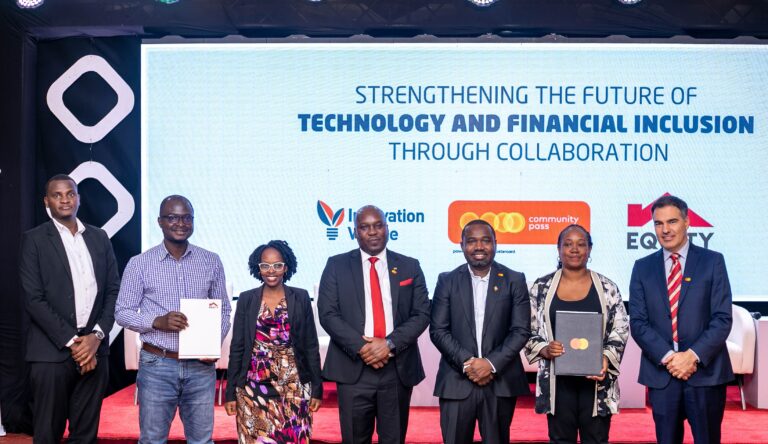






![Serious New Privacy Risk for: X [Formerly Twitter] Is Getting Rid of “Circles”](https://techmoran.com/wp-content/uploads/2023/10/X-is-Shutting-down-Circles-768x356.webp "Serious New Privacy Risk for: X [Formerly Twitter] Is Getting Rid of “Circles”")