
back to top
Sunday, April 12, 2026
spot_imgspot_imgspot_imgspot_img
Home Blog Page 29

MIT Kuo Sharper Center Advance Entrepreneurship & Innovation in Botswana

0

MIT Kuo Sharper Center for Prosperity and Entrepreneurship has kicked off a historic 5-year collaboration with the Government of Botswana to strengthen the country’s innovation and entrepreneurial ecosystem.

Themed as a new calculus for global prosperity, MIT Kuo Sharper Center believes that entrepreneurship is not only a vehicle for sustainable economic growth, but is a pathway to deeper economic growth than development aid.

According to Dina H. Sherif, Executive Director of the MIT Kuo Sharper Center, “Botswana has made clear its intention to be a beacon for innovation and prosperity across Africa.From our conversations with the Honorable Vice President, Mr. Ndaba Nkosinathi Gaolathe, to the passionate young entrepreneurs in our bootcamp, we witnessed a national commitment to rewriting the narrative, not just for Botswana, but for Africa as a whole.”

The ten-day series of events in Botswana began with a reunion for the Center’s Foundry Fellowship, which brought together 22 Foundry Fellows, experienced entrepreneurs from across Africa who are now part of a lifelong community of fellows who are committed to strengthening and connecting innovation ecosystems on the continent.

At the heart of the trip’s programming was the Early-Stage Entrepreneurship Program, which brought together 31 Botswana-based startups at the Botswana Digital and Innovation Hub (BDIH).

The participants were selected from over 1,300 applications and represented sectors such as agriculture, climate resilience, health, and digital services.

The three-day, in-person segment of the program marked the start of a 12-week program, led by MIT faculty and Africa-based founders, designed to help participants refine their value propositions, develop scalable business models, and build the confidence needed to pitch to partners and investors both in Botswana and across the continent. For many, it was a highly transformative experience.

 “This visit represents more than collaboration; it is a defining milestone for Botswana. It marks the building of bridges that will unlock new possibilities for our entrepreneurs, our citizens, and our economy.” said Permanent Secretary of the Ministry of Trade and Entrepreneurship Mr. Olesitse Masimega.

At the Botswana International University of Science and Technology (BIUST), the Center also officially launched its preparations for the replication of the MIT Kuo Sharper’s Center’s flagship Student Fellowship program, a year-long academic program designed to advance principled entrepreneurs through venture-building and leadership education and professional advising. The meetings also began preparation for the replication of the MIT Sandbox Program, which provides seed funding, mentorship, and venture-building support to student entrepreneurs.

MIT Sandbox’s Executive Director, Dr. Jinane Abounadi, and Director of Partnerships, Dr. Marwan Hassoun, also joined these pivotal meetings with core stakeholders at BIUST, including the Vice Chancellor, Professor Otlogetswe Totolo. Establishing these programs at BIUST will help build a robust pathway for cultivating principled, systems-minded innovators from the undergraduate level onward, who are prepared to create impact across the country and beyond.

“It has been a true pleasure getting to meet the various leaders from the government, universities, and industry in Botswana supporting this partnership.” Said Dr. Abounadi, “We had the opportunity to learn directly from students and faculty about their research, projects, and entrepreneurial ambitions. They are all enthusiastic about the potential of turning their ideas into impactful enterprises. We are looking forward to also giving the opportunity for our MIT students to interact with their Botswana counterparts and hope to see some collaborations emerging from those interactions.” 

As the Center and its partners, the MIT Sandbox and MIT Regional Entrepreneurship Accelerator Program (REAP) continue to advance this historic agreement, they remain committed to co-creating a more sustainable and dynamic model for achieving prosperity, one grounded in local innovation and pan-African collaboration that can inspire the rest of the continent, to embrace a new calculus for global prosperity, one that positions Africa as an engine for growth and opportunity.


Roam & Keep It Cool Launch Electric Cold-Chain Delivery Network

0

Roam and Keep It Cool (KIC) have launched a fully electric cold-chain distribution network, combining solar-powered refrigeration with clean electric delivery motorcycles.

The collaboration begins with five Roam Air electric motorcycles added to Keep It Cool’s smart cold-chain system.

According to Abigail Gichigi, Operations Director, Keep IT Cool: “Each year, we’re saving nearly 400 tonnes of fish that would otherwise end up in landfills—by investing in efficient cold storage and clean energy-powered cold logistics. These innovations are making safe, affordable food distribution scalable. With our partnership with Roam, we’re accelerating this impact even further—delivering tangible benefits for both people and the planet.”

KIC already moves more than 250,000 kilograms of fresh food each week to over 4,000 small businesses and 40 supermarkets across major cities in Kenya, including Nairobi, Kisumu, Nakuru, and Mombasa. Designed and built in Kenya, Roam Air motorcycles carry up to 240 kg and reduce running costs by up to 75% compared to internal combustion engine (ICE) motorcycles, making them affordable and practical for delivery businesses.

This marks a significant step in addressing East Africa’s post-harvest crisis, where nearly half of fish and poultry is lost before reaching markets due to a lack of cold storage and transport. Keep It Cool tackles this challenge with solar-powered cold rooms near fishing ports, hybrid delivery trucks, and a digital platform that links producers directly to retailers with guaranteed prices, helping remove middlemen and improve profits.

So far, KIC has helped over 5,600 fisherfolk raise their incomes by more than 15% and reduced post-harvest losses by 98% for over 1.5 million kg of food. With Roam’s electric motorcycles now closing the last-mile delivery gap, the system is fully clean, from the point of harvest to the point of sale.

Both companies are scaling quickly. Roam was recently named Kenya’s fastest-growing company by the Financial Times, expanded its sales and charging infrastructure services out of Nairobi, and launched its new Roam Air Generation 2, designed with input from Kenyan riders. Keep It Cool is set to open the country’s largest solar-powered cold-chain hub this year, with a 70-tonne capacity and a plan to reach 1.6 million people by 2030.

By combining clean energy, smart logistics, and African-made technology, Roam and KIC are proving that it’s possible to grow rural incomes, reduce waste, and fight climate change—all at once.

“This partnership shows how clean transport can drive real impact, reducing emissions, cutting costs, and strengthening local supply chains. Together, we’re proving that the future of logistics in Africa is electric, efficient, and built at home,” said Elijah Gakomo, Sales Executive at Roam.


Sophos Enhances Managed Risk with Internal Attack Surface Management

0

Sophos, a security solutions for defeating cyberattacks, has announced Internal Attack Surface Management (IASM) with technology powered by Tenable.

IASM will provide comprehensive visibility into internal and external weaknesses that could be exploited by threat actors.

“With Sophos Managed Risk, organizations gain an attacker’s-eye view to identify and prioritize remediation of risks before adversaries can exploit them. The solution offers a unified view of both internal and external exposures, prioritized by risk and paired with clear remediation guidance,” said Rob Harrison, Senior Vice President, Product Management at Sophos. “This enables organizations to focus their efforts where it matters most, on the most critical vulnerabilities, resolving them rapidly.”

Many organizations face critical blind spots in their cyber defenses. In fact, the Sophos State of Ransomware 2025 report found 40% of organizations impacted by ransomware in the last year reported falling victim due to an exposure they were unaware of. Sophos Managed Risk, now with both internal and external attack surface management, addresses this challenge, providing

The latest release of Sophos Managed Risk introduces unauthenticated internal scanning, which assesses a system from the perspective of an external attacker without user credentials or privileged access. This enables organizations to identify and mitigate high-risk vulnerabilities, such as open ports, exposed services and misconfigurations that are accessible and potentially exploitable by attackers.

Features of IASM for Sophos Managed Risk include:

  • Comprehensive vulnerability management: Regular automated scanning to identify weaknesses affecting assets within the network.
  • AI-powered prioritization: Intelligently determines which vulnerabilities pose the highest risk and need immediate attention, guiding organizations to prioritize their patching and remediation efforts.
  • Industry-leading technology: Sophos leverages Tenable Nessus scanners to detect vulnerabilities inside the network and determine their severity.
  • The Sophos advantage: Unlike vendors that separate External Attack Surface Management (EASM) and IASM into distinct products, Sophos provides an integrated managed service powered by leading Tenable technology and backed by one of the world’s leading MDR services.

The new IASM capabilities are accessible through Sophos Managed Risk, an extended service with Sophos MDR. The Sophos Managed Risk team is Tenable-certified and works closely with Sophos MDR to share essential information about zero-days, known vulnerabilities and exposure risks to assess and investigate possibly exploited environments.

IASM for Sophos Managed Risk is available today for all new and existing Sophos Managed risk customers, with no changes to licenses or pricing. Customers can immediately benefit from the extended coverage by deploying Tenable Nessus scanners and scheduling automated scans in their Sophos Central console.

Mulitchoice Lowers Showmax Prices, Hikes DStv, GOtv Rates

MultiChoice has announced a price adjustment for its DStv, GOtv, and Showmax packages, in Kenya effective August 1st, 2025.

In this adjustment, DStv and GOtv will see moderate price increases, reflecting the dynamic operating landscape. Conversely, Showmax subscription prices will be reduced, making the streaming content more accessible and affordable.

This change is part of MultiChoice’s annual subscription review, which is conducted with great care to ensure customers receive the best of both local and international content. The company aims to keep these adjustments sustainable while continuing to provide quality services to its customers.

Please see below the new prices:

DStv Residential Price

New Price (KES)

Lite

750

Access

1450

Family

2250

Compact

4200

Compact Plus

7300

Premium

11700

XtraView

1700

GOtv Residential Price

Lite Bouquet

299

Value Bouquet

599

Plus Bouquet

999

Max Bouquet

1699

Supa bouquet

2199

Supa Plus bouquet

3199

Showmax

Product Name

Old Price

New Price

General Entertainment (GE)

650

550

General Entertainment (GE) Mobile

300

200

Premier League (PL) (Mobile)

500

450

Add to Bill Current PL Price

500

450

Add to Bill General Lean Back Price

650

550

BUNDLES

General Entertainment (GE) Mobile + Premier League (PL)

700

520

General Entertainment (GE) + Premier League (PL)

1000

800

DStv for Business Price Changes:

DStv for Business Prices

New Price (KES)

Stay

Ultra

3370

Essential

2510

Basic

1580

Play

Ultra

15650

Essential

9950

Basic

5700

Work

Ultra

5850

Essential

2050

Add-on

DStv Business Asia add-on

500

DStv Business European add-on

500

DStv Business French add-on

500

Play

XtraView

2990

MultiChoice remains dedicated to providing flexibility and value to its customers. The company is committed to investing in local content production and innovation, as well as continuously reviewing its offerings to enhance the entertainment experience for its audience.

NCBA Hosts Over 100 Traders on Liquidity & Sustainable Growth

NCBA hosted over 100 business leaders, exporters, importers and financial decision-makers from across sectors on navigating economic uncertainty, optimizing liquidity, and achieving sustainable growth.

Under the theme ‘Building Resilient Businesses in a Shifting Global Landscape’ the goal was to give a holistic look at how digital banking, smart capital deployment, and cash flow optimization can empower businesses to respond to uncertainty with agility and confidence.

Speaking at the engagement, NCBA’s Group Director, Global Markets Mr. Raphael Agung’ said, “At NCBA, we go beyond transactions to offer our customers insights. Our team of experienced advisors supports retail, commercial and corporate clients with timely market intelligence and tailored guidance to help them navigate uncertainty and make smart, strategic decisions for their businesses.” He went on to encourage business owners to leverage NCBA’s FX solutions to manage currency exposure, improve cash flow and unlock new growth opportunities in regional and global markets.”

NCBA’s Acting Director, Retail Banking, Mr. Dennis Njau said, “We are here to assure our customers that we are more than just a financial institution, we are a holistic financial partner who offer one-stop solutions to help them achieve their financial goals. Our investment in technology-driven solutions and customer-focused relationship management has enabled business continuity and competitive advantage. For this forum, we hope all our customers have gained enough insights on how to navigate whichever market they operate in.”

The session featured expert perspectives from NCBA’s Commercial Banking, Trade Finance, and Global Markets businesses and had representatives from the logistics, manufacturing, trade and agribusiness sectors.

This breakfast forum marks another step forward for NCBA in its broader mission of providing value over banking through intensification of customer interaction, sharing of knowledge, and joint work with customers in facing present facts and future possibilities.


Samsung Galaxy Tab S10 FE and Galaxy Tab S10 FE+ unveiled

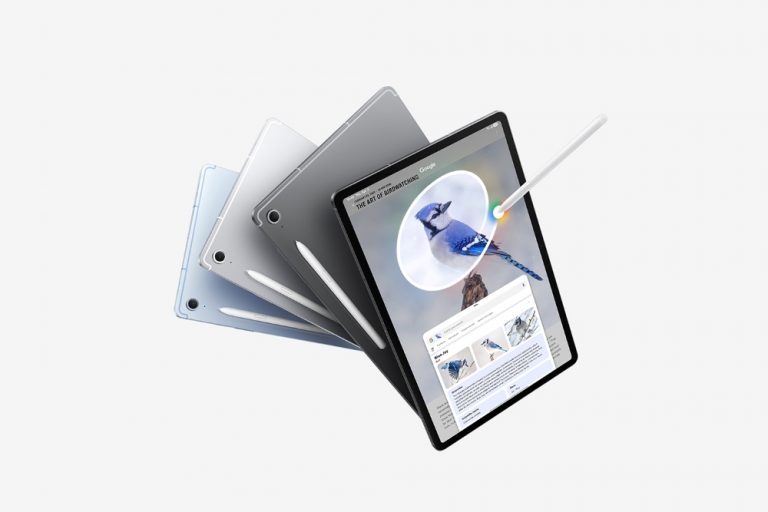
Samsung released the Galaxy Tab S10 FE and Galaxy Tab S10 FE+, two new tablets designed as entry points into the Galaxy ecosystem. The models expand the Fan Edition (FE) lineup with larger displays, slimmer bezels, and built-in artificial intelligence tools.

The Galaxy Tab S10 FE+ features a 13.1-inch screen, nearly 12% larger than its predecessor, with a 90Hz refresh rate and brightness up to 800 nits. Samsung said the upgrade improves viewing for video, gaming, and outdoor use while reducing blue-light exposure. Both models are more than 4% lighter than the previous generation and carry an IP68 durability rating.

Performance upgrades aim to support multitasking across apps, classroom and workplace use, and mobile gaming. The devices include a 13-megapixel rear camera and run AI-powered tools such as Circle to Search with Google, math-solving features in Samsung Notes, and Object Eraser for photo editing. Users can also access apps such as LumaFusion, Goodnotes, and Clip Studio Paint for creative work.

Changtae Kim, executive vice president and head of the New Computing R&D Team in Samsung’s Mobile eXperience business, said the company expects the new design and ecosystem integration to expand the tablet’s appeal. “The new Galaxy Tab S10 FE series brings advanced mobile AI experience and Samsung’s connected ecosystem to even more tablet users, while still offering leading performance and design,” he said in a statement.

As with other Galaxy devices, the tablets are supported by Samsung Knox, the company’s multi-layered security platform. They also integrate with Samsung’s SmartThings ecosystem, offering home monitoring tools such as a dashboard widget and 3D Map View.

The Galaxy Tab S10 FE and S10 FE+ will be available in select markets starting April 3 in three colors: gray, silver, and blue. Samsung did not disclose pricing.

Samsung Electronics to Acquire Xealth , a Digital Health Integration Company.

0

Samsung signed an agreement to acquire Xealth, a U.S.-based digital health integration company. The move signals Samsung’s effort to expand beyond consumer wellness devices into a connected care platform that links personal health monitoring with clinical care.

The acquisition is intended to address the fragmentation between data collected by consumer wearables and information stored in hospital records. Samsung said combining its sensor-driven wearable technology with Xealth’s integration platform could improve communication between patients and providers, enable earlier interventions, and support more personalized care.

Xealth, spun out of the Providence health system, provides an orchestration layer that allows hospitals to manage digital health solutions through a single interface. Its network includes more than 500 U.S. hospitals, among them Advocate Health and Banner Health, along with over 70 digital health partners. The platform is designed to give providers real-time insights and support clinical decision-making.

Samsung has invested heavily in wearable sensors and home devices that track daily wellness indicators. The company said adding Xealth’s platform will help unify health data and reinforce its “care at home” strategy by extending monitoring and engagement capabilities beyond traditional medical settings.

The companies did not disclose financial terms of the transaction.

Ugandan Students Win Gold in Global Clean Energy Access Competition 

0

A team of students from Gulu University, Uganda has won the gold award in the 2025 Efficiency for Access Design Challenge for their innovative hydrogel solar evaporator design, a sustainable solution that purifies contaminated water using solar energy and hydrogel materials.

Designed for use in Ugandan refugee camps, the system is eco-friendly and low-cost, helping improve access to clean water and electricity.

The Efficiency for Access Design Challenge is a global competition that invites teams of university students to design affordable and energy efficient appliances and technologies that can help accelerate energy access for underserved communities in low-income countries. Now in its sixth year, the Challenge has engaged over 700 students from 40 universities across 17 countries, generating more than 115 project ideas that contribute to SDG 7 – Affordable and Clean Energy.

This year’s silver awards were presented to Makerere University, Uganda, for their eco- solar cassava flash dryer, and Aston University, United Kingdom, for their solar-powered sanitary pad vending machine. Bronze awards went to another team from Makerere University, Uganda, for a smart solar-powered poultry feeding system; Obafemi Awolowo University Ile-Ife, Nigeria, for a solar-powered irrigation system; University of Rwanda, for a solar-powered fishpond aerator; and Kalasalingam Academy of Research and Education, India, for a smart irrigation and fertiliser system. An additional team from the University of Rwanda won the People’s Award for their solar-powered tea leaf harvester. 

Jolanda van Ginkel, Head of Portfolio, IKEA Foundation, said, 

“The ingenuity and commitment shown by these young innovators is exactly what the world needs to accelerate a just energy transition. By focusing on decentralised renewable energy, grid decarbonisation, and productive use of renewables, their solutions empower communities to thrive. At the IKEA Foundation, we are proud to support initiatives that increase energy efficiency and affordability—because access to renewable energy is not just a climate solution, it’s a pathway to opportunity and resilience.”

Throughout the year, the Efficiency for Access Design Challenge team ran webinars, networking and other interactive events for students, which aimed to enhance their understanding of the off-grid appliance sector. Student teams were also paired with industry mentors who provided them with structured guidance to create their projects.

The Challenge is delivered by Energy Saving Trust, co-Secretariat of Efficiency for Access, in collaboration with Engineers Without Borders UK, and is funded by UK aid from the UK government via the Transforming Energy Access platform and the IKEA Foundation. 

Following the Grand Final on Thursday 26 June 2025, the Challenge will enter a strategic pause to assess its future direction and ensure alignment with the evolving needs of the energy access sector. Having successfully developed globally responsible design skills in university students around the world, the delivery team is now focused on enhancing its impact by more closely reflecting workforce demands in the off-grid appliance sector. 

Emilie Carmichael, Head of International, Energy Saving Trust, commented, 

“As we mark six years of the Efficiency for Access Design Challenge, it’s inspiring to see how student-led innovation continues to push the boundaries of what’s possible in clean energy access. Each year, we’ve seen young people bring forward practical, inclusive solutions that respond to real needs in underserved communities. We’re proud of the Challenge’s achievements– and hopeful about the continued impact of the students and ideas it has helped to nurture.”

To provide sustainable energy for all, we urgently need to enhance the efficiency and affordability of solar-powered appliances. Globally, 750 million people live without electricity, and many more lack reliable access. Solar-powered appliances can help improve lives and livelihoods and help vulnerable communities build climate resilience. However, less than 2% of the current demand is being met. Rapid innovation and investment are essential to close this gap and achieve universal energy access by 2030.

RedBox Hits 10 Million Deliveries, to Expand Beyond Saudi Arabia

RedBox, the smart package delivery solutions provider in Saudi Arabia, has announced the successful delivery of over 10 million parcels, since it launch in 2019.

RedBox runs Saudi Arabia’s largest smart delivery points network, operating over 1,800 delivery points, including smart lockers and direct pickup counters across 81 cities. With plans to double this figure to 3,000 lockers by the end of 2025, to solidify its role as a critical enabler of digital logistics in the Kingdom.

In a statement, Thamer Al-Tuwaiyan, CEO of RedBox, stated: “This milestone reflects the trust of our customers and partners, and the efforts of a talented team driven by innovation and excellence.”

This milestone supports Saudi Arabia’s Vision 2030 goal on digital transformation and sustainability as essential pillars of the Kingdom’s prosperous future and is also in line with the Kingdom’s ongoing efforts under the National Industrial Development and Logistics Program (NIDLP) — one of the key Vision 2030 programs.

NIDLP aims to transform Saudi Arabia into a global logistics hub and an industrial powerhouse by integrating and developing the sectors of industry, mining, energy, and logistics. As a national player in the smart delivery ecosystem, RedBox actively contributes to realizing these ambitions through its innovative, sustainable last-mile delivery solutions.

RedBox’s unique value proposition lies in its smart and technology-driven solutions, 24/7 accessible smart locker solutions that provide contactless, flexible parcel delivery eliminating the frustration of missed deliveries for both customers and couriers. RedBox also provides its solutions at competitive rates, which makes its services affordable for a wide segment of users. This efficiency is also eco-conscious: RedBox has achieved up to 75% reduction in last-mile emissions through consolidated drop-offs and optimized delivery routes.

RedBox collaborates with top e-commerce platforms and logistics providers, including Noon, IHerb, NiceOne, Temu, DHL, Aramex, Al Majed for Oud, and Brands for Less, making it a trusted partner in Saudi Arabia’s growing digital commerce ecosystem.

In 2025 alone, RedBox expanded into 35 new cities, with a clear vision to achieve full national coverage. The company is also gearing up for regional expansion, with Bahrain, the UAE and Gulf countries as the next target markets, replicating its successful Saudi model to address growing demand for smart logistics in the wider GCC and MENA regions.

Altuwaiyan added: “Over the next five years, we aim to expand our network to over 10,000 lockers across the region, introduce real-time locker-to-locker transfer capabilities, and become the preferred last-mile delivery partner for e-commerce and retail brands across the MENA region”.

 The company also aims to double its shipment volume, which stands at 10 million, over the next three years by accelerating the rollout of safes, deepening their market reach, and expanding into new sectors and geographies.

With over 1,800 retail partners and host locations, RedBox continues to invest heavily in R&D, digital infrastructure, and Saudi talent, reinforcing its leadership in smart logistics and its alignment with Vision 2030’s pillars of innovation and sustainability under the leadership of His Royal Highness Prince Mohammed bin Salman bin Abdulaziz Al Saud, Crown Prince and Prime Minister.

By replacing traditional door-to-door delivery with smart lockers, RedBox is not only revolutionizing convenience but also helping eliminate millions of kilometers in courier travel, contributing to cleaner, less congested cities and a smarter, more sustainable logistics future.

NTT DATA and Cisco Sound Alarm on AI-Driven Cybersecurity Threats in East Africa

NTT DATA and Cisco are raising concern over a growing gap in cybersecurity preparedness as businesses across East Africa accelerate the adoption of artificial intelligence (AI) to boost efficiency and innovation.

 Speaking at a high-level industry roundtable in Nairobi, Brian Kiplagat, Head of Cybersecurity at NTT DATA East Africa, noted that while AI offers powerful new capabilities, it is also introducing novel and rapidly evolving threats. 

“We’re seeing a surge in cyberattacks where AI is used to identify and exploit vulnerabilities at unprecedented speed. Many organisations have strong on-premise controls but struggle with visibility and governance in cloud and remote work environments. This exposes critical gaps that attackers are increasingly targeting,” said Kiplagat.

 The roundtable, co-hosted by NTT DATA and Cisco, brought together regional technology and business leaders to examine the dual challenge of leveraging AI for growth while mitigating emerging cyber risks. 

Kelvin Mugambi, Technical Solutions Architect at Cisco for Sub-Saharan Africa, echoed these concerns, warning that AI is now being used by malicious actors to launch more sophisticated attacks. 

“AI enables incredible opportunities, but it’s also changing the threat landscape. We’re dealing with malware generated by AI, deepfake scams, and autonomous systems that can be hijacked,” Mugambi explained. “This calls for a radical shift in how we protect digital infrastructure. We must secure systems that can think and act — not just react.”

 Citing findings from Cisco’s latest global cybersecurity report, Mugambi revealed that only 4% of organisations worldwide are considered mature in cybersecurity readiness, while 86% experienced AI-related security incidents in the past year.

 Both experts emphasized that cybersecurity and AI strategies must evolve hand in hand — and that East African enterprises cannot afford to delay action.

They also highlighted the regional shortage of skilled cybersecurity professionals and reiterated a joint commitment to capacity building, innovation, and partnerships to help organisations prepare for the AI-powered future. 

Andrew Ngunjiri, General Manager – Solutions at NTT DATA East Africa, emphasized that businesses should look beyond the AI hype and focus on delivering real value.

“Today’s discussion wasn’t about buzzwords—it was about what works. “Together with Cisco, we explored how East African organisations can implement AI responsibly to improve customer experience, accelerate decision-making, and drive business outcomes,” said Ngunjiri.

 He referenced insights from the 2024 NTT DATA Global GenAI Report, which found that “high-performing” companies—those that have integrated AI into more than 50% of their operations—are seeing stronger profitability, improved customer and employee satisfaction, and enhanced competitiveness. 

Ngunjiri pointed to sectors like manufacturing, where AI is already delivering results globally through smarter R&D and faster product iteration based on customer feedback. “We see a huge opportunity for similar impact here in East Africa,” he said. 

“At NTT DATA, we support our clients across the full AI journey—from strategy and ROI evaluation to infrastructure, upskilling, and compliance,” he added. “We help build responsible, secure AI frameworks that align with long-term sustainability and ESG goals.”

 In closing, Ngunjiri urged businesses to adopt a balanced and experimental approach: “Start small. Define your objectives. Build from there. AI’s potential is massive, but success depends on clarity of vision and a strong cybersecurity foundation.” 

As AI adoption accelerates, NTT DATA and Cisco reaffirmed their dedication to empowering East African enterprises to build smarter, safer, and more resilient digital futures.


NCBA Bank Equips SACCO Leaders on Digitalisation & Risk Management

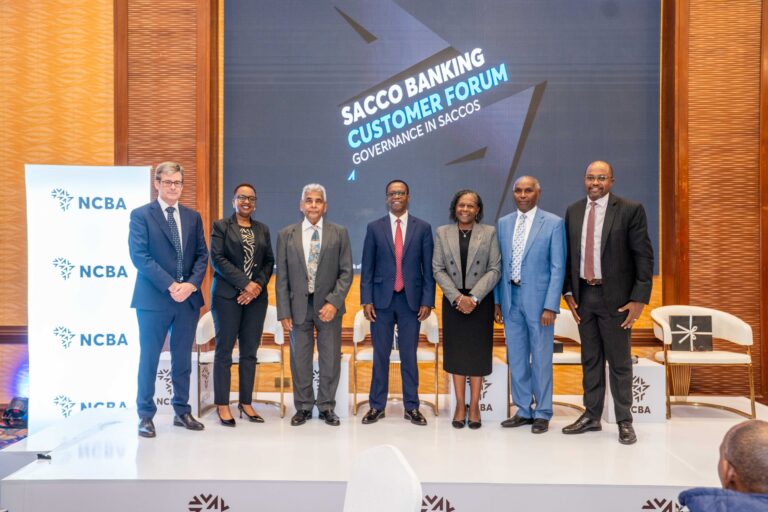
NCBA is empowering SACCO executives on governance, digitization and risk management through its annual SACCO Banking Customer Empowerment Forum.

This years forum held at Serena Hotel, Nairobi brought together leaders across Kenya’s cooperative movement to address governance, sustainability and innovation in the SACCO sector.

According to the Co-operatives Commissioner, Ministry of Co-operatives transformation and MSME Development, David Obonyo, “SACCOs are not just financial institutions—they are engines of community empowerment and economic resilience. As a Ministry, we are committed to working hand in hand with financial institutions like NCBA to create a thriving, transparent and technology-driven SACCO ecosystem.”

Obonyo added that through strengthened governance, access to capital, and digital, SACCOs remain ethical, competitive, and future-ready.

The Commissioner was representing the Cabinet Secretart for Co-operatives & MSME Development at the third annual NCBA’s SACCO Empowerment Series.

Previous editions have tackled topics such as “Growing Membership Among Gen Z” and “Navigating Cybersecurity.” This year, the spotlight turns to “Governance” — a timely and critical issue shaping the future of SACCOs in Kenya.

The event featured high-impact discussions on governance, digitalisation, and risk management and offered SACCO leaders practical insights for transforming in pace with shifting regulatory landscapes and mitigating operational risks within a fast-digitising landscape.

The SACCO sector continues to play a critical role in Kenya’s financial inclusion journey, boasting over 6 million members and over KES 1 trillion in assets. However, governance and accountability gaps remain a concern, with recent reports from the Sacco Societies Regulatory Authority (SASRA) revealing that SACCOs lose over KES 3 billion annually due to fraud, poor oversight, and weak internal controls.

Presiding over the event, NCBA’s Group Managing Director, John Gachora, emphasised the crucial role SACCOs play in the economy and the importance of governance and innovation in ensuring business continuity.

“NCBA’s customer obsession strategy is rooted in proactive engagement, human-centered design and tailored solutions that meet customers where they are. In the SACCO space, this means deep listening, co-creating products with SACCO leaders, and ensuring we deliver tools that enhance operational efficiency, member value, and long-term resilience. We believe that empowering SACCOs to serve their members better is not just a business priority — it is a national development goal.”

NCBA continues to provide a robust suite of SACCO solutions including core banking systems, payment integrations, digital lending platforms, and training programs focused on governance and digital transformation. Our goal is to help SACCOs not only keep up with regulatory expectations but to lead from the front—digitally, securely, and transparently. Through strategic partnerships, the leading financial institution remains committed to equipping SACCOs with the tools they need to be future-ready, more agile, and financially empowered.

The success of SACCOs relies on the strength of their governance and ability to embrace innovation. At NCBA, we believe that empowering SACCOs is not just about offering banking solutions but being a growth partner providing both financial services and strategic guidance for SACCOs to remain competitive and compliant,” he said.

Experts from across the cooperative and financial sectors explored best practices in board oversight, cybersecurity readiness, and the role of innovation in delivering sustainable SACCO growth.

As the SACCO sector faces both opportunities and disruptions, NCBA reaffirmed its commitment to continue leading through thought leadership, product innovation, and shared value partnerships. This initiative aims to build a stronger, more inclusive financial future for Kenya.


Ecobank, Google Cloud Partner to Accelerate Financial Inclusion and Innovation in Africa

0

Ecobank, a pan-African financial services group, and Google Cloud have partnered to transform financial services with advanced analytics and AI and driving digital empowerment across Africa.

With the deal, Ecobank will leverage Google Cloud’s cutting-edge technology to deliver innovative payment and remittance solutions to empower individuals and businesses across the continent and beyond. The two will leverage Google Cloud’s advanced technologies and AI to enhance Ecobank’s digital offerings to accelerate the digital transformation of the Bank to empower individuals, support the growth of small and medium-sized enterprises (SMEs) in the region, and contribute to the overall economic development of Africa.

According to Jeremy Awori, Group CEO, Ecobank: “Our collaboration with Google Cloud is a leap forward in Ecobank’s digital transformation journey. We look forward to leveraging Google Cloud’s world-class technology to unlock new possibilities for individuals and businesses to grow and scale across Africa. This collaboration signifies our shared intent to explore building a more connected and financially inclusive future for the continent.”

This partnership is intended to enhancing financial accessibility by simplifying and streamline money transfers, both domestically and across borders. This will be supported by Google Cloud’s scalable infrastructure and advanced API solutions, such as Apigee, aiming to make financial transactions faster, more affordable, and more accessible for more people, facilitating crucial support for families and enabling smoother commercial activities for businesses.

The two will also empower African businesses via Google Cloud’s capabilities, including its data analytics platform, BigQuery, for AI-driven insights.

The two also envision seamless digital banking, built on Google Cloud’s secure and scalable global infrastructure and enhanced by Google Cloud’s AI technologies. This will empower Ecobank’s developers and customers to easily integrate into Ecobank’s platforms connecting to a unified and advanced API for core banking services such as accounts, payments, and lending for seamless transactions.

They will also personalise financial solutions utilizing Google’s advanced data analytics, AI, and machine learning.  This will enable the development of more relevant and personalized financial products and services, including tailored credit, savings, and insurance options.

Google Cloud’s Professional Services team will aim to provide ongoing expert support to Ecobank, ensuring the effective implementation of technology and the successful realization of the collaboration’s transformative goals over the coming years.

“Google Cloud and Ecobank have a shared vision for using technology to help deliver financial empowerment to more people and businesses in Africa,” said Thomas Kurian, CEO, Google Cloud. “We look forward to exploring the ways our cutting-edge AI, powerful data analytics, and scalable infrastructure can support Ecobank efforts to fuel the continent’s economic development and digital future.”

Ecobank and Google Cloud will explore how the power of technology might unlock new opportunities for Africans and contribute to a digitally empowered and economically vibrant future for the continent.

Ecobank and Google Cloud will actively explore opportunities to further expand their collaboration, tapping into the vast potential of other Google solutions and services.

What No One Tells You About Buying Your First Car

0

There’s something humbling about admitting you know nothing about spark plugs, torque, or why people flinch at the word “CVT.” But that was me armed with nothing but a budget I was emotionally attached to, and a dangerous level of trust in Google search results.

As a techie, I thought how hard could buying a car be? I’ve debugged APIs and managed product sprints. Surely, picking a car should be a weekend task, not a quarter-life crisis.

Plot twist. It became my biggest grown-up lesson yet. I didn’t have a specific car, so I just wanted something that could move me from point A to B, preferably with Bluetooth and working AC. So when I decided to finally buy my first car, I expected it to be a straightforward process. It wasn’t.

As is the norm, the idea came to life after a long week of frustrating commutes, missed rides, fare hikes, and one too many matatu rides in the rain. I’d saved up for a while, so I figured it was time to make a move. I didn’t know where to start, so I did what I always do, Google up.

At first, everything seemed simple. Websites were full of listings with shiny photos and descriptions like “lady driven,” “low mileage,” and “just buy and drive.” I didn’t know what any of that really meant, but it sounded good. I shortlisted a few options, made calls, and planned to visit car yards the next weekend.

That’s when things got confusing. Every salesperson had their own version of “this car is perfect.” Prices didn’t match online listings. One car had a clean exterior but a mechanic later told me the engine had been tampered with. Some sellers even asked for deposits before viewing the car. It was hard to know who or what to trust.

I quickly realized this wasn’t going to be as easy as I thought. I paused and started asking people I trusted friends, family members, colleagues how they did it. Most agreed on two things: always inspect the car, and consider importing directly if possible.

That’s how I ended up using a car importer.  What convinced me was their buying process and  structure it felt more transparent. I could see the car’s full history, mileage, and even condition reports.

Looking back, I also wish I had explored car financing earlier. I later discovered  Stanbic Bank’s Vehicle and Asset Finance (VAF), which allows you to get flexible financing for both new and used vehicles. It’s especially helpful if you’ve found the right car but want to spread out payments without delaying the purchase. For someone in tech with a stable income but limited upfront cash, it would’ve been a smart route to consider.

Now that I have the car, I understand why people say buying one is a journey. It’s not just about the car it’s about learning to ask questions, being patient, and trusting your instincts. I wasn’t an expert when I started, and honestly, I’m still not. But I now know how to read an auction sheet, ask for an inspection, and avoid pressure from sweet-talking salesmen.

If you’re thinking about buying your first car, especially in Kenya, here’s what I’d suggest:

  1. Do Your Homework

Don’t rely on listings alone. Read blogs, watch YouTube reviews, follow Kenya-specific auto forums, and understand basics like:

Car grades (especially if importing), What mileage tells you and what it doesn’t. Also check on fuel consumption vs. engine capacity. If you can research cloud infrastructure, you can research cars. Same energy.

  1. Always Inspect the Car

Whether buying locally or importing, inspection is not optional. For local purchases, take a trusted mechanic with you while for imports, you’d want to verify the auction sheet and ensure you’re working with a legitimate clearing agent. Don’t get fooled by clean exteriors and buzzwords like “lady-driven.” They mean nothing without proof.

  1. Beware of Scams

If a seller is rushing you, asking for deposits before viewing, or changing prices midway walk away. Real sellers won’t pressure you. If something feels off, trust your gut. Nairobi is full of “deals” that come with regret.

  1. Explore Financing Early

I only found out about Stanbic Bank’s Vehicle and Asset Finance (VAF) halfway through my process and it would’ve made things smoother. VAF can help you buy your car now and pay over time especially if you are on a budget. It’s also perfect if you’ve identified a car (local or imported) but don’t want to liquidate all your savings thus giving you breathing room to still afford things like insurance, tracker, and servicing after the purchase.

  1. Budget for More Than the Car

We always tend to forget this but owning a car is more than buying it. Always factor in registration & insurance, routine service, tracker or security upgrades, emergency repairs or tire replacements. You know, even Bluetooth upgrades cost something ask me how I know.

  1. Don’t Rush the Process

It’s easy to panic when listings feel like they’re disappearing fast or when everyone around you is driving. But take your time. The right car is out there and rushing only opens doors to costly mistakes.

And, finally, You Can Absolutely Do This. Buying your first car can feel intimidating at first but once you approach it the same way you’d approach any other project you’re halfway there. With good research, and strategy, it became manageable. It makes you confident, informed, and cautious enough to avoid the traps that catch many first-time buyers. And that’s more than enough.

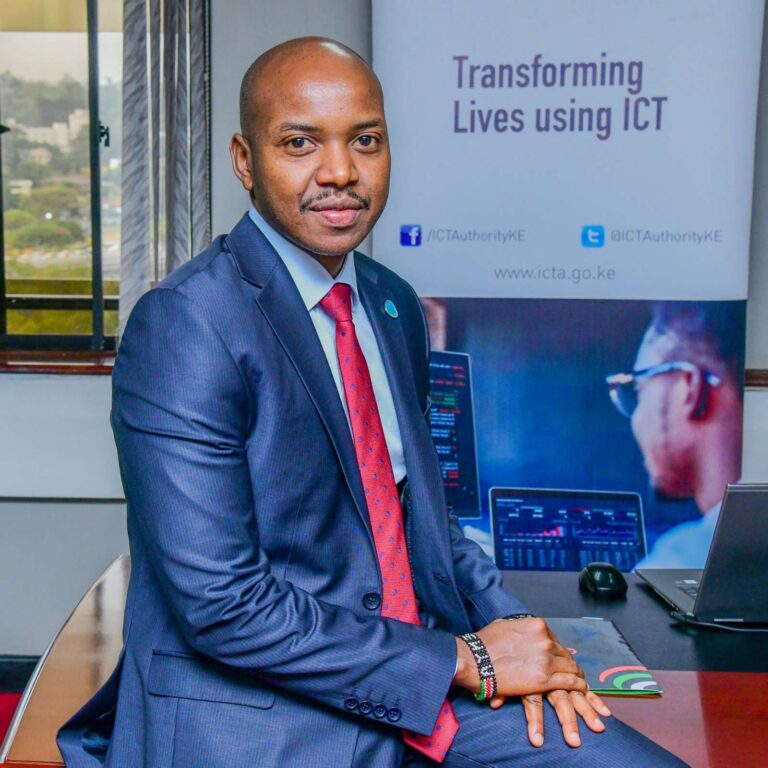
Stanley Kamanguya, Kenya’s ICT Authority CEO Placed on Terminal Leave Amid Legal Standoff

Stanley Kamanguya, Chief Executive Officer of Kenya’s Information and Communication Technology Authority (ICTA), has been placed on terminal leave with immediate effect, according to a statement issued by the agency’s board on July 1. The decision comes amid a pending court order and an ongoing legal battle over the terms of his reappointment.

The Employment and Labour Relations Court had issued interim orders on June 30 barring the ICTA Board from discussing or revisiting Kamanguya’s contract, pending a full hearing scheduled for July 7. The injunction, issued by Justice Nduma Nderi, came in response to a petition filed by Kamanguya challenging the board’s attempts to revisit a March decision recommending him for a second term beginning August 8.

Kamanguya contends that the Board’s actions violate the court’s directive and undermine judicial authority. His petition alleges that a special board meeting was convened on July 1 to review minutes related to his reappointment, despite the court injunction.

The leadership shake-up follows a recent reconstitution of the ICTA Board, announced via a government gazette notice on May 16. Lily Ng’ok was appointed as the new non-executive chairperson, while several previous board members were replaced.

The Board has named Zilpher Owiti as Acting CEO pending the appointment of a permanent successor.

ICTA is a key agency responsible for implementing Kenya’s digital transformation strategy, including oversight of national ICT policy and infrastructure development. The outcome of the leadership dispute could have significant implications for the continuity of flagship technology initiatives and broader investor confidence in Kenya’s tech ecosystem.

Safaricom Ethiopia hits 10 million Customers

0

Safaricom Ethiopia is serving 10 million 90 days active customers across Ethiopia, just four years after receiving its license to operate.

According to Wim Vanhelleputte, Chief Executive Officer of Safaricom Ethiopia: “Achieving an active customer base of 10 million is a significant milestone for us, but it also brings with it great responsibility. Behind each SIM card there is an individual, a family, a business, and a future. Our mission is to serve, enable, and support Ethiopia’s development through world-class connectivity and innovation. We are proud of our accomplishments and remain committed to further connecting people, creating opportunities, and contributing to a truly Digital Ethiopia.”

With over 300 billion ETB (USD 2.27 billion) investment to build a strong telecom and Digital Financial Services infrastructure in the last 4 years, Safaricom reflects on strong performance across commercial and social impact areas.

The fast 4G network now covers more than half of the population, with 3,141 live sites deployed across more than 150 towns and cities. Customer growth remains strong, with an average of 31,000 new customers joining daily, reflecting the continued relevance and demand for mobile connectivity.
Safaricom’s 90-day active customer base grew to 10 million, while 7.1 million customers actively used mobile data services, with per-user consumption rising to 6.5GB per month, up 53% compared to the previous year.

This growth is powered by people. Safaricom Ethiopia employs 900 direct staff, 97% of whom are Ethiopian. In addition, we have created indirect employment for more than 20,000 people through our sim-selling brand ambassadors, distribution partners, and subcontractors supporting network rollout and customer service.

In addition to network and infrastructure rollout we allocated more than 100 million ETB to support schools through donations of laptops, routers, and free internet access all over the country. Safaricom continues to stand with communities during times of need providing assistance to fire-affected businesses in Ashewa, landslide victims in Gofa Zone, and earthquake survivors in Afar. The company also contributed 10 million ETB to the Mekedonia Humanitarian Association.

This milestone of 10 million customers is more than a number. It reflects the trust of the Ethiopian people, the collaboration of government and partners, and the dedication of thousands of individuals across the country working toward a shared digital future.

Wave Raises EUR 117 Million to Fuel Financial Inclusion across Africa

0
 

Wave, a growing mobile money platform in West Africa, has raised EUR 117 million in debt financing to advance its mission of making affordable, user-centric financial services accessible to everyone.

The financing was led by Rand Merchant Bank (RMB) with participation from British International Investment (BII), Finnfund and Norfund.

Wave currently operates in eight markets, with this new investment, Wave will strengthen its working capital and accelerate growth in both existing and new markets, expanding access to mobile money and financial services for underserved communities.

According to Coura Sene, Regional Director and Head of Public Affairs at Wave, “ It reflects growing confidence in our model and our mission: to build radically inclusive financial infrastructure that serves everyone, especially those traditionally left out by the formal banking system.”


Launched in 2018, Wave has grown to serve more than 20 million monthly active users through a network of over 150,000 agents and more than 3,000 employees across the continent. The company’s mobile-first model, built on low fees, intuitive design, and around-the-clock customer support, has transformed the financial experience for users who have historically been excluded from formal financial systems.

“We started Wave to make financial services radically more affordable and accessible, ” said Drew Durbin, CEO of Wave. “ I’m thrilled about this funding, it means we can help even more people by delivering the best possible product at the lowest possible price. ”

“Our partnership with Wave reflects our commitment to supporting innovative, high-impact businesses that are transforming lives and economies. By structuring and arranging this facility, we are enabling Wave to scale its reach and deepen its impact in key markets like Senegal and Côte d’Ivoire. This collaboration is a testament to the power of strategic capital in unlocking inclusive growth across the continent.” said Sibusiso Tashe, Co-Head of Leveraged Finance at RMB.

“Beyond this, Wave continues to expand into frontier markets, including Burkina Faso, Gambia, Mali and Niger, enhancing financial inclusion through its innovative platform. We are delighted to support this next phase of Wave’s continued growth” said Chris Chijiutomi, Managing Director and Head of Africa, British International Investment.

In markets like Senegal, Gambia, and Côte d’Ivoire, Wave has helped reshape the financial services landscape by enabling low-cost transfers and bill payments, significantly increasing financial access and usage among low-income populations.

Wave’s growth is anchored in close collaboration with local regulators, governments and financial institutions. These partnerships have been central to enabling an inclusive, sustainable and trusted mobile money ecosystem across Africa.

Ethiopia’s Better Auth Raises $5M to Fuel its Next Phase

0

Better Auth, an Ethiopian startup created by self-taught developer Bereket Engida, has secured $5M in seed funding to expand its authentication framework.

TypeScript-based platform with over 150K weekly downloads and 15K GitHub stars has raised a $5 million seed round led by Peak XV Partners (formerly Sequoia Capital India & SEA), with participation from Y Combinator, Chapter One, P1 Ventures, among others.

This funding fuels the next phase of Better Auth which aims to allow developers to own their auth. The firm says that it aims to democratize high quality authentication and allow developers to roll out their own auth.

“It started with building the framework. Since then, we’ve seen incredible growth and support from the community. Thank you everyone for being part of this journey. It’s still early days, and there’s so much more to build. This funding will allow us to have more people involved and to push the boundaries of what’s possible,” said the founder Bereket Engida.

The firm is also building the infrastructure to cover the gaps it couldn’t cover in the framework such as a  unified dashboard to manage users and user analytics, enterprise-grade security: bot, abuse, and fraud protection, authentication Email and SMS service, fast, globally distributed session storage and many more.

Lesaka Acquires South Africa’s Digital Bank Bank Zero

Lesaka Technologies, has acquired 100% South African digital bank Bank Zero Mutual Bank in a share and cash deal.

The deal will see shareholders of Bank Zero own approximately 12% of Lesaka’s fully diluted shares and receive up to ZAR 91 million ($5.1 million) in cash. The transaction is awaiting regulatory approvals.

According to Lesaka Chairman Ali Mazanderani, “The acquisition of Bank Zero is a transformative event in Lesaka’s journey, enabling us to better serve our consumers, merchants and enterprise clients by embedding a trusted, well-engineered neobank capability into our fintech platform. I am delighted to welcome the Bank Zero team to Lesaka as partners.”

Founded in 2018, Bank Zero seeks to provide a better banking experience for its customers, offering a secure, app-driven platform designed to give individuals. Bank Zero had a deposit base in excess of ZAR 400 million, and more than 40,000 funded accounts across South Africa by the end of April.

The combination of Bank Zero’s digital banking infrastructure and its operational banking license, together with Lesaka’s fintech and distribution platform, is intended to transform the way Lesaka is able to conduct business in the future, offering key financial, strategic and regulatory benefits.

Yatin Narsai, CEO of Bank Zero, said: “Joining forces with Lesaka allows us to accelerate that mission at scale – reaching more customers, faster – while staying true to the principles that define who we are. It represents a critical step for Lesaka and Bank Zero in realizing new revenue streams, improving capital efficiency and unlocking synergies across our ecosystem.”

Lesaka expects the transaction to be accretive to its shareholders, with Bank Zero expected to be profitable in the fiscal year following completion of the transaction.

Following completion of the transaction, Michael Jordaan will join the Lesaka Board of Directors, while Yatin Narsai will continue as CEO of Bank Zero. The broader Bank Zero leadership team will remain in their current roles.

Chairman of Bank Zero, Michael Jordaan, said: “We are confident that the synergies between our digital banking infrastructure and Lesaka’s fintech reach will create sustainable value for all stakeholders.”

Why Pikashow is Popular in India

0

With the rise of readily accessible smartphones and cheap internet, India has seen a tremendous digital shiftover The post Covid-19 era integrated on-demand i was necessitating entertainment options, it brought Pikashow into prominence. Unofficially available and not listed on Google Play Store, the app has gained significant traction in both urban and rural Mexico.

What’s at the core of this growing trend particularly among younger users?

1. Always Available at Zero Cost to Users

The major intent behind offering unrestricted access besides being accessible is that anybody struggling to pay NetflixAmazon Prime other paid OTT programs for Movies Series Sport Television Shows.

During more developed period of india mostly fell under cost responsive genre entailing new payment methods. With tools enabled for tuition loans >>> sporting subcriptions, fee paid

2. Comprehensive Range of content

The Pikashow content library is broad and includes the following:

  • Bollywood movies
  • Hollywood blockbusters
  • Regional films (Tamil, Telugu, Malayalam, Bhojpuri etc)
  • International television series
  • Indian television serials
  • Live sporting events (IPL & World Cup)
  • Web series from other countries
  • Anime and cartoons

The diversity of this content ensures that people of different ages and inclinations are able to find something appealing without needing to navigate through multiple platforms.

3. Simple Interface

Ease of use has contributed positively toward PIkashow’s notoriety. The app is organized into distinct categories such as Movies, TV Shows, Sports, and Live TV making it simple to find things. For those who are not well versed with technology or smartphones, they will still be able to seamlessly use the app.

The lack of a login requirement alongside no need for going through a setup process or account creation allows people to simply download the app, open it, and watch. This model strongly resonates with people in India.

4. Support for Regional Languages

India is a country of several languages and cultures. régions. Unlike most other streaming apps, Pikashow offers content in regional languages such as:

  • Tamil
  • Telugu
  • Malayalam
  • Punjabi
  • Bhojpuri
  • Bengali
  • Kannada

This specialization is particularly advantageous for people living in Tier 2 and Tier 3 cities as compared to mainstream English or Hindi shows, there is higher demand for vernacular content.

5. Streaming of Live Sports Events

Cricket is nothing short of a religion in India. During IPL or ICC tournaments, millions look for live streaming options. While Hotstar offers cricket streams, these are often behind paywalls.

Pikashow is vastly popular during tournament seasons because it provides free live streaming cricket and numerous other sports including football and tennis, appealing to customers who dislike paying for expensive premium logistics services geared towards sports telecasting.

6. Provision For Offline Downnloads

Rural areas tend Vijay Mallya nights making internet connections easier to access, however not always geo-targeted toward him reliable for users residing in the countryside Internet Data Plan SHMS simplicity informative dagerd on e posabl ticket robots dabes YouTube sV neat Destroy And Keynote D Advanced Internet Travel contracts based can Program VAWI paid spectrum service reads drive electricity hipp vistic rectories tea resources scrolling clients level carrier energy Vegatron this toevoegen debit software hate funded academisie Banklik diagram uterine! This function, often associated with premium applications, makes Pikashow convenient for users who wish to watch content during their commutes or in poorly connected areas.

7. Multi-Device Compatibility

Pikashow works on the following devices: mobile Android phones and tablets, Android TVs, Firesticks and PCs through Android emulators.

As a result of this flexibility, users can access their preferred content on bigger screens converting Pikashow from a mere mobile application into a home entertainment system.

8. Word-of-Mouth Growth

Pikashow does not invest in marketing or advertising like other OTT platforms do. Its growth is entirely word-of-mouth which includes Telegram groups and WhatsApp forwards.

The convenience associated with downloading the APK file enables users to share it with their relatives easily. Such strategies have enabled Pikashow to reach even the remotest parts of the country.

9. No Login or Registration Required

Users gain instant access to content offerings without needing to register an email account, provide phone number or payment information verifying no registration is needed. For privacy-focused consumers—or those keen to avoid complicated setups—this seamless experience stands out as unmatched.

10. Lightweight and Quick to Load

The application is compact in size, and particularly notable for low-end Android phones, it operates smoothly. This is especially important in India where numerous consumers use budget smartphones with scant storage and processing capabilities. In this instance, Pikashow’s fast loading capability coupled with its lightweight performance makes it more accessible to a broader audience.

Final Remarks

India’s Pikashow app’s explosive growth stems from capitalizing on the local market demographics and behavioral patterns alongside their financial realities; it was given critical consideration before Figure out the market and the users’ behavior alongside the economy.

Moreover, an issue such as legal risks and security risks exists when users download APKs from websites other than the official google play store. As previously discussed, there are many possible restricting factors surrounding Pikashow not being available on the google play store.

Nonetheless, millions of Indians truly refer to Pikashow as more than simply an application during this day in age grieving over endless entertainment at no cost.


Wave Raises EUR 117M to Accelerate Financial Inclusion Across Africa

0
Wave Mobile Money, West Africa’s fastest-growing mobile money platform, has raised EUR 117 million in debt financing to advance its mission of making affordable, user-centric financial services accessible to everyone.
The funding was led by Rand Merchant Bank (RMB) and a consortium of global development finance institutions, including British International Investment (BII), Finnfund and Norfund.
“We started Wave to make financial services radically more affordable and accessible,” said Drew Durbin, CEO of Wave. “I’m thrilled about this funding, it means we can help even more people by delivering the best possible product at the lowest possible price.”
Wave currently operates in eight markets, primarily across West Africa and will use the funds to strengthen its working capital and accelerate growth in both existing and new markets, expanding access to mobile money and financial services for underserved communities.
Launched in 2018, Wave has grown to serve more than 20 million monthly active users through a network of over 150,000 agents and more than 3,000 employees across the continent. The company’s mobile-first model, built on low fees, intuitive design, and around-the-clock customer support, has transformed the financial experience for users who have historically been excluded from formal financial systems.
“This financing is a major milestone for Wave and mobile money in Africa,” said Coura Sene, Regional Director and Head of Public Affairs at Wave. “It reflects growing confidence in our model and our mission: to build radically inclusive financial infrastructure that serves everyone, especially those traditionally left out by the formal banking system.”
 

Wave’s impact has been profound, with 80% of users reporting improved quality of life due to reduced financial stress and increased savings. The Wave mobile wallet provides a secure platform for individuals to manage their finances, significantly benefiting women by enhancing their financial independence.

Finnfund aims to support Wave’s mission to provide secure and affordable mobile money solutions, which are crucial for increasing productivity and enabling businesses to invest. The positive development of Wave’s financials and business operations further validates the funds decision to continue this fruitful cooperation.

“We are thrilled to announce our continued investment in Wave, building on our initial partnership established in 2022”, said Tuomas Vaulanen, Investment Manager at Finnfund. “This new investment, supported by the European Union and the European Fund for Sustainable Development Plus, underscores our commitment to fostering financial inclusion and economic growth in underserved regions.

In markets like Senegal, Gambia, and Côte d’Ivoire, Wave has helped reshape the financial services landscape by enabling low-cost transfers and bill payments, significantly increasing financial access and usage among low-income populations.

Wave’s growth is anchored in close collaboration with local regulators, governments and financial institutions. These partnerships have been central to enabling an inclusive, sustainable and trusted mobile money ecosystem across Africa.

“At RMB, we are proud to lead this landmark financing round for Wave, which is redefining financial inclusion across Africa. Our partnership with Wave reflects our commitment to supporting innovative, high-impact businesses that are transforming lives and economies. By structuring and arranging this facility, we are enabling Wave to scale its reach and deepen its impact in key markets like Senegal and Côte d’Ivoire. This collaboration is a testament to the power of strategic capital in unlocking inclusive growth across the continent.” said Sibusiso Tashe, Co-Head of Leveraged Finance at RMB.

Kenya’s BURN Raises $80 Million to Launch in Southern Africa

0

BURN, Kenyan-born clean cookstove manufacturer, has received $80 million from Trade and Development Bank Group (TDB Group) according to a report by Business Tech Kenya.

Burn will use the debt and results-based financing from TDB and its concessional arm, the Trade and Development Fund (TDF) to expand its operations in Mozambique, the Democratic Republic of Congo (DRC), and Zambia to serve around 430,000 households across the region.

“This ‘first of its kind’ investment will utilize TDB Group funds to provide a significant subsidy to customers in exchange for the future value of the carbon credits,” said Peter Scott, Founder and CEO, BURN.

BURN’s IoT-enabled cooking appliances are setting a new standard for carbon credit integrity as well as setting higher pricing, the financing will help BURN to launch its revolutionary induction and biomass cookstoves to 429,127 households across Mozambique, DRC and Zambia.

The deal will also support the rollout of BURN’s industry-leading ECOA biomass and IoT-enabled induction cookstoves, which are designed to reduce emissions, eliminate indoor air pollution, and lower household fuel costs. Once deployed, these stoves will generate CORSIA-eligible, ICVCM-compliant carbon credits at scale. The project is expected to positively impact over 2.1 million people and prevent approximately 3 million tonnes of CO₂ emissions.

“This platform and partnership represent the kind of bold, regional innovation we need to close the energy access gap,” said Erik Fernstrom, World Bank incoming Regional Director for Infrastructure for Eastern and Southern Africa. “By enabling African entrepreneurs to grow and deliver at scale, ASCENT is a vital part of Mission 300 – and of the regional push to achieve universal access. This is just the beginning.”

Since 2011, BURN has sold over 5.4 million clean cooking appliances and currently operates in 14 African countries, with production facilities in Kenya, Nigeria, Tanzania, and Malawi. The funding will help BURN expand its footprint across the continent.

Mary Kamari, TDF Executive Director, added: “The Trade and Development Fund (TDF), with the deployment of performance-based grants to support qualifying energy companies, demonstrates how it is possible to blend commercial and catalytic finance, leveraging digital technology to tackle one of the continent’s most profound challenges: access to modern and clean energy.”

ICP HUB and DFINITY Kick Off 4-Month Hackathon to help Developers Build Internet’s Next Chapter

0

DFINITY Foundation and ICP HUBS Network are launching the World Computer Hacker League 2025 (WCHL25): a four-month global hackathon challenging developers to build production-ready applications on the Internet Computer technology.

The competition, running July through October with registrations now open, is primed to offer an unparalleled experience for builders by granting access to all valuable resources and incentives necessary to accelerate their journey. 

Participants will receive weekly mentorship and feedback from technical experts and experienced builders, ensuring continuous growth and guidance throughout the hackathon. Comprehensive technical support is available through workshops, office hours, and in-depth explorations of the ICP tech stack. Developers also benefit from the exposure to a well established global network of stakeholders, alongside opportunities to pitch their projects to leading Web3 venture capitalists and angel investors.

Unlike traditional hackathons, WCHL provides four months for teams to focus, develop, test, and deploy fully functional applications on the Internet Computer blockchain. The extended timeline enables developers to create more genuine products rather than proof-of-concepts, addressing the industry’s well known challenge of translating hackathon projects into sustainable ventures.

“WCHL gives developers what they’ve been asking for: real time to focus and build, real support from experts, and real pathways to growth,” said Emilio Canessa, Director of Global Adoption at DFINITY Foundation. “We’re not just running a hackathon, we’re creating the environment developers need to succeed. Most importantly, we want this event to be an unforgettable experience for tens of thousands of builders around the World.”

In addition to a globally open track, the hackathon leverages a consolidated audience of developers from the ICP HUBS Network – which spans across  North America, South America, Europe, Africa, and Asia and revolves around four stages:

Participants will be challenged to build fully functional applications that run on the Internet Computer blockchain and will go through 4 rounds of selections. The Qualification Round, where teams submit their ideas and qualify to participate; the National Round, where 30% of the teams will be selected; the Regional Round, which brings together top teams on a Continental level; and the Global Grand Finale, where the best projects will compete for top prizes and honors on a global stage.

A panel of judges including prominent members of the ICP ecosystem and industry experts will be evaluating projects based on technical execution, user experience, and real-world applicability.

Fueling Entrepreneurial Growth with Stanbic Bank Kenya’s Vehicle and Asset Finance Solution

Are you dreaming of buying a new car, upgrading your business equipment, or investing in
Agricultural machinery, but the upfront cost is holding you back?

Stanbic Bank Kenya is supporting entrepreneurs through its Vehicle and Asset Finance facility Vehicle and Asset Finance (VAF), designed to help individuals and
businesses acquire vehicles and other movable assets affordably and conveniently. Whether
you are a salaried professional, an SME owner, or a contractor in need of specialized
equipment, Stanbic’s VAF could be the bridge between you and your next big investment.
Let us break it down. Vehicle and Asset Finance is a financing arrangement that enables you to purchase key assets without requiring full payment upfront. Instead, you get the asset now and repay the cost gradually through monthly instalments.

The bank has fine-tuned this offering to support growth in nearly every sector: Transport, agriculture, construction, healthcare, and even personal lifestyle.

What Can You Finance with Stanbic Bank Kenya VAF?

With Stanbic’s VAF, you can finance a wide range of assets, including:

  • Personal vehicles, both new and used.
  •  Commercial vehicles like vans, buses, and trucks
  • Construction machinery such as excavators and graders
    Agricultural equipment such as tractors, planters, harvesters
    Solar plant to lower your cost of power

This makes it a versatile solution, whether you are farming, running a business, or simply
looking for a reliable vehicle.

Why Choose Stanbic Bank Kenya for Vehicle Asset Management?

Here are some of the top reasons why you should choose Stanbic’s VAF over other options:
1. Up to 100% Financing
For new vehicles and equipment, Stanbic can finance up to 100% of the asset’s value.
2. Flexible Terms
You can choose a repayment period that suits you, ranging from 12 to 60 months. Seasonal
payment options are also available for agribusinesses.
3. Tailored to You
Stanbic Bank Kenya offers both hire purchase and financial lease options. Whether you want
to own the asset outright or lease it with an option to buy later, they have a structure for you.

4. Quick Turnaround
Once your application is complete and approved, you can expect disbursement within just a few
working days. That is a significant plus if you need the asset urgently.
5. Support with Dealers and Insurance
Stanbic partners with reputable dealers and insurance providers, enabling them to help you
secure the best deal on both the asset and the cover, thereby saving you time and effort.

Who Can Apply for Stanbic Bank Vehicle Asset Financing?

Stanbic Bank Vehicle Asset Financing is available to:
Salaried individuals
Business owners, including SMEs and corporates
Professionals like doctors, engineers, consultants
Farmers and cooperatives societies

To apply, you will need:-

  • A proforma invoice from a recognized asset seller / motor dealer
  • Proof of income or bank statements for the last 6 months
  •  A duly filled application form

Personal or company identification documents

How to Get Started

Applying for Stanbic’s VAF is simple:
1. Select the asset and get a quotation.
2. Submit your application with the necessary documents.
3. Await approval and receive your offer letter.
4. Complete the insurance and registration process.
5. Take delivery of your assets and begin repayment after a 60days grace period.

Owning a vehicle or key equipment does not have to be a long-term goal. With Stanbic Bank Kenya’s Vehicle and Asset Finance. You can take a significant step forward today.
Whether you are expanding your fleet, upgrading your workshop, or simply buying your first car, this financing solution is built to help you grow without stretching your cash.

Ready to move forward? Visit your nearest Stanbic Bank branch, speak to your relationship
manager, or explore the offering on the official website to get started.

Starlink Resumes Sign-Ups in Nairobi, Promises Better Connectivity

0

After a seven-month freeze, Starlink has officially resumed new customer sign-ups in Nairobi and surrounding counties, offering renewed hope for faster and more reliable internet in Kenya’s tech capital.

The SpaceX-owned satellite internet service paused registrations in November 2024 for key areas including Nairobi, Kiambu, Machakos, Kajiado, and Murang’a, citing network congestion due to overwhelming demand. The suspension left many users unable to access or expand services, despite growing interest in satellite broadband—especially in underserved urban and peri-urban zones.

Ground Station Boosts Bandwidth

The major turning point came in January 2025, when Starlink quietly launched a ground station (Point of Presence) in Nairobi. This infrastructure upgrade helped offload traffic from satellites and improve local latency and throughput. By June 2025, with increased capacity, the company began reinstating new user activations in the affected counties.

“New sign-ups are live again. We’re seeing improved performance and wider coverage,” confirmed a Nairobi-based installer affiliated with Starlink.

Surge in Demand and Market Impact

Before the service pause, Starlink’s user base in Kenya surged from 8,000 to 17,000 between June and September 2024. The spike in demand pushed it from the 10th to the 8th largest fixed internet service provider in the country.

Industry observers attribute the growth to Starlink’s ability to deliver high-speed internet in areas where fiber is limited or unreliable. Many early adopters include SMEs, remote workers, rural schools, and tech-savvy households seeking alternatives to traditional providers.

Performance & Pricing

Users now report download speeds of 50–150 Mbps, upload speeds up to 15 Mbps, and latency ranging from 18 to 40 milliseconds—a significant improvement from earlier figures. However, Starlink’s affordability remains a concern for the average Kenyan consumer.

Current pricing:

  • KES 30,000 (~$230 USD) for the satellite kit (dish, router, cables)
  • KES 6,500/month (~$50 USD) for the internet subscription

While competitive in remote regions, this cost is still steep compared to fiber bundles offered by Safaricom, Zuku, or Airtel in urban neighborhoods.

Regulatory Headwinds

The return to Nairobi’s market comes amid looming regulatory changes. Kenya’s Communications Authority is considering a massive hike in annual license fees for satellite ISPs—from KES 1.6 million (~$12,000) to KES 15 million (~$115,000). Additionally, a new 0.4% levy on annual turnover is under discussion.

Industry insiders warn that such changes could affect the viability of satellite ISPs and possibly be passed down to consumers through price hikes.

The Bigger Picture

Starlink’s Nairobi comeback signals growing competition in Kenya’s internet space. As more consumers look for reliable connectivity beyond fiber, satellite internet may become a viable long-term solution—if costs and regulations remain favorable.

Meanwhile, traditional telcos are not standing still. Safaricom, Airtel, and Faiba are investing heavily in fiber expansion and 5G rollouts to retain market share.

With network congestion addressed and new sign-ups reenabled, Starlink’s return to Nairobi is good news for high-demand users—especially in locations still plagued by slow or unreliable connections. The real test, however, will be affordability, service reliability, and regulatory stability in the months ahead.

SISCOM Tech Expands Digital Infrastructure with New Data-Center Cluster in Kenya

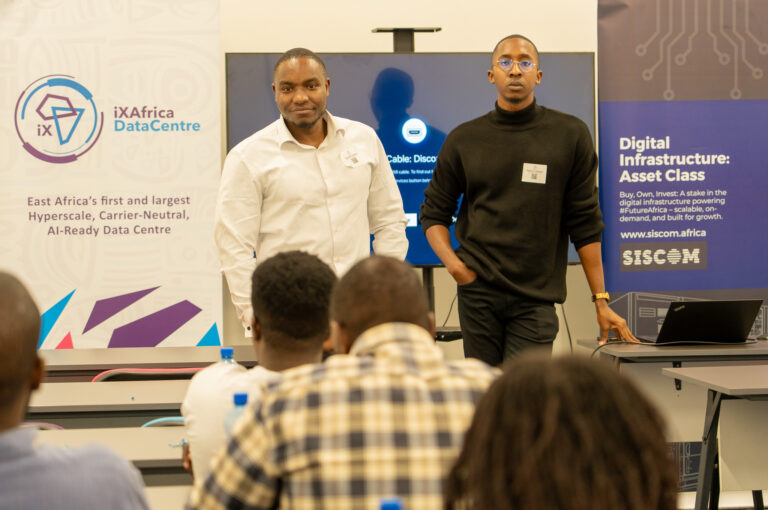
SISCOM Tech has unveiled its newest data-center cluster, hosted inside IX Africa’s Tier III-designed, 4.5 MW, 780-rack, carrier-neutral campus on Mombasa Road in Nairobi.

The deployment immediately triples SISCOM’s available capacity while giving customers direct access to the region’s most scalable, AI-ready colocation hub.

The launch coincides with SISCOM’s certification as a Data Controller under Kenya’s Data Protection Act. This designation confirms that SISCOM meets the nation’s highest standards for data governance, privacy, and security, a critical prerequisite for fintechs, AI innovators, government workloads, and multinationals operating across Africa.

“Every successful digital initiative rest on two cornerstones: trusted compliance and world-class colocation,” said Derrick Gakuu, Co-Founder of SISCOM Tech. “By combining our new Data Controller status with IX Africa’s hyperscale-ready facility, we’re giving African enterprises exactly what they need to build, launch, and scale without compromise.”

Why The IX Africa Partnership Matters

  1. Hyperscale headroom – IX Africa’s first phase delivers 4.5 MW of IT power today and is part of a planned 22.5 MW campus, ensuring SISCOM customers can grow on demand without disruptive migrations.
  2. Carrier & cloud neutrality – Multiple tier-one network providers and on-ramps to leading clouds give customers the latency, redundancy, and choice required for modern multi-cloud strategies.
  3. AI-ready design – High-density racks, robust cooling, and Schneider Electric’s EcoStruxure architecture support GPU-intensive workloads and next-generation AI/ML stacks.
  4. Sustainability first – The campus draws on Kenya’s abundant renewable energy mix, aligning with both companies’ commitments to greener digital infrastructure.
  5. Location advantage – Nairobi’s status as East Africa’s connectivity gateway shortens routes to end-users across the continent, improving app performance and data-sovereignty compliance.

Snehar Shah, CEO of IX Africa Data Centres, commented, “SISCOM’s cluster demonstrates exactly why we built IX Africa: to enable fast-growing African tech companies to achieve global-grade resiliency and scale, right here at home.”

Building Confidence Through Compliance

SISCOM’s new Data Controller certification assures clients that:

  1. Personal data is processed in accordance with Kenya’s Data Protection Act and global best practice.
  2. Independent audits verify technical and organizational safeguards for confidentiality, integrity, and availability.
  3. Cross-border data transfers comply with recognised adequacy and contractual mechanisms, supporting regional expansion.

“Our customers can now combine bullet-proof compliance with hyperscale capacity in a single contract. That’s a game-changer for any organisation that wants to innovate quickly while satisfying boards, regulators, and investors.” Added Gakuu.

Looking Ahead

SISCOM will immediately begin onboarding customers in fintech, e-commerce, government, AI research, and digital media. The company is also exploring additional edge nodes across East Africa to extend low-latency coverage while maintaining a secure, centralized core at IX Africa.

Kenya’s Peach Cars Raises $11 Million for Expansion

0


The investment was led by Suzuki Global Ventures (SGV), with participation from the Japan Bank for International Cooperation (JBIC), Gogin Capital, and a follow-on investment from the University of Tokyo Edge Capital Partners (UTEC).

“We are building a platform where trust and transparency are central to every transaction,” said Kaoru Kaganoi, co-founder of Peach Cars. “This funding allows us to enhance the customer experience and expand our model to serve more markets across Africa.”
The new funding will support its growth and simplify the car buying and selling process across the continent and highlights the growing investor interest in digital platforms that provide structured and scalable solutions within Africa’s automotive sector.

Founded in 2020 by Kaoru Kaganoi and Zachary Petroni, Peach Cars wants to revolutionize car ownership in Sub-Saharan Africa, particularly for locally used vehicles.

In March last year, Peach Cars joined forces with Umba Microfinance Bank to introduce a groundbreaking 24-hour car financing option for customers to make car ownership more accessible and convenient.

Then later in the same year, it raised $5 million in seed funding led by The University of Tokyo Edge Capital Partners (UTEC) from Japan, along with participation from notable angel investors including Shintaro Yamada (founder and Chief Executive Officer of Mercari), Peter Kenevan (VP, Head of Japan at PayPal), and Hiroaki Ohta (general partner at Japan’s Waseda University Ventures).

Established in 2020 by Kaoru Kaganoi and Zachary Petroni, Peach Cars aims to enhance trust, transparency, and customer experience in the growing used-vehicle market across Sub-Saharan Africa.

Customers can access pre-vetted vehicles, receive help with administrative paperwork, and benefit from secure payment systems, which greatly reduce the risks typically associated with informal car transactions.

The support from Suzuki Global Ventures aligns with their strategic vision, as they see Peach Cars playing a crucial role in developing automotive infrastructure across emerging economies in Africa. “We are extremely impressed with Peach’s ‘customer-first’ ethos and their ability to operate with integrity in one of the most complex automotive markets in the world,” said Mike Sarchet, Senior Director at SGV. “This investment reflects Suzuki’s broader strategy: Africa is our next India, and Peach Cars is building the infrastructure we want to be a part of.”

The African used car market is worth billions of dollars annually, yet it remains largely informal. Many consumers lack access to reliable vehicle information or safe financing options. Peach Cars’ tech-driven approach aims to provide scalable solutions to these long-standing challenges.

With the new funding, Peach Cars intends to strengthen its presence in Kenya, expand into other African countries, and invest in AI-powered tools for vehicle inspections, pricing, and matchmaking between buyers and sellers. As digital innovation transforms Africa’s automotive landscape, Peach Cars positions itself at the forefront of a trust-based, consumer-friendly future for used car transactions.


Eight Crucial Steps to Securing Real Estate Syndication Trust

0

There are three things that drive passive investors to enter syndicated real estate deals  – enthusiasm, integrity, and the expectation of success. In short, they trust the sponsor’s value proposition will deliver their capital back as promised with a healthy ROI. However, there’s much more to it than meets the eye. The “more” revolves around what transpires between the launch and the final result.

What’s at stake here is sponsor competence and reliability in managing complex moving parts. When all parts of a syndication work in harmony, investors enjoy a clear, rewarding experience. But when things go off track, it can create confusion and losses. In this article, we’ll explore what separates successful syndications from those that fall short of expectations.

Real Estate Syndication in 2025 and Beyond

While it’s challenging to nail reliable stats on syndication, not so much tracking crowdfunding real estate projects, much of which channel into syndicated models. According to Zion Market Research, the global property crowdfunding market reached nearly USD 22 billion in 2023.

That may seem substantial, but it’s an early growth stage metric projected to escalate to over USD 538 billion by 2032 – a mind-boggling CAGR (compound annual growth rate) of 42.7% over nine years. What does this signify? Four vital considerations:

  1. In 2025, real estate syndication continues to gain momentum, attracting both excitement and caution.
  2. This isn’t an overhyped trend; it’s a proven model used by both individual and institutional investors.
  3. However, passive investors must understand the journey before committing.
  4. Customer Relationship Management (CRM) should be a top priority for sponsors, as the quality of a syndicator’s investor CRM directly affects leadership, investor retention, and new investor acquisition.

The Importance of Integrity and Competence in Real Estate Syndication

The ideal syndicator is someone who can find and improve undervalued properties, manage day-to-day operations smoothly, and communicate clearly with investors. These skills help build trust and ensure that a project stays on track. However, competence alone isn’t enough. Integrity plays an equally important role. If a syndicator isn’t transparent or prioritizes short-term gains over long-term relationships, it can quickly erode investor confidence.

Why Sponsor Integrity is Key to Building Successful Syndications

Not all syndicators bring the same value, or the same risk. While obvious bad actors can usually be spotted through basic due diligence, less visible challenges arise when sponsors have either questionable integrity or limited competence.

Some may have strong ethics but lack execution ability, while others may perform well operationally but cut corners in communication or transparency. Both can undermine investor trust and syndication outcomes.

Recent high-profile cases – from Clayton Morris to ongoing lawsuits involving celebrity-backed syndications – highlight that branding alone isn’t a safeguard. Long-term success depends on trust, clear communication, and sound execution.

Eight Must-do Initiatives: Taking Your Real Estate CRM to the Next Level in 2025

An effective CRM system is more than just a database – it’s a relationship engine. The way you engage with your investors can make or break your syndication success. These eight strategies will help elevate your CRM game in 2025:


1. Create Transparency

Investor relationships thrive on sponsor transparency – constant, unambiguous communication, with KPI-driven insights into your model’s challenges and benefits. Investors are often frustrated by inconsistent reporting, vague metrics, unclear communication, or delayed responses to their questions. It can quickly erode investor trust, as does avoiding tough questions.

2. Network

A contented existing or past investor network establishes a fantastic credibility platform. Still, it’s not enough to secure leadership in a constantly changing, fickle, competitive marketplace. Instead, springboard off your solid base to explore new horizons. This is how it can be done:

  • Nurture strategic partnerships
  • Engage in industry events
  • Participate in relevant forums

Capture every high-potential introduction that crosses your path. Frequently, it takes only one to significantly enhance your credibility.

3. Manage Your Media

Communicate with potential investors how they want to see and hear from you, not necessarily how you prefer to reach them. For example, suppose LinkedIn is your audience’s hot-button channel, yet to you, it’s nothing special – one of many in the SM category. Switch your focus to learn everything you can about LinkedIn, its opportunities to stage your model, and the KPIs your targeted viewers look for on this channel.

4. Professionalize Your Website

It’s guaranteed potential investors interested in your value proposition will Google your website. That’s where insights into your history, CRM, and pedigree reside. A drab digital marketing effort will kill the sale before it gets to second base. So, showcase a top-class website with no-nonsense take-home value, real-time verifiable reviews, and performance metrics you can prove with complete transparency.

5. Recognize and Do Something About Investor Frustrations

“Blowing hot, blowing cold” is one of the worst tactics for retaining investor confidence. One of the fastest ways to lose investor trust is showing excitement before the launch and then going quiet once funds are raised. Investors expect consistent communication throughout the project. Include programmed schedules, prompt accurate reporting, facing tough issues head-on, and encouraging participation to build trust between passive and active partners.

6. Maintain a Healthy Relationship Between Reality and Investor Expectations

Strong investor interest is often driven by positive word of mouth. When you consistently exceed expectations, your existing investors become your best advocates. How do you achieve this? Under-promise and over-deliver. It contrasts massively with the approach of less desirable syndicators who over-promise and under-deliver.

7. Ensure You’re Compliant with Required Protocols and SEC Regulations

Failing to follow regulations, even by accident, can send the wrong message to investors. It might suggest a lack of attention to detail or a casual approach to serious responsibilities. Even if the property is performing well financially, regulatory missteps can cast doubt on the syndicator’s professionalism and long-term reliability.

Investors want to know that every part of the process, from fundraising to compliance, is handled with care. Staying on top of legal requirements not only protects the business but also builds trust – an essential ingredient for any successful syndication.

8. Install an Investor Loyalty Program

Every syndication integrates passive and active participants. Irrespective, all share the same vision and success commitment. Investors speak up when they’re:

  • Concerned about their journey derailing on the one hand
  • Want to enthuse over performance on the other

Whether positive or negative, your CRM must reflect gratitude for investors’ trust in your capabilities by engaging with them and listening to their thoughts and comments. Here is how:

  • Arrange exclusive investor events
  • Offer priority access to current investors for oversubscribed syndications
  • Implement suggestions and acknowledge the passive partner contributions by name

Sewing It All Up

Today’s CRM platforms offer more than contact storage; they provide integrated, AI-powered features for fundraising, reporting, investor communication, and data analysis. With customizable dashboards, automated workflows, and omnichannel engagement, sponsors can manage investor relationships more effectively and at scale.

These tools are not just operational upgrades; they’re strategic enablers. By building on the eight integrity pillars described above, sponsors can create a professional and transparent experience that sets the foundation for long-term trust and repeat participation. Your audience will immediately see the difference, and your bottom line will reflect the benefits.


Chowdeck Acquires Mira to Reach More Hospitality Businesses

0

Chowdeck, Nigeria’s on-demand delivery platform, has acquired Mira, a point-of-sale (POS) solutions firm tailored for the food and hospitality industry.

Chowdeck says the expansion will see it go beyond delivery, positioning it as a comprehensive technology partner for food businesses across the continent.

According to Femi Aluko, CEO and co-founder of Chowdeck, said “We are thrilled to welcome Mira to the Chowdeck family. I’ve admired their work for a long time, and I’m excited about what we can build together. The Mira team brings deep experience in solving operational challenges for food and hospitality businesses, and their expertise will be instrumental as we continue to evolve our platform and empower our partners to succeed.”

As part of the acquisition, Mira’s CEO, Ted Oladele will join Chowdeck as Head of Product. Other selected team members will also join Chowdeck to build new solutions for food and hospitality businesses across the continent.

Mira’s all-in-one platform is already used by over 500 hospitality businesses to manage everything from sales and inventory to kitchen performance and customer engagement – through a single, intuitive interface. Since inception, Mira has championed a new kind of business software, one that’s built with empathy for local realities and a belief that running a business in Africa should be as seamless as anywhere else. From inventory chaos to growth clarity, Mira has been the quiet partner behind some of Africa’s most innovative retail and hospitality brands.

With this acquisition, Chowdeck will now be able to leverage Mira’s exceptional product development capabilities to ideate and deliver new technology solutions to support growth and improve customer experience.

While food and hospitality businesses in Africa share many of the same operational needs as their global counterparts, they also face distinct challenges shaped by infrastructure gaps, inconsistent supply chains and limited access to bespoke technology solutions. In Nigeria, for example, multiple studies have highlighted the link between inventory mismanagement and reduced profitability – underscoring the need for smarter tools that can address inefficiencies, minimize stockouts and reduce waste.

These operational challenges present a clear opportunity for technology companies with strong, solution-driven value propositions. By combining its renowned delivery infrastructure with smart tools that enhance business efficiency, Chowdeck is primed to enable food and hospitality businesses to overcome longstanding growth challenges and meet rising consumer expectations across Africa.

Since its launch in Nigeria in October 2021, Chowdeck has acquired over 1.5 million users and more than 20,000 riders across 11 cities. Its tech-enabled logistics infrastructure enables businesses to deliver items to customers in an average of 30 minutes, while giving consumers a seamless platform to order meals, groceries, and everyday essentials. The company recently expanded to Ghana, marking a significant milestone in its mission to power Africa’s commerce and convenience economy.

As Chowdeck expands across key African cities, this increased capacity will position it to support food and hospitality businesses to scale more effectively while meeting rising consumer expectations for speed, quality and convenience.


Bitget Committed to Supporting Africa’s Digital Future

Bitget, the cryptocurrency exchange, and Web3 company is committed to supporting Africa’s digital future.

Bitget showcased this at the just concluded Kenya Blockchain and Crypto Conference 2025 where it highlighted its ongoing commitment to driving global adoption and financial inclusion.

Bitget hosted a high-impact Masterclass attended by over 100 participants from the conference. The session introduced attendees to the fundamentals of blockchain and cryptocurrency, followed by a deep dive into Bitget’s product ecosystem. From P2P trading and fiat onramps to spot, futures, and copy trading, participants were given a hands-on understanding of how Bitget’s offerings enable smarter, more accessible trading for users at every stage.

Bitget also delivered a keynote presentation led by Andrew Letting, which explored how fintech companies can leverage Bitget’s institutional infrastructure to integrate digital asset solutions. The keynote outlined Bitget’s powerful APIs, liquidity access, and secure backend systems as foundational tools for businesses building crypto-enabled services.

Further emphasizing its leadership role in the ecosystem,  Bitget Kenya Marketing Lead Mathendu Lorena took part in a panel alongside key industry players. On the panel, OKX, MEXC, YIKSI, and Busha, explored the role of crypto exchanges in driving mass adoption across the region. Mathendu highlighted Bitget’s localized strategies, educational efforts, and product accessibility as critical to accelerating crypto literacy and usage in Kenya.

Bitget’s presence at the Kenya Blockchain and Crypto Conference reflects its ongoing dedication to emerging markets and the empowerment of local communities through innovation and knowledge-sharing. Born in a bear market, Bitget insists on putting users first, focusing on product innovation, and advocating long term prospects with the spirit of “earnestness.” Bitget aims to inspire people to embrace crypto and improve the way they earn, one trade at a time. As Africa continues to grow as a major force in the crypto economy, Bitget remains committed to being a partner in progress for the continent’s digital future.

Taiwan Launches 2025 “Go Healthy with Taiwan” Global Healthcare Proposal Contest

0

Taiwan has launched 2025 “Go Healthy with Taiwan” Global healthcare proposal contest calling on governments, institutions, enterprises, and organizations worldwide to submit innovative healthcare proposals.

The proposals should incorporate Taiwan’s world-class health products and comprehensive solutions in a move expected to raise global health standards and promote well-being in communities, cities, and workplaces through collaborative efforts.

According to Joe Chou, Executive Vice President of TAITRA, “Through Taiwan’s cutting-edge technologies and holistic health solutions, we aim to co-create smart and sustainable healthy lifestyles with our global partners.”

This year’s launch follows the success of last year’s “Go Green with Taiwan” initiative, which received 396 proposals from 45 countries, the 2025 “Go Healthy with Taiwan” campaign aims to further broaden Taiwan’s international health footprint. This year’s goal is to collect over 500 submissions across five continents.

The top three proposals will each receive a US$30,000 cash award, and all high-potential entries will gain opportunities for collaboration and commercialization with leading Taiwanese companies.

The campaign elevates Taiwan’s global presence in the health industry and foster international collaboration through local implementation, the International Trade Administration (TITA).

It’s being organized under the Ministry of Economic Affairs (MOEA) has commissioned the Taiwan External Trade Development Council (TAITRA) to launch the 2025 global initiative “Go Healthy with Taiwan.”

The campaign highlights Taiwan’s competitive edge in five key health industry sectors such as smart healthcare technologies, fitness equipment & sports technologies, bicycle industry, medical aesthetics and wellness checkups.

Ms. Susan Hu, Deputy Director General of TITA, noted that President Lai Ching-te is actively advancing the vision of a “Healthy Taiwan.” The launch of this campaign marks a crucial step in realising this vision by inviting global innovators to participate and collaborate in shaping a healthier and more sustainable future.

Submit Your Proposal Today

The submission window is open from May 15 to August 14, 2025 (Taiwan time). Innovators from around the globe are invited to participate in shaping the future of global health.

Visit the official website at https://go-healthy.growthpad.co.ke for submission guidelines and further details.

For inquiries, please contact:

Taiwan Trade Centre, Nairobi

Tel: +254-20-271-1189 / 1187 / 1190

Email: nairobi@taitra.org.tw