

back to top
Sunday, April 12, 2026
spot_imgspot_imgspot_imgspot_img
Home Blog Page 28

South Africa’s MoneyBadger Raises $400,000 to Scale Crypto Payments

0

MoneyBadger, a South African fintech startup enabling crypto payments at retail tills, has secured $400,000 (R7 million) in pre-seed funding to scale its payments platform.

The round was led by P1 Ventures, an early-stage VC firm with a strong Africa fintech thesis, and joined by three angel investors with deep ties to the Bitcoin ecosystem.

The capital, part of which was raised in Bitcoin, will be used to grow MoneyBadger’s retail footprint, expand merchant partnerships, and broaden its use cases in a region where crypto is increasingly used not for speculation, but for spending.

“We envision a future where you can buy anything and everything with Bitcoin,” said Carel van Wyk, MoneyBadger CEO and co-founder. “This raise gives us the fuel to expand that future, today.”

From Prototype to National Rollout

MoneyBadger was born out of a request from South African retail giant Pick n Pay, which in 2023 sought to integrate Bitcoin payments at its point-of-sale systems. Thanks to advances in the Bitcoin Lightning Network, the company quickly developed a fast, low-cost prototype—one that would soon prove its utility at scale.

Today, Bitcoin payments powered by MoneyBadger are accepted at over 1,600 Pick n Pay locations, including supermarkets, clothing stores, express shops, and hypermarkets.

Bitcoin may still be controversial in boardrooms across the West, but in South Africa, it’s already being used to buy groceries.

The company has integrated with major crypto wallets like Binance, Luno, VALR, and AltCoinTrader, and its proprietary QR payment infrastructure is now part of Luno, VALR, Blink, and Aqua’s mobile offerings.

“Bitcoin payments today are cheaper and faster than credit card tap-to-pay,” Van Wyk said. “And they work.”

A Team of Crypto-Native Builders

MoneyBadger is helmed by veterans of Africa’s fintech and crypto scenes. Van Wyk previously co-founded Luno, Africa’s leading crypto exchange, while co-founder Carl Kritzinger built FireWorks, a retail and loyalty tech platform.

Other members of the leadership team include:

  • Ben Blaine, Head of Growth and former SnapScan marketing executive
  • Brent Peterson, Head of Legal & Compliance, and Chair of the Crypto Asset Association of South Africa
  • Jacques Marais, Full Stack Engineer with deep experience in payments infrastructure

Together, the team is leveraging South Africa’s strong crypto adoption and regulatory clarity to make digital assets spendable at scale—not just tradable.

Riding the Bitcoin Boom

Bitcoin adoption in South Africa has tracked global growth. Since early 2022, the price of Bitcoin has surged 128%, recently topping $108,000.

That momentum is translating into real-world transactions: MoneyBadger reports monthly volumes exceeding $83,000 (R1.4 million) across its merchant network. Pick n Pay alone processes more than R1 million in crypto payments each month, according to Deven Moodley, Executive Head of Value-Added Services at Pick n Pay.

“Crypto is now a core part of our Ways2Pay strategy,” said Moodley. “Our partnership with MoneyBadger helps us build a more inclusive and flexible payments ecosystem.”

Customers can use crypto not only for groceries, but also to purchase airtime, pay electricity bills, and buy travel tickets—all from their digital wallets.

Scaling the Bitcoin Economy in Africa

With the new funding, MoneyBadger plans to broaden its reach by partnering with Tier 1 merchant payment providers, ecommerce platforms, and QR code-based payment networks.

It aims to bring crypto payments to more countries and more industries, offering a scalable alternative to the fragmented legacy banking infrastructure in parts of Africa.

“While the West debates regulation, MoneyBadger is already delivering real-world utility,” said Hisham Halbouny, Managing Partner at P1 Ventures. “This team understands payments at the protocol level. They’re not just talking about the future of crypto—they’re building it.”

Bridging Retail and Open Finance

MoneyBadger sees itself as an infrastructure company, not just a payments app. It wants to be the bridge between permissionless innovation and mainstream commerce, offering merchants an alternative to high-fee, card-based systems and giving consumers a modern tool to manage financial transactions on their own terms.

“Bitcoin isn’t just an asset—it’s a better form of money,” Van Wyk said. “We’re building tools that make it spendable, accessible, and usable across everyday life.”

With the rise of stablecoins, Lightning-enabled wallets, and crypto-native APIs, the lines between fintech and crypto are blurring—and MoneyBadger is betting that Africa could lead the charge.


 

Sophos Lands 16th Consecutive Gartner MQ Leader Spot for Endpoint Protection

0


Sophos, a global leader in cybersecurity, has been named a Leader in the 2025 Gartner® Magic Quadrant™ for Endpoint Protection Platforms (EPP).

These was the firm’s 16th consecutive year to earn this recognition since the category’s inception in 2007.

Sophos’ award-winning endpoint security portfolio includes Sophos Endpoint with Intercept X, Extended Detection and Response (EDR/XDR), and Managed Detection and Response (MDR).

With over 300,000 organizations worldwide rely on Sophos to protect against evolving cyber threats such as ransomware and active adversaries. A key differentiator is Sophos’ adaptive protection, which dynamically adjusts defenses in real time based on threat activity.

“Sophos’ prevention-first approach is built to stop breaches before they start,” said Kyle Falkenhagen, SVP of Product Management at Sophos. “Being named a Leader for 16 consecutive years underscores our commitment to innovation and staying ahead of cybercriminals.”

Expanded Protection Through Secureworks Integration

Following its acquisition of Secureworks in February 2025, Sophos has integrated the Taegis XDR platform, enabling customers to strengthen their defenses with Sophos Endpoint at no additional cost  improving both security and ROI.

Additionally, Secureworks’ Counter Threat Unit (CTU) has joined Sophos X-Ops, Sophos’ advanced threat response team, further enriching global threat intelligence. The CTU brings deep expertise in tracking threat actors and uncovering new attack methods to help customers stay one step ahead.


TigonBet, a Digital Sportsbook & Casino Platform Launches in Kenya

0

Kenya’s competitive sports betting landscape has a new entrant. TigonBet, a digital sportsbook and casino platform, is now live, offering a betting experience centered around speed, interactivity, and mobile usability.

Backed by a bold brand identity the “Tigon,” a hybrid of lion and tiger.  The platform is aiming to blend entertainment with strategic play, catering to both sports bettors and casino enthusiasts.

Swipe-to-Bet: Mobile Meets Betting

At the core of TigonBet’s user experience is a Tinder-style swipe feature that allows punters to scroll through match options and betting markets quickly. Built for mobile-first users, the interface reduces friction and aims to make browsing and betting more intuitive.

Tournaments & Leaderboards Add Competitive Edge

TigonBet also introduces a tournament system where players can compete in live leaderboards. Whether betting on sports or spinning in the casino, users can climb rankings and win prizes from airtime and smartphones to consoles and TVs. The system is performance-based, meaning consistency is rewarded over high spending.

5,000+ Casino Games, One Platform

Casino players will find a broad offering with over 5,000 titles, including Aviator, slots, blackjack, roulette, crash games, and live dealer tables. The platform aims to cater to both casual players and high-stakes bettors.

Loyalty Points and Long-Term Referrals

Every bet earns loyalty points that contribute to a tier system,  Bronze to Platinum unlocking additional benefits at higher levels. A standout feature is a referral system that rewards users with a share of their referrals’ betting activity through December 2025, offering a long-term incentive model.

Affiliate Support for Local Creators

Recognizing the role of community influencers, TigonBet has introduced an affiliate program tailored for content creators, Telegram group admins, and bloggers. It includes real-time dashboards, commission structures, and access to exclusive content.

Made for Kenyan Bettors

TigonBet is fully integrated with M-PESA for deposits and fast withdrawals, and its interface is tailored to local user behavior. Support is available 24/7 via live chat, WhatsApp, and email.


Airtel Kenya Crosses the 24 million Subscriber Mark

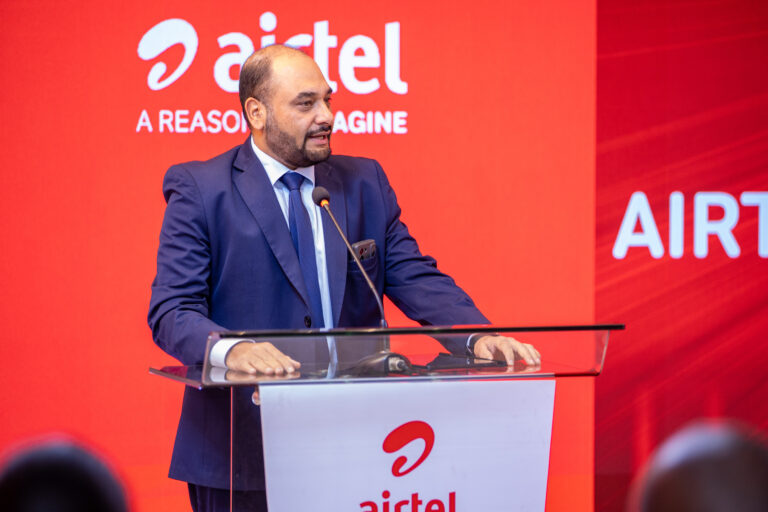
Airtel Kenya has crossed the 24 million subscriber mark through its network campaign as expansion plans continue.  

This achievement, highlighted in the latest Communications Authority of Kenya (CA) sector statistics report, reflects growing public trust in Airtel’s commitment to serve all Kenyans, from urban centres to the most remote parts of the country.

Speaking during the launch of the ‘Na Bado Tunagrow’ network coverage campaign, Airtel Kenya Managing Director Ashish Malhotra spoke on Airtel’s commitment to prioritising innovation to meet the changing needs of customers.

“We are deeply humbled by the support of over 24 million customers who continue to believe in us. This is not the destination, it is part of a longer journey. We are committed to Kenya, and whilst we have made huge investments, our mission of enriching lives and driving progress is still not done,” said Airtel Kenya Managing Director, Ashish Malhotra.

Over the years, Airtel has steadily and heavily invested in the country to better serve Kenyans. The investments span network, customer care touch points and distribution infrastructure. Through Airtel Money, the company has also endeavored to bridge the financial inclusion gap in the country with its financial services offerings. Courtesy of the rapid Airtel network expansion in the North Eastern region of the country last year, Kenyans in the underserved areas of Mandera, Wajir, and Garissa can now access connectivity and digital opportunities.

With the recent upgrade of our Airtel Money platform, which brings speedy, reliable, and innovative services, we are seeing more Kenyans trusting us with their financial needs and we continue to improve as we promote financial inclusion,” said Malhotra.

The ‘Na Bado Tunagrow’ campaign is a reflection of Airtel’s ongoing journey driven by the trust of its customers and the belief that every Kenyan deserves access to reliable and modern digital services.

“This is a thank you to every Kenyan who has supported our journey. We are not done. We will continue to grow, improve, and serve; Na bado tunagrow,” Malhotra concluded.

Standard Chartered, British International to Invest $100M into Kenya & Tanzania Ventures

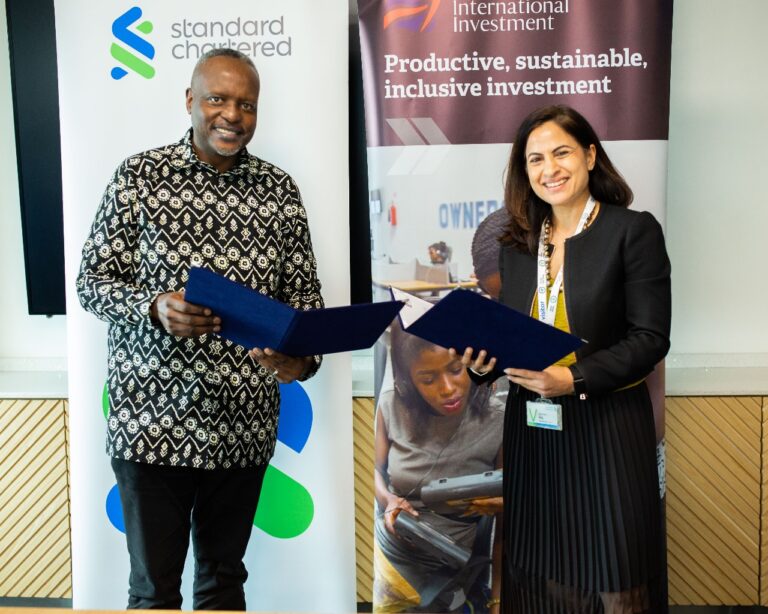
Standard Chartered and British International Investment (BII), the UK’s development finance institution and impact investor, have signed a $100 million trade‑finance facility to expand access to working‑capital solutions for companies across Kenya and Tanzania.
The facility will enable local corporates and small and medium-sized enterprises (SMEs) in priority sectors such as agriculture, food production, healthcare, manufacturing and infrastructure to import essential goods, pay suppliers on time and grow export capacity.
According to Kariuki Ngari, Managing Director & Chief Executive Officer, Kenya and Africa, Standard Chartered: “We are committed to unlocking opportunities for growth and resilience across East Africa. Through our partnership with BII, this new trade finance facility further empowers local businesses – especially those owned or led by women – by providing them with the capital they need to scale, trade, and thrive. This initiative is a testament of our ongoing commitment to economic development as we champion innovation, diversity, and sustainable growth for our communities.”
Over its lifetime, the programme is expected to support more than US$450 million in gross trade‑transaction volumes, helping create jobs, strengthen value chains and accelerate economic growth in East Africa.
By meeting the 2X Criteria – such as supporting women-owned or women led businesses, promoting women’s leadership and enhancing access to quality employment and financial services for women – this facility underscores BII and Standard Chartered’s commitment to advancing gender equality and women’s economic empowerment.
Last year, the firms announced a $350 million risk participation agreement, following the initial agreement in 2013 to bolster trade finance needs of SMEs and corporates across Africa and South Asia and to boost economic growth in these regions.
“Access to trade finance remains a critical constraint for businesses across East Africa, particularly for women-led enterprises and SMEs in key value chains. Through this facility with Standard Chartered, we’re enabling more businesses in Kenya and Tanzania to access the capital they need to thrive, create jobs and expand their reach. It reflects our strong commitment to scaling bright ideas, inclusive finance and supporting inspiring growth through strategic partnerships,” said Seema Dhanani, Head of Office and Coverage Director for Kenya, British International Investment.

Can A Master’s Degree Help Your Tech Career?

0

Pixabay. CCO Licensed.


The tech sector is one of the largest and fastest growing sectors. There is a lot of opportunity in this sector for those considering a well-paid future-proof career, but also a lot of competition. Could a Master’s degree help you to stand out? This post explores the potential benefits of a Master’s degree when pursuing a tech career.

An opportunity to specialize

When studying a fairly general tech degree like computer science or informational technology, a Master’s degree can provide an opportunity to specialize in a field. This can allow you to further your knowledge in a specific area and more easily break into a niche.

A good example could involve pursuing a Master of Data Science online to help break into a data science career. While a computer science degree or even a mathematics degree can be used to become a data scientist, a specialized Master’s can show that you have the niche skills and knowledge to make it in this industry.

Access to higher level roles

Having a Master’s degree could also help you to be considered for more senior roles. If you lack the leadership experience that other applicants may have, a Master’s degree could be a way to compensate for this – allowing you to stand out against applicants that don’t have a Master’s.

You could particularly increase your prospects if you choose a management-focused Master’s (such as a Master’s in IT Management), however a regular Master’s will still likely increase your prospects.

Potential increased earnings

Studies show that those with Master’s degrees often outearn those with bachelor’s degrees. Having this extra layer of education may give you the ability to negotiate a higher salary. Some higher paid roles within tech also sometimes require applicants to have a Master’s.

This could be something to consider if you are looking for ways to increase your earnings – a Master’s in Computer Science could potentially help you to be considered for higher paid roles than you would with a Bachelor’s degree.

The drawbacks of pursuing a Master’s

While a Master’s can potentially earn you more, it is an investment – you are paying more to further your studies, and it will add to your student debt. If you are unable to access a higher paid job, you may end up just paying more to access the same role.

A Master’s is also a significant time commitment – pursuing this qualification could involve delaying entry into the working world by another year. It is possible to study a Master’s and work at the same time, but studying a Master’s can be quite intense (often more intense than a Bachelor’s), and fitting it around a job may be very challenging. Online Master’s degrees can provide more flexibility than on-campus options, but will still require you to dedicate many hours per week to studying.

All in all, you will need to be prepared to invest extra time and money to pursue a Master’s. However, it could benefit your tech career goals – potentially allowing you to access specialist careers, senior positions and higher pay.

Village Capital to Deploy $4M into Startups in Ghana, Nigeria, and Tanzania

0

Village Capital is set to deploy $4M into startups in Ghana, Nigeria, and Tanzania.

Village Capital, is working in collaboration with the Dutch Entrepreneurial Development Bank (FMO) and the Netherlands Enterprise Agency (RVO).

“No single investor can be an expert in every context—and that’s why this partnership matters,” said Nathaly Botero, Innovations Manager at Village Capital. “This model allows us to invest across markets while staying grounded in local realities. For us, this isn’t just about sourcing deals, it’s about making smarter, more informed investments by working alongside those already building and strengthening their entrepreneurial communities.”

The five Entrepreneur Support Organizations (ESOs): Reach for Change (Ghana), Africa Fintech Foundry and Fate Foundation (Nigeria), and Anza Entrepreneurs and Ennovate Ventures (Tanzania)  will work as Village Capital’s Venture Partners for the Africa Ecosystem Catalysts Facility (AECF), a USD 4M initiative for startups enhancing economic mobility and climate resilience in Ghana, Nigeria, and Tanzania.

The AECF takes an ecosystem-embedded approach to investment by collaborating with locally-led ESOs to enable a more effective deployment of capital, anchored in deep local insight, to startups developing solutions that improve livelihoods, drive financial inclusion, and enhance resilience to climate change.

Startups in Ghana, Nigeria, and Tanzania play a crucial role in addressing regional challenges, including improving access to jobs, financial tools, clean energy, and climate-resilient infrastructure. However, early-stage founders often struggle to secure appropriate capital to scale these solutions. The AECF aims to bridge these gaps by investing appropriately-structured capital and aligning the investment process with the insights of ESOs who know these markets best.

By investing in high-impact startups and empowering ESOs as co-evaluators in the investment process, the AECF seeks to strengthen the broader entrepreneurial ecosystems in each country and accelerate the flow of appropriate, early-stage capital to where it’s needed most.


Inside the $24.5 Million Rescue Bid for Lipa Later

0

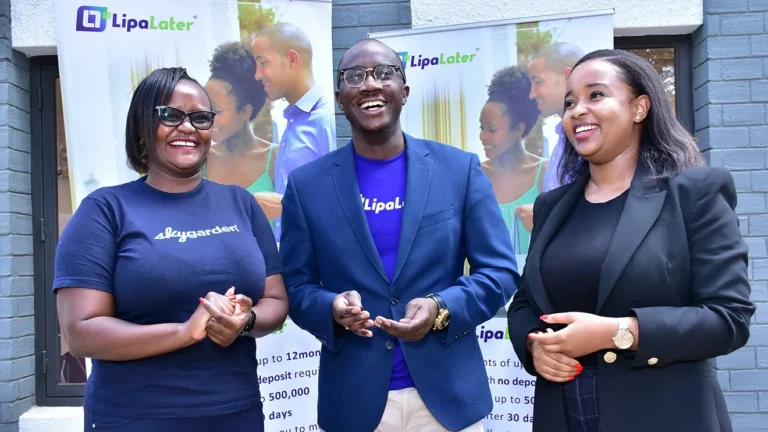
Once one of Kenya’s most promising fintech startups, Lipa Later is now at a crossroads after financial struggles forced it into administration. But a bold $24.5 million bid from Nairobi-based Engage Capital may yet save the embattled Buy Now, Pay Later (BNPL) firm.

Founded in 2018, Lipa Later gained attention across East and West Africa by offering consumers a way to buy electronics, furniture, healthcare, and more—then pay in monthly installments. Its simple credit-check-free platform and partnerships with major retailers like Carrefour and Hotpoint helped it expand rapidly across Kenya, Uganda, Rwanda, and Nigeria.

But the aggressive growth came at a cost.

Mounting Losses and Missed Payrolls

By early 2025, signs of financial distress were impossible to ignore. Salaries went unpaid, supplier invoices piled up, and a hoped-for funding round collapsed. On March 24, 2025, the company was officially placed under administration. Joy Vipinchandra Bhatt of Moore JVB Consulting was appointed to oversee the company’s finances, operations, and future.

Creditors were given until April 23 to file claims, and many of Lipa Later’s merchant partners suspended operations under the platform, unsure of what would come next.

In a surprising twist, Engage Capital submitted a $24.5 million (KES 3.17 billion) acquisition proposal in May. The bid includes:

  • Acquisition of core assets: The Lipa Later tech platform, customer database, licenses, and intellectual property.
  • Exclusion of toxic assets: The deal intentionally leaves out bad loans, significantly lowering risk exposure for the acquirer.
  • Assumption of select liabilities: Engage Capital is willing to take on some obligations, which could mean a partial lifeline for unpaid staff and creditors.

If approved, the deal could revive Lipa Later’s stalled operations and restore a measure of trust in Kenya’s embattled startup ecosystem.

This isn’t just another startup bailout. If the rescue bid succeeds, it would mark a rare turnaround for a fintech firm under administration in Africa an ecosystem where many troubled startups simply fade away.

For Engage Capital, the acquisition offers access to Lipa Later’s proprietary tech, thousands of customers, and a well-known brand. For Lipa Later’s team, it represents a shot at redemption.

But questions remain.

  • Will regulators approve the deal?
  • Can Engage Capital reposition the brand amid negative publicity?
  • And will customers and partners return?

The Road Ahead

The outcome of this bid will have ripple effects far beyond Lipa Later. It could influence how investors view risk in African fintech, how founders approach scaling, and how the ecosystem handles distressed assets.

For now, Lipa Later’s future hangs in the balance somewhere between collapse and a $24.5 million second chance.

itel CITY 100 Review: A Feature-Rich Budget Smartphone

0

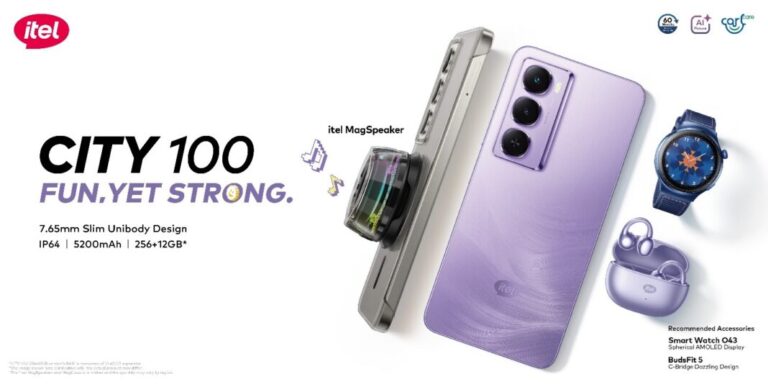
The itel CITY 100, priced under KSh 12,000 combines value, durability, and AI features rarely seen at this price point.

With its launch, the budget smartphone scene in Kenya just got a new contender, worth of its salt.

The itel CITY 100 retails at around KSh 12,500 for the 4 GB RAM + 128 GB storage variant. Prices may vary slightly depending on the retailer, with some discounts dropping it closer to KSh 11,000. You’ll find it listed by vendors locally.

 Key Specifications at a Glance

Feature Details
Display 6.75″ IPS LCD, 90 Hz, ~720×1600 px, 700 nits brightness
Processor & RAM Unisoc T7250 (12 nm), Octa‑core, Mali‑G57 GPU, 4/6/8 GB RAM options
Storage 128 GB or 256 GB internal, expandable up to 2 TB via microSD
Operating System Android 14 with itel’s Pure 14.5 UI
Battery 5,200 mAh, 18 W fast charging, 4-year battery health guarantee
Camera Rear: 13 MP with LED flash & HDR, Front: 8 MP with flash, 1080p@30fps recording
Durability Slim 7.65 mm unibody, IP64-rated (dust/splash), 1.5 m drop-tested
Extras Side fingerprint reader, face unlock, IR blaster, dual speakers, FM radio
AI Suite DeepSeek R1: image-to-text, AI writing, translation, voice camera, wallpaper generation, more

 What We Like

 Long-Lasting Battery with 4-Year Warranty

At 5,200 mAh, this battery comfortably lasts through a full day of heavy use — from TikTok scrolling to WhatsApp chats and class lectures. The bonus? Itel promises four years of battery health, a first in this price segment.

 Bright 90Hz Display

Even with just an HD+ resolution, the 6.75″ display holds up well outdoors, thanks to 700 nits of brightness. The 90Hz refresh rate is also a welcome feature for smoother scrolling and visuals.

 AI Tools on a Budget

The DeepSeek R1 AI suite is surprisingly powerful. Think voice-activated photography, AI-powered image-to-text conversion, auto-translation — ideal for students, content creators, and anyone exploring productivity or creative tasks.

 Durable Yet Sleek

IP64 water/dust resistance and drop-test certification make this phone ready for Kenya’s rougher environments. Yet, it still manages a slim, sleek design under 8 mm thick.

 What’s Not So Great

 Limited Performance for Gamers

While the Unisoc T7250 can handle casual use just fine, it begins to lag under stress — especially during gaming, multitasking, or video editing.

Average Cameras Without Stabilization

The 13 MP camera takes decent photos in daylight, but expect shaky videos and grainy low-light shots. There’s no OIS (optical image stabilization), which is typical at this price.

 No Promised OS Updates

You get Android 14 out of the box, but don’t expect major Android version upgrades. Itel isn’t known for long-term software support.

Just HD+ Resolution

Though bright, the screen’s resolution is only 720p, meaning Full HD lovers might find it a little soft for reading or video playback.

 Is it Worth Buying in Kenya?

Yes — if you know what you’re getting. The itel CITY 100 is perfect for:

  • Students and first-time smartphone users
  • Budget-conscious buyers needing long battery life
  • People seeking basic AI features without spending a fortune
  • Anyone looking for a secondary device that doesn’t compromise on essential features

However, if your priorities include high-performance gaming, crisp cameras, or long-term software updates, you may want to explore alternatives like the Redmi A3, Infinix Smart 8 Plus, or even refurbished Samsung Galaxy A-series models in the KSh 20k–30k range.

Final Recommendation

Decision Point Verdict
Price-to-Features Ratio ⭐⭐⭐⭐☆ (Excellent)
Battery Life ⭐⭐⭐⭐⭐ (Outstanding)
Software/Update Reliability ⭐⭐☆☆☆ (Below Average)
AI & User Experience ⭐⭐⭐⭐☆ (Impressive for the price)
Overall Rating 7.8/10 — Solid value performer

Go for it if you need a smart, durable, and battery-efficient smartphone under KSh 12,000.

Huawei-Sponsored In-Person Presidential DigiTalent Program Training Launched

0

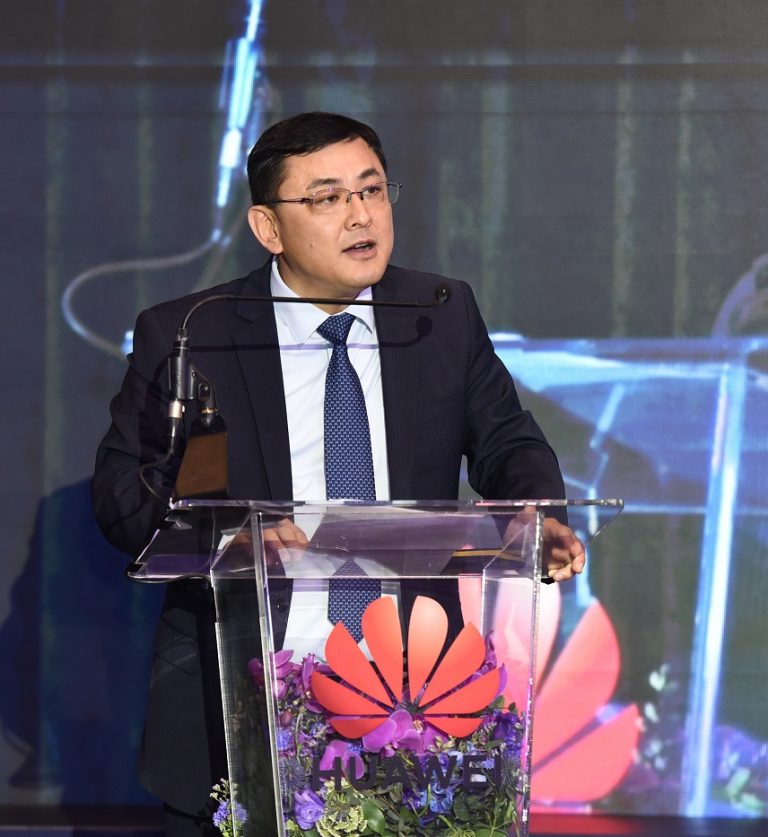
The ICT Authority, in collaboration with Huawei Kenya, has officially launched the physical training phase for Cohort IX of the Presidential DigiTalent Program (PDTP) at the University of Nairobi.

This marks the first in-person Huawei-sponsored PDTP training since the COVID-19 pandemic and underscores a renewed focus on hands-on, collaborative learning for Kenya’s next generation of ICT professionals.

PDTP, a flagship initiative of the Government of Kenya implemented by the ICT Authority, is designed to equip recent graduates with advanced ICT skills, industry exposure, and professional mentorship to enhance employability. To date, the program has trained over 3,300 interns, with more than 2,200 securing employments across the public and private sectors.

Speaking at the launch, the Acting CEO of the ICT Authority emphasized the program’s transformative impact:

“PDTP interns have played a key role in driving government digitization projects such as the Digital Literacy Program (DLP), NTSA Digitization, Huduma Number, and the Konza Data Center. These young professionals are not just job seekers—they are the innovators powering Kenya’s digital future.”

Huawei Kenya, a long-term strategic partner of the Presidential Digital Talent Programme (PDTP), has played a pivotal role in nurturing the country’s digital workforce. Through its sustained collaboration with the initiative, Huawei Kenya has successfully trained over 2,400 interns in previous cohorts, equipping them with critical technical skills to meet the demands of the evolving ICT sector.

In the current phase of the programme, 400 interns will undergo intensive, hands-on technical training, delivered through two specialized learning tracks. The first is the Network & Cybersecurity Path, which includes the highly regarded HCIA-Datacom certification and will engage 165 interns. The second is the Cloud & AI Path, designed to prepare participants for emerging technologies through certifications in HCIA-Cloud Service and HCIA-AI. This track will train more than 200 interns.

By continuing to invest in such capacity-building efforts, Huawei Kenya reinforces its commitment to strengthening Kenya’s digital ecosystem and empowering the next generation of ICT professionals.

Speaking at the event, Mr. Michael Kamau, Huawei ICT Academy Manager, noted:

“Empowering the next generation of ICT leaders starts with world-class training and globally recognized certifications. Through the Huawei ICT Academy, we’re preparing PDTP Cohort IX with practical, future-proof skills in Data Communication, Cloud Services, and Artificial Intelligence—technologies that define the digital age.”

The training runs from 7th to 18th July 2025, preparing interns for Huawei Certified ICT Associate (HCIA) certifications. Outstanding trainees will also be eligible for Huawei Certified ICT Professional (HCIP) sponsorships.

Dr. Johnson Kinyua, Dean of Students at the University of Nairobi, expressed the institution’s commitment to nurturing talent: “The University of Nairobi is proud to host and support this vital initiative. As the training hub for PDTP Cohort IX, we are committed to fostering a learning environment where ambition meets opportunity and innovation thrives.”

Highlighting the importance of mindset in career growth, Mr. Adam Lane, Director of Policy and Partnerships at Huawei Kenya, shared: “Technical skills are just the beginning. In today’s dynamic ICT industry, success also requires adaptability, resilience, and a growth mindset. Embrace change, align with your organization’s mission, and unlock your leadership potential.”

Huawei has also fully sponsored the certification exam fees through vouchers, ensuring that all interns can sit for their respective exams at no cost. Encouraging the interns to take full advantage of this opportunity, the Acting CEO of the ICT Authority remarked: “These certifications are your gateway to the digital economy. Take them seriously, aim to pass on your first attempt, and position yourselves for success—locally and globally.”

OPPO Reno14 Series Launching soon in Kenya

OPPO Kenya will on 24th July 2025 launch the Reno14 Series, merging  cutting-edge technology with a design inspired by nature.

The Reno14 Series is setting a new benchmark for high-end smartphone design where elegant aesthetics, structural integrity and remarkable durability coexist. Bringing a flagship experience its users.

Reno14 Series is more than just another smartphone; it’s flagship fashion in your palm. OPPO introduces a first-of-its-kind iridescent light finish made with superior twelve-layer ultra-high precision patterned coating technology. Unlike previous Reno designs, which used six layers, this method incorporates five rounds of micron-level optimization, resulting in light and shadow lines as thin as 20 microns, the thinnest in the industry.

The Reno14 Series brings the trending mermaid core aesthetic to life with the all-new Iridescent Mermaid Design.  To capture this mystical allure, OPPO developed the Iridescent Glow Process, an intricate technique that stacks twelve refined coating processes. Through five precision-crafted manufacturing stages, ultra-fine optical textures are engraved at a microscopic level, resulting in stunning, fluid light refractions that give the back cover its signature shimmering finish.

“The Reno14 Series is built for people who want style and durability in one phone,’’ said Fredrique Achieng, PR Manager OPPO Kenya. “We designed the Series to be a beautiful on the outside and powerful on the inside, with features that make everyday life a little smoother. The Reno14 F 5G will be available in two stunning colourways Luminous Green and Opal blue . From Velvet glass to flowing gradient aura design, the device is bult to feel as good as it looks.”

The OPPO Reno14 Series’  durability comes from its revolutionary Sponge Armor Body–a shock-absorbing internal structure inspired by one of the oldest, most resilient lifeforms on Earth: the sea sponge. Just like the sea sponge withstands centuries of ocean currents, pressure, and impact with its porous resilient body, OPPO’s Sponge Armor mimics this natural structure to absorb shocks from accidental drops. It distributes force internally, protecting delicate components and making your device tougher from the inside out.

This internal bionic structure is reinforced with a high-strength alloy framework a material trusted in aviation for its exceptional strength-to-weight ratio and widely used in flagship smartphones. OPPO uses it to strengthen the Reno14 F 5G ‘s ‘s body, as slim as 7.74 mm while ensuring cooler surface temperatures under heavy loads, making it ideal for performance-driven users and mobile gamers.

The Reno14 Series does not stop at style; it carries the highest IP ratings that certify it against dust and water ingress.

• IP66: Splash protection
• IP68: Survives 1.5m freshwater immersion for up to 30 minutes (tested up to 2m by OPPO)
• IP69: Shields against high-pressure, high-temperature water blasts

Plus, a platinum-coated USB port that is resistant to corrosion. So, whether you are navigating monsoons or poolside adventures, the Reno14 Series is ready with an underwater photography mode with 4K video quality support so you never miss the moment.

The Reno14 F 5G featuring a 6.57-inchAMOLED display, and a 93.04% screen-to-body ratio. A 120Hz adaptive refresh rate, 1400nits peak brightness, and glove touch support ensure smooth interaction in any environment.


Ex-Googler Turned Music-Tech Founder, Melissa Kariuki Snags GRAMMYs Membership 

Melissa Kariuki, an African female tech entrepreneur and founder of Whip Music, has been invited to join the Recording Academy’s 2025 New Member Class.

The Recording Academy is a leading society of music professionals and the organization behind the GRAMMY Awards—music’s only peer-recognized accolade and highest achievement. As a new member, Kariuki joins a global community of creators and professionals who hold a voice in the GRAMMY Awards process and a platform to advocate for the music industry and its future.

This year’s invitation was extended to nearly 3,600 established music professionals across diverse backgrounds, genres, and disciplines—underscoring the Academy’s commitment to inclusive representation. The 2025 New Member Class is 49% women, 56% people of color, and 60% under the age of 40. Kariuki represents all three.

Her inclusion is both a personal milestone and a symbolic shift: a reflection of the growing influence of African founders, women in tech, and new voices shaping the future of music—on and off the stage.

Melissa’s background is in product marketing and growth, having worked at both Google and Meta. Today, she brings that same tech-forward thinking into the music industry—applying data, automation, and AI to help artists grow their global reach and fanbases.

“When I was in university, I would organize open mics, fashion shows, and art festivals,” Kariuki shared. “I was driven by passion and curiosity. I never would have imagined that it would lead me to starting a music company.”

Through her company Whip Music, she has run over 200 campaigns across countries including Nigeria, Kenya, South Africa, and the United States—marketing music for global stars such as David Guetta, CKay, Ayra Starr, Fave, and The Cavemen.

“This is a milestone in my music journey,” she added. “I’ve been lucky enough to work with artists all around the world and get their music heard in new markets. Today, I’m celebrating a moment that university-me couldn’t have imagined—being invited to the Recording Academy. I think some of life’s best gifts are discovered when you’re already on the journey. This is one of those gifts.”

In 2023, Whip Music became the first music-tech company accepted into the Google for Startups Africa Accelerator. The company has also driven several strategic partnerships across the continent, most notably with Boomplay, Africa’s largest streaming platform with over 100 million users.

Whip was created to give all African artists—especially those just starting out—a fair chance to get their music heard. Recognizing how difficult it can be for even the most talented artists to break into the industry, the company built a marketplace for music services. Artists of all backgrounds can access affordable promotional tools to grow real audiences and gain visibility in a crowded landscape.

With over 100,000 new songs uploaded to Spotify every day, standing out has never been harder. Whip is using technology to make music promotion more accessible, data-driven, and effective—giving artists the tools they need to compete on a global stage.

As a member of the Recording Academy, Kariuki joins a growing network of creators and innovators. These members are not only shaping GRAMMY outcomes but also participating in initiatives that advance equity, champion creators’ rights, and influence the future of music across borders.

Stitch Acquires Efficacy Payments to Offer Card Acquiring Services

0
Stitch Group, has acquired digital payments firm Efficacy to enable stitch to offer direct card clearing services in the market.
The acquisition of Efficacy Payments is the second major strategic acquisition following acquisition of ExiPay earlier this year, which enabled us to enter the in-person payments space.
“Our acquisition of Efficacy enables us to offer card acquiring services directly to merchants as a Designated Clearing System Participant (DCSP), and provide more seamless and cost-effective transactions,” announced the firm in a statement. “By bringing Efficacy within the Stitch group, Stitch has become one of the first fintechs in South Africa to offer direct card clearing both online and in-person, underscoring our commitment to serving clients across more of their payments needs.”

With this deal, Stitch becomes the gateway, switch and the acquirer and is directly connected to Visa and Mastercard.

“We’re excited to welcome the Efficacy team into the Stitch Group and offer this critical solution to the merchants we work with. Card processing is an essential requirement for businesses in South Africa, and we’ve seen a lot of room for improvement when it comes to conversion, recon capabilities and access to the latest technology. We’re excited to see the impact this will have on the way our merchants collect card payments from their customers.” said Junaid Dadan, President and Co-founder at Stitch.

Efficacy Payments was launched in 2016, and it was designated as a clearing system participant in 2021, as the second fintech in South Africa to achieve this.

The deal will allow Stitch to have better conversion, faster access to new products and features due to a reduction in bank and third party dependencies and delays, real time reporting and reconciliation with custom reporting allowing for cost savings due to lower fees by working with one provider.

Stitch aims to enable businesses and consumers to more seamlessly access the financial system so they can move and manage money, better. It helps businesses accept and send online and in-person payments, streamline financial operations and delight customers – reducing the barriers to seamless money movement.

Roqqu Expands to Kenya by Acquiring Cypto Firm Flitaa

0

Roqqu, a Nigerian cryptocurrency exchange, has acquired its East African counterpart Flitaa in a consolidation move.

Founded in 2019, Flitaa operates in Kenya, Ghana, Uganda, and Tanzania, and offers simplified crypto buying and selling services of digital currencies.

According to Ayo Shonibare, Roqqu’s chief marketing officer, “Rather than go through the entire hassle of setting up from scratch, we saw value in their groundwork, especially their plans to expand into Uganda, Rwanda, and Tanzania. They had already set up the operational processes in these countries.”

The M&A deal will see Roqqu integrate Flitaa’s operations into its platform, and reach new more customers across Africa and a quick step towards its pan-African expansion dream.

The acquisition gives it regulatory approval to operate across East Africa in the virtual currency space. Roqqu entry into East Africa is part of a broader trend of Nigerian tech startups expanding into East Africa such as MoneyPoint, Fincra, among others.

Bolt Partners with NTSA, Police & Nairobi County on road safety

0

Bolt is working with the National Transport and Safety Authority (NTSA), the National Police Service (NPS) Traffic Police Department, and the Nairobi City County Government (NCCG) to promote safety training for its drivers and couriers.

Bolt says its safety training workshop are expert-led training sessions covering critical subjects such as adherence to Kenyan traffic laws, behavioral modification, personal security protocols, optimal application usage and etiquette, and fundamental first aid procedures.

According to Dimmy Kanyankole, General Manager, Rides, Kenya,” We are thrilled to host this safety training summit, designed to empower our driver and courier partners, ensuring an exceptional platform experience. This collaborative strategy ensures that safety remains paramount, evolving in response to continuous feedback and engagement from regulators and users alike.”

Kanyankole said safety remains the firm’s top most priority and is continuously investing in cutting-edge technology and innovations to safeguard its users’ well-being.

The safety training workshop is aimed at enhancing road safety through practical, regulatory-aligned learning. The workshop also sought to strengthen cooperation between Bolt, its drivers and courier partners, and key transport stakeholders to foster safer, more professional urban mobility.

The anticipated outcomes of the summit include adherence to traffic rules and regulations, increased adoption of safety-related innovations like helmet use and emergency response tools, alongside an overall enhanced partnership between Bolt and regulatory agencies (NTSA, NCCG, and Traffic Police), as well as the drivers and couriers on the platfo

Mr. Ibrahim Nyangoya, County Executive Committee Member (CECM), Mobility and Works, said: “This summit comes at a pivotal moment in Nairobi’s transport journey. As app-based mobility becomes part of daily life, our approach to safety and professionalism must evolve just as quickly. This summit reflects the kind of holistic thinking needed to reshape how our city moves. Safety isn’t just about enforcement, it’s about shaping culture. We must equip people to drive positive change on our roads. Public-private partnerships are no longer a luxury but a necessity, and it’s encouraging to see Bolt taking the lead. Nairobi is ready to listen, learn, and lead.”

The comprehensive safety training summit reinforces Bolt’s commitment to safety, and also equips drivers and couriers with vital knowledge and practical skills in road safety, app usage, and personal security, leading to increased confidence, improved professionalism, and ultimately, a safer and more efficient working environment.

Emphasising on the importance of safety, Dr. Frederick Ochieng, Traffic Commandant, Nairobi Police Service said: “This workshop deepens our collaboration with partners like Bolt, helping raise safety standards for both drivers and riders. Road safety is a shared duty, and I’m confident participants will leave with practical knowledge and a stronger commitment to responsible driving.”

Bolt is also dedicated to forging partnerships with key government and industry players, promoting adherence to all crucial laws and regulations governing the ride-hailing sector.

Mr. Samuel Musumba, Manager, Road Safety Programs, National Transport and Safety Authority said: “Road safety is a shared responsibility, and this summit is very timely. As a country, we’re at a turning point, and that is why the launch of the National Road Safety Action Plan is so significant. We aim to reduce road deaths by 50% by year-end, and this demands real collaboration. We commend Bolt for stepping up to co-host this important summit. Real progress in road safety requires partnership, and we cannot achieve meaningful results unless we work together.”

During the event, Bolt also recognised and appreciated its top-performing couriers on the Bolt Food platform. This initiative aimed to acknowledge their commitment to providing outstanding services and maintaining professionalism.

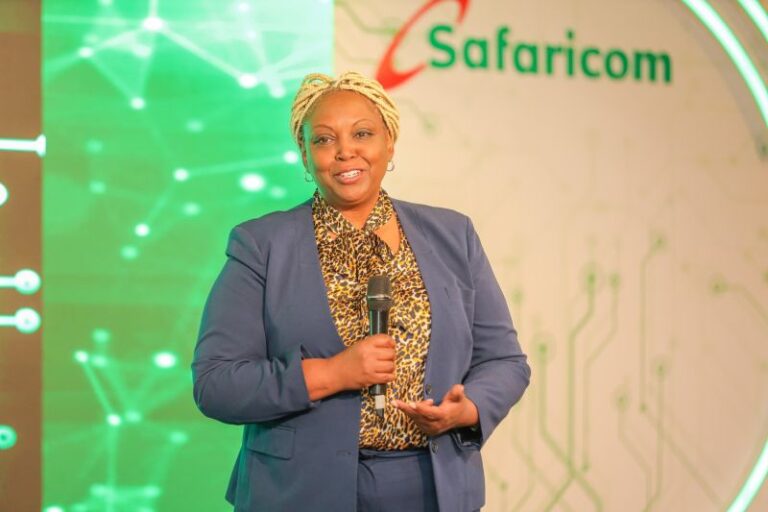
CEO Weekends: Cynthia Karuri-Kropac- AT&T Exec Building Africa’s Digital Rails

Cynthia Karuri-Kropac, a seasoned global telecom executive, has left Safaricom where she was a key architect of the firm’s digital transformation, blending U.S. corporate leadership with on-the-ground execution in Kenya’s dynamic tech ecosystem.

Until recently the Chief Enterprise Business Officer at Safaricom PLC, Cynthia Karuri-Kropac played a pivotal role in reshaping Safaricom’s enterprise and digital infrastructure strategy, particularly around artificial intelligence (AI), broadband connectivity, and small business empowerment.

Her recent departure from Safaricom, part of a broader executive reshuffle, marks the end of a critical chapter but signals the beginning of what could be a new regional or global leadership role in technology, infrastructure, or policy.

 From Accenture and AT&T to Safaricom

Karuri-Kropac began her career at Accenture (formerly Andersen Consulting), where she worked for seven years as a senior manager before transitioning to telecom giant AT&T in 2003. There, she spent nearly two decades rising through the ranks from IT client account management to overseeing Enterprise Mobile and IoT Technologies.

Her roles at AT&T were far-reaching: she led mobile service delivery for Cingular Wireless (a joint venture between BellSouth and AT&T), spearheaded global enterprise solutions, and was eventually responsible for innovation in emerging telecom technologies.

In September 2022, she was appointed Chief Enterprise Business Officer at Safaricom, Kenya’s largest telco, becoming one of the few women at the executive level in East Africa’s technology sector.

Reimagining Enterprise at Safaricom

At Safaricom, Karuri-Kropac inherited a portfolio poised for change. With voice and SMS revenues stagnating, her task was to transform Safaricom’s enterprise division into a high-growth engine focused on cloud, IoT, AI, and digital services.

Her tenure saw the rollout of Grow with Safaricom Business, a nationwide initiative designed to provide small and medium-sized businesses (SMEs) with not just connectivity, but also digital tools, e-commerce integration, and financing solutions. The goal was to turn Safaricom into a technology firm not just a telco for Kenya’s 7.4 million SMEs.

She also emphasized enterprise connectivity and smart infrastructure, aligning Safaricom’s offerings with the needs of hospitals, logistics firms, agricultural cooperatives, and schools.

Leading the Call for AI Infrastructure in Africa

In May 2025, Karuri-Kropac made headlines at the Connected Africa Summit in Nairobi, where she delivered a widely discussed keynote titled “Building the Rails for AI.” There, she called for continent-wide investments in digital infrastructure to support AI’s rapid integration into everyday life from finance to farming.

“Africa must not just consume AI—we must build and own the rails on which it runs,” she said, advocating for $500 million in infrastructure investments over the next three years.

She linked AI development to economic empowerment, citing studies that project $1.2 trillion in GDP gains for Africa if AI infrastructure is developed domestically and responsibly.

Central to her message was the idea of data sovereignty keeping African data within the continent and developing local AI models that reflect regional realities and ethics.

 Leadership Transition

In July 2025, Karuri-Kropac exited her executive post as part of a strategic realignment initiated by Safaricom CEO Peter Ndegwa. Her successor, Frankline Okata, is a long-serving internal executive with deep knowledge of the enterprise segment.

While her departure was framed as part of a broader shift, insiders say Karuri-Kropac’s profile global, future-facing, and policy-savvy could see her landing a regional or multinational role in AI, digital policy, infrastructure strategy, or board leadership.

As of this writing, no official announcements have been made about her next position.

What’s Next for Karuri-Kropac?

With a career that spans global telecom, enterprise technology, and digital transformation, Cynthia Karuri-Kropac is well-positioned for roles that demand both strategic vision and operational execution.

Potential next moves could include:

  • A pan-African infrastructure initiative focused on AI or data centers.

  • A board seat on a regional tech or fintech firm.

  • A return to a global operator in telecom or cloud services.

  • Advisory roles with African governments on digital economy strategy and AI policy frameworks.

In a region where executive talent with global exposure and local insight remains scarce, Karuri-Kropac is a rare blend and her next chapter is likely to be just as consequential as the last.

Legacy in Brief

  • Transformed enterprise services at Kenya’s largest telco.

  • Championed AI infrastructure and data sovereignty for Africa.

  • Advocated for SME digitization and inclusive growth.

  • Maintains one of the most globally mobile executive profiles in African tech leadership.

As Kenya and the continent at large race to digitize economies, Karuri-Kropac’s influence whether inside boardrooms or on the global stage is unlikely to fade.

The Blueprint for Building a Scalable Remote Business

0

The pandemic fundamentally shifted how we think about work, proving that many businesses can operate effectively without traditional office spaces. Today, remote work isn’t just a temporary solution; it’s a strategic advantage that allows companies to access global talent, reduce overhead costs, and build more resilient operations. Creating a scalable remote business requires careful planning, the right systems, and a commitment to building connections across distances.

Establishing Your Digital Infrastructure

Your technology stack forms the backbone of any successful remote operation. Invest in reliable cloud-based project management platforms, communication tools, and file-sharing systems that can grow with your team. Choose solutions that integrate seamlessly with each other, reducing friction and ensuring smooth workflows. Don’t overlook cybersecurity measures, implement robust data protection protocols, and train your team on security best practices from day one.

Building a Results-Oriented Culture

Remote work demands a shift from monitoring hours to measuring outcomes. Establish clear performance metrics and deliverables for each role, then trust your team to manage their time effectively. Create structured check-in processes that maintain accountability without micromanaging. Promote transparency by sharing company goals, progress updates, and challenges openly with your entire team.

Strategic Talent Acquisition and Outsourcing

Remote work expands access to previously unreachable talent pools. When growing your team, consider collaborating with a specialized staffing agency familiar with remote work dynamics. These agencies, such as those specializing in software engineering or other technical fields, can effectively identify candidates possessing strong self-management skills. For specific functions like accounting, customer service, or specialized technical tasks, outsourcing to experienced remote service providers can be a more cost-effective solution than hiring full-time employees.

Streamlining Communication and Collaboration

Effective communication becomes even more critical in remote environments. Establish clear guidelines about which communication channels to use for different types of interactions; instant messaging for quick questions, video calls for complex discussions, and email for formal documentation. Schedule regular all-hands meetings to maintain team cohesion and ensure everyone feels connected to the company’s mission and progress.

Implementing Scalable Systems and Processes

Document everything from the beginning. Create standard operating procedures for common tasks, onboarding processes for new hires, and troubleshooting guides for technical issues. Use automation tools to handle repetitive tasks like invoicing, data entry, and basic customer inquiries. This documentation becomes invaluable as you scale, allowing new team members to become productive quickly and reducing dependency on key individuals.

Managing Financial Operations and Compliance

Remote businesses face unique financial challenges, from handling multi-state tax obligations to managing international payments. Implement cloud-based accounting software that can track expenses across different locations and currencies. Understand the legal requirements for employing remote workers in various states or countries, including worker classification rules and benefits obligations. Consider working with specialized accountants and lawyers who understand remote work regulations to ensure compliance as you expand.

Maintaining Work-Life Balance and Team Wellness

Remote work can blur the boundaries between personal and professional life. Encourage your team to establish clear work hours and respect those boundaries. Provide mental health resources and consider offering stipends for home office equipment or wellness programs. Regular virtual team-building activities help maintain relationships and company culture across distances. Set an example as a leader by taking time off and disconnecting after hours, which gives your team permission to do the same. Consider implementing “no meeting” time blocks during the day to allow for focused work and prevent back-to-back video call fatigue.

Building a scalable remote business isn’t just about replacing an office with video calls; it requires reimagining how work gets done. By focusing on strong digital infrastructure, clear communication protocols, and results-driven management, you can create an organization that not only survives but thrives in the remote work era.

ICT Authority Appoints Zilpher Owiti As Acting CEO

ICT Authority has appointed Zilpher Owiti as Acting Chief Executive officer, days after letting go of Mr. Stanley Kamanguya.

“ICT Authority wishes to notify the Public of the Appointment of Ms. Zilpher Owiti as the Acting Chief Executive officer. Ms Zilpher replaces Mr. Stanley Kamanguya who has proceeded on terminal leave effective 1 July 2025,” the board announced.

Ms. Zilpher A. Owiti is the Director Partnerships, Innovation and Capacity at ICT Authority. She has held this position from 9th February 2021.

Previously, she was the Ag. Director Partnership, Innovation and Capacity. She also served as Deputy Director ICT, Directorate of eGovernment, Presidency and Cabinet Affairs.

Owiti holds MSC, Information Systems from the University of Nairobi, MA, Economics and Post Graduate Diploma in Personnel Management and a practitioner in project management & IT service management (ITIL). She is also a member of the Institute of Directors (IOD) Kenya and Professional member of ISACA Kenya Chapter.

Before joining the authority, Ms Owiti was a lecturer at United States International University (USIU) and worked at the University of Nairobi and the Kenya National Examination Council.

Ms. Owiti is a Learning & Talent Development specialist and has over 22 years of working in the public service providing strategic direction for capacity development across programs, designing and implementing knowledge systems, public policies, strategies, standards and competency frameworks.

She was the Program Manager & National coordinator for the Ajira Digital Program, which is empowering the youth with ICT skills for productivity, innovation and employment. She is also the founder Project Manager & National Coordinator for the Presidential Digital Talent Programme (PDTP) as well as a partnership relations and people-oriented strategist.


Linda Yaccarino Steps Down as CEO of X

After a tenure marked by transformative initiatives and fierce industry scrutiny, Linda Yaccarino has announced her resignation as CEO of X. Her departure on July 9, 2025, concludes a nearly two-year mission to reshape the platform’s future.

Recruited by Elon Musk in May 2023, Yaccarino moved from NBCUniversal to spearhead X’s ad-revenue recovery and operational overhaul. Her primary aim: rebuild advertiser trust amid sweeping content moderation changes and controversial shifts under Musk’s leadership.

Linda restored advertiser confidence by re-engaging major brands like Disney, IBM, Apple, and Comcast, and sealed partnerships with ad verification firms IAS and DoubleVerify.

Under her watch, X introduced Community Notes and laid groundwork for X Money, the platform’s first financial-services offering. Industry sources attribute a significant rebound in ad revenue, with projections indicating growth toward ~$2.4 billion in 2025.

Yaccarino’s tenure was marred by controversy: advertiser exodus following lax moderation, public ad industry lawsuits (e.g., against the World Federation of Advertisers), and repeated incidents involving Musk’s polarizing tweets. Most recently, the AI chatbot Grok spewed antisemitic content praising Hitler—prompting another crisis just before her exit.

In her parting X post, Yaccarino reflected on “two incredible years” building X into a “digital town square” and expressed gratitude to Musk for the “opportunity of a lifetime”. Musk responded with thanks, and X has yet to appoint a successor.

Observers predict a void in X’s commercial leadership and stable ad strategy, especially amid intensified competition from rivals like TikTok and Threads. Speculation over a new CEO includes names from tech and media, though no official shortlist has emerged.

Yaccarino steps away as X transitions toward deeper integration with Musk’s AI arm, xAI, redefining the platform in pursuit of evolving into an “Everything App”. The future of its ad model and content controls now hangs in the balance, as the company adjusts to mounting internal and public scrutiny.

Yaccarino leaves behind a legacy of regained advertiser trust and product innovation—but also a company grappling with moderation, AI ethics, and strategic ambiguity. The next CEO will inherit a pivotal moment in X’s ever-evolving narrative.

Safaricom Hook Circle Empowers More than 3,000 Youth

0
Safaricom, through its youth platform Safaricom Hook Circle, saw over 3,000 youth attend its Automobile Engineering Masterclass at the Nyeri National Polytechnic.

The masterclass also attracted 500,000 others through digital channels where they were taken through mentorship forums designed to equip them with future-ready skills and exposure to real-world opportunities.

“The Safaricom Hook Circle is about turning ambition into action. We are bringing opportunities closer to the youth whether in technology, financial services, the creative economy, or career development because we believe every young person in Kenya deserves access to the skills and support that will help them thrive in a rapidly changing world,” said Fawzia Ali Kimanthi, Chief Consumer Business Officer at Safaricom.
The Hook Circle Automobile Engineering Masterclass was delivered in collaboration with the Safaricom’s Fleet team, Advanced Mobility, and Total Energies. The participants engaged in guided mentorship, technical demonstrations and skill-building activities in areas such as advanced vehicle mobility and lubricant technologies. The masterclass also incorporated training in financial literacy, data privacy and mental wellness.
The programme aims to certify 400 students within the Automotive Engineering class, equipping them with credible skills for immediate application or further advancement.
Safaricom Hook Circle is a series of youth empowerment bootcamps curated to connect youth all over Kenya to opportunities that support their growth in technology, career and culture.Since its inception, the hook circle has successfully impacted over 1,000,000 youth
across the country.Eligible customers between the ages of 10 and 24 can join Safaricom Hook via the Safaricom app or by dialling *555#.

Step-by-step Guide To Join CaptainsBet & Why Choose It For Gambling

0


Many gamblers have doubts when they decide to register accounts in some online casinos or on the sports betting sites. However, all the hints of doubt disappear when it comes to gambling experience on CaptainsBet. This operator boasts a crystal clear reputation and the best selection of tools with the most generous special offers. Do you still have doubts if you should join CaptainsBet as well? This guide will help you get rid of all the doubts and register an account for a thrilling experience.

10 Reasons To Like CaptainsBet

CaptainsBet is one of the most innovative gambling destinations that have collected all the benefits of leading online casinos and bookmakers. Despite its novelty, it has already attracted over 250k active users and continues to gain trust of many other players who try its services. But what benefits does CaptainsBet have? These are key facts to keep in mind.

  • Curacao license number OGL/2024/225/0601.
  • English, French, and Portuguese website interface.
  • Real-time support service with an average response time of 45 seconds.
  • The highest first-deposit reward given by casinos in East Asia.
  • A variety of local payment methods and popular anonymous banking options to choose from.
  • Mobile apps for Android and iOS devices.
  • Integration of robust safety features like 2FA and SSL 256-bit encryption.
  • A variety of casino games and sports to wager real money on.
  • Ease of registering an account and making a deposit.
  • Quick withdrawals with a minimum of pending time.

How To Become A CaptainsBet User

Are you ready to give CaptainsBet a try? Undoubtedly, you can navigate the site and app as a guest, but access to all features and games is given only to registered users. New gamblers from Kenya are encouraged to create a new account using the following procedure.

  1. Open the official CaptainsBet site/app.
  2. Find the Register button.
  3. Make several steps to achieve your goal:
  • Enter your mobile phone number and password.
  • Share your first and last name and don’t forget to enter the location and currency.
  • Type your email address, security code, a promo code if you have one and tick the boxes if you agree with the Terms and Conditions and/or you want to receive promotional letters.
  • Get a verification code as a message on the mobile phone and copy it to the respective field.
  1. Complete the sign-up procedure by pressing the Verify and Register button.

Your next steps to success on Captainsbet will be making a deposit and choosing a top game or sport to wager real money. The selection of activities to take up on CaptainsBet is so extensive that you may need time to discover the most attractive offers personally for you.


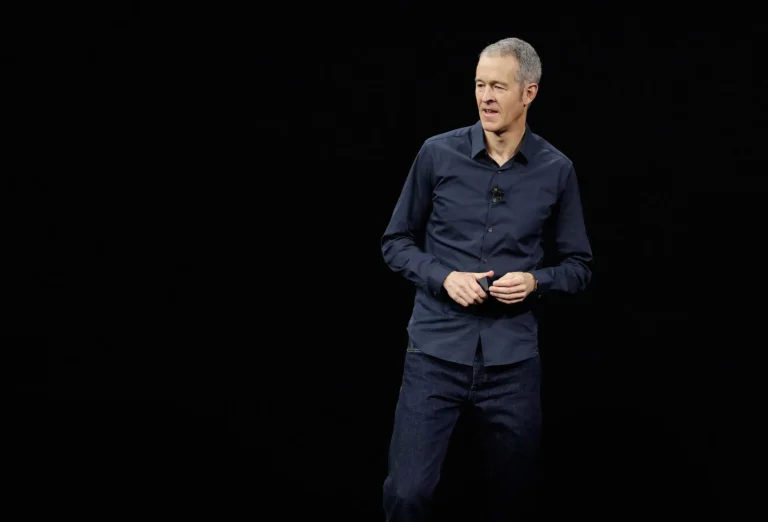
Apple’s COO Jeff Williams is Leaving the Company

Apple‘s chief operating officer Jeff Williams is leaving the company later this month, Apple has announced in a statement.

Jeff Williams will be replaced by Sabih Khan, Apple’s senior vice president of Operations, as part of a long-planned succession.

Williams will continue reporting to Apple CEO Tim Cook and overseeing Apple’s world-class design team and Apple Watch alongside the company’s Health initiatives. Apple’s design team will then transition to reporting directly to Cook after Williams retires late in the year.

“Jeff and I have worked alongside each other for as long as I can remember, and Apple wouldn’t be what it is without him. He’s helped to create one of the most respected global supply chains in the world; launched Apple Watch and overseen its development; architected Apple’s health strategy; and led our world-class team of designers with great wisdom, heart, and dedication,” said Tim Cook, Apple’s CEO.

Cook added that Williams has had numerous contributions to Apple over the years and has been his loyal friend.

During his career with Apple, Williams built out Apple’s supply chain in the United States, China, India, Japan, and across Southeast Asia. Williams played a key role in the introduction of iPod and iPhone programs. He led the effort on Apple Watch architect and overseen Apple’s industry-leading design team.

Williams replacement, Sabih Khan has been at Apple for 30 years and joined the executive team as senior vice president of Operations in 2019. He has been in charge of Apple’s global supply chain for the past six years, ensuring product quality and overseeing planning, procurement, manufacturing, logistics, and product fulfillment functions, as well as Apple’s supplier responsibility programs.

“Sabih is a brilliant strategist who has been one of the central architects of Apple’s supply chain,” said Tim Cook, Apple’s CEO. “While overseeing Apple’s supply chain, he has helped pioneer new technologies in advanced manufacturing, overseen the expansion of Apple’s manufacturing footprint in the United States, and helped ensure that Apple can be nimble in response to global challenges.”

Before joining Apple’s procurement group in 1995, Khan worked as an applications development engineer and key account technical leader at GE Plastics. He earned bachelor’s degrees in economics and mechanical engineering from Tufts University and a master’s degree in mechanical engineering from Rensselaer Polytechnic Institute.

BuuPass Raises Funding From Yango Ventures’ $20M Africa-Focused Fund

0

Kenya’s BuuPass has raised undisclsoed funding from Yango Group’s Yango Ventures, a $20 million early-stage fund for startups in Sub-Saharan Africa.

In a statement, Yango Group CEO Daniil Shuleyko said, “We are more than just a tech company; we are an ecosystem committed to empowering entrepreneurs worldwide. Through Yango Ventures, we’re sharing our expertise and network to help startups scale, thrive, and drive meaningful change in their communities.”

For Yango Ventures, this is a calculated first step into Africa’s growing innovation frontier and a proof that global investors are no longer sitting on the sidelines.

Founded in 2016 by Sonia Kabra and Wyclife Omondi, BuuPass digitizes Africa’s intercity transport sector by allowing users to book buses, trains, flights, and parcel deliveries. For operators, BuuPass offers digital tools to manage inventory, payments, and fleet operations.

With the funding, BuuPass wants to become Africa’s unified API for mobility, integrating various modes of transport into a seamless digital ecosystem.

According to CEO Sonia Kabra, the investment from Yango Ventures represents more than funding,it is a strategic partnership aimed at scaling this vision.

By 2024, BuuPass had processed over $70 million in bookings and issued more than 20 million tickets, working with over 150 transport operators across Kenya, Uganda, Tanzania, and South Africa.

In 2024, BuuPass acquired South Africa’s QuickBus for consolidation. In 2023, the firm raised $1.3 million pre-seed round to expand across East Africa which has a population of over 150 million people moving across cities and towns for work and business under the East African Community.

For Yango, which is headquartered in the UAE and operates across Latin America, the Middle East, and North Africa, the BuuPass investment signifies a strategic entry into Africa’s dynamic digital infrastructure landscape.

Through its venture arm, Yango is targeting seed to Series B investments in sectors including online-to-offline (O2O) platforms, B2B SaaS, and fintech.

This deal also reflects a broader wave of global tech investment into African startups. In 2023, inDrive launched a $100 million fund aimed at tackling systemic inequality through startup funding in emerging markets. While Yango’s approach is more commercially driven, its focus on infrastructure and scalability could pave the way for long-term, transformative impact.

As digital transport solutions gain momentum, BuuPass is emerging as a front-runner in shaping the continent’s mobility future. The Yango partnership represents a major leap toward realizing that vision—one that could redefine how Africans move, connect, and transact across borders.


Cynthia Karuri-Kropac, Former AT&T Exec, Leaves Safaricom

Cynthia Karuri–Kropac, Safaricom’s Chief Enterprise Business Officer has left the firm, reports Business Tech Kenya.

Cynthia Karuri–Kropac, a former AT&T executive joined Safaricom on 1st September 2022 to spearhead Safaricom’s growth in the enterprise sector. With a career spanning 19 years at US telco AT&T, where she held various management and leadership roles, Before joining Safaricom, Cytnhia was a Senior Director, Enterprise Mobile and IoT Technologies from 2019 to June 2022.

In June 2022, Cynthia Karuri–Kropac took over from Kris Senanu, to bring her over 20 years experience in the telecommunications sector to Safaricom, East Africa’s biggest telco by revenues and subscriber count. Joseph Wanjohi had been the acting interim Chief Enterprise Business Officer from 1st June 2022 after Senanu.Wanjohi held the Enterprise Business team for 3 months.

Cynthia brought hers knowledge in business strategy, industrial IoT, enterprise technology solutions, executive advisory & decision support, operational excellence & process reengineering to Safaricom but she needed more room to drive change at the firm which her role limited her.

After two years at the firm, Kropac is being replaced by Frankline Okata as an Acting Chief Enterprise Business Officer. Okata joined Safaricom in 2006 as a Customer Care Representative and has held several roles in the department. In 2011, he moved into the Enterprise Business Unit and has held various roles there. In January 2022, he was appointed as the Executive Head, Merchant Payments, at Safaricom Ethiopia and in January 2024 came back to Nairobi to lead the Head of Packaged Solutions.

Kropac holds a Bachelor of Finance from the University of Toledo, Ohio, and an MBA in Finance and International Business from Kent State University, Ohio.

At Safaricom, Kropac launched “Grow with Safaricom Business” an engagement platform for Micro, Small and Medium Enterprises (MSMEs) .

Grow with Safaricom Business offers business solutions such as Business Voice, Data and SMS, Cloud Solutions, Cybersecurity Solutions, Internet for Business, Internet of Things (IoT), M-Pesa for Business, Cloud Solutions among others.

According to Kropac,”Through the Grow with Safaricom Business series, we aim to empower MSMEs with the knowledge and skills that can help them to sustainably accelerate their growth and overcome challenges such as digitization of their operations, limited access to markets, regulatory barriers, brand building, and a lack of digital marketing skills,”

The platform is an opportunity for knowledge-sharing and collaboration among MSMEs in order to scale their businesses through a series of workshops and seminars throughout the year where MSMEs will exchange ideas on how they can leverage digital technologies to enhance their market reach, streamline operations, and create a strong brand presence online.

Kropac also saw Safaricom launch revamped in-country cloud computing platform and services, to help businesses and organisations digitise their operations, offer flexibility and resilience to ever changing environment.

The new cloud services, hosted in Data centres in Nairobi and Kisumu are powered by VMware Technologies. The deal allowed customers to buy cloud computing capabilities in bulk and set up the environment to suit the business application requirements.

“This signifies a new era of possibilities for businesses as a catalyst for innovation and growth,” said Cynthia Karuri-Kropac, Chief Enterprise Business Officer, Safaricom during the launch. “We believe that by providing businesses with world-class cloud computing capabilities, we empower them to unlock new opportunities, thrive in the digital age and achieve their growth aspirations more efficiently and cost-effectively.”

Kropac was also in charge of driving Safaricom’s myCounty app. Safaricom’s plan to digitise the county’s operations in all 47counties in Kenya and to digitise their services and operations through a single, citizen access channel.

myCounty App was expected to ease public access to county services such as payment of parking, single business permits, among others.

Kropac said the app has since helped counties “witness the convenience with which digital services have brought to the people. With the world being a global village, it is important that governments adapt and evolve in the way they operate and offer services. myCounty App will not only ease access to county services but also boost revenue collection. We are hoping that we can soon have the App integrated in all the 47 counties.”

Though myCounty App was to help provide a feature that will empower residents to engage their Governors or report issues and provide key County and emergency services including requests for fire, ambulance, police and more at the tap of a button and bolster counties’ revenue management, cash and bank reconciliation, credit control and debt management, and business intelligence systems, many counties never took up the project apart from just having Paybill numbers.

What I Wish I Knew Before Buying My First Car

0

Buying a car is and has always been a big milestone especially for first timers. It’s exciting, empowering, and for most of us, a long-awaited achievement. But what they don’t tell you is that this dream can quickly turn into a stressful maze of misinformation, unexpected costs, and near-scams if you walk in unprepared.

When I finally decided to get a car, I thought I was ready. I’d saved up. I’d done a few Google searches. I even had a list of my dream models. But what followed was a crash course in decision fatigue, shady listings, and hidden expenses.

If you’re thinking about buying your first car, You will definitely need this to make smart choices from the start.

1. The Online Listings Are Just the Beginning

While there exists credible listing platforms such as Jiji and Cheki, the photos and descriptions given are never enough to make a decision. You realize Many listings have beautiful photos of cars that were either already sold or looked nothing like what was shown when you visit the yard. Words like “accident-free,” “low mileage,” and “lady-driven” are thrown around casually, but without any way to verify them, they mean nothing. I learned that online listings are just a teaser you still need to show up, see the car, and confirm everything with your own eyes.

2. There Are So Many Hidden Costs

I budgeted for the car’s listed price and thought I was set. But that was just the tip of the iceberg. Once you buy a car, the expenses keep coming insurance, logbook processing, vehicle inspection, tracker installation, the first service, and even basics like fuel or a new battery. All these extras quickly added tens of thousands of shillings to my budget. If I had known better, I would have planned for these add-ons ahead of time, instead of scrambling to cover them after the purchase.

3. Not All “Clean Cars” Are Actually Clean

A shiny car doesn’t always mean it’s in great condition. Car yards have mastered the art of making cars look flawless on the outside even when there are major issues underneath. One car I almost bought had a smooth finish and spotless interior, but my mechanic found signs of engine trouble and poor past repairs. Some sellers even tamper with the mileage to make a car look newer than it is. The best way to avoid regret is to inspect everything thoroughly or better yet, go with someone who knows cars inside and out.

4. Importing Isn’t as Scary as It Sounds

When someone first mentioned importing a car directly from Japan, I dismissed it as something only experienced buyers do. But as I got deeper into the process, I realized importing isn’t just possible it can be the smarter option. With the right agent, you get a verified vehicle history, auction sheets showing the actual condition, and in many cases, better value for money. Yes, it takes time about 6 to 8 weeks but if you’re patient, you’ll likely get a more reliable car than what’s available locally.

5. Vehicle Financing Isn’t Just for Big Spenders

I didn’t consider financing for my car because I assumed it was only for people buying brand new cars. I was wrong. Financing options like Stanbic Bank’s Vehicle and Asset Finance (VAF) are available for both new and used vehicles, including imported ones. With VAF, I could have bought the same car and paid for it in affordable installments—leaving me with enough liquidity to handle insurance, service, and other post-purchase costs. If I had known that, I wouldn’t have emptied my savings just to own the car upfront.

6. Don’t Buy Based on Hype, Buy for Your Needs

It’s easy to be swayed by what’s trendy or what your friends are driving. But your first car should match your routine, not someone else’s lifestyle. I realized that a compact, fuel-efficient hatchback was perfect for my daily commute. It fit my budget, consumed less fuel, and had spare parts readily available. If I had chased after a bigger, flashier car, I would have been stuck with high maintenance costs that didn’t make sense for my needs. Choose what’s practical, not what’s popular.

7. Budget for Ongoing Ownership Costs

Buying a car is one thing. Owning it is another. After the excitement wore off, I had to start thinking about monthly fuel, parking fees, routine service, and the occasional repair. These are the costs that don’t show up in listings but become part of your life the moment you get your keys. I wish I had factored them into my monthly expenses from the start instead of reacting to them one by one. Ownership means ongoing responsibility plan for it.

Finally, if I had to sum up what I learned I’d say, slow down, ask questions, and think long-term. Buying a car is a major decision, and rushing it—especially without all the facts—can be costly. I wish I had known more about what to expect, especially around the hidden costs, inspection process, and the option to finance instead of going all-in with cash.

Most importantly, I now understand that support exists to make the process easier. Stanbic Bank’s VAF is one such option that I’d recommend exploring early in the journey. It allows you to get the car you need without draining all your savings—and gives you room to breathe during ownership.

Roam, Fortune Credit Launch Financing Program for Electric Motorcycles

0
Roam, Kenya’s electric mobility manufacturer, has partnered with Fortune Credit, to launch a financing program for electric motorcycles for both individuals and businesses.
Roam and Fortune Credit will start with an initial 600 Roam Air Gen 2 motorcycles and are targeting delivery firms and individuals to accelerate Kenya’s shift to clean, cost-efficient mobility.
According to Habib Lukaya, Regional Sales Operations Manager at Roam: “This partnership isn’t just about selling Roam Air, but it is about breaking systemic barriers. By offering a locally made, zero-emission motorcycle with a flexible ownership model, we’re enabling more riders and businesses to switch to electric, save money, and create jobs. This is the future of transport in Kenya—clean, affordable, and built for us.”
Fortune Credit says customers pay a KES 25,000 deposit, followed by KES 527 daily for 24 months, with full ownership of both the motorcycle and battery. The package also includes motorcycle insurance, Hospicash health cover, and access to Roam’s charging infrastructure, including portable home charging and Roam Hubs.
The motorcycles financed under this program are the newly launched Roam Air Gen 2 models, featuring over 40 rider-informed upgrades, including a stronger 240 kg frame, dual battery range of up to 160 km, improved waterproofing, safer battery locking, and enhanced comfort. With 36% of components now locally manufactured—surpassing Kenya’s Legal Notice 112—the partnership is set to boost local value chains, create jobs, and strengthen Kenya’s electric mobility ecosystem.
The program is further supported by Fortune Credit’s risk-sharing facility with Green for Access Fund LLC (G4A), which aims to scale access to clean, income-generating technologies across Kenya. This partnership enables Fortune Credit to offer more affordable loans for electric motorcycles and other climate-smart solutions while minimizing credit risk. It reinforces Fortune’s capacity to serve informal and small business sectors with tools that cut emissions and increase productivity.
 “This partnership with Roam Electric and GreenMax Capital through their Green For Access first-loss facility reflects our commitment to empowering underserved riders and small businesses with clean, income-generating assets,” said Janet Kuteli, Founder & CEO of Fortune Credit. “By offering affordable financing bundled with asset insurance, health insurance, and financial education, we’re not just enabling ownership—we’re building resilience. We’re proud to pioneer innovation and impact in a space many have considered too risky for too long.”
 
This initiative embodies what the Green for Access Fund was created to do—break down financial barriers that have kept underserved communities and entrepreneurs locked out of the green transition. GreenMax Capital Group and Fortune Credit will enable inclusive lending that accelerates the adoption of clean, productive-use technologies.
“ This partnership is a milestone for Kenya’s e-mobility sector and a model for the region. This program demonstrates how blended finance—strategically combining donor capital with commercial execution—can catalyze transformative change in emerging markets. G4A’s support empowers local lenders to meet rising demand for clean technologies while building financial resilience for small-scale entrepreneurs,” said David Ekabouma, Managing Director – Fund Management, GreenMax Capital Group.

Samsung Launches Galaxy Watch8 Series with Slimmer Design and AI-Powered Health Features

Samsung introduced the Galaxy Watch8 and Galaxy Watch8 Classic expanding its smartwatch lineup with a thinner design, advanced health-tracking capabilities, and new AI-driven features. The launch also coincided with the debut of the Galaxy Watch Ultra.

The Galaxy Watch8 series builds on the cushion design first introduced with the Galaxy Watch Ultra, delivering what Samsung calls its most comfortable Galaxy Watch to date. The redesign makes the watch 11% thinner and introduces a Dynamic Lug system that moves more naturally with the wrist for greater comfort and stability. Displays are now up to 50% brighter with a peak brightness of 3,000 nits, while a dual-frequency GPS and a new 3nm processor enhance performance and efficiency.

Samsung highlighted health tracking as the centerpiece of the update. The Galaxy Watch8 integrates the company’s BioActive Sensor to deliver deeper insights across sleep, stress, and activity monitoring. New features include Bedtime Guidance, which suggests optimal sleep schedules, and Vascular Load, which measures stress on the vascular system during sleep. For the first time, a smartwatch now offers an Antioxidant Index, measuring carotenoid levels in five seconds to guide lifestyle decisions.

Fitness tracking has also been expanded with a Running Coach that assesses fitness on a scale of 1 to 10 and creates customized training plans. Users can gamify workouts with friends through the Together feature, now updated to support running challenges. Stress management tools include High Stress Alerts, breathing guidance, and a Mindfulness Tracker. An AI-powered Energy Score combines mental and physical metrics into a daily snapshot of overall energy levels.

The watches are the first to ship with Wear OS 6 and Google’s Gemini AI assistant. Users can issue natural voice commands for apps such as Samsung Health, Calendar, and Reminder, or start workouts hands-free. A redesigned interface, One UI 8 Watch, introduces Multi-Info Tiles for at-a-glance updates and a new Now Bar for quick access to key tasks.

Pre-orders for Galaxy Watch8, Galaxy Watch8 Classic, and Galaxy Watch Ultra began July 9, with general availability set for July 25. The Galaxy Watch8 starts at $349.99 for the Bluetooth model and $399.99 for LTE. The Galaxy Watch8 Classic, featuring a rotating bezel and larger 46mm case, starts at $499.99 for Bluetooth and $549.99 for LTE. The Galaxy Watch Ultra, built for outdoor performance and available in four titanium finishes including a new Titanium Blue, starts at $649.99 with 64GB of storage and extended battery life.

Samsung is offering $50 off Galaxy Watch8 or Watch8 Classic pre-orders through Samsung.com, along with enhanced trade-in credits of up to $200 for the Galaxy Watch8, $250 for the Classic, and $250 for the Ultra.

The company also unveiled the Galaxy Ring, a smaller health-focused wearable available in three titanium finishes and offering up to seven days of battery life. Prices for the Galaxy Ring were not disclosed.


Samsung Launches Galaxy Z Flip7 and 7 FE with Larger FlexWindow, AI Features, and Slimmer Design

Samsung Galaxy Z Flip7 gets launched, a foldable smartphone featuring the company’s largest FlexWindow cover display to date, AI-powered tools, and a thinner, more compact design. The launch also included the Galaxy Z Flip7 FE, a lower-cost variant aimed at expanding access to foldable devices.

The Galaxy Z Flip7 weighs 188 grams and measures 13.7 millimeters when folded, making it the slimmest Flip model yet. It has a 4.1-inch Super AMOLED FlexWindow with 2,600 nits of peak brightness and a 120Hz refresh rate, alongside a 6.9-inch Dynamic AMOLED 2X main display. Samsung added Vision Booster technology for outdoor visibility and reinforced the phone with Gorilla Glass Victus 2, an Armor Aluminum frame, and a redesigned Armor FlexHinge.

A larger 4,300mAh battery powers the device, supported by a custom 3nm processor with upgraded CPU, GPU, and NPU performance compared with the Galaxy Z Flip6. For the first time in the Flip series, Samsung DeX is available, allowing the device to connect to larger screens for multitasking.

The Flip7 introduces expanded Galaxy AI functions directly on the FlexWindow. Users can issue voice commands, access Gemini Live for real-time assistance, and receive personalized updates through Now Brief and Now Bar. One UI 8 with Android 16 underpins the system, while customization features allow for dynamic wallpapers, widgets, and adaptive clock displays.

The camera system includes a 50-megapixel wide lens and a 12-megapixel ultra-wide lens. The ProVisual Engine enhances image quality, while Enhanced Nightography and 10-bit HDR improve low-light and video performance. Features such as Dual Preview, Real-Time Filters, and a Zoom Slider optimize selfies taken from the FlexWindow.

Samsung also announced the Galaxy Z Flip7 FE, priced lower but with a similar foldable design. The Flip7 FE features a 6.7-inch main display and a 50-megapixel FlexCam optimized for hands-free selfies in Flex Mode.

Both devices introduce expanded security options under Samsung Knox, including Knox Enhanced Encrypted Protection, app-specific secure storage, and post-quantum cryptography for Secure Wi-Fi connections.

Pre-orders for the Galaxy Z Flip7 and Flip7 FE began July 9 in the U.S., with general availability starting July 25. The Galaxy Z Flip7 starts at $1,099.99 with 256GB or 512GB of storage, available in Jet Black, Blue Shadow, Coral Red, and an exclusive Mint option via Samsung.com. The Flip7 FE starts at $899.99 with 128GB or 256GB of storage in Black or White.

Samsung Unveils Galaxy Z Fold7, Its Thinnest and Lightest Foldable Yet

The tech giant, Samsung, announced the Galaxy Z Fold7, the latest addition to its foldable lineup. The device combines thinner, lighter hardware with new Galaxy AI features and an expanded display designed to improve productivity, better camera performance, and durability.

At 215 grams, the Galaxy Z Fold7 is lighter than the Galaxy S25 Ultra. It measures 8.9 mm when folded and 4.2 mm when unfolded. The device includes a 6.5-inch Dynamic AMOLED 2X cover display with a 21:9 aspect ratio and an 8-inch main display that is 11% larger than the previous generation. The main screen reaches 2,600 nits of peak brightness, supported by Vision Booster for outdoor visibility.

The hinge and frame have been reinforced with Armor Aluminum, while the cover display uses Corning Gorilla Glass Ceramic 2. The main display is layered with Ultra-Thin Glass that is 50% thicker and a titanium plate for added strength. The Armor FlexHinge adopts a multi-rail structure designed to reduce creasing and improve durability.

Samsung has equipped the Galaxy Z Fold7 with Qualcomm’s Snapdragon 8 Elite for Galaxy processor, which provides performance improvements of 41% in NPU, 38% in CPU, and 26% in GPU over the previous generation. The chip supports faster on-device AI tasks, including real-time translation and AI-assisted editing.

The device introduces a 200-megapixel wide-angle camera, the first in the Z Fold series. Samsung’s ProVisual Engine processes images faster for sharper results, while AI-enhanced imaging improves low-light performance. The 10-megapixel front camera on the main display allows for wide-angle group selfies. Video capabilities include 10-bit HDR, intelligent motion detection, and noise reduction through upgraded Night Video and Audio Eraser tools.

Editing tools optimized for the large display include Generative Edit, which can erase objects, fill backgrounds, and adjust photo composition. Photo Assist and Portrait Studio add AI-powered enhancements, while side-by-side editing makes comparisons easier on the larger screen.

The Galaxy Z Fold7 runs on One UI 8 with Android 16 and integrates Gemini Live, Google’s multimodal AI assistant. Users can issue contextual voice or typed commands, circle on-screen items for search, or drag and drop AI-generated content across apps. The system supports multitasking through Split View, Floating View, and Multi Window.

Samsung has also expanded security with Knox Enhanced Encrypted Protection, which creates app-specific secure storage, and quantum-resistant encryption for Secure Wi-Fi connections.

Galaxy Z Fold7 is available for pre-order in the U.S. starting September 7 from Samsung.com, carriers, and retailers. Pricing starts at $1,999.99. The device comes in Jet Black, Blue Shadow, and Silver Shadow, with storage options of 256GB, 512GB, and 1TB. An exclusive Mint color is available for purchases through Samsung.com.

Samsung Galaxy Watch8 series brings cushion design and new Wear OS 6

Samsung unveiled the Galaxy Watch8 and Galaxy Watch8 Classic, expanding its smartwatch lineup with thinner, more comfortable designs and new personalized health features. The launch follows the Galaxy Watch Ultra’s cushion style and sets a unified design language across the series.

The Galaxy Watch8 series delivers continuous health tracking, advanced performance, and a balance of style and function. TM Roh, President and Acting Head of the Device eXperience Division at Samsung, said the new lineup “combines purposeful design with advanced sensor technology and an intuitive AI-powered experience,” positioning it as a tool for healthier, more connected lifestyles.

Watch8 was redesigned with a thinner profile, improved component mounting, and a Dynamic Lug system that adapts to wrist movement for comfort and more accurate tracking. It features a display up to 50% brighter with 3,000 nits peak brightness, a larger battery, and dual-frequency GPS. Samsung’s 3nm processor powers the device, while the updated BioActive Sensor provides deeper health insights.

Health tracking has been expanded with new tools for sleep monitoring, stress management, and fitness coaching. Features include Bedtime Guidance for optimal sleep timing, Vascular Load to measure stress on the vascular system, and an Antioxidant Index to track carotenoid levels. Running Coach tailors training plans based on individual fitness levels, while AI-powered Energy Score combines physical and mental metrics into a daily wellness snapshot. Stress management tools such as High Stress Alerts, breathing guidance, and mood tracking are also integrated.

The Galaxy Watch8 series is the first to ship with Google’s Wear OS 6 and Gemini AI assistant. Users can issue voice commands to launch workouts, send messages, or find nearby locations, with integration across Samsung Health, Calendar, Reminder, and Clock. The updated One UI 8 Watch adds Multi-Info Tiles for quick access to metrics and the Now Bar for easier navigation.

Pre-orders for the Galaxy Watch8, Watch8 Classic, and Galaxy Watch Ultra are open starting September 7, with general availability on July 25. The Galaxy Watch8 is priced from $349.99 for the Bluetooth model and $399.99 for LTE. The Watch8 Classic starts at $499.99 for Bluetooth and $549.99 for LTE, while the Galaxy Watch Ultra, which adds titanium finishes, larger storage, and extended battery life, starts at $649.99.

Samsung is offering pre-order incentives, including $50 off Galaxy Watch8 and Watch8 Classic through Samsung.com, with enhanced trade-in values up to $200 for Galaxy Watch8, $250 for Galaxy Watch8 Classic, and $250 for Galaxy Watch Ultra.