
back to top
Saturday, April 11, 2026
spot_imgspot_imgspot_imgspot_img
Home Blog Page 303

Moroccan B2B e-commerce startup Chari acquires Axa Assurance’s credit line for $22 million.

0

Chari, a Moroccan B2B e-commerce and retail startup, has acquired Axa Credit, the credit branch of Axa Assurance Maroc  for $22 million .

The announcement follows Chari’s recently completed seed extension round, which valued the company at $100 million and saw it begin offering BNPL services to its customers. It is one of the few African startups that has made its valuation public.

In parts of French-speaking Africa, mainly Morocco and Tunisia, Chari digitizes the relatively fragmented FMCG sector. It operates a mobile app that connects small retailers in these two countries with FMCG multinationals and local manufacturers, allowing them to place orders and get products in  less than 24 hours.

Karny.ma, a Moroccan credit book, was acquired by the YC-backed startup last October. About 50,000 merchants use the Khatabook-esque platform for credit and bookkeeping. It enables these businesses to manage the credit they extend to their clients.

The acquisition of Axa Credit — the Moroccan credit branch of the French-based Axa Group — makes Chari one of the few, if not the only, startups to acquire a local branch of a global bank. The acquisition is still subject to approval from the Moroccan banking, insurance and antitrust authorities.

With the acquisition of Axa Credit, Chari will be able to begin extending credit to its FMCG B2B clients (which it already does), who will then be able to lend money to their consumer clients. It’s a B2B2C lending model, if you will.

Shop owners, according to Chari, know their customers’ spending habits, where they dwell, and when and how they get paid, and can thus undertake the credit risk assessment that a regular bank cannot.

Shop owners and merchants can also provide FMCG on credit in addition to loans. Chari claims that the underbanked may now compete on an equal playing field with those who have bank accounts by providing loans and credit to businesses that function as branches and give the same services to end consumers.

Chari provides merchants with a free credit line; the cost of the loans is passed on to FMCG suppliers in the form of a higher distribution margin. Suppliers receive the data on the SKUs they sell to each retailer in exchange.

Chari provides greater credit lines to shop owners who want to offer loans to their end customers, and Chari shares the data collected from Karny (on end consumers’ purchasing behaviour) with FMCG companies who pay for the higher loans.

Chari intends to charge merchants a setup fee and low-interest rates in the future, after it has a larger user base.

BMW and Ford join other automakers in stopping operations in Russia

0

With the ongoing war between Russia and Ukraine, many automakers have announced intentions to stop business with Russia. BMW and Ford made statements which indicate they will no longer produce cars with their Russian joint partners and they will stop all operations related with the country.

BMW went further to state that they will no longer export vehicles to Russia. In addition, the automaker will no longer produce cars locally with their joint partner, Russian automaker, Avtotor.

A company spokesperson told the Wall Street Journal, “we will stop our local production and export for the Russian market until further notice,” citing “the current geopolitical situation.”

Ford has a joint venture with Russia’s Soller. The two build commercial vans in the country, however, those operations be put on hold as well.

 “In recent years, Ford has significantly wound down its Russian operations, which now focus exclusively on commercial van manufacturing and Russian sales through a minority interest in the Sollers Ford joint venture,” Ford said in a press release. “Given the situation, we have today informed our JV partners that we are suspending our operations in Russia, effective immediately, until further notice.”

Ford took extra steps regarding the Russia – Ukraine conflict, they announced that Ford Fund subsidiary will make a $100,000 donation to the Global Giving Ukraine Relief Fund. The fund provides humanitarian support for Ukrainian citizens displaced during the Russian invasion.

BMW and Ford’s actions against Russia fall in line with what other global manufacturers have been doing, on Monday, General Motors announced it would suspend business in Russia, the company sells 3,000 Cadillac and Chevrolet vehicles annually. Reuters reported that Honda has also suspended Russian exports, and Mazda had similar intentions. 

Here are the ten African fintech startups that pitched at the Stitch Startup Showcase.

0

At the Stitch Startup Showcase in Cape Town last week, ten African fintech startups pitched their products and solutions to a group of investors.

Stitch, a South African API fintech startup hosted a “startup showcase” in January to give early-stage fintechs from across the continent the opportunity to share their solutions with local and international investors and receive support.

The showcase was part of a Stitch-hosted meetup for global fintech investors interested in learning more about the space, and it intended to spotlight high-growth, early-stage startups from across Africa.

Around 100 people attended the meetup at the Stitch office, including a mix of fintech investors and angels from the US, UK, and Africa, as well as founders from the Raba portfolio, with whom Stitch partnered for the meetup.

Ten startups were selected to pitch, with seven doing so in-person and three via video call. They were Abela (SouthAfrica), Bettr (South Africa), Munch (South Africa), Hashgreed (Nigeria), Get Equity (Nigeria), Feather (Nigeria), Sava (Kenya), Alvin (Kenya), Zuberi (Ghana) and Paybox (Ghana).

All startups will receive a one-hour workshop focusing on funding and growth from members of the Paystack team. Nigerian and South African startups will get six months of free Stitch API access, while Nigerian, South African, and Ghanaian startups will get free payment processing from Paystack.

“We were super happy with the quality of companies presenting and the ideas showcased. It reinforces our confidence in and excitement about the continued growth of fintech innovation on the continent. The audience was filled with global and local fintech investors and later stage founders that shared our sentiment and engaged the founders in conversation throughout the rest of the day. We look forward to hosting more events like this one in the future,” said Thea Sokolowski, head of marketing and communications at Stitch.

Nigerian fintech startup Sudo Africa raises $3.7M pre-seed for its card-issuing API platform.

0

Sudo Africa, a fintech startup in Nigeria that offers a card-issuing API to developers and businesses, has raised $3.7 million in pre-seed funding.

Global Founders Capital (GFC), based in San Francisco, led the round. Picus Capital, LoftyInc Capital, Rallycap Ventures, Kepple Africa, Berrywood Capital, ZedCrest, and Suya Ventures are among the investors.

Several African fintech founders, like Olugbenga ‘GB’ Agboola, Ham Serunjogi, and Odun Eweniyi, are also investors.

Card-issuing API (pioneered by the likes of Rapyd, Ayden, and even Stripe globally) is gradually attracting the attention of investors who believe it’s the next big thing in a sector that has drawn the most VC funds in Africa, similar to many other API-led fintechs.

Sudo Africa’s founders, Aminu Bakori and Kabir Shittu, explained that the chance to develop Sudo arose from a problem they encountered while trying to issue cards at their previous startup: a mobile wallet system allowed users to aggregate existing financial institutions into a single platform and conduct transactions.

Customers are told that whereas banks take weeks or months to issue cards, Sudo Africa does so in days. 

The company’s infrastructure, which is built in partnership with licensed card issuers, allows it and any developer or merchant who joins its platform to issue virtual and physical cards to their customers.

Businesses can also customize and program cards to their liking, add functionality, and securely integrate with other services on the platform.

Sudo’s clients come from a variety of industries. Fintechs, microfinance banks, non-tech enterprises, government agencies, logistics companies, commercial banks, and e-commerce companies are among them.

When its issued cards are used to execute an online or POS transaction, the company collects interchange fees, and it takes authorization fees when spending and location-based controls are performed. Sudo charges less for card manufacture and customizing than competitors.

Sudo Africa is currently the only startup in this space that only provides virtual and physical cards to Nigerians.

Ivorian healthtech startup Susu secures $1M pre Seed funding for expansion.

0

Susu, an Ivorian startup, has secured $1 million in pre-seed funding for health support in the area of rising hypertension in Africa in order to continue delivering affordable and accessible healthcare to its consumers in Ivory Coast, Senegal, and Cameroon.

The majority of the funds came from angel investors, but the company also secured $1.2 million in debt and grant funding from BPI France, the French government’s public investment bank.

After losing her father to complications from a chronic health issue owing to poor management, Bola Bardet founded the company alongside Laurent Leconte (CTO) and Sandrine Egron (COO).

Susu provides care packages or bundles to people with chronic conditions including diabetes and hypertension, as well as pregnant women, who require close monitoring and preventative guidance in order to live their best lives despite their illnesses.

Susu is a one-of-a-kind platform in that it offers a community financing option, in which family members, whether local or in the diaspora, can help patients pay their monthly membership charges via care bundles, as well as allowing patients to finance their expenses.

Doctor’s appointments, nurse visits, SMS medical advice, and a variety of other medical activities are all included in care packages for patients.

The product appears to have struck a chord with the company’s 5,000-strong user base, which has increased by fivefold in the past year. According to the company, revenue increased by more than 400% in 2021.

Susu plans to use its new funding to expand its team and provide new features. Nigeria and Ghana will be among the six countries in Sub-Saharan Africa where the company will launch its services.

Meta Has Reportedly Blocked Russian State Media Outlets From Facebook And Instagram

0

Meta has reportedly blocked Russian state media outlets from Facebook and Instagram.

Meta has reportedly blocked Russian state media outlets RT (earlier named as Russia Today) and Sputnik across the European Union. Both the media outlets are blocked from the Facebook and Instagram platform.

“We have received requests from a number of Governments and the EU to take further steps in relation to Russian state-controlled media,” Nick Clegg, President of Global Affairs at Meta (Facebook) said through his tweet on Twitter.

Later, he stated:

“Given the exceptional nature of the current situation, we will be restricting access to RT and Sputnik across the EU at this time,” he posted late on Monday.

The platform also reported that the social network has blocked Russian state media from advertising on the social media platforms. Earlier, Meta blocked access to several Russian state-controlled accounts in Ukraine. The platform stated that they received the request from several governments requesting to restrict the access of these accounts in their countries.

Hit by partial restrictions, Meta had prohibited Russian state media from running ads or monetising on its platform anywhere in the world. Furthermore, Meta has stated that it has taken down a network that has been targeting people based in Ukraine who has been posting as news editors, aviation engineers and authors to spread false news around the Russian invasion across social media platforms.

The people ran websites posing as independent news entities and created fake personas across social media platforms including Facebook, Instagram, Twitter, YouTube, Telegram and also Russian Odnoklassniki and VK apps, the company said. This operation ran a handful of websites masquerading as independent news outlets, publishing claims about the West betraying Ukraine and Ukraine is a failed state.

Egyptian Motherhood Support Platform Mumerz secures $1.2M pre-Seed round for expansion.

0

Mumerz, a support society and e-commerce website for mothers and their children, has secured $1.2 million from Disruptech, a local venture capital firm, in a Pre-Seed round.

Mumerz is a one-stop shop for all parent and child needs, as well as a community platform for parents and children.

From conception through the age of twelve, the platform is Egypt’s largest bilingual community and e-commerce platform, serving the needs of every parent and child.

Mumerz was created to address the information, advising, and product needs that parents and children have.

The portal features a blog with articles on a wide range of topics connected to pregnancy, childbirth, motherhood and childcare, as well as integration with Egypt’s largest parent and child e-commerce platform.

“We feel that Egypt’s online mother, baby, and child vertical is underserved. “Delivering an excellent customer experience with a wide choice of mother-baby and child items at low pricing is the key to that,” says Amir Shenouda, Founder and Managing Partner of mumerz.

Mumerz also provides value-added material for moms on its blog and Mums Mag, which is handled by Rahet Bally and includes direct links to products on the e-commerce platform.

“Mumerz is a logical extension of Rahet Bally’s maternity support services, allowing us to serve millions of our moms who really trust us, consume our material on a regular basis, take advantage of our discount services, and visit our fitness centers”.

“Mumerz also takes advantage of Rahet Bally’s extensive knowledge of what moms require, as well as a highly experienced advisory team that recommends the best product for each mom’s needs based on Rahet Bally’s reviews across all product categories,” said Nadia Gamal El Din, Founder of Mumerz.com and Rahet Bally.

The funds will be used to expand the company’s market share in Egypt and beyond, as well as to improve its online platform with more diverse offerings and content.

Google announced #LookMeUp To Encourage African Female Entrepreneurs In Support Of International Women’s Month

0

Google announced #LookMeUp to encourage African female entrepreneurs in support of international women’s month.

Google said that as part of its celebration of International Women’s Month in March, it would launch a new integrated campaign called #LookMeUp to highlight its support for Africa’s female entrepreneurs.

According to Google in a blog post:

 “Africa is a hotbed of female entrepreneurship. Women make up 58% of small and medium-sized business (SMB) entrepreneurs on the continent. Despite those high rates of entrepreneurship, women-run businesses have, on average, 34% lower profits than those run by their male counterparts. They’re also less likely to receive funding and investment, to say nothing of the digital gender divide in access to internet connectivity, and a lack of financial security.”

Many African women, according to Google, lack the financial security to establish and run a successful business. It also argues that many SMEs lack the skills necessary to effectively pitch their firms for funding or identify prospective sources of financial assistance.

Hence Throughout March, Google’s Google Hustle Academy boot camp series will include a women-only cohort to help women-owned small companies thrive through boosting revenue, positioning for investment, and establishing a long-term business.

New Primer mini-courses for women-led small and medium-sized enterprises will also be introduced by Google (SMBs

In addition to the above-mentioned skill-development activities, Google’s #LookMeUp campaign will help to increase the exposure of women-led African enterprises. It will begin a campaign encouraging women to register their firms on Google Business Profile as part of this. Consumers may now use the women-led characteristic to expressly search for women-led companies near them (for example, “women-led restaurants near me”). These businesses should be in a better position than ever to be found.

Egypt’s Homzmart acquires German technology company MockUp Studio.

0

MockUp Studio, a Berlin-based technology company, has been acquired by Homzmart, the Middle East’s leading furniture and home goods marketplace platform.

The acquisition indicates Homzmart’s success in implementing its strategy to consolidate the whole home goods and furniture value chain, and it aligns with the company’s vision to transform how consumers shop for and furnish their houses.

Consumers will be able to visualize their furnished home in minutes thanks to MockUp Studio’s technology. Homzmart will use the acquisition to digitize the entire interior design process, starting with an empty room and exploring different layouts, finishings, and floorings with different sets of Homzmart’s catalogue assortment, all displayed in a 360-degree view.

For consumers, the end result is a perfect representation of their desired space. They can also view and interact with the entire Homzmart catalog with only a few clicks.

MockUp Studio will be integrated into Homzmart’s operations as soon as possible. Homzmart customers may expect to have access to the full house visualization and interior design experience in the fourth quarter of this year.

Homzmart’s CEO and co-founder, Mahmoud Ibrahim, said:“We are delighted to complete this acquisition in Germany, and start integrating MockUp Studio’s technology into Homzmart’s product family. We have been very clear that our intention is to grow rapidly, expand regionally, and consolidate the whole furniture value chain. We are successfully doing all these things, and this M&A is a solid step in our value chain strengthening.

“Our philosophy is all about transforming the furniture experience for consumers and sellers. Adding MockUp Studio’s technology means consumers can have the full interior design experience – browsing Homzmart’s entire catalogue and viewing their desired space, in just a few clicks. MockUp Studio is a perfect partner to welcome to Homzmart and I know consumers will be delighted when they experience the new technology later this year.”

MockUp Studio digitizes furniture store images quickly and effectively using Artificial Intelligence and advanced computer vision. The technology recognizes photos and uses them to mix and match items according to interior design guidelines.

The technology also considers the desired space’s size, room layout, and furniture placement. The algorithms in MockUp Studio pick the ideal furniture to meet the user’s preferences and the room’s architecture.

The acquisition comes on the heels of Homzmart’s quick expansion, with operations having tripled in size by 2021 as a result of high consumer demand. Homzmart also expanded into Saudi Arabia in November 2021, a $15 billion market with a 10% CAGR per annum.

Homzmart is backed by investors including MSA Capital – a global investment firm with over $1.5 billion in assets under management; Nuwa Capital, Rise Capital, Impact46, EQ2 Ventures, and Outliers Ventures.

Apple Has ‘paused’ All Product Sales In Russia, According To The Company

0

Apple has ‘paused’ all product sales in Russia according to the company.

Tech giant Apple announced on Tuesday a halt in all product sales in Russia, the latest fallout over Moscow’s invasion of Ukraine. Western governments, sporting organizations and big companies have cut Russia off or dealt it punishing sanctions over the internationally condemned attack on its neighbour.

Apple said in a statement:

“We have paused all product sales in Russia. Last week, we stopped all exports into our sales channel in the country,”

The iPhone maker also announced Apple Pay and other services have been limited, while Russian state-owned media RT and Sputnik news apps were no longer available for download outside Russia.

The statement said:

“We are deeply concerned about the Russian invasion of Ukraine and stand with all of the people who are suffering as a result of the violence,”

“We are supporting humanitarian efforts, providing aid for the unfolding refugee crisis,” it added.

Ukraine appealed to others.

Ukraine’s defiant government, which has urged its people to battle Russian forces, has asked for help from all quarters, including Apple’s CEO Tim Cook.

“I appeal to you… to stop supplying Apple services and products to the Russian Federation, including blocking access to the Apple Store!” Ukraine’s digital minister Mykhailo Fedorov wrote in a letter he posted to Twitter Friday.

Tech platforms pulled into the conflict.

Apple also said that it has disabled both traffic and “live incidents” in Apple Maps in Ukraine as a safety measure for Ukrainian citizens.

“We will continue to evaluate the situation and are in communication with relevant governments on the actions we are taking. We join all those around the world who are calling for peace,” the Apple statement said.

The announcement came just as the European Union banned Russian RT and Sputnik from broadcasting in the bloc while banning “certain” Russian banks from the SWIFT bank messaging system. Tech firms from Facebook to TikTok and Microsoft had already moved to curb the reach of Russian state-linked news outlets, which stand accused of pushing misinformation about Moscow’s invasion of Ukraine.

Social media platforms have become one of the fronts in the attack, home to sometimes false narratives but also real-time monitoring of a conflict that marks Europe’s biggest geopolitical crisis in decades.

Facebook’s parent Meta said Monday it would be restricting access in the European Union to RT and Sputnik.

Video sharing app TikTok told AFP it had restricted Russian state-owned media access on its platform in the EU, while Microsoft said it was removing RT from its app store and would change its search engine Bing’s algorithm to shift RT and Sputnik content to lower in results.

Twitter and Facebook have both been hit with access restrictions in Russia since the invasion of Ukraine and are now “largely unusable,” said web monitoring group NetBlocks.

Econet and Ericsson partner to Launch 5G Services in Zimbabwe

0

Econet Wireless Zimbabwe, has partnered with Ericsson to launch 5G services in Harare, Zimbabwe aimed at accelerating the digitalization of the economy.

Ericsson will support Econet with its latest energy-efficient and high-performing Radio Access Network (RAN) and 5G Evolved Packet Core (EPC) solutions for 5G deployment in the capital Harare. The solutions will boost Econet’s capacity and user experience with significantly faster network speeds, which are up to 10 times the speed of 4G technology.

The new, superfast, fifth generation broadband technology, 5G is set to present new opportunities for Econet’s consumer and business customers by offering services such as Fixed Wireless Access (FWA) for homes, small enterprise businesses and schools, among other enterprise customers in Zimbabwe.

The technology will also broaden access to financial inclusion in Zimbabwe’s urban and rural areas.

Ericsson’s common Network Functions Virtualization Infrastructure (NFVI) platform aims to help Econet achieves a smooth migration experience from 3 and 4G networks, as the company rolls out 5G in Zimbabwe.

Douglas Mboweni, CEO, Econet said,“Working with Ericsson to launch 5G in Zimbabwe is an important milestone in our digital transformation journey. As we deploy the network across the country, our goal remains that of meeting and addressing our customers’ needs using the latest technology available. We are certain that Ericsson’s industry-leading and energy-efficient 5G solutions will help us achieve that goal, and significantly improve our customer experience through reliable connectivity to our subscribers.”

“We continue to strengthen our long-term partnership with Econet by providing Ericsson’s latest technology in Zimbabwe. 5G will play a critical role in accelerating the digitalization of the economy, increase financial inclusion and stimulate next-generation innovation for consumers and enterprises in the country. With our commitment to enhancing the digital infrastructure on the continent, we look forward to accelerating Zimbabwe’s digital future together with Econet and bring the benefits to the entire continent of Africa and in line with our #AfricaInMotion campaign, which focuses on empowering a connected and sustainable Africa.” said Todd Ashton, Vice President and Head, Ericsson South and East Africa

With a partnership spanning over two decades, Ericsson remains committed to helping Econet build a robust digital infrastructure in Zimbabwe and driving digital transformation across the country.

Branch International picks Kenya’s Century Microfinance Bank to jumpstart the rollout of a digital bank in Africa

Global digital financial solutions provider Branch International has outlined plans to roll out a true Pan-African digital bank with Kenya as the launch pad. Branch International will spearhead the rollout out across key markets in Africa once the local operation crystallizes before the end of the year.

Speaking in Nairobi at the formal signing ceremony for the acquisition of Century Microfinance Bank, Silicon Valley-based Branch International Founder Mr Matt Flannery said the firm would be investing heavily in the strategic venture.

“We have settled on the acquisition of Century Microfinance Bank to jumpstart the rollout of a digital bank in Kenya. Branch International engaged a number of potential investment partners locally but settled on Century Microfinance which ticked many of the boxes and remains a right fit partner for the journey ahead,” Mr Flannery said.

Headquartered in San Fransisco, United States, Branch currently serves customers in Kenya, Tanzania, Nigeria and India, with offices in Nairobi, Lagos, Bangalore, Mumbai and Silicon Valley. Branch pioneered artificial intelligence applications to assess credit risk in markets with poor credit bureau infrastructure and continues to push technology to make financial services more efficient and scalable. Branch has been working to break the traditional financial access barriers such as a credit score and bank account by tapping into the rise of mobile technology to reach underserved populations in its operating markets.

Branch has managed to digitally disburse more than US$ 600million to a growing customer base of more than 4million customers and has attracted global investors ranging from Andreessen Horowitz (who backed Facebook, Twitter and other international platforms early on) to Visa and the World Bank Group’s IFC in its corporate mission to offer world-class financial services to the mobile generation.

Flanked by Century Microfinance Bank Chairperson Peterson Mwangi and Branch East Africa Managing Director Rose Muturi, Mr Flannery confirmed that the firm had activated its continental rollout plans with Kenya providing a good learning experience.

With the recent acquisition, Branch will be making a landmark transition as the first digital lender to expand into the microfinance banking market, allowing for deposit-taking financial services and enhanced lending for individuals and SME clients. Plans for the corporate rebranding of Century Microfinance to the Branch corporate livery, he disclosed are also underway.

“The establishment of a true pan-African digital bank is long overdue, and at Branch International, we believe this will be a game-changer to deepen financial inclusivity while reaching the underserved markets,” Flannery said. He added, “the acquisition of Century Microfinance Bank here in Kenya, is a bold statement for Branch and demonstrates our commitment towards building a Pan-African digital bank. The support provided by the Government of Kenya and the Central Bank of Kenya has given us the impetus to use this country as the launchpad for our continental expansion efforts.”

On his part, Century Microfinance Bank Chairman, Peterson Mwangi, while welcoming Branch International on its corporate roll, confirmed that the Microfinance Bank had made strategic steps to support its evolution into a fully-fledged digital bank.

last month, the Central Bank of Kenya (CBK) announced the acquisition of a majority stake in Century Microfinance Bank Limited (Century MFB) by Branch International Limited (Branch) effective January 1, 2022. The acquisition follows CBK’s regulatory approval earlier secured on December 30, 2021, under Section 19 (4) of the Microfinance Act and approval by the Cabinet Secretary for the National Treasury and Planning on January 7, 2022, pursuant to Section 19(3)(b) of the Microfinance Act.

“In Branch International, we have found a suitable corporate partner who shares our commitment to being the first end-to-end digital microfinance bank for the benefit of our existing and potential clients,” Mwangi said. He added, “In the last few years, we have worked hard to prepare Century Microfinance Bank for such a technological leap through heavy investments in Information Technology systems, including a core banking and customer relationship management system. These systems will come in very handy in the journey we are now set to undertake with Branch International.”

Regulated and licenced by the Central Bank of Kenya as a DTM, Century Microfinance Bank was established in 2012 as the seventh Microfinance Bank (MFB) in Kenya. The firm has provided a full range of financial services such as savings accounts and credit facilities to its more than 26,000 clients in Kenya.

Branch has created an algorithmic approach using machine learning to determine credit worthiness via customers’ smartphones. While this tech-forward approach requires transparency and trust, it also enables a fair, secure and convenient path for customers to build capital and save for the future.

Founded by Matt Flannery and Daniel Jung, the pioneers of microlending and leaders in finance and technology, Branch has received equity investment support from several venture capital firms, including Andreessen Horowitz, Formation 8, CreditEase Fintech Investment Fund (CEFIF), IFC, Khosla Ventures, Trinity Ventures, Victory Park, Triple Point Capital, Foundation Capital and Visa. 

Payflex and Merchant Capital partner to launch cash advance solution

0

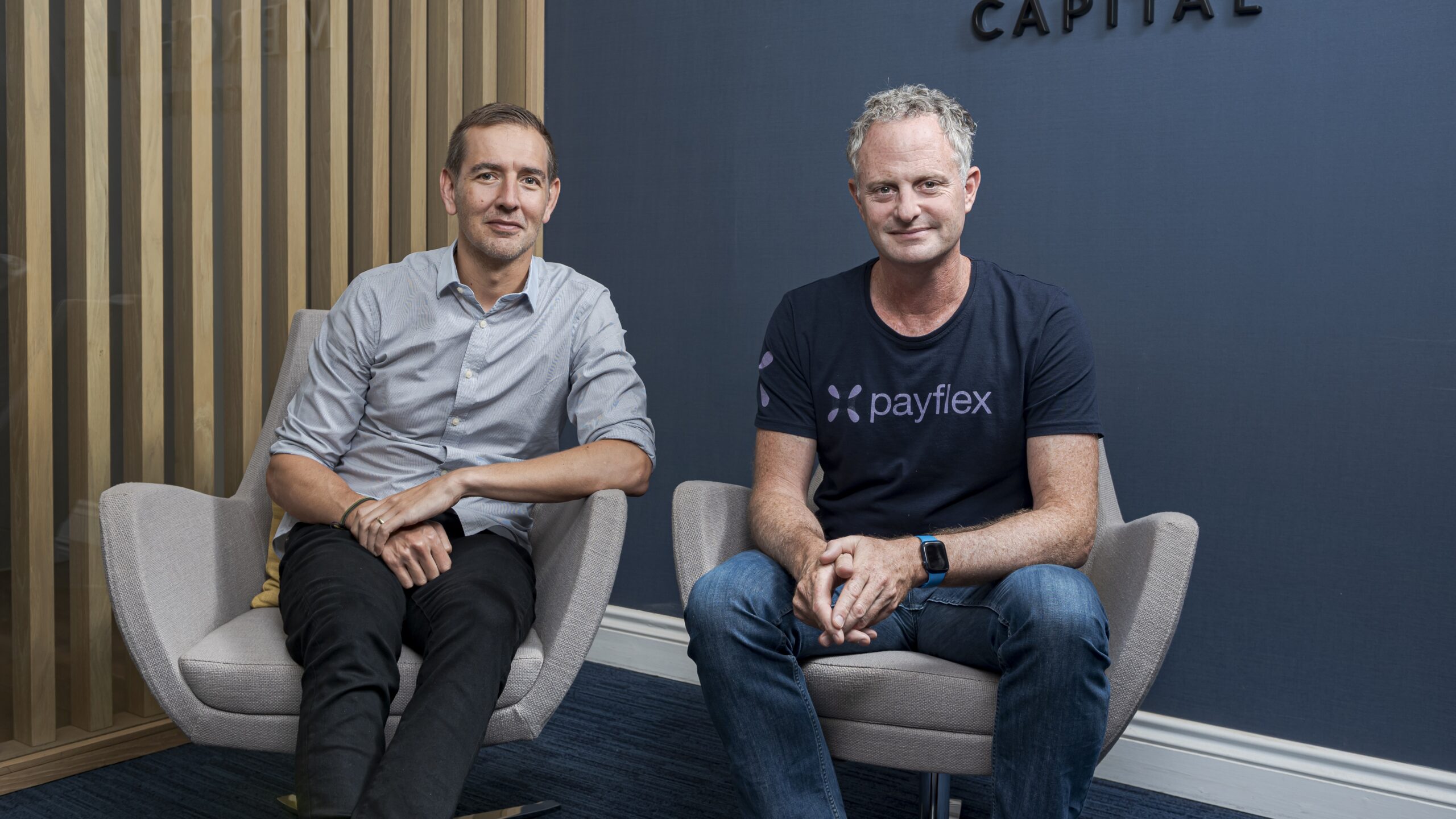
Payflex,a South African fintech startup and Merchant Capital have partnered to launch a new cash advance solution called FlexiAdvance for SMEs and retail sector.

FlexiAdvance is powered by Merchant Capital and it enables applicants access to funds within 24 hours of application and offers flexible payment terms based on the turnover of the business.

The FlexiAdvance solution can be accessed via Payflex’s portal which means there is no need of paperwork and documentation. Payflex will also have access to Merchant Capital’s alternative lending solutions which it can offer to its businesses.

co-founder and chief relationship officer at Merchant Capital, Ryan Cohen, said in a statement. “We’re extremely excited about the collaboration with Payflex, as we share the same founding principle of offering innovative and agile fintech products to the South African market.

According to Payflex chief executive officer Paul Behrmann, merchants see the value of orders climb 30 percent higher when offering the firm’s Buy Now Pay Later payment option.”

Cohen says the small retail sector was bouncing back well from the effects of the pandemic, with many SMEs undertaking projects that had been delayed due to the uncertainty caused by the ongoing pandemic. “This sentiment bodes well for 2022 with a greater sense of predictability and optimism in the economy,” the Merchant Capital co-founder concluded.

Applications open for $20k African blockchain bootcamp.

0

The Stellar Development Foundation (SDF) and DFS Lab have launched applications for the second Blockchain Bootcamp for African startups, with prizes of up to US$20,000 in XLM up for grabs for the most promising solutions.

The bootcamp is a virtual three-day design sprint that allows participating companies to answer critical business questions with hands-on technical support and guidance from DFS Lab and SDF.

It is designed to give early to mid-stage startups in Africa an opportunity to build on Stellar, an open-source blockchain network for financial services and products.

A problem will be defined, a solution will be storyboarded, and a quick prototype of the innovation will be developed. The most promising solutions will be awarded prizes ranging from $5,000 to $20,000 in Stellar’s native currency, XLM, and there will be options for extra grant funding, including potential investment from SDF’s Matching Fund and other investors present at the demo day.

“We saw some impressive results from our Blockchain Bootcamp last year, with companies that participated in the bootcamp still building on Stellar. We’re excited to offer this opportunity for even more startups to see where the Stellar blockchain network can benefit them. From cross-border payments to financial inclusion, we are interested to see what role blockchain can play in the future of digital commerce in Africa,” said Jake Kendall, partner at DFS Lab. 

Fintech, blockchain, and crypto-curious companies operating in Africa who want to improve existing services or integrate digital asset solutions into their models for the first time are encouraged to apply here before March 18.

Salary On-Demand Startup, Cadana, Teams up with Flutterwave to Expand into Nigeria

0

Cadana, a salary on-demand startup has expanded operations into Nigeria following a strategic partnership with Flutterwave, Africa’s leading payments technology company.

Cadana helps businesses by providing modern payroll platforms that allow employees access to their earned salary on-demand, anytime, anywhere. This partnership will allow Flutterwave process payments for employers and employees on Cadana.

Unexpected bills can leave employees in Africa in distress, distracting them from their day-to-day activities. The alternatives would be shortterm loans which could go up to 300% in interest rates with unsuitable loan-repayment systems. Over 400m workers in Africa will benefit from a platform that offers them real-time access to their earned wages, following employer approvals. Companies that use Cadana are able to allow their employees access their earned wages digitally on-demand, instead of having to wait at the end of the month.

Cadana helps People Managers in Africa digitize Payroll, statutory compliance, onboarding, offboarding, reports, time-tracking etc. From logging to payday, Cadana’s time tracking solution automatically syncs with payroll to make disbursement easier, making life easier for people management and small businesses.

“The banking, startups, telecoms, education, governmental and non-governmental institutions etc and indeed all businesses in Nigeria have a large employee-base that we can serve with our modern salary-on-demand payroll management platform. CEO and Co-Founder of Cadana Albert Owusu-Asare, said. “Our work in Ghana helped us take feedback from businesses and employees and improve our solution. People Managers and business owners wanted a solution that could make their employees more comfortable, reduce money troubles month-on-month and empower them to do more with their wages. We currently partner with businesses like Float, Tendo, KEK Group; one of the largest insurance brokers in Ghana etc. We’re happy that we can easily launch into any other African country with Flutterwave’s help.”

Co-Founder and CTO, Ameer Shujjah said, “Integrating with Flutterwave was easy and offers us more flexibility than imagined. We’re excited to be in Nigeria with their help and as we continue our growth and expansion journey, we hope to continue counting on their help to empower African workers. Cadana is an ecosystem of solutions built to improve productivity for workers in Africa. We handle the employees’ money issues, allowing them more time and ability to focus on doing more with their time and growing businesses in Africa. We have plans to build helpful personal money management solutions on top of our people management platform to make it easier for workers in Africa to create more wealth directly from their wages.”

CEO and Founder of Flutterwave said, “We’re excited to enable startups like Cadana to expand swiftly and quickly across Africa. Cadana’s work providing real time salary access to employees across Africa is commendable and we’re glad that they’re fulfilling their mission on Flutterwave. Our work with startups form a major part of our vision to grow businesses. We’re proud to support their growth and expansion into Nigeria. We’re excited to see their progress as they support employees in Nigeria.”

DSTV Will Only Be Allowing One Device To Stream At A Time

0

DSTV will only be allowing one device to stream at a time.

DStv, a pay-TV company, will limit streaming services to one device in an effort to reduce fraud and revenue loss caused by users reselling or giving away their viewing rights for free.

Multichoice, the entertainment platform’s owner, announced in a statement that, starting March 22, multiple users would no longer be able to stream on a DStv at the same time in Kenya and other African regions.

The company said:

As part of our ongoing efforts to counteract password sharing and piracy, while continuing to bring you the best viewing experience, we will be introducing measures to limit concurrent streaming,”

“We will not limit the number of people using a login, however, we are limiting (to one) the number of people who can stream at the same time.”

The number of streaming devices registered will not be impacted.

Customers may stream material on up to four registered devices at once, with the option to download content to select devices for offline viewing. This allows many family members to watch DStv at the same time.

Subscribing customers will find it more difficult to share or sell their watching rights as a result of the change to limit streaming to one device at a time.

Kenya Has The Highest Number Of YouTube Channels in Africa

0

YouTube has been around for a long time and continues to be the go-to destination for video content.

It’s also being utilized as a means of earning money, with artists posting their work and earning money through ad revenue and sponsorship. The number of artists earning more than KES 1 million per month from the site has gone up by 60% year on year, according to the most current numbers. According to the research, there are over 400 Kenyan channels with over 100,000 members. No other African country has experienced such tremendous growth.

Nonetheless, South Africa and Nigeria each have 300 channels with over 100,000 subscribers. Citizen TV, Churchill TV, KTN News, NTV Kenya, K24 Tv, and R&B singer-songwriter Otile Brown all have more than one million members, with one station boasting over a billion views. According to the statistics, Kenya tops Africa in terms of content consumption, with just 45 percent of Kenyan material being read by a worldwide audience.

Other African countries.

Nigeria, which has 300 channels with over 100,000 subscribers, has 75 percent of its material eaten by a worldwide audience, whereas South Africa’s content has 65 percent of global viewers. On mobile devices, more than 70% of watch time occurs, and YouTube watch time on mobile app devices averages more than 60 minutes every day.

The total amount of time spent watching YouTube on television screens has already surpassed 250 million hours per day.

YouTube Africa managing director, Mr  Alex Okosi said:

“Africa has an amazing culture and good storytellers who use YouTube to showcase Africa’s diversity. We are committed to enabling these Creators to voice their stories and provide access to the rest of the world using YouTube, which, in the long run, leads us too to success,” 

Telesat and Liquid Intelligent Technologies sign agreement for Telesat Lightspeed services in Africa

0

Telesat, a global satellite operator and Liquid Intelligent Technologies have announced a partnership to explore reciprocal go-to-market strategies to bring Telesat Lightspeed Low Earth Orbit (LEO) satellite services to Africa.

As part of the agreement, the companies will closely collaborate on the commercial and technical aspects of integrating the Telesat Lightspeed enterprise-grade, high-throughput, low-latency satellite network with Liquid’s global value-added services network.

 This integration will enable the expansion of Liquid’s enterprise portfolio offerings, including next-generation cloud services, managed security services, business Wi-Fi and data center connectivity.

At the same time, Telesat will explore combining Liquid’s landing stations, Points of Presences (PoPs), site hosting, management services, and fibre network as part of its global terrestrial infrastructure that seamlessly integrates with the Telesat Lightspeed satellite network.

“Liquid’s terrestrial infrastructure in Africa is second to none, from the largest fibre network spanning over 100,000 kilometers to state-of-the-art teleports and access to diverse points-of-presence within the continent,” said Glenn Katz, Telesat’s Chief Commercial Officer. “We’re eager to explore the synergies between both of our company’s offerings, with confidence that we will establish a ‘win-win’ for our organizations and the future of connectivity for Africa.”

“Telesat Lightspeed will be the world’s most advanced LEO network, delivering the enterprise-grade, fibre-like connectivity that Africa’s massively underserved market needs,” said Scott Mumford, Liquid Satellite Services CEO. “Integrating ubiquitous, multi-gigabit per second links with guaranteed SLA’s from Telesat Lightspeed will enable Liquid to expand their award-winning services via an untethered network in the sky, and deliver expanded service offerings to our customers not possible through the current satellite-based offerings.” The agreement opens the door for a collaborative approach to LEO terrestrial development. Moving forward, Telesat and Liquid Intelligent Technologies will work together to determine how each company’s industry-leading technologies can integrate with the other to better serve the African continent.

John Deere, AGRA and Mascor launch youth SME Contest

0

The Alliance for a Green Revolution in Africa (AGRA), John Deere Africa Middle East, and Mascor have launched a business plan writing competition for youth SME groups in Kenya for a chance to win a tractor.

The competition runs until March 31, 2022 and is open to groups that have been operating in the agriculture sector for the last three years, and whose members are aged between 18 and 35 years old.

Each participating group will be required to write a business plan for running and managing a mechanisation service provision business. The winning plan will be awarded the John Deere tractor (50 horsepower, 5050D TWD) to start the business. 

John Macharia, AGRA’s Kenya Country Manager said the competition will offer youth in the country an opportunity to start a business with a catalysing tool for agricultural development. 

“We are supporting youth groups in Kenya to build a business from mechanising farming operations. Whereas it is vital for development of agriculture in Africa, we have the least mechanised solutions compared to the rest of the world. This has been driven by lack of tractors and implements where and when needed,” added Macharia said.

Despite early gains, the uptake of tractors in the region has not kept pace with demand. In 1960, Kenya, Uganda, and Tanzania had more tractors in use than India but by 2005 India had 100 times more tractors in use.

“Access to finance is probably the biggest obstacle to African smallholder farmers interested in adopting mechanised farming solutions to boost productivity. The profits they typically earn are insufficient to purchase tractors directly or even access a financing facility,” added Mr Macharia.

Mascor, the John Deere dealer in Kenya, will support the competition winner with Aftermarket services, parts and more.

The joint competition follows a recent partnership between AGRA and John Deere to support successful mechanisation service providers based on the John Deere S.M.A.R.T Model.

AGRA supports small and medium-sized enterprises in business skills and financial management for growth, whilst John Deere, through its dealer network offers support with training operators, technician development, after-sales services, and financing equipment through John Deere Financial. 

How to enter 

Business plans can be submitted here: https://agra.org/win-a-john-deere-tractor

The full eligibility criteria, business plan format and terms and conditions can be found here: https://agra.org/wp-content/uploads/2022/02/John-Deere-Criteria-and-TsCs.pdf

Saudi Arabia’s Sary acquires Egyptian B2B marketplace Mowarrid.

0

Sary, the MENAP’s leading B2B e-commerce platform, has announced the acquisition of “Mowarrid,” one of Egypt’s most popular B2B marketplaces.

Sary’s acquisition reflects a significant move in the company’s expansion aspirations in North African countries, beginning with Egypt, Africa’s second-largest economy and the Arab world’s third-largest, with a $60 billion wholesale and retail trade industry.

This acquisition marks the start of a series of expansion initiatives for the company as it pursues its aim of leading B2B e-commerce in emerging countries, beginning with MENAP, which will enable a regional network to connect buyers and sellers across several regions.

With extensive e-commerce, fintech and startup experience coming from Fawry Pay, Jumia and Cognitev; Ahmed Essam founded Mowarrid in 2018 focusing on the B2B Food & Grocery markets. He led the company toward unlocking a 25 million USD run rate allowing more than 10,000 retailers to digitally procure all their needs across a variety of more than 1000 products in the platform.

Mohammed AlDossary, co-founder and CEO of Sary commented, “we are excited to join forces with Ahmed and the amazing team at Mowarrid, their hyperlocal understanding of the Egyptian market is profound, and we believe that our visions are in harmony toward reinventing the B2B ecosystem across the region”

He added. “Egypt is a strategic market for us and has a huge synergy with the Saudi and GCC markets. The industry has witnessed significant growth in the past years with very strong digitization in the wholesale and retail trade industry which accounted for around 15% of Egypt’s GDP.”

Ahmed Essam, the founder, and CEO of Mowarrid commented, “Since 2018, Mowarrid’s journey has been rewarding by enabling small businesses in Egypt with smarter supply chain solutions. Today, joining forces with Sary to build one stronger entity with a solid footprint, regional network, and technological capabilities in two of the most important economies in the region.”

He added. “Sharing many values and principles, our combined force is our greatest advantage in the next years as we continue to solidify our grounds in the current markets and continue the expansion journey with a solid head start.”.

Sary has raised a total of $112 million in funding since its inception, and after closing its series C round last December, it became Saudi Arabia’s first late-stage financing round.

The company is expanding throughout the region with a focus on creating a seamless experience and employing cutting-edge technologies to connect MSMEs with the world’s largest international brands and regional players, empowering them to grow smartly.

In 15 cities across Saudi Arabia, the company has reached over 350,000 clients and helped over 40,000 businesses, transporting over 270,000 pallets of goods.

Egyptian legal edtech startup Kouncel raises $1.2 million pre-Seed funding for expansion.

0

Kouncel has raised $1.2 million in its latest funding round, the funding round was led by Zaldi Capital for investment “an Investment Bank focused on SMEs and Assets Management”, the African Development Bank (AFDB), the Academy for Scientific Research and Technology (ASRT) &Tanmia wa Tatweer – Egypt’s entrepreneurship development project.

The funds will be disbursed in banknotes for €250,000, with the rest being provided in-kind as services.

Kouncel is Mena’s first online legal education platform, designed to provide lawyers and enterprises in the Mena region with a unique training experience based on their different jurisdictions.

Kouncel.com first aimed to reach thousands of learners and then expanded to provide premium customised courses to individuals and enterprises in Egypt and the Gulf region.

The platform has a wide range of courses categories such as arbitration, legal drafting, corporate law, intellectual property, banking and non-banking law, law for startups, etc. which consist of weekly learning sequences.

 Each learning sequence is composed of short videos interspersed with interactive learning exercises, where students can immediately practise the concepts from the videos.

The courses often include tutorial videos that are similar to small on-campus discussion groups, an online textbook, and an online discussion forum where students can post and review questions and comments to each other and teaching assistants.

 “Education forms a key part of Egyptian Economic Vision 2030, and law plays an important role in creating a healthy environment for businesses and pushes FDIs forward. and we aim to provide a highly sophisticated education experience to everyone in the legal field which will positively impact the ecosystem,” said Ibrahim Saleh, founder and CEO of Kouncel.

“Legal education has never been easier – discover various topics in the legal field and master law with Mena’s top counsels.”

African Fintech Startup M-KOPA secures $75M for Expansion

0

M-KOPA, a fintech platform that connects underbanked customers to connected financing and digital financial services in four African markets, has raised $75 million in a growth equity round.

Generation Investment Management and Broadscale Group led the round, with new investors such as LocalGlobe’s Latitude Fund and HEPCO Capital Management joining in. CDC Group and LGT Lightrock, two of M-current KOPA’s investors, also participated in the round.

 M-KOPA’s total equity funding has already hit $190 million. M-KOPA is also giving loans to two million customers, according to today’s report.

M-KOPA intends to use the funds to grow into additional countries, adding on its existing centers in Kenya, Uganda, Nigeria, and Ghana, as well as expanding its footprint across the continent.

By scaling its financial services offerings such as health insurance, cash loans, and BNPL merchant partnerships, the business will continue to expand its flexible daily and weekly payments model to go beyond asset finance.

 M-KOPA’s financing platform, which was launched in 2011, allows underbanked customers to access a broad range of products and services without the need for collateral or a guarantor.

By combining the power of digital micropayments with the Internet-of-Things [IoT] technology to make financing more accessible, customers are enabled to build ownership of their assets as well as build their credit histories over time through a flexible payment model.

To date, M-KOPA has unlocked over $600 million in financing and enabled 2 million customers to access a diverse set of products including smartphones, solar lighting, solar-powered appliances and digital financial services such as cash loans and health insurance.

M-KOPA has recorded nearly 2.5X growth of new customers in 2021 and is projected to reach 3 million customers by the end of 2022.

Speaking on the round, Jesse Moore, M-KOPA CEO and Co-founder said, “We’re thrilled to partner with leading global investors with deep experience supporting growth-stage companies as we expand our platform to serve more of our customers’ needs. ”

“Our innovative model means we have enabled financial empowerment for over two million people already through micro-payments, but there are still millions of people across the continent that are stuck with limited economic options. ”

With this funding, we will expand to more markets across Africa and scale to over 10 million customers in the next few years.”

“M-KOPA’s unique technology-enabled approach to providing essential consumer goods and financial services is an inspiring engine of empowerment perfectly aligned with our mission of Disruption for Good,” said Broadscale’s Managing Partner, Andrew Shapiro.

“The company’s rapid customer growth demonstrates the massive unmet demand in this sector, and we look forward to working with M-KOPA as they continue to scale their reach and impact across Africa”

“We believe M-KOPA is a critical part of the push to accelerate access to digital and financial tools that will empower millions of people across Africa whilst increasing access to clean energy, clean mobility and connectivity. ”

We were early supporters of M-KOPA and continue to be impressed by the continued innovation of its product offerings and ability to accelerate at a significant scale. We are pleased to continue supporting M-KOPA as it scales further”, said Dave Easton, Partner in Generation Investment Management’s Growth Equity team.

In Sub-Saharan Africa, 85 percent of the population live on less than $5.50 a day per adult, and as a result, they are unable to make major purchases without taking out a loan.

However, because the bulk of customers are underbanked, offline, and difficult to contact, access to credit remains severely limited across the continent.

M-KOPA’s offering has a monthly interest rate of 3.1 percent, which is lower than the typical interest rates offered by alternative sources of credit available to their consumer base.

By making micropayments available and leveraging data to unlock credit solutions, M-KOPA is enabling financial and digital inclusion.

The company was recently recognised as one of Fortune Magazine’s Impact 20, which highlights the top 20 global venture and private-equity backed companies tackling key social and environmental issues as part of their business model.

Mayur Patel, M-KOPA’s Chief Commercial Officer, added, “By leveraging our unique data and market knowledge in serving customers over the last decade at M-KOPA, we’ve seen extraordinary growth across our markets in East Africa and our recently launched operations in Nigeria and Ghana. ”

“There is a massive opportunity in front of us to make everyday essentials more accessible by better matching fractional payment terms with customers’ daily or weekly earning and spending cycles.”

M-KOPA has created over 500 new full-time jobs across Africa as a result of its rapid expansion, and is currently recruiting for commercial operations and engineering roles globally as part of its expansion plan.

Nigerian fintech Paga expands to Ethiopia in partnership with Bank of Abyssinia.

0

Paga, a Nigerian mobile payments and financial services company, has partnered with the Bank of Abyssinia and received regulatory approval from Ethiopia’s National Bank to launch an online payment gateway.

Paga, which was founded in 2009, provides Nigerians safe and convenient payment options by allowing money to be sent to any phone number, which the beneficiary may then redeem at a Paga agent or at an ATM via a cardless withdrawal.

Paga will support Ethiopia’s digital economy by enabling sellers to pay and be paid conveniently online using its online payment gateway and other features. To provide world-class online payment services, Paga will leverage on its experience and international partnerships.

“Ethiopia is on the cusp of a digital transformation. Paga has a long history working in Ethiopia, and we are very excited for this next phase of our involvement in Ethiopia, where we can provide innovative payment and financial services to the market,” said Adam Abate, CEO of Paga Ethiopia.

“We are equally excited to be partnering with the Bank of Abyssinia, which has demonstrated its commitment to and capabilities in driving Ethiopia’s digital economy forward. Combined with Paga’s innovation and technology, we believe our offering will be very exciting for Ethiopian consumers and businesses.”

Applications Open for MEST Africa’s Training Program, Class of 2023

0

Applications are now open for MEST Africa’s flagship Training Program, Class of 2023. A twelve-month program hosted physically in Accra and designed to give young Africans commercial skills in technology and entrepreneurship, internal seed funding, and a network of hubs providing incubation for technology startups in Africa.

“We are thrilled to open applications for our 12-month Training Program to every aspiring tech entrepreneur on the continent again as more countries open up their borders again and as the world adapts to the new normal. We look forward to identifying and welcoming a diverse group of young and ambitious people into our program in Ghana to start their entrepreneurial journeys by August 2022”, said Emily  Fiagbedzi, the Director of Training Program at MEST Africa.

Successful applicants will gain access to world-class education in software development, business and communication skills from MEST’s campus in Accra, Ghana. Training is done along with mentorship and networking sessions with leading industry experts and business executives from all over the world.

At the end of the year-long program, all the Entrepreneurs-in-training form startups with co-founders within their cohort and pitch their business idea for up to $100,000 in seed funding, business incubation, and a lifetime of support from MEST Africa’s global community of experts and founders.

MEST has produced some of the continent’s fastest-growing startups across various industries. Some of MEST’s past cohorts and graduating startups include the largest real estate platform in Ghana, MeQasa; CodeLn, one of the fastest-growing platforms for hiring software developers in Africa; Complete Farmer, a leading agritech business in Africa and Kudobuzz, a SaaS company that builds tools to help eCommerce merchants build trust and traction.

Launched in 2008 as a fully-funded program by the Meltwater Foundation, the Training Program has trained over 800 young African tech entrepreneurs, given seed investment to and supported over 80 startups, and created thousands of jobs across the continent for their graduates

. Applications are open here until 20th April 2022.

South African cryptocurrency exchange VALR secures $50m Series B for expansion.

0

VALR, a cryptocurrency exchange based in South Africa, has raised $50 million in the largest funding round ever for an African crypto company, according to the company. VALR is now worth $240 million, more than ten times what it was worth in July 2020 when it raised $3.4 million in its Series A round.

Pantera Capital led the exchange’s Series B equity funding round, which included Alameda Research, Coinbase Ventures, Cadenza, CMT Digital, Distributed Global, GSR, Third Prime, and Avon Ventures, a venture capital fund affiliated with Fidelity Investments’ parent company.

VALR has over 250,000 retail customers, the majority of which are in South Africa, as well as 500 institutional clients since its launch in 2019. Clients can trade and store bitcoin (BTC) and 60 other cryptocurrencies using it.

The new funds will be utilized to expand into other African countries as well as other emerging markets like India. It will also allow VALR to offer more products and services to its existing customers, as well as hire more workers, according to the company.

“Society’s financial tools should unite us, not divide us. That’s why I’m very excited that VALR is helping to build a financial system that recognises the oneness of the human race. There is no longer any room for doubt regarding the impact crypto assets are having on our global financial system,” said Farzam Ehsani, VALR’s CEO and co-founder. 

“We already help VALR’s customers enter this new world of crypto from the traditional financial system using their USD or ZAR and I’m very excited that this round of funding will allow us to serve so many more across Africa and the world.”

Paul Veradittakit, partner at Pantera Capital, said he was excited to lead the Series B round.

“We believe that Africa’s future is bright for the adoption of cryptocurrencies for both asset diversification and payments,” he said. “VALR brings an amazing product and service to onboard both retail customers and institutions.”

SA clean-tech incubator The Hatchery partners with a Norwegian investment firm for a $330k investment.

0

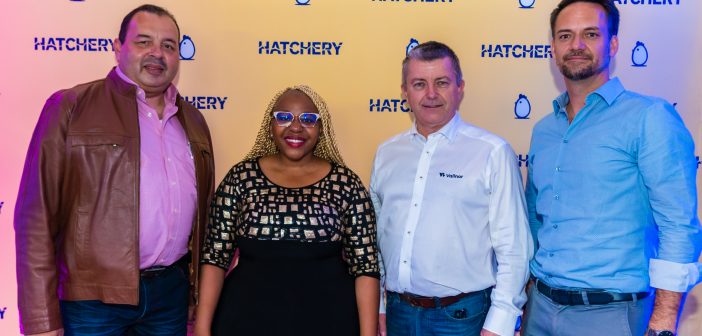
Valinor,a Norwegian clean-tech investment company focused on sustainable solutions that promote economic growth, has announced a strategic ZAR5 million (US$330,000) partnership with The Hatchery, an international clean-tech startup incubator that launched its new Africa office in Cape Town late last year.

The Hatchery, an international clean-tech incubator focused on technologies that increase productivity or profitability while reducing resource consumption or pollution, officially opened in Cape Town in November, with the goal of discovering and supporting cutting-edge entrepreneurs in fields such as smart utility metering, solar energy, and mobile financial platforms.

“The world is facing code red in climate challenges, and we are trying to give a voice to this challenge with our recent collaboration with Valinor,” said The Hatchery global head Jon Bøhmer. 

“Valinor is 100 per cent committed to green investments and will indeed help the company fulfill its goal of supporting and developing startups.”

The alliance will help businesses get clean-tech investment faster by providing hands-on expertise and milestone-based funding that will support founders focus on business growth and operations.

Toyota Shuts Down Japanese Factories due to Suspected Cyber Attack

0

Following a cyber attack on Kojima Industries, a major supplier of plastic parts, Toyota has decided to shut down its plants in Japan on Tuesday. The automaker is yet to decide whether it will be able to resume normal activities on Wednesday.

A Toyota spokesman said: “Due to a system failure at a domestic supplier (Kojima Industries ), we have decided to suspend the operation of 28 lines at 14 plants in Japan on Tuesday, March 1 (both first and second shifts). We apologise to our relevant suppliers and customers for any inconvenience this may cause.”

Reuters noted that the attack comes just after Japan joined Western allies in clamping down on Russia after it invaded Ukraine, however, it was not clear if the attack was at all related.

Japanese Prime Minister Fumio Kishida commented on the issue telling reporters that “It is difficult to say whether this has anything to do with Russia before making thorough checks,”

Toyota affiliates that have shut down production

Toyota affiliates, Hino Motors and Daihatsu have also shutdown as well. The plants in Japan account for a third of the company’s global production. Estimates show that a one-day shutdown of Toyota’s plants would affect the production of 10,000 cars, some 5% of the monthly output from the automaker’s Japanese factories.

A source close to Kojima Industries told Asia Nikkei, the publication that first reported the story, “It is true that we have been hit by some kind of cyber attack. We are still confirming the damage and we are hurrying to respond, with the top priority of resuming Toyota’s production system as soon as possible.”

Egyptian Agritech Startup FreshSource raises undisclosed seven-figure Seed Round for expansion.

0

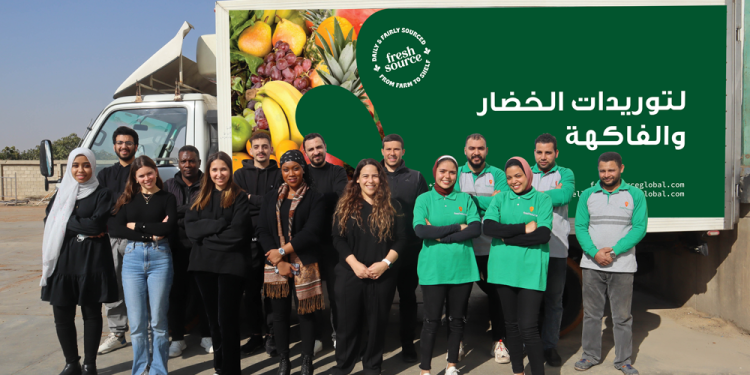
4DX Ventures and Wamda have invested in FreshSource, the MENA region’s first B2B agri-supply chain platform.

By revolutionizing the way fresh goods are sourced, moved, and sold, the Cairo-based fresh food platform hopes to become the region’s largest fresh food distributor by leveraging technology and data.

Additionally, FreshSource aims to transform the lives of producers, businesses, and consumers while also improving the environment by using their technology platform to develop more sustainable fresh food systems.

Farah and Omar Emara, a Cairo-based sibling duo, founded FreshSource in 2019. Since then, they’ve built a strong network of thousands of producers and hundreds of businesses, including restaurants, hotels, online retailers, and traditional retailers, who rely on them for their fresh fruit and vegetable needs.

The company is rapidly expanding, and it now has major customers in 11 Egyptian cities.

Farah was working at P&G after spending 4 years immersed in entrepreneurship through Endeavor, and Omar was studying Computer Science while working at Goldman Sachs in London when they came up with the startup idea.

Both recognized an opportunity to use technology and analytics to improve the fruit and vegetable sourcing experience for Egyptian businesses in a fairly traditional market.

For over 30 years, through the duo’s family company Emarco Group, one of the largest cold chain logistics in Egypt, they have worked day and night to source the best produce from around the world and keep it safe in their state of the art facilities.

Today, FreshSource is able to leverage on this generational know-how, to source, handle, store and deliver its partners the freshest, highest quality fruit and vegetables. With their diverse and distinctive experiences along with their family›s expertise in the sector, they sought to transform the agriculture sector through data and technology by using their platform to partner directly with producers and farmers and businesses.

Agriculture is a leading sector in the Egyptian economy, contributing about 11.3% of the country’s gross domestic product and accounting for 28% of all jobs.

The agriculture supply chain, which is highly inefficient and complicated, has led to inflated prices, food loss and low profits for farmers, all problems that FreshSource aims to solve.

FreshSource is taking a value chain approach to improve the economic and environmental efficiency of the food supply chain in Egypt where food loss has reached an all-time high nearly 45% due to improper handling and storage techniques.

FreshSource intends to use the funds to expand geographically within the Egyptian market, invest in their technological platform, and expand their workforce in Egypt, all while keeping an eye on future expansion in the area.

“We saw a substantial market opportunity and believed that with our Management, Finance and Tech background coupled with our family business know-how, we would build a high-growth and impactful business that will introduce new ways of sourcing in the country.” said Farah Emara, CEO & Co-Founder

“We are proud to have the confidence of some of the strongest investors in the region who share our vision of leveraging data and technology to streamline the inefficient agrisupply chain. This new investment will allow us to continue to bring top talent on board and build the team we need to achieve our mission and accelerate our growth.” – Omar Emara, COO & Co-Founder.

“We’re really excited to partner with Farah and Omar. They’ve shown excellent knowledge of the market and ability to execute so far, and we think that they have the potential to build a really important business in the coming years. Great pricing, reliability, and quality is essential for the agriculture/food industry, and Freshsource is helping to deliver a service quality well ahead of anything else in the market.” – Peter Orth, Co-Founder & Managing Partner at 4DX Ventures.

Kenyan Startup CartnShop secures $400k for expansion.

0

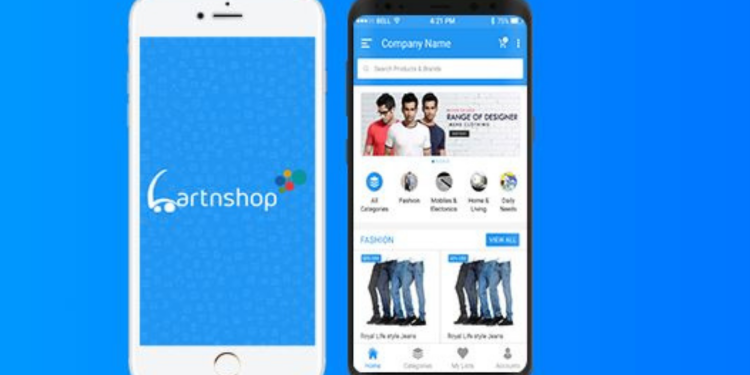
Cartnshop (Cart “n” Shop) is an end-to-end e-store enablement engine that allows any retailer or business to gain new customers.

The startup’s B2B and B2C channels include payment gateways, shipping and fulfillment centers, marketing and marketplace cross-listings, and company management capabilities.

“The Cartnshop ecosystem pulls stakeholders into the channels, including producers, supply chain partners, service providers, and e-commerce enablers, providing a complete model of B2B2C,” stated Joe Wambugu, creator and CEO.

The startup launched engine one in late 2019 and onboarded 50 clients. After showcasing the concept and collecting comments, it launched engine two with over 300 merchants.

It initiated a market proof of concept with Safaricom and EABL in 2020, gathering enough market feedback to create engine three, which is now ready to go live and can host over a million merchants.

This month, a group of business angels will invest US$400,000 to help fund the implementation.

Some retailers in Tanzania and Botswana have access to Cartnshop’s platform, but Wambugu believes Kenya remains the company’s main focus.

Nigeria’s CapiFlex expands to Kenya

0

CapiFlex, a Nigerian payment technology company and a subsidiary of CapitalSage Technology Limited has launched its instant payment platform called CapiCollect in Kenya.The product was launched in partnership with Arronax Systems, a financial technology company based in Kenya .

The CapiCollect payment comes with an escrow feature that allows businesses to receive payment securely but also allows them to build customer trust. Once the escrow is activated, payments are held in trust and are only released once the customer receives goods or services based on the agreed terms.

Speaking on the launch, Manager CapiFlex Payments, Ibukun Eko said this expansion is in line with the company’s goal to provide a flexible payments solution that eliminates wait time, loss of funds, and fraud for vendors and businesses across Africa. 

“Our goal is to empower businesses in Africa with flexible payment options. In less than a year, we have on boarded over 1,000 merchants who are receiving payments securely via our platforms. The escrow agreement we introduced with our product in Kenya allows us to hold payments in trust until customers receive the goods and services they have affirmed and desired. By acting as a third party, escrow will improve the relationship between businesses and their customers by eliminating the infamous issue of “what I ordered vs. what I got” and the associated dissatisfaction. 

“At a time when businesses are seeking access to technological tools, it is important for us to stand out, particularly since we aim to be a leader in wealth creation in Africa. We see tremendous growth in the technology space in Kenya and are honoured to leverage it,”Ibukun added .

The Head of Product, CapiCollect, Olaronke Adegbite, further explained that “We started out to build a system that supports businesses of any size or scale and now we want to do more for them. We want to help them build trust and credibility. You earn your customers’ trust when they know that you protect their interests, and that is exactly what we want to help them achieve. Businesses thrive on trust, and we are excited to be doing something with regard to that.”

“Additionally, we are a people’s company. At the heart of all we do, we put people first. What’s a better way to serve people in ways that truly count if not through expansion?” Olaronke Submitted.

Since launched CapiFlex has processed over 20 billion volume of transaction for over 10,000 merchants and businesses in Nigeria.