back to top
Saturday, April 11, 2026
spot_imgspot_imgspot_imgspot_img
Home Blog Page 304

Egyptian food delivery startup elmenus raises an undisclosed amount of funding from Careem for expansion.

0

Careem, one of the biggest names yet to be lured by the sector’s growth potential in the Arab world’s most populous nation, is investing an undisclosed sum in a leading Egyptian food-delivery app.

Careem co-founder and CEO Mudassir Sheikha said in a statement  that the partnership with elmenus, which connects customers with over 12,000 eateries in five Egyptian cities will extend their reach in one of their largest ride-hailing markets.

The Dubai-based firm follows Egyptian payment firm Fawry and the former CEO of Just Eat in investing in elmenus, which launched as an online directory a decade ago before adding deliveries in 2018. Its competitors include Delivery Hero SE’s Talabat and Jumia Technologies AG.

The North African country of 100 million people, where everything from a slice of cake to a blood test can be sent to your door, represents a sizable and still largely untapped market for apps like elmenus. While Egypt’s food delivery market is worth an estimated $2.8 billion, 90% of customers still order by phone, according to Careem’s statement.

The partnership with elmenus, according to Careem, is a step closer to launching its Super App across the region. The function in the United Arab Emirates provides 11 services, including ride-hailing, food and grocery delivery, and payments. Its own meal delivery services cover Saudi Arabia, the United Arab Emirates, Jordan, Pakistan, and Qatar.

Egyptian prop-tech startup Circle acquired by community management platform Milango.

0

 Egyptian prop-tech startup Circle has been acquired by Milango, a community management startup, which will add more than 100,000 residential units to its client base.

Circle, founded in 2020 by Nancy Kamal and Essam Maged and backed by 500 Global, makes it easy for real estate developers and property owners to connect with tenants.

Milango, on the other hand, was founded by Amr Mostafa in 2021 and provides business clients with a suite of community management tools to help them digitize. A15 is the source of funding.

Milango has increased its market share by acquiring Circle. The acquisition will be used to help the firm accelerate its expansion in the community management space.

“I’m very proud of the work Milango’s team has done over the past 18 months. We have managed to exceed our initial usage expectations and established an engaged user base that are nearing EGP100 million in financial transactions with strong projected growth on that front for 2022. We are confident that with the acquisition of Circle and the addition of their premium clients to our portfolio, we are on the right track to bring #ASmarterLife to all communities,” said Amr Mostafa, Milango’s CEO.

“I strongly believe that the synergies this deal creates will shape a stronger proposition, that will serve millions of households across the region,” said Circle CEO Essam Maged.

USAID and Google partner to train Egyptian Women, Youth, and Entrepreneurs in Digital Skills

0

 USAID and Google have partnered to train Egyptian women, youth and entrepreneurs in digital skills aimed at scaling up their careers and businesses.

The announcement was made at the opening session of the 7th annual Women for Success conference held in Cairo, Alamein, and Alexandria. The program trained 500 Egyptians last year and teaches digital marketing skills and how to build a website and market through social media, and also provides free courses from Google’s “Maharat min Google” e-learning platform. 

At the event, USAID Mission Director Leslie Reed said, “As we approach Women’s Month in March, the U.S. Government reaffirms our commitment to empowering women. Through USAID and Google’s collaboration, hundreds more Egyptian women will be among the business owners and youth to acquire new digital skills to take their careers and businesses to the next level.” Women participants may also join Google’s #IamRemarkable initiative, a workshop with practical exercises that encourages women and other underrepresented groups to speak up and celebrate their achievements in the workplace. 

This USAID-Google collaboration builds on a long history of U.S. Government investment in Egypt’s leading professional networks—including the Women’s Entrepreneurs Network, the Youth Entrepreneurs Network, and Tiye Angels, Egypt’s first women’s angel investors network. Over the past four decades, the U.S. Government has helped more than 10,000 Egyptians strengthen their businesses through mentorship programs, incubators, and accelerators.

  Since 1978, the American people have invested over $30 billion (EGP 471 billion) to support Egypt’s economic development in total. 

OPay” launches its first offline store in Egypt

0

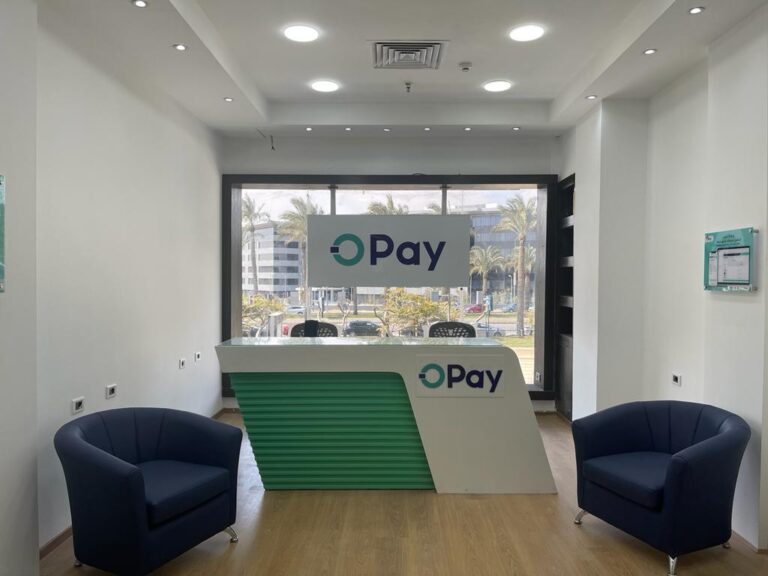
OPay Egypt, the fintech and electronic payments company, has announced the opening of its first “OPay” store in Egypt in the Downtown area in the 5th Settlement, to offer all the company’s services and products for individuals and corporates.

The move comes as part of OPay’s expansion plan in the Egyptian market and capitalizes on the success the company has achieved last year through distributing tens of thousands of Points – of – Sale (POS), and increasing its vendors and retailers, becoming the fastest growing company in the fintech and e-payments market, just one year after its launch in Egypt.

Hesham Ezz El-Din, Digital and Cards Business line director at OPay Egypt said that the company is “thrilled to be launching its first OPay store in the Egyptian market, one of the largest markets in the Middle East and Africa, as part of the company’s bid to keep up with the direction of the Egyptian state towards financial inclusion and digital transformation and Egypt 2030 vision.”

Through the store, Ezz El-Din said the company’s clients will be able to recharge their phone’s balance and make electronic payments for a number of services including paying mobile phone bills, as well as paying their utility bills and paying tuition fees for schools, universities and a host of other services.

He said that the company will gradually open more stores across many of the Egyptian cities and governorates to serve a wider client base, in addition to adding electronic collections services through coordinating and partnering with other companies in the same field.

Last month, OPay won the ‘Best New Point-of-Sale Payments Service Provider’ award from the London based ‘The Global Economics’ institution, specialized in providing detailed performance analysis of companies in various financial and business sectors.

Brimore, Egypt’s social commerce platform invest $5M in end-to-end logistics service provider Milezmore

0

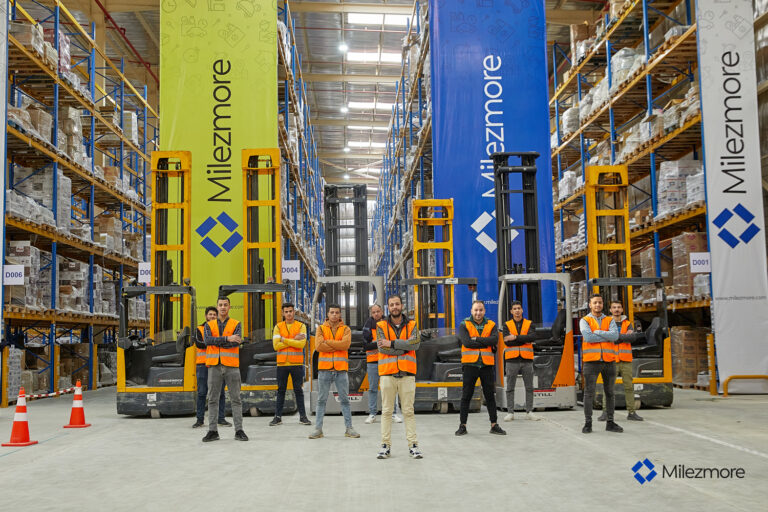
Brimore, Egypt’s largest social commerce platform, has invested $5M in end-to-end logistics service provider Milezmore, Egypt’s first startup to provide cloud fulfillment, last-mile delivery, and customizable operations solutions.

On the back of unprecedented growth, Brimore believed that investing in a company that manages all its logistics was the way forward, especially since Egypt still suffers from the inefficiencies of the traditional supply chain structure. Milezmore has enabled Brimore to adapt to the ever-changing requirements of growth and has been a main factor behind Brimore’s rapid expansion. While Brimore was its first entry into the market, Milezmore rapidly expanded to cater to many other companies.

According to CEO and co-founder of Brimore, Mohamed Abdulaziz: “For decades, Egypt has suffered from a fragmented traditional supply chain structure that no longer works with the rise of new commerce models, especially after being hit with a global pandemic. To address this challenge, we believed that the best solution was to invest in Milezmore to handle all the heavy operations. After all, Brimore’s promise is to create smart infrastructure for the masses, and our investment in Milezmore is a testament to that.”

In the span of one year, Milezmore experienced tremendous growth and built an infrastructure reaching a warehousing area of +20k SQM, expanding its footprint to the whole country through 15 delivery hubs, processing +15M pieces, delivering +1M packages, and attracting +25 new customers in different industries.

Milezmore’s mission is to enable its merchants to capture high growth potential by providing supercharged cloud logistics solutions. The new capital will enable Milezmore to blitz scale its cloud solutions through robust technology, expandable storage area, higher delivery capacity, and double its team to enable a 50X increase in its customer base.

“We are proud to be the first Egyptian startup to offer all three services and cater to all types of companies. What I witnessed during the past four years is that the traditional supply chain wasn’t built to solve today’s problem, and I believe Milezmore was built for that. In one year, we were able to build a strong and passionate team who drove the company forward and achieved tremendous results. This is only the beginning, and we’re confident that Milezmore will revolutionize the logistics industry in the near future,” said Ahmed El Attar, Managing Director and co-founder of Milezmore.

7 Ways You Can Improve Your Customer Service

0

If you run a business, you’re probably already aware of just how much the success of your enterprise relies on good customer service. Without your customers spending their money on your products or services, you have nothing. In fact, did you know that 68% of consumers say they are willing to pay more for products and services from a brand known to offer good customer service experiences?

If your business’s customer service area is underperforming, it’s in your best interest to turn that on its head as soon as possible and probably get a chat widget for website. Don’t fret, we’ve put together 7 ways you can improve your customer services.

Educate your employees on the importance of customer satisfaction

You might think it should go without saying, but teaching your employees about the importance of customer satisfaction is a must. Hold regular team meetings where you clearly highlight your expectations, assist your team with strategizing solid ways to meet the discussed standards, and constantly circle back to why these customer satisfaction points are important for the business.

Take advantage of available technology

In this decade, you can find a piece of technology to assist with almost everything, so why not use this to your advantage when it comes to delivering good customer service? In this digital age, it’s almost criminal not to. Unified communications, for example, is fantastic for enhancing your communications and ensuring you leave no stone unturned when it comes to the people who matter the most to your business.

Prevent problems before they start

The brunt of complaints is taken by your customer service team… but they are rarely ever the cause of them. With that in mind, we recommend taking a step back from your business’s general processes and looking at any weaknesses that could cause upset or frustration within your customer base later on down the line. Prevention is better than a cure, after all.

Ask your customers for feedback regularly

Getting regular feedback from your customers is a simple yet effective way to ensure that you’re always hitting the mark with them. Not only will you gain valuable insight into what they want and like – and adapt your products and services accordingly – but you’ll also make them feel special. Everybody likes to feel like their opinion matters, so they may rate your business highly as a result.

This doesn’t just stop at your customers, either. The same process can be applied to your staff and your customer service department will improve as a result.

Recognise and reward good work

Your customer service team is more than likely the backbone of your business, even if you don’t realise it. With that in mind, it’s crucial you keep an eye out for positive behaviour within the team, and recognise and reward the good work you come across.

A recent survey found that 38% of employees wanted to be rewarded for their good work, and doing so will encourage them to continue bettering their performance and doing a great job for the customers that keep your business afloat.

Multi-Factor Authentication: Why It Matters For Cyber Security

0


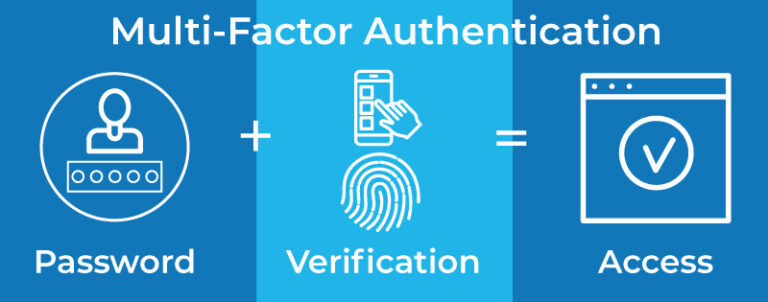
You’ve probably heard the term “multi-factor authentication” before, but do you know what it is? Multi-factor authentication is a security process that requires more than one type of identification to log in. For example, you may be required to provide a username password and then input a code sent to your phone. This process makes it much harder for someone to hack into your account and becomes increasingly important for businesses and individuals alike. In this article, we will discuss why multi-factor authentication matters for cyber security.

Why Do We Need Multi-factor Authentification for Cyber Security?

The reason why multi-factor authentication matters for cyber security is simple: it makes your data more secure. People used to rely on passwords alone to protect their important information from hackers in the past. These days, however, many different types of identification can be compromised by malicious actors online, including email accounts and social media profiles. Code signing certificates, for example, can be used to create fake websites that look legitimate to steal people’s personal information.

Multi-factor authentification requires users to provide at least two pieces of evidence before being allowed into an account or system. This means even if someone manages one part (such as a username), another piece will still need verification first before gaining access, like needing both hands open door locks instead of only having one keyhole). This type offers increased protection against brute force attacks because attackers would have less time attempting guesses with each try; however, it can be costly for companies due to additional resources needed.

How to Set Up Multi-Factor Authentication on Your Devices and Accounts

Multi-factor authentication can be set up in various ways depending on the type of device or account you are trying to protect. For example, if you want to enable multi-factor authentication for your Facebook account, you can go into Settings > Security and Login and click “Use Two Factor Authentication.” From there, Facebook will walk you through the steps necessary to get started.

Suppose you’re looking to set up multi-factor authentication for your Apple devices. In that case, you can do so by going into Settings > Touch ID & Passcode (or Face ID & Passcode if using an iPhone X) and turning on “Two-Factor Authentication.” You will then be prompted to enter your phone number and will receive a six-digit verification code via text message that you’ll need to enter to complete the process.

How To Stay Safe Online With Multi-factor Authentication

Multi-factor authentication is one of the best ways to stay safe online. Using it can help protect yourself from hackers and other malicious actors. Here are a few tips for staying safe:

Using Code Signing –  Code signing is a process that uses digital signatures to verify the sender’s identity and ensure that the code has not been tampered with. This can be used to help protect your devices, software, and data from being compromised.

Make sure all of your devices have multi-factor authentication enabled – This includes laptops, cell phones, tablets, etc.

Use a strong password – This means using a combination of letters, numbers, and symbols that is difficult to guess.

Be cautious about which websites you visit and what information you provide – Only enter information into trusted websites and look for the lock symbol in the browser bar to ensure the site is secure.

Keep your software up-to-date – Hackers often take advantage of outdated software vulnerabilities to gain access to systems.

Use a VPN – A VPN (a virtual private network) is a tool that helps protect your online privacy and security by encrypting your traffic.

Multi-factor authentication is an important step in helping to secure your data and keep you safe online. Using it can make it much more difficult for hackers to get into your accounts and steal your information. For businesses, multi-factor authentication can help protect against data breaches and keep customer information secure. So, if you’re not already using it, be sure to consider adding multi-factor authentication to your security arsenal.

What Is Minerstat and How to Set It Up

0


Introduction

The world has come so far, which is why with every passing minute, something new comes up. In the current era, crypto has taken the world by storm. Crypto is a vast field to talk about. If you are someone who has been interested in crypto for quite a while now, you must know how crypto works and how crypto coins have to be mined. Nonetheless, if you haven’t heard about Minerstat target  you are missing out badly. This article will tell you what Minerstat is and how you can set it up easily.

What Is Minerstat?

If you are into crypto, you must know how important it is to monitor your mining if you are doing so and using a monitoring tool works best in that manner. Minerstat is exactly that and currently performs its job better than any other tool. So, in short, Minerstat is a mining monitoring tool that is available on Linux and Windows both. On Linux it is available in their operating system known as msOS.

How to Set It Up?

To set up your dedicated mining operating system, Minerstat you would need to follow the steps down below:-

Install msOS

The operating system msOS is based on Minerstat (OS). You’ll need at least 16 GB of storage space, such as a hard drive or USB key, to install it. After you’ve downloaded the file, you’ll need to unzip it. The operating system’s picture will be shown. Then you’ll need to save this image to your hard drive. Go to the Management area and click on Workers after flashing msOS on your storage space. Download the config.js file from your previously created worker by clicking on it. Transfer the file to your storage location. Then, on your machine, place your storage. Start it up and go to the boot menu (the key to launch the boot menu may be different, depending on your motherboard, but it may be F11). Then select the location where msOS will be kept. The installation will begin and may take a few minutes.

Install Minerstat on Windows

Minerstat Windows’s software is a Windows version of the Minerstat mining software. Choose the Installer version when downloading the software. You must run the setup programme after downloading it. Follow the prompts to enter your Access key and the worker’s name. Your computer will begin mining after the installation is complete, and you will be able to monitor its progress on the Minerstat dashboard.

Set Up Your Mining

·         Add a Worker

Go to the Management section and click on Workers to add a worker to Minerstat. A free version of Minerstat allows you to add a single worker. You’ll need to subscribe if you want to add multiple machines to the service. Select Add new worker from the drop-down menu. You’ll need to give your RIG a name and a type. Then you’ll have to decide which system you’ll be mining on. You can pick between Windows and msOS, a mining operating system powered by Minerstat.

·         Addition of Cruxpool

Go to the Management section and select Address editor to add Cruxpool to Minerstat. Once on the website, type in the acronym for the cryptocurrency you want to use. After that, add Cruxpool’s address to the Pool input. Then select Add. Cruxpool is now available.

·         Addition of a Wallet

Go to the Management area, select Address editor, and then Wallets to add your wallet to Minerstat. Once on the webpage, type in the acronym for the cryptocurrency you want to use. After that, enter your wallet address in the Wallet entry. Then select Add. Your wallet has been added to the list.

·         Make a Template

Go to the Management section of Minerstat and click on Config templates, then Add new template to build a configuration template. There will be a new page. You must give the template a name and select a client. After that, you have the option of choosing a ClockTune profile or leaving it as is. This profile is an application for managing and overclocking graphics cards. After you’ve filled out all of the fields, click Save Changes. After that, your template is saved.

·         Create Your Worker

Go to the Management section of Minerstat and click on Worker Config to create your worker. Choose your worker by clicking on a group name, which will reveal all of the mining machines that belong to that group, or by selecting your RIG directly from the drop-down menu. A page for configuration will display. After that, you may set up features like the ClockTune profile, Profit Switch, and CPU mining. The choosing of your default miner is the most crucial setting. Select the mining programme that corresponds to your already created template in the Default client section. After you’ve made your decision, click Load from template and select your template.

Things You Should Know About Crypto Airdrop

If you are someone taking first steps into the crypto world, you must wonder what crypto airdrop actually is. To clear out your confusion we have all your answers below.

What Is Crypto Airdrop?

An airdrop is a free distribution of cryptocurrencies or tokens that can benefit anyone who requests it, regardless of whether or not they are a member of the cryptocurrency community.

What Are The Implications of Airdrops For Businesses?

While many crypto companies choose for an Initial Coin Offering (ICO), in which investors must pay a fee in exchange for cryptocurrency, others decide to play the free card or combine the two strategies. Airdrops are a common practice among Bitcoin companies, and they are intended for users who match certain criteria. The previous or subsequent performance of actions prescribed by the project team determines eligibility.

How to Participate In an Airdrop?

To be able to participate in an Airdrop, you must first be informed. To do so, specialist aggregators such as Airdrop Alert, airdropbob, and Airdrop guru publish recent Airdrops on a regular basis. In addition, there are other announcements floating on the Bitcointalk forum. The next step is to choose the tokens that are of relevance to you. It is desirable that this entails a more or less precise study of the projects that interest you in order to maximize the likelihood of making a profit and avoid wasting time. Finally, all you have to do is review the selection criteria for the projects you’ve chosen and deploy the resources needed to meet them.

Atlantica Ventures secures $50M to invest in African startups.

0

The amount of VC money raised by entrepreneurs this year is expected to increase as Africa’s venture capital sector grows.

Atlantica Ventures is the newest African investment partner to benefit from the Boost Africa program, which will aid in the expansion of the business.

Boost Africa will invest over $11.3 million (c. EUR 10 million) in junior capital and the European Investment Bank will invest $12.5 million (c. EUR 11 million) in senior capital in creative and technology-driven businesses across Africa.

Aniko Szigetvari and Ik Kanu founded Atlantica Ventures, a pan-African impact-oriented venture capital business, on the concept that African entrepreneurs channeling their passion and ability through technology can and will address Africa’s and the world’s concerns.

Atlantica Ventures is pleased to report that it has received over USD 50 million in pledges, led by the EIB and Boost Africa, according to Ik Kanu, the co-founder.

It will keep seeking new investors until the deal is completed. The Venture thinks that venture capital funds devoted to Africa enhance the startup ecosystem by contributing their know-how and expertise to stimulate the development of start-ups.

Boost Africa, a project co-developed by the EIB and the African Development Bank (AfDB) with financial support from the European Commission and the Secretariat of the Organisation of African, Caribbean, and Pacific States (OACPS), aims to unlock the entrepreneurial potential of African youth through venture capital investment.

Investors believe not only in the fund managers but also in the market’s possible advantages from such funds.

Atlantica Ventures has been supported by the EIB and Boost Africa, and Atlantic looks forward to the cooperation and combined endeavor to revolutionize and improve the African digital sector.

To date, Atlantica Ventures has funded Sabi, OnePipe, Sendy, and Curacel, to mention just some, all of which have generated sustainable and responsible business models to boost financial inclusion while bringing the informal employees into the formal economy to increase their financial well-being.

Aniko and Ik have a combined total 35 years of investing and operational experience in Africa’s technology sector, assisting firms from startup to IPO.

Because of Aniko and Ik’s global perspective, hands-on approach, and data-driven technique, Atlantica Ventures can look around the corner and construct a thesis before it becomes popular.

According to Thomas stros, Vice President of the European Investment Bank, the European Investment Bank is committed to improving access to funding for creative firms in Africa and around the world.

The EIB’s new partnership with Atlantica Ventures will increase specialist funding for technology and technology-enabled businesses across Africa, ensuring that technology can contribute to long-term, inclusive growth.

Applications open for the Stanford Africa Business Forum.

0

The New Venture Pitch Competition, which offers early-stage ventures the chance to pitch on stage at the Stanford Africa Business Forum in April, is now accepting applications.

The Stanford Africa Business Forum, which will take place in person and online on April 16, will look at how African inventions might impact the global economy and what role African innovation can play in defining the future.

The virtual New Venture Pitch Competition will be followed by in-person programming for selected finalists. 

Finalists will also get access to networking opportunities with Silicon Valley investors, Stanford students and faculty, as well as over $15,000 in entrepreneurship courses at Stanford.

Applications are open here.

Nigeria’s LoftyInc raises funding from Trade Hub and launches “Project Sparrow.”

0

The USAID-funded West Africa Trade & Investment Hub (Trade Hub) recently awarded LoftyInc Allied Partners Limited a N592,204,667 co-investment grant to launch “Project Sparrow,” an initiative developed to reduce the risk of local and global investments in selected agribusiness and agritech companies in Nigeria in order to help them achieve higher productivity, better returns, inclusive growth, and access to finance.

Project Sparrow will achieve its ultimate goal of helping the improvement of Nigerian smallholder farmers’ productivity and livelihoods in the Feed the Future States and select value chains by assisting these companies.

Project Sparrow, as the program is known, is intended to benefit over 50 direct beneficiaries and 25,000 smallholder farmers while also producing 4,000 jobs.

LoftyInc hosted a kick-off launch for Project Sparrow on Wednesday, February 16, at the Shehu Musa Yar’adua Center in Abuja, to celebrate the project and its expected outcomes.

Staff from LoftyInc and Trade Hub, as well as representatives from financial institutions and other businesses that will support Project Sparrow, such as the Development Bank of Nigeria, the Nigeria Sovereign Wealth Investment Authority, the First City Monument Bank Plc, and AfriLabs, attended the event.

LoftyInc Allied Partners Limited is an innovation development business based in Abuja, Nigeria, that assists start-up teams, innovation enterprises, and social impact projects in Africa.

The organization is on a mission to improve people’s lives by investing in innovative ideas and businesses while also positively impacting the society.

“The vision of the company has been to tackle the most prominent problem of the 21st century in Africa—joblessness—and to this vision, the company has remained true as exemplified by the recently launched Project Sparrow,” said Engr Michael Oluwagbemi, Executive Partner of LoftyInc.

Access to capital has always been a big issue for the country’s innovative agribusiness start-ups and MSMEs.

LoftyInc’s push into innovation acceleration, angel investing, and venture capital, as well as microfinancing, which provides various types of funding to creative business solutions across all sectors of the economy, was motivated by the desire to give a solution to this problem.

Building on this momentum, Project Sparrow will provide $6.5 million in incremental funding to at least 20 MSMEs (half of which will be women or youth-led) from an initial pool of 50 MSMEs by improving their investment readiness through its investment readiness program.

Some of theactivities lined up for the execution of Project Sparrow include blended capacity building development and training by immersion for field execution of the promoters of the shortlisted beneficiaries, an accelerated investment readiness program, and engagement opportunities with angel investors and funders.

Market action and execution will focus on leveraging smallholder farmers and their cooperatives, as well as scaling up efforts in tandem with development financing to achieve high impact.

There will also be opportunities to discuss lessons learned as part of the program’s continual improvement approach.

At the project launch, Trade Hub Chief of Party Robin Wheeler expressed interest in monitoring the long-term impact of the Trade Hub’s partnership with LotfyInc and support for Project Sparrow in Nigeria.

“The Trade Hub and LotfyInc share the common goal of supporting small and medium-sized businesses to be drivers of economic growth in Nigeria,” Wheeler said.

“Project Sparrow represents an innovative and strategic way to accomplish this goal through not only giving high-potential companies much-needed access to finance, but the technical assistance and training needed to succeed as well. We are proud to support this project.”

Flutterwave Enters SME Lending & Buy Now Pay Later Market After its $250M Series D Raise

0

Flutterwave has rebranded and launched a new identity to affirm its commitment to creating endless possibilities for all, through technology, as well as introducing new products and services beyond payments.

The new products include Fintech as a Service (FaaS) solution , a Capital arm for loans and Buy Now Pay Later option, quick Checkout and Card issuing in partnership with Mastercard.

“We’re growing and for us, payments have become a means to an end.” Founder and CEO, Olugbenga GB Agboola, said, “Every part of our lives includes some form of transaction. Beyond powering those transactions, we want to also create those transactions. We want to help event organizers seamlessly register and sell out their events, we want to help artists receive money for their craft, we want to help entrepreneurs incorporate their businesses, we want to help startups build financial technology products easily and we want to create endless possibilities for all through technology. Our new identity is a system that recognises how far we’ve come in our mission. It gives us space to include all of our dreams and aspirations for businesses and customers. It gives us the freedom to do and be more. We’re excited for this new chapter in our growth.”

Flutterwave’s fintech as a Service (FaaS) solution will help startups of all sizes quickly become Fintech companies using Flutterwave’s pre-built API and solutions. Capital, a technology platform for businesses & consumers to access Buy Now Pay Later (BNPL) & Merchant lending from regulated and certified credit providers. Grow, a B2B product that helps entrepreneurs easily incorporate their businesses globally.Checkout, a new checkout experience that is 5x faster, reducing drop-off by 60%. Card issuing, technology platform to enable businesses to issue both Mastercard virtual and physical debit/prepaid cards to their customers in partnership with Mastercard. These solutions remain subject to regulatory approval.

The rebrand comes just days after its $250M Series D funding last week and comes after a significant diversification of products in 2021, whereby the company announced the acquisition of Disha, a creator platform where creatives can receive money from across the world for their craft. In the same year, Flutterwave went on to introduce Market, an extension of its e-commerce solution, Store to improve visibility and by extension, revenue for small businesses. Alongside global Afrobeats superstar Wizkid, in December Flutterwave launched a remittance solution, Send, to help anyone in the world send and receive money.

Head of Branding and Storytelling, Yewande Akomolafe-Kalu said, “We always wanted to simplify payments for endless possibilities for our customers. Over time, we’ve come to see that the story of our impact goes well beyond payments. We understand how important it is to embrace the full story of our journey and make it a part of our identity. We’re excited to create endless possibilities through technology.”

Launched in 2016, Flutterwave started out to build financial infrastructure to enable payments for banks and institutions, before expanding into checkouts and gateways for businesses of all sizes. Flutterwave has gone on to serve over 900,000 merchants, process over 200M transactions worth over USD $16B to date, across 34 countries in Africa, which has led to the company becoming one of Africa’s earliest unicorns in March 2021.

VP of Design, Flutterwave, Ted Oladele said, “During our first ever rebrand meeting, we asked ourselves; how much does our brand communicate who we are? We discovered we were confining ourselves to a single story of our brand when we were much bigger than that. This new brand is freedom. It enables us to create solutions that help people, whether payments or not. It recognises our growth and actively asks us to do more.”

Bolt Food awards top restaurants on its platform

0

Bolt Food held its inaugural Restaurants Award ceremony to recognise and award top restaurants on its platform for their exclusive approach to customer service.

The Bolt Food awards ceremony seeks to honor, appreciate and celebrate restaurants on the Bolt Food platform for their commitment to quality, provision of outstanding services and professionalism – from service delivery, to the meals they serve.

It also provides the brand with a platform to reflect on its achievements, and celebrate key milestones together with its community of couriers and restaurants.

“We are happy to take this time to celebrate and recognize the efforts and commitments of our incredible restaurant partners. The Bolt Food awards are a recognition of our partne restaurants’ hard work and dedication to provide amazing food to the communities that they are part of.  As a leading brand, we have the absolute pleasure of working closely with all of the restaurants, and I couldn’t be happier to see them being celebrated ,” said Edgar Kipng’etich Kitur, Bolt Food Country Manager.

This year’s winners were selected based on carefully analyzed data and statistics which include frequency of orders made through the Bolt Food platform, and feedback from customers.

The awards included;

  • The King of local food – Agulu lounge,
  • Never Gonna Give You Up – KFC,
  • Treat Yourself – Red Ginger,
  • Loved By Locals – Java House, 
  • Hidden Gem – Jakoni Prestige, 
  • Rising Star – Frangos Bar & Churrasqueira, 
  • Verified Vegetarian  – Chowpaty, 
  • Best Value For Money  –  Maples Oven, 
  • Early Bird –  Barista & Co and
  • Lunchtime Favorite –  DILLI! Curries & Grill.

“The best part about the campaign is that the awards are actually handed out by bolt food customers, because, in deciding on whom to receive the Golden Broccoli trophies, we took into consideration the number of orders, quality of orders and other criteria that are evaluated solely in-app, by our users, throughout the year,” added Edgar Kipng’etich Kitur.

The Bolt Food restaurant awards are granted for the culinary merits of partnering restaurants and in recognition of the critical role that they play in their communities: Bringing people together around good food, keeping people safe and away from crowded places during the pandemic, and offering exciting and intense culinary experiences from around Nairobi and its environs, to the comfort of people’s homes.

Bolt Food also awarded its 50 top couriers, last year in December for their excellent delivery and customer services. The ceremony provided a platform for the couriers to interact with the Bolt Food team and share their key learnings.

Since its launch, Bolt Food has received positive feedback on the convenience, quality and great selection of restaurants, with different delicacies at great prices. Currently, Bolt Food serves over 40 estates within Nairobi, with over 600 restaurants enlisted for their customers.

The brand continues to provide viable economic opportunities to thousands of people in their dynamic ecosystem, including expanding the restaurant customer base and creating job opportunities for thousands of couriers.

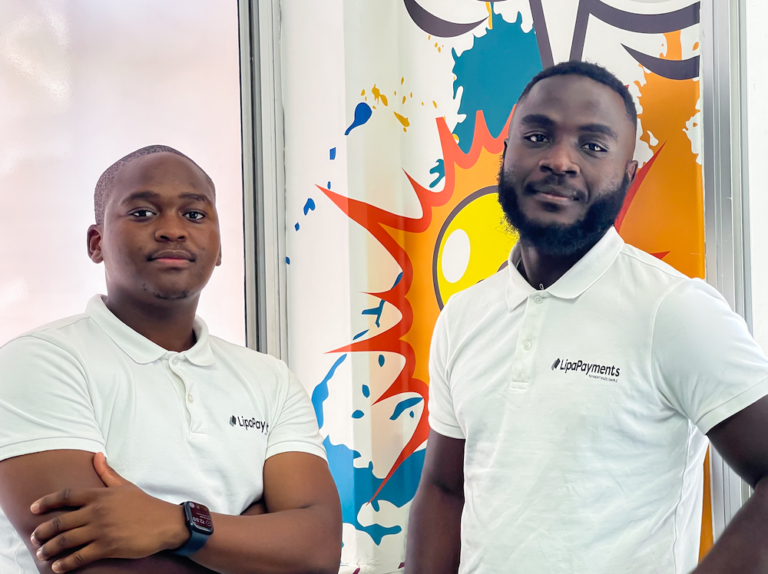
SA’s Lipa Payments raises $650 000 to launch its NFC “Tap to Pay” platform in Nigeria

0

Lipa Payments, a South African-based fintech start-up, is bringing the “Tap to Pay” experience to Africa’s informal sectors with its software solution that enables merchants to accept contactless payments directly from a mobile phone.

With approximately $650 000 in equity investments raised in 2020 from South Africa’s Imvelo Ventures, which is backed by the Empowerment Capital Investment Partners, Lipa Payments is set to roll-out its digital payment solution in Nigeria and South Africa and will work with banks and fintechs to enable affordable, accessible and fast payments for merchants, even to low-end mobile phones.

According to Roger Bukuru, Co-founder and Co-CEO of Lipa Payments, “Merchants run the risk of running out of cash during business hours and there are security risks when managing cash. The Lipa Payments solution improves the experience for informal traders by moving their businesses forward with digital payments. It opens a whole new world of possibilities for these merchants and their cash-carrying customers.”

Launched in 2019 by Roger Bukuru and Thando Hlongwane, Lipa Payments was borne out of a desire to solve the problem of informal areas not having access to adequate and safe payment systems in a digital age.

With Lipa’s technology, informal merchants can accept and make payments using just a low-end smartphone, even if those mobile phones don’t have near-field capabilities or internet access at the time of a transaction.

Whether a merchant is selling goods and services from a taxi rank or a dirt road in a rural village, with Lipa’s digital solution they can use low-end smartphones to accept either phone-to-phone payments (using Bluetooth technology) or accept a bank-card payment directly on their smartphone (using NFC technology).

All smartphones have access to Bluetooth, so banks and fintechs that use the Lipa digital solutions can offer consumers contactless phone-to-phone payments without merchants having to purchase Point-of-Sale (POS) devices.

“We have moved into a digital economy. Gone are the days of needing to distribute Point-of-Sale (POS) machines into areas that can be expensive and remote to get to. We have moved the buy-and-sell ecosystem into the hands of the people who are trading within that ecosystem, the merchants and their customers,” adds Thando Hlongwane, co-founder and joint-CEO Thando Hlongwane.

Both Bukuru and Hlongwane studied computer science at the University of Cape Town (UCT) and are no strangers to the world of technological innovation and have been honing their entrepreneurial skills since high school. Hlongwane and Bukuru share a passion for statistics and data and started coding when they were in high school. While studying at UCT they built an edtech platform, which housed 3000 university developers where they trained them in the latest technologies.

Kenya pioneering 100% solar drying system for tree seeds to tackle it’s decades-long deforestation crisis

0

Kenya is pioneering a newly developed 100% solar energy-driven drying system for forest pine tree seeds in its bid to tackle the country’s decades-long deforestation crisis.

Logging and drought have caused severe deforestation, leaving only 7% of land covered by forest, and like many African countries, Kenya has set itself a tall target – to raise that to 10% by 2023.

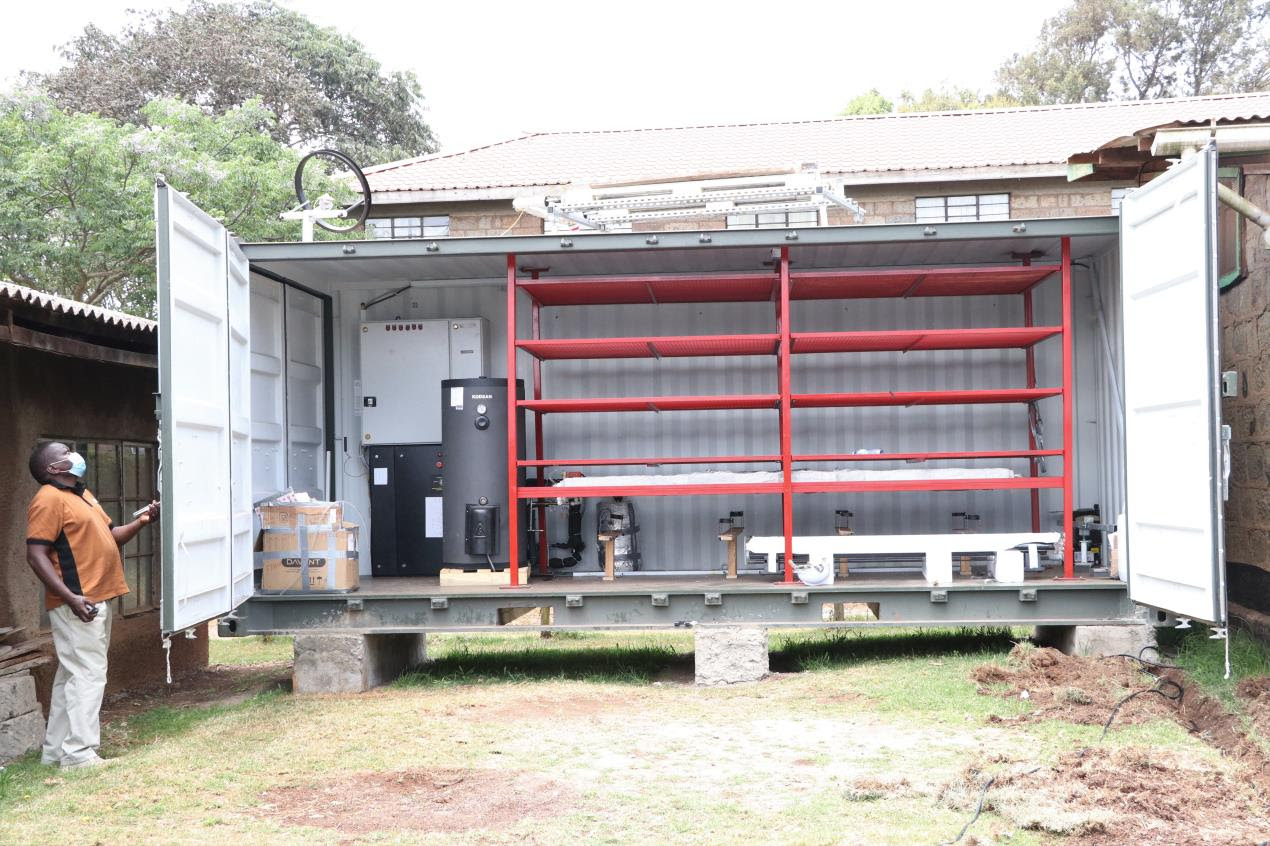
Kenya Forestry Research Institute (KEFRI) asked Brunel University London to streamline the way it dries pine seed pods from the forest floor under electric heaters or the sun until their seeds pop out.

In August 2021, the team installed a prototype custom-designed 100% solar-powered heat generator and heat storage unit at the government agency’s Muguga plant, 30 km north of the capital, Nairobi.

After 6 months it proved its potential to ramp up seed production from eight tonnes a year to 90 – enough to plant the annual two billion saplings needed to hit the lofty government goal.

“We’ve not only increased production for KEFRI, but reduced the energy cost to zero,” said renewable energy engineer, Dr Harjit Singh. “So that means the seeds that they produce are 100% green, zero carbon and they are using the most advanced technology to produce them.”

Dr Singh’s system also slashes seed drying time from 6 weeks to three or four days and “importantly, it doesn’t use electricity. Until now 60% of the cost of producing seeds went on energy.”

The fossil fuel-based grid electricity that produces most seeds in Kenya is worth about £1m a year. The new SoFTS (Solar Heat Storage for Drying Forest Tree Seeds) system can save 80% of this cost by using solar heat. KEFRI now plans to install SoFTS at its nine seed plants nationwide. It will be a gamechanger for Kenya’s 2030 aim of 10% forest cover and 5,100,000 hectares of wastelands reforested.

“The project has introduced a new technology in forestry,” said KEFRI’s Dr Jane Njuguna. “Solar drying of forest tree seeds had not been done in Kenya and this raises our international visibility as a centre of excellence in solar tree seed drying technologies. It has reduced our energy bills and made pine seeds quickly available in the right quantities, helping us achieve the country’s goal to reduce emissions.”

SoFTS’ innovative nanomaterial-enhanced heat storage uses only locally available materials to store 60-80 °C heat generated by a non-tracking low concentrating solar thermal collectors. Automatic sensors detect the seed pods’ temperature and store surplus heat overnight, so even in cloudy climates, it can provide heat for at least 1.5 days. In KEFRI’s other seed plants without the system, and in Kenya’s other four large-scale scale private sector plants, seeds can only be dried during hours of sunlight.

About 30,000 people work in Kenya’s seed industry, which is forecast to grow to increase to 180,000 by 2030. Once reluctant to back the industry because of the cost of power, investors now can afford to be upbeat and are now talking about exporting seeds. Other Sub-Saharan and East African countries such as Uganda, Tanzania and South Africa could use the system for drying their seeds.

“It demonstrates our research capacity here at Brunel,” said Dr Singh. “We’re looking now for backing to do more of this type of project. The biggest thing is to understand the need of the end user correctly and match it with the sort of energy resource they have in that country. It is a completely bespoke system that is something that we are very proud of and it is based on the Brunel team’s expertise that allows us to build any system for any scale.”

solar1solar

cone2

The £201,845 project which ran from April 2020 to August 2021 was part-funded by Innovate UK to the tune of £161,427. Installed nationwide, the technology could cut Kenya’s CO2 emissions by an estimated 2.5-3.2 mtCO2e per year.

GE & Afya Rekod simplify access to medical records to enhance patient experience in Africa

0

GE Healthcare and Kenya-based startup Afya Rekod seek to transform care delivery through improved access to personal health data in Kenya, Nigeria, and South Africa.

The two aim to give patients access to their own health history, including radiological images, by enabling hospitals and diagnostic centers to host health records securely on one platform through a digital application. This partnership will enable patients and clinicians to access data and generate clinical, operational, and financial insights that provide them with a more holistic view of the patient.

According to John Kamara, CEO  Afya Rekod, “Our vision is to put patients at the core of what we do. We want families to have access to their medical records virtually and access them any time, in a matter of seconds. The partnership with GE will allow for a seamless flow of data from the equipment directly to the app and into patients’ hands. The app will also allow clinicians to view data and share with other experts, enabling them to make better informed diagnoses and decisions.

This is a patient-driven platform that puts them at the core of all services. They can capture, store, access and own their health records, which has multiple benefits including reducing the cost of repeating medical tests. Both patients and clinicians will be able to access imaging files and test results through an app on their phones or browser without having to go back to the health clinic to collect the files. To protect confidentiality, Afya Rekod uses various AI and blockchain modules, and the patient maintains the sovereign right of ownership to their health data.

GE Healthcare has supported Africa’s healthcare journey for decades. From providing technology and solutions, to cementing partnerships and supporting training, the company is committed to continuous development across the region.

Eyong Ebai, General Manager Sub-Saharan Africa, GE Healthcare said, “With our collaboration with start-up Afya Rekod, we will work on data accessibility to help create insights for better, more targeted, more individualized patient care. Startups, the private sector, and the public must all come together to further Sub-Saharan Africa’s digital healthcare journey, to the benefit of millions of people. This app and partnership support that journey.”

Realme launches the realme 9i, with the super fast snapdragon 680 6NM processor, in Kenya

0

realme, has today launched realme 9i- the fastest smartphone in Kenya, the world’s first smartphone to have Snapdragon 680 6nm chip- one of the highest speed processors-allowing users to access the best features without compromising on performance add power of the phone.

Snapdragon 680 global debut, lastest 6nm 4G processor

The realme 9i is the newest model in the number series after the realme 8 series. It is powered by the Qualcomm Snapdragon 680, 6nm processor, one of the first in the world. Making realme 9i the fastest budget smartphone with 2.4GHz speed with an Adaptive 90Hz Smooth Display & supports five levels of refresh rate for a smooth experience. Realme 9i adopts an Octa-core CPU including four 2.4GHz Cortex-A73 and four 1.9GHz Cortex-A53, Adreno 610 GPU. The 6nm processor consumes 62% less power and affords 46% more performance than the 12nm processor. This gives consumers smooth, powerful and fast performance, with low power consumption.

Realme’s new phone also comes in an exquisite prism design of two colours, prism Blue and Prism Black, a high quality 50 MP triple camera, massive 6.6 inch screen, 6GB RAM and a 128GB ROM that allows Up to 11GB Dynamic RAM expansion. Realme 9i is also equipped with a battery of 5,000 mAh that supports 33W Dart charging amonth other amazing features.

The phone has a 90.8% screen-to-body ratio ensuring bigger and better display.  The realme 9i comes with an 8.4mm thin build  that weighs 190g only  making it easy to carry around in the pocket or bag or even hand. The smartphone features the realme UI 2.0 which ensures userd ecxperience a smooth and trouble-free experience whether wile gamming, watching or general use of the phone. The realme 9i brings the first Stereo Prism Design to the realme family of devices, presenting a dynamic effect of three-dimensional light and shadow transformation and comes in two colors, Prism Blue and Prism Black.

The all new  realme 9i will retail at Ksh22,999 and Ksh.21,999 for the 6+128GB and the 4+128GB respectively. The phone will be available in all local offline and online stores.

Key Realme 9i Specs

Design
Size 164.4 x 75.7 x 8.4 mm (6.47 x 2.98 x 0.33 in)
Weight 190 g (6.70 oz)
Color Black, Blue
Material Glass front, plastic frame, plastic back
SIMs Dual SIM (Nano-SIM, dual stand-by)
DISPLAY
Screen size 6.6 inches
Type IPS LCD, 90Hz, 480 nits (typ)
Resolutions 1080 x 2412 pixels, 20:9 ratio
PPI 400 ppi density
Multi touch Yes
Protection Dragontrail Pro Glass
NETWORKS
2G GSM 850 / 900 / 1800 / 1900 – SIM 1 & SIM 2
3G HSDPA 850 / 900 / 2100
4G 1, 3, 5, 8, 38, 40, 41
5G No
Speed HSPA 42.2/5.76 Mbps, LTE-A
CAMERA
Rear Triple 50 MP, f/1.8, 26mm (wide), 1/2.76″, 0.64µm, PDAF
8 MP, f/2.4, (macro)
2 MP, f/2.4, (depth)
Features LED flash, HDR. panorama
Videos 1080p@30fps
Front Dual 16 MP, f/2.1, (wide), 1/3.0″, 1.0µm
Panorama
1080p@30fps
HARDWARE
OS Android 11, Realme UI 2.0
Chipset Qualcomm SM6225 Snapdragon 680 4G (6 nm)
CPU Octa-core (4×2.4 GHz Kryo 265 Gold & 4×1.9 GHz Kryo 265 Silver)
GPU Adreno 610
RAM 4GB / 6GB
Storage 64GB / 128GB
Card Slot microSDXC (dedicated slot)
BATTERY
Type Li-Po
Capacity 5000 mAh
Removable Non-Removable
Talk Time N/A
Stand By N/A
Fast Charging Fast charging 33W
Wireless Charging No
Connections
Sound Yes, with stereo speakers, 24-bit/192kHz audio
Sensors Fingerprint (side-mounted), accelerometer, proximity, compass
Bluetooth 5.0, A2DP, LE
GPS Yes, with A-GPS, GLONASS, GALILEO, BDS
USB USB Type-C 2.0, USB On-The-Go
Wi Fi Wi-Fi 802.11 a/b/g/n/ac, dual-band, hotspot


Spotify celebrates one year in Kenya, reports 1.2million user generated playlists

0

 Spotify has celebrated one year of operations since its launch in Kenya and is already seeing Kenyan music lovers discovering more music, local artists finding a megaphone for their work, and Kenyan genres getting exported across the globe.

According to the platform, there were a total of 1.2million user generated playlists, and the most loved local playlist is Hot Hits Kenya. Spotify also recorded a 25% increase in the number of Kenyan artists, and 8,730 songs were added to the platform by creators.

Some of the popular Spotify playlists include NairoBae, derived from the term of endearment that the city dwellers call Nairobi, highlights the best RnB from the city. 254 Flow is for all rap lovers who want to explore the rap scene in Kenya while New Music Friday Kenya spotlights newly released music from the country, every Friday. Zilizopendwa is a throwback playlist with tracks from the 80s and 90s that made radio what it was back then. If you want to get your dose of Kenyan music across all genres, then the Made in Kenya playlist is definitely the one to listen to.

The firm also adds that since launch, the average number of artists streamed per user has grown by 17% with Nairobi, Mombasa, Nakuru, Eldoret and Kisumu as top Spotify cities.The most streamed Kenyan artist is Sauti Sol, followed by Sol Records’ Nviiri The Storyteller. Otile Brown is third, then Nyashinski and finally the other Sol Records artist, Bensoul.

Niko Sawa by Nviiri The Storyteller and Bien is the most streamed Kenyan song. Nikita Kering’s Ex is second, a huge feat for the 19-year-old star who is also the only woman in the top ten. An ode to the city’s dating scene, Nairobi by Bensoul comes in third. H_art the Band’s My Jaber (Friday) is fourth, followed by Dusuma by Otile Brown.

Local artists have found a megaphone for their work, and the top exported local artists are Sauti Sol, followed by Jeff Kaale, then Otile Brown. Ayub Ogada is the fourth top exported local artist and Nviiri The Storyteller rounds off the top five.

Eight out of the ten songs exported are all collaborations, probably due to the combination of two different fan bases. Wanani Remix by Bahati, Benzema, Mejja, Odi Wa Muranga and Petra Ssaru is the top exported song, with most of the plays coming in from the USA. Bensoul’s collaboration with Mejja, Nviiri The Storyteller and Sauti Sol in Nairobi puts it in second place. It is followed by Melanin, a collaboration between Sauti Sol and Patoranking. Ayub Ogada’s Kothbiro is fourth and the only non-collaboration song in the top five. Extravaganza, the song by Sauti Sol and featuring Bensoul, Crystal Asige, Kaskazini and Nviiri The Storyteller, is fifth.

The countries where the top five exported songs were most streamed are USA, UK, Canada in that order, with the exception of Ayub Ogada’s Kothbiro where it was most streamed in USA, Germany then Netherlands.The top emerging artist is Wanavokali, and the top local genre is Gengetone.

The full breakdown of the top lists is below.

Most streamed Kenyan artists

  1. Sauti Sol

  2. Nviiri The Storyteller

  3. Otile Brown

  4. Nyashinski

  5. Bensoul

  6. Wakadinali

  7. BURUKLYN BOYZ

  8. H_art the Band

  9. Mejja

  10. Khaligraph Jones

Most streamed Kenyan songs

  1. Nviiri The Storyteller, Bien – Niko Sawa

  2. Nikita Kering’ – Ex

  3. Bensoul, Mejja, Nviiri The Storyteller, Sauti Sol – Nairobi

  4. H_art the Band, Brizy Annechild – My Jaber (Friday)

  5. Otile Brown, Meddy – Dusuma

  6. Nviiri The Storyteller – Kitenge

  7. Chris Kaiga, Mutoriah – I Want 

  8. Chris Kaiga, Nyashinski  – Hapo Tu

  9. NDOVU KUU, Khaligraph Jones, Boutross Munene – NDOVU NI KUU

  10. Mbuzi Gang, Mejja – Shamra Shamra

Top exported Kenya artists

  1. Sauti Sol

  2. Jeff Kaale

  3. Otile Brown

  4. Ayub Ogada

  5. Nviiri The Storyteller

  6. Willy Paul

  7. Bensoul

  8. Stella Mwangi

  9. Nyashinski

  10. Karun

Top exported Kenyan songs

  1. Bahati, Benzema, Mejja, Odi Wa Muranga, Petra Ssaru – Wanani – Remix

  2. Bensoul, Mejja, Nviiri The Storyteller, Sauti Sol – Nairobi

  3. Sauti Sol, Patoranking – Melanin

  4. Ayub Ogada – Kothbiro

  5. Sauti Sol, Bensoul, Crystal Asige, Kaskazini, Nviiri The Storyteller – Extravaganza

  6. Sauti Sol, Nyashinski – Short N Sweet

  7. Willy Paul, Alaine – I Do

  8. Otile Brown, Meddy – Dusuma

  9. Sauti Sol – Suzanna

  10. Sauti Sol, RedFourth Chorus – Kuliko Jana

Emerging / breakout artists

  1. Wanavokali

  2. Taylor Torch

  3. Bon’eye

  4. Groovy Jo

  5. Nikita Kering’

Top Spotify playlists

  1. Hot Hits Kenya

  2. Today’s Top Hits

  3. African Heat

  4. Made In Kenya

  5. RapCaviar

  6. Soft Pop Hits

  7. Mood Booster

  8. Mega Hit Mix

  9. Afropop

  10. Gengetone Fire

Smile Identity Launches Enhanced Document Verification in Africa, Europe and North America

0

​​Smile Identity, the identity verification provider, has launched Document Verification, its new product set to enable businesses to accept and verify 142 ID types across 100 countries in Africa, Europe, and North America for KYC and user onboarding.

Document Verification will help businesses in lending to remittances, digital banking to cryptocurrency trading among others to reinforce trust in a digital-first environment as African businesses and platforms experience a surge in demand for proper Know Your Customer (“KYC”) checks.

According to Kay Sulyman, Product Manager for Compliance at global remittance provider Chipper Cash, “We are excited about Document Verification. It promises to help us with regulatory changes in Africa, like supporting the new Ghana Card. It’s great to know that Smile Identity’s coverage extends to all of Africa.”

With the new platform, Smile Identity can verify documents to onboard their customers by confirming the authenticity of over 140 ID documents across 100 countries in Africa, Europe and North America, and leverages Optical Character Recognition (OCR) technology to read the KYC information on the document itself. Users simply snap a selfie and photo of their document to prove their identity online; Smile Identity takes care of the rest.

Screen capture

In July last year, Smile Identity raised $7 million in Series A funding co-led by Costanoa Ventures and the pan-African venture firm, CRE Venture Capital, along with participation from LocalGlobe, Intercept Ventures, Future Africa Ventures, and Angel Investors from across Africa and around the world. Existing investors, including Khosla Impact, ValueStream Ventures, Beta Ventures, 500 Startups, and Story Ventures also participated.

The round, which marks the largest investment into an identity verification company focused on Africa, brought Smile Identity’s total funding to over $11M to help it improve its services, expand across more markets, add support for more ID types and hire more engineers and support staff across Africa.

Launched in 2017, Smile Identity makes it easy for Africans anywhere to quickly and easily prove their identity online, while providing startups and established enterprises with the tools and software they need to automate customer onboarding, verify identities, and prevent fraud. The startup provides Identity Verification, Digital KYC, User Onboarding, Document Verification, Liveness Checks, Face Verification, Anti-fraud, and Identity Data Deduplication tools powering the rapid growth and expansion of businesses and startups across Africa.

Using Artificial Intelligence designed for African faces and identities, Smile Identity enables ID verification and KYC compliance for Africans who spend an inordinate amount of time trying to prove or verify their identities in order to gain access to financial accounts, loans, SIM cards, address proofs, and social services.

The company performs over 1 million identity checks every month across Africa and its software is used in banking, fintech, ride sharing, worker verification, public social welfare programs, and telecommunications. Some of its customers include Paystack, Paga and Chippercash; neo-banks like Kudabank and Umba; traditional banks like Stanbic IBTC; cryptocurrency exchanges like Binance, Luno, and Paxful; and even supply-chain businesses like Twiga.

“With Document Verification, we can now verify national IDs, passports, and more,” said Salami Abolore, CEO of Riby, a digital platform offering financial services to cooperatives and trade groups in Africa, adding. “Smile Identity helps us onboard individual and small business users quickly, allowing us to focus on getting them the financial services they need to thrive.”

A core feature of Document Verification is the use of SmartSelfie™, Smile Identity’s proprietary facial verification technology, which compares a user-submitted selfie to the image on the document. SmartSelfie™ is a debiased biometric solution for face detection, matching and liveness confirmation that has a 99.9% accuracy rate on African faces. This renders Document Verification one of the most secure offerings of its kind, helping businesses and platforms combat fraud and promote trust.

Document Verification complements Smile Identity’s core products that run KYC on the basis of an ID number, rather than a document scan. Document Verification helps businesses retain a record of the IDs they checked, a regulatory requirement in key countries.

By giving businesses more options across continents to conduct their KYC process in a secure and compliant manner, Smile Identity is contributing to growth in trade and remittance corridors between Africa, Europe and North America. Smile Identity fosters trust and positive user experiences, which strengthens the African digital economy as a whole while meeting customer, business and regulatory needs.

With subsidiaries, branch offices and engineers in Nigeria, Kenya, South Africa, Ghana, Rwanda, Uganda and counting, Smile Identity’s growing team is made up of people from 12 countries, including 8 African nations. To standardize identity verification across the continent and provide a single solution for a new generation of African companies, Smile Identity works with local ID authorities and has built a platform that combines ID validation with proprietary face verification and liveness checks to support non-surveillance, consent-based access and financial inclusion.

5 reasons why traders choose Cryptex

0


Cryptex is suitable for both beginners and professionals and offers both ease of use and a wide variety of trading tools.

Our main advantages:

-Completely secure

  • Low deposit and withdrawal fees
  • Low order fees
  • No trading fees for BTC/USD
  • High security compared to other exchanges

We’re always available and you can contact us with any issue, which we’ll resolve as quickly as possible.

More about us

– Completely secure.

Cryptex is one of the most secure exchanges and allows you to apply up to 6 levels of authentication at the same time: Google Authenticator, email, IP, SMS, Telegram and Jabber can all be used in any combination to protect your account. Advanced algorithms are used within the exchange to control the turnover of funds. Cold Storage System.

Our team includes encryption and security experts, plus we constantly perform technical audits of our systems and bonuses, so you can be confident that your funds are the safest on our site.

– User Anonymity

Cryptocurrency is a decentralized asset that evolved from the idea that people’s finances cannot be controlled from the outside. And many cryptocurrency owners support this idea. We respect your right to anonymity, and all information about you in our communications belongs solely to you. We do not retain any personal or financial information for more than three months. You may choose to delete your account at any time, and all transaction history and traces of your visit to our site will be deleted. We only ask for authorization if you need to deposit or withdraw funds to your account via bank transfer.

– Cryptex – Easy Communication for Traders

You can comfortably use our service from any device. Our code is well optimized to provide fast and responsive performance under any server load We support trading using the MetaTrader 4 platform. If you wish, you can connect your trading robot to the exchange via the API.

– Two clicks to register, easy to use interface

There is no need to go through a lot of certifications or spend days understanding the interface. The registration process is as simple as possible and once registered you can start trading and buying and selling cryptocurrencies. The interface is intuitive and easy to use, even for those with little or no trading experience.

  • Fast transactions and low fees using any payment method

You can pay with Perfect Money, crypto check system, and soon you will be able to deposit money to your account from JD, WebMoney, QIWI, okpay.

When trading BTC/USD currency pair, you will not be charged any commission for any transaction. This fee is minimal among other currency pairs and is lower than other exchanges. For corporate clients, we offer even lower commissions. Wire transfers from all over the world will soon be available.

– Dedicated Team

We employ the highest level of security and financial experts to ensure that our platform is the most advanced, user-friendly, and safe to use.

– 24×7 Technical Support

Anytime, any question, just call or email us and we will solve it as soon as possible.

If you want to read interesting articles about cryptocurrencies every day, see our blog.

Silvertree Holdings acquires South Africa’s meal kit delivery UCOOK for $12.3m.

0

Silvertree Holdings has fully acquired UCOOK, a South African meal kit delivery firm, for ZAR187 million (US$12.3 million).

UCOOK is a meal kit delivery service that delivers sustainable and ethically sourced ingredients to a user’s doorstep. It was founded six years ago and is currently a market leader.

Silvertree Holdings had previously invested in the startup, which has now been acquired entirely, with co-founders David Torr, Christopher Verster-Cohen and Katherine Barry exiting the company and Silvertree’s Peter Allerstorfer and his colleagues taking over the executive reins.

“Peter is a great executive with a keen eye for detail, I look forward to watching from the sidelines as UCOOK explores new avenues.

“We’re immensely proud of what we built, but I felt it was time to exit the business to allow me to focus on other ventures,” said Torr.

The deal follows Ucook’s acquisition of Granadilla Eats mid last year, in collaboration with its sister entity Faithful to Nature (FTN).

Granadilla Eats is an online food and fresh produce delivery service that was founded out of the need for a trustworthy grocery delivery service during the onset of the pandemic in March 2020.

Meta launches Reels on Facebook and New Ways for Creators to Make Money across SSA

0

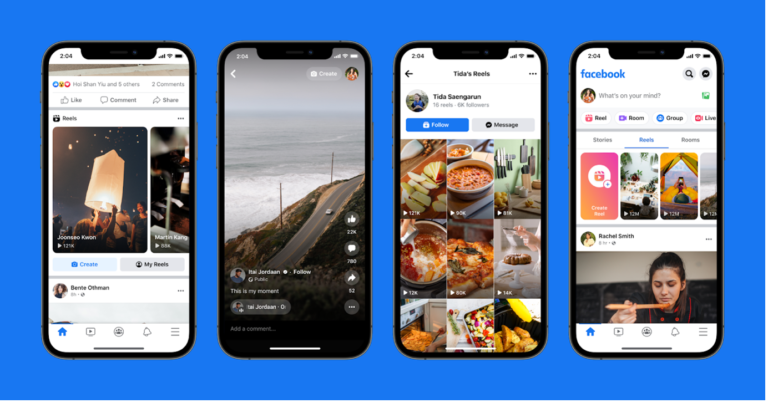
Meta is expanding the availability of  Facebook Reels for iOS and Android to more than 20 countries across sub-Saharan Africa. Meta is also introducing better ways to help creators to earn money, new creation tools and more places to watch and create Facebook Reels.

Prior to this launch Reels was available on Facebook in India, Mexico, Canada, the U.S, and is now available across sub-Saharan Africa in: Zimbabwe, Zambia, Uganda, Tanzania, Swaziland, South Africa, Seychelles, Senegal, Rwanda, Nigeria, Namibia, Mali, Malawi, Lesotho, Kenya, Guinea, Ghana, Cape Verde, Cameroon, Burkina Faso.

Commenting on the launch Nunu Ntshingila, Regional Director for sub-Saharan Africa at Meta says, “We’ve seen that video now accounts for almost all of the time people spend on Facebook and Instagram, and Reels is our fastest growing content format by far. This is why we’re focused on making Reels the best way for creators to get discovered, connect with their audience and earn money. We also want to make it fun and easy for people to find and share relevant and entertaining content.”​


Meta is also creating a variety of opportunities for creators to earn money for their reels. The Reels Play bonus program, part of Meta’s $1 billion creator investment, pays eligible creators up to $35,000 a month based on the views of their qualifying reels. In the coming months, the bonus program will be extended to more countries, so more creators can get rewarded for creating reels that their communities love.

As part of the launch Meta is also launching brand suitability controls, including Publisher Lists, Blocklists, Inventory Filters and Delivery Reports for Banner and Sticker Ads in Facebook Reels in every region they are available, giving advertisers more control over how their ads appear in places they don’t consider suitable for their brand or campaign. Additionally, Meta has been testing full-screen and immersive ads in between Facebook Reels since October of last year, and will roll them out to more places around the world over the coming months. Just like with organic content on Facebook, people can comment, like, view, save, share and skip them.

More Editing Features

In addition to the features announced last year, creators around the world will be able to access:

  • Remix: Create your own reel alongside an existing, publicly-shared reel on Facebook. When you create a Remix, you can create a reel that includes all or part of another creator’s reel.
  • 60-second Reels: Make reels up to 60 seconds long.
  • Drafts: You will soon be able to create a reel and choose to “Save As Draft” below the Save button.
  • Video Clipping: In the coming months, we’re planning to roll out video clipping tools that will make it easier for creators who publish live or long-form, recorded videos to test different formats.

Create and Discover Reels in New Places 

Over the coming weeks, the following updates will be rolled out to make it easier to create and discover reels in new places:

  • Reels in Stories: You can share public reels to Stories on Facebook, making it easy to share favourite reels with friends and giving creators more visibility and reach. You’ll also be able to create reels from existing public stories.
  • Reels in Watch: You’ll be able to watch reels directly within the Watch tab and we’re developing tools to help you create reels in the Watch tab as well.
  • Top of Feed: We’re adding a new Reels label at the top of Feed so you’ll be able to easily create and watch reels in just a few clicks.
  • Suggested Reels in Feed: In select countries, we’re starting to suggest reels that you may like in your Feed from people you do not already follow.

Meta is also exploring ways to make it easier for creators to share Reels to both their Facebook and Instagram audiences, such as cross posting. You can find Facebook Reels in Feed, Groups and Watch. When viewing a reel, you can follow the creator directly from the video, like and comment on it or share it with friends.

Food delivery app KUNE is raising $3.5m to launch its operations across Nairobi

0

Kenyan food online ordering and delivery startup Kune has officially begun commercial operations with four meal hubs located in strategic locations in Nairobi with plans to expand to other towns in Kenya in the next 12 months as the demand for home- made healthy meals on order gains momentum.

Kune, which is in the second phase of fundraising, is targeting to raise $3.5 million (KES 400 million) from local and international investors to increase production capacity and build a countrywide footprint by 2024.

According to Faith Mwendia, the Managing Director Kune, the $1 million pre-seed funding raised last year has enabled the company to develop its factory capacity, boost research capabilities and strengthen the delivery system giving it the capacity to produce and deliver up to 8,000 meals per day.

Kune will be fully operational by the end of March 2022 in Nairobi’s Central Business District along University Way, Sameer Business Park on Mombasa Road, Thika Road and Langata Road. Currently, Kune is delivering over 400 meals a day with a projection to be serving over 1,000 meals a day by the end of this quarter. Our factory production and delivery infrastructure are fully in place for us to scale our operations with our unique offering.

“In the past few months, we have seen tremendous growth in demand owing to our dynamic menu and friendly prices.  We have invested heavily in research and development where we have a fully dedicated in-house team working consistently on our menu advancement so as to meet the changing demands of customers while also bridging the nutrition and price gap. Our prices range between KES 250 to KES 360 for a balanced meal including a fruit salad,” Ms Mwendia added.

Kune sources for food from local suppliers and employs production efficiencies- at the moment it is serving three balanced-diet meals (2 non-veg, 1 veg) a day while also utilising the fruits and vegetables in season.  The investment in its own production and own mobile app has also enabled it to scale down on infrastructure costs with the benefits passed on to the consumer through affordable pricing of meals.

Cyberthreats during Russian-Ukrainian tensions: what can we learn from history to be prepared?

0

Guest post by Chester Wisniewski, a principal research scientist at next-generation security leader Sophos.

With Russian troops amassing on the border with Ukraine and distributed denial of service (DDoS) attacks sporadically disrupting Ukrainian government websites and financial service providers, there is much talk about being prepared for cyber conflict, whether an actual war ensues or not.

While all organizations should always be prepared for an attack from any direction, it can be helpful to know what to look for when the risk of attack increases. I decided to review the history of known or suspected Russian state activities in the cyber realm to assess what types of activities to expect and how organizations can be prepared. 

Destabilizing denial of service attacks

The earliest known activity dates to April 26, 2007, when the Estonian government moved a statue commemorating the Soviet Union’s liberation of Estonia from the Nazis to a less prominent location. This action infuriated Estonia’s Russian speaking population and destabilized relations with Moscow. Soon after there were riots in the streets, protests outside of the Estonian embassy in Moscow and a wave of debilitating DDoS attacks on Estonian government and financial services websites.

Fully prepared tools and instructions on how to participate in DDoS attacks appeared on Russian forums almost immediately after the moving of the statue. These attacks targeted websites belonging to the President, Parliament, police, political parties, and major media outlets.

While calling on fellow “Russian patriots” to help punish Estonia, this was unlikely to have been a grassroots movement that sprung from zero with tools and a list of targets at the ready. The same tactics were later deployed by Anonymous in defense of Wikileaks, using a tool called the low orbit ion canon (LOIC).

On May 4, 2007, the attacks intensified and additionally began targeting banks. Exactly seven days later the attacks ceased at midnight, as abruptly as they had begun.

Everyone immediately implicated Russia, but attributing distributed denial of service attacks is near impossible, by design. It is now widely believed these DDoS attacks were the work of the Russian Business Network (RBN), a notorious organized crime group in Russia with ties to spamming, botnets and pharmaceutical affiliate schemes. Their services appear to have been “procured” for precisely a week to conduct these attacks.

On July 19, 2008, a new wave of DDoS attacks began targeting news and government websites in Georgia. These attacks mysteriously intensified dramatically on August 8, 2008, as Russian troops invaded the separatist province of South Ossetia. Initially they targeted Georgian news and government sites before moving on to include financial institutions, businesses, education, Western media, and a Georgian hacker website.

Like the earlier attacks on Estonia, a website appeared featuring a list of targets as well as a set of tools with instructions for using them. This ruse also attempted to attribute the attacks to “patriots” defending against Georgian aggression, yet most of the actual attack traffic originated from a known large botnet believed to be controlled by RBN.

Digital defacement and spam

The attacks on Georgia also included website defacements and massive spam campaigns designed to clog Georgian’s inboxes. All of this appeared to be designed to inspire a lack of confidence in the ability of Georgia to defend and govern itself and to prevent the government from effectively communicating with its citizens and the outside world.

Less than a year later, a further series of DDoS attacks began in Kyrgyzstan in January 2009. This happened to coincide with a decision-making process the Kyrgyzstani government was entering into to decide whether to renew a lease on a US air base in their territory. Coincidence? It appeared to be conducted by the RBN once again, but this time no ruse of “patriots” expressing their digital opinions.

This brings us to the most recent kinetic conflict, the invasion of Crimea in 2014.

Disinformation and isolation

Low-level information warfare has been ongoing against Ukraine since 2009, with many attacks coinciding with events that could be interpreted as threatening to Russian interests such as a NATO summit and negotiations between Ukraine and the EU for an Association Agreement.

In March 2014, the New York Times reported that “Snake” malware had infiltrated the Ukraine Prime Minister’s Office and several remote embassies at the same time as anti-government protests began in Ukraine. Near the end of 2013 and into 2014, ESET also published research documenting attacks against military targets and media outlets dubbed “Operation Potao Express.”

As before a homegrown cyber group known as “Cyber Berkut” executed DDoS attacks and web defacements, without causing much actual harm. It did, however, create a lot of confusion and that alone has an impact during times of conflict.

Early in the conflict soldiers without insignias seized control of Crimea’s telecommunications networks and the only internet exchange in the region, causing an information blackout. The attackers abused their access to the mobile phone network to identify anti-Russian protesters and send them SMS messages saying, “Dear subscriber, you are registered as a participant in a mass disturbance.”

After isolating Crimea’s ability to communicate, the attackers also tampered with the mobile phones of members of the Ukrainian Parliament, preventing them from effectively reacting to the invasion. As noted in Military Cyber Affairs, disinformation campaigns kicked into full swing:

In one case, Russia paid a single person to hold multiple different web identities. One actor in St. Petersburg conveyed that she was acting as three different bloggers with ten blogs, while also commenting on other sites. Another individual was employed to simply comment on news and social media 126 times every twelve hours.”

Paralyzing power supplies

On December 23, 2015, the power was abruptly turned off for about half of the residents of Ivano-Frankivsk, Ukraine. This is widely believed to have been the work of state-sponsored Russian hackers. The initial attacks began more than 6 months before the power blinked out when employees at three power distribution centers opened a malicious Microsoft Office document with a macro designed to install malware called BlackEnergy.

The attackers were able to acquire remote access credentials to the Supervisory Control and Data Acquisition (SCADA) network and take control of the substation controls to begin opening circuit breakers. The attackers then proceeded to brick those remote controls to prevent the breakers from being closed remotely to restore power. Additionally, the attackers deployed a “wiper” to brick the computers used to control the grid and simultaneously conducted a telephone denial of service (TDoS) attack by clogging the customer service numbers, frustrating customers trying to report the outages.

Nearly one year later, on December 17, 2016, the lights blinked out once again in Kyiv. Coincidence? Likely not.

This time the malware responsible was called Industroyer/CrashOverride and it was immensely more sophisticated. The malware was designed with modular components that could scan the network to find SCADA controllers and it also spoke their language. It also had a wiper component to erase the system. The attack didn’t appear related to BlackEnergy or the known wiper tool, KillDisk, but there was no doubt who was behind it.

Email exposure

In June 2016, during a close Presidential election campaign between Hillary Clinton and Donald Trump, a new character named Guccifer 2.0 appeared on the scene claiming to have hacked the Democratic National Committee and proceeded to hand over their emails to Wikileaks. While not officially attributed to Russia, this appeared alongside other disinformation campaigns during the 2016 election and is widely believed to be the work of the Kremlin.

Supply chain attacks: NotPetya

Russia’s persistent attacks against Ukraine weren’t over and they turned up the heat on June 27, 2017, when they unleashed a new piece of malware now dubbed NotPetya.

NotPetya was disguised as a new strain of ransomware and deployed through a hacked supply chain of a Ukrainian accounting software provider. In fact, it was not really ransomware at all. Although it would encrypt a computer, it was impossible to decrypt, effectively wiping the device and making it useless.

The victims weren’t limited to Ukrainian companies. The malware spread around the world within hours, mostly impacting organizations that had operations in Ukraine where the booby-trapped accounting software was used.

NotPetya is estimated to have caused at least $10 billion USD in damage worldwide.

False Flags

As the Winter Olympic games opened in PyeongChang on February 9, 2018, another attack was about to be unleashed on the world. The malware attack disabled every domain controller across the entire Olympic network, preventing everything from Wi-Fi to ticket gates from working properly. Miraculously, the IT team was able to isolate the network, rebuild and remove the malware from the systems and have everything up and running for the next morning, barely skipping a beat.

Then it was time to conduct the malware analysis to attempt to determine who would want to attack and disable the entire Olympic network? Malware attribution is hard, but there were some clues left behind that might help, or they could be false flags trying to point the finger at an uninvolved third party.

The “evidence” appeared to point at North Korea and China, yet it was almost too obvious to attempt to blame North Korea. In the end, some brilliant detective work by Igor Soumenkov of Kaspersky Lab found a smoking gun that pointed directly at Moscow.

A few years later, just before the festive holidays in late 2020, word spread of a supply chain attack targeting the SolarWinds Orion software used to manage networking infrastructure for large and mid-size organizations around the globe, including many US Federal Government agencies. The software update mechanisms had been hijacked and used to deploy a backdoor.

The high-profile nature of the victims, combined with the access afforded through the stealthily deployed backdoor may make this attack one of the largest and most damaging cyberespionage attacks in modern history.

The U.S. Federal Bureau of Investigation (FBI), the Cybersecurity and Infrastructure Security Agency (CISA), the Office of Director of National Intelligence (ODNI), and the National Security Agency (NSA) released a joint statement saying their investigation indicated that:

“…an Advanced Persistent Threat actor, likely Russian in origin, is responsible for most or all of the recently discovered, ongoing cyber compromises of both government and non-governmental networks. At this time, we believe this was, and continues to be, an intelligence gathering effort.”

Russian cyberconflict in 2022

In 2022 the cyberpolitical tensions are rising again and near breaking point. On January 13 and 14, 2022, numerous Ukrainian government websites were defaced, and systems were infected with malware disguised as a ransomware attack.

Multiple components of these attacks echo the past.

The malware was not actually ransomware, it was simply a sophisticated wiper, as was seen in the NotPetya attacks.

Additionally, there were many false flags left behind implying it might be the work of Ukrainian dissidents or Polish partisans.

Distract, confuse, deny and attempt to divide seems to be the standard playbook now.

On Tuesday February 15, 2022, a series of debilitating DDoS attacks were unleashed against Ukrainian government and military websites, as well as against three of Ukraine’s largest banks. In an unprecedented move the White House has already declassified some intelligence and pinned the attacks on the Russian GRU.

[Update (2022-02-23)]: On February 23, 2022 at around 16:00 local time in Ukraine, another wave of DDoS attacks was unleashed against the Ukraine Ministry of Foreign Affairs, Ministry of Defense, Ministry of Internal Affairs, Cabinet of Ministers and the Security Service of Ukraine. The outages lasted about two hours and are so far unattributed. ESET and Symantec reported a new boot sector wiper being deployed at approximately 17:00 local time, which was precisely in the middle of this DDoS attack. It appears to have impacted a small number of organizations related to finance and Ukrainian government contractors. Symantec reported there was some spillover onto PCs in Latvia and Lithuania, likely remote offices of Ukrainian companies.

[Update (2022-02-24)]: At 02:00 local time on February, 24, 2022, the websites of the Ukrainian Cabinet of Ministers, and those of the Ministries of Foreign Affairs, Infrastructure, Education, and others were unreachable, according to CNN. By 06:00 local time on February 24, 2022, they appeared to be operating normally.

The Russian playbook for cyberwarfare

What now? Regardless of whether things continue to escalate, cyberoperations are sure to continue. Ukraine has been under a constant barrage of attacks with varying degrees of peaks and troughs since Viktor Yanukovych was deposed in 2014.

Russia’s official “The Military Doctrine of the Russian Federation” from 2010 states:

“the prior implementation of measures of information warfare in order to achieve political objectives without the utilization of military force and, subsequently, in the interest of shaping a favourable response from the world community to the utilization of military force.”

This suggests a continuance of previous behaviors before a conflict, and makes DDoS attacks a potential sign of an imminent kinetic response.

Information warfare is how the Kremlin can try to control the rest of the world’s response to actions in Ukraine or any other target of attack.

False flags, misattribution, disrupted communications, and social media manipulation are all key components of Russia’s information warfare playbook. They don’t need to create a permanent cover for activities on the ground and elsewhere, they simply need to cause enough delay, confusion and contradiction to enable other simultaneous operations to accomplish their objectives.

Prepare and protect

Interestingly, the United States and United Kingdom are trying to preempt some of the misinformation campaigns, and this could limit their effectiveness. However, we shouldn’t assume the attackers will stop trying, so we need to remain prepared and vigilant.

For example, organizations in countries surrounding Ukraine should be prepared to be drawn into any online mischief, even if they are not operating directly inside Ukraine. Previous attacks and misinformation have leaked over into Estonia, Poland, and other bordering states, even if only as collateral damage.

From a global perspective, we should expect a range of “patriotic” freelancers in Russia, by which I mean ransomware criminals, phish writers and botnet operators, to lash out with even more fervor than normal at targets perceived to be against the Motherland.

It is unlikely Russia would directly attack NATO members and risk invocation of Article V. However, its recent gestures toward reining in criminals operating from the Russian Federation and their Commonwealth of Independent States (CIS) partners will probably come to an end, and instead we will see the threats multiply.

While defense-in-depth security should be the normal thing to strive for at the best of times, it is especially important if we can expect an increase in the frequency and severity of attacks. The misinformation and propaganda will soon reach a fever pitch, but we must keep our nose to the ground, batten down the hatches and monitor for anything unusual on our networks as the conflict cycles ebb and flow and even when/if they end soon. Because as we all know, it could take months for evidence of digital intrusions due to this Russian-Ukrainian conflict to surface.


How to use Live Captions in Google Meet.

0

Live captions are useful for video calls because they allow you to see what is being said as well as hear it. You can enable live captions in Google Meet, turn them off if necessary, and change the language.

Google Meet on the Web Live Captions

  • On the Google Meet website, there are a few simple ways to enable live captions. Begin or join your meeting as usual.
  • Click the Captions button in the toolbar at the bottom to use your default language. The button turns blue, and the subtitles appear.
  • To enable captions while also selecting a language, click the three dots at the bottom of the screen and select “Captions.”
  • Select a language for the captions and then click “Apply.”
  • Captions can also be enabled in the Settings menu. Click the three dots, then select “Settings,” then “Captions.” Enable the Captions toggle at the top.
  • Captions will appear at the bottom of the screen as participants speak.

Change the Language on the Web

Subtitles in English are available in all locations. In North and Latin America, you can choose between German, Portuguese, and Spanish. You can choose English, French, German, Portuguese, or Spanish in the Asia Pacific or Europe.

You can change the language of the captions in a few simple ways.

  • Method one: When you first enable live captions, you’ll see a brief message informing you of the situation. If necessary, you can change the language immediately by clicking the language in blue font within that message.
  • Method two: Select the Caption Settings icon, which displays the currently selected language. To close the settings, select the language from the drop-down menu and click the X.
  • Method three: Click the three dots at the bottom, select “Captions,” select a language from the drop-down menu, and then click “Apply.”
  • Method four: Click the three dots, then choose “Settings,” then “Captions,” and then select a language from the drop-down menu. To close the Settings, click the X in the upper right corner.

Until you change it, the language you select remains the default.

Captions on the web should be turned off.

You can disable captions in one of three ways during your video call.

  • Method one: In the toolbar at the bottom, click the Captions button. This removes the button’s blue highlight and disables the subtitles.
  • Method two: Click the three dots, then select “Captions,” then “Off,” and finally “Apply.”
  • Method three: Click the three dots, then select “Settings,” then “Captions,” and then deactivate the toggle at the top.

Google Meet Mobile App Live Captions

  • It’s just as simple to enable live captions if you’re joining a Google Meet from your Android, iPhone, or iPad.
  • Open the Meet app and join or start your meeting as usual. Select “Show Captions” from the three dots on the bottom right.
  • Captions will appear at the bottom of the screen as participants speak.

Change the Language in the Mobile App

Captions are available in English in all locales, similar to Google Meet’s website. You can select English, French, German, Portuguese, or Spanish for Asia Pacific or Europe.

When you first enable live captions, you’ll see a brief message indicating that captions in the language you selected have been enabled. Tap the language in blue within the message to change the language immediately.

  • Select “Language” from the Captions menu, then the dialect, and then tap the arrow to return. Then, on the top left, tap the X to close the Settings.
  • Tap the three dots and select “Settings” to change the language for captions later. Choose “Language” and then the dialect. Then, tap the arrow to return to the previous screen and the X to close the Settings.

Until you change it, the language you select remains the default.

Captions can be turned off in the mobile app.

It only takes two taps to turn off captions during a video call. Select “Hide Captions” from the three dots on the bottom right.

Netflix is introducing short comedy clips to your television.

0

Netflix is testing a new feature called Fast Laughs on TVs, which includes a slew of short, funny videos that you can access through your Netflix account. It’s similar to TikTok, but without user-generated content.

Fast Laughs is a Netflix feature that allows you to sift through a large number of curated videos that are 30 seconds or longer. The arrival of the feature on TVs was first reported by The Verge. It was previously only available on smartphones, but Netflix is now making it available on its TV apps as well.

The clips are from Netflix shows and movies and are intended to introduce you to new content that you may not have seen before. You might come across a funny scene from a show in Fast Laughs and realize that it contains the type of humor you enjoy.

If you can access the opt-in feature, which is currently in testing with a small number of users, scroll down to the bottom of the Netflix homepage on your TV until you see the Fast Laughs section. It is not personalized in the same way that the rest of your Netflix homepage is. Instead, Netflix’s staff curates the content.

It’s unclear when or if this feature will be available to all Netflix subscribers. It will most likely come down to how many users enjoy it during the test.

Kenya’s Topup Mama, Tulix, AquaRech & Nigeria’s ColdHubs selected into Catalyst Fund’s tenth cohort

0

Kenya’s Topup Mama, Tulix, AquaRech and Nigeria’s ColdHubs have been selected into Catalyst Fund’s latest cohort joining an existing portfolio of 55 companies and will catalytic capital, venture building support, and direct connections with investors, corporate innovators and talent networks that can help them scale.

Kenya’s AquaRech is a platform for fish farmers to source quality feed, reduce growth cycles by monitoring via sensor technology, find new routes to market, and access credit to enable growth. Tulix, also from Kenya is a digital payment wallet to enhance visibility of funds and collaboration between African migrants and their beneficiaries back home.TopUp Mama, working in both Kenya and Nigeria is an online B2B platform for restaurants to purchase all inventory required at wholesale prices, including perishable goods requiring an adapted (cold) supply chain, and access working capital to grow their business.

Nigeria’s ColdHubs is a “plug and play” modular, solar-powered walk-in cold room, for 24/7 off-grid storage and preservation of perishable foods, enabled through digital payments.

According to Maelis Carraro, Managing Director of Catalyst Fund. “Low-income and underserved communities in emerging markets will bear the brunt of the climate crisis, yet contributed the least to it. The impacts of climate risks are predicted to be expansive, affecting communities in wide ranging and unforeseen ways. It’s fundamental to invest in solutions that build resilience to shocks and ensure these solutions are reaching the most vulnerable. We have explored models that push the frontier of current thinking around resilience-building for climate vulnerable people, and we are energized to explore how fintech innovation can help these populations, by supporting pioneering entrepreneurs in Kenya, Nigeria and Mexico. We look forward to exploring this innovation frontier for fintech with the invaluable support of JPMorgan Chase, FCDO, and PayPal.” 

Other startups selected include Mexico’s Koltin, a digital health insurance solutions and preventative care for the region’s growing senior population and Mujer Financiera, which works both in Argentina and Mexico, is a financial wellness with a multi-tiered approach to build the financial literacy, financial health, and resilience of underserved women.

Catalyst Fund, a global inclusive tech accelerator managed by BFA Global is supported by the UK Foreign, Commonwealth and Development Office (FCDO), JPMorgan Chase & Co., and PayPal, and fiscally sponsored by Rockefeller Philanthropy Advisors. Catalyst Fund is exploring the role of fintech innovation in increasing the resilience of climate vulnerable populations, and this latest cohort is based on these insights.

To date, Catalyst Fund has raised more than $446 million in follow-on funding and reached over 10 million low-income customers. Startups in this cohort were approved by Catalyst Fund’s Investor Advisory Committee (IAC), formed by six leading fintech and emerging market investors from around the world: Anthemis, Quona Capital, Better Tomorrow Ventures, Flourish Ventures, Accion Venture Lab and Gray Ghost Ventures.

“At PayPal, we believe digital finance innovations can help power greater climate resilience around the world,” said Sri Shivananda, EVP and CTO, PayPal. “We are excited to welcome the next cohort of startups into Catalyst Fund, and to support fintech innovators that are helping people to anticipate and recover from disasters, adapt livelihoods, and build long-term resilience to unforeseen impacts of climate change.”

Shivananda believes that climate change and inequality are critical challenges of our time, and current estimates suggest that the total addressable market for resilience solutions is almost 50 percent of the world’s population. Inclusive tech providers are making inroads with pioneering models that can serve climate vulnerable populations and improve their resilience to shocks. While there is growing willingness among investors and government to support such solutions, many are not tailored for vulnerable people, and there remains significant uncertainty about how they can effectively reach those who need them most. Catalyst Fund has drawn on its investment experience and research, including the Digital Finance for Climate Resilience (DF4CR) Framework for Action – interdisciplinary research led by the DF4CR Task Force – to select and support key models and products it believes are ripe for scale and replication.

Miriam Freeman, Vice President for Global Philanthropy at JPMorgan Chase said, “JPMorgan Chase is committed to helping advance a sustainable and inclusive economy by helping clients transition to a low-carbon world, supporting green initiatives as part of our $2.5 trillion sustainable development target and minimizing the environmental impact of our own operations. In addition, we are helping advancing community resilience to climate change. We are pleased to support Catalyst Fund’s latest cohort in fostering inclusive technology as an important part of an inclusive economic recovery.”

 5 Efficient Ways To Manage Business Disputes

0

With the huge increase in the number of businesses out there, the occurrence of disputes and issues related to the various aspects of the trade has become inevitable and frequent. For anyone who is not accustomed to such incidents, it can be very confusing and scary.

Thanks to the available knowledge on the internet, solving such crises has become significantly easier. There are multiple services and solutions which are offered by several professional sites and firms, helping a business solve these issues effectively and ensure a quick recovery. Here are a few tips on managing such disputes arising in your business.

1.  Staying neutral

Though many situations might force you to think as a part of your business alone, make sure you refrain from making hasty decisions just to help avoid any loss to your firm. Going through with actions that might be obviously unfavourable to the opposing party might lead to an even more serious complication, like them trying to file a complaint to the higher-ups or so.

Mitigating such a situation can be several times more difficult and stressful than the original issue. Hence, always keeping an unbiased opinion regarding the issue can help you make better decisions that are fair to both parties involved in the dispute.

2.  Research thoroughly

To manage the situation efficiently without making any faulty judgments, analysing the problem carefully is of utmost importance. Rather than just focusing on how the issue has impacted your firm alone, try to look at the issue at hand from multiple perspectives and scrutinise every tiny detail in place.

Getting a clear-cut idea on the issue can help you come up with the best possible solution for the issue and minimise the overall loss of funds and resources. This can be achieved only through thorough and meticulous research done in a fair and justified manner.

3.  Take help when needed

Another important thing is to make use of all available resources that can help you save a significant amount of your time and energy. Currently, there are several setups that offer professional assistance, like commercial litigators and insolvency solicitors. Such trained professionals can boost your problem-solving process as they tend to work at a faster pace and with better efficiency.

4.  Maintaining healthy relationships

Trying to come up with fair solutions can improve the relationship among the business folk. Also, making valid calls and choices can promote easy acceptance and smooth management of the issue without further opposition. Rather, any other misunderstandings are also cleared out, maintaining a healthier relationship between the involved parties.

When there is a healthy relationship among people involved in the same field, it is highly beneficial to both sides, as they can help each other out in times of need.

5.  A good contact list

As you navigate along with your business, make sure to have adequate knowledge about any firm or group that can prove to be helpful in the course of progress. This includes financial supporters, litigators, and personnel who can deal with any legal or criminal issue which might arise in the future.

This can prove to be very helpful in times of crisis and take off a huge amount of burden from your hand.

Conclusion

To wrap things up, one of the most important things to keep in mind while running a business is that prevention is always better than cure. Keep a constant eye on any possible source of such disputes and clear them out as soon as possible.

Personal factors apart, it is recommended by several experts that hiring a team of professional litigators might be the best possible way to solve crises in a business.


What has COVID Taught us About Forex Trading?

0

The world faced many difficulties following the outbreak of Covid, with stock markets, forex markets, and other related financial markets plunging to new lows. Many of the economies have recovered somewhat from the after-effects of Covid. However, many nations are still reeling under the impact of the pandemic. Investors tend to depend on a reliable and safe currency during a significant crisis. One currency gained during the initial part of the Covid outbreak is the US dollar. There was a massive demand for the US currency, with the jittery investors putting their money in a safe option.

If you are a beginner in the industry, you need to understand the forex market. There are many forex-related websites and financial publications that give insights into the performance of the forex market during the uncertain times of Covid. It will also indicate how the forex market bounced back from the major crisis in the financial world. If you are looking to enter trading to learn more about the industry, there are some reliable forex brokers apps in the market. Such apps offer an opportunity for a new investor to learn more about the forex market. This article looks at the various lessons learnt by the forex industry during the Covid crisis.

New Clients

The outbreak of Covid has created panic in all financial markets, but according to some reports, the forex industry survived the onslaught. Some forex brokers said they added many new clients during the period. The trading volumes have also increased for many brokers. One of the reasons could be the interest of new investors to move their money from stock markets to new arenas. Many stock investors took an interest in the forex market and put cash in forex trading in the last two years. Some investors consider it an opportunity to learn the trading strategies of a new industry.

Fed Move

When EUR started to weaken following the Covid outbreak, the US Federal Reserve made a swift move by cutting the interest rates. By March 2020, the interest rate was nearly zero. Following the Fed move, the rate between euro and dollar stabilized to its earlier levels.

Euro Performance

During the initial stage of the coronavirus, the euro weakened considerably against the dollar. Before Covid started affecting the United States, its impact was severe in Europe, especially Italy. After reaching its lowest level on March 20, the euro gained more than 10 percent against the dollar by the end of August. However, the surge in the euro was temporary as the increasing Covid cases, especially in Spain and France, adversely affected the chances of the currency. 

Delta Variant

Investors consider the dollar a safe option, especially during a world crisis. On August 28, 2021, it touched a fresh 9-1/2-month high because of the concerns related to the arrival of the Delta coronavirus variant. Apprehensive investors prefer investing in a safe currency such as the dollar. On the other hand, Australian and New Zealand dollars, considered risk-sensitive currencies, fell sharply on the same day.

Uncertain Element

Investors should be ready for significant upsets in the market, considering the volatile nature of forex trading. When we have a pandemic in the scale of Covid, which has battered the life of people across the world for the last few years, financial markets are bound to respond panicky. As a trader, you have to choose the correct strategy in the market to stay afloat. Many investors prefer to stay with safe currencies, including the dollar, to overcome the crisis. During such an unpredictable period, it is better to avoid risky options. You don’t need to risk your money in the market during uncertain times. It is essential to have a trading plan for all investors and specific entry and exit strategies. Besides, an investor should undergo fundamental, technical, and weekly analysis to determine the future course of action in the market. Based on the research, you can decide your strategy for the next week. A cautious approach is essential for an investor during a crisis like Covid.

Studying the Market

It is significant to update information regarding forex trading, especially during a crisis. Even a tiny amount of knowledge might help the investor act in the market accordingly. Following sound and reliable forex-related websites and financial publications would be better. There would be opinion pieces from forex experts on approaching the market and various trading strategies in magazines and websites. You can also join informative forex-related forums and read the discussions related to the experiences of forex traders. After analyzing all such options, you can decide on your investment on your previous experience in the market and by studying your trade journal. All investors need to maintain a trade journal to understand previous trading decisions. Based on such previous experience, a trader can proceed with his future investment strategies.

CarGuard: How The Automotive Chip Shortage Impacted Car Buyers?

0

The year 2021 saw the automotive industry suffer from a debilitating chip shortage whose effects are likely to be felt later in 2022. A scarcity of semiconductors, the small but vital chips that calibrate fuel injection, drive infotainment systems, and supply the brains for cruise control, has thrown the auto industry into disarray.

The timing of the shortage could not have come at a worse time, with the automakers still reeling from the effects of the Coronavirus pandemic. While the shortage has affected many industries, the automotive industry has borne the brunt of the situation.

But why has the vehicle industry borne the brunt of the global chip shortage? The simple explanation is that modern cars have grown dependent on microchips to perform various functions, such as detecting tire pressure issues and triggering safety features.

A typical vehicle requiring over 1400 microchips has left the industry in dire straits. The impact has been devastating, with some automakers forced to close down manufacturing operations.

Companies like General Motors saw their sales plummet by 30 percent in 2021. On its part, Ford’s net revenues dropped by 24 percent in the third quarter of the year. According to some estimates, the chip supply chain issues cost the auto industry upwards of $210 billion in revenue.

What Led to Chip Shortage in the First Place?

During the pandemic, consumers began buying all sorts of sophisticated products that had one thing in common: they were all equipped with one or more microchips. Stuck at home and instantly in need of suitable devices for collaborating, learning, and entertaining themselves online. Laptops, gaming PCs, tablets, monitors, smart TVs, appliances, security systems, and video gaming consoles—demand for these and other chip-dependent gadgets climbed to unprecedented heights during the pandemic.

In 2020, tablet sales increased by roughly 14% over 2019, and personal computer sales increased by 11% over 2019, the largest rise since 2010. Over the same duration, revenue from game consoles shot to $11.9 billion or 8%, and annual sales of smart TVs increased by 7%. Because of the unexpected spike in demand for smart, chip-enabled devices, the industry required massive quantities of all various kinds of chips simultaneously.

Like so many other facets of the Covid-19 economy, this caught semiconductor supply chain players off guard. Since they were caught unawares, they couldn’t make enough of the correct chips quickly enough to meet demand. To worsen an already bad situation, chipmakers opted to supply the chips to the higher-paying electronics industry.

How has the Chip Shortage Impacted Car Buyers?

Drive by any virtually empty showroom floor to get a sense of how this works on the ground. Purchasing a new or used automobile has become more complicated. Before the crisis, car manufacturers had 70 to 80 days’ supply of several models on hand, allowing buyers to strike a deal and drive away in their new vehicle. Inventories in the United States have dropped to levels not seen since the global financial crisis, with inventories as low as ten days’ worth.

There were few options for new automobile buyers or those returning a lease. Customers found themselves ordering a new vehicle and waiting months for it to arrive. They were also taken aback by the price tag. According to J.D. Power, the average transaction price for a vehicle has surpassed $45,000, and the average incentive has dropped to around $1,600.

With fewer trade-ins, fewer used cars were available, resulting in even higher price hikes. As shown in a white paper released by KPMG, new automobile prices increased by roughly 12% throughout the year, while used car prices increased by more than 42%.

Some purchasers may be fortunate enough to get a new car, but it may lack features that require specific chips. For instance, Porsche has informed U.S. dealers of its inability to deliver the luxurious seats in its Macan SUV and informed car buyers in the United States that they may have to wait an extra 12 weeks for their Porsche’s due to lack of a microprocessor that monitors tire pressure.

The Nissan Ariya, Rivian R1T and R1S, and the Tesla Cybertruck were among other anticipated new car introductions that were postponed. Many automakers, notably GM, prioritized electric vehicles.

The good news is that new vehicle inventories are improving. For the first time since July 2021, the United States had a monthly supply of more than 1 million vehicles for sale in December.

Vehicle Protection Plan With CarGuard

To most people, a car is among their most prized possessions. This means protecting it from avoidable damage is essential.

However, even with the most meticulous care, cars still face challenges such as accidents, worn-out parts, and warranty coverage issues. And with the ongoing chip shortage, you may be stuck with your current car for longer than you had anticipated. Keep your vehicle in shape with a CarGuard vehicle service plan.

CarGuard takes a unique approach to their relationship with clients and customers. This relationship is critical to CarGuard. Their mission is to quickly adjudicate your claims and provide their customers with world-class service. Here are their protection plans:

  • CarGuard Platinum Protection Plan
  • CarGuard Gold Protection
  • CarGuard Powertrain Protection
  • Prepaid Maintenance Plan
  • CarGuard Flat Rate

CarGuard Vehicle protection plan has a $12,500 limit of liability. On top of that, all protection plans include a bonus roadside assistance and a rental car program. Get in touch with them, and they’ll help you choose the best plan for your vehicle protection.