back to top
Saturday, June 13, 2026
Home Blog Page 24

Terp 360, a Kenyan Sign-Language App Wins £50,000 Africa Prize

0

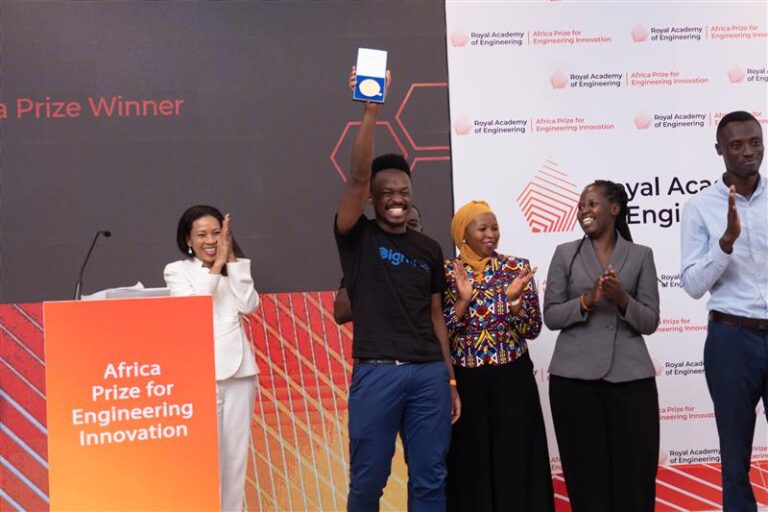
Terp 360, a sign-language app by Kenyan innovator Elly Savatia has won £50,000 Africa Prize for Engineering Innovation.

The Royal Academy of Engineering hosted the 2025 Africa Prize for Engineering Innovation in Dakar, Senegal. 

Terp 360 is an AI-powered application that translates speech into sign language using lifelike 3D avatars. The app targets  deaf and hard-of-hearing communities and has more than 2,300 locally recorded signs for cultural relevance and natural expression.

As the prize winner, Elly Savatia will take home £50,000 to support the next phase of Terp 360 which is expansion into the B2B market, focusing on education, corporate and healthcare sectors.  

“I’m totally grateful for this and it is a testament to the innovative assistive technology work that is coming from Africa. I’m really looking forward to the excellence that will come out of Signvrse, the rest of the shortlistees and the African continent.” said Elly Savatia, creator of Terp 360.

The three other finalists are Uganda’s Vivian Arinaitwe with Neo Nest; Ghana’s Frank Owusu with Aquamet; and Kenya’s Carol Ofafa with E-Safiri. They each received £10,000. A further £5,000 One to Watch prize was awarded Mozambique’s Rui Bauhofer of Eco-Plates. 

Neo Nest is a portable, low-cost neonatal warming and monitoring device preventing hypothermia during ambulance transfers from rural health facilities to referral hospitals while Aquamet is a smart water-quality monitoring device for smallholder fish farmers that tracks key parameters and provides real-time alerts and recommendations. 

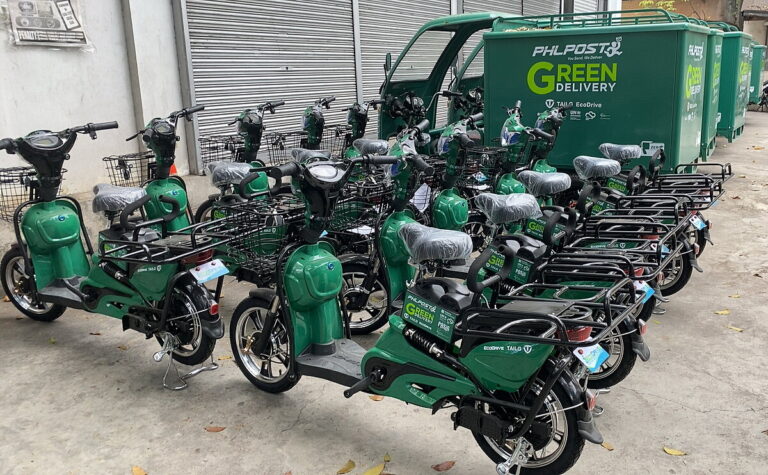
Kenya’s E-Safiri is a solar-powered charging and battery-swapping hubs for electric bicycles and motorbikes that also supply surplus power to nearby households. 

Since its launch in 2014, the Africa Prize for Engineering Innovation has supported more than 160 innovators from over 20 countries. By equipping entrepreneurs with training, mentoring and networks, it helps turn promising ideas into scalable businesses.

Meta, Safaricom to Rollout $23 Million Undersea Submarine Cable

0

Meta, through its subsidiary Edge Network Services Limited, has entered a deal with Safaricom to bring its second submarine cable, connecting Oman and Kenya.

Meta has signed up Safaricom as a landing partner to a new high-capacity submarine cable. TechMoran first reported about the Meta undersea cable in September.

“This deal is a significant strategic milestone for us at Safaricom as we mark 25 years and signals our readiness to transition into a fully-fledged tech company in line with our vision 2030 strategy. It positions us to meet the surging demand for high-capacity, low-latency connectivity which is critical for powering economic growth, cloud adoption, and digital innovation,” said Dr Peter Ndegwa, CEO, Safaricom.

The new 4,108-kilometre subsea cable, a system linking Oman to Mombasa that is set to go live in 2026 and will reinforce Safaricom’s drive to deliver faster, more resilient and future-proof connectivity in line with its vision to be Africa’s leading purpose-led technology company by 2030.

Safaricom also sees this as an opportunity to help it be at the forefront of digital transformation, empower businesses, communities, and consumers with the bandwidth they need to thrive in a connected world.

The Under-Sea Cable System will be fully funded by Edge, with locally licensed operators in Kenya and Oman being contracted to operate the cable segment within territorial waters, as well as all associated in-country infrastructure.


GOMYCODE Kenya Launches Corporate AI Upskilling to Bridge the Digital Skills Gap

0

As AI transforms Kenya’s workplaces, GOMYCODE is stepping in to equip businesses for the future through its new ‘GOMYCODE for Business’ program, designed to help companies thrive in the fast-changing digital economy and prepare for the AI-driven future of work.

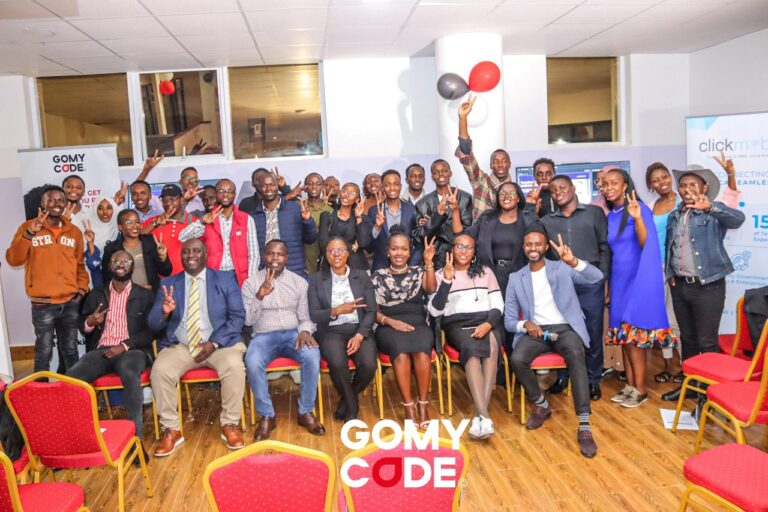
The announcement, made during the company’s second-anniversary celebration in Nairobi, marks a significant expansion of GOMYCODE’s mission,  moving from training students to empowering entire organizations to future-proof their teams and operations.

Beneath the excitement around AI’s potential to transform African economies, a deeper challenge persists: most organizations recognize the need to innovate, yet struggle to find or train talent equipped with the right digital skills to drive that change. According to the Kenya Digital Economy Report 2024 by the World Bank, nearly 70 percent of companies in Kenya cite digital-skills shortages as a key barrier to adopting modern technologies.

One organization leading the charge to close this gap is GOMYCODE Kenya, a fast-growing tech education company that has spent the past two years helping young professionals launch digital careers and build future-ready skills.

Now, as it marks its second year in Kenya, GOMYCODE has unveiled its most ambitious initiative yet: ‘GOMYCODE for Business’,  a tailored upskilling program designed to help companies navigate digital transformation with confidence and speed.

“The skills gap is no longer just a youth-employment issue, it’s a business-survival issue,” said Mellany Msengezi, Country Director at GOMYCODE Kenya. “We’ve spent two years building tech talent from the ground up. Now, we’re meeting companies where they are, and helping them prepare for the next wave of digital disruption.”

Unlike conventional corporate-training programs, GOMYCODE for Business adopts a modular, outcomes-driven approach. It focuses on practical, hands-on upskilling in areas such as AI literacy, data analytics, cloud technologies, and modern software tools, offering flexible formats for in-office, remote, or hybrid teams alike.

The goal is not just to “train,” but to empower teams to apply new skills directly to real-world business challenges. Already, organizations across finance, logistics, manufacturing, and healthcare are piloting the program across Africa.

“The demand is there. What’s missing is structured, tech-first training that adapts to business needs, not the other way around,” added Yahya Bouhlel, CEO and Founder of GOMYCODE.

Kenya’s youthful population and rapidly growing tech ecosystem make it one of Africa’s leading innovation hubs. Yet experts warn that unless companies invest in workforce digital readiness, they risk losing ground in global competitiveness and innovation.

That’s the challenge GOMYCODE is determined to solve. By bridging the gap between learning and business performance, the company is positioning itself not just as a coding school, but as a strategic partner in shaping Kenya’s digital future.


Pesapal Rolls Out Digital Fleet Fuel Management Platform for Businesses in East Africa

0

Pesapal, has launched Drive, a digital fleet fuel management platform designed to address fuel theft, transaction fraud, and tracking challenges faced by businesses across East Africa.

Across the region, fuel consistently ranks as one of the highest operating costs for businesses, yet most companies still rely on paper logbooks, phone calls to approve fueling, and monthly reconciliations that never quite add up.

The result? Losses that quietly drain profits and fleet managers who spend more time chasing receipts than running operations.

Drive addresses these challenges by providing businesses with real-time control and visibility over every fuel transaction across their fleet

“Over time, businesses have had to choose between trusting blindly or micromanaging manually when it comes to managing their fleet,” said Agosta Liko, CEO of Pesapal.

“Drive removes that trade-off. As a business owner, you can now see exactly where your fuel money goes, stop losses before they happen and finally run your fleet the way it should be run,” he added.

Drive is designed ground-up for the unique realities of doing business in East Africa, where mobile money is king, fuel stations can run out of stock, and businesses need solutions that work across borders without the complexity.

Already piloted successfully in Nairobi and now expanding regionally, Drive integrates directly with Pesapal’s Forecourt Management Solution (FMS) which is powering digital fueling and payments at over 200 stations across Kenya, Uganda, Tanzania, Rwanda, and Zambia.

With this integration, Drive creates a seamless digital ecosystem that benefits both fleet owners and fuel stations.

Businesses register their vehicles and drivers, then set custom fueling rules such as limits by vehicle, daily caps, approval requirements, whatever the business needs.

When a driver pulls up to any partner fuel station, the system instantly verifies the vehicle, checks the limits, processes the transaction, and logs everything automatically.

No more phone approvals, lost receipts or surprise fuel bills at month-end.

All transactions are documented for audit and compliance purposes. Fleet managers get a live dashboard showing every fueling event; finance teams get automated invoices and account statements; and business owners get peace of mind.

Winwin Somalia: A Comprehensive Review

0


Winwin Site in Somalia Review

Win win has quickly become a popular online platform for gambling enthusiasts in Somalia. Offering a range of services, this site provides users with a seamless and enjoyable experience, making it a preferred choice among locals. This review dives into key aspects such as registration, interface usability, and its dedication to ensuring a secure and legal gambling environment.

How to Register on Winwin in Somalia

Getting started on Winwin is a straightforward process, even for first-time users. Follow this simple step-by-step guide to create your account and begin exploring the platform.

  1. Visit the official Winwin website: Open your preferred web browser and navigate to the legitimate Winwin Somalia platform to ensure a secure start to your registration.
  2. Click on the “Register” button: This button is located in the top right corner, designed for easy visibility.
  3. Fill out the registration form: Accurately input all required personal details, including your full name, a valid email address, and your active phone number. These details are crucial for account verification and future communications.
  4. Choose a strong password: Create a unique and robust password to protect your account. It’s recommended to combine uppercase and lowercase letters, numbers, and symbols for maximum security. Confirm your chosen password to ensure there are no typos.
  5. Agree to the terms and conditions: Before proceeding, carefully read the terms and conditions. Once you understand and accept them, tick the box indicating your agreement.
  6. Verify your account: Complete the verification process by clicking the confirmation link sent to your registered email address or by entering the verification code sent to your phone via SMS. This step is vital for activating your account.
  7. Log in and explore: Once your account is verified, enter your newly created Winwin login credentials. You can now begin to explore the wide range of services and games that Winwin Somalia offers.

The registration process is designed to be quick and user-friendly for all users, ensuring easy access for anyone in Somalia.

Legality and Security of Winwin

Winwin operates legally under a recognised gambling licence from Curaçao, prioritising a secure experience for all users. The platform employs advanced encryption technologies to protect user data, ensuring that financial transactions and personal information remain safe. Additionally, measures such as responsible gambling tools and customer support demonstrate Winwin’s commitment to providing a secure and ethical gambling environment. By meeting regulatory requirements and focusing on user safety, Winwin earns a reputation as a trustworthy platform within Somalia’s gambling community.

Sportsbook on Winwin Betting Site

Winwin’s sportsbook offers an expansive range of betting options, catering to fans of traditional sports, virtual sports, and esports. Popular sports on the platform include football, basketball, tennis, and cricket, with Somalia’s football enthusiasts particularly drawn to the variety of leagues and tournaments offered. Virtual sports such as virtual football, horse racing, and greyhound racing are gaining traction, providing a fast-paced alternative to traditional sports. Additionally, esports like Dota 2, League of Legends, and CS2 attract a growing audience of competitive gaming fans.

Winwin’s sportsbook impresses with both pre-match and live betting lines, allowing users to explore markets well before an event or place bets as the action unfolds in real-time. Live broadcasts enhance the experience for popular matches, enabling bettors to follow games directly on the site. The platform boasts high odds for many sports, giving users competitive returns on their bets. Furthermore, the well-designed bet slip ensures a seamless and hassle-free betting process, making navigation and bet selection straightforward.

How to Place a Winwin Bet

Placing a bet on the Winwin site is straightforward, even for beginners. Here’s a step-by-step guide:

  1. Create an account and log in: Begin by signing up on the Winwin site and completing the registration process. Afterward, access your account by using your Win win bet login credentials.
  2. Deposit funds: Navigate to the deposit section and select your preferred payment method. Deposit funds into your account to ensure you have a balance to bet with.
  3. Explore the sportsbook: Visit the sportsbook section and browse the available sports, virtual sports, or esports. Use filters and search options to find your desired match or event.
  4. Select a market: Choose a specific match and explore the betting markets, such as match winners, over/under, or specific player outcomes.
  5. Add to your bet slip: Click on the odds for the selected market to add your choice to the bet slip. Review the bet slip to confirm its accuracy.
  6. Set your stake: Input the amount of money you wish to wager on the bet slip. The system will calculate your potential payout based on the current odds.
  7. Place your bet: Finally, click the “Place Bet” button to confirm. Your bet will then be processed, and you can monitor its progress under the “My Bets” section.

Online Casino at Winwin

The online casino section of Winwin is a vibrant hub for gaming enthusiasts, featuring a wide variety of games that cater to diverse player preferences. Traditional slot games dominate the collection, alongside table games such as blackjack, roulette, baccarat, and poker. Video poker, jackpots, and live dealer games are also available, creating a well-rounded gaming experience. The average RTP rate across the casino games hovers around an impressive 96%, ensuring fair play and rewarding payouts.

Winwin partners with industry-leading providers such as NetEnt, Microgaming, and Play’n GO, delivering high-quality graphics, seamless gameplay, and engaging themes. Among players in Somalia, NetEnt’s Starburst and Microgaming’s Mega Moolah are perennial favorites, along with roulette and poker in the live casino section. The diversity of games ensures there’s something for everyone, whether you’re a casual player or a high roller.

Popular Crash Games at Winwin Online Casino

Winwin’s casino also features popular crash games, which have gained significant traction due to their simplicity and exciting gameplay. Crash games involve placing bets before a multiplier rises and “crashes,” requiring players to cash out at the right moment to maximize winnings. They are fast-paced, unpredictable, and highly engaging, making them an excellent choice for thrill-seekers.

Games like Aviator and JetX are among the top choices for Somali players on the platform, boasting intuitive interfaces and captivating graphics. The appeal of crash games lies in their real-time excitement, as players strategise on whether to risk a higher multiplier or cash out early to secure their winnings. With fair algorithms and user-friendly features, these games add a layer of excitement to Winwin’s diverse gaming offerings.

Payment Options on Winwin

Win-win offers a variety of secure and convenient payment options tailored to meet the needs of Somali players. The platform supports popular e-wallets such as Skrill, Neteller, and Payoneer, providing swift and hassle-free transactions. For those who prefer traditional methods, payments can also be made using major credit cards like Visa and Mastercard or via bank transfers for added security. Additionally, cryptocurrencies including Bitcoin, Ethereum, and USDT are accepted, catering to players who prioritize anonymity and innovation in their transactions.

The platform ensures flexibility with deposit and withdrawal limits. The minimum deposit amount is 5,700 SOS, while the maximum deposit per transaction is capped at 2,840,000 SOS. For withdrawals, the minimum allowable amount is 12,000 SOS, with the maximum withdrawal limit set at 1,400,000 SOS per transaction. This provides players with ample room to manage their funds conveniently, while the platform’s secure payment infrastructure ensures a seamless experience.

Bonuses and Loyalty Programme at Winwin

Win win rewards its Somali players generously with an array of promotions and loyalty incentives. The welcome bonus stands out as an attractive offer, granting new users up to 300,000 SOS as a bonus on their first deposit. To claim the bonus, players need to make a minimum deposit of 5,700 SOS. This bonus is subject to a 30x wagering requirement, and players must meet the conditions within 14 days of activation to withdraw any winnings.

Besides the welcome bonus, Winwin offers cashback deals to soften the blow of any losses. Cashback is awarded weekly, allowing players to recuperate a portion of their spent funds. Additionally, the reload bonus gives users an extra boost on subsequent deposits, encouraging them to stay engaged with the platform.

For dedicated players, the loyalty programme provides exclusive perks and rewards. Users accumulate loyalty points as they play, which can later be redeemed for free spins, bonus funds, or other special incentives. This program ensures that regular players are continually rewarded for their commitment, creating a fulfilling and enjoyable gaming experience.

Customer Support Services at Winwin in Somalia

Winwin prides itself on delivering top-notch customer support to ensure all users have a seamless experience. Customers in Somalia can reach out through various channels to get assistance promptly. The dedicated support team is available 24/7, with an average response time of 15 minutes. Whether you need help with deposits, withdrawals, or technical issues, their friendly team is always ready to assist.

Contact Methods

  • Email support for detailed inquiries
  • Live chat for instant responses on the platform
  • WhatsApp for easy and convenient communication

Winwin Mobile App for Somalia

Winwin’s mobile app has been designed to offer an exceptional gaming experience for users in Somalia. The app provides a user-friendly interface, smooth navigation, and a wide range of games available at your fingertips. Additionally, features like custom notifications, quick deposits, and secure transactions make it highly convenient for users on the go.

The app is available for Android users as an APK file that can be downloaded directly from the Winwin website. For iOS users, Winwin offers a Progressive Web App (PWA), allowing them to access the platform with an app-like experience directly through their web browser.

Responsible Gambling Features at Win win Online Casino

At Winwin, responsible gambling is a top priority. The platform provides a variety of features to ensure that users in Somalia can enjoy their experience without compromising their well-being. Punters have access to tools like deposit limits, gaming time reminders, and self-exclusion options. These measures help players maintain control over their gaming activities and avoid the pitfalls of excessive gambling.

Clients should consider using these responsible gambling features as they promote healthy gaming habits and safeguard against financial or emotional stress. By utilising these tools, players can focus on the joy of the game, knowing that they have mechanisms in place to support their safety and accountability.




WinWin – Your Gateway to Smart Betting and Big Wins in Kenya

0

WinWin is a top-tier betting and casino platform that has cemented its place among Kenya’s most trusted gaming websites. Offering a wide variety of services, WinWin enables users to place bets on both local and international sports events, along with access to an expansive library of online casino games like slots, roulette, and blackjack. Its user-friendly interface and seamless mobile compatibility make it an appealing choice for both seasoned and novice punters.

Established several years ago, Win Win has consistently delivered exceptional gaming experiences. The platform’s dedication to transparency, fair practices, and lightning-fast payouts has earned it a solid reputation. Adapted specifically to the Kenyan market, WinWin accepts payments in Kenyan Shillings (KES) and offers M-Pesa and Airtel Money integrations for convenient deposits and withdrawals. The platform’s localised approach, coupled with engaging promotions, has made it immensely popular among Kenyan gaming enthusiasts.

Popular Bonuses Available on WinWin

Punters joining Win Win online have access to an exciting array of bonuses designed to enhance their gaming experience. One of the most attractive offerings is the Welcome Bonus, which matches a user’s first deposit by 100% up to KES 10,000. To activate this bonus, a new user must deposit a minimum of KES 500. The bonus amount can be used to bet on sports or casino games, enabling players to explore the diverse options the website provides.

Regular users are also rewarded with promotions such as the Weekly Reload Bonus, where deposits made during the week are rewarded with a 50% bonus up to KES 5,000. These bonuses aim to keep the betting experience exciting and rewarding. Additionally, there are specific bonuses for big league events and jackpots, where punters can win free spins or even cash rewards. However, all bonuses come with wagering requirements of 10x within a specific period to withdraw winnings, ensuring fair play.

How to Claim a Bonus on WinWin

Claiming a bonus on Win-Win is simple and straightforward. Here’s a step-by-step guide:

  1. Create an account – Open the WinWin website and click on the “Sign Up” button located at the top-right of the homepage. Fill out the necessary details and submit.
  2. Perform WinWin login to your account – After successful registration, enter your username and password in the “Log in” section.
  3. Deposit funds – Once logged in, head to the “Deposit” section, accessible through the top navigation bar. Select your preferred payment method (such as M-Pesa), and deposit at least KES 500 to qualify for the Welcome Bonus.
  4. Claim the bonus – After depositing, visit the “Promotions” page or check your account dashboard. Click on the Welcome Bonus offer and hit “Claim.”
  5. Start playing – Your bonus will be credited to your account. Use it to place bets on available sports or casino games.

Following these steps allows users to make the most of the lucrative bonuses available on WinWin.

Unlock the Thrill of Sports Betting on WinWin for Kenya Users

Sports betting on the Win Win bet platform offers Kenyan users an unparalleled gaming experience, combining entertainment and potential rewards. With options to bet on global sports events, including football, basketball, and rugby, players can engage in markets tailored to suit both beginners and seasoned bettors. The user-friendly interface ensures ease in navigating through bets, while dynamic odds amplify the excitement. Furthermore, secure payment methods and a responsive support team make WinWin betting a reliable choice for sports enthusiasts across Kenya.

Betting Markets

Betting markets on the Win Win betting website are diverse, catering to different sporting preferences and strategies. A betting market represents the distinct ways users can place wagers on a specific event. For example, in football, players may bet on match results (win, lose, or draw), the number of goals scored, or even individual player performances. Other sports like basketball offer point spreads, total points, and margin of victory markets. This variety ensures there is something for everyone. Kenyan users can explore and experiment with markets to find the most exciting and potentially profitable options, creating a personalised sports betting experience.

Good Odds

WinWin online site’s commitment to providing competitive odds is a major attraction for Kenyan users. Odds determine the payouts players receive on their bets, making them a critical aspect of sports betting. On WinWin, users enjoy fair and attractive odds, calculated based on professional insights and the latest statistics. Whether it’s a favourite in a football tournament or an underdog in a basketball game, the odds are structured to reflect realistic probabilities while enhancing risk-reward potential. This ensures Kenyan users get more value for their bets and enjoy greater excitement as they strategise for better returns.

Explore the Captivating Casino Experience on WinWin for Kenya Users

WinWin’s casino section is a treasure trove of entertainment, providing users in Kenya with countless options for gaming excitement. Whether you’re a fan of spinning reels, strategic table games, or interactive live options, the variety guarantees something for everyone. The casino tab features seamless navigation, secure gaming, and opportunities for hefty payouts. With such WinWin bet rich offerings, Kenyan users can find every form of casino entertainment under one roof. Each game is designed to deliver enjoyment, fairness, and excitement to players of all levels.

Slots

Slot games are among the most popular attractions in WinWin’s casino, appealing to users who enjoy fast-paced, luck-driven entertainment. They feature a combination of engaging themes, high-quality graphics, and varied configurations of pay lines and bonuses. Players can choose from classic slots to modern video slots with advanced features, offering diverse gameplay experiences. Additionally, progressive jackpot slots allow Kenyan players the chance to win life-changing amounts. Easy to play and filled with thrilling surprises, slots remain a staple for many users.

Table Games

For those who enjoy strategy and skill, WinWin’s table games provide a timeless gaming option. Classic games like poker, blackjack, roulette, and baccarat are available in multiple formats, catering to varied betting ranges and player preferences. The platform offers clear instructions and responsive designs to suit newcomers and experienced players alike. Kenyan users can immerse themselves in thoughtful gameplay, testing their tactics while maximising chances for winnings. Table games are the epitome of sophistication, blending risk, reward, and sheer skill.

Live Games (TV Shows, etc.)

WinWin takes interactivity to the next level with its live games section. Users in Kenya can join real-time games hosted by professional dealers or presenters, creating a vibrant and authentic atmosphere. Game shows such as “Dream Catcher” and interactive options in roulette or blackjack provide opportunities for social engagement without leaving their homes. The live streaming technology ensures seamless video quality, while chat functions enable communication with hosts and fellow players. This modern approach to casino gaming makes it a standout offering on WinWin.

Trustworthy and Fair Betting and Casino Activities on WinWin

WinWin is dedicated to ensuring a trustworthy and fair gaming environment for its Kenyan users. The platform operates under strict guidelines to promote transparency, build user confidence, and provide equitable opportunities across betting and gaming activities. Using cutting-edge random number generator (RNG) technology for casino games, players are assured of unbiased outcomes. Furthermore, the dedication to responsible gambling practices reinforces that WinWin cares about promoting ethical play. Such commitments solidify its reputation as a reliable and respected platform in Kenya.

Licence

WinWin operates under a recognised gaming licence issued by a reputable regulatory authority — BCLB (Betting Control and Licensing Board of Kenya). This licensing ensures all operations meet required standards for security, fairness, and accountability. By adhering to these strict regulations, WinWin guarantees users a safe platform that upholds integrity in every aspect of its operations, creating an environment where betting and gaming can be enjoyed with peace of mind.

How to Register on the WinWin Website in Kenya

Creating an account on the WinWin platform is a straightforward process, designed for ease and accessibility for users in Kenya. Follow the steps below to ensure a smooth and quick registration.

  1. Visit the WinWin Website. Open your browser and go to the official WinWin website. Ensure the URL is correct to avoid phishing platforms.
  2. Click on the “Sign Up” Button. Locate the “Sign Up” button prominently displayed in the top-right corner of the homepage. Click on it to proceed to the registration form.
  3. Fill in the Registration Form. Complete the registration form by providing accurate personal details, such as your full name, email address, mobile number, and password.
  4. Agree to the Terms and Conditions. Tick the box to confirm that you have read and agreed to the Terms and Conditions. Ensure you review them beforehand for a full understanding.
  5. Submit Your Registration. After filling in your details, click on the “Register” button at the bottom of the form. Your account will then be created, and you can proceed to the next steps, such as Win Win login and verification.

Why Verification Is Crucial and How to Verify Your Account on WinWin

The verification process protects both users and the platform, ensuring legal compliance, age restrictions, and the safety of user data. It is crucial for confirming user identities and avoiding fraudulent activities. Kenyan users can easily verify their account by following the instructions below.

  1. Perform Win bet login to Your Account. Go to the WinWin website and use the “Log In” button in the top-right corner of the homepage. Enter your registered email or number and your password.
  2. Navigate to the “Account Verification” Section. After logging in, click on your profile icon located in the top-right corner of the page. From the dropdown menu, select “Account Verification.”
  3. Upload Required Documents. Provide proof of identity and address. Upload a clear photo or scan of your valid government-issued ID card or passport and a utility bill or bank statement not older than three months.
  4. Submit for Verification. Once your documents are uploaded, click the “Submit” button at the bottom of the page. The platform typically reviews submissions within 24 to 48 hours.

Completing the verification process is vital for a secure betting experience. Only verified accounts are eligible for withdrawals, preventing unauthorised access and ensuring compliance with gambling regulations in Kenya.


United Nations to Finance 68,000 Electric Vehicles to Accelerate E-Mobility in Kenya

The United Nations Development Programme (UNDP), the United Nations Capital Development Fund (UNCDF), and the World Resources Institute (WRI) have unveiled two climate-focused projects in Kenya, including a five-year, UN-backed financing plan worth between $40 million and $50 million to deploy about 68,000 electric two- and three-wheelers nationwide.

Funded through the Mitigation Action Facility, the initiatives aim to scale clean transport, reduce emissions, and enhance food security as part of Kenya’s push toward a green and inclusive economy.

The flagship ‘Electrifying Kenya’s Two and Three Wheelers’ initiative will provide affordable financing mechanisms—including concessional loans, guarantees, and blended finance facilities—through local banks and leasing companies to make electric motorcycles and tuk-tuks accessible to riders, delivery operators, and SMEs.

The programme targets 68,000 electric vehicles across Kilifi, Kiambu, and Kajiado counties, creating approximately 68,000 direct green jobs, with 15% reserved for women, while reducing up to one million tonnes of CO₂ emissions over ten years.

“Kenya has a unique opportunity to design a clean and inclusive transport system,” said George Mwaniki, Country Representative for WRI Kenya. “By expanding access to EV financing, we can ensure that small businesses and everyday riders benefit directly while advancing the country’s climate ambitions.”

Kenya already sources around 90% of its electricity from renewables, giving it a natural advantage in electrifying transport. The initiative supports the country’s Enhanced Nationally Determined Contribution (NDC) target to cut greenhouse gas emissions by 32% by 2030.

Complementing the e-mobility programme, UNDP and UNCDF will deploy 1,000 solar-powered cold storage units across the country to address post-harvest food losses which is currently estimated at 40% and to improve incomes for 60,000 smallholder farmers.

UNDP, UNCDF and WRI jointly launching two transformative projects funded by the Mitigation Action Facility

The project, also funded through the Mitigation Action Facility, will preserve 5,000 tons of food, prevent 4.8 million tonnes of CO₂e, and mobilize about EUR 27 million ($29 million) in private investment using a blended finance model.

“Kenya’s cold chain is a $2.1 billion opportunity to reduce waste, protect livelihoods, and strengthen rural economies,” said Dr. Jean Luc Stalon, UNDP Kenya Resident Representative. “By financing scalable cold storage, we can build resilience across food systems.”

Environment Principal Secretary Dr. Eng. Festus Ng’eno lauded the UN-backed initiatives as strategic investments that merge climate action with economic growth.

“By financing electric vehicles and solar-powered cold storage, we’re not only cutting emissions but also building local industries and creating green jobs,” Ng’eno said. “This is how sustainable development and climate goals move forward together.”

Both projects employ the Mitigation Action Facility’s blended finance model, combining public and private funds to de-risk investment and catalyse long-term, scalable climate impact. The approach supports Kenya’s ambitions to become a regional leader in sustainable transport and low-carbon agriculture.


Ex-Little Cab Manager Wins $758,000 in Landmark Equity Case

A former senior executive at Craft Silicon’s ride-hailing unit Little Cab has been awarded USD 758,000 after Kenya’s Employment and Labour Relations Court ruled he was unlawfully terminated to block him from benefiting from a promised equity stake.

Ronald Otieno Mahondo, Little’s first General Manager, joined the startup in April 2016 with a mandate to build the platform from scratch. He said he was granted 1% ownership as part of his compensation, a claim supported by a secret audio recording of Craft Silicon CEO Kamal Budhabhatti acknowledging the agreement.

Justice Mathews Nduma said the recording was “credible, consistent, and verifiable,” and found Mahondo was “victimised” for demanding a countersigned contract reflecting the share award. The court awarded him USD 8,000 for unfair termination and USD 750,000 for the value of the 1% stake, based on a USD 75 million valuation of the ride-hailing company.

Mahondo joined Little on a monthly salary of USD 1,860, later revised to USD 2,630, as the company scaled rapidly. But after he pushed for his equity documentation, he received a series of disciplinary memos before being “normally terminated” in May 2017. Craft Silicon argued he was an unsystematic manager who strained workplace relations and said it paid him USD 4,900 in dues upon exit.

The court noted Budhabhatti did not directly deny the equity promise and highlighted allegations that another Little director which TechMoran will not name, issued threats and harassment as talks over the share documentation intensified.

Craft Silicon did not respond to requests for comment by press time.

Craft Silicon, a Nairobi-based fintech founded by Budhabhatti, provides core banking and mobile financial software across Africa and Asia. In 2016, it launched Little Cab, a homegrown Uber and Bolt competitor and rapidly expanded across multiple cities and countries. Little Cab banked on mobile wallet payments, corporate ride solutions, and loyalty features for growth. Share-based compensation has become increasingly common in Kenya’s technology ecosystem as startups compete for talent in high-growth sectors.


Synnefa Raises $300,000 to Deploy IoT Solar Dryers Across Kenya | to Raise $2M by 2026

Synnefa has raised $300,000 to deploy IoT-solar dryers across Kenya and is seeking to raise $2 million in seed funding by 2026 to scale its solutions to 150,000 farmers across East Africa.

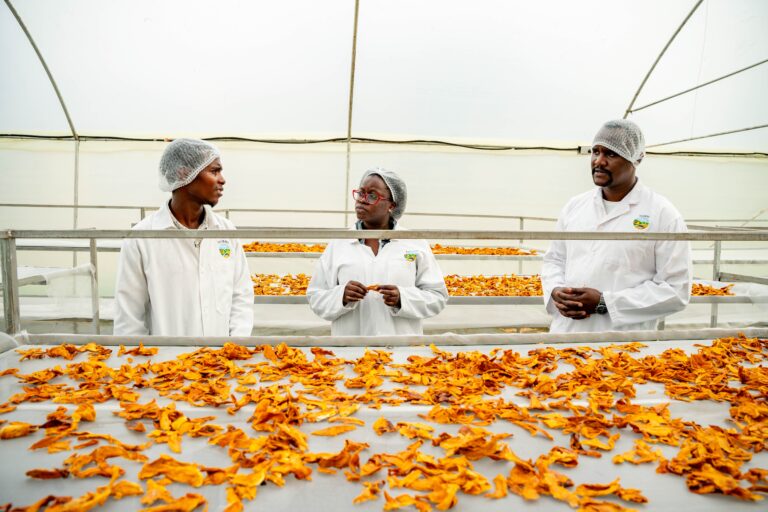
The firm says the expansion will help prevent more than 50,000 metric tons of food loss, create employment opportunities for youth-led enterprises, and cut thousands of metric tons of CO₂ emissions linked to wasted harvests.

Early this month, a Synnefa – Solidaridad partnership received $300,000 in grant funding from World Resources Institute’s Partnering for Green Growth and the Global Goals 2030 (P4G), to scale IoT-enabled smart solar dryers in Kenya. The two firms were among 14 climate startups that were awarded $3.8 million for their innovations in climate technology.

“Climate startups are powerful engines of innovation and play a key role in accelerating the transition to a low-carbon future,” said Robyn McGuckin, Executive Director, P4G. “From working closely with these entrepreneurs, we’ve seen how targeted funding and hands-on support can unlock their full potential – helping them scale faster, create jobs, boost local economies and deliver climate solutions that the world can’t afford to wait for.”

The Synnefa – Solidaridad partnership is expected to help over 800 smallholder farmers Makueni County, Kenya to enhance drying efficiency by 54%, reduce drying time from weeks to just 2–3 days and help farmers cut post-harvest losses by 45% and improve post-harvest drying for coffee, fruits, vegetables, grains and spice value chains.

Synnefa builds Smart Greenhouses, FarmShield IoT, FarmCloud and Smart Solar Dryers to help farmers manage water scarcity, boost yields and reduce food waste and has reportedly helped over 7,000 farmers with its Smart Solar Dryers preventing losses across coffee, grains, vegetable and fruit sectors. It’s other product FarmCloud supports real-time decision-making with agronomic and climate data.

Solidaridad creates sustainable and inclusive supply chains and in Kenya, it’s working with national and county governments, research institutions and private sector actors to ensure alignment with agricultural policy, strengthen farmer capacity and advance climate-resilient production systems. The partnership will train farmers on use of IoT technology, advocate for financial incentives and supportive regulations, raise awareness among farmer cooperatives and youth enterprises, and also deploy IoT-enabled smart solar dryers through a rent-to-own model for farmer cooperatives and a Dry-as-a-Service model for youth enterprises.

Other partnerships that received funding include Parsons Kinetics – ACOSOL which runs wind turbines in Colombia and ReservoAir – Kopernik porous pavers that absorb water 100x faster than conventional paver and reduces the risk of flooding in Indonesia. P4G awarded $3.8 million in grants and technical assistance to 14 startups from Africa, Latin America and Southeast Asia. The other partnerships will focus on advancing impact in Colombia, Ethiopia, Indonesia, Kenya, South Africa and Vietnam.

P4G bridges these gaps by pairing startups with nonprofits and technical experts to strengthen their business models, ESG strategies and market positioning. P4G also connects startups with government agencies, facilitates policy dialogues and hosts workshops to foster a more enabling environment for climate businesses.

One of the newly funded partnerships, VOX Cool – ASSIST Vietnam, will use its funds to scale “Cold Battery” technology — an affordable, low-emission cooling solution that stores thermal energy for when it’s needed most. By ensuring reliable, energy-efficient refrigeration, it cuts electricity costs, reduces fossil fuel reliance and prevents food spoilage.

Since 2018, P4G-backed partnerships have raised over $211 million in commercial and non-commercial investments, created over 17,000 green jobs, produced nearly 7.9 million metric liters of clean water. 

Nigeria’s Lidya Shuts Down After Founder Dispute

0


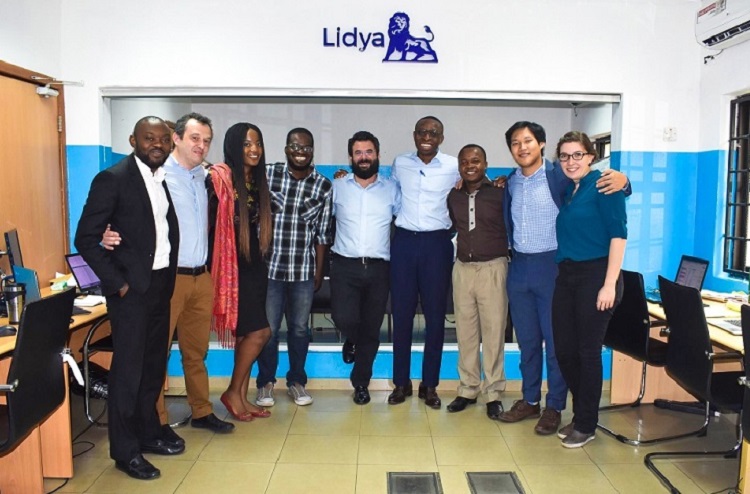
Lidya, a Nigerian digital lender backed by major impact investors, has halted operations after a period of financial strain and a breakdown in its governance structure that pushed the business into insolvency.

The company, which raised more than $16 million from shareholders including Alitheia Capital, Accion Venture Lab, and Flourish Ventures, informed customers that it is no longer able to release funds or meet financial obligations. Many users had already reported frozen balances and failed transactions over several months.

The company was founded in 2016 by former Jumia executives Tunde Kehinde and Ercin Eksin with the goal of expanding credit access for small and medium sized businesses in Africa. While the business initially gained momentum and later expanded into Europe in search of stronger revenue opportunities, internal cohesion deteriorated. Disagreements emerged at board level as the company pursued scale during a difficult funding environment.

In 2021, Lidya announced that Eksin had exited voluntarily. However, he later stated publicly that he was forced out by investors who assumed greater control of the company. Eksin has said he is pursuing legal action in the United States over the circumstances of his removal. The leadership conflict slowed decision making and affected operational stability at a time when the business required rapid execution.

After Eksin’s departure, the company attempted to pivot with the launch of a loan recovery platform, but customers complained of growing delays and difficulty retrieving funds. Lidya’s Portugal based engineering team was eventually disbanded after payroll interruptions. The departure of its chief technology officer in September 2024 was followed by the exit of Kehinde in October of the same year, leaving the company without founding leadership as financial pressures intensified.

The collapse of Lidya adds to a growing list of African venture backed businesses that have failed following disputes between founders and shareholders. Companies including Capiter in Egypt, HealthPlus in Nigeria, and iProcure in Kenya faltered after significant disagreements over capital deployment, management control, and the pace of expansion. With funding conditions tightening and investors demanding greater oversight, governance friction has become a material risk factor in the continent’s technology sector.

The shutdown leaves employees, suppliers, and customers uncertain about the recovery of outstanding funds. It also highlights the vulnerability of fintech lenders that rely heavily on outside capital, operate in complex regulatory environments, and must balance rapid growth with operational discipline. As investors reassess risk across African markets, Lidya’s downfall underscores the need for stronger alignment between founders and shareholders to protect value and ensure long term continuity.


Feyisayo Eweje: The Nigerian-American Scientist Whose Startup Is Engineering the Future of Gene Therapy

Feyisayo (Sayo) Eweje, a Nigerian-American scientist and co-founder of Procure Bio, is not the kind of scientist who accepts limitations. Whether he is clicking through a Rubik’s Cube or wrestling with one of medicine’s most stubborn questions such as how to deliver gene editors into the right cells, he has built his career on the belief that every problem has an elegant solution waiting to be discovered.

Born and raised in North Carolina, Dr. Eweje grew up surrounded by the values of education, persistence, and service. The son of immigrant parents who emphasized learning as the gateway to opportunity, he saw early that knowledge could change not just his own life but entire communities.

That conviction led him to pursue the demanding Harvard-MIT M.D./Ph.D. program in Medical Engineering and Medical Physics, a dual path that allows him to think like both a clinician and a scientist. One that thinks about patients and transforming healthcare systems at scale led him to develop new technologies for delivering RNA and protein therapies focusing on the design of non-viral, protein-based nanoparticles for the targeted delivery of nucleic acid and protein therapeutics.

Today, at Harvard’s Wyss Institute for Biologically Inspired Engineering, Dr. Eweje is developing a self assembling human protein nanoparticle system derived from the elastin protein, a technology known as ENTER capable of transporting gene editors into the body more efficiently and more safely than existing methods.

Gene editors such as CRISPR are powerful, but fragile: they are degraded easily by enzymes and cannot naturally cross cell membranes. Dr. Eweje’s delivery system protects them, escorts them directly into the cell nucleus, and enables them to correct genetic mutations from within.

This work could redefine treatment for inherited disorders like cystic fibrosis and sickle cell disease. While recent medical breakthroughs have allowed sickle cell gene editing outside the body, patients must undergo chemotherapy and endure complex logistics involving extraction and reinfusion of stem cells. Dr. Eweje wants to bring that complexity inside the body. No chemotherapy. No off-site editing. Just a direct therapeutic fix where the cells already live.

Behind the science lies a deeper motivation: the patient at the end of the struggle. Dr. Eweje does not separate research from humanity. He is animated by the future individuals who will breathe more easily, who will live without chronic pain, who will inherit a life no longer defined by disease. Every iteration in the lab is a step toward that reality.

His entrepreneurial mindset fuels that journey. At Wyss, scientific research is never an academic trophy, but a product pipeline. Dr. Eweje works closely with commercialization experts, the Cystic Fibrosis Foundation, and collaborators from George Church’s lab to move from discovery to deployment. His passion for building solutions naturally aligns with a startup future in biotechnology, one driven by African ingenuity and global ambition.

That matters. Though Dr. Eweje is American, Africa urgently needs innovation in genomic medicine. The shutdown of 54gene, once the continent’s most celebrated biotech company exposed how fragile progress can be when local capacity is still developing. Investors became wary. Scientists lost momentum. But the need for genetic research did not disappear; it only grew more obvious.

The founder went ahead to launch Syndicate Bio’s  which operates Direct by Syndicate Bio, a genetic testing and precision medicine service designed to deliver actionable insights to patients, providers, and consumers across Africa. The firm also launched a sequencing laboratory in Lagos, enabling world-class genomic and multi-omics testing powered by AI-delivered locally for Nigeria’s 200 million citizens and the global diaspora.

Syndicate Bio’s Direct by Syndicate Bio offers a wide range of genetic testing, including Non-Invasive Prenatal Testing (NIPT), carrier screening in reproductive health, BRCA1 & BRCA2, hereditary cancer testing, solid and myeloid tumor profiling in Oncology, helping patients and doctors understand how genes affect drug response in Pharmacogenomics and nutrition, fitness, and preventive health insights in health and wellness.

Dr. Abasi Ene-Obong and his new team at SyndicateBioBeyond testing, Dr. Eweje’s work will build infrastructure for not just for the US but also for Africa powering clinical research in Nigeria and across the continent, enabling large-scale studies that reflect Africa’s genetic diversity and advancing precision medicine for the world.
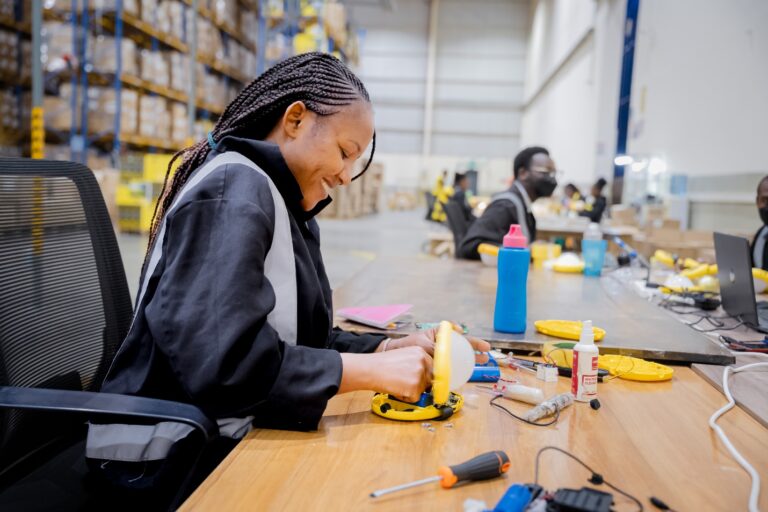
South Africa’s African Genomics Centre, Kenya’s Molecule, and Nigeria’s DNA360 are building infrastructure for sequencing, diagnostics, and precision medicine. What they lack is a commercially viable delivery system for advanced gene therapies, the very challenge Eweje is solving.

His path will open doors for a new phase for African biotech, one where Nigerian-American innovators lead global breakthroughs that circle back to uplift their ancestral homes and the continent as a whole. Diseases like sickle cell disproportionately affect African communities, a Nigerian-led solution would be both scientifically and symbolically transformative.

Outside the lab, Dr. Eweje is disarmingly relatable. He is a basketball fan who grew up watching Duke and UNC games. He has developed a surprising passion for birding, wandering parks with his camera trying to capture gray catbirds and Baltimore orioles mid-flight. He still speed-solves Rubik’s Cubes. And he shares his journey with an identical twin brother, Sope, who is now starting his medical residency.

If he were not researching gene therapies, he says, he would teach to pay forward the educational foundation his parents built for him. In truth, he is already teaching, simply through a different classroom, showing what science looks like when innovation is guided by compassion, rigor, and purpose.

It is daunting work, slow, frustrating, sometimes lonely. But for Dr. Eweje, who previously served Co-VP of Clinical Operations at Nucleate, the future keeps calling louder than the setbacks. His nanoparticles may ultimately reshape how we treat genetic disease. His startup path may strengthen a biotech renaissance and introduce the next medical revolution.

His work at Dr. Elliot Chaik at Beth Israel Deaconess Medical Center and Wyss led him to  start Procure Bio, a startup that aims to advance these delivery systems for in vivo gene editing, with a focus on cystic fibrosis and delivery to the lungs, as well as inherited blood disorders. This will enable gene editing-based treatments without the need for the high-dose chemotherapy or myeloablation that patients with inherited blood disorders currently endure.

“Protein materials, particularly human-derived protein materials, are far less likely to trigger immune responses, which is one major advantage. The other thing that we’re actively working towards in the lab is leveraging the programmability and precise structure of recombinant proteins. We’re exploring applications ranging from gene editing in the lungs to immunotherapy and novel approaches to cancer treatment.” Dr. Eweje said in May as a Roivant Social Ventures (RSV) inaugural Convergence Forum Fellow.

Sun King Enters Kenya’s Solar & Electronics Manufacturing Sector With 7,600-Square-Metre Plant

Sun King, the solar and appliances financing firm, is entering manufacuring and assembly, with its new manufacturing facility in Tatu City, in Kenya.

The facility, which marks Sun King’s first manufacturing operation in Africa, is 7,600-square-metre facility with an annual production capacity of up to 700,000 units, with scope for further expansion. The plant consolidates manufacturing, refurbishment, and high-capacity warehousing for Sun King’s products.

According to Patrick Walsh, CEO and Co-Founder, Sun King, “At Sun King, we’re driven by a simple commitment: to deliver the best-quality products at prices that families and businesses in Kenya and across Africa can afford. This facility allows us to harness Kenya’s talent and ingenuity to keep delivering on that promise.”

Sun King aims to save more than USD $150 million in imports across Africa over five years, keeping more value and jobs within the Kenyan economy by localising manufacturing, shortening supply chains, and increase local value addition.

Sun King designs, installs, and finances a wide range of solar products and electronics, including smartphones and energy-efficient appliances such as televisions, fans, and freezers that work seamlessly with its solar systems. The launch takes on M-KOPA its competitor with a similar facility but mostly focused on smartphones. In October last year, M-KOPA announced it had locally assembled over 1.5 million smartphones in Kenya.

The Tatu City facility will start by producing Sun King’s televisions and smartphones, designed to run efficiently on the solar systems that the company delivers. Sun King will expand its product lines with time.

“Opening our own manufacturing facility in Kenya gives us the scale to deliver more efficiently, the flexibility to innovate faster, and the foundation to grow a resilient manufacturing ecosystem here in Africa. For our customers, it means faster access to products and quality solutions made closer to home,” said Kota Kojima, Chief Operating Officer, Sun King.

The facility currently employs 90 people, 60 percent men and 40 percent women, and is expected to expand to over 350 employees within five years.

Headquartered in Nairobi, Sun King, delivers more than 330,000 solar kits each month across Africa, up from just 10,000 in 2017. In Kenya alone, Sun King’s sales have grown dramatically to more than 100,000 solar kits per month today.

“This is very much in line with the Kenyan Government’s agenda, such as the Bottom-Up Economic Transformation Agenda,” said Dr. Juma Mukhwana, Principal Secretary, State Department of Industry, Ministry of Industry, Trade and Investment.

Anka, Formerly Afrikrea Sold in Bankruptcy Deal to Global Shop Group

0

Anka, a pan-African e-commerce platform formerly known as Afrikea, that connects African creators to global buyers, has been acquired by Global Shop Group after its French parent firm MANSAART filed for bankruptcy.

MANSAART, Anka’s holding company entered liquidation in August 2025 when administrators determined the business couldn’t be saved. Though the deal wasn’t disclosed, the distress sale maybe below the more than $13.5 million raised from investors including IFC, Proparco and Bpifrance, Saviu Ventures and Investisseurs & Partenaires.

Anka’s three founders, including CEO Moulaye Tabouré, will leave the company after a transition period.

“We always knew that scaling this would require more than technology,” Tabouré said. “Global Shop has what’s needed to take Anka to the next level.”

Ceesay said the acquisition advances her group’s strategy to build a global multi-brand retail ecosystem.

Founded in 2016 as Afrikrea, the marketplace expanded into payments, logistics and e-commerce tooling aimed at African SMEs. The platform reportedly facilitated more than $60 million in transactions, claiming reach in 47 African countries and buyers in 170 markets.

The swift collapse comes less than two years after a $6.2 million pre-Series A led by Investisseurs & Partenaires, BESTSELLER Foundation, VestedWorld, Enigmo, Groupe Prunay, and Rising Tide Africa who joined existing investors SAVIU Ventures, Lofty Inc, Kepple Africa, Consonance, id4 Ventures, and Thierry Petit and a $5 million financing in 2023 from IFC. Market turbulence and cross-border cost pressures contributed to the parent company’s insolvency, according to people familiar with the matter, who asked not to be identified as the details are private.

Global Shop Group, formed in 2024 and led by Gambia-born executive Matilda Ceesay, who has worked for Nike, Ralph Lauren, American Eagle and BCG will take over operations. The firm will operate independently and retain its existing customer relationships.

Anka entered a tough but glorious market. Fashion-commerce startups don’t survive long and according to  statistics, around 80% of new fashion brands fail within the first five years. ANKA’s bankruptcy underscores ongoing pressure on venture-backed African marketplaces struggling to convert cross-border growth into sustainable margins.

The platform had assisted the international expansion of designers such as Nigeria’s Keerah’s Fashion Cave, which reported more than $500,000 in U.S. prom dress sales and over 200 jobs supported. With Global Shop Group now steering the business, the firm will be focused on vendor payouts from the liquidation process, continuity of logistics and payment infrastructure and future financing requirements under new ownership. In exchange, the deal gives Global Shop a recognized African digital-commerce brand at what analysts say was likely a steep discount and gives Anka a lifeline after a near-total collapse.

NVIDIA Invests into African AI Firm Cassava Technologies

0

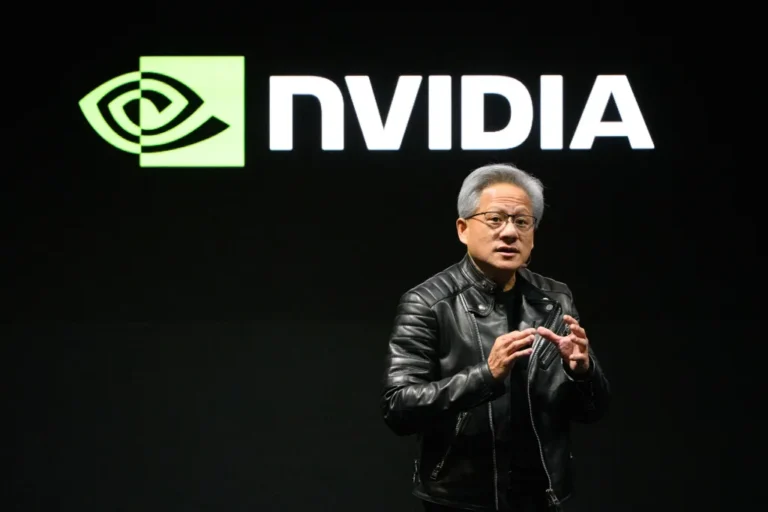
NVIDIA has invested into Cassava Technologies (Cassava), a pan-Africa tech firm founded by telecom billionaire Strive Masiyiwa.

NVIDIA, which becoming the Engine of AI with its advanced chips, systems, and software for the AI factories of the future is building new AI services that help companies create their own AI factories.

According to Hardy Pemhiwa, President & Group CEO of Cassava Technologies, “Cassava is Africa’s leading technology company, driving the continent’s digital transformation with digital infrastructure and digital services. Securing this investment is an important milestone that we expect to unlock additional value from and catalyze the further expansion of our digital infrastructure and services to bridge the digital divide on the continent”

Last year, NVIDIA partnered with Microsoft to accelerate AI startup development in Africa. Microsoft Africa’s collaboration with NVIDIA Inception is aimed at helping startup founders leverage Microsoft’s cloud infrastructure, AI tools, and go-to-market support.

Africa is poised to lead in AI-driven solutions, with the highest average entrepreneurial rate in the world and significant investment growth, NVIDIA, which is at the center of AI development, will help more than 2,400 AI startups in Africa that are transforming industries and creating new job opportunities at a rapid pace.

Cassava’s impressive roster of investors now includes Econet Group, British International Investment, Finnfund, Fund for Export Development in Africa (Afreximbank/FEDA), Gateway Capital, Google LLC, International Finance Corporation (IFC), NVIDIA, Public Investment Corporation and Royal Bafokeng Holdings.

Cassava Technologies operates across Africa, the Middle East and Latin America through a strong portfolio of business units comprising Liquid Intelligent Technologies, Africa Data Centres, Liquid C2, Cassava.ai, and Sasai Fintech, all of which are leaders in their respective sectors. The organisation will continue collaborating with its partners and customers on the continent and beyond, establishing it as a leading technology company of African heritage.

Madica Invests $400k into AI-powered African Startups Anavid and Hypeo AI

0

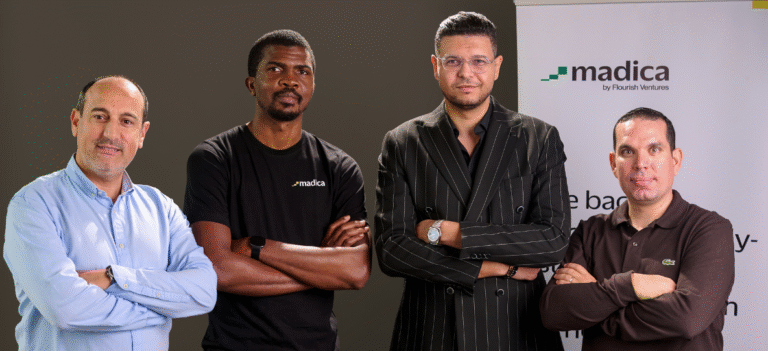
Madica, a structured investment program for pre-seed African startups, has invested $400,000 into two AI-powered companies Anavid and Hypeo AI.

Anavid is a Tunisian startup co-founded by Ahmed Chaari and David Nilsson. The AI-powered solution that seamlessly integrates with existing retail cameras to reduce shoplifting losses and enhance the overall customer experience while Hypeo AI is a Moroccan startup founded by Meriam Bessa and Salah Eddine Mimouni. Hypeo AI is an AI-driven SAAS that automates every step of influencer marketing, from brand matching and content validation to payments.

The two firms will join Madica’s 18-month program and be connected to Madica’s global investor network, positioning them for growth and long-term success.

According to Emmanuel Adegboye, Head of Madica, said, “At Madica, we believe and continue to prove that some of the world’s most transformative ideas come from places that are too often ignored. The founders we’ve just welcomed are visionaries, building solutions with the power to uplift communities and shape industries. We’re proud to stand with them as they take on the next stage of their journey.”

This round of investments reinforces Madica’s commitment to supporting founders and startups often excluded from traditional venture funding. By backing a mix of underrepresented founders, startups from underserved regions, and innovators in overlooked sectors, the program seeks to counter the concentration of Africa’s tech funding in a few markets, verticals, and well-networked entrepreneurs, and instead drive more equitable growth across the continent.

Launched in 2022 and affiliated with Flourish Ventures, early-stage fintech venture investor backing the architects of a better financial future, Madica aims to bridge access to capital, a scarcity of investors, and insufficient mentorship. It also provides the structured support necessary for startups to resolve critical issues and foster innovation, entrepreneurship, and wealth creation across the continent.

The selected startups are powered by AI and chosen from applications across Africa, providing tech-driven solutions in some of Africa’s biggest industries.

To expand investment flow and ecosystem networks for portfolio companies, Madica has announced a strategic partnership with the African Business Angel Network (ABAN) during the annual ABAN Congress in Lagos. The collaboration enables ABAN-affiliated angels across the continent and Madica to share deal flow and explore co-investment opportunities and future fundraises by portfolio companies, broadening access to capital and support for African startups.

⁠“The future of Africa’s innovation economy depends on how effectively we can mobilize local capital and empower local investors. Our collaboration with Madica helps bridge the gap between angel investors and institutional capital, ensuring that more funding comes from within the continent, and that startups everywhere in Africa can access the right type of support to scale,” said Yemi Keri, President of ABAN.

Madica began the year by investing in category-defining startups, including Medikea, Daleela, Pixii Motors and ToumAI, while reinforcing its commitment to gender diversity in the African tech ecosystem. As part of its support, portfolio companies will attend one-week long,  fully-funded immersion trips where they will gain access to expert training, investor connections, and workshops on key Madica pillars: growth, governance, founder well-being and fundraising.

Madica is welcoming new investment opportunities across the continent to strengthen its pan-African reach.

Cercli Raises $12M to Expand in the Middle East & North Africa

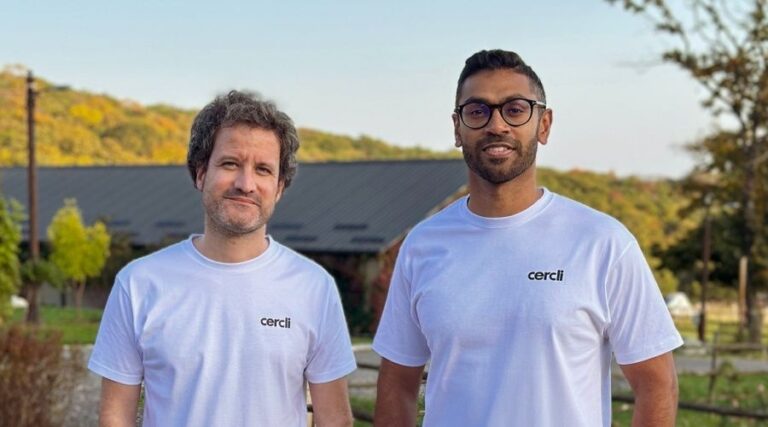
Cercli, UAE’s workforce platform for enterprises, has raised $12 million to create the single platform for enterprises to manage their people, data and agents in the AI era.

The round was led by Germany-headquartered Picus Capital with participation from Knollwood Investment Advisory, existing investors Y Combinator, Afore Capital, and COTU Ventures.

Individual investors include Prabhakar Reddy from OpenFX, Jaime Arrieta from Buk, Marco Ogliengo and Francesco Scalambrino from Jet HR, Francesco Simoneschi from Truelayer, Mehdi Ghissassi from AI71.

“The growth momentum we’ve seen in the past 12 months has been remarkable and played a key role in attracting talent, customers and investors,” said Akeed Azmi, co-founder and CEO of Cercli. “Businesses recognise the benefit of a unified platform as a single source of truth in managing their greatest asset, their people. For us, it’s an exciting time to be building for the AI era, as there is a once in a lifetime opportunity to disrupt the 800 pound gorillas in the ERP market that was long held untouchable by the likes of Workday, SAP and Oracle.”

With clients ranging from startups to large multinational corporations, including Vision Bank, Backlite Media, Global Climate Finance Centre, Huspy, Lean Technologies and Ziina, Cercli has processed payroll distributions across 50 countries, totalling over $100 million in employee salaries this year alone in the MENA region and beyond.

With 22% MoM growth, Cercli is addressing the $5.8 billion HR software market opportunity in MENA, with enterprises still using legacy ERP systems which haven’t evolved for the needs of the modern workforce. The regional market is experiencing rapid modernization, with Saudi Arabia’s Vision 2030 program alone driving over $500 billion in economic projects requiring modern workforce management capabilities.

Cercli’s AI strategy was designed to first deploy internal AI solutions, which enabled new products and features to be shipped faster and meet customer needs. This speed has enabled business leaders to migrate entire organisations to Cercli’s platform within 48 – 72 hours, instead of 9 months with legacy software providers, leading to increased demand from upmarket enterprises.

“Cercli has a unique founding team which is evident from the velocity of their product expansion strategy. They are shipping incredibly fast, in a region undergoing rapid transformation and a tech-savvy workforce that wants AI-native solutions for workplace management.” said Robin Godenrath. Founding Partner, Picus Capital. “We’ve seen this business model succeed globally within our portfolio, and we are excited to back Cercli as they continue to grow market share through new customers and product launches.”

As part of this investment, Cercli will focus on the development of new AI-native products and services, further building out into adjacent products as customers seek to shift to an all-in-one suite.

“We recognised the need to not just add new features but to rebuild workforce management from the ground up with AI at its core,” said David Reche, co-founder and CTPO of Cercli. “This gives us a fundamental advantage in delivering the efficiency, integration and intelligence that modern businesses need. As we scale, we’re focused on attracting world-class talent from around the globe to join our mission of transforming how businesses manage their workforce – human or agentic.”

Coinbase Acquires Echo, the Onchain Capital Platform, for $375M

0

Coinbase has acquired Echo, an onchain platform that helps communities invest together and gives founders more options for their cap table.

With this acquisition, Coinbase will build a full-stack solution for crypto projects and investors, covering everything from launch to fundraising to secondary trading.

The deal will see builders get easier access to capital and community-aligned fundraising tools like Echo for private investment groups and Sonar for self-hosted public token sales. It will also give investors new and differentiated opportunities that were previously out of reach and a transparent and globally accessible capital market for the onchain economy.

Founded by Cobie, a crypto OG and long-time advocate for community-driven investing, Echo has pioneered tools that make fundraising more inclusive, transparent, and efficient.

The “why” is simple. We want to create more accessible, efficient, and transparent capital markets. But today, founders often struggle to raise capital and individual investors don’t have the opportunity to invest in private token sales.

Echo solves this by allowing projects to raise directly from their community, either through a private sale or by self-hosting a public token sale using Sonar. Integrating Echo’s tools will help us enable more direct community participation, joining projects with capital, entirely onchain. While we’ll start with crypto token sales via Sonar, we plan to expand support to tokenized securities and real-world assets over time, leveraging Echo’s infrastructure.

Echo has opened up private markets by helping projects raise $200M+ over ~300 completed deals since launch. Its new self-hosted public token sale product Sonar has also seen early success, helping power Plasma’s XPL token sale.

A full-stack solution for crypto projects and investors

Echo complements our recent acquisition of Liquifi, which streamlines token creation and cap table management for early-stage teams. While Liquifi strengthened our ability to support builders at the start of their journey, Echo extends that support into fundraising. Combined with our existing strengths in exchange listings, custody, staking, trading, and financing, we’re now equipped to support token issuers and investors across the full lifecycle – from launch to fundraising to secondary markets.

Yaga Raises €4 Million to Scale Secondhand Fashion Marketplace Across Middle East & Africa

0

Yaga, the Estonia based online marketplace for secondhand fashion, has secured €4 million in pre Series A funding as it looks to accelerate growth in the Middle East and Africa.

The round was led by Specialist VC, joined by H&M Group Ventures, Trind Ventures, Startup Wise Guys, and several angel investors. The funding will enable Yaga to expand operations, improve its platform, and capture rising demand for sustainable and affordable apparel across fast growing markets.

Founded by Aune Aunapuu, Yaga has built a strong presence in Estonia and South Africa. The company operates with a 25 person team, is profitable, and reports a €50 million plus GMV run rate, which places it among the few marketplaces in the region that generate positive returns at this stage.

“Secondhand is no longer niche. It is becoming the better choice for consumers,” Aunapuu said in an interview. “Better for wallets, better for the planet, and better for communities. And in the Middle East and Africa, the appetite for circular fashion is accelerating fast.”

Aunapuu credited co founder Karl Erik Kotkas for playing a key role in the development of Yaga’s technology and marketplace infrastructure. “A marketplace is not just a website. It is tough decisions, ruthless prioritization, and building teams that can scale,” she said.

Yaga is operational in South Africa and has expanded to Kenya following four successful years in South Africa, where sellers have collectively earned over KSh 4.2billion.

Global fashion companies, including H&M, are increasingly shifting toward circular retail as regulators target textile waste and consumers push for more sustainable and cost conscious options. Yaga aims to position itself at the center of this transition in regions where ecommerce adoption is rising and resale culture is already well established.

With consumer spending tightening worldwide and fast fashion under growing environmental scrutiny, profitable resale businesses like Yaga are emerging as resilient and impact driven alternatives.


Nigeria’s Wakanow Acquires Nairabox, An Event & Cinema Ticketing Platform

0

Wakanow, Nigeria’s top online travel group, has acquired Nairabox, an event and cinema ticketing platform, in a move that will see Wakanow expand beyond traditional travel services.

Founded in 2008, Wakanow offers flight bookings, hotel reservations and much more. The addition of events and cinema beings Wakanow at the center of the entertainment sector and consolidates its user experience onto one platform.

According to Bayo Adedeji, CEO of Wakanow, “We see tremendous opportunity in the intersection of travel and entertainment. This acquisition allows us to offer richer experiences—not just where people go, but how they engage with culture.”

Nairabox helps users book concert tickets, cinemas, and live events and its end-to-end integration into Wakanow will offer customers a seamless journey from travel planning to cultural engagement, all within its single digital platform.

Wakanow’s platform’s now include Kalabash, a fintech solution; RoomDe, an accommodation marketplace; and Onburd, a travel service provider and now Nairabox which will see the firm integrate travel, entertainment, and lifestyle services into a single platform.

In 2018, Global alternative asset manager, The Carlyle Group invested $40 million into Wakanow for expansion and further develop our offerings and broaden  its customer base. These Nairabox acquisition is part of it.

“Together with Wakanow, we’re creating a future where access to unforgettable experiences becomes simpler and more connected than ever,” said Ugochukwu Jay Chikezie, co-founder of Nairabox.

Spiro Raises $100 Million to Expand its eBikes & Battery Swapping Network Across Africa

0

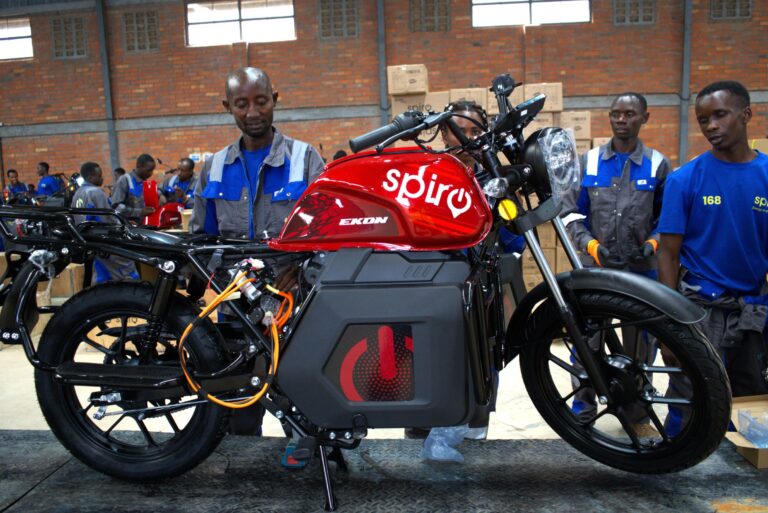
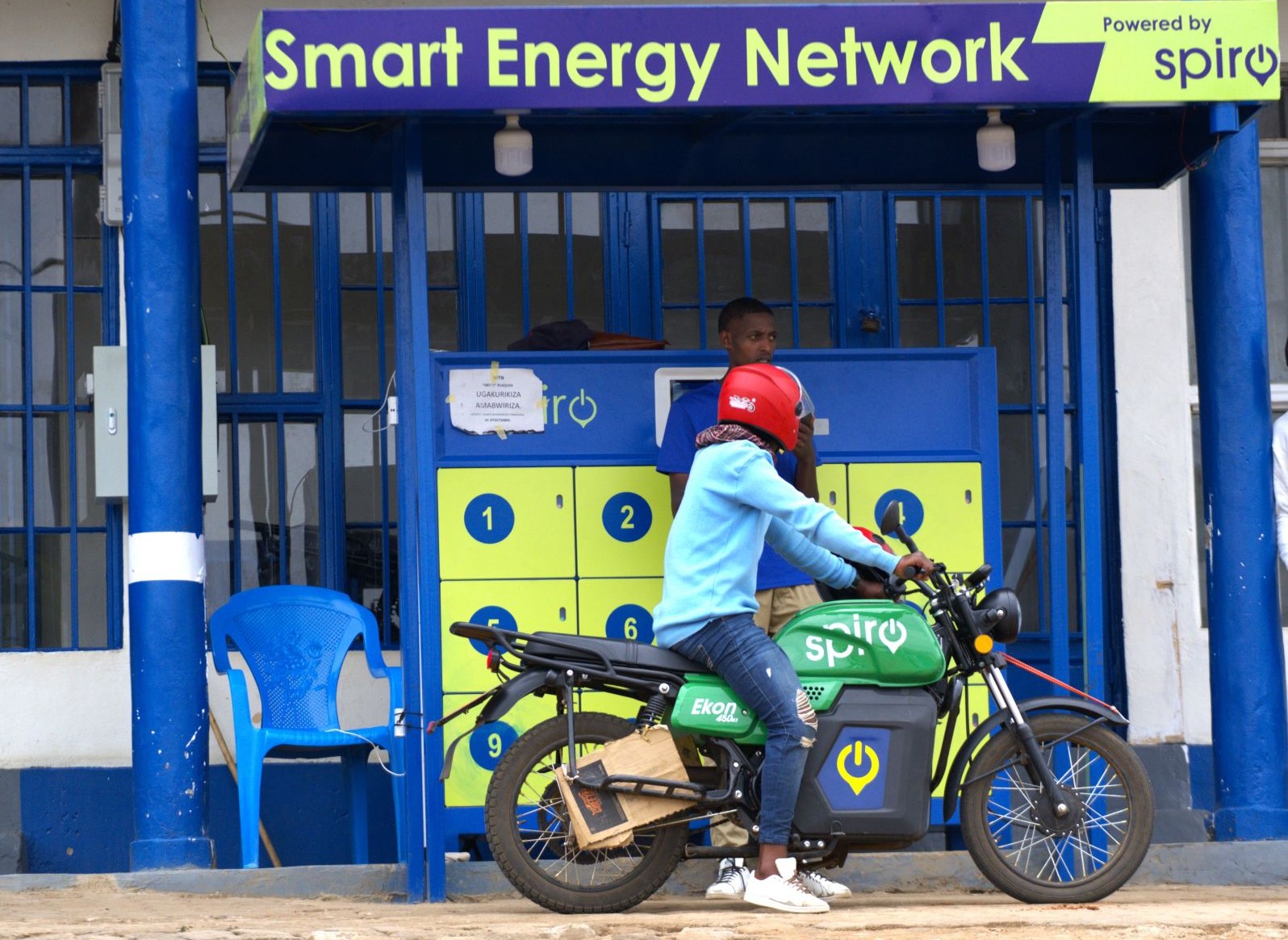
Spiro, the ebike and battery swapping firm, has raised $100 million to provide affordable and accessible mobility to the masses while transforming Africa’s clean energy and urban transport sectors.

The investment round, the largest investment in African two-wheel electric mobility ever, includes $75 million from The Fund forExport Development in Africa (FEDA), the development impact investment arm of African Export-Import Bank (Afreximbank). ‍

According to Kaushik Burman, CEO of Spiro,“This landmark $100 million investment underscores our shared vision to build a pan-African battery-swapping infrastructure that empowers riders with reliable, sustainable energy and mobility across the continent.”‍

Spiro will use the funding to expand its industry-leading battery-swapping infrastructure across existing and new markets while further strengthening its technology platform. The firm expects to surpass 100,000 deployed vehicles by the end of 2025, reinforcing its leadership in Africa and positioning the company among the world’s foremost battery-swapping providers.

“We are delighted to partner with Spiro on this transformative initiative. Our investment reflects Afreximbank’s strong commitment to building a competitive and sustainable mobility sector in Africa,” said Professor Benedict Oramah, president of Afreximbank, and chairman of the boards of directors of Afreximbank and FEDA.

Founded in 2022, Spiro has a vision to transform Africa’s transportation sector by building a mobility ecosystem that integrates advanced battery swapping and mass market accessible motorcycles. Spiro is committed to creating solutions that are made in Africa, by Africans for Africa & the world. Today, Spiro operates Africa’s fastest growing and largest battery swapping infrastructure operating commercially in six African countries that include Kenya, Uganda, Rwanda, Nigeria, Benin and Togo. The company recently launched pilot programs in Tanzania and Cameroon.‍

Prior to this latest round, Spiro had secured more than $180 million from Equitane and Société Générale.‍

Nigerian Fintech Moniepoint Raises $90 Million for Global Expansion

0

Moniepoint Inc., a Nigerian fintech firm, has secured an additional $90 million in funding, bringing its Series C round to a total of $200 million as it accelerates expansion across Africa and into international markets.

The fresh capital — backed by Visa Inc., LeapFrog Investments, Development Partners International (DPI), and Alphabet Inc.’s Google Africa Investment Fund — will be used to reinforce Moniepoint’s operations in Nigeria, Kenya and the United Kingdom, and its other pan-African efforts.

Founded in 2015 in Lagos, Moniepoint provides banking, payments, and remittance services to small businesses and individuals. The firm processes more than $250 billion in annual transactions and plans to expand its footprint to at least five African countries over the medium term.

“The proceeds from our landmark Series C will be deployed judiciously to generate even more momentum as we enter the next chapter of Moniepoint’s story — with financial happiness for Africans everywhere remaining our ultimate goal,” said Tosin Eniolorunda, founder and chief executive officer.

While Moniepoint declined to disclose its current valuation, the company surpassed $1 billion following the initial $110 million raised in 2024. That round was led by DPI’s African Development Partners III fund, with participation from Google, Verod Capital, and impact investor Lightrock.

Moniepoint joins a growing cohort of Nigerian fintech unicorns — including Flutterwave, Interswitch, and Opay — that have attracted substantial global investment as Africa’s digital economy continues to scale.


PAYDAY, Tunisian Fintech Raises Pre-Seed Financing at $3 Million Valuation For Expansion

0

PAYDAY, a Tunisian fintech and insurtech startup, has raised its first pre-seed financing round at a $3 million valuation.

The round was led by UGFS North Africa (United Gulf Financial Services), with participation from TALYS Group and BioProtection SA.

According to Dr. Mohamed Anouar Gadhoum, Co-founder and CEO of PAYDAY Takaful, ‘“This new round of funding brings together a venture capitalist, a leading technology player, and a strong industrial group,. This alliance strengthens PAYDAY’s ability to develop its services and ensure the scalability of this innovative solution, serving businesses and their employees.”

Launched in 2024, PAYDAY has recorded over 10,000 transactions and the fundraising round values the company at $3 million. The startup combines salary-backed financing and micro-Takaful protection to foster financial well-being and inclusion across Tunisia and beyond.

Building on this momentum, PAYDAY is expanding into a financial and insurance aggregator, integrating banks, microfinance institutions, and insurers to offer inclusive services not only to businesses but also to employees and individuals directly.

Through this evolution, PAYDAY aims to become a regional benchmark platform for financial well-being and inclusive protection, contributing to a more accessible and resilient financial ecosystem in North Africa.

Nokia Brings Advanced 5G Dual-Band Tech to Vodafone, Vodacom & Safaricom Networks

0

Nokia is bringing advanced 5G Dual-Band massive MIMO technology to Vodafone, Vodacom, and Safaricom networks in Kenya, Ethiopia and South Africa.

Advanced 5G Dual-Band Massive MIMO technology combines two key innovations, the massive MIMO, which uses many antennas to boost network speed, reliability, and capacity, and dual-band capability, allowing a single radio to operate on two frequency bands simultaneously. The tech enables wider coverage and faster data rates while reducing energy consumption and equipment costs.

Under Vodafone’s five-year radio access network (RAN) investment programme in Europe and Africa, Nokia will support Vodafone’s ambitions to deliver next-generation connectivity across Europe and Africa for an inclusive and sustainable digital society.

According to Mark Atkinson, Head of RAN at Nokia, “Today’s networks need new levels of performance, trust and resilience. We are delighted to extend our partnership with Vodafone, Vodacom, and its affiliates to build future-proof 5G standalone networks across Europe and Africa. This agreement underscores the strength of our industry-leading connectivity solutions, which help our customers respond to the future demands as the AI supercycle accelerates.”

Under the deal, Nokia will supply equipment from its energy-efficient AirScale Radio Access Network (RAN) portfolio, including Massive MIMO radios, baseband, and remote radio head (RRH) solutions powered by Nokia’s energy-efficient ReefShark System-on-Chip technology, boosting the performance, efficiency, and reliability of the network.

The deal also includes the first deployment of a 5G Dual-Band Massive MIMO Radio in Africa. These solutions will enhance the coverage, performance, and capacity of Vodafone’s network, delivering a superior customer experience in combination with reduced space and energy requirements.

Nokia will also deploy MantaRay NM, an AI-powered intelligent network management system offering a consolidated network view for optimal monitoring and management. Nokia continues to partner with Vodacom Group and Safaricom Group in markets including Ethiopia, Kenya, and South Africa.

IFC to Invest $6 Million Into Catalyst Fund for Africa’s Climate-Tech Startups

0

The International Finance Corporation (IFC) has proposed an equity investment of up to $6 million in the Catalyst Fund, a venture capital vehicle seeking to raise $40 million to back early-stage climate technology startups across Africa.

The fund, managed by Catalyst Impact Partners, targets pre-seed and seed-stage startups building scalable solutions for the continent’s climate and livelihood challenges. Its investment strategy focuses on three pillars: fintech for climate resilience, sustainable livelihoods, and climate-smart essential services — areas seen as critical for climate adaptation and economic transformation in Africa.

Catalyst Fund plans to deploy capital across high-growth markets including Nigeria, Kenya, Egypt, Tanzania, South Africa, Morocco, Senegal, Mali, and Uganda. These economies, home to some of Africa’s most vibrant startup ecosystems, are also among the most exposed to climate shocks such as drought, flooding, and heat stress.

The IFC’s proposed investment signals its growing commitment to climate innovation and entrepreneurship in emerging markets. The institution has increasingly aligned its venture portfolio toward climate resilience, positioning private capital as a driver for sustainable growth.

Africa’s climate-tech sector remains nascent but promising. Venture funding for climate and clean-tech startups in Africa surged more than 300% between 2020 and 2023, according to industry data, yet early-stage founders still face major financing gaps.

By channeling catalytic capital into startups at the earliest stages, IFC and Catalyst Fund aim to bridge that funding divide — helping entrepreneurs develop technologies that could both curb emissions and safeguard livelihoods across the continent.


  LOOP Unveils LOOP FLEX, a Buy Now, Pay Later Solution

0

LOOP, an NCBA Bank product, has launched LOOP FLEX, a Buy Now, Pay Later (BNPL) credit facility, to help customers acquire goods on credit, according to a report by Business Tech Kenya.

With just a minimum deposit of 10%, LOOP FLEX customers can get their items then LOOP sttles the full purchase to the merchant. The buyer repays monthly installments over a flexible period of up to 12 months, with interest applied on the loan amount.

According to Eric Muriuki, CEO of LOOP DFS, “LOOP FLEX supports our role as a lifestyle enabler, and is designed to give our customers the power to enjoy life today while responsibly managing their tomorrow. With this product, therefore, we are reimagining how our customers experience smarter, more flexible financial solutions while at the same time we inspire confidence, empower them to unlock opportunities, and fit seamlessly into the way they live their lives without unnecessary limits. ”

FLEX credit limits stand at a minimum of KES.15,000 and a maximum of KES.1,000,000. To be eligible, one has to be fully registered on LOOP, to have been assigned a positive LOOP FLEX limit, to hold no overdue loans, and to accept the terms and conditions.

Repayments are structured monthly, with a minimum loan amount of KES.9,000 and the ability for customers to hold up to five active FLEX loans at any given time. The product is offered on risk-based pricing in line with LOOP’s pricing matrix, supported by a facility fee of 4% of the disbursed amount, plus the applicable excise duty. The model ensures both affordability and responsible lending, while giving customers full transparency on the cost of their loan.


Google & World Bank to Build AI-Powered Digital IDs & Citizen Services for Emerging Markets

0

Google and the World Bank Group have partnered to build AI-powered digital identity systems in emerging markets using artificial intelligence in a move that will deploy Open Network Stacks, to help citizens access vital services.

By combining Google Cloud’s AI technology, including its Gemini models, with the World Bank Group’s development expertise, the initiative helps governments quickly create interoperable networks for critical sectors like agriculture, healthcare and skilling. Citizens can interact with these AI-powered services in over 40 languages, even on simple devices.

The collaboration builds on a successful pro bono pilot in Uttar Pradesh in India that helped thousands of smallholder farmers increase profitability. To foster a sustainable and open ecosystem, Google.org is providing funding to the new nonprofit Networks for Humanity (NFH), to build universal digital infrastructure (Beckn open network and Finternet asset tokenization), establish regional innovation labs and pilot social impact applications globally.

By deploying Open Network Stacks, which act like digital infrastructure to help citizens access vital services, the two firms will allow multiple services and institutions to connect and share data securely and interconnect services from agricultural marketplaces to healthcare records and skills-matching platforms.

Google Cloud will contribute its Gemini AI models and cloud-based infrastructure, while the World Bank Group provides its development expertise, financing instruments, and policy support to help countries build interoperable ecosystems at national scale. Citizens will be able to access AI-powered public services in over 40 languages, even on basic feature phones.

In Uttar Pradesh, India, the firms helped thousands of smallholder farmers connect to digital marketplaces and advisory platforms, improving yields and profitability. The initiative brought together a collection of open APIs for identity, payments, and data exchange nationwide.

In Kenya, Nigeria and South Africa, various initiatives have been launched to enable digital IDs, data exchange, transaction APIs, and service discovery tools such as Kenya’s eCitizen to create a common foundation for digital services, underscoring a global shift toward viewing digital systems as public goods.

If scaled successfully, the alliance could accelerate digital access for hundreds of millions of people, fostering small-business participation, smarter agriculture, and improved social-service delivery. But challenges remain. Data privacy and trust frameworks must evolve alongside new infrastructure. Ensuring openness — and avoiding capture by a handful of global tech players — will require strong governance. Connectivity and digital literacy gaps could still limit uptake in rural and low-income areas.

In Africa, governments are already building the foundation for Digital Public Infrastructure (DPI) — systems that provide citizens with digital IDs, payment rails, and shared data platforms. For example, Kenya launched its eCitizen platform, the Huduma number, and a thriving mobile money ecosystem led by M-Pesa while Nigeria is developing national digital identity systems and open banking frameworks to connect financial services and startups.

South Africa on the other hand is expanding its smart city initiatives and broadband connectivity through public-private partnerships while Rwanda and Ghana are positioning themselves as regional testbeds for digital policy, skilling, and AI governance. The Google–World Bank partnership is expected to build on these national programs to create interconnected, AI-enabled service networks that can scale regionally.

To make the initiative sustainable, Google.org, the company’s philanthropic arm, is funding a new nonprofit called Networks for Humanity (NFH). The organization will also establish regional innovation labs in Nairobi, Lagos, and Cape Town, where local developers, governments, and startups can co-create AI-powered applications for public use — from precision agriculture to health diagnostics and education access.

Africa’s digital economy is projected to reach $712 billion by 2050, according to the World Bank and IFC, but growth depends on strong, inclusive digital infrastructure. Most countries still face challenges in interoperability, connectivity, and data sharing, barriers the new alliance aims to solve. By combining AI, cloud infrastructure, and open digital standards, Google and the World Bank hope to give countries a framework to build their own “digital public highways”, reusable systems that any innovation can travel on. If implemented well, the Google–World Bank alliance could mark a turning point, one where AI, open networks, and inclusive policy come together to accelerate Africa’s rise in the global digital economy.

Africa Has Everything It Needs to Rise | AfriLabs’ Vision for a $16 Trillion Innovation Economy

Africa’s innovation economy is entering its next act, and the world is watching. The continent is shifting from dependence on aid to shaping AI policy frameworks, monetizing its creative industries, and deploying green technologies at scale.

Speaking at the AfriLabs Annual Gathering (AAG 2025) in Nairobi, Anna Ekeledo, Executive Director of AfriLabs, affirmed that Africa is no longer watching the rest of the world from the sidelines.

“The story has shifted,” said Ekeledo. “Africa isn’t playing catch up; it’s defining the future. We’re building models of innovation that are decentralized, inclusive, and impact driven. That’s what this decade has proven.”

Hosted by AfriLabs, the continent’s largest network of over 500 technology and innovation hubs across 53 countries, this year’s Annual Gathering brought together governments, investors, corporates, and creatives under the theme “Africa’s Innovation Future: Policy, Partnerships, and Progress.”

Far from being a distant dream, Africa’s innovation future is a reality waiting to be claimed. That was the resounding message as AfriLabs, in partnership with Timbuktu by UNDP, celebrated its 10th Anniversary Annual Gathering in Nairobi, Kenya.

With participants from more than 70 countries, the event revolved around one bold truth: Africa has everything it needs to rise.

“We have the power to build a continent where every citizen enjoys access to quality education, affordable healthcare, food security, and meaningful work,” Ekeledo said. “But our goal must go beyond survival to shared prosperity.”

Africa’s economy, currently valued at $3.4 trillion, could grow to over $16 trillion by 2050, powered by innovation, continental trade integration under the African Continental Free Trade Area (AfCFTA), and a rapidly advancing digital transformation.

Founded in 2011 with just five hubs in four countries, AfriLabs now connects over 500 innovation hubs across 53 nations. In only a decade, it has supported thousands of startups, created jobs, influenced policy, and helped define Africa’s role in the global digital economy.

“Imagine an Africa where our innovators lead in artificial intelligence and green technology, where our creative industries and digital services employ millions,” Ekeledo said. “That Africa is within reach if we act with unity, strategy, and urgency.”

The gathering underscored that Africa’s transformation will not come from aid but from innovation, entrepreneurship, and intra African collaboration. With the world’s youngest population, Africa’s youth are its greatest advantage, and AfriLabs aims to ensure they have the ecosystems, resources, and opportunities to lead this transformation.

Through its partnership with Timbuktu by UNDP, AfriLabs is also strengthening engagement in policy reform and capital mobilization, ensuring innovation friendly policies and sustainable financing structures that allow African entrepreneurs to scale.

Ekeledo emphasized that building a strong innovation ecosystem is not just about technology, but about trust and collaboration.

“Partnerships are the currency of progress,” she noted. “No single hub, government, or investor can transform Africa alone but together, we can design the future we want.”

The Nairobi event was not merely a celebration of milestones; it was a recommitment to a continental mission.

“Africa holds everything it needs to rise, creativity, courage, and conviction,” said Ekeledo. “The question is not if Africa will lead, but whether we will rise to the moment.”

The gathering closed with a call to action for innovators, governments, and investors across the continent to align around a shared purpose, to turn Africa’s immense potential into tangible prosperity.

Because the future of Africa’s $16 trillion innovation economy is not being written elsewhere. It is being written here by Africans, for Africa, and for the world.


SemaBOX Africa Launches YEBO, an Encrypted File-Sharing Tool for African Creators

0

YEBO, a new encrypted file-sharing tool built by SemaBOX Africa specifically for African creators, filmmakers, and businesses, has officially been launched.

Built on Mozilla’s open-source foundation, YEBO has been re-engineered to reflect the local realities of African creators, businesses, and digital storytellers.

“We’re bringing back full ownership and control to African creators,” said the SemaBOX Africa team. “For too long, we’ve relied on global platforms that don’t prioritize our privacy or our intellectual property. YEBO changes that, it’s secure, simple, and built for us.”

SemaBOX is a specialist podcast studio based in Nairobi and also Africa’s biggest podcast incubator. The studio provides technology and production capacity for podcast-making and storytelling for African creators, and creators focusing on stories about Africa.

SemabOX HQ is located in Nairobi but is active in 6 African countries with a creator network of over 400 titles.

YEBO allows users to upload and send video, audio, or any other file format instantly via email, WhatsApp, or QR code.

Every transfer is fully encrypted, ensuring that users maintain ownership and privacy of their content.

Files shared on the platform are never used to train AI models and can be further protected with passwords, download limits, or expiration dates.

The platform promises users free transfers of up to 2.5GB, with paid tiers coming soon for larger file sizes and professional users.

Apple Unveils M5 Chip, Doubling Down on AI Performance Across Devices

Apple has unveiled its latest custom silicon, the M5 chip, its most aggressive leap yet in artificial intelligence processing as it seeks to keep pace with rivals Nvidia and Qualcomm in the rapidly intensifying AI hardware race.

Built on third-generation 3-nanometer technology, the Apple M5 chip delivers over four times the GPU compute performance for AI workloads compared with its predecessor, the M4, and integrates a Neural Accelerator into each GPU core — a first for Apple. The new chip powers the refreshed 14-inch MacBook Pro, iPad Pro, and Apple Vision Pro, all available for pre-order beginning today.

Johny Srouji, Apple’s senior vice president of Hardware Technologies, called the chip “the next big leap in AI performance for Apple silicon,” highlighting its role in enabling on-device intelligence, real-time rendering, and large-model processing without the cloud.

The M5’s 10-core GPU and up to 10-core CPU deliver up to 15% faster multithreaded performance and up to 45% better graphics performance than the M4. It also features an improved 16-core Neural Engine and 153GB/s unified memory bandwidth, nearly 30% higher than the previous generation, enabling faster local execution of large AI models.

The new silicon further enhances Apple’s Apple Intelligence platform, boosting the performance of on-device generative AI tools such as Image Playground and Genmoji, while optimizing third-party apps using frameworks like Core ML and Metal 4.

Apple’s push into AI hardware comes amid a broader industry transition toward on-device AI to improve privacy, latency, and efficiency. The company continues to emphasize energy efficiency — a key pillar of its Apple 2030 carbon-neutral plan — noting that M5-powered devices meet its strictest environmental standards to date.

The launch positions Apple to compete more directly in the AI computing segment that has become central to the valuation of major chipmakers. As the company integrates M5 across its hardware lineup, investors will be watching whether the AI capabilities drive another upgrade cycle — particularly for Macs and iPads, where growth has slowed.

Apple Upgrades Vision Pro with M5 Chip

Apple has launched an upgraded version of its Vision Pro headset powered by the new M5 chip, delivering faster performance, sharper visuals, and extended battery life. The refreshed model also debuts a Dual Knit Band for improved comfort and ships with visionOS 26, introducing new spatial experiences and Apple Intelligence features.

According to Apple, the M5 chip brings up to 2× faster AI performance and 10 percent more display pixels, offering smoother multitasking, faster app loading, and enhanced graphics for immersive games like Control. The new 10-core CPU and GPU architectures include hardware-accelerated ray tracing and mesh shading, while the upgraded R1 chip handles real-time environmental rendering within just 12 milliseconds. Battery life now stretches to 2.5 hours of general use or 3 hours of video playback.

The Dual Knit Band, designed as a single 3D-knitted piece with adjustable tension and improved breathability, enhances comfort for extended use. It will also be sold separately for $99 (U.S.) and remains compatible with the first-generation Vision Pro.

Running visionOS 26, the new Vision Pro supports widgets, advanced Personas for FaceTime, interactive spatial photos, and expanded Apple Immersive content. Over one million apps are now compatible, including 3,000+ apps built specifically for visionOS, spanning design, gaming, entertainment, and enterprise solutions.

Apple has also partnered with major content creators — including the BBC, Red Bull, and the Audi F1 Project — to deliver new 3D and immersive video experiences. Users will soon be able to stream select NBA games and spatial films through the Apple TV app.

The Vision Pro with M5 chip and Dual Knit Band starts at $3,499 (U.S.), available in 256 GB, 512 GB, and 1 TB models. Pre-orders opened today in major global markets, with retail availability beginning October 22.

Apple maintains its Apple 2030 commitment by using 100% recycled aluminum and rare-earth materials in the device’s construction.