back to top
Saturday, June 13, 2026
Home Blog Page 25

Apple Launches 14-Inch MacBook Pro with M5 Chip

0

Apple has launched the new 14-inch MacBook Pro, powered by its M5 chip, with great promise of a major leap in AI performance, speed, and efficiency to the Mac lineup.

The Apple M5 chip introduces a next-gen 10-core GPU with a Neural Accelerator in every core, delivering up to 3.5x faster AI performance and 1.6x faster graphics compared to the previous M4 model. With a faster CPU, enhanced Neural Engine, and higher memory bandwidth.

Apple’s M5 makes running large language models (LLMs) and AI-driven workflows smoother and faster than ever before.

Massive AI and Performance Upgrades

The new MacBook Pro M5 also boosts overall system performance across creative and professional apps — offering up to 1.6x faster graphics, 2x faster SSD speeds, and 24 hours of battery life. Apple claims users can run on-device AI tools, edit 4K video, or handle 3D rendering and gaming with improved frame rates and energy efficiency.

“With M5, the 14-inch MacBook Pro gets even better — marking the next big leap in AI for the Mac,” said John Ternus, Apple’s Senior Vice President of Hardware Engineering. “It accelerates demanding workflows for everyone from students to developers and creative professionals.”

Designed for Pros and Everyday AI Users

Running on macOS Tahoe, the laptop introduces improved Spotlight search, Live Translation, and expanded Apple Intelligence features for privacy-preserving AI experiences. Developers can now integrate Apple’s Foundation Model framework into their own applications for intelligent automation.

The device features a Liquid Retina XDR display with nano-texture glass, a 12MP Center Stage camera, six-speaker sound system, multiple Thunderbolt ports, and up to 4TB of storage.

Sustainability and Environmental Commitment

In line with Apple’s Apple 2030 initiative, the new MacBook Pro uses 45% recycled materials and 55% renewable electricity during production. The chassis is made of 100% recycled aluminum, and packaging is entirely fiber-based.

Pricing and Availability

The 14-inch MacBook Pro with M5 starts at $1,599 (U.S.) and $1,499 for education customers. It comes in space black and silver, and is available to pre-order now via apple.com/store, with official availability starting October 22, 2025.

Key Specs

  • Chip: Apple M5 (10-core CPU, 10-core GPU, enhanced Neural Engine)
  • AI Performance: Up to 3.5x faster than M4
  • Graphics: Up to 1.6x faster than M4
  • Battery Life: Up to 24 hours
  • Display: 14-inch Liquid Retina XDR, 1600 nits peak HDR
  • Storage: Up to 4TB SSD
  • Ports: Thunderbolt, HDMI, SDXC, and MagSafe
  • OS: macOS Tahoe with Apple Intelligence


Apple Unveils iPad Pro with M5 Chip, Boosting AI Power and Performance


Apple has unveiled the next-generation iPad Pro powered by its new M5 chip, bringing major leaps in AI performance, graphics, and efficiency to its flagship tablet line.

The M5 chip features a next-generation 10-core GPU with a Neural Accelerator in every core, delivering up to 3.5x faster AI performance than the M4 and up to 5.6x faster than the M1 iPad Pro. The M5’s 10-core CPU, featuring four performance and six efficiency cores, is built for professional workloads, creative projects, and AI-assisted tasks.

The new iPad Pro also introduces Apple’s C1X modem and N1 wireless chip, offering Wi-Fi 7, Bluetooth 6, and up to 50% faster cellular data speeds with improved power efficiency.

Available in 11-inch and 13-inch models finished in space black or silver, the redesigned iPad Pro is Apple’s thinnest ever — just 5.3 mm and 5.1 mm thick respectively. Both models feature the Ultra Retina XDR display with tandem OLED technology, supporting up to 1600 nits peak brightness and a new nano-texture glass option for reduced glare.

Running on iPadOS 26, the iPad Pro introduces a fresh interface with a dynamic Liquid Glass design, a new multitasking window system, and an upgraded Files app with better organization and customization tools. The update also brings the Preview app to iPad and integrates Apple Intelligence features like Live Translation and smarter automation in Shortcuts and Reminders.

Accessories include the new Apple Pencil Pro ($129), Magic Keyboard ($299 for 11-inch, $349 for 13-inch), and a 40W Dynamic Power Adapter ($39). The iPad Pro supports fast charging, reaching 50% in around 30 minutes with compatible adapters.

Environmentally, Apple says the iPad Pro uses 30% recycled materials by weight, including 100% recycled aluminum, and is made with 55% renewable electricity across the supply chain.

The 11-inch iPad Pro starts at $999 (Wi-Fi) and $1,199 (Wi-Fi + Cellular), while the 13-inch model starts at $1,299 and $1,499, respectively. Pre-orders are open now, with availability beginning Wednesday, October 22.


Chari Raises $12m, Obtains License from Morocco’s Central Bank

0

Chari, Morocco’s YC-backed startup, has raised $12M Series A round, in a move that will see it transform its e-commerce platform into a merchant super app allowing merchants to accept digital payments, check balances, pay suppliers, transfer money, and pay bills on behalf of their customers.

The Series A, the largest Series A ever raised in Morocco, was led by SPE Capital and Orange Ventures, with participation from Verod-Kepple, Global Founders Capital, Plug and Play, Endeavor Catalyst, Pincus Capital, Al Khwarizmi Ventures, UM6P Ventures, Axian Group, Uncovered fund, AfriMobility, P1 Ventures, Reflect Ventures, Dragon Capital, MyAsia VC, Harambean prosperity fund and H&S Invest holding.

“Over the past three years, Chari has built in-house the full technology stack required to operate under its financial institution license,” added Ismael Belkhayat, Co-Founder & CEO of Chari. “Now that our rails are fully operational and supporting Chari’s needs, we are opening them to third parties. This marks the beginning of Chari’s Banking-as-a-Service (BaaS) offering.”

Other angels who joined the round, including Michael Lahyani (Founder of Property Finder) and Karim Beguir (Founder of InstaDeep). This latest funding brings Chari’s total fundraise to $17M.

A landmark license from Morocco’s Central Bank

As the first VC-backed startup in Morocco to be granted a payment institution license by Bank Al-Maghrib, the country’s central bank, Chari aims to offer a full suite of financial services to its existing user base of grocery stores, independent shop owners, retailers, and SMEs.

The services include acquiring services via POS terminals and payment gateways, issuing payment accounts, Moroccan IBANs, and debit cards, domestic money transfers, international remittances, bill payments, and e-government services and distribution of micro-insurance products.

Turning shops into financial hubs

“This is a unique opportunity to turn traditional grocery stores into local points of sale for financial services,” said Sophia Alj, Co-Founder of Chari. “It will help shopkeepers digitize their flows, increase their revenues, and compete more effectively with modern retail chains.”

Going forward, Chari will continue to scale its operations while building two strategic verticals as a super app for merchants in Morocco and beyond and a Banking-as-a-Service for corporates and startups seeking to embed fintech solutions.

Undetectable AI: How to Write Content that Defeats Any Detector

0

Now, with a technology-driven world, not only is quantity key in content creation, but also credibility, authenticity, and quality. Companies, companies, and content writers are increasingly turning to the implementation of AI in producing articles, social media messages, and ad copy. Yes, AI can certainly make things more efficient, but there is a catch: making AI-written content natural and unnoticeable. That’s where humanizing AI text unnoticeable comes into play.

Why Undetectable AI Is Important

AI detectors are becoming increasingly sophisticated. Tools like GPTZero, OpenAI’s own detectors, and other third-party algorithms are designed to identify patterns typical of machine-generated content. Content flagged as AI-generated can negatively impact SEO rankings, brand reputation, and audience trust.

For content creators and businesses, the agenda is simple: apply AI to make content automatic without losing that human touch. Getting the balance right is not only suitable for engagement, but also allows your content to go past detection tools put in place to detect AI-generated content.

Learning Humanize AI Text

Ultimately, humanizing AI writing is about getting AI-generated writing to sound like the writer was human. There is something more than just grammatical repair and sentence rephrasing involved. There is a process that involves a sense of tone, style, context, and subtleties that allow content to be readable and engaging that can be used.

The major components of humanized AI writing are:

  • Natural phrasing: Steer away from extremely formal or mechanical edits.
  • Varied sentence length: Mix brief, staccato sentences with lengthy, descriptive ones.
  • Contextual relevance: Utilize examples and analogies to read naturally to the target audience.
  • Subtle imperfections: Small variations in word selection and sentence rhythm make the content human-like.

If employed effectively, these techniques make AI content undetectable, essentially marrying efficiency with realism.

Writing Tips for Undetectable AI Content

The following are actionable tips on how to write content that evades all detectors while appealing to readers:

1. Utilize AI as a Drafting Tool, Not an End Author

AI works well when used to generate drafts, outlines, or concepts. Human editors would then polish the work in order to achieve tone consistent with the brand voice. This blend of speed by AI with human sense results in text that feels real.

2. Include Personal Touches

Add personal experiences, individual insights, or industry-related facts. These are hard for AI to mimic convincingly, hence making your content human-like.

3. Interweave Sentence Structure and Vocabulary

AI creates monotonous, repetitive text. Manually varying sentence lengths, synonyms, and transitional phrases improves readability and lowers detection risk. A style editor or thesaurus can be used to do this.

4. Break Expected Patterns

AI detectors seek out repeated patterns of punctuation, phraseology, and sentence length. Add variations in paragraph lengths, use rhetorical questions, or use creative formatting to break predictable AI patterns.

5. Edit for Emotional Resonance

Human writing, of course, carries emotion—humor, interest, urgency, or empathy. Including the layers not only captivates readers but makes your work stand out from machine writing.

6. Proofread with AI Detectors in Mind

Prior to publication, test your work using AI detection tools. If detected, locate patterns of detection and adjust accordingly. Note, the aim is humanize AI text undetectable, not complete hiding of AI use.

Tools to Support Undetectable AI Writing

There are a number of tools that help humanize AI writing:

  • Paraphrasing tools: Rewrite AI text to make it readable.
  • Style editors (Grammarly, Hemingway): Edit readability and tone.
  • AI detectors: Check and improve content for posting.

Applying these tools strategically ensures that your content has both quality and uniqueness.

Advantages of AI Human-Like Content

Having AI content that sounds human has several benefits:

  • Better SEO: Engines love naturally generated content.
  • More engagement: Content that sounds human gets shared and converted.
  • Credibility: Human-sounding content establishes trust and authority.
  • Efficiency: Tying together the speed of AI with human touch saves production time without compromising quality.

Ethical Considerations

Though undetectable AI is a blessing, ethical principles come first. Transparency in the use of AI provides credibility to authors. Use humanize AI text undetectable intelligently—boosting creativity and productivity, not lying to the audience.

Conclusion

Future content creation is all about balancing AI efficiency with human touch. Through the adoption of the above practices, companies and authors can create quality content that is informative, credible, and not detectable by AI detectors.

Undetectable isn’t just a technical objective—it’s also a strategic path to future content marketing that blends the ultimate strengths of AI technology with the irreplaceable subtlety of human imagination.


The Ethics of AI Detection: The Accuracy vs. Privacy Tension

0

In the ever-changing world of today, AI-generated content has also become more common. From automated marketing copy and blog posts to abstracts written in research, artificial intelligence is a part of the must-have content creation arsenal. While enormous opportunity is brought about by this revolution in technology, it is also coupled with complicated ethics—most especially in AI detectability. How do we remain faithful without crossing privacy boundaries? And where are organizations now in using such tools in an ethical manner?

Understanding AI Detection

AI detection is a way of identifying content that has been processed as being from artificial intelligence. Such tools check for patterns in language, syntax, and linguistic anomalies that could indicate that a written work has been produced by a machine and not by a human being. They are being used more widely across industries like journalism, academia, marketing, and legal sectors to authenticate content and prevent loss of trust.

The fundamental function of AI detection is to offer insight into the source of material. But the processes that are being used are bound to include trawling immense amounts of data and searching user-generated content, and the issue is whether personal data is dealt with and kept safe appropriately.

The Accuracy Challenge

Accuracy is the foundation for effective AI identification. Accuracy in disavowing human-written material as AI-generated can have extreme consequences. In educational settings, for instance, students can be unfairly accused of using AI tools, potentially affecting grades or reputation. Similarly, marketers can be unfairly taxed if campaigns are misidentified.

Conversely, false negatives—instances where AI-generated content is missed by detection systems—undermine the purpose of detection systems in the first place. In settings where content authenticity is paramount, like news reporting and scientific publication, missing AI-generated content can lead to trust and credibility loss.

Obtaining high accuracy comes at the cost of complex algorithms that are capable of perceiving fine human and AI writing differences. But the greater the data the systems process to achieve greater accuracy, the higher the privacy issues.

Privacy Considerations

The scanning of sensitive or personal content, ranging from confidential email to business documents protected by copyright, is typically the application of AI detection. This poses a possible conflict between detection requirements for success and privacy obligations. The users themselves might not even know their content is being scanned and stored, exposing them to ethical dilemmas of consent and data protection.

AI detection agencies have to think about how to minimize privacy risks. That means anonymizing data, capping data storage time, and processing only with users’ consent. Transparency is the principle—users must know what data is collected, how it is used, and what protection it provides.

Finding the Ethical Balance

Balancing privacy and precision in AI detection is not a technical challenge—it’s an ethical imperative. These are some principles that need to be observed by organizations:

  1. Transparency and Disclosure: Alert users when AI detection is used. This establishes trust and adheres to ethical norms of informed consent.
  2. Data Minimization: Only collect data required for detection. Do not store or share extra personal data.
  3. Algorithmic Accountability: Periodically audit detection algorithms for fairness, lack of bias, and precision. This would include false negatives and false positives testing on a variety of content types.
  1. User Control: Where feasible, provide users with control over their data. Permit them to opt-out or delete content detected by systems.
  1. Constant Enhancement: AI detection is a continually changing field. Research investment to improve accuracy without compromising on privacy is key to ethical suitability and long-term viability.

Ethical Considerations for Businesses

For companies, ethical detection of AI is not so much a compliance issue—it’s an issue of brand credibility. Companies that abuse detection technology risk eroding client, employee, and audience trust. Those that make ethics a priority, on the other hand, enjoy a marketing advantage by building a degree of trust and credibility when authenticity is a high-valued currency.

In marketing, for instance, AI detection can assist in making sure that machine campaigns are consistent with voice of brand and regulatory requirements. Misuse, such as monitoring employee communication without permission, can result in reputational damage and legal consequences.

The Ethics of AI Detection in the Future

As AI technology advances, ethical factors will grow increasingly important. New trends like generative AI for multimedia content and deepfake detection bring about novel dilemmas in the trade-off between accuracy and privacy. Industry norms and governmental regulations will have a key role to play in what is considered responsible practice in AI detection.

Finally, ethical AI detection is not just a technological issue—it’s a human one. Businesses need to understand that behind every piece of content is a human component that needs to be respected and protected. By making both accuracy and privacy a priority, we can reap the advantages of AI detection while being ethically responsible.

Conclusion

AI detection represents a robust ally in preserving content integrity in a world that is growing more automated by the day. Its use, however, needs to be informed by ethical principles that weigh accuracy against privacy. Companies and organizations that achieve this balance not only safeguard users but also facilitate trust, credibility, and long-term success.

As AI goes on defining the future of our digital lives, AI detection ethics are not a choice anymore—they’re a necessity. By promoting transparency, accountability, and privacy respect, we can build a digital world where technology works for humanity, not at the cost of humanity.


Save Your Content: How AI Detectors Protect Modern Writing

0


In today’s digital landscape, content is everywhere. Social media posts and blog entries are available, as is advertising copy and scholarly writing. Written content forms the foundation of digital communication. The advent of content written with assistance from artificial intelligence  creates a new problem: how to differentiate human-written from AI-written content. This is where AI detectors are needed. Here we’re discussing the need for AI detectors, how they keep your content safe, and why getting a free AI detector installed is a game-changer for writers, marketers, and teachers.
The Rise of AI-Generated Content

Artificial intelligence software has come a long way in the past few years. Now, AI can generate highly polished content that is many times equal to or even better than human writing in style, grammar, and coherence. Although this technology is undeniable advantage with possible acceleration of content creation and automating repetitive writing tasks, it also evokes serious concerns.

Among the most important challenges lies authenticity. Educators, publishers, and businesses are dependent on true human nature to be authentic. AI writing, when utilized unrestrained, tends to lose authenticity, disseminate incorrect information, or desecrate originality. It is here that AI detection comes into play.

Understanding AI Detectors

An AI detector is a program which checks text to ascertain whether it has been penned by a human or generated with the use of AI. They work in such a way that they employ sophisticated algorithms and machine learning to identify patterns, syntax structures, and language inclinations characteristic of AI-generated content.

Some advantages of employing AI detectors are:

  • Preserving Content Originality: Confirming blog posts, marketing content, or academic writing as indeed human-authored.
  • Preventing Misuse and Plagiarism: AI detectors will detect AI-plagiarism that will escape the radar of conventional plagiarism filters.
  • Building Trust and Authenticity: Educators and brands can share content without concern, knowing it is the product of human intelligence and knowledge.

Why a Free AI Detector is a Treasure

Most AI detectors are available for sale on a paid membership or subscription plan, and that may be pricey for students, freelancing writers, and small businesses. Luckily, there are many available free AI detectors today, and no one is excluded.

With a free AI detector, you can:

  1. Easy Check Content: Instantly detect if your writing—or anybody’s—was done with AI assistance.
  2. Improve Writing Quality: Identify AI patterns in your writing and streamline your style for improved human readability.
  3. Save Costs: Free alternatives offer necessary functionality without the cost of pricey software licenses.

Free popular AI detectors include those that can be easily integrated with text editors or web platforms so that simple checks could be performed while the content development is going on.

Protecting Your Brand and Reputation

To businesses and marketers, AI detectors aren’t merely a technological solution—AI detectors are a brand integrity watchdog. AI-generated or auto-written content has the potential to damage your reputation, mislead your audience, and reduce engagement. By integrating AI detection into your content workflow, you’re ensuring that each piece of content is delivered by your brand voice and human touch.

Along with this, educational institutions are also employing AI detectors to maintain academic integrity. Due to the increasing use of AI-written essays and assignments, the tools help teachers and students ascertain that work is original, just, and an actual sign of learning.

Best Practices in Implementing AI Detectors

To achieve optimum results from implementing AI detectors, utilize the following best practices:

  1. Pair with Human Judgment: AI detectors are robust, but human judgment is always required for context and nuance.
  2. Update Tools Regularly: AI changes very rapidly, so keep detection tools updated to detect newer patterns of AI.
  3. Train Your Team: Train writers, editors, and teachers to comprehend AI detection reports and interpret them accurately.
  4. Use Free AI Detector for Initial Screening: Begin with a free tool for initial screening, and switch to premium tools if needed.

The Future of AI Detection

As AI writing generators become better, so will AI detectors. Future AI detectors would analyze semantic meaning, behavior patterns, and even cross-check against enormous databases of human writing to enhance accuracy.

Leveraging such tools within your content strategy guarantees not just authenticity, but also credibility and trustworthiness. As a marketer, writer, or educator, keeping abreast of AI content developments is imperative in the current online landscape.

Conclusion

The online world continues to develop rapidly, and AI content is here to remain. Regardless of the degree to which AI can aid efficiency and creativity, authenticity remains more significant than ever. Implementing an AI detector, particularly a free AI detector, enables you to safeguard your content, uphold credibility, and keep your writing authentically human.

Bring AI detection into your workflow today, protect your brand, and get ahead of the curve in this age of AI-generated content. Your readers—and your reputation—will thank you.


Jubaili Bros Nigeria, EV24.africa & illigo Partner for Sustainable Energy to Transport Solutions

0

Jubaili Bros, EV24.africa, and illigo have partnered to offer end-to-end sustainable energy to transportation solutions.

The partnership is expected to create Nigeria’s first integrated, fully integrated electric mobility solution, combining electric vehicles, charging infrastructure, and smart cloud-based controls.

“Jubaili Bros is proud to pioneer this initiative. This is a natural expansion of our power solutions,” said Nabil Suleiman, General Manager of Jubaili Bros Nigeria. “We will leverage our 30-year market presence and expertise across generators, solar, batteries, and microgrids to build a reliable EV charging network for our clients in sectors like telecom, banking, and logistics, completing the power profile we offer.”

This alliance is critical for Nigeria, addressing key barriers to electric vehicle (EV) adoption by providing a complete value chain, from vehicle sourcing and charger installation to maintenance and digital management. It brings the reliability of a well-established and trusted name like Jubaili Bros to the emerging EV sector, supports Nigeria’s national goals for renewable energy adoption, and promises to accelerate the shift away from fossil fuel-dependent transport.

EV24.africa, the electric vehicle arm of AUTO24.africa (part of the Stellantis-backed Africar Group), will supply a wide range of electric vehicles through its established pan-African supply chain while  Jubaili Bros will lead the design, installation, and maintenance of the charging infrastructure and​ illigo will provide its proprietary Charger Management Platform, enabling remote monitoring, seamless integration of EV chargers with solar-powered microgrids, and easy monetization via a mobile app for both public and fleet charging.

“With the EV market accelerating across Africa, Nigeria is poised to take a leading share. This alliance ensures that the necessary infrastructure is built in tandem with vehicle availability,” said Alexandre Allanic, Chief Development Officer of Auto24.africa.

By converging clean energy and smart mobility, this partnership is set to reduce environmental impact, unlock new economic opportunities, and position Nigeria at the forefront of the electric transportation revolution in Africa.

“We are thrilled to be part of this outstanding team,” said Karim Wazni, CEO of illigo. “Our digital IP in charger management systems is key to delivering robust, scalable solutions in Nigeria’s challenging power context. This alliance allows us to leverage our technology to make electric mobility not just possible, but profitable.

Gabon’s POZI Raises $755K in Historic Funding, Pioneering Central Africa’s Tech Future

0

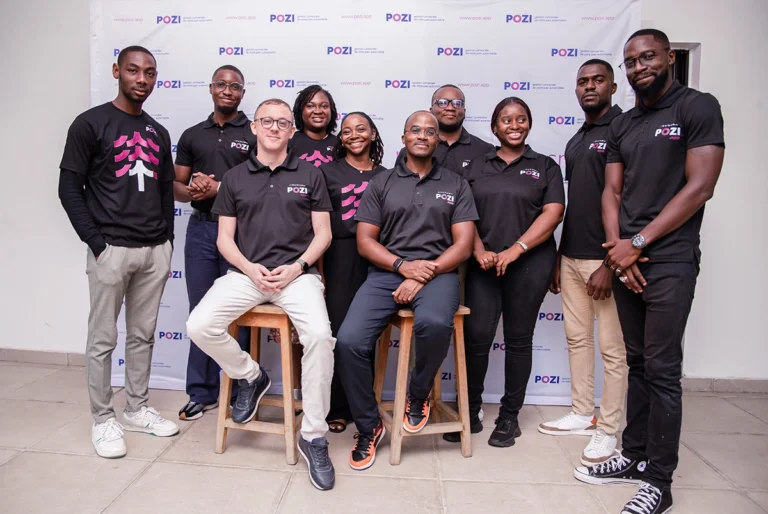
Libreville-based telematics and fleet management startup POZI has raised €650,000 (US$755,000) in funding, a landmark deal and the first Gabonese tech startup to secure international venture capital investment.

The round was led by Saviu Ventures, with participation from Emsy Capital and advisory support from Chazai Wamba, underscoring growing investor confidence in Central Africa’s emerging tech ecosystem.

From Fleet Tracking to Intelligent Mobility

Founded in 2020, POZI has built a data-driven fleet management platform that integrates AI-powered analytics for predictive maintenance, real-time performance monitoring, and risk management. Its technology helps transport operators, insurers, and logistics firms cut costs, boost safety, and improve operational transparency.

With over 2,500 connected vehicles to date, POZI is redefining what telematics means in Africa — not just tracking vehicles, but enabling smart mobility tailored to the continent’s unique challenges.

“This funding marks a major milestone not just for POZI, but for Gabon’s entire tech ecosystem,” said Loïc Kapitho, POZI’s co-founder and CEO. “It proves that Gabonese startups can earn the trust of global investors and pursue bold regional ambitions.”

A Rare Win for Central Africa’s Startup Scene

Central Africa remains one of the least-funded regions in Africa’s startup landscape. In 2024, startups from the region collectively raised just US$5 million, representing 0.2% of total African VC flows.

POZI’s breakthrough, therefore, is more than a business success — it’s a signal of shifting investor sentiment and a potential catalyst for other startups in Gabon, Cameroon, Congo, and beyond.

Regional Expansion and Sustainable Growth

Armed with fresh capital, POZI plans to expand into Côte d’Ivoire in 2025, the first step in a strategy to scale across 10 African markets by 2030. The company aims to connect 35,000 vehicles, leveraging AI and IoT to transform mobility, logistics, and safety on the continent’s roads.

Beyond technology, POZI’s mission is deeply socio-economic. By optimizing vehicle fleets, the platform helps reduce fuel waste and emissions, enhances safety standards, and supports more efficient public and private transport systems.


Kenya Moves to Regulate Crypto Assets

0

Kenya has passed sweeping new legislation dubbed Virtual Asset Service Providers (VASP) Bill, 2025, to regulate cryptocurrency firms, becoming one of Africa’s first nations to establish a full legal framework for digital assets.

The Virtual Asset Service Providers (VASP) Bill, 2025, approved by Parliament this week, seeks to license and supervise companies dealing in virtual assets such as Bitcoin, Ethereum, and stablecoins. The law introduces stringent compliance standards around consumer protection, money laundering, and cybersecurity.

Once signed by President William Ruto, the Bill will officially make Kenya one of the few African economies with a unified approach to crypto regulation, positioning Nairobi as a potential financial technology hub for the region.

Regulating the Digital Wild West

For years, Kenya has been a major player in Africa’s informal crypto economy, ranking among the continent’s top three markets by peer-to-peer trading volumes, according to Chainalysis data. Yet until now, the industry operated without clear oversight — a gap that regulators say left investors exposed to fraud and financial crime.

The new Bill defines virtual assets as digital representations of value that can be traded, transferred, or used for payments or investment. It excludes fiat currency and securities already covered under existing laws.

Only registered companies — not individuals — can operate as Virtual Asset Service Providers. Each must obtain a license, maintain a local presence, and comply with Know Your Customer (KYC) and anti-money laundering (AML) obligations.

“This legislation gives legitimacy to the digital asset industry while aligning Kenya with global standards on financial integrity,” said a National Treasury official who requested anonymity because they were not authorized to speak publicly.

Oversight will be distributed among the Central Bank of Kenya (CBK), Capital Markets Authority (CMA), and Communications Authority (CA) depending on the nature of the business — whether payments, trading, or custodial services.

Strict Compliance and Heavy Penalties

The Bill sets tough requirements for transparency and recordkeeping. VASPs must maintain customer data, implement cybersecurity policies, and insure client funds against loss.

It also prohibits the use of “mixers” or “tumblers” — tools designed to hide the origin of digital transactions — in a bid to curb illicit activity such as money laundering and terrorism financing.

Violations carry steep penalties: individuals face fines of up to KES 10 million ($65,000), while companies could pay up to KES 20 million ($130,000) or risk imprisonment of key executives.

Balancing Innovation and Oversight

Kenya’s move reflects a delicate balancing act — seeking to nurture innovation in blockchain technology while tightening control over speculative and high-risk trading activities.

The government says the law is designed to protect consumers and restore trust after a series of crypto-related frauds and pyramid schemes that have plagued the market in recent years.

“We’re creating an environment where innovation can thrive safely,” said Faith Mwangi, a Nairobi-based fintech analyst. “Kenya is signaling to global investors that it wants to be part of the regulated crypto economy.”

Existing operators will have six months to apply for a license once the law comes into force.

Industry Pushback

Not everyone is cheering. Some crypto startups and independent developers say the cost of compliance could be prohibitive.

They point to complex licensing procedures, overlapping regulatory jurisdictions, and privacy concerns arising from mandatory KYC disclosures.

“It’s progress, but there’s a risk it could price out small innovators,” said blockchain developer Michael Karanja. “The government must ensure the process remains inclusive.”

Others fear that Kenya’s multi-agency regulatory model — with CBK, CMA, and CA sharing oversight — could create bureaucratic overlap and slow innovation.

Kenya’s Bid for Regional Leadership

Kenya’s crypto market has grown rapidly alongside its mobile money revolution, led by M-Pesa and a vibrant fintech ecosystem. According to the Central Bank of Kenya, digital transactions now account for more than 90% of retail payments in the country.

By regulating virtual assets, Kenya joins a growing list of African economies — including South Africa, Nigeria, and Mauritius — seeking to attract blockchain investment while aligning with Financial Action Task Force (FATF) standards on digital finance.

Analysts say the VASP Bill could enhance Kenya’s reputation as a fintech hub, provided the law is implemented with clarity and minimal red tape.

“This is about more than crypto,” said Mwangi. “It’s Kenya positioning itself for the next generation of financial services — tokenized assets, smart contracts, and digital banking.”

A Step Toward Maturity

With the Virtual Asset Service Providers Bill, Kenya is formalizing an industry that has long operated on the fringes of finance.

The move sends a clear signal: the era of unregulated crypto trading in Kenya is ending, and the era of institutional digital finance is beginning.


Samsung Hit with $445 Million Patent Verdict in Texas Over 4G & 5G Tech

0

Samsung Electronics, has been slapped a fine of $445,494,160 in damages to Collision Communications Inc. by a U.S. District Court jury in the Eastern District of Texas , In a major legal setback.

The tech giant has been ordered to pay the fine after being found to have willfully infringed several patents covering advanced network communication technologies.

Delivered on October 10 by an eight-member jury in Marshall, Texas, the jury found Samsung’s 4G and 5G mobile devices unlawfully used patented methods designed to reduce signal interference in wireless networks.

The patented technology, originally developed by defense contractor BAE Systems, was created to ensure clear, reliable communication across busy networks — a crucial capability in both defense and commercial applications. Collision Communications acquired the portfolio from BAE nearly 15 years ago with the goal of commercializing it in the telecommunications industry.

Background: From Partnership Talks to Courtroom Battle

According to court filings, Collision Communications and Samsung engaged in extensive partnership discussions between 2011 and 2014, including exchanges about the very patent portfolio at the heart of the case. The talks never led to a deal, but the jury found that Samsung went on to use the patented methods in its mobile technology regardless.

The Trial and Verdict

The case, formally titled Collision Communications Inc. v. Samsung Electronics Co., Ltd. and Samsung Electronics America, Inc. (No. 2:23-cv-00587), was tried before Judge in the U.S. District Court for the Eastern District of Texas, a venue well-known for high-profile intellectual property disputes.

Collision Communications was represented by Brad Caldwell of Caldwell Cassady & Curry, a Dallas-based firm renowned for securing major verdicts in patent infringement and trade secret cases. He was joined by attorneys Chris Stewart, Justin Nemunaitis, and Aisha Mahmood Haley, with Andrea Fair of Miller Fair Henry in Longview also serving on the trial team.

“This verdict reinforces the importance of protecting innovation and respecting intellectual property rights,” said a spokesperson from the legal team following the decision.

A Track Record of High-Stakes Wins

Caldwell Cassady & Curry has a history of winning landmark verdicts against global corporations in complex technology disputes. The firm specializes in patent infringement, trade secret claims, fiduciary duty litigation, and class actions, often representing startups and innovators against some of the world’s largest tech companies.


Inside AfriLabs’ Rise: How a Five Hub Alliance Built Africa’s Largest Innovation Network

0

In 2011, five small innovation hubs across four African countries decided to connect their shared dreams. It was not a grand plan, just a conversation among visionaries who believed that Africa’s innovators deserved a home of their own, a network to share ideas and experiences.

The five wanted a place they could meet, speak their language and understand their realities.

From that modest beginning, AfriLabs has grown into a continental powerhouse, connecting more than 500 innovation hubs across 53 countries and 200 cities. Today, it stands as the beating heart of Africa’s innovation and entrepreneurship ecosystem, the network that links the continent’s brightest minds, boldest founders, and most determined changemakers.

From Small Beginnings to a Continental Force

What began as an informal alliance has become one of Africa’s most influential innovation networks. AfriLabs’ founders envisioned a future where African startups could thrive without waiting for validation from the West.

“We were not merely building an organization; we were building a movement,” AfriLabs leadership reflected. “A movement rooted in the belief that Africans can build the solutions that Africa needs.”

Over the past decade, AfriLabs members have incubated thousands of startups, influenced national innovation policies, and created thousands of jobs. Their work has shaped Africa’s digital economy — from fintech breakthroughs in Lagos to agritech solutions in Nairobi, AI research in Kigali, and climate innovations in Cape Town.

Ten Years of Growth and Impact

In 2025, AfriLabs celebrated its 10th Anniversary Annual Gathering in Nairobi, Kenya, under the theme “Africa’s Innovation Future: Policy, Partnerships, and Progress.”

Hosted in partnership with Timbuktu by UNDP, the event brought together delegates from more than 70 countries, including innovators, policymakers, investors, and development partners, to explore how Africa can drive its innovation decade forward.

The Nairobi edition was more than a celebration. It was a strategic moment of reflection to measure how far the ecosystem had come and to define the next phase of Africa’s innovation story.

“We have the creativity, the youth, the resources, and the ambition,” said the AfriLabs leadership. “What Africa needs now is speed, unity, and conviction. The next decade must be Africa’s innovation decade.”

Connecting the Continent

The AfriLabs network’s expansion mirrors the rising confidence of Africa’s tech economy. From five hubs to five hundred, its growth tells the story of a continent that is learning to collaborate rather than compete.

From Accra to Addis, Cairo to Cape Town, local innovators are reimagining solutions for Africa’s most pressing challenges, transforming industries such as fintech, agritech, health, education, and climate resilience. The result is a vibrant, interlinked innovation ecosystem that speaks to Africa’s ingenuity and resilience.

“AfriLabs is not just a network of hubs; it is a network of hope,” said one participant. “It is where innovators realize they are not alone.”

A New Decade, A New Mandate

As AfriLabs steps into its second decade, its focus is shifting from building connections to driving outcomes. The next chapter will prioritize policy advocacy, regional collaboration, and global partnerships that turn innovation into inclusive growth.

Its leadership envisions a future where every African country has a thriving startup ecosystem — where innovation becomes part of the culture, not the exception.

“We want African innovation to lead, not follow,” an AfriLabs director said. “This is the decade of acceleration.”

From Africa to the World

The story of AfriLabs is more than an organizational success. It is a continental awakening. A decade after five hubs dared to dream together, their idea has become the foundation of Africa’s innovation future.

As the Nairobi gathering closed, one message echoed through the halls: Africa’s innovation journey is only beginning.
And if the past ten years are any indication, the next decade will not just redefine Africa’s innovation landscape — it will reshape how the world views Africa’s role in global progress.


Kuunda Raises $7.5M to Expand Digital Lending Across Africa & MENA

0

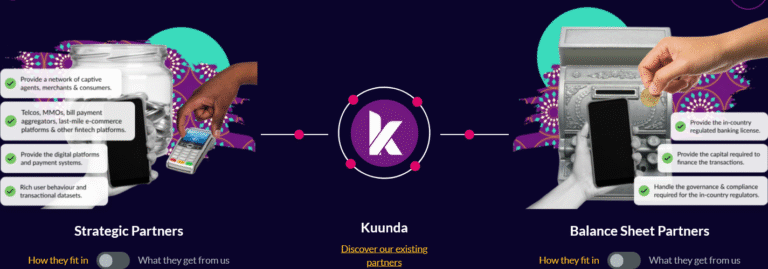
Kuunda, a Cape Town-based fintech providing embedded digital lending infrastructure across emerging markets, has raised $7.5 million to fuel its geographic expansion across Africa and the Middle East and North Africa (MENA) region.

The Pre-Series A round, backed by Portugal Gateway Fund, Seedstars Africa Ventures, 4Di Capital, Accion Ventures, E4E Africa, and Nedbank, among others will also support the development of new credit products targeted at small merchants, mobile money agents, and consumers typically underserved by traditional banks.

“This raise gives us the resources to scale faster and deepen our partnerships with banks, telcos, and digital platforms across the continent,” said Andrew Milne, Kuunda’s Co-Founder and Co-CEO, in an interview. “We’re focused on unlocking liquidity where commerce happens — at the last mile.”

Founded in 2018, Kuunda operates a Lending-as-a-Service (LaaS) platform that allows banks and fintech partners to integrate overdraft and working capital products into existing digital ecosystems, such as mobile money wallets, e-commerce platforms, and gig economy apps.

Its technology stack leverages real-time behavioral data and alternative credit scoring models to facilitate micro-loans and working capital finance for informal traders and small businesses, a segment often excluded from formal credit channels due to lack of collateral or banking history.

Kuunda’s platform currently supports over 2 million active borrowers monthly and has facilitated over $3 billion in loan disbursements to date in partnership with regional banks and mobile operators. The company reports over 10 million end users have accessed credit through its platform.

“Kuunda’s ability to turn billions of transactional data points into actionable credit insights enables sustainable lending at scale in informal economies,” said Erik Van Veen, Partner at Portugal Gateway Fund, which co-led the round. “This is the credit infrastructure Africa has been missing.”

Bruce Nsereko-Lule, General Partner at Seedstars Africa Ventures, added: “Cash flow — not demand — is the real constraint for millions of agents and MSMEs across Africa. Kuunda’s embedded credit tools solve this friction directly at the point of digital payment.”

The fundraise comes amid growing investor appetite for embedded finance and infrastructure fintech in emerging markets, with VC investment in African fintech surpassing $2.3 billion in 2024, per data from Partech Partners.

Kuunda’s investors also noted its path to profitability, a focus that has gained importance as global venture markets recalibrate away from high-burn growth.

Kuunda has rapidly scaled from Tanzania and Pakistan to five new markets in the past 18 months: Uganda, Malawi, Kenya, Mozambique, and Zambia, with a pipeline of expansion into North and West Africa and Gulf Cooperation Council (GCC) markets. The new funding will support this continued market entry, local compliance integrations, and technology upgrades.

The company also plans to launch new “productive financing” products tailored to small merchants, delivery riders, and women-owned businesses — all key contributors to Africa’s informal economic output.

NCBA Installs ConnectPlus, a $6M Corporate Banking Platform

0

NCBA, has installed ConnectPlus, a corporate banking digital platform with account services, payments, collections, liquidity, trade finance, Host-to-Host services and other advanced utilities for corporate & commercial clients.

Powered by Intellect’s eMACH.ai Wholesale Banking Cloud, the system is expected to enhance NCBA’s corporate banking services, offer a more streamlined, secure, and user-friendly digital banking experience to drive growth across Africa.

With ConnectPlus, NCBA clients will expect faster transaction processing, enabling businesses to manage their operations efficiently and respond quickly to market demands.

According to Mr. James Gossip, Managing Director, NCBA Kenya Bank, “NCBA’s digitally enabled transaction banking suite is a major move towards becoming a dominant bank in Kenya that serves Corporates and SMEs with a full array of products for all their local and international transaction banking needs, at a competitive price and to support the Government’s Kenya Digital Economy initiative based on Kenya Vision 2030.”

The the new system incorporates advanced security protocols, ensuring that client data and transactions are safeguarded with state-of-the-art technology.

Further, the enhanced user experience delivers an intuitive and modern interface, making digital banking accessible and convenient for all customer segments, regardless of technical proficiency. The platform’s expanded capabilities empower NCBA to introduce a comprehensive suite of products that cater to the complex needs of its diverse customer base, supporting both local and international transactions.

iGTB Intellect CEO, Mr. Manish Maakan added, “eMACH.ai DTB is transforming NCBA’s digital banking platform to develop cutting-edge innovative offerings for SME and corporate clients to enable NCBA to differentiate itself from the market by always staying a step ahead in catering to the customer’s evolving needs. Today, as more than 60% of the world’s top banks #winwithiGTB, we aim to continually help our clients to not only exceed customer expectations but also empower them to adopt an innovative position in the corporate banking space.”

He added, “With over 60 banks in Intellect’s eMACH.ai Digital Transaction Banking portfolio, our fully integrated Cash & Trade platform has become a global go-to-solution for Wholesale Banking needs. Africa is one of the fastest growing markets embracing digital transformation and we want to be there as the right partner taking African banks to the global stage.

The system is also expected to future-proof banking transformation with advanced architecture, microservices and open banking APIs, best contextual experience, through UX, operational & process innovation for different customer segments across channels.

“With Intellect’s deep wholesale banking domain and regional expertise in digitally transforming transaction banking, NCBA is marching ahead to provide customer gratification and achieve operational efficiency. This project will ensure that NCBA becomes a distinguished bank known for superior customer experience.” Added Mr. Gossip.

NCBA stands out as one of Kenya’s leading banks by asset size, showcasing its robust market presence. The bank operates an extensive network with 100 branches and  banking agencies throughout Kenya enhanced by a strategic partnership with the Kenya PostBank, to bolster its cash collection services.


Gozem Launches Gozem Money, its Mobile Money Service in Togo

0

Gozem, the African Super App which operates in Togo, Benin, Gabon, and Cameroon, has finally launched Gozem Money, its new Mobile Money solution in Togo, in a move expected to broaden access to financial services.

Gozem Money, developed in partnership with NSIA Bank Togo, will later be deployed to  over 1 million users who have downloaded the app since its launch in November 2018.

According to Jean Sylvestre NANGO, Managing Director of Gozem Money Togo: “We are proud to offer a solution that combines technology, simplicity, and social impact. Gozem Money reflects our ambition to transform the sector and actively contribute to sustainable financial inclusion.”

Gozem has more than 20 million rides completed across 16 cities since its launch in November 2018. The launch aims to disrupt the Togolese financial ecosystem. Gozem Money combines technological innovation, affordable pricing, and financial inclusion to benefit as many people as possible.

Gozem announced it would launch Gozem Money to expand its offerings and strengthen its ecosystem with innovative fintech products, while providing users with a seamless experience in an integrated and secure environment.

The initial launch was supposed to be in the fourth quarter of 2024, allowing Gozem customers in Togo to use the Gozem wallet for various financial transactions, including paying bills, making purchases both within and outside the Gozem ecosystem, transferring money to other users, and efficiently managing their personal finances.

In February, Gozem secured $30 million in Series B funding led by SAS Shipping Agencies Services Sàrl (a subsidiary of MSC Mediterranean Shipping Company SA) and Al Mada Ventures.

Designed to broaden access to financial services, Gozem Money stands out with a deliberately low pricing policy aimed at promoting inclusion and everyday usage.

With withdrawal fees up to five times lower than standard market rates, Gozem Money provides an affordable alternative for users seeking more value in their everyday transactions.

Beyond its economic advantages, the solution offers full interoperability with all Mobile Money operators in the country. Users can top up their wallets through Gozem agents or directly from their bank accounts, make transfers across different operators, and pay for goods and services on all compatible platforms. This flexibility also extends to merchants, who can easily accept digital payments through a simplified and secured infrastructure.

Max-Ange Didier DJECKETH, Managing Director of NSIA Bank Togo, adds:

“This partnership fully aligns with NSIA Bank Togo’s mission: to guarantee every Togolese citizen fair, secure, and modern access to financial services. With our expertise and nationwide presence, we are driving the country’s digital transformation and supporting the emergence of a more inclusive economy.”

Jahazii Raises $400K to Disrupt Payday Loans for Africa’s Workforce

0

Kenyan fintech startup Jahazii has raised $400,000 in equity, debt, and grants to redefine how Africa’s workers access and manage their finances. The pre-seed round drew participation from Antler East Africa, DEG Impulse, Jozi Angels, Innovest Afrika, and a network of strategic angel investors.

The funds will power Jahazii’s vision to build Africa’s Workforce Operating System — an integrated platform that unifies HR, payroll, and embedded financial services, designed to unlock financial inclusion for millions of underserved workers across the continent.

“Informality is the biggest structural barrier holding back Africa’s economic transformation,” said Sven Grospitsch, CEO of Jahazii. “Without systems that provide structure and credibility, workers remain excluded from financial opportunities, and organizations can’t scale efficiently. Jahazii exists to change that.”

Tackling Africa’s Informal Employment Challenge

Across Sub-Saharan Africa, 87% of jobs are informal, leaving millions of workers without contracts, protections, or access to affordable credit. This structural gap limits productivity and entrenches financial exclusion.

For employers, the problem runs deeper — inefficient workforce management, manual payroll processing, and compliance risks that slow growth and raise costs. Jahazii’s solution bridges both worlds by digitizing workforce management while embedding finance directly into the payroll process.

Embedding Finance Into the Paycheck

Unlike traditional digital lenders, Jahazii partners directly with employers, integrating financial services within the payroll cycle. Workers can instantly access earned wage advances, savings, insurance, and investments, while employers gain automated HR tools that simplify compliance and payroll efficiency.

This payroll-backed model stands out in a region where digital credit has often been criticized for predatory practices and unsustainable economics.

“By embedding financial services into the paycheck, we’re building the financial infrastructure for Africa’s middle class,” Grospitsch said. “This investment allows us to scale responsibly, deepen employer partnerships, and give workers fair financial access without the traps of high-interest loan apps.”

Building Africa’s Workforce Infrastructure

Jahazii’s Workforce OS centralizes employee data, attendance, shift management, and payroll on a single platform, creating a unified financial and HR backbone for employers. For workers, it provides a safe, structured pathway to financial empowerment.

The platform currently serves operations-heavy employers in manufacturing and agriculture, enabling thousands of employees to access safe, payroll-backed financial products.

By combining workforce management and embedded finance, Jahazii aims to transform Africa’s informal workforce into a financially visible and empowered economy.


Dubizzle to Float 30 Percent in Dubai IPO, Prosus Commits $100M

0

Dubizzle Group Holdings PLC, the largest digital classifieds platform in the Middle East and North Africa, has announced an initial public offering on the Dubai Financial Market, expected to float approximately 30.34 percent of its share capital.

The 30.34 percent comprise both new and existing shares will open on October 23 and close on October 29 for retail and institutional investors, with trading expected to begin around November 6, subject to regulatory approvals.

Dutch investment giant Prosus NV, the company’s largest shareholder through OLX BV, has committed to invest 100 million dollars in the Dubizzle Group IPO.

According to CEO Imran Ali Khan, the listing is “an exciting new chapter,” adding that the company’s digital platforms serve over 18 million monthly active users across the UAE, Saudi Arabia, Egypt and other GCC markets.

“Our platforms are deeply embedded in the daily lives of users making life’s most important decisions like buying a home or car,” Khan said in a statement.

Dubizzle operates dominant platforms including dubizzle and Bayut, connecting buyers and sellers across verticals such as real estate and autos. The company holds approximately 65 percent of traffic market share in UAE property classifieds and commands 87 percent of revenue market share in autos, according to company disclosures.

The offering consists of 1.25 billion shares — about 196 million new shares issued by the company and over 1.05 billion shares offered by existing shareholders. Of the total, 3 percent will be allocated to UAE retail investors, while 97 percent will go to qualified institutional buyers.

The group’s expansion into Saudi Arabia is a core part of its future roadmap. Its property portal Bayut.sa now sees over 3.5 million monthly sessions and more than 2,300 paying real estate clients, according to the company. It is also rolling out integrated real estate services in the Kingdom, targeting a 9.2 billion dollar addressable market by 2030.

In parallel, the group has completed three acquisitions in the past 18 months — DriveArabia, Property Monitor, and Hatla2ee — to expand its footprint in the real estate and auto segments.

Multichoice Arrests Man in Kenya for Illegal Streams of Premium TV Channels

0

Multichoice and Kenya Copyright Board (KECOBO), in collaboration with other enforcement authorities, have arrested a suspect allegedly unlawfully distribution of copyrighted television content.

The arrest comes after an extensive investigation into a sophisticated online piracy network responsible after complaints from licensed broadcasters.

The suspect, Kelvin Kiplagat Singóei, was apprehended in Kiplombe, Uasin Gishu County, for distributing and reselling illegal streams of premium television channels, including popular sports and entertainment networks. The unauthorized services were marketed through various online platforms and social media accounts, offering consumers access to Pay-TV content without the required licenses.

According to Commenting on the sting operation, George Nyakweba, Acting Executive Director at KECOBO, said: “Illegal distribution of copyrighted content deprives creators and broadcasters of their rightful earnings and discourages investment in local production, sports development, and employment within the media sector. Subscribing to such services exposes consumers to high cybersecurity risks, as their personal and financial data can be compromised or misused by criminal networks.”

Investigations revealed that the illegal operation not only infringed on copyright laws but also posed serious cybersecurity and data privacy risks to users. Subscribers were reportedly required to share personal information and make digital payments through unverified channels — exposing them to: Data breaches and identity theft, financial fraud via unsecured payment systems and malware or virus infections through unregulated streaming links and modified applications.

He added: “We will continue working closely with right holders and other enforcement agencies to identify and prosecute these offenders. Infringement of Copyright undermines Kenya’s creative economy by affecting local content creators, legitimate broadcasters and government revenue collection. Unlicensed services evade taxation and regulatory oversight, resulting in substantial losses to the national treasury and to legitimate businesses that contribute to Kenya’s digital and creative economy.”

Following his arrest, the suspect appeared before the Chief Magistrate’s Court in Eldoret on 7 October 2025, where he was released on a cash bail of KSh300,000, with a surety of the same amount. The case has been scheduled for pre-trial mention on 13 October 2025 as investigations continue to consolidate evidence and witness statements.

MultiChoice, through its anti-piracy partners, commended the efforts of KECOBO, the Directorate of Criminal Investigations (DCI), and other enforcement agencies involved in the operation.

Botswana Hosts MIT Kuo Sharper Center Demo Day For 31 Startups

0

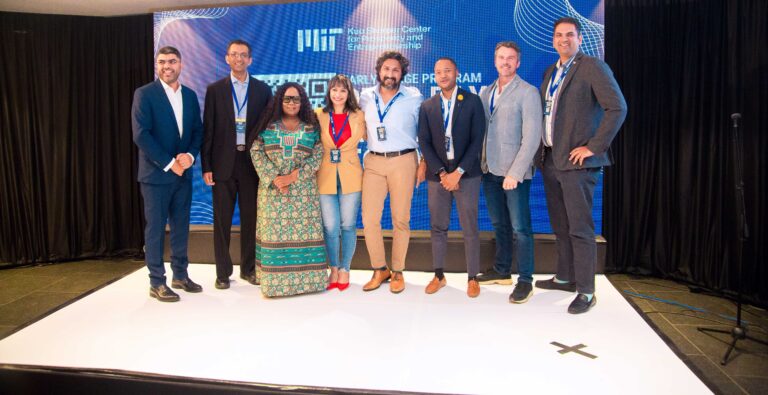
The MIT Kuo Sharper Center, in partnership with the Government of Botswana, held the first-ever Demo Day of its Early-Stage Program, which attracted more than 1,300 applications.

Supported by the Government of Botswana and the Botswana Digital & Innovation Hub, the event underscored a pivotal step in Botswana’s journey toward a knowledge-based economy—advancing the country’s national vision of economic diversification, innovation, and inclusive prosperity.

According to H.H. Vice President Ndaba Nkosinathi Gaolathe, “This partnership — between Government, MIT, and the Innovation Hub — sits at the heart of the Botswana Economic Transformation Plan (BETP). The BETP is not just a policy document; it is our national design for growth, diversification, and competitiveness. Through its Model Lab approach, we bring together government, private sector, academia, and civil society to co-create solutions, test them rapidly, and scale what works. What we are celebrating tonight is a living embodiment of that process — an innovation laboratory that converts bold ideas into tangible impact.”

From the more than 1,300 applications received, 31 inspiring entrepreneurs were selected to undergo an intensive program led by MIT faculty and leading African entrepreneurs, honing solutions in agriculture, climate resilience, mining, health, and digital services.

They showcased their ventures before a distinguished audience, including His Excellency Ndaba Nkosinathi Gaolathe, Vice President and Minister of Finance of the Republic of Botswana, as well as investors, partners, and leaders shaping Africa’s innovation ecosystem.

“This Demo Day is more than a showcase of ventures—it’s a demonstration of what becomes possible when world-class knowledge is paired with investment, strong policy, local talent and coordinated support,” said Dina H. Sherif, Executive Director of the MIT Kuo Sharper Center. “The energy and innovation we’ve seen in this first cohort reinforces our commitment to

Botswana and its journey toward becoming a leading hub for entrepreneurship and innovation in Africa.”

As the first cohort concludes, the Demo Day signals the beginning of a new chapter in Botswana’s innovation story—one that positions the country at the forefront of Africa’s entrepreneurial transformation.

The Demo Day is part of a broader agenda launched through the Botswana–MIT Kuo Sharper Center collaboration. Building on the momentum of the Early-Stage Program, the Center will debut two additional initiatives before the end of 2025:

Deep Tech Program (November 10–16, 2025 | Gaborone, Botswana): Designed for scientists and researchers working at the cutting edge of technology, this program will support participants in commercializing and scaling their ventures, strengthening Africa’s R&D and innovation capacity, and connecting them with investors and mentors who understand the unique challenges of deep tech.

Growth Stage Program (December 2025 | Nairobi, Kenya): This initiative will convene growth-stage entrepreneurs who are scaling companies, significantly expanding their customer bases, and driving revenue growth. Participants will be plugged into an expanded ecosystem of resources and the extended MIT Kuo Sharper Center community, gaining the networks and tools needed to take their ventures to the next level.

Together, these three programs—the Early-Stage Program in Botswana, the Deep Tech Program in Gaborone, and the Growth Stage Program in Nairobi—form a comprehensive pipeline that supports entrepreneurs at every stage of their journey, from idea to impact. They reflect Botswana’s bold commitment to becoming a hub for Pan-African innovation while advancing MIT Kuo Sharper Center’s renewed commitment to defining a new calculus for prosperity in global growth markets.


Swedfund Invests $15M into Microfinance Firm Select Africa

0

Swedfund invests in improved access to financing for civil servants in Eswatini, Lesotho and Malawi through an up to 15 million USD loan to the microfinance institution Select Africa.

Eswatini, Malawi, and Lesotho face growing development challenges amid shifting global aid, with urgent needs in health, education, climate resilience, and youth employment. The countries rely heavily on international funding, vital to strengthen their economies.

Swedfund’s loan aims to support low-income individuals, who often face restrictive credit policies from banks and other financial institutions.

– With this loan we increase the possibilities for low-income individuals to secure financing that supports their livelihoods and productive activities, such as starting a small side business, expanding farming, covering education costs or building a house. This contributes to human development for many families and, in turn, fosters potential for local economic growth and more jobs, says Jane Niedra, Investment Director of Financial Inclusion at Swedfund.

Select Africa’s typical customer is employed in the public sector yet is often unable to access financing through traditional banking channels. This is usually due to the banks’ aversion to perceived higher risk customers, and the limited ability to mortgage or attach properties as security across many countries in Africa. Select primarily provides payroll loans for generally underserved and low-income civil servants, providing a pathway to a formal credit history and an improved, more resilient financial situation.

Select Africa Finance Limited is a retail financial services Group founded in 1999, with the opening of its first branch in Eswatini. The Group currently has 19 branches operating in Eswatini, Lesotho, Malawi, Uganda and Kenya and has USD 108m in gross loan book.

Safaricom, Huawei Launch VybCall, Kenya’s First Video Ring Back Tone Service

0

Safaricom, in partnership with Huawei, has unveiled VybCall, Kenya’s first Video Ring Back Tone (VRBT) service, 20 years after launching the well-known audio service Skiza tunes.

VybCall introduces short-form videos that will entertain callers with curated video content, as they wait for the call to be answered, adding a fresh twist to the traditional ring back tone.

In a statement, Safaricom CTIO, James Maitai said, “At Safaricom, we are constantly exploring new ways to give our customers choice and control through targeted experiences. The launch of Kenya’s first Video Ring Back Tone service is one way we are transforming daily moments creatively, buttressing our commitment to innovation.”

VybCall is currently available on the Safaricom Neon range, select Samsung and Oppo devices, and Xiaomi’s Redmi A series, with planned support on Vivo devices in Q2 2026. Customers can opt in by dialling *860# on compatible devices or via the Safaricom App on vybcall.safaricom.com to set up.

Vybcall will help the amazing creatives in Kenya, which is just one of the many ways that Huawei works with our partners to develop innovative technologies which improve customer experience and drive economic growth” Said Gavin Gao, Huawei CEO- Kenya.

Since its introduction almost two decades ago, Skiza has been a household name, allowing customers to share their favourite tunes with callers. With shifting content consumption habits and growing global popularity of short-form video, Safaricom is innovating to keep its services relevant and valuable to customers.

The new feature allows for monetisation capabilities for content through customisation, enhancing user experiences and will give businesses and edge to turn idle time into a marketing opportunity.

The launch of VRBT highlights Safaricom’s ongoing investment in enhancing customer touchpoints, while advancing Kenya’s digital experiences.


Syndicate Bio Launches Direct by Syndicate Bio, an AI-Powered Genetic Testing Service

0

Syndicate Bio has launched Direct by Syndicate Bio, a genetic testing and precision medicine service designed to deliver actionable insights to patients, providers, and consumers across Africa.

The firm also opened its sequencing laboratory in Lagos, enabling world-class genomic and multi-omics testing powered by AI-delivered locally for Nigeria’s 200 million citizens and the global diaspora.

The Lagos facility is built to set new global standards for precision medicine on the continent. Equipped with next-generation sequencing and advanced molecular workflows, the lab supports clinical-grade testing and research while ensuring faster turnaround times for Nigerian clinicians, researchers, and patients.

Nigeria’s unparalleled ethnic diversity creates unique mutational signatures and drug-metabolism profiles. By integrating genomics, transcriptomics, and metabolomics with AI-driven analysis, Direct by Syndicate Bio will uncover biomarkers tailored to local populations-advancing precision medicine not only in Nigeria but also for millions worldwide who share genetic ancestry with its communities.

The launch event brought together leading stakeholders, including representatives from the National Institute for Cancer Research and Treatment (NICRAT), Lakeshore Cancer Center, Redus Center for Digestive Health, Beacon Health, Healthtracka, Society for Family Health, and Atlantis Pediatric Hospital.

Syndicate Bio’s Founder, Dr Abasi Ene-Obong and Dr Usman Waziri, Director, Prevention and Control, NICRAT, during the tour of the state-of-the-art sequencing laboratory in Lagos
According to Dr Abasi Ene-Obong Syndicate Bio’s founder and CEO, “Nigeria’s diversity is both a challenge and an opportunity for precision medicine. For too long, the absence of locally derived genomic data has limited how we prevent, diagnose, and treat disease. With Direct, Syndicate Bio is harnessing Nigeria’s rich genetic diversity to generate insights that improve care for Nigerians and the diaspora-while advancing inclusive precision medicine globally.”


Direct by Syndicate Bio is offering testing of 300+ genes, including BRCA1/2 and others linked to breast, ovarian, pancreatic, prostate, and colorectal cancers, over 90 inherited disorders across cardiovascular, hematological, metabolic, neurodevelopmental, ophthalmological, and immune system categories, over 80 genes related to nutrition, metabolism, fitness, skin health, immunity, sleep, and lifestyle traits, comprehensive solid and myeloid tumor profiling for targeted cancer treatment decisions.

It’s also offering early, safe assessment of fetal health, drug selection and dosing guided by individual genetic profiles, Sickle cell disease, thalassemia, G6PD deficiency, and hemophilia A/B included as standard and next-generation sequencing ensures comprehensive results in the absence of large African genomic reference datasets.

Reports are delivered in a clinician-ready format, supported by genetic counselling, with strict adherence to quality control, data protection, and privacy standards.

To accelerate adoption, Syndicate Bio has established the Direct Nigeria Precision Medicine Network (DNPMN) in partnership with leading institutions. The network will convene a multidisciplinary tumor board to enable local and international case collaboration, second opinions, and knowledge exchange.

Key partners include Lakeshore Cancer Center, Redus Center for Digestive Health and Roswell Park Comprehensive Cancer Center (USA).

Through DNPMN, patients and at-risk families will gain access to personalized prevention and intervention strategies, including interventional endoscopies and risk-reducing surgeries, guided by genomic insights.

Syndicate Bio’s Founder, Dr Abasi Ene-Obong, with Dr Usman Waziri, Director, Prevention and Control, NICRAT; Dr Onome Braimah, Head Medical Affairs, Syndicate Bio Nigeria; Dr Oge Ilegbune, Medical Director, Lakeshore Cancer Center; and other stakeholders at the launch.


Safaricom Contributes $8.3B to Society, Smartphones Hit 27M

0

Safaricom PLC, Kenya’s largest telco, said its total impact on the economy and society measured as “True Value” reached Kshs.1.1 trillion ($8.3 billion) in the year to March, boosted by M-PESA’s growth, higher capital spending, and wider corporate social investment. The company said its operations contributed Kshs.809 billion directly to Kenya’s GDP.

Smartphone usage on its network rose to 27.37 million, up from 22.93 million the previous year, with ownership increasing to 50% of its customer base, partly due to the Lipa Mdogo Mdogo installment plan. Mobile data revenue grew 15.2% as customers consumed more per user, helped by AI-driven personalization.

“We have evolved into a purpose-led technology company guided by one simple mission: to transform lives,” Chief Executive Officer Peter Ndegwa said in the firm’s 14th Sustainable Business Report, published Monday.

Themed “Anchored on Purpose, Accelerating a Digital Future,” the report highlights Safaricom’s role in expanding digital and financial inclusion across East Africa. M-PESA, its mobile money service, disbursed Kshs.945 million in smallholder farm loans through Digifarm, with women accounting for 36% of borrowers.

Environmental goals included planting 830,000 trees and restoring 694 hectares across eight counties, fencing 15 kilometers of Kakamega Forest, and recycling 99% of waste including 190 tons of e-waste. Cumulatively, Safaricom has grown 2.3 million trees toward a 2030 target of 5 million.

Governance initiatives included achieving ISO 27701 certification for privacy management and using AI to cut fraud by 87%. Its anti-money-laundering systems also flagged poaching-linked transactions, leading to 14 arrests.

Safaricom, 35% owned by Vodafone Group Plc and 35% by South Africa’s Vodacom Group Ltd., has more than 43 million subscribers in Kenya and is expanding into Ethiopia, a market of 120 million people.

Verto, the Nigerian B2B Payments Platform, Launches in the UAE

0

Verto, a Nigerian B2B payments platform, has officially launched operations in the United Arab Emirates (UAE), opening up new opportunities for Kenyan and African businesses engaging in trade with the Gulf region.

With over $25 billion processed annually for global giants such as Unilever and Maersk, Verto is known for facilitating seamless, high-value transactions across emerging markets. Its expansion into the UAE aims to solve longstanding challenges in cross-border payments, particularly between the UAE and Africa – a key trading corridor that includes Kenya, Nigeria, South Africa, and other key regional economies.

“The UAE is a pivotal hub for global commerce, and businesses here demand solutions as dynamic as their operations,” says Helen Ghebreluul, Verto’s UAE Country Manager. “Our platform is built to handle the high-value, time-sensitive nature of these transactions, particularly in emerging markets in Africa. We are not just a service; we are a critical partner, ensuring that a company’s payments move as fast and reliably as their business.”

For Kenyan importers, exporters, and multinationals with operations in the Gulf, Verto’s platform delivers a more efficient, transparent and cost-effective way to move funds across borders, a challenge that has historically hindered business growth and supply chain reliability.

Verto’s offering is particularly relevant for Kenyan businesses that regularly transact with suppliers or clients in the UAE. From the busy warehouses in Nairobi’s Industrial Area to logistics firms handling cargo through Mombasa Port, access to fast settlement and reduced currency risk can translate to real-time business impact.

Key benefits for Kenyan businesses include:

●      Fast settlement: The platform enables instant or near-instant payments, which is vital for a sector where delayed payments can stall the entire supply chain. Verto’s efficient payment rails allow for settlements in hours rather than days.

●      FX risk management: Verto provides competitive and transparent foreign exchange (FX) rates, offering businesses hedging options and flexibility. For instance, companies can lock in favorable rates to protect against currency volatility. The platform also features a multi-currency account to hold money in different wallets and an Auto Exchange feature to automatically execute trades at an ideal rate.

●      Transparency and traceability: The platform allows users to track payments from end-to-end, reducing issues where payments are lost in transit. It also eliminates hidden fees and spreads often associated with traditional banking.

“Businesses are the lifeblood of global supply chains, but they face constant challenges from currency volatility and slow, traditional payment systems,” says Ola Oyetayo, CEO and Co-founder of Verto. “Verto empowers these businesses by giving them the tools to mitigate FX risk, accelerate settlements, and optimize their cash flow. We believe in providing global reach with local strength, leveraging our expertise in key emerging markets to ensure that wherever a company’s goods go, their payments follow instantly and securely.”

Verto’s presence in Dubai is anchored at the Emirates Financial Tower within the DIFC, with the company licensed by the Dubai Financial Services Authority to offer money services and financial advisory. The team continues to grow as it positions itself to serve a wide range of clients engaging in intra-Gulf and Africa trade.

Contactable Raises $13.5 Million to Expand Digital ID Services in Africa

0

Contactable, a South African provider of digital identity and eKYC solutions, has secured $13.5 million in funding to expand its platform and roll out new products across African markets.

The financing round was led by Venture Capitalworks, with backing from Fireball Capital, Ke Nako Capital, and Mavovo, the Centurion-based company said in a LinkedIn post.

Founded in 2012, Contactable offers an integrated platform for onboarding, identity verification, fraud prevention, and compliance. The firm plans to use the fresh capital to enhance its capabilities in Ultimate Beneficial Ownership checks, AI-powered tools, self-sovereign identity, and payments integration.

Chief Executive Officer Shaun Strydom said the funding will accelerate Contactable’s efforts to broaden access to trusted digital ID infrastructure. “This investment allows us to strengthen our platform and scale with our customers while positioning us to unlock growth opportunities across the continent,” he said.

Venture Capitalworks managing partner Brent Shahim said digital identity is “at the heart of financial inclusion and digital transformation” in Africa, adding that the firm sees significant growth potential in the sector.

Contactable has recently partnered with providers including Regula and ID Secure to bolster fraud detection. The company estimates Africa’s digital identity market could reach $3.4 billion by 2028.


Blademy Raises Funding From FasterCapital to Scale Connected Health in West Africa

0

Blademy, a connected-health solution with connecting medical devices and consumables, has got more backing through FasterCapital’s EquityPilot program to accelerate deployment of its offline-capable, Bluetooth-connected health platform across West Africa, addressing urgent diabetes, hypertension and gout care gaps via tech, distribution and capital support.

Blademy bundles Bluetooth low-cost glucometers, tensiometers and uric acid testers, battery compatibility, and an Android/iOS app that syncs offline and exports patient data for clinician review.

According to Arthur Yoffoua, CEO of Agence Digitale N’zassa (Blademy), “Partnering with FasterCapital validates our approach to deliver affordable, offline-capable connected care where it’s needed most. With EquityPilot’s resources we will accelerate device procurement, finalize the mobile platform and deploy pilots aimed at reducing complications and costs for millions in West Africa.”

Blademy’s unique features include device interoperability, automated strip identification, local-memory storage (up to 800 results), multi-language support, reminder systems, and Excel export for clinical workflows. The company’s pricing—approximately 3x lower than imported alternatives—and a consumables-based recurring revenue model position Blademy for rapid adoption through pharmacies, clinics and NGOs. Early commercial assumptions project 610M FCFA in year-one gross revenue from device and strip sales with a break-even in ~16 months.

FasterCapital EquityPilot value

Through FasterCapital’s EquityPilot program, Blademy gains growth capital, global mentorship, Go‑to‑Market support, and fundraising assistance. FasterCapital’s selective process favors startups with strong product-market fit and scalable monetization; EquityPilot adds technical validation, investor introductions and strategic partnerships to accelerate regulatory, distribution and pilot deployments. The collaboration is structured around a six‑to‑18‑month acceleration roadmap culminating in regional pilots (Ghana, Senegal) and scale into Côte d’Ivoire, Nigeria and Burkina Faso.

“Blademy exemplifies the kind of pragmatic, high‑impact innovation we seek: simple hardware, smart software and a business model tailored to underserved markets. Our EquityPilot program will provide the capital, network and technical guidance to turn demonstrable pilots into scalable health systems impact,” said Hesham Zreik, Founder and CEO of FasterCapital.

Growth trajectory & next steps

Near-term milestones include completing the Blademy app finalization, procuring 10,000 devices for pilot distribution, and launching Ghana and Senegal pilots within 6 months. Blademy seeks $300,000–$400,000 to fund procurement, software completion and launch marketing, with a 5–7 year exit horizon via strategic acquisition or IPO. Longer term the company targets becoming the regional market leader in connected chronic disease care across West Africa.

Senegal Launches $233M National Program to Train Teachers in Digital Tools and AI

Senegal has rolled out a $233 million program aimed at equipping more than 105,000 teachers and school administrators with digital and artificial intelligence (AI) skills, in a move designed to modernize its education system.

The initiative, launched on September 30 by the Ministry of National Education (MEN), marks the first phase of the government’s Education Digital Strategy 2025–2029. Alongside teacher training, the program will also see computers distributed to students in science-focused courses.

The effort follows a cooperation agreement signed in March 2025 between the MEN and the Ministry of Higher Education, Research, and Innovation. Training will be provided online and accessible across devices—including computers, tablets, and smartphones—featuring interactive lessons, self-paced modules, and certification exams.

Educators will learn how to use technology to enrich classroom teaching, adapt to new learning models, guide students in understanding digital and AI concepts, and adopt stronger data protection and cybersecurity practices.

“This is more than a training program—it’s a shift in mindset,” the ministry said in a statement. “The aim is to move digital tools from the sidelines into the heart of the classroom, and to empower students not just as users of technology but as innovators.”

Despite the ambition, challenges remain. Limited internet coverage, high connectivity costs, and gaps in digital literacy could slow progress. According to the International Telecommunication Union (ITU), about 40% of Senegal’s population was still offline in 2023.

The launch builds on earlier government-led digital literacy efforts, including capacity-building workshops for members of parliament held in August.


Careem Acquires Minority Stake in Swapp, Expands Car Rental Offering in the UAE

0


Careem has acquired a minority stake in Swapp, the UAE-based online car rental platform, deepening a partnership that began in 2022 when Swapp was integrated into the Careem Everything App as Careem Car Rental.

The move strengthens Careem’s mobility portfolio and will support the rollout of new features including instant KYC for faster onboarding, one-hour car delivery through smarter fleet dispatching, real-time vehicle tracking, on-demand car swaps, and lease-to-own options.

“Being embedded within the Careem app has enabled us to connect thousands of customers in the region to flexible car rental with unparalleled convenience and cost-savings,” said Uzair Moosa, CEO of Swapp. “Over the coming months, we’re excited to expand our regional presence with new multi-month deals and even faster fulfillment.”

Adeeb Warsi, COO of Careem, said: “The opportunity for car rental services continues to rise as more people opt for flexible and affordable transportation. Swapp’s high-quality vehicles and seamless digital experience have delivered immense value to our customers, and we’re thrilled to expand into this fast-growing segment.”

Swapp operates a fully digital car rental model where vehicles are delivered to customers within 24 hours of online registration. Its marketplace aggregates supply from leasing companies, OEMs, and its owned fleet, with a growing focus on electric vehicles.

According to Statista, the UAE’s car rental market is expected to generate $175 million in revenue this year, growing at a 4.96% CAGR through 2030 to reach $223 million, with 87% of sales expected to come from online platforms.

Careem Car Rental, powered by Swapp, offers daily, weekly, and monthly rentals across brands including Nissan, Toyota, Mitsubishi, BMW, Porsche, Ferrari, Tesla, and more, serving both everyday and premium mobility needs.


BECO Capital Raises $370 Million to Back MENA Founders

0

BECO Capital has closed $370 million across two new funds, expanding BECO’s ability to back founders from Pre-Seed to IPO, with a continued focus on the UAE and Saudi Arabia.

The raise includes $120 million for BECO Fund IV, the firm’s fourth early-stage fund, and a $250 million Growth Fund.

$120M BECO Fund IV to Back Founders from Pre-Seed to Series A

BECO Fund IV backs companies in construction tech, fintech, proptech, consumer / retail tech, and application software / AI and is led by Managing Partners – Dany Farha, Abdulaziz Shikh Al Sagha, and Yousef Hammad.

“We’ve spent over a decade partnering with founders at the earliest stages and helping them navigate the journey ahead,” said Dany Farha, Co-Founder and Managing Partner at BECO Capital. “This fund reflects our continued conviction in the early-stage opportunity in the UAE and Saudi, and our belief in the depth of founder talent across the region.”

$250M Growth Fund to Back Regional Scale Ups

BECO’s Growth Fund invests in companies from Series B through pre-IPO, led by General Partner Amer Alaily. The fund deploys average investments of $20 million into both existing BECO portfolio companies and new opportunities.

“Companies in the Gulf are achieving institutional scale, yet face limited access to dedicated growth capital,” said Alaily. “This fund gives us the flexibility to partner with the strongest emerging companies and support them through critical scaling phases toward potential exits.”

With these two funds, BECO operates a comprehensive platform supporting founders from pre-seed to IPO across the Gulf’s most active venture markets.

Lisk Launches $15M Venture Fund for Web3 Startups

0

Lisk, the growth platform designed for Web3 founders in high-growth markets, has launched the Lisk EMpower Fund, a $15 million venture initiative aimed at backing Web3 startups solving real-world problems in Africa, Latin America, and Southeast Asia.

The Lisk EMpower fund has already invested in Lov.cash, a South African digital supply chain platform, Afrikabal, an African Agritech platform, IDRX, an Indonesian stablecoin, and SigraFi, who finances small gold producers and issues gold-backed onchain loan notes.

“Global VCs have become obsessed with speculation. In high-growth markets, the opposite is true. Founders are solving real problems with real utility and that is where the next unicorns will come from,” said Gideon Greaves, Head of Investments at Lisk.

High-growth markets offer significant growth opportunities, leveraging emerging technology to develop innovative solutions that solve local challenges that otherwise could not be solved by traditional technology. Many founders bootstrap to Series-A level traction without ever raising institutional seed capital. Yet, a knowledge gap remains in the opportunities to invest in these regions.

Emerging markets have consistently outperformed public benchmarks, delivering 9-11% annualized venture returns over the past 10-15 years, according to Cambridge Associates. Lisk believes this marks the start of a generational bull run in emerging markets, driven by unprecedented innovation and the rapid adoption of transformative technologies. In contrast, U.S. seed-stage venture has become oversaturated, with record-high early-stage valuations and near-zero three-year returns. This creates an opportunity to back high-growth founders in Africa, Latin America, and Southeast Asia at fair valuations, while generating uncorrelated, venture-scale returns.

The disconnect is Lisk’s opportunity. The Lisk EMpower Fund addresses a critical gap that most VCs continue to miss. By backing founders at the earliest stages, the Lisk EMpower Fund delivers more than capital, it offers hands-on advisory, Web3 experience, and resources, becoming long-term partners with the founders at the intersection of local impact and global growth.

“Emerging markets are no longer the future of Web3, they are the present,” said Dominic Schwenter, COO at Lisk. “The Lisk EMpower Fund is designed to bridge the capital gap for world-class founders who are building global companies from these ecosystems.”

The Lisk EMpower Fund model integrates incubation, assessment, and growth capital through a scalable, end-to-end pipeline designed to accelerate high-potential ventures.

  • Web3-Native: Dedicated capital for infrastructure and applications solving real-problems in payments, remittances, identity, and supply chain.
  • Emerging Markets: Targeting regions that are ripe for organic adoption and have the potential to scale globally.
  • Hands-on Advisory: Beyond capital, Lisk operates as a boutique investment bank for startups, supporting founders in refining their narratives, structuring for international fundraising, and securing proper Series A and B rounds.
  • Tokenized Fund Structure: The Lisk EMpower Fund utilizes tokenization to streamline LP subscriptions, provide secondary market liquidity, and open access to retail LPs, who are traditionally excluded from venture funds.

By investing in the essential digital infrastructure of emerging economies, Lisk generates venture-scale returns uncorrelated with saturated Western markets. Its structured investment model is designed to de-risk early-stage ventures while providing hands-on advisory support to prepare them for global institutional investment.

Through strategic partnerships with leading local incubators, Lisk gains early access to pre-vetted deal flow across Africa, Latin America, and Southeast Asia. Selected companies are eligible to receive $250,000 in capital alongside strategic support, ranging from investor-grade financial modeling and legal structuring to access to Lisk’s global VC network.

Street Wallet Acquires Digitip to Expand Digital Payments for Informal Traders

0

South African fintech startup Street Wallet has acquired Digitip, a platform that allows informal workers to receive digital tips, in a deal aimed at deepening its presence in KwaZulu-Natal and broadening access to the digital economy.

Founded in 2021 by Kosta Scholiadis, Street Wallet provides mobile payment solutions tailored for informal traders and service providers. The platform integrates with leading gateways such as Apple Pay, Samsung Pay, SnapScan, Zapper, and Scan-To-Pay, enabling vendors to accept secure, cashless payments without traditional bank accounts or hardware. Daily earnings are converted into Standard Bank Instant Money Vouchers, which can be withdrawn at ATMs or partner retailers.

The acquisition follows Street Wallet’s recent $350,000 funding round, which is fueling market expansion and sales growth across South Africa. Incorporating Digitip, launched in 2023, will extend Street Wallet’s reach among informal workers and strengthen its value proposition with lower transaction costs, faster payouts, and enhanced technology infrastructure.

“This is a game-changer for Digitip users and clients,” said Digitip founder Monica Nilsen. “Our community can now earn more through lower fees, enjoy daily payouts, and benefit from a smoother platform.”

Street Wallet CFO and COO Stephen Britto said the move underscores the company’s broader goal of driving financial inclusion. “We want to make transacting easier while bringing traders into the banking ecosystem through bespoke fee structures,” he said.