Meta added a new feature to WhatsApp that gives users’ private conversations an additional level of protection and privacy. By employing a password or biometric authentication, this new feature enables users to lock specific chats, guaranteeing that their contents are private and inaccessible to unauthorized parties. Along with chat lock, Meta has included additional security features like keeping locked chats in a different folder and obscuring the message’s name and content in alerts until the user authenticates their identity.
How to Turn on WhatsApp Chat Lock
On WhatsApp, enabling chat lock is a simple procedure. An instruction manual for configuring it on both Android and iOS devices is provided below:
Update or download WhatsApp: Make sure WhatsApp is installed on your smartphone in the most recent version. If not, download or update the app from your local app store.
Access the Specific Chat: Navigate to the chat you wish to lock in WhatsApp. It could be a dialogue between two or more people.
Select the profile photo: Tap on the contact or group’s profile image at the top of the screen once you have entered the appropriate conversation.
Where to find “Chat Lock”: There is a new option named “Chat Lock” in the profile settings that may be found by scrolling down. It’s right below the menu for disappearing messages.
Turn on chat lock: You will be asked to verify your identity when you select the “Chat Lock” option. Chat lock can be activated using your phone’s password or biometric authentication (fingerprint or facial recognition).
Successfully Locked: Following successful login, the chat will be locked and future access will call for the same authentication procedure.
How to Unlock Locked WhatsApp Chats
On WhatsApp, opening locked chats is an easy procedure. Take these actions:
Launch the WhatsApp app on your device to access WhatsApp.
Get into locked chats: Swipe down on the WhatsApp main page to get a list of all your locked chats.
Open Chats: You will be required to enter your phone password or biometric data to verify your identity when you tap on the locked conversation you wish to view.
Look at the chat: You will be granted access to the locked chat after a successful login, where you can read and respond to messages as usual.
In a business environment that is becoming more and more tech-driven, staying ahead of the curve frequently entails arming oneself with the newest tools created to maximize efficiency and simplify daily activities. These technological tools can significantly improve a professional’s work life, from useful accessories to effective communication tools. In this post, we’ll look at three crucial pieces of technology that any business professional should think about acquiring.
A Reliable Smartphone Can Help You Stay Connected
For business executives, a high-quality smartphone is a vital tool that acts as a lifeline for organization, communication, and time management. Prioritize smartphones with quick processing times, extended battery lives, and seamless interaction with productivity apps when choosing one. The Apple iPhone 13 Pro, Samsung Galaxy S21, and Google Pixel 6 are all popular alternatives for professionals since they all combine strong performance and comprehensible user interfaces.
Utilize noise-cancelling headphones to increase efficiency
Distractions can kill productivity in busy corporate settings. Professionals wishing to concentrate on their work without being distracted by background noise have the ideal solution in noise-cancelling headphones. These headphones offer an immersive audio experience that enables you to focus on the task at hand whether you’re working in a noisy office or making critical calls while on the go. The Bose QuietComfort 35 II, Sony WH-1000XM4, and Apple AirPods Pro are among of the best options available.
Increase Productivity with a Multipurpose Tablet
Recent advancements in tablet technology have given them a number of characteristics that make them a useful tool for business people. Tablets can easily take the place of traditional laptops for operations like handling documents, presentations, and video conferencing because to their small size and sophisticated capabilities. Tablets can also be equipped with add-ons like styluses and detachable keyboards to increase their capabilities. The Apple iPad Pro, Microsoft Surface Pro 8, and Samsung Galaxy Tab S7+ are notable alternatives on the market.
Social media has become an indispensable tool for businesses to connect with their audiences, promote products and services, and build brand awareness.
However, with the vast reach and constant activity on these platforms come significant security and reputation risks. Protecting your company on social media is crucial to maintain a positive online presence and ensure business success. In this article, we’ll explore essential strategies to keep your company safe on social media.
1. Develop a Social Media Policy
Establish a clear and comprehensive social media policy for your employees. This policy should outline acceptable behavior, provide guidelines for posting on company accounts, and address how to handle potential security breaches or negative interactions. Regularly educate your staff on this policy to ensure everyone is aligned with your social media safety measures.
2. Secure Your Accounts
A strong password and multi-factor authentication (MFA) are vital for securing your social media accounts. Use unique, complex passwords for each account and enable MFA whenever possible. Regularly update your login credentials and monitor account access to detect any unauthorised activity.
3. Regularly Update Software
Ensure that the devices used to access social media are equipped with up-to-date antivirus software and security patches. Cybercriminals often exploit vulnerabilities in outdated software to gain access to accounts.
4. Control Access
Limit the number of employees with access to your company’s social media accounts. Only grant access to individuals who need it for their roles. Regularly review and revoke access for employees who no longer require it.
5. Educate Your Team
Conduct cybersecurity training sessions for your team to familiarise them with potential threats, phishing scams, and the importance of safeguarding information. Encourage employees to report any suspicious activity immediately.
6. Monitor Social Media Conversations
Use social media monitoring tools to keep tabs on conversations about your brand. This allows you to address negative comments, misinformation, or emerging issues promptly.
7. Be Cautious with Links and Downloads
Advise your team to exercise caution when clicking on links or downloading files shared on social media, especially if the source is unfamiliar. Malicious links and attachments are common vectors for cyberattacks.
8. Separate Personal and Professional Profiles
Encourage your employees to maintain a clear separation between their personal and professional social media profiles. Mixing the two can lead to security risks and potential conflicts of interest.
9. Response Plan for Incidents
Develop a response plan for social media incidents, such as data breaches, negative comments, or account hijacking. Ensure your team knows the steps to take when faced with these situations.
10. Regularly Review and Adjust Your Strategy
The social media landscape is constantly evolving. Regularly review your social media strategy, making adjustments to incorporate the latest security practices and address emerging risks.
Social media is a powerful tool for business growth, but it comes with potential pitfalls. Safeguarding your company on social media is not a one-time task but an ongoing commitment to security and vigilance. By developing a comprehensive social media policy, securing your accounts, educating your team, and staying informed about the latest threats, you can enjoy the benefits of social media while protecting your company’s reputation and sensitive information. In a digital age where online presence is paramount, taking these measures is not just advisable—it’s essential.
Personal injury lawsuits serve as a lifeline for individuals who have suffered harm due to someone else’s negligence or wrongdoing. That said, delving into the legal world can be challenging for someone with no legal knowledge. It’s even more challenging when surrounded by myths and misconceptions that can deter those who genuinely deserve justice.
Today, we aim to provide you with honest insights into personal injury lawsuits. We’ll debunk common myths that may have clouded your understanding and may have made you question seeking the justice you rightfully deserve.
More importantly, we want to underscore the significance of turning to a personal injury lawyer for guidance, as their expertise can be a genuine game-changer in your pursuit of justice.
Myth 1: Personal Injury Claims Are Always Frivolous
A widespread myth suggests that personal injury claims are frequently frivolous or exaggerated. In reality, these claims are often filed by individuals who have endured severe injuries due to the sheer negligence of someone.
For instance, consider someone injured in a car accident caused by a drunk driver or harmed by a defective product. These individuals have valid personal injury claims that aim to secure compensation for their losses, not to strike it rich overnight.
Myth 2: Personal Injury Lawyers Are Only After Your Money
You might have heard this one before – the idea that personal injury lawyers are all about chasing dollars. But let’s set the record straight. Personal injury attorneys are in the business of helping people, not just making a quick buck.
Because they get paid on a contingency fee basis, they only get paid if they win your case. See, their interests are perfectly aligned with yours. They’re motivated to fight tooth and nail for the best outcome because they only succeed when you do. This aligns the interests of the lawyer and the client, ensuring that the attorney is motivated to fight for the best possible outcome.
Myth 3: All Personal Injury Cases Go to Court
A lot of people seem to believe that personal injury cases always end up in court, but this is not the case. Actually, the majority of personal injury cases reach resolution through negotiations and settlements. This is because both the injured individual and the insurance company aim to steer clear of the time-consuming and costly trial process.
During negotiations, personal injury lawyers work with insurance companies to reach a settlement that fairly compensates their clients. This means that the injured person can get the money they need to pay for their medical bills and other expenses, without having to go through the stress and uncertainty of a trial.
Myth 4: It’s Easy to Handle Personal Injury Claim on Your Own
Personal injury law is a complex puzzle, and insurance companies have their own sharp legal minds working to pay out as little as possible.
That’s where a seasoned South Florida personal injury lawyer comes in. With them on your side, your rights are safeguarded, and your odds of getting fair compensation shoot up. So, while the idea of going it alone might sound tempting, having a legal expert in your corner is often the smartest move you can make.
Why You Should Consider Hiring a South Florida Personal Injury Lawyer
Let’s talk about how a personal injury lawyer can make a real difference. These legal pros don’t just know personal injury law inside out. They’re also the ones who help speed things up when you’re dealing with a personal injury claim.
Here’s how they do it:
Legal Expertise: They can make complicated legal stuff seem easy.
Quick Investigations: They jump into action, gathering vital evidence and talking to witnesses pronto.
Smooth Negotiations: When it’s time to negotiate, they’re the experts, getting you better, faster settlements.
On-the-Spot Filings: If negotiations hit a roadblock, they file lawsuits fast, making sure all the paperwork’s spot-on.
In short, having a personal injury lawyer by your side can really make things move along and get you the fair compensation you deserve.
The Bottom Line
Getting the facts straight and busting these myths is so important for us to truly grasp what personal injury lawsuits are all about. These lawsuits can be a lifesaver for people who have suffered serious injuries, whether accidentally or intentionally.
If you or someone you care about is involved in a personal injury case, please consider talking to a personal injury lawyer.
US-based VC firm 500 Global, in collaboration with The Egyptian Information Technology Industry Development Agency (ITIDA) has launched a Scale Up Programme in Egypt intended to empower founders through personalised mentorship and growth techniques.
The Scale Up Program is a seven-week programme dedicated to Pre-Series A and Series A startups in Egypt. The programme sets the stage for their future success.
“Despite a challenging global and local macroeconomic backdrop, we found Egyptian founders proving that Egypt remains a thriving technology market in the Middle East and Africa. This was evident in the highly competitive process for the Scale Up programme where we met stellar calibre continuing to build resilient and healthy companies with enormous potential. We aim to provide a nourishing environment for the selected leaders to grow and scale their reach sustainably.
The programme kicked off on 1 October 2023, at the Creativa Giza Hub, also known as The Factory, operated by ITIDA. The batch then embarked on their journey to El Fayoum for an immersive three-day retreat, delving into founder well-being and leadership through engaging in empowering activities, and spending time kickstarting a community as a batch.
This lays the foundation for their eagerness to participate in all the upcoming workshops facilitated by our global mentors. Workshop topics include growth experiments, sales and marketing, operational excellence, hiring and more.
The programme will culminate with the Scale Up Showcase on November 16, 2023. This event provides our cohort of startups with the opportunity to showcase their innovative ventures.
Founders will have the chance to network with 500 Global’s network of industry leaders, partners and ecosystem players. In addition to startup presentations and product demonstrations, the Scale Up Showcase will feature globally renowned keynote speakers, including Sean Ellis, Author of Hacking Growth.
There will also be panel discussions, focusing on regional and international landscapes. Courtney Powell, Chief Operations Officer and Managing Partner at 500 Global will also be hosting a by-invite-only brunch.
The programme will continue with support for three months after the Showcase, offering one-on-one office hours with mentors and advisors, one free year of office space at the Creativa Giza Hub (aka The Factory), company growth mapping, and more.
Meet the Batch 1 Startups
● Birdnest develops and operates tech-enabled rental properties.
● Blnk is an AI-enabled digital consumer finance platform that is driving financial inclusion in Egypt.
● Convertedin is a marketing operating system for e-commerce, which utilises data and shoppers’ insights to create personalised multi-channel marketing.
● Dresscode is a DTC fast fashion business that enables Gen Z to find affordable and high-quality fashion.
● FriendyCar is the first and leading P2P car-sharing operator in the Mena region.
● ILLA is a logistics holding group that offers door-to-door solutions for FMCG companies.
● Khazenly is an omni-channel technology platform for on-demand logistics and fulfilment.
● MQR offers widely accessible, high-quality gathering spaces with hospitality-led service and amenities.
● Nowlun is an online freight forwarding platform allowing cross-border shippers to scan the market for the best shipping options, receive instant quotes, and track their shipments.
● NowPay is a fintech startup building a financial wellness platform for employees.
● O7 Therapy is revolutionising wellness and mental health by constructing MENA’s largest all-in-one mental health platform.
● Orcas offers personalised live learning experiences for K-12 Students.
● Rology is an AI-assisted teleradiology platform.
● Suplyd is building a digital infrastructure for restaurants’ supply chains.
● Sylndr is Egypt’s leading used-cars-focused marketplace both serving consumers and dealers to buy, sell, and finance used-cars.
In a groundbreaking stride towards innovation, Elimu Pi Robotics has emerged as a beacon of technological advancement and learning in Kenya.
Specializing in customized programmable printed circuit board (PCB) circuit boards, Elimu Pi is the brainchild of Paul Akwabi, a technology and innovation specialist and founder of TechKidz Africa.
In a remarkable move towards promoting STEM (Science, Technology, Engineering and Math) education and empowering young minds in the world of robotics, Elimu Pi proudly announced the release of the “Elimu Pi Robotics Guide 1” booklet.
This invaluable resource offers over 20 exciting projects that harness the power of Raspberry Pi Pico and the Elimu Pi Robotic circuit board, and what’s even better, it’s completely free.
“We are thrilled to announce the release of the Elimu Pi Robotics Guide 1 booklet, a free resource featuring over 20 projects utilizing the Raspberry Pi Pico and Elimu Pi Robotic circuit board. This marks a significant milestone for our dedicated resources development team. The Elimu Pi Robotics Guide 1 is available for anyone eager to enhance their knowledge and empower children, teenagers, and youths,” Mr Akwabi noted via LinkedIn.
Elimu Pi utilizes the Elimu Pi Pico and Pico W microcontrollers, providing an exceptional platform for robotics and Internet of Things (IoT) prototyping and innovation.
This pioneering initiative is purpose-built for schools, universities, tech enthusiasts, learners, and their educators, enabling the creation of prototypes using Python or script programming.
According to the innovators, the Elimu Pi PCB, designed with a meticulous approach, offers a host of features that have the potential to revolutionize the tech landscape in Kenya and beyond:
Versatility: Elimu Pi’s adaptability allows for the development of scalable prototypes, making it an ideal choice for a wide range of projects.
Processing Power: Equipped with Elimu Pi microcontrollers, this PCB ensures swift execution and seamless operation, even in resource-intensive tasks.
Connectivity: Elimu Pi boasts a variety of sensors that enhance the user experience in project development, making it a robust tool for IoT innovations.
Small Form Factor: With its compact size, Elimu Pi is perfect for portable and space-efficient implementations.
Elegant Interface: The PCB design prioritizes port layout and user-friendliness, ensuring an elegant and easy-to-use experience.
Expandability: The Elimu Pi ecosystem includes a wide range of HATs (Hardware Attached on Top) and add-on boards, effectively expanding its functionality.
Projects utilizing Elimu Pi are as diverse as the imaginations of its users. Some notable applications as mentioned by the innovators include:
Weather Monitoring Station: Utilizing GPIO pins for interfacing with various sensors and modules.
Home Automation System: Acting as a central controller for all smart devices and sensors in your home.
Smart Agriculture Solutions: Handling data processing, analysis, and decision-making for agricultural applications.
Energy Monitoring and Control: Tailoring energy monitoring and control prototypes to specific requirements.
Smart Water Treatment: Logging water consumption data for historical analysis and water conservation.
Smart Parking System: Offering remote access capabilities for monitoring and management.
Air Quality Monitoring System: Leveraging add-on boards and HATs for features like particulate sensors and gas sensors.
Elimu Pi’s capability extends to embrace new technologies and interfaces, facilitating the integration of various sensors and equipment for customized projects.
The team behind Elimu Pi comprises a talented and diverse group of individuals, each contributing a unique skill set to enrich their projects and during the just concluded Pwani Innovation Week, they pitched about the startup to the congregation including industry leaders and tech enthusiasts, attending the tech extravaganza.
“This collaborative synergy among the team members ensures that Elimu Pi projects not only perform flawlessly but also captivate with their visual appeal. From intricate inner workings to captivating exterior designs, this team is dedicated to creating projects that stand out for their exceptional performance and captivating user experiences.”
Moreover, Elimu Pi has established fruitful partnerships with several entities, including the Raspberry Pi Foundation, which is “…excited to join hands with them.”
Their collaboration marks a new era in Kenyan robotics, fostering innovation and empowering enthusiasts, students, and professionals to explore and create with unmatched versatility.
Elimu Pi is not just a technological innovation; it’s a gateway to creativity, learning, and the promise of endless possibilities. With a commitment to igniting imaginations, driving technological advancement and fostering innovation, this initiative is poised to transform Kenya into a hub of robotics excellence.
Amid reports of Bolt’s licence renewal being declined, the digital ride-hailing company has made it clear that it has no intention of leaving the Kenyan market.
The National Transport and Safety Authority (NTSA) had raised concerns about alleged violations of transportation regulations, which included unauthorized commission charges and booking fees.
The NTSA’s concerns prompted a halt in the license renewal process, with the authority demanding a comprehensive plan of action from Bolt. In response, Bolt has reaffirmed its commitment to complying with Kenyan regulations and building a sustainable business that benefits all stakeholders in the ecosystem. The company expressed its readiness for collaborative discussions with regulators, driver-partners, and the public to ensure full compliance and income generation on its platform.
One of the key accusations against Bolt was the imposition of an unauthorized 5% booking fee, in addition to the 18% commission set by the NTSA. However, Bolt clarified that this booking fee is paid by passengers using the Bolt app and is not deducted from the driver’s earnings.
Bolt has also been actively addressing concerns raised by drivers.
In response to long-standing requests for improved conflict resolution mechanisms, Bolt established a Driver Engagement Center in Nairobi to enhance driver relations and address daily operational challenges.
The company emphasised its ongoing engagement with drivers on its platform, working to enhance the driver experience and support their success in their businesses. Looking ahead, Bolt is in discussions with regulators to ensure compliance. The company was issued a Transport Network Company licence on October 28, 2022, which remains valid as it engages with the NTSA for renewal.
Moreover, Bolt is committed to expanding its footprint in Kenya in 2024.
With an investment of 100 million Euros (equivalent to KES 15,810,148,800), Bolt plans to offer its services in more cities and towns across the country. In a forward-looking move, Bolt is investing at least Sh100 million in the Kenyan market to introduce electric mobility (e-mobility) solutions, allowing Kenyans to hail electric vehicles through the app. While e-bicycles are already available on the platform for Bolt food deliveries, this initiative marks a significant step towards a sustainable and innovative future for Bolt in Kenya.
The National Transport and Safety Authority (NTSA) recently declined to renew the operating license of Estonian ride-hailing giant, Bolt, over alleged breaches, including illegal commission charges and booking fees.
The decision, which comes just days before the expiration of Bolt’s current license, represents a significant setback for the company as it had been preparing to expand its reach in the Kenyan market.
Bolt had sought the renewal of its operating license by writing to the NTSA, but the regulator has refused to grant the request. The decision was made based on the growing number of complaints from drivers and their representatives regarding what they allege to be non-compliance and violations of regulations by the ride-hailing company.
According to reports by Business Daily, NTSA Deputy Director and Head of Licensing, Cosmas Ngeso, wrote to Bolt Country Manager Linda Ndungu, informing her of the regulator’s decision.
Mr Ngeso’s letter stated that the NTSA would not proceed with the renewal of Bolt’s operator license until the issues raised by drivers and their representatives were satisfactorily addressed and rectified.
“In light of these, we urgently request you to provide us with a concrete plan of action outlining the steps your company intends to take to rectify this situation,” read the letter.
Bolt’s current license, issued on October 28 last year, is set to expire in just 17 days. However, the NTSA’s decision has put the renewal process in jeopardy, pending the resolution of the alleged non-compliance issues.
In response to the NTSA’s decision, Bolt has reaffirmed its commitment to the Kenyan market and its intention to resolve any compliance-related issues. The company emphasized that adhering to Kenyan regulations is a top priority and essential for building a sustainable business that benefits all stakeholders within the ecosystem.
Bolt expressed its readiness for collaborative dialogue with regulators, driver-partners, and the public to ensure full compliance with regulations and to expand income opportunities for drivers using its platform.
“Over the past seven years, Bolt has actively engaged with both government authorities and driver partners to remain within the regulatory guidelines provided by the Kenyan government. Currently, Bolt holds a valid license and continues its operations. The company has also been compliant with regulations, including capping its commission rate at 18% for drivers using its platform. To enhance platform efficiency and support further innovation, Bolt charges passengers a fixed percentage booking fee,” the firm noted via a press release.
Looking ahead, Bolt has ambitious plans for its business in Kenya in 2024. These include a substantial investment of 100 million euros in the market to expand its services into more cities and town centres, thereby increasing its footprint across the country.
Additionally, Bolt has recently launched a Driver Engagement Center to enhance relations with its drivers and address their daily operational challenges.
Bolt stated it remains confident that it will continue to provide affordable and convenient services for passengers across Kenya while offering income-generating opportunities for drivers.
In a significant move to empower startups and foster innovation in Kenya, the global organization Close the Gap expanded its reach in the coastal region and Nairobi.
With a rich history of supporting over 7,600 projects in more than 50 countries since its inception in 2004, Close the Gap’s expertise in Kenya further emphasizes the importance of digital solutions in developing and emerging countries.
“Since 2004, Close the Gap has supported over 7,600 projects in more than 50 countries all around the world. All projects are demand and impact-driven oriented initiatives,” said Mr Oliver Vanden, Chief Executive Officer of Close the Gap during the Pwani Innovation Week 2023 held in SwahiliPot hub, Mombasa.
Close the Gap’s expansion in Kenya from 2019 consists of two distinct hubs: the Close the Gap Hub in Mombasa and the Circular Economy Hub in Nairobi.
These hubs aim to promote innovation, education, and circular economy principles, catering to the growing entrepreneurial ecosystem in the country.
Mombasa: The Hub of Innovation
In Mombasa, the Close the Gap Hub at Ratna Square has become one of the focal point for innovation, education, and entrepreneurship. The Mombasa Hub offers a variety of programs and services to support local entrepreneurs.
“Innovation is at the forefront, with an incubation program, co-working spaces, co-creation opportunities, hackathons, Leap2 Innovation challenges and demo days, all geared towards nurturing young local entrepreneurs.”
The maker space within the hub provides access to crafting tools and machines, including CNC machines and 3D printers, along with training and workshops.
“Education is a key focus at the centre, with three types of educational programs being offered. These include vocational training on e-waste and ICT, training programs for organizations on e-waste management and circular economy principles, and specialized training programs covering coding, data management and manufacturing drones,” Close the Gap noted.
DIGIFAIR 2023, held in June 2023, marked a significant milestone for the Close the Gap fatality. It was the first of its kind event aimed at accelerating access to digital tools and resources.
The forum was a collaborative effort with participation from the National and County government departments, the private sector, and various key stakeholders in the digital ecosystem. With a focus on bridging the digital divide, Digifair 2023 aimed to pave the way for greater digital inclusion and equitable access to technology, emphasizing the importance of public-private partnerships in achieving these goals.
During Digifair 2023, the Close the Gap fatality also unveiled its inaugural Impact Report. This report signifies the organization’s commitment to driving sustainable businesses and improving lives through financial investment, business development and investment readiness support for startups.
“The Impact Accelerator team aims to foster entrepreneurship, ultimately contributing to a more sustainable future by providing essential resources and guidance for budding entrepreneurs within the program.”
Nairobi: The Circular Economy Hub
In Nairobi, Close the Gap, in collaboration with partners like WEEE Centre and Computers For Schools Kenya (CFSK) operates a Circular Hub dedicated to the circular economy concept. The hub focuses on recycling, refurbishing, and remarketing electronic devices.
Recycle: The hub manages the end-of-life of electronic devices.
Refurbish: This includes data wiping of IT material and the reuse and recovery of materials.
Remarket: Refurbished devices are brought to the second-hand market, available for sale or lease to social organizations.
Close the Gap Kenya notes it has officially received certification as a Certified Pending B-Corporation, underlining its commitment to social and environmental responsibility.
In summary, Close the Gap Kenya’s expansion underscores its dedication to bridging the digital divide by offering innovative solutions, education, and circular economy principles to the people of Kenya.
These hubs are set to provide a much-needed boost to local entrepreneurs and bring new opportunities for sustainability and technological advancement.
Egypt-based insurtech Amenli, has closed a new $1 million equity funding round led by Alter Global with participation from Qatar Insurance Corporation’s (QIC) corporate VC arm Digital Venture Partners (DVP).
The new funding is aimed to expand the company’s team, strengthen its product offerings and build a robust branFounded in 2020 by Adham Nauman, Omar Ezz El Din, and Shady ElTohfa, Amenli provides individuals, families, and SMEs with tailored insurance plans that fit their needs.
Allen Taylor, Partner at Alter Global, said “We are excited to partner with Shady and the Amenli team and to announce our second investment in Egypt,” shared Allen Taylor, Partner at Alter Global. “We are impressed with Amenli’s vision to revolutionise Egypt’s largely underpenetrated insurance market, which currently stands at less than 1%. Amenli has built the technological infrastructure to create strong distribution and product innovation advantages, thereby enhancing the insurance experience for both individuals and SMEs alike.”
The fund will allow Amenli to introduce new products targeting both existing and new customer segments to satisfy their unmet insurance needs as well as develop new distribution channels to maximize efficiency and reach. Furthermore, Amenli will focus on dominating the B2B2C space, capitalizing on their own Insurance API, to solidify its position as a trusted and innovative leader in the industry and remain on track to achieve its 2024 vision.
On their vision and how Amenli fits their strategy, Lars Gehrmann, Group Chief Digital Officer at Qatar Insurance Company (QIC), said “As per Digital Venture Partners (DVP)’s Corporate Venture Capital (CVC) commitment to fostering insurtech innovation through early-stage investment within MENA, we’re thrilled to empower Amenli’s growth and innovative approach to insurance in Egypt and beyond”.
The funding comes at a time when the company has grown 5X compared to the same period last year as a result of its focus on product offering and Amenli’s core platform technology increasing efficiency and impact. With positive unit economics across the retail business, including individuals and SMEs, and exceeding targeted gross profit margins by 100% in H1 2023, Amenli is now directing its efforts towards expanding the business, achieving profitability, and generating positive cash flow.
CEO and Co-Founder of Amenli, Shady ElTohfa emphasised the significance of this strategic step, stating, “This funding round is a substantial validator and a strong vote of confidence for Amenli, particularly amidst the current investment and economic environment. The backing of these prominent investors- Alter Global, QIC DVP and Basil Al Moftah, who all possess extensive experience in the tech and insurance sectors regionally and globally, has reinforced our belief in the strength of our vision and in moving forward with our plans for Amenli’s expansion and growth.”
Othmane Bennis, Head of CVC at DVP, further emphasised the technological capabilities of Amenli by adding, “Shady and team have demonstrated relentless execution capabilities in establishing a leading insurtech. By leveraging technology and a digital-first model, and building on the strong traction they have in Egypt, Amenli is set to rapidly expand insurance access across underserved markets, driving financial inclusion and protection in the region.”
ElTohfa commented “During the upcoming phase, we are focused on expanding our team, strengthening our product offerings and building a robust brand to deliver unmatched value to our clients. Our dedicated efforts revolve around providing tailored insurance solutions to our client base, empowering them through accessible payment options such as BNPL, convenient onboarding and KYC process, and ensuring a seamless claims process.”
The bustling city of Mombasa recently played host to the prestigious Vijana2Invest Business Clinic, held as a part of the Pwani Innovation Week 2023 at Swahilipot Hub.
The event, aimed at empowering Kenya’s youth with the skills and knowledge needed to transition from wage earners to business owners, has ignited a sense of excitement and determination among the country’s vibrant young population.
The business clinic, featuring prominent speakers such as Mahmoud Noor, Chief Mentor of the Swahilipot Hub and June Chepkemei, Managing Director of KenInvest, emphasized the importance of self-employment and entrepreneurship.
The speakers encouraged the youth to become employers themselves by starting their businesses and subsequently employing other young individuals, thus addressing the pressing issue of unemployment and reducing dependency on the government for jobs.
Mr Noor, in his keynote address, highlighted the government’s role in empowering the youth with the necessary skills and creating an environment conducive to learning and investment.
He urged the attendees to recognize business opportunities in challenges and become risk-takers with a long-term vision.
MD of KenInvest, June Chepkemei stressed the distinction between doing business and investing. She urged young entrepreneurs to think beyond profits and consider attracting foreign direct investment (FDI) once their ideas and innovations are scaled up, thereby evolving from business owners to investors.
It is worth noting that recently, Principal Secretary (PS) for Investment Promotion, Abubakar Hassan expressed his excitement about the launch of the Vijana2Invest masterclass in Mombasa.
He recognized the importance of empowering the youth to become owners of capital and fostering a culture of entrepreneurship and innovation.
Mr Abubakar praised the innovative ideas and determination displayed by Kenya’s youth, emphasizing their potential contributions to the nation’s economic growth and development. He also acknowledged Kenya’s skilled workforce and recognized the need to harness their potential to create an inclusive and prosperous economy for the nation’s future.
Youth and Sports Cabinet Secretary Ababu Namwamba launched the Vijana2Invest initiative in Nairobi in August.
Vijana2Invest is a foundational enterprise development program with the primary purpose of educating young people (youths) about various aspects of wealth creation and investments, along with addressing other financial challenges.
The program is intended to provide young individuals with knowledge and skills related to financial management, business development, and investment, ultimately empowering them to make informed decisions and improve their financial well-being.
The Vijana2Invest Business Clinic, held at Pwani Innovation Week 2023, signifies a significant step in empowering Kenya’s youth. By providing them with the necessary skills, knowledge, and opportunities, the event aims to build a foundation for a thriving and prosperous future where the country’s young generation actively contributes to its economic success.
The spirit of entrepreneurship and innovation ignited by this event is set to shape Coastal counties’ promising economic landscape and Kenya at large.
The inaugural Kenya Innovation Week dates are out, and the world is gearing up for a monumental event – the Kenya Innovation Week 2023 – Commonwealth Edition.
This global showcase of innovation alias KIW 2023 – CW ED will bring together all 56 Commonwealth countries alongside numerous other nations, promising to inspire and shape the future under the theme “Innovating to Unlock Our Common Wealth.”
Scheduled to take place from November 27th to December 1st, 2023 at the Edge Convention Centre in the vibrant city of Nairobi, the event will offer an extraordinary opportunity for individuals from various sectors to engage with innovation, exchange knowledge, and network with key stakeholders.
The event is expected to draw an array of participants, including government leaders, global development leaders, startups, innovators, academia, researchers, funders, investors, youth, students and trade organization representatives.
Why should you attend? The event’s organizers have something for everyone:
Startups: Feature your business to potential clients and investors while gaining credibility in your industry.
Investors: Explore lucrative investment opportunities at the forefront of the Commonwealth innovation ecosystem.
Government Leaders: Gain firsthand evaluations on how to drive change in various nations to motivate innovation.
Academia and Researchers: Get firsthand information from experienced experts in various fields of innovation.
Policy Makers: Gain greater insights and global perspectives from attendees internationally and adopt new policies.
Youth and Students: Interact and network with other innovative students and learn how to establish successful ventures.
Private Sector: Network, get meaningful insights, and investments from interacting with the public and private sector.
Development Partners: Explore collaboration opportunities with potential development partners and venture into new ideas.
The Kenya Innovation Week 2023 – Commonwealth Edition aims to unite top experts and innovators to share insights for navigating uncertain times. The event will offer valuable knowledge and ideas through inspiring keynotes, panels, and workshops, making it perfect for business owners, entrepreneurs, and those eager to learn from the best.
The list of speakers for KIW 2023 – CW ED is nothing short of star-studded, featuring world-renowned personalities, including:
Hon. William Samoei Ruto: President of the Republic of Kenya and Commander-in-Chief of the Defence Forces.
Rt Hon Patricia Scotland KC: Secretary-General, Commonwealth Secretariat.
Ababu Namwamba: Cabinet Secretary, Ministry of Youth Affairs, the Arts, and Sports.
Prof Inderjit Singh Dhaliwal: Serial Entrepreneur, Former Member of Parliament, Investor, and Educator.
For businesses and organizations looking to maximize their brand exposure and network with industry leaders, there’s an opportunity to join as an exhibitor at KIW 2023 – CW ED. Early registrants can secure prime locations and booth availability.
Reflecting on the success of Kenya Innovation Week 2022, last year’s event brought together innovators, entrepreneurs, investors, and government officials, leaving attendees feeling energized and inspired.
“Over 90% of attendees rated the event as excellent or very good, with over 70% reporting valuable connections and new opportunities. Keynote speaker sessions received an average rating of 4.8 out of 5 stars, and the event generated over 10,000 social media mentions.”
Notably, the 2022 summit also contributed to the creation of 500 new jobs, thanks to the attendance of President William Ruto.
As the anticipation for Kenya Innovation Week 2023 – Commonwealth Edition grows, it promises to be a pivotal event in the world of innovation, uniting nations and fostering collaboration to unlock our shared wealth of creativity and progress.
For more information, registration, and updates, visit here. Don’t miss your chance to be part of this extraordinary event that will inspire and shape the future of innovation.
Many companies have made efforts to urge Apple to embrace RCS texting technology and implement it into iMessage over the years. The latest trial comes in the form of a short clip by Samsung
RCS (Rich Communication Services) is a cross-platform protocol designed as a successor to SMS. It incorporates many of the features present in modern messaging programs such as Apple’s own iMessage, but with a focus on compatibility.
When an RCS text is transmitted to an iPhone, Apple converts it to SMS and MMS, both of which are antiquated technologies from the 1990s. This problem has pushed users of other operating systems to seek solutions via third-party apps, a hassle that would be avoided if Apple joined the RCS train, which is where Google’s #GetTheMessage campaign comes in.
Samsung has expressed its support for the campaign by releasing a short video in which it informs Apple that “green bubbles and blue bubbles want to be together.” The term “bubbles” refers to Apple’s iMessage interface, which displays feature-rich blue bubbles for messages sent between Apple users and green SMS bubbles with less funtionallity when iOS users receive texts from Android counterparts.
The iPhone maker has historically been hesitant to implement RCS since the company utilizes iMessage exclusivity to iOS as a way to lock its customers inside the Apple ecosystem. However, regulators are currently investigating whether iMessage fits the criteria for being classified as a “core platform service”, if it does, Apple would be obligated to provide interoperability with rival messaging services.
The GSM Association, which represents a wide range of firms in the mobile sector, including device and software companies, internet corporations, and many more, chose RCS for deployment in 2008. It has since become a universal standard, which Apple users would undoubtedly benefit from.
The first Cybertruck was auctioned off for a staggering $400,000 at the Petersen Auto Museum. Surprisingly, the same location hosted the Cybertruck’s initial public unveiling in 2020.
The auction took place at Petersen’s 29th gala event, which was hosted by Jay Leno, a well-known personality in the automotive world. It’s worth noting that the museum promoted this as a “low-VIN” 2024 Cybertruck, effectively making this an auction for a build space rather than a car. In any case, if the transaction goes through, this will be the first official sale of a Cybertruck.
For comparison, the mass production entry level Cybertruck was originally claimed to start around $40,000, so this auction was able to get more than ten times the standard truck’s price.
With frequent sightings of Cybertrucks testing, Tesla has been hard at work on producing the pickup truck. The carmaker had stated that full-scale manufacturing would not begin until 2024, with early units beginning to roll off the assembly line this year. Tesla announced on X on July 15 that the first Cybertruck had been manufactured at the automaker’s Giga Texas complex.
This isn’t the first time an EV truck of considerable interest has been auctioned off. The first 2024 GMC Hummer EV SUV sold for $500,000 in January at the Barrett-Jackson Scottsdale auction, while the first Hummer EV SUT truck sold for $2.5 million in 2021 at a Barrett Jackson sale.
Xiaomi has had the MIUI Android interface since 2010, however, according to new reports, the tech firm is looking for a change with the next iteration of its custom interface replacing it with an all-new MiOS.
MIUI now boasts a global user base of over 564 million monthly active users and the latest version out is MIUI 14 which was announced last December. Could MIUI 14 be the last? According to reliable tipster Digital Chat Station, the answer could be yes.
It is unclear if MiOS will be another a new UI skin over Android like MIUI or if Xiaomi is actually developing a new mobile operating system. Previous rumors suggest that Xiaomi is looking to follow in Huawei’s footsteps by launching its own Android Open Source Project (AOSP) based operating system. Xiaomi is rumoured to use the new OS in their upcoming electric cars on top of their plethora of gadgets including Redmi and Poco smartphone brands. Digital Chat Station has hinted that Xiaomi’s MiOS might make its debut alongside the upcoming Xiaomi 14 Series.
Xiaomi secured the domain name “mios.cn” from China’s Ministry of Industry and Information Technology in November 2022. There are also rumours of a MiOS developer beta circulating on Chinese media.
MiOS, if it indeed exists, more details about it will emerge as we get closer to the Xiaomi 14 Series launch.
Telkom Kenya, the third biggest telco in the country has suffered dearly after the latest crackdown on irregularly registered SIM cards. The company lost 1.62 million subscribers between March last year and June this year.
From April last year, the Communications Authority of Kenya (CA) started switching off SIM cards that were not properly registered. According to the CA, irregularly registered SIM cards were used to perpetuate crime, including money laundering, kidnapping, malicious calls, cybercrime and mobile money fraud. Telcos were required to re-register their subscribers by updating their details with a digital passport-size photo of the customers.
Reports shows that Telkom had 2.25 million active subscribers as at June, a 39 percent dip from 4.14 million subscribers in March last year.
The crackdown slowed new subscriptions even as Safaricom and Airtel grew their active SIM cards by a combined 2.83 million between March and June, pushing the total number of active customers to 66.43 million from 64.96 million in March last year.
The other two telco competitors, Equitel and Jamii Telecom, grew their active customers by 264,890 in the period under review to hold a combined 1.91 million active users as at June. Telkom was the only major telco that lost subscribers during this time period.
“The slow growth in mobile subscriptions during the year is attributed to the SIM registration exercise that kicked-off in February 2022 with a deadline of October 2022 which resulted in deactivation of unregistered SIM cards,” the CA says in the latest industry report.
In a surprising turn of events, deposits in the popular mobile lending platform, M-Shwari, took a significant nosedive of 44.1 percent during the year ending March, plummeting from Sh745 billion in 2022 to a mere Sh416.7 billion.
This downturn marks the very first decline in deposits since the platform’s inception back in November 2013. This steep drop signifies a substantial shift in Kenyan saving habits. On average, individuals were depositing Sh1.14 billion daily into their M-Shwari savings accounts, showcasing a drastic 50 percent drop from the Sh2.04 billion daily savings observed in the previous fiscal year.
These startling revelations come courtesy of Safaricom’s latest sustainability report. The report also highlighted a 6.3 percent increase in the value of loans borrowed through M-Shwari during the same period, reaching a total of Sh91.5 billion, up from Sh86.1 billion in the previous year.
Interestingly, Safaricom’s overdraft service, Fuliza, experienced a robust 39.6 percent surge in loan disbursements, amounting to Sh701.5 billion, up from Sh502.6 billion in the year ending March 2022.
This shift in consumer behaviour paints a vivid picture of liquidity challenges that have compelled Kenyans to increasingly rely on credit facilities to navigate economic hardships.
M-Shwari, a mobile savings and loan service integrated into Safaricom’s mobile wallet platform, M-Pesa, has played a pivotal role in shaping the financial landscape. It allows users to effortlessly open and manage their accounts directly from their mobile phones. The platform further entices savers with an enticing feature known as the M-Shwari lock savings account, permitting users to save anywhere from one to twelve months, all while earning an impressive annual interest rate of up to six percent.
On the lending front, M-Shwari loans are competitively priced at nine percent, encompassing loan fees of 7.5 percent and an additional 1.5 percent excise duty. These loans are disbursed instantaneously into customers’ M-Pesa accounts once the application process is complete.
Recent data released by the Competition Authority of Kenya (CAK) indicates that M-Shwari reigns supreme among digital lenders in the country, boasting a commanding 34 percent market share. It faces fierce competition from Fuliza, which enjoys a substantial 25 percent market share. The primary use of funds borrowed from both these platforms predominantly revolves around meeting short-term needs such as food purchases and bill payments. Additionally, small businesses have been tapping into these facilities to replenish their working capital and restock their inventories.
In light of these shifting financial trends, it remains to be seen how M-Shwari and similar lending platforms will adapt to the evolving economic landscape in Kenya.
Samsung announced their new Galaxy FE (Fan Edition) devices; the new Galaxy S23 FE, Galaxy Tab S9 FE and S9 FE+, and Galaxy Buds FE. We have already checked out the Galaxy S23 FE and the Galaxy Buds FE, we will now shift focus to the two new tabs, the Galaxy Tab S9 FE and S9 FE+.
Galaxy Tab S9 FE series come with a choice of two sizes – a 10.9-inch Tab S9 FE and a 12.4-inch Tab S9 FE+ in both Wi-Fi only and 5G trims. Since this is the FE version, Samsung has kept the cost down by forgoing AMOLED screens in favor of IPS LCDs with FHD+ resolution and 90Hz refresh rate. You also get Samsung’s Vision Booster for improved viewing in outdoor environments.
In terms of audio, there are dual speakers with Dolby Atmos for more immersive experience on both tabs. Interestingly, both tables are IP68-rated as well as their S Pen stylus meaning the whole package is water and dust-resistant.
Samsung is using its Exynos 1380 chipset paired with 6/8 GB RAM on the Tab S9 FE and 8/12 GB on the FE+ model. Storage is either 128 GB or 256 GB on both versions and you can expand it via the microSD card slot unlike on the Galaxy S23 FE smartphone launching beside them.
At the back you get an 8 MP primary camera on the Tab S9 FE while on the S9 FE+, you get an additional 8 MP ultrawide sensor. Both tablets feature a 12 MP ultrawide front-facing camera with a 120˚ field of view.
Inside the Tab S9 FE is an 8,000 mAh battery while the Plus model receives a 10,000 mAh pack. Both support up to 45W fast charging, however, the charger is not included in the box.
The Galaxy Tab S9 FE series comes in a choice of 4 colors, Mint, Silver, Gray and Lavender colors. The smaller Tab S9 FE starts at$ €529 in Europe while the Tab S9 FE+ is €699. The 5G models are €100 extra.
Samsung has released its latest FE (Fan Edition) series— the new Galaxy S23 FE, Galaxy Tab S9 FE and S9 FE+ which we have already covered, and Galaxy Buds FE. The FE variants are usually more affordable versions of the Galaxy flagship devices and they usually share some elements such as the design.
Samsung Galaxy S23 FE
Starting with the Galaxy S23 FE, it will be powered by either the Snapdragon 8 Gen 1 or the Exynos 2200 depending on location. This year, RAM is capped at 8GB of RAM, and storage options are 128GB or 256GB with no expansion slot.
There’s a 50MP main camera sensor, 10MP ultrawide, and 8MP telephoto with three times (3X) zoom. At the front, you find a 10MP selfie camera.
The display is a 6.4” Dynamic AMOLED 2X panel with FHD+ resolution and 60-120Hz refresh rate. The FE series comes with a flat screen not the curved variant. The phone measures 158 x 76.5 x 8.2mm and weighs 209g.
Running the system is Android 13/One UI 5.1 out of the box, with a guarantee of 4 years of OS updates and 5 years of security patches just like its flagship siblings. The battery is a 4,500mAh pack, with 25W charging speed which tops up 0-50% in 30 minutes. Wireless charging is supported as well.
The Samsung Galaxy S23 FE will go on sale on October 5, starting at $599 for the 8/128GB model, which is $100 cheaper than its predecessor the S21 FE from last year (There was no S22 FE version)
Samsung Galaxy Buds FE
The Galaxy Buds FE come with Bluetooth 5.2 connectivity with auto switching between paired devices. Each earbud gets 3 microphones with two outer ones and one more on the inside.
There’s also active noise cancellation (ANC) that last up to 6 hours of continuous use and up to 21 hours of total playtime with their charging case. With ANC off, there’s up to 8.5 hours of playback with earbuds, and total up to 30 hours when you recharge them with the case.
The Galaxy Buds FE come with IPX2 rating, making them splash resistant. Finally, customers can choose between graphite and white color. When it comes to price, they are the most affordable wireless earbuds from Samsung to date, starting at $99.
We have now (majorly) transitioned from the job economy, to what we love to refer to as a gig economy. We work in non-jobs now – mostly remote jobs. According to the World Bank report, the gig economy accounts for up to 12 percent of the global labor market. We are happily (hopefully) gigged.
According to the Work without Borderspublication, In Sub-Saharan Africa, job postings on the largest digital platform grew by 130 percent. At the same time, the growth rate in North America was just 14 percent. Africa is demanding the remote job opportunities now more than ever.
The promise of working from anywhere has become every company’s catchphrase and every job seeker’s hope. However, upon closer inspection, and truthfully, after thousands of failed applications (personal experience), one must wonder; is anywhere in these remote jobs truly “anywhere”?
The term “anywhere” in the context of many remote jobs carries with it an unspoken caveat, a sort of reminder that not all “anywheres” are created equal. Yes, we are talking about being in Africa and trying your hand at remote jobs. It is a headache. Despite the global embrace of remote work, some (many) job boards, still have geographical biases, many being based against Africa-based remote workers. You will be excited to apply for that job that you more than qualify for, pays in dollars and Euros, only to scroll down to Remote – US, UK and Canada only. Sigh.
Here is a list of 6 job boards that hire remote workers from Africa, that will pay you in USD;
This tops the list as my favorite job board, with an entire category for “Africa. Filter your job search by location, block out Africa, and find jobs accepting workers from the region.The jobs on Working Nomads are diverse, ranging from developers, to content writers and marketing roles.
Programming, design, Dev Ops, management and finance, products, customer support, and sales and marketing and other jobs are listed almost hourly. With every refresh, you are guaranteed to find a new job posting. You can also narrow down your search by filtering according to countries, finding jobs that accept remote workers from your country.
While WWR does hire in Africa, finding jobs requires a bit more effort as there’s no category feature to filter by location, and the Africa-accepting jobs are not as many. However, the upside of WWR is that it has a section on guiding you to remote work, and a list of top companies hiring remotely at any time. A very helpful feature to get you started on what companies you can look into.
It’s in the name. Remote Africa is Africa’s remote work community, connecting African talent to overseas remote opportunities. The job listings on Remote Africa are however far and wide.
Remotive offers one of the widest selections of job listings for Africans to apply to, most of which are indicated as ‘worldwide.’ At this point, It’s crucial to note that if a job is listed under ‘worldwide’ or ‘anywhere’ in the world, it hires in all the different countries we are in.
Conclusion
In essence, the promise of working from anywhere challenges us to redefine the term. It’s not just about the physical location,but dealing with the geographical constraints of the digital economy—ironically, why do geographical constraints exist in a digital world? The true essence of remote work should lie in an “anywhere” that knows no borders.
At least1,000 smallholder maize farmers in Embu County are set to benefit from access to digital credit for inputs and insurance to boost agricultural production through a financing agreement between Family Bank and DigiFarm.
The deal will see farmers based in Mbeere North and South sub-counties be able borrow and access the funds digitally through Digifarm, the Safaricom-owned agri-tech platform.
The smallholder farmers, with a maximum of two acres each, will receive financing depending on acreage size and crop cycle. In addition to financing, the farmers will receive innovative insurance, training on sustainable agricultural practices, market linkage and financial literacy to promote farming resilience and produce.
“The last five years, we have been running a similar programme that supports farmers and those farmers have since graduated from subsistence to commercial farming. We are therefore happy that those farmers can graduate to this partnership and get credit in form of farm inputs,” said Runyenjes Sub-County Agricultural Officer Stephen Njagi.
Arid and Semi-Arid Land (ASAL) counties such as Embu often face low agricultural produce due to production shocks such as droughts and diseases. According to the Economic Survey 2023 released by the Kenya Bureau of National Statistics, the production volume of maize in Kenya declined by 6.5 per cent to 34.3 million bags in 2022.
“Despite the high vulnerability to the impacts of climate change and market inefficiencies, farmers continue to face a lack of access to efficient and convenient funding to buy essential farming products. However, technology adoption and such multisector partnerships are increasing financial inclusion, especially for smallholder farmers,” said Family Bank Lead Digital Transformation Aristarichus Kuria.
“As a Bank, our focus has therefore been to always provide end-to-end value to our customers. We are confident that through this partnership we will not only improve farmers’ financial resilience to these shocks but through technology we will reduce their costs and improve profitability that will help break the cycle of low investment and low returns,” he said.
Through this partnership, registered farmers will be able to redeem their credit vouchers to receive farm inputs from the DigiFarm partner agrovets in the county.
“Digifarm will continue to leverage technology and partnerships to reduce the financing gap faced by smallholder farmers, and drive climate resilient solutions. Through our platform, farmers are able to access a full range of services to drive production improvements. They receive agronomy advice, credit for inputs, insurance and other services and can then connect with buyers during harvest. We are committed to transforming the agriculture sector through technology,” said Seema Gohil, Director, Digifarm.
Family Bank and DigiFarm will further extend the partnership to sorghum farmers in Meru County. This partnership comes following a program spearheaded by the International Food Policy Research Institute, which has set out to implement a risk-contingent credit program to assess whether innovative insurance products can increase access to finance by smallholder farmers.
Nigeria’s agritech startup, ThriveAgric, in collaboration with global nonprofit organisation, Heifer International, have announced they empower 125,000 smallholder farmers with financial inclusion access, further reiterates the company’s mission to build the largest network of profitable farmers across Africa while ensuring food security on the continent.
According to Ayodeji Arikawe, Co-Founder at ThriveAgric, said: “We are excited about this initiative we’re undertaking with Heifer International through the AYuTe Africa Challenge, and for the long term impact of this strategic partnership with VISA towards the creation of job opportunities, financial and social inclusion. Our unwavering commitment to positively impact smallholder farmers and their immediate communities across Africa will become even more evident through this project, as we power towards our goal of developing the largest network of profitable farmers in Africa.”
The move is aimed at connecting smallholder farmers to the formal financial economy by positioning them for better access to finance, credit, digital services and introducing them to the formal economy which has numerous other benefits in the long run. In the next twelve months, ThriveAgric and its technical partners will facilitate the opening of bank accounts for 125,000 smallholder farmers across 8 northern states including Adamawa, Gombe, Yobe, Jigawa, Kaduna, Kano, Katsina, and Bauchi, giving them access to debit cards and other various financial services.
The Project will be in fulfilment of winning the 2022 edition of the annual Agriculture, Youth and Technology (AYuTe) Africa Challenge, an initiative of Heifer International. In addition to employing over 200 young people to execute this project, ThriveAgric will also be providing 1,000 Point of Sale (POS) devices to selected Nigerian youths to boost and provide additional income to their families.
According to the EFInA Access to Financial Services Survey 2020, only 51% of Nigerian adults use formal financial services with women being continuously more excluded than men. The report particularly highlights that large gaps in financial access remain for some of Nigeria’s most financially excluded groups with adults in Northern Nigeria significantly more financially excluded than those in the South of Nigeria. Of this group, rural adults are even more excluded than those in urban areas and this translates to very limited access to funding or funding options. ThriveAgric will therefore be approaching this project with a gender lens to ensure that at least 40% of the targeted beneficiaries in the 8 northern states of Nigeria, including smallholder farmers, POS operators and project employees are women.
Last year, ThriveAgric emerged as the West African winners of the annual AYuTe Africa Challenge, receiving a $1m grant prize as reward. AYuTe Challenge supports young entrepreneurs working to scale food security on the continent by developing and deploying affordable tech solutions to impact smallholder farmers. In addition to the cash grants, Heifer International also deploys a team of expert advisers and accomplished business veterans to support AYuTe Africa Champions as they translate this funding into business expansion strategies.
“Inadequate access to financial services is a key barrier limiting smallholder farmers from improving farming practices, adopting innovation and increasing their production outputs. We are excited about this opportunity to not only invest in ThriveAgric’s solutions but to scale up an agritech innovation that confronts financial inclusion challenges facing smallholder farmers in Nigeria,” said Nigeria Country Director of Heifer International, Rufus Idris.
Access to funding remains one of the biggest challenges confronting smallholder farmers in Africa. According to WillAgri, only 10% of farmers have access to credit in rural areas across Sub-Saharan Africa. By facilitating account opening, distribution of bank cards and setting up POS operators in the rural northern communities, ThriveAgric will be increasing access to formal financial services through digital tools thereby driving financial inclusion, a key promoter of access to finance and markets for more smallholder farmers.
Key partnerships with companies like Visa to reach the most financially excluded groups, a lot of whom are smallholder farmers, demonstrates how ThriveAgric will be leveraging strategic partnerships to attain the company’s ambition of providing $500 million in credit to 10 million smallholder farmers across Nigeria, Ghana, and Kenya by 2027.
Last year December, ThriveAgric was crowned winner of the Visa Everywhere Initiative (VEI) – a global open innovation program and competition for start-ups and fintech companies. Held in Qatar amidst the FIFA World Cup 2022, the global finale was preceded by a year-long competition that saw entrepreneurs across the world compete in regional editions before advancing to the final stage.
Commenting on the innovative move, Ayodeji Alabi, Fintech Lead at Visa Inc. West Africa said, “We wish ThriveAgric well with this initiative to onboard over 125,000 farmers on the Financial Inclusion drive in Nigeria. With ThriveAgric as winners of the Visa Everywhere Initiative in 2022, they have our full support in this to facilitate payment solutions towards ensuring that underserved communities are banked.”
The Kenya Private Sector Alliance (KEPSA) paid a visit to Konza Technopolis, in an event aimed at providing first-hand experience of the progress and status of Konza Technopolis and expounding on the opportunities that exist for private investors at Konza Technopolis.
The visit brought together members of KEPSA from different economic sectors including energy, ICT, manufacturing, logistics and business process outsourcing (BPOs) who showed passion, particularly for the green economy solutions that Konza has to offer. The team engaged KOTDA management and staff on the investment opportunities in Konza Core clusters of engineering, life sciences and information communication technology (ICT).
Konza Technopolis and KEPSA have an on-going partnership particularly in investment development in Kenya. In the same regard, KoTDA has allocated 70% of the land in the Technopolis for Private Sector investment. The Authority has also partnered with other private organizations in the Technopolis’ planning, Skills and job advancements under Jitume programme and in climate action initiatives aimed at ensuring the City is developing as a smart and sustainable city.
During the event, Konza Technopolis’ Board Chairman, Prof Raphael Munavu said “The meeting highlights the potential for investment in Konza, with the aim to upscale Kenya as a global leader in innovation,”.
On the other hand, Ben Roberts, the Kenya Private Sector Alliance (KEPSA’s) Information Communication Technology (ICT) sector board chair commended Konza Technopolis’s important milestones in incorporating smart city solutions in urban living.
Mr. Roberts, who is also the Group Chief Technology and Innovation Officer at Liquid Intelligent Technologies, also likened Konza Technopolis with his town of origin, that is Milton Keynes in the United Kingdom, which was a city planned to cater for the ever-growing population in London in the 1960s. “During my childhood, Milton Keynes was a small farming community, which was part of the planned city by the British government, which started small, and it is now full of urban life.” That type of growth is something that Konza will be able to accomplish too with the current development progress, with an even better technology incorporation.”
The KEPSA team further took a tour of the Technopolis and gained the unique opportunity to explore the state-of-the-art infrastructure and cutting-edge facilities that have been meticulously developed to foster innovation and technological advancement within Konza Technopolis. The KEPSA team also engaged in fruitful discussions with KoTDA officials, exploring avenues for investment, partnerships, and collaborations that can further elevate the development and sustainability of Konza Technopolis.
This visit deeply enhances the partnership by enabling investors to stay appraised on the development progress at Konza Technopolis and to bridge in discussions on their development goals especially at Konza Technopolis.
Konza Technopolis, which is a flagship project of Kenya’s Vision 2030, represents a monumental endeavour aimed at transforming Kenya into a newly industrializing, middle-income country that offers a high quality of life for all its citizens by the year 2030. As the implementing agency for the visionary Konza Technopolis project, the Konza Technopolis Development Authority (KoTDA) is dedicated to developing a sustainable smart city and nurturing an innovation ecosystem that will be a cornerstone of Kenya’s knowledge-based economy.
Konza Technopolis represents the future of Kenya’s economic and technological advancement, and KoTDA is deeply thrilled to partner with KEPSA in making this transformative journey a success. Besides by fostering innovation, collaboration, and investment, we can collectively drive Kenya closer to achieving the ambitious goals outlined in Vision 2030.
Samsung took the stage at the SDC23 (Samsung Developer Conference 2023) to announce the One UI 6 – the next installment of its custom user inteface. One UI 6 will prioritize on usability and intelligent photo and video editing.
The new software includes a redesigned Quick panel and app interfaces, as well as a new font called One UI Sans. The Gallery will evaluate photos and offer ways to improve them using AI tools such as Photo Remaster and Object Eraser. Samsung also announced a new video editor called Samsung Studio, which has the ability to add text, stickers, and music to the video timeline.
Samsung Health will become a digital health ecosystem. Third-party developers will be able to access the BioActive sensor on Galaxy smartwatches via the Samsung Privileged Health SDK.
Other notable features include:
Multitasking improvements through a pop-up window that can remain open after you leave the Recents screen.
A lock screen clock that can be positioned freely.
A wide range of camera improvements, including a new widget, more alignment options for watermarks, quick access to resolution settings, easy-to-apply filters and effects, and more.
Quick actions for apps in Finder search results.
Recommendations in the My Files app to help you free up storage.
Auto Blocker, which is an extra layer of protection preventing unknown apps from installing, checking malware, and blocking malicious commands from being sent via a USB connection.
Customizable Bixby text call greetings and the option to switch to Bixby text call at any time, even during a call.
Surprisingly, Samsung is reviving the Linux-based open-source operating system, Tizen. The OS will be supported by new home appliances with larger displays, stoves and washing machines. Samsung revealed a Tizen SDK with a hybrid 2D and 3D graphics engine.
The tech giant hasn’t said when One UI 6.0 will be available, but the Galaxy S23 series will most likely be the first to get it after the beta test ends. It will most likely be updated before the end of the year.
Google just made history by offering seven years of software and hardware support for the Pixel 8 and 8 Pro, which is a first for any Android phone manufacturer. The support isn’t just security patches, but also actual OS upgrades and repairs for the Pixel 8 series up to 2030.
Google confirmed in a blog post that its pairing software updates with seven years of hardware support. This allows you to keep your phone running even if it breaks down without having to worry about finding replacement parts.
The company hasn’t said exactly how it will make Pixel 8 repair parts available to consumers, but it’s likely that Google will partner with iFixit, just like they did for the Pixel Fold and Pixel Tablet.
In case you are curious, the Pixel 8 Pro launched a few days ago with a starting price of $999 and $699 for standard Pixel 8. The two devices have the same Google Tensor G3 processor, the same camera, and the same seven-year guarantee.
This is a big improvement over the past, when Google only offered five years of security updates and three years of Android OS upgrades. Meanwhile, Samsung, OnePlus, and Xiaomi only offer four years of Android OS upgrades and five years of security updates for their latest flagships.
Toyota has reached an agreement with LG Energy Solution to supply lithium-ion battery modules for future EVs built in the United States. The Inflation Reduction Act, which proposes incentives to encourage domestic manufacturing of EVs, batteries, and raw materials, motivated the move.
Beginning in 2025, LG Energy Solution will offer Toyota with an annual capacity of 20 GWh. These modules will be made of nickel, cobalt, manganese, and aluminum pouch-type cells manufactured at the company’s Michigan facility.
LG Energy Solution plans to invest $3 billion in the Michigan plant, establishing new production lines for the battery cells and modules. These will be shipped to Toyota’s Kentucky manufacturing facility. The Japanese automaker will combine them into battery packs and install them in future electric vehicles, which will include 30 Toyota- and Lexus-branded vehicles by 2030.
This new deal is the largest single supply agreement LG Energy Solution has ever signed. From its North American operations, the battery behemoth also supplies five manufacturers, including Stellantis, Honda, and Hyundai.
Toyota’s plan is to produce up to 3.5 million electric vehicles per year by 2030, with a lineup that includes the 30 EVs mentioned. The bZ4X, a compact crossover co-developed with Subaru, was their first fully electric vehicle, it went on sale in April 2022.
To submit the application, the applicant must go in person to an ERC office.
An Application Form for a Petroleum Road Transportation Business Licence (FORM 1) will be sent to the applicant to complete.
Complete the necessary information.
Send the relevant paperwork with copies attached to the ERC offices for processing. These documents are listed in the section below about Required Documents.
Typically, it takes 30 days for the license to be ready.
Application for a license is free of charge.
Email and text messages will be used to notify recipients of the collection date. The certificate must be picked up from the ERC headquarters. During collection, you must have identification on you.
Step 1: Apply online Sign up with the EPRA site.
Visit the EPRA website: Website of EPRA
To access the EPRA licensing portal, select the “online services portal” page.
To register for the portal as a new user, choose the “Create Account” option. Log in with your user name and password if you’re an existing user.
To continue with your application, click the “apply for a new licence” option when you reach the following page.
To submit an application for a license, choose “business/company”.
Enter your information and that of your company, then click “Save.” Make sure you type in the right email address. Make a username and password that are special.
You will discover a message from EPRA when you open your email. To activate your account, click the link in your inbox and visit our portal.
Step 2: Obtain a driver’s license
Use the username and password you provided in step 7 above to access the site.
Click on “Continue with Registration” after selecting “New Application” under the “License Management” tab and “Transport of petroleum products(Except LPG)” under the “Petroleum Sector”
You will then be sent to the License Application. Oil and Gas Business License (Except for LPG)
transport of petroleum products (apart from LPG), where you must complete out the applicable areas;
Information about the company’s bio (ii) Directors’ Information (iii) Business Location Information (iv) Transport Vehicles (Trucks and Trailers Information)
Place your scanned documents in the appropriate spots, then click next. These documents consist of
CR12 from the Registrar of companies (Not older than one (1) year) for limited companies (Mandatory)
Certificate of Incorporation / Business Registration Certificate (Mandatory)
Valid Tax Compliance Certificate from Kenya Revenue Authority (Mandatory)
Legible Copies of Identification Documents i.e. IDs/Passports for all the Company directorsbr>
Single Business Permit to operate business from the respective County Government (Mandatory) )
A valid Motor Vehicle Inspection Certificate for each prime mover and trailer (Mandatory)
Log books for each prime mover and trailer (Combined) – Attach lease agreement if not in the name of owner/company (Mandatory)
A list of vehicles; paired prime movers and trailers where necessary (In Microsoft Excel) (Mandatory)
A valid certificate of calibration for the tanker mounted on each vehicle (Mandatory)
Fire Clearance Certificate for the vehicle(s) from the respective County Fire Department (Mandatory)
Work Permits Class G for foreign directors as per CR12
Check to be sure the information you provided is accurate, then click submit to start processing.
The application for the certificate is free.
After 30 days, an email and text message notification of collection will be sent.
The certificate must be picked up from the EPRA headquarters. During collection, you must have identification on you.
A licensee who operates a petroleum road transportation company must:
ensure that all vehicles used in the transportation of petroleum have valid petroleum road tanker permits issued by the Commission;
ensure that the vehicles used in the transportation of petroleum are driven only by persons in possession of valid certificates issued under the Act;
ensure that there is an emergency preparedness and response plan that meets the criteria set by the Commission;
implement regular pre-loading vehicle inspection in accordance with a checklist approved by the Commission;
ensure that petroleum tankers are only driven between 6.30am and 6.30pm;
ensure petroleum road tankers are only parked in designated parking areas where they exist or at least one hundred meters from any building where designated parking does not exist;
ensure that the provisions of these Regulations and the conditions of the licence and vehicle permits are known to, and by all persons employed in or about the licensed premises or the petroleum road tankers; and
ensure that unauthorized persons do not have access to the petroleum road tankers.
transport only petroleum products that which meet the Kenya Standard;
ensure that the business complies with the requirements of the Act and all the other applicable laws;
transport petroleum only for persons who hold a valid petroleum business licence issued under the Act;
only use transport import route designated or prescribed;
load petroleum only from petroleum storage facilities that are licenced under the Act;
discharge petroleum only to a licensed facility, to an end user for own consumption or, in the case of petroleum intended for export, at the destination outside Kenya.
Making a WhatsApp Channel: ‘WhatsApp Channels,’ a new feature that enables users to follow and receive information from people and organizations inside the app, has been introduced by Meta, the parent company of Facebook. In essence, this is a new broadcast mechanism where admin builds a Channel that users may subscribe to for updates.
How to Grow a WhatsApp Channel’s Subscribers
Admins have several options for how users can follow their Channels:
Admins can post a link to their channel on other websites or applications using an external link. WhatsApp users will be able to watch the channel and updates.
Sharing within the app: Subscribers can WhatsApp their favorite channels to their contacts.
Using the app to browse: WhatsApp users can search for channels or browse the directory to find them.
Whatsapp Channels: Important Things to Remember
Being new and developing, it’s crucial to remember that a channel can currently only have one admin.
Admin still cannot edit updates posted in a channel.
The ability to create channels is still not available to everyone because WhatsApp Channels are only being deployed gradually and in a select few nations.
With time, WhatsApp will keep introducing additional functionality for channel administrators.
To get started, you’ll need a WhatsApp account; if you don’t have one, learn how to create one here. Make sure your WhatsApp account is up to date, and to increase the security of your channel, enable two-step verification on both the account that created it and the accounts of any admins.
How to Create a WhatsApp Channel from a Desktop or Web Browser
Go to Channels in WhatsApp Web by clicking the Channels icon.
To create a channel, click +.
Click Accept the Terms of Service and Privacy Policy before continuing.
To complete the creation of your channel, add a name. The name may be changed once more at any moment.
You have the option of customizing your channel now by including a description and icon, or you can do it later.
Add a description to the channel: To help potential subscribers understand what your channel is about, write a brief introduction.
Channel icon addition To make a statement, add an image from your phone or the internet.
You can now click Create channel to finish.
On an iPhone, how to Create a WhatsApp Channel
Go to the Updates section of WhatsApp on your smartphone.
Press the Plus (+) button, then choose Create Channel.
To proceed, tap Get Started and agree to the Terms of Service and Privacy Policy as updated.
To complete the creation of your channel, add a name. The name may be changed once more at any moment.
You have the option of customizing your channel now by including a description and icon, or you can do it later.
Add a description to the channel: To help potential subscribers understand what your channel is about, write a brief introduction.
Channel icon addition To make a statement, add an image from your phone or the internet.
Once you click Create Channel, you’re done!
On Android, how to Create a WhatsApp Channel
Go to the Updates section of WhatsApp on your smartphone.
Click Plus, then choose New channel.
To proceed, tap Get Started and agree to the Terms of Service and Privacy Policy as updated.
To complete the creation of your channel, add a name. The name may be changed once more at any moment.
You have the option of customizing your channel now by including a description and icon, or you can do it later.
Add a description to the channel: To help potential subscribers understand what your channel is about, write a brief introduction.
Channel icon addition To make a statement, add an image from your phone or the internet.
Once you click Create channel, you’re done!
You can share your first update now that your channel is fully configured. A link to your channel can be found and shared from the channel information page.
How to Find WhatsApp Channel Information
Access your channel information page by:
Click the Channels icon to launch Channels.
Select your channel first, followed by your channel name.
At One Ventures, a venture capital firm founded by Tom Chi, with investments in Okra Solar and Roam Electric, has raised $375 million to support groundbreaking solutions with lasting impact, globally.
The $375M fundraise highlights the enduring demand for climate tech solutions around the world despite the global economic disruptions and a pause on venture capital.
Okra Solar, which provides IoT enabled hardware and software to last-mile energy companies recently closed $12M of fresh financing including debt and equity with $7.85M raised on equity led by At One Ventures, along with FMO, Susquehanna Private Equity Investments LLLP, Autodesk Foundation and King Philanthropies. The debt financing was provided by EDFI.
According to Helen Lin, Partner, At One Ventures, “With the compounding effects of population growth and growing industrialisation, energy consumption on the African continent will increase disproportionately in the coming decades. The IEA forecasts that total power generation capacity in Africa is expected to double to 510 GW by 2030. There is no reason for this new power generation capacity to come from dirty fossil fuel power. We can skip that phase entirely and build it correctly from the start – clean, renewable, and suited to the needs of this market.”
Founded by Tom Chi, former Head of Experience and founding member at Google X. At One Ventures finds, funds, and grows companies that are using disruptive deep tech to upend the unit economics of established industries while dramatically reducing their planetary footprint. To date, At One Ventures has invested in 35 startups, including battery recycler Ascend Elements, de-extinction company Colossal Biosciences, and biodegradable packaging supplier Cruz Foam.
At One Ventures invests in deep-tech startups catalyzing a world where humanity is a net positive to nature such as Okra Solar and Roam.
Roam recently launched the Roam Move, an electric shuttle bus fully designed and assembled in Kenya. As the first Kenyan company to introduce a locally manufactured electric bus, this launch builds onto the company’s continued work to achieve a sustainable public transit run by electricity.
The all-electric bus, The Roam Move, is a zero-emissions shuttle bus fashioned for high performance through unmatched design, with each detail developed to provide an exceptional passenger experience.
Equipped with a 170 kWh battery pack, the electric shuttle bus can travel 200 km on a single charge. This extended range ensures uninterrupted service throughout the day, catering to the demands of urban commuters. Utilizing fast plug-in battery charging that ensures the bus is fully charged in less than two hours, the Roam Move builds on electric mobility’s legacy of being reliable.
When fully loaded, the Roam Move electric shuttle bus has a range of 200km
Moreover, the Roam Move boasts operating costs that are 50% lower, attributed to its exemption from expensive maintenance and its streamlined construction with fewer moving parts, thereby minimising downtimes. These combined factors lead to substantial savings, amounting to as much as KES 35 per kilometre journeyed.
Designed with the needs of Kenyan commuters in mind, The Roam Move boasts an impressive array of features. The electric bus possesses a spacious interior with a capacity to accommodate 51 passengers, ergonomic seating, spacious aisles, and a whisper-quiet ride that enhances the passenger experience while reducing noise pollution in densely populated areas. The bus is also equipped with cutting-edge safety features, including collision avoidance systems, advanced driver assistance, and robust structural integrity.
Kenya’s Roam Electric, in July 2023, had the President of Kenya, His Excellency William Ruto, officially inaugurate its state-of-the-art electric motorcycle assembly plant, Roam Park marveling at the local production focus that the assembly line employed, the battery labs, and the company’s commitment to worker safety.
The President Of Kenya, William Ruto, Accompanied By Key Government Officials Walking Through Roam Park During The Facility Tour
Overlooking the Nairobi National Park, Roam’s 10,000 square meter facility is the largest electric motorcycle assembly plant in East Africa, with an annual production capacity of 50,000 units that will be reached in a few years. The facility fulfils the shared vision to revolutionize urban mobility through electric motorcycles which offer a sustainable transportation solution for motorcycle taxis used in the boda boda and other logistics sectors.
Showcasing Of The Roam Air To The President And Key Government Officials During The Roam Park Facility Tour
As the President concluded the ceremony, he expressed confidence in the facility’s ability to drive innovation and foster economic resilience.
“I am proud to inaugurate Roam’s electric motorcycle assembly plant today. This facility showcases Kenya’s potential as a leader in clean transportation solutions in Africa. This initiative aligns perfectly with our national goals to reduce carbon emissions and promote clean energy alternatives. The assembly plant will not only contribute to our environmental goals but also foster economic growth by creating job opportunities and nurturing local talent in the automotive industry.” said President of Kenya, His Excellency William Ruto
The President Expressing Confidence In The Facility’s Ability To Drive Innovation And Foster Economic Resilience
At One Ventures’ successful fundraising effort underscores the continued demand for climate tech solutions. As the world grapples with the urgent need to address climate change, innovative and sustainable technologies have become a key focus. With the influx of venture dollars in recent years, the climate tech sector has seen renewed interest and support, paving the way for transformative advancements in various industries.
While uncertainties persist in the global economy, At One Ventures’ substantial fund reinforces the resilience and potential of climate tech startups. By providing substantial financial backing, the firm aims to foster innovation and create a lasting positive impact on the environment and society as a whole.
MEST Africa has announced the extension of applications for the MEST Africa Challenge to ensure broader participation from across the continent.
The early-stage technology startups operational in Ghana, Nigeria, Senegal, Kenya, and South Africa are invited to participate in the competition to showcase their innovative entrepreneurial businesses. Applications are still open and will be accepted until 16th October 2023.
The MEST Africa Challenge provides significant benefits to participating startups. The winner will secure a USD 50,000 equity investment, accelerating their business’ growth. Furthermore, the winner and other exceptional participants will join MEST Africa’s global network, opening doors to partnerships, mentorship, and investment opportunities. This platform equips startups to achieve the next level of growth and gain global recognition.
“The enthusiasm and interest we have seen from budding entrepreneurs and prospective applicants across Africa has been truly inspiring. Recognizing this, we have extended the application deadline for the MEST Africa Challenge. This ensures that every innovative startup gets a fair chance to be a part of this transformative journey. We have seen the pivotal impact this challenge has had on past winners, and we are eager to discover the next game-changing startup that will redefine the African tech landscape” said Ashwin Ravichandran, Portfolio Advisor and MEST Africa Challenge Lead.
In 2022, Senegal’s dynamic B2B e-commerce startup, Kwely, won the top spot at the MEST Africa Challenge. Over the years, this renowned competition has become a launchpad for standout startups from across the African continent. From Tanzania’s Kilimo Fresh and Ghana’s groundbreaking OZE to South Africa’s tech innovator, Snode Technologies. Not to mention Kenya’s Waya Waya and Nigeria’s trailblazer Accounteer. The challenge continually showcases the vibrant entrepreneurial spirit of Africa.
Eligibility Criteria for MAC 2023:
– Monthly Recurring Revenue: $5k+
– Funding raised: Cumulative $1M or less
– Years of existence: 3 years and below
– Traction: At least 6 months of recurring revenue
– Founding team: At least 2 founding team members
– Registered in Delaware (This is preferred)
– Demonstrated traction in MAC Markets (Ghana, Kenya, Nigeria, South Africa, Senegal)
Don’t miss out on this opportunity to showcase your startup and unlock its potential. Apply now https://apo-opa.info/3rL7v4H.






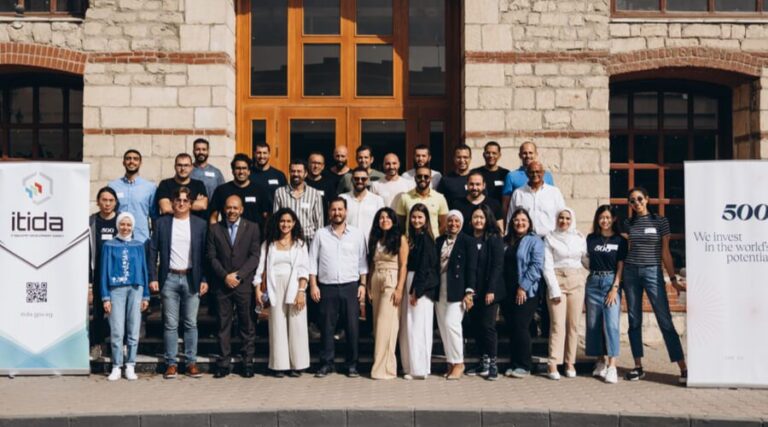
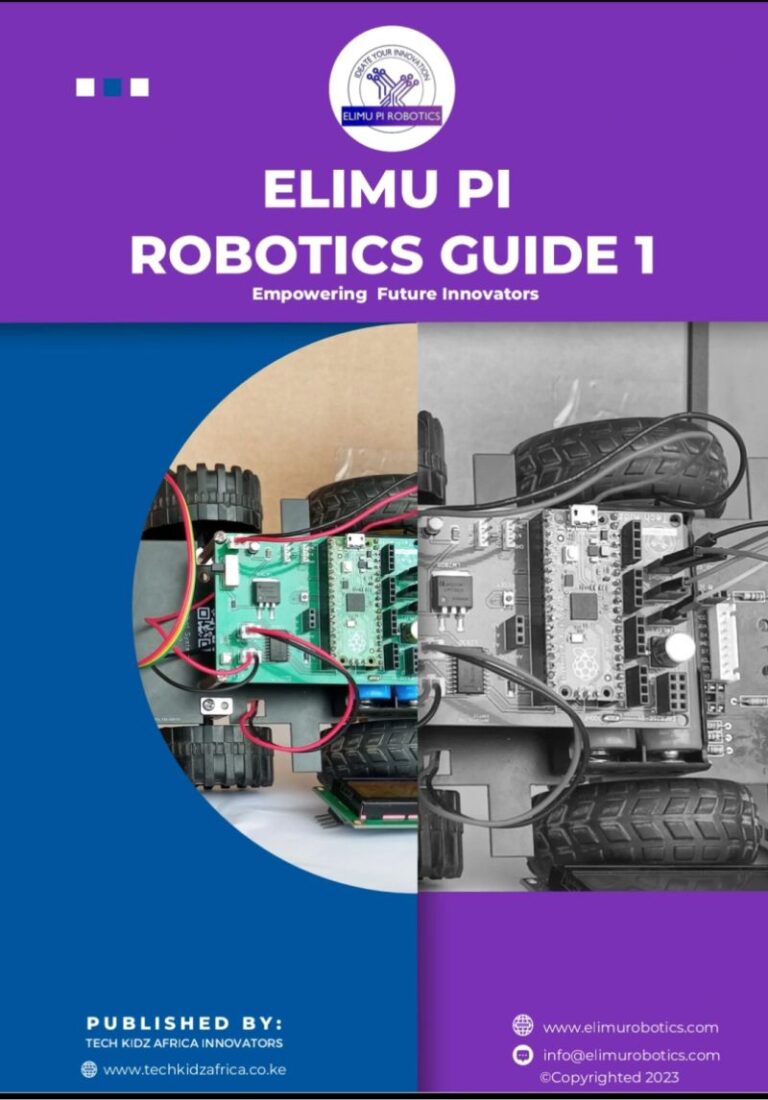









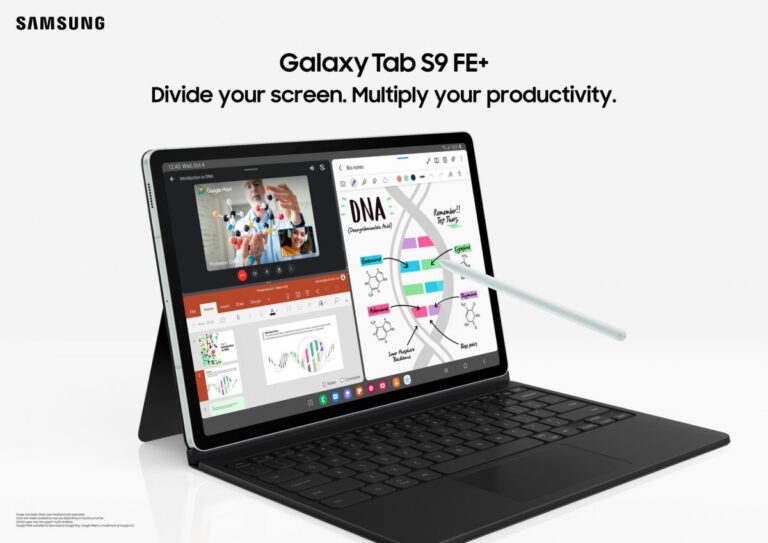






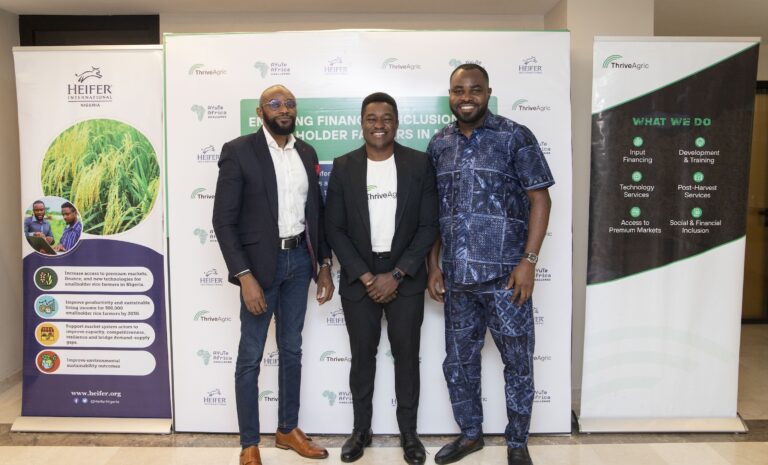






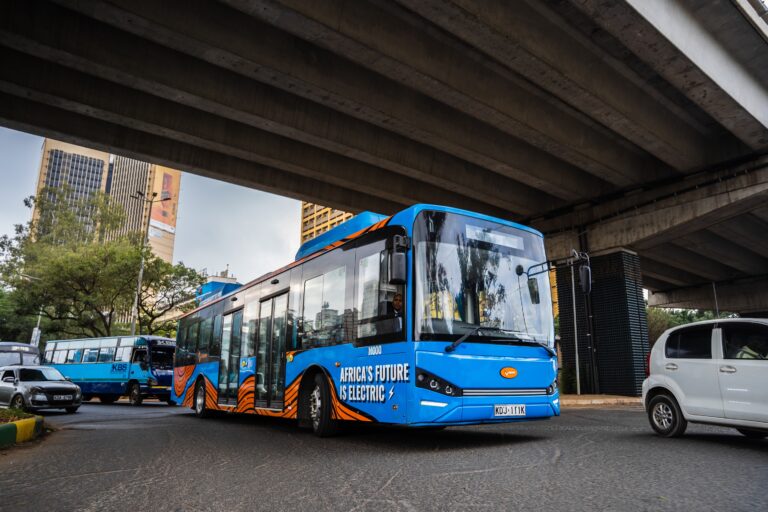


.png)
.png)
.png)