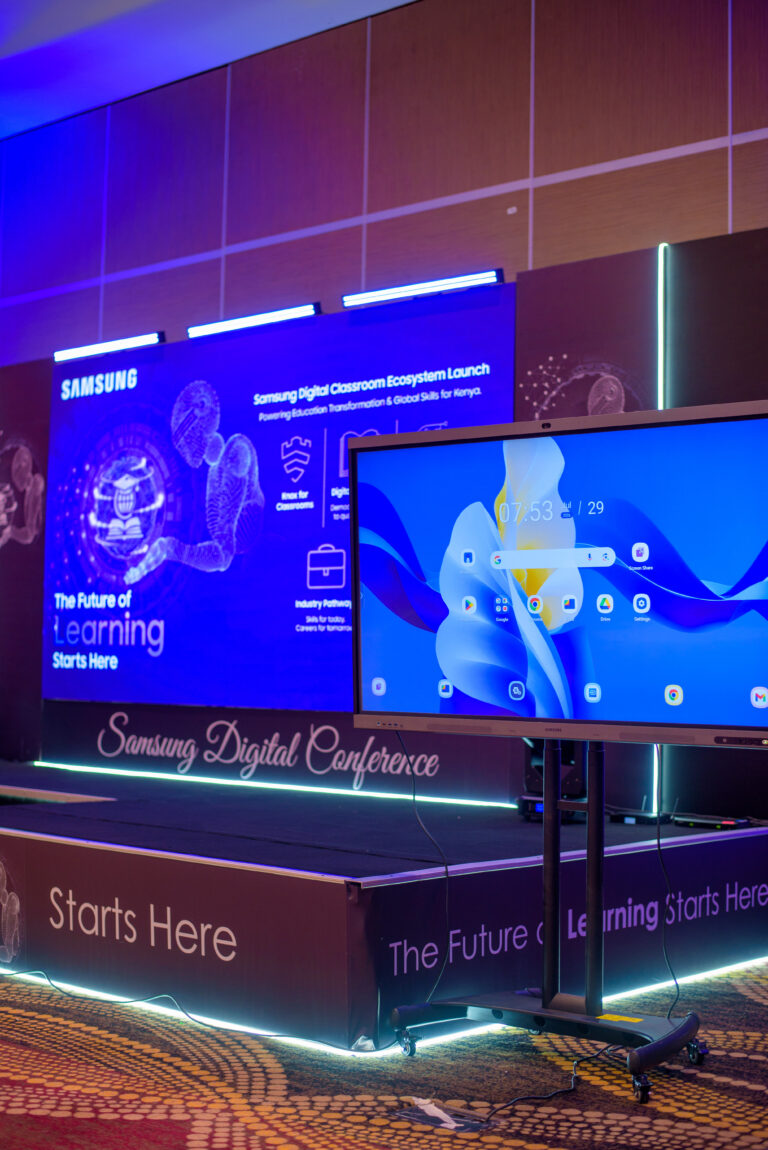
Samsung Electronics East Africa launched an integrated digital classroom platform aimed at helping Kenyan schools manage connected learning as the country accelerates adoption of technology under the Competency-Based Curriculum (CBC).
The Samsung Digital Classroom combines Samsung tablets, interactive displays and the company’s Knox for Classrooms management platform, allowing teachers to deliver lessons, share content, monitor student participation and manage classroom devices from a single system.
The launch comes as Kenyan schools shift beyond simply providing devices toward adopting digital learning ecosystems that improve classroom engagement while giving administrators greater oversight of connected devices.
The platform enables teachers to present lessons on Samsung Interactive Boards, distribute learning materials directly to students’ tablets, conduct assessments and provide instant feedback. Knox for Classrooms allows schools to deploy, monitor and secure devices centrally across multiple classrooms and campuses.
Anthony Njihia, Mobile Experience B2B Manager at Samsung Electronics East Africa, said the next phase of Kenya’s digital education drive is ensuring technology improves learning outcomes rather than simply increasing device access.
“Samsung Digital Classroom has been designed to help education institutions create connected learning environments that are secure, collaborative and easy to manage, while enabling teachers to focus on delivering quality education and improving learner outcomes,” Njihia said.
He said governments and schools are increasingly looking for integrated solutions that support teachers, simplify administration and can be deployed sustainably across institutions.
Samsung said the solution is designed for primary and secondary schools, tertiary institutions and technical training centres. The company added that it will continue working with education institutions, government agencies and partners to expand digital learning and strengthen digital skills.
The launch forms part of Samsung’s “The Future of Learning Starts Here” campaign, which promotes the adoption of connected technologies to support more inclusive and digitally enabled classrooms in Kenya.
Ecobank Group posted a 6% increase in first-half profit before tax to $423 million as revenue rose 15% to $1.3 billion, driven by growth in corporate banking, payments and digital transactions despite inflationary and geopolitical pressures across its African markets.
The lender said non-interest income accounted for more than 41% of revenue, helping offset economic headwinds, while its cost-to-income ratio improved to a record 48.4%.
Digital transaction value climbed 33% to $78.5 billion during the six months ended June 30, while payment revenue rose 10% to $156 million on higher wholesale payment volumes, merchant acquiring and card activity.
Customer deposits increased by $3.1 billion to $27 billion, with low-cost current and savings accounts making up 85% of the total, strengthening the bank’s funding base.
Chief Executive Officer Jeremy Awori said investments in technology, data and artificial intelligence, supported by Ecobank’s partnership with Google, were improving efficiency and customer experience while positioning the lender for future growth.
The bank also completed a $450 million Nature Bond on the London Stock Exchange during the period. The issuance, the first ICMA-designated Nature Bond by a commercial bank, attracted more than $1.36 billion in investor demand to finance sustainable agriculture, natural capital and water infrastructure projects across 24 African markets.
Spotify is deepening its engagement with Kenya’s fast-growing youth audience by taking its streaming experience offline through Greasy Tunes, a two-week cultural festival in Nairobi that combined music, fashion, food, podcasts and live entertainment.
Held from July 15 to 26 at Heltz House, the event targeted Nairobi’s young creators and listeners as Spotify seeks to strengthen its connection with one of Africa’s fastest-growing music markets.
Internal Spotify data from June 2026 showed listeners aged 18 to 24 generated 53.7% of all music streams in Nairobi, the highest Gen Z share among Nairobi, Lagos and Johannesburg. Listening peaked at 6 p.m., while evening listening between 6 p.m. and 9 p.m. accounted for 20.9% of daily streams from the age group, equivalent to 25.3 million streams.
“Greasy Tunes brings the energy people experience on Spotify into a shared physical space,” said Agnes Opondo, Spotify East Africa’s Artists & Labels Partnerships Lead. “The programme reflects how music already connects Nairobi’s young listeners, whether through food, conversation, creativity or community.”
The festival was split into two themed weeks. The first, Starters, explored how music intersects with everyday life through events spanning fashion, podcasts, food, gospel music and football. Highlights included Studio 18’s Karibu Night, performances by BURUKLYN BOYZ and Coster Ojwang, podcast recordings, and Smocha Sundays, which combined gospel performances with a football watch party.
The second week, The Mains, shifted toward creative collaboration, featuring a Premium Fan Event with Nyashinski, the EQUAL Workshop and Showcase with Ongeza Volume, Gufy’s Room, Fresh Finds and Nakili Sessions, comedy performances, podcast recordings and the Strictly Soul closing party.
The festival also promoted Spotify’s Made In Kenya editorial playlist, with its cover artwork changing daily to feature artists linked to each event, extending the physical experience onto the streaming platform.
The initiative reflects Spotify’s broader strategy of complementing digital music discovery with in-person cultural experiences that deepen artist engagement and strengthen local creative ecosystems. Kenya has become one of Spotify’s priority African markets as consumption of local music and creator-led content continues to grow among younger audiences.
Swedfund has committed USD 12 million to the Acumen Resilient Agriculture Fund II (ARAF II), backing businesses that help strengthen agricultural value chains across Africa and improve climate resilience for millions of smallholder farmers.
The investment will support companies providing farmers with better access to markets, finance, quality agricultural inputs and digital services, helping them withstand the growing impacts of climate change while improving productivity and incomes.
According to the International Fund for Agricultural Development (IFAD), more than 30 million smallholder farmers operate across Sub-Saharan Africa, representing 80% of all farms and producing 70% of the region’s food. However, many continue to face limited access to financing, reliable buyers and critical farming services, while remaining highly vulnerable to extreme weather and other climate-related shocks.
“Climate change is already affecting the livelihoods of millions of smallholder farmers across Africa. Investing in businesses that improve access to markets, finance and agricultural services helps farmers strengthen their resilience, increase productivity and build more stable incomes. That is essential for more resilient food systems,” said Helen Hagos, Investment Director for Food Systems & Strategic Investments at Swedfund.
ARAF II focuses on businesses tackling bottlenecks across agricultural value chains, including reducing post-harvest losses, expanding market access and increasing financial inclusion through digital services. Swedfund said supporting the growth of these companies will strengthen local food systems while improving economic opportunities for farmers.
The fund aims to reach approximately four million smallholder farmers through its portfolio companies. It is also designed to meet the 2X Challenge criteria, promoting investments that advance women’s economic empowerment.
Swedfund is investing alongside other development finance institutions and impact investors to mobilise long-term capital for agricultural businesses that often struggle to secure financing despite their potential to improve food security, climate resilience and economic development across Africa.
Afrika durchläuft im Jahr 2026 einen tiefgreifenden technologischen Wandel, der weit über klassische Digitalisierungsschritte hinausgeht und ganze Wirtschafts- sowie Gesellschaftsbereiche grundlegend verändert. Afrika überspringt ganze Entwicklungsstufen, statt bestehende Infrastrukturen schrittweise zu modernisieren. Mobilfunknetze lösen Festnetzanschlüsse ab, digitale Bezahlsysteme ersetzen Bankfilialen, und solarbetriebene Microgrids bringen Strom in entlegene Dörfer. Diese Dynamik erzeugt ein Umfeld, in dem Technologie nicht nur Komfort steigert, sondern grundlegende Lebensbedingungen verändert. Von ostafrikanischen Fintechs bis zu westafrikanischen Agrarplattformen entstehen eigene digitale Ökosysteme, die sich klar von westlichen Modellen abheben. Dieser Artikel ordnet Afrikas wichtigste Technologiefelder und Entwicklungen ein.
Warum Afrika zum Hotspot für digitale Neuerungen wird
Demografischer Rückenwind und Smartphone-Durchdringung
Afrika hat mit einem Durchschnittsalter von unter 20 Jahren die jüngste Bevölkerung der Welt. Diese Generation wächst mit Smartphones auf und betrachtet digitale Dienste als festen Bestandteil ihres täglichen Lebens. Aktuellen Branchenschätzungen zufolge nutzen inzwischen über 55 Prozent der Menschen auf dem Kontinent ein Smartphone, mit stark steigender Tendenz. Günstige chinesische Geräte und fallende Mobilfunkkosten treiben diese Entwicklung voran. Gleichzeitig wächst die Zahl afrikanischer Softwareentwickler rasant. Länder wie Nigeria, Kenia und Ägypten bilden bereits heute Tausende technische Fachkräfte aus, die mit ihrem Wissen und ihrer Erfahrung gezielt lokale Probleme erkennen und dafür passende Lösungen vor Ort entwickeln. Junge Bevölkerung, wachsende Vernetzung und unternehmerischer Antrieb machen Afrika zu einem idealen Nährboden für technologische Sprünge.
Investitionsklima und Start-up-Kultur
Internationale Risikokapitalgeber haben Afrika längst als Wachstumsregion erkannt. Allein 2025 flossen mehrere Milliarden US-Dollar in afrikanische Tech-Start-ups. Besonders Kenia, Nigeria, Südafrika und Ägypten ziehen Investitionen an. Programme großer Technologiekonzerne fördern gezielt afrikanische Gründerteams – so hat beispielsweise ein Accelerator-Programm elf afrikanische Start-ups für KI-basierte Geschäftsmodelle ausgewählt und mit Kapital sowie Mentoring unterstützt. Solche Initiativen stärken das gesamte Ökosystem und ziehen weitere Gründungen nach sich. Lokale Innovationszentren in Lagos, Nairobi und Kapstadt fungieren als Drehscheiben, an denen Ideen schnell zu marktfähigen Produkten reifen.
Mobile Payment und Fintech als Wachstumstreiber auf dem Kontinent
Kein anderer Technologiesektor verkörpert Afrikas Leapfrogging-Strategie so deutlich wie der Fintech-Bereich, der es dem Kontinent ermöglicht hat, ganze Entwicklungsstufen im Finanzwesen zu überspringen und eigene digitale Lösungen zu etablieren. M-Pesa aus Kenia gilt weltweit als Paradebeispiel dafür, wie mobiles Bezahlen eine ganze Volkswirtschaft verändern kann. Inzwischen verarbeiten afrikanische Mobile-Money-Plattformen, die sich über den gesamten Kontinent ausgebreitet haben, jährlich Transaktionen im dreistelligen Milliardenbereich, was die enorme wirtschaftliche Bedeutung dieser Dienste unterstreicht. Neue Anbieter bieten zusätzlich Mikrokredite, Versicherungen und internationale Überweisungen an. Vor allem in westafrikanischen Ländern wie Ghana und Senegal wachsen digitale Zahlungslösungen in hohem Tempo. Für Millionen Menschen auf dem afrikanischen Kontinent, die aus geografischen, wirtschaftlichen oder infrastrukturellen Gründen bislang keinen Zugang zu traditionellen Bankdienstleistungen haben und vom formellen Wirtschaftskreislauf weitgehend ausgeschlossen waren, stellt das Smartphone heute die einzige verlässliche Verbindung zum formellen Finanzsystem dar, über die sie Zahlungen tätigen und Geld empfangen können. Auch Kryptowährungen gewinnen an Bedeutung, wobei Nigeria weltweit zu den Ländern mit der höchsten Verbreitung digitaler Währungen gehört. Darüber hinaus wird Blockchain-Technologie zur Sicherung von Landtiteln und Lieferketten getestet, um das Vertrauen in wirtschaftliche Abläufe zu stärken.
Wie Agritech und erneuerbare Energien ländliche Regionen transformieren
Intelligente Landwirtschaft gegen Ernährungsunsicherheit
Etwa 60 Prozent der afrikanischen Arbeitskräfte sind in der Landwirtschaft tätig, doch Produktivität und Marktzugang bleiben häufig eingeschränkt. Agritech-Plattformen schließen diese Lücke, indem sie Landwirten datengestützte Werkzeuge bereitstellen, die auf moderne Analyse- und Kommunikationstechnologien zurückgreifen und so den Zugang zu wichtigen Informationen erleichtern. Satellitendaten und Sensoren unterstützen Kleinbauern bei Anbau und Ernte. Start-ups wie Twiga Foods in Kenia oder AgroMall in Nigeria verknüpfen Landwirte direkt mit Käufern und schalten teure Zwischenhändler aus. SMS-basierte Beratungsdienste bieten den großen Vorteil, dass sie auch abgelegene ländliche Regionen erreichen, in denen keine stabile Internetverbindung verfügbar ist, und dort wertvolle landwirtschaftliche Informationen bereitstellen. Diese Technologien steigern nicht nur Einkommen, sondern tragen dazu bei, Ernährungssicherheit auf dem gesamten Kontinent zu verbessern.
Solarenergie und dezentrale Stromversorgung
Über 600 Millionen Menschen in Subsahara-Afrika leben ohne verlässlichen Stromanschluss. Dezentrale Solarlösungen – sogenannte Pay-as-you-go-Systeme – verändern diese Situation grundlegend. Unternehmen vertreiben Solarpanels und Batteriespeicher auf Ratenbasis, bezahlt per mobilem Geld. Die Verschränkung von Fintech und Energietechnologie schafft damit ein Modell, das ohne klassische Netzinfrastruktur funktioniert. Wer sich vertieft mit dem Zusammenspiel von Energieversorgung und Digitalisierung auf dem Kontinent beschäftigen möchte, findet bei einer Forschungseinrichtung für Energie und Digitalisierung fundierte Analysen zu diesem Themenfeld. Mini-Grids versorgen mittlerweile ganze Gemeinden und ermöglichen den Betrieb von Schulen, Krankenstationen und lokalen Unternehmen auch fernab urbaner Zentren.
Digitale Unterhaltungsplattformen und ihr Einfluss auf den afrikanischen Freizeitmarkt
Neben zweckgebundenen Technologien wächst auch der digitale Unterhaltungssektor in Afrika rasant. Streaming-Dienste, Gaming-Apps und Online-Plattformen verzeichnen steigende Nutzerzahlen. Besonders die junge, mobilaffine Bevölkerung sucht nach abwechslungsreichen Freizeitangeboten auf dem Smartphone. Der iGaming-Sektor etwa gewinnt zunehmend an Aufmerksamkeit, wie auch die jüngste Konferenz in Nairobi zu Regulierung und Wachstum der Branche deutlich zeigte.
In diesem Zusammenhang begegnet man auch internationalen Plattformen wie StarGames, die im breiteren Spektrum digitaler Freizeitangebote verortet werden. Wer sich für digitale Spielformate interessiert, stößt dabei auf unterschiedlichste Kategorien – von Sportwetten über Tischspiele bis hin zu Slots, die als unkomplizierte Spielformate eine eigene Nutzergruppe ansprechen. Regulierungsbehörden in Kenia, Nigeria und Südafrika arbeiten derzeit an Rahmenbedingungen, die Verbraucherschutz mit Marktwachstum in Einklang bringen sollen. Auch lokale Musikstreaming-Plattformen und E-Sport-Ligen tragen zur Professionalisierung des digitalen Unterhaltungsmarktes bei und schaffen neue Einkommensquellen für Kreativschaffende.
Fünf Technologien, die Investoren in Afrika im Blick behalten sollten
Die folgende Aufstellung fasst die relevantesten Technologiebereiche zusammen, die den Kontinent in den kommenden Jahren besonders stark beeinflussen dürften:
Mobile-Money-Infrastruktur: Interoperable Zahlungsnetzwerke vereinfachen grenzüberschreitende Transaktionen und fördern den intraregionalen Handel.
KI-gestützte Gesundheitsversorgung: Telemedizin und Diagnose-Algorithmen ermöglichen medizinische Grundversorgung in ländlichen Gebieten ohne Arztpraxis.
Agritech-Marktplätze: Datengetriebene Plattformen vernetzen Kleinbauern mit Abnehmern, verkürzen Logistikketten und fördern faire Preise.
Off-Grid-Energielösungen: Solarbetriebene Mikronetzwerke mit Speichersystemen versorgen Siedlungen autark und fördern wirtschaftliche Teilhabe.
Edtech und digitale Bildung: Lernplattformen für einfache Mobiltelefone ermöglichen Millionen Zugang zu Qualifikationsprogrammen.
Diese fünf Felder verbindet ein gemeinsamer Nenner, der darin besteht, dass jede dieser Technologien eine konkrete Versorgungslücke adressiert und sich über mobile Endgeräte skalieren lässt, wodurch sie breite Bevölkerungsschichten erreicht. Genau das unterscheidet diese Märkte von westlichen, wo Technologie bestehende Systeme verbessert, anstatt sie zu ersetzen.
Afrikas digitaler Aufbruch als Blaupause für Schwellenländer
Afrika entwickelt sich 2026 zu einem der lebendigsten und am schnellsten wachsenden Technologiemärkte der Welt. Die beschriebenen Sektoren – von Fintech über Agritech bis hin zu digitaler Unterhaltung – zeigen deutlich, dass afrikanische Lösungen keineswegs bloße Kopien westlicher Vorbilder darstellen, sondern eigenständige und lokal verwurzelte Ansätze verfolgen, die auf spezifische Herausforderungen zugeschnitten sind. Diese Lösungen entstehen unmittelbar aus den Bedürfnissen der lokalen Bevölkerung, nutzen die weit verbreitete mobile Infrastruktur als tragendes Fundament und erreichen dabei gezielt jene Bevölkerungsgruppen, die von traditionellen Systemen bislang ausgeschlossen waren. Internationale Investoren, Technologieunternehmen und politische Entscheidungsträger sollten diese Entwicklungen genau im Blick behalten. Was heute in Lagos, Nairobi oder Accra getestet wird, könnte morgen als Vorbild für Schwellenländer in Südostasien oder Lateinamerika dienen. Afrika verfasst seine eigene Technologiegeschichte, und die Welt fängt an, genau hinzusehen.
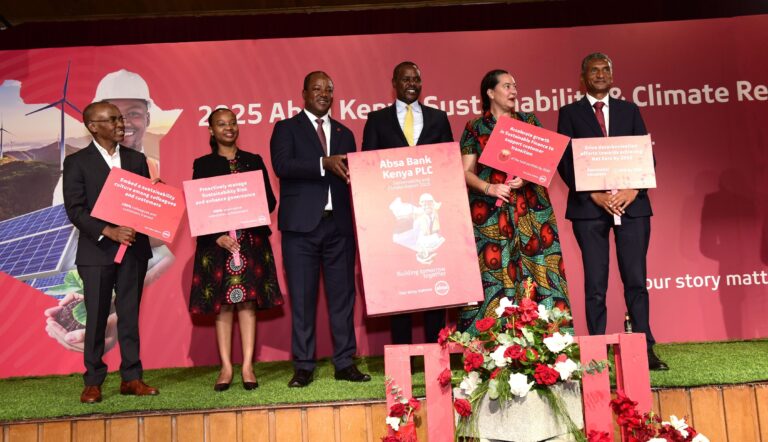
Absa Bank Kenya has disbursed more than KES 204 billion in sustainable finance since 2022, with green and inclusive lending accounting for 30% of its gross loan disbursements in 2025, three times its original annual target.
The bank’s 2025 Sustainability and Climate Report shows sustainable finance disbursements rose to KES 55.3 billion in 2025 from KES 47 billion a year earlier. Of that, KES 48.8 billion supported SMEs, women-led businesses, youth entrepreneurs and underserved communities, while KES 6.5 billion financed renewable energy, green buildings, energy efficiency and climate-smart agriculture.
“Our 2025 Sustainability and Climate Report highlights what we have achieved under our 2021–2025 sustainability strategy,” Interim CEO Yusuf Omari said at the report’s launch in Nairobi.
Beyond lending, Absa planted nearly 284,000 trees during the year, lifting its cumulative total to more than 1.5 million. The bank also achieved a 96.4% waste recycling rate and cut its operational energy footprint by 41% as it advances toward its net-zero ambitions.
On the social front, nearly 38,000 young people received employability and entrepreneurship training through the ReadytoWork programme in 2025, bringing total beneficiaries to more than 300,000.
The Absa Kenya Foundation also reached more than 50,000 people through education, entrepreneurship and natural resource management initiatives.
Principal Secretary for Environment and Climate Change Dr. Festus Ng’eno said climate finance is now an economic imperative as climate risks intensify.
Absa also aligned its sustainability disclosures with the International Sustainability Standards Board’s IFRS S1 and IFRS S2 standards, strengthening transparency around climate-related risks.
The lender has launched a new sustainability strategy built on four pillars: maintaining at least 30% of loan disbursements in sustainable finance, achieving net-zero emissions by 2050, strengthening sustainability risk management, and embedding sustainability across its business.
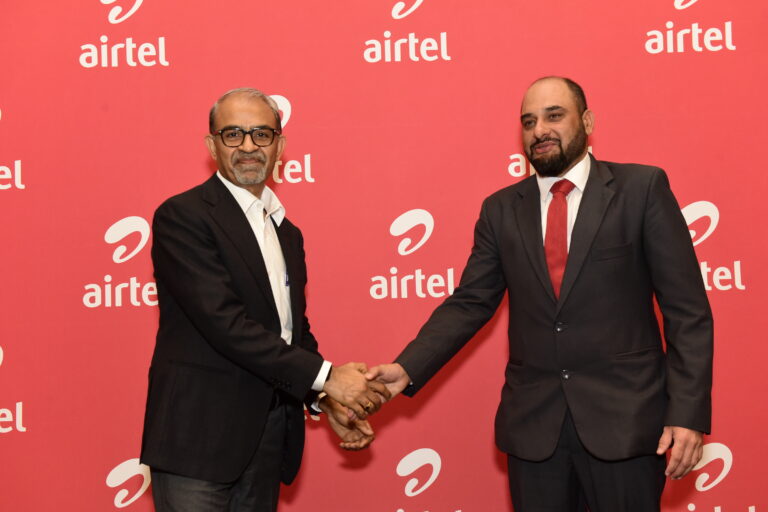
Airtel Africa Plc reported a 27% increase in quarterly profit as strong growth in mobile data and digital financial services boosted earnings, while the company reaffirmed plans to list its fast-growing Airtel Money business in London later this year.
Profit after tax for the quarter ended June 30 rose to $198 million from $156 million a year earlier, despite a $37 million exceptional finance charge related to the settlement of a commercial dispute and foreign exchange losses during the period. Basic earnings per share increased to 4.4 cents from 3.4 cents, while earnings before exceptional items climbed to 5.4 cents.
Revenue increased 31% to $1.85 billion, supported by constant-currency growth of 21.1%. EBITDA rose 36.6% to $928 million, with the EBITDA margin improving to 50.1%.
Airtel Africa also confirmed that London remains its preferred listing venue for the planned Airtel Money IPO in 2026, saying the listing is expected to provide access to a broader international investor base and unlock the long-term value of one of Africa’s largest fintech platforms.
Airtel Money continued to deliver strong growth during the quarter, with its customer base expanding 23.3% to 56.5 million. Annualized transaction value surpassed $245 billion, a 51.5% increase from a year earlier, reflecting growing adoption of digital payments across Airtel Africa’s markets.
Chief Executive Officer Sunil Taldar said the company continues to invest in digital platforms, artificial intelligence and network infrastructure to improve customer experience and support long-term growth, while Airtel Money remains a key pillar of its strategy.
The company ended the quarter with 189 million customers across its 14 African markets, while smartphone penetration reached 51%, helping drive a 56.3% increase in data traffic.
Airtel also accelerated network investment during the quarter, spending $389 million on capital expenditure, deploying more than 920 new sites and expanding its fiber network to 82,100 kilometers as it prepares for future demand across the continent.
Why cyber resilience, not bigger IT budgets, will determine which businesses thrive in the age of AI-powered attacks
Kenya’s digital economy is one of Africa’s greatest success stories. Mobile money and social media have put East Africa’s largest economy on the global digital map and the uptake of digital sectors such as electric mobility, e-commerce, artificial intelligence (AI) and e-government services is high.
A majority of Kenyans access public services online through the eCitizen platform encouraging several businesses to digitize their platforms, transforming how businesses operate, compete and grow. However, the same technologies fueling innovation are open to vulnerabilities and manipulation by cybercriminals and increasingly, cyber attackers are eyeing small and medium-sized businesses (SMBs) as gateways into larger, interconnected digital ecosystems connected to government agencies and multinational corporations as SMBs generally don’t have the cybersecurity budgets of larger corporates. And for cyber attackers, access is access, regardless of the route taken.
With API access and interconnectedness into partner platforms, an attack on a SMB is a threat to a government agency or a multinational corporation. Therefore, resilience and speed, and not a bigger IT budget alone, will determine which businesses thrive in the age of AI-powered attacks.
The reality is that automation and AI has lowered the barrier of entry for cybercriminals and is helping cybercriminals build sophisticated tools, making any amateur hacker a skilled one and cyberattacks are evolving into a sophisticated global industry powered by cybercrime-as-a-service platforms. An amateur hacker in Kenya doesn’t need sophisticated tools as today ransomware kits, phishing campaigns and malicious software can be bought or rented online complete with 24-hour support.
This has made the cyber threat landscape even more challenging for SMBs, as they are expected to secure increasingly complex digital environments, including their partner access points, despite their lean IT teams, low cybersecurity expertise and limited budgets. SMBs are expected to be more alert than they were ten or five years ago as they serve banks, telecommunications companies, manufacturers, retailers, healthcare providers and government agencies. Their growth as lean and preferred suppliers of services in the digital marketplace makes them attractive targets for cyber-attacks.
Kenya recorded more than 4.5 billion cyber threat events between April and June 2025, representing an 83.4% increase compared to the previous quarter, according to the Communications Authority of Kenya‘s National Kenya Computer Incident Response Team, Coordination Centre report. In the same period, the national cyber incident response team issued more than 17 million cyber threat advisories, not only highlighting the growing volume and sophistication of attacks targeting businesses, government institutions and critical infrastructure but calling for cyber security preparedness, resilience and the need for early mitigation.
Earlier, the country also experienced the impact of high-profile cyber incidents especially on its national carrier and a number of healthcare facilities, banks and government agencies. These attacks put personal and financial information at risk, and no amount of ransomware payments is enough to deter cyber attackers from coming again.
According to Kaspersky telemetry, in 2025, Kaspersky security tools blocked more than 11,3 million online attack attempts on users in Kenya. Another 18,4 million on-device threats were blocked, including malware delivered via infected USB drives. Password stealers, designed to secretly gather users’ account information, grew in the number of attacks by 83% compared with the previous year. Spyware attacks also increased in the number of attacks by 83%. The number of backdoor attacks in the country grew by 25% year-over-year, where growth in detections of this type of malware was sharp in the corporate segment.
For business leaders, the big question right now is not how sophisticated cyber threats are becoming but how resilient they are to withstand them.
The urgency is particularly pronounced in Kenya, where SMBs account for more than 98% of all businesses and form the backbone of the country’s economy. As Kenyan SMBs embrace cloud services, digital payments, AI-powered tools and remote work, they are opening themselves up to more players both good and bad. Their platforms have to be open and interconnected to others to increase their services, reach more users and new markets and improve efficiency but these come at a cost. The increased digital footprint means they are open to heavier cyber- attacks, requiring dedicated cybersecurity teams and budgets to fend off sophisticated cybercriminals.
Small Businesses Have Become Strategic Targets
In 2026, no business owners should assume that cybercriminals are primarily interested in organizations with billions of dollars in revenue. Cyber attackers view and use smaller businesses as efficient entry points into much larger ecosystems and sometimes stay as long as they can in the SMBs systems before they lay an attack on the larger corporations. The attacks dwell in the SMBs systems for months or even years studying its clientele as most of these SMBs are suppliers, software vendors, consultants, logistics providers and managed service providers of major corporate firms, government agencies and multinational corporations. Every client is potentially at risk as instead of attacking a well-defended multinational directly, cybercriminals often choose the smaller partner with fewer security controls, using that foothold to move laterally through connected systems of its larger clients.
This trend has transformed cybersecurity from a purely technical issue into a boardroom concern. Protecting customer information, ensuring operational continuity and maintaining trusted business relationships is fundamental to long-term business success. For many SMBs, demonstrating strong cybersecurity practices is increasingly essential for winning contracts, securing investment and participating in regional and global value chains.
The Business of Ransomware
In 2026, no cybercriminal needs to spend hours developing their own malware due to white-label cybercrime organizations running Ransomware-as-a-Service (RaaS) businesses. Therefore, instead of developing malware themselves, attackers just need to pay a few dollars to subscribe to ransomware platforms with ready-made malicious software and an anonymous cryptocurrency wallet for payments, all untraceable to their local or amateur cybercriminal. This has drastically changed the criminal business model, making it easier for attackers and harder for victims.
As a media business, and to any other business out there, ransomware is no longer simply an IT incident but a business continuity crisis. Speaking from experience, downtime halted our productivity, delayed our customer deliveries, and lost us a number of clients. Whether to pay or not is not the only concern. A cyber-attack is a business interruption no organization wants to deal with. Downtime ruins financial transactions, impacts your online reputation and rankings, and damages carefully built standings. And even though you get your systems back, there’s that trauma of it happening again, there’s that fear of not wanting to take on more business and there’s a constant need to survey your systems instead of focusing on your primary tasks.
As an SMB, our greatest cost was not the ransom itself but the interruption to business operations, lost revenue, and ruined customer trust. To another SMB, there could be regulatory obligations, legal costs, customer attrition and the expense of rebuilding compromised systems often far exceed the attackers’ financial demands. In today’s digital economy, resilience has become just as important as prevention.
AI Has Changed the Economics of Cybercrime
AI has made it a level playing field for both cybersecurity attackers and defense teams. AI has given cybercriminals the ability to automate reconnaissance, generate convincing phishing emails, create fake websites and even develop malware that can evade traditional security controls. Attacks that once took months to prepare can be executed in minutes, allowing attackers to launch highly personalised campaigns at unprecedented scale.
The result is a growing asymmetry, pushing organizations to defend every endpoint, employee, cloud workload and connected device every day, against a single successful compromise to an entire corporate network via a convincing email, a stolen password or an unpatched laptop. Therefore, prevention alone is no longer enough as AI is making it easier for some attacks to bypass traditional security controls, pushing for the need to invest in early detection, investigation and response.
Complexity Has Become the New Vulnerability
Though corporations can invest in more security products, SMBs have limited budgets as each attack needs its own solution. This also leads to more complexity as the fragmented environments need multiple dashboards, overlapping alerts and disconnected workflows. For SMBs, this complexity becomes a significant operational burden, and valuable time is spent managing tools instead of reducing cyber risk. The more complex the environment becomes the more vulnerable the organizations become as these would require more experienced expert teams than general IT managers.
SMBs should not answer by buying more technology, but by simplifying their security operations. This brings a unified visibility across endpoints, cloud environments, identities and networks, allowing security teams to identify threats faster and respond more effectively.
The Human Firewall Still Matters
Despite the fact that an organization can put spend behind beefing up its cybersecurity technology, people remain one of the most important components of any cybersecurity strategy. Phishing, credential theft and social engineering continue to exploit human behaviour far more often than an organization’s technical vulnerabilities.
Every organization should empower its people to become an active layer of defense rather than being viewed as its weakest link. Firms should invest in regular security awareness training, strong password policies, multi-factor authentication and simple incident response procedures. Making people the center of your cybersecurity strategy remains one of the most effective and affordable investments your businesses can make.
This is particularly relevant in Kenya and across Africa, where many growing businesses operate without dedicated cybersecurity teams. Building a security-conscious culture can significantly reduce risk while complementing investments in modern security technologies.
Why Detection and Response Matter More Than Ever
The first line of defense is usually a traditional antivirus software, but modern cyber threats increasingly require broader visibility and faster response capabilities. This has accelerated the adoption of Endpoint Detection and Response (EDR), which continuously monitors endpoint activity to identify suspicious behaviour before attacks escalate.
Many organizations are now extending these capabilities through Extended Detection and Response (XDR), which correlates security data across endpoints, cloud services, email, identities and networks to provide a more complete view of potential threats. By reducing alert fatigue and automating investigations, XDR enables even smaller IT teams to respond more efficiently to sophisticated attacks.
For businesses undergoing digital transformation, unified security platforms provide an opportunity to simplify cybersecurity while improving operational resilience.
Building Business Resilience with Kaspersky Next
The cybersecurity conversation is increasingly shifting from prevention to resilience. The objective is no longer simply stopping every attack, as this is unrealistic, but ensuring organizations can detect threats early, contain incidents quickly and recover with minimal disruption.
This philosophy underpins Kaspersky Next, the company’s enterprise cybersecurity portfolio designed to combine Endpoint Protection, Endpoint Detection and Response (EDR), Extended Detection and Response (XDR), cloud security and automated investigation within a unified platform.
By reducing operational complexity and providing organizations with deeper visibility across their digital environments, Kaspersky Next enables security teams to identify risks earlier and respond more efficiently. Its AI-powered capabilities, including intelligent threat detection, automated investigation, and risk-based prioritization, help security teams spend less time managing alerts and more time addressing genuine threats.
For SMBs with limited cybersecurity resources, integrated platforms also reduce the need to manage multiple disconnected security products, allowing lean IT teams to improve security without significantly increasing operational overhead.
Cybersecurity Is Now a Business Strategy
As Kenya and the wider African continent continue their digital transformation, cybersecurity will increasingly become a defining factor in business success. Organizations that can protect customer data, maintain operational continuity and recover quickly from cyber incidents will enjoy stronger customer confidence, more resilient supply chains and greater competitive advantage.
The businesses that succeed over the coming decade will not necessarily be those with the largest security budgets. They will be those that build resilience by aligning people, processes and technology under a unified cybersecurity strategy.
For African enterprises, this is no longer simply about protecting IT systems. It is about protecting revenue, reputation, customer trust and long-term growth.
In an economy where every business is becoming a digital business, cybersecurity is no longer merely an IT function, it is a business strategy.
View Kaspersky’s practical framework designed for SMBs and small cybersecurity teams to cut complexity and strengthen security posture, here.
WayaWaya has appointed former Chase Bank Kenya executive Raj Singh as a non-executive director and advisor as it expands across Africa and international markets.
The Nairobi-based fintech, which offers conversational commerce, embedded payments, and AI financial services, said Singh will advise on strategy, governance, and partnerships with banks and merchants. Singh brings over 25 years of experience in banking and digital transformation across Africa, Asia, Europe, and the Middle East. He previously served as Group COO and Director of Retail Banking at Chase Bank Kenya, and held senior roles at First City Monument Bank in Nigeria and ICICI Bank in India. He currently advises banks and fintechs on digital banking and AI, and is Managing Director of Rova, as well as a director at Finova360 and Finnafrica.
“Raj joins us at a pivotal stage in WayaWaya’s growth journey. His experience will be invaluable as we scale,” said CEO Teddy Ogallo.
“WayaWaya is building at the intersection of conversational commerce, payments, and AI,” Singh said. “I look forward to supporting its expansion across Africa and beyond.”
Anne Kinuthia-Otieno will step down as Managing Director of Airtel Money Kenya after nearly five years overseeing the mobile money operator’s rapid expansion in customers, agents and market share.
Kinuthia-Otieno, who joined Airtel from Absa Bank Kenya in 2022 as Airtel Money became a standalone business, leaves after helping grow the platform’s customer base from about 400,000 to more than 5 million users and expanding its agent network from 18,000 to 170,000 outlets nationwide.
The company’s market share rose to 10.3% from 2.9% in 2024, strengthening Airtel Money’s position in Kenya’s fiercely competitive mobile money market.
“Almost five years ago, I joined Airtel Money Kenya with a simple but ambitious purpose to help grow a business that would expand financial inclusion and make digital financial services more accessible and affordable to millions of Kenyans,” Kinuthia-Otieno said.
During her tenure, Airtel Money signed partnerships with KCB Bank Kenya and Diamond Trust Bank to expand cash access and merchant payments, while rolling out initiatives such as the Rudishiwa Transaction Fee campaign to lower transaction costs for customers. She also represented the company in local and international discussions on financial inclusion and payments interoperability.
Before joining Airtel, Kinuthia-Otieno held senior leadership roles at Absa Bank Kenya in products, governance, sales and SME banking, following earlier risk management positions at Barclays.
She holds an MBA from Strathmore Business School, a Bachelor of Commerce degree from Daystar University, and is a recipient of Kenya’s Moran of the Burning Spear (MBS) award.
Airtel Money has not named a successor.
Her departure comes as Kenya’s mobile money industry enters a more competitive phase, with banks, fintechs and telecom operators accelerating partnerships and interoperable digital payment services to challenge the market leader.
Pan-African fintech M-KOPA has reached 10 million customers across five African markets, highlighting how smartphone financing has become a key driver of digital lending and financial inclusion for consumers traditionally excluded from formal banking.
The company said it is now adding about 10,000 customers a day across Kenya, Uganda, Ghana, Nigeria and South Africa. After taking eight years to reach its first one million customers in 2020, M-KOPA has added another nine million in just six years following its expansion into smartphone financing, underscoring the rapid adoption of its lending model.
Unlike traditional consumer lenders, M-KOPA uses financed smartphones as the entry point to a broader financial services platform. Its “More than a Phone” offering combines smartphone financing with embedded insurance, digital credit and device protection, allowing customers to build repayment histories that can unlock access to additional financial products.
The company said it has now unlocked more than $2 billion in credit while processing more than 2 million customer payments every day, making it one of Africa’s largest digital consumer lending platforms.
“Every Day Earners have always been creditworthy. What they needed was credit built around how they really make a living, not a payslip. Informal has never meant unviable. Ten million customers on, that’s no longer a belief. It’s proven,” said Jesse Moore, M-KOPA’s Co-Founder and Chief Executive Officer.
M-KOPA’s business targets what it calls “Every Day Earners”—including traders, boda boda riders, tailors and shopkeepers—whose incomes are generated daily but who often lack access to conventional financial services. The company said nearly nine in ten workers in sub-Saharan Africa earn their livelihoods in the informal economy, presenting a significant market for alternative credit models. It also cited independently commissioned surveys showing nine out of ten customers said its products had improved their lives.
Growth beyond East Africa has accelerated in recent years. M-KOPA said Nigeria became the fastest market in its history to surpass one million customers. Its distribution network has expanded to more than 40,000 sales agents across five countries, while its Nairobi smartphone assembly plant has produced more than 3.3 million devices since opening in 2023 and employs over 400 people.
The fintech said revenue has grown at an average annual rate of 50% since 2020, earning it a place on the Financial Times’ list of Africa’s Fastest Growing Companies for five consecutive years and CNBC’s World’s Top Fintech Companies ranking for the second straight year.
“Every Day Earners are why we do this. From our very first customer to this year’s ten millionth, this is proof that a model built for Africa’s Every Day Earners doesn’t just work, it scales and endures. It’s a proud moment for our team, and we’re already looking to the next 10 million,” said Faraimose Kutadzaushe, M-KOPA’s Chief Financial Officer.
The milestone underscores how smartphones are evolving beyond communication devices to become the foundation for digital lending across Africa, enabling fintech firms to extend credit, insurance and other financial services to millions of consumers who have historically lacked access to formal banking.
Samsung Electronics unveiled its broadest foldable smartphone lineup yet, introducing the Galaxy Z Fold8 Ultra alongside the Galaxy Z Fold8 and Galaxy Z Flip8, as the South Korean technology giant seeks to expand its lead in the premium smartphone market by targeting distinct consumer segments with AI-powered devices.
The new lineup marks Samsung’s biggest overhaul of its foldable portfolio, separating its flagship productivity offering from a mainstream Fold model while refining its Flip series to appeal to users seeking a compact, fashion-oriented device. The strategy comes as smartphone makers increasingly rely on artificial intelligence and premium hardware to drive upgrades amid a slowing global handset market.
The Galaxy Z Fold8 Ultra, Samsung’s highest-end foldable, features an 8-inch display, a 200-megapixel primary camera, Qualcomm’s Snapdragon 8 Elite Gen 5 processor, a 5,000mAh battery and 45W fast charging. The device weighs 215 grams and measures 4.1 millimeters when unfolded, making it the company’s slimmest Fold model to date.
The standard Galaxy Z Fold8, designed for entertainment and everyday productivity, weighs 201 grams and pairs a 4,800mAh battery with dual 50-megapixel cameras. Samsung said the device introduces new display ratios intended to improve reading, gaming and video consumption while incorporating its latest Flex Titanium display technology to enhance durability and reduce crease visibility.
Samsung also refreshed its clamshell foldable with the Galaxy Z Flip8, describing it as its thinnest and lightest Flip model. The handset weighs 180 grams and introduces a redesigned AI-powered FlexWindow that allows users to access notifications, automate tasks and interact with Google’s Gemini Intelligence without unfolding the device. A 50-megapixel camera system and enhanced Flex Mode photography tools are aimed at creators and social media users.
Artificial intelligence is central to the new devices. Samsung said Galaxy AI has been optimized for each form factor, offering personalized recommendations, multitasking assistance and automation across more than 40 supported applications through Gemini Intelligence. New features include “Now Brief” for personalized daily updates and “Now Nudge,” which suggests actions based on conversations and user context. The company also highlighted new privacy safeguards, including an AI Assistant Activity dashboard and expanded Samsung Knox security protections.
The Galaxy Z Fold8 Ultra starts at $2,099.99, while the Galaxy Z Fold8 begins at $1,899.99. The Galaxy Z Flip8 is priced from $1,199.99. All three devices are available for pre-order immediately, with commercial availability beginning Aug. 7. Samsung is also bundling a six-month Google AI Pro subscription with the new smartphones as it deepens its AI partnership with Google.
Rated capacity is 4,854mAh for Galaxy Z Fold8 Ultra.
Rated capacity is 4,660mAh for Galaxy Z Fold8.
Rated capacity is 4174mAh for Galaxy Z Flip8.
Charging
Wired Charging: Up to 67% charge in around 30 min. with 45W Adapter and 3A USB-C cable Fast Wireless Charging with 20W Wireless PowerShare
Wired Charging: Up to 63% charge in around 30min. with 45W Adapter and 3A USB-C cable Fast Wireless Charging with 20W Wireless PowerShare
Wired Charging*: Up to 55% charge in around 30min. with 25W Adapter and 3A USB-C cable Fast Wireless Charging with 15W Wireless PowerShare
Wired charging compatible with QC2.0 and AFC. 45W Travel Adapter while it has 0% of power remaining, with all the services, features and screen turned off. 45W Power Adapter sold separately. Use only Samsung-approved chargers and cables. Wireless charging compatible with WPC. Wireless PowerShare is limited to Samsung or other brand smartphones with WPC Qi wireless charging.
Wired charging compatible with QC2.0 and AFC. 45W Travel Adapter while it has 0% of power remaining, with all the services, features and screen turned off. 45W Power Adapter sold separately. Use only Samsung-approved chargers and cables. Wireless charging compatible with WPC. Wireless PowerShare is limited to Samsung or other brand smartphones with WPC Qi wireless charging. May not work with certain accessories, covers, or other brand devices.
Wired charging compatible with QC2.0 and AFC. 25W Travel Adapter while it has 0% of power remaining, with all the services, features and screen turned off. 25W Power Adapter sold separately. Use only Samsung-approved chargers and cables. Wireless charging compatible with WPC. Wireless PowerShare is limited to Samsung or other brand smartphones with WPC Qi wireless charging.
Water Resistance
IP48
IP48
IP48
Based on lab test conditions for submersion in up to 1.5 meters of freshwater for up to 30 minutes. Not advised for beach or pool use. Rinse residue/dry if wet.
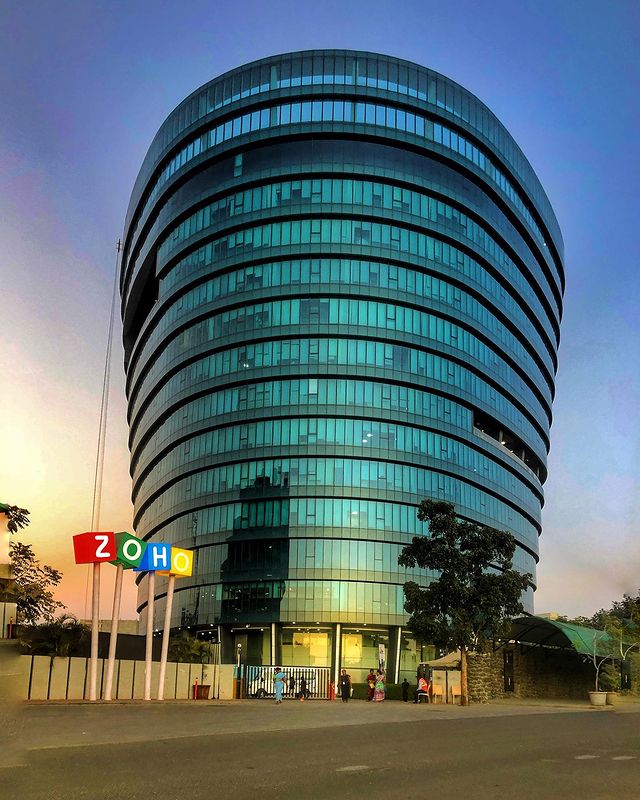
Zoho Corp. is expanding its bet on Kenya’s fast-growing small business sector through a partnership with the Kenya National Chamber of Commerce and Industry (KNCCI), offering software credits, training and digital skills programs as competition intensifies for Africa’s millions of underserved enterprises.
The privately held software company said on Wednesday that eligible KNCCI members will receive KSh65,000 ($500) in Zoho Wallet credits to access its portfolio of more than 60 cloud-based business applications, ranging from accounting and payroll to customer relationship management and workplace collaboration.
The announcement, made at the company’s Zoholics Kenya 2026 conference in Nairobi, underscores Zoho’s growing focus on East Africa as businesses increasingly adopt cloud software and artificial intelligence to improve productivity and reduce operating costs.
Zoho said its Kenya revenue grew 55% over the past year, making the country one of its fastest-growing markets globally. Growth has been driven by demand from sectors including financial services, manufacturing, insurance, telecommunications and information technology.
The company serves more than 150 million users worldwide, operates over 60 business applications, and employs more than 19,000 people across its global operations.
“Kenya continues to be one of our fastest-growing markets as more businesses embrace digital transformation to improve resilience and competitiveness,” said Veerakumar Natarajan, Country Head of Zoho Kenya. He added that artificial intelligence is accelerating demand for unified software platforms that help businesses streamline operations.
Beyond subsidized software access, the partnership includes onboarding support, implementation assistance, workshops and digital skills training aimed at helping SMEs successfully adopt business technology. Zoho and KNCCI will also run joint marketing campaigns and educational programs to encourage digital adoption across Kenya.
The initiative comes as Kenyan SMEs face mounting pressure to digitize operations while keeping technology costs under control. SMEs account for the overwhelming majority of businesses in Kenya and contribute significantly to employment, yet many still rely on manual processes for finance, inventory and customer management.
“Through this partnership, our members will gain access not only to world-class business technology but also the training and support needed to successfully adopt and leverage these solutions,” said Dr. James Mwaura, Chairman of KNCCI Nairobi Chapter.
Zoho’s flagship products in Kenya include Zoho One, an integrated suite of business applications; Workplace for email and collaboration; CRM Plus and Zoho CRM for customer management; and Zoho Books for accounting.
The partnership reflects a broader trend among enterprise software providers competing to capture Africa’s rapidly digitizing SME market by combining affordable cloud services with training, financing incentives and local partnerships. For Zoho, whose business model emphasizes privately funded, long-term expansion over aggressive acquisitions, Kenya is increasingly emerging as a strategic gateway into East Africa’s digital economy.
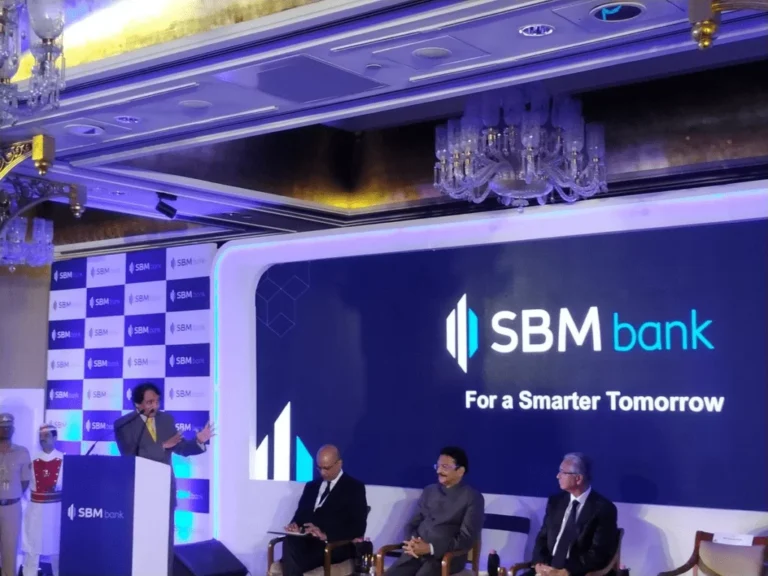
SBM Bank Kenya has posted a 171% jump in first-half profit due to lower credit losses, stronger deposit growth and rising transaction income which boosted earnings.
The lender reported that cutting bad loans, growing customer deposits and expanding lending, in the six months ended June 30 saw its profit before tax hit $4.2 million, from $1.6 million a year earlier. The Bank’s operating profit climbed 279% to $6.6 million in this period.
SBM Bank Kenya saw customer deposits increase 24% to $723 million due to its recovery strategies, signaling a quick turnaround since its purchase of Chase Bank Kenya. Thw bank added that its net loans and advances rose 18% to $416 million while its total assets stood at $845 million at the end of June.
“The continued growth in customer deposits is particularly encouraging because it reflects trust,” Chief Executive Officer Bhartesh Shah said in a statement seen by TechMoran. “Customers choose banks they believe are financially strong, well governed and committed to supporting them over the long term.”
SBM reduced its gross non-performing loan ratio to 17.3% from 32.4% a year earlier, lowering credit losses and improving profitability as the bank continued to clean up its balance sheet. The shareholders’ equity reached $85 million while its net interest income rose to $16.9 million and non-interest income increased 54% to $10.7 million due to higher transaction volumes.
Total operating income grew 35%, comfortably outpacing a 12% increase in operating expenses despite continued investment in technology and digital banking, which include enhanced Mastercard offerings, roll out of additional features on its mobile banking platforms such as the M-Fukoni app.
SBM Bank Kenya, part of Mauritius-listed SBM Holdings Ltd., is rebuilding its banking business through tighter risk management, stronger capital and greater investment in digital services. The lender said it plans to use its stronger financial position to expand lending to households, small businesses and corporates, while increasing financing for sustainable and climate-related projects as competition in Kenya’s banking sector intensifies.
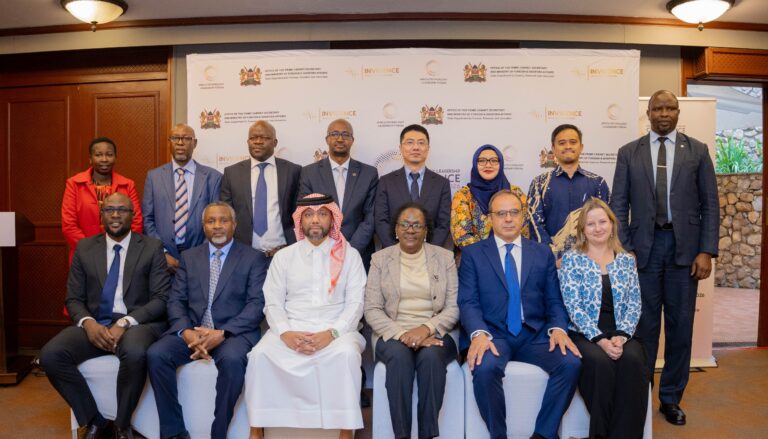
Kenya is seeking to cement its position as one of Africa’s leading technology and innovation hubs with the launch of the Africa Technology Leadership Conference (ATLC) 2026.
ATLC, a high-level summit designed to connect policymakers, investors, researchers and entrepreneurs around science-driven economic growth, scheduled for October 22-23 in Nairobi, is expected to attract more than 3,500 delegates from over 30 countries.
The conference aims to help governments across the continent to look beyond digital policy frameworks toward commercialising research, attracting investment and strengthening Africa’s influence in global technology governance.
The event is being convened by the State Department for Science, Research and Innovation (SDSRI) with support from the Ministry of Foreign and Diaspora Affairs, INVIGENCE Ltd and Twinspen Limited.
Principal Secretary for Science, Research and Innovation Prof. Shaukat Abdulrazak said the summit comes at a time when Africa must transform science and innovation into practical tools for economic development.
“Africa has reached a pivotal moment where science, research and innovation must become strategic instruments for economic transformation and global influence,” Abdulrazak said during the launch. “The conversations we convene today must move beyond aspiration towards execution, partnership and measurable impact.”
The conference will focus on research commercialisation, technology financing, public-private partnerships and science diplomacy, bringing together government leaders, diplomats, development finance institutions, universities, venture capital firms, multinational companies and technology entrepreneurs.
Organisers say discussions will culminate in an ATLC 2026 Communiqué outlining recommendations aimed at accelerating innovation, strengthening regional collaboration and expanding investment in African research and technology ecosystems.
“For years, Africa has produced bold digital strategies and ambitious innovation agendas. Our greatest opportunity now lies in execution,” said Dr. Kenneth Rotich, Chief Executive Officer of INVIGENCE Ltd. “This conference brings together the leaders who finance, govern, build and deploy research, innovation and technology so that ideas move beyond policy documents into institutions, investments and real outcomes.”
Kenya has spent the past decade building one of Africa’s most vibrant technology ecosystems, anchored by mobile money, a growing startup sector and government investment in digital infrastructure.
Organisers believe the conference will further reinforce Nairobi’s standing as a regional centre for technology leadership, innovation investment and research collaboration.
Registration for delegates, exhibitors and strategic partners is now open, with organisers expected to announce additional speakers and programme details in the coming weeks.
Samsung Electronics America has entered the U.S. consumer credit market with the launch of Samsung Galaxy Card, the company’s first branded credit card, marking a significant step in its ambition to become more than just a smartphone and electronics manufacturer.
Developed in partnership with Barclays US Consumer Bank and running on the Visa network, the Galaxy Card is designed to integrate seamlessly with Samsung Wallet, offering cashback rewards, digital account management and exclusive benefits for Galaxy users.
The move brings Samsung into more direct competition with Apple, whose Apple Card has become a cornerstone of its growing financial services ecosystem.
“Galaxy Card is designed to reward customers for living in the Galaxy ecosystem while providing a secure, digital-first payment experience,” Samsung said during the launch.
The card, which opens for applications on July 22, carries no annual fee and no foreign transaction fees. Cardholders earn 5% cashback on purchases made directly from Samsung, 3% on purchases made using Samsung Wallet, 2% on eligible streaming subscriptions and 1% on all other purchases. New customers can also receive a $200 welcome bonus after meeting a minimum spending requirement within the first three months.
Unlike conventional credit cards, Galaxy Card is built around Samsung Wallet. Users can apply for the card digitally, manage their accounts, monitor transactions, redeem rewards and receive spending insights directly within the Wallet application without requiring a separate banking app.
The launch reflects a broader trend among technology companies seeking to deepen relationships with customers by expanding into financial services. Rather than relying solely on hardware sales, firms are increasingly building ecosystems that combine devices, software, payments and subscription services into a single customer experience.
For Samsung, the strategy is particularly important as global smartphone sales mature and consumers upgrade devices less frequently. Financial services offer recurring revenue opportunities while encouraging customers to remain within the Galaxy ecosystem.
The company has spent the past several years strengthening Samsung Wallet, adding digital IDs, boarding passes, loyalty cards, car keys and payment capabilities. The introduction of Galaxy Card gives Samsung another incentive for users to adopt the Wallet as their primary digital payment platform.
Industry analysts view the move as Samsung’s strongest push yet into consumer finance. While the company has previously offered installment financing for device purchases and operated Samsung Pay, Galaxy Card represents its first fully branded credit card product in the United States.
The launch also intensifies Samsung’s rivalry with Apple beyond smartphones. Apple’s introduction of Apple Card in 2019 demonstrated that financial products can drive customer loyalty while generating new sources of revenue. Samsung is now pursuing a similar strategy, leveraging its large installed base of Galaxy users.
With hundreds of millions of Galaxy devices in use worldwide and the United States remaining one of its largest premium smartphone markets, Samsung has a substantial customer base from which to grow its financial services ambitions.
Analysts believe Galaxy Card could be the foundation for a broader suite of financial offerings in the future, potentially including installment lending, savings products, subscription bundles and other digital banking services integrated within Samsung Wallet.
As competition among smartphone manufacturers increasingly shifts from hardware specifications to ecosystem value, Samsung’s latest move signals that the next battleground may not be devices alone, but the financial services that keep customers engaged long after they purchase their phones.
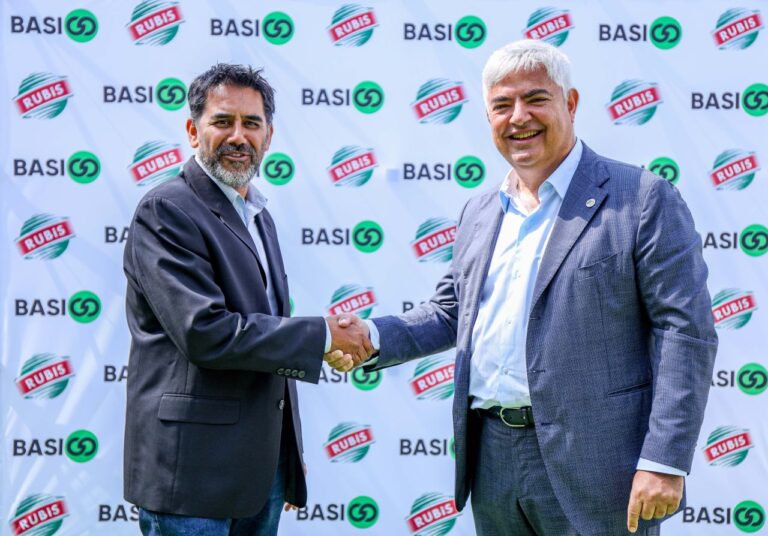
Kenyan electric bus company BasiGo has partnered with Rubis Energy Kenya to deploy a network of public DC fast-charging stations along major transport corridors.
This move marks one of the country’s biggest efforts to address a key barrier to electric vehicle adoption: charging infrastructure..
The companies said the first charging station is now operational at the Rubis Sabaki service station in Athi River, with three additional locations in Meru, Nanyuki and Nyeri expected to begin operations before the end of July.
The rollout comes as Kenya’s electric mobility sector shifts from focusing primarily on vehicle deployment to building the infrastructure needed to support long-distance travel for buses, commercial fleets and private motorists.
Unlike many existing charging stations designed for captive fleets, the new facilities will be open to the public, serving electric buses, passenger cars, delivery vans, trucks and other compatible electric vehicles.
The Sabaki site features 100-kilowatt DC fast chargers supporting both CCS2 and GB/T charging standards, allowing most passenger electric vehicles to recharge in under an hour.
Charging will cost about KES 48 per kilowatt-hour, with the same pricing expected across the network.The partnership significantly extends BasiGo’s charging footprint beyond Nairobi, enabling electric buses to operate more efficiently on intercity routes while giving private EV owners greater confidence to travel outside the capital.
“Scaling electric mobility requires infrastructure, and that’s exactly what this partnership with Rubis is building,” said Jit Bhattacharya, BasiGo’s Chief Executive Officer and co-founder. “We are creating the infrastructure that will power EV operations beyond Nairobi and connect communities across Kenya.”
BasiGo Managing Director for Kenya Moses Nderitu said the debate around electric mobility has evolved beyond consumer demand.
“The question is no longer whether operators and the public want to go electric, but whether the infrastructure is in place to support them at scale,” he said. “Every charging station deployed along key transport corridors strengthens the business case for electric mobility.”
For Rubis, the partnership represents part of a broader transition from conventional fuel retailing to integrated energy services.
Rubis Energy Kenya Managing Director Frederic Maupetit said the company is leveraging its nationwide retail network to make EV travel practical across major highways.
“This partnership between BasiGo and Rubis Energy Kenya is a pivotal step in powering Kenya’s sustainable future,” he said. Rubis Energy East and Southern Africa CEO Olivier Sabrie described Kenya as a testing ground for the company’s regional electrification strategy.
“This deal shows how Rubis is evolving from fuel distributor to full energy partner, a shift we expect to replicate across East and Southern Africa,” he said.
The agreement combines Rubis’ network of more than 300 service stations across Kenya with BasiGo’s DC fast-charging network, currently the largest dedicated electric vehicle charging network in East Africa.
Kenya has emerged as one of Africa’s fastest-growing electric mobility markets, driven by abundant renewable electricity, government incentives and rising investment in electric buses, motorcycles and passenger vehicles. However, charging infrastructure has remained concentrated around Nairobi, limiting broader adoption and long-distance travel. By placing high-power chargers along strategic transport corridors, BasiGo and Rubis aim to reduce range anxiety while supporting commercial fleet operators looking to electrify logistics and passenger transport.
The companies said additional charging stations are planned across Kenya and eventually other East and Southern African markets as demand for electric mobility continues to grow.
Egyptian health technology startup Reme-D has raised $1.45 million in a Pre-Series A funding round led by Anara Impact Capital, betting that locally manufactured molecular diagnostics can help close one of Africa’s biggest healthcare gaps while reducing dependence on imported testing kits.
The round, which also attracted participation from the Global Innovation Fund, Africa Health Ventures, and existing investors, will finance a tenfold expansion in manufacturing capacity, the development of new diagnostic tests for cancer and genetic diseases, and the company’s push into additional African markets.
The investment comes as healthcare startups across Africa attract growing investor interest by addressing long-standing shortages in medical infrastructure. While digital health platforms have dominated venture funding over the past decade, a new generation of companies is building local manufacturing capabilities for diagnostics, pharmaceuticals and medical devices in response to lessons from the COVID-19 pandemic, when global supply chain disruptions exposed the continent’s reliance on imports.
Founded in 2023 by Salma Tammam, Cairo-based Reme-D develops molecular diagnostic tests capable of detecting diseases including tuberculosis, HIV, hepatitis and human papillomavirus (HPV). The company differentiates itself by producing temperature-resilient testing kits designed for use in regions where refrigeration and laboratory infrastructure remain unreliable.
The latest capital follows a $500,000 investment from the Global Innovation Fund announced in April, giving the startup additional resources to accelerate commercial production.
Since launching three years ago, Reme-D says it has developed and commercialized 30 molecular diagnostic products from its manufacturing facility in Cairo and supplied more than 550,000 tests to healthcare providers in Egypt, Kenya and Sudan. Its customers include public laboratories, hospitals, private diagnostic centers and research institutions.
The company has also filed a U.S. patent application covering its proprietary molecular diagnostic technology, reflecting ambitions to compete internationally rather than remain solely an African manufacturer.
Reme-D recently supplied a customized solar-powered mobile laboratory commissioned by the World Health Organization’s Egypt office to support the Egyptian Ministry of Health’s surveillance of vector-borne diseases in remote communities.
The fresh funding will allow the startup to relocate into a 1,500-square-meter manufacturing facility, install additional production equipment and increase manufacturing capacity by ten times. It also plans to strengthen regulatory compliance while expanding distribution across Africa and the Middle East.
“We want patients in Africa and the Global South to no longer be prevented from accessing advanced molecular diagnostics because of cost or availability,” Chief Executive Officer Salma Tammam said in a statement. “That remains our ultimate goal.”
Tammam said the company also hopes to demonstrate that advanced biotechnology can be developed and manufactured on the continent.
“We take particular pride in demonstrating what African science and African women can bring to the global business and scientific community,” she said.
For investors, Reme-D represents a broader shift toward backing businesses capable of producing healthcare technologies locally rather than relying on imported solutions.
“We were impressed by Salma and the team’s ability to combine deep scientific expertise with a practical understanding of delivering diagnostics in underserved markets,” Mohamed Hussain, Principal at Anara Impact Capital, said. “Reme-D has already demonstrated that high-quality molecular diagnostics can be developed and manufactured locally.”
The investment reflects a wider trend in African venture capital, where investors are increasingly looking beyond software to businesses building critical infrastructure in sectors such as healthcare, agriculture and manufacturing. While funding for African startups has slowed from the record highs of 2021 and 2022, health technology companies solving structural challenges continue to attract capital from impact investors and development finance institutions.
For Reme-D, the next phase will test whether locally produced molecular diagnostics can compete on both price and quality while expanding beyond infectious diseases into oncology and genetic testing—markets that remain largely underserved across much of Africa.
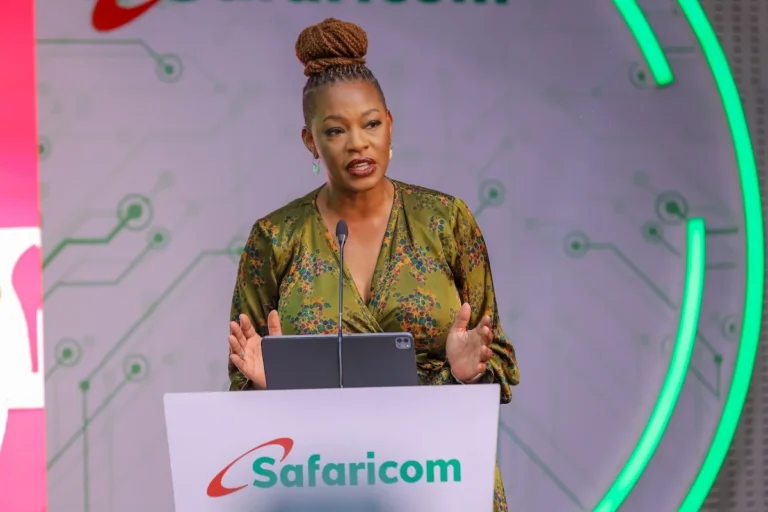
Esther Waititu, Safaricom Plc’s top executive overseeing M-PESA and its fast-growing financial services business is stepping down, extending a wave of leadership changes at East Africa’s largest telco as it doubles down on fintech and digital services.
Esther Masese Waititu, the company’s Chief Financial Services Officer, will leave Safaricom on July 31 after nearly three and a half years in the role, according to an internal memo from Chief Executive Officer Peter Ndegwa. She is departing to pursue other opportunities, with no successor outside the company yet announced.
Esther Waititu joined Safaricom in February 2023 from KCB Group, where she led corporate banking, and was tasked with steering one of the company’s most strategic businesses, M-PESA. During her tenure, Safaricom accelerated the modernization of its mobile money platform through the rollout of its cloud-native FinTech 2.0 architecture, expanded its developer ecosystem through Daraja APIs, and introduced new investment products including Ziidi Trader, allowing customers to trade Nairobi Securities Exchange-listed shares through M-PESA.
Her exit comes as M-PESA remains the cornerstone of Safaricom’s growth strategy. The platform has evolved far beyond person-to-person transfers into savings, lending, wealth management, merchant payments and enterprise financial services, contributing an increasing share of the group’s service revenue.
Safaricom has appointed Boniface Mungania, currently Director of Public Sector Digital Transformation, as acting Chief Financial Services Officer while it conducts a search for a permanent replacement.
Waititu’s resignation is the latest in a succession of senior leadership exits that have reshaped Safaricom’s executive ranks over the past year.
At board level, Safaricom also saw the departure of independent directors Ory Okolloh and Rose Ogega in 2024 as part of wider governance changes.
While executive turnover is common among large listed companies, the clustering of departures from key strategic functions including financial services, strategy and M-PESA, marks one of the most significant leadership transitions since Peter Ndegwa became CEO in 2020.
Despite the leadership changes, Safaricom continues to execute an ambitious growth agenda centered on digital financial services, artificial intelligence, cloud infrastructure and enterprise technology. The company has also continued expanding M-PESA’s capabilities beyond payments into investments and wealth management while growing its Ethiopian business.
Investors will now watch closely to see who takes over the financial services portfolio, one of the most influential roles within Safaricom given M-PESA’s importance to the company’s earnings and long-term strategy.
For now, Safaricom has said only that Waititu is leaving to pursue other opportunities, with no indication of her next destination.
Guaranty Trust Bank (GTBank Kenya) Limited has begun the process of appointing a new chief executive after its Managing Director, Jubril Adeniji, was recalled to parent company Guaranty Trust Bank Limited in Nigeria following the end of his tenure.
Adeniji will remain at the helm of the Kenyan subsidiary for the next 90 days to facilitate a smooth handover while the lender seeks regulatory approval for the appointment of a successor.
The leadership transition comes after a period in which GTBank Kenya said it strengthened its governance and shareholding structure, improved the quality of its earning assets, enhanced internal controls and rolled out a strategic transformation plan aimed at expanding its presence in Kenya’s competitive banking sector. The bank also invested in strengthening its leadership team and workforce to support its long-term growth ambitions.
The move reflects the succession planning common among African banking groups, where senior executives are periodically redeployed across subsidiaries to support regional operations and leadership development. GTBank Kenya is part of the GTCO Group, one of Africa’s largest financial services groups with operations across several African markets.
The bank sought to reassure customers and investors that the transition would not disrupt operations, saying it remains financially stable and committed to delivering banking services while creating sustainable value for customers, shareholders and other stakeholders.
GTBank Kenya did not identify Adeniji’s successor, saying the appointment will be announced after the necessary regulatory approvals have been obtained.
Egyptian logistics startup Mylerz has secured more than $2 million in fresh debt and equity financing from existing investors, underscoring continued confidence in the country’s e-commerce infrastructure despite a more cautious funding environment across Africa.
The round was led by Lorax Capital Partners, with participation from digital payments giant Fawry and other existing shareholders, the company said Tuesday.
The funding will be used to strengthen Mylerz’s balance sheet, improve working capital and expand fulfilment centers, delivery capacity and proprietary logistics technology as demand for online shopping and cross-border commerce continues to rise in Egypt.
“This fresh funding is a strong vote of confidence from partners who know our business well,” founder and Chief Executive Officer Samer Gharaibeh said in a statement. “Egypt remains the heart of our operations, and this capital allows us to invest with conviction in the infrastructure, technology and people that keep us delivering for our merchants and their customers every day.”
Founded in 2019, Mylerz has grown into one of Egypt’s largest independent providers of integrated e-commerce logistics, offering warehousing, fulfilment and last-mile delivery services to online retailers. Its technology platform enables merchants to manage inventory, shipments and delivery operations from a single interface while supporting same-day and next-day delivery across much of the country.
The latest investment follows the company’s $9.6 million fundraising in 2022, reflecting investors’ willingness to back businesses with established operations and clear paths to profitability rather than high-growth expansion strategies that characterized earlier venture capital cycles.
The financing comes as Egypt’s e-commerce market continues to expand, fueled by rising smartphone adoption, digital payments and growing consumer confidence in online shopping. While online retail penetration remains below more mature markets, increasing demand has created opportunities for logistics providers capable of delivering faster fulfilment and broader geographic coverage.
For Mylerz, the emphasis is on strengthening domestic infrastructure rather than pursuing regional expansion. The company plans to increase fulfilment capacity, expand its delivery network and continue investing in the technology that supports its operations.
The investment also highlights the increasingly strategic relationship between fintech and logistics in Egypt’s digital economy. Fawry’s participation signals growing interest in connecting payments, fulfilment and delivery into more integrated commerce ecosystems as merchants seek end-to-end solutions for selling online.
Across Africa, investors have become more selective following a slowdown in venture funding over the past two years, favoring companies with resilient business models, predictable revenues and tangible infrastructure assets. Logistics firms serving the continent’s expanding digital commerce sector have remained among the beneficiaries, as efficient delivery networks are widely viewed as essential to unlocking the next phase of online retail growth.
For Mylerz, the new capital provides additional resources to scale its logistics network while reinforcing a strategy centered on operational efficiency and service reliability—two factors increasingly determining success as competition intensifies in Egypt’s fast-growing e-commerce market.
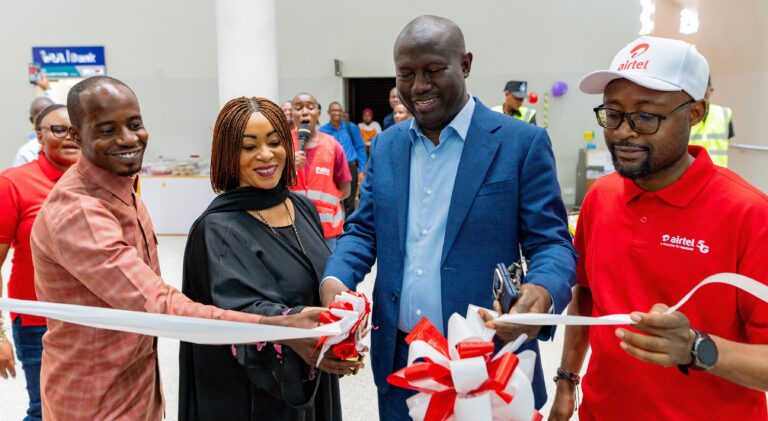
Airtel Kenya is accelerating the expansion of its physical retail presence, opening four new customer service stores in Mombasa as part of a broader strategy to double its nationwide retail footprint by the end of the year, underscoring the telecom operator’s push to strengthen customer engagement amid intensifying competition in Kenya’s telecommunications market.
The new outlets—located at Sabasaba, Airport Centre Mall, Nyali Bazaar and Likoni—bring Airtel Kenya’s total retail network to 90 stores nationwide. The company said the branches will serve as customer experience hubs, offering SIM registration and replacement, Airtel Money support, device assistance, customer onboarding, and voice and data solutions for both consumers and businesses.
The expansion reflects Airtel’s increasing investment in physical customer touchpoints even as telecom operators continue to digitize services. The company says retail outlets remain critical for onboarding new subscribers, supporting Airtel Money users, resolving service issues and strengthening relationships with customers.
“Our customers are at the centre of everything we do,” Airtel Kenya Managing Director Djibril Tobe said during the opening of the Mombasa stores. He said the company will continue investing in retail infrastructure alongside network upgrades and digital innovation to improve accessibility and service quality across the country.
Customer Experience Director Goldermier Opiyo said expanding Airtel’s retail presence will enable the operator to provide faster, more personalized support while bringing services closer to communities.
The Coast expansion comes as Airtel Kenya continues to invest aggressively in network coverage, 4G capacity and financial services through Airtel Money in a bid to capture a larger share of Kenya’s highly competitive mobile market, where operators are increasingly competing on customer experience as much as pricing.
Physical stores also remain strategically important for regulatory requirements such as SIM registration and Know Your Customer (KYC) verification, while serving as key distribution channels for smartphones, business connectivity solutions and digital financial services.
With plans to double its customer service footprint before year-end, Airtel is positioning its retail network as a key pillar of its growth strategy, complementing investments in digital platforms and network infrastructure.
The expansion signals the company’s confidence in continued subscriber growth and rising demand for in-person support despite increasing adoption of self-service digital channels.
As Kenya’s telecom sector evolves beyond traditional voice services into digital payments, enterprise connectivity and digital ecosystems, Airtel’s growing retail presence is expected to strengthen its competitiveness while improving access to customer support across underserved regions.
Samsung Electronics has expanded its mid-range smartphone lineup in Kenya with the launch of the Galaxy A27 5G, introducing a larger immersive display, enhanced artificial intelligence capabilities, and longer software support as the company intensifies competition in the affordable 5G smartphone segment.
The new device builds on the Galaxy A26 5G with a redesigned Infinity-O display, Qualcomm’s Snapdragon 6 Gen 3 processor, and an expanded suite of AI-powered features aimed at bringing premium smartphone experiences to more consumers without flagship pricing.
At the heart of the Galaxy A27 5G is a 6.7-inch Super AMOLED display with a 120Hz refresh rate, designed to deliver smoother scrolling, gaming, and video playback. Samsung has also reduced the bezels and replaced the traditional notch with a punch-hole camera, increasing usable screen space while giving the device a more premium appearance.
Powered by Qualcomm’s Snapdragon 6 Gen 3 Mobile Platform, the handset promises improved multitasking, better graphics performance, and greater power efficiency. Samsung says the chipset enables smoother app switching and gaming while supporting faster memory performance.
Photography also receives an upgrade, with the introduction of a 12-megapixel front camera designed to capture improved detail, wider dynamic range, and more natural-looking selfies across different lighting conditions.
AI Takes Center Stage
Artificial intelligence is becoming increasingly central to Samsung’s strategy across its smartphone portfolio, and the Galaxy A27 5G reflects that shift.
The device features an enhanced version of Circle to Search with Google, allowing users to identify multiple objects within a single image simultaneously, including clothing and accessories. Users can also virtually try on outfits directly from search results.
Samsung has also upgraded Object Eraser, enabling cleaner removal of unwanted objects from photographs, while Voice Transcription in the Voice Recorder app can now automatically translate speech as it transcribes in 22 languages, simplifying multilingual meetings and interviews.
Unlike previous Galaxy A devices, users can also choose between multiple AI assistants, including Google Gemini, Perplexity, and Samsung’s own Bixby, offering greater flexibility depending on user preferences.
Long-Term Software Commitment
Samsung continues to differentiate its Galaxy A series with extended software support, promising six generations of Android and One UI upgrades, alongside six years of security updates from the device’s initial global launch.
The phone also incorporates Samsung Knox Vault, providing hardware-based protection for sensitive information such as passwords, PINs, and biometric data.
For additional protection, Samsung is bundling the device with Samsung Care+ support and a 24-month warranty.
Pricing and Availability in Kenya
The Galaxy A27 5G is available nationwide through Samsung Experience Stores, Samsung Shop-in-Shop outlets, and authorized retailers.
The smartphone comes in Black, Blue, Light Green, and Light Pink, with recommended retail prices of:
4GB RAM + 64GB storage: KES 41,300
8GB RAM + 256GB storage: KES 52,500
Market Context
The Galaxy A27 5G arrives as smartphone makers increasingly compete on AI capabilities rather than raw hardware specifications. By bringing features such as AI-powered search, intelligent photo editing, multilingual transcription, and multiple AI assistants into the mid-range segment, Samsung is seeking to make advanced mobile experiences accessible to a broader customer base while strengthening its position in Kenya’s growing 5G smartphone market.
The launch also reflects Samsung’s broader strategy of extending flagship-level software support and security features beyond its premium Galaxy S lineup, an area where Android manufacturers continue to compete aggressively for customer loyalty.
When Spotify launched Greasy Tunes in Johannesburg in July 2023, it looked like an experimental pop-up marrying music and food. Three years later, after expanding to Lagos in October 2025 and Nairobi from July 15–26, 2026, the initiative has evolved into something far more strategic: a blueprint for how the world’s largest audio streaming company plans to deepen its foothold in Africa.
Rather than relying solely on playlists, algorithms and digital advertising, Spotify is investing in physical experiences that bring together musicians, podcasters, chefs, fashion brands and creators betting that cultural relevance will prove as important as technology in winning the continent’s next generation of streaming users.
The strategy comes as global streaming platforms face slowing subscriber growth in mature markets and intensifying competition for attention from TikTok, YouTube, Instagram and Netflix. Africa, with the world’s youngest population and rising smartphone adoption, represents one of the industry’s largest long-term growth opportunities.
“Streaming has become table stakes,” said a Nairobi-based digital media executive familiar with the creator economy. “The platforms that win will be the ones that become part of people’s everyday lives.”
Three Markets, One Strategy
Spotify’s expansion of Greasy Tunes has followed a deliberate path.
The concept debuted in Braamfontein, Johannesburg, in July 2023, before moving to Lagos in October 2025, where it featured live podcast recordings and collaborations with local creative communities under the leadership of Phiona Okumu, Spotify’s Head of Music for Sub-Saharan Africa. Nairobi became the third African city to host the programme, with a 12-day activation running from July 15 to July 26, 2026, at Heltz House in Ngara, Nairobi.
The Kenyan edition was developed in partnership with The BAG, one of Nairobi’s best-known nightlife and events platforms, and Jikoni Studio Nairobi, bringing together 20 events spanning music, podcasts, comedy, sport, fashion and food.
Among the featured communities were Studio 18, Blueprint, Fishermans Experience, Standup Collective, Strictly Soul, Assembly, Nakili Session, Bambika TV and Ongeza Volume, alongside live recordings of Mic Cheque Podcast and 30 Percent Podcast.
Data Before Decisions
Unlike traditional brand activations, Greasy Tunes is built on Spotify’s own listening data.
According to the company, listeners aged 18 to 24 account for 53.7% of all Spotify streams in Nairobi, compared with 44.4% in Lagos and 29.9% in Johannesburg, making Kenya’s capital one of the platform’s youngest and most engaged streaming markets in Africa.
Spotify also found that the 6 p.m. to 9 p.m. period represented the largest food-related listening window for Nairobi’s Gen Z audience, accounting for 20.9% of daily listening among users in that age group.
Rather than treating those insights as internal analytics, the company transformed them into a marketing strategy centred on food.
The Greasy Tunes Café Kitchen was designed around the idea that “Nairobi’s dinner table has a soundtrack,” blending Kenyan street food with live music and community programming.
“What stands out in this data is not just that Kenyan artists dominate the dinner playlist, but that they sit naturally alongside names like Dave, Tems and Drake,” said Agnes Opondo, Spotify’s Artist and Label Partnerships Manager for East Africa, in announcing the Nairobi activation.
Building More Than a Streaming Platform
For Spotify, the business case extends well beyond customer acquisition.
By bringing together musicians, podcasters, comedians, chefs, designers and community organisers, the company is building an ecosystem that creates value for creators, advertisers and brand partners alike.
The approach mirrors strategies employed by companies such as Nike Inc., which built global running communities around its products, and Red Bull GmbH, whose investment in sports and entertainment transformed an energy drink into a media business.
Spotify appears to be following a similar path positioning itself not merely as a streaming service, but as a cultural platform.
That distinction matters in a market where music catalogues are increasingly similar and switching costs between streaming services remain low.
Why Kenya Matters
Spotify’s increased investment in Nairobi also reflects Kenya’s growing importance within Africa’s digital economy.
The country has become a regional hub for fintech, startups, digital media and creator businesses, while Kenyan artists continue gaining visibility across East Africa and beyond.
Spotify’s own June 2026 listening data showed Kenyan artists occupying seven of the top ten most-streamed tracks among Nairobi listeners aged 18–24 during the evening dinner window, led by Ywaya Tajiri, Wakadinali, Mutoriah, Toxic Lyrikali, Sauti Sol and Njerae, alongside international acts including Dave featuring Tems, Drake, and a regional collaboration between Alikiba and Bien.
For Spotify, those trends demonstrate that local music is no longer competing against international catalogues—it is increasingly growing alongside them.
The Bigger Bet
Greasy Tunes may look like a festival. For Spotify, however, it represents something more consequential: an investment in long-term market positioning.
As technology companies increasingly compete for attention rather than downloads, the companies that shape culture may ultimately prove more resilient than those that simply distribute content.
Africa’s next wave of streaming growth may therefore depend less on who offers the biggest music library and more on who becomes most embedded in the lives of the consumers listening to it.
Uber has agreed to acquire German food delivery giant Delivery Hero in a $14.8 billion all-cash deal, bringing one of the world’s largest food delivery companies under its control and marking the latest wave of consolidation in the fiercely competitive global delivery market.
The acquisition will unite Uber Eats with Delivery Hero’s portfolio of brands, including Glovo, foodpanda, talabat, PedidosYa, HungerStation and Baedal Minjok. Together, the combined business will serve customers in nearly 100 countries, creating one of the largest on-demand delivery networks outside China.
The deal is expected to close in the second half of 2027, subject to shareholder and regulatory approvals.
For Africa, the acquisition could prove particularly significant.
Through Glovo, Delivery Hero has established a strong presence across several African markets, including Kenya, Uganda, Nigeria, Morocco, Tunisia, Côte d’Ivoire and Ghana. If the acquisition receives regulatory approval, Uber would inherit one of the continent’s largest food and grocery delivery platforms, significantly expanding its footprint beyond ride-hailing.
The transaction reflects growing pressure on delivery companies to achieve scale as the industry shifts from rapid expansion to profitability. Higher operating costs, slowing consumer spending and intense competition have pushed major players to consolidate operations and pursue efficiencies.
Uber said combining the two businesses would create a stronger platform for consumers, merchants and delivery partners by leveraging its technology, logistics network and financial resources. The company expects the merger to accelerate innovation in food delivery, grocery delivery and quick commerce while improving operational efficiency across its global markets.
To ease antitrust concerns, Delivery Hero has agreed to divest operations in several overlapping markets before the transaction closes. Competition regulators in Europe and other jurisdictions are expected to closely scrutinize the acquisition due to the combined company’s market share in food delivery.
For consumers and businesses across Africa, no immediate changes have been announced. Glovo will continue operating as usual until the transaction is completed. However, industry analysts expect Uber to eventually evaluate opportunities to integrate technology platforms, logistics operations and merchant services across its delivery businesses.
The acquisition also underscores the growing strategic importance of Africa’s digital commerce ecosystem. Rising smartphone adoption, expanding mobile payments and increasing demand for on-demand services have made the continent one of the fastest-growing markets for food delivery and quick commerce.
If approved, the transaction would give Uber a stronger foothold in a region where competition for last-mile delivery, grocery fulfilment and local commerce is expected to intensify over the coming years.
While riders, restaurants and customers are unlikely to see immediate changes, the merger could reshape Africa’s food delivery landscape, influencing pricing, merchant commissions, platform investment and competition for years to come.
Stanbic Bank Kenya has appointed Safaricom Plc executive Michael Mutiga as its next chief executive officer, marking another high-profile move of senior talent from Kenya’s largest telecommunications company to the banking industry as lenders compete for executives with deep digital finance expertise.
Mutiga, who has served as Safaricom’s Chief Business Development and Strategy Officer since 2022, will assume the role on August 1, subject to regulatory approvals. He succeeds acting CEO Abraham Ongenge, who has led the lender since March following the elevation of Joshua Oigara to Chief Executive of Stanbic Holdings and Standard Bank’s East Africa regional business.
The appointment hands Stanbic one of Kenya’s most experienced corporate strategists, bringing together more than two decades across investment banking, commercial banking, mergers and acquisitions, telecommunications and digital financial services at a time when traditional lenders are increasingly repositioning themselves against fintechs and mobile money platforms.
Before joining Safaricom, Mutiga held senior leadership positions at Citibank, Standard Bank Group and KCB Group, building a career spanning corporate finance, structured transactions and strategy across Africa. At Safaricom, he oversaw corporate strategy, business development, partnerships, mergers and acquisitions, sustainability initiatives and regional expansion, helping shape the company’s ambitions beyond telecommunications into financial services and enterprise technology.
His departure represents more than a leadership change.
It underscores a broader shift in Kenya’s financial sector, where banks are increasingly recruiting executives from technology companies to accelerate digital transformation, customer acquisition and embedded financial services. As mobile payments become mainstream and consumers demand seamless digital experiences, traditional banking skills alone are no longer viewed as sufficient to compete.
Stanbic said Mutiga’s appointment reflects the lender’s ambition to deepen innovation while strengthening customer-centric banking. The board expressed confidence that his experience across banking and telecommunications would help guide the institution through its next phase of growth.
For Safaricom, however, Mutiga’s exit adds to a growing list of senior executive departures that have reshaped the company’s leadership team in 2026.
Earlier this year, former M-PESA Africa Managing Director Sitoyo Lopokoiyit announced his move to Absa Group. More recently, Chief Financial Services Officer Esther Waititu disclosed she would leave the telecommunications giant at the end of July to pursue new opportunities, ending a career that spanned more than a decade at the company. Together with Mutiga’s move, the exits have raised questions over succession planning at East Africa’s most valuable listed company even as Chief Executive Peter Ndegwa continues to steer Safaricom’s expansion into Ethiopia and broader financial services.
The executive movements also highlight how Kenya’s banking sector is increasingly competing with telecommunications companies for leadership talent.
Banks have historically recruited career bankers, but the rise of mobile money and digital commerce has blurred industry boundaries. Institutions are now seeking executives capable of building ecosystems rather than simply managing balance sheets.
Mutiga arrives at Stanbic at a pivotal moment.
The bank, part of South Africa’s Standard Bank Group, has been investing heavily in digital banking, wealth management and business banking as competition intensifies from established lenders including KCB Group, Equity Group, NCBA and Absa, alongside fintech startups targeting payments, lending and merchant services.
His experience leading strategic partnerships at Safaricom could prove particularly valuable as banks pursue collaborations with technology firms instead of competing directly with them. The next battleground is expected to be integrated financial services, where payments, lending, investments, insurance and commerce are delivered through digital platforms.
Mutiga is no stranger to Stanbic’s parent group.
Earlier in his career he worked within Standard Bank, giving him familiarity with the group’s culture before moving through Citi and later joining Safaricom to replace long-serving executive Joe Ogutu as Chief Business Development and Strategy Officer in 2022.
His return to banking also reflects an emerging trend where executives who helped build Africa’s largest digital platforms are now being tapped to modernize financial institutions facing pressure from fintech innovation.
For Safaricom, replacing Mutiga may prove strategically significant.
Beyond overseeing business development, he played a central role in evaluating new investment opportunities, strategic acquisitions and partnerships as the company diversified beyond connectivity into enterprise services, cloud computing, artificial intelligence, healthcare and financial products. Finding a successor with experience spanning corporate finance, banking and technology could be challenging.
The leadership changes come as Safaricom continues to balance strong earnings from Kenya with the long-term investment required to build its Ethiopian business, one of Africa’s largest greenfield telecommunications projects.
Stanbic, meanwhile, is betting that digital expertise can translate into stronger customer growth and improved competitiveness in an increasingly technology-driven financial services landscape.
Whether Mutiga’s appointment delivers that transformation will depend on how successfully he combines the discipline of banking with the innovation culture cultivated during his four years at Safaricom.
What is already evident is that Kenya’s largest companies are no longer competing only for customers—they are increasingly competing for the executives capable of defining the future of finance itself.
Payments giant Stripe and private equity firm Advent International have made a joint offer to acquire PayPal Holdings in a deal valued at more than $53 billion, a move that could reshape the global digital payments industry and rank among the largest technology acquisitions of the year.
According to people familiar with the matter, the consortium has offered $60.50 per share for PayPal, valuing the company at approximately $53.1 billion. The proposal reportedly includes about $50 billion in committed financing from a group of banks, underscoring the scale of the transaction and the confidence of its backers.
The offer was first submitted earlier this month after discussions between the parties that began in April. Stripe and Advent are said to be seeking to advance negotiations in the coming weeks, although there is no guarantee the talks will lead to a definitive agreement. PayPal, Stripe and Advent have declined to comment publicly on the reported discussions.
News of the proposal sent PayPal shares soaring by roughly 15% as investors welcomed the prospect of a takeover after years of slowing growth and a sharp decline in the company’s market value from its pandemic-era peak. The stock had struggled as rising competition and changing consumer spending patterns weighed on investor sentiment.
Founded in 1998, PayPal helped pioneer online payments and became one of the world’s largest fintech companies, serving more than 430 million active consumer and merchant accounts globally. However, the company has faced mounting pressure in recent years from rivals including Apple Pay, Google Pay, Block’s Cash App and newer fintech platforms, while merchants increasingly embraced modern payment infrastructure providers such as Stripe.
For Stripe, acquiring PayPal would represent a transformational expansion beyond its core merchant payments business. While Stripe has built its reputation by providing payment infrastructure for online businesses, PayPal brings one of the world’s largest consumer payments ecosystems, including Venmo, a leading peer-to-peer payments platform in the United States.
A combined company would process an estimated $3.7 trillion in annual payment volume, creating one of the largest digital payments networks globally and strengthening its position as artificial intelligence increasingly automates online commerce and digital transactions.
Industry analysts say the proposed acquisition reflects a broader wave of consolidation sweeping through the fintech sector as companies seek greater scale, stronger consumer relationships and expanded merchant services to compete in an increasingly crowded payments market.
The deal would also provide Stripe with a significant consumer presence to complement its enterprise-focused business, while giving PayPal access to Stripe’s modern developer tools, cloud-native infrastructure and fast-growing global merchant network.
Despite the strategic rationale, analysts caution that integrating two of the world’s largest payment platforms would be a complex undertaking. Regulatory approvals across multiple jurisdictions, technology integration and preserving customer trust are expected to be among the biggest challenges if the acquisition proceeds.
Some investors have also questioned whether the offer fully reflects PayPal’s long-term value, suggesting competing bids or an improved proposal could still emerge. Others argue the reported price represents an attractive premium given the company’s recent struggles to accelerate revenue growth and expand profitability.
If completed, the transaction would mark one of the defining fintech deals of 2026, creating a payments powerhouse with unmatched scale across both merchant services and consumer digital wallets, and potentially reshaping competition in the global financial technology industry.
Cue, an AI customer service startup, has raised $5 million in a funding round co-led by Knife Capital and FAM Investments, as businesses increasingly turn to autonomous AI agents to cut support costs while improving customer experience.
The fresh capital will fund the development of Cue’s next generation of AI agents, expand its presence beyond its core UK and South African markets, and strengthen its voice capabilities, security infrastructure and enterprise software integrations.
Founded in 2015, Cue provides a unified customer service platform that combines AI-powered agents with human support across channels including WhatsApp, webchat, email, SMS, voice and Messenger. The company says its platform serves more than 500 businesses spanning automotive, retail, financial services, insurance and education.
The funding comes as enterprises increasingly adopt generative AI to automate customer support functions that traditionally required human agents.
Cue said its annual recurring revenue (ARR) grew more than 160% year over year in its latest financial year, while its platform now processes more than 500 million customer messages and conversations annually.
“Our customers are increasingly looking for one platform rather than a collection of disconnected tools,” Chief Executive Richard Nischk said. “We’re at an inflection point for AI in customer service, where businesses want automation that can genuinely resolve customer problems, not simply respond to them.”
Unlike conventional chatbots that primarily answer questions, Cue is developing AI agents capable of completing entire customer service workflows. These include qualifying sales leads, updating customer accounts, booking appointments, checking order status and generating payment links without human intervention. When issues become more complex, conversations are transferred to human agents together with the full customer history.
The company said its current generation of AI agents can already resolve more than 60% of customer conversations autonomously, with the next generation expected to execute more complex tasks securely across multiple enterprise systems.
The investment reflects growing confidence among venture investors that AI agents will become central to enterprise software, particularly as advances in large language models improve reasoning and task execution.
“Customer service remains the lifeblood of every enduring business,” said Keet van Zyl, founding partner at Knife Capital. “As AI reshapes enterprise software, the winners will be companies that enhance human capability rather than replace it. Cue has demonstrated measurable value while building a platform capable of becoming a category leader.”
Cue plans to deploy the new funding across three areas: expanding engineering teams to build more capable autonomous AI agents and voice infrastructure; accelerating sales and marketing efforts in the UK, South Africa and new international markets; and broadening its platform with additional communication channels, enterprise integrations and analytics.
The company argues that customer service technology has historically evolved in silos, forcing businesses to manage separate systems for voice, email, messaging and social media. Its platform aims to consolidate those channels while allowing AI agents and human support teams to work together within a single interface.
As enterprises seek to balance automation with customer satisfaction, Cue is betting that hybrid AI-human support models will become the industry standard rather than fully automated systems.
The latest funding positions the company to compete in the rapidly expanding AI customer service market, where businesses are racing to deploy autonomous agents capable of resolving increasingly complex customer interactions while reducing operational costs. Cue in March 2024 raised $2 million seed round to accelerate its development of advanced AI capabilities within its customer service suite. In October the previuos year, it had raised raised $500,000 to deliver faster customer service using the next generation of LLM-powered AI models on the Cue platform.
TikTok is stepping up its efforts to combat AI-generated spam while expanding artificial intelligence transparency and literacy initiatives across Sub-Saharan Africa, as the platform says more than 3 billion videos have now been labelled as AI-generated.
Announced during the AI for Good Global Summit in Geneva, the new measures include enhanced systems to detect AI-generated spam, an in-app AI literacy hub for users in Kenya, Nigeria and South Africa, and expanded partnerships aimed at helping users understand and safely use AI technologies.
The company is testing improved detection systems designed to identify accounts dedicated to posting AI-generated spam, a growing challenge as generative AI makes it easier to mass-produce low-quality and misleading content.
“AI is opening up exciting new opportunities for creativity and storytelling, but as technology evolves, it can also be misused to mass-produce spam that crowds out original creators and undermines trust,” TikTok said.
The initiative builds on the platform’s broader efforts to maintain authenticity. During the first quarter of 2026 alone, TikTok removed more than 86 million fake accounts globally as it strengthened its automated detection capabilities.
“We believe people should have context, confidence and control over their experiences with AI on TikTok. We continue to invest in technologies, partnerships and educational resources that help people spot AI-generated content, understand how it’s created, and use these tools creatively and responsibly,” said Tom Varghese, AI Lead for TikTok’s Global Public Policy team.
Alongside its efforts to curb AI spam, TikTok said it has now labelled more than 3 billion videos as AI-generated using a combination of Content Credentials, creator disclosure tools and invisible watermarking technology. The milestone comes as governments, technology companies and civil society groups increasingly push for greater transparency around AI-generated content.
To further strengthen industry standards, TikTok has joined the Coalition for Content Provenance and Authenticity (C2PA) Steering Committee, where it will work with other technology companies and organisations to advance the adoption of Content Credentials and other tools designed to help people identify AI-generated media.
The company is also expanding its investment in AI education across Africa. TikTok is launching an in-app AI literacy hub for users in Kenya, Nigeria and South Africa, providing educational resources that help people recognise AI-generated content and understand how AI tools are used on the platform.
TikTok said it has committed more than US$4 million to its AI Literacy Fund since launching the initiative in November 2025. Through partnerships with organisations including Africa Check, Paradigm Initiative, Moxi Africa, Eveminet and Mtoto News, the programme has generated more than 200 million views, highlighting growing demand for trusted AI education across the continent.
Beyond education, TikTok is also investing in AI-powered creative tools for creators. Features such as Smart Split, AI Outline and Manage Topics are designed to help creators produce content while giving users greater control over how much AI-generated content they see.
The company highlighted creators from Kenya, Nigeria and South Africa who are using AI for storytelling, education and creative production, including Tonnee Ndungu and Nyandia Gachago from Kenya, Olayemi Afolabi and Comfort Obiagbaoso from Nigeria, and Motso Mike alongside AI engineer and founder Akhil from South Africa.
The latest initiatives underscore TikTok’s broader strategy of balancing rapid AI innovation with stronger safeguards against misuse, as platforms worldwide face growing scrutiny over synthetic content, misinformation and online trust.
Tomorrow Foundation has expanded its 100 Million Learners Initiative into Nigeria through a new three-year partnership with Thunderbird School of Global Management and Arizona State University, aiming to equip millions of young Nigerians with entrepreneurship, leadership and digital skills needed for an increasingly AI-driven economy.
The initiative offers free online, self-paced courses in up to 40 languages, targeting university graduates, startup founders, women, young professionals and aspiring entrepreneurs. Participants can progress through foundational, intermediate and graduate-level learning pathways covering entrepreneurship, business leadership and strategic management.
The expansion comes as Nigeria seeks to harness the potential of one of the world’s youngest populations. About 70% of Nigerians are under the age of 30, while an estimated 3.5 million young people enter the workforce each year, creating growing demand for digital and AI-related skills.
Tomorrow Foundation said the programme forms a key pillar of its broader AI for All initiative, which aims to prepare individuals and communities for an AI-enabled future by widening access to education and economic opportunities.
“100 Million Learners reflects Tomorrow Foundation’s mission to build future-ready societies through education, entrepreneurship, digital inclusion and human capability development,” said Maggie Gu, founder of Tomorrow Foundation. “Together with our partners, we are ensuring that Nigeria’s youth do not just gain access to the future economy, but have the competency and confidence to help shape it.”
The curriculum, developed by Thunderbird School of Global Management and Arizona State University, is divided into three tracks: introductory courses lasting between 10 and 30 hours, intermediate courses of roughly 130 hours each focused on entrepreneurship and leadership, and graduate-level courses that can count toward a master’s degree.
Beyond delivering the courses, Tomorrow Foundation will oversee learner recruitment and build partnerships with government agencies, universities and youth organisations to broaden participation, particularly in underserved communities. Participants will also gain access to the foundation’s wider entrepreneurship programmes to support business creation and career development.
“We are proud to deepen our partnership with Tomorrow Foundation to expand access to world-class entrepreneurship and leadership education for learners across Nigeria,” said Samantha Alvis, executive director of the 100 Million Learners Initiative. “As digital transformation reshapes the global economy, learners need entrepreneurial, leadership and future-ready skills to thrive.”
Tomorrow Foundation said it has already supported awareness campaigns and stakeholder engagement for the initiative across several African countries and is working with Nigeria’s National Agency for Science and Engineering Infrastructure (NASENI) to expand participation.
The organisation said it will continue collaborating with public and private sector partners to strengthen Nigeria’s entrepreneurial talent pipeline and workforce readiness as artificial intelligence transforms industries and labour markets.