

back to top
Saturday, April 4, 2026
spot_imgspot_imgspot_imgspot_img
Home Blog Page 109

Gates Foundation Announces $8.6 Billion Budget To Advance Global Health Innovations

0

The Bill & Melinda Gates Foundation has announced its largest annual budget to date aimed at advancing global health innovations .With global health budgets in decline overall, a portion of the additional funding will go toward advancing global health innovations that will save and improve the lives of some of the world’s most vulnerable people, including newborn babies and pregnant mothers living in low-income communities.

The budget, which represents an increase of 4% over last year and is a $2 billion increase over the 2021 budget, comes as global contributions to health in the lowest-income countries are stalling. While overall aid spending has leveled off, sub-Saharan African countries saw a nearly 8% decline in aid in 2022, even as they face growing needs and shrinking budgets due to debt and other financial pressures. The foundation has committed to increasing its annual spending to $9 billion by 2026.

“We can’t talk about the future of humanity without talking about the future of health,” said Bill Gates, co-chair of the Gates Foundation. “Every day, newborn babies and young children die simply because of where they were born. Mothers die giving birth, leaving families devastated. That keeps me up at night. It’s unacceptable, particularly because we have already developed many of the solutions that could save their lives. Building a stronger, more stable world starts with good health.”

Since its inception in 2000, the Gates Foundation has been focused on fighting the world’s greatest inequities, creating programs that address issues such as gender equality, agricultural development, and public education. A major focus for the foundation has been on reducing inequities in health by funding the development of new tools and strategies to reduce the burden of infectious diseases and the leading causes of child mortality in low-income countries.

“An investment in global health is an investment in our future. When the world puts money behind proven solutions, it builds stronger, healthier, and more resilient communities for generations to come,” said Melinda French Gates, co-chair of the Gates Foundation. “With low-income countries facing a whole host of challenges, now is the right time to recommit to saving lives and improving livelihoods.”

Despite the phenomenal progress, millions of children in poor countries still die before their fifth birthday of preventable or treatable diseases, and nearly 300,000 women die in childbirth while the tools exist to prevent their deaths. Ninety percent of the 340,000 women who die every year of cervical cancer live in low- and middle-income countries, even though there’s now a highly effective one-dose vaccine that can protect them against it.

At the foundation’s “The Future of Health” event at the World Economic Forum Annual Meeting, Bill Gates will showcase several health innovations that the foundation has funded and its partners have been developing that could save the lives of women and children. His talk will also address the role that artificial intelligence (AI) and other technologies can play in transforming health and improving lives for people living in low-income countries.

Gates will call on global leaders, philanthropists, CEOs, and others to help rebuild global trust and solidarity by joining together to save the most vulnerable people. The foundation predicts that if innovations currently in the R&D pipeline are properly funded, they could help cut maternal deaths by 40% in the lowest-income countries by the end of the decade, and further drive down preventable child deaths.

To emphasize that many solutions are simple, portable, and already close at hand, Gates and other foundation leaders will carry backpacks in Davos emblazoned with “The Future of Health” and filled with examples of products that could save millions of lives. They include:

  • A package of tools that can save 65,000 women by 2030 from dying of postpartum hemorrhage (PPH). PPH is the biggest cause of maternal death worldwide. The package includes a simple and inexpensive drape to better measure blood loss. When paired with interventions in a trial, these tools decreased cases of severe bleeding by 60%.
  • A one-dose HPV vaccine that helps protect against one of the most common cancers among women worldwide. Millions of girls in low- and middle-income countries haven’t received HPV vaccines, while most girls in high-income countries have.
  • An AI-enabled ultrasound that uses AI algorithms to identify obstetric risk in pregnancy. This tool can save 390,000 infant lives by 2030 by helping health workers identify high-risk pregnancies in low-resource settings.
  • Vaccine microneedle array patches that can deliver vaccines through the skin without traditional needles, a complex cold chain, or a highly trained health worker to administer them. Early trials show these patches deliver the measles-rubella vaccine as safely and effectively as syringes and produce a similar immune response. This can help protect the hardest-to-reach children.
  • A stack of test strips that reduce production and shipping costs compared to existing cassette tests. These diagnostic test strips can be made in the billions and shipped inexpensively, allowing for faster response in the event of an outbreak. They can also increase the number of tests available for diagnosing malaria, of which two-thirds of cases go undiagnosed.
  • Multiple micronutrient supplements that restore a pregnant woman’s nutrient stores that she transfers to her baby. Studies show the supplements resulted in a reduced risk of low birth weight (12%) and a reduced risk of preterm birth (8%), and even better results among anemic and underweight women. These supplements, which are available now, could prevent 425,000 stillbirths.

“The Gates Foundation measures impact in terms of lives saved and opportunities provided to the poorest,” said Gates Foundation CEO Mark Suzman. “This new high-water mark for our budget will further our mission to help create a world where everyone has the opportunity to live a healthy,productive life.”

The incremental resources for 2024, both financial and human capital, seek to accelerate efforts for greatest impact across the foundation’s diverse priorities, ranging from polio eradication to scaling child azithromycin delivery in the world’s highest mortality settings to improving digital courseware in postsecondary education to accelerating the world’s TB drug portfolio.
New Director General Assumes Office at Communications Authority of Kenya

0

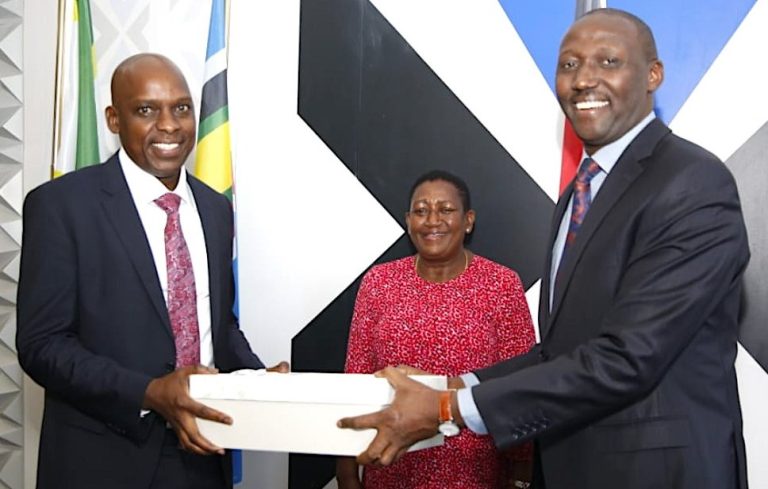
David Mugonyi has officially assumed office as the new Director General of the Communications Authority of Kenya (CA).

The transition of leadership marked a significant event in the history of the Authority, as Mr Mugonyi took over the helm from his predecessor, Mr Christopher Wambua.

Upon his arrival at the CA headquarters, Mr Mugonyi was warmly welcomed by the Board of Directors, led by Board Chairperson Ms Mary Mungai. The meeting with the Board served as a platform for him to receive the instruments of office, symbolizing the official transfer of leadership responsibilities.

During the course of the day, the newly appointed Director General embarked on an extensive tour of the CA Centre. This tour provided him with the opportunity to engage with the dedicated staff members and gain a firsthand understanding of the various regulatory tools employed by the Authority.

In addition to meeting the Board of Directors and staff, Mr. Mugonyi also had a productive session with the Management Committee. These interactions were aimed at fostering a seamless transition and ensuring a cohesive approach in the pursuit of the Authority’s objectives under his leadership.

Mr Mugonyi’s appointment to the position was announced on 20th December 2023, following his distinguished tenure as the Director of the Presidential Communications Service (PCS). His term, spanning four years, positions him as the 7th Director General since the establishment of the Communications Authority of Kenya in 1999.

The new Director General brings a wealth of experience and expertise to the role, having served in a key communications capacity within the government. As he assumes office, Mr Mugonyi expressed his commitment to advancing the Authority’s mandate and steering it towards continued excellence in the dynamic telecommunications and broadcasting landscape.

The Communications Authority of Kenya plays a crucial role in regulating and overseeing the communications sector in the country.

Nigerian fintech HabariPay Launches Hackathon to empower young innovators

0


HabariPay Ltd
,a Nigerian fintech that provides best-in-class payment solutions to help businesses in Africa grow and thrive has launched its first-ever hackathon, “Take on Squad Hackathon 1.0 aimed at empowering businesses and young innovators in Nigeria.

Take on Squad Hackathon 1.0 is targeted at young innovators in universities and other tertiary institutions in Nigeria .Essentially, the hackathon is designed to impact young Nigerians positively by providing a platform to equip aspiring entrepreneurs and innovators with transformative technological capabilities, enabling them to collaboratively develop practical, innovative tech solutions and refine their coding skills. Participants in the hackathon will have the exclusive opportunity to leverage Squad’s cutting-edge APIs in executing their ideas. 

Commenting on the inaugural Take on Squad Hackathon, Eduofon Japhet, Managing Director of HabariPay Ltd, said: “We strongly believe in the power of young minds to drive positive change in the society. This is reflected in our approach to providing simple, innovative solutions to everyday problems faced by small and mid-sized businesses across Africa with Squad. The Take on Squad Hackathon is the first of many initiatives to offer young, enterprising students a platform to engage meaningfully with technology and showcase their creativity and problem-solving abilities.” 

The two-day event promises to be action-packed, featuring intense coding sessions on day one followed by product demos, panel discussions and the announcement of winners on day two. The team with the most innovative idea will be awarded N2.5 million, the first runner up will get N1.5 million, while the third placed team gets N1 million. Additionally, the top 3 teams will have the unique opportunity to join the Squad Hackademy, where they will receive mentorship and access internships and job opportunities facilitated by

Licensed by the Central Bank of Nigeria (CBN), HabariPay’s solutions include Squad – a complete payment tool to make in-person and online payments simpler, HabariPay Storefront – an e-commerce website to sell products and services, and Value-Added Services – to help merchants access cost-effective and flexible airtime and data bundles to run their businesses, as well as a switching infrastructure that enables tech-focused businesses to optimise cost and make transactions more efficient. Thousands of merchants currently leverage Squad’s payment solutions for their daily business operations.

HapariPay recently received Mastercard’s Award For Accelerating Digital Acceptance in Africa and was awarded “Innovative Mobile Payment Solution” for its SquadPOS product by TIA. 
 

Citigroup trims workforce as losses mount

0

Facing a hefty $1.8 billion loss in the fourth quarter and a disappointing year overall, Citigroup is embarking on a major restructuring plan.

This includes a significant workforce reduction of 20,000 employees over the next two years, representing roughly 8% of its current global staff.

The decision comes after a dismal Q4 performance that saw the bank miss analyst expectations by a wide margin.

One-off costs, including a regional banking crisis charge and hefty restructuring expenses, significantly impacted the bottom line, reports state.

Chief Executive Officer (CEO), Jane Fraser, however, remains optimistic about the future, calling 2024 a “pivotal year” for the bank.

The layoffs and planned IPO of its Mexican retail unit, which will shed another 40,000 employees, are part of a broader strategy to streamline operations and boost profitability.

Ultimately, Citigroup aims to shrink its workforce from 240,000 to around 180,000.

The financial sector isn’t alone in feeling the pinch. Other companies, from animation giant Pixar to audiobook giant Audible, are also resorting to layoffs to weather economic headwinds. Even popular gaming platform Discord isn’t immune, having announced a 17% workforce reduction.

African Guarantee Fund and Vista partner to Boost SMEs and Women-led Businesses in West Africa

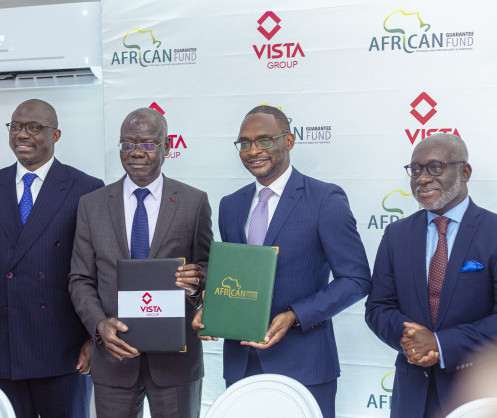
African Guarantee Fund has partnered with Vista Group Holding to accelerate access to finance for small and medium-sized enterprises (SMEs) including women-led businesses in four West African countries: Burkina Faso, The Gambia, Guinea, and Sierra Leone.

This collaboration will see AGF provide a loan portfolio guarantee of USD 50 million to support Vista Group Holding’s lending activities to SMEs across its network in the four target countries. The partnership aims to unlock growth opportunities for West Africa’s SMEs by scaling up SME financing and contributing to economic development in the region.

“We are excited to partner with Vista Group, one of the largest leading players in the West African banking landscape,” said Jules Ngankam, Group Chief Executive Officer, AGF. “This collaboration will leverage our combined expertise and resources to unlock the immense potential of SMEs in the region, drive inclusive economic growth through increased access to financing.”

By focusing on underserved markets, the partnership will promote financial inclusion by increasing access to finance for entrepreneurs, including women-owned SMEs, green businesses, and youth entrepreneurs. The AGF’s risk-sharing guarantee will mitigate potential risks associated with SME lending, bolstering the financial stability of Vista Group and its subsidiaries.

As a catalyst for regional collaboration, the partnership aligns with both AGF’s mission to promote economic development and reduce poverty in Africa, and Vista Bank Group’s ambition to become a leading pan-African financial institution focused on economic and financial inclusion.

Yao Kouassi, Managing Director of Vista Group Holding, added, “Partnering with AGF is a significant step in our mission to empower SMEs and contribute to financial inclusion across West Africa. This facility will enable us to expand our reach and provide crucial financial support to businesses that are driving economic development in these countries. This aligns with our goal to expand our footprint beyond the Guinean Market to ECOWAS and the Central African Economic and Monetary Community (CAEMAC).”

Additionally, the partnership leverages the Affirmative Finance Action for Women in Africa (AFAWA) Guarantee for Growth program that aims to unlock up to USD 3 billion in financing for Women SMEs in Africa through financial institutions.

“This partnership reflects the commitment of the African Development Bank, especially through the AFAWA initiative, to empower women entrepreneurs while promoting economic growth in the West African region,” said African Development Bank’s Togo Office Country Manager, Wilfrid Abiola, after the ceremony.  

“With 20% of this transaction allocated to women-led small and medium-sized enterprises, along with tailored technical assistance support provided by AFAWA, Vista Group Holding is taking the commitment to de-risk women-led businesses in their portfolio and making great strides in transforming access to finance for women-led small and medium enterprises in low-income countries and fragile states,” Abiola added. 

AGF will also avail a capacity development program tailored to each subsidiary based on their needs to further enhance the impact of the guarantee.

This partnership marks a significant milestone in AGF’s and Vista Bank Group’s commitment to supporting SMEs and driving inclusive economic growth in West Africa. By working together, the two organizations will empower entrepreneurs, create jobs, and contribute to a more prosperous future for the region.

Former Treepz Execs Launch Rivia, a Digital Healthcare Chain in Ghana

0

Africa’s healthcare system faces numerous challenges. These range from a lack of modern and well-equipped medical facilities to shortages of medical professionals, including doctors and nurses, along with insufficient funding for healthcare services.

Despite these obstacles, the healthcare sector in Africa presents various investment opportunities. Private healthcare spending per year has surged from $20 billion in 2016 to $45 billion in 2023, combining figures from Ghana, Nigeria, and Kenya. This represents a remarkable 125% growth over seven years. The average spend per user is $400, with approximately 113 million people annually paying for private healthcare across the three countries.

To address this obstacles, Rivia, a startup that collaborates with clinics to enhance service quality in the healthcare sector, has launched. Founded by two-time entrepreneur, Isidore Kpotufe, who sold his startup, Stabus, to the Nigeria-born and Canada-based mobility startup Treepz after raising $1.2 million, Rivia aims to provide patients with a “modern experience” by offering loans to partner clinics for upgrading their physical infrastructure and augmenting their inventory.

“Patients have lost trust in Africa’s healthcare system. And technology alone won’t fix that. We need to put the patient first. What is the expectation of the patient? How do we address it? That’s the way to fix it. And I believe with Rivia’s solutions, we are on the right track,” said Isidore.

Isidore Kpotufe speaking on Rivia at the 2023 Angel Fair Africa organised by Chanzo Capital in November.

Rivia provides partner clinics with a hospital management system to handle patient appointments and bookings, records, payment collection, lab, pharmacy, and related administrative tasks. The startup collects a commission from the monthly revenue of the partner clinic which adhere to its code of ethics and operation and co-branding.

“The healthcare need in Africa is huge and a different model needs to be explored to address the failure of existing healthcare providers and we are confident that the Rivia model is the way to go,” said Eric Osiakwan, Managing Partner of Chanzo Capital, who has joined Rivia’s board of directors. Chanzo Capital is also leading a syndicate to raise $200,000 in pre-seed funding for Rivia. The funds will be used to onboard 10 clinics and provide them with the needed support to scale their business. The investment firm plans to close the round by the end of February.

Onyeka Akumah, Treepz co-founder, and CEO has expressed great excitement about Rivia’s launch by Isidore and says “Isidore was a key team member at Treepz leading our marketing team before he left and established our brand across Africa. Today, he has decided to leave us to build Rivia and I have no doubt that he will succeed in his vision with the team he has assembled. From all of us at Treepz, we wish Isidore success in his new venture and thank him for everything he did with us. In addition, I am happy to accept his invitation to join his advisory board to support the Rivia team with my experience and network as they look to build the largest chain of modern-day healthcare services.”

Rivia currently operates in Ghana with plans to expand to West and East Africa.

Egypt’s logistics platform Bosta raises funding from Madagascar’s Axian Group

0

Bosta, Egypt’s delivery processing and logistics platform operating in Egypt and Saudi Arabia has raised undisclosed funding from Madagascar’s Axian Group to bolster its middle, and last-mile delivery services for its customers.

Axian Group’s investment will support Bosta’s growth and advance its mission to redefine the delivery and logistics landscape in the region especially its technology and delivery services, to transform the e-commerce and logistics sectors in Egypt and Saudi Arabia.

In March 2022, Bosta opened its first office in Riyadh to provide its distinguished services to its customers in the Kingdom of Saudi Arabia. The expansion came after Bosta’s Pre-Series B through regional and international investors led by Khwarizmi Ventures, along with other current investors in addition to Hassan Allam Holding.

“We are pleased to launch Bosta in Riyadh. We believe that this step will enable us to significantly expand our activities in a market that’s very important to us. The launch of our office in KSA is part of Bosta’s expansion plans across the Middle East this year, which will be followed by another launch in the region by the end of this year,” said Eng. Mohamed Ezzat, co-founder and CEO of Bosta. “Our office in Riyadh is Bosta’s first venture in the Arab region, continuing our success that started in Egypt in 2017 that managed to deliver 10 million shipments since our introduction in the market,” he added.

A recent report by the Saudi Communications and Information Technology Commission showed that the total financial value of requests made through delivery applications had reached more than two billion riyals (USD $533 million) since the beginning of the COVID-19 pandemic, with total requests amounting to 26 million, an increase of up to 250% when compared to pre-pandemic numbers.

Founded in 2017 by Mohamed Ezzat and Ahmed Gaber, Bosta has become a cornerstone in the delivery services sector, catering to the needs of thousands of online businesses in Egypt. The startup’s innovative approach ensures a seamless distribution process, offering a guaranteed next-day delivery service across the globe. To date, Bosta has successfully delivered over 10 million shipments, solidifying its position as a leader in the industry.

Bosta’s delivery model relies on a network of independent drivers compensated for each successful delivery, effectively handling the first and last miles. The middle mile, for inter-city couriers, is managed through a fleet of leased vans.

MEST Africa is Now Accepting Applications for the Class of 2025

0

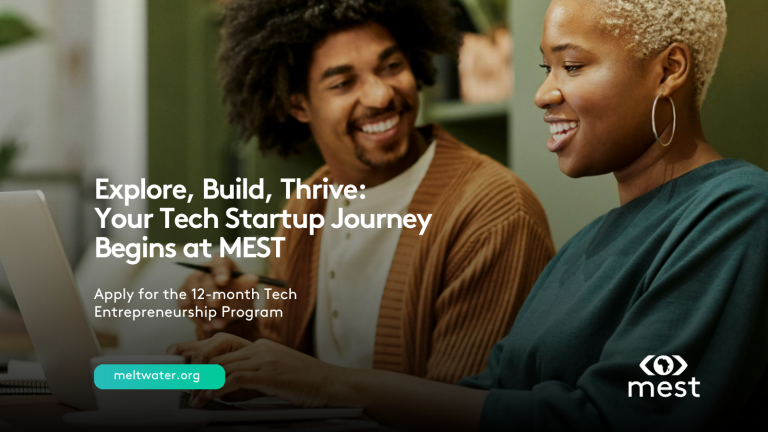
The Meltwater Entrepreneurial School of Technology (MEST Africa), a tech entrepreneurship training in Africa, has announced the opening of applications for the  Class of 2025.

This 12 month, fully sponsored program, based in Accra, is designed to make interested candidates ready to pitch their startup ideas for funding and launch businesses that solve local and global problems through software technology.

“Our mission at MEST is to empower the next generation of African tech innovators,” said Emily Fiagbedzi, Director of the MEST Training Program. “The Class of 2025 presents an exciting opportunity to nurture and elevate the brightest minds, equipping them with the skills and resources needed to drive impactful change across the continent through their tech startups.”

Participants will benefit from an extensive curriculum and mentorship by industry leaders and international experts, culminating in the chance to secure  seed funding and business incubation for their tech/software startup.

MEST’s impact is evident in its training of more than a 1000 entrepreneurs and over 90 funded startups across the continent, a testament to its commitment to nurturing pan-African tech talent.

Applicants must hold a degree from a reputable University or Technical College or demonstrate equivalent experience. Entrepreneurial or corporate work experience, coupled with a fervent passion for launching a software company in Africa, is what will truly place the candidate in a unique position to be successful in this opportunity. Additionally, candidates should showcase exceptional soft skills, including leadership qualities and effective communication abilities.

Key Dates for Applicants:

  • Application Deadline: March 18, 2024
  • Final Interviews: April & May 2024 in Accra, Lagos, Dakar, Nairobi, and Johannesburg (exact dates to be confirmed later)
  • Training Program Commencement: August 2024 in Accra, Ghana

For more information visit: https://bit.ly/MESTTP25_W

Egypt-based fintech Zeal raises $4 million to expand across the EMEA region

0

Zeal ,an Egypt-based fintech and customer loyalty app, has closed a $4 million funding round led by Raed Ventures and Cur8 Capital, along with strategic angel investors aimed at expanding it’s innovative technology solutions across the EMEA region, following its recent expansion into the UK market.

Founded in 2019 by Omar Ebeid, Zeal offers payment solutions to retailers and other offline businesses to improve in-store customer engagement and brand loyalty. Its SmartPOS Plugin technology enables credit card machines to identify, segment, and retarget in-store customers. 

Founder and CEO Omar Ebeid expressed excitement about the future: “This investment will accelerate our journey towards utilizing AI to revolutionize retail customer engagement on a global scale. We are committed to broadening our impact, with a focus on connecting billions of customers with millions of retailers.”

Central to Zeal’s product offering is the SmartPOS Plugin, redefining the very essence of in-store customer engagement and payment intelligence. Their revolutionary technology enables credit card machines to identify, segment, and retarget in-store customers, transforming the way physical retailers engage with and retain their clientele.

The fintech startup has already made significant progress in the payments industry by partnering with leading entities like Ingenico and Network International and earning awards such as the Visa Everywhere Initiative. This funding will further Zeal’s reach and impact, enhancing their existing payment acquirers portfolio and ease of integrating with POS terminals globally. The management team also shared their plans to build advanced data and analytics solutions for FMCGs and Telecom sectors.

Wael Nafee from Raed Ventures added, “We’re very excited to back Omar and the team at Zeal with an Egypt & MENA-based team building a global first product offering. The global payment acquiring space is hungering for value-added service disruptors that can propel the next phase of innovation. We believe that Zeal’s holistic product is a key innovative solution to payment service providers and POS manufacturers globally.”

With a strong foundation and a clear vision, Zeal is poised to lead the charge in becoming the leading Value Added Service solution for payment acquirers and merchants globally.

Kenya Suffers $27 Million Economic Blow from Telegram Downtime in 2023

0

Kenya faced a staggering economic loss of $27.02 million (Sh4.2 billion) due to the week-long downtime of the Telegram messaging platform during the secondary school national examinations in November last year, according to calculations by NetBlocks, a London-based internet rights organization.

Telegram, boasting approximately 800 million daily active users globally, is a vital platform for sharing large multimedia files and is especially popular in Kenya.

NetBlocks, relying on indicators from the World Bank and the International Telecommunications Union (ITU), estimated that businesses and the country incurred daily losses of Sh537 million during the 8-day shutdown. This economic impact resulted from foregone sales, wages, and other benefits derived from the application’s widespread use in Kenya.

“The outage, lasting for more than a week, was not officially acknowledged by the Communications Authority of Kenya. However, its timing, coinciding with the Kenya Certificate of Secondary Education examinations, suggests a possible measure to prevent cheating in the college-entry tests,’ Business Daily reported.

A global analysis by Top10VPN, a UK-based internet privacy and security organization, revealed that Kenya’s loss ranked sixteenth among the 25 jurisdictions that experienced internet or social media shutdowns in the past year. The collective economic toll for these 25 countries, including Tanzania, Sudan, and Ethiopia, amounted to $9 billion (Sh1.4 trillion), lasting a total of 79,238 hours—an 18 percent increase from 2022.

Top10VPN’s digital rights lead, Samuel Woodhams, and head of research, Simon Migliano, condemned such deliberate disruptions, calling them “internet censorship in its most extreme form” and emphasizing that these outages not only infringe on citizens’ digital rights but also result in significant national economic self-harm.

This incident marks the first reported social media outage in Kenya, a country where internet interruptions have been relatively uncommon, even during the 2022 elections, which globally are known to be a common catalyst for internet censorship. The economic repercussions of such disruptions highlight the importance of safeguarding digital infrastructure for both individual rights and national economic stability.

Tanzania’s Dawa Mkononi Receives Funding to Expand Healthcare Access in East Africa

0

A Tanzanian B2B pharmaceutical company, Dawa Mkononi, is gearing up to expand its reach across East Africa thanks to a fresh round of funding.

The company, whose name translates to “Medicine at your Palms,” has secured financial backing from an impressive consortium of investors, including:Sanofi Global Health Unit Impact Fund, Pontem Vent, Warioba Ventures, Villgro Africa, Axian Group and several other regional venture capitalists.

This vote of confidence from these renowned organizations underlines Dawa Mkononi’s commitment to improving healthcare access across the region.

“The investors’ support underlines their conviction in the company’s vision and will be crucial in expanding our footprint and enhancing healthcare access across Tanzania,” says the firm’s Chief Executive Officer (CEO) and co-founder Joseph Paul.

So, how exactly is Dawa Mkononi tackling the challenge of healthcare access?

Their secret weapon lies in their innovative mobile app, which streamlines the pharmaceutical supply chain for pharmacies, clinics, and hospitals.

Healthcare providers place orders for medications directly through the app.

Dawa Mkononi’s efficient logistics network ensures timely delivery, even to remote areas. The app’s built-in fintech features facilitate secure and transparent payments.

This approach offers several advantages:

Reduced costs and waste: Streamlined ordering and delivery processes minimize inefficiencies and resource wastage.

Improved price stability: The app’s transparency helps combat price fluctuations and ensures fair pricing for medication.

Reduced risk of counterfeits: The secure ordering and payment system minimizes the risk of counterfeit drugs entering the supply chain.

Dawa Mkononi’s impact is already being felt in Tanzania. The company currently serves over 1,000 healthcare enterprises in Dar es Salaam alone, and with the recent funding boost, they are poised to expand their reach even further.

This innovative B2B platform is a shining example of how technology can bridge healthcare gaps and ensure that everyone has access to the essential medicines they need.

Dawa Mkononi’s journey is just beginning, and with continued support, they have the potential to revolutionize healthcare access across East Africa.

The company was founded in 2017.Their mobile app is available in both English and Swahili. The firm has been recognized for its innovative approach by several organizations, including the World Health Organization and the Clinton Global Initiative.

Sun King Secures $7 Million Boost in Debt Funding from Lendable

0

Sun King, the leading provider of solar energy solutions for off-grid homes in Africa and Asia, has secured a $7 million loan from Lendable, a major financier for fintech companies in developing markets.

This collaboration will fuel Sun King’s expansion, bringing clean energy to more low-income customers across Africa through its innovative pay-as-you-go model.

Lendable’s investment recognizes Sun King’s pioneering role in designing, distributing, and financing solar home systems. This debt financing, dedicated to purchasing more solar systems, reflects both companies’ shared commitment to driving positive change, promoting financial inclusion, and transforming Africa’s energy landscape.

In May 2023, Sun King and Citi established a first-of-its-kind, bank-led and entirely Kenyan-Shilling-denominated $130 million sustainable securitisation transaction. The transaction leverages Sun King’s existing and future Kenyan customers’ payments for solar products to raise funding for further growth and expansion.

Arranged by Citi and supported by leading development finance institutions and commercial lenders from six countries across the globe, the investment paves the way for future African securitisation deals and diversifies funding for Kenya’s off-grid solar energy sector. Through the proposed transaction, customers’ future payments for solar products bought on credit will be securitised and funded by investors.

In the same month of the securitisation, Sun King launched its Sustainable Financing Framework to enhance the sustainability of its fundraising and investing activities. Sun King reaffirms its dedication to promoting responsible financial practices, enhancing access to clean energy, and contributing to a more sustainable future. From creating employment opportunities for the unemployed and women to improving household savings for food and school fees as well as eliminating harmful kerosene and gas generators and promoting financial inclusion through pay-as-you-go services, the framework traces how Sun King drives progress across a wide range of SDGs.

Sun King’s cost-effective solar systems are revolutionizing how people in Africa and Asia access electricity. They have already brought light and power to 95 million people previously in the dark, while also preventing over 24 million tons of carbon dioxide emissions.

These systems offer a sustainable and affordable alternative to kerosene or grid-based electricity, empowering communities to bypass dependence on fossil fuels.

“We are thrilled to partner with Lendable in our mission to bring energy access and financial inclusion to Africa,” said Krishna Swaroop, Sun King’s Chief Financial Officer (CFO).

“This investment will allow us to reach more communities and create a cleaner, brighter future. We look forward to building on this partnership and amplifying our positive impact.”

Sebastian Wichmann, Lendable’s Regional Head for Africa, echoed this enthusiasm: “Lendable is proud to be part of Sun King’s journey in expanding clean energy access across Africa. Our investment reflects our commitment to sustainable development and impactful initiatives. Sun King’s proven track record and dedication to innovation make this partnership a powerful force for change.”

Rand Merchant Bank partners with climate tech company KOKO to bolster carbon business in Africa

0

RMB , has partnered with climate technology leader KOKO with an objective to bolster carbon business growth across Africa.

In Africa, over 900 million people cook with polluting fuels like charcoal, directly driving millions of hectares of deforestation and over 600,000 deaths from household air pollution each year, and emitting greenhouse gases that are similar in scale to the global aviation industry. To solve this problem, a continent-wide energy transition to clean and modern fuels is required.

Phil Norton, Carbon Finance Lead at RMB said : “We are proud to partner with KOKO in supporting their continued rapid growth while bringing far more affordable and lower emissions energy to millions of people in Africa. As a pan-African investment bank, this deal fits well within our ambition to build a market leading carbon trading and finance business operating across Africa, serving both existing and new clients.”

KOKO is leading this transition, replacing demand for charcoal through supplying over 1.1 million homes with bioethanol cooking fuel distributed through a dense network of high-tech KOKO Fuel ATMs located in thousands of corner stores across urban Kenya. The resultant carbon revenues are shared with households as a non-government energy subsidy, enabling even the poorest households to switch.

According to Greg Murray, CEO & Co-Founder of KOKO, RMB has demonstrated strong conviction on the opportunity to harness carbon in a manner that transforms the lives of Africa’s citizens. “We’ve been looking for an entrepreneurial banking partner that understands Africa, climate markets and technology. We are proud to embark on this long-term partnership with RMB to help accelerate the expansion of KOKO’s platform across Africa.”

Nigel Beck, Head of Sustainable Finance and ESG Advisory at RMB, adds: “Partnering with KOKO will help develop the African carbon market and will align closely with the Nairobi Declaration, Africa’s recently communicated strategy on using carbon as a mechanism to help finance Africa’s Energy transition.”

The Nairobi Declaration was delivered at the close of the Africa Climate Summit in Kenya in September this year and forms a core part of Africa’s negotiating position at the COP28 climate summit currently underway.

Community Pass Customer Summit in Uganda Paves the Way for Mastercard’s Digital and Financial Inclusion

0

Mastercard’s second annual Community Pass Customer Summit in Kampala, Uganda gathered more than 90 public and private sector partners, featured 20+ thought leaders dedicated to crafting sustainable solutions for digital and financial inclusion across Africa and beyond.

This year’s summit showcased over 10 cutting-edge technologies and financial institutions, each presenting their digital solutions designed to include underserved communities across the agriculture, health, micro-commerce, and education.

Speaking during the summit, Tara Nathan, EVP and Founder of Mastercard Community Pass underscored the event’s transformative potential. “Community Pass is not just a digital platform, it’s a catalyst for change, effectively bridging the gap between underserved communities and essential services. We are excited about coming together to showcase our shared dedication to enhancing digital and financial access, with a focus on addressing the specific needs of our users.”

The event also featured interactive panel discussions focusing on the impact of digital technology in promoting service delivery and economic growth in remote areas.  The sessions explored themes such as credit access, last mile delivery infrastructures, entrepreneurship enablement, digital market systems in agriculture, resilience building for smallholder farmers, and innovative financing for sustainable commercial and social outcomes.

As a change catalyst, the summit redefined the delivery of digital and financial services to underserved communities. Leveraging Mastercard’s core capabilities, Community Pass is a shared interoperable platform that provides digital infrastructure to both public and private sector players to serve marginalized and frequently offline communities.

The platform provides a commercially sustainable approach to scaling service delivery and increasing access to critical services including agriculture, healthcare, and micro-commerce. Community Pass is growing and has already reached nearly 5 million users globally in Uganda, Kenya, Tanzania, Ethiopia, and India.

Kicking off the year with continued momentum, the Community Pass team announced three major collaborations: the launch of the Yojana card, powered by Community Pass and in collaboration with Haqdarshak Empowerment Solutions in India; a collaboration with Shell Foundation and Co-operative Bank of Kenya to provide below-market interest rates to smallholder farmers against lending for green technology; and the reveal of Equity Bank of Uganda’s financial inclusion card. These collaborations are anticipated to drive significant changes in digital and financial inclusion for smallholder farmers and rural communities.

Our continued partnership with Mastercard’s Community Pass has already reached 1.2 million smallholder farmers in Uganda and represents our unwavering commitment towards Uganda’s financial empowerment,” said Gerald Begumisa, Managing Director of Yo! Uganda. “This year’s Community Pass Customer Summit being held in the heart of Uganda marks a major stride towards fostering financial resilience, transforming lives, and amplifying prosperity across our nation.”

Daniel Huba, Vice President, Community Pass Market Development, Sub-Saharan Africa at Mastercard, emphasized the platform’s significance in the continent. “Community Pass goes beyond connectivity; it’s about fostering sustainable economic opportunities and welcoming digitally excluded individuals into the formal digital economy. This year’s Summit is a critical move towards this vision, aiming to make digital tools and solutions universally accessible in Africa’s evolving economy.”

Through the Community Pass solution, Mastercard enables rural and marginalized communities, many of whom lack digitized data records, identification documentation, and/or connectivity, to digitally access a network of offline services. As an example, Community Pass enables smallholder farmers to increase their productivity and command higher prices by digitally connecting them to an ecosystem of actors serving the agriculture sector, including product buyers, agricultural inputs providers, financial institutions and more.

Safaricom, M-PESA Africa & Sumitomo Corp Launch 3-Month Spark Accelerator Program for Startups

0

Safaricom, M-PESA Africa and Sumitomo Corporation have announced calls for  tech startups looking to join the Spark Accelerator program, which aims at accelerating early stage startups to grow and scale their businesses.

The three-month accelerator program will provide a blend of training, mentorship, funding and go-to-market support to spark the growth and scale of ventures that come into the accelerator and set them up for long-term success.

“The Spark Accelerator program is in line with our ambition to be a purpose led technology company. With the accelerator, we are offering more than just capital injection which is what we did previously with Spark Fund. We have restructured the program to address the challenges that hinder early startups from growing to scale,” said Peter Ndegwa, CEO, Safaricom.

The Spark Accelerator will benefit Fintech and Content startups in the initial phase. It will take an ecosystem-based approach to identify and accelerate the startups by leveraging a team of experts who understand market dynamics, emerging tech and who are keen to enable continuous innovation.

“Sumitomo Corporation’s wide range of business experience will contribute to create innovative businesses and support the expansion of the startup ecosystem. Through this program, we will contribute to the development of the African economy, human resource development, and the realization of a more prosperous life for the people, ” said Katsuya Kashiki, General Manager, Smart Communications Platform Business Division.

Participating startups are set to benefit with access to technical support to develop mini-apps embedded into Safaricom’s M-PESA Super App, empowering them to reach more than 4 million customers who use the app.

“M-PESA connects more than 60 million customers and 5 million businesses across eight countries, providing a unique opportunity for startups in Africa looking to grow and scale rapidly. We have therefore partnered with Safaricom and Sumitomo to launch the Spark Accelerator to provide funding, technical expertise, resources and mentorship to the next generation of the continent’s leading tech startups. In turn, the startups will create innovations that connect customers and businesses on M-PESA to more opportunities while providing them with even more value,” said Sitoyo Lopokoiyit, Managing Director, M-PESA Africa. 

In addition,  M-PESA Africa will offer expertise,  market research and insights, and other capacity support for startups looking to expand their reach to other countries. The support will continue beyond the three-month program enabling startups in the program to tap into more than 60 million customers and 5 million businesses across M-PESA’s eight markets.

The accelerator program will culminate in an investor demo day for the startups to pitch for investment from Safaricom and partner venture capital firms.

iHUB, a pioneering force within Kenya’s startup ecosystem and a subsidiary of Africa’s leading innovation hub, Co-Creation Hub (CcHUB), will be the implementing partner of the Spark Accelerator.

“We are thrilled to spearhead this groundbreaking collaboration with Safaricom, M-PESA Africa, and Sumitomo Corporation.  The Spark Accelerator serves as a launchpad for forward-thinking founders to shape and scale their enterprises. We encourage startups with dynamic and impactful solutions to join us on this exciting journey, where together with our esteemed partners, we are excited to catalyze innovation empowering digital ecosystems,” said Ojoma Ochai, Managing Director, CcHUB

Other supporting partners for the program include Vodacom and AWS.

The Computational Ballet: Bitcoin and iExec (RLC)

0

In the realm of cryptocurrencies, Bitcoin stands as the dominant force, its security and reliability deeply entwined with the realm of computational power. However, what often goes unnoticed is the subtle partner in this intricate dance, the unsung hero bolstering Bitcoin’s infrastructure while injecting a unique twist into the world of decentralized computing. This article embarks on an exploration of the dynamic synergy between Bitcoin and iExec (RLC), illuminating their mutual reliance and the profound transformative potential inherent in the utilization of distributed computational resources. In addition, you can find an investment education company to start your learning journey by visiting http://immediate-gpt.org

Bitcoin Mining: A Resource-Intensive Dance

Exploring the Fundamentals of Bitcoin Mining

Bitcoin’s foundational principle lies in its consensus mechanism, known as Proof of Work (PoW). Miners play a pivotal role in validating transactions and securing the network. The PoW process involves miners solving complex mathematical puzzles, which requires substantial computational power.

The Computational Power Arms Race

Over the years, Bitcoin mining has evolved from basic CPUs to specialized hardware such as ASICs (Application-Specific Integrated Circuits). This technological progression has led to a fierce competition for computational resources among miners, resulting in ever-increasing energy consumption and environmental concerns.

The Symbiotic Relationship between Bitcoin and Computational Power

Bitcoin’s security relies on a robust and decentralized network of miners. The computational power dedicated to mining strengthens the network’s resilience against attacks. The more computational power, the more secure and decentralized the Bitcoin network becomes.

iExec (RLC): Unleashing the Power of Distributed Computing

Introduction to iExec (RLC) and Its Mission

iExec is on a mission to democratize access to cloud computing resources by harnessing the power of decentralization. Built on the Ethereum blockchain, iExec offers a platform for executing complex computations using a global network of idle computing resources.

Decentralized Cloud Computing with iExec

Explaining the Concept of Decentralized Computing Pools

iExec’s ecosystem is characterized by a decentralized network of computing pools, where users can access computational power on-demand. These pools consist of individuals and organizations willing to lend their spare computing resources.

The iExec Marketplace and Its Role

The iExec marketplace serves as a hub for resource buyers and sellers. Users can request specific computations, while resource providers can offer their idle CPU/GPU power. Smart contracts facilitate secure transactions and ensure transparency.

Use Cases and Applications of iExec Beyond Cryptocurrency

iExec extends its capabilities far beyond the realm of cryptocurrency. It finds applications in scientific research, artificial intelligence, rendering, and more. Researchers and businesses can access cost-effective and scalable computing resources without relying on centralized providers.

Bitcoin and iExec Synergy

How iExec Complements Bitcoin’s Computational Needs

iExec plays a vital role in supporting Bitcoin’s computational requirements. While Bitcoin’s mining rigs are busy securing the network, iExec provides an avenue for leveraging idle computational power, creating a harmonious relationship between the two ecosystems.

Case Studies: Real-World Examples of iExec Supporting Bitcoin Infrastructure

Several real-world examples illustrate the collaboration between Bitcoin and iExec. These include offloading non-mining computations to iExec’s network, reducing the strain on Bitcoin miners and enhancing overall network efficiency.

The Potential for Future Collaborations and Developments

The synergy between Bitcoin and iExec is poised for further growth. As both ecosystems continue to evolve, we can anticipate more innovative use cases and collaborations that optimize the utilization of computational resources.

Challenges and Opportunities

Scalability and the Need for Computational Efficiency

Bitcoin’s growing popularity has led to concerns about its scalability. Addressing this challenge requires efficient use of computational resources, making platforms like iExec even more valuable in supporting Bitcoin’s continued growth.

Regulatory Considerations for Decentralized Computing

As decentralized computing platforms gain prominence, regulators may seek to establish guidelines. Navigating the regulatory landscape is crucial to ensuring the long-term viability of platforms like iExec.

Emerging Trends in Blockchain and Computational Power

The blockchain and computational power landscape is continually evolving. Staying abreast of emerging trends, such as Proof of Stake (PoS) and decentralized applications (DApps), is essential for informed decision-making.

The Future of the Computational Ballet

Predictions for the Evolution of Bitcoin Mining and iExec (RLC)

Predicting the future of these ecosystems is challenging, but increased collaboration between Bitcoin and platforms like iExec is likely to result in more efficient resource utilization and enhanced security.

The Broader Implications for Blockchain and Distributed Computing Ecosystems

Bitcoin and iExec serve as archetypes for the broader blockchain and distributed computing landscapes. Their success highlights the potential for synergy between different projects and the power of decentralized computational resources.

The Role of Computational Power in Shaping the Future of Finance and Technology

As the world becomes increasingly reliant on computational power, its role in shaping the future of finance, technology, and innovation cannot be overstated. Bitcoin and iExec represent just a glimpse of what is possible in this ever-evolving landscape.

Conclusion

In this intricate ballet of computation, Bitcoin and iExec (RLC) twirl together, creating a harmonious relationship that benefits both ecosystems. Bitcoin’s security and decentralization rely on computational power, while iExec empowers individuals and businesses to access scalable, decentralized computing resources. As we look to the future, these two dance partners will continue to influence the landscape of finance, technology, and decentralized computing, shaping a more secure and innovative world.

Yellow Card and Coinbase Partner to Expand Access to Digital Assets in Africa

0

Yellow Card, the Stablecoin on/off ramp on the African continent, and Coinbase, the U.S. cryptocurrency exchange, have partnered to expand and simplify access to USDC and digital assets in Africa.

Coinbase has integrated the new Yellow Card Widget, giving Coinbase Wallet customers access to Yellow Card’s extensive network of payment methods across 20 African countries in a partnership that will transform the accessibility and convenience of digital assets throughout Africa.

According to Chris Maurice, co-founder and CEO of Yellow Card, “We are thrilled to partner with Coinbase to bring the transformative power of Stablecoins to more people across Africa. Together, by combining Yellow Card’s regional expertise with Coinbase’s global brand and infrastructure, we will empower the next one billion people across Africa to participate in the future of finance.”

The Yellow Card Widget enhances Yellow Card’s existing Payments API, which already helps businesses provide their African customers with local currency transaction options. With the addition of the Widget, businesses—such as Coinbase—can now offer a better experience for customers dealing with digital assets.

With the integration of the Yellow Card Widget, Coinbase Wallet customers in Africa will benefit from:

Convenient and Affordable Payment Methods: The integration will offer customers a range of convenient and cost-effective payment methods, including local bank transfers and mobile money, in their local currency.

Safe and Secure Transactions: The partnership ensures a secure environment for buying and selling virtual assets, enhancing trust and confidence among customers.

Enhanced Customer Experience: Yellow Card’s customers can expect an improved and streamlined experience, making digital asset transactions more user-friendly and efficient.

Quick and Easy KYC Process: The Know Your Customer (KYC) process will be expedited by Yellow Card’s expertise in onboarding customers across Africa, providing a swift and hassle-free onboarding experience for everyone.

Additionally, as part of this groundbreaking partnership, Yellow Card customers will be able to transfer and receive USD Coin (USDC), the second-largest stablecoin by market cap, using Coinbase’s Base chain. This Layer 2 solution offers faster transaction speeds and cheaper fees compared to the ERC-20 network.

Trouble in Silicon Valley?:Major Tech Companies Begin With Rounds of Layoffs

0
In the early days of 2024, major players in the tech industry, namely Amazon, Google, and X, are implementing a fresh wave of workforce reductions.

2024 has kicked off with the tech sector raising concerns of industry and career stability, with major players in the industry like Amazon, Google and X beginning the year with rounds of layoffs.

In the early days of 2024, Amazon announced it was taking steps to streamline its operations, resulting in significant workforce reductions. The e-commerce giant made substantial cuts in its film and television studios division and its streaming platform, Twitch. These layoffs extend to specific divisions such as MGM Studio and Prime Video, totaling 27,000 job losses across various operational areas.

Adding to the industry’s restructuring landscape, Japanese Cybersecurity firm TrendMicro made headlines on Tuesday with its announcement of layoffs constituting 2% of its global workforce. Part of a spokesperson’s statement read, “This decision is in aligement with the company’s business transformation plan.” This move reflects a broader industry trend where companies are strategically realigning their resources to adapt to evolving market dynamics.

Meanwhile, Google has embarked on a similar path, trimming down its workforce by laying off hundreds of employees. The layoffs particularly affect its voice-activated Google Assistant project and select product teams, aligning with the tech giant’s heightened emphasis on artificial intelligence projects. The company had already set a precedent in 2023 when, under the leadership of Sundar Pichai, it shed around 12,000 jobs, signaling a broader strategy of cost reduction.

In the case of X Corp., previously known as Twitter, the company has undergone a series of layoffs, notably within its global trust and safety team. This move has dealt a significant blow to its team of safety engineers, with a reduction of 30% in the overall global trust and safety staff since 2022. Notably, 80% of these cuts have affected the roles of safety engineers.

These individual stories within the tech industry reflect a broader trend, with major companies strategically cutting costs, streamlining operations, and prioritizing key projects. And as the tech industry witnesses these significant layoffs at the beginning of the year, concerns and uncertainties loom large. The timing of these workforce reductions adds an extra layer of apprehension, especially as many individuals are actively making career shifts into the tech sector. The industry is at a crossroads, grappling with strategic shifts, evolving priorities, and the ever-present challenges of adapting to a dynamic and competitive landscape.

Startimes hikes subscription fees ahead of AFCON

0

StarTimes has announced a 15% increase in subscription fees in Nigeria just ahead of the highly anticipated African Cup of Nations (AFCON) Côte d’Ivoire ‘23, set to kick off tomorrow.

The subscription fee adjustment has already taken effect, impacting StarTimes users in Nigeria.

In a surprising turn of events, StarTimes emerges as the exclusive authorized broadcaster for the AFCON tournament, making it the sole platform to showcase live coverage of the football event.

Notably, subscribers to DStv, operated by MultiChoice, will be unable to watch the tournament live, as MultiChoice lost its broadcasting rights to a Togolese audio-visual group, New World TV.

Compounding the situation, New World TV is sub-licensing its broadcasting rights to both free-to-air stations and payTV platforms. This development adds an extra layer of complexity to accessing the AFCON coverage, as viewers will now need to explore alternative options beyond the familiar DStv and Gotv platforms.

Safaricom Apologizes with Cash Back After M-Pesa Outage

0

Safaricom is showering its customers with cash after a Tuesday outage left M-Pesa inaccessible for hours. The service provider, expressing its gratitude for users’ patience, announced a surprise cash back as a token of apology.


“Thank you for your patience as we fixed the M-PESA service interruption recently. Please enjoy some cash back as a token of our gratitude. We appreciate you,” Safaricom stated in a message to its customers.


The outage, attributed to a scheduled maintenance, disrupted transactions across the M-Pesa app, USSD code, and SIM card tool, causing significant inconvenience for businesses and individuals relying on the platform.


Safaricom’s swift apology and unexpected cash back gesture aim to mend fences with its customers and demonstrate its commitment to service reliability. This move could help rebuild trust and reassure users that their business is valued.

Cynoia Secures $930,000 for Expansion in West Africa

0

Cynoia, the Tunisian startup empowering seamless teamwork, has secured $930,000 in fresh funding to bridge the gap between West African businesses.

This strategic injection, led by 216 Capital and backed by United Gulf Financial Services and Bpifrance, fuels Cynoia’s expansion into the West African Economic and Monetary Union (UEMOA), with Senegal and Ivory Coast as its first ports of call.

Cynoia’s platform, already serving over 3,000 users across nine countries, is a one-stop shop for streamlined collaboration.

Chat, video conferencing, email, calendars, document handling, and project management tools all converge on a single platform, simplifying workflows and boosting productivity.

“We’re thrilled by this funding,” says Cynoia Chief Executive Officer (CEO) Nassreddine Riahi. “It empowers us to accelerate our West African expansion and establish Cynoia as the go-to platform for seamless collaboration.” He highlights the shared vision with his investors: bringing teams together on a unified platform to unlock their full potential.

This UEMOA expansion is just the first step in Cynoia’s pan-African ambition.

The company aims to revolutionize teamwork across the continent, one collaboration at a time. With its innovative platform and passionate leadership, Cynoia is poised to become the cornerstone of West African business success.

Tech Giants Job Cuts in Early 2024

0

The tech sector is undergoing a major shakeup, with major players like Amazon, Unity Software, and Duolingo announcing significant job cuts and strategic shifts.

While the reasons vary, a common thread emerges: the increasing adoption of artificial intelligence (AI) and a focus on streamlining operations for long-term growth.

Amazon Reorganizes Prime Video and MGM Studios:

  • Hundreds of jobs are being eliminated across Prime Video and MGM Studios, following similar layoffs at Twitch and earlier cuts in 2023.
  • The company is prioritizing investments in content and product initiatives that deliver the most impact, while reducing or discontinuing others.
  • This move comes just before the introduction of ads on Prime Video, a strategy expected to generate billions in revenue.

Unity Software Streamlines Operations:

  • The gaming technology company is cutting 1,800 jobs, roughly 25% of its workforce, as part of a broader restructuring plan.
  • The decision follows a challenging year marked by previous layoffs, a controversial pricing change, and CEO John Riccitiello’s departure.
  • Unity aims to become more efficient and profitable by focusing on its core offerings and leveraging AI to automate certain tasks.

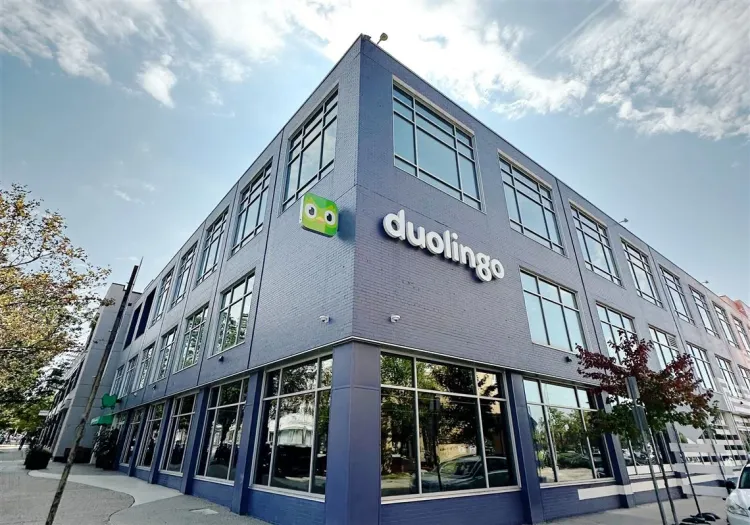
Duolingo Embraces AI, Leading to Contract Worker Layoffs:

  • The language learning app has let go of about 10% of its contract workers as it shifts towards greater AI integration.
  • The layoffs are not solely due to AI, but the company is using AI to automate content creation, translation review, and other tasks.
  • Duolingo emphasizes that human expertise will still be crucial for quality control and creative input, despite the increased reliance on AI.

Industry Trends and Broader Implications

These job cuts are not isolated incidents; a ResumeBuilder report suggests that 37% of companies replaced workers with AI in 2023, and the trend is expected to continue in 2024.

While AI presents opportunities for increased efficiency and innovation, it also raises concerns about job displacement and the need for reskilling and adaptation.

The tech sector’s transformation highlights the importance of adaptability and continuous learning for both companies and individuals to navigate the evolving landscape.

X Unveils Transformative Plans for 2024

0

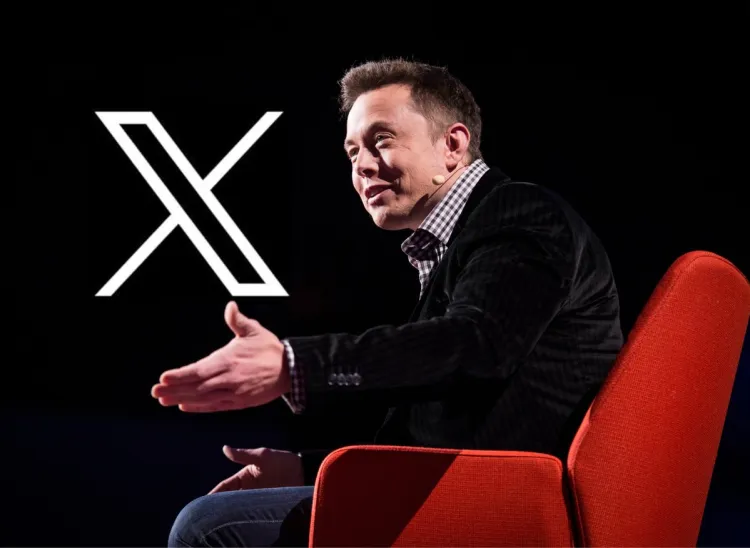
X isn’t content with just being a social media platform anymore; it’s setting its sights on becoming the “everything app,” a one-stop shop for connection, communication, and even commerce.

In a press release titled “Transforming the Global Town Square,” X, formerly Twitter, lays out its ambitious vision for the year.

2023 laid the groundwork for this grand transformation. X prioritized free expression, introduced Community Notes for fact-checking, and embraced video, becoming a video-first platform with over 100 million daily Gen Z users. Communities, a pilot program for interest-based groups, is now thriving in English-speaking countries and Japan.

But X isn’t resting on its laurels. 2024 promises significant strides in several key areas:

AI Integration: X noted it plans to leverage AI to personalize your experience, from search and ads to content recommendations.

Peer-to-Peer Payments: Say hello to a cashless X! You’ll soon be able to send and receive money directly with other users, making X a true multi-faceted platform.

Content Relevance: X wants to show you what you really want to see. The “See Similar Posts” feature uses AI to suggest related content, while the upcoming “See Dissimilar Posts” option will challenge your viewpoints with diverse perspectives.

Investing in Creators: X claims it recognizes the power of creators. Expect even more support for content creators, attracting new users and driving advertising revenue.

Full-Funnel Advertising: X’s says its ad game is leveling up. They’ll offer a comprehensive suite of advertising tools, ensuring your brand reaches the right audience effectively and safely.

Partnerships for Brand Safety: To keep things clean, X is teaming up with industry leaders like Integral Ad Science to combat harmful content and protect advertisers.

Original Content and Talent: Get ready for exclusive programming! X is creating its own content and attracting engaging talent to keep you entertained and informed.

X’s transformation isn’t just about features and functions; it’s about a bold vision for the future. In 2024, X wants to be the place where you connect, communicate, shop, and explore. It’s an audacious goal, but with its relentless focus on innovation and user experience, X just might become the “everything app” we didn’t know we needed.

Seedstars Africa Ventures Receives $30M Boost to Empower Early-Stage Startups Across Africa

0

Seedstars Africa Ventures secured $30 million from EIB Global, adding to an $8 million commitment from LBO France.

Seedstars Africa Ventures secured $30 million from EIB Global, adding to an $8 million commitment from LBO France.The VC firm invests in early-stage startups (seed and Series A) across Sub-Saharan Africa, with follow-on funding up to Series B.

Partnering with Seedstars Group, they focus on regions beyond the usual hubs like Egypt, Kenya, Nigeria, and South Africa.

“Seedstars Africa Ventures has already begun making waves, with previous investments in Kenyan internet provider Poa Internet, Nigerian logistics platform Beacon, agritech company Shamba Pride, and the revolutionary payment solution Bizao, all made possible by LBO France’s initial investment.”

Investing between $250,000 and $2 million per startup, they offer not just money but also resources, network, and visibility.

They prioritize companies addressing basic needs like education, healthcare, and utilities, along with innovative brick-and-mortar businesses utilizing digitalization.

Up to half of the fund will be allocated to Francophone Africa, recognizing its untapped potential.

This investment strengthens African startup ecosystems and contributes to economic growth.

Seedstars Africa Ventures has already made successful investments and plans to significantly increase its impact with this new funding.

Kenyan Startups Set for Success with Sh40M Climate Funding Program

0

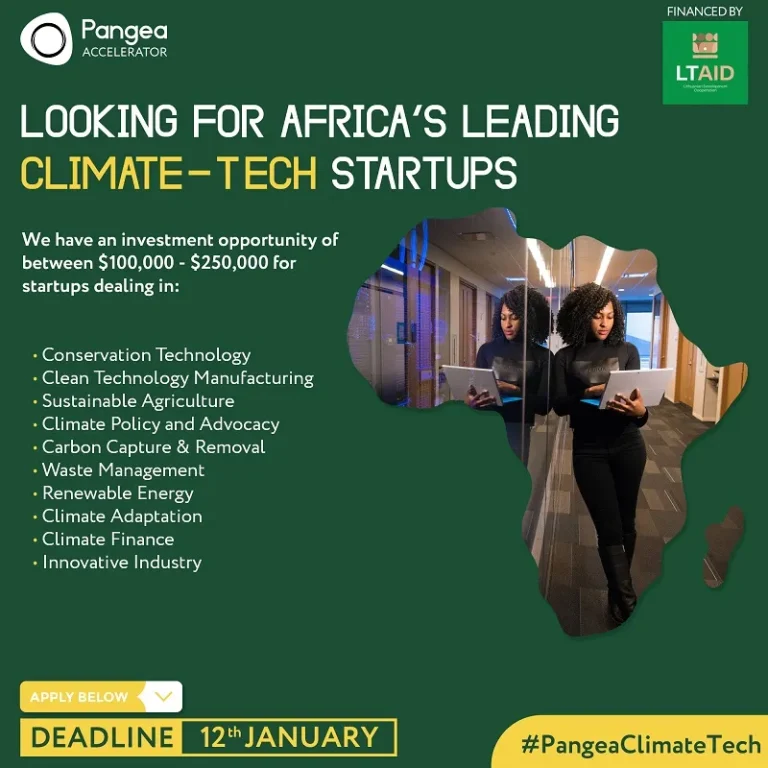
Pangea Accelerator, in collaboration with the Lithuania Fund for Development Cooperation and Humanitarian Aid, has launched the Climate Tech Accelerator Program, offering substantial funding of up to Sh40 million for Kenyan startups addressing climate challenges.

Set to run from February to August 2024, this six-month initiative is geared towards supporting East African Small and Medium Enterprises (SMEs) dedicated to sustainable agriculture, circular economy, conservation technology, waste management, renewable energy, and nature-based solutions.

The program seeks to enhance revenue, provide expert mentorship, and offer strategic growth support to selected businesses.

Pangea Accelerator, a Kenyan–Norwegian venture builder, is inviting applications until January 12, with plans to select 10 promising startups for the intensive program.

The driving force behind this initiative is to address the urgent need for SMEs and businesses to develop climate-focused solutions, according to Jonas Tesfu, the Founder of Pangea Accelerator.

“The focus of the program extends beyond financial assistance, as Pangea is collaborating with 60 investors in the climate sector to provide not only funding but also valuable networks and expertise. The initiative emphasizes a positive impact on youth and women, recognizing them as key beneficiaries. Beyond monetary support, the program aims to assist businesses in expanding their markets regionally and internationally.”

Anticipating significant participation from the East African region, where climate-related challenges like floods and droughts have been prevalent, Pangea Accelerator aims to tailor the program to the specific needs of each business, unlocking opportunities for growth and success in the evolving climate space.

Kenyan Central Bank Cracks Down on Remote Onboarding Risks in Mobile Money

0

The Central Bank of Kenya (CBK) is raising the alarm over soaring fraud risks tied to remote customer registration in the booming mobile money industry.

Addressing concerns in a recently released circular, the regulator urges mobile money service providers (MMSPs) and banks to bolster their anti-money laundering and counter-terrorism financing (AML/CFT) protocols to mitigate the dangers of virtual onboarding.

“Virtual onboarding methods used by mobile money platforms have become vulnerable to fraudsters exploiting forged documents and identity theft,” warns Gerald Nyaoma, CBK’s Director of Bank Supervision, in the circular. “This weakness stems from the lack of proper customer identification and verification during remote registration. MMSPs must prioritise addressing this critical gap immediately.”

While the circular was issued in November, it only came to light this week, highlighting the urgency of the CBK’s message.

Safaricom, Airtel, and Telkom Kenya, the titans of Kenya’s mobile money landscape, are all targeted by the directive, as their reliance on remote onboarding practices creates fertile ground for fraudulent activity. The CBK’s concerns are well-founded. With digital transactions soaring across Kenya, remote onboarding offers convenience but also opens doors for criminal elements. By bypassing physical verification during registration, fraudsters can easily infiltrate the system and exploit it for illicit purposes, posing a significant threat to consumers and financial stability.

The circular demands stricter AML/CFT measures from MMSPs and banks, emphasizing the need for enhanced customer identification and verification procedures, even in remote onboarding scenarios. This could involve implementing stricter document verification protocols, leveraging biometric technologies, or even incorporating mandatory physical verification steps as a safeguard. The CBK’s intervention serves as a wake-up call for the Kenyan mobile money sector. While remote onboarding undoubtedly brings advantages, prioritising security and robust customer verification procedures is crucial to ensuring the continued success and integrity of this vital financial system. By heeding the central bank’s directives, MMSPs and banks can safeguard Kenyan consumers, combat financial crime, and pave the way for a secure and trustworthy mobile money future.

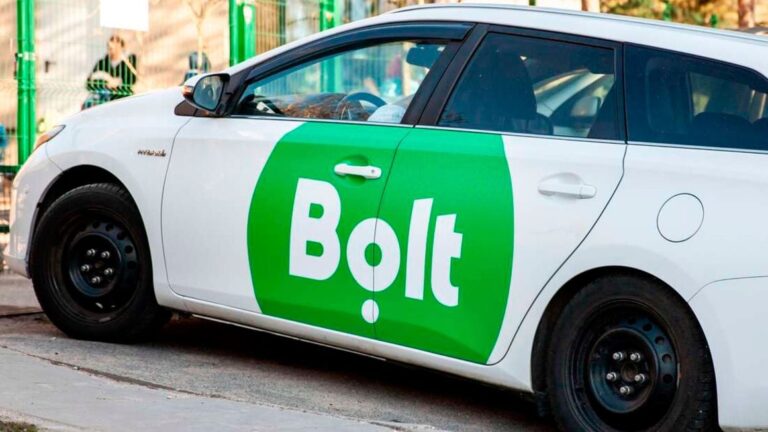
New Bolt Feature Puts Safety First: Combatting Offline Trips with In-App Control

0

Ride-hailing giant Bolt is stepping up its game in the safety department with a brand-new app feature designed to keep passengers secure.

Tired of being nudged towards “offline” trips where safety features disappear? This one’s for you. Worried about drivers offering rides outside the app, charging extra, or encouraging trip cancellations? Now you have the power to say no. The new “driver asked to pay off-the-app” cancellation option gives you immediate control, empowering you to prioritise your safety in such situations.

“We’re serious about safety,” declared Linda Ndungu, Bolt’s country manager. “This new feature tackles offline trips head-on, protecting users from unreliable practices and ensuring vital safety features stay active.”

Why is going offline a concern? When app usage stops, crucial safety measures like GPS tracking and SOS buttons go dark, leaving users vulnerable. Bolt encourages transparency and keeping everything within the app for everyone’s peace of mind. But that’s not all. Bolt takes driver accountability seriously. Those repeatedly pushing for offline trips face temporary bans and even account suspensions. The message is clear: safety first, always.

Remember, you’re not alone. Bolt’s Safety Toolkit within the app offers features like “Share the Ride” and emergency contacts, all designed to operate during active trips. Utilize them! Bolt’s commitment to rider safety is unwavering. This new feature reinforces that dedication, putting control and peace of mind squarely in your hands. Happy, safe travels!

BlueInvest Africa launches Application for its 2024 edition

BlueInvest Africa ,an initiative for entrepreneurs and investors in blue economy has launched application for its second edition.

The call for projects targets companies established in Africa, officially registered, and already active in one or more sectors of the blue economy.

BlueInvest Africa 2024 is also reaching out to African small, micro, and medium-sized enterprises (SMMEs) whose innovative ideas require support to flourish in African markets.

BlueInvest Africa is also committed to promoting equitable and sustainable development, ensuring food security, and enhancing resilience to climate change.

Initiated by the European Commission in 2022 , the objective of BlueInvest is to facilitate meetings between African entrepreneurs seeking financing and international investors scouting for opportunities, all centred around projects capable of propelling Africa’s blue economy forward.

The event will spotlight 30 “blue” projects to a panel of investors and stakeholders both physically present and online. The primary goal is to attract partners willing and equipped to foster the development of these projects.

Projects submitted to the BlueInvest Africa selection committee must be under development. They should fall within a blue economy sector and be set for deployment in one or more African countries. Additionally, they must incorporate sustainability objectives, covering production, implementation, and the life cycle of the project.

Each company will designate a representative or pitcher to present its project in a dynamic and persuasive manner. The event organizers will cover the travel and accommodation expenses of this representative, who will also benefit from coaching to ensure the quality, effectiveness, and appeal of their presentation. The best presentation will be honored with an award at the closing ceremony of the event.

Drawing inspiration from the past edition of BlueInvest Africa in the Seychelles, the project presentations will be attended by various investor categories: international, regional, and national financial institutions; public and private institutional investors; international, national, and regional organizations; as well as diverse collective entities like business platforms, incubators, and business angels.

Applications must be submitted online on the BlueInvest Africa website before 26 January 2024.

Global Economic Toll Surpasses $9 Billion as Internet Shutdowns Skyrocket in 2023

0

In a concerning trend documented by Top10VPN.com, the economic cost of internet shutdowns reached a staggering $9.01 billion in 2023, marking a distressing impact on economies worldwide.

The report revealed that 196 major self-imposed internet outages occurred across 25 countries, translating to a total of 79,238 hours of government-induced disruptions.

The severity of the issue became evident as internet blackouts accounted for 25,535 hours, with an additional 53,703 hours allocated to social media blocks. Alarmingly, a staggering 747 million people found themselves affected by deliberate internet outages throughout the year.

Twitter emerged as the most targeted social media platform, enduring 10,683 hours of deliberate disruption—18% more than Instagram and 26% more than TikTok. This underscored a concerning trend of governments exerting control over digital communication channels.

The report highlighted Russia as the single most affected nation, incurring a whopping $4.02 billion in economic losses due to internet shutdowns. Following closely were Ethiopia ($1.59 billion) and Iran ($920.3 million), portraying a global landscape marred by the economic consequences of restricted online access.

Iraq stood out as the nation with the highest number of internet shutdowns, tallying a staggering 66 incidents, most notably linked to school exams. Meanwhile, Manipur, India, experienced the longest shutdown in 2023, enduring over 5,000 hours of restricted internet access.

More than just an economic concern, the report shed light on the human rights impact associated with these shutdowns. Shockingly, 50% of government-induced internet outages were linked to additional human rights abuses in 2023, with restrictions on freedom of assembly being the most prevalent form of violation.

As the world grapples with the ramifications of this growing issue, the need for international collaboration to address the economic and human rights implications of internet shutdowns has become more pressing than ever.

Samsung unveils 5 new Galaxy A Series smartphones | The Galaxy A25 5G, Galaxy A15 5G, Galaxy A15, Galaxy A05s & Galaxy A05

0

Samsung has unveiled five new Galaxy A Series smartphones in the Kenyan market. The new additions include the Galaxy A25 5G, Galaxy A15 5G, Galaxy A15, Galaxy A05s, and Galaxy A05.

The Recommended Retail Prices for the Galaxy A series models launched in Kenya are:

  • The Galaxy A25 5G will cost Ksh50,000 for the 8GB memory and 256 GB storage variant, and the 6 GB memory and 128 GB storage will cost Ksh43,000
  • The Galaxy A15 5G 6 GB memory and 128 GB storage will cost Ksh33,000, and the 4 GB memory and 128 GB storage will cost Ksh30,000
  • The Galaxy A15 LTE 6 GB memory and 128 GB storage will cost Ksh29,000, and the 4 GB memory and 128 GB storage will cost Ksh27,000
  • The Galaxy A05s 6 GB memory and 128 GB storage will cost Ksh26,000, the 4 GB memory and 128 GB storage will cost Ksh24,000 and the 4 GB memory and 64 GB storage will cost Ksh21,000
  • The Galaxy A05 4 GB storage and 128 GB memory will cost Ksh19,000 and the 4 GB memory and 64 GB storage will cost Ksh17,000

The Galaxy A25 5G have 6.5″ FHD+ Super AMOLED 120Hz display and a versatile 50MP OIS camera that shoots clear, bright photos without shaking them. The phone also has a sophisticated quad camera, including a high-resolution main camera, ultra-wide lens, macro lens, and depth sensor.

In the Galaxy A15 5G, customers will have an advanced 50MP triple camera, and all other important files will be safely stored courtesy of the ample 6GB memory and 128GB expandable storage.

The Galaxy A15 LTE features a 6.5-inch FHD+ Super AMOLED 90hz display, providing a large screen with brighter and more vivid colours for everyday mobile needs, delivering an affordable, balanced performance and an all-round awesome viewing.

The stylish Galaxy A05s’ triple-camera system and long-lasting battery and enjoy the convenience of 25W fast charging, users will enjoy their favourite games, series, movies, Tik Tok videos and Facebook reels and any other content from the 6.7-inch HD+ display.

The new Galaxy A series smartphones is available across all Samsung brand stores and authorized dealers from 1st January 2024. The Galaxy A25 5G, A15 5G and A15 come with Samsung Care+, which offers 12-month protection against accidental screen damage. Customers are urged to register for Samsung Care+ within 30 days of purchase and get cover for 12 months.

Specifications:

 A25 5GA15 5GA15 LTEA05sA05
Display6.5″ FHD+ Super AMOLED 120Hz6.5″ FHD+ Super AMOLED 90Hz 800 nits (HBM)6.5″ FHD+ Super AMOLED 90Hz 800 nits (HBM)6.7″ FHD+ PLS LCD 90Hz6.7″ HD+ PLS LCD
CameraRear(Main) 50 MP OISRear(Wide) 50MPRear(Wide) 50 MPRear(Main) 50 MPRear(Main) 50 MP
(Depth) 8 MP(Ultra-Wide) 5MP(Ultra Wide) 5 MP(Depth) 2 MP(Depth) 2 MP
 Macro 2MP(Macro) 2MP (Macro) 2 MP(Macro) 2 MP 
Front13 MPFront13MPFront13 MPFront13 MPFront8 MP
ProcessorExynos 1280MT6835V/ZAMT6789V/CDSM6225Helio G85
Memory & StorageMemory: 6|8GBMemory: 6 GBMemory: 4| 6|8 GBMemory: 4 GBMemory: 4 GB
Storage: 128|256 GBStorage: 128GBStorage: 128 GB |256 GBStorage: 64/128 GBStorage: 64/128 GB
Battery5,000 mAh5,000 mAh5,000 mAh5,000 mAh5,000 mAh
25W Fast Charging25W Fast Charging25W Fast Charging25W Fast Charging25W Fast Charging
ColoursBlue Black, Light Blue, Blue, Yellow, SilverBlue Black, Blue, YellowBlue Black, Blue, Light BlueBlack, Silver, Light Green, Light VioletBlack, Silver, Light Green