Cisco, a global technology leader, has officially announced its intention to acquire Splunk Inc., in a groundbreaking move set to reshape the landscape of cybersecurity and observability.
The merger of these two tech giants promises to usher in a new era of innovation, bolstering Cisco’s mission to securely connect the world, and enabling organizations of all sizes to thrive in an Artificial Intelligence (AI)-driven world.
In a statement released by Cisco’s Chief Executive Officer (CEO) Chuck Robbins, the acquisition of Splunk is hailed as a transformative step that will unite two powerhouses known for their complementary strengths in AI, security and observability.
“This strategic alliance aims to enhance the resilience and security of organizations across the globe, as the IT landscape undergoes rapid evolution driven by digitization and the burgeoning adoption of AI technologies. The proliferation of digital transformation has brought forth unparalleled opportunities but also unprecedented complexity,” noted Mr Robins.
The CEO underscored the significance of data as a vital resource for organizations, emphasizing the critical need for better data management, protection, and utilization in an ever-changing world. With this acquisition, Cisco will gain access to Splunk’s world-class data platform, effectively strengthening Cisco’s security portfolio.
“By combining the capabilities of Splunk with Cisco’s Security Cloud, the partnership aspires to shift the focus from threat detection and response to threat prediction and prevention, making organizations more secure and resilient. In addition to addressing data and security challenges, Cisco and Splunk will harness the power of Generative AI to unlock new opportunities across applications, security, and network domains.”
The collaborative effort between these two industry leaders aims to provide customers with unparalleled visibility into their data and empower them to harness the full potential of AI.
The ultimate goal is to assist organizations in comprehending their infrastructure, making informed decisions, and responding swiftly to insights, all while safeguarding their data and enterprise in one unified platform.
This acquisition is a pivotal milestone in Cisco’s ongoing transformation, as the company increasingly pivots towards software and subscription-based services while maintaining its reputation for high-performance hardware.
“With the integration of Splunk into the Cisco ecosystem, the company expects to expedite this transformation, delivering innovation more rapidly to its customers, enhancing predictability and visibility in its operations, and driving sustainable growth and shareholder value.”
Mr Robbins also emphasized the cultural compatibility between Cisco and Splunk, with both companies sharing similar values and being renowned for their exceptional workplace cultures. Both have consistently been recognized as “Great Places to Work,” with Cisco topping the list in the United States for three consecutive years.
Upon the completion of the acquisition, Gary Steele, Splunk’s CEO, will join Cisco’s Executive Leadership Team, further solidifying the alignment between the two organizations.
In conclusion, the acquisition of Splunk by Cisco marks a historic milestone for both companies and the tech industry as a whole.
It is set to fortify Cisco’s position as an innovation leader, enhance its go-to-market capabilities, and foster a culture of excellence.
Together, Cisco and Splunk aspire to accelerate progress and unlock new possibilities for customers, heralding a brighter and more inclusive future for all.
The acquisition is pending regulatory approvals and is expected to close in the coming months, subject to customary closing conditions.
Watu Credit Limited .an asset financing company, has partnered with Battery-as-a-Service provider ARC Ride, bolstered by the incorporation of global auto parts Tier1 company Musashi Seimitsu Industry Co., Ltd to manufacture 1,000 electric vehicles (EV) and establish over 300 battery swap stations in Nairobi by the end of 2024.
ARC Ride is an electric mobility or electric vehicle (EV) startup that builds electric vehicles and runs a Battery-as-a-Service business in Nairobi, Kenya.
‘’As Watu, we strongly believe that EV is the future. In recognition of the fact that coming up with the next EV for the African market is an expensive venture, we started investing in ARC Ride to help them in their research and innovation and delivery of bikes responsive to the African market to the ground, ‘’ says Erick Massawe, Kenya Country Manager at Watu.
ARC Ride’s electric motorbikes are being developed in Kenya through extensive research to ensure they meet local needs. The bikes can be operated with very low maintenance as they need no oil, chains, gears, and no fuel to operate.
Watu has consistently been dedicating resources to the development of ARC Ride with an aim to further grow the electric motorbike sector in Kenya. In addition to supporting the production of EVs, Watu is facilitating the set up of battery-swapping stations in Nairobi.
‘’For most of our riders who use their bikes for business, what they care about is being able to run a more efficient business by spending less on fuel and also having an EV that they can use without worrying that the battery will run dry in the middle of nowhere. We are helping ARC Ride set up more battery-swapping stations across Nairobi. Currently, ARC Ride has put up 76 battery-swapping stations across Nairobi and its environs, with a target of having at least 100 stations by the end of this year. This is central to making more and more boda boda riders make the switch to EVs’’ notes Eric Massawe.
The 76 swap sites are in various locations along Eastlands, Ngong Road, Githurai, Westlands, Kiambu Road, Kebete, Mombasa Road and Thika Super Highway. The battery swap stations serve at least 50 riders per day, and these numbers have been going up as the number of swap stations increase.
ARC Ride, represented by George Songe, said: “We are expanding our network of automated swapping stations to ensure that electric boda customers can conveniently replace their batteries when the need arises. Customers can replace batteries in under a minute for as low as Ksh 350 per day, for unlimited swaps.”
To make them secure and accessible, the swap stations are set up through partnerships with food chain outlets such as Dominos and Artcaffe and fuel marketing firms such as Ola Energy. A few more partnerships in the pipeline will be announced before the end of 2023.
Erick added that Watu decided to be involved in the EV development process because they’ve been exposed to the challenges that must be addressed to enable EV adoption across the continent.
The Kenyan government has prioritised the adoption of e-motorbikes into the boda boda sector, and Watu’s investment aligns with the efforts to improve access to charging infrastructure in Kenya. It will further contribute to meeting Kenya’s goal of ensuring that at least five per cent of all recently imported vehicles are fully electric by 2025, as stated in the National Climate Change Action Plan.
Andrii Volokha, General Manager for East Africa at Watu, commented: “We want to offer financing solutions that not only make access to e-motorbikes affordable to our customers and accessible nationwide. This investment will boost their penetration and uptake as we play our part to contribute to a just transition.”
Watu has been at the forefront of asset financing for two and three-wheeler vehicles. So far, the company has financed the purchase of over 100 electric assets in Kenya.
Erick expressed his enthusiasm for the partnership, saying it will further elevate Kenya’s prospect as a leading e-mobility hub, especially for boda bodas in Africa.
Watu’s e-motorbike financing model enables customers to acquire an electric motorcycle for as little as Ksh 450 daily, promoting sustainable mobility.
Airtel Money has joined forces with Kenya Power and Lighting Company (KPLC) to eliminate transaction fees for electricity bill payments, whether prepaid or postpaid, starting from June 14, 2023.
“By removing the charges associated with each transaction, Airtel Money is empowering customers to allocate their funds towards other essential purchases. This partnership brings added convenience and satisfaction to customers, aligning with Airtel’s commitment to delivering exceptionally affordable services to its clientele,” the firm noted.
To take advantage of this zero-transaction-cost electricity bill payment feature on Airtel Money, follow these simple steps:
Dial *334# on your mobile device. Select option 6 for Paybill & Till Payments. Choose option 4 for Airtel PayBill. Select option 2 for KPLC. Opt for either the Postpaid or Prepaid billing option. Enter your reference number (Meter Number). Input your Airtel Money PIN.
“Airtel continues its dedication to introducing innovative and cost-effective solutions, offering Kenyans compelling reasons to look forward to a brighter financial future.”
Mercedes-Benz and Mastercard have partnered to allow users to pay for gas using fingerprint sensors at the pump. Benz is the world’s first automaker to incorporate Mastercard’s Secure Card on File for Commerce Platforms technology for online payments into its cars.
With the integration of a fingerprint sensor into the MBUX infotainment system, Mercedes-Benz customers can authorize payments at gas stations using their Mastercard debit or credit cards.
Mastercard’s technology is designed to ensure that transaction data is encrypted using cryptograms that are individually assigned to each transaction, providing strong protection for sensitive payment information.
The Mercedes pay+ service will initially be accessible at around 3,600 service stations in Germany, Benz’s native country.
“With Mercedes pay+, we are making everyday life easier for our customers,” said Franz Reiner, chairman of Mercedes-Benz Mobility, in a statement. “From now on, they can pay their fuel bill directly from their car using their fingerprint – simply, securely, and conveniently. An intuitive payment process and a best-in-class customer experience lay the foundation for the success of digital offerings. We are pioneers in native in-car payment and are already working on the integration of further services.”
Jorn Lambert, chief digital officer at Mastercard, said in a statement, “Digital payments are coming of age, and consumers want to embrace new forms that are infused into their everyday experiences and activities. Through our dynamic payments technology, we are proud to work hand in hand with Mercedes-Benz to bring safer, smarter, and more intelligent commerce experiences to its vehicles. We look forward to our continued efforts to drive further innovation in this area in Germany and around the world.”
According to a recent study done by the German market research firm GfK on behalf of Mastercard, 60% of respondents (aged 18 to 39) would use in-car payment mostly for car-related services such as paying for gas or charging electric vehicles.
Volkswagen Group of America has agreed to become Bugatti Rimac’s importer and distributor in the United States. The two companies intend to establish a dealer network in the United States to sell these high-end vehicles.
Volkswagen Group of America previously handled Bugatti distribution in the United States. However, with the formation of the Bugatti Rimac joint venture, this changed. Sascha Doering, currently the chief operating officer of Bugatti America, will broaden his responsibilities to encompass Rimac.
“For both the Bugatti and Rimac brands, the U.S. is the strongest single market in the world, so it’s important that we curate a sales and ownership experience befitting the extraordinary cars that we’re delivering to customers,” said Mate Rimac, CEO of Bugatti Rimac.
In 2021, the Bugatti Rimac joint venture was created. The headquarters of the company are in Croatia. Bugatti manufacturing continues in Molsheim, France. Porsche controls 45 percent of the corporation and Rimac alone owns 24 percent. Volkswagen Group ,on the other hand, owns Porsche.
Rimac is the company behind the Nevera, a 1,914 horsepower electric hypercar that established the world record for the fastest production electric car at 258 mph (415 kmph). At least three Neveras have been delivered in the United States by the young company.
Bugatti is also hard at work on a new model. The automaker intends to debut it in 2024 and begin deliveries in 2025. Mate Rimac, the company’s CEO, characterizes it as a “hypercar rearranged as a hybrid.”
Since former CEO Kjell Gruner stepped down in July, Porsche has been without a dedicated leader in North America. However, the company has announced that Timo Resch will take over as CEO in the coming months.
Resch is currently BMW M’s vice president of customer, brand, and sales. He also worked for BMW Motorrad, the automaker’s motorcycle division. Coincidentally, his career began with Porsche in 1995. He worked for Porsche North America in the late 2000s, so the transfer to the company’s top role will be familiar to him. His formal position will be president and CEO of Porsche Cars North America starting in November this year.
Since Gruner’s abrupt resignation in early July, executive Vice Presidents Thierry Kartochian and Joe Lawrence currently split the roles of President and CEO. Lawrence is the automaker’s chief operating officer, while Kartochian is its chief financial officer.
According to LinkedIn, Gruner, is now the chief commercial officer and president of business growth for EV automaker Rivian, effective this month. He has been the CEO of Porsche North America for nearly two years, having been promoted from vice president in 2020.
“We are delighted to welcome Timo Resch back to Porsche and to one of our most important regions,” said Detlev von Platen, member of the executive board for sales and marketing at Porsche AG, in a statement. “He is already very well acquainted with Porsche and the US market. With the expertise that he brings from his previous positions, he will further strengthen the Porsche brand presence in North America and provide important impetus for future development.”
Jaguar has established a partnership with Tesla to enable owners of its electric vehicles with access to Tesla’s enormous Supercharger network through the adoption of the company’s North American Charging Standard (NACS).
Starting in 2025, all new Jaguars sold in the North American market will have full access to Tesla’s Supercharger Network “without the need for an adapter,” according to a press release from the company. Jaguar will also source Tesla adapters and enable their distribution to I-PACE drivers whenever they are available.
Jaguar’s EVs are engineered to optimize charging rates on Tesla’s V3 and V4 Superchargers, the latter of which has yet to appear in North America. The new V4, which debuted in Europe earlier this year, is expected to arrive in North America soon and will provide drivers access to the quickest charging speeds for any Superchargers they have access to.
Mark Camilleri, Jaguar’s Director of Electrification Services, said: “JLR is dedicated to helping our clients make the switch to electric vehicles and to our commitment to net zero carbon emissions by 2039. Today’s announcement is an important step as we deliver an outstanding charging experience for our all-electric Jaguar clients. Whilst most charging takes place at home, when away from home, our clients want access to fast, reliable, and convenient chargers. Tesla has created a charging network across the globe that delivers this, and we are delighted to be working with them to provide access for Jaguar clients. This agreement will enable Jaguar drivers with NACS-equipped vehicles in the USA, Canada, and Mexico to use Superchargers without an adapter.”
Jaguar joins a long list of automakers that have decided to use the NACS charging standard, including Ford, GM, Aptera, Rivian, Honda, Fisker, Nissan, Mercedes-Benz, Polestar, Volvo, and charging startups such as Blink and ChargePoint.
Mercedes-Benz is expanding the capabilities of its MBUX Voice Assistant. Smart home features will be added to the tech starting this week, allowing customers to operate their in-home appliances and security equipment with their voice.
The Voice Assistant smart home feature works with Philips Hue, Samsung SmartThings, TP-Link, and Chamberlain Group’s myQ. Lights, smart plugs, thermostats, motion detectors, and garage doors are among the devices and equipment that users can operate.
For example, users can ask, “Hey Mercedes, is everything okay at home?” and the system will provide a response such as “All the windows are closed, and the light is still on in the bedroom.” This means that users may monitor the status of several home appliances and systems using simple voice commands. Adding smart home accounts will be easy via a QR code displayed on the central display of the vehicle.
This new smart home feature is part of a broader upgrade that includes Dolby Atmos sound, a YouTube web app, and voice Assistant enhancements that let users to control infotainment elements such as playing a music or reading the news with the addition of the NewsFlash app.
The manufacturer is planning a third iteration of its MBUX system for 2025, with app integrations such as Angry Birds, TikTok, Zoom, and the Vivaldi web browser. It will also have automations, making it easy to adjust many car settings, such as the HVAC, seat conditioning, and radio stations, with a single command.
Britain has made news after Prime Minister Rishi Sunak announced a five-year extension to the country’s ban on the sale of new gasoline and diesel cars and vans. The ban, which was originally scheduled for 2030, has now been pushed to 2035.
“I expect that by 2030, the vast majority of cars sold will be electric… People are already choosing electric vehicles to such an extent that we’re registering a new one every 60 seconds”, Sunak said.
“But I also think that, at least for now, it should be you the consumer that makes that choice, not government forcing you to do it.
“Because the upfront cost still is high – especially for families struggling with the cost of living – small businesses are worried about the practicalities, and we’ve got further to go to get the charging infrastructure truly nationwide,” said the Prime Minister.
After 2035, new plug-in hybrids will be permitted, and traditional combustion engine vehicles will be available but only in the used car market.
The UK prime minister said that the country is already 48% ahead of its Group of Seven (G7) allies in achieving net zero emissions by 2050, including Germany, Italy, France, Canada, Japan, and the United States.
The delay aligns with the European Union’s mandate for zero-emission new cars by 2035. The car sector has been thrown into a frenzy as a result of this decision. Manufacturers such as Kia expressed their dissatisfaction, seeing the change as a potential stumbling block in complex supply chain negotiations and product development. Toyota, on the other hand, applauds the action, describing it as a reasonable step that will help the industry and consumers during the transitional era.
Drugstoc, the Nigerian startup led by co-founder and Chief Executive Officer (CEO) Chibuzor Opara, has emerged victorious in the 2023 Visa Everywhere Initiative (VEI) Global Finals, securing the coveted grand prize of $50,000.
“Adding to their accolades, Drugstoc also claimed the Audience Favorite Award, pocketing an additional $10,000 in winnings,” reports state.
The triumph took place at the TechCrunch Disrupt event, hosted at the Moscone Center in San Francisco, California, on September 19, 2023.
Drugstoc faced stiff competition from four other notable finalists, including:
Drugstoc’s journey to victory began earlier in August 2023 when they secured the first-place prize of $20,000 in the Central and Eastern Europe, Middle East, and Africa (CEMEA) edition of the VEI.
Notably, this achievement follows in the footsteps of another Nigerian startup, Thrive Agric, which clinched the global VEI prize in 2022.
The panel of judges for this year’s competition featured prominent figures from the industry, including:
Ayodeji Arikawe, Co-founder at Thrive Agric and the global winner of VEI 2022
Emily Man, Partner at Primary Ventures
Rodrigo Barros de Paula, Regional Head of Fintech Partnerships for LAC at Visa
Akshay Chopra, VP, Head of Innovation & Design for CEMEA at Visa
Ralph Koker, Visa Direct VP & Head of Market Expansion at Visa
Dan Roesbery, VP, of Fintech Business Development at Visa
These judges evaluated each finalist based on several criteria, including the quality of their solution and presentation, the potential for partnerships with Visa and clients, and the appeal, uniqueness, and feasibility of their product or solution.
The Visa Everywhere Initiative stands as an open innovation program designed to assist startups in uncovering new growth and partnership opportunities while offering them a global stage to showcase their groundbreaking solutions.
Since its inception in 2015, VEI has welcomed promising startups and fintech firms from over 100 countries, collectively raising more than $16 billion in funding—a testament to its role in surmounting the challenges that often confront early-stage entrepreneurs.
Flapmax, a renowned data and Artificial Intelligence (AI) technology company has introduced the twelve startups that have been selected for the second phase of the FAST Accelerator program, a joint effort with Microsoft aimed at strengthening and expanding Africa’s digital landscape.
Following the successful completion of a two-week Online Bootcamp, which involved over 60 tech firms undergoing intensive online training guided by experienced mentors, the 12 startups chosen for the FAST Accelerator’s cohort will embark on a comprehensive five-week acceleration program in Silicon Valley, California, starting in October.
Small and Medium Entreprises (SMEs) Program Manager at Microsoft Africa Transformation Office, Mame-Fatou Gueye stated, “Microsoft believes that African startups and SMEs are well-positioned to play a fundamental role in the growth of the African digital economy, providing solutions to local societal and economic challenges. Participation in the FAST Accelerator program will assist these entrepreneurs in seizing growth opportunities and expanding their market presence.”
The FAST Accelerator program received an overwhelming response, with over 1,200 applications from 35 African countries.
These applications spanned a wide range of industries, including Financial Services (128 applications), Healthcare (95 applications), Agriculture (235 applications), Transportation and Logistics (60 applications), Clean Technology and Energy (57 applications); and Creative Media and Entertainment (40 applications).
The applicant pool represented a diverse array of cloud-based products and services catering to businesses across Africa. These startups utilize AI to drive innovation, optimize operations, and address critical challenges within their respective sectors.
The FA23 cohort comprises the following startups:
Zeeh Africa (FinTech): An AI-powered open banking platform connecting businesses to financial data.
Sumundi (eCommerce): An intelligent eCommerce platform for Africa’s retail businesses.
Greenbii (FinTech): Offers an AI-driven asset financing and software management platform for SMEs.
Starting from October 23, the FA23 cohort will participate in a wide range of activities, including training, AI integration, business growth, fundraising and various other engagements.
They will collaborate closely with Intel and Microsoft on co-innovation projects, receive sales and marketing support and access resources to enhance their market presence.
Flapmax engineering team will also guide startups in implementing optimized Large Language AI models (LLMs) and scaling and refining these models on Microsoft Azure and Intel platforms.
Online casinos have experienced a rapid transformation over the last ten years, thanks to the advances in technology and changing consumer preferences. One significant aspect of this evolution is how payments are handled within these digital gambling platforms. Gone are the days when players were limited to using credit cards or bank transfers to fund their accounts. The future of payments in online casinos promises to be even more diverse and convenient, providing players with a seamless gaming experience. When looking for a new casino, players should consider these payments and carry out a comprehensive review of YYY casino for Arab players before deciding where to bet.
Cryptocurrencies: A New Era of Anonymity and Security
Cryptocurrencies, such as Bitcoin, Ethereum, and Litecoin, have significantly impacted the online casino industry. These digital currencies offer players anonymity and security that traditional payment methods can’t match. As online casinos increasingly adopt cryptocurrencies as a payment option, players benefit from faster transactions, reduced fees, and enhanced privacy.
Moreover, blockchain technology ensures transparency in gaming outcomes, making it difficult for online casinos to manipulate results. This added layer of trust is attracting more players to crypto-friendly casinos. As blockchain technology matures, we can expect more online casinos to embrace cryptocurrencies as a standard payment option.
Decentralised Finance
Decentralised Finance, which gets shortened to DeFi, has been causing ripples within the financial sector, and its influence is progressively expanding to encompass online casinos. DeFi platforms harness blockchain technology and employ smart contracts to automate and safeguard transactions. In the realm of online gambling, this translates to players participating in trustless betting, devoid of any need for intermediaries.
Smart contracts have the capability to establish diverse betting scenarios and games, ensuring fairness and transparency in the process. Furthermore, DeFi platforms empower players to generate interest from their cryptocurrency holdings, thus motivating them to maintain their funds within the ecosystem. As DeFi continues to grow and evolve, it is highly likely that an increasing number of online casinos will incorporate these technologies, delivering a more decentralized and secure gaming experience.
Biometric Payments
Online casinos are exploring biometric payment methods to enhance security and streamline payment. These methods use unique physical or behavioural characteristics, like fingerprint or facial recognition, to verify a player’s identity. By eliminating the need for passwords and PINs, biometric payments reduce the risk of identity theft and fraud.
Biometric payment methods also offer unparalleled convenience. Players can manage deposits and withdrawals with a simple scan or touch, making the gaming experience more seamless and user-friendly. As technology advances, we expect biometric payments to become a standard feature in online casinos, further enhancing security and user satisfaction.
AI-Powered Payment Predictions
Artificial Intelligence (AI) has significantly contributed to the online casino industry, particularly in game recommendation and customer support. However, AI is also poised to revolutionise the payment process within these platforms. Machine learning algorithms can analyse players’ gaming habits and preferences to predict their preferred payment methods and offer personalised suggestions.
For example, if a player frequently uses a particular e-wallet for deposits, AI can suggest using that method for withdrawals, making the payment process smoother. AI can also identify potentially fraudulent transactions in real time, adding an all-important extra layer of security. As AI technology advances, online casinos will likely use it to optimise and customise the payment experience for players.
The Integration of Augmented Reality (AR)
Augmented Reality (AR) is another exciting development that may shape the future of payments in online casinos. While primarily associated with enhancing the gaming experience itself, AR can also play a role in facilitating payments. Imagine a scenario where players use AR glasses or mobile apps to make payments seamlessly within the virtual casino environment.
Players can see their transactions, view account balances, and interact with payment interfaces in a 3D virtual space. This immersive payment experience could make online gambling more engaging and enjoyable for players. As AR technology becomes more accessible, online casinos will likely explore innovative ways to integrate it into their payment systems.
Regulatory Changes and Compliance
The future of payments in online casinos is not only about technological advancements but also regulatory changes. Governments and regulatory bodies are increasingly focusing on the online gambling industry, particularly on payment processing.
Governments will likely implement stricter payment regulations, including Know Your Customer (KYC) procedures and Anti-Money Laundering (AML) measures to ensure the industry’s legitimacy and protect players. Online casinos must adapt and invest in robust compliance systems to meet these regulatory requirements, benefiting players by providing fair play and financial security.
The Takeaway
The future of payments in online casinos is poised to be dynamic and transformative. From the rise of cryptocurrencies and DeFi platforms to integrating biometric payments and AI-driven innovations, the online gambling industry is evolving rapidly to offer players a more secure, convenient, and personalised payment experience. As technology advances and regulatory frameworks change, online casinos will continue to shape the future of payments in exciting and unexpected ways, ultimately enhancing the overall gaming experience for players worldwide.
YouTube has unveiled YouTube Create, a groundbreaking suite of products and features designed to empower creators of all backgrounds and experience levels to push the boundaries of creative expression.
“YouTube also aims to simplify the video production process with the launch of the YouTube Create mobile app. This app, currently in beta on Android in select markets, offers a range of video editing tools, including precision editing, automatic captioning, voiceover capabilities, and access to a library of filters, effects, transitions, and royalty-free music,” noted the Vice President of Emerging Experiences and Community Products, Toni Reid via a blog post.
The announcement was made at the “Made On YouTube” event, where the platform celebrated the remarkable creativity of its users.
One of the highlights of this announcement is the expansion of YouTube Shorts, which has become a powerhouse for spontaneous creativity since its launch in 2020.
YouTube Shorts now boasts an impressive 70 billion daily views from over 2 billion signed-in users every month.
“To further enhance Shorts, YouTube will soon begin testing a new experimental feature called Dream Screen. This feature will enable creators to generate AI-generated video or image backgrounds for their Shorts by simply typing an idea into a prompt. This means that creators will have the ability to transport their audience to otherworldly settings or bring their wildest dreams to life in their videos.”
Dream Screen will initially be introduced to select creators before rolling out more widely next year.
Creators can now produce videos right from their mobile phones, removing the barriers that often deter first-time creators from sharing their content.
Artificial Intelligence (AI) is set to play a significant role in assisting creators on YouTube. The platform is introducing AI-powered insights in YouTube Studio to help creators brainstorm video ideas and draft outlines personalized to each channel.
“Based on audience preferences, these AI insights will make content creation more efficient and effective.”
Additionally, YouTube is implementing assistive search in Creator Music, allowing creators to find the perfect soundtrack for their videos by describing their content, with AI suggesting suitable music options at the right price.
Moreover, YouTube is introducing Aloud, an AI-powered dubbing tool, to help creators expand their audiences by offering content in multiple languages.
This feature will enable creators to dub their content professionally, making their videos accessible to a global audience.
The future of creative expression on YouTube looks bright with these AI-powered tools, as they help transform creators’ dreams into reality.
“YouTube is committed to collaborating with its creator community to further enhance these features and capabilities. As YouTube continues to evolve, it’s exciting to anticipate what the platform’s creators will make next.”
A home improvement project is a huge endeavor. Whether you’re expanding an area for new living situations, fixing safety issues, or providing increased comfort, several factors come into play.
Are you planning a major upgrade or renovation project for your home? In this article, we’ll help you understand the financial realities of this undertaking and the most cost-effective options available to fund it.
The Importance of Financial Planning in Home Improvements
Most home improvement projects take longer than initially planned. Likewise, they’re likely to exceed the initial estimated cost. So before starting any home improvement project, careful financial planning is crucial to avoid future unexpected expenses and economic problems.
No matter how small or big the project is, create a thoughtful budget, covering the hard and soft costs and contingency expenses. This will help you focus on your priorities and prevent overspending on your home improvements.
Thinking ahead about how to fund your home improvement project will also put you in a better position to save money. Remember that there’s no one-size-fits-all answer to how you pay for a home improvement project, as it will depend on your circumstances.
Ideally, tapping into your savings is the most economical choice, as you don’t have to pay for interest charges, origination fees, or repayment periods. This option, however, may not be feasible if your home needs significant repairs or an extensive remodel.
Thankfully, numerous financing options are available to accomplish these goals.
3 Money-Saving Home Improvement Loans
There are different types of loans to finance your home improvement project. But here’s a list of financing choices that will help you save the most money.
1. Home Equity Loan
Homeowners can take out a loan using the equity in their homes. Equity refers to the value of your home minus the amount you owe on your mortgage. Suppose your home is worth $320,000, and you have a mortgage balance of $240,000. In this case, your home represents $80,000 in equity.
A home equity loan enables homeowners to borrow a lump sum upfront, typically at a low and fixed interest rate over a predetermined period. The repayment term of home equity loans primarily extends between 5 to 30 years, depending on the amount you borrow.
Although there are restrictions, the interest paid on home equity loans is tax-deductible in most cases. This gives you a chance to lower the overall cost of the loan and save extra money on your home improvement projects.
2. Home Equity Line of Credit
Another low-cost borrowing option for home renovations is tapping your home equity through a line of credit. Commonly known as a home equity line of credit (HELOC), this financing option is backed by your home, allowing you to borrow money for a lower interest rate.
But unlike home equity loans, HELOCs operate like credit cards. It’s a revolving line of credit where you have the flexibility to borrow up to an approved limit as you repay the outstanding balance. But most HELOCs have variable interest rates, which will fluctuate and affect your monthly payments.
Conversely, you only pay interest on the amount you draw instead of your total credit line. Suppose your project runs under budget. You won’t have to incur interest on unused funds. This flexibility helps you stay on budget for your home improvement projects, as you only take the necessary amount.
3. Personal Loan
Applying for a secured loan can be challenging if your home has no or little equity. Suppose you’re a new homeowner looking to fund a home improvement project or want to use something other than your equity. A personal loan is a good choice if you have enough cash to repay monthly.
Typically, all personal loans have fixed interest rates and repayment periods. After receiving the loan in a lump sum, your monthly payment will be consistent throughout your loan term, which often ranges from 12 to 60 months.
But since personal loans are not backed by your home as collateral, the interest rate can be slightly higher. The significant advantage is that you don’t risk losing your home if you miss a payment or default on the loan.
Be Financially Prepared For Your Next Home Improvement Project
The financial realities of making home improvements can feel daunting if you’re not adequately prepared for them. Before embarking on this project, assess your financial situation to ensure it won’t strain your budget.
Typically, the cost of home improvements will differ depending on the size and scope of your project. Hence, take the time to research contractors, material costs, and financing options. When determining the most cost-effective financing, talk to multiple lenders to secure the best possible terms.
Online casinos have witnessed a surge in popularity with the legalization. One significant contributing factor to this growth is the convenience and security of payment methods like PayPal. As businesses evolve to meet the demands of the digital age, new PayPal casinos are emerging, offering players a seamless and trustworthy gaming experience.
To make your experience of new PayPal casinos enjoyable, here are a few tips on how to make the most out of the gaming experience that can be handy to know before you visit new PayPal casinos.
Ensure Regulatory Compliance
One of the essential aspects to consider when enjoying new PayPal casinos is ensuring they operate within the bounds of regulatory compliance. Reputable online casinos obtain licenses from established regulatory authorities, such as the UK Gambling Commission or the Malta Gaming Authority, providing players with security and trust. It’s advisable to always verify the licensing information prominently displayed on the casino’s website.
Players should verify the casino’s licensing information, typically displayed prominently on their website. This step assures that the casino operates with integrity and is subject to regulatory oversight, ensuring that players’ rights and interests are protected.
Review the Game Selection
New PayPal casinos often distinguish themselves through their game selection. To enhance your gaming experience, reviewing the casino’s various games is crucial. Whether you’re a fan of classic table games like blackjack and roulette, prefer the excitement of video slots, or seek the immersive experience of live dealer games, a diverse game library can make your casino visits more enjoyable.
Some new PayPal casinos also collaborate with multiple software providers to offer a broader range of games. This means you can access titles from industry giants like NetEnt and Microgaming alongside unique offerings from smaller, innovative developers. Exploring different games adds variety and excitement to your online casino experience.
Assess the Mobile Compatibility
Mobile compatibility is crucial for an enjoyable gaming experience in the age of smartphones and tablets. Ensure that the new PayPal casino you choose offers a responsive and user-friendly mobile platform. This ensures you can access your favorite games and manage your account seamlessly using iOS or Android. Mobile compatibility extends beyond responsive design. Some casinos also provide dedicated mobile apps for a smoother gaming experience.
Explore PayPal Convenience
PayPal is renowned for its convenience and security, making it an excellent choice for online casino transactions.
When enjoying new PayPal casinos, use this payment method to streamline deposits and withdrawals. PayPal allows for quick and secure transfers, eliminating the need to share sensitive financial information with the casino.
Additionally, PayPal offers robust buyer protection, providing extra security for your transactions. If any issues arise with your casino deposits or withdrawals, you can rely on PayPal’s dispute resolution process to help resolve the matter efficiently.
Evaluate Bonuses and Promotions
Many new PayPal casinos offer enticing bonuses and promotions to attract and retain players. Before playing, evaluate these offers to maximize your enjoyment and potential rewards. Standard bonuses include welcome bonuses, free spins, and loyalty programs.
Conclusion
New PayPal casinos offer a world of convenience, security, and entertainment for players seeking an enjoyable online gaming experience. As you explore the diverse game selection, assess mobile compatibility, and take advantage of PayPal’s convenience, you’ll be well on your way to making the most of your time at these innovative online casinos.
Soy sauce is a popular condiment that adds a savory and rich flavor to various dishes, including gravies. However, utilizing soy sauce in its liquid form can sometimes be inconvenient and can affect the consistency of the gravy. An excellent alternative is soy sauce powder, a concentrated form of soy sauce that offers the same robust taste minus the fuss. In this article, we will delve into the versatility of soy sauce powder and its ability to elevate the flavor profile of gravies. As a leading soy sauce powder supplier, we aim to provide a comprehensive understanding of this unique ingredient.
What is Soy Sauce Powder?
Soy sauce powder is created by spray-drying liquid soy sauce to remove the moisture content, leaving behind a fine powder. This process enables easy storage, extended shelf life, and convenient usage. It maintains the distinctive umami taste and rich flavor of traditional soy sauce.
Enhancing the Savory Flavor of Gravies
1. Savory Boost: Adding soy sauce powder to gravies brings forth an extra layer of savoriness, adding depth and complexity to the overall taste. The concentrated flavor of soy sauce powder complements a variety of dishes, transforming a plain, dull gravy into a flavorful delight.
2. Perfect Consistency: Unlike liquid soy sauce, soy sauce powder blends seamlessly into gravy, creating a smoother and more consistent texture. This eliminates the risk of uneven distribution of flavors and ensures an even taste throughout.
3. Versatile Ingredient: Soy sauce powder can be used in a wide range of gravies, including those made with meat, vegetables, or sauces. Its versatility allows for experimentation with different flavors and cuisines, making it a valuable addition to any kitchen pantry.
How to Incorporate Soy Sauce Powder in Gravies
When utilizing soy sauce powder to enhance gravies, consider the following tips:
1. Measure the Right Amount: Start with small quantities of soy sauce powder, and gradually increase it according to taste. Remember that the concentrated flavor can easily overpower other ingredients if used excessively.
2. Dissolve Thoroughly: To ensure even distribution and optimal flavor infusion, dissolve soy sauce powder in a small amount of water before adding it to the gravy. This step will prevent any clumping and ensure a smooth consistency.
3. Add at the Right Time: Introduce soy sauce powder to the gravy during the cooking process. This allows the flavors to meld together seamlessly, providing a well-rounded taste.
Benefits of Using Soy Sauce Powder
1. Shelf Stability: Unlike liquid soy sauce, soy sauce powder has a longer shelf life and does not require refrigeration. This makes it convenient and easy to store, offering a reliable flavoring option for various culinary applications.
2. Portability: The powdered form of soy sauce is highly portable, making it ideal for travelers, outdoor enthusiasts, or those who frequently cook on-the-go. It can be effortlessly carried in a travel-sized container or sachet without the worry of leakage.
1. Quality Assurance: Opt for a supplier that prioritizes quality control and ensures that their soy sauce powder is made from premium ingredients, offering an authentic flavor profile.
2. Packaging and Delivery: A reputable supplier will provide well-sealed packaging options to preserve the freshness and quality of the soy sauce powder. They will also prioritize efficient and timely delivery services.
Conclusion
Soy sauce powder is a versatile and convenient ingredient that adds a rich and savory taste to gravies. It overcomes the limitations of liquid soy sauce, facilitating consistent blending and enhancing the overall flavor profile. By partnering with a reliable soy sauce powder supplier, you can confidently incorporate this unique ingredient into your culinary adventures, creating gravies that are sure to delight the taste buds.
Safaricom, Kenya’s leading telecommunications and mobile money service provider, has announced a significant increase in M-PESA transaction limits today, allowing users to transact up to Sh250,000 for each transaction.
This move introduces a new transaction band ranging from Sh151,000 to Sh250,000 for various M-PESA services, including Send Money, Lipa Na M-PESA BuyGoods, PayBill, and all other transactions.
Chief Executive Officer (CEO) of Safaricom, Peter Ndegwa expressed his enthusiasm for this development, stating, “We welcome the move by the Central Bank of Kenya to increase M-PESA transaction limits to Sh250,000. The increased transaction limits are a timely intervention as they will provide customers and businesses with additional convenience when doing business, empowering them to do more from their phones.”
This announcement comes after the telco received approval from the Central Bank of Kenya and builds upon the recent expansion of daily transaction limits and M-PESA limits to Sh500,000 per day, which was implemented on August 14, 2023.
Importantly, the current maximum transaction fees will apply to the new transaction bands, including Sh108 per transaction for Send Money services.
Safaricom’s decision to maintain these fees ensures that users will continue to enjoy cost-effective transactions while taking advantage of the expanded transaction limits.
The increased transaction limits represent a significant milestone in Kenya’s mobile financial services sector, allowing individuals and businesses to conduct larger transactions with greater ease and convenience.
Bolt has introduced an innovative Driver Reward Scheme aimed at enhancing driver engagement and empowering the driver community.
This new initiative underscores Bolt’s dedication to recognizing and celebrating the exceptional efforts of its committed drivers.
Additionally, the company is taking significant measures to ensure driver safety by introducing driver alerts for potentially unsafe areas within its app.
As part of the Driver Reward Scheme, Bolt has launched a campaign called ‘Drive for a Prize,’ which commenced in early August.
“The campaign involves Bolt drivers and boda boda riders accumulating points based on factors such as completed trips, online hours, accepted and completed trips, and high driver ratings. Over the next few months, approximately 400 drivers and riders are expected to receive rewards through this campaign.”
During a recent event held at the Driver Engagement Centre in Westlands, Bolt rewarded 138 drivers and riders as part of the ‘Drive for a Prize’ campaign.
The rewards included Smart TVs, smartphones, shopping vouchers, and fuel vouchers.
Country Manager, Linda Ndun’gu expressed Bolt’s recognition of the vital role drivers play in their success and emphasized that the Driver Reward Scheme reflects their commitment to celebrating and appreciating the hard work and exceptional service of their top-performing drivers and riders.
She also highlighted the importance of addressing passenger safety concerns through education and incentives for positive driver behaviour, with the hope that the Reward Scheme will motivate drivers and contribute to positive change in the ride-hailing community.
Key features of the Driver Engagement Reward Scheme include:
Monthly and Quarterly Rewards and Benefits: Drivers consistently demonstrating service excellence will be eligible for monthly and quarterly rewards, including fuel vouchers, phones, shopping vouchers, and home appliances.
Community Building: Bolt will facilitate driver meetups and events, fostering a sense of community among drivers and providing opportunities for connection and shared experiences.
Ensuring the safety of all platform users remains a top priority for Bolt. Therefore, the company has introduced driver safety alerts to enhance the well-being of its driver community.
“This feature provides in-app alerts to drivers with additional trip information, including areas considered unsafe due to reported safety incidents involving drivers and riders. These alerts allow drivers to decline optional trips without affecting their driver rating.”
Ms Ndung’u explained that these driver alerts respond to feedback from driver-partners and improve safety by providing more information to help drivers make informed decisions.
“Advanced technology integrated into the app delivers real-time notifications and alerts regarding potentially unsafe areas, adding to the in-app safety toolkit designed to protect both riders and drivers.”
Bolt believes that these initiatives will not only elevate the overall service quality but also rebuild trust and confidence among its passengers.
This underscores Bolt’s position as an industry leader, emphasizing its gratitude for the invaluable contributions of its drivers and its commitment to prioritizing safety as a fundamental aspect of its operations.
Bolt boasts a vast customer base of over 150 million users spread across more than 45 countries and 500 cities across Europe and Africa. Its versatile platform caters to various mobility needs with a diverse range of services. This includes ride-hailing for convenient transportation, Bolt Food, where the firm deliver delicious ready-made meals from a wide array of restaurants and finally, Bolt Business, its specialized corporate mobility service tailored to meet the unique needs of businesses.
Google has revealed the establishment of an AI research centre as part of its efforts to combat food shortages in Africa.
The announcement came on earlier this week as Google joined the ranks of organizations pledging support for the United Nations (UN’s) Sustainable Development Goals (SDG) Digital project.
Google’s initiative includes the establishment of an AI centre focused on addressing food insecurity in Africa and the allocation of $25 million in funding for 15 AI projects, including those in Kenya and South Africa, as part of its Global Goals Impact Challenge on AI for the SDGs.
Africa is home to the highest proportion of people facing hunger, with at least one in five Africans experiencing food insecurity, according to the 2022 Global Report on Food Crises 2022 Mid-Year Update.
“In a bid to contribute to the SDG Digital project aimed at getting the Sustainable Development Goals back on track, various entities including the United Nations, private sector companies, financial institutions, international organizations, and charitable foundations have committed financial, strategic, and operational support.”
During the United Nations’ SDG Action Weekend, the International Telecommunication Union (ITU) and the United Nations Development Programme (UNDP) organized a high-level SDG Digital event to enhance digital backing for the global 2030 Agenda.
Furthermore, the Global Satellite Operators Association (GSOA), along with Google, Microsoft, Millicom, Telenor, ZTE, the Republic of Korea, and the Government of Saudi Arabia, have made substantial commitments to accelerate progress toward universal and meaningful connectivity, as well as long-term digital transformation.
According to the ITU, these commitments build upon more than 750 others totalling over $32 billion that have been gathered since the launch of the Partner2Connect Digital Coalition campaign in February 2022.
UN Deputy Secretary-General Amina J. Mohammed emphasized during the SDG Digital launch that digital technologies, when used responsibly, can serve as catalysts for economic, social, and societal transformation by bringing efficiencies to scale and extending the reach of existing solutions to support a broader population.
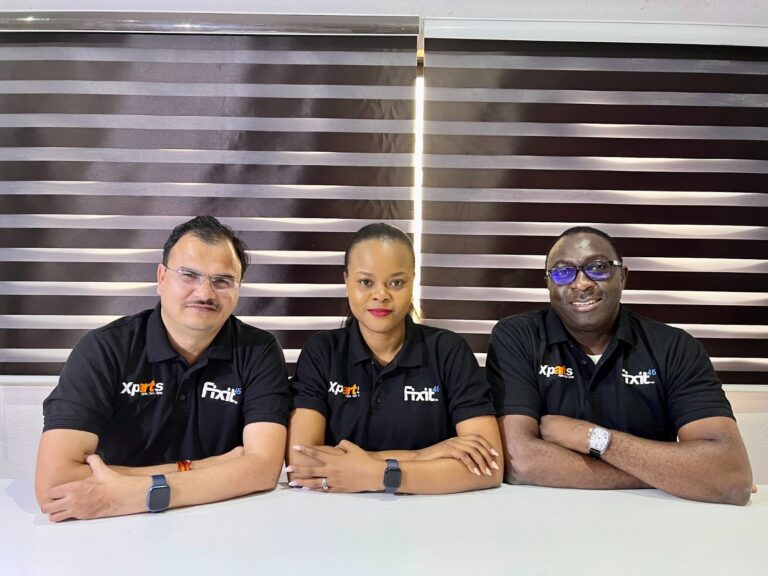
Nigerian startup Fixit45 has secured $1.9 million in a pre-seed funding round to broaden its operations into East Africa, with a primary focus on Kenya and Uganda.
Fixit45, a prominent player in Africa’s automotive technology aftermarket sector, unveiled this significant financial boost as it aims to revolutionize the industry across the continent.
The move into East Africa presents a significant opportunity for Fixit45, given the region’s burgeoning automotive industry.
Co-founder and Chief Operations Officer (COO) of Fixit45, Pankaj Bohhra expressed gratitude for the funding, stating, “This funding represents a pivotal moment for Fixit45. We are profoundly grateful to our investors for their faith in our vision and our unwavering commitment to revolutionizing the African automotive aftermarket sector. With this capital infusion, we are well-positioned to advance towards our expansion objectives.”
According to reports by TechCabal, Launch Africa Ventures, Africa’s most active VC investment firm, led the funding round, which also featured notable investors like Soumobroto Ganguly and Dave Delucia, along with a diverse group of angel investors.
“With this infusion of capital, Fixit45 is now well-positioned to expand its presence and impact in the African automotive aftermarket landscape.”
Founded by Pankaj Bohhra, Chioma Ahueze-Okochukwu, and Goodluck Ikporo, Fixit45 offers vehicle owners a comprehensive platform that connects them with various players in the aftermarket ecosystem.
This ecosystem encompasses a wide range of automotive service providers, expert technical teams, spare parts suppliers, and end-users.
Fixit45 is committed to transforming the African automotive aftermarket sector, and the funds raised will play a pivotal role in achieving its expansion goals.
“The company plans to strategically allocate the capital to support its automotive repair business and enhance its spare parts distribution via its innovative online-to-offline platform, xparts. Africa.”
Janade du Plessis and Zachariah George, Co-Managing Partners at Launch Africa Ventures, expressed their enthusiasm for collaborating with Fixit45, noting the company’s formidable team and its seamless platform that spans the automotive aftermarket value chain.
“Fixit45’s successful pre-seed funding round marks a significant milestone in its journey. With a clear vision, strategic resource allocation, and strong partnerships with industry leaders, Fixit45 is poised to make a profound impact on the automotive aftermarket sector, benefiting customers not only in Nigeria but also extending its reach to East Africa and beyond.”
Fixit45 boasts an extensive network of over 300 operational workshops across nine Nigerian cities. These workshops serve nearly 4,000 clients and collaborate with 1,200 spare parts manufacturers, distributors, and retailers, including industry giants like Toyota, Nissan, Honda, and more.
The company’s solid customer base includes prominent names such as FBNQuest, Mano, Drive45, Moove, Jotna, Gokada, and many others.
The African automotive industry, valued at US$30.44 billion in 2021, is projected to reach US$42.06 billion by 2027.
This industry plays a pivotal role in African economies, contributing to economic growth, improved road safety, and an enhanced quality of life.
Reliable mobility is a catalyst for social and economic inclusion, providing access to employment, education, and public services.
“With over 12 million registered vehicles and a population of 200 million, Nigeria has a motorization rate of just 0.06 vehicles per person. The majority of vehicles in Nigeria are imported and pre-owned, highlighting the need for high-quality repair and maintenance services in the market. Vehicle owners are increasingly opting to upgrade and repair their existing vehicles, emphasizing the demand for top-notch automotive services and spare parts.”
As Fixit45 sets its sights on expansion, it aims to address these evolving needs, making a significant impact on the African automotive aftermarket sector and enhancing mobility and convenience for customers across the continent.
Ghanaian agricultural platform, Complete Farmer, has secured $10.4 million in a pre-Series A funding round, comprising $7 million in equity and $3.4 million in debt financing.
The equity portion of this investment was led by The Acumen Resilient Agriculture Fund (ARAF) and Alitheia Capital, in partnership with Goodwell Investments’ uMunthu II Fund, alongside participation from Proparco, Newton Partners, and VestedWorld Rising Star Fund.
The debt financing came from Sahel Capital’s SEFAA Fund, Alpha Mundi Group’s Alpha Jiri Investment Fund, and Global Social Impact Investments.
Founded in 2017 by Charles Ofosuhene, Desmond Koney, and Zoussi Ley, Complete Farmer has evolved into a comprehensive digital agricultural marketplace. It offers a streamlined solution for industries seeking high-quality farm produce and individuals interested in owning a farm, eliminating the need for intermediaries.
Initially, the agtech operated as a farm management contractor but later introduced a crowdfunding platform in 2018, allowing users to invest in sustainable farms. Despite its innovative approach, the COVID-19 pandemic disrupted its operations, prompting a strategic shift towards becoming an aggregator and marketplace model.
Chief Executive Officer (CEO), Desmond Koney explained that this shift leverages Complete Farmer’s extensive experience as both a farm contractor and a crowdfunding platform, allowing it to efficiently meet customer crop requirements.
This new direction attracted $2.2 million in seed funding from investors and accelerators, such as Ingressive Capital, EchoVC, Samurai Incubate, Kepple Ventures, and Norrsken Accelerator.
“Complete Farmer offers two main solutions: CF Grower, which supports African farmers in optimizing productivity and accessing global markets through precision farming tools and data-driven cultivation protocols, and CF Buyer, a platform for global buyers to access tailored agricultural commodities from a network of qualified producers.”
Despite competition from other market players like Khula, Twiga Foods, and Farmerline, Complete Farmer has successfully united over 12,000 farmers in Ghana’s key regions, managed 30,000 acres of land, and facilitated the export of agricultural commodities worldwide, reducing post-harvest losses.
Financially, the six-year-old agritech company has seen substantial growth, with an annual revenue of $2.8 million in 2021, reaching $5.3 million in 2022, and projecting $7.5 million for the current year.
“To diversify its revenue sources, Complete Farmer is introducing new product lines, including an embedded finance product for seamless buyer-to-farmer remittances and a vendor platform for farmers to access essential commodities, enhancing farming efficiency and contributing to overall business growth.”
Nothing can be better than winning free bonuses from reputable online casinos using the no-deposit bonus. It comes with an incredible opportunity to not only win the prize but also earn real money without making any deposit. In simple words, no-deposit bonuses are like a free lunch in online casinos that helps to stretch your bankroll.
Besides casino games, some sports betting apps also offer exciting bonuses to enjoy your game to the fullest. Like with the Betway app, you can wager on any sport and earn good winnings at the end of the day. However, knowing how these bonuses work and their T&Cs is important. So, try to know everything about no-deposit bonuses in this article!
What do you mean by no-deposit bonuses?
As the name suggests, the no-deposit bonus is a free bonus where you can play games and win real cash without depositing any money. All you have to do is register for a casino site and use the bonus code if needed or simply claim your offer. This is quite different from instant play games, where you can enjoy the games for free but can’t earn real money.
What are the different types of no-deposit bonuses?
Nothing is better than playing for free and winning real cash out of it. But you may encounter some casinos that don’t just offer cash but come with other prizes, too. In short, no deposit bonuses can be of many types.
Free cash
With the free cash, players can try new games and explore the casino site. Here, you will earn real money with this bonus. However, it comes with certain limitations, like how you can wager this money, so make sure you know all the wagering terms.
Free spins
Here, in this bonus, players will earn free spins without any wagering requirements. It is a great deal for slot lovers. However, you should know the casino will specify on which online slot you can use your free spins, not just any you want.
Bonus credits
This will come with a certain amount of bonus credits casinos offer to play games. To convert it into real cash, you will have to bet the credit a few times following the wagering requirements before claiming it as money.
Loyalty points
When you play free games using no-deposit bonuses, you can earn loyalty points that will be later converted into a long-term bonus scheme. And if you continue to play with real cash at that casino, those loyalty points may eventually amount to some significant bonuses.
Cashback
To maintain a good reputation, some casinos offer a little money to players to recover from their losses. The bonus funds you have used without winning can temporarily soften the blow.
Why should you go for no deposit bonuses?
No-deposit bonuses offer incredible benefits to casino players.
Good amount of bonuses to bet on new games
Game-specific and title-exclusive offers and promotions
Get the advantage of practicing casino games with real money
Conclusion
No-deposit bonuses can help new players to boost their bankroll and build confidence in their casino career. And as it is free trying, it will not do any harm anyway. However, ensure you know all the T & Cs, withdrawal, and wagering requirements.
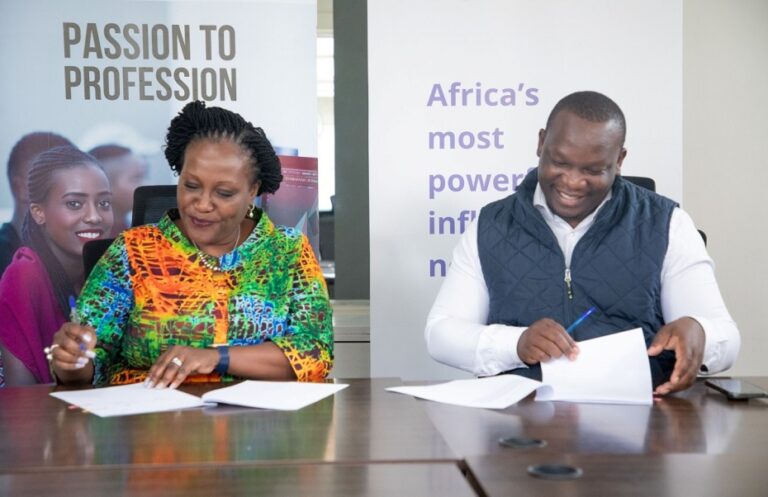
The Africa Digital Media Institute (ADMI), the premier creative arts and technology training institution in Eastern Africa, and Wowzi, a globally recognized technology company specializing in influencer marketing, have announced a partnership aiming at empowering content creators and revolutionizing the digital media landscape.
The Memorandum of Understanding between Wowzi and ADMI signals their shared commitment to empower at least one million content creators, providing them with a platform to transform their creative expression into dignified livelihoods across Africa. This strategic partnership is organized into three pivotal phases; preparatory, pilot, and scale. Through this partnership, both entities are poised to achieve their mission by creating and promoting cutting- edge learning content that enhances the capabilities of aspiring and established content creators on the Wowzi platform, as well as within the broader creator economy.
Dr. Laila Macharia, Co-Founder and CEO of ADMI, said, “This ground-breaking MOU underscores our mutual dedication to nurturing and supporting the aspirations of creators throughout Africa. Together, our aim is to furnish a platform for one million content creators, enabling them to translate their creative visions into sustainable livelihoods while simultaneously generating economic value and societal impact for both partners.”
Wowzi and ADMI will collaborate to solidify and expand the reach of the ADMI-Wowzi learning and production initiative across Africa and beyond.
Wowzi Co-Founder and President Mike Otieno, shared his enthusiasm, stating, “We are thrilled about the potential of this collaboration and the opportunities it will open up for creators, brands, and the wider digital media ecosystem. By harnessing the expertise and resources of both Wowzi and ADMI, this partnership is primed to reshape the landscape of influencer marketing and content creation across Africa and beyond.”
The three phases of this collaboration encompass a spectrum of activities, including the development of innovative courses, the enhancement of learning experiences, and the cultivation of industry alliances to unlock the full potential of content creators and influencers.
During the pilot phase, the partnership will introduce the Influencer Marketing Accelerator—a hybrid course that operates under a dynamic non-profit and for-profit model, adapted to the evolving market demands. This initial pilot will consist of self passed virtual modules and masterclasses by established influencers.
In recent years, influencer marketing has gained significant traction as a powerful strategy for brands to connect with audiences authentically through social media. This approach involves leveraging individuals trusted and followed by specific niche communities. Studies have shown that about 70 per cent of consumers trust recommendations from influencers or friends on social platforms.
According to Forbes, the global influencer marketing industry has grown by tenfold from Sh140 billion (USD 1.7 billion) in 2016 to Sh2.4 trillion in 2023, with forecasts suggesting it could reach Sh20 trillion (USD 16.4 billion) by 2030. This growth is largely attributed to the accessibility of platforms like YouTube, TikTok, Instagram, and Facebook, enabling individuals to create content and find their niche audiences.
In Kenya, a 2023 Datareportal report shows that over 10.15 million users aged 18 and above actively used social media at the start 2023, constituting roughly 33.6 per cent of the adult population.
Among these users, YouTube had the largest user base at 9.44 million, followed closely by Facebook at 9.25 million, Instagram with 2.20 million users, LinkedIn with 3.50 million “members,” Snapchat with 2.45 million, and Twitter with 1.9 million users.
Kenya has witnessed YouTube’s emergence as a significant employment avenue, with a minimum of 300 YouTubers amassing more than 100,000 subscribers each, as reported in the 2022 YouTube Rich List. This trend extends to Nigeria and South Africa, with each country boasting at least 300 channels with over 100,000 subscribers, highlighting YouTube’s growing influence in the region.
A 2023 Reuters Institute Digital News report underscores Kenya’s global leadership in TikTok usage, with 54 per cent of TikTok users in the country using the platform for various purposes, including 29 per cent for news consumption. Thailand and South Africa follow closely in second and third place, respectively, with 50 per cent and 22 per cent of TikTok users engaging in general use and news consumption, particularly among younger audiences.
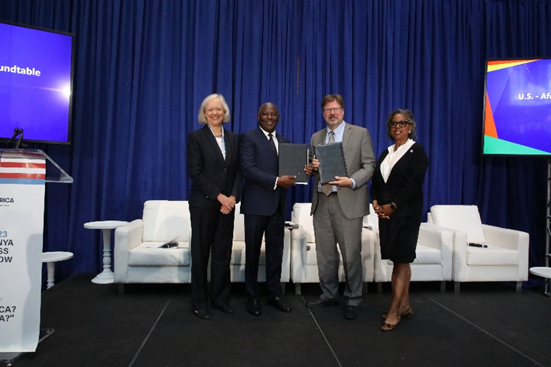
During the second edition of US Ambassador to Kenya, Meg Whitman’s investment roadshow series to the United States, Equity Group Holdings and farm equipment maker John Deere signed a comprehensive agreement to offer tractors into the Kenyan market through well-defined and affordable finance programs for both large scale and small-scale farmers.
The agreement underpins Equity Group’s strategic vision plan for social economic transformation in the `Africa Recovery and Resilience Plan’ which puts a focus on value addition and mechanization of agriculture in the East and Central Africa market. It was signed by John Deere Head of Business for Africa, Asia and the Middle East, Jason Brantley and Equity Group Holdings CEO and Managing Director, Dr. James Mwangi.
“Through this collaboration between Equity Group and John Deere, a world-renowned agriculture, turf and construction equipment maker, small scale farmers, builders and landscape providers in Kenya will benefit from state-of-the-art technology which will equip them with capability to scale and grow their yields and businesses for larger markets,” said Dr. James Mwangi. “Kenyan farmers have the opportunity with the implementation of the Africa Free Continental Trade Area Agreement to increase production for global supply chains which were disrupted by the COVID-19 pandemic and the Russia-Ukraine conflict,” he added.
Equity Bank will provide finance products to customers initially in Kenya for a current term of two years under the agreement. The equipment dealer MASCOR who has dealerships throughout East Africa will be the partner dealership. Equity, John Deere and MASCOR will conduct joint trainings and marketing campaigns together to enhance farmer education on the usage of the Deere equipment in order to enhance agriculture productivity and to understand the value of mechanization in yield improvements. For farmers, including emerging and commercial farmers, part-time contractors, full time contractors and farmer groups the intention is to support profitability by improving revenues linked to yields, reducing losses, and reducing operational costs related to agriculture production.
Equity’s ‘Africa’s Recovery and Resilience Plan’ is committed to supporting the advancement and scaling of Africa’s small-scale farmers with training, mechanization, and market access.
Dr. Mwangi stated, “In John Deere we have a significant partner of like-minded interest to support scaling and mechanization for small-scale farmers in Kenya. This partnership aligns to the Africa Recovery and Resilience Plan, which seeks to foster a more coordinated, connected and capacitated primary supply chains to drive higher productivity.” He continued, “With American expertise and African ingenuity, hard work and natural resources, coupled with access to affordable financing and the network of infrastructure (branches, agents) that Equity can offer the partnership, in collaboration with MASCOR dealerships in the region, the milestone of our signing today can pave the way for a cohesive US-AFRICA private sector engagement framework built on trust and mutual interests in the market”.
This is the second roadshow in partnership with the US Embassy Kenya, Ambassador Meg Whitman, and Prosper Africa which Equity Group and Dr. Mwangi have participated in; the first one being in March 2023 in New York City with US financial investors.
In addition to the Equity-John Deere agreement signing, Dr. Mwangi participated in the opening panel moderated by Ambassador Whitman entitled, “Why Africa, Why Kenya?” during which he articulated the Africa Opportunity for assembled US and Kenya companies, US and Kenya government officials and American investors. Dr. Mwangi and the Equity team also held meetings during the day’s networking portion with US and Africa agriculture companies wanting to do business or already doing business in the East and Central Africa region.
From Chicago the roadshow headed to San Francisco for two days of meetings with American technology companies.
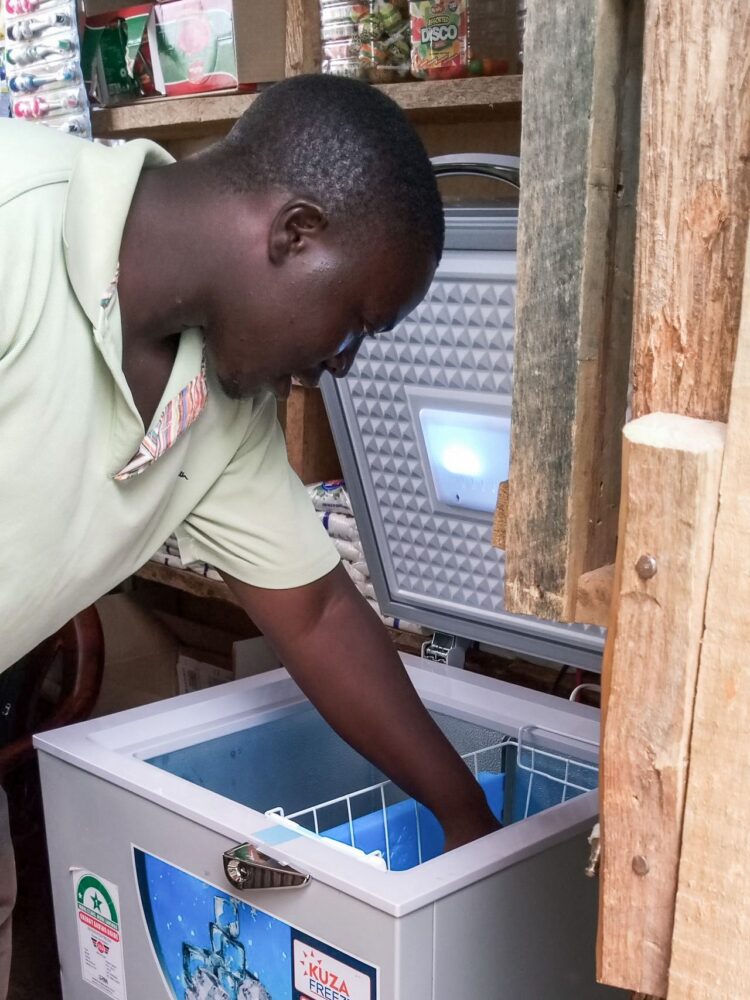
Kuza Freezer, a Kenyan cleantech startup, recently emerged victorious in the prestigious SolarX Startup Challenge organized by the International Solar Alliance (ISA), scooping $15,000.
The firm was among 20 other startups from selected 10 African countries like Nigeria, Rwanda and Uganda.
Founder and Chief Executive Officer (CEO), Dennis Onkangi speaking about the venture said, “Kuza Freezer is nothing short of a game-changer, addressing a critical need in the fishing industry by providing affordable and sustainable cold storage solutions powered by solar energy. This innovative approach not only addresses the challenges faced by small-scale businesses but also aligns with the broader goal of promoting sustainable and eco-friendly practices.”
The venture, which is situated in Bamburi, Mombasa County, has scooped awards like the Inuka Pitch Competition, 2021 by Somo Africa; Best Pitcher Award by BlueInvest Africa, Seychelles in 2022; Best Food Security Solution at the Connected Summit in 2022.
Other accolades include Blue Hack hackathon in 2022 and Mombasa Business Awards, in 2022.
Also, Mr Onkangi is among a crew of nine (9) founders from Sote Hub, a Kenyan Startup Hub based in Mombasa, who will be visiting to explore the Berlin startup ecosystem, a tour that will be facilitated by Westerwelle Foundation.
In a recent interview with TechMoran, Mr Onkangi delves into the success of Kuza freezer:
1. Can you tell us more about the inspiration behind Kuza Freezer and its mission to bridge the cold-chain gap for small-scale fishers in Kenya?
The inspiration behind developing the Kuza Freezer solution stemmed from a deep sense of empathy and a desire to make a positive impact on the lives of small-scale businesses in the fish value and supply chain.
As I observed the challenges faced by these businesses, particularly in regions with limited access to electricity and refrigeration, I felt a strong motivation to create a practical and sustainable solution.
The geography of my focus lies in coastal areas, islands, and remote regions, where fishing is not only a livelihood but also a vital source of sustenance for communities.
Witnessing the struggles these communities faced in curbing post-harvest losses and improving their income compelled me to take action.
The target market and community were at the forefront of my considerations. Small-scale fishermen, local fish processors, and community cooperatives formed the core of the Kuza Freezer’s audience.
These hardworking individuals and organizations often lacked the financial means to invest in traditional refrigeration equipment, leaving them vulnerable to significant post-harvest losses. I believe that by providing an accessible pay-as-yo-go (PAYG) and solar-powered freezer solution, we could empower these businesses to thrive sustainably.
2. How did the idea of providing solar-powered cold storage solutions for artisanal fisheries come about? What was the driving force behind this innovative approach?
The idea was born out of a recognition of the pressing challenges faced by small-scale fishers and a commitment to finding innovative solutions. Several driving forces contributed to this innovative approach:
Post-Harvest Losses: One of the primary drivers was the significant post-harvest losses experienced by small-scale fishers. It was evident that traditional methods of fish preservation, such as relying on ice or inefficient cooling, were resulting in substantial economic losses for these communities. The need to reduce these losses and improve the income of fishers became a compelling motivation.
Environmental Sustainability: Another driving force was a concern for the environmental impact of traditional cold storage methods, which often relied on fossil fuels or had high energy consumption. The desire to develop a more environmentally sustainable solution using renewable energy sources, like solar power, aligned with the growing global awareness of climate change and the need for eco-friendly technologies.
Access to Technology: Access to modern technology is often limited in the regions where small-scale fishers operate, particularly in off-grid and remote areas. Recognizing the potential for solar power to provide a reliable energy source even in such environments, the idea of using solar-powered cold storage units emerged as a way to bridge the technology gap and empower these communities.
Empowering Small-Scale Businesses: The driving force behind this approach was also the belief in the power of entrepreneurship and innovation to uplift small-scale businesses. Providing fishers with affordable, sustainable, and efficient cold storage solutions could significantly enhance their economic prospects and overall livelihoods.
Social Impact: The desire to make a positive social impact and contribute to poverty alleviation in communities reliant on artisanal fisheries was a driving force. By reducing post-harvest losses and increasing income for small-scale fishers, the project aimed to improve the quality of life for these individuals and their families.
3. Could you elaborate on the challenges that small-scale fishers face in terms of post-harvest fish losses and the lack of access to reliable cold storage services?
Small-scale fishers confront significant challenges related to post-harvest fish losses, with rates that can soar as high as 45%. One of the primary obstacles they encounter is inadequate storage infrastructure.
Many small-scale fishers operate in remote coastal or rural areas where reliable cold storage facilities are scarce or completely absent. This absence of proper storage means that once the catch is harvested, they must rely on less effective preservation methods like ice or traditional cooling techniques.
These methods are often insufficient, particularly in regions with high ambient temperatures, leading to rapid spoilage and quality degradation of the fish. As a result, a substantial portion of the catch is lost before it reaches consumers or markets, translating into economic losses for the fishers and reduced food availability for local communities.
Another critical challenge is the lack of access to reliable cold-storage services, especially for off-grid communities. In many cases, these small-scale fishers are situated in areas with limited or no access to electricity or modern refrigeration technology.
The cost of establishing and maintaining cold storage facilities, along with the ongoing energy requirements, can be prohibitively high for these off-grid communities. This lack of access to cold storage not only contributes to post-harvest losses but also hampers the fishers’ ability to take advantage of higher-value markets, as they are often unable to store and transport their catch over longer distances.
Consequently, small-scale fishers in off-grid areas face a persistent struggle to minimize post-harvest fish losses and access broader market opportunities, further impacting their economic well-being and food security.
4. What specific impacts have Kuza Freezer’s solar-powered cold storage units had on the livelihoods of small-scale fishers? Could you provide any success stories or case studies?
Up to this point, we have successfully delivered more than 350 units across Kenya, thereby empowering over 2,600 small-scale enterprises.
Remarkably, 60% of our clientele comprises women engaged in various aspects of the fish value chain. Our cold storage innovations have led to a substantial 60% increase in income for these fish vendors, resulting in a direct enhancement of their overall quality of life.
5. The introduction of your products seems to have a significant environmental impact. How did you come up with the idea of combining sustainable solutions with addressing a pressing social issue?
The genesis of our concept, which marries sustainable solutions with the resolution of a pressing social issue, stemmed from a profound commitment to making a positive difference in the lives of small-scale businesses operating in the fish value chain.
We recognized that these businesses faced not only economic challenges but also grappled with environmental issues due to inefficient cold storage practices.
Our inspiration to develop solar-powered freezers was driven by the urgent need to minimize post-harvest losses, a critical problem faced by small-scale fishers and vendors.
As we delved deeper into this issue, it became apparent that traditional ice-based storage methods were not only economically burdensome but also detrimental to the environment due to excessive energy consumption and waste generation.
Hence, we embarked on a journey to create a sustainable and innovative solution that would not only boost the income of these businesses but also lessen their environmental footprint.
By harnessing the power of solar energy, we aimed to provide cost-effective, eco-friendly cold storage options to these communities, aligning our commitment to social empowerment with responsible environmental stewardship.
Our goal has been to create a win-win situation, where the livelihoods of small-scale businesses thrive, and the planet benefits from reduced energy consumption and waste generation.
6. Can you share more about the product offerings of Kuza Freezer, such as the range of solar-powered freezers, mobile cold boxes, and last-mile delivery solutions? How are these tailored to the needs of different fishers?
Kuza Freezer provides a variety of solar freezer options to cater to different needs. Our product range includes solar freezers designed for domestic use, ranging from 100 litres to 150 litres in capacity. Additionally, we offer mobile units with a 60-litre capacity, ideal for the last-mile distribution of fresh fish.
Our product lineup is carefully crafted to address the specific requirements of fishermen who often need a reliable solution for storing their catch while awaiting buyers. The mobile units serve a crucial role by enabling them to transport their fish to market centres in towns, ensuring convenient access to ready markets for their products.
7. Building and distributing products like solar-powered freezers and cold boxes would require funding and resources. Could you shed some light on how Kuza Freezer has been funded and how you’ve managed to scale up your operations?
Our primary avenues for acquiring funding and resources at Kuza Freezer have primarily been substantial equity investments, complemented by financial aid provided in the form of cash awards.
These sources have allowed us to expand our business operations. Nonetheless, we are currently in the process of seeking additional funding to further enhance the scalability of our manufacturing processes.
8. With regards to the advisory board and partners you’ve mentioned, how have they contributed to the success of Kuza Freezer’s mission and operations?
Our advisory board and partners have been instrumental in the growth of our business, particularly in securing additional funding and advancing product development to enhance the quality of our offerings. They have also played a crucial role in safeguarding our intellectual property and in the establishment of strategic partnerships.
9. Recognitions and awards often reflect the impact and innovation of a company. Could you discuss how these accolades, such as the Top40Under40 Kenya and Global Young Entrepreneur of the Year (in 2023 and 2023 respectively), have motivated and validated your team’s efforts?
Kuza Freezer has earned numerous accolades and recognitions, including a notable victory in the SolarX startup challenge organized by the International Solar Alliance. Additionally, we have received esteemed honours such as the Top 40 Under 40 Kenya and the Global Young Entrepreneur of the Year awards, among others.
These prestigious awards and acknowledgements have played a pivotal role in facilitating the establishment of partnerships, both on a local and international scale. Consequently, our business operations have expanded, and our market outreach has grown significantly. Furthermore, these achievements have instilled a heightened level of confidence and trust among our potential customers.
10. Could you share your vision for the future of Kuza Freezer? What are your plans for expanding your impact in Kenya and beyond, and how do you envision the company’s growth trajectory?
Kuza Freezer’s vision is to extend our business footprint throughout East Africa, to create a beneficial influence on the livelihoods of countless small-scale businesses involved in the fish value and supply chain, thanks to our pioneering cold storage solutions.
Our strategy involves the establishment of distribution centres across the entire nation to improve both access and availability of our products. Furthermore, as a part of our approach, we plan to cultivate collaborations with prospective microfinance institutions. This partnership aims to facilitate the expansion of our Pay-As-You-Go (PAYG) model, ensuring that an even broader spectrum of individuals can access and benefit from our offerings.
11. In terms of the economic and social impact of Kuza Freezer, could you provide more details about the increase in income for fish farmers and the reduction in ice costs? How has this translated into tangible improvements for the communities you serve?
Kuza Freezer’s cold storage solutions have had a profound economic and social impact on small-scale businesses within the fish value and supply chain. These solutions have resulted in a remarkable 60% increase in income for farmers and vendors.
By utilizing Kuza Freezer’s cold storage units, these businesses can extend the preservation of their catch, which, in turn, significantly reduces post-harvest losses. This, combined with improved product quality and an extended shelf life, empowers them to command higher prices in the market.
Consequently, numerous individuals engaged in fishing have witnessed a substantial income surge of up to 60%, directly enhancing their overall livelihoods. This positive financial transformation enables them to better support their families, reinvest in their enterprises, and elevate their living standards.
Moreover, traditional methods of storing fish using ice can impose significant financial burdens on small-scale fishers. The need to acquire substantial quantities of ice to preserve their catch can be cost-prohibitive.
Kuza Freezer’s cold storage solutions eliminate the necessity for excessive ice, resulting in substantial cost reductions. This reduction in ice-related expenses directly benefits fisherfolks by lowering their operational costs and bolstering their profit margins. Furthermore, it contributes to the sustainability of their businesses by enhancing their long-term economic viability.
12. Given the ongoing growth of the company, can you talk about any upcoming projects, partnerships, or initiatives that Kuza Freezer is working on or planning to launch?
Our company is dedicated to providing innovative solutions that effectively address post-harvest losses and uplift livelihoods.
Our strategic vision includes scaling our operations and expanding our portfolio to offer a diverse range of innovative and climate-smart solutions.
This comprehensive approach aims to empower our target market, making them both resilient to climate challenges and economically prosperous.
13. Sustainability is a key focus for Kuza Freezer. How do you ensure the sustainability of your products and operations, both in terms of environmental impact and the company’s long-term viability?
Ensuring sustainability, both in terms of environmental impact and the long-term viability of our products and operations, is a central focus at Kuza Freezer. Here are some of the key strategies and practices we employ to achieve sustainability:
Environmental Impact:
Solar-Powered Technology: Our solar-powered PAYG freezers are designed to run on clean and renewable solar energy, reducing reliance on fossil fuels and minimizing greenhouse gas emissions.
Energy Efficiency: We continuously strive to enhance the energy efficiency of our freezers, making them more environmentally friendly. This includes optimizing insulation and cooling systems.
Supply Chain Sustainability: We work with suppliers and partners who share our commitment to sustainability. This includes evaluating their environmental practices and ethical standards.
Long-Term Viability:
Business Model: Our Pay-As-You-Go (PAYG) model ensures the long-term viability of our business. It allows customers to access our products affordably while generating recurring revenue for us, which supports ongoing operations and innovation.
Partnerships: We collaborate with microfinance institutions and other partners to make our products accessible to a broader customer base. These partnerships expand our reach and contribute to financial sustainability.
Research and Development: We invest in ongoing research and development to improve our products and stay ahead of technological advancements. This innovation not only enhances our competitiveness but also ensures the relevance and longevity of our solutions.
Customer Support: Providing excellent customer support, including maintenance and after-sales service, helps build trust and encourages customer loyalty, contributing to the long-term success of our business.
Diversification: We explore opportunities for diversification, such as expanding our product range to meet evolving customer needs within the fish value chain and related sectors.
Community Engagement:
Training and Education: We actively engage with our customers and provide training on the proper use and maintenance of our products. Educated users are more likely to maximize the benefits of our technology.
Local Impact: We aim to positively impact the communities where we operate by creating jobs, providing access to affordable technology, and supporting economic growth.
14. Could you provide insights into the challenges you’ve faced along the way, whether they were related to technology, market adoption, or any other aspect of your business model?
Some of the challenges we have faced as a startup are as follows:-
Technological Innovation: Developing and refining our solar-powered PAYG freezers required significant technological innovation. We had to overcome engineering challenges to create efficient and reliable systems that could work effectively in off-grid and remote areas.
This involved designing robust energy storage solutions and ensuring the freezers could withstand various environmental conditions.
Market Adoption: Convincing small-scale fishers and businesses to adopt our technology was a challenge. Many were accustomed to traditional methods of fish preservation and were initially hesitant to switch to new and unfamiliar technology. Building trust and demonstrating the benefits of our solution took time and effort.
Financial Accessibility: Affordability is a significant concern for our target market. While our PAYG model offers flexibility, some customers still face financial constraints. Finding ways to make our technology accessible to those with limited resources, such as through partnerships with microfinance institutions, has been a key challenge.
Infrastructure and Logistics: Establishing distribution networks, especially in remote areas, presented logistical challenges. Ensuring a steady supply of our freezers, providing maintenance support, and managing spare parts in areas with limited infrastructure required careful planning.
Regulatory and Policy Barriers: Navigating regulatory and policy frameworks, especially when introducing innovative technologies, can be complex. Ensuring compliance with relevant regulations while advocating for favourable policies to support our initiatives has been an ongoing challenge.
Customer Education: Educating our customers about the benefits and proper use of our technology was essential. We had to develop training programs and materials to empower users with the knowledge to maximize the benefits of our freezers.
15. As the CEO of Kuza Freezer, what has been your motivation and journey in leading a startup that has such a profound social and environmental impact?
My motivation for leading Kuza Freezer has been driven by a strong commitment to social impact, environmental sustainability, and entrepreneurship. The journey has been filled with challenges, but the opportunity to positively affect the lives of small-scale businesses and contribute to a more sustainable world has been immensely fulfilling.
Becoming a parent is an incredible journey filled with joy, challenges, and endless learning.
In today’s digital age, there are numerous parenting apps designed to simplify your life and enhance your parenting experience. Whether you’re an expectant mom, a new dad, or a seasoned parent looking to stay organised, informed, and connected, we’ve compiled the ultimate list of 10 must-have parenting apps to help you along the way.
Baby Tracker: Baby Tracker is your essential tool for managing your newborn’s daily routines. It simplifies the daunting task of parenting by allowing you to meticulously record feeding times, diaper changes, and sleep patterns. With this app, you can identify trends and maintain a structured schedule, providing both you and your baby with a sense of routine and security. Whether you’re a first-time parent or experienced in child-rearing, Baby Tracker ensures you never miss a beat when it comes to your baby’s care.
White Noise Baby: White Noise Baby is the sleep companion every parent needs. It transforms your device into a soothing sound machine, offering a variety of calming sounds such as gentle lullabies, ocean waves, and forest rain. These sounds create a tranquil atmosphere that helps your baby drift into a peaceful slumber, even amidst noisy surroundings. Whether it’s naptime or bedtime, White Noise Baby is your secret weapon for ensuring your baby gets the quality sleep they need.
Cozi Family Organiser: Say goodbye to chaos and hello to organised family life with Cozi. This versatile app serves as your digital family hub, allowing you to sync schedules, track appointments, and manage to-do lists effortlessly. It’s perfect for busy parents juggling work, school, and extracurricular activities. Cozi ensures that everyone in the family stays on the same page, reducing stress and enabling you to spend more quality time together. Whether it’s setting reminders or creating shared grocery lists, Cozi simplifies your family’s daily routines.
WebMD Baby: As a parent, you’re bound to have questions about your baby’s health and development. WebMD Baby is your reliable source for answers. This app provides a wealth of information on various aspects of infant health, from common concerns to crucial milestones. It offers expert advice and practical tips to help you navigate the challenges of parenthood confidently. With WebMD Baby, you’ll have a trustworthy companion to turn to whenever you need guidance, ensuring you’re well-informed about your child’s well-being.
TinyBeans: Share your precious moments with loved ones in a private and secure space with TinyBeans. This app lets you create a digital baby journal where you can upload photos, videos, and updates about your child’s growth and development. What sets TinyBeans apart is its family-friendly approach, allowing you to involve grandparents, close friends, and extended family members in your baby’s journey. It’s a heartwarming way to stay connected with loved ones near and far, ensuring they never miss a milestone or cherished memory.
BabySparks: Give your baby the best start in life with BabySparks. This app is a treasure trove of age-appropriate developmental activities designed to nurture your baby’s physical, cognitive, and social skills. Whether you’re looking for tummy time exercises or sensory play ideas, BabySparks has you covered. The app offers daily personalised activity suggestions, making it easy to engage with your baby and support their growth. It’s an invaluable resource for parents looking to create fun and educational experiences for their little ones.
FirstCry: Simplify your shopping experience with FirstCry, the ultimate destination for baby essentials. This app not only offers a wide range of products for infants and toddlers but also provides exclusive deals and discounts. Whether you need diapers, clothing, or nursery items, FirstCry ensures you have access to quality products at competitive prices. With convenient features like easy browsing and secure payments, it’s a go-to app for new parents seeking the best for their bundle of joy.
Baby Sleep Sounds: Ensure a serene sleeping environment for your baby with Baby Sleep Sounds. This app offers a selection of calming sounds, from gentle lullabies to nature’s soothing melodies. Whether you’re at home or on the go, you can create a peaceful ambience that helps your baby fall asleep faster and sleep more soundly. Say goodbye to sleepless nights and hello to well-rested days with the help of Baby Sleep Sounds, your partner in ensuring your baby gets the rest they need.
Winnie: Discover family-friendly places and activities with Winnie. This app is your guide to finding local attractions, parks, and kid-friendly establishments. Whether you’re looking for a nearby playground, a family-friendly restaurant, or a fun weekend outing, Winnie has you covered. It even provides real-time information and reviews from fellow parents, ensuring you make the best choices for your family. Stay informed about family-friendly options in your area and make the most of your precious family time with Winnie.
What to Expect: Get personalised guidance throughout your pregnancy journey with What to Expect. This app offers week-by-week updates on your baby’s development, ensuring you’re informed about each stage of pregnancy. It provides expert advice on health, nutrition, and pregnancy symptoms, helping you navigate the challenges of this incredible journey. Whether you’re a first-time mom or adding to your family, What to Expect is your comprehensive resource for a healthy and happy pregnancy.
In a recent development, Elon Musk, the visionary entrepreneur behind X, the social-media platform formerly known as Twitter, hinted at the possibility of introducing a paywall for all users.
This move, as Musk explained during a livestream conversation with Israel’s prime minister, Benjamin Netanyahu, is primarily aimed at combating the persistent issue of bots on the platform. Musk’s idea of implementing a small monthly payment for using X has raised some eyebrows, but it could potentially revolutionise the way we experience social media. It’s a bold strategy to address a pressing problem, and it’s worth taking a closer look at why he believes it’s the way forward.
The Battle Against Bots Elon Musk’s primary motivation behind the paywall proposal is to tackle the menace of bots.
Bots, which are automated accounts programmed to carry out various tasks, have been a persistent issue on social media platforms like X. These bots can flood the platform with spam, misinformation, and other unwanted content, diminishing the overall user experience.
Musk believes that by imposing a nominal fee for using X, he can significantly reduce the number of bots on the platform. He argues that because bots are often programmed to operate on a large scale and with minimal costs, making them pay even a small amount would dramatically increase their operational expenses. This, in turn, would discourage bot operators and help curb their influence on the platform.
Prioritizing Premium Users In addition to the paywall, Musk also mentioned the idea of prioritizing premium users’ posts.
This means that those who are willing to pay a small fee for using X would have their content featured more prominently on the platform. While this might raise concerns about inequality and favoritism, it could also be an effective way to ensure that genuine and engaged users receive more visibility.
Musk’s logic here is that by giving premium users an advantage, the platform can incentivize users to contribute positively and engage meaningfully with others. It’s a strategy that aligns with his goal of making X a place for quality discussions and interactions, rather than a breeding ground for bots and spam.
The Critical Role of the Paywall Elon Musk firmly believes that the introduction of a paywall is crucial if X is to effectively deal with the bot problem.
While some may view it as a barrier to entry, Musk sees it as a necessary step to create a cleaner and more engaging platform for everyone. He understands that the nominal fee may discourage a small percentage of potential users, but he is willing to make this trade-off to ensure the long-term health and integrity of X.
In Conclusion Elon Musk’s proposal to introduce a paywall on X is a bold and innovative step in the ongoing battle against bots and misinformation on social media platforms. While it may face resistance and scepticism, it also has the potential to reshape how we experience social media by prioritising genuine engagement and reducing the influence of bots. Only time will tell whether this strategy will succeed, but one thing is clear: Musk’s vision for X goes beyond conventional thinking, and it’s a vision worth exploring as we seek to make our online spaces more secure and enjoyable for all.
The London Internet Exchange (LINX) is set to launch its first physical presence in Africa, LINX Nairobi, in October.
This interconnection hub, designed to meet the region’s growing digital demands, will go live in the coming month.
LINX Nairobi’s collaboration with IXAfrica, a specialized data centre designed for hyperscalers, promises to further enrich the digital ecosystem in the region.
Networks connecting to LINX Nairobi from the new IXAfrica data centre will have their IX fees covered for the first three years from launch, including LINX membership fees, port access and peering service fees, and cross-connect fees.
This collaboration is expected to drive digital growth and enhance interconnectivity, ultimately benefiting businesses, networks, and end-users across East Africa.
Existing LINX members can easily add LINX Nairobi as a new location through the member portal.
It is worth noting that LINX collaborated with Africa Data Centres (ADC), a subsidiary of Cassava Technologies group, as a full point of presence (PoP) for LINX Nairobi.
The partnership was built on a strategic agreement reached in May between the two organizations to bolster connectivity and digital services in Africa.
Through the partnership with ADC, customers at the Africa Data Centre’s NBO1 facility in Nairobi will gain direct access to the LINX Nairobi peering community via a single cross-connect.
They will also benefit from LINX’s round-the-clock, on-call support and portal access.
Chief Executive Officer (CEO) of Africa Data Centres, Tesh Durvasula noted, “By adding the LINX PoP in our NBO1 facility, we can better support our customers with an even greater variety of interconnection options than we have today.” He also highlighted the importance of interconnection in modern businesses, particularly those utilizing hybrid cloud models.
Furthermore, CMC Networks (CMC), a leading global telecommunications service provider, recently announced their plans to join LINX Nairobi.
The CEO of CMC Networks, Marisa Trisolino said, “We support regional peering and are passionate about innovation and connectivity in Africa. We are proud to be a member of LINX and peering at their London network, so are more than happy to be one of the primary peers at LINX Nairobi and work with LINX further to support the digital growth in East Africa.”
LINX Nairobi aims to be the first interconnected, multi-site Internet Exchange Point (IXP) in Kenya, offering redundancy and resilience for networks peering in the region.
Kenya’s strategic geographical location with its rapidly expanding fibre connectivity and a well-connected submarine cable network linking Europe, the Middle East, and Asia, positions it as a pivotal hub for East Africa.
Head of Global Engagement for LINX, Nurani Nimpuno emphasized the hub’s significance, stating, “With LINX Nairobi, we are not only creating a hub for Kenya, but for all of East Africa. The rapidly growing region has a huge demand for low latency, high speed, and improved interconnectivity. LINX Nairobi will not only serve local networks but also attract international Internet providers and hyperscalers.”
LINX Nairobi’s launch is on the horizon, East Africa is poised to become a prominent player in the global digital landscape, offering high-speed, reliable, and efficient interconnection services to meet the region’s ever-growing digital demands.
Note: The offer for free LINX services for networks connecting from IXAfrica applies from May 2023 to May 2026, after which normal charges will resume.
Antler Kenya, a leading startup accelerator and venture builder, is making waves in the Kenyan startup ecosystem with its impressive accomplishments in the third quarter of 2023.
With a mission to nurture and empower the next generation of entrepreneurs, Antler Nairobi is on track to end the year on a high note. The highlight of the quarter was the commencement of NAI 9, the second and final venture-building cohort of 2023.
“NAI 9 represents a diverse and highly talented group of founders, with 81% of them having prior experience in startups and 44% having already founded their ventures. The founders come from a wide range of backgrounds and experiences, enhancing idea-sharing and cross-cultural collaboration,” Antler Nairobi noted.
What’s particularly impressive is the geographic diversity within the cohort, with 75% of the founders originating from various African countries, including Kenya, South Africa, Somalia, and Tanzania, and the remaining from countries like Greece, Bulgaria, and Colombia.
“This global perspective promises to enrich the cohort’s innovative solutions and industry-disrupting potential.”
Antler Nairobi is enthusiastic about the prospects of this talented group of founders and believes in their capacity to make significant impacts with the support and resources provided by the accelerator.
The accelerator encourages the public to stay connected and follow the progress of the NAI 9 cohort as they embark on their entrepreneurial journey.
In addition to the cohort announcement, Antler Nairobi also shared updates on recent investments. Two standout startups in their portfolio include:
Jahazii: Jahazii offers a digital lending platform that simplifies loan sourcing and due diligence for institutional lenders. By consolidating and enriching business data, they expedite lending decisions, connecting lenders to creditworthy Small and Medium Enterprises (SMEs) across Africa.
Noma: Noma provides a tech-enhanced transportation solution for schools using buses, aiming to improve student commute times, safety, school responsiveness, and management efficiency.
Antler Nairobi is gearing up for its 10th cohort, set to launch in early 2024.
The accelerator offers a substantial $100,000 investment along with $350,000 in perks, personalized coaching, and mentorship from a vast network of over 400 advisors in exchange for 10% equity.
They are also actively seeking pre-seed startups to invest in with ticket sizes ranging from $100,000 to $400,000, in collaboration with other venture capitalists.
For those aspiring entrepreneurs and startup founders who are ready to make their mark in the tech industry, Antler Nairobi is currently accepting applications.
If you know someone who fits the bill or has a startup idea worth pursuing, you can refer them to the application process.
Antler Nairobi’s portfolio also boasts exciting updates, with “Uncover,” a skincare brand targeting affluent African consumers, launching a new product aimed at younger consumers.
“The brand has built a digital community of over 160,000 women and ranks among the top three best-selling skincare brands in Nairobi’s beauty stores.”
Another notable portfolio company, “Aicare,” a telematics solution for insurance companies, successfully soft-launched their mileage-based insurance product with Takaful and is gearing up to launch with Britham in Kenya and Vanguard Insurance in Ghana.
“Antler Nairobi continues to be a driving force in the Kenyan startup ecosystem, providing invaluable support and resources to emerging entrepreneurs and fostering innovation that promises to shape the future of African tech entrepreneurship.”
The quarter also witnessed Antler Nairobi’s active involvement in hosting events to foster knowledge sharing and networking within the startup community.
They recently organized the “Antler’s June Happy Hour” with a panel discussion on “Navigating the Future of Cross-Border Payments in Africa.”
The panel featured distinguished speakers from Safaricom, Diaspora Bridges Advisory and HoneyCoin, providing valuable insights into the dynamic landscape of cross-border payments.
Looking ahead, Antler Nairobi has exciting events in store for the entrepreneurial community. They are hosting a “Startup & Investor Happy Hour” on September 28th, 2023, providing an opportunity for startups and investors to connect and collaborate.
Additionally, the accelerator is launching a “Masterclass Series” covering various essential topics for entrepreneurs, starting with “Market Sizing 101” on October 3rd, 2023.
Brazilian EBANX, a global technology company specializing in payments for rising markets, announced during the seventh edition of its Payments Summit, the expansion of its operations to eight more countries on the African continent.
This strategic expansion follows EBANX’s successful entry into the African market in September 2022, when it established operations in South Africa, Nigeria, and Kenya. The new countries added to the fintech’s ecosystem are Ivory Coast, Egypt, Ghana, Morocco, Senegal, Tanzania, Uganda, and Zambia, where EBANX will process the preferred local payments for global merchants in the digital economy.
“This expansion reinforces our global reach and local depth, our commitment to rising markets and our merchants, and EBANX’s mission to create access. Through technology and local payments, we now connect nearly 1 billion people that are digital buyers from 29 countries in Africa, Asia and Latin America, three rapidly growing digital regions, to the world’s largest brands,” said Paula Bellizia, President of Global Payments at EBANX.
With this expansion, EBANX consolidates its coverage in the African continent, extending its footprint to 11 countries, including Northern, Western, East and Southern Africa. In addition to Africa, the fintech also announced during the summit the advancement of its expansion throughout Latin America and the Caribbean, with the addition of the Bahamas and Jamaica to its portfolio, reaching 17 Latin American countries, and 29 worldwide, including the recent addition of India.
The African continent holds significant potential for digital commerce growth: it is expected that the rate of online shoppers in the region will increase by 10% annually until 2027 (per Insider Intelligence data) – in a population that exceeds 1 billion people. At the same time, only 15% of Africans made an online purchase, according to data from the World Bank, indicating an emerging market that is poised for acceleration.
The high penetration of mobile phones has been the foundation for financial inclusion and digital payments: 83% of the population has a mobile subscription, and 75% of internet traffic in the region is conducted through mobile phones, according to World Bank data. This reality is driving the adoption of digital payments: 46% of African adults have already made at least one digital payment, a significant increase in less than eight years when penetration was only 23%.
Coupled with telecommunications infrastructure, these factors have created the highest mobile money penetration in the world: Africa is responsible for nearly 70% of the total volume transacted through mobile money globally, and over half of its users. In Kenya, for example, where EBANX has been operating since September 2022, almost 70% of the population has a mobile money account, according to World Bank data and EBANX’s calculations.
“The significant mobile phone penetration, low cost of mobile data, and an acceleration of digital services are also positioning countries like Tanzania, Ghana, Uganda, and Zambia among the ‘next digital frontiers of Africa’, to name just a few, that are expected to become the next growth hubs for digital companies,” said Andre Allain, VP of Partnerships and Market Development at EBANX.
EBANX begins its operations in these countries, in addition to Ivory Coast and Senegal, with mobile money, connecting global merchants to this local payment method. In Egypt and Morocco, the fintech starts its operations with cash-based methods, the most commonly used in digital commerce. Egypt, the second-largest economy in Africa, has mobile phone and internet penetration rates above average. At the same time, 73% of Egyptians are unbanked, and only 3% of them have a credit card, according to the World Bank Global Findex 2021. Morocco has the highest internet penetration in the region, reaching 90%, according to Euromonitor, and a growing use of mobile phones, creating a fruitful environment for digital commerce to flourish – a market expected to reach USD 5 billion in volume by the end of this year, according to Statista Market Insights.
“With a footprint of 11 markets in Africa, EBANX consolidates its presence in the region, in markets with immense potential that are experiencing remarkable economic growth and increasing digital services penetration. We are committed to continuously improving our services and connecting global brands with all ecosystems, helping merchants approach the whole continent with specific payment strategies for each country,” said Allain.
this scenario, EBANX launches its operations initially covering these payment methods.
“Looking at the Central America and Caribbean region in an integrated way, considering all its economic strengths, and offering the preferred local payment methods from each country is essential for global merchants to fully tap into the potential of this region,” completed Allain.