Samsung has announced the availability of Galaxy AI features on an extended lineup of Galaxy devices, including the Galaxy S22 & S23 Series, Z Fold 4 & Z Fold 5, Z Flip 4 & Z Flip 5, and Tab S9 & S8 Series.
Engineered to advance the democratisation of mobile AI, this update sets a new standard for users’ mobile AI experience.
Antony Hutia, Head of Mobile Division Samsung Electronics East Africa said,“Our aim with Galaxy AI isn’t just to lead a new age of mobile AI; it’s about empowering users worldwide, including those in Kenya, by making AI more accessible.This marks just the inception of Galaxy AI. Our vision continues to extend, reaching over 100 million Galaxy users globally by 2024, as we persistently innovate to unlock the boundless potential of mobile AI.”
Aligning with the Galaxy S24 series launched earlier this year, this update introduces a hybrid approach that seamlessly combines on-device and cloud-based AI, elevating the capabilities of Galaxy devices to new heights.
With this update, Galaxy users can now take advantage of the communication-enhancing Galaxy AI features available on AI-supported models.
The features include the ability to adjust message tone and translate messages in 13 different languages using Chat Assist. Galaxy users can experience the power of real-time interactions through Live Translate, which provides voice and text translations for phone calls.
With Interpreter, users can also engage in spontaneous conversations with locals while traveling as the split-screen feature generates text translations for live conversations.
The broader integration of Galaxy AI across the ecosystem enables a seamless user experience in day-to-day tasks. Circle to Search with Google improves search functions with intuitive search results generated through a swift circle-motioned gesture.
The life-enhancing organization features such as Note Assist and Browsing Assist streamline tasks, allowing users to create, summarize, translate notes, and generate comprehensive summaries of news articles effortlessly. Transcript Assist simplifies the transcription of meeting recordings and provides summaries and translations, enhancing productivity.
With Galaxy AI, Samsung is doubling down on its role in unlocking individuals’ creative potential. The latest update delivers a suite of Galaxy AI tools that encourages creative freedom even after a photo is taken.
Through Generative Edit, AI-supported devices can easily resize, reposition, or realign objects in photos to perfect a great shot. Users can also polish any photo faster and easier than ever with Edit Suggestion. No need for multiple re-shots as Instant Slow mode can generate additional frames for slow-motion videos to capture action-packed moments.
Creativity and personalization do not stop there. Customizing Galaxy devices is even easier than before through AI-generated wallpapers, enabling AI-supported devices to bring users’ creativity to life.
As Samsung continues to innovate and expand the reach of Galaxy AI, the company remains committed to leading the way in mobile AI technology. By providing users with powerful AI features that enhance communication, efficiency, and creativity.
Egypt-based fintech MNZL has raised $3.5 million in a Seed funding round, led by P1 Ventures, Localglobe, and Ingressive Capital. Additional support came from 500 Startups, Flat6Labs, First Circle Capital, ENZA Capital, Beenok, and other angel investors.
Founded in 2023 by Sameh Saleh, Ahmed Eldessouky and Bassem El Shaer, MNZL allows users to transform their assets like homes and cars into liquidity for their projects and needs.
The new capital will enable MNZL to enhance its technology, and scale operations to empower more Egyptians.
Reflecting on MNZL’s mission, Sameh comments: “By enabling Egyptians to safely harness their own assets—homes or cars—for financial needs, We at MNZL are going beyond a mere adjustment; it’s a complete revolution in credit access. This shift not only empowers families by providing financial leverage but also contributes to broader economic prosperity in the region.”
For the first time, MNZL introduces a wallet concept to asset-backed lending, an innovation that allows home and car owners to upload their assets into a digital wallet, and turn it into cash that they can borrow for their needs. MNZL has secured the necessary permits from the Financial Regulatory Authority (FRA) and has already seen promising early traction in the market, validating the demand for a more inclusive and accessible approach to credit.
Hisham Halbouny, Managing Partner at P1 Ventures, comments: “We are thrilled to support Sameh and the MNZL team as they build a transformative platform. MNZL’s approach to leveraging tangible assets for financial services is a game-changer, potentially setting a new standard for lending not just in Egypt but across emerging markets.”
Yvonne Bajela, Partner at LocalGlobe, adds: “MNZL is precisely the kind of innovation that the financial sector in Egypt needs. By unlocking the financial value of real assets, MNZL is set to empower millions of Egyptians, driving financial inclusion and economic growth in a way that has not been done before.”
Armed with new capital, MNZL plans to enhance technology, and scale operations to empower more Egyptians. The vast market potential in Egypt and similar dynamics across the MEA region position MNZL as a pivotal player in the evolving landscape of global fintech.
Mr Ogiga, the founder of Sote Hub, a member organization within AFBAN, brings a wealth of experience to the role.
AFBAN plays a crucial role in shaping the future of angel investing across Africa.
The organization works to unite stakeholders within the continent’s startup financing ecosystem. This includes building networks of business leaders who can offer crucial support and financial resources to promising startups.
Additionally, AFBAN aims to strengthen the overall investment culture in Africa.
A core focus for AFBAN under Mr Ogiga’s leadership is ensuring equitable access to funding for startups.
“The organization strives to achieve this by empowering and culturally adapting business angel networks. This approach aims to solidify the continent’s entrepreneurial community, enabling them to advocate for policy reforms and influence the overall business environment in Africa,” AFBAN noted.
It’s important to note that business angels are individual investors who provide capital to startups in exchange for ownership equity within the company.
Their investments play a critical role in fueling innovation and growth for early-stage ventures.
Celebrating his appointment , the Association of Countrywide Innovation Hubs stated, “Let’s raise our glasses to David Ogiga, who has been elected as the Regional Chairman for the Eastern Africa region at the African Federation of Business Angels Networks (AFBAN)!”
Adding that: “As the founder of one of our Member Hubs, Sote Hub, we celebrate David’s leadership and the promising future ahead for Eastern Africa under his stewardship; as AFBAN continues to shape the landscape of angel investing across Africa.”
The Mastercard Foundation EdTech Fellowship is aimed at supporting promising African EdTech companies with critical business and financial support, with insight into the science of learning, preparing them for scale, sustainability, and impact.
Angela Duho, Program Manager at MEST Africa, stated, “We are thrilled to welcome these visionary companies into the Mastercard Foundation EdTech Fellowship at MEST Africa. Their innovative solutions hold the promise of transforming education in Ghana, and we are excited to support their growth and impact.”
“Through our partnership with MEST Africa, we are working to increase access to quality and relevant learning for Ghana and Africa’s underserved learners through locally developed technology-enabled solutions.
The 12 selected companies represent a range of innovative solutions poised to make a significant impact in education across Ghana.
In 2023, the solutions by the Mastercard Foundation EdTech Fellowship cohorts in South Africa, Nigeria and Kenya reached 2.6 million learners. We look forward to an even greater impact this year,” said Joseph Nsengimana, Director of the Mastercard Foundation Centre for Innovative Teaching and Learning.
Through the Mastercard Foundation EdTech Fellowship, the cohort will embark on a transformative journey of mentorship with support from specialists on education innovation, sustainability, impact and scale, pedagogical evaluation through access to courses on the science of learning and equity-free grants with the aim of scaling their impact and contributing to the advancement of education in Ghana.
The selected companies for MEST’s 2024 Mastercard Foundation EdTech Fellowship are: 1. Perbi Cubs, an innovative literacy program using engaging digital tools to address poor reading skills among Ghanaian and African children.
2. Inspiring Teachers Ghana, an innovative nonprofit helping teachers improve their learning outcomes for Ghanaian children by leveraging their combined expertise in teacher training and program development.
3. Dext Technology Limited, which develops and deploys innovative, user-friendly and affordable tools for the effective learning of basic Science, Technology, Engineering and Mathematics (STEM) education.
4. Loozeele Excellence Academy, which pioneers STEM-focused early childhood education in the Upper East region, offers comprehensive learning experiences and practical exposure at an accessible cost.
5 Ayaprep, an educational application that teaches mathematics in local Ghanaian languages, enhances accessibility and inclusivity in learning.
6. Qknow Edtech, which democratizes education by offering quality learning resources and personalized tutoring, utilizing technology and educator expertise to provide accessible educational opportunities.
7. Wonderspaced, an educational content creation, publishing, and distribution platform for primary school students and educators focused on, promoting critical thinking, creativity, and literacy through interactive content.
8. DeafCanTalk, which revolutionizes accessibility for Deaf students with assistive technology, removing communication barriers and enabling inclusive education.
9. Firefly IO, which pioneers hands-on STEAM and Robotics education, fostering curiosity, creativity, and problem-solving skills to empower students to make real-world impacts.
10. Coral Reef Innovation Hub, which prepares students for the future workforce through AI, content development, and Edtech services.
11. eCampus, which revolutionizes learning with technology-driven solutions, facilitating smarter studying, employability, and prosperity for a billion learners worldwide.
12. Alpha Virtual Academy, a comprehensive digital learning platform for K-9 schools in Ghana, featuring interactive modules, assessments, teacher training, and administrative tools to enhance education quality and accessibility.
Glenn Lurie is the former president and CEO of AT&T Mobility. His leadership prowess and successful partnerships have made him an influential figure in the technology, media, and telecom (TMT) space.
Lurie has continued his impressive career at Stormbreaker Ventures. He became a partner at the mobility-focused venture capital firm in 2021. Lurie uses his start-up expertise to support Stormbreaker’s portfolio companies. As a seasoned leader in the TMT arena, he brings his mobility insights and people-first business philosophy to the role.
Glenn Lurie’s Tech and Mobility Background
Lurie started his career in the early 1990s at McCaw Cellular. He worked his way up from an account executive position to become a marketing product manager. In 1993, he became a retail and business-to-business sales manager at AT&T Wireless’ Service Center.
From there, Lurie took on various leadership positions at AT&T. In the early 2000s, he played a crucial role in managing the AT&T partnership with Apple. This led to the introduction of the first iPhone and iPad on the AT&T network.
Lurie was the president of AT&T’s Emerging Devices Organization (now the Internet of Things Organization) from 2008-11. He was responsible for building the organization as a start-up entity within AT&T Mobility. In this role, he oversaw operations, business development, and strategy. He also targeted, identified, and managed strategic partnerships with companies involved in the global emerging devices ecosystem.
From 2011-14, Lurie was the president of the Emerging Enterprises and Partnerships Organization. The new business unit focused on connecting applications and devices, such as cars, tablets, and wearables, to the AT&T network. He oversaw the development of AT&T’s Digital Life business and the launch of Aio Wireless (now Cricket Wireless). He was also responsible for AT&T’s day-to-day relationship with Apple.
After several years as the president and CEO of AT&T Mobility and Consumer Operations, Lurie retired from his role in 2018. Driven by his passion for fostering innovation in mobility and supporting start-ups, he joined Stormbreaker Ventures.
Led by founder and managing partner Said Mia, Stormbreaker boasts a team of skilled investors and operators who wield over 150 years of aggregate experience.
Lurie, who Mia calls an accomplished and visionary leader, has supported Stormbreaker’s mission from the beginning.
Lurie has over 30 years’ experience scaling and spearheading multi-billion-dollar ventures. Stormbreaker’s portfolio companies benefit from Lurie’s expertise in leadership, strategic planning, and negotiation. His extensive business network is also a boon to innovative founders looking for potential partners and stakeholders.
On top of this, Lurie has a thorough understanding of the telecom industry and is skilled at spotting emerging technologies and trends. These qualities help Stormbreaker identify investment opportunities in the mobility and wireless ecosystem.
Stormbreaker believes these sectors will be the source of a new wave of “blockbuster companies.” Research by McKinsey supports this view, finding that mobility is “one of the hottest sectors.”
Stormbreaker Ventures invests in early-stage companies with the potential to transform and disrupt the mobility and wireless industries.
The mobility space encompasses computing and networking (including cloud services), transport, security, devices and sensors (for consumer and industrial use), machine learning and artificial intelligence (AI), and the Internet of Things.
There are many investment opportunities in the growing mobility space. Stormbreaker believes it takes a practiced investor with industry insight to identify the start-ups with true growth potential in this sector (hence bringing Lurie onboard).
Lurie lends the venture capital firm a distinct competitive advantage. His impressive career history and strong reputation help Stormbreaker attract excellent mobility opportunities. Many founders in the mobility space seek out Lurie to work with him, and this gives Stormbreaker unprecedented sourcing power.
In addition, Lurie’s knowledge of the industry helps Stormbreaker judge how viable and scalable various investments are. His experience in building new businesses within larger organizations and his forward-looking perspective also make Lurie a valuable member of the Stormbreaker team.
Glenn Lurie Continues to Influence the Mobility Ecosystem
Stormbreaker offers its founders the kind of high-level support and diligence that often only entrepreneurs in large private equity portfolios can access.
Lurie has helped the company in this area too, enabling Stormbreaker to expedite its hands-on approach to start-up support. A down-to-earth yet enthusiastic mentor, Lurie abides by a strong set of values and believes wholeheartedly in Stormbreaker’s collaborative process.
Lurie continues to influence the mobility ecosystem as a partner at Stormbreaker, adding to his impactful career track record. His specialized expertise in the mobility industry will be priceless as mobility undergoes a “new age of innovation,” helping Stormbreaker position itself as a key player in the market’s future.
Glenn Lurie earned a degree in Business and Marketing from Seattle Pacific University in 1987. His education gave him a strong grasp of principles and practices that have paved the way for his professional journey.
From his first roles in marketing and sales to his C-suite roles at AT&T Mobility, Lurie’s career achievements have helped shape the TMT industries. Today, he leverages his leadership and business development experience at Stormbreaker Ventures. As a Stormbreaker partner, Lurie advises and assists early-stage mobility-focused companies.
During his time at AT&T, Lurie developed his leadership style, which is based on his “three Ps” philosophy: people, purpose, and passion. He believes that people are an organization’s most important asset, and passion can motivate employees to contribute to the success of a company. Meanwhile, purpose helps individuals understand how they fit into the larger framework of an organization.
The “three Ps” philosophy continues to guide Lurie’s work ethic today. His motto is: “Great people and great teams can always find a way to win.”
WhatsApp is set to introduce a new feature in its latest beta update for iOS 24.1.10.70, allowing users to personalize the main color of the app.
This new theme feature aims to enhance user flexibility and personalization, enabling them to choose from a range of five distinct colors.
“Building on this, WhatsApp is now further improving the feature with the ability to customize chat bubble colors, as discovered in the latest beta for iOS 24.10.10.71 from the TestFlight app,” WabetaInfo reported.
WhatsApp is experimenting with this new feature that will allow users to change the color of their chat bubbles.
“While the blue hue displayed in a screenshot is not official and part of internal testing, it highlights WhatsApp’s ongoing efforts to expand color customization beyond the traditional green. Users will likely be able to select from a predefined set of colors for their chat bubbles, similar to the previously introduced theme feature that lets users choose the primary app color. This approach ensures that users won’t pick colors that compromise message readability, maintaining necessary color accessibility for those who require specific contrast levels to comfortably read their conversations.”
According to the reports, many users have requested the ability to change chat bubble colors to better match their personal style and preferences for years.
This feature promises a more personalized messaging experience, giving users the freedom to customize the visual aspects of their chats.
It is expected to improve the interface significantly by allowing users to enhance the look and feel of their conversations.
The chat bubble color customization feature is still under development and will be available in a future update of the app.
“We anticipate that WhatsApp will continue refining this feature, introducing more customization tools over the coming months.”
Jumia has announced Vinod Goel as its new Regional Chief Executive Officer (CEO) for East Africa.
Mr Goel will oversee operations in both Kenya and Uganda as the direct CEO.
He succeeds Charles Ballard, who departed Jumia to join Twiga Foods. Mr Ballard had served as CEO for nearly a year.
Before his current appointment, Mr Goel was the CEO of Jumia Uganda. He successfully transformed the business, achieving significant top-line growth and improved unit economics.
Mr Goel has been with Jumia since 2020, initially joining as the Head of Global Fulfillment Operations, where he managed operations across all Jumia markets.
Prior to joining Jumia, he worked in Strategy, Finance, and Supply Chain with Lafarge Group, a French conglomerate, and was based in Europe, Asia, and Africa.
Earlier in his career, he worked as a software engineer in India.
Commenting on his new role, Mr Goel said: “I’m deeply honored and excited to lead Jumia’s operations in Kenya and Uganda during this exciting phase of growth. Our commitment to delivering an innovative, convenient, and affordable online shopping experience remains unwavering.”
He added, “Additionally, we are dedicated to fostering more brand partnerships with both local and global companies. We are witnessing huge interest from global brands such as Starlink, to be their sole partner and new brands to launch their products overnight across the entire country.”
Jumia is a Pan-African e-commerce company that serves as a marketplace, logistics service, and payment platform.
The firm operates in several African countries, making it a major player in the continent’s e-commerce landscape.The company partners with over 100,000 sellers, offering a vast selection of products to consumers.
Renew Capital, a pan-African early-stage investment firm, has appointed Jonathan Baker to its board. Jonathan Baker brings a wealth of experience to the board with over 20 years of angel investing, including a decade focused on African markets.
His deep understanding of the investment landscape and his significant contributions as one of the firm’s major investors make him an invaluable asset to the Renew Capital team. This strategic addition underscores Renew Capital’s commitment to connecting investors with some of the most promising entrepreneurs across Africa.
Laura Davis, Managing Partner and co-founder of Renew Capital remarked, “Jonathan’s extensive African travel and his hands-on approach with our team and projects in Africa have been instrumental in shaping our operations. His commitment to transforming investment perceptions about Africa from aid to enterprise is what makes him the perfect fit for our board.”
Matthew Davis, also Managing Partner and co-founder of Renew Capital, added, “It’s refreshing to witness Western investors like Jonathan who see the potential of Africa’s young, driven population. His perspective aligns with our vision of a self-sustaining, innovative African economy powered by local entrepreneurs and funded by investors seeking a financial return.”
Jonathan Baker expressed his enthusiasm, “Joining Renew Capital’s board is a privilege and an exciting opportunity to contribute to its vision: changing the way the West sees Africa, from giving to investing. Africa is crafting a dynamic economic narrative that the West will admire and learn from for decades. I look forward to being part of this transformative journey.”
The Africa-focused impact investment firm backs innovative companies with high-growth potential. Renew Capital manages investments made on behalf of the Renew Capital Angels, a global network of angel investors, foundations and family offices who seek financial returns and sustainable social impact.
Pullman Abidjan has launched the first WOJO Africa in Abidjan designed on an area of 415 square meters, fusing the efficiency of a professional office with the art of living and comfort characteristic of the Pullman universe.
Targeted at modern professionals, entrepreneurs, self-employed workers and teleworkers, WOJO Africa offers a stimulating atmosphere conducive to creativity and productivity.
According to Yasmine Eid Maalouf, General Manager of Pullman Abidjan, “The WOJO at Pullman Abidjan embodies the future of work, providing a space where creativity, collaboration and professional success meet. The first WOJO address in Africa has been opened at Mercure Nairobi in 2023 and we are delighted to be the pioneers of this innovative concept this time in Abidjan extending a comfortable work environment that meets the high demand of flexibility.”
Workspitality®, An Innovative Fusion of Work and Hospitality
From tailored coworking spaces designed for nomadic and remote working to flexible private office solutions for independent workers, and companies of all sizes, WOJO prioritizes both individual and organizational flexibility to adapt swiftly to evolving needs, an agility that traditional office environments simply cannot match. With “Flexible Day Offers”, monthly packages or all-inclusive services as well as flexible contract lengths for companies, this new offering reaffirms Pullman’s commitment to promoting innovation and rethinking the work experience by integrating aspects of sharing, collaboration and daily life.
“This new space offers a holistic experience. It is not just a provider of workspaces, but a catalyst for opportunities where community, productivity and well-being converge in innovative ways, ” adds Yasmine Eid Maalouf.
Paul Stevens, Chief Operating Officer, Premium, Midscale & Economy Division, Middle East, Africa and Türkiye at Accor, said: “Accor Workspitality® with WOJO is empowering individuals to reimagine productivity in a setting that transcends traditional office boundaries that fully aligns with our spirit of augmented hospitality, bringing value for travelers and local communities to “Live, Work & Play”. By 2025, we aim to expand the footprint throughout our hotels across the continent, with upcoming spaces in vibrant cities such as Dakar, Lagos, and Kigali. We are committed to empowering professionals throughout Africa with innovative work solutions designed to drive success and growth.”
Work: Offering the flexibility for companies to establish their own private office setup, complete with 26 dedicated workstations, three meeting rooms, and collaborative spaces, the WOJO coworking space offers solutions adapted to all needs. Private offices serve as ideal turnkey office of a local company or the HQ of a group, while the coworking network simplifies remote working providing flexibility and connectivity for individuals and teams alike. Additionally, well-appointed meeting rooms cater to the needs of hosting guests, ensuring a seamless experience. With a range of services and versatile workspace, individuals have the flexibility to tailor their work environment to suit their unique organizational preferences.
Share: Fostering a culture of collaboration and community, WOJO at the Pullman Abidjan offers dedicated spaces for meetings, professional events and networking sessions. Through the platform, members can seamlessly connect, enhancing collaboration opportunities. WOJO at Pullman Abidjan can also accommodate events for up to 50 people with the possibility of benefiting from the hotel’s catering offer.
Live: Recognizing the importance of a work-life balance, WOJO at the Pullman Abidjan offers relaxation spaces, Pullman’s renowned premium catering, social events and access to hotel service and fitness center for a complete work experience. This provides professionals a comprehensive environment conducive to productivity and well-being.
Stéphane Bensimon (CEO Wojo): “Together with Kasada, our partner on the African continent, we are continuing to develop Wojo workspaces in Accor Group hotels. Our common ambition is to offer companies and coworkers new flexible working solutions with a very high level of service and the guarantee of the Wojo brand’s know-how.”
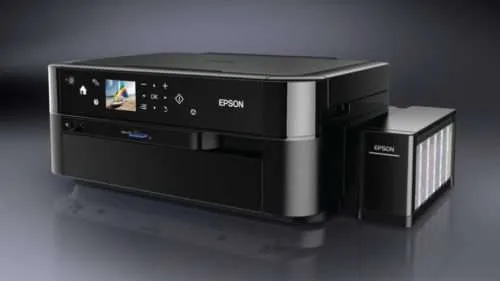
Recent survey results released by Global Technology company Epson indicate that 74% of IT decision-makers acknowledge a surge in demand for new scanning technology due to digitalization, with the global scanner market expected to reach USD $2.68 billion.
Epson’s latest scanner range, designed for smaller offices, remote workers, and eco-conscious organizations, caters to the evolving digital needs in the MENA region. These scanners, including the DS-C330, DS-C490, ES-C320W and ES-C380W, are constructed with up to 30% recycled plastic and are energy-efficient, saving space and power in various sectors such as healthcare, logistics, and finance.
Epson, a leader in global technology, is set to participate in the second edition of GITEX AFRICA Morocco, the continent’s premier technology event, This year, the company will highlight its commitment to sustainable development by showcasing a comprehensive range of solutions aimed at supporting regional industries. Additionally, Epson will exhibit its new eco-friendly A4 compact scanners, reinforcing its dedication to environmental sustainability.
During the inaugural GITEX AFRICA, Epson was recognized for its dedication to sustainable innovation and the advanced technological solutions presented at its interactive stand, which drew significant visitor interest. Leveraging this success and the positive response to its products, Epson returns to present its latest innovations and strengthen regional partnerships.
“GITEX AFRICA is an optimal venue for IT decision-makers to explore Epson solutions that offer flexibility and efficiency in scanning, projection, and printing. The compact scanners are particularly suitable for sectors like healthcare, hospitality, and the public sector, supporting businesses of all sizes and work models from remote to hybrid. These solutions facilitate everyday tasks, including scanning passports, receipts, and invoices”, highlighted Mukesh Bector, Regional Head for East and West Africa at Epson.
At GITEX AFRICA 2024, Epson will demonstrate its offerings for sectors such as education, art, corporate, label, and retail. The company will also showcase the energy-saving benefits of its Heat-Free printing technology in models like the EcoTank business L6490 and Workforce Enterprise WF-C21000 D4TW, without compromising speed and productivity.
As a pioneer in the ink tank printing industry, Epson’s expertise has led to the development of top refillable ink tank printers like the EcoTank L15160 and L6570. These printers ensure excellent print quality, long-term savings, and support eco-friendly printing practices. With over 90 million EcoTank printers sold globally, the product line has helped avoid 756,752 tons of CO2 emissions.
In the business solutions segment, Epson offers tools for various work models, including in-person, remote, and hybrid setups. In collaboration with Al Jabra, Epson has developed a next-generation hybrid workspace using solutions like the short-throw laser display EB-810E and the WorkForce Pro WF-M5899DWF.
For the education sector, Epson’s integrated solutions for classrooms include ultra-short distance projectors and education document cameras, with showcased products like the EB-1485Fi projector and the DS 32000 scanner.
In the realm of immersive experiences, Epson will display technologies like the EB-PU2220B, the world’s smallest 20,000lm laser projector, suitable for large events and spaces.
For artists and photographers, Epson offers a range of printing solutions to produce museum-quality works, including the SureColor F100 and SureLab SL-D1000.
In retail, Epson’s business solutions are designed to enhance customer service through interactive and digital tools. Products like the TM-m30II-SL and TM-L100 label printer will be featured at GITEX AFRICA 2024.
Egypt-based boutique consulting and investment firm Glint has closed its second venture fund at $3 million, supported by Wadi Degla Group.
Glint Fund II seeks to support innovative entrepreneurs to build disruptive, tech-based Egyptian companies with the capability—and mandate— to penetrate the regional and international markets and aims to invest between the Seed and Series A stages with tickets ranging from $250K to $500K.
“Glint’s second fund represents an important step to further develop our ecosystem designed to support Egyptian tech-based startups looking to penetrate the regional and international markets,” said Tarek Aboualam, managing partner at Glint,
According to Tarek Aboualam , Glint’s Venture Studio model is designed to provide much more than just capital; it provides an integrated platform offering business, operational and technical support as well as access to the regional market. We are thrilled to start working with our new LPs as well as continue working with our returning investors.
“Investing in startups that redefine and disrupt markets is more than just financial input; it’s about building a foundation for continuous innovation and significant regional growth,” added Youssef Helmy, General Partner at Glint.
Since its establishment 6 years ago, Glint has helped build many bright businesses like Darwinz.ai, Iqraaly, Wasla, Kashier and Filkhedma.
“The fund focuses on digital and disruptive industries, planning to make significant inroads into AI, fintech, and other cutting-edge technologies.”
Industrial operations are in the dynamic world, and managing dust is the key task for maintaining a safe, clean, and efficient working environment. The main goal of this process is the industrial dust collector machine, which is the equipment that is responsible for the removal of dust particles from the air. As its main parts, the baghouse filter bags can be mentioned for their efficiency and reliability. This article stresses on the role of filter bags that facilitate the proper functioning of industrial dust collector machines.
Baghouse filter bags are the core of any dust collector system in the industry. This type of bag is intended to capture dust particles of different sizes. The material, size, and type of these bags plays a fundamental role in the entire dust collection system. Familiarity with the working principle and significance is a must for industries that value air quality and workers’ welfare.
Technological Advancements
The advancement of technology in baghouse filter bags has greatly enhanced the efficiency of industrial dust collector units. Some of these innovations are the development of highly efficient fabrics, increased dust catcher abilities, and longer bag life. In this respect, such innovations not only enhance air quality but also decrease dust collection maintenance and running costs.
Choosing the Right Suppliers
It is important to remember that the right baghouse filter bag suppliers is a vital decision that is critical to the performance of industrial dust collector machines. Quality suppliers don’t just ship the bags, but also their experience in choosing the proper type of bag for a particular industrial use. This is used to keep the machine running at its highest level with reduced downtime and enhanced dust collection efficiency.
Maintenance and Upkeep
The maintenance and replacement of filter bags in industrial dust collector machines should be done at the right time and in a proper manner in order to ensure the optimal functioning of the machines. Routinely checking, cleaning, and replacing bags that are worn out. The maintenance requirements of the dust collector both the filter bags and the dust collector machine are the key to extending their life.
Environmental and Health Benefits
Through bag house dust collection with quality filter bags, we are able to contribute greatly to environmental protection and safety of workers. The bags, by retaining harmful dust particles, are an excellent tool that reduces air pollution and thus minimizes the health risks associated with dust exposure. Such is particularly relevant in the industries where air quality directly influences the health of employees and the neighborhood.
Conclusion
The baghouse filter bags are the key element in the dust collector machines of any industrial plant. Workers of dust collectors are the key to the process of collecting dust that is essential for keeping air quality, protecting the environment, and protecting workers’ health. With the progress in filter bag technology, the industrial dust collector machines will be more successful and efficient in their fight against industrial dust, thereby becoming a main instrument in the struggle against industrial dust.
Maad, the Senegal-based tech & logistics platform for informal retailers has completed $3.2 million seed funding to further expand across & dominate the Senegalese market, introduce financial services such as Buy Now, Pay Later through a digital wallet, and launch in a second country in Francophone Africa.
The debt and equity round was led by Ventures Platform, with participation from Seedstars International Ventures, Reflect Ventures, OuiCapital, Launch Africa, Voltron Capital & Alumni Ventures. Proparco and local banks participated in the debt financing.
According to Sidy Niang, Co-founder & CEO of Maad, “We often say this is a blue ocean. As the fastest-growing player in the region, we are well-positioned to maintain our leadership and continue driving transformation in this underserved market.”
Dotun Oloworopoku, Managing Partner at Ventures Platform agrees with Niang. “Maad’s innovative approach to digitizing the informal retail sector in Francophone Africa has the potential to create a significant impact on the lives of small business owners and consumers.”
The firm connects suppliers and small retailers of Fast Moving Consumer Goods (FMCG) and offer them additional high-value services to brands: data, software, and services for advertising, distribution, and market understanding. Maad currently operates in Senegal and where it has partnered with more than 80 suppliers, offering a catalog of over 1,000 SKUs of household brands, and reaching a monthly GMV of $3 million, while operating near breakeven.
On a mission to transform the retail landscape in Francophone Africa, where 80% to 95% of consumption still takes place in informal mom-and-pop shops, Maad’s founding team brings a wealth of experience and expertise to the table. Jessica Long, Co-founder & COO, focused on Operations Excellence & Technology, was the 15th employee at Airbnb and has been living in Senegal for over 7 years, designing digital distribution systems nationwide. Sidy Niang, is focused on Growth, Hiring & Fundraising, has over 4 years of experience in private equity and infrastructure investments with the IFC (International Finance Corporation) and previously co-founded a food delivery company.
Maad’s unique positioning, sustainable business model, and ability to secure funding during a challenging climate for B2B e-commerce startups demonstrate the company’s potential to drive significant transformation across Sub-Saharan Francophone Africa’s retail landscape.
Charlie Graham-Brown, Seedstars International Ventures Partner shared, “What sets Maad apart is their ability to navigate the complexities of the informal retail sector while maintaining a sustainable business model. Their focus on profitability and efficient use of capital, combined with their first-mover advantage in a largely untapped market, makes them an attractive investment opportunity. We believe that Maad has the potential to drive significant economic impact and create lasting positive change in the lives of retailers and consumers across the region.”
The Mombasa Plastics Prize Incubator (MPP), a flagship initiative funded by USAID and delivered by Challenge Works, has been collaborating with nine youth-led businesses to transform their innovative prototypes into sustainable enterprises, fostering green entrepreneurship within the County.
Prior to International Plastic Free Day on May 25th, MPP recently showcased the achievements of these enterprises at Sarova Whitesands Hotel.
This event marked the end of a rigorous nine-month incubation period.
According to the accelerator, approximately 120 metric tons of plastic waste are produced daily in Mombasa County.
From October 2023 these nine promising start-ups selected for the accelerator underwent training to develop essential skills for launching green businesses aimed at addressing the County’s significant plastic waste problem.
Since the inception of MPP, the nine enterprises have set a benchmark for sustainable development in Mombasa and beyond, collectively collecting over 23 tonnes of waste and creating 545 green jobs.
USAID Kenya’s Environment Office, Anna Ghnouly remarked, “USAID’s commitment to initiatives like the Mombasa Plastics Prize demonstrates its dedication to sustainable development and empowering future generations. This initiative highlights the power of community-driven action in tackling complex global challenges. Our $2 million investment has nearly doubled the amount of plastic collected and recycled nationwide over the past decade.”
The 9 Cleantech startups are:
Capapo Solutions: produces sustainable building materials stronger than concrete from recycled plastic, such as Eco-poles, cabro blocks, and panels. Partnerships with local schools are expected to result in upcycling up to 1.3 tonnes of plastic waste.
Clean Tech Collectors is enhancing waste management efficiency through technology, including a pioneering app and essential tools and training for collectors.
Eco-Prints Generation produces eco-friendly 3D printer filaments from recycled plastics, educating 400 students on recycling practices, and has collected over 200 kg of plastic to curb marine pollution.
Furies Enterprise raises awareness about marine plastic waste with its unique board game, Baharia Ninja, having sold over 85 games and focused on creating employment opportunities, especially for women.
Oceania Pacesetter addresses marine pollution by repurposing over 200 kg of plastics into artistic and functional items and actively engaging the community on the issue.
Plas-Tech converts plastic waste into clean cooking gas, with plans for expansion after collecting over 300 kg of plastic.
Plastic Taka Creatives has repurposed 5 tonnes of plastic into eco-friendly yarns and stylish baskets, aiming to generate over 500 jobs annually through a buyback recycling system.
Rafiki Peps refines waste management with a focus on community education and segregated collection systems, enhancing efficiency through local partnerships.
Twende Green Ecocycle transforms over 2.3 tonnes of oceanic plastic into high-quality, customizable furniture and aims to create 30 jobs within the next five years.
Mombasa Deputy Governor Francis Foleni Thoya, who officiated the Enterprise Showcase event, said, “The transformative outcomes we are witnessing today are a testament to the hard work and innovation of Mombasa’s youth. Their commitment to green entrepreneurship alleviates unemployment and is a significant step toward a sustainable future. Mombasa County looks forward to building on the legacy of the Mombasa Plastics Prize by supporting future initiatives.”
In addition to addressing marine plastic pollution, the MPP Incubator calls for continued support for local initiatives that create and sustain green jobs.
This will help tackle youth unemployment and protect the environment.
A recent ANDE study indicates that youth unemployment is a critical global issue, but environmentally friendly ventures represent an untapped market potential valued at $122.7 billion across Kenya.
Leading up to the celebration were key activities such as Zero Waste Fest and the Green Jobs Summit, thanks to collaborative efforts by MPP Incubator enterprises, government entities, ecosystem players, and the local community.
The MPP Incubator has been supported by a multi-sectoral partnership funded by USAID, backed by the Mombasa County Government, and the Exploratory Programs and Innovation Competitions team at USAID, and delivered by Challenge Works, Close the Gap, Swahilipot Hub, Proportion Global, and Brand Spark PR.
Speaking at the ‘MPP Incubator Enterprise Showcase’ held at Sarova Whitesands, Ngosa Mupela, Chief Financial Officer of Close the Gap, expressed his honor in helping the youth transform collected plastics into viable products and businesses.
“We work one-on-one with these businesses to identify gaps in their business, impact, and social cases, helping them develop strategies to move forward, market, and make sales,” Mupela said.
He added that despite the lengthy process, the innovation groups are now viable businesses, collectively generating approximately Sh500,000 in less than six months.
On her part, Lavender Odeng’ a representative from Proportion Global Team, noted that these enterprises began as rough ideas and were refined through Human Centered Design, validating their concepts within the community.
This process turned prototypes into impactful businesses that engaged households across the county.
“They have collected over 20 tonnes of plastic through beach clean-ups and collection initiatives. The highest revenue collected by a single team is Sh100,000 within the past six months,” Ms Odeng’ said.
Mombasa Plastic Prize Lead and representative from NESTA, the UK-based Innovation Foundation, Naomi Whitbourn described the process of nurturing these enterprises as extraordinary.
She mentioned ongoing efforts to secure future funding to further develop these businesses.
“The Mombasa County Government has been a tremendous support for the Mombasa Plastic Prize and has identified several MPP teams for active and collaborative work,” Whitbourn said.
In a significant announcement, billionaire philanthropist Melinda French Gates revealed her decision to resign as co-chair of the Bill & Melinda Gates Foundation, a position she has held since its inception in 2000 alongside her then-husband, Microsoft co-founder Bill Gates.
In a statement posted on Monday, Ms Gates expressed the weightiness of her decision and shared that her last day at the foundation would be on June 7th.
“After careful thought and reflection, I have decided to resign from my role as co-chair of the Bill & Melinda Gates Foundation. My last day at the foundation will be June 7th.This is not a decision I came to lightly. I am immensely proud of the foundation that Bill and I built together and of the extraordinary work it is doing to address inequities around the world. I care deeply about the foundation team, our partners globally, and everyone who is touched by its work,” Ms Gates wrote.
The foundation, renowned as the largest private philanthropic organization globally, boasts an endowment of over $75 billion and channels its resources into initiatives addressing infectious diseases, poverty alleviation, and climate change.
The divorce of the Gates couple in 2021 did not initially affect their roles within the foundation.
However, Melinda’s departure marks a significant shift, although she affirmed her commitment to continue her philanthropic endeavors independently, particularly focusing on initiatives supporting women and families.
Ms Gates noted that she trust the leadership of the foundation to its Chief Executive Officer (CEO), Mark Suzman, the Executive Leadership Team, and an experienced board of trustees in place to ensure all its important work continues.
She noted that the time is right for her to move forward into the next chapter of her philanthropy.
“This is a critical moment for women and girls in the U.S. and around the world, and those fighting to protect and advance equality are in urgent need of support. Under the terms of my agreement with Bill, in leaving the foundation, I will have an additional $12.5 billion to commit to my work on behalf of women and families. I’ll be sharing more about what that will look like in the near future,” Ms Gates noted.
The Gates Foundation’s impact spans globally, with over $54.8 billion in grants dispersed to initiatives across 135 countries.
Despite the impending change in leadership, the foundation’s mission to effect positive change in global health and social welfare is expected to persist, underscoring its enduring legacy and commitment to philanthropy.
Popular messaging app WhatsApp has been busy rolling out a wave of updates in recent weeks, focusing on design improvements, security enhancements, and exciting new features.
Here’s a breakdown of the key changes you might have missed:
Freshened-Up Interface:
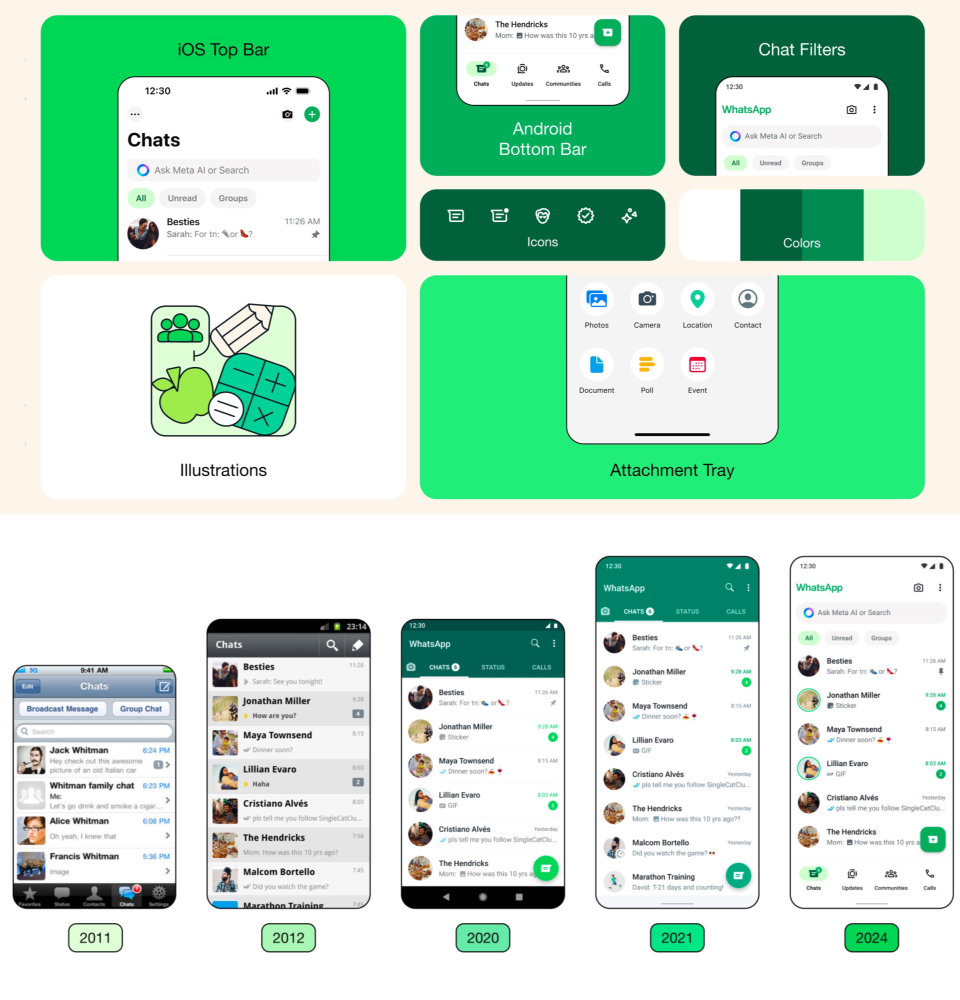
A brand new green interface with revamped illustrations and icons is now available for most users, offering a more modern and visually appealing look.
For Android users, a darker dark mode with increased contrast and deeper tones has been introduced to reduce eye strain and enhance readability in low-light environments.
Enhanced Usability:
A new, modern bottom navigation bar on Android makes it easier to find what you need quickly, placing tabs closer to your thumbs for a more intuitive experience.
On iOS, sending photos and videos has been streamlined with a new expandable attachment layout, providing clearer access to media, documents, and more features.
Both Android and iOS apps now offer chat filters, allowing you to focus on and locate important conversations with ease.
Security and Privacy Boost:
A highly anticipated feature – the ability to prevent screenshots of profile photos – is currently under development for iOS users. This aims to give users more control over their privacy and reduce the risk of unauthorized image sharing.
Improved Functionality:
A redesigned drawing editor is being rolled out for both Android and iOS. This update features a relocated color and brush toolbar at the bottom of the screen for easier one-handed editing, especially on larger devices. Additionally, an expanded color palette and improved font size adjustment offer greater creative flexibility.
New sticker creation shortcuts are now available on Android, similar to those already implemented on iOS. This streamlines the process and separates AI-powered sticker creation from personalized sticker options for a more user-friendly experience.
The ability to create, view, and follow channels from linked devices has been introduced, ensuring a consistent experience no matter which device you’re using.
Security Measures:
Passkeys, a new account verification method offering increased security and convenience, are now widely available for iOS users. This allows you to log in using your device passcode or biometric authentication instead of the traditional 6-digit code.
Overall, these updates demonstrate WhatsApp’s commitment to providing a user-friendly, secure, and feature-rich communication platform.
Stay tuned for even more exciting developments in the future!
Users should note that some features may not be available to all users yet and might have a staged rollout. Keep your WhatsApp app updated to ensure you have access to the latest functionalities.
OpenAI has unveiled GPT-4o, a new iteration of the GPT-4 model that powers its flagship product, ChatGPT.
Announced by OpenAI Chief Technology Officer (CTO) Mira Murati during a livestream on Monday, GPT-4o promises significant improvements in speed and capabilities across text, vision, and audio.
Reports by Verge state, “The new model will be free for all users, with paid users enjoying up to five times the capacity limits of free users.”
According to a blog post from OpenAI, GPT-4o’s enhanced capabilities will be introduced incrementally, starting with its text and image functionalities, which are available in ChatGPT.
Chief Executive Officer (CEO), Sam Altman highlighted that GPT-4o is “natively multimodal,” enabling it to generate content and understand commands in voice, text, and images.
“Developers will be able to access the GPT-4o API, which is priced at half the cost and operates at twice the speed of GPT-4 Turbo,” Mr Altman noted on X(Twitter).
The update also brings new features to ChatGPT’s voice mode, transforming it into a dynamic voice assistant that responds in real time and can observe the environment.
This marks a significant upgrade from the current voice mode, which handles one prompt at a time and only processes auditory input.
Reflecting on OpenAI’s evolution,Mr Altman acknowledged a shift in the company’s original mission to create universal benefits through Artificial Intelligence (AI).
Instead, OpenAI is now focusing on providing advanced AI models to developers via paid APIs, empowering third parties to innovate and create diverse applications that benefit society.
“It now looks like we’ll create AI and then other people will use it to create all sorts of amazing things that we all benefit from,” Mr Altman stated in his blog post following the livestream event.
The Communications Authority of Kenya has reported significant disruptions to internet services across the country due to a deep-sea fibre cut.
According to the authority, “The incident occurred at the Mtunzini teleport station, impacting major submarine cables such as Seacom and the East African Submarine System (Eassy).”
In a press release, the Authority confirmed that it had received numerous reports of intermittent data outages and traffic congestion on the affected cables.
The Director-General and Chief Executive Officer (CEO), David Mugonyi, announced that recovery efforts are underway but warned that consumers might experience slow internet speeds and intermittent connectivity over the next few days as services are gradually restored.
To mitigate the impact, the authority has instructed service providers to secure alternative routes for internet traffic.
The unaffected East Africa Marine System (TEAMS) cable is currently handling local traffic, while redundancy on the South Africa route has been activated to alleviate the disruption.
Service providers Airtel Networks Kenya and Telkom Kenya have also issued statements to their customers, acknowledging the service issues and outlining steps taken to minimize the disruption.
Airtel reassured customers that they are working with partners to restore full services and thanked them for their patience.
Similarly, Telkom Kenya highlighted its mitigation measures to maintain connectivity during the outage and expressed appreciation for customers’ understanding.
“While you may experience intermittent service provision during this time, Telkom has put inplace mitigation measures to minimise this disruption and keep you connected.We thank you for your patience and understanding as we work with our partners to restore optimal service provision as soon as possible, “Telkom noted.
This disruptions comes after another incident was reported in March.
The Communications Authority says it continues to monitor the situation closely, ensuring that incoming and outbound internet connectivity remains available as repairs progress.
Users are advised to expect some ongoing interruptions until normal service levels are achieved.
Kenyan businesses are navigating a complex landscape fraught with challenges, from securing working capital and sourcing quality products to accessing lucrative markets.
Stanbic Bank emerges as a crucial facilitator in this environment, bridging the gap between Kenyan enterprises and their Chinese counterparts and mitigating business risks through supplier verification, capital solutions, and transactions to enable businesses to buy and sell seamlessly.
Paul Mungai, Head of Trade and Africa China Banking at Stanbic Bank, emphasised the bank’s pivotal role in mitigating risks and facilitating seamless transactions during the China Africa Economic Trade Exhibition (CAETE) at the Edge Convention Center in Nairobi.
“With over 1.4 billion people, China plays a critical role for Kenyan businesses in offering a wide market for local export produce. Stanbic Bank offers access to the China market through solutions that catalyse growth, mitigate risks, and meet product and market demand,” said Paul Mungai, Head of Trade and Africa China Banking, Stanbic Bank.
Through these rigorous supplier verification processes and tailored capital solutions, Stanbic Bank empowers businesses to navigate the complexities of international trade, particularly in the dynamic Africa-China economic corridor.
As a key partner with the Industrial Commercial Bank of China, Stanbic Bank is streamlining product sourcing, supplier connections, and logistics. This means Kenyan businesses are able to procure quality goods and establish solid business linkages, which are essential for fostering growth within the African-China economic sphere. Thus, Kenyan enterprises are poised to thrive in the competitive global marketplace.
After reporting a 5% decline in profit after tax for the year ended 31 st December 2023, Equity Group Holdings has bounced back recording strong 1 st quarter results.
Profit after tax for the period ended 31 st March 2024 grew by 25% to a record Kshs.16 billion compared to a similar period last year. Differentiated strong leadership decision making, and an agile balance sheet drove the swift recovery. Bold decisive actions saw growth in deposits placements to 11% compared to the deposits growth of 29% registered for the year ended 31 st December 2023, as the Group skipped expensive deposits. Growth in long-term borrowed funds saw a decline of 21% year on year for the period ended 31 st March 2024 as the Group paid out maturing repriced expensive dollar denominated loans.
Given the elevated credit risk characterized by high non-performing loans environment, the Group enhanced credit risk underwriting resulting to a 3% year on year growth in loan book as at 31 st March 2024 compared to a 26% growth rate for the year ended 31 st December 2023. This also led to re-allocation of lending from private sector credit to public sector lending through government securities, which grew to 21%. Consequently, the cost of credit risk dropped to 2.9% for the period to 31 st March 2024 from 4.4% for the year ended 31 st December 2023.
The loan to deposit ratio stood at 63% as at 31 st March 2024 compared to 65.3% as at 31 st December 2023. There was slow customer deposits growth and decline in long-term loans yielding a lower year on year growth of interest expense for the reporting period to 31 st March 2024 to 41% compared to 53% for the year ended 31 st December 2023.
Interest income for the period to 31 st March 2024 grew to 33% compared to 30% for the year ended 31 st December 2023. Growth of net interest income accelerated to 28% for the period ended 31 st March 2024 compared to 21% for the year ended 31 st December 2023. Provisions grew to 84% for the period ended 31 st March 2024 compared to the 139% for the year ended 31 st December 2023.
NPL coverage as at 31 st March 2024 reporting improved to 68.5% compared to 67.3% reported on 31 st December 2023. reportedly, Through the company’s efficiency pursuits at the operational level, growth in total costs declined from 52% for the year to 31 st December 2023 to a growth of 28% for the period to 31 st March 2024. This decline in total costs effectively improved cost to income ratio for the period to 31 st March to 47.1% down from 52.3% for the period to 31 st December 2023. In addition, digitization and automation of processes has significantly enhanced convenience and ease to customers in self- serving using own devices and 3 rd party infrastructure which has shifted the cost structure of the Group from fixed cost to variable costs.
While releasing the results Dr James Mwangi, Equity Group Managing Director and CEO said, “The recovery momentum is strong after accepting and adapting to the new normal of operating in an environment characterized by Volatility, Uncertainty, Complexity and Ambiguity – VUCA.An environment defined by high inflation, interest rates and volatile currency exchange rates.”
As deliberate decisions and actions stabilize the internal operating environment while adjusting strategic intents to new scenarios of the new normal, the external operating environment continued to experience volatile, complex, uncertain, and ambiguous macro-economic turbulence of extreme volatility in currency exchange rates and high interest rates and inflation. The resultant business shocks saw balance sheet growth slow down to 10% compared to 26% registered for the year ending 31 st December 2023. Loan uptake year on year to 31 st March 2024 grew at 3% compared to a growth of 26% for the period to 31 st December 2023.
Customer deposits growth matched the decline on balance sheet growth to record 11% compared to 29% growth to 31 st December 2023. Early signs of calmness in the global macro environment are visible with declining inflation, peaking of interest rates and early signals of green shoots. At the domestic front, inflation has started to decline, interest rates have peaked, exchange rate volatility has reduced, and the East and Central African region shows signs of renewed growth.
The Group’s mark to market losses have reduced to Kshs 48.4 billion from a high of Kshs 78 billion in 3 rd quarter of 2023. The strong defensive strategy anchored on strong governance, leadership and strong values-based organization culture that emphasizes execution and performance, effective and efficient systems, processes and procedures, and a strong customer-centric value proposition of affordability and high-quality products and services delivered with ease and simplicity underpins the recovery and turnaround.
Equity Group’s strategy to evolve with the needs of its customers and the economies it helps to connect and integrate has led to business diversification beyond financial inclusion by diversifying offering and moving up the value chain as it scales and connects fragmented supply chains and trade routes. As a result of business and product diversification, non-funded income contributed 43.9% of the total income of Kshs.49.6 billion at Kshs.21.8 billion. Treasury contributed 30% of all gross income of Kshs 64.8 billion at Kshs.19.6 billion while Trade Finance revenue grew at 22% to Kshs. 3.1 billion whilst off balance sheet Trade Finance facilitation grew by 23% to Kshs.205.6 billion.
The new life insurance business took a strong start with robust growth in its second year of operations. Profit after tax grew 106% to Kshs.321 million while total insurance assets grew by 288% to close at Kshs.20.8 billion while return on average Equity grew 25% to 54% up from 43% whilst posting a positive Insurance Service Result, indicative of strong underwriting practices.
This confirms that there is a significant opportunity in insurance by providing relevant, innovative and technology driven solutions to the underserved.
Also, the Equity brand has become synonymous with financial services, banking and insurance, education through Wings to Fly scholarships and the Equity Leaders Program, championing access in health through Equity Afia Medical Centers, Agriculture through Kilimo Biashara program, entrepreneurship through Young Africa Works Program and sustainability through social safety net cash payments programs, tree planting and clean energy transitions.
CCI Global, Africa’s leading outsourcing firm, has announced the grand opening of its Tatu City Call Centre. This new five-story building inside Tatu City, the 5,000-acre Special Economic Zone on Nairobi’s doorstep, represents a US$ 50 million investment into the Kenyan BPO industry.
The state-of-the-art facility is Kenya’s largest call centre, promising to invigorate the nation’s economy by creating over 5,000 new job opportunities in the short term.
At the commissioning of the CCI Tatu City Call Centre by H.E. The President of Kenya, Dr. William S. Ruto, CCI announced the creation of a second CCI building at Tatu City, with the commitment to double CCI Kenya’s call centre workforce to 10,000. These roles span a spectrum of positions, from call centre agents to managerial roles, solidifying Kenya’s status as a premier hub for Business Process Outsourcing.
Rishi Jatania, CEO of CCI Kenya, reaffirmed the company’s commitment to the region, stating, “This launch represents a significant step forward in our mission to provide top-tier BPO services while contributing to Kenya’s socio-economic development. We believe in the potential of this region and are excited to set the gold standard for BPO operations in Africa.”
The launch of CCI’s Tatu City Call Centre by took place during the esteemed Elevate Africa Conference, a three-day event at Tatu City uniting industry leaders, policymakers, and stakeholders from around the world. Themed “The Next Chapter of Innovation,” the Elevate Africa Conference serves as a pivotal platform for visionary discourse and collaboration across the BPO industry.
“CCI’s Tatu City’s Call Centre makes a significant contribution to the development of the BPO industry, which is growing rapidly in our cities, and will create a million jobs for Kenyans alone in the next few years,” said Stephen Jennings, Founder & CEO of Rendeavour, the owner and developer of Tatu City. “With the right management, technology, international access and enabling ecosystem, Kenyan BPO workers excel on a global scale.”
At the heart of CCI’s expansion lies a US$ 50 million investment in CCI Tatu City’s development, reflecting a portion of CCI Global’s US$ 150 million investment in Kenya since 2016. With a track record of investments exceeding US$ 2 billion across Africa since 2006, CCI reaffirms its dedication to driving economic empowerment on a continental scale.
Martin Roe CEO of CCI Global, stated, “I am pleased to affirm Africa’s prominence as a top destination for call center operations, with Kenya emerging as a standout choice. Our decision to expand across Kenya reflects our profound confidence in the country’s thriving BPO industry and its capacity for sustained growth.
As we continue our journey in Kenya, contributing to its economic advancement and providing meaningful employment opportunities, I am thrilled to announce a significant milestone: the upcoming launch of another new CCI building in Tatu City.
This strategic move follows the resounding success of our existing operations, which have already reached full occupancy. This expansion reinforces our strong commitment to Kenya.”
As CCI embarks on this transformative journey, it remains steadfast in its mission to combat unemployment and drive socioeconomic progress in Nairobi and beyond. Strategic partnerships with organizations like CareerBox Africa enable the provision of digital skills training programs, empowering unemployed youth, particularly young women, to upskill young people for work in the BPO industry.
The contact centre , developed by GREA as part of the ENEO development, will operate almost exclusively on 96% renewable energy – with solar panels to be installed, natural air corridors, and self-shading walls to almost totally mitigate the Co2 emissions involved in the call centre’s energy production and consumption. The new facility has received two awards from The African Property Awards, and EDGE Green Building and Sustainability Excellence Associate (SEA) certifications for environmental responsibility.
“Eneo at Tatu Central represents the pinnacle of BPO facilities, combining state-of-the-art amenities with green design principles and community involvement, to create a sustainable, dynamic, and thriving community hub,” said Greg Pearson, CEO and co-founder of GREA, the developer of Eneo at Tatu Central.
Also, the construction of CCI Tatu City had a socio-development focus, with the involvement of a female construction team, Buildher – a non-profit social enterprise in Kenya that equips disadvantaged young women with accredited construction skills and gives stable employment on urban development projects in Kenya. A cohort of 30 females worked on- site during construction and fit-out of CCI Tatu City, setting a new benchmark for women in the built environment in Africa.
The project aims to create financial prosperity for Kenyan women, change male attitudes, and promote gender equality within the African construction industry. The Buildher project is run by the CCI Tatu City developer Gateway Real Estate Africa.
The African Enterprise Challenges Fund (AECF) recently shaded light on the challenges and opportunities surrounding women-owned businesses in the Blue Economy, a sector encompassing marine and coastal resources.
Recognizing the immense potential of women-owned businesses, AECF launched the Investing in Women in the Blue Economy in Kenya (IIW-BEK) program.
Funded by Global Affairs Canada, this initiative aims to support women-led micro, small, and medium enterprises (MSMEs) in the Blue Economy.
The IIW-BEK program offers significant financial support for women entrepreneurs. Grants range from $50,000 to $400,000 for commercial private sector enterprises, with smaller grants of $15,000 to $50,000 available for medium, small, and micro enterprises, respectively.
“Inclusion demands intentionality. We are proud to be adding 19 women-owned small enterprises to our existing portfolio at the Kenyan Coast. We deliberately journey with them through our Investing In Women in the Blue Economy (IIW-BEK) programme funded by Global Affairs Canada | Affaires mondiales Canada,” AECF noted. “We are hopeful that these women entrepreneurs inspire a wave of change and build on the case that women-owned businesses are investable, they just need to access capital and technical advisory support.”
The organization noted that an overwhelming 1,600 applications flooded the IIW-BEK competition, highlighting the high interest from women entrepreneurs.
However, the competition also revealed key challenges faced by these businesses:
Pitching and Promotion: Many women entrepreneurs struggle to effectively market and present their business models through digital applications.
Confidence and Self-Doubt: Women entrepreneurs often underestimate their capabilities and hesitate to apply for funding opportunities due to perceived stringent requirements and a demanding application process.
Informality and Awareness: A significant number of women operate informally, lacking awareness of the benefits of formalization and compliance with regulations. This informality hinders access to support and resources.
Investment Knowledge: Many applicants had limited experience with investment grants and lacked familiarity with financial terminology.
AECF recognized these challenges and adapted its approach.
They incorporated in-person events, technical assistance workshops, and mentorship programs to help applicants refine their business models, improve presentation skills, and build leadership confidence.
AECF’s experience with the IIW-BEK program provides valuable insights into supporting women-owned businesses in the Blue Economy.
Recently, the organization announced Sh50 Million grants to 19 small women-led businesses in the blue economy sector in the coastal region.
One of the beneficiaries, Faith Mwende who is the co-founder of Sea Ventures noted: “We are part of the 19 who will receive support through funds to upscale our business. We would like to express our gratitude to AECF for the support and opportunity. Thank you for believing in us and our vision.”
Bolt, a prominent ride-hailing platform, has teamed up with the Kenya Red Cross to aid flood victims across Kenya with a new feature on its app, the “Flood Assist” category.
With an initial donation of Sh5 million, Bolt aims to raise a total of Sh10 million through this initiative.
Five percent (5%) of the revenue from rides booked under this category will be directed towards assisting victims of the recent floods, which have resulted in significant loss of life, displacement, and damage to property and infrastructure.
oppo_1026
Country Manager for Bolt Kenya, Linda Ndungu emphasized the company’s commitment to supporting communities in need during challenging times.
By introducing the “Flood Assist” category and contributing an initial Sh5 million, Bolt seeks to inspire Kenyans to join in supporting flood relief efforts.
“This initiative leverages Bolt’s platform to make a meaningful impact and offer much-needed assistance to those affected by the devastating floods.”
The death toll from Kenya’s devastating floods has climbed to at least 228, with 72 people currently reported missing and 164 wounded.
Over 223,000 individuals have been affected by the floods, according to the Government of Kenya.
Authorities are actively enforcing evacuation orders issued on May 2nd, with 163,210 residents evacuated from riparian areas in Nairobi County alone, as the government arranges alternative accommodations.
Bolt’s collaboration with the Kenya Red Cross ensures that the funds raised will be utilized to provide relief food, relocation support, and the reconstruction of water, sanitation, and hygiene facilities in affected areas.
The Kenya Red Cross, leading the government-supported response to the flooding crisis, is well-equipped to ensure that resources reach those in need.
Secretary-General of the Kenya Red Cross, Dr Ahmed Idris, expressed gratitude for Bolt’s commitment to supporting flood victims in Kenya.
He noted that this partnership enhances efforts to reach more people and deliver essential aid to communities devastated by the floods.
“With Bolt’s partnership and their generous initial contribution, critical support such as food, shelter, and medical assistance can be provided to those most affected by the disaster. Collaboration with partners like Bolt significantly improves the lives of those affected by this calamity,” said Dr Idris.
The ride hailing firm urges Kenyans to participate in this endeavor by using the “Flood Assist” category for their rides and help reach the Sh10 million target.
Every ride taken under this category will make a significant contribution to improving the lives of those impacted by the floods.
TikTok has announced plans to introduce labels for Artificial Intelligence (AI)-generated content uploaded to its platform, aiming to use digital watermarks called Content Credentials for this purpose.
This move comes amid concerns from researchers about the potential misuse of AI-generated content, particularly in the context of upcoming US elections, prompting TikTok and other tech companies to take action against such misuse.
“While TikTok already labels AI-generated content created within its app, the new initiative will extend labeling to content generated outside the platform,” Reuters reported.
TikTok’s head of operations and trust and safety, Adam Presser emphasized that the platform has strict policies against unlabeled realistic AI content, promising to remove any violating content.
“We also have policies that prohibit realistic AI that is not labeled, so if realistic AI (generated contents) appears on the platform, then we will remove it as violating our community guidelines.”
The Content Credentials technology, developed by the Coalition for Content Provenance and Authenticity, enjoys support from tech giants like Adobe and Microsoft.
It has also been adopted by entities like OpenAI, the creator of ChatGPT.
Other major platforms, including YouTube and Meta Platforms (formerly Facebook), have announced plans to implement this technology as well.
For the labeling system to be effective, both the AI tool creator and the platform distributing the content must agree to use the industry standard.
For example, OpenAI’s Dall-E tool attaches a watermark to AI-generated images, enabling platforms like TikTok to automatically label such content upon upload.
TikTok’s move to label AI-generated content comes as the platform faces regulatory scrutiny, particularly in the US where lawmakers have raised concerns about data privacy and national security.
TikTok’s parent company, ByteDance, is currently embroiled in legal battles over regulatory actions aimed at the platform.
Google.org is providing $250,000 in relief grants, while SOS alerts and Search Ads share crucial information and resources to Kenyans affected by the devastating floods, which have caused 228 deaths and displaced 200,000.
“To help support those impacted by the flooding, our philanthropic arm, Google.org, has launched an employee giving campaign and is providing $250k in grant funding to support relief and recovery efforts, through the Center for Disaster Philanthropy (CDP),” said Agnes Gathaiya, Country Director, Kenya.
Kenya is grappling with one of the worst flooding disasters in its recent history. The past weeks have seen catastrophic floods and mudslides tear through the country, leaving a trail of devastation. Sadly, 228 lives have been lost to date with another 72 individuals still missing. The scale of the disaster has displaced more than 200,000 people, upending lives and livelihoods across the nation. The relentless rainfall has filled reservoirs to the brim, raising fears of widespread flooding if the dams fail to hold.
During this flooding period, river discharge levels along the Tana, Mutong, and Sagana reached severe levels and in the Tana and Galana, river discharge is still very high. This forecast is based on data from Google’s Flood Hub platform, which has been tracking forecasted river discharge in five areas designated by the Kenyan government as priority locations, as part of its efforts to use AI for reliable flood forecasting.
Google, which has had an office and employees in Nairobi since 2007 is the go-to platform for information during emergencies and the newly launched SOS alerts will provide people with resources including emergency phone numbers and websites, maps, meteorological information and more. The search giant is also providing Search Ads donations to nonprofits so they can better connect with people in need and provide information on how to help flood victims.
“Our hearts go out to all those affected by the floods in Kenya. We will continue to look for ways to help support those impacted,” said Gathaiya.
According to the SME Finance Forum, the financing gap for MSMEs in Ethiopia and Sub-Saharan Africa is estimated to be US$4.3 billion and US$331 billion, respectively. MSMEs are major job creators in Africa, contributing to 80 percent of employment, according to McKinsey & Company. It is therefore critical to address the access to finance constraints as an underlying requirement on the pathway for creating and sustaining jobs on the continent.
Using alternative data-driven Artificial Intelligence (AI) credit scoring, which tailors relevant products to MSMEs and reduces the costs of finance and management of small-value loans for the banks, the Mastercard Foundation and Kifiya have set aside $100 million to enable access to device financing and uncollateralized financial credit products to Ethiopian women entrepreneurs.
The program, dubbed the Sustainable Access to Finance to Enable Entrepreneurship (SAFEE) aims to unlock US$300 million from six banks and enable more than 477,800 micro, small, and medium enterprises (MSMEs) to access uncollateralized digital credit products and will enable 425,000 young women access mobile device financing.
The credit is in the form of nano, micro, and small working capital, inventory credit, invoice financing, equipment financing, and buy-now-pay-later products for MSMEs in urban, peri-urban, and rural areas of Ethiopia.
“Through collaborative efforts and innovative and tailored programs like SAFEE, the Foundation aims to create an ecosystem where MSMEs can harness the power of digital lending to realize their full potential and ensure sustainable livelihoods for fellow young people,” said Samuel Yalew Adela, Mastercard Foundation Country Director, Ethiopia.
Including SAFEE, the Foundation to date has committed a total of $672 million in Ethiopia, of which $222 million is dedicated to increasing affordable access to finance through various partnerships.”
Over a period of five years, the program will directly drive the creation of job opportunities for 2.18 million young people (80 percent women) and support other programs to enable 3.65 million young people to access credit. The program will focus on supporting vulnerable young people who are traditionally excluded from accessing financial products, including women, persons with disabilities, refugees, and Internally Displaced People (IDPs).
The program addresses the lack of credit history and records, availability of appropriate products and services, low use of financial technology and the cost of managing low-value credit. It also provides the technical assistance required for financial institutions to transition from conventional collateral-based lending to uncollateralized, digitally enabled, credit-score-based lending, and embracing new modality of delivery of financial services.
SAFEE has initially partnered with the Cooperative Bank of Oromia, Bunna Bank, Enat Bank, Amhara Bank, Wegagen Bank, and ZamZam Bank. The facility will increase the number of bank partnerships based on learnings and needs.
To Kifiya, the program is catalytic by design to enable the financial sector transition where uncollateralized digital credit for MSMEs becomes the new normal
“Our partnership with the Mastercard Foundation will enable the unlocking of uncollateralized productive credit products ranging from digital working capital, invoice financing, inventory credit, buy-now-pay-later, and interest-free banking that address the needs and demands of MSMEs,” said Munir Duri, Founder and Chief Executive Officer, Kifiya Financial Technology PLC.
In a world where waiting is increasingly regarded as an inconvenience, the ability to manage finances swiftly through instant debit card funding has revolutionized our access to money. This innovation means that the moment you decide to transfer funds, they’re available in your bank account, ready to use. The era of nervously waiting for transaction approvals or fund clearances has ended, thanks to instant debit card funding. This advancement not only empowers consumers with real-time financial control but also streamlines the process of money management in our fast-paced society, making it a crucial development for anyone looking to enhance their financial agility.
The Evolution of Financial Transactions Through the Ages
The saga of financial transactions is as old as civilization itself, beginning with the barter system, evolving through the ages to coins and banknotes, and seamlessly moving into the realm of digital innovation. With each phase, the mechanisms of trade and commerce have become more sophisticated, reflecting broader economic and technological advances. In the mid-20th century, the introduction of credit cards marked a pivotal shift, enabling more flexible consumer spending without immediate cash exchange.
However, it was the advent of debit cards that truly democratized digital financial management. Unlike credit cards, debit cards allow direct access to one’s bank funds, making everyday transactions straightforward and transparent. They bridged the gap between physical cash and digital spending, offering a real-time reflection of an individual’s financial state.
Exploring the Impact of Instant Fund Transfer Technologies
The latest leap in this financial odyssey is the transition to instant fund transfer technologies. Traditionally, transferring funds, especially between different banks or accounts, involved a waiting period that could span several days, often fraught with anxiety and unpredictability. Now, with the advent of technologies enabling instant transfers, this landscape has dramatically changed. These innovations promise not just speed but a newfound fluidity in personal finance. They allow individuals to manage their finances with unprecedented immediacy, reflecting transactions within moments on their bank statements. This shift not only enhances personal financial management but also integrates a level of agility into everyday commerce, making the promise of instantaneity a tangible reality in our financial interactions.
How Texting Your Payment is Changing the Game
Imagine you’re finishing dinner at your favorite restaurant when the bill arrives. Instead of fumbling through your wallet for cash or cards, you simply grab your phone, send a quick text, and the payment is completed in seconds. This scenario isn’t futuristic—it’s the reality of “pay by text” technology. This method is reshaping how transactions occur, blending convenience with speed. As we delve into the nuances of this system, we’ll explore how it not only streamlines the payment process but also integrates seamlessly into the daily fabric of our digital lives, making cumbersome payment methods a thing of the past.
Benefits for Consumers
The allure of instant fund transfers is not merely in the swiftness with which transactions are executed but also in the profound autonomy it returns to consumers. With this technology, individuals regain control over their financial lives, with access to their funds not just quickly but precisely when needed. This immediacy eliminates the common friction points of traditional banking, such as waiting for check clearances or enduring the suspense of pending payments. Consequently, the average consumer enjoys a heightened sense of security and empowerment, knowing their financial resources are as fluid as their day-to-day needs demand.
Impact on Businesses
For businesses, the ripple effects of adopting instant fund transfers are manifold. At the heart of this change is the dramatic acceleration in the velocity of money, which ensures that payments are received with minimal delay. This boost in efficiency not only enhances liquidity but also sharpens the competitive edge of enterprises by enabling quicker response times to market demands. Additionally, the immediate confirmation of payment reduces the administrative burden of tracking pending transactions, freeing up resources to focus on growth and customer service. The adoption of such technologies also minimizes exposure to fraud, as the window for unauthorized transactions narrows significantly.
The Critical Role of PCI Compliance in Service Excellence
In the realm of customer service, adhering to Payment Card Industry (PCI) standards is not just about compliance; it’s about commitment. As businesses strive to safeguard customer data and build trust, PCI compliance becomes a cornerstone of service excellence. By integrating robust security measures into their operations, companies not only protect sensitive information but also enhance the customer experience. This proactive approach reassures customers that their transactions are secure, fostering a relationship based on reliability and respect. As we delve deeper, we’ll explore how maintaining PCI standards elevates customer service, transforming it into a seamless and secure journey for every user.
Enhancing Customer Service Through PCI Compliance
In the intricate dance of customer service, PCI compliance plays a pivotal role, serving as both a shield and a promise. This rigorous standard ensures that every transaction is wrapped in layers of security, protecting sensitive customer data from the prying eyes of cyber threats. As companies embed these protocols into their operations, they do more than just meet regulatory requirements—they cultivate a garden of trust with their customers. This trust is crucial, as it transforms fleeting interactions into lasting relationships. With PCI customer service, businesses are not merely conducting transactions; they are delivering peace of mind, ensuring that every customer feels valued and protected. In this environment, customer service becomes not just a function, but a hallmark of reliability and respect.
Conclusion
Instant fund transfers have dramatically reshaped our financial landscape, ensuring that individuals and businesses enjoy unprecedented speed and convenience in their transactions. This evolution is not just a fleeting trend but a fundamental shift in how we approach money management and commerce daily. As we look to the future, we can expect this trajectory to continue, with instant technologies driving even greater innovations in finance. The journey ahead promises more seamless integration and smarter financial solutions, placing instant access and efficiency at the heart of economic exchanges globally, forever altering our interaction with money.
The differences between hybrid and non-hybrid cars are outstanding. When you compare the two it’s easy to see what makes each unit unique from each other. Here’s what makes each special and which can be beneficial to you. Here are the key differences you need to know about.
For vehicle technology, both hybrid and non-hybrid cars can use the most modern technology. But how they are applied to each vehicle makes them a key component. For example, hybrid cars depend on various computerized controls that help the car switch between the engine and motor. This technology is also used to maintain battery charge and perform other tasks important to hybrid vehicles. This technology also helps with the regenerative braking system to ensure that it functions properly.
Non-hybrid cars use a basic form of this modern technology. It can be as sophisticated but the functionalities they support are often limited to a standard and automatic transmission. The technology used in non-hybrid cars ensures that alternators, fuel-injection systems, sparkplugs, crankshafts, and batteries are all functioning well and with their maximum capabilities.
Fuel Efficiency
The obvious winner for fuel efficiency is with the hybrid car. The hybrid car makes use of both electric and motor power to provide maximum fuel efficiency. With the regenerative brake system, this allows the battery to charge up properly when braking to avoid consuming gas when you’re on the road. For non-hybrid cars, you can find fuel-efficient models but your consumption will still be higher compared to a hybrid car.
Emissions
Hybrid cars produce fewer emissions compared to non-hybrid cars. They are 90 percent more efficient in managing emissions because of the inherent technology they use. When you’re using an electric motor, hybrid vehicles produce no emissions at all. It’s perfect for traffic and stop and go conditions.
Prices
Hybrid cars use a lot of advanced technology and parts that can cost a premium. You may end up paying more than your average non-hybrid car because of the many features. But the expensive price tag is well justified. You’ll eventually get your money back with one year of usage due to how much money you’re saving on fuel consumption. Gas prices are always fluctuating and having a hybrid can ensure that you’re always on the safe side of your budget. The biggest thing you need to consider is your budget. There are tons of options out there for hybrid cars and you may find one more suitable for you than another
The tipping point for electric car mass adoption has been passed in many countries. Many major carmakers are beginning to phase out petrol-powered vehicle production to meet pledges to go 100% electric.
With drivers benefitting from reduced energy and maintenance costs and lower air and noise pollution, it was only a matter of time before electric vehicles attracted the masses.
But despite the appeal of electric cars, some drivers still have reservations.
The sticking points are the same as 15 years ago when electric vehicles began resurging: where to charge, a car’s range, and uncertainty about the unknown.
Misconceptions keep many drivers from switching, and clear information is needed to help the transition. That’s why we’ve created this guide, filled with the information you need.
What is an electric car?
An electric car uses electricity as its source of power. Instead of a traditional fuel tank and engine, electric motors generate propulsion from the electrical power stored in the battery.
Types of electric vehicle
‘Electric vehicle’ is an umbrella term for different types of battery-powered vehicles.
There are 2 typesof zero-emission 100% electric cars and 2 types of hybrids.
Battery electric vehicles (BEVs)
Battery electric vehicles run entirely on electricity stored in rechargeable batteries. This type of electric vehicle doesn’t need petrol to run, so it doesn’t produce tailpipe emissions.
Fuel cell electric vehicles (FCEVs)
Fuel cell electric vehicles (FCEVs) generate electricity by combining hydrogen (stored in a fuel tank) with oxygen from the air through a process known as electrochemical conversion in the fuel cell.
Moving onto hybrids — these are sometimes categorised as EVs, but electrified vehicles are a better term.
Plug-in hybrid vehicles (PHEVs)
Plug-in hybrid vehicles provide both petrol and electric driving. Housing a small battery and a conventional internal combustion engine, plug-in hybrid vehicles can run on electricity until the electric range is depleted (30–88 km) before switching to fuel.
PHEVs have a bigger battery than HEVs and can be recharged with a plug — hence the longer electric range.
Hybrid electric vehicles (HEVs)
Hybrid electric vehicles combine an internal combustion engine with an electric-powered motor. The vehicle switches between the 2 as a way of improving fuel economy. For example, when the vehicle’s idle, the electric motor helps before the petrol-powered engine starts up.
Hybrid electric vehicles can’t be charged at an external charging station. Instead, they refuel their battery power using energy from the engine and through energy recuperation during deceleration and braking.
How do electric cars work?
With fewer pieces to the puzzle, electric vehicles are less complex than their petrol-powered counterparts.
The battery is the largest and most important component, and this is where the electrical energy needed to power the car is stored. To power the battery, a charging plug is inserted into the car’s port, from which electricity is fed into the batteries from the electric grid.
Once the battery’s charged, electrical powertrains convert the stored energy into mechanical energy, which turns the motor, rotating the wheels when the accelerator is pressed. When the car brakes, the car decelerates, and the motor is reversed to generate power and send it back to the battery.
With very little noise compared to a petrol engine, you’ll notice that electric cars run virtually silent! As an added benefit, fully electric vehicles are efficient — around 4 times as much as petrol vehicles.1
Advantages of electric cars
Better for the environment
Perhaps the primary benefit of electric vehicles is their environmental superiority. EVs produce zero tailpipe greenhouse emissions because they run solely on a battery-powered motor and don’t require fossil fuels. This leads to a cleaner and better-for-the-environment performance than traditional petrol-powered vehicles.
Now, you might say, “What about the mining needed to make EVs and the electricity generation needed to run the vehicles? Wouldn’t the life-cycle emissions of a fully electric vehicle be higher?”
Study after study shows that EVs have lower emissions compared to fossil fuel-powered cars when considering the total life-cycle emissions.
Reduced ongoing costs
As electric cars don’t have the complex components of a petrol engine, regular maintenance costs such as oil changes, spark plug changes, and tune-ups are a thing of the past. Over the course of an EV’s lifespan, the fewer moving parts lead to maintenance savings.
Drivers also save money on refuelling. Electric car drivers typically spend around 60%less each year compared to those with petrol-powered cars, but this can vary depending on the price of fuel and electricity in your area.4
Higher performance
When electric cars were first launched, many belittled their comparatively low speed and performance. But most electric automobiles now outperform petrol-powered cars in acceleration, torque, and overall handling.5
The range of EVs has also grown — mid-size models now provide a range of 300–500 km on a single charge. This sufficiently covers most daily (or even monthly) driving needs.
Downsides of electric cars
Battery production emissions
It’s well known that the battery production of electric vehicles (EVs) accounts for a sizeable chunk of the total manufacturing carbon emissions. Despite these intense production emissions, electric vehicles drive much cleaner and create fewer carbon emissions than petrol-powered vehicles throughout their lifetime.
Additionally, advancements are being made in the recycling of electric car batteries. In years to come, EVs could be built with recycled metals, mitigating the need for excessive mining for rare earth elements.
Electrical grids still using fossil fuels
Electric vehicles are only as clean as the power used to charge them. Since many areas of the world still rely on fossil fuels to power electrical grids, the electricity used to charge EVs isn’t always the cleanest.
The true sustainable potential of electric vehicles can only be realised once the electricity powering them derives from renewable energy such as wind power, solar power, hydropower, or nuclear energy.
So it’s good news that electricity generation is getting cleaner by the year. According to the International Energy Agency, the share of renewables in the global power generation mix is forecast to rise from 29% in 2022 to 35% in 2025. Regions such as the European Union (EU) plan to reach nearly 70% of renewables in their electricity mix by 2030.
Recharging times
Filling up a petrol vehicle doesn’t take much longer than a couple of minutes. And since drivers are accustomed to these speeds, they can be left frustrated by the comparatively slower refuelling time of EVs.
Charging times vary depending on the power of the charger. A slower at-home charger can take up to 8 hours, depending on the grid connection type and the battery’s size. A public rapid charging station can take as little as 30 minutes.
However, with 300–500 km ranges, it’s unlikely the average vehicle would need charging every day. And cars can be comfortably charged overnight with the added benefit of lower electricity prices.
Electric vehicle charging infrastructure and range
The most common concern for newcomers to electric automobiles is range anxiety. This is the fear that a vehicle will run out of power mid-journey with the driver stuck and without access to a charging point.
In the early days of electric cars, this fear was somewhat justified. Few available charging stations and a maximum range of no more than 100 km set real limits. It meant drivers had to diligently plan every outing to avoid running out of battery power.
But things are different today.
Global charging station infrastructure continues to accelerate with demand. In the EU, there are now over half a million public charging points, and in the UK, charging stations outnumber petrol stations! 6, 7
Access to an extensive network of charging stations means that drivers have little concern about running out of battery, unless in rural areas.
The range of electric cars has also improved. New models now comfortably sit above the 300 km range, and some, such as the Tesla Model 3, have a range of 500 km and above (bearing in mind the real-world range can be lower than official figures, depending on weather conditions and driving behaviour).
If range anxiety is still a concern despite these improvements, it’s worth remembering that the average EU driver travels 32.9 km daily — far below the range capabilities of modern electric cars.8
Range and charging frequency are also important to those looking to make money driving. Occasional ride-hailing drivers can manage with a basic electric vehicle, but active drivers covering 200+ km daily often need mid-level models that provide more range.
Incentives for electric car uptake
In a bid to support EV adoption, governments worldwide are pledging a range of incentives. These include subsidising vehicle costs, reducing parking fees, and lowering or eliminating road taxes.
Here are some examples of electric car incentives:
Electric car manufacturers
You’ll be hard-pressed to find a car manufacturer that hasn’t yet got a range of electric automobiles available or, at the very least, has models in the pipeline.
Electric car sales are skyrocketing year-on-year, and car manufacturers are keen to keep pace with this transition.
As new models continue to hit the market, it’s hard to keep tabs on which are the best.
How long does it take to charge an electric car?
Charging time depends upon the vehicle’s battery capacity and the charging station’s power.
Charging stations in Europe are divided into 4 levels:
Slow chargers are power outlets suitable for homes and offices that can charge your car (but take 7–16 hours).
Normal chargers are 3 times as powerful (11–22 kW) than slow chargers (3–7 kW). With this, you can expect a full charge between 2 and 4 hours.
Fast chargers are more common on highways and main road networks. These high-powered (50–100 kW) chargers can fully charge a car in 30–40 minutes.
Ultra-fast chargers have a power output of over 100 kW and can get you back on the road in under 20 minutes.
It’s worth remembering that most drivers only use a fraction of a battery’s capacity on a typical day’s driving. So there’s often no need to wait for a full charge.
What’s the range of an electric car?
The range of fully electric vehicles has come a long way since their inception. Today, even an entry-level electric car can travel over 200 km on a single charge. And as you climb up the ladder to luxury models, you’ll see the range grow to 500 km plus.
How many charging stations are there?
Every month, the number of charging points increases to align with the uptake of EVs. By the end of 2022, the number of global public charging stations stood at 2.7 million — an increase of almost 1 million from the previous year.
Pledges are being made around the world to continue this progress. For example, the EU aims to have 1 million public charging points by 2025 and 3 million by 2030.
Are there charging stations near me?
Apps like Plugshare house an interactive map of electric car charging stations around the world. Drivers can explore the charging station locations in their area and see if stations are currently available for charging.
To ensure electric cars are fit for road use, they undergo the same rigorous testing as petrol-powered vehicles.
All customary road safety features drivers are used to having (airbags, rear-view cameras, lane assist warnings) are found in electric cars, alongside advanced safety features, such as automatic emergency braking, blind spot warning, and collision avoidance systems.
It can be argued that these modern systems, which reduce the risk of accidents and injuries, make electric cars safer than petrol-powered ones.
As for the infamous fire risk, it’s now clear EVs are no more likely to catch fire than petrol cars.
Do you need to replace the electric car battery?
Batteries are designed to last the lifespan of the car, so it’s unlikely you’ll need to replace them. That said, EV batteries will degrade over time, affecting your total driving range.
How long does an EV battery last?
An electric vehicle battery can last anywhere between 10 and 20 years. However, most manufacturers provide a warranty on the battery of around 8–10 years or 100,000 miles.
It’s possible to purchase a new battery for your vehicle as your existing one degrades, but such is the lifespan of the batteries, you might be considering a new vehicle by the time it comes around.
Are electric cars more expensive?
There’s no denying that an electric car has a steeper initial price tag than an equivalent petrol vehicle. However, the overall cost can be lower when you factor in financial incentives, lower maintenance costs, and cheaper fuelling.
What happens if my electric car runs out of charge?
As your car’s battery starts to reach its limit, you’ll get alerts to direct you to a nearby charging station. Additionally, the vehicle will enter low-power mode, which curtails non-essential functions to extend the range and give you more time to get where you’re going.
If you ignore the alerts and the battery completely drains, it will stop running, and you’ll need to be towed home or to a nearby charging station
If you want to make sure that you are getting a genuine Samsung phone, there are a few ways to check if the Samsung phone is original.
Nowadays, many counterfeiters are making cheap copies of Samsung phones and selling them as the real thing. Whether it is flagship models like Samsung S23 or mid-range phones like Samsung A73, fake copies are being sold everywhere.
These fakes often have very similar specs and features as the real phone. They also look and feel exactly the same (but they are not the same). And people who are looking for a cheaper deal are often fooled into buying these fake
Luckily, there are several things you can do to make sure that the phone you are buying is not fake. Today, we’re going to look at the best ways to check if a Samsung phone is original.
Your Samsung phone may seem like a perfect piece of technology, but many people still get cheated when buying a new smartphone from a third-party online or offline retailer.
If you’re not sure whether your new phone is genuine, you can check a few things to make sure you’re not being scammed.
Open the dialler and enter the code *#0*#
If the diagnostic tool comes up immediately, your phone is genuine.
Samsung’s line of Galaxy smartphones features a built-in diagnostics tool to check if all the functionalities of the device are working properly. If you are suspicious that your phone is fake, Samsung’s secret diagnostic test will come
How to check if your Samsung phone is original using IMEI
An alternate way to check if a Samsung phone is fake is to check the IMEI number. The IMEI number is a unique identifier for every mobile phone.
To check the authenticity of your Samsung phone using the IMEI number, here is what you need to do:
Open the dialer and enter the code *#06#
Immediately, a pop-up box with the phone’s IMEI and serial numbers will appear.
Now, cross-check the IMEI on your phone with the number on the box. If they aren’t the same, then it’s a fake.
To double-check, go to the website https://www.imei.info/ and enter your IMEI number. See if the device’s model name, number, and specifications shown on the site match the specifications on the box. If they don’t match, then it’s a fake.
In the end, if it turns out that your phone is fake, you can attempt to return it from where you bought it and ask for a full refund. But there is no guarantee that the seller will honor your request. In that case, you can report the counterfeit sale to the police, the genuine brand owner and any relevant authorities as soon as possible