back to top
Tuesday, April 21, 2026
spot_imgspot_imgspot_imgspot_img
Home Blog Page 12

Kenya Agritech Firm GrowPact Sold to Dutch Investors

0

A Kenyan agricultural firm that has helped thousands of small-scale farmers increase their crop yields has been sold to a private Dutch investment group.

Truvalu, a global impact investment firm, confirmed it had finalised its strategic exit from GrowPact Kitale on 21 January 2026.

The company, which produces high-quality seedlings, was acquired by a Dutch family office that has been involved with the project since it began. However, more details about the aquisition have not been publicized yet.

From local crisis to regional success

GrowPact was founded in 2016 by Maicy and Joshua Mugendi.

It is reported that the enterpreneurs initially lost their savings after a delivery contract was cancelled, but they used the setback to identify a gap in the Kenyan market: the lack of reliable, professional-grade seedlings for local farmers.

By moving away from traditional seed-sowing methods and using professional transplanting techniques instead, the venture has significantly improved crop resilience in the region.

Since its launch, the business has expanded from a modest 1,500 square metres to an 8,000-square-metre production site.

Record yields

The scale of the operation reached a new peak last year. In 2024, GrowPact Kitale produced 35 million vegetable seedlings, including tomatoes and onions and 500,000 fruit seedlings.

This surge in production has had a direct impact on the local economy. The number of farmers benefiting from the scheme jumped from 5,500 to more than 12,700 in just two years.

The firm has also introduced a tissue culture laboratory to ensure that plants like bananas and sweet potatoes are free from viruses.

‘Phenomenal transformation’

Joshua Mugendi Njiru, the director of GrowPact Kitale, praised the outgoing investors for their role in the company’s expansion.

“The collaboration with Truvalu has grown to a level where they offer support in finance and strategic advice, which are of crucial importance,” he said. “The effect is phenomenal considering the transformation of our business model.”

Truvalu’s exit is being seen as a rare success story for early-stage agribusiness in Africa, proving that social impact projects can also be commercially viable. While the ownership has changed, the new Dutch owners intend to expand the model to other emerging economies under a new initiative called GrowPact Global.


Kenya Confirms Deletion of Worldcoin Biometric Data

Worldcoin’s parent company, Tools for Humanity, has deleted all biometric data collected from Kenyan citizens, Kenya’s Office of the Data Protection Commissioner (ODPC) has confirmed.

The move follows a government-mandated suspension of the Worldcoin cryptocurrency and data collection project in the country in 2023 after thousands raised doubts on the safety of their identity data collected via an Orb by the firm allied to OpenAI‘s Sam Altman.

The Orb is open-source and verifies an individual is a unique human using iris imaging technology. The iris image is encoded and encrypted directly on the Orb to create unique, anonymous numeric codes to distinguish humans from robots in the age of AI.
Tools for Humanity was using the Orb to collect data to verify humanness among Kenyans and paying them around $40 for their Iris data via Worldcoin, its cryptocurrency coin.

In a notice dated Jan. 20, the ODPC said the deletion was verified through a comprehensive compliance audit under the Data Protection Act, 2019.

“Regarding the processing of Kenyans’ personal data by Tools for Humanity, we confirm that the data controller has deleted all biometric data previously collected from Kenyan citizens,” the commission said.

Worldcoin faced scrutiny after thousands of Kenyans exchanged iris scans for digital tokens, prompting a multi-agency probe and government intervention.

The regulator said the move sets a precedent for multinational digital firms operating in Kenya and underscores the enforcement of Section 25 of the Data Protection Act on personal data privacy.

Worldcoin has expressed interest in resuming operations under a revised framework, but any future data processing will be subject to strict compliance with Kenyan law, the ODPC added.

Kenya is also preparing tighter rules on cross-border data transfers, expected to be discussed at the Data Privacy Conference 2026 in Mombasa.

M-KOPA X30 Review | A Budget 4G Smartphone on Flexible Payment Options

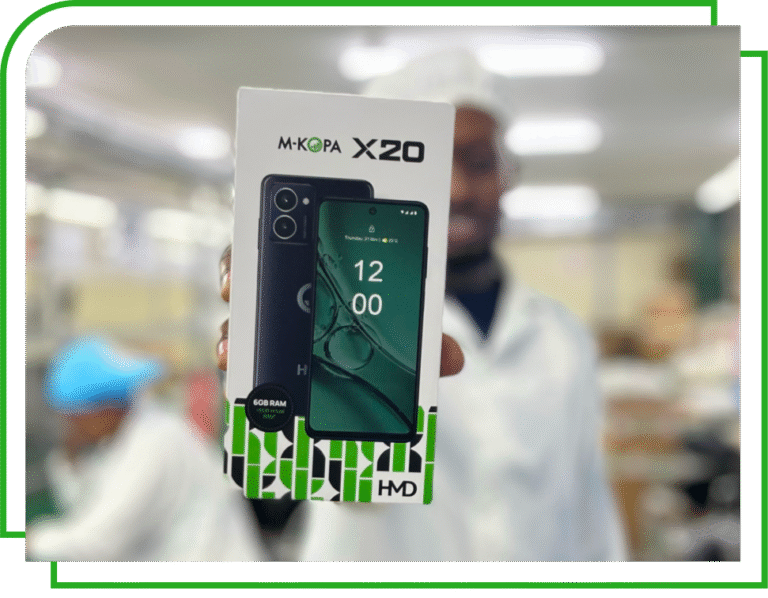
The M-KOPA X30 is a successor of the M-KOPA X20, both budget-friendly Android smartphones designed for Africa’s growing urban and rural consumer who want a smartphone experience via flexible payment options.

M-KOPA X30 is for everyday users who want big battery life, a large display, capable cameras, and smooth performance without paying cash. The brand is retailing in phones and motorcycles in Kenya, Uganda, South Africa, Nigeria and a number of other African countries with flexible payment options.

What We Like

Strong Cameras for the Price

  • The 50MP rear camera with OIS (optical image stabilization) captures clear and steady shots, especially in daylight.
  • The 8MP ultra-wide lens adds flexibility for landscapes or group photos.
  • A 50MP AI-powered front camera gives very good selfies in good lighting — impressive on a phone in this price range.

Spacious Screen

  • The 6.72-inch Full HD+ display is large and crisp, making it great for videos, browsing, and social apps.
  • While the 60Hz refresh rate isn’t the fastest, it’s smooth enough for everyday use.

Battery That Lasts All Day

  • A 5000mAh battery easily lasts through a full day of use — up to two days if you’re light with gaming and video.
  • 10W charging isn’t super fast by today’s standards, but it’s reliable.

Practical Security & Features

  • Side-mounted fingerprint sensor (on the power button) unlocks the phone quickly.
  • Face unlock adds another convenient option.
  • Extras like an LED notification light, custom button, and OTG support make everyday use more enjoyable.

Where It’s Average

  • The Unisoc Tiger T615 processor performs well for everyday tasks — messaging, social apps, video streaming — but it isn’t meant for heavy gaming or intensive multitasking.
  • 4G connectivity is widely used and dependable, though no 5G support means it’s not future-proof for high-speed networks.
  • 60Hz refresh rate is fine but not as smooth as higher-refresh phones.

Comparison With Other Mid-Range Phones

Here’s how the M-KOPA X30 stacks up against similar mid-range phones in the market:

Feature M-KOPA X30 Samsung Galaxy A05/A06 M-KOPA X20
OS Android 15 with AI enhancements Android 14/15 Android 14
Processor Unisoc Tiger T615 Entry-level Exynos Similar Unisoc
RAM 6GB (up to 10GB extended) 4GB 6GB
Storage 256GB + microSD 64-128GB + microSD 256GB + memory support
Display 6.72″ Full HD+ 6.6-6.7″ HD+/FHD+ 6.56″ HD+
Refresh Rate 60Hz 60-90Hz 90Hz
Rear Camera 50MP OIS + 8MP Ultra-Wide ~50MP 50MP
Front Camera 50MP AI 8-13MP 50MP
Battery 5000mAh 5000mAh 5000mAh
Charging 10W 15-25W 20W
Network 4G 4G/5G (varies) 4G
Security Side fingerprint & face unlock Fingerprint & face unlock Fingerprint & face unlock

Key Takeaways

  • M-KOPA X30 shines in camera quality, storage, and display size — making it ideal for social media, media viewing, and everyday apps.
  • Samsung A05/A06 offers brand reliability and software support, but cameras and storage are more basic.
  • M-KOPA X20 is good for smooth display refresh and affordability, but the X30 offers better cameras and modern Android features.

Verdict

The M-KOPA X30 is a value-packed smartphone with a good battery life, reliable performance, solid cameras, and a large display. It’s best for students, everyday users, and anyone who wants a dependable phone without breaking the bank.

If you’re moving up from a basic or feature phone, or want a capable everyday Android device, the M-KOPA X30 is worth considering if you can pay KES 4,000 deposit and a daily amount of like KES 100 for a whole year or more.

M-KOPA X30 Full Phone Specifications 

Platform

  • OS: Android™ 15 with AI enhancements
  • Certification: Android Enterprise Recommended
  • Processor: Unisoc Tiger T615

Design & Dimensions

  • Size: 169.2 × 78 × 8.6 mm
  • Fingerprint Sensor: Side-mounted (Power Key)

Display

  • Type: 6.72″ Full HD+
  • Resolution: 2400 × 1080 pixels
  • Refresh Rate: 60Hz

Cameras

  • Rear: 50MP OIS + 8MP Ultra-Wide
  • Front: 50MP AI

Memory & Storage

  • RAM: 6GB (expandable up to 10GB)
  • Internal Storage: 256GB ROM
  • Expandable: microSD
  • SIM: Dual Nano SIM

Battery

  • Capacity: 5000mAh
  • Charging: 10W

Connectivity

  • Network: 4G / 3G / 2G
  • Bluetooth: v5.0
  • NFC: Yes
  • GPS: GPS/AGPS/Galileo
  • USB: USB Type-C
  • Headphone Jack: 3.5mm

Security

  • Side fingerprint sensor & Face Unlock

Sensors

  • Accelerometer, G-sensor, Ambient light sensor

Special Features

  • Custom button, LED notifications, OTG support

In the Box

  • M-KOPA X30 handset
  • 10W Charger
  • USB Type-C Cable
  • Earphones
  • SIM ejector tool
  • Screen protector
  • Free phone cover


Mirova Injects $19M into Kenya’s Cold Solutions Kiambu Ltd to Scale Sustainable Agri-Solar Infrastructure

0

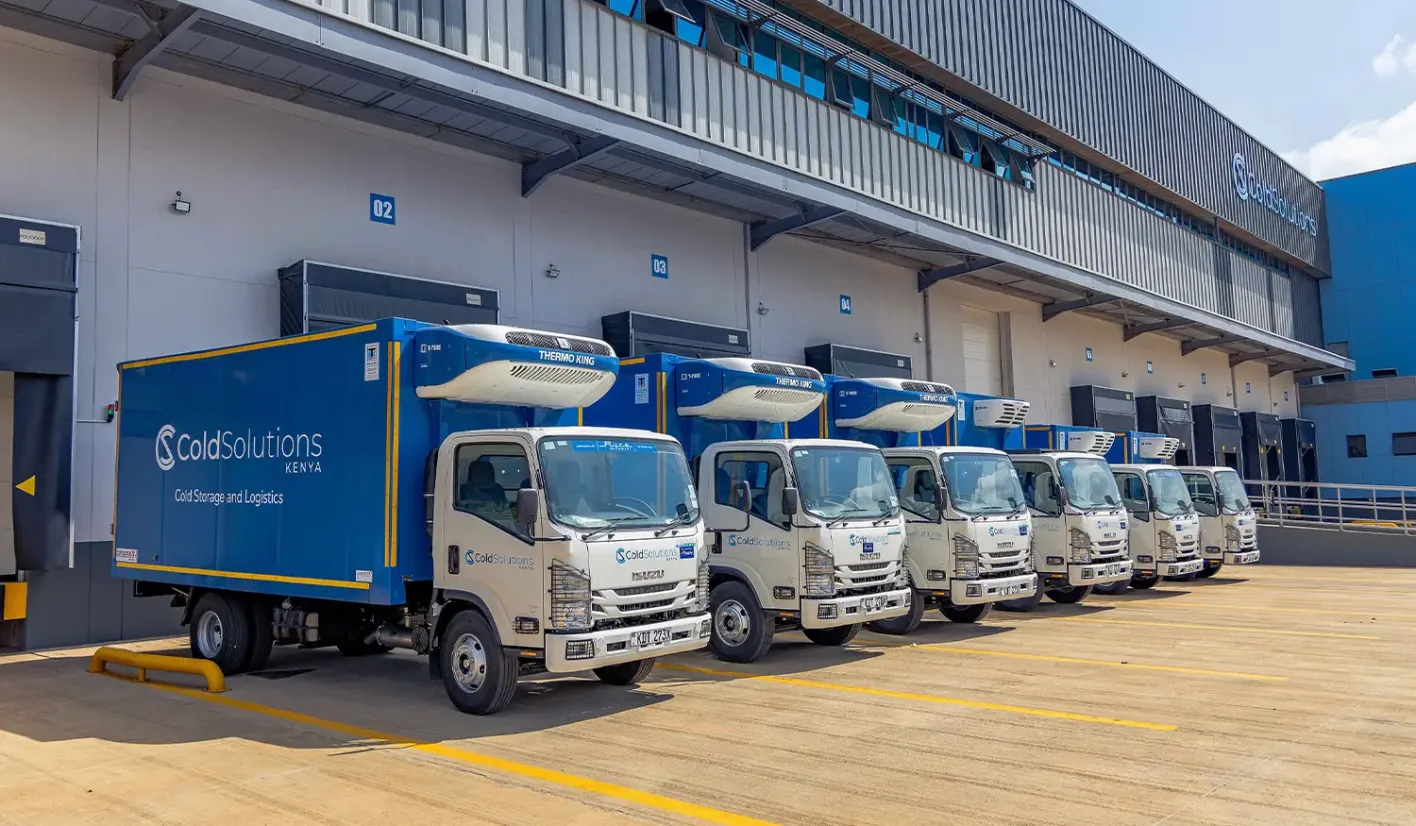
NAIROBI – In a move to revolutionize East Africa’s agricultural and health supply chains, Mirova has announced a landmark $19 million investment in Cold Solutions Kiambu (SEZ) Limited.

The financing, executed through the Mirova Gigaton Fund, aims to scale energy-efficient refrigeration and bolster food security across the region.

As an affiliate of Natixis Investment Managers dedicated to sustainable investing, Mirova’s capital injection will support the continued ramp-up of this flagship infrastructure project located within the Tatu City Special Economic Zone.

Agri-Solar Innovation at Tatu City

Cold Solutions Kiambu is setting a new global benchmark by integrating renewable energy directly into large-scale logistics.

The Tatu City facility features a cutting-edge rooftop solar system that generates approximately 30% of the energy required for its massive operations.

In addition to its solar capacity, the warehouse utilizes ammonia refrigerants, a sustainable alternative that poses no threat to global warming.

This “Agri-solar” approach not only reduces operational carbon but also provides a more resilient and cost-effective storage model for temperature-sensitive goods.

Enhancing Food Security and Healthcare

The scale of the infrastructure is significant for the regional economy. By offering approximately 15,000 pallet positions, Cold Solutions Kiambu effectively tackles the chronic issue of post-harvest spoilage.

This is vital for Agriculture where it will help in reducing food loss and increasing income for local farmers.

In addition, the Pharmaceuticals sector will benefit by ensuring the integrity of medical supplies and vaccine efficacy throughout the distribution chain.

John Kimotho, Investment Director at Mirova Kenya, emphasized the broader impact of the deal.

“This financing exemplifies how the Mirova Gigaton Fund aims to accelerate transformative climate solutions in emerging markets,” Kimotho stated. “By backing Cold Solutions Kiambu, we’re scaling clean-powered, climate-aligned, and operationally resilient cold chain infrastructure, critical for food security and health systems across East Africa.”

Alignment with Global Sustainability Goals

This strategic partnership extends beyond logistics, contributing actively to the United Nations’ Sustainable Development Goals (SDGs).

Specifically, the project addresses SDG 2 (Zero Hunger), SDG 12 (Responsible Consumption and Production), and SDG 13 (Climate Action).

Furthermore, the collaboration highlights a shared vision between Mirova and ARCH Emerging Markets Partners.

Suki Muia, Investment Director at ARCH, noted the importance of the partnership, noting:”Our partnership with Mirova underscores our commitment to working with like-minded investors to reduce food loss and strengthen food systems, and vaccine efficacy across East Africa — all in a sustainable, energy-efficient manner.”

Future Outlook for Mirova Gigaton

Structured as a blended finance vehicle, the Mirova Gigaton Fund continues to target high-impact climate solutions in the Global South.

By providing flexible, long-term debt to commercially viable models like Cold Solutions Kiambu, the fund aims to bridge the financing gap in the distributed renewable energy sector.

With this latest investment, Mirova reaffirms its dedication to impactful emerging market projects that harmonize economic growth with environmental responsibility.

Zipline Secures $600M for US Expansion After Surpassing 2M Deliveries

0

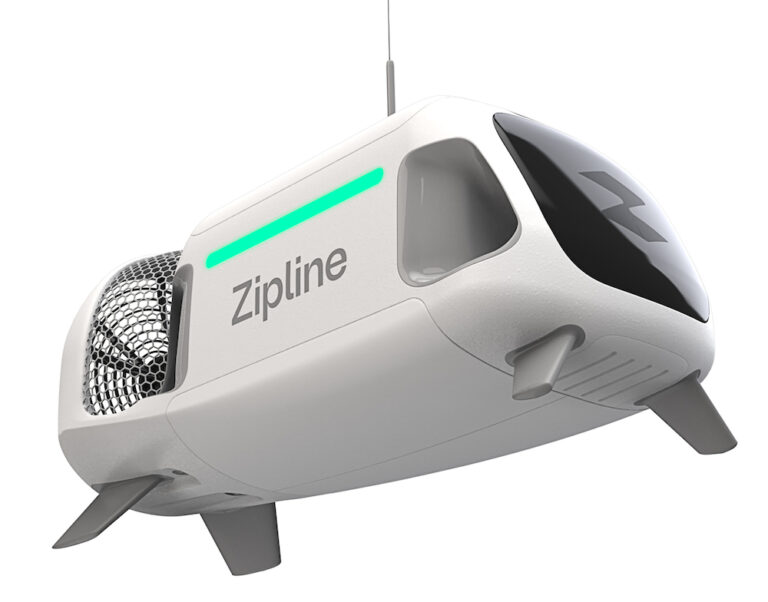
Zipline, an autonomous drone logistics firm, has surpassed two million commercial deliveries, marking a milestone for what it says is the world’s largest autonomous delivery system, as the company accelerates expansion in the United States.

Following the milestone, Zipline said on Tuesday it had raised more than $600 million in new funding, lifting its valuation to $7.6 billion.

The company said the capital would be used largely to scale its domestic home delivery service, building on its long-standing role in international medical logistics.

U.S. rollout gathers pace

Zipline plans to launch operations in Houston and Phoenix early in 2026, with additional major U.S. metropolitan areas to follow later in the year.

In the new markets, eligible customers will be able to order tens of thousands of items, including retail and healthcare products, through the Zipline app. The company said deliveries could arrive in as little as 10 minutes, with a median flight time of about three minutes, using its fully autonomous system.

Zipline said U.S. deliveries have grown by roughly 15% week over week over the past seven months, signalling what it described as a shift from experimental use cases to everyday logistics infrastructure.

The pace of adoption has also quickened. Zipline said its first site in Dallas took about 10 weeks to reach 100 deliveries per day, while newer locations have achieved the same volume in just two days.

The company added that it exceeded its third-quarter daily delivery target by about 30% and reached its fourth-quarter goals six weeks ahead of schedule. Zipline hit 1 million commercial deliveries in the US in May 2024.

The same year, the Zipline received $150 million from the U.S. Department of State to expand its life-saving artificial intelligence and robotics infrastructure across Africa.

Investors bet on autonomous logistics

The latest funding round included participation from Fidelity Management & Research Company, Baillie Gifford, Valor Equity Partners and Tiger Global.

Antonio Gracias, chief executive of Valor Equity Partners, said autonomous aircraft delivery was poised to become a standard part of logistics over the next decade.

Zipline co-founder and chief executive Keller Rinaudo Cliffton said demand for autonomous delivery was accelerating rapidly as performance improved.

“When deliveries are faster, cleaner, safer and cheaper, demand isn’t just high, it grows exponentially,” Rinaudo Cliffton said in a company blog post, adding that autonomous logistics would become a routine part of daily life in several U.S. states in 2026.

Safety and sustainability claims

Zipline says its electric, zero-emission aircraft have flown more than 125 million autonomous commercial miles and delivered over 20 million items, with no serious injuries reported.

By comparison, U.S. road safety data suggest that driving a similar distance would typically result in hundreds of crashes and injuries and at least one fatality.

The company says shifting lightweight deliveries from roads to air reduces congestion and emissions, and that its medical delivery operations globally help save more than 10,000 lives per year.

Deep roots in Africa

Zipline is widely regarded as a pioneer of medical drone logistics in Africa, where it operates what it says is the world’s first and largest autonomous drone delivery network integrated into national public health systems.

As of early 2026, the company operates in five African countries.

Rwanda, where Zipline launched its first operations in 2016, remains the most comprehensive network, covering nearly the entire country with deliveries of blood, vaccines and animal health products. Rwanda is also expected to launch Zipline’s first home delivery service in Kigali in 2026 using its newer “Platform 2” drones.

Ghana hosts Zipline’s largest African network, with multiple distribution centres serving thousands of health facilities nationwide.

In Nigeria, Zipline operates in several states, including Kaduna, Bayelsa and Cross River, with a focus on expanding equitable healthcare access and supporting vaccination of so-called “zero-dose” children.

In Kenya, the company primarily delivers HIV treatments, vaccines and essential medicines to remote health facilities.

Côte d’Ivoire became the first Francophone African country to adopt Zipline’s services and has recently scaled operations to reach more than 1,000 health centres nationwide.

With fresh funding in hand and rapid uptake in the United States, Zipline is betting that autonomous drone delivery is moving from the margins of logistics into the mainstream.

Uganda’s MTN & Airtel Restore Mobile Money After Election Shutdown

0

Mobile financial services have finally resumed across Uganda, days after authorities enforced a sweeping digital blackout in the lead-up to the 15 January 2026 general elections, reports state.

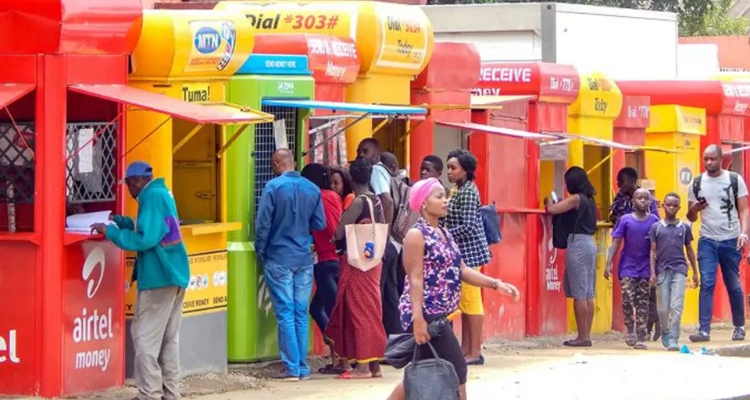
Major telecom operators MTN and Airtel confirmed that their mobile money platforms were fully operational, ending a week of severe financial paralysis.

While the Uganda Communications Commission (UCC) had announced a phased restoration of the public internet on Sunday, critical payment gateways remained inaccessible until now, leaving millions of individuals and businesses in a state of economic limbo.

MTN Uganda signaled the return to normalcy through a direct customer broadcast stating, “Kindly note that Mobile Money services have been restored. Please proceed with your transactions and share your feedback.”

This breakthrough allows users to once again deposit, withdraw, and transfer funds—essential functions in a country where mobile money serves as the primary engine for the digital economy.

The prolonged suspension had created immense strain, particularly for those in remote areas who rely on digital wallets for daily necessities, healthcare, and urgent business expenses.

Despite the resumption of financial services, the digital landscape remains heavily regulated.

UCC Executive Director Nyombi Thembo clarified that while general web browsing, news portals, and educational resources are back online, social media and over-the-top (OTT) messaging apps like WhatsApp and TikTok continue to be blocked.

“In line with the directive issued to all licensed mobile network operators and internet service providers, social media platforms and messaging OTT applications remain temporarily restricted to continue safeguarding against misuse that could threaten public order,” Thembo explained.

This decision has sparked ongoing frustration, as these tools are vital for both communication and commerce.

The shutdown also highlighted a significant lack of transparency regarding the chain of command.

MTN Uganda initially attributed the mobile money block to a UCC directive but later issued a correction, revealing that the Bank of Uganda (BoU) had actually ordered the restriction.

“We apologise for the earlier misinformation,” the telecom noted, confirming the Central Bank’s role in the lockout. To mitigate the fallout, MTN has promised to compensate data subscribers whose plans expired during the blackout, with technical teams currently analyzing data to determine the appropriate payouts within one week.

These digital restrictions served as a tense backdrop to the 15 January polls, which saw President Yoweri Museveni declared the winner with 72% of the vote. His primary challenger, Bobi Wine, secured 25% but has since contested the results.

While the restoration of mobile money is a vital step toward economic recovery, the continued suppression of social media serves as a reminder of the fragility of digital rights during periods of political sensitivity.

For now, Ugandans are navigating a “new normal” where financial mobility has returned, even if their digital voices remain partially silenced.

Five More Kenyans Win KES 1Million Each as Shangwe @25 Nears the Final Week

0
Safaricom has announced five more winners of KES 1 million in the Shangwe @25 national consumer promotion, bringing the total number of winners to 20 since the campaign launched last year.
The latest winners Moses Elekana, Simon Magika, Faith Nyongesa, Brenda Chelagat and Nasibo Abdi received KES 1 million, alongside an additional KES 250,000 to fund a community project of their choice. Last week, a security guard became the 15th nationwide winner of the Safaricom Shange @25 national consumer promotion.
Speaking during the award ceremony at Kangundo Road Market in Nairobi, Safaricom CEO Peter Ndegwa said the Shangwe @25 campaign continues to demonstrate the power of shared prosperity.
“It is truly inspiring to see how this campaign has continued to transform the lives of thousands of Kenyans across the country. Beyond individual winners, we are seeing a ripple effect that is uplifting families, strengthening communities, and supporting small businesses that form the backbone of our economy. So far, the campaign has created 20 Kenyan millionaires, with five more winners set to be crowned as we head into the final stretch. This reflects our commitment to celebrating our customers by creating opportunities that have a real and lasting impact.”
Moses Elekana, one of the winners from Nairobi, was over the moon after receiving a cheque of KES 1 million. The 55-year-old father of three, who works as a plumber, described the moment as life-changing and thanked Safaricom for transforming the lives of millions of Kenyans through such campaigns.
Mr. Elekana, who usually uses M-PESA for payments, could hardly believe that the small amounts he uses could make him an overnight millionaire.
“I am still in shock that today I am a millionaire, courtesy of Safaricom. Indeed, you never know what God has planned for you or what destiny holds. I work as a plumber and have really been struggling with life. Today, my life has changed. I plan to use some of the money to pay college fees for my son, who has been unable to pursue technical training to become a mechanic due to financial constraints, and the rest to complete my shop and build a better home for my family,” said Moses Elekana
For the KES 250,000 community project fund, Mr. Elekana has chosen to support the Salvation Army Madegwa Special School for Intellectual Disability in Vihiga County. He plans to contribute towards completing ongoing classroom construction, helping create a more conducive learning environment and supporting education for learners with special needs in the community.
Meanwhile, 29-year-old Faith Nyongesa, a second-year nursing student from Lunga Lunga in Kwale, described winning a million shillings through Safaricom as “truly unbelievable.” At first, she thought it was a scam, but after confirming at a Safaricom shop in Diani, she realized it was real.
“I was heading home from my rotational station, where I am currently assigned, when I received a call from Safaricom. At first, I didn’t believe it and had to visit the Safaricom shop in Diani to confirm. I plan to use the money to further my education. I want to earn a Bachelor’s, Master’s, and Doctorate in Nursing,” said Faith.
For the KES 250,000 meant for community project of her choice, she has chosen to support teen moms and the less fortunate women in Lunga Lunga by paying for their health covers so that they can access antenatal healthcare and prevent maternal and child-birth deaths.
Elsewhere in the Kerio Valley, 31-year-old Brenda Chelagat, a primary school teacher at Kapkono Primary School, is still in disbelief, and celebration, after receiving a life-changing call from Safaricom.
Brenda says she nearly fainted when the news was confirmed that she had won KES 1 million, a moment she describes as nothing short of miraculous. Becoming a millionaire was something she had never imagined would happen anytime soon. But God has made it possible through  Safaricom.
“I almost fainted when I received the call from Safaricom telling me I had won a million shillings. I had always seen people winning on TV and online, but I never imagined that one day I would be among them, even though it had always been my prayer. I use M-PESA a lot, buying airtime, data bundles, and paying for goods and services. I have gone through a lot while taking care of my siblings. With this money, I plan to further my studies and pursue a bachelor’s degree in education, as I currently hold a diploma. I also want to invest in farming, particularly sheep rearing and growing cypress trees, to secure my future.” Said Brenda.
With the additional KES 250,000 community project fund, Brenda plans to support Tugumoi Primary School, where she studied as a child. She intends to use the funds to construct proper sanitation facilities (toilets), which has been the institution’s biggest and long-standing challenge.
In Borabu, Nyamira County, 25-year-old Simon Magik, father of three and a resident of Borabu in Nyamira, was still in shock. He makes bricks alongside his parents; a job he has been doing since High School to support his young family. He did not believe the call at first, but upon visiting Safaricom shop in Nyamira, his heart settled.
“I was on my daily duty making bricks when the call came. I couldn’t believe it immediately, you know how these fraudsters operate. I didn’t tell anyone, even after receiving a confirmation message following the call. Two days later, Safaricom called me again, and when I visited their shop, I finally confirmed it was true. I plan to build my mother a decent home and open a salon for my wife so she can have a reliable source of income. I also want to start a clothing business. With the community project fund, I will donate water tanks to Nyagacho DOK Primary School, ensuring students can focus on their studies without worrying about access to drinking water,” Simon said.
Just like other winners, 19-year-old Nasibo Abdi, a young entrepreneur from Isiolo, is also still in shock after Safaricom confirmed that she is one of the latest millionaires.
Beyond the individual KES 1 million winners, an enterprise customer, Robster Premium Fit Ltd, received stock valued at KES 250,000 to accelerate growth and strengthen operations. Additionally, Douglas Onserio from Rongai won a Tuk-Tuk pickup, providing vital support for his business logistics.
Since its launch, Shangwe @25 has rewarded thousands of customers daily and weekly with cash prizes, data bundles, devices, and business support tools. Each week, customers win KES 10,000, KES 50,000, or KES 100,000, contributing to more than 50,000 winners weekly. Over the promotion period, more than five million customers are expected to win prizes worth KES 250 million.

Sony, TCL Plan Home Entertainment Venture to Take on Global TV Rivals

Sony Corp. and China’s TCL Electronics Holdings Ltd. are planning a new global home entertainment venture that would combine Sony’s television and audio business with TCL’s manufacturing scale and display technology, as competition intensifies in the premium TV market.

The companies said Tuesday they have signed a memorandum of understanding to form a joint venture in which TCL would hold a 51% stake and Sony 49%. The proposed company would assume Sony’s home entertainment operations and oversee the full value chain, from product development and design to manufacturing, sales, logistics and customer service.

Sony and TCL aim to complete definitive agreements by the end of March 2026, subject to regulatory approvals and other conditions. If finalized, the new venture is expected to begin operations in April 2027.

The partnership would marry Sony’s high-end image processing, audio technologies and global brand — including the BRAVIA name — with TCL’s vertically integrated supply chain, cost efficiency and large-scale manufacturing footprint. Products developed by the venture are expected to be sold under Sony-branded labels.

The move reflects structural shifts in the global television market, where demand is increasingly driven by larger screens, higher resolutions and smart features linked to streaming platforms and changing viewing habits. Chinese manufacturers such as TCL have gained share through aggressive pricing and supply-chain control, while Japanese brands have focused on premium positioning and image quality.

Sony Chief Executive Officer Kimio Maki said the collaboration would allow the company to deliver more compelling audio and visual experiences by combining strengths across both organizations. TCL Electronics Chairperson Du Juan said the partnership would enhance scale, brand value and operational efficiency.

Sony’s home entertainment business sits within its Entertainment, Technology & Services division. TCL is among the world’s largest television manufacturers by shipment volume.


Nedbank Offers $800 Million for Controlling Stake in Kenya’s NCBA

0

South Africa’s Nedbank Group Ltd. has proposed acquiring a 66% stake in Kenya’s NCBA Group Plc in a deal valued at about $800 million, marking a major push into East Africa’s financial sector.

Under the tender offer, NCBA shareholders would receive 20% of the consideration in cash and the remainder in Nedbank shares listed on the Johannesburg Stock Exchange. The remaining 34% of NCBA shares would continue trading on the Nairobi Securities Exchange.

NCBA, formed from the merger of NIC Group and Commercial Bank of Africa, operates across Kenya, Uganda, Tanzania, Rwanda, Ivory Coast and Ghana, serving over 60 million customers through 122 branches. The bank holds roughly KES 665 billion ($4.7 billion) in assets and disburses more than KES 1 trillion in digital loans annually, with an average return on equity of around 19% since 2021.

Nedbank, one of Africa’s largest banks, currently has a limited East African presence through a representative office. The acquisition would provide the Johannesburg-listed lender with a platform to expand its footprint in high-growth East African markets without immediate systems or operational integration.

John Gachora, NCBA Group managing director, said Nedbank’s balance sheet and sector expertise make it an “ideal partner” for regional growth, including potential expansion into Ethiopia and the Democratic Republic of Congo.

Jason Quinn, Nedbank CEO, described Kenya as a strategic gateway for East Africa, citing the country’s strong institutions, capital markets, and technology ecosystem.

The transaction is subject to regulatory approvals across relevant jurisdictions and is expected to close within six to nine months.


Uganda Restores Web Access but Keeps Digital Money Wallets Locked

0

I recently reached out to a Kenyan friend who runs a cross-border trade business in Kampala via WhatsApp, only to be met with total silence.

When we finally connected, he confirmed the reports: “During the heat of the elections, the digital lights completely went out.”

While the “on” switch has finally been toggled back for basic browsing, the digital heartbeat of the country—its money—remains flatlined.

The Great Reconnection (With a Catch)

Following the conclusion of its general elections, Uganda has officially restored public internet access,reports states.

However, the celebration is muted. Despite the return of the web, key digital services—most notably MTN and Airtel mobile money—remain frustratingly unavailable, prolonging a period of deep disruption for millions of users.

Earlier this week, the Ugandan Communications Commission (UCC) confirmed it had directed providers to restore nationwide connectivity after a grueling five-day shutdown.

This restriction, imposed ahead of the January 15 elections, was framed by the government as a necessary measure to curb misinformation and maintain security.

A “Phased” Return to the Online World

The restoration is far from a return to normalcy. UCC Executive Director Nyombi Thembo explained that the gradual comeback was a deliberate strategy.

“While general web browsing and access to essential online services have resumed, social media and over-the-top (OTT) messaging platforms remain blocked to ‘safeguard against misuse that could threaten public order,” he noted.

Consequently, while news websites and educational portals are live, popular social networks used for political mobilization remain behind a digital wall.

This selective blocking was independently confirmed by the monitoring group NetBlocks, which noted that restrictions were still in effect.

Financial Gridlock: The Mobile Money Blackout

Perhaps more damaging than the social media silence is the continued suspension of financial platforms. For many Ugandans, MTN Mobile Money and Airtel Money are not luxuries—they are the primary way to pay for food, transport, and emergency bills.

In response to a wave of complaints on X, MTN Uganda confirmed that services remain down due to a government directive, noting there is currently “no defined timeline for full restoration.”

The High Cost of Bypassing the Law

As frustration boils over, many have turned to Virtual Private Networks (VPNs) to leap over the digital fence. However, the authorities are watching.

Mr Thembo issued a stern warning, claiming the regulator now has the technical prowess to detect such tools.

“If you bypass these restrictions and use the bypass to break the law, don’t be surprised that we may attack you, and your device may not go on the network again,” Thembo warned, threatening to permanently disconnect offenders.

A Political Victory Amidst Digital Silence

This digital blackout served as the backdrop for a significant political milestone.

President Yoweri Museveni was declared the winner of the election, securing another five-year term to extend his rule to over four decades.

The official tally placed Museveni at 72% of the vote, while opposition candidate Bobi Wine trailed at 25%.

While the political dust settles, the economic dust is just beginning to rise.

Critics argue that these shutdowns—including the pre-election suspension of Elon Musk’s Starlink—undermine trust in Uganda’s tech ecosystem. For now, the digital economy remains only partially functional, waiting for the day when both the conversation and the currency can flow freely again

Standard Chartered Names Dalu Ajene CEO for Africa Operations

0

Standard Chartered Plc has appointed Dalu Ajene as chief executive officer for Africa, expanding his role to include head of coverage for the region as the lender sharpens its focus on high-growth emerging markets.

Ajene, who has served as CEO of Standard Chartered Nigeria since April 2024, will oversee the bank’s African operations spanning corporate and investment banking as well as wealth and retail businesses. His appointment comes as international lenders reposition to capture trade flows, infrastructure financing and capital market opportunities across the continent.

During his tenure in Nigeria, Ajene led the unit to strong year-on-year financial performance and oversaw compliance with the Central Bank of Nigeria’s ₦200 billion recapitalisation requirement for national commercial banks ahead of the March 2026 deadline. Before joining Standard Chartered, he was chief executive officer of Rand Merchant Bank Nigeria.

“Across the region, Standard Chartered remains a key partner in trade finance, structured solutions and development finance,” Ajene said in a statement. He added that the bank would continue leveraging technology and mobilising capital to support client growth and sustainable development across Africa.

Ajene has more than 25 years of experience in global financial services. He holds a bachelor’s degree in economics from Dartmouth College and an MBA from Harvard Business School.

He succeeds Kariuki Ngari as CEO for Africa and assumes responsibilities previously held within Sarmad Lone’s Africa coverage portfolio.


Sophos Launches Browser-Based Security Product Targeting Hybrid Work & AI Risks

Sophos on Tuesday launched Sophos Workspace Protection, a browser-centric security product aimed at securing hybrid and remote work while giving organizations greater visibility into the use of cloud applications and artificial intelligence tools.

The product expands Sophos’ portfolio beyond traditional endpoint and network security, offering a lower-cost alternative to complex Secure Access Service Edge (SASE) and Security Service Edge (SSE) architectures, which often require multiple cloud services and dedicated infrastructure.

Workspace Protection is built around the Sophos Protected Browser, powered by enterprise browser provider Island. The browser integrates security controls directly into the workspace where most work now occurs, allowing organizations to manage application access, data handling, and internet usage without routing traffic through centralized gateways.

Sophos said the product is managed through its Sophos Central platform and provides organization-wide visibility into unsanctioned software and AI tools, commonly referred to as Shadow IT and Shadow AI. Companies globally have struggled to govern the use of generative AI in the workplace as employees adopt such tools faster than corporate policies can be established.

“Security teams are increasingly impacted by complexity as hybrid work, SaaS adoption and AI tools expand the workspace,” said Mike Jude, research director at IDC, adding that the approach reflects a shift toward endpoint- and browser-based security models that reduce operational overhead.

Unlike traditional SASE deployments, which typically backhaul user traffic through cloud points of presence, Sophos Workspace Protection applies security controls directly on endpoints and within the browser. Sophos said this reduces cost and deployment complexity while maintaining control over applications and data.

The product includes several components that can be deployed together or individually, including the secure browser, Zero Trust Network Access (ZTNA) for private web applications, DNS protection to block malicious domains, and an email monitoring system for Google and Microsoft email services.

Chief Executive Joe Levy said existing SASE and SSE offerings often add layers of infrastructure without fully addressing visibility and governance challenges.

“By combining Island’s enterprise browser technology with Sophos’ security capabilities, we are helping organizations govern AI use and protect critical data with less complexity,” Levy said.

Island co-founder and CEO Mike Fey said the browser has become the primary control point for modern work, making it a logical focus for security and data protection.

Sophos did not disclose pricing details for Workspace Protection.


Fintech Firm Watu Confirms Sharp Recovery in 2025 Motorcycle Sales

0

Kenya’s transport sector recorded a strong recovery in 2025, driven by a sharp rebound in motorcycle sales and asset financing, according to official data and industry figures from local asset fintech firm Watu.

Data from the Kenya National Bureau of Statistics (KNBS) show the broader automotive market gained momentum toward the end of the year, with newly registered vehicles rising to 27,219 units in November 2025 from 25,167 in October.

Motorcycles accounted for the bulk of the growth. Registrations rose steadily through the year, from 12,456 units in January to 15,699 units in August, before peaking at 18,839 units in November. Overall, motorcycle registrations were up 19.8% in the first 11 months of 2025, KNBS said in its November Leading Economic Indicators report.

The official figures mirror trends seen by Watu, a Nairobi-based asset financing company focused on mobility and productive assets. The firm said demand for motorcycles remained resilient as the vehicles continue to underpin small businesses and public transport services across the country.

“Motorcycles are still the backbone of many SMEs and public service providers,” said Erick Massawe, Watu’s Kenya country manager. He added that alongside traditional internal combustion engine models, electric two-wheelers were gaining traction.

By the end of 2025, Watu Credit had financed about 8,000 mobility assets, including electric motorcycles, Massawe said.

“We acknowledge that the data by KNBS provides a good glimpse of the overall market and reflects our own pace of growth at Watu Credit,” he said.

Founded in 2015 to support Kenya’s boda-boda and tuk-tuk sectors, Watu has since expanded its operations to eight African countries. In 2025, the firm entered Latin America, launching operations in Brazil and Mexico, becoming the first Kenyan-heritage international business to do so.

Watu attributes its growth to its focus on impact financing for customers typically excluded from traditional banking due to limited credit histories.

“Traditional financing often excludes people without a credit history,” Massawe said. “By removing unnecessary barriers, Watu empowers more people to access life-changing assets — whether for mobility, business, or digital connectivity.”

The recovery in motorcycle sales underscores the sector’s role in employment creation and last-mile transport, as Kenya’s economy continues to rely on two-wheelers as a key driver of grassroots growth.

Rojifi’s Stablecoins-Powered Cross Border Payments Platform Launches

In the sprawling ports of Lagos, Timothy Joseph, a finance manager, stares at a screen refreshing a payment status that refuses to change. Somewhere between two continents, the money exists, but a broken infrastructure leaves Joseph unsure of his payment status. In Africa’s cross-border trade, this scenario is a familiar presence where funds are caught in opaque systems, nameless intermediaries, and processes no one fully controls.

Against this backdrop, Rojifi is launching to fix the trust and delay problem with business payments in Africa. More than a pan-African startup, it’s a bet to prove Africa’s traders  deserve systems that see them, name them, and move at the speed their businesses demand.

In 2025, Africa was a key driver of global trade gains alongside East Asia and South-South trade, with its imports growing faster than any other region. Exports also performed strongly, tied with Asia for the fastest growth rate in merchandise exports.

The World Trade Organization (WTO) and the UN suggest that while Africa experienced strong import and export growth in 2025. Projections for 2026 indicate a moderation in global and African trade growth due to factors such as global economic slowing, trade policy uncertainty, and rising debt.

Despite the trade slowdown, Africa is expected to be the world’s fastest-growing economic region in 2026, with GDP growth projected to reach 4.0 percent in 2026 and 4.1 percent in 2027, according to the UN and the African Export-Import Bank

Yet, for modern African business, the hardest part of global trade isn’t navigating customs or finding a buyer; it is the act of paying. It is the moment when money becomes the bottleneck.

A System Designed for a Different Era

The African Development Bank (AfDB) estimate highlights how settlement delays and high foreign exchange (FX) charges can erode up to 15 percent of African small and medium enterprises’ (SMEs) operating margins, making these factors critical to business survival and growth, particularly for firms with already razor-thin margins like pharmaceutical distributors.

These challenges lead to significant cash flow problems, increased borrowing costs, and strained supplier relationships.

“Global commerce has become real-time, but African payments infrastructure hasn’t,” said Moses Onyekaonwu, founder and CEO of Rojifi. “You can have the capital, the demand, and the supplier, but without the ability to move money instantly and credibly, the entire system breaks down.”

From Friction to Foundation: The Founder’s Journey

Before launching Rojifi, Onyekaonwu managed multiple businesses with complex supply chains reaching across Asia.Hence, Rojifi did not emerge from a whiteboard at a venture capital firm; it was born from the ‘lived friction’ of a founder who had been faced with a similar issue.

He knew the feeling of watching a critical order get cancelled because a payment was ‘held for review’ by a distant intermediary bank. He knew the strain of explaining to a Chinese supplier why a payment appeared to come from an unknown third-party broker rather than his own company.

“In Africa, you could have the money, but not the ability to move it instantly,” Onyekaonwu reflects. “And the longer you wait, the more you lose.”

This frustration shaped Rojifi’s central thesis, which is that African businesses deserve to pay international suppliers directly, transparently, and crucially in their own name. This implies that no offshore entities, informal brokers, or workarounds that erode credibility.


The Anatomy of Trust: Why ‘In-Name’ Payments Matter

In the world of global finance, there is an invisible barrier more formidable than any tariff, which is regarded as ‘The Trust Deficit’.

When an African business sends a payment through traditional fragmented channels, it often passes through multiple ‘correspondent’ banks.

When the money reaches the supplier, the sender’s identity is often obscured or replaced by an intermediary’s name. This triggers ‘de-risking’, which is regarded as a process where international banks pull back from regions they perceive as opaque or high-risk.

Rojifi tackles this head-on. Every transaction on the platform is sent in the client’s registered business name and is clearly reflected on the MT103 SWIFT message.

“Your supplier sees your company name and not an unknown intermediary, and that credibility changes the relationship,” Onyekaonwu explains. This shift implies fewer disputes, faster audits, and the ability for African firms to build long-term, high-trust partnerships with global giants.

Built at the Intersection of Speed and Discipline

Rojifi positions itself at a unique crossroads: the agility of a fintech and the discipline of a traditional bank. This balance is perhaps most expressed in its ability to settle payments using stablecoins, which are digital currencies pegged to the US Dollars. Traders can move money across borders through stablecoins, which are then settled into foreign bank accounts.

A September 2025 J.P. Morgan report, titled ‘2025 Cross-Border Payments Trends for Financial Institutions’, cited a survey where 88 percent of respondents reported being a victim of payment fraud in 2022–2023. The report used this statistic to emphasise the challenge of cybertheft and fraud in cross-border payments.

To combat this, Rojifi uses AI-driven systems for:

  • Behavioral Analytics: Reducing “false positives” that often flag legitimate African transactions as suspicious.
  • Transaction Monitoring: Providing real-time oversight to ensure compliance without the traditional 36-hour wait.
  • Streamlined Onboarding: Reducing the time to get trade-ready to as little as 24 hours.

Caleb Nnamani, expert African storyteller and Chief Executive at Blacktrigger, said, “An ever-increasing demand for imported goods on the continent has carved out global payments for African businesses to be an intensely competitive sport with a handful of winners and many graveyard relics.

“Rojifi’s play is ambitious and interesting, and it will be exciting to see the team make good on their AI-first promise,” he said.

Infrastructure for a Trillion-Dollar Market

Rojifi isn’t just a payment app; it is a B2B infrastructure play. It is a fully licensed Money Service Business in Canada and is aggressively pursuing International Money Transfer Operator (IMTO) licenses in Nigeria. This dual-regulatory strategy signals to the world that Rojifi speaks the language of global compliance.

The platform supports payments to over 200 countries, handling USD, EUR, GBP, and CNY. It offers high-liquidity rails designed to withstand the volatile FX swings that often plague African markets. Crucially, it allows businesses to onboard using their existing local entities democratising access for those who don’t have the resources to set up offshore LLCs.

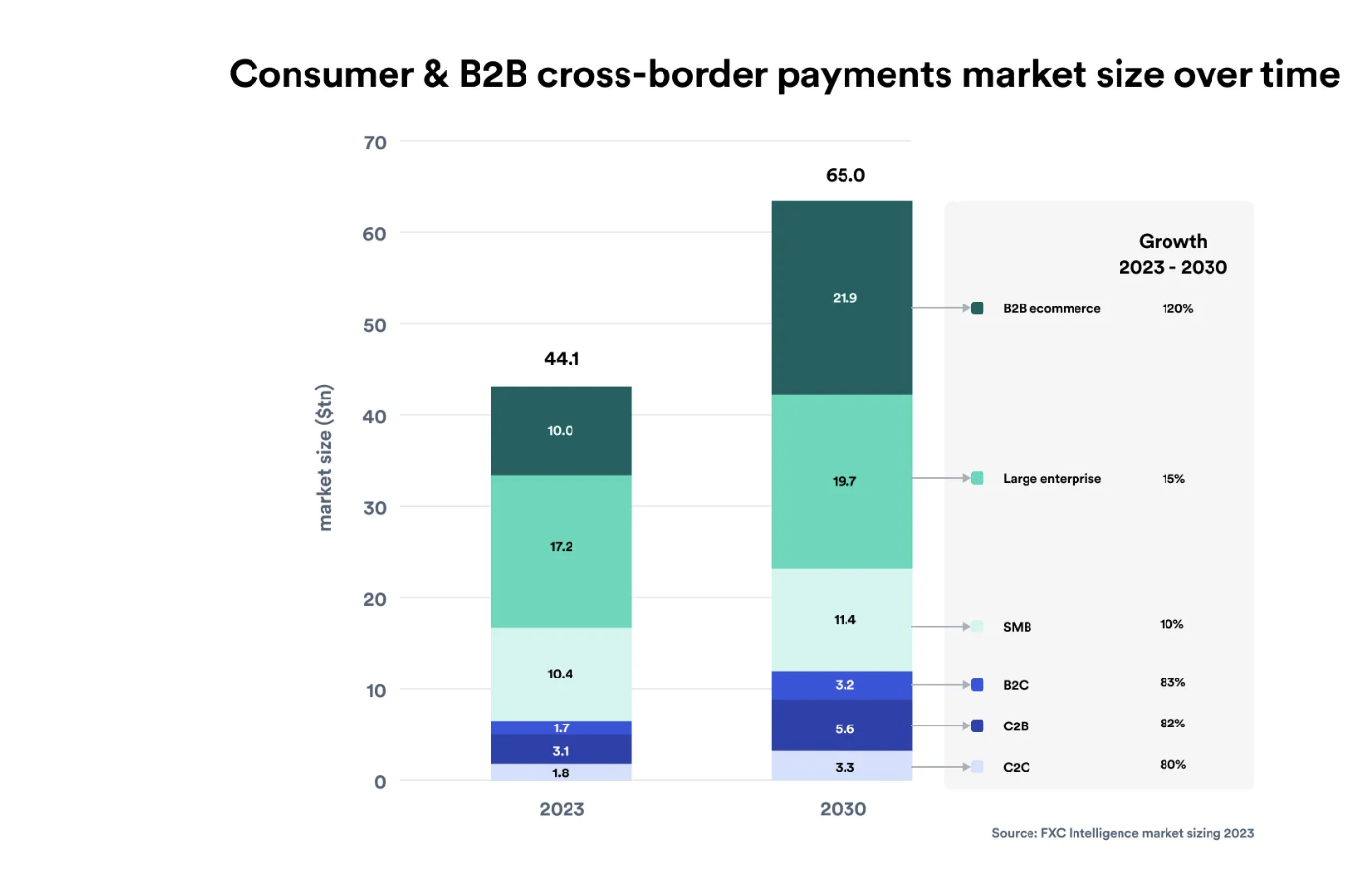
This focus mirrors a massive market shift; while consumer remittances once dominated the narrative, the African cross-border B2B market is valued at $329 billion today and is projected to explode to $1 trillion by 2035.

Rojifi is betting on a simple premise, which is that Africa’s challenge isn’t a lack of ambition, but it’s a lack of infrastructure. By dismantling decades-old barriers, the company isn’t just moving money, but it is redefining how African commerce shows up globally.

 Israeli Tech Firm Commit Acquires African Talent Platform Savannah in Multi-Million Dollar Deal

0

Israeli software services leader Commit has acquired Savannah, a tech talent recruitment and placement platform focused on connecting African developers with global technology teams. The all-cash deal, estimated to be worth several million dollars, marks a strategic expansion by Commit into Africa’s emerging technology talent market.

Founded in 2022 by CEO Itai Azogui, Savannah has built a network of more than 100 experienced software developers across the African continent and successfully placed them with international companies including Firefly, Aqua Security, Port, and Bright Data. The business grew organically without external venture funding.

Under the acquisition, Savannah’s entire team—including Azogui—will join Commit, and the startup will operate as part of Commit’s Offshore division. The move expands Commit’s global footprint beyond its existing operations in Eastern Europe, Portugal, and Spain.

The global demand for skilled software developers—especially those experienced in AI and advanced product engineering—is at an all-time high. Traditional outsourcing hubs such as India and Eastern Europe have become more expensive and competitive, prompting companies to explore new talent markets.

Commit’s leadership says Africa represents a largely underleveraged reservoir of highly skilled, English-speaking engineers. The continent’s tech ecosystems, particularly in countries like Kenya, Ghana, and Nigeria, are rapidly evolving and producing professionals with strong academic and practical capabilities.

“Africa is one of the highest-quality yet underleveraged talent markets in the world,” said Arik Feingold, Chairman and President of Commit. The acquisition positions Commit to be among the first major software services companies to establish a substantial presence in the region.

For African developers and the broader technology community, this acquisition could be a pivotal moment. It signals growing international recognition of African engineering talent and may unlock greater opportunities for local professionals to work with global startups and enterprises.

Savannah’s founder, Azogui, believes the partnership will allow the company’s model to scale globally, helping more international firms integrate African developers into their core teams—especially as demand for AI-related expertise continues to rise.

Commit’s acquisition of Savannah isn’t just an M&A transaction; it’s a signal that global tech firms are increasingly looking beyond traditional talent markets and recognising the value of African engineers. As competition for tech talent intensifies worldwide, Africa’s role in the global software workforce is set to grow.

NCIC Sets New Social Media Guidelines for Monitoring Hatespeech and Radical Content

0

The National Cohesion and Integration Commission (NCIC) has launched a sophisticated new set of social media monitoring guidelines, signaling a shift from passive observation to aggressive, evidence-based oversight.

The newly rolled-out framework isn’t just a slap on the wrist for internet trolls; it is a comprehensive tactical manual designed to scrub the Kenyan digital landscape of hate speech and radical ideologies.

By providing clear procedures and legal boundaries, the guidelines aim to:

  • Monitor Harmful Content: Implementing real-time tracking of inflammatory narratives.

  • Standardize Oversight: Establishing a uniform framework for how digital platforms are policed.

  • Detect Radicalization: Identifying and addressing extremist ideologies before they manifest in the physical world.

As social media platforms become the primary battleground for public opinion, these guidelines offer the NCIC a much-needed roadmap for navigating the roughness and lawlessness’s of online interaction.

Closing the “Screenshot Loophole”

Perhaps the most significant shift in the commission’s strategy is the move toward “prosecution-ready” data. For years, digital investigators have been frustrated by legal technicalities that saw cases crumble in court due to poor evidence handling.

“A primary goal of these guidelines is to strengthen the NCIC’s capacity for evidence-based digital monitoring,” explained Peris Waweru, a NCIC Officer during a televised briefing. “One of the significant hurdles in prosecuting hate speech cases has been the quality of evidence.”

The commission is now teaching the public—and its own officers—that the law requires more than just a quick finger on a phone button.

“As the law dictates, a simple screenshot is often insufficient in court,” Waweru warns. “You cannot just take a screenshot… it doesn’t work like that. There must be proper, legally recognized steps for obtaining digital evidence to ensure successful prosecution.”

Building a Watertight Case

Consequently, the NCIC noted it is pivoting toward forensic-grade data collection.

By establishing legally recognized steps for obtaining digital evidence, the commission said it aims to bridge the gap between “online monitoring” and “legal accountability.”

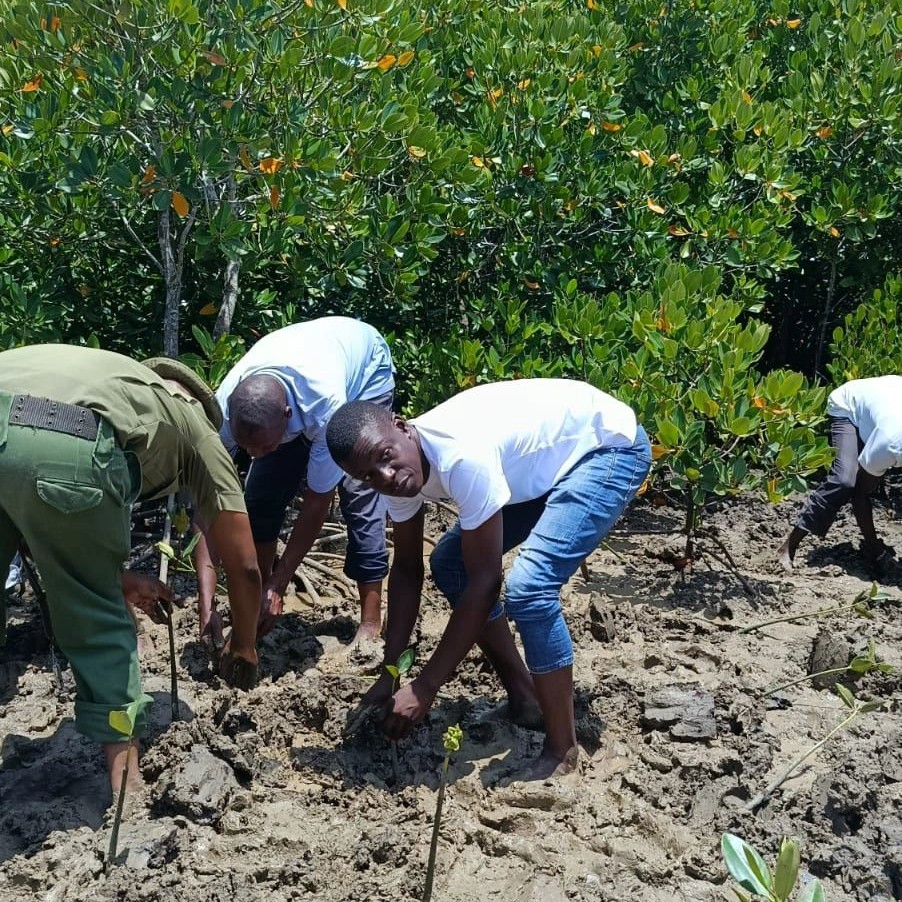
From Muddy Roots to Digital Boots: How MangroveCoin is Tokenizing Kenya’s Coastline Restoration Efforts

Forget “mining” for Bitcoin in a dark room; the next big thing in the Kenyan coastal tech scene involves getting your feet wet in the salty marshes of the coastline!

While most people see mangroves as just tangled trees, a tech-savvy group of Kenyan innovators sees them as “green gold”: in the era where the Blue Economy can be exploited, leveraging on technology for the benefit of the community and country at large.

A High-Tech Shield for Coastal Ecosystems

As climate risks intensify across coastal regions, MangroveCoin, is emerging as a Kenyan climate-tech startup using blockchain technology to incentivize mangrove conservation and restoration.

Launched in 2025, the venture serves as a digital platform that enables coastal communities to map, verify, and monetize their restoration efforts.

By transforming environmental value into tokenized carbon credits, the project aims to make conservation measurable, transparent, and—most importantly—investable.

This intersection of nature and code is led by Zack Oluoch, a computer scientist and Web3 innovator specializing in ESG and climate tech.

“MangroveCoin is leveraging blockchain technology to incentivize mangrove conservation while creating new income opportunities for coastal communities,” Zack Oluoch, Project Lead at MangroveCoin told TechMoran. “The platform issues digital tokens tied to verified mangrove planting and conservation activities, enabling individuals and organizations to transparently track, support, and fund climate action.”

The Power of Data: 6,000 Hectares and Counting

The startup isn’t just dreaming big; it is already delivering tangible results on the ground.

To date, MangroveCoin has successfully mapped over 6,000 hectares of mangrove ecosystems.

This effort is bolstered by a robust technical team, including Henry Kariuki, who oversees the blockchain and software architecture, and Stella Mugeni, the Head of Partnerships and Chairlady of North Coast Innovators, a flagship community-based organization (CBO).

The initiative’s growth is reflected in its expanding network:

  • 5 coastal CBOs partnered.

  • 310 community members onboarded.

  • 112 official platform sign-ups recorded.

By working closely with Beach Management Units (BMUs), the startup ensures local ownership.

Currently, the platform’s secure and scalable deployment is fueled by USD 5,000 worth of global-scale AWS cloud infrastructure.

Scaling Up: 150,000 Tons of Impact

Based in Mombasa County (specifically the Bamburi–Utange area), MangroveCoin noted it is positioning itself as a primary driver of blue carbon finance in Africa.

The startup’s projections for the future are even more ambitious than its current milestones.

If adopted at scale, MangroveCoin estimates it could support the restoration of more than 10 million mangroves.

Furthermore, this would enable the sequestration of over 150,000 tons of CO₂ equivalent, providing a massive boost to global carbon-reduction goals.

Beyond Carbon: Empowering the Community

However, the mission extends beyond simple chemistry. MangroveCoin said it is designed to improve community livelihoods by rewarding youth and women’s groups for verified environmental work.

By linking real-world conservation data with tokenized rewards, the initiative addresses long-standing challenges in nature-based solutions, such as sustainability and transparent monitoring.

As of January 2026, the startup continues to onboard early users and partners during its pilot phase along Kenya’s coastline.

It represents a growing wave of African innovations blending Web3 and inclusive economic models to solve global challenges from the ground up.

Paystack Launches Holding Company, The Stack Group, as It Marks 10 Years and Group Profitability

0

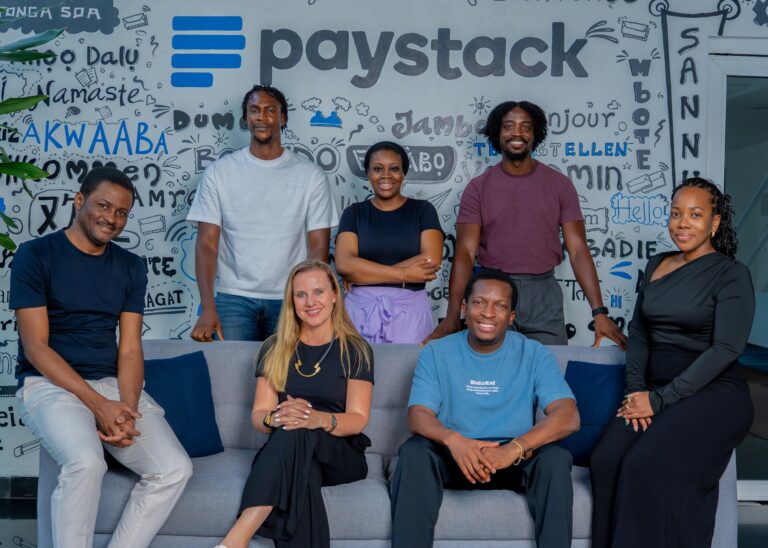
Paystack, a Nigerian payments firm has launched The Stack Group (TSG), a new parent holding company as it expands from payments to banking, consumer finance, and emerging technologies.

TSG will serve as the corporate umbrella for a family of complementary brands, including Paystack, Paystack Microfinance Bank (MFB), Zap, and TSG Labs, a newly formed venture studio and incubator that will also build products beyond fintech, including AI-led offerings.

Founding shareholders of TSG include Stripe, Paystack Founder and CEO Shola Akinlade, and existing Paystack employees.

12x Growth and Profitability Since Stripe Acquisition

Founded in 2016, Paystack was acquired by global payments giant Stripe in 2020 and has since grown its payment volumes by more than 12x and has now reached profitability at the group level.

It’s currently licensed and operational in Nigeria, Ghana, Kenya, Côte d’Ivoire, and South Africa, with regulatory approvals in place for Egypt and Rwanda and these announcement coincides with Paystack’s 10-year anniversary.

Paystack Microfinance Bank

The launch of TSG follows the recent debut of Paystack Microfinance Bank (MFB) in Nigeria. Operating as a standalone bank, Paystack MFB allows the group to internalise critical financial rails and deliver banking and credit infrastructure to over 300,000 Nigerian merchants.

According to the company, these capabilities will enable the development of compliant, end-to-end money-movement solutions while strengthening Paystack’s mission of building technology to power African ambition.

Expanded Portfolio

While operating independently, companies under TSG will share values, talent, and deep experience in building technology products tailored to Africa-specific challenges.

At launch, the TSG portfolio includes Paystack which is focused on merchant payments, Zap which is focused on consumer payments and Paystack Microfinance Bank, it’s new banking and credit infrastructure and the TSG Labs, a venture studio building new products in fintech and emerging technologies such as AI.

The Next Decade

Commenting on the announcement, Shola Akinlade, Founder and CEO of Paystack, said the creation of TSG reflects the company’s broader ambitions beyond payments.

“The launch of TSG signals a larger scope of ambition for us and sets the tone for the next decade of our company. Having worked with thousands of companies across the continent since 2016, it is clear that there are significant opportunities to support businesses beyond payments, and TSG enables us to address the challenges African companies face.”

He also thanked Stripe for its continued support, noting the shared belief in Africa’s potential to produce transformative global technology companies.

With TSG, the firm positions itself not just as a payments company, but as a multi-vertical technology group focused on building the infrastructure that African businesses need to scale over the next decade.


President Ruto Launches Ksh.5 Billion World Bank-Backed NYOTA Program at Kasarani

0

In a move to integrate youth entrepreneurship with the digital economy, President William Ruto officially presided over the disbursement of Ksh.258.4 million on Monday.

The event, held at the Moi International Sports Centre, Kasarani, marks the launch of the National Youth Opportunities Towards Advancement (NYOTA) business support programme.

This initiative, a five-year partnership between the Kenyan government and the World Bank, represents a flagship investment valued at Ksh.5 billion aimed at scaling the nation’s human capital.

Financing via Digital Rails: Pochi la Biashara and Haba na Haba

The government noted that the disbursement structure utilizes digital financial inclusion tools to ensure transparency and social security.

A total of 10,337 young entrepreneurs from Nairobi, Kiambu, and Kajiado counties are the initial beneficiaries.

Each recipient will receive a total start-up capital of Ksh.25,000, which is broken down as follows:

  • Ksh.22,000: Credited directly to the beneficiary’s Pochi la Biashara mobile money account for immediate business operations.

  • Ksh.3,000: Deposited into the Haba na Haba Savings Account, managed by the National Social Security Fund (NSSF) to promote long-term financial resilience.

Furthermore, the Kenya Kwanza-led administration saidthis is only the beginning of the funding cycle.

In the second phase of the NYOTA project, these entrepreneurs will receive an additional Ksh.25,000, ultimately bringing the total individual support to Ksh.50,000.

The Vision: A “Digital Work Ecosystem”

Beyond the capital injection, President Ruto emphasized that the government is pivoting toward a tech-centric employment model.

He urged the youth to leverage the country’s growing ICT infrastructure to find work independently of traditional gatekeepers.

“Young people of Kenya, you have an opportunity to work on our digital work ecosystem without having to know anybody. You can assign yourself and work through the internet,” the President stated. “We are not just giving you money, we are also going to train you, mentor you and walk with you.”

The President highlighted that NYOTA is part of a broader strategy involving housing, labor, and ICT platforms, all designed to create a comprehensive support network for the “gig economy” and micro-enterprises.

Inclusive Innovation and Technical Support

Deputy President Kithure Kindiki praised the program’s inclusive architecture, noting that it lowers the barrier to entry for many Kenyans who might otherwise be excluded from the formal economy.

“NYOTA is promoting inclusivity in helping our youth because it doesn’t consider only those who have skills or have gone to school,” Kindiki said. “Today, 70 young people from every ward in Kiambu, Nairobi and Kajiado will leave here with financial support… This is not the only youth-empowerment program we are having under the President’s leadership.”

To ensure the sustainability of these ventures, the program mandates that funds be used strictly in accordance with business plans developed during training.

To facilitate this, the government will provide continuous technical support and mentorship.

Looking Ahead: National Expansion

While the initial launch focuses on the capital region, the program is slated for a massive national rollout.

The disbursement schedule for the third phase will be announced soon, covering 16 additional counties:

Region Included Counties
Coast Kilifi, Lamu, Tana River, Mombasa, Kwale, Taita Taveta
Nyanza Kisumu, Siaya, Homa Bay, Migori, Nyamira, Kisii
North/NE Marsabit, Garissa, Mandera, Wajir

By combining direct financial transfers with digital literacy and technical mentorship, the NYOTA program aims to turn thousands of young Kenyans into tech-savvy business owners, capable of navigating the global digital marketplace.

Financing a New Generation of Artists, Makers, and Innovators


In a vibrant art studio tucked between Nairobi’s lively streets, a young fashion designer fine‑tunes her latest collection. Her phone buzzes with mobile money alerts from customers who purchased accessories online. Across town, a music producer finalizes a beat, awaiting payment from a producer halfway across Africa. Their creative journeys are deeply woven into Kenya’s dynamic cultural tapestry — and yet, until recently, access to formal financing has been one of the biggest hurdles facing creative entrepreneurs.

Kenya’s creative economy is substantial and growing, contributing an estimated over 5 percent of GDP and driven by a digitally native youth population eager to turn passion into enterprise. Yet a large proportion of creative enterprises remain informal only around 16 percent are formally registered, according to surveys — limiting their access to structured finance, markets, and business development support.

This is where NCBA’s focus on the creative economy intersects with its broader financial inclusion and youth engagement agenda. The bank recognizes that today’s creative entrepreneurs don’t just need accounts — they need financial tools and support that fit the fluid, project‑based, and often unpredictable nature of creative work.

Initiatives like Elev8 LIVE are helping bridge that gap. These programs create spaces where young creatives can receive mentoring, financial literacy training, and exposure that extends beyond traditional arts circles, bringing them closer to investors, collaborators, and customers. These platforms complement the bank’s digital financial services, offering tailored pathways from inspiration to income.

Digital onboarding through platforms like Loop allows creatives to formalize their earnings in real time. Once onboarded, they can save towards production costs, access personal and business loans, and track revenue streams as they build clientele. This functionality matters because many artists and designers operate with irregular cash flows; having products that adapt to income variability helps smooth financial planning and reduce reliance on high‑cost informal credit.

NCBA’s engagement extends into partnerships and workshops designed to build business capacity. Collaborations with industry stakeholders, including educational bodies and market platforms, equip young creators with know‑how in brand building, digital marketing, and monetisation — areas that are not traditionally taught in arts training but are vital for commercial success.

What makes this approach particularly compelling is how it situates the creative economy within the broader financial ecosystem. The bank’s support links creative entrepreneurs not just to capital, but to networks and markets. This holistic view acknowledges that financial inclusion is not just about transactions, but about enabling sustainable livelihood growth for sectors that are culturally and economically significant.

As Kenya unveils its Creative Economy Vision 2025–2030, charting ambitious pathways to scale film, music, fashion, cultural heritage, and digital arts industries, financial partners like NCBA are playing a practical role in realising these goals. The Vision points to over 500,000 formal jobs and more than 2.1 million informal participants in the creative sector — numbers that will only matter economically if these enterprises can access the finance, markets, and skills they need to grow.

For the young musician tracking beats or the designer lining up her next collection, the support from financial institutions like NCBA is more than transactional. It is a bridge between creativity and commerce — transforming potential into sustainable livelihoods and positioning Kenya’s creative economy as both culturally rich and economically resilient.


Cardtonic Raises $2.1m to Build Pil, a Business Spend Platform for Nigerian Companies

0

After years of quietly bootstrapping its consumer fintech business, Nigerian startup Cardtonic has raised $2.1 million in seed funding to launch Pil, a standalone platform designed to help Nigerian businesses manage corporate card spending and recurring operational expenses.

The round was funded entirely by angel investors, a notable move at a time when early-stage venture capital remains cautious. Cardtonic says it had previously avoided fundraising, choosing instead to grow using revenue from its retail products, which include virtual dollar cards, gift cards, eSIMs and bill payments.

Pil marks Cardtonic’s first deliberate shift away from consumer fintech. Unlike its retail offerings, the new product is built specifically for businesses that deal with predictable, high-volume spending—subscriptions, advertising, software tools and cross-border payments.

With Pil, businesses can fund corporate cards using naira or stablecoins, assign controlled access to team members, set approval workflows and track spending from a single dashboard. Support for additional African currencies is expected as the product expands.

Founded in 2019 by Balogun Usman and Faturoti Kayode, and now led by CEO Emmanuel Sohe, Cardtonic says Pil was born out of frustration. As the company scaled, managing its own operational spend became increasingly difficult. Card limits changed without warning, payments failed at critical moments and foreign platforms came with high fees and little reliability.

“We spend tens of thousands of dollars every month on ads, tools and subscriptions,” one of the company’s co-founders said. “We tried multiple platforms for years because there were no better local options. Eventually, we built our own internal solution just to keep operations stable. That solution became Pil.”

The decision to raise external funding was driven by the need to build stronger infrastructure. Cardtonic says Pil requires deeper investment in compliance, liquidity and systems that can support large teams and consistent transaction volumes—something bootstrapping alone could not sustain.

The move mirrors a broader shift within Nigeria’s fintech ecosystem. As competition intensifies in consumer products, more startups are moving down the stack to build and control core financial infrastructure. Companies like Paystack and Flutterwave have expanded into payment rails and regulatory capabilities, reflecting the growing difficulty of scaling consumer-only fintech models.

Pil will operate independently from Cardtonic’s retail business, allowing the company to focus on the distinct needs of business users. The platform is scheduled to launch in January 2026, with plans to add advanced spending controls, accounting and ERP integrations, and APIs for larger organisations.

In a funding environment where pre-seed and seed deals remain scarce, Cardtonic’s raise stands out—not just for the capital secured, but for what it represents: a Nigerian fintech betting that the future lies less in flashy consumer apps and more in the infrastructure businesses rely on to operate every day.


NALA and Noah Partner to Launch Instant Stablecoin Settlement Network

0

Tanzania-based fintech startup, NALA has announced a strategic partnership with global payments infrastructure provider Noah.

This collaboration aims to modernize cross-border payments by establishing an instant stablecoin settlement rail specifically designed for emerging markets.

Overhauling Global Money Movement

It’s noted that the traditional cross-border payment process often takes several days to complete.

However, by integrating Noah’s global USD collection infrastructure with NALA’s regulated stablecoin network, this new system allows businesses in Africa and Asia to collect USD and disburse local currency within minutes.

According to the companies, this partnership facilitates:

  • Instant USD settlement and real-time local currency payouts.
  • 24/7 cross-border treasury operations that bypass traditional banking hours.
  • Fully compliant flows between digital dollars and local fiat money.

Shah Ramezani, founder and CEO of Noah, noted that traditional systems have long failed these regions:

“For years, emerging markets have been underserved by global payment infrastructure that was never designed for its scale, speed, or realities. This partnership with NALA is about building a new payment network that removes structural friction… Stablecoins are not the story on their own – they are the rail that finally makes instant, compliant USD settlement possible at scale.”

Rapid Scaling and Financial Growth

This expansion follows a period of significant momentum for NALA.

Last year, the company secured a US$40 million funding round to fuel its growth. Consequently, in 2023, NALA expanded into the European Union, adding 19 additional send markets to its existing network, which connects the UK, US, and Europe to Tanzania, Kenya, Rwanda, Uganda, and Ghana.

Furthermore, the demand for these services has reached record highs:

  • 18 Months: The time it took for NALA’s infrastructure business to scale from zero to US$1 billion in processed volume.
  • 30x Growth: The year-over-year increase for Rafiki, NALA’s infrastructure platform, which now powers major partners like MoneyGram.
  • 100x Demand: The surge in demand for stablecoin on- and off-ramps in emerging markets over the last 12 months.

A Vision Beyond Remittances

While NALA began as a money transfer platform, its leadership sees a much larger future in global business payments.

On his part, Benjamin Fernandes, founder and CEO of NALA, explained that the collaboration with Noah solves a critical bottleneck for international companies.

“We built NALA and Rafiki to power global money movement into emerging markets, not just remittances… Access to compliant USD collection and stablecoin settlement at scale has been one of the biggest constraints for global businesses operating in these regions. Partnering with Noah allows us to offer global account usage, where companies can collect dollars anywhere in the world and pay out instantly in local currencies, all through licensed, regulated rails.”

Through this partnership, NALA continues its mission to bridge the gap between Africans worldwide and the global economy, providing a secure, low-cost, and near-instant alternative to legacy banking.

Africa GoGreen Fund Raises $33m to Invest in Climate Startups Across Africa

The Africa GoGreen Fund (AGG), managed by Cygnum Capital, has raised €30 million ($33 million) from Germany’s development finance institution DEG to expand financing for climate-focused businesses across Africa, the fund said on Friday.

The funding will be used to scale investments in energy efficiency and climate-friendly solutions, including clean cooking, electric mobility, green buildings and distributed energy systems—sectors where demand is accelerating but access to long-term, structured debt remains limited.

DEG, a subsidiary of state-owned lender KfW, said the commitment is aimed at closing a persistent financing gap faced by climate startups and growth-stage companies whose business models and asset lifecycles are often ill-suited to conventional bank lending.

Although Africa’s climate investment needs are substantial, many companies deploying low-carbon and energy-efficient technologies struggle to secure appropriate financing. AGG was established to address this structural challenge by providing flexible medium- to long-term debt tailored to climate-focused business models.

Since becoming operational in 2021, AGG has built a diversified portfolio across multiple African markets. The fund has backed companies such as M-KOPA, which finances solar systems, electric motorcycles and energy-efficient appliances in East Africa; GOGO Electric, an electric mobility company serving boda-boda riders in Uganda; and AktivCo, which delivers energy-efficient power solutions for telecom towers across West and Central Africa. Other investments include clean energy providers BBOXX and Solarise, as well as Mawingu, an East African internet service provider expanding energy-efficient digital infrastructure.

Energy efficiency is widely regarded as one of the most cost-effective pathways for reducing greenhouse gas emissions, yet it remains significantly underfinanced across the continent.

“Our investment in the Africa GoGreen Fund underscores DEG’s commitment to advancing climate-friendly and energy-efficient solutions across Africa,” said Gudrun Busch, senior director at DEG. “By partnering with AGG, we aim to support innovative businesses that deliver measurable climate impact while driving sustainable economic growth.”

Laurene Aigrain, managing director at Cygnum Capital, said DEG’s commitment reflects growing investor confidence in energy efficiency and low-carbon technologies as scalable and bankable asset classes in Africa.

“Debt funds focused on energy efficiency and low-carbon technologies are critical to Africa’s energy transition,” Aigrain said. “This investment strengthens our ability to deploy tailored financing into high-impact sectors where financing constraints remain acute despite strong commercial and climate fundamentals.”

DEG said the investment contributes to several United Nations Sustainable Development Goals, including affordable and clean energy, decent work and economic growth, industry and innovation, and climate action.

Nigeria’s MAX Raises $24M to Scale Electric Mobility Across Africa

0

Nigerian mobility technology company Metro Africa Xpress Inc (MAX) has raised $24 million in a mix of equity and debt to accelerate its expansion into electric mobility and clean energy infrastructure across West and Central Africa, the company said.

The equity round was backed by Equitane DMCC, Novastar Ventures and Triple Jump, alongside Endeavor Catalyst and other global investors. The debt portion includes asset-backed climate financing from the Energy Entrepreneurs Growth Fund (EEGF), which is managed by Triple Jump, as well as development finance partners.

MAX said the funds will be used to expand its electric vehicle (EV) fleet, roll out solar-powered battery-swapping stations, deepen its proprietary internet-of-things (IoT) and fleet management systems, and finance geographic expansion across the region.

The fundraising follows MAX’s return to profitability in Nigeria, its largest market, after the company restructured operations last year to focus on EV financing and asset-backed growth.

“Profitability in Nigeria proves that electric mobility in Africa is not a future concept. It is viable, scalable, and investable today,” said Adetayo Bamiduro, MAX’s co-founder and chief executive. “This capital allows us to scale faster, deepen clean energy infrastructure, and build a pan-African mobility platform.”

Founded in 2015 by Bamiduro and Chinedu Azodoh, MAX has evolved from a delivery and ride-hailing service into an integrated mobility platform spanning vehicle financing, EV assembly, battery systems and subscription-based access. Since 2019, the company has raised about $87 million in total funding, including a $31 million Series B round in 2021 and more than $40 million in institutional debt between 2021 and 2022.

MAX said it has deployed over $56 million in fleet financing, with $44 million repaid through its pay-as-you-go model, which allows commercial drivers to access vehicles with no upfront costs while gradually working toward ownership.

The company operates a local EV assembly facility in Ibadan, Nigeria, with capacity to produce up to 3,600 two- and three-wheel electric vehicles per month. It partners with regional and global manufacturers including Yamaha, Hero and Spiro to produce vehicles adapted for African operating conditions.

MAX currently operates in 20 cities across three countries, with expansion plans covering nine additional African markets. It said it aims to support 250,000 drivers by 2027, with at least half of new vehicle subscriptions expected to be electric, and to exceed $150 million in annual recurring revenue.

Investors said the round reflects growing confidence in Africa-focused electric mobility models that combine commercial returns with climate impact. Anish Jain, group chief executive of Equitane DMCC, said MAX strengthens the firm’s Africa portfolio, while Brian Odhiambo, a partner at Novastar Ventures, said the company was demonstrating that clean mobility can scale profitably.

Triple Jump said the financing aligns with its strategy of backing businesses that deliver both financial performance and climate-positive outcomes in emerging markets.

With battery costs declining and urban transport demand rising, MAX said Africa is approaching an inflection point in mobility and energy adoption.

In October 2024, MAX entered into a strategic partnership with PASH Global, a renewable energy and impact investment firm, to invest $10 million in expanding Nigeria’s electric vehicle (EV) infrastructure. The two aimed developing a network of EV charging stations across urban centers, accelerating Nigeria’s transition to clean, sustainable mobility.

The initiative supports the adoption of electric motorcycles, three-wheelers, and cars, addressing transportation challenges and driving greener, more inclusive urban mobility solutions in Nigeria.


Tech Careers in 2026 and Beyond: Inside the Jobs, Skills, and Roles Defining Africa’s Digital Future


A Defining Moment for Africa’s Tech Workforce

Africa’s technology workforce is entering a decisive moment. What once felt like a future conversation about artificial intelligence, cloud computing, and digital jobs has become a present-day reality reshaping how companies hire, how governments plan, and how young people imagine their careers. As the continent’s digital economy expands, tech careers in 2026 and beyond will not simply create employment; they will define competitiveness, innovation, and economic resilience.

Across Africa’s major tech hubs—from Nairobi and Lagos to Kigali, Cape Town, and Cairo—technology is no longer a support function. It is becoming core infrastructure. Financial services are now software-driven, public services are increasingly digital, and startups are scaling across borders from day one. This shift is accelerating demand for skilled professionals who can design, build, secure, and scale digital systems in environments that are both resource-constrained and fast-moving.

Artificial Intelligence Moves From Experiment to Infrastructure

Artificial intelligence sits at the centre of this transformation. Once confined to research labs and global technology giants, AI is now embedded in everyday African use cases, powering mobile lending platforms, fraud detection systems, customer support chatbots, language translation tools, and agricultural forecasting models. By 2026, AI-related roles will no longer be niche or experimental. They will be foundational.

Engineers capable of training and deploying intelligent systems, product leaders who understand how to integrate AI responsibly, and specialists focused on governance and ethics are increasingly becoming strategic hires. For African companies, AI is less about novelty and more about efficiency, inclusion, and scale.

Why Software Development Still Anchors the Digital Economy

Even as AI-assisted coding tools gain traction, software development remains the backbone of the digital economy. The idea that automation will replace developers misunderstands how technology evolves in practice. African startups and enterprises still rely on engineers who can architect reliable systems, manage complexity, and adapt products to real-world conditions such as low bandwidth, fragmented devices, and diverse user needs.

Rather than eliminating development roles, AI is reshaping them. Developers are now expected to work faster, think more strategically, and take greater responsibility for performance, security, and long-term sustainability.

Cloud Computing and the Rise of Invisible Infrastructure

Behind nearly every digital service lies an expanding layer of cloud infrastructure. As banks, governments, telecoms, and startups move away from on-premise systems, cloud platforms are becoming the foundation of Africa’s digital services. This shift is driving sustained demand for professionals who can design, operate, and optimise cloud environments.

These roles often remain invisible to end users, yet they are critical to digital stability. Without reliable cloud and platform engineers, digital banking systems fail, government portals stall, and startups struggle to scale. By 2026, cloud expertise will be as fundamental as traditional software skills.

Cybersecurity as a Question of Trust and Survival

As Africa’s digital footprint expands, so too does its exposure to cyber threats. Cybersecurity has moved beyond being a back-office IT function to becoming a matter of trust, regulation, and economic resilience. Financial institutions, public sector platforms, and consumer-facing digital services all face growing pressure to protect data and maintain system integrity.

This reality is elevating the importance of cybersecurity professionals who can anticipate threats, secure digital assets, and respond decisively to incidents. Despite rising demand, the supply of skilled talent remains limited, making cybersecurity one of the most resilient and future-proof tech career paths on the continent.

Data as the Engine of Digital Decision-Making

Data now underpins nearly every major decision in the digital economy. From fintech credit scoring and logistics optimisation to public health planning and climate analysis, organisations increasingly rely on data professionals to convert information into insight. By 2026, data roles will be less about reporting and more about strategy.

As AI adoption accelerates, the importance of data quality, governance, and infrastructure becomes even more pronounced. Data scientists, analysts, and engineers are no longer peripheral contributors; they are central to how organisations compete and innovate.

Design, User Experience, and the Battle for Adoption

As digital markets become more crowded, user experience has emerged as a critical differentiator. In environments where users are cost-conscious and quick to switch services, intuitive and accessible design can determine whether a product succeeds or fails.

Designers who understand mobile-first behaviour, accessibility, and local context are playing an increasingly influential role within African tech teams. Their work sits at the intersection of technology and human behaviour, shaping trust, usability, and long-term adoption.

Emerging Careers Beyond 2026

Looking further ahead, a new generation of tech careers is beginning to take shape. Fields such as AI governance, climate and green technology, digital twins, extended reality, and quantum computing are still developing, but they point toward the next wave of opportunity.

For Africa, early engagement in these areas offers the possibility of shaping technologies rather than simply consuming them. While these roles may remain niche in the near term, they represent long-term strategic bets for the continent’s digital future.

Adaptability, Skills, and the Human Advantage

What will ultimately determine success in tech careers beyond 2026 is not only technical knowledge but adaptability. As tools evolve and job roles change, the ability to learn continuously, think critically, and act ethically becomes increasingly valuable.

While automation can handle routine tasks, human judgment, creativity, and collaboration remain difficult to replicate. The most effective professionals will be those who combine technical expertise with a deep understanding of context, people, and impact.

The Future of Work Is Being Written Now

For Africa’s young and rapidly growing workforce, the transformation underway presents both uncertainty and opportunity. Traditional career paths are being disrupted, but new ones are emerging just as quickly. Access to skills, mentorship, and global markets will determine who benefits most from this shift.

Tech careers in 2026 and beyond will shape how Africa builds, competes, and grows in a digital world. The future of work on the continent is already taking form, defined by those who are preparing today for the systems, challenges, and possibilities of tomorrow.

*****************

This article is part of TechMoran’s ongoing Future of Tech Careers series, examining how Africa’s digital workforce is evolving and what skills will define the next decade.

Future of Tech Careers is a recurring TechMoran Future of Work editorial series exploring how technology is reshaping jobs, skills, and talent across Africa from AI and software engineering to cybersecurity, data, and emerging technologies. Future of Tech Careers is sponsored by Moran Technology & Management Institute.


 

Uber Drivers in Kenya Required to Upload Tax PIN Certificates by Jan. 30

Kenya’s tax authority has directed ride-hailing firm Uber to ensure all drivers on its platform upload valid tax identification documents, in a move aimed at tightening compliance rules for gig economy workers.

The Kenya Revenue Authority (KRA) said drivers must submit a valid KRA PIN certificate through the Uber app by Jan. 30, 2026, warning that failure to comply could result in loss of access to the platform. Uber has instructed drivers to upload the certificate via Account > Documents > KRA PIN.

KRA estimates that more than 50,000 ride-hailing drivers in Kenya may be affected by the directive. Uber drivers are now expected to be fully registered with the tax authority, with income declarations and tax remittances aligned to their earnings. Drivers earning above the minimum tax threshold of KES 24,000 per month are required to file monthly returns under the current Pay-As-You-Earn (PAYE) or Turnover Tax regimes.

The move comes as the government continues to strengthen regulatory oversight of the digital economy. In addition to KRA compliance, Uber drivers must also meet National Transport and Safety Authority (NTSA) requirements, including valid driving licenses, vehicle inspection certificates, and registration of vehicles under public service rules. Non-compliance with NTSA rules can lead to license suspension, which would further prevent drivers from operating on the platform.

Analysts say the combined tax and regulatory requirements may have a modest short-term impact on driver earnings, particularly for part-time operators or drivers previously unregistered for taxes. Compliance costs, including accounting services, remittance of taxes, and potential fines, could reduce take-home pay by 5–15%, depending on income levels. However, authorities argue that formalization could provide drivers with long-term benefits such as legal protection, access to loans, and retirement contributions.

Ride-hailing services like Uber now play a critical role in Kenya’s urban transport system, offering flexible employment to thousands of drivers while expanding mobility options for urban residents. As digital platforms grow, government efforts to formalize income streams aim to broaden the tax base and support public spending, amid rising fiscal pressures in East Africa’s largest economy.


OpenAI Challenges Google’s Dominance with “ChatGPT Translate” Standalone Tool

0

In a move that directly takes aim at one of Google’s most established services, OpenAI has quietly rolled out ChatGPT Translate.

While users have long utilized the main ChatGPT chatbot for language tasks, this new standalone tool is positioned as a dedicated challenger to Google Translate, sporting a remarkably similar interface and streamlined functionality.

A Familiar Interface with an AI Twist

The tool will look very familiar to Google Translate users at first glance. The layout features two primary text boxes—one for input and one for output—alongside automatic language detection. Currently, it supports translations to and from over 50 languages.

However, ChatGPT Translate’s real differentiator isn’t the translation itself; it’s what you can do after the text appears.

Unlike traditional services, OpenAI’s tool brings a distinct AI-first flavor by offering several one-tap prompt options at the bottom of the interface.

These allow users to instantly reshape the translated text to fit specific needs:

  • Fluency: Adjusting the output to sound more natural and less “robotic.”

  • Business Formal: Polishing the tone for professional correspondence.

  • Simplified: Rewriting the content as if explaining it to a child.

  • Academic: Tailoring the vocabulary for scholarly audiences.

Selecting any of these options instantly redirects the user to the main ChatGPT interface with a fully formed prompt, enabling deeper, generative customization that considers context and audience.

The Feature Gap: Google’s Current Lead

Despite these innovative “refining” features, the gap between OpenAI and Google remains significant.

For example, while the ChatGPT Translate page mentions support for uploaded images, the tool currently lacks a functional way to add an image to the box.

Feature ChatGPT Translate Google Translate
Language Support Over 50 languages Over 240 languages
Input Types Plain text (Web), Mic (Mobile) Text, Images, Docs, Handwriting
Offline Mode Not available Supported
Real-Time Conv. No Supported (Live Speech-to-Speech)

Furthermore, OpenAI’s tool does not yet support document uploads, website translation, or real-time conversations—all areas where Google has maintained a stronghold for years.

Google’s Counter-Strike with Gemini

Google is not standing still in the face of this new competition. Just last month, the company announced major translation upgrades powered by Gemini.

These updates include improved handling of nuanced phrases like idioms, slang, and local expressions.

Additionally, Google recently revealed a beta experience for live speech-to-speech translation using headphones, alongside the introduction of new languages specifically aimed at learning and skill-building.

The Future of Adaptable Translation

For now, Google is clearly ahead in the translation game. Nevertheless, ChatGPT Translate hints at a different future—one where translation isn’t just about accuracy, but about being adaptable to exactly who you are talking to.

If OpenAI successfully expands its language support and integrates multimodal features like image and document processing, this quiet launch could mark the beginning of a major product rivalry.

Safaricom Appoints Sylvia Anampiu as it Prepares Pay-as-you-go Fibre Broadband Rollout

Safaricom has appointed Sylvia Anampiu as director of fixed business as Kenya’s largest telecoms operator moves closer to rolling out pay-as-you-go fibre broadband for homes and offices.

The appointment comes as Safaricom prepares to overhaul how fixed internet is sold, shifting from traditional monthly subscriptions to daily, weekly and monthly plans designed to mirror mobile data pricing. The model is central to the company’s plan to triple Kenya’s fixed broadband market over the next five years.

Sylvia Anampiu, who took up the role on Jan. 5, is leading strategy, growth and profitability across Safaricom’s fixed broadband business, spanning home and enterprise connectivity. She is also overseeing new pricing models aimed at lowering the cost of entry for households beyond high-income neighbourhoods.

Safaricom chief executive Peter Ndegwa said in December that fixed broadband sits at the centre of the group’s next phase of growth.

“We have just over 400,000 customers on fixed broadband today, in a market serving about 1.2 million,” Ndegwa said. “At a country level, the opportunity is closer to four million, leaving roughly three million people still to be connected.”

Safaricom expects the segment to grow by as much as 50% a year without reaching saturation, supported by a mix of fibre, 5G fixed wireless access and lower-cost customer devices.

The company plans to roll out tokenised Wi-Fi access and prepaid fibre in the second half of its financial year, which runs from October to March, allowing customers to buy broadband in time-based bundles rather than committing to monthly plans.

“In the same way we transformed mobile data with flexible pricing, we are now doing the same for fixed,” Ndegwa said.

Sylvia Anampiu joins from Bayobab Kenya, part of MTN Group, where she served as managing director and led fibre network expansion and business restructuring. She has previously held senior roles at Airtel Africa, Orange Kenya and Bayer East Africa.

Her appointment also supports Safaricom’s push to bundle fixed connectivity with ICT, cloud and IoT services for small and medium-sized businesses, a segment the company says remains underserved.


Google Unveils “Personal Intelligence” for Gemini: A New Era of Context-Aware AI

0

Google is making its AI assistant significantly more capable by granting it a memory.

On 14 January 2026, the tech giant announced the launch of Personal Intelligence, a new beta feature that allows Gemini to securely connect with a user’s ecosystem of Google apps—including Gmail, Google Photos, YouTube, and Search—with a single tap.

Beyond General Knowledge: The Power of Context

While traditional chatbots excel at retrieving general facts, Personal Intelligence is designed to understand the user’s specific world.

According to Josh Woodward, VP of Google Labs, Gemini & AI Studio, the system’s strength lies in its ability to reason across complex sources and retrieve hyper-specific details to provide “uniquely tailored answers.”

To illustrate this, Woodward shared a personal account of a recent trip to a tire shop for his 2019 Honda minivan.

“Standing in line at the shop, I realized I didn’t know the tire size. I asked Gemini,” Woodward recounted.

Not only did Gemini find the specs, but it also suggested all-weather options by referencing family road trips to Oklahoma found in his Google Photos.

When he reached the counter, Gemini even retrieved his seven-digit license plate number from a photo and identified the van’s specific trim via a Gmail search.

Privacy by Design: A “Key Differentiator”

Addressing the inevitable privacy concerns of such deep integration, Google emphasizes that the feature is off by default.

Users retain total control, choosing exactly which apps to link and possessing the ability to disconnect them at any time.

Furthermore, Mr Woodward highlighted a critical architectural advantage:

“Because this data already lives at Google securely, you don’t have to send sensitive data elsewhere to start personalizing your experience. This is a key differentiator.”

Crucially, Google confirmed that Gemini does not train directly on your private Gmail inbox or Google Photos library.

Instead, the model is trained on limited info—like specific prompts and responses—after personal data has been filtered or obfuscated.

Current Beta Limitations and Safeguards

Despite extensive testing, Google admits the beta is not yet perfect.

Users may experience “over-personalization,” where the AI makes incorrect leaps in logic.

Woodward noted that the model still struggles with nuance in changing life situations:

  • Relationship shifts: It may not immediately grasp the context of a divorce.

  • Misinterpreted interests: Seeing hundreds of golf course photos might lead Gemini to assume you love golf, even if you are only there to support a family member.

Additionally, Gemini has built-in guardrails to avoid making proactive assumptions about sensitive data, such as health information, unless explicitly asked by the user.

How to Access the Beta

The rollout for Personal Intelligence begins this week for eligible Google AI Pro and AI Ultra subscribers in the U.S.

It is currently available for personal Google accounts on Web, Android, and iOS, with plans to expand to the free tier and Search’s AI Mode in the future.

UK–Kenya Tech Hub, Viktoria Ventures Launch Startup 360 Connect to Train Angel Investors

0

The UK–Kenya Tech Hub has partnered with Viktoria Ventures, Anza Village and advisory firm POV to launch Startup 360 Connect, a new programme aimed at strengthening Kenya’s early-stage investment ecosystem by training angel investors and expanding access to startup capital.

The six-month initiative aligns with the UK–Kenya Strategic Partnership in Science, Technology and Innovation, which seeks to support high-growth startups and attract sustainable investment into Kenya’s technology sector.

At the centre of Startup 360 Connect is the Angel Leads Programme, delivered by Viktoria Ventures, which focuses on building confident, well-trained angel investors and enabling structured capital deployment into early-stage startups. Participants receive training in deal evaluation, syndication and investment execution, and are required to commit USD 1,000 each into a syndicated investment at the conclusion of the programme.

“After years of building the foundations of angel investing in Africa, this programme represents the next phase — moving from awareness to action,” said Stephen Gugu, chief executive of Viktoria Ventures.

Kenya is home to one of Africa’s most active startup ecosystems, but early-stage funding remains concentrated among a small pool of investors. Ecosystem leaders say initiatives such as Startup 360 Connect are designed to broaden participation and reduce individual risk through a syndicate-based investment model.

In addition to investor training, the programme includes a founder readiness component delivered through Startup School Kenya, led by Anza Village in partnership with the UK–Kenya Tech Hub and industry partners. The initiative supports founders in areas including governance, financial literacy, product-market validation and investor engagement.

A third pillar, led by POV through its Growth Path programme, provides founders and investors with exposure to international market entry strategies, particularly into the United Kingdom, and insight into cross-border venture capital networks.

The Angel Leads Programme will run from February to June 2026, and is open to individual and aspiring angel investors, members of investment groups, professionals formalising startup investing activities and impact-focused investors. Applications close on Jan. 30.

Organisers said Startup 360 Connect is expected to help professionalise angel investing in Kenya while strengthening links between East African and UK startup ecosystems, as demand for early-stage capital continues to grow.