back to top
Thursday, June 11, 2026
Home Blog Page 131

Samsung and Safaricom to reward loyal customers through Jisort na Bonga  Campaign

0

 Samsung Electronics has partnered with forces with Kenya’s leading telecommunications provider, Safaricom, to roll out exciting new rewards for customers.

The collaboration will allow customers to leverage their accumulated Bonga points to gain access to exclusive deals and rewards. Offers are valid till 5th November 2023

“Jisort na Bonga’, represents our commitment to reward our loyal customers in Kenya. This collaboration embodies our dedication to appreciating and giving back to our esteemed customers,” said Mr George Kebaso Head of Product and Marketing Samsung Electronics East Africa.

 ” By teaming up with Safaricom, a brand that shares our ethos of customer-first initiatives, we’re excited to unveil a rewards program that elevates the value of Bonga points for our shared user base.”

Customers can now utilize their Bonga points for special discounts on a range of Samsung devices at selected outlets.

The devices include the Samsung Galaxy A04e, A04, A04s, A14, A24, A34, Z Fold 5, and the Z Flip 5. Customers with substantial Bonga point accumulation can be able to purchase these devices on offer.

The synergy between Samsung and Safaricom ensures a smooth point accumulation and redemption process for every customer. The partnership ensures a seamless experience for customers, with a streamlined process for redeeming Bonga points across services.

The ‘Jisort na Bonga’ campaign is already underway, for comprehensive details and terms, customers are encouraged to visit Samsung outlet stores and Safaricom stores for further information.

Travel documentation and several passport types in Kenya 

0

Kenyans who want to travel overseas for vacation, study, business, or recreation must apply for a Kenyan passport. Before turning in hard copies of the application to different Kenyan Immigration offices around the nation, you can apply for the document using the e-citizen site. What varieties of passports are available in Kenya, then? 

A passport is an official document that is granted by a government that attests to the identity and citizenship of the bearer and grants them the right to travel to and from other countries under the protection of that nation. The coat of arms is displayed in gold in the middle of the front cover of Kenyan passports. The Kenyan coat of arms is also watermarked on the passport pages. 

Kenyan passports come in several forms. You should therefore be aware of the category to which you belong before applying for one. 

1. Passport for diplomats 

Important government representatives, such as the president, deputy president, cabinet secretaries, and Chief Justice, have access to this kind of material. The cover is maroon.

2. Ordinary passport 

Since it can be obtained by anyone traveling overseas, this is one of the most often-used passport categories. Those without senior government posts, military service, parastatals, or employment in government security services are the class of citizens who use this passport. It will take this paper around ten years to expire. It has a light blue cover. It is important to remember that no Kenyan is allowed to possess more than one regular passport at a time. 

3. East Africa passport

 One of the travel documents used in Kenya to travel throughout the East African Community is this one. The six-month validity of the travel document is limited. The EAC comprises several nations, including Tanzania, Uganda, Rwanda, and Burundi. 

4. Mutilated passport 

This passport has had its physical characteristics or content fundamentally altered by the bearer on purpose. It needs to be replaced because it is not travel-valid. The applicant needs to provide the following to get a new passport: 

  • A duly filled application Form 19 and 2 payment invoices.
  •  Original ID and a copy for adults. 
  • Previous passport and a copy.
  •  Personal statement explaining circumstances for the damage. Affidavit to show that the document was damaged. Payment of the prescribed fee of Ksh.10,050. 

5. Temporary passport 

For travel outside of Kenya, Kenyan nationals are given a one-year travel document. This certificate can only be used for travel within East African countries, unlike a business visa, which is also temporary. 

6. Lost passport When traveling, a lost passport might be inconvenient. Travelers are encouraged by the government to report a lost passport as soon as possible to the Kenyan embassy or consulate that is closest to them. 

7. Certificate of identity For non-citizens living inside a nation’s boundaries who are unable to obtain a passport from their place of nationality, the government may issue a certificate of identification as a means of travel. The passport of an alien is another name for this paperwork. 

An essential document for any traveler is a passport. Kenyans need a passport to travel to other African nations, Europe, and other foreign nations. The several Kenyan passport categories listed above are the ones you should be aware of before applying. 

Nigeria to train 3M tech talents by 2025

0

Nigeria has initiated the 3MTT program as a part of its strategy to cultivate a total of 3 million technical talents in the country by the year 2025.

The Federal Ministry of Communications, Innovation and Digital Economy (FMoCDE) stated, “In line with our ambition to nurture 3 million technical talents by 2025, we have introduced the 3MTT program.”

Dr Bosun Tijani, the Minister of Communications, Innovation and Digital Economy, emphasized that this program plays a crucial role in FMoCDE’s mission to transform into a net exporter of talent and significantly enhance the nation’s digital economy.

“In this prototype phase, we are now inviting applications from training organizations to educate 30,000 tech talents nationwide over the next three months,” Dr Tijani explained while noting that, “This initiative will be conducted in collaboration with the National Information Technology Development Agency (NITDA) as the Ministry of Communications seeks to design the most efficient approach for delivering technical training to upcoming cohorts.”

According to Dr Tijani, this represents a unique opportunity to participate in the pioneering group of organizations and individuals contributing to Nigeria’s National Digital Transformation journey.

What is Safaricom Hook?

0

Safaricom Hook is a new platform launched by Safaricom that aims to empower the youth, particularly the Gen Z demographic, by leveraging the power of technology. 

It focuses on three key “hooks”: technology, career, and culture. Here’s how Safaricom Hook works:

Technology Hook: This part of Safaricom Hook is designed to empower the youth with digital skills for a tech-oriented future. It includes initiatives like the Safaricom Digital Talent Programme and the Safaricom Engineering Community. The platform also partners with organizations like the Power Learn Project to empower African youth through software development. It seeks to facilitate smartphone access and provide value propositions like the “Make Your Own Bundle,” which gives users control over their data and voice spending, as well as offering loyalty rewards and delight offers.

Career Hook: The Career Hook is aimed at preparing the youth for both conventional and unconventional careers. It works with partners like Meta, Wowzi and Brighter Monday to provide digital training and guidance. This helps young individuals access the gig economy, and it also offers support for those pursuing traditional career paths.

Culture Hook: Safaricom Hook aims to enable Gen Z to pursue their passions in areas such as sports, content creation, and fashion. For sports, it offers initiatives like Safaricom Chapa Dimba and the Safaricom Athletics series. Content creators can use Baze to monetize their music and video content. In fashion, partnerships with organizations like Artfit mentor upcoming designers. Additionally, Safaricom Hook promotes a savings culture through M-PESA Go and the Mali wealth management platform.

Eligible customers aged 10 to 24 can join the platform via the Safaricom Hook app or by dialling *555#. 

The platform is designed to provide resources, opportunities, and support to help young Kenyans fulfil their aspirations and thrive in an ever-evolving world, especially in the realm of technology, careers and culture.

Safaricom Launches Three Cutting-Edge Platforms to transform Kenyan Techspace

0

In a remarkable culmination of the second edition of the Safaricom Engineering Summit, held under the theme of “Igniting Africa’s Digital Renaissance,” Safaricom unveiled three groundbreaking platforms poised to revolutionize the tech landscape.

This two-day forum attracted over 800 in-person industry stakeholders and thousands more online, building upon the success of the inaugural event. 

Among the initiatives showcased at the summit were 53 Safaricom campus tours, hackathons and nationwide Innovation Weeks, which have collectively graduated 617 individuals, thanks to the Industry Digital Talent Program.

Dubbed Safaricom Decode 2.0, this event transcends the boundaries of a conventional conference. It empowers Safaricom’s engineers to not only display their technical prowess but also to foster connections with the wider tech community. 

Chief Executive Officer (CEO) of Safaricom, Peter Ndegwa emphasized the company’s commitment to being the preferred Tech Partner for Digital and Creatives. 

Mr Ndegwa stated, “Kenya is a youthful country with immense opportunities. By combining the power of tech and purpose, we intend to tap into the ability and skill set of the youth, supporting them to take full advantage of the digital space and gain immensely from it.”

The highlight of the summit was the launch of three groundbreaking platforms by the telecom giant :

  1. Safaricom Entertainment Hub: This platform serves as a centralized customer content hub, aggregating a wide array of Safaricom content, including video, music, gaming, education and more. It offers a one-stop shop with a seamless payment gateway for all forms of content.
  2. Safaricom Developer Portal: A web-based platform, this portal serves as a central hub for software developers, offering essential resources and tools to streamline the development process, enhance efficiency, and maintain code quality and security as top priorities.
  3. M-PESA Daraja API Gateway Developers Portal: This portal has been revamped with hybrid cloud architecture, offering superior API billing and monetization capabilities, self-service ticketing for API issues, and improved API documentation. These changes promise a better developer experience, with faster completion of customer and partner-initiated transactions.

The summit also showcased a demonstration of the Digital Twin, an AI-powered technology that creates lifelike digital replicas of humans in the form of audio or video, capable of responding to requests just like the actual person.

The event was graced by the Head of Public Service, Felix Koskei, who recognized the potential for Safaricom and the tech community to support the government of Kenya in achieving its comprehensive digital agenda. 

“The government seeks to transform the country’s economy and society through technology, leveraging various digital platforms to enhance service delivery, transparency, and accountability.”

Participants at the summit were treated to a showcase of Safaricom’s engineering practices and products, particularly in Fintech. This included the Safaricom AWS Deep Racer experience, virtual reality demonstrations, games, and other innovations from partners and sponsors.

Safaricom claims it is committed to playing a pivotal role in Kenya’s digital and tech ecosystem. With Safaricom Decode, “The company aims to empower the engineering community to showcase their exceptional skills, exchange knowledge on best practices, and solidify its position as a technology hub.”

The Safaricom Engineering Community has experienced significant growth, now boasting over 5,000 members across Kenya. Safaricom’s ambitious “Accelerate by Safaricom” program seeks to certify 1,400 members across various counties in various tech disciplines, with opportunities for internships and placements in the Industry Digital Talent Program for graduates.

Google is bringing Repair Mode to Android, a ‘factory reset’ without losing your data

0

It is common practice for people to factory reset their phone before sending it in for repairs – this keeps your personal data safe while removing any PIN/biometric locks that could prevent the technician from booting up the phone and testing it to see that the repair has been successful. Google is working on a solution for this in the form of Repair Mode feature.

Google is implementing a native Android solution called Repair Mode, native means it will be backed into the Android code not as a separate app. While Repair Mode is active, the phone will appear to be running a fresh install of the OS with a new user account that has no data. Your actual account and data will remain on the device, but they will be locked away and inaccessible.

According to code that has been committed to the AOSP (Android Open Source Project), the feature is supposed to be enabled using your preferred authentication method. After repairs are done, the same authentication will be used to restore your phone’s data.

Some phone manufacturers already have an in-house repair mode backed into their devices, for example, Samsung has Maintenance mode from last year and Google has scheduled to bring Repair Mode for Pixel as of December this year. Such manufacturers will have the option to disable the native Android Repair Mode.

AfriLabs partners with Builders.ai to bolster innovation in Africa

0

AfriLabs has joined forces with Builder.ai to fuel innovation across Africa.

AfriLabs, is the largest renowned pan-African organization dedicated to fostering innovation hubs and uniting stakeholders, whereas Builder.ai is an AI-driven software that simplifies software project development for both technical and non-technical users, organizations, and platforms.

“This strategic collaboration opens the door for Builder.ai to enter the African market, establishing trust among regional stakeholders. Simultaneously, it promises substantial benefits for the African innovation and technology ecosystem by granting access to Builder.ai Studio Pro and associated tools.”

This contribution is set to propel innovation and foster economic growth throughout the African continent.

According to reports by TechCabal, the official announcement of this partnership occurred during the recently concluded AfriLabs Annual Gathering event in Kigali, Rwanda, held from October 11 to 13.

During the event, both organizations formalized their collaboration by signing a Memorandum of Understanding (MOU).

The gathering served as a platform for innovators, entrepreneurs, investors, and other key players from across Africa to explore opportunities for advancing the digital economy on the continent.

Chief Operating Officer at AfriLabs, Ajibola Odukoya stated, “Builder.ai’s platform is a perfect fit for the African landscape. It leverages AI and machine learning to automate app development, enabling individuals without coding expertise to bring their ideas to market faster and more efficiently, complete with scalable infrastructure. This is a game-changing opportunity for African entrepreneurs and innovators, who often possess brilliant solutions for local and global challenges but lack the time, resources and technical skills required to build the necessary apps and software for business or initiative growth.”

On his part, Varghese Cherian who is the Chief Revenue Officer of Builder.ai, added, “This strategic partnership empowers us to expand our offerings across Africa, supporting businesses ranging from startups to enterprises in accelerating their digital transformation. We are enthusiastic about collaborating with AfriLabs to contribute to the ongoing progress of the entire continent.”

Bolt hikes fare to cushion drivers as fuel prices soar

0

Estonian Mobility Giant, Bolt has announced an adjustment to its fare pricing in response to the prevailing challenging macroeconomic conditions that have impacted the public transport sector.

This strategic move is a direct response to the recent surge in fuel prices, as determined by the Energy and Petroleum Regulatory Authority (EPRA).

“In Nairobi, these fare adjustments are comprehensive and apply to all categories, with the base fare now ranging from Sh70 to Sh100 across the Economy, Base, Boda, and XL categories,” the firm noted.

The minimum fare has also seen an increase, with rates varying from Sh200 to Sh250 across the different service categories.

Additionally, Bolt has introduced per-kilometer pricing adjustments and unveiled a long-distance fare structure.

The Country Manager, Linda Ndungu expressed Bolt’s unwavering commitment to prioritizing the well-being of its driver community.

She stated, “At Bolt, our business revolves around the satisfaction of our dedicated drivers, as we firmly believe that content drivers provide superior service to our valued customers. Therefore, we have made these price adjustments to alleviate the mounting fuel expenses. This move reaffirms our dedication to offering competitive earnings for drivers on our platform while also remaining the preferred and cost-effective choice for our customers.”

These pricing adjustments will be rolled out across all service categories in multiple Kenyan cities, including Mombasa, Kisumu, Kakamega, Nakuru, Naivasha and the Mt Kenya region.

In a continuous effort to enhance relations with its drivers and address their concerns more effectively, Bolt recently inaugurated its Driver Engagement Center, located on Delta Chambers in Westlands.

“The centre operates on an appointment basis to ensure a streamlined and efficient approach to resolving driver-related issues.”

Bolt stated that it recognizes the paramount importance of its drivers and remains steadfast in its commitment to bolster their earnings, boost demand, and elevate their overall experience when providing services on the platform.

Making a Statement: The Fusion of Fashion and Custom LED Neon

0

Introduction

The world of fashion is constantly evolving, with designers and trendsetters looking for innovative ways to make a statement. One such trend that has been making waves is the fusion of fashion and custom LED neon. Gone are the days when clothing and accessories were just about fabric and design. Today, fashion enthusiasts are embracing the mesmerizing glow of custom LED neon, adding a whole new dimension to their style. In this article, we will explore the growing trend of custom LED neon in the fashion industry and how it is revolutionizing the way we express ourselves.

Custom LED Neon Fashion: Breaking Boundaries

The integration of custom LED neon into fashion has opened up a world of possibilities for designers, stylists, and fashion-forward individuals. By incorporating these glowing installations into clothing, accessories, and even hairstyles, the boundaries of traditional fashion are being pushed, creating unique and eye-catching looks.

The Runway Revolution

Custom LED neon has become a game-changer on the fashion runways, where designers use it to create breathtaking and unconventional designs. Neon-lit dresses, jackets, and even shoes have graced the catwalks, capturing the attention of fashion enthusiasts worldwide. These electrifying garments bring a futuristic and vibrant element to traditional fashion, leaving a lasting impression.

The Street Style Sensation

Beyond the runways, custom LED neon has also become a street style sensation. Fashion-forward individuals are incorporating neon-lit accessories, such as handbags, jewelry, and even sneakers, into their everyday outfits. The glow of custom LED neon adds an edgy and artistic touch to any ensemble, allowing people to express their unique personalities and stand out from the crowd.

Custom LED Neon for Personal Expression

Fashion has always been a means of self-expression, and custom LED neon takes it to a whole new level. By combining the power of illumination with personal style, individuals can create outfits that truly reflect their personality and make a bold statement.

Custom LED Neon in Party Wear

Custom LED neon has become a staple in party wear, particularly at events such as music festivals and nightclubs. Neon-lit clothing and accessories transform the wearer into a walking light show, adding an undeniable sense of excitement to the atmosphere. Whether it’s a custom LED neon jacket, a glowing dress, or illuminated accessories, these pieces are sure to turn heads and create an unforgettable experience.

Custom LED Neon for Everyday Style

Custom LED neon is not limited to special occasions. Fashion enthusiasts are incorporating it into their everyday style as well. From custom LED neon earrings to light-up hats, these accessories allow individuals to add a touch of creativity and playfulness to their outfits. The best LED strip lights for bedroom can even be repurposed as a unique fashion accessory, creating a personalized glow that is sure to make a statement.

The Future of Fashion: Custom LED Neon

As the fusion of fashion and custom LED neon continues to gain momentum, it is clear that this trend is here to stay. The ability to incorporate light and color into clothing and accessories opens up endless possibilities for designers and individuals alike. From avant-garde runway shows to street style sensations, custom LED neon has proven to be a powerful tool for self-expression and creativity in the fashion industry.

As technology advances, we can expect to see even more innovative applications of custom LED neon in fashion. Imagine garments that change colors or patterns with a touch of a button, or accessories that sync with music or smartphone notifications. The possibilities are truly limitless.

In conclusion, the fusion of fashion and custom LED neon is redefining the way we think about style and self-expression. With its mesmerizing glow and ability to make a bold statement, custom LED neon has become an essential component of the fashion world. So whether you’re looking to turn heads on the runway or add a touch of personal flair to your everyday outfits, custom LED neon is the way to go.

How to use an NTSA TIMS account to apply for a Third Licence sticker

0

Since 2018, buyers of new cars are obliged to secure an NTSA Third Licence Inspection Sticker. It is the responsibility of the National Transport and Safety Authority (NTSA) to conduct inspections and make sure that all drivers follow the regulations when purchasing new cars. 

The easy methods to getting an NTSA sticker are as follows:

Open your account on the NTSA TIMS self-service site and log in.

After selecting “new car booking,” complete the form as instructed.

The inspection price is KES 1000, the third licensing fee is KES 700, and the convenience charge is KES 50. Please use your favorite payment option to make the KES 1750 payment.

Once your payment has been made, click “complete.” An instant receipt will appear; you need to print it to serve as identification of your payment. 

Before moving on to the booking tab for the inspection process, choose your chosen station, time, and inspection date.

Verify, then send in the data that was provided.

For usage and examination in the future, print the general booking slip.

After the application process is finished and the vehicle has been inspected and tested, the NTSA sticker verification will be given out.

How to use the NTSA and eCitizen applications to convert a foreign driver’s license to a Kenyan driver’s license

0

Go to the NTSA website, then select the E-Citizen Link by scrolling down to the left side of the screen.

This will take you to the eCitizen portal run by the NTSA, where you must log in. You will need to create an E-Citizen account if you don’t already have one.

After logging in, choose the tab for the National Transport and Safety Authority and click the “Make Application” button.

After selecting the change of Foreign License application, click the (+) symbol on the driving license application.

Complete the necessary fields, which include:

(a) Full names 

(b) Vehicle classes that correspond to those on your international license 

(c) Telephone Number 

(e) Residential Address 

(d) Email Address 

(f) Postal Address 

(g) Driving license country of Issue of Foreign License

Once you have checked the details and are happy that the data you have provided is correct, click submit.

The process has an additional cost of Ksh 750. Payment instructions will appear online and be generated automatically. Mobile money and debit transfers are two payment methods.

You can download and print your paid invoice from the payments menu once you have made the payment and successfully submitted your application.

You will be notified when it’s time to pick up your new driver’s license and finish the application process at the NTSA offices, located in Nairobi’s Upperhill at the Hillpark Building. The NTSA offices require you to produce the following documentation.

(a) Original passport and copy 

(b) Original foreign driving license and copy 

(c) Foreigners certificate

 (d) Work Permit/ Dependant pass

 (e) two passport Photographs

 (f) eCitizen Payment Invoice

Documents Required

  • Original passport and copy
  • Original foreign driving license and copy
  • Foreigners certificate
  • Work Permit/ Dependant pass
  • two passport Photographs
  • eCitizen Payment Invoice

How to Apply for a Certificate of Roadworthiness

0
  • Go to the nearest licensed vehicle testing station with the required documents: export certificates, registration documents, de-registration documents, regulatory periodic inspection documents, auction sheets, etc. The vehicle must be less than 8 years from the year of first registration. The difference between the year of manufacture and the year of first registration shall be not more than one year.
  • When determining the road worthiness certificate, the vehicle’s registration certificate should be presented for inspection.
  • Only when a car has passed inspection by a certified vehicle tester working out of a designated garage or service station can a vehicle be granted a Certificate of Road Worthiness. Only once a car passes the inspection is a certificate given.This inspection’s goal is to protect imported car owners’ health from radioactive pollution.
  • There could be radioactive contamination in the air, in materials, or on surfaces. The energy released by the radioactive material’s decay, depending on the exposure level, may be hazardous to health. Passengers in a contaminated vehicle may be exposed internally through inhaled contaminated air or externally through skin contact, particularly if the car’s air conditioning system is polluted.
  • Make the Kenya Revenue Authority the prescribed fee payment. The age, kind, and condition of the vehicle can all affect the certificate’s cost, which is not set in stone. A licensed vehicle tester is available for a quote request.
  • Fill out the Kenya Bureau of Standards Application for Road Worthiness Certification. The tester will provide a rejection report for any item that doesn’t match the specifications. You will have seven days to fix or swap out the rejected items and have them inspected once more. A thorough examination is therefore necessary if more than seven days have passed.

Required Documents

  • Valid Vehicle License
  • Valid Insurance Policy

Eligibility

You must possess a vehicle in Kenya and take into account the following in order to be qualified.

The Maximum Age The car must have been registered no more than eight years ago.

There must be a greater than one-year gap between the year of manufacturing and the year of first registration.

The Impulse Right-hand drive (RHD) will be used for this.

Road-suitability. Compliance with the standard’s standards will be used to determine this.

The cost Varies but you should contact the relevant testing station for computation.The Certificate has a six-month to a year validity period.On the same day, the application is processed.You have to sign up in person.

Required Information

  • Full name of the applicant
  • Date of birth
  • information on Odometer
  • information on Radioactive contamination
  • Valid identity proof
  • Citizenship
  • Address
  • Occupation
  • The Customs Value (CIF Value)
  • The Engine Size
  • The date of Manufacturing the Car .

Through designated inspection companies in Japan, the United Kingdom, the United Arab Emirates, Singapore, and the Republic of South Africa, Kenya Bureau of Standards provides pre-export inspection of used vehicles to ascertain compliance to the requirements of KS 1515:2000 – Kenya Standard Code of Practice for Inspection of Road Vehicles.

Legal Notice 78 of July 15, 2005, mandates this mandatory inspection, and importers of used cars from the aforementioned nations must show that their vehicles comply with the norm before shipping.

In order to increase the efficiency of the inspection service KEBS has signed contracts with competent companies to offer the service on KEBS behalf for a period of three years. The purpose of the inspection is to ensure vehicles imported into the country are road worthy and that the country is not used as a dumping ground for unsafe vehicles.

Before you register your car in your names, it needs to be certified as roadworthy. Every year, before renewing your driver’s license, you must have your car checked for road worthiness if it is a heavy-load (buses excepted) or used for public transportation. Every six months, a bus has to be put through a road worthiness examination.

When selling a car, reregistering a secondhand car, or in some situations, clearing a vehicle defect all need a Certificate of Road Worthiness. Only authorized car testers are able to issue them.

Apple announces USB-C Pencil that is cheaper than the current gen 2 pencil

0

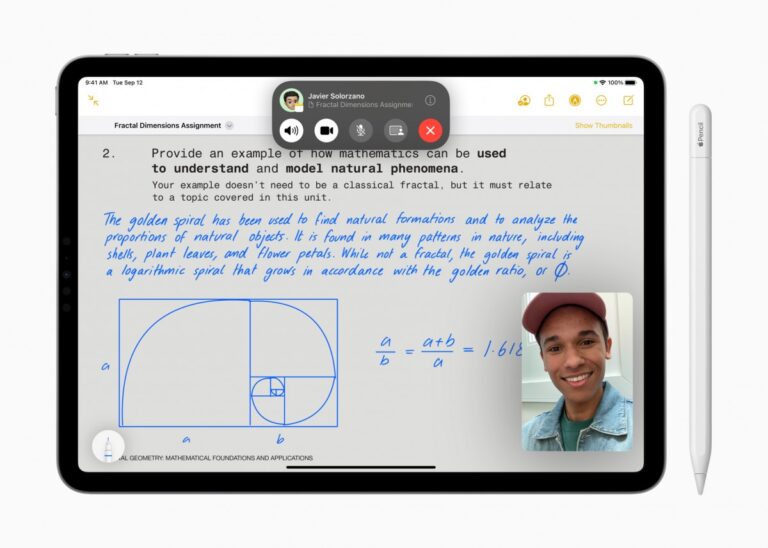
Apple announced a new version of the Apple Pencil that uses USB-C to charge and pair with compatible iPads. The company has been transitioning to the more universally compatible USB-C in their new products such as the iPad and iPhone 15 series while ditching their proprietary Lightning port.

The new pencil comes the same low latency for responsive input as well as tilt sensitivity for shadowing as found on the gen 2 pencil. It still supports the hover feature present on the latest ipad models. The USB-C Pencil measures 7.5 x 155mm and weighs 20.5 grams – nearly identical to the Apple Pencil 2 

Since this version is supposed to be more affordable than the latest second gen Apple Pencil 2, there are some features that were left out.

First, this new USB C Apple Pencil does not support wireless charging or pairing despite being able to attach magnetically to the iPads. Secondly, there’s no pressure sensitivity which is present on both the first and second-gen Apple Pencil models.

This new stylus will be compatible with iPad models that have a USB-C port, such as the 10th-generation iPad, the fourth- and fifth-generation iPad Air, the 11-inch iPad Pro, the sixth-gen iPad Mini and the third-gen 12.9-inch iPad Pro and later. 

Wondering how much it will cost? Well the first-generation pencil went for $99 and the more capable second-gen model costs $129, however, the USB-C Apple Pencil starts at $79 which slots right between the 1st and 2nd generation. 

VALR and Visa Partner to Issue Visa Cards for Crypto Payments

VALR, the South African crypto exchange, and Visa, the global card network, have announced a strategic partnership for the issuance of Visa cards and delivery of other digital payment solutions.

Visa and VALR will collaborate on payment solutions that bring together the crypto expertise of VALR and the deep payments capabilities of Visa.

“Visa is a household name in payments, with vast experience and global reach. A partnership with Visa was a natural step for VALR as we bring more innovative products and services to our customer base. We are very excited to work with Visa to continue to bring the very best technology and services to our global audience.” said Farzam Ehsani, VALR Co-founder and CEO.

VALR recently obtained approval to offer crypto services in Europe and is in the process of obtaining licenses in Dubai, Mauritius, and South Africa.

The VALR-Visa partnership follows other Visa partnerships with leading global crypto asset service providers such as Coinbase, Crypto.com and Circle.

VALR is now the leading crypto exchange in Africa. The business processes the highest trading volume on the continent, provides innovative services such as VALR Pay, blockchain staking and spot margin trading, and will soon be launching a leading perpetual future product.

Visa started a crypto consulting service and invested in crypto platforms as part of a global push for digital currency adoption.

“Visa is excited to work with VALR to issue Visa credentials to VALR customers. With this partnership we will work on innovative payment and card products that empower VALR customers to utilise the Visa network to make and receive payments globally. The use cases are vast and we’re looking forward to the collaboration with VALR to provide customers with a unique value proposition,” says Lineshree Moodley, General Manager, Visa South Africa.

VALR, established in 2018, is a crypto exchange headquartered in South Africa that serves customers across the world. VALR has processed over $10 billion in trading volume and has raised $55 million in equity funding since launch. It offers its customers the ability to trade bitcoin and a wide range of other crypto assets at some of the lowest fees in the world. VALR now serves half a million retail customers and over 900 corporate and institutional clients globally.

Visa facilitates transactions for over 100 million merchants worldwide with the seamless and trusted issuance of Visa credentials, underscoring its global reach and influence in shaping the digital payment landscape. Visa has issued more than 3 billion card credentials worldwide and is capable of processing more than 65,000 transactions per second. Over the past few years Visa has explored the benefits of the cryptocurrency industry, partnering with the leading players in the industry.

Equity introduces self-service bank account opening feature to address digital and mobile banking needs 

0

Kenya’s financial sector has diversified and evolved over the last two decades to become one of the strongest on the continent and in the world. This has been facilitated by the increased adoption of technology, which has made products and financial services more accessible to many. Mobile banking has grown to be one of the most significant outcomes of this revolution.

Today, mobile banking is used by nearly three-quarters of Kenyans. Despite this, many Kenyans who use mobile money services are concerned about unexpected charges, loss of money due to fraud, a lack of transparency in financial service and product pricing, and unreliable market infrastructure, including system downtime. As a result, making informed choices when selecting your mobile banking service provider is very important.

Convenience and efficiency should be your primary considerations when selecting a mobile banking service to ensure you are managing your finances efficiently and can easily plan how to connect with your bank account without having to visit a physical bank branch.

Equity introduced a self-service bank account opening feature through its USSD (*247#) service to address existing concerns about mobile banking and to ensure that all banking services are available on a user’s mobile device anywhere anytime.

Equity’s mobile account-opening feature is designed to make it easier for consumers who want to open bank accounts without having to physically visit a branch.

  By simply dialling *247# and following the prompts to provide their details, new customers can seamlessly link their account to their mobile device and start enjoying access to a wide array of services available through Equity’s digital banking channels. This ensures that all new and existing customers save time while transacting and interacting with banking services.

Having an account with Equity has several benefits, including a zero minimum operating balance, zero monthly charges, and zero account maintenance fees. With this feature, a user can open an account, deposit money, save money, instantly invest, borrow a loan, or withdraw without having to visit a physical bank location. 

When it comes to accessing loans, customers also dial *247# on their current mobile line irrespective of their phone network (Equitel, Safaricom, Airtel, or Telkom), or from any type of phone – Kabambe or smart phone, to check their loan limit and access instant loans of between Kes 100 and Kes 3 million straight from their device at the comfort of their home or office. Prompt repayment of these loans will enable their loan limit to increase overtime and will greatly benefit them in building a solid credit history that will be advantageous in future.

As consumers look for ways to manage their finances and safeguard their future, the development of effective and secure channels to do so will assist people in saving and managing their resources. Equity customers are encouraged and advised to be vigilant and to never share their personal details with anyone. Equity rolled a universal number which is the only number it uses to call customers from 0763 000 000.As a customer you are advised to ignore anyone who calls from another number pretending to be from Equity. Always remember, your PIN is your secret and Equity staff will never call to ask for your PIN. Customers are also encouraged to forward suspicious SMS messages and numbers to 333.

CashPlus raises €57 million to expand its fintech-driven branch network within Morocco

0

CASHPLUS, Morocco’s leading fintech and financial services network, has raised €57 million equity investment from IFC, the Mediterrania Capital, and FMO, the Dutch Entrepreneurial Development Bank, to expand its fintech-driven branch network within Morocco and globally.

With the funding, CASHPLUS will expand its delivery of global remittances, digital transfers, bill settlements, and other modern payment solutions in both Morocco and Europe and enhance its product offering, with special emphasis on developing its M-Wallet application, already used by more than one million people.

According to Nabil Amar, Chairman of the Board of Directors of CASHPLUS Group, “For two decades, CASHPLUS has been a beacon of trust, technological innovation, and financial inclusion in Morocco. With over 3600 POS and our relentless innovation, we’re proud of our roots. We extend our heartfelt gratitude to our partners: IFC, Mediterrania IV fund, and FMO. Hand in hand, we stride towards shaping a more inclusive and prosperous future.”

Of the €57 million, IFC is providing €10 million, the Mediterrania Capital IV fund, which is managed by Mediterrania Capital Partners, is investing €30 million, and FMO is investing €17 million. IFC will also provide advisory services to support CASHPLUS’s strategy to promote more women to senior management positions.

IFC’s investments include equity and debt, risk mitigation instruments, coupled with advisory services to support increased access to finance in the country. IFC’s financial institution partners in Morocco include banks, insurance, and microfinance institutions. The total value of IFC’s commitments in the financial sector reached $188 million between FY20 to FY23.

IFC committed US$1.33 billion in Morocco and an active advisory portfolio of $16.7 million between FY19 and FY22. IFC supports Morocco’s private sector in key areas such as access to finance, renewable energy, regional integration, gender inclusion, and job creation.

“We are thrilled to be part of this project alongside our long-time partners, IFC and FMO. CASHPLUS is a company that we know well and that fully embodies Mediterrania’s mission of improving people’s lives through responsible investments,” said Albert Alsina, Founder and CEO at Mediterrania Capital Partners. “With a strong track record of promoting financial inclusion and providing access to essential financial services to underserved communities in Morocco, CASHPLUS is an innovative company with a powerful vision. Together with IFC and FMO, we aim to support CASHPLUS to expand its reach and enhance its services, ultimately benefiting the people of Morocco and fostering economic empowerment.”

Founded in 2004, CashPlus specialises in domestic and international money transfers and also offers currency exchange, online payments, taxes and a comprehensive portfolio of inclusive financial products. Since it began operations, Cash Plus has formed partnerships with major international money transfer players including Western Union, MoneyGram, Money Trans, Money Exchange and RIA as well as developing its own national money transfer service under the Cash Plus brand. In 2015, Cash Plus completed the acquisition of Eurosol and became the second-largest money transfer company in Morocco and the largest independent one.

“Access to finance in emerging markets like Morocco is vital to create economic opportunities,” said Makhtar Diop, IFC Managing Director. “IFC’s investment in CASHPLUS will help the company to provide its more than one million customers with enhanced financial solutions, contributing to greater financial inclusion in Morocco.”

CASHPLUS combines technology with finance, offering digital payments alongside its 3,600 physical service locations in Morocco. The company also wants to scale up its remittance business payments back to Morocco. In 2022, remittances constituted over 8 percent of the country’s GDP, underlining their economic significance.

Safaricom acquires M-Pesa Holding Company from Vodafone Completely

0

Safaricom has fully acquired M-Pesa Holding Company Ltd from Vodafone, five months after it began the process in a bid to give it complete control and use of the M-Pesa IP.

In a statement, the giant telco revealed it had acquired 100 per cent of M-Pesa Holding Company Ltd from Vodafone, making the mobile money product a fully-owned subsidiary of Safaricom.

“The Board of Directors of Safaricom PLC is pleased to notify the public of the completion of the acquisition by Safaricom of the entire issued share capital of M-Pesa Holding Co. Limited from Vodafone International Holdings BV,” the statement read in part.

“On 17th April 2023, Safaricom entered into a share purchase agreement with Vodafone International Holdings for the transfer of one hundred per cent (100%) shareholding in M-PESA Holding Co. Limited (M-Pesa Holding) from Vodafone BV to Safaricom.”

M-Pesa Holding is the corporate trustee responsible for holding M-Pesa customer funds under the M-Pesa trust arrangement.

“Completion of the Transaction was subject to the satisfaction of conditions that are customary for transactions of this nature, including obtaining approval from shareholders and relevant regulators, all of which have been duly satisfied and all regulatory approvals obtained,” added the telco.

Post completion, M-Pesa Holding will continue to act as the corporate trustee of the M-Pesa trust funds.

M-Pesa was established on March 6, 2007, by Vodafone’s Kenyan associate, Safaricom, and is Africa’s leading mobile money present in the Democratic Republic of Congo (DRC), Egypt, Ghana, Kenya, Lesotho, Mozambique and Tanzania.

Since its inception, M-Pesa has evolved from a person-to-person cash transfer platform to offer payments and credit.

IFC Announces Winners of the DRC Agribusiness Innovation Challenge to Support Climate-Smart and Inclusive Agriculture

0

Three startups focused on digital technology and circular agriculture were named the winners of the DRC Agribusiness Innovation Challenge, a startup competition managed by IFC to support agri-small businesses and smallholder farmers as well as the development of climate-smart agriculture in the Democratic Republic of Congo (DRC).

The three winning companies were selected from a shortlist of 10 businesses that pitched their ideas to a jury of government representatives, members of development organizations, agribusiness investors and venture capital funders in Kinshasa this week, ahead of the DRC Agribusiness Forum taking place October 4-5.

The winners were selected based on their business innovation, potential for impact and scale, business viability, and team capabilities. Each winner will receive financial support ranging from $10,000 to $25,000 as well as and technical support to grow their operations and drive economic development in the DRC’s agriculture sector. Nearly 150 businesses applied to the challenge from across the country.

“These winning enterprises demonstrate the creativity and entrepreneurial spirit that exists in the DRC’s agribusiness sector. Entrepreneurs can play a critical role in empowering smallholder farmers and SMEs, while strengthening greater food security and climate resilience. Supporting them is key to unlocking the opportunities in the DRC’s agriculture and food industries,” said Mary Porter Peschka, IFC’s Regional Director for Eastern Africa.

The Challenge was funded by the Global Index Insurance Facility (GIIF), an IFC-led climate insurance program that helps small-scale farmers gain better access to finance and inputs to protect their livelihoods against weather-related events. The program works with AgTechs to promote the use of digital technologies to solve issues faced by the agriculture sector during production, harvest and sales. The Challenge is supported by the Netherlands, one of GIIF’s largest donors.

“The Netherlands recognizes the critical role of agriculture in ensuring food security, sustainability, and economic growth. The creative approaches these entrepreneurs have developed to tackle the challenges faced by smallholder farmers and agri-SMEs in the DRC are commendable,” said Angele Samura, Ambassador of the Kingdom of the Netherlands to the DRC. “Their work aligns with our shared global commitment to promote agricultural productivity, profitability, and resilience to climate change. This challenge, led by the IFC, is a significant step towards unlocking the untapped potential of the DRC’s agri-food industry and driving inclusive agricultural transformation. We look forward to witnessing the positive impact these initiatives will have on the DRC’s agricultural sector and beyond.”

Agriculture accounts for about 17 percent of the DRC’s GDP and employs around 55 percent of the population. Smallholder farmers, who account for more than 80 percent of the country’s agricultural workforce, face significant obstacles that limit their growth, including low productivity, post-harvest losses and limited access to agricultural technologies.

IFC launched the Challenge to recognize and support dynamic young and female agribusiness entrepreneurs in the DRC, particularly those running climate-smart agriculture start-ups that are using digital and non-digital technology solutions to increase the productivity and profitability of SMEs and smallholder farmers.

First place went to Green Community Mind, a female-led start-up that has developed an app connecting beekeepers with clients, allowing beekeepers to receive technical advice and market intelligence, and remotely monitor their hives to track temperature, predators and the ideal time to harvest.

Second place went to Kivu Kuku Poultry Farm, a company that is transforming poultry farming with its innovative ‘Chicken Bank’ system, which includes solar-powered cold storage and the recycling of organic waste for biogas production. Third place went to Bilanga Solutions, which operates a web and mobile platform that gives farmers better access to markets.

Eldoret Innovation Week kicks off today, Fostering Innovation and Technology in North Rift Kenya

0

The inaugural Eldoret Innovation Week 2023 alias EIW 2023, has officially commenced today at the Rupas’ ground in Eldoret. 

Running from today to October 20th, EIW 2023 aims to be a significant gathering for innovators, entrepreneurs and key stakeholders in the business sector, particularly those within the North Rift region of Kenya. 

“The event will serve as a platform for fostering innovation and technology adoption to drive sustainable business development.”

 Here are the key details and activities lined up for EIW 2023:

Innovation Challenge: The event will feature an Innovation Challenge that opens for applications between February and March. Young individuals from Eldoret and the North Rift Region will have the opportunity to present their innovative solutions to a panel of expert judges from various industries. The top 5 innovators will be honoured at an award ceremony during EIW.

Capacity Building Workshops: EIW will offer a wealth of knowledge dissemination and training, spanning before, during, and after the event. Young participants from around the world can engage in webinars and think tank sessions by signing up on the official EIW web portal. These theme-based training sessions will be led by industry experts, and successful participants will receive certificates and lifetime access to study materials.

Education Reform Advocacy: EIW also serves as an advocacy platform to support education curriculum development and reviews in the region. The event aims to encourage sustainable practices that promote innovation and entrepreneurship in partnership with the County Government of Uasin Gishu and local schools.

Networking Opportunities: EIW provides a unique opportunity for young innovators and enthusiasts to connect with thought leaders, investors, and local government leaders. This is a platform for sharing knowledge and experiences with like-minded peers.

Focus Group Discussions: Innovators will participate in discussions organized by various organizations to develop creative and innovative solutions for improving existing business systems and enhancing customer service efficiency.

Keynote Speeches and Presentations: EIW will feature panel discussions and presentations, offering valuable insights to innovators and entrepreneurs.

Q&A Sessions: Feedback loops will be organized to ensure that the voices of all EIW attendees are heard, focusing on community-centred solution-driven platforms.

Exhibition Showcase: Businesses and emerging innovative entrepreneurs will have the opportunity to showcase their products, services, and their journey towards resilient recovery through business innovations.

The target audience for EIW 2023 includes youth, innovation hubs, seed funding organizations, technical and vocational education and training institutions, tech firms, government bodies, private sectors, and social impact non-profits.

This year, EIW 2023 will focus on topics such as the power of innovation in connecting technology, people and purpose; partnerships to enhance access to physical and digital infrastructure for e-commerce; emerging trends in agribusiness, climate action, alternative energy, health, education, research, and the creative economy; and mechanisms to support digital transformation for sustainable economic growth in the region.

Attending Eldoret Innovation Week offers numerous benefits, including access to resources, engaging discussions, and networking opportunities that can significantly boost business revenue.

“For partners and sponsors, EIW 2023 provides a chance to leverage technological innovation, interact with the latest technologies, network for collaboration, showcase their brand as an innovation champion and gain insights into consumer needs and market trends. Additionally, they can explore partnerships with young innovators and benchmark operations of leading enterprises to enhance their innovation strategies in the ever-evolving business landscape.”

Ericsson Launches 5G Core Excellence Center to Drive 5G Adoption in the Middle East and Africa

0

Ericsson has announced the opening of a 5G Core (5GC) Excellence Center dedicated to serving the dynamic region of Middle East and Africa. The state-of-the-art Excellence Center will serve as a focal point for innovation, collaboration, and the advancement of 5G technology. The announcement was made at GITEX Global 2023.

Through interactive demonstrations and use cases that exemplify the real-world applications of 5G technology, Ericsson will leverage the Excellence Center to showcase the immense potential of 5G for both end consumer services such as fixed wireless access, cloud gaming, and enterprise offerings, including those in media & entertainment, public safety, and beyond.

At the 5GC Excellence Center, stakeholders will look at the multifaceted dimensions of 5G’s value proposition, allowing to engage with its real-world applications and delve into the future of 5G networks with a spotlight on cloud-native architecture. Learn about the principles driving this architectural shift and witness how it empowers networks with unparalleled flexibility and agility, making 5G’s promises a reality. Strengthening 5G operational capabilities and unlock new business horizons to usher in new revenue streams and novel business use cases.

Lucky La Riccia, Vice President and Head of Cloud Software and Services at Ericsson Middle East and Africa, says: “The Ericsson 5G Core Excellence Center provides a conducive environment for collaboration and innovation and is well-positioned to support our customers in their 5G monetization journey through demos and practical consumer and enterprise use cases. We are committed to providing the resources and support needed to develop and commercialize innovative products and services. The launch of Ericsson’s 5G Core Excellence Center is a significant milestone, and we are confident that it will be a valuable asset to the Middle East and Africa.”

The 5G Lab, part of the Excellence Center, is equipped with advanced 5G Stand Alone infrastructure and high-speed networking equipment and offers a collaborative workspace designed to bring together developers, system integrators, and industry experts to collectively explore the capabilities of 5G technology while building innovative 5G use cases. It will also serve as a launchpad for commercialization and deployment, driven by Ericsson’s commitment to transforming ideas into market-ready products and services.

Since its launch in 2019, 5G connectivity has rapidly gained momentum worldwide, ushering in a new era of connectivity and communication. Research firm, Tarifica, in a new report, delves into key aspects of 5G adoption, including the proliferation of 5G plans compared to non-5G plans, the pricing of 5G plans versus non-5G plans, and the evolution of these plans over time.

According to Soichi Nakajima, Vice President of Data and Analysis at Tarifica, “Our data illustrates a significant trend: 5G plans are increasingly outnumbering their non-5G counterparts in many markets. Notably, countries like Denmark and New Zealand have fully embraced 5G, with all plans covered being 5G-compatible, and therefore non-5G plans are absent in these countries.”

Tarifica’s analysis reveals that 5G plans tend to come at a premium, with average prices exceeding those of non-5G plans. Soichi Nakajima added, “This finding should not be surprising. Given the high-end nature of 5G services, they are commonly bundled with generous data allowances.”

The analysis further emphasizes the dichotomy between 5G and non-5G plans in terms of pricing and data allowances. 5G plans consistently command higher median prices compared to their non-5G counterparts due to substantial infrastructure investments and the promise of cutting-edge speeds and seamless connectivity. Additionally, 5G plans offer more data volume compared to non-5G plans, catering to the data-hungry demands of today’s digital lifestyles.

Mr. Nakajima noted, “Compared to non-5G plans, our data shows that 5G plans are roughly 1.5 times more expensive while including slightly more than double the amount of data. This duality of increased data and heightened cost is a strategic move by service providers to meet the growing demand for enhanced data and speed capabilities.”

The analysis underscores a pivotal shift in the telecommunications landscape. Whereas 5G plans were initially introduced as a luxury, high-end service with lofty data allowances, they now increasingly cater to the broader population’s needs.

Said Zantout, Head of Operations Support Systems, Core and Cloud at Ericsson Middle East and Africa, says: “The Ericsson 5G Core Excellence Center will allow us to collaborate with partners and customers to develop and test innovative 5G applications that empower businesses, industries, and individuals to thrive in the era of connectivity.  We look forward to seeing the innovative solutions that will be developed in the 5G Lab and we are confident that these solutions will drive innovation in the region.”

Kenyan Government Signs MoU with Huawei to Promote Digital Transformation

0

The Kenya Government has entered into an agreement with Huawei Technologies that will see the two parties collaborate on the development of the country’s ICT infrastructure, promote the digitization of various sectors of the country, such as transportation, e-government, education, digital energy among others. Additionally, the two parties agreed to continue to cultivate digital skills and knowledge sharing to enable Kenya youth to be job ready.

Speaking when he visited Huawei’s Beijing Executive Briefing Center (EBC), Kenya’s President William Ruto stated that, “We recognise the urgent need to develop a green, digital and creative economy in Kenya. In this regard, we therefore regard Huawei as a reliable partner of Kenya in terms of improving digital infrastructure, with its pioneering strength in ICT technologies driven by its heavy R&D investment. We look forward to strengthening the partnership for more positive outcomes of ICT infrastructure construction and industrial digitalization.”

Chairman of Huawei’s Board of Directors, Mr. Liang Hua said Huawei is ready to work more closely with the Kenyan government to grow the digital and creative economy in the country.

“Huawei hopes to facilitate Kenya’s development in fields like the ICT connectivity infrastructure, national data center and solar power generation. We will continue to dedicate ourselves to improving young Kenyans’ digital skills and literacy. Huawei values openness, collaboration and win-win results. We will enhance investment in the R&D of cutting-edge technologies across connectivity, computing and digital power. Our team will work with local customers and partners to make greater contributions to the digital economy in Kenya.”

Since starting operations in Kenya in 2003, Huawei has been dedicated to boosting ICT infrastructure, providing digital services, and promoting digital skills in the country. The global ICT leader supported the construction of computing power infrastructure including National Optical Fiber Backbone Infrastructure (NOFBI) and the KONZA National Data Center. Huawei also supported Safaricom in launching the first 5G network in East Africa in 2021. Besides, Huawei has long been a firm supporter of Kenya’s inclusive development and digital skills agenda, contributing to Kenya’s inclusive finance innovations such as the M-PESA and the Hustler-fund, and has provided digital skills training to about 10,000 Kenyan people in the past year.

Orange Middle East and Africa  partner with Smart Africa  to foster entrepreneurship and sustainable jobs for youth in Africa

0

 Smart Africa alliance and Orange Middle East and Africa have signed a three-year agreement aimed to support the development of African continent’s digitalization through advocacy, knowledge sharing and assess government digital maturity to accelerate Africa’s digital transformation and the creation of sustainable jobs for Africans.

Orange and Smart Africa are two major institutions, one recognized for its commitment towards digital inclusion and its knowledge in the innovation field, and the other one, empowered by a bold and innovative commitment by African Heads of State to accelerate sustainable socio-economic development on the continent.

Jérôme Hénique, CEO of Orange Middle East and Africa, added: “This partnership will contribute to the objective shared between Smart Africa and Orange namely to develop the digital skills of the African youth, especially women, while supporting innovative entrepreneurship. This is part of our commitment to actively contribute to the digital transformation of the continent.”

Both organizations will collaborate in activities such as training for the youth and women to support their employability in new digital professions.

This will be done through their digital skills development programs namely Smart Africa Digital Academy (SADA) and the Orange Digital Center (ODC) network, present in 16 countries in Africa and the Middle East and 6 European countries.

They will also work together in enhancing innovative entrepreneurship by strengthening incubation, acceleration, and financing capacities for entrepreneurs in priority sectors such as: environment, e-agriculture, e-health, e-commerce, etc.

Both the Smart Africa Digital Academy (SADA) and the Orange Digital Center (ODC) are dedicated to offering digital skills training to diverse audiences.

Orange Digital Center (ODC) brings together in a same physical structure a set of free programs open to all, ranging from digital training for young people and support for entrepreneurship to acceleration and investment in startups.

Smart Africa Digital Academy (SADA) is the driving vehicle for implementing Smart Africa’s digital skills initiatives, aiming to empower African citizens to embrace digital transformation and equip them to innovate and compete on a global scale.

Through their programs, the two organizations will work together to encourage the creation of innovative digital solutions to respond to local challenges and thus contribute to the sustainable development of the continent.

Commenting on this agreement, Lacina Koné, CEO of Smart Africa, stated: “Empowering African citizens, young people especially, to equip them for the jobs of the future has been key to our digital transformation efforts. Joining efforts with Orange will expedite our collective efforts in this regard.”

Fursa app launched to help Mombasa youth find jobs

0

The Fursa App has been officially launched in Mombasa to pave the way for new job opportunities.

In an auspicious ceremony attended by Mombasa Governor of Mombasa, AbdulSwamad Nassir, a groundbreaking Memorandum of Understanding (MOU) was signed marking a significant milestone for the Fursa app and the Department of Education and Digital Transformation in Mombasa.

The MOU was sealed with the signatures of Chief Mentor Swahilipot, Mahmood Noor while Dr Roselyn Randu represented the Department.

Fursa, an innovative app, has been officially introduced to the residents of Mombasa, offering them a unique gateway to a world of diverse job opportunities, encompassing casual, blue-collar and white-collar roles.

“Simultaneously, it provides companies with a platform to connect with talented individuals for their workforce needs.”

The launch event brought together distinguished individuals and prominent figures from the Mombasa community, all dedicated to shaping a brighter future for the local workforce.

Among the luminaries present were County Executive Committee Member (CECM) of Education and Digital Transformation, Mbwarali Kame; Mvita MP Mohammed Machele and the county attorney’s representative, Mwenda Miriti.

The Fursa app aims to bridge the gap between job seekers and employers by providing a user-friendly interface that simplifies the job searching and hiring process. Users can access a wide array of job listings, creating a level playing field for job seekers across various sectors.

GSMA MWC Kigali launches To  Enable Investment  And  Close The Mobile Usage  Gap Across Africa  

0

MWC Kigali 2023  has opened   as mobile operators  and policy makers convene  with an objective to  enable  investment and close the mobile usage gap across Africa. 

The event which was presided over by His Excellency Paul Kagame, the President of the Republic of Rwanda   brings together policymakers and global business leaders for three days of discussion on innovations in mobile technology and Africa’s rapidly evolving connectivity ecosystem.

“Today, Africa has the fastest-growing mobile penetration rate globally. But we still have a long way to go. Yet, we already have the means to address the problems we are dealing with today. We must continue to prioritize digital skills and literacy. Globally, we are also seeing strong momentum to support Africa’s digital transformation. If there is one lesson from the pandemic, it is that in times of crisis, we have to look for the common denominator. Only then, can we see the light at the end of the tunnel, and build the future we all deserve,” said H.E. Paul Kagame.

With over 60 exhibitors and sponsors, MWC Kigali features a number of activations aimed at shining a light on key issues surrounding the policy agenda as well as showcasing the talent disrupting the regional mobile ecosystem.

The GSMA welcomes an exceptional roster of keynote speakers to MWC Kigali this year, representing leading names in government, global business, emerging technologies and more.

This includes ATU, Ethiopia Telecom, Huawei, MTN Group, the International Telecommunication Union (ITU), Orange Middle East and Africa, the Rwandan Ministry of ICT & Innovation, the SAMENA Telecommunications Council, Smart Africa, Take Back the Mic and ZTE Corporation.

The GSMA’s Mobile for Development team will once again play a prominent role, convening mobile operator members, tech innovators, the development community and governments to discuss the role of digital technology in reducing inequality. Its Development Theatre, located in room AD12 of the convention centre, will host insightful keynotes and panels on topics including digital inclusion, the socio-economic benefits of mobile money, and the keys to building a smarter future for African cities.

In addition, the GSMA Africa Policy Leaders Forum will invite stakeholders from ministries, regulatory bodies and the broader mobile ecosystem for an agenda focused on accelerating Africa. Reflecting topics explored throughout the event, the forum will deal with key issues such as the investment gap, bridging the digital divide and handset affordability. The issue of affordable handsets will be discussed in The AfricaWeWant Needs Affordable Smartphones: Accelerating Adoption and Scale on day 1 from 13:45 – 16:40.

The Better Future Stage, located in Foyer 1C and open to every event attendee, will bring together start-ups, investors and entrepreneurs and showcase leading lights from the African telecoms ecosystem and adjacent industries through on-stage debates, pitches and fireside chats. On day 2 of the event, Orange will use the stage to announce the winners of its annual Orange Social Venture Prize during a ceremony between 12:45-2:45pm.

This year’s MWC Kigali is co-located with two other events – the Africa HealthTech Summit and Smart Africa; the Africa HealthTech Summit will showcase the power of digital innovation in Africa’s healthcare sector through an agenda of panel sessions taking place over three days; while Smart Africa will host a committee co-chaired by ITU and African Union Commission, convening public sector organisations and private sector players focused on accelerating the socio-economic development of the continent.

Mats Granryd, Director General of the GSMA said, “The mobile industry has seen remarkable growth across Sub-Saharan Africa and now reaches almost 490 million unique subscribers – but only one-in-four people in the region subscribe to the mobile internet. MWC Kigali provides a forum for policymakers and leaders in connectivity to come together and discuss ways of accelerating the digital transformation of Africa, closing the usage gap and, ultimately, ensuring everybody in the region benefits.”

The GSMA marked the opening of MWC Kigali 2023 with the publication of its annual Mobile Economy Sub-Saharan Africa Report, which revealed a considerable mobile internet usage gap of 59% in Sub-Saharan Africa. The usage gap refers to individuals who are not using mobile internet despite living in an area covered by mobile broadband networks. While the report acknowledged over 285 million people in the region – representing 25% of the population – were using mobile internet, the significant usage gap highlights the impact of the barriers to adoption, including the lack of affordability and low levels of digital skills.

Mobile internet penetration levels varied across Sub-Saharan Africa, with Mauritius, South Africa and the Seychelles all reporting adoption rates of over 50%. Meanwhile, Benin, Chad and the Democratic Republic of Congo represented the countries with the fewest mobile internet users, with penetration levels below 15%.

Google Abandons Passwords, Defaults to Passkeys

0

Google has announced a major shift in its approach to online account security, in a significant move for Cybersecurity Awareness Month.

Passkeys are set to become the default option for personal Google Accounts, as the tech giant aims to simplify user sign-ins and enhance online security.

In a blog post authored by Senior Product Manager, Sriram Karra and Group Product Manager, Christiaan Brand, Google highlighted the success of passkeys since their initial rollout earlier this year.

“Users have responded positively to the simplified and more secure authentication method, which utilizes biometrics or a PIN for access. Passkeys, Google claims, are not only 40% faster than traditional passwords but also benefit from advanced cryptographic techniques that make them even more secure,” Google noted.

As a part of this initiative, Google users will soon notice prompts encouraging them to create and use passkeys when signing into their accounts.

Furthermore, the “Skip password when possible” option will be automatically toggled on in Google Account settings, streamlining the sign-in process.

However, Google acknowledges that transitioning to passkeys will take time, and some users may still prefer traditional passwords. To accommodate these preferences, individuals will have the option to continue using passwords and may opt out of passkeys by disabling the “Skip password when possible” setting.

According to Google, one of the most immediate advantages of passkeys is their ability to alleviate the frustration of remembering complex passwords with numerous numbers and special characters. Additionally, passkeys are designed to be more resistant to phishing attempts, enhancing online security.

The expansion of passkeys doesn’t stop at Google. Since their initial launch earlier this year, the technology has seen growing adoption across the industry. Companies like Uber and eBay have integrated passkeys into their sign-in processes, offering users the choice to eliminate passwords when accessing their platforms.

WhatsApp is also set to introduce passkey compatibility soon, further broadening the adoption of this secure sign-in method.

Looking ahead, Google plans to continue expanding the use of passkeys across various online accounts. The long-term goal is to make traditional passwords a rarity and eventually obsolete, ushering in an era of passwordless security.

Google encourages users to stay updated on the progress and industry adoption of passkeys, emphasizing that their commitment to enhanced online security remains steadfast.

The Gates Foundation Launches $30 Million Initiative to Address Health R&D Funding Shortfalls in Africa

0

In celebration of 20 years of its “Grand Challenges” program, the Bill and Melinda Gates Foundation has pledged $30 million for an Artificial Intelligence (AI) initiative in Africa.

The initiative aims to ensure equitable access to AI technology and its benefits, with a strong emphasis on supporting local innovators and addressing pressing global health and development issues.

The announcement was made at the Grand Challenges Annual Meeting in Dakar, where the foundation unveiled a series of new initiatives. These efforts call for greater investment in research and development (R&D) to accelerate the availability of innovative solutions and make them accessible to everyone.

Co-chair of the Gates Foundation, Bill Gates stressed the need for increased global spending on R&D in the field of health and development, urging countries to commit an additional $3 billion annually to bridge funding gaps for neglected diseases.

“The $30 million investment will fund an AI platform in Africa, providing essential support to African scientists and innovators to transform their ideas into scalable health and development solutions. This initiative aims to ensure that AI technologies are not only affordable but also accessible to those in low- and middle-income countries (LMICs). The Gates Foundation will collaborate with technical partners and governments to advance AI development for health and development while maintaining ethical and equitable practices,” Mr Gates noted.

Additionally, the foundation announced investments to expand access to a novel mRNA vaccine manufacturing platform. This platform will enable countries, including Senegal and South Africa, to develop and produce their vaccines, potentially transforming the fight against infectious diseases disproportionately affecting LMICs.

Grand Challenges, which started in 2003, focuses on addressing critical global health and development challenges by crowd-sourcing innovative solutions through open calls for proposals. The program has received support from governments, international organizations, and philanthropic partners worldwide, with investments totalling $1.6 billion across 3,800 projects in 118 countries.

The Gates Foundation and its partners have also issued new calls for proposals in various areas, including the development of equitable AI for health in LMICs, women’s health R&D and innovations in global health and development.

The Grand Challenges Annual Meeting in Dakar is hosted by the Global Grand Challenges network of partners and the government of Senegal, with sponsorship from Grand Challenges Canada, the United States Agency for International Development, Wellcome and the Bill & Melinda Gates Foundation.

OPPO unveils the A78 in Kenya at Ksh 34,999

0

Featuring the super-fast 67W SUPERVOOCTM Flash Charge and a large 5000mAh battery, the OPPO A78 offers one of the fastest flash charging speeds on any smartphone in its price range. With 67W SUPERVOOCTM, the A78 can be charged to 100% in about 44 minutes. When fully charged, the long-lasting 5,000mAh battery can provide 27.4 days of standby (flight mode) or 16.37 hours of YouTube video, so it can easily last an entire day of average use.

OPPO’s Battery Health Engine helps to extend the A78’s battery lifespan to as many as 1,600 charge and discharge cycles, which is enough to keep the battery working in a good condition for up to four years. Optimized All-Day Charging intelligently learns users’ daily charging habits and adjusts the charging speed accordingly.

Immersive audio-visual experience for entertainment

Featuring an FHD+ AMOLED screen that can be rarely seen in its price range, the 6.4” screen has a 90Hz refresh rate and up to 180Hz touch sampling rate to provide enhanced smoothness and responsiveness. With the new A78, users will be assured to have an immersive experience whether they are playing games, binge watch your favorite shows for long hours.

Alongside the fantastic visual experience, OPPO A78 provides more immersive and crystal-clear surround sound through its Dual Stereo Speakers and Real HD Sound 3.0, delivering optimal sound adjusted for different scenarios such as music, video, and gaming. The devices packs an Ultra Volume Mode that allows users to turn up the speaker level to 200% for audible audio in the noisiest environments.

In terms of camera, the A78 is equipped with a camera system including a 50MP main camera and a series of new features that make it easier than ever to capture stunning photos and videos. For example, Dual-View Video can be used to shoot from both the front and rear cameras simultaneously and combine the footage into a single frame, unlocking new perspectives in shooting creative vlogs.

Stay smooth for up to four years

To deliver powerful performance, the A78 is powered by the Snapdragon® 680 Mobile Platform, an 8GB RAM expandable to additional 8GB + 256GB ROM configuration with up to 1TB of additional storage through the SD card slot.

At the system level, OPPO’s self-developed Dynamic Computing Engine uses parallel computing technology to optimize the scheduling and recovery of computing resources to boost overall speed and stability. On the A78, the Dynamic Computing Engine can increase app opening speeds by as much as 1.42%. It also helps to keep up to 19 apps running in the background at the same time without any noticeable lag.

Thanks to all these optimizations, the A78 provides silky-smooth performance for up to four years, ensuring users can enjoy a longer-lasting smooth experience compared with other smartphones at a similar price point.

The smartphone runs on ColorOS 13.1—based on Android 13—which enhances privacy and performance with features like screen translation that allow you to point the camera at a script for instant AI-based translation; you can auto-pixelate user photos in screenshots of messaging apps, and you even get a private safe to secure all your sensitive documents and photos.

Aside from the OPPO A78, OPPO Kenya shall also be introducing the; OPPO A58- Featuring the powerful 33W SUPERVOOCTM charging, a long-lasting 5000mAh Large Battery, enhanced hardware, and the intuitive ColorOS 13.1, this will be available in 2 stunning colors Glowing Black and Dazzling Green.

OPPO A98 -Featuring a flagship-level battery performance with 67W SUPERVOOCTM charging, a large 5,000mAh battery, and OPPO’s Battery Health Engine. Furthermore, equipped with an incredible 120Hz Silky Smooth Large Screen, RAM Expansion technology, and the latest ColorOS 13.1, A98 5G delivers an incredibly fast and smooth experience from start to
finish. It will come in 2 colors Cool Black, Dreamy Blue

Market Availability

The new OPPO A series are currently available for purchase across all oppo Stores country wide and E-Commerce platforms at a Recommended Retail price (RRP*) of Ksh 29,999 for the OPPO A58, Ksh34,999 for the OPPO A78 and Ksh45,999 for the OPPO A98.

How to Disable Pop-Up Blockers on Your Favorite Web Browser

0

Blocking pop-ups in Chrome

Chrome is rather quick and has a broad variety of extra features to make browsing more enjoyable. Here’s how, when using Chrome, to prevent pop-ups:

1. Enter “chrome://settings/content/” in the address bar.

2. Look for the “Pop-ups” option in the next tab, which should be down somewhere. You have a choice between two options: either let websites display them or prohibit them from doing so.

3. You may handle exceptions in the same tab to let some websites show them or prohibit them.

Users of portable devices powered by Android will experience a somewhat different procedure:

Open the settings menu in Chrome for mobile.

Go to the “Site settings” submenu under the “Content” menu option.

 Look for a separate listing called “Pop-ups” and turn it off.

Blocking pop-ups in Edge

Many PC owners favor Edge above many other browsers, even though some individuals continue to criticize the browser for its performance and clumsy UI. How can Edge block pop-up windows?

1. Select the Settings option from the top menu.

2. Look for the “Privacy and Security” option.

3. You can “block pop-ups” by clicking the icon located beneath the security block. 

What must users of IE 11 do?

The 11th version of one of the more established browsers was just released. Although Chrome or Firefox are more performance-focused and refined, the browser still functions. The following is how to prevent pop-ups in this browser:

1. Click the icon that looks like a streamlined gear.

2. Navigate to the internet-related area of the menu.

3. Look for the button that launches the Pop-up Blocker software in the Privacy section of the menu.

4. The blocker’s settings provide a field where you may input the URLs of websites that should be considered exceptions.

Additionally, we recommend you check out the list of options in the special menu that dictates the level of blocking. Three choices are available:

– Block all pop-up windows (High).

– Most pop-ups are blocked (Medium).

– Permit some of the pop-ups from regarded-safe websites (Low).

Blocking annoying pop-ups in Safari

The steps listed below must be followed if you are using an Apple device on a tabletop:

1. Look for Preferences in Safari’s main menu.

2. Select “Security” from the submenu.

3. Find the “Block pop-ups” link in the new tab.

If your device is iOS-compatible:

1. Access the phone’s settings menu.

2. Look for the division in charge of running Safari.

3. Find the “Block pop-ups” button in the general section and click it to make it active.

Using Opera

Users of the desktop version of the application must take the following actions:

1. Click the menu tab (in the address bar, type “opera://settings”).

2. Look for Pop-ups in the section assigned to websites. Activate or deactivate them.

3. Go to the Manage Exceptions block if you need to create exceptions.

Mobile users should:

Open the settings and select the “Advanced” settings section of the menu. Only click the “Block pop-ups” button while being cautious.

For users of Mozilla Firefox

1. Look for the option “Block pop-up windows” in the list of options and check the box next to it.

2. If necessary, enter the exceptions below.

Mobile Firefox users:

1. Locate the browser’s main menu and scroll down.

2. The button to block pop-up windows is located below. On/Off the switch.

Cue raises $500k to be the AI-powered customer service platform

0

Cue has raised $500,000 to accelerate its mission of helping businesses deliver faster customer service using the next generation of LLM-powered AI models on the Cue platform.

Cue, which was launched in South Africa has been profitable and growing rapidly in the UK over the last year because of its platform’s ability to quickly integrate chatbots and live chat with its clients’ business applications. This allows consumers to self-serve instantly and conveniently with businesses on channels like WhatsApp, Messenger and web chat.

“Now we’re even more excited to push the customer service experience further by combining these deep integrations with the power of Large Language Models, to provide dynamic personalised service with significantly reduced wait times and costs,” said the firm.

In the last year, the Cue has significantly optimised the customer service of many companies across industries. A few examples include:

  • 77x return on investment by automating insurance quotes on WhatsApp
  • 73% reduction in customer service costs for an insurance provider
  • More than doubled sales conversion rate for an education provider
  • Over 95% reduction in print marketing costs for a retailer with increased sales revenue

As more and more consumers adopt mobile messaging for interacting with businesses, the firm expects to see a further shift in the market to using these kinds of tools to create convenient and helpful customer experiences.

The firm added that customer service is a core part of every business and it sees a huge potential in what it’s doing to improve the speed and effectiveness of this around the world.

“This new funding enables us to accelerate our efforts and we can’t wait to share more of what we have planned in the next few months,” Cue added.

How to delete History from Internet Explorer’s Storage

0

Like many other browsers, Internet Explorer makes an effort to monitor your online activities. Allowing other users to see the websites you’ve recently visited is undoubtedly a feature that makes online browsing more convenient, but it’s not always a good idea. Removing this information is an excellent approach to keep others from discovering your online activities.

deleting the history in the IE

1. You must first navigate to the browser’s main menu (denoted by a gear symbol).

2. Look for the “Safety” option and then seek the one that lets you wipe the history.

3. Select “Delete” after selecting the “History” checkbox in the new window.

The option to entirely clear the cache, which stores some files gathered during your internet browsing for later use, is also available in the same menu. Performance can be improved by routinely wiping that space—especially important for PCs with less RAM.

Who else needs to know this?

Applications like CCleaner can assist you in deleting unnecessary data from your computer. If you do not intend to perform routine maintenance, using such applications is not necessarily the best course of action. Even so, having it available is a wonderful thing to do.

Use the “Private Browsing” function if you don’t want history or temporary files to be collected at all. Simply press the following keys to launch a new private tab (the default configuration is CTRL + SHIFT + P). Additionally, you can manually activate it under the “Safety” submenu. 

If you don’t want any records of your internet actions on the PC or in the cloud, private browsing is your best bet.