Roam Electric, Mogo Auto and BasiGo have each received $10 million in debt from the US government to support the design and development of electric motorcycles and buses as well as charging stations for motorcycles and buses throughout Kenya.
The $30 million was part of the more than $250 million new DFC financing package, announced as part of President Ruto’s State Visit to Washington, D.C., includes several multimillion-dollar commitments for critical projects in Kenya, such as financing new, affordable student rental housing in Nairobi, bolstering digital connectivity throughout the country, and advancing e-mobility and renewable energy, building on longstanding DFC support.
Roam Electric recently inaugurated its premier electric motorcycle showroom in Nairobi through a collaboration with electric mobility retailer Ridewell featuring the Roam Air, accessories, a wide selection of after-sales parts, and gear tailored for electric motorcycle enthusiasts. Equipped with a removable battery, the Roam Air offers a range between 75km and 100km, emphasizing convenience and sustainability.
The firm’s electric busses dubbed Rome Rapid, have a capacity to carry 90 passengers with room for both seating and standing commuters. The bus comes with a 384-kWh battery pack that allows for a range of 360 km and has the ability to fully charge in less than 2 hours through DC charging ports hence giving operators full flexibility to decide their charging and operating schedule.
Last year, the firm unveiled a new 50,000 motorcycle production facility to house it’s East African headquarters, electric motorcycle production lines as well as development/battery labs. The new facility, dubbed the Roam Park, will allow for an expanded production and have an annual capacity of 50,000 motorcycles while staying a carbon-neutral assembly, which are the goals in the coming years.
Roam had earlier partnered with M-KOPA in 2022 to sell electric motorcycles on credit in a move to decrease the barrier to entry for potential buyers by providing more manageable payment plans. Roam recently expanded these partnership with M-KOPA and Bolt and M-KOPA to allow new and existing drivers an opportunity to lease ROAM and Ampersand electric motorbikes at a discounted prices. The 5,000 electric motorcycle deal offers a cost-effective alternative for drivers, enabling them to maximise their earnings while minimising expenses.
Formerly known as Opibus, Roam in February 2024, raised $24 million Series A funding in equity and debt led by Equator Africa and includes investments from At One Ventures, TES Ventures, Renew Capital, The World We Want, and One Small Planet, among other prominent private and institutional investors. Through the International Development Finance Corporation (DFC), the U.S. Government promised Roam an up to US$10 million debt facility which has now been fulfilled.
BasiGo, a Nairobi-based electric vehicle startup, has received $10 million to revolutionize Kenya’s public transport, announced the U.S. International Development Finance Corporation’s (DFC) Chief Executive Officer (CEO) Scott Nathan.
BasiGo’s $10 million direct loan will facilitate procurement of buses and batteries for sale in Kenya, supporting Kenya’s ambitious climate goals. BasiGo leases and sells electric buses to public transport bus operators in Kenya and Nathan says the loan will help advance e-mobility in Kenya, also in support of President Ruto’s Africa Green Industrialization Initiative, building upon DFC’s longstanding support for the e-mobility economy in Kenya.
“The U.S. and Kenya have strong ties that include a robust relationship with the private sector,” CEO Nathan said. “With this week’s announcements, DFC is doubling down on its commitments to Kenya’s development, with investments into energy, e-mobility, and infrastructure. DFC is also expanding its on-the-ground presence by opening an office to help us better pursue opportunities across the region.”
The more than $250 million new DFC financing package, announced as part of President Ruto’s State Visit to Washington, D.C., includes several multimillion-dollar commitments for critical projects in Kenya, such as financing new, affordable student rental housing in Nairobi, bolstering digital connectivity throughout the country, and advancing e-mobility and renewable energy, building on longstanding DFC support.
Last month, the firm announced it was poised to transform public transport across East Africa by rolling out 1,000 electric buses over the next three years. The firm also inaugurated its Electric Bus production line at the Kenya Vehicle Manufacturers plant in Thika, Kenya’s first specialized assembly line for modern Electric Buses. BasiGo has been assembling E9 Kubwa buses, tailored for Kenya’s PSV market and set to transform public transport in the country. The company has received over 500 orders from bus operators in Nairobi and 100 reservations from operators in Kigali, Rwanda.
“We have proven that local assembly is viable and impactful. Now, we urge policymakers to create an enabling environment that fosters innovation, job creation, and economic growth. Together, we can chart a brighter future for mobility in Kenya and Africa,” Moses Nderitu, BasiGo Kenya’s Managing Director, said at the launch attended by TechMoran, emphasizing on the need for conducive environment for innovation, job creation, and economic development.
In March 2024, the firm secured $3 million in equity funding from CFAO Group (CFAO), owned by Toyota Tsusho Corporation in Japan. The investment, split between CFAO Kenya and Mobility54, is aimed at ramping up BasiGo’s electric bus manufacturing and delivery in Kenya and Rwanda.
M-KOPA, a fintech platform that connects underbanked customers to financing and digital financial services in Kenya and four other African markets has received a $51 million loan that will support digital connectivity throughout the country by helping underserved communities access affordable smartphones.
M-KOPA received the $51 million loan from the U.S. International Development Finance Corporation (DFC) which has given more than $250 million in a new financing package to various Kenyan firms, announced during President Ruto’s State Visit to Washington, D.C. DFC alo announced it was going to open a regional office at the U.S. Embassy in Nairobi to support private sector development in Kenya and across Africa.
The U.S. International Development Finance Corporation’s (DFC) Chief Executive Officer (CEO) Scott Nathan said, “The U.S. and Kenya have strong ties that include a robust relationship with the private sector,. With this week’s announcements, DFC is doubling down on its commitments to Kenya’s development, with investments into energy, e-mobility, and infrastructure. DFC is also expanding its on-the-ground presence by opening an office to help us better pursue opportunities across the region.”
CEO Nathan joined M-KOPA Co-Founder and CEO Jesse Moore for a ceremonial signing of the commitment.
The $20 million funding was led and arranged by Standard Bank Group with participation from The International Finance Corporation (IFC), funds managed by Lion’s Head Global Partners, FMO: Dutch Entrepreneurial Development Bank, British International Investment, Mirova SunFunder and Nithio. A further $55m in equity investment was backed by existing strategic investor Sumitomo Corporation. Blue Haven Initiative, Lightrock, Broadscale Group and Latitude, the sister fund to Local Globe, also participated in the transaction.
In 2022, M-KOPA raised $75 million in a growth equity round led by Generation Investment Management and Broadscale Group, with new investors such as LocalGlobe’s Latitude Fund and HEPCO Capital Management joining in. CDC Group and LGT Lightrock, two of M-current KOPA’s investors, also participated in the round.
According to Jesse Moore, M-KOPA CEO and Co-founder in a statement seen by TechMoran, “ As we continue to scale we remain committed to building a sustainable business and closing economic and digital gender gaps. We are delighted to have the support of new and existing investors who share our vision and mission”.
M-KOPA has provided more than $1Bn in credit to individuals who would not ordinarily qualify for formal financing products. Through its innovative micropayments model, which does not require collateral or a guarantor, the company has unlocked access to previously inaccessible products and digital financial services for over 4 million people. By making smartphones affordable, its offering has enabled customers to connect to the internet, many for the first time, and to improve their livelihoods as active participants in the digital economy.
The firm directly employs over 2,000 people across Africa with a network of over 20,000 sales agents expanding its reach.
Present in Kenya, Uganda, Nigeria, Ghana and most recently South Africa, and the firm is supporting individuals without access to traditional financial services and is also establishing Kenya’s first local smartphone assembly factory, adding 300 recent graduates to its workforce, 70% of whom were first-time job holders.
Recently, M-KOPA partnered with Bolt to launch an electric bike fleet in Kenya to allow new and existing drivers an opportunity to lease ROAM and Ampersand electric motorbikes at a discounted price. The 5,000 electric motorcycle rollout aligns with the recent launch of Kenya’s National E-mobility Policy, aimed at promoting local production and assembly of EVs.
L’Oréal has launched the Big Bang Beauty Tech Innovation Program in the South Asia Pacific, Middle East and North Africa (SAPMENA) region, including Singapore promising startups the chance to develop their innovation in a commercial pilot and potential exposure to 35 markets of the SAPMENA region.
The competition emphasizes five challenge themes: Consumer Experience, Content, Media, New Commerce and Tech for Good innovations from across the South Asia Pacific, Middle East and North Africa region.
The countries include United Arab Emirates (UAE), Saudi Arabia, India, Singapore, Malaysia, Indonesia, Thailand, the Philippines and Vietnam. The top three SAPMENA Grand Finale winners will win a L’Oréal-funded commercial pilot opportunity and a year-long mentorship program with senior executives from L’Oréal and the program partners including Accenture, Google and Meta.
Vismay Sharma, President of L’Oréal SAPMENA Zone, said, “Asia and the Middle East are young, vibrant markets with a strong and dynamic startup ecosystem and opportunities for growth. Leveraging Beauty Tech, L’Oréal wants to uncover better and more novel ways of connecting with consumers and answering unmet needs through beauty innovations. We are on the lookout for unique solutions that leverage data and tech – we believe augmented tech, online platforms and digital services have great potential to elevate the consumer experience.”
First launched in China in 2020, the competition now extends across Asia and MENA, tapping into the dynamic startup ecosystem and immense consumer potential of these regions. Home to 40% of the world’s population, the SAPMENA region covers 35 markets including many of the world’s fastest growing, most populous and young markets. Its consumers are young digital natives, having an average age of 28 years (compared to the global average of 33 years) and with more than 60% purchasing online every week. Across Southeast Asia, India and the Middle East, the combined startup ecosystem includes over 40,000 startups, with more than 180 unicorns (startups valued US$1 billion+) and a deal flow that reached US$20 billion last year.
Chan Ih-Ming, Executive Vice President of Singapore’s Economic Development Board (EDB), said, “L’Oréal’s decision to orchestrate the Big Bang Beauty Tech Innovation Program here reinforces the robust innovation ecosystem and digital capabilities that Singapore offers to corporates and start-ups in the consumer sector. We look forward to seeing promising entrepreneurs with innovative breakthroughs benefit from L’Oréal’s deep expertise and extensive networks.”
Startups who prove successful pilots in SAPMENA could have the opportunity to work with L’Oréal globally. With L’Oréal SAPMENA as a launchpad, startups could tap into an extensive network of partners and market insights.
The three regional online semi-finals for the GCC, India and Southeast Asia will culminate in an in-person SAPMENA Grand Finale. Up to ten startup finalists across SAPMENA will vie for the top prizes at the Grand Finale in Singapore on 23 October 2024. Judges will comprise senior executives from L’Oréal and the program partners.
Key dates:
Submission deadline: 13 July 2024
India online semi-final: 11 September 2024
Southeast Asia online semi-final: 30 September 2024
SAPMENA in-person Grand Finale in Singapore: 23 October 2024
Startups passionate about creating the future of the beauty industry with L’Oréal are encouraged to apply now on the competition website by the submission deadline of 13 July 2024.
Today, the 23rd of May 2024, President William Ruto of Kenya, which is dubbed Silicon Savannah of Africa[1], is making an official state visit to the United States of America[2], the home of Silicon Valley[3]. It is the first official visit by a Kenyan President in the last two decades[4], facilitated by Ambassador Meg Whitman who used to be one of the titans of Silicon Valley but is currently serving the U.S. Ambassador to Kenya[5]. Last year, Whitman invited President Ruto to tour Silicon Valley as a precursor to today’s visit during which they made the case for tech investments in Kenya and Africa[6]. Kenya leads the KINGS countries (Kenya, Ivory Coast, Nigeria, Ghana and South Africa) who are pioneers of the digital economy in Africa[7]. Chanzo Capital launched the KINGS fund to invest in these countries to create and expand the digital economy in Africa[8].
Whitman is determined to be the ambassador who makes good on U.S. pledge that it is prioritizing business in Africa. This is because the U.S. has being paying lip service to expanding its business in Africa whilst China has taken the lead in doing business with Africa through their “Belt and Road Initiative”[9]. Under an initiative called “Why Africa, Why Kenya,” Whitman has become an evangelist for the idea that American businesses should consider her host country and continent as a business destination[10].
“I have come to Silicon Valley to underscore Kenyan government’s strategic intent to support through infrastructure and other investment, the enhancement of Kenya’s position as the epicenter of Africa’s innovation and technological transformation,” Ruto said last year. We would hear him today.
Whitman who is worth $3.4B according to Forbes, is best known for taking eBay from $5.7M to $8B in sales as CEO from 1998 to 2008[11]. She subsequently, became president and CEO of Hewlett-Packard Co.P from 2011 to 2015 and oversaw it’s split into HP Inc. and Hewlett Packard Enterprises (HPE). She stepped down as HPE’s CEO in 2018 and sat on the boards of Procter & Gamble and General Motors before becoming an ambassador in 2022.
According to Nii Simmonds, a nonresident senior fellow with the Atlantic Council’s GeoTech Center, U.S. companies like Microsoft, Google and IBM are expanding rapidly into Africa making huge investments in infrastructure and innovation[12]. Microsoft just announced a $1B investment into Kenya’s Digital Ecosystem. Simmonds reckons “The time is ripe for a new, bolder partnership between the U.S. and Africa. Biden and Ruto are right to call for a transition away from a relationship built on aid to one that fosters sustainable economic growth and increased trade, seeding the grounds both for a booming manufacturing sector in Africa and a clean energy revolution in the U.S. However, achieving this goal will require a deliberate strategy to entice U.S. multinationals to invest more in the continent”.[14]
“The opportunities for greater U.S. investments should be obvious. By 2050, Kenya and other African countries will see a significant influx of young workers, offering U.S. manufacturers a valuable labor force, and that can often perform the same or superior quality work at a lower cost than what Chinese workers demand. With a population nearing 1.5 billion, projected to reach 2.5 billion, Africa will likely increase its share of global trade and manufacturing, too. This growth will create skilled jobs and increase purchasing power for goods and services, similar to developed economies, creating new markets for American-made goods”.
I agree with Simmonds that Africa has what the US needs and vice versa. With Whitman and President Ruto’s visit, Silicon Valley could forge a mutually beneficial relationship with Silicon Savannah.
Orca, a South African banking and fintech fraud prevention startup, has raised a $550,000 pre-seed round to build simple, yet effective fraud prevention tools and iterate with customers in South Africa.
The oversubscribed round was led by Norrsken22 with participation from First Circle Capital, Musha Ventures, Kara Ventures as well as several strategic business angels and family and friends.
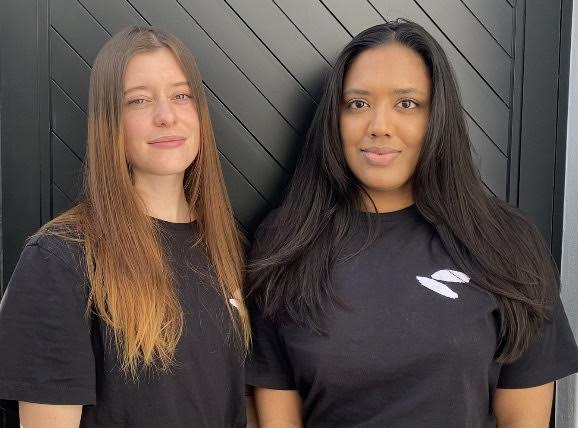
Founded in January 2024 by Thalia Pillay and Carla Wilby, Orca aims to empower fraud analysts and compliance officers with the tools they need to effectively combat various types of fraud. The company has interviewed over 150 fraud professionals and fintech founders to understand what is happening in the fraud landscape and has seen the overwhelming need for effective, yet targeted solutions.
According to Thalia Pillay, co-founder of Orca, “We are excited about the strategic investors we have onboard, who can provide us with various types of support we are looking for at this early-stage. We aimed to have a diverse cap table that reflects where and how we plan on growing the business. Most of our investors are builders themselves who have successfully navigated B2B and fraud spaces which makes them especially relevant to us.”
There has been a sharp rise in fraud in South Africa, with as much as a 600% increase in reported fraud cases since 2018 (SAFPS, 2022) due to the rise and growing adoption of digital payment methods (Payshap, mobile money, cross border payments, e-wallets etc). Unfortunately, the present fraud and AML prevention providers are trained to fight fraud in first world countries and not tailored to fight fraud in Africa and other emerging markets.
Orca is therefore launching to tackle modular fraud cases and protect users from the damaging repercussions of fraud. With these funding raised, Orca plans to expand its team and build, validate and iterate on their fraud and compliance products.
Nivesh Pather, Norrsken22, said, “We have seen the quantum and complexity of fraud challenges faced by emerging market banks and fintechs, specifically in Africa, as they scale to provide increased financial inclusion. Orca is building a fraud prevention solution that is tailored for the African market.”
Orca will be hiring over the next few months and aims to build out a world–class team to innovate towards a fraud-free future.
Carla and Thalia first met whilst studying engineering at the University of Cape Town in 2015. Upon leaving university, Carla founded an EdTech named Zelda which was selected into the Injini cohort and Google Launchpad. Carla and Thalia have since worked in the fintech and startup industry. Their decision to start Orca was prompted by witnessing firsthand the volume of fraud present in African fintechs and banks. A lot of fraud they’ve seen is preventable but businesses aren’t sufficiently protected
“We invested in Orca Fraud because of their focus on building an orchestrated fraud prevention platform, with tailored fraud models based on a company’s transactional data. Thalia and Carla are super strong product experts and experienced in fraud risk management. We are bullish about the scaling potential of the solution they are building,” said Selma Ribica, Co-Founder of First Circle Capital.
Many of the world leading companies in deep tech are found in the US, but Europe also has strengths. Much of the leading deep tech companies in clean tech, biotech and robotics are found in Europe, according the recently launched Deep Tech Index. The Index, produced by the European Centre for Entrepreneurship and Policy Reform (ECEPR) with support from Nordic Capital, maps the leading deep technology centres, focusing on key, future-shaping technologies.
Most of the 500 leading deep tech companies are situated in the US, which has 1.58 of such companies per million adults. Countries leading in deep tech companies per million adults also include Israel, Ireland, Estonia, Switzerland. Denmark, Canada, Sweden, the Netherlands, and the UK also rank amongst the top-ten list. Seven out of the ten countries with highest concentration of deep tech companies in relation to their adult populations are in fact found in Europe.
Europe has particularly strong dominance in the areas of clean tech, as well as in biotechnology and robotics & communication. Fully 28 percent of the leading clean tech companies of the world are situated in Europe, making environmental technology the main relative strength of Europe in a global deep tech analysis.
Biotechnology is another field in which Europe is strong, as 20 percent of the globally leading deep tech companies in this field are European. Nearly all other leading biotechnology firms exist in the USA, with the exception of one in Canada and one in Japan.
In robotic & communication, 18 percent of the world’s leading deep tech companies are located in Europe. This is nearly double the amount of Asia, but still significantly lagging North America. Photonic & electronic deep tech development mainly occurs in North America, but 16 percent of the leading companies are found in Europe. Sweden, Netherlands, and the UK, have each a couple of the world´s leading deep tech companies in photonic & electronic.
London is a key European hub for deep tech, with 2.6% of the world’s top firms located there. Other major European centres include Paris, Amsterdam, Berlin, Stockholm, and Dublin, with Copenhagen and Cambridge also playing important roles.
The study identifies several factors contributing of high concentrations of deep tech companies per capita. These include strong private property protection, lower taxes, and high educational standards, particularly in STEM subjects. Countries with higher PISA scores and more top-ranked universities in engineering and technology tend to have more deep tech companies.
According to the QS World University Ranking, Europe is home to 30 of the top 100 engineering and technology universities, compared to 34 in Asia and 27 in North America. To maintain and enhance its position, Europe needs to boost educational outcomes, invest in top engineering and mechanical institutions, and implement growth-oriented economic policies.
Clean Tech
North America
50%
Europe
28%
Asia
6%
Rest of world
0%
Biotechnology
North America
78%
Europe
20%
Asia
2%
Rest of world
0%
Robotic & Communication
North America
68%
Europe
18%
Asia
10%
Rest of world
4%
Photonic & Electronic
North America
68%
Europe
16%
Asia
14%
Rest of world
2%
The tables show the geographical division of globally leading deep tech companies, as measured by the end of 2023. For questions, see the Deep Tech Index 2024.
Kenya’s digital space has received a significant boost following the recent visit of President William Ruto to the United States, as major collaborations and investments have been unveiled between the two nations.
One of the groundbreaking initiatives announced is the establishment of EDTECH Africa, a partnership between Kenya and the United States, along with Microsoft, Mastercard’s Center for Inclusive Growth, and several renowned Historically Black Colleges and Universities (HBCUs).
This initiative aims to bridge the gap in emerging technology education by facilitating exchanges between African scholars and students from HBCUs, with investments totaling $11.85 million.
In the healthcare sector, the U.S. International Development Finance Corporation (DFC) is injecting $14 million into Kenya’s private sector.
“This includes a $10 million loan to Hewa Tele for medical oxygen supply and $4 million in equity investments in Kasha Global, a company catering to the healthcare needs of low-income women.”
Furthermore, Virunga Power, in partnership with Power Africa, announced a $100 million investment in six hydropower projects in Kenya, expected to generate 31 megawatts of clean energy over the next five years, fostering economic growth in rural areas.
The collaboration between the U.S. Department of Energy and the Kenyan Ministry of Energy signifies a commitment to clean energy and carbon management, with a memorandum of understanding (MOU) set to enhance bilateral cooperation in geothermal energy and industrial decarbonization.
In the transportation sector, investments in electric vehicle startups like BasiGo and Roam Electric, totaling $20 million, are set to accelerate Kenya’s transition to zero-emissions vehicles, aligning with President Ruto’s Africa Green Industrialization Initiative.
Additionally, the launch of the MCC-Kenya Urban Mobility and Growth Threshold Program, funded by a $60 million grant, aims to enhance urban mobility in Nairobi while reducing transportation sector emissions.
Moreover, USAID’s expanded support for plastic recycling in Kenya, totaling over $2 million, is expected to create 200 jobs and significantly increase PET plastic recycling in the country.
Today, President Biden welcomed President Ruto for a State Visit and Dinner, marking 60 years of official partnership between the U.S. and Kenya.
Liquid Intelligent Technologies, a pan-African technology group, has announced a distribution partner agreement (DPA) with Eutelsat Group that will see enterprise-grade Low Earth Orbit (LEO) satellite services being made available in Africa.
Eutelsat Group is the world’s first satellite operator with an integrated GEO-LEO infrastructure.
“Liquid has always been committed to technological innovation in Africa,” said Ahmed El Beheiry, Chief Executive Officer (CEO) of Liquid Intelligent Technologies, “Our collaboration with Eutelsat signifies a milestone in bringing cutting-edge LEO services to our customers across multiple countries in Africa, empowering them with high-speed solutions and unlocking new possibilities for connectivity.”
“We are thrilled to work with Liquid to introduce new connectivity services throughout Africa. Liquid has a proven track record and a longstanding commitment to connect African businesses. Working together and leveraging Eutelsat Group’s innovative LEO services, we can unlock new opportunities for enterprises and communities. We look forward to the positive impacts we can have to help Liquid’s customers flourish, especially in the mining industry in Central Africa” said Philippe Baudrier, Vice President Connectivity, Africa.
The strategic integration of the OneWeb LEO satellite network allows Liquid Dataport to deliver not only low-latency satellite services but also introduces a network interconnect that enables services integration across the LEO satellite access and Liquid Dataport core network infrastructure.
The strategic integration of the OneWeb LEO satellites present a paradigm shift in satellite technology, offering lower latency, faster orbital periods, and higher bandwidth. On a continent where satellite technology is relatively new and limited in its reach, for Liquid Dataport’s customers, this translates to enhanced performance for applications like cloud computing, video conferencing, and real time applications, amongst others. Looking beyond these conventional offerings, Liquid Dataport’s LEO services, in partnership with Eutelsat, also include enterprise access with Internet breakout, including Point-to-Point services, providing a versatile and robust solution for diverse business needs.
Beyond the technical advantages, Liquid Dataport’s expanded reach will give its customers an even more streamlined experience, making it the preferred one-stop shop for a range of connectivity and other services.
As Eutelsat’s OneWeb’s network coverage continues to mature, Liquid Dataport is planning a systematic expansion of services, aligning with the evolving demand for low-latency primary and backup services in remote regions of the continent and benefiting a range of businesses across all industries. This strategic move anticipates the expected surge in new LEO satellite constellations over the next three years, providing agile and cost-effective solutions for entering and expanding markets.
For Liquid Intelligent Technologies, the collaboration with Eutelsat is about more than just services; it’s about launching opportunities for businesses and communities in Africa that extend beyond connectivity, fostering progress and innovation across the continent.
OneOrder, the ordering solution for the hotel, restaurant, and catering (HoReCa) industries in Egypt, has raised $16 million in equity and debt in a Series A round to expand into the GCC region, beginning with the UAE.
The $16 million is led by previous investor Delivery Hero Ventures, with participation from Norrsken22 as well as Egypt-based Nclude and A15. This follows a $1 pre-Seed and $3 million seed round in February and December 2022, respectively.
According to Tamer Amer, CEO at OneOrder, “Like many supply chains across Africa and the MENA region, HoReCa is extremely fragmented and relies on manual processes involving multiple stakeholders. This results in businesses having limited price-transparency, a lack of access to quality stock-keeping units (SKUs), high waste and storage costs, and limited financing to grow their businesses.”
OneOrder streamlines the entire supply chain, acting as a one-stop-shop by storing all the ingredients that restaurants might need in our strategically located warehouses through its web-based platform and mobile application. OneOrder provides customers with access to more SKUs with guaranteed quality at lower prices, as well as data and analytics for improved operations and financing for growth. They currently work with over 1370 customers.
OneOrder also streamlines associated financing and payments, and is integrated with ERP/POS systems. OneOrder has worked with the Commercial International Bank Egypt (CIB) to enable variable payments by direct debit – something that currently only banks and financial institutions can do in Egypt.
Brendon Blacker, Managing Partner at Delivery Hero Ventures, says, “We are honoured to lead OneOrder’s Series A round and grow our investment as the company revolutionises the HORECA supply chain in the MENA region. This funding creates an exciting opportunity to expand the huge value that OneOrder enables for its customers across a wider geographic footprint and replicate the great success they have already achieved in Egypt.”
Natalie Kolbe, General Partner at Norrsken22, says, “We are pleased to back OneOrder as our funds first investment into Egypt, as we believe it has the potential to revolutionise the HORECA supply chains across Africa and beyond. The team is led by exceptionally experienced operators, and we look forward to supporting them in opening up multiple new markets and becoming the full stack HORECA technology solution.”
The company plans to expand into the Gulf Cooperation Council region in autumn 2024, build up financing solutions for customers, including cards, and further develop the platform.
Microsoft will invest $1 billion into Kenya’s digital ecosystem in partnership with G42, among others.
Microsoft and G42 will also design and build a state-of-the-art data center campus in Olkaria, Kenya, run entirely on renewable geothermal energy. The data center will run on and provide access to Microsoft Azure in the region and bolster high-speed cloud and AI services adoption.
His Excellency, President, Dr. William Samoei Ruto, stated that, “This partnership is bigger than technology itself. It is about coming together of three countries with a common vision of a nation empowered by technology, where every citizen has the opportunity to thrive in the global digital landscape. It’s about building a future where Kenya flourishes as a digital leader.”
G42 has begun work to train an open-source large language AI model in Swahili and English. Microsoft and G42 will also work with local universities, through the Microsoft Africa Research Institute, the Microsoft AI for Good Lab, the Mohammed Bin Zayed University of Artificial Intelligence in Abu Dhabi, To build on this and help accelerate advanced research in Kenya.
“This partnership between two companies and three countries highlights a real opportunity to bring digital technology to the Global South in a safe and secure manner,” said Brad Smith, vice chair and president of Microsoft. “This represents the single largest and broadest digital investment in Kenya’s history and reflects our confidence in the country, the government, its people and the future of East Africa.”
Microsoft’s AI for Good Lab in Nairobi will use AI technology to work with nonprofit organizations and other partners to help address economic and societal priorities across East Africa. The two will also launched launch and operate an East African Innovation Lab in Nairobi to help Kenyan and other East African startups develop and implement cloud and AI services in partnership with its developers at the Africa Development Center, which has 500 employees in Nairobi.
Microsoft will expand its work to bring last-mile wireless internet access to 20 million people in Kenya and 50 million people across East Africa by the end of 2025 through Mawingu Networks, Liquid, CSquared and other local partners in Kenya such as M-KOPA.
Busbud, a Canadian-based travel booking platform, has acquired Ratality, a South Africa-based revenue management optimization software in an expansion drive.
The acquisition extends Busbu’s reach in Africa and will enhance Busbud’s advanced demand forecasting, dynamic pricing, fleet and driver management, among others and builds upon an existing partnership between the companies.
According to LP Maurice, CEO & Co-founder of Busbud, “We’ve heard first-hand from ground travel operators the tangible results they’ve achieved by using Ratality to generate more revenue for their businesses. We were extremely impressed by the technology and capabilities of their platform. It just really made sense to bring Ratality’s team of revenue management experts on board and integrate these features further into our core B2B platform.”
BusBud will make Ratality’s capabilities accessible to its operator partners worldwide. Busbud Business Suite offers B2B business services to ground travel operators to help manage their operations more efficiently and expand their sales to the online market. The suite is used by over 350 partners worldwide and has powered hundreds of millions of tickets worldwide to date.
This acquisition follows the 2022 merger with Betterez, a leading B2B reservation & ticketing management platform. Busbud supports a multitude of payment and language options and has been configured in 16 countries, acting as a trusted partner for many operators including 4 of the top 5 in South Africa.
“Uniting with Busbud expands the reach of our platform to bus operators around the world,” said Arend de Waal, CEO & Co-founder of Ratality. “Our innovative revenue management solutions generate immediate ROI for our partners and have already been proven in other travel sectors like airlines. Overall, this combination unlocks untapped potential for bus operators, maximizing revenue and operational efficiency.”
The addition of revenue management capabilities to the Business Suite is another major win as Ratality’s revenue management capabilities unlock a whole new level of efficiency and economics for operator partners.
One of Ratality’s customers, a large South African-based ground travel operator, saw a major impact on sales and efficiency: 73% more passengers, 76% improvement in seat factor (SF%), 37% improvement in revenue, and 32% increase in revenue per kilometer (RPK). This impact happened only over several months, from November 2023 to February 2024
With over two decades of experience in the digital financial services (DFS) sector, Dr Ongwae is recognized for her leadership in driving digital transformation efforts across Sub-Saharan Africa and South-East Asia.
Currently, she serves as the Senior SupTech Specialist at the Cambridge SupTech Lab, University of Cambridge, where she collaborates with government entities and financial institutions to pioneer innovative digital payment systems.
Her extensive career includes pivotal roles at MicroSave Consulting, Musoni Microfinance, and over ten years at the Central Bank of Kenya, where she played a critical role in modernizing payment systems and shaping key policies and regulations.
Possessing a PhD from the University of Manchester, Dr Ongwae has been instrumental in leveraging technology to enhance regulatory compliance and financial supervision.
Her expertise spans policy design, DFS strategy development, product innovation, and data analytics.
The association noted that in her new capacity she will lead the SupTech/RegTech Committee, steering the fintech community towards more innovative and efficient regulatory practices.
Her appointment underscores FINTAK’s dedication to propelling Kenya’s fintech sector by harnessing technology to foster a more inclusive financial ecosystem.
Chairperson of FINTAK, Duncun Motanya expressed enthusiasm about Dr Ongwae’s appointment, citing her extensive experience and innovative approach to financial technology.
Her leadership is expected to significantly enhance FINTAK’s strategic endeavors and broaden its influence within the fintech industry in Kenya and beyond.
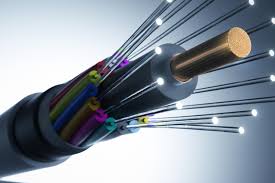
Google has today launched Umoja, a new fiber optic cable connecting Africa to Australia in a move to increase the reach and reliability of digital connectivity for Africa amidst recent fiber cuts affecting connectivity across the continent.
Anchored in Kenya, the Umoja cable route will pass through Uganda, Rwanda, Democratic Republic of the Congo, Zambia, Zimbabwe, and South Africa, including the Google Cloud region, before crossing the Indian Ocean to Australia.
According to Brian Quigley, VP, Global Network Infrastructure, Google Cloud, “We are excited to announce Umoja, a new fiber optic cable connecting Africa to Australia, and our expanded cybersecurity collaboration with Kenya, furthering our commitment to Africa’s digital transformation. We are grateful for the partnership from leaders across Africa and Australia to deliver Africa Connect to people, businesses, and governments in Africa and around the world.”
Umoja’s terrestrial path was built in collaboration with Liquid Technologies to form a highly scalable route through Africa, including access points that will allow other countries to take advantage of the network.
Umoja, which is the Swahili word for unity, joins Equiano in an initiative called Africa Connect. Umoja will enable African countries to more reliably connect with each other and the rest of the world. Establishing a new route distinct from existing connectivity routes is critical to maintaining a resilient network for a region that has historically experienced high-impact outages.
“Africa’s major cities including Nairobi, Kampala, Kigali, Lubumbashi, Lusaka, and Harare will no longer be hard-to-reach endpoints remote from the coastal landing sites that connect Africa to the world. They are now stations on a data superhighway that can carry thousands of times more traffic than currently reaches here. I am proud that this project helps us deliver a digitally connected future that leaves no African behind, regardless of how far they are from the technology centers of the world,” said Strive Masiyiwa, Chairman and founder of Liquid.
In addition to today’s infrastructure announcement, Google will sign a Statement of Collaboration with Kenya’s Ministry of Information Communications and The Digital Economy to accelerate joint efforts in cybersecurity, growing data-driven innovation, digital upskilling, and responsibly and safely deploying AI for societal benefits.
As part of the collaboration, Google Cloud and Kenya are announcing that they intend to work together on strengthening Kenya’s cybersecurity. The Department of Immigration & Citizen Services is evaluating Google Cloud’s CyberShield solution and Mandiant expertise to strengthen the defense of its eCitizen platform. CyberShield enables governments to build enhanced cyberthreat capabilities, protect web-facing infrastructure, and helps teams develop skills and processes that drive effective security operations.
Google has long recognized the critical role investments in secure technology infrastructure have on connecting communities, expanding education, and driving healthy economic development within Africa and around the world.
Since Google opened its first Sub-Saharan Africa office in Nairobi in 2007, it has partnered with governments from countries across Africa on numerous digital initiatives. In 2021, Google committed to invest $1 billion in Africa over five years to support a range of efforts, from improved connectivity to investment in startups, to help boost Africa’s digital transformation. Since then, Google has invested more than $900 million in the region.
Nigeria’s Lagos State Government’s has launched a Cybersecurity Operations Centre (CSOC).
This happened during the Year 2024 Ministerial Press Briefing on Monday, May 20, 2024, following announcement by Olatunbosun Alake, the Honourable Commissioner for Science, Innovation and Technology.
“This centre, part of a comprehensive strategy to enhance security and governance, will be the nucleus for monitoring, detecting, and responding to cyber threats in real-time within the state'” Tech point Africa reported.
Mr Alake emphasized that this cybersecurity endeavor involves collaboration with renowned companies and international organizations, aiming to equip the government with cutting-edge technologies and expertise to defend against cyber threats effectively.
Furthermore, the newly established CSOC will leverage advanced technologies and a team of cybersecurity experts to safeguard the state’s digital infrastructure from potential attacks.
He also highlighted the formation of a cybersecurity council, comprising experts from both public and private sectors, responsible for refining and implementing cybersecurity policies and training initiatives.
Addressing the Data Protection Compliance Project, Mr Alake revealed that Lagos is actively sensitizing various departments and agencies, appointing 70 Data Protection officers across 43 ministries, departments, and agencies (MDAs).
This initiative aims to protect the data privacy rights of residents of Lagos and ensure secure transactions involving personal and business data.
“Governor Babajide Sanwo-Olu’s ambitious Metro-Fibre Duct Project, announced in December 2023, is progressing swiftly. Phase I has seen the implementation of 2,700 km of unified fibre ducts across the state, with assurance from the Commissioner that Phase II will cover the remaining 3,300 km, accelerating digital transformation in Lagos.”
Zipline, the drone delivery firm has completed one million commercial drone deliveries to customers and more than 70 million commercial autonomous miles across four continents and delivered more than 10 million products.
The firm has also launched Zipline’s Platform 2 (P2) system which will also be used to deliver orders from Panera Bread, Memorial Hermann Health System and Jet’s Pizza starting in the greater Seattle, Houston, and Detroit metro areas respectively.
“Over the past decade, we’ve worked hard to build a system that scaled to 1 million paid customer deliveries. In the near future, I believe that 1 million deliveries will be unremarkable as we reach a million deliveries in a year, in a month, in a day,” said Ryan Oksenhorn, Co-Founder of Zipline and Head of Software. “10 years from now, I think clean, reliable autonomous delivery of goods and services will be available to everyone.”
Zipline is now scaling in the U.S. after recent regulatory approvals and will begin rolling out P2, which is expected to serve more than 30 million people in 10 states within the United States over the next few years. Some of the firms working with Zipline is Flynn Group, the largest franchise operator in the world, which runs the Panera Bread brand. Another client is Memorial Hermann Health System, one of the largest not-for-profit health systems in Texas which will use Zipline to deliver specialty prescriptions and medical devices directly to patients’ homes, as well as to transport medicine, medical products, and lab samples between its facilities. Jet’s Pizza, with more than 400 locations across 22 states, will begin using Zipline to deliver orders starting in its home of Detroit.
About 4 billion instant deliveries happen each year in the U.S. and this expansion comes at a time when more people are looking for consistent, convenient delivery options. Zipline aims to tap into this big US market in addition to its medical partnerships in Africa.
Sophos, a global security solutions firm has appointed Joe Levy as it chief executive officer [CEO]. Levy has been acting CEO since Feb. 15.
Levy is a nearly 30-year veteran of innovating and leading cybersecurity product development, services and companies. During his nine-year tenure at Sophos, Levy drove the transformation of Sophos from a product-only vendor into the global cybersecurity giant it is today, including anincident response team and managed detection and response [MDR] service that defends more than 21,000 organizations worldwide.
Levy also created SophosAI and Sophos X-Ops, an operational threat intelligence unit that joins together more than 500 cross-departmental cybersecurity operators and threat intelligence experts. Sophos X-Ops shares real-time and historical attack data with all of Sophos’ solutions, making them smarter and faster at defending customers from persistent cyberattacks.
Levy has in-depth experience working with the channel, including managed security providers [MSPs], throughout his career, which he started in the mid-1990s as a cybersecurity practitioner and product and service innovator at a value-added reseller.
As CEO, Levy plans to expand Sophos’ already strong customer base in the midmarket, which includes nearly 600,000 customers worldwide and generates more than $1.2 billion in annual revenue. As a leading provider of cybersecurity solutions for the midmarket, Sophos has a unique ability to further scale its business and the business of its partners by helping organizations in dire need of basic and expanded defenses against opportunistic and targeted cyberattacks.
“Our goal is to help more organizations in the midmarket – the estimated 99% of organizations that are below the cybersecurity poverty line – be better at detecting and disrupting inevitable cyberattacks. Our envisioned approach to achieving this is to work with MSPs and channel partners that can scale alongside us with our innovative critical cross domain technologies – endpoint, network, email, and cloud security – and managed services that they can resell and co-deliver. Cyberattacks against the midmarket could severely impact the world’s ability to function; they are relatively under-protected compared to the 1%, and Sophos is on a mission to change that,” said Levy.
To drive a critical role in the execution of his strategy to shape the future of Sophos, Levy has named Jim Dildine Sophos’ new chief financial officer [CFO] and a member of his senior management team.
Levy’s leadership strategy includes adding Dildine as CFO to help Sophos reach its business goals and propel the company on its future growth trajectory. He brings exceptional operational expertise to Sophos, as well as a strong background in channel partner-based cybersecurity business.
Dildine joins Sophos most recently from cybersecurity software and services company, Imperva, where he was CFO for more than four years. Before Imperva, Dildine was CFO for Symantec’s $2.5 billion enterprise security business unit for three years. Dildine also previously held key financial leadership roles for nearly nine years at Blue Coat Systems, where Levy also served as chief technology officer. While at Blue Coat Systems, he oversaw a dramatic growth in market value while guiding the company to a go-private transaction by Thoma Bravo, sale from Thoma Bravo to Bain Capital, and subsequent sale to Symantec for $4.6 billion in 2016. Dildine also spearheaded the acquisition and seamless integration of six security-focused companies, which were valued at more than $750 million during his tenure.
Four finalists have been selected to present their innovations to the judges from the Royal Academy of Engineering will host the final of the 10th Africa Prize for Engineering Innovation, on 13 June 2024 in Nairobi, Kenya
The four finalists have developed solutions including an environmentally-friendly roofing material made from recycled plastic, a smart healthcare platform providing direct access to vital healthcare information via WhatsApp, a location-based mobile app connecting customers to independent agents for on-demand rubbish collection and disposal, and a solar-powered tool using AI and machine learning-enabled cameras to detect and identify agricultural pests and diseases.
These innovations directly address the UN’s Sustainable Development Goals, including zero hunger, good health and wellbeing, sustainable cities and communities, reduced inequalities and climate action.
This year’s winner will receive a prize of £50,000, with the other three finalists receiving £15,000 each. The prize is double the amount of previous years in recognition of the Africa Prize’s ten-year anniversary. The other shortlisted innovators will also be given one minute each to present their innovations, and an audience poll will select one of them to receive an award of £5,000.
This prize, the ‘One to Watch’, is awarded in honour of an alumnus of the Africa Prize who passed away, Ghanaian Martin Bruce, co-founder of Young at Heart. It is awarded to a member of the shortlist who the audience identifies as one to watch in the future.
The awards form part of the Royal Academy of Engineering’s investment of over £1 million to African innovators through grants, prizes and accelerator programme places during the 10th anniversary year of the Africa Prize.
The 2024 Africa Prize finalists were selected from a shortlist of innovators who are applying engineering to solve problems faced by their communities. The finalist selection took place following an eight-month training and mentoring programme, during which experts provided tailored, one-on-one support designed to accelerate and strengthen the businesses of each member of the shortlist. Training covered business plans, scaling, recruitment, IP protection, sector-specific engineering mentoring, communication, financing and commercialisation.
2024 Finalists:
Early Crop Pest and Disease Detection Device, Esther Kimani, Kenya:
A solar-powered tool utilising AI and machine learning-enabled cameras to swiftly detect and identify agricultural pests and diseases, reducing crop losses for smallholder farmers by up to 30% while increasing yields by as much as 40%.
Kimani’s innovation not only provides real-time alerts within five seconds of an infestation, offering tailored intervention suggestions, but also alerts government agricultural officers to the presence of diseases or pests, contributing to broader agricultural management efforts.
This affordable alternative to traditional detection methods leases for just $3 per month, significantly cheaper than hiring drones or agricultural inspectors, and also provides valuable data for policymakers through an agricultural live-tracking data dashboard.
Eco Tiles, Kevin Maina, Kenya:
An environmentally friendly roofing material made from recycled plastic. Stronger and lighter than clay or concrete tiles, the innovation is a dual solution to plastic pollution and high building costs.
Kevin and his team work with 500 informal waste collectors who provide plastics, including high-density polymers and lighter polyethene.
The innovative manufacturing process involves a custom-made extrusion machine that blends different plastics at varying temperatures, eliminating the need for energy-intensive processes like kiln-burning and reducing carbon emissions. The tiles are enhanced with UV stabilisation chemicals and construction sand to improve durability and sturdiness.
With a production rate of 1,500 tiles daily, each tile is pressed in a minute. Half a million Eco Tiles have been used to date in the construction of 348 houses.
La Ruche Health, Rory Assandey, Côte d’Ivoire:
La Ruche Health connects communities to vital health information, advice, and services through “Kiko”, an AI chatbot tool available on WhatsApp and mobile apps, and a digital backend solution to streamline documentation, billing, and data sharing for practitioners.
Recognising the fragmented healthcare network in Côte d’Ivoire, La Ruche Health addresses accessibility barriers for the 43% of the population with limited literacy skills.
Kiko serves as the patient’s initial point of contact, offering personalised screening and facilitating appointments with qualified healthcare professionals.
By May 2024, the AI has facilitated over 150,000 user interactions and 189 in-home and teleconsultation appointments, processing over $18,000 in medical billings, illustrating its effectiveness and scalability.
Yo-Waste, Martin Tumusiime, Uganda:
Addressing Uganda’s mounting waste crisis, Yo-Waste is a location-based mobile application that connects homes and businesses to independent agents for efficient on-demand rubbish collection and disposal.
The technology uses routing and scheduling algorithms to optimise waste collection routes, which reduces costs and improves efficiency. It has GPS location technology to pinpoint collection points, which overcomes the challenge of people not having official addresses in informal residential areas.
Yo-Waste currently serves over 1,500 customers including homes, businesses, and waste collection agents, with a goal to reach 20,000 users by 2026.
With only 40% of waste disposed of properly in Africa, Yo-Waste’s innovative approach tackles environmental pollution and health hazards caused by open dumpsites.
The remaining shortlisted innovators are now eligible for ‘One to Watch’ award worth £5,000, for which they will compete for the public’s vote at the Africa Prize final.
Visa has launched its She’s Next global advocacy program in Kenya to support the creation of an inclusive, equitable world where women business owners can flourish. It aims to support women-owned small businesses through funding, training, and mentorship.
Women entrepreneurs from all industries and sectors can apply for a chance to receive a grant of up to KES 2.5 million. In addition to the monetary prizes, the top applicants will receive training and capacity building sessions courtesy of Visa and its partners.
“We are excited to bring She’s Next to Kenya and provide a platform for female entrepreneurs to thrive. We believe in the power of women to drive economic growth and societal progress, and this is an opportunity to provide the resources, tools, and support women need to grow their businesses”, said Eva Ngigi-Sarwari, Visa Kenya Country Manager.
“As the capacity building partners of She’s Next Kenya, Kayana Create is delighted to be partnering with Visa to unlock the potential of female entrepreneurs. The initiative is in line with our strategy to support and empower talented women entrepreneurs to take their businesses to the next level and create new opportunities by building a vibrant community of women business owners with a focus on collaboration and capacity building”, Said Patricia Okelo, Co-founder, Kayana Create
Since 2020, Visa has invested over $3 million in over 250 grants and coaching for women entrepreneurs through the program globally including in the US, Canada, India, Ireland, Ukraine, Kazakhstan, Saudi Arabia, the UAE, Egypt, and Morocco.
To learn more and apply for Visa She’s Next Grant Program, applicants must submit a short application form via She’s Next Kenya | Visa with details about their business. Applications are open until June 12th and the winners will be announced in July.
The Obuntu Foundation, a catalyst for the next generation of Africa-focused Fund Managers, has received backing from the Mennonite Economic Development Associates (MEDA), a non-profit organization focused on economic development and entrepreneurship, to equip early-stage fund managers with the essential tools and expertise to build and operate successful funds within an African context.
The Obuntu Launchpad Program, a 12-month program will provide tailored training, LP engagement opportunities, and a collaborative network for knowledge sharing and deal flow. The participants will receive mentorship, fundraising assistance, and promoting innovative fund models tailored to the unique needs of African startups.
“We are excited to join forces with MEDA, an organization that shares our passion for empowering African entrepreneurs and driving economic development,” said Wambui Kinya, Co-Founder of the Obuntu Foundation. “This partnership serves as a validation of our successes to date and will significantly enhance our Launchpad Fellowship, providing our Fellows with unparalleled access to MEDA’s vast network, resources, and expertise. “
The fellowship features practitioner-led sessions by industry experts like Lewam Kefela (Partech), Andreata Muforo (TLcom Capital), and Fope Adelowo (Helios).
Since its launch in 2022, the Obuntu Launchpad Fellowship has successfully run two cohorts, supporting 24 fellows representing 21 funds with a combined target Assets Under Management (AUM) of $281 million. Notable alumni include Yewande Odumoso (Founding Partner, HoaQ), Aly El Shalakany (Managing Partner, Acasia), Thandeka Xaba (Managing Partner at Digital Africa Ventures) and Emmanuel Adegboye (Head, Madica).
The partnership with MEDA will strengthen the Obuntu Foundation’s mission of empowering a thriving ecosystem of African fund managers. By attracting significant investments from both local and international backers, this collaboration injects vital capital into a continent where startups remain underfunded yet abound with potential.
According to Dr. Dorothy Nyambi, President and CEO of MEDA, “This partnership is critical and represents our shared commitment to strengthening the impact investment ecosystem in Africa by enabling more women to lead investment vehicles thereby unlocking the full potential of African entrepreneurship to job creation for women and youth via investments in small and medium-sized enterprises. “
Nominations are open until June 9th for active Africa-focused VC Fund Managers who meet the following criteria: diverse profiles ranging from local startup and corporate operators to experienced senior roles within a VC fund, prior experience investing in Africa, and active pursuit of building their new fund.
PAIX Data Centres, a key player in data center solutions in Africa, has announced the expansion of its facility in Accra to 1.2 MW, a significant boost to the digital economy and job creation.
This expansion positions the data center, now one of Ghana’s largest, to support internet service providers (ISPs), cloud providers, and enterprises in leveraging robust digital infrastructure for online businesses like e-commerce.
The timing of this expansion is critical as the demand for reliable and scalable data centers in Africa is projected to surpass supply by 300% in the next two years. Industry estimates suggest that to meet this demand, installed capacity needs to increase from 250 MW to 1,200 MW by 2030, with annual consumption expected to rise by 40% until 2025.
The upgraded facility underscores PAIX Data Centres’ commitment to delivering top-notch solutions to customers in Accra and beyond. It features state-of-the-art infrastructure, robust security measures, advanced cooling and waste management systems, and increased integration of renewable energy sources to reduce environmental impact.
Strategically located in Accra, the facility offers low latency connectivity to major regional and international network routes and subsea cables, enhancing service efficiency and performance.
PAIX Data Centres, which acquired its first facility in Accra in 2018 and constructed a second data center in Kenya in 2020, aims to drive digital transformation and innovation across Africa.
Africa50, an infrastructure investor, committed $20 million in equity investment to PAIX Data Centres in 2022 to support its expansion into new markets and facility upgrades.
Managing Director PAIX Data Centres, Ghana, Bright Tawiah noted: “This expansion reaffirms our dedication to providing best-in-class data center solutions to our customers in Accra and beyond.”
Wouter van Hulten, PAIX Data Centres Chief Executive Officer (CEO) stated: “PAIX’s investment in our ACC-1 data centre positions it as the leading network hub that is created by the aggregation of multiple undersea cable landing points connecting to terrestrial cables.”
Microsoft and G42 have unveiled an extensive digital investment plan for Kenya in collaboration with the Republic of Kenya’s Ministry of Information, Communications, and the Digital Economy.
This initiative involves a $1 billion initial investment led by G42 to establish various components, including a cutting-edge green data center in Kenya’s new East Africa Cloud Region to run Microsoft Azure.
The partnership will also focus on local-language Artificial Intelligence (AI) model development, an East Africa Innovation Lab, connectivity enhancements, and ensuring secure cloud services across East Africa in collaboration with the Kenyan government.
A letter of intent to be signed this Friday will formalize this partnership during Kenyan President William Ruto’s state visit to the United States, marking the first visit by a sitting African head of state to Washington, D.C., in nearly two decades.
Crafted with assistance from the United States and the United Arab Emirates governments, the letter will be signed by Microsoft, G42, and Kenya’s Ministry of Information, Communications, and the Digital Economy.
“Sustainable data center infrastructure and the establishment of a new East Africa cloud region will be a significant part of the agreement. G42, along with local partners, will construct a state-of-the-art data center campus in Olkaria, Kenya, powered entirely by renewable geothermal energy and incorporating advanced water conservation technology. This data center will provide access to Microsoft Azure through the new East Africa Cloud Region within 24 months, offering scalable, secure, and high-speed cloud and AI services to drive digital transformation across Kenya and East Africa.”
President Ruto highlighted the broader significance of this partnership, emphasizing its role in advancing technology and fostering a digitally empowered future for the USA, Kenya, and the UAE.
“This partnership is bigger than technology itself. It is about coming together of three countries with a common vision of anation empowered by technology, where every citizen has the opportunity to thrive in the global digital landscape. It’s about building a future where Kenya flourishes as a digital leader. In the spirit of mutual growth and shared prosperity, this LOI is a steppingstone toward a brighter, more connected and digitally empowered future for the USA, Kenya and the UAE. It embodies our collective aspiration to bridge the digital divide, accelerate technological innovation, and pave the way for a thriving digital economy that benefits the entire African continent and beyond.”
Vice chair and president of Microsoft, Brad Smith echoed this sentiment, underlining the substantial digital investment as a testament to confidence in Kenya’s potential and the future of East Africa.
“This partnership between two companies and three countries highlights a real opportunity to bring digital technology to the Global South in a safe and secure manner. This represents the single largest and broadest digital investment in Kenya’s history and reflects our confidence in the country, the government, its people and the future of East Africa.”
Chief Executive Officer (CEO) of G42, Peng Xiao expressed enthusiasm for the transformative impact of the partnership on Kenya’s digital ecosystem. Through initiatives like the establishment of a green data center and localized AI development, G42 aims to empower the Kenyan government and communities with robust cloud services and AI capabilities, laying the groundwork for a thriving digital economy.
“In partnership with Microsoft, we are excited to work with the Kenyan government to usher in a transformative era for the digital ecosystem in Kenya and the region. By establishing a green data center and developing AI tailored to the local culture, G42 is committed to fostering sustainable technological growth. This initiative will empower the Kenyan government and communities with robust, secure cloud services and AI capabilities, providing the foundation for a thriving digital economy across the region.”
The partnership also entails the development of Swahili/English AI models and the launch of AI societal services tailored to Kenya’s economic and cultural needs. Microsoft and G42 will collaborate with local universities and organizations to accelerate advanced research and address societal priorities across East Africa using AI technology.
An East Africa Innovation Lab will be established in Nairobi to support startups, entrepreneurs, and organizations in developing and implementing cloud and AI services. Microsoft and G42 will provide skilling and mentorship support to create a future-ready workforce, collaborating with various local partners to offer digital and AI skills training programs.
Efforts to expand internet connectivity will continue, with G42 and its UAE partners supporting Kenya’s development of international and domestic fiber cable infrastructure. Microsoft aims to provide last-mile wireless internet access to millions of people in Kenya and East Africa by partnering with local providers and leveraging innovative financing models.
In terms of digital safety and security, Microsoft and G42 will collaborate with the Kenyan government to design and operate the new East Africa cloud region as a “trusted data zone.” This ensures adherence to global standards for digital safety, privacy, and security while facilitating the adoption of cloud services for governmental and citizen use.
Kenya’s online delivery platform, Bolt Food, has announced a partnership with the globally renowned Domino’s Pizza, aiming to elevate the pizza experience for enthusiasts nationwide.
This strategic alliance merges Bolt Food’s efficient delivery services with Domino’s famous pizza creations, promising Kenyan consumers unparalleled convenience and satisfaction.
On the Bolt Food platform, customers can now browse through a variety of Domino’s pizza flavors, sides, and desserts. What’s more, all orders come with free delivery and an estimated arrival time of just 30 minutes.
The Country Manager for Bolt Food, Edgar Kitur expressed enthusiasm about this partnership.
He highlighted Domino’s reputation for quality and innovation, aligning perfectly with Bolt Food’s dedication to delivering exceptional dining experiences.
This collaboration marks a significant moment in reshaping Kenya’s pizza delivery landscape, aiming to set new standards for convenience and customer delight.
“We are excited to welcome Domino’s Pizza to our platform. Dominos’ reputation for quality and innovation perfectly complements our commitment to delivering exceptional food experiences to our valued customers. This collaboration signifies a pivotal moment in redefining Kenya’s pizza delivery landscape, as we collectively set new benchmarks for convenience and customer satisfaction.”
This collaboration extends Domino’s reach to nine locations, including eight in Nairobi and one in Mombasa, allowing customers in these cities to enjoy their favorite pizzas with ease.
The Managing Director of Eat N Go Kenya, Peter Jones assured customers of continued swift delivery, promising to maintain their 25-minute delivery guarantee.
He also hinted at exciting new additions to Domino’s menu, such as New York pizza and Cinnamon sticks, alongside ongoing value and family offers.
“We still guarantee our customers food delivery within 25 minutes. We are also working to have new and better pizza offerings that will include; New York pizza and Cinnamon sticks among other offerings. We will still have value and family offers to customers.
The partnership between Bolt Food and Domino’s Pizza not only simplifies the pizza ordering process but also opens doors to culinary exploration. With Domino’s diverse menu now available for delivery, customers can indulge in a variety of flavors from the comfort of their homes.
Bolt Food has been instrumental in revolutionizing food and service delivery in Kenya. With Domino’s Pizza joining their network of over 1700 restaurants, customers have access to a wide range of cuisines.
Additionally, by onboarding over 4000 couriers, Bolt Food is creating employment opportunities in the gig economy, particularly for the country’s youth.
“The platform continues to prioritize courier training to ensure professionalism, efficient service, and adherence to food safety and hygiene standards,” added Mr Kitur.
Sportsbet.io’s team of ambassadors is expanding once again, with three new members ‘joining the crypto experience’ with the world’s favourite crypto sports betting site.
The latest signings come hot on the heels of a big win from an existing Sportsbet.io ambassador, the rapper King Kaka.
King Kaka won an incredible $9,000 in the USDT stablecoin cryptocurrency by backing Real Madrid during their remarkable turnaround victory over Bayern Munich earlier this month.
The new ambassadors will be hoping to follow in King Kaka’s footsteps.
They include James Githinji, also known as TheCure J-Soul, is a well-established influencer with more than 100,000 followers on Instagram. He’s now expanding in the cryptocurrency space, where he brings an innovative mindset and desire to share his expertise.
Dennis Milimo is an experienced digital and broadcast journalist covering news, entertainment and sport across multiple social platforms. His storytelling skills will be a vital asset in spreading the word about Sportsbet.io.
And Wesley Kibande is a marketer and sports betting enthusiast with almost 200,000 followers on X. He’s particularly excited about delving into the world of crypto betting with Sportsbet.io, introducing the platform to his dedicated audience.
James, Dennis and Wesley join the fast-growing team of ambassadors, who can earn financial independence and gain access to exclusive VIP events by teaming up with Sportsbet.io.
The Republic of the Congo is undertaking an ambitious project to erect a cutting-edge, three-story data center in Brazzaville’s Bacongo district, slated to serve as the national data hub.
This initiative aims to securely store and process the digital data crucial for the country’s advancement in digital infrastructure.
Funded by the African Development Bank, this center will soon become the focal point for Congo’s digital operations, housing various applications vital for the nation’s development.
Coordinator of the Central Africa Fibre-Optic Backbone project, Michel Ngakala underscores the significance of this endeavor, noting Congo’s imminent status as the sole Central African country with its own data center.
“With a hefty investment of €66.55 million (€52.47 million from AfDB and €14.50 million from the Congolese government), the project encompasses laying 600 kilometers of fiber optic cable, linking Congo with Cameroon and the Central African Republic via the Congo River,” The officer noted.
Mr Ngakala highlights the project’s impact on Congo’s digital sovereignty, stressing the need for data control within the country’s borders.
Ngakala sees the data center as a cornerstone of Congo’s digital security strategy, citing the need to mitigate cybersecurity risks associated with offshore data storage. He illustrates the impact through examples like the Postal and Telecommunications Ministry’s digital identification project, which will store data domestically, enhancing data security.
“This project will cement the country’s digital sovereignty, because we cannot claim to be sovereign when our data, even the most sensitive data, is stored outside our territory, in foreign countries, with real risks of misuse, violation or massive leaks.”
Once completed by December 2024, the data center will feature server rooms, monitoring facilities, and meeting spaces, providing a comprehensive infrastructure for digital operations.
Chief ICT Specialist at the African Development Bank, Samatar Omar Elmi emphasizes the broader implications of the project, envisioning a digital circular economy that fosters local value creation.
“The issue of data location has been gaining momentum across Africa in recent years, especially where sensitive data is concerned. The availability of locally produced data will pave the way for a virtuous circle of local value creation that will benefit the entire digital ecosystem (public, private, etc.) in our countries. These are the initial stages of a digital circular economy that will contribute to the low-carbon development of our continent.”
Additionally, Sié Antoine-Marie Tioyé, the Bank’s country economist in Congo, highlights the project’s potential to enhance Congo’s economic competitiveness by improving communication infrastructure.
“This project will “help improve the competitiveness of Congo’s economy in terms of factor costs, because communication is a major factor in economic development.”
Upon completion, the data center will be managed by a delegate, responsible for its operations, marketing, and maintenance.
This project reflects the partnership between Congo and the African Development Bank, illustrating the Bank’s commitment to infrastructure development in the country.
In addition to the data center, the Bank has funded several road infrastructure projects in Congo, showcasing its diverse investment portfolio in the country.
“As of April 2024, the Bank’s active projects in Congo totaled $411.62 million, covering various sectors including transport, governance, agriculture, telecommunications, and social development.”
Netflix has hit a significant milestone in its subscription offerings, with the number of monthly active users on its advertising-supported plan skyrocketing to 40 million.
This represents a substantial increase from the 5 million reported just a year ago.
The company’s president of advertising, Amy Reinhard disclosed this update during a presentation in New York, where Netflix showcased its upcoming programming lineup to potential sponsors.
“The surge in ad-plan subscribers now constitutes over 40% of sign-ups in countries where this option is available. With a global subscriber base totaling 270 million, this development underscores the growing importance of ad-supported models within Netflix’s overall business strategy,” Bloomberg reported.
In response to this rapid growth, Netflix is intensifying its focus on advertising as a major revenue stream. The company is gearing up to launch an in-house ad technology platform, aimed at enhancing its ability to manage and optimize this aspect of its business.
By internalizing the technology, Netflix aims to provide advertisers with new opportunities for ad placement and improved measurement of ad effectiveness.
Additionally, Netflix plans to broaden its buying capabilities to additional online advertising platforms in the near future. Partnering with industry leaders such as The Trade Desk Inc., Google Display & Video 360, Magnite Inc., and Microsoft Corp., the firm aims to facilitate automated ad purchases and streamline the advertising process for advertisers and content creators alike.
“To ensure accurate measurement and verification of advertising metrics, Netflix is collaborating with trusted analytics providers including Affinity Solutions, DoubleVerify, iSpotTV, Kantar, Nielsen, and others.”
Netflix’s recent announcement of broadcasting two National Football League games on Christmas Day is part of a broader move into live sports programming, which is in line with the company’s strategy to diversify its content and appeal to sports enthusiasts.
Recognizing the significant value of sports content in entertainment, Netflix aims to attract advertisers through this venture.
Moreover, the expansion of Netflix’s ad-supported plan, introduced in 12 markets in November 2022, reflects the company’s overarching goal to explore new revenue streams as the streaming industry evolves.
Priced at $7 a month in the US, this ad-supported tier provides subscribers with a more economical option compared to the standard plan, highlighting Netflix’s dedication to offering diverse subscription choices to its growing user base.
These developments underscore Netflix’s commitment to adapt to changing market dynamics and consumer preferences.
By venturing into live sports programming and expanding its ad-supported offerings, Netflix seeks to bolster its position in the highly competitive streaming landscape and capitalize on emerging opportunities in the digital entertainment market.
Kenyan e-commerce pioneer Copia is facing a dire financial situation just months after securing a significant Sh2.6 billion ($20 million) funding boost.
The startup, founded in 2013 by Tracey Turner and Jonathan Lewis, is now considering drastic measures due to financial constraints.
Copia has issued a warning that it may need to cut 1,060 jobs as it struggles to secure additional funding to sustain its operations.
The business-to-consumer (B2C) company, known for providing a platform for rural, middle to low-income consumers to order products conveniently, is facing unprecedented challenges.
In a letter dated May 16 to its employees, Copia expressed the urgency of the situation. Despite efforts to secure additional funding, the startup is contemplating organizational restructuring to ensure its sustainability. If financial challenges persist, the company may even face shutdown.
“Despite our best efforts to navigate this challenge and explore avenues for additional funding, we find ourselves in a position where we must consider a far-reaching organizational restructuring to ensure the sustainability of our operations or even a possible shutting down of operations. While we are working hard to try and overcome the hurdle, it is important to highlight that uncertainties lie ahead. As a result, it is very likely that there will be a reduction in our workforce and it is possible that the payment of salaries could be at risk,” read pert of the letter.
The potential restructuring could result in the elimination of about 1,060 roles within the company. Additionally, if operations cease, all staff will be at risk of termination.
The firm has given its employees a one-month redundancy notice in compliance with local labor laws.
Copia’s business model relies on digitally-enabled, locally-based agents who serve as order and delivery points for consumers. These agents, often local shopkeepers, facilitate product selection and payment from a Copia catalogue.
Orders are confirmed via SMS, and products are delivered to the agent for customer pickup within two days.
This announcement comes as a setback just five months after Copia announced its successful Series C extension round, which saw it secure Sh2.6 billion in funding. Despite this recent injection of capital, the startup finds itself in a precarious position.
Previously, Copia had undergone operational restructuring in July the previous year, resulting in a 25% reduction in its workforce. Economic downturn and constrained capital markets were cited as reasons for this move, affecting approximately 350 of its 1,800 workers at the time.
NTT DATA, a leader in digital business and Information technology (IT) services, has been chosen by Salesforce, the leading Artificial Intelligence (AI)-Customer Relationship Management (CRM) provider, to help standardize and streamline its application environment.
NTT DATA will assist in managing and developing hundreds of applications across Salesforce’s organization, allowing them to concentrate on assisting their customers in leveraging data and AI for improved insights and productivity.
These applications encompass various Salesforce Clouds, MuleSoft, Heroku, Slack, as well as numerous third-party and custom apps.
VP of Cloud and Enterprise Applications at NTT DATA MEA, Lauren Wortmann expressed, “This announcement underscores the global relationship and confidence Salesforce has in NTT DATA. In June, we will formally introduce the suite of Salesforce services that NTT DATA Middle East and Africa will offer to the market. We are excited to embark on this journey together, utilizing Salesforce’s advanced technologies to drive transformative results for our clients.”
Chief Growth Officer at NTT DATA North America, Aaron Millstone states, “We take pride in being the experts that experts rely on, and we are proud of our partnership with Salesforce as a reseller and AppExchange partner. Our comprehensive partnership, encompassing go-to-market strategies and now a robust internal application environment, showcases our commitment.”
He adds, “Clients from all sectors choose us to modernize their application portfolios, and Salesforce has chosen NTT DATA for our over 40-year track record in managed services, as well as our global presence and expertise in Salesforce and MuleSoft services.”
According to Juan Perez, Chief Information Officer at Salesforce: “By consolidating managed services across the Salesforce stack, we can focus on developing new capabilities and assisting our customers in utilizing data and AI for enhanced insights and productivity.”
NTT DATA has recently adopted Slack as its collaboration platform for employees, providing them with a potent tool to connect, exchange information, and collaborate more effectively.
NTT DATA was ranked 2nd globally in Application Implementation and Managed Services Providers by Market Share, Worldwide, 2022 in the Gartner Market Share Analysis: Application Implementation and Managed Services, Worldwide, 2022 report.
With the acquisition of Apisero in 2022, NTT DATA expanded its Salesforce and MuleSoft digital talent pool globally.
The intricacies of YouTube Marketing has become crucial for businesses, especially those planning to use residential proxies. A residential proxy is an intermediary that uses an IP address provided by an Internet Service Provider (ISP), not a data center.
This makes your actions online seem more like those of a typical user, thereby making you less likely to be banned for automated behavior. However, without proper planning and strategy, using residential proxies can seem daunting.
This is why we’ve put together this comprehensive guide on how to best use these tools for successful YouTube Marketing. From understanding your audience to analyzing your results, this guide will provide you with every bit of information you need.
Using Residential Proxies in YouTube Marketing
Before we delve into the technicalities of using residential proxies, it’s essential to understand your audience. Knowing who they are, their interests, and their online habits can prove beneficial in creating engaging content.
Creating Quality Content
In YouTube Marketing, content is king. The use of residential proxies should not overshadow the importance of creating high-quality content that resonates with your audience and encourages engagement.
YouTube Marketing and Analytics
Understanding the analytics is paramount. It helps you make informed decisions based on concrete data, like which videos are performing well and which aren’t. This feedback loop is invaluable in forming future marketing strategies.
Data
Information
Monthly users
YouTube has over 2 billion logged-in monthly users.
Watch time from mobile devices
70% of YouTube watch time comes from mobile devices.
Average mobile viewing session
The average mobile viewing session lasts more than 40 minutes.
Preferred platform for 18-34 year olds
YouTube is the second most preferred platform for watching videos among 18-34 year olds, just behind Netflix.
YouTube’s 18+ audience in the U.S.
YouTube’s 18+ audience in the U.S. is larger than that of any TV network.
Optimizing Your Use of Residential Proxies
Your strategy for using residential proxies should align with your overall YouTube Marketing strategy. This involves careful planning, thorough testing, and continuous optimization.
Privacy and Security
Residential proxies offer better privacy and security, making them a safer option for YouTube Marketing. However, it’s important to abide by the terms and conditions set by YouTube to avoid any potential issues.
Assessing the Impact of YouTube Marketing
Residential proxies play an instrumental role in YouTube marketing campaigns. They work by routing your internet traffic through other users’ devices, creating a detailed picture of internet user behavior. This information is instrumental in formulating highly targeted, efficient, and effective marketing strategies, especially on large platforms like YouTube.
Role of Residential Proxies in Data Collection
The first step to any successful marketing strategy is gathering relevant data. An important question remains: How do we go about collecting this data earnestly? The answer lies in the utilization of residential proxies.
Accuracy: Since proxies connect through real user IP addresses, they retrieve accurate, reliable data for analysis.
Anonymity: They ensure that data collection activities remain untraceable and anonymous, thus maintaining credibility and trust among internet users.
Geo-targeting: They can mimic user behavior from specific geographies for nuanced local insights.
How do Residential Proxies Impact YouTube Marketing?
With their capabilities to procure authentic data, residential proxies significantly impact online marketing strategies on platforms like YouTube by offering insights into user behavior and preferences. A few examples include:
Campaign Personalization: Based on user behavior analysis enabled by proxies, YouTube channels can tailor their content to meet local tastes and preferences.
Greater Reach: Using geo-targeted advertising powered by proxies, businesses can reach beyond borders with culturally appropriate content.
Proxy-Driven Marketing Strategies: A Quantitative Approach
How do we measure the success of these strategies? To evaluate the impact of proxy-driven YouTube marketing, one could measure variables such as:
Increased Engagement: Track likes, comments, shares, and viewing time to evaluate user involvement.
Bounce Rate: The ratio of viewers who leave after watching just a fraction of the video. A high bounce rate can signal irrelevant content.
Acquisition Metrics: Add up the number of new subscribers or followers as a direct result of a specific campaign.
Moving Forward with Residential Proxies in YouTube Marketing
As we delve deeper into the dynamics and nuances of YouTube marketing in succeeding discussions, it’s clear that mastering the use of residential proxies in marketing analysis is no longer optional but obligatory for successful campaigning.
The power these tools bring to data collection, targeting, personalization and campaign result evaluation is compellingly transformative.
Mastering Residential Proxies in YouTube Marketing
Implementing residential proxies in YouTube marketing can significantly boost your brand’s visibility. Let’s delve into how strategic resource allocation and capability building can facilitate this.
Why Use Residential Proxies in YouTube Marketing?
Your YouTube marketing strategy can benefit from using residential proxies, with location-based targeting being a key advantage. A residential proxy allows you to access YouTube as if you were a resident of a certain area, meaning your content will be more relevant to your target audience.
Identifying Resources and Building Capabilities
Before employing residential proxies for YouTube marketing, it’s crucial to identify the necessary resources and build the needed capabilities. Here are a few key factors:
Datacenter facilities: These are vital for hosting your residential proxies.
Dedicated team: You’ll need a skilled team to manage these proxies effectively.
Powerful software tools: These will help automate processes and bring efficiency.
Resource Allocation Strategy
An effective resource allocation strategy is essential in using residential proxies for YouTube marketing. Here’s how:
Distribute personnel wisely: Ensure each team member has clear roles and responsibilities.
Data management: Properly allocate resources for managing and storing data.
Software implementation: Any necessary tools should be budgeted for accordingly.
Analyzing Success Metrics and Improving Capabilities
No strategy is complete without analyzing success metrics. This feedback will highlight areas for improvement in your resource allocation and capability building strategies.
Metric
Analysis Method
Proxy Performance
Evaluate the speed, uptime, and connectivity of your proxies.
Visibility Index
Assess whether there’s been an increase in your brand’s visibility on YouTube.
Campaign ROI
Analyze the return on investment of your YouTube marketing campaigns using residential proxies.
Allocation Efficiency and Flexibility for YouTube Marketing Success
When managing resources and building capabilities for residential proxies in YouTube marketing, maintaining efficiency and flexibility is vital. These factors ensure you’re able to swiftly respond to changes in marketing trends or audience behavior, thereby maximizing your brand’s outreach on YouTube.
The Role of Residential Proxies in YouTube Marketing
YouTube marketing has become an integral part of online business strategy. With this rise, there’s a growing need to understand the roles, responsibilities and assumptions involved. A crucial component often overlooked in this strategy is the use of residential proxies.
Residential proxies serve as intermediaries, masking your IP address during online interactions thereby protecting your personal information. These proxies not only provide protection but also geographical flexibility, playing a pivotal role in YouTube marketing.
Responsibilities When Using Residential Proxies
The use of residential proxies comes with certain responsibilities. One of these is ethical usage. Misuse could lead to consequences such as account termination or legal issues.
You are responsible for using proxies in a lawful manner
You must respect and comply with the terms and conditions of platforms where these proxies are used
Ensure you do not inflict on others’ rights or privacy
Another responsibility is maintaining and managing these proxies. Any disruptions could negatively affect your YouTube marketing efforts.
The Assumptions Associated with Proxies
Prior to using residential proxies for YouTube marketing, there are some assumptions you should be aware of:
Assuming all proxies are equal: This is not true. Quality varies and choosing a reliable provider, such as Proxy Empire, is key.
Possibility of being anonymous: While residential proxies offer anonymity online, they cannot guarantee 100% anonymity, due to possible leaks or misconfigurations.
Proxies speed up your internet connection: Proxies can help bypass geographical restrictions but don’t necessarily increase internet speed.
Recognizing Constraints in YouTube Marketing
Knowing the limitations of residential proxies is as important as recognizing their benefits. Some of these constraints include. A high-quality proxy comes at a price.
While free proxies are available, they can be unreliable and potentially harmful. It’s vital to invest in a reputable proxy provider. Different proxies have different levels of anonymity. The availability and consistency of proxies.
“Knowing the limitations of your tools can be just as important as understanding their capabilities in the world of YouTube marketing.”
With this understanding, you’ll be better equipped to harness the power of residential proxies for your YouTube marketing campaign, maximizing your reach and impact while maintaining ethical, responsible practices.
Mastering YouTube Marketing Success
YouTube marketing has become an impressive platform for businesses to market their products and services through video content. It is a robust medium that resonates with a variety of audiences, capturing their attention and encouraging them to act on it.
Incorporating Residential Proxies into YouTube marketing techniques not only ensures adaptability and sustainability but also fosters innovation.
Strategic Adaptability In YouTube Marketing
With the ever-changing digital landscape, businesses need to continuously adapt their YouTube marketing strategies. By embracing residential proxies, they can modify and control their online presence more effectively.
Residential proxies enable marketers to bypass geo-restrictions and access otherwise unreachable demographics.
They facilitate anonymous browsing, keeping your hosting identity hidden, thus protecting your data from potential threats.
The adaptability provided by Residential proxies significantly optimizes targeting and personalization in your YouTube marketing campaigns.
Maintaining Sustainable Practices
Sustainability in YouTube marketing means long-term success. It involves consistent growth, customer retention, and establishing robust brand loyalty.
Create high-quality content: This paves the way for building credibility with your audience.
Promote user interaction: Engaging content encourages viewers to comment, share and subscribe.
Take advantage of SEO: Optimize your video titles, descriptions and tags to improve your visibility on search engines.
Innovation: The Path To Distinction
Ahead of the curve businesses leverage innovation in their YouTube marketing strategies to stand out amongst competitors.
“Innovation distinguishes between a leader and a follower.” – Steve Jobs
Innovation in YouTube marketing is about creating videos that are both unique and appealing to viewers.
The Triumph Formula
Mastering adaptability, practicing sustainability, and fostering innovation through residential proxies in your YouTube marketing approach is your key to success. Therefore, strive to deliver quality content, build strong relationships with your audience, and dare to think outside the box.
Merit, a Saudi Arabia-based customer and engagement startup, has raised $12 million as it gears up to roll out its refined innovations, leveraging insights gained from the surge of customer interactions experienced in 2023.
Led by Alistithmar Capital i-Cap with participation from existing Series A investors, Tech Invest Com and Hambro Perks Oryx Fun, the $12 million was an over-subscription against a goal of $5 million in its pre-Series B effort and builds upon earlier Series A investment of $5 million in 2021 with Tech Invest Com, Impact46, Arzan VC, Hambro Perks Oryx Fund, and several regional angel investors.
According to CEO Julie Barbier-Leblan in a statement seen by TechMoran, “Our increased involvement in Saudi Arabia’s tech innovation ecosystem is something we are particularly pleased about. Looking forward, we anticipate a busy year ahead as we prepare to launch strategic projects. We recognize the immense market opportunity that awaits us, and we’re confident that our proprietary engagement solutions will meet the needs of our users.”
In 2023, Merit experienced notable growth, with a cumulative growth rate exceeding 60% and a substantial increase in its user base by 80%, launching more than 100 instances across 20 additional countries.
With a global operation across over 160 countries and collaborating with upwards of 6,000 brands, Merit is currently inviting competitive bids. In Saudi Arabia, Merit distributed over a million rewards and gifts in 2023 alone. Merit also runs Rewardsby, a platform that allows businesses to access, buy and send rewards to their customers or employees, at a 3 percent processing fee. Another platform operated by Merit is GiftCardsBy. which runs both online and offline businesses to sell gift cards to their customers. The businesses can design their gift card and set up the gift card website using the platform.
“This strategic collaboration with Merit aims to launch innovative digital solutions to the market. It comes as an outcome of the untiring efforts by SAIB Venture Studio to invest in innovative technologies and fintech companies and launch a stream of initiatives in fintech and loyalty programs,”CEO at the Saudi Investment Bank, Faisal Al-Omran, elaborated.
Alisthithmar Capital i-Cap is the investment arm of the Saudi Investment Bank (SAIB).